
Systematic Review

Building Resilience and Equity: An Umbrella Review of Evidence for Crisis Management in Grassroots Sport


1
Department of Movement, Human and Health Sciences, University of Rome “Foro Italico”, 00135 Rome, Italy
2
Department of Education and Sport Sciences, Pegaso Telematic University, 80143 Naples, Italy
3
Department of Kinesiology, Michigan State University, East Lansing, MI 48824, USA
4
OPES APS, 00144 Rome, Italy
5
European Non-Governmental Sports Organization (ENGSO), 11664 Stockholm, Sweden
6
Department of Human Sciences and Promotion of Quality of Life, “San Raffaele” Open University of Rome, 00166 Rome, Italy
*
Authors to whom correspondence should be addressed.
Societies 2026, 16(4), 118; https://doi.org/10.3390/soc16040118
Submission received: 2 February 2026 / Revised: 27 March 2026 / Accepted: 30 March 2026 / Published: 1 April 2026

Abstract

Crises such as pandemics, displacement, climate change, and economic downturns disrupt grassroots sport, undermining participation, equity, and resilience. This umbrella review synthesised evidence on strategies that sustain and adapt community sport participation during crises. Following PRISMA 2020, a protocol was registered in PROSPERO (CRD420251132267). PubMed, Scopus, and EBSCO were used as sources, and eligible studies were selected: systematic reviews on grassroots or community sport in crisis contexts. Methodological quality and evidence certainty were assessed using established appraisal frameworks (AMSTAR-2, GRADE, and CERQual). Fifteen reviews (2021 to 2025) were included, spanning health, climate, economic, and displacement crises. Overall certainty of evidence was low. Quantitative evidence showed moderate certainty that psychosocial interventions reduced anxiety and depressive symptoms among youth during COVID-19. Qualitative syntheses provided moderate confidence that organisational safeguarding, culturally tailored programmes, instructor role modelling, and collaborative community approaches support participation and resilience. Conceptual and policy reviews offered frameworks for governance, sustainability, and crisis management, although confidence in these syntheses was generally low–moderate. Across evidence types, recurrent strategies included community-driven and culturally tailored programmes, digital or hybrid delivery, infrastructural and environmental adaptations, and integration of sport within broader sustainability and crisis-recovery policies. This umbrella review integrates heterogeneous evidence to identify key organisational and policy strategies capable of strengthening resilience and equitable participation in grassroots sport during periods of societal disruption.

1. Introduction

In its various forms and organisational structures, sport is widely recognised as playing a central role in promoting health, education, culture, economy, solidarity and interdependence, and participation in the community life [1,2,3,4,5,6,7,8]. Defined by the European Union as “physical leisure activity, organized and non-organized, practised regularly at non-professional level for health, educational or social purposes” [9], grassroots sports offer accessible and low-threshold opportunities for individuals of all ages, backgrounds, and abilities to participate in structured physical activity [10,11]. However, the stability, accessibility and sustainability of sports organisations are increasingly challenged by crises of varying origins and scales [12]. Recent disruptions (e.g., COVID-19 pandemic, energy shortages, forced displacement of populations, and economic downturns) have exposed the sector’s vulnerabilities and underscored the urgent need for robust crisis management strategies [7,13].
In this review, the term crisis refers to disruptive events or structural shocks that threaten the functioning, accessibility, or sustainability of grassroots and community sport systems and require adaptive responses from organisations and stakeholders [14]. Such disruptions may originate from broader societal processes, including health emergencies, environmental pressures, economic downturns, or population displacement, as well as from systemic vulnerabilities within sport organisations themselves [15,16,17]. Although these crisis types differ in temporality, causal pathways, and scale, they share a common consequence: the destabilisation of participation opportunities and organisational capacities in grassroots sport contexts [18,19]. For this reason, they are examined together in this synthesis as distinct but comparable forms of systemic disruption affecting community sport ecosystems. Reviews and epidemiological studies focusing on the COVID-19 pandemic, for instance, have documented a substantial decline in community and university sport participation due to facility closures, restrictions on group activities, and shifting public health priorities [20,21,22,23]. These disruptions disproportionately impacted socio-economically disadvantaged populations, individuals with disabilities, and other marginalised groups, exacerbating pre-existing inequalities in sport access [24,25,26].
Financial constraints represent another recurring theme in the literature. Economic crises and resource shortages can significantly reduce grassroots sports’ operational capacity, especially for organisations reliant on limited public subsidies, membership fees, or volunteer contributions [27,28]. Strategies identified as effective in mitigating such impacts include flexible membership models, diversification of revenue streams, and partnerships across sectors to share infrastructure and resources [29]. Furthermore, recent studies suggest that the adoption of adaptive leadership models, scenario planning, and digital engagement tools can strengthen organisational resilience during times of uncertainty [12,30,31,32].
Some evidence also points to the crucial role of sport as a resilience-building mechanism for communities. Participation in organised grassroots sports during challenging times has been associated with enhanced mental health, social connectedness, and collective efficacy [33,34,35]. Targeted interventions (e.g., subsidised participation for low-income groups, inclusive programme design for persons with disabilities, and culturally sensitive outreach) seem essential to maintain and even expand participation during crises [36,37,38]. In the field of Adapted Physical Activity, such initiatives have been shown to mitigate barriers related to accessibility, transport, and stigma, by applying frameworks that emphasise individualised adaptation, environmental modification, and community engagement, even under crisis conditions [39,40,41]. Despite these insights, important gaps remain in the literature. Few studies systematically integrate crisis management frameworks (e.g., [42]) with equity-oriented sport development approaches (e.g., [43]), and existing syntheses often focus on single crisis contexts such as pandemics [19,28,44]. However, despite their different origins, crises frequently generate comparable pressures on grassroots sport systems, including disruptions to participation opportunities, financial instability, governance challenges, and widening inequalities in access. Examining these contexts together therefore enables identification of cross-cutting resilience strategies that may strengthen grassroots sport systems across diverse forms of societal disruption [10,29].
In this context, the present umbrella review synthesises existing evidence on crisis management in grassroots and community sport. The analysis adopts a multi-level perspective encompassing organisational practices within sport clubs and community organisations, participation environments at the community level, and broader governance or policy frameworks shaping sport systems. To capture this diversity of disruption contexts, the review adopts therefore a broad interdisciplinary perspective on crises affecting grassroots sport systems. The review is guided by the following research questions:
  • What strategies have been identified in the literature to sustain grassroots sport participation during periods of crisis?
  • How do these strategies contribute to organisational and community resilience within grassroots sport systems?
  • To what extent do crisis-response strategies address equity in access and participation among vulnerable populations?
By synthesising evidence across crisis contexts, this review aims to identify strategies that enhance resilience and equitable access in grassroots sport and to inform policymakers, sport managers, and community stakeholders in designing inclusive, adaptive, and sustainable sport systems capable of withstanding future crises.

2. Materials and Methods

2.1. Protocol and Reporting

The methodology of this umbrella review was developed in accordance with the Preferred Reporting Items for Systematic Reviews and Meta-Analyses (PRISMA) 2020 statement [45] and specifically follows best practices for umbrella reviews [46]. A review protocol was prepared a priori, registered on PROSPERO (CRD420251132267) and aligned with the methodological recommendations provided in the Cochrane Handbook for Systematic Reviews of Interventions [47] (see Table S1).

2.2. Eligibility Criteria

Reviews were eligible for inclusion if they met the following criteria:
  • Population/setting: grassroots or community sport organisations, sport clubs, or sport participants across the lifespan (including vulnerable groups).
  • Phenomena of interest: risk management, resilience, crisis response, or organisational strategies to enhance access, affordability, and sustainability of sport participation during or after crises or systemic disruptions affecting grassroots sport participation and organisational functioning, including but not limited to pandemics, economic shocks, environmental or climate-related disruptions, forced displacement or migration contexts, and other large-scale societal disturbances.
  • Study type: systematic reviews, scoping reviews, umbrella reviews, or meta-analyses reporting transparent and reproducible search and selection procedures. Narrative reviews were excluded unless systematic methods were clearly reported.
  • Outcomes: reviews reporting strategies, interventions, or organisational practices aimed at ensuring continuity, inclusiveness, affordability, or resilience of grassroots/community sport.
  • Language and access: peer-reviewed publications in English, Italian, French and Spanish were included based on the authors’ language competencies.
Grey literature and conference abstracts were excluded to ensure that included evidence met peer-review quality standards and provided sufficient methodological transparency for appraisal within the umbrella review framework [47,48].

2.3. Information Sources and Search Strategy

A comprehensive search strategy was applied across three major multidisciplinary databases: PubMed, Scopus, and EBSCO (accessing Communication & Mass Media Complete, SocINDEX with Full Text, Humanities Source Ultimate). These sources were selected to ensure broad coverage of the interdisciplinary literature relevant to grassroots sport, including sport science, public health, sociology, and policy research. PubMed was included because crises affecting grassroots sport often intersect with public health domains (e.g., pandemics, mental health, physical activity promotion), where relevant systematic reviews are frequently indexed. Scopus was used as a large multidisciplinary database with strong indexing of sport management, social sciences, and environmental research. The EBSCO platforms were selected to capture literature from communication, sociology, and humanities fields that frequently address community sport participation, governance, and social inclusion. Although specialised databases such as SPORTDiscus or Web of Science also index sport-related research, the selected databases were considered sufficient to capture relevant systematic reviews due to their extensive overlap in indexing sport science and social science journals. In addition, backward reference searching was conducted to identify potentially relevant studies not captured by database searches.
Databases were searched from inception to 22 August 2025, corresponding to the date of the final comprehensive search. No date restrictions were applied to the searches in order to capture the full body of relevant systematic reviews addressing crisis management and resilience in grassroots and community sport. The search strings combined terms related to (1) crisis and risk management (e.g., “crisis management”, “resilience”, “risk mitigation”), (2) organisational and participation contexts (e.g., “grassroots sport”, “community sport”, “sport clubs”, “physical activity participation”), and (3) review type filters (e.g., “systematic review”, “umbrella review”, “meta-analysis”). The full search strategies for each database, including search fields, limits, and filters, are reported in Table S2 to ensure transparency and reproducibility. An example of the PubMed search syntax is presented below:
(“grassroots sport” OR “community sport” OR “sport club*” OR “physical activit*” OR “exercise”)
AND (“crisis management” OR “resilien*” OR “risk management” OR “sustainability” OR “affordability” OR “access”)
AND (“systematic review” OR “umbrella review” OR “meta-analysis”)
The search strategy was designed to capture evidence on disruptions affecting grassroots and community sport systems across multiple crisis contexts. Rather than specifying individual crisis types (e.g., pandemics, environmental events, economic shocks), the search terms targeted broader organisational- and participation-related consequences of crises, including resilience, crisis management, risk management, sustainability, affordability, and access. This approach reflects the conceptual framework of the review, which considers crises as systemic disruptions affecting participation opportunities and organisational functioning in grassroots sport. By focusing on these cross-cutting dimensions, the search strategy aimed to capture literature addressing diverse crisis contexts while maintaining conceptual coherence. To maximise coverage, backward reference searching of included studies was also conducted.

2.4. Study Selection

Study selection followed a predefined stepwise screening procedure based on the eligibility criteria described above. All records were imported into Microsoft Excel for deduplication and screening. Two independent reviewers performed title/abstract screening, followed by full-text assessment. Disagreements were resolved by consensus or by consultation with a third reviewer. After removal of duplicates, titles and abstracts were screened to identify systematic evidence syntheses addressing crisis management, resilience, or organisational responses within grassroots or community sport contexts. Full texts of potentially eligible studies were then assessed against the inclusion criteria. Reviews were excluded if they: (i) focused on elite or professional sport settings; (ii) examined general physical activity or sport participation without explicit reference to crisis contexts or resilience strategies; (iii) did not employ systematic review methods (e.g., transparent search strategy and selection procedures); or (iv) did not report organisational or participation-related outcomes relevant to grassroots or community sport. Only reviews meeting all eligibility criteria were included in the final synthesis.

2.5. Data Extraction

Data were independently extracted by two reviewers using a piloted extraction form. Extracted variables included:
  • Bibliographic information (authors, year, journal);
  • Review type and number of included studies;
  • Population and sport setting addressed;
  • Type of crisis or organisational challenge;
  • Reported strategies for risk management and resilience;
  • Outcomes relevant to access, affordability, and inclusion;
  • Limitations noted by authors.

2.6. Quality Appraisal

Methodological quality of included reviews was assessed with the AMSTAR 2 tool [49], which is widely recommended for appraising systematic reviews of interventions. Reviews were classified as high, moderate, low, or critically low quality according to AMSTAR-2 guidance [49]. Quality appraisal was performed independently by two reviewers, with disagreements resolved through consensus.

2.7. Synthesis of Results and Study Overlap Mapping

A narrative synthesis was conducted to summarise findings across reviews. Evidence was organised around:
  • Crisis contexts (pandemics, economic crises, displacement, energy shortages, natural disasters);
  • Vulnerabilities affecting participation (e.g., financial instability and barriers, inequalities);
  • Organisational and policy strategies supporting resilience (e.g., adaptive leadership, digital engagement, resource diversification).
Given the diversity of crisis contexts affecting grassroots sport, heterogeneity across reviews was anticipated. The synthesis therefore focused on identifying cross-cutting organisational and policy strategies that may support resilience and equitable access across different crisis situations.
To evaluate potential duplication of primary studies across included reviews and to avoid disproportionate influence of heavily synthesised evidence areas, the corrected covered area (CCA) method was applied [50]. CCA values interpreted using established thresholds indicating slight (0–5%), moderate (6–10%), high (11–15%), and very high (>15%) overlap (see Table S3).

2.8. Certainty/Confidence in the Evidence

Certainty or confidence in the body of evidence was appraised for each included review and outcome domain using frameworks aligned with the Grading of Recommendations, Assessment, Development and Evaluation (GRADE) approach for quantitative evidence and the Confidence in the Evidence from Reviews of Qualitative Research (CERQual) approach for qualitative syntheses. Where reviews were primarily narrative or conceptual, confidence ratings were derived through structured narrative appraisal informed by AMSTAR-2 review quality ratings and established guidance for evidence synthesis in complex or conceptual fields. This multi-framework strategy was adopted in line with recommendations for umbrella reviews spanning heterogeneous study designs and evidence types [46,47,48].
Details on the assessment of certainty in the evidence and evidence profiles for each review are provided in Tables S4 and S6, respectively. This multi-framework approach is consistent with methodological recommendations for umbrella reviews synthesising heterogeneous evidence sources [48,49,51].

3. Results

3.1. Characteristics of the Included Reviews and Overlap Mapping

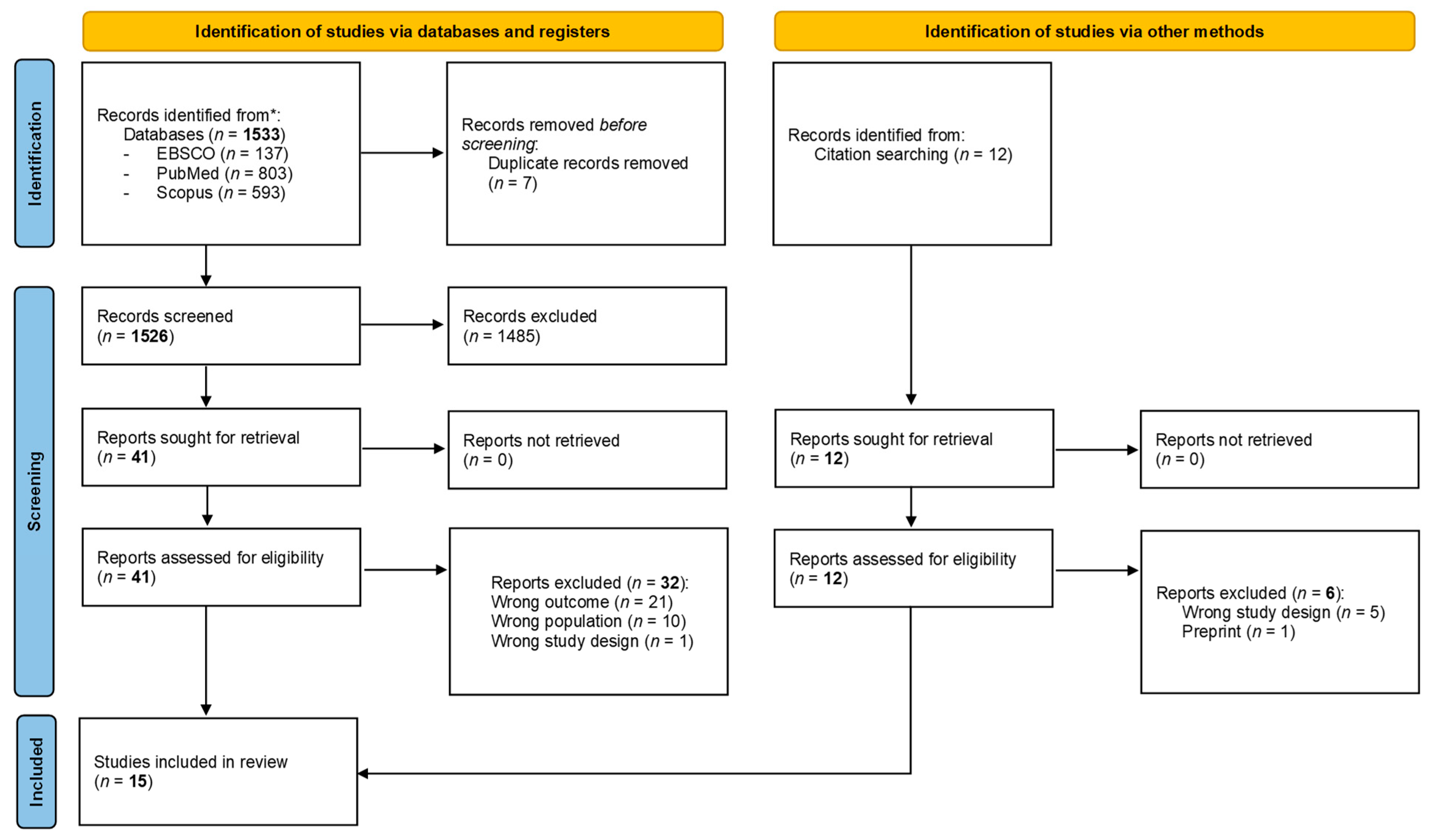
Fifteen reviews were included [16,52,53,54,55,56,57,58,59,60,61,62,63,64,65], published between 2021 and 2025, covering systematic reviews, meta-analyses as well as scoping reviews, and realist syntheses with systematic approaches (Figure 1). The overall CCA was 0.24%, indicating a very slight overlap of primary studies across the included reviews.
The number of included studies ranged from 13 [65] to 164 [16], with sample sizes varying from small-scale interventions to datasets exceeding six million participants. Study designs encompassed randomized controlled trials, quasi-experiments, cohort studies, and cross-sectional analyses. The geographical scope was diverse, including high-income countries (HICs), low- and middle-income countries (LMICs), and global multi-country syntheses. Table 1 summarises the characteristics of the included reviews and their thematic contributions, providing a reference point for the narrative synthesis presented in the following sections. To enhance transparency and traceability, the results are organised according to thematic domains aligned with the research questions: crisis contexts, populations and settings, organisational strategies for resilience, outcomes, equity considerations, and policy implications. Within each domain, findings are explicitly linked to the reviews contributing to the evidence base.

3.2. Crisis Types Addressed

In line with the conceptual framework adopted in this review, crises were analysed as systemic disruptions affecting grassroots and community sport ecosystems. To enhance conceptual clarity, crisis contexts were organised into two overarching categories: externally driven societal crises, which originate outside sport systems but disrupt participation and organisational functioning, and internally driven or structural crises, which arise within sport organisations or governance systems themselves.

3.2.1. Externally Driven Societal Crises

Several reviews addressed crises originating from broader societal or environmental disruptions that indirectly affect grassroots sport systems.
Health crises: COVID-19 pandemic-related disruptions and related public health restrictions (e.g., school closures, suspension of organised sport, and limitations on community gatherings) were associated with reductions in organised sport participation and changes in physical activity patterns among children and youth [16,55,63,65].
Environmental and climate-related crises: Environmental pressures such as extreme weather events, rising temperatures, air pollution, and other climate-related risks affected outdoor physical activity and community sport environments [53,58,59,63].
Migration and displacement contexts: Forced migration, refugee displacement, and related social integration challenges were also identified as crisis contexts influencing access to sport participation, particularly among vulnerable populations such as refugees and immigrant communities [52,60,64].

3.2.2. Internally Driven or Structural Crises Within Sport Systems

Other reviews focused on crises arising within sport systems themselves, often linked to organisational, governance, or structural vulnerabilities.
Governance and safeguarding failures: Some evidence addressed systemic safeguarding challenges, including institutional conditions enabling child sexual abuse in sport environments and broader governance weaknesses affecting athlete protection and organisational accountability [16,53,66].
Resource and structural constraints: Economic pressures, resource shortages, affordability barriers, and infrastructure limitations were also identified as internal stressors affecting grassroots sport organisations and participation opportunities [54,56,57,61,62,63].

3.3. Populations and Settings

Target groups varied across the evidence base. Several reviews focused on children and adolescents within schools and community sport or families [52,54,55], whereas others targeted young or older adults, including immigrant and socio-economically disadvantaged groups [53,56,60,62,63,64]. Broader community settings encompassed urban environments, transport systems, health promotion initiatives, and outdoor recreation [16,52,53,55,56,58,59,60,62,63,64,65]. Whilst grassroots and community sport were central in many reviews, some [58,59,63] extended to broader movement contexts (e.g., active transport, green/blue spaces).

3.4. Strategies for Risk Management and Resilience

Across reviews, several recurring strategies were identified:
Adapted program delivery included remotely delivered sessions, online group activities, and hybrid models to sustain engagement during restrictions [16,55,65].
Environmental and infrastructural adaptations reported creation of shade structures, safe play areas, active urban design, and access to green and blue spaces [52,53,55,58,59,63].
Culturally tailored approaches encompassed adaptation of programs to linguistic, cultural, and gender-specific needs, particularly for immigrant and minority populations [52,56,60,62,63,64].
Policy-level strategies integrated physical activity into sustainable development and climate adaptation frameworks [54,58,59,61,63,64].
Community-driven models comprised peer support, family involvement, and stakeholder collaboration to strengthen social connectedness [55,57,59,60,62,64,65].
Whilst externally driven crises (e.g., pandemics, environmental disruptions, displacement) often required adaptive program delivery and environmental or policy adaptations to maintain participation, in contrast internally driven crises within sport systems (e.g., safeguarding failures or governance weaknesses) emphasised institutional reforms, safeguarding frameworks, and organisational accountability mechanisms.

3.5. Theoretical and Conceptual Frameworks

The reviews reported a heterogeneous use of frameworks. Cognitive-behavioural and social cognitive models underpinned several interventions, whereas broader systemic and ecological frameworks (e.g., social–ecological resilience theory, systems approaches) were employed in reviews linking sport to climate adaptation and urban design.

3.6. Outcomes

  • Across the included reviews, reported outcomes clustered into four main domains: psychological wellbeing, participation and adherence, equity and access, and community resilience. Psychological wellbeing: reductions in anxiety and improvements in resilience among youth during disruptions due to pandemics, migrations, and climate change [55,59,64,65].
  • Participation and adherence: increased engagement and sustained activity levels in community-based and culturally adapted programs [52,55,60,62,63,65].
  • Equity and access: improvements in opportunities for disadvantaged populations when affordability and inclusion were addressed [52,54,55,56,58,60,62,63,64].
  • Community resilience: sport and physical activity initiatives were shown to support collective efficacy, connectedness, and recovery capacity during crises [16,52,53,56,57,58,59,60,61,65].

3.7. Equity, Diversity, and Inclusion (EDI) Aspects

EDI considerations were explicitly addressed in most reviews, with varying depth. Strong examples included attention to cultural and linguistic adaptation for immigrant older adults [62], and analyses of gender and socioeconomic inequalities in access to sport [63]. However, gaps remain, as several reviews reported underrepresentation of vulnerable groups, limited subgroup analyses, and overreliance on evidence from HICs [52,56,58,59,60,62,63,64]. People with disabilities were particularly underrepresented across the included reviews, with very few studies examining adaptive or parasport initiatives. Some reviews briefly referenced disability sport or resilience-building models such as wheelchair sport clubs and Special Olympics programs, but these appeared only sporadically and without systematic analysis [57,61].

3.8. Policy and Practice Recommendations

The reviews consistently recommended multisectoral collaboration to enhance resilience in grassroots sport. Suggested measures included embedding physical activity promotion within crisis response and recovery policies [62,63], and investing in infrastructures that promote safe, sustainable, and climate-resilient opportunities for physical activity [58,59]. Several reviews provided more specific, actor-focused recommendations. For example, sport governing bodies were advised to embed resilience indicators and equity metrics into funding allocation frameworks [61]. National governing bodies (NGBs) were encouraged to strengthen safeguarding mechanisms, including mandatory audits as part of grant renewal processes [54]. Local governments and councils were identified as key actors in co-funding climate adaptation infrastructure (e.g., shaded and cooled play areas, inclusive urban design), to ensure equitable opportunities for outdoor activity [59]. Community organizations were highlighted for their role in building culturally responsive and linguistically adapted programs for immigrant and displaced populations [52,60,62].

3.9. Limitations of the Evidence Base

The most frequently reported concern was the high heterogeneity of interventions and outcome measures (46.7%; 7/15 reviews), noted in reviews on resilience interventions, youth mental health, and refugee/Indigenous programs [54,55,56,59,60,64,65]. A second common issue was the predominance of evidence from high-income countries (HICs) (26.7%; 4/15), particularly in studies on outdoor play, climate–movement health, and refugee/immigrant contexts [58,59,62,64]. Reviews of culturally specific programmes also underscored the problem of small sample sizes in culturally tailored interventions (20%; 3/15), limiting statistical power and transferability of findings [56,60,62]. Less frequently, reviews highlighted the lack of device-based measures in climate- or displacement-related studies (13.3%; 2/15), with evidence relying heavily on self-reports [52,58]. Finally, some authors reported insufficient longitudinal or comparative analyses across crisis types (13.3%; 2/15), restricting understanding of adaptation trajectories and generalisability across pandemics, displacement, and climate stressors [55,58].

3.10. Quality Appraisal Results

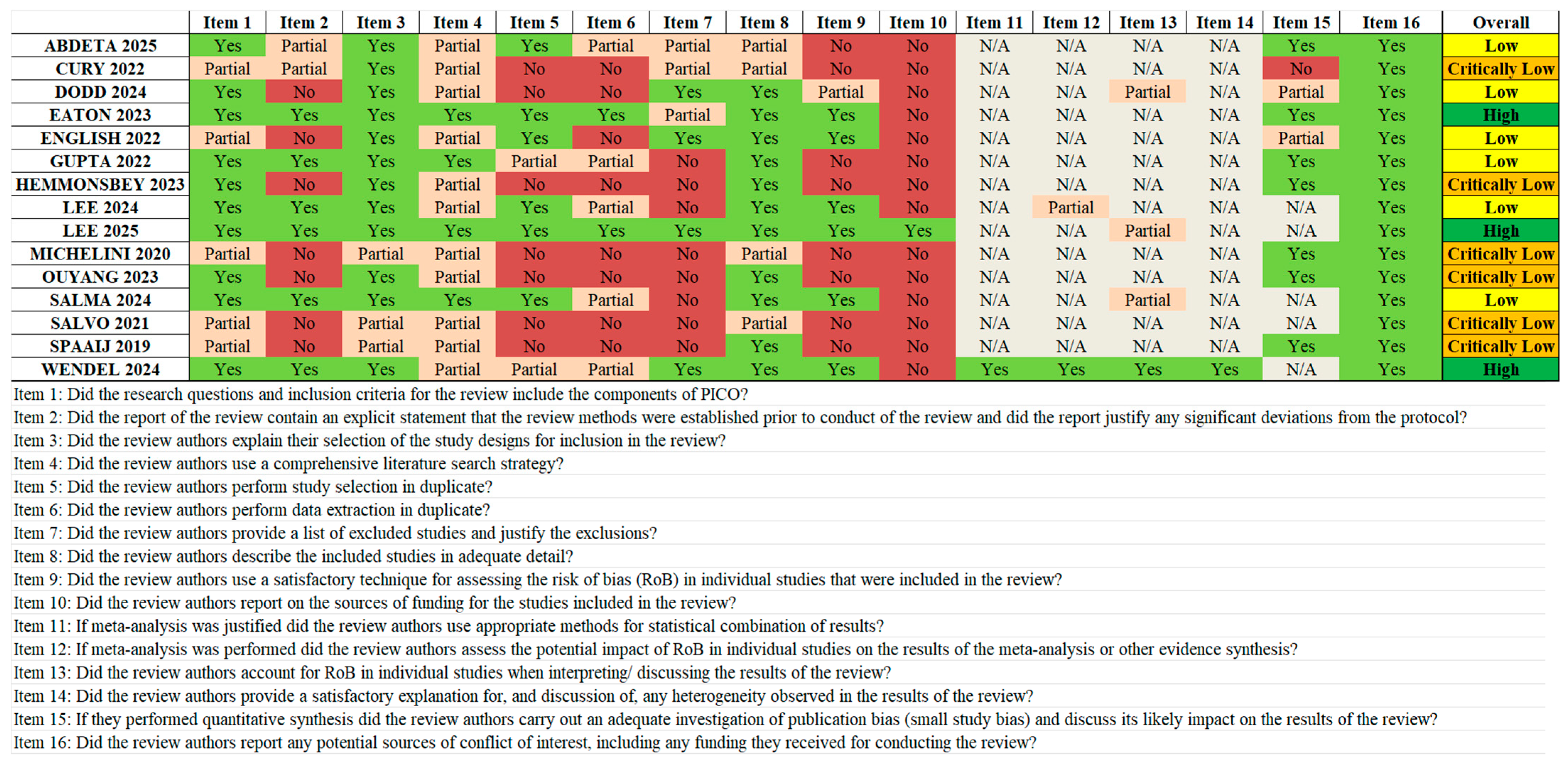
Based on the critical appraisals (see Table S4) and summary ratings (Figure 2), the 15 reviews demonstrated substantial variability in methodological quality. Three reviews [55,59,65] achieved a high AMSTAR-2 confidence rating, reflecting protocol registration, comprehensive searching, duplicate screening and extraction, and structured appraisal of primary studies. Six reviews [52,54,56,57,58,62] were rated low confidence, generally due to the absence of registered protocols, incomplete reporting of excluded studies, or partial risk-of-bias assessments, although many maintained robust eligibility criteria and transparent synthesis methods. The remaining six reviews [16,53,60,61,63,64] were judged critically low confidence, most often because of missing protocols, no excluded-studies lists, and lack of formal risk-of-bias appraisal.

3.11. Certainty/Confidence and Evidence Basis of Reported Strategies

The overall certainty and confidence in the evidence across the included reviews was generally low to very low, with a limited number of findings supported by moderate certainty or confidence. Importantly, the evidentiary basis differed by review type. Quantitative syntheses provided the strongest support for a small number of intervention effects, qualitative reviews offered moderate-confidence evidence for recurring contextual and organisational mechanisms, and conceptual or policy-oriented reviews primarily contributed explanatory frameworks and strategic directions rather than causal estimates. Variation in certainty was largely driven by the type of evidence synthesised, the methodological quality of the reviews, and the consistency and richness of the underlying primary studies (see Table S5). Table 2 presents review-level evidence profiles summarising the principal findings extracted from each included review together with their corresponding certainty or confidence assessments (i.e., quantitative certainty ratings, qualitative confidence ratings, and narrative confidence judgments for conceptual or policy-oriented reviews). Where reviews reported multiple outcome domains or thematic findings, these are presented in separate rows to maintain traceability between the synthesis and the underlying evidence.

3.11.1. Quantitative Evidence (GRADE Assessments)

Among reviews synthesising randomized controlled trials (RCTs) or quantitative observational evidence, only a limited number of strategies were supported by moderate-certainty evidence, primarily in relation to psychosocial interventions during COVID-19.
  • Wendel 2024 [65] (meta-analysis of RCTs on interventions during COVID-19) provided the strongest quantitative evidence, with moderate certainty for reductions in depressive symptoms, and moderate to low certainty for anxiety, resilience, and sleep outcomes. These findings support the use of remotely delivered or school-based psychosocial interventions, although certainty was downgraded because of small sample sizes, outcome heterogeneity, and some concerns about risk of bias.
  • Lee 2024 [58] (systematic review of climate indicators, 24 h movement behaviours, and health) reported only low to very low certainty, as evidence was observational, heterogeneous, and narratively synthesised without effect pooling.
  • Abdeta 2025 [52] (scoping review of 24 h movement behaviours in displaced children) rated very low certainty across all outcome domains (PA, sedentary behaviour, sleep, adiposity, resilience), reflecting reliance on self- or parent-report, lack of risk-of-bias assessment, heterogeneity of measures, and sparse evidence.

3.11.2. Qualitative and Mixed-Methods Evidence (CERQual Assessments)

For reviews applying qualitative synthesis approaches, moderate confidence was more commonly achieved for recurring contextual and organisational themes, whereas evidence for intervention effectiveness remained limited. Dodd 2024 [54] (CSA in sport) demonstrated moderate confidence that organisational and supervisory factors are the primary enablers of abuse, and low–moderate confidence regarding athlete-level antecedents.
  • Eaton 2023 [55] (COVID-19 restrictions and youth PA) showed high–moderate confidence that organised sport participation declined, moderate confidence in mixed patterns for unstructured PA, and high–moderate confidence in the identification of key barriers and facilitators.
  • Lee 2025 [59] (ambient environmental conditions and active outdoor play) was rated moderate confidence for findings on air quality and land-use constraints, and low–moderate confidence for meteorological influences, with moderate confidence in adaptation/resilience strategies.
  • Salma 2024 [62] (realist review of community group-based PA for immigrant older adults) yielded moderate confidence across three CMO configurations (culturally trusted venues; instructor soft skills; barrier removal enabling social support).

3.12. Culturally Specific and Vulnerable Populations

  • English 2022 [56] (Aboriginal and Torres Strait Islander youth programs) received moderate confidence for improvements in connectedness and psychosocial development, but low confidence for effects on mental illness symptoms due to sparse evidence.
  • Michelini 2020 [60] (refugee PA and sport) was rated low–moderate confidence for participation facilitators (cultural tailoring, safe spaces) and moderate confidence for recurrent barriers (cost, transport, trauma).

3.13. Conceptual, Policy, and Integrative Reviews (Narrative Confidence)

Several reviews were primarily conceptual or descriptive; formal GRADE/CERQual ratings were not applicable. These reviews contributed interpretive frameworks, governance perspectives, and policy directions, but did not provide direct estimates of intervention effectiveness. Instead, structured narrative confidence statements were applied:
  • Gupta 2022 [57] (sporting resilience model) demonstrated moderate narrative confidence in the conceptual framework and construct boundaries, supported by a broad integrative evidence base.
  • Hemmonsbey 2023 [16] (sport event tourism resilience) achieved low–moderate confidence in themes of collaboration, adaptation, and governance integration.
  • Ouyang 2022 [61] (sport policy research, 2000–2020) showed moderate confidence in the mapping of thematic clusters but only low confidence for causal inferences.
  • Salvo 2021 [63] (PA promotion and UN SDGs) was judged moderate confidence for cross-sectoral linkages but low confidence for magnitude of effects.
  • Spaaij 2019 [64] (sport, refugees, and forced migration) was rated low–moderate confidence, with evidence suggesting potential benefits for inclusion and wellbeing that are highly context-dependent.

3.14. Cross-Cutting Patterns

Across reviews, downgrades in certainty (see Table S5) were most commonly due to:
  • Lack of risk-of-bias assessment in primary studies (notably in scoping and narrative reviews).
  • Inconsistency and heterogeneity in measures, populations, and settings.
  • Indirectness, particularly where evidence came from adjacent but not directly comparable populations.
  • Imprecision, due to small sample sizes, absence of pooled effect sizes, or sparse data per outcome.
  • Limited assessment of publication bias.
Where moderate certainty/confidence was achieved, this was supported by transparent protocols (often registered in PROSPERO), rigorous critical appraisal tools (e.g., RoB-2, JBI, MMAT, Indigenous appraisal frameworks), and clear convergence of findings across multiple studies.
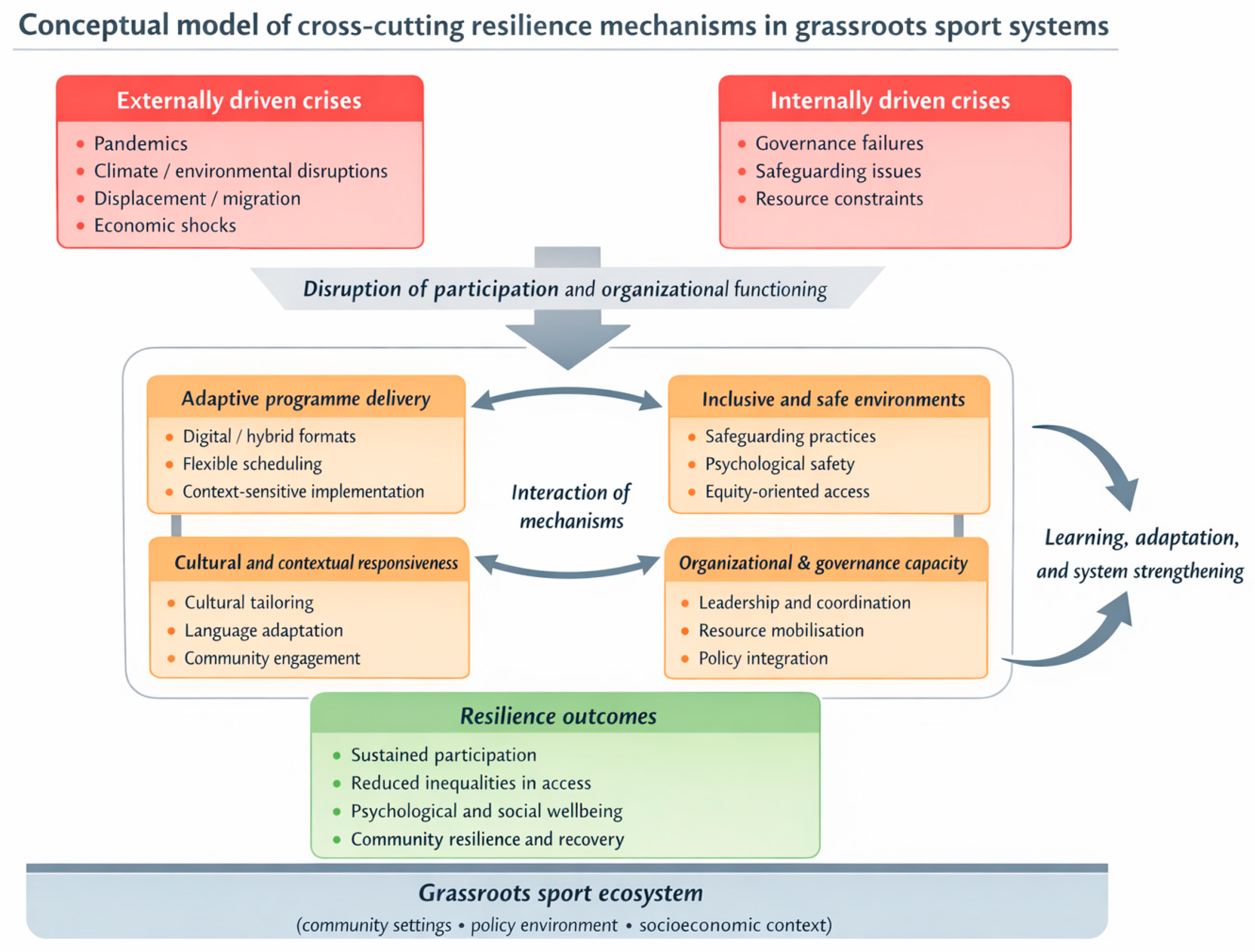
Across evidence types, several cross-cutting resilience mechanisms were recurrent. First, adaptability of programme delivery emerged as a central mechanism, particularly through remote, hybrid, flexible, or context-sensitive formats. Second, safe, trusted, and inclusive environments appeared consistently important, especially for children, displaced populations, immigrants, and other vulnerable groups. Third, cultural and contextual tailoring strengthened participation, adherence, and perceived relevance. Fourth, social support and stakeholder collaboration, including family involvement, peer networks, and multisectoral partnerships, were repeatedly associated with improved continuity and resilience. Finally, supportive governance and organisational capacity underpinned the implementation and sustainability of these strategies. While the certainty attached to these mechanisms varied by evidence type, their recurrence across quantitative, qualitative, and conceptual syntheses suggests that resilience in grassroots sport is shaped by a combination of adaptive delivery, relational safety, contextual responsiveness, and institutional support.

4. Discussion

The synthesis identified two broad categories of crises affecting grassroots and community sport systems: externally driven crises arising from broader societal disruptions (e.g., pandemics, climate change, displacement) and internally driven or structural crises emerging within sport organisations (e.g., safeguarding failures, governance weaknesses, or resource constraints). This distinction emerged from patterns identified across the included reviews and provides a useful analytical lens to interpret how different types of disruption affect grassroots sport systems.
However, beyond this categorisation, the findings indicate that resilience in grassroots sport is not shaped by crisis type alone, but by a set of cross-cutting organisational and contextual mechanisms that operate across diverse disruption contexts. Although externally and internally driven crises differ in origin and temporal dynamics, they share a common effect in destabilising participation opportunities and organisational capacity. Across the evidence base, resilience appears to be supported by a combination of adaptive programme delivery, inclusive and safe participation environments, contextual and cultural responsiveness, and supportive governance structures. Examining these crisis contexts within a single synthesis therefore enables the identification of these recurring mechanisms and their interaction across diverse disruption (Figure 3).

4.1. Strategies for Organizational Resilience and Crisis Response

Evidence synthesised across the included reviews indicates that externally driven crises generate immediate operational challenges for grassroots sport organisations, often disrupting participation opportunities through facility closures, mobility restrictions, environmental hazards, or population displacement. For instance, the research on community resilience during COVID-19 revealed that effective governance performance significantly influenced proactive risk response among residents [16,55,65]. Specifically, communities with stronger governance structures demonstrated better ability to maintain sport and physical activity opportunities during pandemic restrictions. These governance elements included clear communication channels, adaptive policy implementation, and coordinated resource distribution.
Policy frameworks play a pivotal role in enhancing the resilience of sport organizations, particularly in contexts of crisis management and grassroots sport development. Meso-level analyses drawing on governance theory, the Advocacy Coalition Framework, and network-based perspectives help explain how policies remain stable or adapt under challenging conditions [61]. These governance frameworks suggest that multi-stakeholder collaboration and adaptive implementation may support organisational functioning and help sustain participation opportunities at the community level. In turn, resilient and inclusive policy responses contribute to safeguarding access to physical activity and advancing wider public health and wellbeing objectives.
Financial resilience strategies emerged as particularly important during economic crises. Research on the cost-of-living crisis impact found that grassroots sports organizations faced significant challenges related to rising operational costs and reduced participation fees [16,63]. Evidence reported in the included reviews suggests that organisations implementing financial adaptation strategies (e.g., sliding-scale fees, equipment exchange programs, alternative funding models) were more likely to maintain accessibility for economically disadvantaged participants [9,67,68,69].
Taken together, these findings suggest that organisational resilience in grassroots sport is not dependent on a single strategy but emerges from the interaction between governance capacity, adaptive delivery models, and resource flexibility. These elements appear to operate as interconnected mechanisms that enable organisations to respond dynamically to disruption rather than as isolated responses to specific crisis types.

4.2. Enhancing Access and Affordability During Crises

Economic pressures represent a hybrid form of crisis, often triggered by broader societal shocks (e.g., inflation or economic downturns) but manifesting through internal organisational constraints such as reduced funding, rising operational costs, and declining participation. Several reviews identified effective strategies aimed at maintaining sport accessibility during challenging economic periods [55,62,65]. The available evidence suggests that affordability barriers disproportionately affect lower socioeconomic families, thereby potentially exacerbating existing inequalities in sport participation. For instance, survey data on cost-of-living impacts revealed that 35% of parents had reduced spending on sport and physical activities for their children, while 37% reported that children had missed out due to costs [17]. To counter these challenges, grassroot and community sport organisations can implement a range of successful affordability strategies including: (i) sliding scale fee structures that adjusted costs based on family income [70]; (ii) equipment sharing programs that reduced financial barriers to participation [67]; (iii) strategic partnerships with local businesses and community organizations to subsidize costs [29,56]; (iv) transportation support to address access barriers beyond direct sport costs [62,71].
Evidence from reviews examining sport provision for refugees and forced migrants indicates that ethnically inclusive programs, which tailor activities to cultural preferences, may facilitate participation and social engagement among these groups [60]. Complementary findings from a meta-synthesis of qualitative studies highlight the centrality of cultural sensitivity in both program design and delivery [72]. Key adaptations include the creation of gender-specific opportunities, the alignment of sport offerings with diverse cultural preferences, and the use of bilingual coaching staff to overcome language barriers. Collectively, these approaches underscore the importance of culturally responsive practices in reducing participation inequities and fostering integration through sport.

4.3. Inclusive Practices for Vulnerable Populations

In contrast to externally driven disruptions, some crises originate within sport systems themselves. Internally driven crises include safeguarding failures, organisational misconduct, governance breakdowns, and structural inequities embedded within sport institutions. These crises require systemic reforms rather than adaptive programme adjustments. Tailored strategies are essential to sustaining sport participation among vulnerable populations during crises, with implications that extend beyond individual programs to grassroots sport policy and governance [52,59,60,65]. Evidence synthesised across several reviews indicates that cultural differences, language barriers, trauma-related challenges, and discrimination represent persistent obstacles to participation among displaced populations [52,60]. Programs that effectively addressed these challenges did so through culturally responsive measures, including community consultation, recruitment of culturally diverse coaching staff, and the implementation of trauma-informed sport activities [72,73,74]. Embedding such practices within grassroots sport governance structures (e.g., through inclusive policy design, resource allocation frameworks, and coach education standards) may support the institutionalisation of equity-oriented and context-sensitive approaches. In this way, program-level adaptations inform broader system-level strategies, strengthening the capacity of grassroots sport to act as a resilient and inclusive vehicle for participation, integration, and community wellbeing during times of crisis.
Building on these inclusive and equity-oriented approaches, attention has also been directed toward the role of coaching practices and relational dynamics in fostering resilience and wellbeing within grassroots sport [57,65,75]. Evidence discussed in the included reviews indicates that autonomy-supportive coaching behaviours emphasizing empathy, positive feedback, and athlete empowerment are associated with improved psychological need satisfaction and wellbeing among diverse participants. These approaches proved especially valuable during crises when participants might experience additional stress and uncertainty. Protective factors that supported continued sport engagement during adversities included strong social support networks, psychological flexibility, realistic goal-setting, and reflective practice [57]. Organizations that intentionally fostered these protective factors through coach education, peer mentoring programs, and psychological support services enhanced their capacity to support vulnerable participants during challenging times [75,76,77,78].
Extending this focus on safeguarding participants, Dodd (2024) [54] reported that child sexual abuse in sport may emerge from systemic vulnerabilities across multiple levels of the sport system rather than solely from individual misconduct. Using a systems thinking approach, the review mapped enabling factors ranging from direct coach–athlete power imbalances and isolation to organizational cultures of silence, weak regulatory oversight, and inadequate governance structures. These findings reinforce the need for protective practices (e.g., supportive coaching behaviours, athlete-centred environments) to be embedded within wider institutional frameworks and policies. By integrating safeguarding measures into governance, regulation, and grassroots delivery, sport organizations can move beyond reactive responses and address the systemic vulnerabilities that allow abuse to persist.

4.4. Certainty/Confidence of Evidence and Methodological Considerations

Interpretative implications drawn in the discussion should therefore be considered in light of the generally low to very low certainty and confidence of the available evidence, which reflects heterogeneous study designs, reliance on self- or parent-reported data, sparse outcome reporting, and absence of pooled effect estimates. Moderate confidence was reached only in specific domains, such as organisational enablers of safeguarding [54], cultural connectedness in Indigenous youth programs [56], and psychosocial interventions for youth during COVID-19 [65]. Qualitative syntheses frequently supported moderate confidence in recurring mechanisms (e.g., trusted venues, instructor role-modelling, social support), whereas conceptual and policy reviews provided valuable insights but only low–moderate narrative confidence. Higher certainty was associated with registered protocols, systematic quality appraisal, and consistent thematic findings. Overall, the evidence base remains fragmented, with stronger confidence in qualitative themes and recurring contextual and organisational mechanisms than in causal estimates of intervention effectiveness. This pattern reinforces the interpretation that resilience in grassroots sport is currently better understood as a process shaped by interacting mechanisms rather than as a set of discrete, evidence-tested interventions. Moreover, the very low CCA observed (0.24%) suggests minimal duplication of primary studies, reducing the risk of overestimating outcomes across reviews.
Whilst many reviews addressed broader topics (e.g., mental wellbeing, refugee integration) a need emerged for more focused systematic reviews specifically examining organizational strategies during crises in grassroots sport. Moreover, the primary research studies included in the reviews often relied on cross-sectional designs with limited longitudinal evidence on the long-term effectiveness of resilience strategies. For instance, the research on COVID-19 responses provided snapshot views of community resilience during specific pandemic phases but lacked longitudinal assessment of which strategies proved most sustainable over time [16,55,65]. Future research would benefit from longitudinal mixed-methods approaches tracking organizational recovery and adaptation throughout crisis cycles.
There was also a notable geographic bias in the evidence base, with predominance of studies from Western, high-income countries. Despite efforts by some reviews to include non-English language publications [64,65], the majority of evidence reflected perspectives from Europe, North America, and Australia. This limitation restricts understanding of culturally specific resilience strategies that might be employed in low- and middle-income countries facing different types of crises.

4.5. Conceptual and Contextual Gaps

Despite the identification of cross-cutting resilience mechanisms, the evidence base reveals important conceptual and empirical gaps that limit the consolidation of a fully integrated framework. First, the reviews revealed important conceptual ambiguities in how resilience is defined and operationalized in sport contexts [16,57,65]. The psychological resilience review noted significant conflation of resilience with related constructs like mental toughness, coping, and thriving. This conceptual confusion extends to organizational resilience, with varied interpretations of what constitutes a resilient sport organization versus resilient individuals within sport systems.
There was also a notable gap in research addressing intersectional vulnerabilities during crises. Whilst some reviews addressed specific vulnerable populations like refugees [60,64] or low-income families [52,58,59,63], few examined how multiple forms of disadvantage (e.g., disability plus economic hardship) compound barriers to sport participation during crises. This represents an important area for future research to ensure resilience strategies are inclusive of individuals with intersecting identities and vulnerabilities [11,75,78].
A further boundary of the present synthesis concerns the treatment of displacement in relation to war or armed conflict. Reviews addressing displacement were included insofar as they examined its implications for access to grassroots sport participation, social integration, and wellbeing in community settings. By contrast, the review did not aim to synthesise evidence on war or armed conflict as geopolitical or military phenomena in themselves. This distinction is important because the focus of the present analysis is on the consequences of displacement for community sport systems rather than on conflict dynamics per se. Future research may benefit from more explicitly examining how conflict-related displacement shapes grassroots sport participation, organisational capacity, and equity across different host and transit contexts.
The evidence base showed also limited attention to digital transformation as a resilience strategy, despite the rapid adoption of digital technologies during the COVID-19 pandemic [55,65]. While some community sport organizations implemented virtual training and online engagement platforms during lockdowns, the systematic reviews included in this synthesis did not comprehensively evaluate the effectiveness of digital adaptations for maintaining sport participation during crises.
A further conceptual limitation is that existing research rarely distinguishes between externally driven societal crises and internally generated organisational crises within sport systems. This lack of differentiation may obscure important differences in causal mechanisms and appropriate policy responses, which should be tackled in future research.

5. Conclusions

The present synthesis of evidence indicates that crises affecting grassroots sport, whether economic, social, or environmental, tend to exacerbate existing vulnerabilities but may also stimulate adaptive responses and innovation within sport systems. Evidence from the included reviews suggests that a limited number of strategies are supported by moderate certainty or confidence, particularly those related to psychosocial interventions during pandemic conditions, culturally embedded programs supporting community connectedness, and organisational safeguarding mechanisms addressing systemic risks. These findings provide a preliminary empirical basis for interventions aimed at protecting participation opportunities and wellbeing during periods of disruption.
Other strategies frequently identified across reviews, including culturally responsive practices, autonomy-supportive coaching, digital or hybrid program delivery, and multisectoral policy collaboration, appear promising but remain supported primarily by qualitative syntheses or conceptual analyses. While these approaches are consistently associated with improved participation, social inclusion, and community resilience, stronger empirical validation through longitudinal and experimental research remains necessary.
Taken together, the findings highlight that strengthening resilience in grassroots sport requires both program-level adaptations and system-level governance strategies, including inclusive organisational cultures, safeguarding frameworks, financial accessibility mechanisms, and coordinated action among sport organisations, policymakers, and community stakeholders. Ensuring the accessibility, safety, and sustainability of sport therefore depends on embedding these protective and adaptive strategies within long-term governance and policy frameworks.
From a broader perspective, this review contributes to the field by integrating crisis typologies, resilience mechanisms, and evidence appraisal approaches within a single umbrella review framework focused on grassroots sport systems. By distinguishing between externally driven societal crises and internally generated organisational crises, and by explicitly linking resilience strategies to the strength of available evidence, the study offers a structured foundation for future research, policy development, and evidence-informed crisis management in community sport contexts.
Finally, sustaining grassroots sport participation following crises may also require structural solidarity mechanisms within sport systems, including financial redistribution models that support non-profit and community-based sport organisations alongside traditional public funding streams [7].

Supplementary Materials

The following supporting information can be downloaded at: https://www.mdpi.com/article/10.3390/soc16040118/s1, Table S1: PRIOR checklist; Table S2: Search Details; Table S3: Overlap Matrix; Table S4: Details of the Assessment of Certainty/Confidence in the Evidence; Table S5: AMSTAR2 checklist; Table S6: Evidence Profile Workbook.

Author Contributions

Conceptualization, S.C., L.C., R.M. and S.M.; methodology, S.C., Y.L., L.C., A.U., R.M., S.M. and F.G.; formal analysis, S.C., Y.L. and F.G.; data curation, S.C., Y.L. and F.G.; writing—original draft preparation, S.C., Y.L., L.C., A.U., R.M., S.M. and F.G.; writing—review and editing, S.C., Y.L., L.C., A.U., R.M., S.M. and F.G.; supervision, L.C.; project administration, A.U.; funding acquisition, A.U., R.M. and S.M. All authors have read and agreed to the published version of the manuscript.

Funding

The SURE project (101133779—SURE—ERASMUS—SPORT—2023; https://www.engso-education.eu/sure-project/, accessed on 1 February 2026) is funded by the European Union. Views and opinions expressed are however those of the author(s) only and do not necessarily reflect those of the European Union or the European Education and Culture Executive Agency (EACEA). Neither the European Union nor EACEA can be held responsible for them. Societies 16 00118 i001

Institutional Review Board Statement

Not applicable.

Informed Consent Statement

Not applicable.

Data Availability Statement

No new data were created or analyzed in this study. Data sharing is not applicable to this article.

Acknowledgments

A generative artificial intelligence tool, specifically the OpenAI model GPT-5.2, was used solely to assist in double-checking the manuscript for typographical errors, grammatical accuracy, and minor linguistic inconsistencies. No content generation, data analysis, interpretation, or substantive revisions were performed using this tool. The authors have reviewed and edited the output and take full responsibility for the content of this publication.

Conflicts of Interest

The funders had no role in the design of the study; in the collection, analyses, or interpretation of data; in the writing of the manuscript; or in the decision to publish the results.

Abbreviations

The following abbreviations are used in this manuscript:
AMSTAR-2A Measurement Tool to Assess Systematic Reviews 2
APAAdapted Physical Activity
AOPActive Outdoor Play
ASPIREActivity, Sport, Play for the Inclusion of Refugees in Europe
CCACorrected Covered Area
CERQualConfidence in the Evidence from Reviews of Qualitative Research
CIConfidence Interval
CMOContext–Mechanism–Outcome
COVID-19COronaVIrus Disease 2019
CRDCentre for Reviews and Dissemination (identifier within PROSPERO registration numbers)
CSAChild Sexual Abuse
EDIEquity, Diversity, and Inclusion
ENGSOEuropean Non-Governmental Sports Organization
GRADEGrading of Recommendations, Assessment, Development and Evaluation
HICHigh-Income Country/High-Income Countries
HIVHuman Immunodeficiency Virus
IRTSIntegration of Refugees Through Sport
JBIJoanna Briggs Institute
KNumber of studies included in a meta-analysis
LMICLow- and Middle-Income Country/Countries
MERSMiddle East Respiratory Syndrome
MMATMixed Methods Appraisal Tool
NA/N.A.Not Applicable/Not Available
NGBNational Governing Body/Bodies
NINorthern Ireland
OSFOpen Science Framework
PAPhysical Activity
PRIORPreferred Reporting Items for Overviews of Reviews
PRISMAPreferred Reporting Items for Systematic Reviews and Meta-Analyses
PROSPEROInternational Prospective Register of Systematic Reviews
PS/PSsPrimary Study/Primary Studies
RCTRandomized Controlled Trial
RoB/RoB-2Risk of Bias/Revised Risk of Bias Tool for Randomized Trials
SARSSevere Acute Respiratory Syndrome
SBSedentary Behaviour(s)
SDG/SDGsSustainable Development Goal/Goals
SESSocio-Economic Status
SEWBSocial and Emotional Wellbeing
SIP/SIPsSport Intervention Program/Programs
SMDStandardized Mean Difference
UNUnited Nations
UVUltraviolet

References

  1. Coalter, F. A Wider Social Role for Sport: Who’s Keeping the Score? Routledge: New York, NY, USA, 2007. [Google Scholar]
  2. Eime, R.M.; Young, J.A.; Harvey, J.T.; Charity, M.J.; Payne, W.R. A systematic review of the psychological and social benefits of participation in sport for children and adolescents: Informing development of a conceptual model of health through sport. Int. J. Behav. Nutr. Phys. Act. 2013, 10, 98. [Google Scholar] [CrossRef]
  3. Biddle, S.J.; Ciaccioni, S.; Thomas, G.; Vergeer, I. Physical activity and mental health in children and adolescents: An updated review of reviews and an analysis of causality. Psychol. Sport Exerc. 2019, 42, 146–155. [Google Scholar] [CrossRef]
  4. Council; Representatives of the Governments of the Member States. Resolution of the Council and of the Representatives of the Governments of the Member States Meeting Within the Council on the European Union Work Plan for Sport (1 July 2024–31 December 2027); C/2024/3527; Euroupe Union: Brussels, Belgium, 2024. [Google Scholar]
  5. International Olympic Committee. Sport and Active Society Programmes Guide; International Olympic Committee: Lausanne, Switzerland, 2015. [Google Scholar]
  6. UNESCO. International Charter of Physical Education, Physical Activity and Sport; UNESCO: Paris, France, 2015. [Google Scholar]
  7. European Commission. Study on the European Sport Model—A Report to the European Commission; Publications Office of the European Union: Luxembourg, 2022. [Google Scholar]
  8. Council of Europe. Revised European Sport Charter; Council of Europe: Strasbourg, France, 2021. [Google Scholar]
  9. Richard, V.; Piumatti, G.; Pullen, N.; Lorthe, E.; Guessous, I.; Cantoreggi, N.; Stringhini, S. Socioeconomic inequalities in sport participation: Pattern per sport and time trends—A repeated cross-sectional study. BMC Public Health 2023, 23, 785. [Google Scholar] [CrossRef]
  10. Doherty, A.; Misener, K.; Cuskelly, G. Toward a multidimensional framework of capacity in community sport clubs. Nonprofit Volunt. Sect. Q. 2014, 43, 124S–142S. [Google Scholar] [CrossRef]
  11. Ciaccioni, S.; Perazzetti, A.; Magnanini, A.; Kozsla, T.; Capranica, L.; Doupona, M. Intergenerational Judo: Synthesising Evidence- and Eminence-Based Knowledge on Judo across Ages. Sports 2024, 12, 177. [Google Scholar] [CrossRef] [PubMed]
  12. Marques, D.L.; Martineau, J.T.; Ostiguy-Coupal, S.; Brunelle, E. Sport organizations under tension: Dynamic capabilities and resilience building during the COVID-19 pandemic. Eur. Sport Manag. Q. 2025, 25, 1033–1052. [Google Scholar] [CrossRef]
  13. Skinner, J.; Smith, A.C. Introduction: Sport and COVID-19: Impacts and challenges for the future (Volume 1). Eur. Sport Manag. Q. 2021, 21, 323–332. [Google Scholar] [CrossRef]
  14. Bundy, J.; Pfarrer, M.D.; Short, C.E.; Coombs, W.T. Crises and crisis management: Integration, interpretation, and research development. J. Manag. 2017, 43, 1661–1692. [Google Scholar] [CrossRef]
  15. Parnell, D.; Widdop, P.; May, A.; Fitzpatrick, D. The impact of global economic downturn on sport management. J. Glob. Sport Manag. 2023, 8, 551–556. [Google Scholar] [CrossRef]
  16. Hemmonsbey, J.; Knott, B. Sport event tourism organizations and resilience theory: A systematic literature review. Event Manag. 2023, 27, 537–557. [Google Scholar] [CrossRef]
  17. O’Kane, S.M.; McCafferty, R.; Gallagher, A.M.; Murphy, M.H.; Fitzpatrick, C.; Carlin, A. “Sport is NOT a luxury.” The perceived impact of the cost-of-living crisis on sport and physical activity opportunities for children and adolescents in Northern Ireland (NI): A cross-sectional survey. BMC Public Health 2025, 25, 1675. [Google Scholar] [CrossRef]
  18. Wise, N.; Kohe, G.Z. Sports geography: New approaches, perspectives and directions. Sport Soc. 2020, 23, 1–10. [Google Scholar] [CrossRef]
  19. Wicker, P.; Filo, K.; Cuskelly, G. Organizational resilience of community sport clubs impacted by natural disasters. J. Sport Manag. 2013, 27, 510–525. [Google Scholar] [CrossRef]
  20. Do, B.; Kirkland, C.; Besenyi, G.M.; Carissa Smock, M.; Lanza, K. Youth physical activity and the COVID-19 pandemic: A systematic review. Prev. Med. Rep. 2022, 29, 101959. [Google Scholar] [CrossRef]
  21. Ferrara, M.; Langiano, E.; Falese, L.; Diotaiuti, P.; Cortis, C.; De Vito, E. Changes in Physical Activity Levels and Eating Behaviours during the COVID-19 Pandemic: Sociodemographic Analysis in University Students. Int. J. Environ. Res. Public Health 2022, 19, 5550. [Google Scholar] [CrossRef]
  22. Evenson, K.R.; Alothman, S.A.; Moore, C.C.; Hamza, M.M.; Rakic, S.; Alsukait, R.F.; Herbst, C.H.; Baattaiah, B.A.; AlAhmed, R.; Al-Hazzaa, H.M.; et al. A scoping review on the impact of the COVID-19 pandemic on physical activity and sedentary behavior in Saudi Arabia. BMC Public Health 2023, 23, 572. [Google Scholar] [CrossRef]
  23. Eime, R.; Harvey, J.; Charity, M.; Pankowiak, A.; Westerbeek, H. The impact of COVID-19 restrictions on Australians’ frequency and duration of participation in different types of sport and physical activity. BMC Sports Sci. Med. Rehabil. 2022, 14, 42. [Google Scholar] [CrossRef]
  24. King, N. “Sport for All” in a financial crisis: Survival and adaptation in competing organisational models of local authority sport services. World Leis. J. 2013, 55, 215–228. [Google Scholar] [CrossRef]
  25. Oncini, F.; Giunti, S. Widening inequalities in sport participation among Italian children, 1997–2022: An observational study. J. Public Health 2025. [Google Scholar] [CrossRef]
  26. Hasson, R.; Sallis, J.F.; Coleman, N.; Kaushal, N.; Nocera, V.G.; Keith, N. COVID-19: Implications for Physical Activity, Health Disparities, and Health Equity. Am. J. Lifestyle Med. 2022, 16, 420–433. [Google Scholar] [CrossRef] [PubMed]
  27. Wicker, P.; Breuer, C. Understanding the importance of organizational resources to explain organizational problems: Evidence from nonprofit sport clubs in Germany. Volunt. Int. J. Volunt. Nonprofit Organ. 2013, 24, 461–484. [Google Scholar] [CrossRef]
  28. Szabó, G.F. The impact of the global economic crisis on sport. Phys. Cult. Sport 2014, 63, 22. [Google Scholar] [CrossRef]
  29. Misener, K.; Doherty, A. Understanding capacity through the processes and outcomes of interorganizational relationships in nonprofit community sport organizations. Sport Manag. Rev. 2013, 16, 135–147. [Google Scholar] [CrossRef]
  30. Ford, V.; Farmer, J.; Byrd-Poller, L. 21st century leadership in times of global change and organizational trauma. In Role of Leadership in Facilitating Healing and Renewal in Times of Organizational Trauma and Change; IGI Global: Hershey, PA, USA, 2021; pp. 1–20. [Google Scholar]
  31. Sott, M.K.; Bender, M.S. The role of adaptive leadership in times of crisis: A systematic review and conceptual framework. Merits 2025, 5, 2. [Google Scholar] [CrossRef]
  32. Abukalusa, K.; Oosthuizen, R. An adaptive organisational leadership framework through systems thinking. Int. J. Organ. Anal. 2025, 33, 2673–2703. [Google Scholar] [CrossRef]
  33. Eather, N.; Wade, L.; Pankowiak, A.; Eime, R. The impact of sports participation on mental health and social outcomes in adults: A systematic review and the ‘Mental Health through Sport’conceptual model. Syst. Rev. 2023, 12, 102. [Google Scholar] [CrossRef]
  34. Gao, Z.; Chee, C.S.; Omar Dev, R.D.; Liu, Y.; Gao, J.; Li, R.; Li, F.; Liu, X.; Wang, T. Social capital and physical activity: A literature review up to March 2024. Front. Public Health 2025, 13, 1467571. [Google Scholar] [CrossRef]
  35. Li, Y.; Song, H. The association between sports social capital and cognitive health: A longitudinal study of middle-aged and elderly adults in China. SSM-Popul. Health 2025, 30, 101778. [Google Scholar] [CrossRef]
  36. van Leeuwen, L.; Ruiter, A.; Visser, K.; Lesscher, H.M.B.; Jonker, M. Acquiring Financial Support for Children’s Sports Participation: Co-Creating a Socially Safe Environment for Parents from Low-Income Families. Children 2023, 10, 872. [Google Scholar] [CrossRef]
  37. Scifo, L.; Chicau Borrego, C.; Monteiro, D.; Matosic, D.; Feka, K.; Bianco, A.; Alesi, M. Sport Intervention Programs (SIPs) to Improve Health and Social Inclusion in People with Intellectual Disabilities: A Systematic Review. J. Funct. Morphol. Kinesiol. 2019, 4, 57. [Google Scholar] [CrossRef]
  38. Elsborg, P.; Nielsen, G.; Klinker, C.D.; Melby, P.S.; Christensen, J.H.; Bentsen, P. Sports-based recreation as a means to address social inequity in health: Why, when, where, who, what, and how. BMC Public Health 2019, 19, 1084. [Google Scholar] [CrossRef]
  39. DePauw, K.P.; Doll-Tepper, G. Toward Progressive Inclusion and Acceptance: Myth or Reality? The Inclusion Debate and Bandwagon Discourse. Adapt. Phys. Act. Q. 2000, 17, 135–143. [Google Scholar] [CrossRef]
  40. Jaarsma, E.A.; Dijkstra, P.U.; Geertzen, J.H.B.; Dekker, R. Barriers to and facilitators of sports participation for people with physical disabilities: A systematic review. Scand. J. Med. Sci. Sports 2014, 24, 871–881. [Google Scholar] [CrossRef]
  41. Sherrill, C. Adapted Physical Activity, Recreation and Sport: Crossdisciplinary and Lifespan; McGraw-Hill: Boston, MA, USA, 2004. [Google Scholar]
  42. Faulkner, B. Towards a framework for tourism disaster management. In Managing Tourist Health and Safety in the New Millennium; Routledge: New York, NY, USA, 2013; pp. 155–176. [Google Scholar]
  43. Kraft, E.; Culver, D.M.; Din, C.; Cayer, I. Increasing gender equity in sport organizations: Assessing the impacts of a social learning initiative. Sport Soc. 2022, 25, 2009–2023. [Google Scholar] [CrossRef]
  44. Bernard, P.; Chevance, G.; Kingsbury, C.; Baillot, A.; Romain, A.J.; Molinier, V.; Gadais, T.; Dancause, K.N. Climate Change, Physical Activity and Sport: A Systematic Review. Sports Med. 2021, 51, 1041–1059. [Google Scholar] [CrossRef]
  45. Page, M.J.; McKenzie, J.E.; Bossuyt, P.M.; Boutron, I.; Hoffmann, T.C.; Mulrow, C.D.; Shamseer, L.; Tetzlaff, J.M.; Akl, E.A.; Brennan, S.E. The PRISMA 2020 statement: An updated guideline for reporting systematic reviews. Int. J. Surg. 2021, 88, 105906. [Google Scholar] [CrossRef]
  46. Pollock, M.; Fernandes, R.M.; Pieper, D.; Tricco, A.C.; Gates, M.; Gates, A.; Hartling, L. Preferred Reporting Items for Overviews of Reviews (PRIOR): A protocol for development of a reporting guideline for overviews of reviews of healthcare interventions. Syst. Rev. 2019, 8, 335. [Google Scholar] [CrossRef] [PubMed]
  47. Schünemann, H.; Higgins, J.; Vist, G.; Glasziou, P.; Akl, E.; Skoetz, N.; Guyatt, G. Cochrane Handbook for Systematic Reviews of Interventions Version 6.4 (Updated August 2023); Higgins, J.P.T., Thomas, J., Chandler, J., Cumpston, M., Li, T., Page, M.J., Welch, V.A., Eds.; Cochrane: Hoboken, NJ, USA, 2023. [Google Scholar]
  48. Brozek, J.L.; Canelo-Aybar, C.; Akl, E.A.; Bowen, J.M.; Bucher, J.; Chiu, W.A.; Cronin, M.; Djulbegovic, B.; Falavigna, M.; Guyatt, G.H.; et al. GRADE Guidelines 30: The GRADE approach to assessing the certainty of modeled evidence-An overview in the context of health decision-making. J. Clin. Epidemiol. 2021, 129, 138–150. [Google Scholar] [CrossRef] [PubMed]
  49. Shea, B.J.; Reeves, B.C.; Wells, G.; Thuku, M.; Hamel, C.; Moran, J.; Moher, D.; Tugwell, P.; Welch, V.; Kristjansson, E. AMSTAR 2: A critical appraisal tool for systematic reviews that include randomised or non-randomised studies of healthcare interventions, or both. BMJ 2017, 358, j4008. [Google Scholar] [CrossRef] [PubMed]
  50. Pieper, D.; Antoine, S.-L.; Mathes, T.; Neugebauer, E.A.; Eikermann, M. Systematic review finds overlapping reviews were not mentioned in every other overview. J. Clin. Epidemiol. 2014, 67, 368–375. [Google Scholar] [CrossRef]
  51. Lewin, S.; Booth, A.; Glenton, C.; Munthe-Kaas, H.; Rashidian, A.; Wainwright, M.; Bohren, M.A.; Tuncalp, O.; Colvin, C.J.; Garside, R.; et al. Applying GRADE-CERQual to qualitative evidence synthesis findings: Introduction to the series. Implement. Sci. 2018, 13, 2. [Google Scholar] [CrossRef] [PubMed]
  52. Abdeta, C.; Cliff, D.P.; Toledo-Vargas, M.; Okely, A.D. 24-hour movement behaviours and health outcomes among forcibly displaced children affected by conflict or natural disasters: A scoping review. BMC Public Health 2025, 25, 1799. [Google Scholar] [CrossRef]
  53. Cury, R.; Kennelly, M.; Howes, M. Environmental sustainability in sport: A systematic literature review. Eur. Sport Manag. Q. 2023, 23, 13–37. [Google Scholar] [CrossRef]
  54. Dodd, K.; Solomon, C.; Naughton, M.; Salmon, P.M.; McLean, S. What enables child sexual abuse in sport? A systematic review. Trauma Violence Abus. 2024, 25, 1599–1613. [Google Scholar] [CrossRef] [PubMed]
  55. Eaton, A.; Ball, G.D.C.; Hwang, Y.; Carson, V.; Gokiert, R.; Dennett, L.; Rajani, H.; Zhang, M.; Dyson, M.P. The Impacts of COVID-19 Restrictions on Physical Activity in Children and Youth: A Systematic Review of Qualitative Evidence. J. Phys. Act. Health 2023, 20, 423–437. [Google Scholar] [CrossRef]
  56. English, M.; Wallace, L.; Evans, J.; Diamond, S.; Caperchione, C.M. The impact of sport and physical activity programs on the mental health and social and emotional wellbeing of young Aboriginal and Torres Strait Islander Australians: A systematic review. Prev. Med. Rep. 2022, 25, 101676. [Google Scholar] [CrossRef]
  57. Gupta, S.; McCarthy, P.J. The sporting resilience model: A systematic review of resilience in sport performers. Front. Psychol. 2022, 13, 1003053. [Google Scholar] [CrossRef]
  58. Lee, E.-Y.; Park, S.; Kim, Y.-B.; Lee, M.; Lim, H.; Ross-White, A.; Janssen, I.; Spence, J.C.; Tremblay, M.S. Exploring the interplay between climate change, 24-hour movement behavior, and health: A systematic review. J. Phys. Act. Health 2024, 21, 1227–1245. [Google Scholar] [CrossRef]
  59. Lee, E.Y.; Park, S.; Kim, Y.B.; Liu, H.; Mistry, P.; Nguyen, K.; Oh, Y.; James, M.E.; Lam, S.; de Lannoy, L.; et al. Ambient environmental conditions and active outdoor play in the context of climate change: A systematic review and meta-synthesis. Environ. Res. 2025, 283, 122146. [Google Scholar] [CrossRef]
  60. Michelini, E. Refugees, physical activity and sport: A systematic literature review. Mondi Migranti 3 2020, 2020, 131–152. [Google Scholar] [CrossRef]
  61. Ouyang, Y.; Lee, P.-C.; Ko, L.-M. A systematic review of the development of sport policy research (2000–2020). Sustainability 2022, 15, 389. [Google Scholar] [CrossRef]
  62. Salma, J.; Au, A.; Ali, S.; Chamberlain, S.; Spence, J.C.; Jones, A.; Kennedy, M.; Tong, H.; Meherali, S.; Mngomezulu, P.; et al. Community Group-Based Physical Activity Programs for Immigrant Older Adults: A Systematic Realist Review. J. Aging Phys. Act. 2024, 32, 784–798. [Google Scholar] [CrossRef]
  63. Salvo, D.; Garcia, L.; Reis, R.S.; Stankov, I.; Goel, R.; Schipperijn, J.; Hallal, P.C.; Ding, D.; Pratt, M. Physical Activity Promotion and the United Nations Sustainable Development Goals: Building Synergies to Maximize Impact. J. Phys. Act. Health 2021, 18, 1163–1180. [Google Scholar] [CrossRef]
  64. Spaaij, R.; Broerse, J.; Oxford, S.; Luguetti, C.; McLachlan, F.; McDonald, B.; Klepac, B.; Lymbery, L.; Bishara, J.; Pankowiak, A. Sport, Refugees, and Forced Migration: A Critical Review of the Literature. Front. Sports Act. Living 2019, 1, 47. [Google Scholar] [CrossRef]
  65. Wendel, F.; Bender, S.; Breitinger, E.; Coenen, M.; Hummel, J.; Immich, G.; Kirschneck, M.; Klunder, V.; Kunzler, A.M.; Lieb, K.; et al. Interventions to build resilience and to ameliorate negative psychosocial effects of the COVID-19 pandemic on children and adolescents: A systematic review and meta-analysis. Eur. Child Adolesc. Psychiatry 2024, 33, 3707–3726. [Google Scholar] [CrossRef] [PubMed]
  66. Ouyang, N.; Liu, J.H. Effect of physical activity interventions on aggressive behaviors for children and adolescents: A systematic review and meta-analysis. Aggress. Violent Behav. 2023, 69, 101821. [Google Scholar] [CrossRef]
  67. Högman, J.; Wagnsson, S.; Bellander, S. Implementing a free lending of sports and leisure equipment service: A cross-sectional survey exploring user characteristics, utilization patterns, and significance among children and youth. BMC Public Health 2024, 24, 1826. [Google Scholar] [CrossRef]
  68. Sulz, L.D.; Gleddie, D.L.; Kinsella, C.; Humbert, M.L. The health and educational impact of removing financial constraints for school sport. Eur. Phy Educ. Rev. 2023, 29, 3–21. [Google Scholar] [CrossRef] [PubMed]
  69. Crompton, J.L. Complementing Scott: Justifying discounts for low-income groups through an economic lens. J. Park Recreat. Adm. 2015, 33, 1–15. [Google Scholar]
  70. Eyler, A.A.; Piekarz-Porter, E.; Serrano, N.H. Pay to Play? State Laws Related to High School Sports Participation Fees. J. Public Health Manag. Pract. 2019, 25, E27–E35. [Google Scholar] [CrossRef]
  71. Riley, A.; Anderson-Butcher, D. Participation in a summer sport-based youth development program for disadvantaged youth: Getting the parent perspective. Child. Youth Serv. Rev. 2012, 34, 1367–1377. [Google Scholar] [CrossRef]
  72. Middleton, T.R.; Petersen, B.; Schinke, R.J.; Kao, S.F.; Giffin, C. Community sport and physical activity programs as sites of integration: A meta-synthesis of qualitative research conducted with forced migrants. Psychol. Sport Exerc. 2020, 51, 101769. [Google Scholar] [CrossRef]
  73. Shaikh, M.; Bean, C.; Bergholz, L.; Rojas, M.; Ali, M.; Forneris, T. Integrating a sport-based trauma-sensitive program in a national youth-serving organization. Child Adolesc. Soc. Work J. 2021, 38, 449–461. [Google Scholar] [CrossRef] [PubMed]
  74. Mastrogiovanni, C.; Choudhry, U.; Lederman, O.; McKeon, G.; Wright, K.; Curtis, J.; Morell, R.; Miranda, K.; Teasdale, S.; Kurt, G. Free, culturally responsive and trauma-informed physical activity service for people experiencing social disadvantage in Sydney, Australia: The ‘Addi Moves’ initiative. Br. J. Sports. Med. 2025, 59, 1266–1268. [Google Scholar] [CrossRef] [PubMed]
  75. Ciaccioni, S.; Guidotti, F.; Palumbo, F.; Forte, R.; Galea, E.; Sacripanti, A.; Lampe, N.; Lampe, Š.; Jelušić, T.; Bradić, S.; et al. Development of a Sustainable Educational Programme for Judo Coaches of Older Practitioners: A Transnational European Partnership Endeavor. Sustainability 2024, 16, 1115. [Google Scholar] [CrossRef]
  76. Moen, F.; Lervold, K.; Olsen, M.; Haugan, J.A. Investigating Effects from a Non-Formal Coach Education Program Based on Mentorship. Youth 2025, 5, 74. [Google Scholar] [CrossRef]
  77. Battaglia, A.; Kerr, G.; Buono, S. Coaches’ perspectives of the influence of safe sport-related education. Sport J. 2024. Available online: https://thesportjournal.org/article/coaches-perspectives-of-the-influence-of-safe-sport-related-education/ (accessed on 1 February 2026).
  78. Lee, Y.; Guidotti, F.; Capranica, L.; Pesce, C.; Benzing, V.; Hauck, J.; Ciaccioni, S. Olympic combat sports and mental health in children and adolescents with disability: A systematic review of controlled trials. Front. Psychol. 2025, 16, 1567978. [Google Scholar] [CrossRef]
Figure 1. PRISMA 2020 flow diagram. n = number. * EBSCO is a provider of research databases.
Societies 16 00118 g001
Figure 2. AMSTAR 2 Summary Table [16,52,53,54,55,56,57,58,59,60,61,62,63,64,65]. N/A = Not Available.
Societies 16 00118 g002
Figure 3. Conceptual model of cross-cutting resilience mechanisms in grassroots sport systems.
Societies 16 00118 g003
Table 1. Summary of results by theme.
Authors (Year)Crisis TypeResilience StrategiesReported OutcomesEDI AspectsPolicy/Practice Recommendations
Abdeta 2025 [52]Forced displacement (conflict, natural disasters)Child-friendly spaces, structured activities, physical education, psychological safety, promoting right to playLow PA, high SB, disrupted sleep, risk of obesity and developmental delays, resilience improved via structured PAGender differences (girls less active), socio-economic inequalities, lack of child-friendly spacesPromote PA and play in displacement settings; create child-friendly spaces; prioritize LMIC evidence; use device-based measures
Cury 2023 [53]Environmental crisis, climate change, sustainability challengesAdoption of environmental initiatives, education in sport, governance reforms, industry-wide sustainability responsesContributions on environmental management, education, discourses, sustainability practicesNot explicit; sustainability framed as collective/global concernAdopt global perspective on sustainability; integrate governance and education; develop innovative approaches
Dodd 2024 [54]Child sexual abuse in sport (systemic safeguarding failures)Safeguarding policies, increased disclosures, prevention programs, systems-thinking frameworksCSA prevalence 20–35%; power imbalances, institutional maltreatment, bystander inaction as enabling factorsHigher prevalence among females; recent surveys show increased male disclosure; systemic tolerance perpetuates inequalityAdopt systems-based safeguarding; integrate multi-level prevention; strengthen policies, reporting, and awareness
Eaton 2023 [55]COVID-19 pandemic restrictionsFamily co-participation, outdoor play, flexible PA opportunities, mental health supportLoss of organised sport and PE; decreased PA; inconsistent unstructured PA; wellbeing benefits of outdoor playBarriers varied by SES, access to outdoor spaces, parental supportSupport flexible PA in crises; address inequities in access to safe outdoor spaces; integrate family support
English 2022 [56]Colonisation legacy, health disparities, systemic racismCulturally embedded sport programs, promotion of SEWB, connection to culture, strengths-based approachesIncreased connection to culture, improved self-esteem, resilience, community cohesion; limited evidence on mental illness outcomesExplicit Indigenous focus; use of Aboriginal research frameworks and appraisal tools; culturally safe methodologiesExpand culturally appropriate sport programs; integrate Indigenous knowledge; develop robust mixed-method evaluations
Gupta 2022 [57]Adversity in sport: injuries, performance pressure, selection, funding, media scrutinyProtective biopsychosocial factors; resilience filter framework; coping mechanisms; mental skills trainingDefinition and operationalisation of sporting resilience; improved adaptation under adversityGlobal evidence included; cultural diversity in studies; no major EDI focusAdopt evidence-based resilience models; integrate resilience training; guide applied practice
Hemmonsbey 2023 [16]COVID-19 pandemic, previous crises (SARS, H1N1, Ebola, MERS), financial/natural/political emergenciesOrganisational resilience frameworks, digital adaptations (e-sport, virtual fan engagement), preparedness strategiesUnderstanding of organisational resilience in sport event tourism; strategies for preparedness and recoveryNot explicitly discussedAdopt resilience frameworks in sport tourism; invest in preparedness for global crises; leverage digital engagement
Lee 2024 [58]Climate change (air pollution, heat, natural disasters, extreme weather, rising sea levels, allergens, disease vectors, urbanization)PA as mitigation/adaptation strategy; green/blue space promotion; active transport; reducing sedentary time; sleep protection strategiesEvidence that PA mediates and moderates climate–health links; SB and sleep less conclusive; health co-benefits via PA and green space40% studies from LMIC; some subgroup analyses (age, gender, SES); limited equity reporting overallIntegrate PA into climate change adaptation/mitigation; promote green/blue spaces; combine PA promotion with upstream climate policies; adopt equity-focused resilience strategies
Lee 2025 [59]Climate change (heat, air pollution, wildfires, ozone, UV radiation, urbanization, land-use change, extreme weather events, disasters)Adaptation strategies (e.g., shade structures, modifying play times, indoor alternatives); resilience framing via social–ecological theory; nature-based play; disaster recovery adaptationsOutdoor play durations (133.2 min/day early years, 153.2 children, 97.2 adults, 47.1 older adults); associations with health and wellbeing; environmental impacts (e.g., CO2 emissions, vegetation loss)18% of studies reported sex/gender analyses; consideration of equity gaps in LMIC representation; vulnerability of children and older adults emphasizedIntegrate outdoor play into climate adaptation frameworks; promote green/shaded spaces; improve air quality; prioritize children’s right to play; incorporate outdoor play into SDG/climate policies
Michelini 2020 [60]Forced migration, displacement, integration challengesUse of sport for health promotion, integration, psychosocial support, community cohesionImproved health, social inclusion, resilience, community buildingFocus on vulnerable refugee populations; intersectional barriers acknowledgedPromote inclusive sport initiatives; support refugee participation; foster integration through sport
Ouyang 2022 [61]Policy-related challenges; governance; funding; systemic changePolicy formation and implementation analysis; SPLISS model; governance frameworksInsights into policy development, governance, institutional changeLimited explicit focus; some attention to governance and inclusionStrengthen policy analysis; integrate theory; expand evaluation studies; broaden governance perspectives
Salma 2024 [62]Migration, acculturation stress, discrimination, social isolation, health inequalitiesCulturally and linguistically adapted programs; use of bicultural/bilingual facilitators; location in familiar, accessible, and safe spaces; group-based delivery; family and peer support; tailoring to chronic conditions; psychological safety and role modellingIncreased participation, adherence, satisfaction, improved self-efficacy, physical and mental health benefits, social cohesion, role modelling effects, cultural safetyStrong attention to cultural, linguistic, gender, and religious congruity; addressing discrimination, ageism, and barriers specific to immigrant populationsDesign flexible, culturally tailored programs; employ bicultural/bilingual facilitators; locate programs in accessible familiar settings; incorporate group and family support; address ageism; strengthen psychological safety
Salvo 2021 [63]Global physical inactivity pandemic; links to climate crisis and inequalities; HIV/AIDS in developing countries (e.g., South Africa)Active transport systems, active urban design, community-based programs, whole school programs, healthcare prescriptions, mass media campaigns, sport-for-all programsImproved health (SDG 3), sustainable cities (SDG 11), reduced inequalities (SDG 10), climate action (SDG 13), peace and institutions (SDG 16), industry/innovation (SDG 9)Focus on gender and socioeconomic inequalities (SDGs 5 and 10)Adopt multisectoral strategies; prioritize active transport, urban design, and community programs; disincentivize car use in HICs; support LMICs with cost-effective interventions; embed Health-in-All-Policies
Spaaij 2019 [64]Forced migration, displacement, integration challengesSport for health promotion, integration, social inclusion, therapeutic uses; Erasmus+ projects (ASPIRE, IRTS)Health, wellbeing, integration, social inclusion; barriers to participation; policy/practice gapsStrong emphasis on intersectionality, decolonisation, and equity in sport-for-refugees researchMove beyond deficit approaches; decolonise methodologies; strengthen equity-driven sport programs
Wendel 2024 [65]COVID-19 pandemicRemotely delivered/online group sessions; cognitive-behavioural approaches; mindfulness/acceptance and commitment therapy; psychoeducation; structured social/recreational or sportive activities; family/parent-guided elements; school-based psychosocial support.Reduced anxiety: SMD −0.33 (95% CI −0.59 to −0.06; 7 studies) and reduced depressive symptoms: SMD −0.26 (95% CI −0.36 to −0.16; 5 studies). Sleep disturbance and wellbeing/resilience summarized but not pooled due to heterogeneity.Studies conducted in five countries with predominance of China; online delivery may enhance access during restrictions. Review restricted to certain languages; five studies targeted adolescents with elevated symptoms, indicating attention to vulnerable subgroups.Feasible, remotely delivered, school-based psychosocial programs can modestly reduce anxiety and depressive symptoms during pandemics; consider combining psychological with physical-activity components. Strengthen child/adolescent mental health surveillance and invest in scalable interventions; future trials should use standardized outcomes and longer follow-up.
Notes. Overview of included reviews synthesised by crisis type, resilience strategies, reported outcomes, equity/diversity/inclusion aspects, and policy or practice recommendations. AIDS = Acquired Immune Deficiency Syndrome; ASPIRE = Activity, Sport, Play for the Inclusion of Refugees in Europe; CI = Confidence Interval; COVID-19 = COronaVIrus Disease of 2019; CSA = Child Sexual Abuse; EDI = Equity, Diversity, and Inclusion; HIC = High-Income Countries; HIV = Human Immunodeficiency Virus; IRTS = Integration of Refugees Through Sport; LMIC = Low- and Middle-Income Countries; MERS = Middle East Respiratory Syndrome; PA = Physical Activity; RCT = Randomized Controlled Trial; SARS = Severe Acute Respiratory Syndrome; SB = Sedentary Behaviour(s); SDG = Sustainable Development Goal; SES = Socio-Economic Status; SEWB = Social and Emotional Wellbeing; SMD = Standardized Mean Difference.
Table 2. Review-level evidence profile of key findings and certainty/confidence assessments.
ReviewEvidence TypeKey Finding or Outcome DomainCertainty/
Confidence
Notes
Abdeta 2025 [52]Scoping reviewDisplaced children—24 h movement behaviours (physical activity, sedentary behaviour, sleep, adiposity, resilience)Very LowSelf/parent-reported measures; no risk-of-bias appraisal; heterogeneous indicators; AMSTAR-2 Low
Dodd 2024 [54]Qualitative synthesisOrganisational and supervisory enablers of child sexual abuse in sportModerateMMAT appraisal; organisational-level mechanisms identified
Athlete-level antecedents and vulnerability factorsLow–ModerateSparse evidence; heterogeneous study contexts
Eaton 2023 [55]Qualitative meta-aggregationDecline in organised sport participation during COVID-19 restrictionsHigh–ModerateConQual appraisal; consistent qualitative findings
Patterns of unstructured and outdoor physical activityModerateMixed and context-dependent patterns
Barriers and facilitators of youth physical activity participationHigh–ModerateConvergent qualitative themes
English 2022 [56]Mixed-methods synthesisIndigenous youth sport programs—psychosocial outcomes and cultural connectednessModerateMMAT and Indigenous appraisal frameworks
Mental illness symptomsLowLimited empirical evidence
Gupta 2022 [57]Conceptual synthesisSporting resilience conceptual modelModerate (narrative)Integrative theoretical synthesis; OSF registration
Conceptual boundaries between resilience and related constructsModerate (narrative)Conceptual mapping
Hemmonsbey 2023 [16]Narrative synthesisOrganisational resilience themes in sport event tourismLow–Moderate (narrative)Emphasis on collaboration, adaptation, governance
Lee 2024 [58]Quantitative observational synthesisClimate indicators × movement behaviours × health (mediation effects)Very Low–LowObservational evidence; no pooled estimates
Climate indicators × movement behaviours × health (moderation effects)LowHeterogeneous study designs
Sedentary behaviour and sleep roles in climate–health pathwaysVery LowSparse evidence
Lee 2025 [59]Qualitative meta-synthesisAir quality and land-use constraints on active outdoor playModerateJBI appraisal; PROSPERO registration
Meteorological influences on outdoor activityLow–ModeratePredominantly null findings
Adaptation strategies supporting outdoor play during environmental stressModerateRecurrent strategies across studies
Michelini 2020 [60]Systematic reviewFacilitators of sport participation among refugeesLow–ModerateCommunity-based and culturally sensitive programs
Barriers to sport participationModerateCost, transport, trauma, language barriers
Ouyang 2022 [61]Systematic descriptive mappingSport policy research trends (2000–2020)Moderate (mapping); Low (causal)Descriptive evidence; limited causal inference
Salma 2024 [62]Realist synthesisTrusted venues fostering belonging and participationModerateContext–mechanism–outcome configuration
Instructor skills and role modellingModerateQualitative mechanisms identified
Barrier removal enabling social support and participation uptakeModerateRepeated mechanisms across studies
Salvo 2021 [63]Conceptual/policy synthesisPhysical activity promotion and links to UN Sustainable Development GoalsModerate (conceptual); Low (effect magnitude)Narrative policy synthesis
Spaaij 2019 [64]Critical reviewSport participation and forced migration—social inclusion and wellbeingLow–Moderate (narrative)Context-dependent outcomes
Wendel 2024 [65]Meta-analysis of RCTsPsychosocial interventions during COVID-19—depressive symptomsModerateRoB-2 appraisal; small number of trials
Anxiety symptomsModerate–LowHeterogeneity and imprecision
Sleep outcomesLowFew trials; inconsistent measures
Resilience and coping outcomesLowDiverse constructs
Notes: Certainty ratings were derived using GRADE for quantitative evidence, CERQual for qualitative evidence, and structured narrative confidence for conceptual/descriptive reviews. AMSTAR-2 overall confidence ratings were integrated into judgments. Detailed reasons for downgrading/upgrading are provided in the supplementary evidence profiles. Acronyms: AMSTAR-2 = A Measurement Tool to Assess Systematic Reviews 2; CERQual = Confidence in the Evidence from Reviews of Qualitative Research; CMO = Context–Mechanism–Outcome; GRADE = Grading of Recommendations, Assessment, Development and Evaluation; JBI = Joanna Briggs Institute; k = number of studies in the meta-analysis; MMAT = Mixed Methods Appraisal Tool; PRISMA = Preferred Reporting Items for Systematic Reviews and Meta-Analyses; PROSPERO = International Prospective Register of Systematic Reviews; RoB = Risk of Bias; SDG = Sustainable Development Goal; SEWB = Social and Emotional Wellbeing.
Disclaimer/Publisher’s Note: The statements, opinions and data contained in all publications are solely those of the individual author(s) and contributor(s) and not of MDPI and/or the editor(s). MDPI and/or the editor(s) disclaim responsibility for any injury to people or property resulting from any ideas, methods, instructions or products referred to in the content.