


Abstract
This study examines the perceptions and experiences of Indigenous Kankuamo women in northern Colombia regarding their sexual and reproductive rights (SRR), exploring how cultural traditions and public policies shape their exercise. The main objective was to understand the tensions between ancestral values, community leadership, and internationally recognized rights. A mixed-methods approach (qualitative–quantitative) was employed, based on semi-structured interviews conducted with 30 women. The instrument included closed Likert-type questions and open-ended items addressing perceptions, cultural practices, access to health services, and government programs. Data were analyzed using descriptive statistics, Spearman correlations, and content analysis through thematic development. The findings revealed a strong correlation between trust in health services, accessibility, cultural compatibility, and the frequency of adolescent pregnancies. Divided perceptions regarding the role of community leaders were identified, along with a recurring demand for education and awareness-raising on sexuality and rights. Participants also noted limitations in state programs, mainly due to their limited cultural relevance. Kankuamo women face ongoing tensions between cultural preservation and sexual autonomy. Strengthening education, inclusive leadership, and policies with an ethnic and gender perspective is recommended to ensure the full exercise of their SRR.
1. Introduction
The protection and exercise of women’s sexual and reproductive rights (SRRs) constitute a cornerstone in the promotion of gender equality, equity, and respect for human rights [1]. In Colombia (a country characterized by its ethnic and cultural diversity), the department of Cesar, located in the northern region, is home to multiple Indigenous communities with distinct traditions and practices. This context makes it especially relevant to understand how these populations interpret and exercise their rights within their cultural frameworks. The interaction between deeply rooted cultural traditions and universal human rights generates significant tensions and challenges [2], which require in-depth exploration and rigorous analysis.
Within Colombia’s multicultural and diverse landscape, the protection and effective exercise of SRR among Indigenous women acquires undeniable importance as a foundation for gender equity and the advancement of human rights [3]. Indigenous women, embedded in their communities and strongly connected to their rich cultural traditions, often find themselves at a crossroads where they must reconcile their fundamental rights with the ancestral practices, norms, and values that define their cultures. The tensions derived from this interaction produce a complex scenario in which Indigenous women are engaged in a continual process of negotiation and redefinition of their identity, autonomy, and sexual and reproductive well-being [4].
Despite legislative progress and international commitments on human rights, obstacles persist in ensuring the full realization of SRR for Indigenous women within the context of their own communities and cultural norms [5]. Cultural traditions, while enriching the social fabric and contributing to identity preservation, can at times restrict the full exercise of individual rights. The gap between normative frameworks and everyday practices often leads to situations of inequality, vulnerability, and discrimination.
In northern Colombia, several Indigenous groups, including the Arhuaco, Wiwa, Kankuamo, Yukpa, and Kogui, maintain strong ties to nature, spirituality, and their ancestral territories [6]. These communities, primarily concentrated in the department of Cesar, are known for their traditional knowledge systems, such as agriculture, natural medicine, and craftsmanship. Although they possess a strong cultural identity, they continue to face challenges related to limited access to education and basic services. Their cultural and ecological heritage represents a valuable resource for both the region and the country.
1.1. The Kankuamo People
The Kankuamo people are known for their deep knowledge of medicinal plants and their connection with natural elements. They maintain traditional agricultural practices, cultivating coffee, corn, cassava, and other crops [6]. Their culture is grounded in a spiritual worldview that values harmony with nature. The identity of the Kankuamo people is rooted in their close relationship with their ancestral territory, known as Seyneke (Mother Earth), which is essential to their cosmogony and the exercise of their own system of justice [7]. According to the National Administrative Department of Statistics of Colombia (DANE) [8], the Kankuamo population is estimated at 16,986 people, of whom 88.5% reside in the municipality of Valledupar and 95% in the department of Cesar. Within this population, 50.74% are women and 49.26% are men. It is reported that 92.9% of women aged 15 years or older are literate. Meanwhile, 37% of the school-age population attends an educational institution, while the remaining 63% do not.
The Kankuamo people have historically been the community of the Sierra Nevada most affected by processes of acculturation resulting from colonization and the pressure exerted by missionaries and encomenderos throughout the sixteenth century, which led to early territorial conflicts [9]. European colonization left a profound mark on the Kankuamo people, fostering the belief that their extinction was inevitable. During the twentieth century, generations lived with a fractured ethnic identity, burdened by a national narrative that privileged mestizaje and whitened as models of social integration [10]. The wars for control of the land and the illegal drug markets, beginning with marijuana in the early 1970s and later with coca for cocaine production from the 1980s to the present, have continued to impose the horrors of a brutal conflict not only on the people living in the territory but also on the land itself, including plants, animals, soils, rocks, and water sources [11]. It was only with the 1991 Political Constitution that a shift toward the recognition of cultural diversity occurred, opening the door to identity reconstruction processes [10]. However, the Kankuamo people have lost, in addition to their language, several cultural elements, considering that in rural areas armed groups prohibited forms of communication other than Spanish, viewing them as a potential threat [12]. Indeed, it is no coincidence that when a community loses its language, it gradually loses different cultural elements, since language is what structures collective life [13]. Despite its importance, the only aspects these Indigenous peoples have been able to strengthen in their ethnic identity are their music, religion, and territory, but not their ancestral language [14].
During the Colombian armed conflict, violence against the Kankuamo people, as well as other Indigenous groups, manifested itself in multiple forms and was perpetrated by various actors, including guerrilla groups, paramilitary forces, the army, criminal bands, and common delinquency. In addition, large companies and multinational extractive corporations became involved, benefiting from the unequal distribution of land that had been expropriated from Indigenous communities, leading to massive displacement [10].
New generations have grown up in the shadow of these atrocities, facing profound cultural uprooting. As a result, approximately 40% of the Kankuamo population has been forcibly displaced, their territories occupied by various armed actors, and their social and spiritual leaders, including mamos and traditional authorities, persecuted, disappeared, or killed [15].
This structural violence has had a disproportionate impact on Indigenous women, who face compounded discrimination based on their ethnicity and gender. These conditions directly affect their health, food security, and access to services, underscoring the need for this context-specific study.
This research aims to deeply and rigorously explore how the sexual and reproductive rights (SRR) of Kankuama Indigenous women are addressed within their communities and cultures in the department of Cesar, Colombia. To achieve this, a descriptive mixed-methods study was conducted, integrating both quantitative and qualitative components. Through this mixed approach, it is possible to capture the complexity and richness of individual experiences, enabling the generation of knowledge and perspectives that may guide future research and public policies.
The study focused on the Kankuama communities of the department of Cesar, whose cultural particularities and specific contexts enrich the understanding of the tensions and challenges identified. The research analyzes the tensions that exist between deeply rooted cultural practices and values and internationally recognized human rights. At the academic level, it contributes to expanding knowledge about the intersection between cultural traditions and human rights, specifically in the context of Indigenous women.
At the practical level, the findings of this research may inform the design of policies and programs that address the tensions between cultural traditions and SRR in an effective and empathetic manner. The information gathered will help illuminate the challenges and opportunities these women face in their pursuit of holistic well-being and autonomy. Likewise, the results are expected to foster dialogue and raise awareness in society, promoting equality, respect for cultural diversity, and the protection of the fundamental rights of all women in Colombia.
Although there is research on sexual and reproductive rights in Indigenous populations, most studies have been conducted in contexts different from that of the Kankuama community or have focused on isolated issues without integrating the role of culture, community leadership, and the everyday experiences of women. In Colombia, there is virtually no research that deeply examines how Kankuama women experience and give meaning to their rights within their sociocultural context. This gap hinders the understanding of the tensions between cultural identity, sexual autonomy, and public policies. For this reason, the present study was necessary to fill a critical void and provide contextualized evidence that can guide culturally relevant interventions and policies.
1.2. Sexual and Reproductive Rights (SRRs)
Women’s sexual and reproductive rights (SRRs) are a crucial topic within the agenda for gender equality and justice. According to the Ministry of Health and Social Protection [16], these rights are grounded in the possibility of exploring and enjoying a pleasurable sexual life without fear, shame, anxiety, inhibitions, guilt, unfounded beliefs, or prejudices that restrict their expression. Access to sexual health services is essential for preventing and treating conditions that affect the experience of sexual well-being.
Furthermore, as stated by the Ministry of Health and Social Protection [17], SRR include the ability to decide when and how to have children, as well as access to the necessary medical care during pregnancy and childbirth. They also encompass the right to sexual enjoyment, pleasure, and satisfaction. The right to explore one’s senses, enjoy one’s sexuality, practice self-pleasure, and experience sexual pleasure arises from the recognition that every person has the right to live their sexuality without linking it solely to reproduction.
These rights are fundamental for empowering women and ensuring their autonomy, as highlighted by Bedigen [18], and they are supported by both international agreements and national legislation. However, it is important to acknowledge, as suggested by Achen et al. [2], that in many contexts there remain significant barriers and challenges that limit the full exercise of these rights, particularly for Indigenous women. For this reason, the present study seeks to explore how these rights are understood and exercised within the cultural and community dynamics of their territories, with the aim of contributing to a more inclusive and culturally respectful approach to the rights of all Indigenous women.
1.3. Research Background
A variety of studies have been conducted worldwide to analyze SRR among women in Indigenous communities. These studies can be grouped into categories that reflect the main areas of research.
Negotiating cultural tension and acculturation: Silva et al. [19] conducted a study with Indigenous populations in the department of Vaupés, Colombia. The interviews made it clear that Indigenous peoples are undergoing profound processes of acculturation and deculturation (some of them violent) manifested not only in biological but also sociocultural forms of mestizaje. These processes affect individual experiences related to affection, emotion, and sexuality. Cossio Romero identifies that Indigenous populations who resisted the colonial period are currently facing a cultural dismantling encouraged by capitalism. An example of this is the urban context, where the presence of some Indigenous communities results in the disuse of their native language, since they must adapt to the preference or the need to speak another language to the detriment of their own [12].
Achen et al. [2] explored the sociocultural perceptions of sexuality and their influence on sexual and reproductive health among Indigenous Karamojong adolescents in Uganda. Their findings revealed that culture deeply shapes adolescents’ SRR. Traditionally, sexual relations are permitted not only among officially married individuals but also as a sign of marital commitment. Girls are perceived as a source of wealth and labor, creating pressure for early marriage. Such sociocultural perceptions have a negative impact on the SRR of adolescent girls.
Access, barriers, and deficiencies in health care: Van der Boor et al., in a study on intercultural development and the validation of the Kankuamo Indigenous Well-Being Scale, identified the need for caution when using standardized Western mental health measures in Indigenous communities, as these instruments may lack adequate cultural fit [20]. O’Brien & Newport [21], through interviews conducted in Oaxaca, Mexico (a city with a large Indigenous population). Along with the analysis of primary and secondary sources, found that women-centered reproductive care is hindered by cultural and religious norms surrounding reproductive health, the norms of the medical community, resistance among medical practitioners to addressing obstetric violence, and the reluctance of the state to adopt changes in women’s human rights policies.
Liddell [22] examined the experiences and barriers to accessing birth control among 31 women from a tribe on the Gulf Coast of the United States. Surveys addressed topics such as the type of contraception used; lack of communication with physicians about birth control, including communication regarding side effects; limited access to contraception; and beliefs and values related to birth control. The researcher concluded that members of this tribe currently lack key components of reproductive justice regarding access to contraception and culturally informed, holistic provider–patient interactions.
Sexual education and insufficient information: Alzate et al. [23] investigated the relationship between receiving sexual literacy education and the likelihood of adolescent pregnancy (8525 participants, 457 of whom were Indigenous). They found that adolescents who do not receive information about puberty-related changes, the functioning of sexual organs, or sexual orientation are 75% more likely to experience a pregnancy during adolescence. Mejia et al. conducted a case–control study to identify Indigenous adolescents from the central Peruvian rainforest with or without a history of pregnancy. The authors found that adolescents who communicated with their parents about sexual and reproductive health had a lower risk of teenage pregnancy. In addition, eight out of ten adolescents opposed engaging in sexual relations at an early age. This highlights the importance of sexual and reproductive health education with Indigenous adolescents [24].
Camarena Ojinaga et al. [25] presented a preliminary overview of perceptions regarding sexual and reproductive health among Indigenous migrant women in an agricultural valley in northwestern Mexico. They interviewed 60 internal migrant Indigenous women between 17 and 60 years of age, as well as four key informants from medical staff. The researchers found that families were not a sufficient source of information or sexual education; that for the participating women, talking about sexual and reproductive health was essentially synonymous with talking about reproduction; that the educational system played a limited role in this regard; and that the health sector failed to respond in a timely and adequate manner to the needs of this segment of the population.
Empowerment and cultural safety: Bedigen [18] sought to provide an Indigenous South Sudanese understanding of women’s empowerment, exploring sociocultural frameworks and emphasizing what empowerment means from Indigenous perspectives. The author argued that Indigenous women’s empowerment, being relational and contextual in nature, could strengthen development initiatives. Chakanyuka et al. [4] reviewed the existing literature to identify key elements, conceptualizations, and cultural safety interventions aimed at improving health services and care for Indigenous peoples. The research found an urgent need for antiracist education to achieve Indigenous-specific cultural safety. Such cultural safety requires self-determination in health care.
Juárez-Ramirez et al. analyzed the barriers that Indigenous women face when accessing the obstetric service network within the framework of the Integrated Health Service Networks in Mexico. The main barriers identified were acceptability, understood as the tensions that arise when ancestral practices conflict with medical recommendations, and continuity of care, which is related to the difficulties in accessing second-level care and medical specialties [26].
Vulnerability, discrimination, and structural trauma: Within a patriarchal family structure marked by male authority and female fidelity, Indigenous women were expected to learn obedience, whereas in pre-colonial contexts, Indigenous kinship systems granted women respect and authority [27]. A study with Indigenous mothers in Canada reported that abusive partners exerted control and coercion, limiting their freedom of movement and action, and consequently their social connections. This lack of autonomy has been identified in Canadian studies as a key barrier preventing women from accessing health care and other support services [28].
Sharma et al. [29] found that Indigenous women engaged in survival sex work face multiple layers of discrimination, criminalization, and alarming levels of intergenerational and lifelong trauma. They examined the historical, structural, and interpersonal factors associated with survival sex work among Indigenous women who use drugs in British Columbia, Canada.
Policy implementation and sociopolitical context: Richardson & Birn [30] examined the implementation of SRR in Latin America since 1994, taking into account socioeconomic context, laws, national and international policies, rights, needs and aspirations of the population, health systems, services and programs, opposition, the perceived high political costs of support, the role of civil society, NGO coalitions and networks, development aid, donors, and government funding policies.
Strategies for action and cultural sensitivity: Wehr & Tum [31] explored the extent to which Indigenous Maya adolescents in isolated rural communities of Guatemala are able to apply what they learned in a community-based skills development and sexual education program. According to the authors, extensive linguistically and culturally sensitive work is required—via a participatory, community-based approach—so that young people wishing to use condoms or other contraceptives can not only access them, but also receive support from their families, communities, and government-sponsored sexual education programs.
Trends in early motherhood and fertility: Sharma et al. [29] identified that Indigenous women involved in survival sex work face multiple layers of discrimination, criminalization, and severe intergenerational and lifelong trauma. Their study examined the historical, structural, and interpersonal drivers associated with such participation among Indigenous women who use drugs in British Columbia, Canada.
Studies focused on Indigenous women consistently highlight challenges related to cultural tensions arising from acculturation processes, persistent barriers to accessing adequate health services, insufficient information about sexuality, structural discrimination, and limited conditions for women’s empowerment. These dynamics, shaped by sociocultural and political factors, reveal gaps that affect the full exercise of reproductive rights. In this context, it becomes relevant to explore how education, access, institutional trust, cultural practices, and community leadership influence the experiences and decisions related to sexual and reproductive health in these communities, thereby guiding the study’s research questions. To understand and analyze the perceptions of Kankuama women regarding their SRR, a questionnaire was administered to a group of 30 participants, consisting of the following questions:
Q1. How important do you consider education in SRR for improving the conditions of indigenous women in your community?
Q2. How frequently are topics related to sexual and reproductive health discussed in your community?
Q3. How accessible do you consider sexual and reproductive health services in your community?
Q4. What level of confidence do women in your community have in health services related to sexual and reproductive health?
Q5. How informed are women in your community about modern contraceptive methods?
Q6. How frequent are cases of adolescent pregnancy in your community?
Q7. How compatible do you consider the cultural practices of your community with SRR?
Q8. How effective do you consider the local educational system in teaching SRR?
Q9. What level of influence do traditional leaders have in decision-making on sexual and reproductive health topics in your community?
Q10. How common is gender-based discrimination in accessing sexual and reproductive health services in your community?
2. Materials and Methods
The study employed a mixed approach that combined qualitative and quantitative components within a descriptive design. Its purpose was to analyze the perceptions, experiences, and knowledge of Kankuamo Indigenous women from the department of Cesar in Colombia regarding their sexual and reproductive rights. The decision to use mixed methods was based on the need to understand a phenomenon that, while measurable, is also deeply shaped by sociocultural constructions. The quantitative component made it possible to identify trends, patterns, and levels of knowledge in an objective manner, whereas the qualitative component enabled the exploration of meanings, narratives, values, and the community-based understandings that these women attribute to their sexual and reproductive rights. Semi-structured interviews with open-ended questions were administered to an intentional sample of 30 Kankuama Indigenous women residing in the Atánquez resguardo (Valledupar), which is part of the Kankuamo Indigenous Territory.
The recruitment process was carried out by the research team in coordination with a female community leader from the Kankuamo Resguardo, who facilitated the initial contact and ensured respect for the community’s sociocultural protocols. Inclusion criteria required participants to be Kankuamo women aged 15 years or older, residing in the Atánquez resguardo, and voluntarily agreeing to participate in the interview. The study was approved under Record No. 003, dated 13 June 2025, by the Central Committee for Research, Ethics, Bioethics, and Scientific Integrity of the Universidad Popular del Cesar, and it received authorization from the local Kankuamo authorities. Individuals who did not provide informed consent or who expressed discomfort with the topic were excluded. Confidentiality was guaranteed through anonymization and the use of private interview settings. Participants were informed that they could pause or withdraw from the interview at any time.
Regarding the sample size, it is justified for two reasons: (1) for the quantitative analysis, the number of cases allowed for appropriate descriptive and correlational statistical procedures; and (2) for the qualitative component, the sample size was sufficient to identify clear patterns in perceptions and experiences, with repeated content emerging toward the final stages of the interview process. Each interview lasted between 10 and 15 min and was conducted in Spanish. The interviewer acted as a facilitator, guiding the conversation with the interview script without influencing responses, ensuring an environment of trust and cultural respect, and clarifying any questions to guarantee full comprehension.
2.1. Quantitative Approach
The quantitative component sought to measure the frequency and relationship between variables linked to SRR. A questionnaire with closed-ended Likert-scale items (ranging from 1 to 5) was used to assess perceptions and experiences related to sexual education, access to health services, institutional trust, adolescent pregnancy, and community leadership. The main variables analyzed were (a) age of participants, (b) level of information about SRR, (c) accessibility and trust in health services, (d) cultural compatibility with public health programs, (e) influence of traditional leaders, and (f) frequency of adolescent pregnancies.
The data were processed using descriptive statistics (frequencies, percentages, and means) and Spearman correlation analysis to identify relationships between perceptions and sociocultural factors. The perceptions of Kankuama indigenous women about their SRR reflect a complex reality where their cultural traditions, the social conditions of their communities, and limited access to adequate health services are intertwined. For many of them, education about these rights remains insufficient, impacting how they make decisions related to their bodies, family planning, and adolescent pregnancy prevention. Simultaneously, tensions persist between their own cultural practices and public health policies, creating challenges in reconciling both perspectives.
2.2. Qualitative Approach
The qualitative component focused on exploring subjective perceptions, cultural practices, and community experiences related to the exercise of SRR. The interviews included five thematic sections: (a) demographic data; (b) perceptions of sexual and reproductive rights; (c) experiences and cultural practices; (d) public policies and programs; and (e) recommendations and opinions. Open-ended responses were analyzed using thematic content analysis, identifying patterns and cultural tensions that could inform intervention strategies. This process made it possible to interpret the meanings participants attributed to sexuality, reproductive health, and the influence of community leadership. Data collection was carried out in person, with verbal informed consent and ensuring confidentiality and respect for the cultural identity of participants.
3. Results
Section 3.1 and Section 3.2 present the quantitative findings, while Section 3.3 presents the qualitative results.
3.1. Demographic Data of the Interviewed Women
The analysis of the age-group distribution of the Indigenous women surveyed in relation to their perceptions of SRR reveals a clear trend toward greater participation among adult women. The most represented group corresponds to women over 45 years old, with a total of 9 participants. This suggests a significant interest among older women in expressing their views regarding these rights, possibly associated with their accumulated life experiences and the community leadership roles they often assume.
In contrast, there is a lower representation of women under 18 years old, with only 3 participants. This may be related to cultural, family, or community factors that limit their participation in spaces for discussion and decision-making on sexual and reproductive health issues. However, this group is particularly relevant, as they face heightened vulnerability to issues such as adolescent pregnancy and limited access to timely information and health services.
The intermediate groups show a more balanced distribution: 18 to 25 years (5 women), 26 to 35 years (7 women), and 36 to 45 years (6 women). Table 1 presents the sociodemographic data of the interviewed women. These data reflect the diversity of generational perspectives within the Indigenous female population, in which each stage of life is marked by specific needs. Young adult women, for example, often face decisions related to motherhood and family planning, while women between 26 and 45 years old may prioritize issues related to child-rearing, disease prevention, and access to quality health services. Overall, the sample encompasses a broad generational range that enriches the understanding of perceptions and needs related to SRR.
Table 1.
Sociodemographic data of the interviewed women.
3.2. Perceptions of the Influence of Cultural Practices and Community Leadership on the Exercise of Sexual and Reproductive Rights
The perceptions of Kankuamo Indigenous women regarding their SRR reflect a complex reality in which cultural traditions, social conditions within their communities, and limited access to adequate health services intersect. For many of them, education related to these rights remains insufficient, which affects the way they make decisions related to their bodies, family planning, and the prevention of adolescent pregnancies. At the same time, tensions persist between traditional cultural practices and public health policies, creating challenges in reconciling both perspectives. Based on the questions in Section 2.2, a correlation analysis was conducted using Python 3.12.12 software with the purpose of better understanding how community perceptions and experiences related to sexual and reproductive health are interconnected.
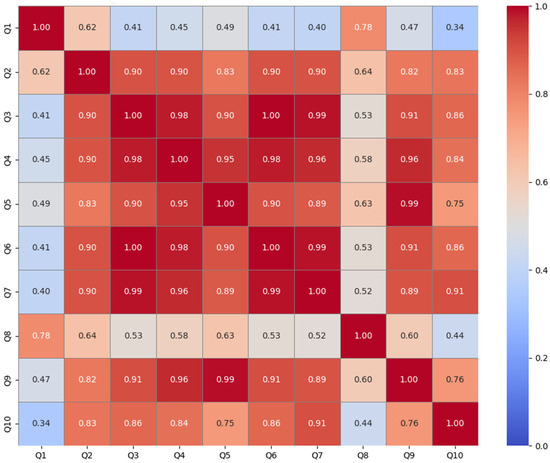
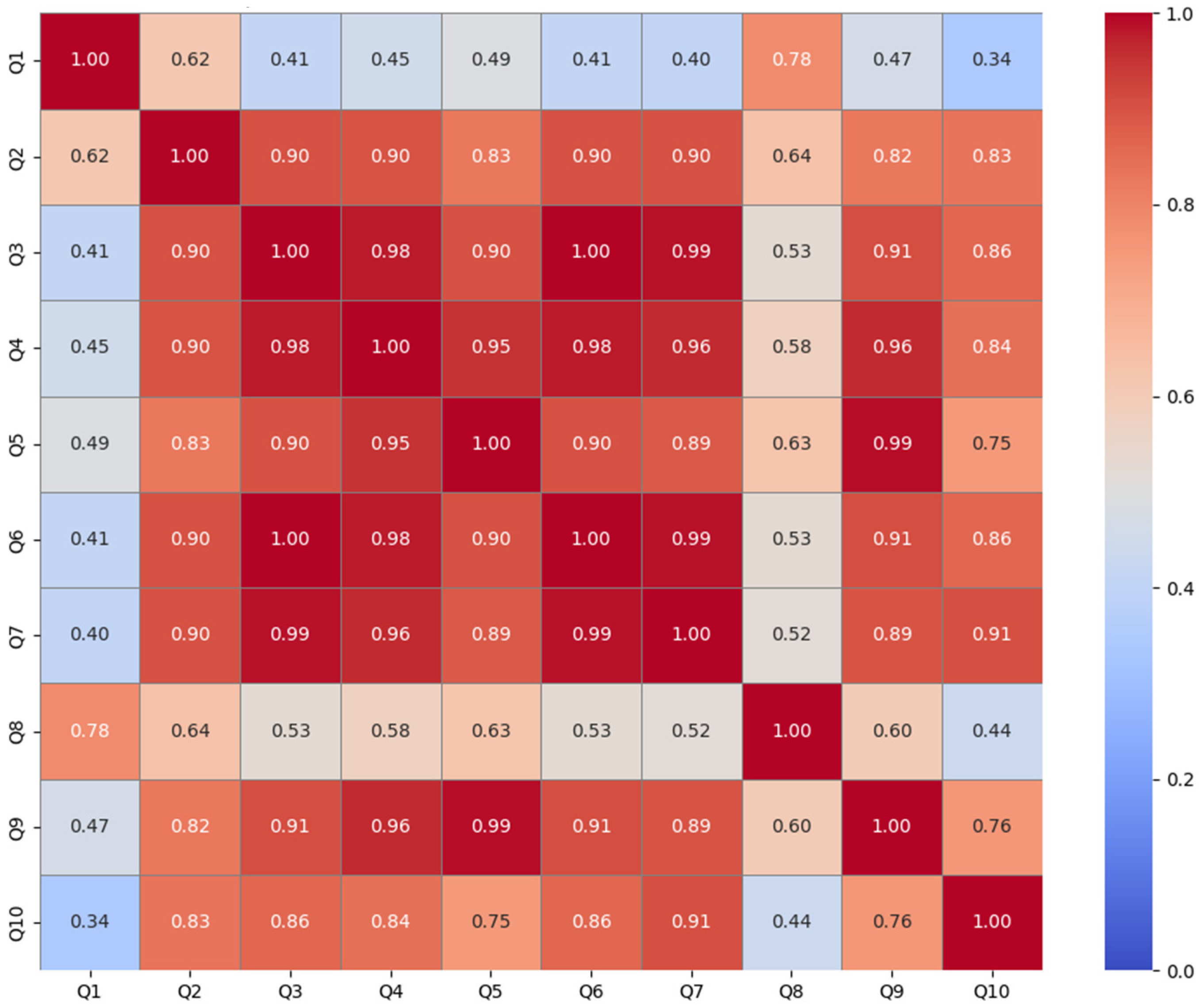
The Spearman correlation matrix is a statistical technique that measures the strength and direction of the relationship between ordinal or non-normal variables. It assigns ranks to data and calculates a coefficient between –1 and +1, where positive values indicate direct relationships, negative values indicate inverse relationships, and values close to zero indicate no relationship. When multiple variables are analyzed, the coefficients are organized into a matrix that displays all possible relationships among them. Beyond observing each response in isolation, this type of analysis allows for the identification of links between various aspects. For example, whether the frequency with which these topics are discussed in the community influences women’s level of knowledge about contraceptive methods, or whether trust in health services is directly connected to the accessibility that individuals perceive. Figure 1 presents the correlation matrix for the questions proposed in Section 1.3.
Figure 1.
Spearmen correlation matrix (0 = blue, 1 = red).
The analysis of the correlation between the survey responses on health and SRR in Indigenous communities reveals a series of patterns that help to better understand how the different dimensions of the topic are related to one another.
A cluster of questions with very high correlations among them is identified, indicating that the women’s responses tend to be very consistent within this group. This cluster is composed mainly of questions related to the accessibility and trust in sexual and reproductive health services, as well as the frequency of adolescent pregnancies and the compatibility of cultural practices with SRR.
3.3. Influence of Cultural Practices and Community Leadership on the Exercise of SRR
The responses of the Kankuamo women interviewed reflect a complex and diverse perception regarding the relationship between cultural practices, community leadership, and the exercise of SRR. Overall, many participants did not identify specific cultural practices that directly influence these rights. Expressions such as:
“I don’t know any of these practices…” (Participant 15, interview, 2025), or “I don’t like talking about that…” (Participant 2, interview, 2025).
These responses were recurrent, which could be interpreted as a sign of the invisibility of these issues within the cultural frameworks of the community, or as a difficulty in verbalizing practices that, although present, are not recognized as influential.
Regarding tensions between cultural practices and SRR, most participants stated that none exist, as several women simply responded “no” or “there are none”. However, some acknowledged the presence of frictions: “yes, they exist”, one interviewee commented, without providing concrete examples. This suggests that although tensions are perceived, they are not always openly expressed, possibly out of respect for community values or fear of questioning traditional norms.
A central aspect of the analysis lies in the role of community leaders. For many women, these actors play a key role in decision-making:
“The leaders are the ones who make the decisions in the community. They do it for our well-being…”.(Participant 12, interview, 2025)
However, there were also critical voices pointing out a lack of interest:
“The leaders do not pay attention to these issues related to sexuality, and they do not give importance to the thoughts and wishes of women…”.(Participant 18, interview, 2025)
This duality shows that while leadership is recognized as a source of authority, there is a divided perception between those who feel supported and those who experience a lack of accompaniment on matters related to sexual and reproductive health.
Regarding measures proposed to harmonize sexual rights with cultural traditions, most responses pointed to the need for more training and awareness-raising. Statements such as:
“It is necessary to give more talks because many people, especially girls and young women, know absolutely nothing about sexuality and that they have rights…”.(Participant 1, interview, 2025)
These statements highlight that women identify the lack of information as one of the main barriers. Additionally, some proposed changes in cultural dynamics, as one participant expressed:
“Leaders should not be so strict about sexual and reproductive topics; the girls’ lack of knowledge leads to unwanted pregnancies…”.(Participant 10, interview, 2025)
The Indigenous women interviewed recognize uneven participation of culture and leadership in the exercise of their SRR. While some perceive an absence of tensions, others identify unresolved barriers. The common denominator is the demand for educational spaces and intercultural dialogue that strengthens women’s autonomy and allows SRR to be harmonized with the cultural traditions of their communities.
3.4. Perceptions of Government Programs, Community Organizations, and Access to Information on SRR
The responses reveal a diverse perception regarding government programs related to SRR. Some women expressed positive views, stating that:
“The few programs that reach us on sexual and reproductive health are good. These programs that teach us about sexuality, teenage pregnancy, and the prevention of sexually transmitted diseases are very important because they are for the well-being of our people…”.(Participant 25, interview, 2025)
Another interviewee stated:
“They are good because you learn things that our parents do not explain to us at home or in school, and that we only learn when we have a partner…”.(Participant 7, interview, 2025)
It was also noted that:
“These programs on sexual and reproductive health are very good when they manage to reach us effectively; in our culture, topics related to sexuality are not spoken about openly…”.(Participant 11, interview, 2025)
However, others expressed criticism regarding the coverage and cultural relevance of these programs:
“These trainings they have given us are feasible, but they are not realistic with the information nor with our ancestral reality…”.(Participant 30, interview, 2025)
Another opinion in this direction was as follows:
“I don’t like these programs because they teach young women about sexual topics before having a partner or husband…”.(Participant 2, interview, 2025)
These perceptions reveal a tension between the recognized usefulness of these initiatives and the limitations in terms of access, continuity, and cultural relevance.
Regarding knowledge of organizations that promote SRR, responses were also heterogeneous. Some women mentioned the existence of community committees with a positive impact, for example:
“Yes, the knowledge about family planning helps young women, because we have a community committee and teenage pregnancies have been prevented…”.(Participant 1, interview, 2025)
Concerning access to information on family planning, prevention of unwanted pregnancies, and sexually transmitted infections, some women highlighted high accessibility:
“Information about sexuality is very accessible because you can look it up on the internet or ask a family member…”.(Participant 24, interview, 2025)
However, inequality in access was also perceived, as other interviewees indicated:
“It is not so accessible to learn about sexuality, pregnancy prevention, contraceptive methods, or sexual violence. We have few talks, and access to this type of information is limited. Also, these are taboo topics that are not normally discussed in the community or in households…”.(Participant 29, interview, 2025)
This suggests that access largely depends on the local context and the available information channels. The implementation of adequate public policies can be essential for women to develop skills and acquire knowledge in the productive sector, allowing them to generate income and achieve greater economic independence. This, in turn, would provide them with greater capacity to make decisions about their lives and reduce their dependence on others. Such policies could also facilitate access to resources for women who are victims of forced displacement, including training, technical assistance, and financing, enabling them to successfully establish businesses or productive ventures. By providing these women with opportunities for development and growth in the productive sphere, public policies could help reduce their social isolation and improve their self-esteem. Additionally, this could foster their integration into society and promote their active participation in the local economy [32].
4. Discussion
The importance of this research lies in the urgent need to address the existing knowledge gap regarding how Kankuama women navigate the tensions between their sexual and reproductive rights (SRRs) and their cultural traditions. This study employed a cultural safety approach, which ensures that power relations are recognized and transformed so that Indigenous peoples experience respect, dignity, and autonomy [33]. Cultural safety exists only when the Indigenous person feels safe [34].
Demographic data show that women over 45 years of age tend to have a more active participation in decision-making spaces. This may be explained by the roles they often assume as sources of experience and leadership within their communities. However, younger women, particularly those under 18—who face risks associated with adolescent pregnancy and limited access to timely information and health services—express a stronger need for strategies that guarantee education on the exercise of their sexual rights.
Those who consider health services to be accessible also tend to trust them, perceive fewer cases of adolescent pregnancy, and identify less conflict between their community’s cultural practices and sexual rights. This close relationship suggests that these aspects are part of a shared social experience: access to healthcare, trust in health systems, and cultural practices are not isolated factors; instead, they mutually influence one another and shape a coherent landscape.
Moreover, the relationship between women’s level of knowledge about modern contraceptive methods (Q5) and the influence of traditional leaders on sexual and reproductive health matters (Q9) is noteworthy. The strong correlation between these two questions indicates that the role of community leaders is crucial in determining how information circulates and how much access women have to knowledge about contraception. In contexts where the voices of leaders carry greater weight, it is likely that the quality and type of information women receive is mediated by these authority figures. This may represent an opportunity for cultural alignment, but also a limitation if the information transmitted is partial or insufficient.
Nevertheless, not all questions are strongly interconnected. Some, such as Q1, which asks about the importance of education on SRR, or Q8, which assesses the effectiveness of the local education system in teaching these rights, show lower correlations with the rest. This suggests that respondents may value education and comment on the quality of the educational system without necessarily responding similarly to questions about access, trust, or cultural compatibility. In this sense, these questions serve a complementary role within the questionnaire, as they introduce broader and more contextual dimensions that help capture the community’s overall perspective on education, even if they are not directly linked to perceptions of health services or cultural practices.
Q10, which addresses gender discrimination in access to sexual and reproductive health services, occupies an intermediate position. It shows significant relationships with items such as Q7 (compatibility between cultural practices and sexual rights), but weaker associations with more structural questions like Q1 or Q8. This finding suggests that gender discrimination, although influenced by culture and social practices, is perceived as a more complex and multifactorial phenomenon. It does not depend solely on the educational system or on the general value placed on education, but instead cuts across multiple layers of community life.
Overall, the correlation matrix indicates that the questionnaire is well designed to capture different angles of the same issue. There is a core group of closely related questions (Q2 to Q7 and Q9) that consistently explore the interaction among access, trust, cultural practices, and available information. At the same time, the more “independent” questions (Q1, Q8, and Q10) provide a broader perspective that prevents the instrument from focusing exclusively on operational aspects, allowing for the observation of education and discrimination as structural factors.
From the perspective of Cultural Safety Theory [33], the findings of this study shed light on how Kankuama Indigenous women navigate multiple tensions when exercising their SRR. This theory posits that health care is only safe when it recognizes, respects, and adapts to the cultural identity of the user, avoiding discriminatory practices and unequal power relations. This aligns with evidence documenting persistent inequities in the use of reproductive health services among women belonging to ethnic groups in Colombia, who require governmental strategies that guarantee their right to culturally appropriate health care. According to regression models, Indigenous women present lower odds of receiving an adequate number of prenatal check-ups, institutional childbirth care, and postpartum follow-up [35], which is consistent with the complexity observed in the experiences of the Kankuama women in this study.
From this theoretical standpoint, the effectiveness of SRR is limited when services do not create conditions of cultural safety: misinformation, fear, previous experiences of discrimination, and lack of trust in the health system. To make these rights a reality, essential facilitators are required, such as respectful treatment, the availability of female health professionals, and the participation of community leaders who speak the language and understand sociocultural norms. These elements not only promote acceptance of services but are fundamental for exercising the right to non-discriminatory and culturally appropriate health care [36].
International evidence supports this interpretation. In Brazil, prenatal care among Indigenous women has revealed significant health inequities, including low rates of adequate prenatal attention, with more severe conditions among women living in villages and settlements in the southern region of the state [37]. Similarly, prenatal care for Indigenous women confirms the persistence of ethno-racial inequalities that compromise maternal health and well-being [38]. Other studies highlight that women’s rights during childbirth are seldom discussed in Indigenous communities [39].
When reflecting on how to strengthen these rights while respecting cultural traditions, most women emphasized the need for education and awareness processes. This suggests that while they acknowledge the value of traditions, there is also a willingness to transform them in favor of women’s rights.
By gaining a clearer understanding of their rights and their capacity to make autonomous decisions, these women develop greater confidence in themselves and in their ability to overcome the challenges they face. In this regard, the recommendations focus primarily on strengthening educational processes and community awareness, emphasizing educational institutions as key actors in fostering sustainable change. The analysis also shows that although Indigenous women value programs and public policies related to SRR, they continue to express concerns regarding their limited coverage and lack of cultural relevance. The most significant barriers to the full exercise of these rights are cultural (machismo, family taboos, fear) and structural (limited governmental support, lack of guidance).
Strategies for Strengthening the Sexual and Reproductive Rights of Indigenous Women
Culturally grounded training for guaranteeing the SRR of Indigenous women: The effective protection of Indigenous women’s rights requires that training and assistance be provided by personnel who deeply understand their customs and lived realities. For services, especially those related to sexual and reproductive health and productive projects to be truly effective, it is essential that they be implemented by teams that respect and understand their worldview. This prevents misinterpreted cultural arguments from being used as obstacles to the full exercise of women’s rights. Culturally sensitive care is not an accessory but a fundamental strategy for promoting their autonomy, ensuring that the preservation of the community does not come at the expense of the rights of its female members. This approach ensures that women can access their rights without having to give up their cultural identity.
Women’s empowerment: Awareness-raising plays a fundamental role in empowering women, as it provides them with greater self-awareness and enables them to access economic and political opportunities. As Indigenous women feel more confident and capable, they are more likely to participate actively in society and make a positive impact in their communities. By gaining a better understanding of their rights and their ability to make autonomous decisions, these women develop greater confidence in themselves and their capacity to overcome the challenges they face. They also have the opportunity to learn practical skills and effective strategies to advocate for their needs and defend their rights, giving them a stronger voice both within their community and in society.
Moreover, awareness-raising around women’s empowerment helps combat cultural attitudes and practices that limit women’s participation in economic, social, and political life. Indigenous women can receive support to access education and training that allow them to acquire valuable skills and pursue employment or entrepreneurial opportunities. They can also be supported in overcoming cultural and social barriers that prevent their full participation in society, such as discrimination and sexual harassment.
Public policies with an ethnic focus: Implementing public policies with an ethnic and gender perspective is essential for Indigenous women to develop economic autonomy, a key pillar for the effective exercise of their SRR. By acquiring productive skills, generating income, and achieving greater financial independence, these women strengthen their ability to make free and informed decisions about their bodies, their health, and their reproductive lives, reducing dependence on partners or relatives who may restrict such decisions. For Indigenous women, these policies (which must include access to training, technical assistance, and financing) are even more crucial, as economic empowerment provides them with tools to overcome vulnerability and rebuild their life projects.
By reducing social isolation and improving self-esteem through participation in the local economy, enabling conditions are created for them to demand access to culturally appropriate sexual and reproductive health services and to live lives free from violence. Therefore, policies aimed at strengthening productive capacities constitute an indirect but powerful strategy for guaranteeing SRR, as they address the root of vulnerability: the lack of economic autonomy. Progress has been made in incorporating international legal frameworks recognizing Indigenous rights into national legislation; however, challenges persist in the effective realization of territorial rights, particularly when facing economic interests [40].
Awareness-raising for men: Women are neither sexual objects nor property: These actions are crucial for fostering a culture of respect and protection of women’s human rights. By educating men about respect toward women, cases of gender-based violence can be reduced, and sexual violence can be prevented. It is essential that men understand that women are rights-bearing individuals, not objects, which leads to treating them with respect and dignity and refraining from acts of violence and exploitation.
Additionally, raising men’s awareness can help promote women’s participation and leadership in society, both in decision-making and in economic life. When men understand the importance of gender equality, they are more likely to support women in seeking employment, entrepreneurship, and access to resources and services that allow them to develop their abilities and improve their quality of life. It is also important to consider that gender-based violence can have a negative impact on the mental health of displaced women. Therefore, by reducing violence and promoting gender equality, their emotional and psychological well-being can be improved.
5. Conclusions
Perceptions of SRR reflect an ongoing tension between traditional cultural practices and public health policies. While some women state that no conflicts exist between these two approaches, others acknowledge the presence of friction, although they may not always be able to express it openly. In this sense, the role of community leaders emerges as a central element: for some, they are key actors in decision-making, while for others, there is a lack of interest in these issues. This reveals an ambivalent landscape in which leadership can become either an opportunity to bridge different forms of knowledge or an obstacle if an inclusive vision is not promoted.
The correlation analysis of the responses confirms a close relationship between accessibility to health services, trust in those services, perceptions of adolescent pregnancies, and cultural compatibility. These aspects seem to form a core set of factors that jointly shape the way women experience and understand their rights. At the same time, dimensions such as education and gender discrimination appear as more structural factors that contribute contextual insight, but do not always connect directly to the immediate experiences of accessing health services.
A marked demand for education and awareness is also evident. Recurrent phrases such as “more workshops,” “educate more on the topic,” or “increased awareness” show that the women themselves identify a lack of information as the main barrier to fully exercising their SRR. This finding aligns with the heterogeneous perception of public programs and policies: although they are viewed positively when properly delivered, most agree that their coverage is limited, their continuity insufficient, and their cultural relevance still needs to be strengthened.
Guaranteeing the SRR of Kankuamo Indigenous women cannot be limited to improving the coverage of health programs. It is necessary to design strategies that strengthen education from an intercultural perspective, actively include adolescent girls, and promote women’s leadership within the communities. Only then will it be possible to move toward a scenario in which trust in health services, respect for culture, and access to accurate information are effectively integrated for the benefit of women’s rights and autonomy.
Strengths and Limitations
The main strength of this study lies in its mixed methodological approach, which allowed for a comprehensive and contextualized understanding of the perceptions and experiences of Kankuama women regarding their sexual and reproductive rights, articulating quantitative evidence with qualitative narratives situated in their ancestral territory. Among the main limitations of this study is the small sample size, consisting of 30 Indigenous women from the Kankuamo community, which restricts the ability to generalize the results to the entire Indigenous population in other regions of the country. Likewise, the sensitive nature of the topic may have influenced participants’ willingness to openly share their perceptions and experiences, potentially generating social desirability bias. Another limitation lies in the scarcity of updated secondary information on sexual and reproductive rights in Indigenous communities, which made it difficult to compare the findings with recent official data.
Author Contributions
Conceptualization, D.B.-C., K.A.-C. and J.C.-D.; methodology, E.B.-C.; software, E.B.-C.; validation, D.B.-C., K.A.-C. and J.C.-D.; formal analysis, D.B.-C. and K.A.-C. investigation, D.B.-C. and K.A.-C.; resources, D.B.-C. and K.A.-C.; data curation, D.B.-C. and E.B.-C.; writing—original draft preparation, D.B.-C. and E.B.-C.; writing—review and editing, E.B.-C.; visualization, D.B.-C. and E.B.-C.; supervision, J.C.-D.; project administration, D.B.-C.; funding acquisition, D.B.-C. All authors have read and agreed to the published version of the manuscript.
Funding
This research was funded by the Universidad Popular del Cesar for the development of this research, through Agreement No. 113, dated 22 December 2023.
Institutional Review Board Statement
This study received ethical approval from the Central Committee on Research, Ethics, Bioethics, and Scientific Integrity of the Popular University of Cesar Minutes (protocol number: 003 on 12 June 2025).
Informed Consent Statement
Informed consent was obtained from all subjects involved in the study.
Data Availability Statement
The data supporting the findings of this study are not publicly available due to ethical and privacy restrictions involving the participating indigenous communities. Data can be made available upon reasonable request from the corresponding author, subject to approval by the community representatives.
Conflicts of Interest
The authors declare no conflicts of interest.
References
- Banarjee, S. Identifying factors of sexual violence against women and protection of their rights in Bangladesh. Aggress. Violent Behav. 2020, 52, 101384. [Google Scholar] [CrossRef] [Scilit]
- Achen, S.; Rwabukwali, C.B.; Atekyereza, P. Socio-cultural perceptions of sexuality influencing the sexual and reproductive health of pastoral adolescent girls in Karamoja sub-region in Uganda. Soc. Sci. Humanit. Open 2021, 4, 100191. [Google Scholar] [CrossRef] [Scilit]
- Koning, S.M. Displacement contexts and violent landscapes: How conflict and displacement structure women’s lives and ongoing threats at the Thai-Myanmar border. Soc. Sci. Med. 2019, 240, 112557. [Google Scholar] [CrossRef] [Scilit]
- Chakanyuka, C.; Bacsu, J.R.; DesRoches, A.; Dame, J.; Carrier, L.; Symenuk, P.; O’Connell, M.E.; Crowshoe, L.; Walker, J.; Bourque Bearskin, L. Indigenous-specific cultural safety within health and dementia care: A scoping review of reviews. Soc. Sci. Med. 2022, 293, 114658. [Google Scholar] [CrossRef] [Scilit]
- Sanhueza, A.; Costa, J.C.; Mújica, O.J.; Carvajal-Velez, L.; Caffe, S.; Victora, C.; Barros, A.J.D. Trends and inequities in adolescent childbearing in Latin American and Caribbean countries across generations and over time: A population-based study. Lancet Child. Adolesc. Health 2023, 7, 392–404. [Google Scholar] [CrossRef] [Scilit]
- Sistema Nacional de Información Cultural. Población—Cesar. Available online: https://mng.mincultura.gov.co/areas/poblaciones/noticias/Paginas/Cumplimiento-PND.aspx (accessed on 13 June 2025).
- Horta Prieto, A.M. Tejiendo entre redes diversas: Reflexiones a partir de una etnografía multisituada con los pueblos indígenas de la Sierra Nevada de Santa Marta, Caribe Colombiano. Espaço Ameríndio 2014, 8, 135. [Google Scholar] [CrossRef] [Scilit]
- DANE. Resultados del Censo Nacional de Población y Vivienda. Pueblos Arhuaco, Kankuamo y Wiwa. 2021. Available online: https://share.google/hB3y82mKTFHDosSmV (accessed on 8 June 2025).
- Zapata-Herrera, J.; González-Tejada, C.; Restrepo-Moreno, S.; Marín-Cerón, M. The Territory as a Victim: Geological Assessment to Analyzing the Impact of Colombia’s Armed Conflict on Geo-Bio Megadiversity at the Sierra Nevada de Santa Marta. Earth Sci. Syst. Soc. 2024, 4, 10112. [Google Scholar] [CrossRef] [Scilit]
- Van Der Boor, C.; Sánchez-Díaz, G.C.; Guevara-Morales, L.J.; Molina-Bulla, C.I.; Agudelo-Ortiz, D.M.; Montero-Villazón, A.J.; Villazón-Rodríguez, M.d.J.; Maestre-Arias, L.; Aponte-Canencio, D.M. ‘Buen vivir es estar en paz y armonía con todo lo que nos rodea’: Estudio cualitativo sobre el buen vivir en el pueblo indígena Kankuamo de Colombia. Cad. Saude Publica 2024, 40, e00190223. [Google Scholar] [CrossRef] [Scilit] [PubMed]
- Britto, L. Marijuana Boom: The Rise and Fall of Colombia’s First Drug Paradise; University of California: Oakland, CA, USA, 2020. [Google Scholar]
- Cossio Romero, P.A. Indigenous languages between urban and rural. The situation of the people Ette Ennaka, Kankuamo, Arhuaco, Kogui and Wayú. Jangwa Pana 2020, 19, 331–345. [Google Scholar] [CrossRef] [Scilit]
- Laurent, V. Cultures en conflit(s)? Peuples indigènes et politiques publiques en Colombie, vingt ans de réflexions. Cah. Des Amériques Lat. 2013, 71, 75–94. [Google Scholar] [CrossRef] [Scilit]
- Cossio Romero, P. El pueblo Kankuamo: En búsqueda de una identidad perdida. Oraloteca 2018, 9, 26–35. [Google Scholar]
- Centro Nacional de Memoria Histórica; Organización Nacional Indígena de Colombia. Tiempos de Vida y Muerte: Memorias y Luchas de los Pueblos Indígenas en Colombia; Primera; Centro Nacional de Memoria Histórica: Bogotá, Colombia; Organización Nacional Indígena de Colombia: Bogotá, Colombia, 2019. [Google Scholar]
- Ministerio de Salud y Protección Social. Derechos Sexuales y Derechos Reproductivos en Salud. 2018. Available online: https://www.minsalud.gov.co/proteccionsocial/promocion-social/Discapacidad/Paginas/derechos-sexuales-y-reproductivos-.aspx (accessed on 8 June 2025).
- Ministerio de Salud y Protección Social. Política Nacional de Sexualidad, Derechos Sexuales y Derechos Reproductivos. 2017. Available online: https://share.google/TEO5OK02zfU5UnpYp (accessed on 2 June 2025).
- Bedigen, W. Indigenous South Sudanese understanding of women empowerment. World Dev. Perspect. 2022, 25, 100389. [Google Scholar] [CrossRef] [Scilit]
- Silva, P.A.M.; Arenales, M.I.D.; Prada, A.M.; Van der Hammen, M.C.R.; Galvis, N.M. An explanatory model of suicidal behaviour in indigenous peoples of the department of vaupés, Colombia. Rev. Colomb. Psiquiatr. Engl. Ed. 2020, 49, 170–177. [Google Scholar] [CrossRef] [Scilit]
- Van der Boor, C.F.; Agudelo-Ortiz, D.M.; Sánchez Díaz, G.C.; Molina-Bulla, C.I.; Guevara Morales, L.J.; Chiumento, A.; Aponte Canencio, D.M.; White, R. The intercultural development and validation of the Indigenous ‘Escala de Bienestar Kankuamo’ (Kankuamo Well-Being Scale): A capability approach. Transcult. Psychiatry 2025, 62, 722–736. [Google Scholar] [CrossRef] [Scilit]
- O’Brien, C.; Newport, M. Prioritizing women’s choices, consent, and bodily autonomy: From a continuum of violence to women-centric reproductive care. Soc. Sci. Med. 2023, 333, 116110. [Google Scholar] [CrossRef] [Scilit]
- Liddell, J.L. Birth control access experiences for members of an Indigenous tribe in the Gulf Coast. Womens Stud. Int. Forum 2023, 96, 102667. [Google Scholar] [CrossRef] [Scilit]
- Alzate, M.M.; Dongarwar, D.; Matas, J.L.; Salihu, H.M. The Effect of Sexual Literacy on Adolescent Pregnancy in Colombia. J. Pediatr. Adolesc. Gynecol. 2020, 33, 72–82. [Google Scholar] [CrossRef] [Scilit]
- Mejia, J.R.; Quincho-Estares, Á.J.; Flores-Rondon, A.J.; Reyes-Beltran, G.; Arias-Sulca, I.L.; Palomino-Hilario, E.; Barrientos-Cochachi, J.E.; Toro-Huamanchumo, C.J. Determinants of adolescent pregnancy in indigenous communities from the Peruvian central jungle: A case–control study. Reprod. Health 2021, 18, 203. [Google Scholar] [CrossRef] [Scilit]
- Camarena Ojinaga, L.; von Glascoe, C.A.; Arellano García, E.; Martínez Valdés, C. Sexual and reproductive health: Perceptions of indigenous migrant women in northwestern Mexico. Health Sociol. Rev. 2017, 26, 239–253. [Google Scholar] [CrossRef] [Scilit]
- Juárez-Ramírez, C.; Villalobos, A.; Sauceda-Valenzuela, A.L.; Nigenda, G. Barreras en mujeres indígenas para acceder a servicios obstétricos en el marco de redes integradas de servicios de salud. Gac. Sanit. 2020, 34, 546–552. [Google Scholar] [CrossRef] [Scilit]
- Dawson, L. Reclaiming Being: Applying a Decolonial Lens to Gendered Violence, Indigenous Motherhood, and Community Wellbeing. Societies 2024, 14, 224. [Google Scholar] [CrossRef] [Scilit]
- Lévesque, S.; Boulebsol, C.; Lessard, G.; Bigaouette, M.; Fernet, M.; Valderrama, A. Portrayal of Domestic Violence Trajectories During the Perinatal Period. Violence Against Women 2021, 28, 1542–1564. [Google Scholar] [CrossRef] [Scilit]
- Sharma, R.; Pooyak, S.; Jongbloed, K.; Zamar, D.; Pearce, M.E.; Mazzuca, A.; Schechter, M.T.; Spittal, P.M.; Cedar Project Partnership. The Cedar Project: Historical, structural and interpersonal determinants of involvement in survival sex work over time among Indigenous women who have used drugs in two Canadian cities. Int. J. Drug Policy 2021, 87, 103012. [Google Scholar] [CrossRef] [Scilit]
- Richardson, E.; Birn, A.-E. Sexual and reproductive health and rights in Latin America: An analysis of trends, commitments and achievements. Reprod. Health Matters 2011, 19, 183–196. [Google Scholar] [CrossRef] [Scilit]
- Wehr, H.; Tum, S.E. When a girl’s decision involves the community: The realities of adolescent Maya girls’ lives in rural indigenous Guatemala. Reprod. Health Matters 2013, 21, 136–142. [Google Scholar] [CrossRef] [Scilit]
- Boom-Cárcamo, D.; Anaya-Cuello, K.; Boom-Cárcamo, E. Violation of Economic, Social, Cultural, and Environmental Rights as Seen Through the Eyes of Displaced Women in the Northern Zone of Colombia. Violence Against Women 2024, 31, 3451–3474. [Google Scholar] [CrossRef] [Scilit]
- Schill, K.; Caxaj, S. Cultural safety strategies for rural Indigenous palliative care: A scoping review. BioMed Cent. 2019, 18, 21. [Google Scholar] [CrossRef] [Scilit]
- Hiyare-Hewage, A.; Sinka, V.; Grande, E.D.; Kerr, M.; Kim, S.; Mallitt, K.A.; Dickson, M.; Jaure, A.; Wilson, R.; Craig, J.C.; et al. The cultural safety of research reports on primary healthcare use by Indigenous Peoples: A systematic review. BMC Health Serv. Res. 2024, 24, 873. [Google Scholar] [CrossRef] [Scilit] [PubMed]
- Noreña-Herrera, C.; Leyva-Flores, R.; Palacio-Mejía, L.S.; Duarte-Gómez, M.B. Ethnic disparities in the use of reproductive health services by indigenous and African-descendant Colombian women. Cad. Saude Publica 2015, 31, 2635–2648. [Google Scholar] [CrossRef] [Scilit] [PubMed]
- Sarmiento-Medina, M.I.; Velásquez-Jiménez, C.M.; Ortiz-Hernández, N. Experiences of a group of indigenous women from the Colombian Amazon with cervical cancer prevention screening. Qualitative study in the context of participatory research to reduce inequalities. Ethn. Health 2024, 29, 893–907. [Google Scholar] [CrossRef] [Scilit] [PubMed]
- de Abreu, G.R.; Picoli, R.P.; Welch, J.R.; Coimbra, C.E.A., Jr. Adaptation of prenatal care offered to indigenous women: Maternal characteristics and health services. Cien Saude Colet. 2024, 29, e08722024. [Google Scholar] [CrossRef] [Scilit]
- Garnelo, L.; Horta, B.L.; Escobar, A.L.; Santos, R.V.; Cardoso, A.M.; Welch, J.R.; Tavares, F.G.; Coimbra, C.E.A., Jr. Assessment of prenatal care for indigenous women in Brazil: Findings from the First National Survey of Indigenous People’s Health and Nutrition. Cad Saude Publica 2019, 35 (Suppl. S3), e00181318. [Google Scholar] [CrossRef] [Scilit]
- Gleason, E.G.; López Ríos, J.M.; Molina Berrío, D.P.; Mejía Merino, C. Multistakeholder perspectives on the mistreatment of indigenous women during childbirth in Colombia: Drivers and points for intervention. BMC Pregnancy Childbirth 2022, 22, 197. [Google Scholar] [CrossRef] [Scilit] [PubMed]
- Ramírez Salazar, M.A.; Guirette Barbosa, O.A.; Castañeda-Burciaga, S.; García Estrada, L.I.; Villanueva-Maldonado, J.; Celaya-Padilla, J.M. Assessing Compliance with Indigenous Self-Determination Standards: A Comparative Analysis of Chile, Colombia, and Mexico. Societies 2024, 14, 218. [Google Scholar] [CrossRef] [Scilit]

Disclaimer/Publisher’s Note: The statements, opinions and data contained in all publications are solely those of the individual author(s) and contributor(s) and not of MDPI and/or the editor(s). MDPI and/or the editor(s) disclaim responsibility for any injury to people or property resulting from any ideas, methods, instructions or products referred to in the content. |
© 2025 by the authors. Licensee MDPI, Basel, Switzerland. This article is an open access article distributed under the terms and conditions of the Creative Commons Attribution (CC BY) license.