


Abstract
Land defense is crucial in the face of the current ecological crisis. From a qualitative perspective, this work describes and analyzes the relations between place attachment disruption, emotions, and psychological distress among a group of Mexican land defenders in El Salto and Juanacatlán, Jalisco. Following an ethnographical methodology, the data was collected through seven individual narrative interviews, two discussion groups, and participant observation during four years of fieldwork. The resulting qualitative data was transcribed, coded, categorized, and analyzed using qualitative software and narrative analysis perspective. Results: Place attachment disruption is associated with unpleasant emotions, leading to psychological distress. Through organized actions and emotional management strategies, land defenders produce emotions of resistance that help reconstruct place attachment and overcome psychological distress. Repeated disruptions and changes to place increase psychological distress; in response, restorative actions of place attachment strengthen emotions such as love, pride, and joy. These findings highlight that observing the simultaneity of place attachment disruption and reconstruction processes is central to understanding the emotional impact of prolonged territorial damage and the double role of psychological distress: increasing vulnerability while also contributing to positive action. These findings have theoretical and practical implications for mental health, ecology, and public policy, and highlight the need for interdisciplinary approaches in designing effective, community-based and collaborative strategies to sustain land defense and ecological activism.
1. Introduction
The manifestations of the present ecological crisis are increasingly evident in climate change, environmental degradation, pollution, resource depletion, and biodiversity loss [1], prompting concern among individuals, groups, and collectives worldwide and urging humanity to act. What kind of impact do environmental concerns have on mental health, and how do people deal with them? What motivates some individuals, groups, or communities, such as land defenders, to organize actions of resistance, and how can they be sustained over time? Researchers’ responses to these questions have converged on the central role of emotions on land defense and ecological activism. Psychology and mental health scientists’ studied a variety of emotions in response to environmental crisis (fear/worry, sadness, grief, guilt, shame, anger) that are often labeled together as psychological distress, eco-distress, climate anxiety, and eco anxiety [2,3,4,5] and examined the connections between these emotions, mental health and individual and collective pro-environmental actions (climate and ecological activism) [4,6,7,8] finding that pro-environmental behaviors could moderate the negative impacts of ecological crises on mental health and promote well-being [8,9].
Researchers proposed new terms to name the emotions related to the ecological and climate crises, such as climate anxiety [5], eco-anxiety [10], eco-emotions, eco-distress, and eco-guilt, among others, as well as for specific combinations of related emotions described as “psychoterratic”, but these new concepts are still evolving, lacking of clear definitions and differentiation at the present [11]. Between these, the concept of “ecological grief”, the grief and sadness felt in response to the loss of beloved places, ecosystems, and species, have being used to reveal personal and collective responses to ecological loss, to define what climate and ecological-related losses matter to local people, and to identify ways of coping with emotions arising from climate change and ecological loss [12,13]. Albrecht proposed the term solastalgia to describe a form of “homesickness” that occurs when a person is unable to find solace in their home because environmental degradation has altered it [14]. Social science researchers widely use the term, and it seems to be positively correlated with place attachment, meaning that people with a stronger emotional bond to a place experience more solastalgia when this bond is disrupted [15]. On the other hand, the term “psychological distress” refers to the discomfort or suffering that arises when people’s coping resources are surpassed by stress; being nonspecific in terms of stress type and diagnosis, it encompasses a variety of physical, emotional, cognitive, and behavioral manifestations, with intensity and functional repercussions ranging from mild to severe [16]. Scientific literature has documented that eco-emotions can lead to psychological distress, resulting in maladaptive behaviors (such as paralysis, avoidance, procrastination, and social isolation) or adaptive behaviors (such as activism and pro-environmental actions); also finding that the link between eco-emotions, psychological distress, and behavior depends on several factors such as the intensity of the emotional experience, emotion regulation ability, and the availability of coping resources [17].
While some researchers consider psychological distress to be a normal human response to adverse environmental changes, there are discrepancies regarding the impact of emotions and the resulting coping behaviors on mental health [2,3,12], since the effects could range from mild and adaptive responses to mental disorders such as depression, anxiety, or post-traumatic stress disorders. Some determinants of differences in the impact of emotional response to ecological crises are the geographical and sociocultural contexts of belonging [13], gender [18], and age group [10,19,20], with women, children, and rural populations being more affected. Another determinant is how people become aware of environmental damage or climate change [13], whether by proxy (for example, mass media, community elders or other sources of information), by their own lived experience, related to a climatic catastrophe, or by witnessing the gradual disappearance of species and pollution of air, soil and water, consequent of human actions, as is the case with land defenders.
Land defenders (also called environmental defenders or land and environmental defenders) are individuals or groups who take peaceful action to protect their ecosystems, community cultures and ecological rights from exploitation or degradation by corporations and governments [21]. They live in communities whose land, health, and livelihoods are directly endangered. By centering their actions at the local level, they make a relevant contribution to halting or resisting to environmentally destructive projects and protecting a significant portion of the planet’s biodiversity and carbon stores, especially within rural and Indigenous territories [21,22,23].
The proximity of the threat to basic survival and the integrity of people’s place or land, understood as a socially appropriated space and a source of stability and livelihood, is palpable and present every day. This is even more evident in communities where people’s lives and cultures are traditionally intertwined with nature [24,25]. A clear example of this is the indigenous communities’ relationship with nature and land; this is a key determinant of health and wellness, as nature and land are central to their survival and culture [13,24,25]. Indigenous communities consider land and its elements as inseparable from individual and collective identities; land represents the basis of social relationships, livelihoods, and well-being [24,25]. This explains the predominance of indigenous communities and farmers among land defenders, although these struggles have increasingly been documented in suburban and urban areas [26]. Some land defenders consider these struggles a “defense of ordinary life” by reflecting on the significant daily effort required to survive in what Latin American movements refer to as “environmental hells” [27]. Land defenders are among the most exposed and at-risk human rights defenders globally, and suffer severe persecution, criminalization, and violence, including murder. Latin America is one of the most dangerous regions for them [23,26].
Social and environmental sciences have studied the central role of emotions in shaping people’s responses to environmental crises and ecological disasters, pointing to their substantial potential to initiate and sustain actions of social denunciation and resistance against ecological damage. This includes pro-environmental behavior and activism, as examined through different perspectives such as human geography [28], migration [29], governance [30], and sustainability [31]. Researchers agree that unpleasant emotions such as eco-anxiety can either promote or hinder pro-environmental actions, depending on the specific context, circumstances, geography, and populations studied. They focus particularly on concepts such as place meanings, place identities, and emotional bonds within the framework of place attachment, a theory in environmental psychology derived from John Bowlby’s theory of human attachment (1969) [32]. The central question of this work: What are the relations between place attachment disruption, emotions, and psychological distress in the case of a group of Mexican land defenders? As it will be further explained, this question’s study object and the specificity of the case demand a contextualized perspective and certain distance from eco-emotions as an ideal approach. The work hypotheses suggest that while studying place attachment helps to understand the motivations behind land defenders’ struggles, analyzing disruptions to place attachment enables exploration of the subjects’ emotional experiences arising from land spoliation and the resulting damage to emotional bonds and the memory of place. Psychological distress is useful for explaining and understanding unpleasant emotional experiences and responses in a broader context, and, in the context of place attachment, allows us to approach the phenomenon from a processual perspective. The link between place attachment disruption and psychological distress is mediated by emotional management strategies.
1.1. Theoretical Framework and Definitions
1.1.1. Place and Place Attachment
Concepts such as place and territory have been defined from geography, anthropology, and environmental psychology, and vary according to the context in which they are applied. In this research, a place is understood as a holistic entity defined by its meanings, spatial, relational, practical features, and attachment; in this work, it will be used as equivalent to “land”. Place attachment is an emotional and cognitive bond rooted in individuals’ experiences, the relationships and meanings they build with a place, and the emotions associated with these aspects [33]. Experiences, relationships, meanings, and emotions are the four main aspects of place attachment that come together and take root in individual and collective memories, persisting through narratives. Place attachment encompasses a symbolic dimension that articulates beliefs and cultural practices, connecting people to a particular place [33]. A component of this symbolic dimension is geosymbols, understood as places or spaces that acquire a symbolic and cultural meaning, in which the values, emotions, identities, and memories of communities are entrenched [34].
Place attachment has two main definitions: psychological, centered on the individual’s emotions, and geographical, referring to the construction of memory of place. We include both perspectives since emotions strongly influence memories, and memories can also reinforce or sustain emotions toward places, linked to attachment and care. Recent developments in place attachment theory focus on understanding its role in environmental and social behavior [35,36], with increased emphasis on a dynamic, relational perspective that considers cultural factors, underscoring its value across fields such as human geography [29,37,38], urban planning [39], and community development [40,41], and a growing interest in qualitative studies and developmental perspectives [42].
1.1.2. Place Attachment Disruption
We follow Brown and Perkins’ [43] definition of place attachment disruption as an impact or threat of change on the spatial arrangement and/or affective and cultural relations of individuals, groups, or communities through which places are socially produced, and its four dimensions: (1) disruptions threaten place attachments, which are essential to individual and community self-definitions and aspects of identity; (2) while place attachments provide stability and change to the individual or group identities, disruptions damage the perception of stability and overwhelm people with change; (3) because place attachments are holistic, multifaceted, and involve diverse socio-spatial scales, its disruptions must also be examined from their holistic, multifaceted, and multiscale aspects, and (4) disruptions can be understood by analyzing their individuality-community character and stability-change functions in the phases of pre-disruption, disruption, and post-disruption.
1.1.3. Emotional Management
In the field of the sociology of emotions, Hochschild conceptualizes emotions as bodily signals towards an action, real or imagined, that allows one to interpret a situation by the emotion shown. Emotions are determined by “rules of feeling”, socio-cultural guidelines for what, when, and how to feel, which norm the socially appropriate feelings of the socio-cultural context, “what I should feel” in contrast with “what I feel”. When people do not feel what is prescribed, they try to modify it through emotional management, either by altering their feelings (deep acting) or by altering their displays of them (surface acting) to avoid negative judgment and sanctions from others [44]. People can partially or fully disobey the rules, using emotional management strategies to experience oppositional emotions, “emotions of resistance”, that can propel collective action [45,46].
1.2. Objectives
Research on place attachment disruption and its emotional impact among land defenders is scarce in Latin America. Our research aims to advance knowledge of this topic through an interdisciplinary framework that integrates psychological and sociological conceptualizations of emotions, examines their role in place attachment disruption, and explores their links to psychological distress and emotional management. We worked with a group of land defenders living in El Salto and Juanacatlán, Jalisco, to describe and understand:
- The emotions associated with place attachment disruption and psychological distress in land defenders.
- The relation of these emotions and land defenders’ emotional management strategies.
- The effects of emotional management strategies on psychological distress among land defenders over time.
Its novelty lies in the complexity of the research problem, the interdisciplinary approach, and the use of a horizontal ethnographic methodology that enabled prolonged, in-depth participant observation over 4 years of fieldwork, allowing the observation of these dynamic processes and changes.
2. Method
2.1. Study Area: El Salto and Juanacatlán
This study was conducted with a group of land defenders (GLD) comprising ten women and men from diverse generations, primarily from the municipalities of El Salto and Juanacatán, located directly on the industrial corridor of the Santiago River in the state of Jalisco, Mexico. These communities are severely affected by pollution from industrial waste and sewage that flows through the river.
Community customs and quality of life in both municipalities have been affected because of the advantages the Santiago River and its surroundings offer to industry. Industrialization and unsettled urbanization began at the end of the 19th century, with the arrival of the old hydroelectric plant and the first textile factory. The intense industrial activity and irregular water discharges, as well as other pollution sources such as the Los Laureles dumpster, have resulted in severe pollution of the Lerma-Chapala-Santiago River basin with heavy metals [47,48,49]. These territories and their inhabitants find themselves in a permanent state of growing environmental, physical, and mental suffering, as it has been documented by Gloss [34,50]. Currently, approximately 10,000 companies operate along the Santiago River, ranging from family-owned businesses to transnational corporations [51], auto parts, metalworking, chemical, pharmaceutical, and food and beverage sectors [52], and, more recently, e-commerce storage facilities.
The housing conditions of most populations surrounding the corridor are precarious, particularly in terms of construction, access to drinking water services, drainage maintenance, water quality, mobility, and safety [51,53]. This adds to sustained and growing environmental and health risks and measured impacts on the surrounding population’s health. In addition to the unhealthy air quality caused by industrial and brick-making activities in the area, the abundant presence of heavy metals, landfill leachates, black and gray waters in the Santiago River have been identified because of wastewater discharges from factories, among several industrial and agro-industrial activities along the river’s course [52].
The socio-environmental vulnerability of the populations near this corridor and the Santiago River is further exacerbated by the growing number of diseases suffered by its inhabitants because of pollution. Most common diseases include cancer, kidney failure, respiratory diseases, and skin diseases [49,54,55]. In a study commissioned by the government of Jalisco, subject to a 10-year confidentiality clause, and released in January 2020, heavy metals were found in children in El Salto, Juanacatlán, and other surrounding towns [54].
In this context, the projects that members of these communities have faced since 2019 are: (1) the intermunicipal landfill “Los Laureles” operated since 1994 by the company CAABSA Eagle [56], which receives waste from the Guadalajara Metropolitan Area, which has caught fire on several occasions, and emits toxic gases due to its irregular operation, in addition to leachate streams that flow into the Santiago River; (2) “La Charrería” thermoelectric plant project, in Juanacatlán, developed by the company Fisterra Energy, of the American group Blackstone, and the Villa de Reyes-Aguascalientes-Guadalajara Gas Pipeline, developed by the company Fermaca; (3) the residential development on Cerro de la Cruz, one of the last mountains in the area that remains partially free of urbanization and a groundwater recharge area; (4) Numerous irregular and fraudulent housing complexes, the most recent, “El Mirador”; and (5) a second thermoelectric plant project in El Salto, developed by the company Ad Astra Energy [34].
2.2. Participants
The present work is part of a wider research project on the defense of the land in the state of Jalisco [34] focused on place attachment. The participants were divided into two groups that can be considered important nodes of land defender networks. Twenty of the main participants in these groups participated in broader research. One of these two groups (nodes), which we call the Group of Land Defenders (GLD), was selected for this paper because of its long temporal endurance (20 years), which allows us to examine in depth the processes of place attachment, disruption, organization, emotions, and actions. The period of ethnographical work was also more extensive with this group because its members were concentrated in two bordering communities, making them more accessible to the researcher. The fieldwork’s time period covers 2019 to 2023.
In the GLD, there are also members of two other defender groups that represent some of the most environmentally affected communities in the Santiago River basin: Juanacatlán and El Salto. We have omitted the groups’ names because land defenders are at significant risk in Mexico and globally. The oldest of these two “sub-groups” has worked on land defense through forest guards and native tree conservation in the Juanacatlán Forest for the last 40 years. The GLD was formed 20 years ago by some members of the former group and El Salto residents, in response to the direct effects of industrial pollution on their daily lives, specifically in the Santiago River Basin. Lastly, derived from the GLD, a second “subgroup” emerged; this group is specifically focused on rescuing and preserving local knowledge and the indigenous heritage of the Coca, a prehispanic indigenous group of the region. Ethnographical field work was performed along with the three groups (mostly through participant observation of their activities), each composed of 10 to 15 constant members. The most constant and involved members of the Group of Land Defenders are 10; they were interviewed individually and/or in groups on several occasions from 2019 to 2023. Participants’ pseudonyms, ages, years of group activity, and interview type, date, and place are described in Table 1.
Table 1.
Participants and interview descriptions.
GLD group’s work began in 2005, and its actions primarily focus on defending the territory and the survival of its community in the face of various socio-environmental problems affecting both municipalities, El Salto and Juanacatlán. Its activities encompass a variety of areas, including autonomy and territorial restoration through planting, eco-technologies, and reforestation; artistic and cultural events; territory tours; filing legal appeals; coordination with other defender groups; and public denunciation.
2.3. Methodological Approach: A Committed and Long-Term Perspective
The methodology of this research is qualitative and approached from a critical, collaborative, and committed ethnographic perspective with the participating groups. One of the two authors of this work developed most of the fieldwork. The first stage of intensive fieldwork took place from February 2019 to February 2021. During this period, 15 ethnographic accounts based on participant observation, 7 individual narrative interviews, each lasting an average of 2 h, and 2 discussion groups lasting between 3 and 4 h were conducted. Participant observation required the researcher to become part of the social setting, being involved in daily routines and activities alongside group members, observing the group’s behavior, conversations, and practices. This required taking detailed field notes to gain a deep, first-hand understanding of the group’s life world from its members’ perspective. All participants were informed about the goals of the project and signed an informed consent form provided by the researcher, who also signed it, committing to protect the confidentiality of the data and participants’ identities. The ethnographic accounts were registered in a field log.
The narrative interview is understood as a qualitative research method in which the interviewee tells a story or account of their experience. The interviewer is a listener who guides the narration through open-ended questions or topics. Instead of a question-and-answer format, this method prioritizes the interviewee’s perspective and allows them to control the narrative’s direction, content, and pace. In the work with GLD, the first contact was exploratory through five months of participant observation. The narrative interviews and first discussion group were performed later as the relationship with the group strengthened. The guides for exploratory and narrative interviews are displayed in Table 2 and Table 3.
Table 2.
Guide for the exploratory and narrative interviews.
Table 3.
Post COVID-19 Follow up Discussion Group Guide.
The second stage involved participant observation, two narrative interviews, and a follow-up discussion group. Both of the discussion groups, corresponding to the first and second stages of fieldwork, were semi-structured. The first discussion group aimed to reconstruct, through multiple voices, the history of the GLD and its key landmarks (3 moderators, 10 participants). The second discussion group had the objective to follow up on the group’s perception of its trajectory, 4 years later, and, especially after the COVID-19 pandemic, and updating the group’s experience of place, emotions, and place attachment (2 moderators, 7 participants). The interview guide is presented in Table 3.
The fieldwork approach involved working hand in hand with the GLD from the researcher’s academic, professional, and personal areas of expertise. The goal was to avoid an extractivist approach and contribute to the group’s processes through an exchange and flow of knowledge. For the researcher, working with the emotional dimension, from a methodological perspective, involved self-recognition as a sensitive and vulnerable person and taking emotional responsibility for the process. From a constructivist grounded theory perspective, we find reflexivity a useful tool to keep in mind that the researcher’s focus is the subjects’ interpretations of reality [57]. Researchers are also subjects who, from particular and contextual frameworks, have an active influence throughout all the data production processes. From the researchers’ perspective, this must be taken into account, especially when emotions are the primary object of study. An approach of this nature requires time, a resource that does not necessarily align with academic rhythms and calendars; therefore, it is built as a committed, long-term work and relationship. Furthermore, it entails mechanisms of care and a willingness on both sides to give and receive support and containment throughout the process, which, for the researcher, was, above all, an exercise in empathy and reciprocity.
2.4. Materials and Analyses
The data collected through the interviews and group discussion were audio-recorded and transcribed verbatim, and a field log was kept, documenting the participants’ emotional reactions in each interview, with time-referenced notes. The descriptions of these reactions, recorded in the field journal, were included in the interview transcriptions as notes in parentheses and italics. These descriptions included variations in voice tone and volume, facial and corporal expressions, postures, silences, and nonverbal vocalizations such as laughter, sobbing, and sighs, among others.
Data organization and analysis were performed by one of the researchers using the ATLAS.ti 22 software (ATLAS.ti Scientific Software Development GmbH, Bergmannstraße 68, D-10961 Berlin, Germany), following a narrative analysis perspective. This process consisted of five main stages: (1) category testing; (2) category validation and first coding approach; (3) disaggregated coding approach; (4) general analysis and interpretation; and (5) specific analysis and interpretation. A preliminary test of a first set of categories led to a revision, that resulted in a second and more contextualized set of categories (Table 4). The same researcher performed the coding based on this second set of categories.
Table 4.
Conceptual Matrix.
Emergent categories and subcategories were integrated during the process, following a grounded theory approach, until the conclusion of fieldwork. Grounded theory is a qualitative research method based on two strategies: to categorize, compare, and analyze the data simultaneously and continuously [58,59]; and to develop initial conceptual categories and move progressively towards emergent categories [60], thereby developing a theory that is “grounded” in real-world evidence. Prior to the analysis, the second (Table 4) set of categories was validated by a specialized advisory board composed of six researchers. The coding performed (open, axial, and selective) with this second set of categories helped formulate a more precise and coherent version of the theoretical and analytical approach. A third stage of disaggregated coding was later performed by subcategory groups within each category. Table 4 shows three moments and levels of the cited second set of categories used in the larger research this work is based on.
It must be clarified that this article focuses on one dimension of the larger study to which the broader coding and analyses process described in the former lines corresponds, from stages 1 to 4. This larger study aimed to examine the role of emotions and, specifically, place attachment in place defense struggles [34]. Therefore, the current paper focuses solely on stage 5: specific analysis and interpretation of place attachment disruption (one of several categories on the first conceptual level in Table 3) and aims to examine and elaborate on this concept through an interdisciplinary approach by incorporating a psychological distress perspective. The resultant semantic network that worked as a first analytic platform for these purposes is shown in Figure 1.
Figure 1.
Semantic network.
3. Results
The results presented here are based on generalities and particularities observed after triangulating data from 4 years of participant observation (fieldwork diary), 2 discussion groups, and 7 of 20 narrative interviews conducted as part of the larger research project this work derives from. The examples presented in this section are based on the results of interviews and participant observation logs. The general relations among the concepts and categories can be traced in the semantic network (Figure 1), explained above.
Based on the interviews and participant observation data, the semantic network (Figure 1) shows the concepts and categories identified the qualitative data selected for the current analyses, corresponding to the GLD’s case. As shown in Figure 1, the phases of place attachment, place attachment disruption, and post-disruption guided the main data selection and their corresponding disaggregated categories. GLD’s place attachment is composed of emotions, experiences, and meanings, maintained by memory, narrative, and practices, and is formed through attachment to nature, objects, and landscape.
Place attachment provides GLD members with trust, stability, a sense of belonging, and a sense of identity. Also, it is noticeable that place attachment is composed of emotions and meanings that clash with those of place attachment disruption, with a bidirectional influence: place attachment determines the experience of disruption, but it is also determined by it. Emotional management strategies influence place attachment disruption and have a circular interaction with post-disruption reactions, shaping and being shaped by them.
3.1. Two Sides of One Story: Pre-Disruption and Disruption of Attachment to Place
As the results of the data coding (data collected from the interviews and observations) show, memory is an important axis in the GLD’s defense of the territory, as it not only allows for maintaining and strengthening place attachment but also provides meaning to and historicizes its gradual disruption. Older members of the group (aged 50–70) experienced a much more vivid landscape than the younger members (aged 22–35), who have been recipients of stories that bring the past to life. Through the interview analysis, we observed that although older members initially did not regard industrial pollution as a threat, its impacts on nature and ways of life were already evident during their childhood and youth. Experiences of the landscape differ across generations, but place attachment of GLD members is rooted in their childhood experiences, family and community practices, and legends or memories closely linked to the landscape and nature. Through the participants’ narratives, we discovered that family and community memory have substantial implications for the place attachment of GLD members, as well as for the processes of defending territory in response to disruptions to these attachments.
The evidence collected shows that, among GLD members, place attachments are predominantly genealogical and narrative, inherited by families and communities from a generation to another through storytelling and oral transmission; a cosmological attachment is also noticed, by attributing magical characteristics to the Santiago River, among other aspects such as legends or places with “vibes” or “energies” referring to the spiritual (supra-human, sacred and religious elements), and an ideological attachment related to historical events, positions, and political involvement. The oldest members are those who currently preserve and narrate the landscape’s and the community’s memories. This task is now a pressing concern, as the GLD has had to find alternative ways to document and maintain these knowledges in motion.
Thus, narratives keep the landscape’s memories alive, and, as a discursive practice, we observed that it strengthens attachments across diverse generations within GLD. According to the research participants, maintaining these practices is strategic and vital to land defenders’ struggles, to protect their place and ensure their survival. This was evident in the interviews and in the group’s activities (e.g., preserving and communicating the traditional uses of native plants). As it can be observed in the interviewees’ testimonies, despite inhabiting and/or experiencing a landscape that is constantly plundered, place attachment responds not only to the place’s present characteristics but also to its past features and experiences shared with family and friends. We notice that all the GLD members experience nostalgia and a constant comparison between the place they considered “home” and its current negative characteristics. Although it is the same geographical space, the place, physically and as a social and sensorial construct, has changed.
Based on the interviews and participant observations, we identified that memory and geosymbols are associated with community attachment to place through productive community and family practices (agriculture and fishing) and leisure activities (games, gatherings, and picnics), which were developed especially during the childhood of older GLD members. These practices remain in the communities’ memories and are a source of pride, preserving the memory of the fertility and natural wealth of El Salto and Juanacatlán. The same site, once a place of leisure and recreation, the waterfall of El Salto de Juanacatlán, can have different meanings and evoke contrasting emotions depending on the differences between past and present experiences of the place, shaped by its transformations over time.
Thus, we observe that place attachment exists in relation to the landscape and its history, as it was in the past and in the various moments when it was disrupted by the conditions of dispossession and environmental degradation that have developed over time. Based on the GLD’s members’ narratives, it can be inferred that the history of the landscape corresponds to a history of place attachment disruption, experienced individually and collectively. Through the older members of the group narratives, we noticed that the hydroelectric plant and the textile factory, two landmarks of the beginning of the industrial activity, are also geosymbols that represent at the same time, the origin and the devastation of their families and community. At the same time, their industrial past also evokes in the GLD’s members a sense of pride and heritage in their struggle, because some are descendants of union leaders, or were union members themselves.
In this way, industries and their pollutants have been part of the landscape and the daily lives of the collective’s multiple generations since childhood, even though they initially did not recognize them as a threat. Pedro, an older member of the collective, recalls having been in contact with industrial pollutants during their childhood:
“… I remember that the abundant one was mercury, because we used to play with it. We would grab it—you have seen how mercury looks like, right? We would grab little balls and throw them like this, and they would make a ton of little balls, and our game was to gather them up and make a little ball again, and ah… you would walk around playing like that, playing with that damn mercury”.(Pedro, age 63, personal communication, 30 September 2019)
In the narratives of older generations, observed in Pedro’s testimony, a normalization of the presence of pollutants in the landscape during their childhood and youth is noticeable. As the effects of pollution and landscape changes became more evident and affected daily life, the concern among older members of GLD grew to the point that they organized themselves into a collective. In retrospect, they recognized the signs of industrial pollution in the territory, something that in the past neither they nor the community interpreted as such:
“Since I worked for a company, they would perform maintenance every six months, around Easter and Christmas vacations. Then, I think that, back then, it was cyclical, you already knew (snaps his fingers), you would go out there in the, there in the…the damn river would turn white, they [the fish] would crowd like this in the backwaters, they would go like that, but in huge patches of hundreds of cubic and square meters”.(Pedro, age 63, personal communication, 30 September 2019)
During the first group interview, the older members of the GLD expressed that initially, the effects of industrial activity spread slowly and were incorporated into the population’s practices, as well as interpreted as benefits. The main benefits in the community imaginary and discourse were increased sources of labor, “growth” or “development”. The secondary benefits consisted of misinterpreted environmental effects of industrial pollution, such as the abundance of dead fish in the river (and easy to catch) during seasons when industries discharged their residual waters. Faced with these events, the younger members of the collective agree that the older generations were unable to respond because of the trust placed in the State and the ideals it promotes. In front of which emotions such as anger and guilt emerged, observed in interviews, group discussions, and participant observation of the group’s activities.
The younger generations of the GLD retain memories of the landscape associated with childhood and working in the fields with their families. These remembrances relate to familial love and affective commitments, such as trust; however, younger members of the GLD report not knowing the same landscape described by their parents and grandparents, as the area’s pollution was already noticeable:
“But… but before that, it… like it… I remember… that the… even when the river was already polluted, there was a livestock farm, as well as many animals, many trees Mmm…I remember there were so many anthills, that together-… there was a basketball court, and we would gather with our fists in our shirts the…the fine sand that they take from the anthills, the pebbles…we would gather them and make figures”.(Rosa, age 31, personal communication, 18 January 2020)
Through participant and sustained observation of the group’s activities and by sharing moments from its members’ daily lives, we observed that all generations of the GLD have experienced, to varying degrees, socio-environmental impacts on their territories and, consequently, disruption of their attachment to place. The disruption is latent and progressive, unfolding through a series of events that accompany the constant emergence of new projects and sources of pollution, ultimately leading to the deterioration of the place and the life it sustains. During the four years of research and ethnographical work, we documented how the group experienced two fires of the Laureles landfill and a resulting sanitary crisis, the emergence of new industrial parks in the area, the building of e-commerce warehouses, the reactivation of La Charrería thermoelectric plant project, and the emergence of other thermoelectric energy projects in El Ahogado wetland, El Salto [60].
The GLD’s youngest members experience a double-layered disruption of place attachment. The first layer of disruption stems from the daily, embodied experience of the socioenvironmental effects of the industrial complex problem, including pollution and territorial dispossession as primary aspects. This layer not only involves personal illness or discomfort, but also the loss of family, friends, and community members to pollution-related diseases. Loss is expressed through emotions as sadness, pain, and fear of death, especially premature deaths and disease (Martha 59, Personal communication, 30 September 2019; Rosa, 31. Personal communication, 18 January 2020). According to their narratives, the second layer of disruption was not easily recognized by the youngest members of the GLD until they learned the stories of the healthier, more vibrant place that the elders of the collective and their families had once experienced in its fullness. The elders recognized the disruption of their place attachment over time as they saw their experience of the landscape altered and compared it with their past experiences. Thus, the memory of the landscape is kept alive by the elders and families of the collective through its transmission in stories, tales, and legends. This triggers a retroactive disruption of place attachment in young people, which, according to interviews and participant observation, mainly entails anger related to a feeling of betrayal and disappointment towards the elders for not stopping the devastation when it started (Rosa, age 31. Personal communication). Concurrently, the elders’ memories also repair and nourish the attachment of younger generations, as they have found other ways to connect with it, even without having the same experience of the place. During the group interviews, faced with the transmission of memories that maintains attachment to the place of the past, the young participants of the GLD, originally from El Salto and Juanacatlán, have experienced and continue experiencing emotions related to both their attachment to place and its disruption. They explained that such emotions motivate them to work to rescue and restore what was previously healthy and clean (Rosa, age 31, Nisa, age 24, and Pepe, age 34, personal communications), among them, they mention love for the territory, and, at the same time “anger” and “rage,” emotions that are part of their place attachment disruption:
“I remember something very, very present…it was, I was already older, I tell you, I was like 19–20, there was my cousin and my uncle, one of my grandmother’s brothers, my uncle Rigo, my uncle Pepe, another of my grandmother’s brothers, my dad, my dad’s brothers, we were eating, and someone said: Do you remember when, when we went down the river and caught a fish so big, like this?. So, I asked, like… like they always took us hunting in another town, to search and so on. Why haven’t we gone there? Where is it? And then, like, in a tone that’s kind of teasing me (laughs), my dad says: Where could it be? Well… here. And I was like, Here? Where? Can you tell me where? (…) And he says: Here. Here by the river, haven’t you been to Juanacatlan? And I said, “Yes.” “The river runs through there, haven’t you seen it?” he asked me. And I was like… my cousin says that he felt like… his blood was burning and he says: “I felt like so much… anger” (…) The first thing I did was… that same day that happened, that same day, my cousin and I, we painted all the streets: “Did you know there is a river? Do you hear the river? Do you know where the river is?” We put up large signs on the walls in all the streets.(Rosa, age 31, personal communication, 18 January 2020)
Through the interviews and daily conversations observed between younger and older members of the group, we noticed a stark contrast between the elders’ memories of the river and the younger GLD members’ experience of its current state. This difference often led the younger members to feel as though the elders were describing an entirely different place, as illustrated in Rosa’s testimony. The realization that both versions of the place refer to the same space is described by the younger members of the group as an experience of disillusionment, anger, and dispossession. In this case, the disruption of place attachment is retroactive, as their current attachment is shaped by the elders’ past version of the place, a version to which the youth could not have access. Thus, attachment to the current place is disrupted, because it is recognized as altered and transformed over time. As noted in previous studies, the disruption unfolds over time as subjects become aware of its effects [61].
This retroactive disruption evokes diverse emotions observed during fieldwork, such as anger and resentment toward the elders for allowing environmental devastation; nostalgia, sadness, rage, and pain in the face of territory degradation, the loss of vegetation and animals, and the impact on health and community life. In the last case, the disruption of place attachment is clear, as devastation and loss (of health, lives, community practices, etc.) have also been incorporated physically, mentally, emotionally, and spiritually. The devastation and socio-environmental deterioration of their territory, constantly progressing and increasing, constitute enveloping and interconnected processes of place attachment disruption, especially for the GLD members who are initially from El Salto and Juanacatlán, as it shown in the following transcripts:
Since I found out about the power plant and the gas pipeline, there hasn’t been a single day when I’ve been able to sleep peacefully. I go to sleep and dream, and I dream about the gas pipeline. I dream about the thermoelectric plant, I dream that I’m fighting, I dream that… It’s like my subconscious is constantly saying, “Bang, bang, bang, bang! You’re not doing enough.” You know? So, yes. Even my sleep time is: “bang, bang, bang, bang, bang!” Like a war, right? (Laughs) It reminds me a lot of the song by…Silvio Rodríguez, Sueño con serpientes (I Dream of Snakes), because I’m like that all the time…dreaming of a… disaster in my little head”.(Nisa, age 24, personal communication, 30 September 2019)
In response to the threat to the place implied in the new projects, Nisa experiences an emotional reaction of alarm that disturbs her sleep. Anticipating the consequences on the territory, her dreams show the fight that will follow, which, for her, has the proportion of war and disaster. She explains that though these dreams, she tells herself she is not doing enough. While Nisa does not name her emotions, it could be inferred that she experiences worry and anxiety about the future disaster and the fight she will be involved in if she does what she considers “enough” (what she needs to do for stopping the projects, protecting the place from further devastation). As she points out, and based on our interpretation of her interview, these feelings are intense enough to affect her sleep, which is one of the symptoms associated with psychological distress.
In the following example, Martha and Pedro recollect the increasing illness around them, in the family, in the group’s supporters, and in the community:
M: Yesterday I saw a photo (in social media) of a boy I know and there’s a woman who writes to him saying “the hardest thing of all is not seeing you,” or something like that… but then I read more and saw that it was his mom (with surprise), and then I said, “Ahhh… it must be the boy who just died of kidney failure.” And I was watching him, and I said, “Oh…what sorrow,” right? I mean, it’s like…
P: Yes, well…it is cruel…
M: Yes, it is cruel and…yes, we worry. Don’t think we don’t. Seeing our little ones…
P: Our little ones with swollen bellies…
M: And our grandchildren, our grandchildren…
P: We have nephews who have cancer, who have kidney failure. Nephews who are three, four years old, eh. Kidney failure… some are born without kidneys, I mean here, you don’t have to go that far. I have people with brain injuries, a lot of people who…in the family.
M: In the family.
P: And if you start scratching the surface, you say: “No, there’s another one there, and another one there, and another one here, and he has seizures, and that one is sick with this.” And so on.
M: No, I hadn’t seen… I don’t go out much, and about a month ago, I went out and started walking around the streets and handing out stickers, and I was astonished. (To Pedro) Pedro, didn’t I tell you about that?
P: Did you see all the people… sick?
M: Yes, and many people were crying and saying to me, “Martha, I can’t help you anymore because I’m sick. Or I have my husband and my son. I don’t have… time to go out and fight anymore.” And people were crying, right? I mean, like… our fighting forces have been depleted, the people who have… (Martha, age 59, and Pedro, age 63, Personal communication, 30 September 2019)
As these transcripts show, in this context, loss is experienced with greater intensity; in addition to the loss of the original place due to pollution, there is the loss of health and the deaths of family, group, and community members.
Coupled with pollution from various sources and its consequences, the increasing and diversifying activities of industrial development, real estate, and organized crime have disrupted community life in El Salto and Juanacatlán. The interviewees highlight that the population of both municipalities has gradually increased and transformed, as a significant number of workers have come from other parts of the country. On the other hand, criminal activity has deepened a feeling of social discomfort and fear, as it is narrated in the following participant observation excerpt:
Field work Diary Log—5 April 2019, El SaltoVisit to Martha’s HouseContext notes: I visited Martha’s house today. She invited me to lunch to meet Laura, an academic visiting and working with the group for several years. We were having lunch with Martha and Rosa (members of the GLD), Laura, Doña Alicia (a domestic helper), a young woman assisting her, and me.“We continued eating, and the topic of insecurity in El Salto came up. The other visitor, Laura, was very interested in organized crime in the community. Doña Alicia and her helper calmly and naturally told us about some recent events, such as a shootout in Las Lilas, which they said did not appear in the newspaper, but photos of the bodies were posted in the community’s Facebook group; citizens themselves counted 16 dead. Doña Alicia’s helper showed me photos of something that had happened a week earlier: they found 10 bodies perfectly lined up on the roadside leading to the municipal center from the Chapala highway, as well as 17 bodies in the canal two weeks before. For them, this is an everyday reality [they commented with a grave expression and a following silence]”.
In sum, examining emotions that arise as part of the disruption of place attachment is especially relevant. It allows us to broaden our understanding of how members of groups like the GLD have found ways, through emotional management strategies, to deal with the disruption as part of their struggle for an extended period of time; a topic that will be addressed in the following section.
3.2. Disruption of Place Attachment as an Emotional Process
Place attachment articulates a diverse set of emotions that are interwoven with how people understand and relate to—and in—a place. In the case of GLD, it is possible to distinguish three facets in which its members signify the place, as well as the emotions that correspond to them, which coexist and overlap:
- (1)
- Meanings and emotions related to place attachment: nature’s fertility, source of life, enjoyment, and personal satisfaction, expressed with love, hope, and joy.
- (2)
- Meanings and emotions related to place attachment disruption: contamination, illness, death, and, therefore, pain, helplessness, fear, anger, guilt, and loss.
- (3)
- Meanings and emotions related to the actions and individual and collective reconstruction of place attachment.
Thus, the experiences of GLD juxtapose living places with contaminated ones, present and past places, and emotions of love, joy, and hope alongside those of loss, pain, guilt, fear, and anger. Consequently, attachment to place and its disruption are constructed as complex, sometimes contrasting and contradictory emotional processes:
“I realized that I can no longer speak about my territory because it is so devastated, so wounded, so… that it chokes me—I do not even know how to put it. It is no longer easy for me (while crying) to be on the front line because… it hurts so much (swallows and sobs) that my territory, something I love so deeply (sobs and takes a breath), is killing those I care about (…) But how to relate this?… That’s what has been difficult for me: making the connection between devastation and emotional impact. I do not know if I am making myself clear. Before, I could talk about it because I didn’t feel it as closely—I saw it in my neighbors, in someone I knew, in someone passing by—and now it is (laughs sadly) so close.”.(Rosa, age 31, personal Communication, 18 January 2020)
Rosa’s narrative reveals that attachment and love for the place are neither consistent nor universal for GLD members; these emotional bonds are continually disrupted by feelings of pain, helplessness, sadness, fear, and anger stemming from environmental damage and its effects on community health and livelihoods. When individuals experience the problem firsthand, it becomes harder to discuss, as GLD members face the painful paradox of loving a territory that sickens and claims the lives of their loved ones. This contradiction affects place attachment, as emotional responses—such as pain, sadness, fear, and anger—stem from environmental impacts on their territory.
The disruption of place attachment develops as individuals make sense of what happened, is happening, or will happen, and in response, they seek ways to cope with it. In this process, emotions that emerge during disruptions of place attachment play a fundamental role, as do the emotional management strategies that GLD members have developed to endure them in the post-disruption phase. Among the emotions we identified in their narratives are helplessness and different types of fear: permanent fear of facing illness, fear of facing premature death, fear of loss, and fear of violence.
As part of the disruption process, moral shock, as defined by Jasper [62], is identified in the interviewees’ narratives as a cyclical and “stunning” recurrent experience, triggered by severe environmental damage events and exacerbated by impunity and the absence of governmental response. In the narratives of the interviewees, this shock is associated with emotions like helplessness and “defeat,” according to the GLD’s narratives, in the face of the apparent inevitability an impunity of environmental destruction, the lack of governmental aid and response, and its devastating effects on the inhabitants. These feelings, deriving from moral shock [62], led to an initial paralysis among the elders, driven by a lack of knowledge of what to do or where to begin in the face of the overwhelming scale of the impacts and the power, reach, and influence of those responsible, the State and large industries. Younger generations have interpreted this paralysis as a sort of treason, but, at the same time, they can recognize and understand the experience of moral shock the elders went through:
“How…how didn’t they tell us?” I mean, how didn’t they…I mean, like the adults, how…when they saw that they were dying, how didn’t they…? I mean, I do not know, like…I say it was so stunning, stunning, that not even they could stop it, well, I do not know.”.(Rosa, age 31, personal communication, 18 January 2020)
Powerlessness is accompanied by pain and disappointment in the face of the disruption of attachment to place, which also affects the prospects and life plans of GLD members and their families. Powerlessness is associated with a seemingly endless array of unpleasant emotions, including fear. This compendium of emotions can be so overwhelming that it leads to a feeling that there is no way out or a clear solution to the socio-environmental problems they face. A metaphor among the interviewees of GLD members is constant: it is like a ‘thousand heads snake’, a ‘hydra’. The group points out that these factors have led to attitudes of indifference and the normalization of pollution’s presence and effects, which are still experienced, including illness and death, by those who did not mobilize in the past and by those who do not currently.
It is possible to distinguish different types of fear: “permanent fear of facing illness,” “fear of facing premature death” (Rosa, age 31, personal communication, 30 October 2020), “fear of losing loved ones”, and “fear of violence” (Raco, age 30, personal communication, 18 January 2020). During disruption, and as part of the post-disruption process of place attachment, fear presents itself in two main forms: (1) immobilizing fear, as a dominant emotion, or (2) combined with other emotions such as anger, trust, or hope, it can present itself as mobilizing fear, an emotion of resistance. GLD members also experience different types of guilt: among the elders, guilt is related to the lack of acknowledgement and response to pollution and its consequences for the younger. Among the women in the group, guilt related to their perceived inability to protect their children and to take care of them in a better way, which places them in an inner conflict, since activism requires time, as does caring for and raising their children (Nisa and Rosa, personal communication, 18 January 2020).
Table 5 summarizes some of the emotions identified in the data analyses, subjects’ ages, and names to highlight age- and gender-related similarities and differences. Although it should not be taken as a thorough quantitative analysis of the interviews, it suggests some interesting differences, for example, that only the women experienced loneliness, and that the younger members did not feel trust. However, it demands further study to be confirmed.
Table 5.
Emotions in place attachment disruption and post-disruption.
3.3. Post-Disruption and Reinvention of Place Attachments
Dealing with place attachment disruption has allowed GLD members to maintain and nurture productive and community practices, which were experienced, observed, and documented through participant observation. These practices strengthen the group and community identity and foster sustainability. Through them, new possibilities for relating to and practicing the place and nature are created and discovered, thus maintaining, strengthening, and reinventing one’s attachments to the place. Active and constant community involvement, as we observed directly during four years of field work, is one of the most challenging goals to reach for the GLD, as Marina (age 63) points out (discussion group, 16 May 2023):
“And that is why we’re defending it, and it takes a lot of work, but here we are (she mentions it with a sigh). Even though many people think we are… like we are crazy and… and that we are troublemakers, and that’s how they treat us, but we keep going anyway. That is basically what we do”.
Marina identifies one of the three main obstacles to community involvement: rejection and judgment of their public presence and voice. The second and third factors that GLD has identified are the precarious work, health, and living conditions of people in the communities, and the lack of information and place attachment among people from other towns and states who come to settle and work in the factories. A large number of people in these communities work more than 8 h a day and 6 or 7 days a week, particularly those employed in industry or the field (discussion group, May 2023). Therefore, the GLD recognizes that people in the community are generally tired, and some of them are chronically ill:
“Inés used to be one of the most involved persons in the struggle against the thermoelectric, but she broke her arm and her son is chronically ill, so the load was too much to handle, and now she had to take distance”.(Martha, age 63, discussion group, 16 May 2023)
For the group itself, constant participation is a challenging topic because of all the personal, relational, and health challenges implied:
“Imagine not being able to… You have to dehumanise yourself in some way to enter into a process of caring for and attending to others. But we are already very weak from the effort of trying to maintain an idea of… This issue is complex. First, to be able to tie everything together with each of the people we get involved with. And then, apart from that, to have the physical, emotional, economic, and social strength to walk. And then, to walk within the collective. And then, bound together, to walk outside. And then, with that monster of disease and death, it’s like: we hold hands, and we then look at it, and look it in the eye! (She mentions this in a hurried and agitated manner, as if he were running out of air) And how do we face it? And how to associate it and explain it? And tell them “your liver is damaged by that factory”. I mean, it is really complex to be able to associate the idea with new people who did not know the territory, which is the majority. I don’t know, there are a lot of things…”.(Martha, age 63, discussion group, 16 May 2023)
In this fragment, Martha describes the need to take distance of her emotions (“dehumanize yourself in some way”) to be able to take care of others, and the impact of the sustained efforts on GLD members. She mentions facing complex challenges that imply coordinating actions within the group, caring for their affective bonds, and trying to involve other people in a changing community. All this while attending their personal obligations and procuring the resources the GLD needs to function. Also, she points out that the way they can face the problem with courage is to do so together, through collectivity.
Emotional Management Strategies
The experience of illness and the loss of loved ones, along with the resulting disruption of attachment to place, has led some members of the collective to question and reconfigure their ways of socially influencing, participating in the group, and relating to and within the place. Members of the collective have developed emotional management strategies to contain the paralyzing effects of fear through activities that prioritize pleasant and satisfying emotions such as joy and hope:
“My goal is, since January started, every day I go to Cerro de la Cruz (a hill) for at least an hour, take my children for a walk, to fertilize…the air, the soil. And…because we can stop for a piece of paper, but in the meantime, we are in…I tell myself…”let us plant strawberries, and we will go like this,” like getting life back, well, like…that in itself there is an imposed illness (…) it hurts me that in the last two years, people very close to me have died as if for nothing, I mean like… from one moment to the next. Without expecting it, without being sick. And that they have died like that, and like that, that fear…how I try not to paralyze myself and…and move…in the sense of…like in another sense-, maybe not…not in recovering paradise but not that, the devastation frustrates the life of my children or those around me who yes…which is very…yes…”.(Rosa, age 31, personal communication, 18 January 2020)
In this fragment is evident that loss, and with it, fear, sadness, pain, and anger, have led, in Rosa’s case, to a redefinition of her political action through care, the restoration of the place, and the enjoyment of what remains of the landscape. Through landscape restoration, GLD members have found ways to cope with and confront the disruption of their attachment to place and the loss that accompanies it. Working with the land and nature allows GLD members to heal with the place, rebuild or reinvent their attachments to the place, and keep it alive. At the same time, as noted in the discussion groups, these activities strengthen emotional commitments within the collective, including trust, affection, and love.
In this way, the fear of illness and death becomes a mobilizing emotion that, when managed through the love they feel for family and friends, gives rise to alternative ways of doing politics, caring for, and defending the territory. The GLD members who were interviewed share a common experience of direct, autonomous action on the territory. They concur in stating that this type of action is necessary to confront paralyzing emotions, such as fear, pain, and helplessness, in the face of the overwhelming problems of pollution, dispossession, and their consequences. In this sense, carrying out localized actions that have a direct impact on the place is an emotional management strategy that (1) allows them to confront their powerlessness and not be overwhelmed, frightened, and/or paralyzed by the immensity, complexity, and lack of control over the problems; and (2) leads them to rebuild ties with places and people, resulting in the reconstruction, maintenance, or reinvention of place attachment, not only individually, but collectively. As Martha expressed: “Bound together, to walk outside. And then, with that monster of disease and death, it is like: we hold hands, and then we look at it, and look it in the eye! (Martha, age 63, discussion group, 16 May 2023).
The GLD has managed hopelessness, loneliness, and sadness by working at strategic points and with key populations that are especially vulnerable to the environmental effects of extractive projects. An example of this is their work in an elementary school in Juanacatlán. Members of the GLD, along with university professors and students, worked in a project with children and their parents on several topics that relate to environmental problems but are addressed with concrete self-managed solutions such as: a school orchard to address health issues related with pesticide free and junk food, legally recovering a plot that was assigned to the school as it is considered to be in a rural area and planting native trees with the children and their families; a community mural at the entrance of the school that was designed and painted by the school’s students and aimed to express their relationship with their community and environment, as well as their most meaningful locations, animals, local trees and buildings. Working with younger generations has been a central strategy for the GLD, as they are among the most vulnerable groups facing alarming levels of exposure to heavy metals and they also are the future of communities and their struggles. As Pedro points out:
“Before, all of this was covered in water. This is what the state is betting on: the state is betting on oblivion. On erasing from people’s memories what used to be on their land”.(Pedro, age 63, personal communication, Participant Observation Log, 3 February 2019)
Working to restore community memory through intergenerational activities and relationships, and in collaboration with schools, has been an effective way to inform communities, ensure their involvement, and strengthen and rebuild attachment (Martha, age 63, discussion group, 16 May 2023). Simultaneously, through these actions and interactions that build recognition, pride, trust, love, and solidarity, the group manages unpleasant and dominant emotions such as loneliness, guilt, pain, fear, and hopelessness.
The constant and interconnected nature of place attachment disruption, coupled with growing socio-environmental impacts and their effects on the communities’ inhabitants’ health and lives, increases the stress of loss and poses challenges to develop emotional management strategies to cope with it and to maintain or rebuild place attachments. Observing their love for their territory being confronted by emotions such as pain, rage, and sadness, has led GLD members to question the way they relate with it through their defense:
“Comrade, what are we doing wearing ourselves out here, right? We could be building” (…) half, or more than half, like three-quarters of our lives are spent fighting, fighting, and fighting, and how much time do we have left to build? How much time do we have left to say: “Well, I learned to plant in a different way, um…I learned, or I went to take care of the river, I went to take care of the forest”, no?.(Nisa, age 24, Personal communication, 30 September 2019)
Focusing attention on organizational and legal strategies across multiple fronts generates significant physical and emotional exhaustion among GLD members. This significant time investment makes it harder to seek and create alternative ways to relate with and enjoy their place and, therefore, maintain attachment to it. In self-reflextive moments during the interviews, we noticed that interrogating the significance of this exhaustion allows some of the GLD members to question how they defend and relate to their place, as well as the attachments that are (or are not) nurtured, built, and/or reconstructed. GLD members indicate that engaging in activities involving contact with nature and collective enjoyment provides greater satisfaction and opportunities to reinvent and rebuild their attachments to place, nature, and life:
“Trying to get away from civilization a little, because civilization represents something that is already very…very damaged at the moment, to get closer to the earth, to plant, or rather, like…like my belief in the spiritual (referring to an intangible, supra-human dimension related to a sense of trascendence) has been, I think, or what I have developed as a spiritual belief is: “the closer we get to and improve our relationship with nature, as human beings, eh…we will be able to get out a little bit of the barbarism in which we find ourselves”.(Pepe, age 34, personal communication, 2 October 2019)
As observed in the interviews, working with the land has led to self-recognition among GLD members as part of an integrated and interdependent life or vital system. It offers clarity on the general direction of the actions to be carried out in their individual and collective struggle, where contact with nature is central. Above all, recognizing themselves as a part of nature is a relevant guiding principle of care and self-care. Advancing toward an understanding of people as part of nature, within an interdependent system, constitutes a central approach to cope with and overcome the conditions of dispossession and devastation experienced. We identified that in the narratives of the GLD’s members, this course of action is often imbued with a spiritual character that intersects with the emotional dimension; a sense of transcendence, and connection with the supra-human through nature is a source of tranquility, satisfaction, and hope.
In Table 6, we summarized the emotions reported by participants as they recalled them through interviews, organizing them along the temporal phases of pre-disruption, disruption, and post-disruption of place attachment, along with the main emotional management strategies (post-disruption). The theoretical categories of psychological stress and well-being, dominant emotions, and emotions of resistance were included.
Table 6.
Disruption phase, emotions *, and related categories.
4. Discussion
In this paper, we aimed to describe and understand: 1. the emotions associated with place attachment disruption and psychological distress; 2. Its relation to emotional management strategies and resistance action; 3. The effects of such actions and emotional management strategies on psychological distress among land defenders over time.
The evidence collected shows that among GLD members, bonds to the place are transmitted in the families from one generation to another by narratives that keep the memories of the landscape alive, and strengthen the attachments of diverse generations in GLD, coinciding with theoretical conceptualization of attachment as a discursive practice [63]. Similar to other documented cases [64], the GLD members experienced nostalgia and a constant comparison between the place they considered “home” and the place where they currently reside.
The experience preceding the disruption of place attachment serves as a reference point, enabling GLD members to perceive and interpret the damage to the place and the gradually accumulated losses, making them painfully conscious. The recovery and retelling of these memories also serve to mobilize emotions among younger generations, as it was mentioned in the post disruption phase results. GLD members described the process of “waking up” to what was and still is happening, conveying emotions of fear, pain, and anger, as described in previous studies [43]. Place attachment disruption and these unpleasant emotions cause psychological distress, leading to actions of resistance that organize and connect the collective. However, the GLD also experiences immobilizing emotions, such as powerlessness, hopelessness, and defeat, as they face their losses and seemingly endless, relentless resources of the economic and political interests they confront. Their descriptions align with studies on eco anxiety that explain a link between the perceptions of the uncertainty, unpredictability, and uncontrollability of ecological change and increased anxiety [3,65,66]. If it is very intense, anxiety could result in paralyzing and maladaptive behavior, but less intense anxiety mobilizes action to find information and options to cope with the situation [3,65]. As described in the results, GLD members have found ways to deal with the intense unpleasant emotions and increased psychological distress arising in the processes of place attachment disruption, that correspond to emotional management strategies as it was described in academic literature on political resistance, transforming the dominant emotions that immobilize people (i.e., immobilizing fear) into emotions of resistance (i.e., when fear combines with other emotions such love and anger, it presents as mobilizing fear) [34,43,44,45,46,50,67].
A difference worth considering is that, unlike other studies on ecological damage, which focus on ecological disasters such as fires and flooding that cause rapid environmental change, the narrative of the eldest in the group shows the slow, progressive damage to the place over several decades. In those narratives, it is noticeable how the positive perception of industry arrival and settlement as agents of community progress and development, paired with a lack of knowledge about the dangers posed by pollutants in soil and water, prevented them from noticing and responding to the ongoing pollution. Which, now, viewed through the lens of current knowledge and questioned by the younger members, causes painful emotions of guilt in the eldest, and incredulity, a feeling of betrayal, disillusionment, disappointment, anger, and rage in the young.
While pre-disruption of place attachment and the initial are present in the older members’ memories and narration of what was (post-disruption phase), place attachment disruption keeps occurring through new episodes of dispossession, ecological emergencies, and threats linked to expanding industries, energy, and housing projects, affecting both older and younger generations. But younger members experience a double disruption: one from their direct experience of damage to the place, and the other from the narrative transmission of the elder’s memories of a healthy place that is now gone.
The disruption awakens a range of unpleasant emotions and suffering as a result of the overwhelming stress that the ongoing ecological damage of the place has caused and continues to cause in GLD members. They suffer psychological distress, which fluctuates in intensity throughout the repeated disruptions and reconstructions of place attachment, being more noticeable and intense during the disruption phases. In that state of increased distress, they experienced emotions as part of a moral shock, feeling overwhelmed to the point of paralysis. The affective bond is what is repeatedly disrupted by the damage to the place. The attachment is still there, but affected by changes and loss. And the reconstruction of the bond does not mirror a reconstruction of the place, but a reconfiguration of the relation with it in its current state of damage. As one participant said, they do not move to recover paradise; rather, they have to move towards recovering and caring for what remains, and away from devastation.
Alongside the struggle, over time in the post-disruption phase, the group has become aware of the need to take actions towards recovery, healing, and reconstruction as essential elements for sustaining resistance and performing emotional management. That actions include: Active and constant community involvement; direct, autonomous action on the territory, necessary to confront paralyzing emotions; activities that prioritize pleasant and satisfying emotions, such as joy and hope, like restoring the landscape, working with the land, and being in contact with nature; working at strategic points with key populations that are especially vulnerable, like children, as presented in the results of the post disruption phase, as a management strategy to deal with hopelessness, loneliness, and sadness; and working to restore community memory through intergenerational activities and relationships, and in collaboration with schools. What GLD members stated regarding this fact is that the course of the struggle must include actions of restoration and healing of the place and themselves. They achieve this through caring, communication and concrete actions, as well as strengthening relational bonds of belonging by including new generations and thus nurturing place attachment. Their strategy to avoid loneliness or isolation and procure community involvement, is to build community trust by organizing activities to reforest and learn more about their natural landscape, or working collaboratively with schools to reach children and their families. This describes the collective’s ability to identify and implement, on their own, several intervention strategies that researchers have found effective in protecting mental health from climate anxiety [68,69]. In this regard, Brown and Perkins (1992) note that by starting to work toward a desirable future, people can rebuild a meaningful sense of involvement in the world and overcome the emotional consequences of disrupted place attachment [43].
4.1. Theoretical Implications
A consideration regarding ecopsychology research on eco-emotions, as succinctly noted in the introduction, is that psychological theory and research on emotions are still evolving and are seeking clear definitions of emotions in general, a trend that is even more evident in the new proposals under the name of eco or climate emotions. In this paper, we choose what seemed to be a wide and nonspecific category of unpleasant emotions, which includes in its definition the balance between stress and coping resources, “psychological distress”, because it could admit differences in the responses to stressors stemming from individual and social resources, without implying psychopathology [16]. This seems to have the advantage of including the growing research on the relations between emotion and place attachment disruption. However, the concept of psychological distress takes on different meanings depending on the researcher’s perspective. In the mental health field, the term describes a symptomatic manifestation of anxiety and depressive disorders. Something similar could be said about anxiety, which could refer to a symptom of mental health disorders, but also to a primary emotion that signals the need to survive by anticipating danger, which is why it is considered a normal, adaptive response [3].
The adequacy of using psychological distress rather than eco-distress, eco-grief, or solastalgia in the particular case of GLD could be questioned, which may stem from the theoretical point of view used to examine and conceptualize the research problem. The central question, that applies equally to psychological distress and eco emotions under different names, is: Are they adaptive reactions or psychopathology? [10,16,70]. This is an ongoing debate among scientists in mental health, ecopsychology, social psychology, and the social sciences, one that could be resolved by a will to understand the diversity of approaches, in the conviction that this could lead to new knowledge and deeper understanding. From its use in this study, we find that, as a conceptual umbrella, the term “psychological distress”, as it is not confined to climate change or ecological change, allowed for the inclusion of a multidimensional level analysis, such as individual, community, and environmental, which we consider could be an advantage for interdisciplinary research. From a theoretical perspective, we propose differentiating three dimensions for studying psychological distress in territorial defense. The first dimension concerns the ecological damage and dispossession, which impact the affected people. The second-dimension concerns resistance and activism, which trigger violence and retaliation from large corporations and government agencies, as well as within the community itself, adding new stressors. In this sense, as most of our research participants are women, who have structurally and historically assigned as principal caregivers, based on several discrete highlights expressed in our results section, as a contribution for future research we propose a third dimension of distress: gender. Gender influences the personal, familial, and collective levels through its mandates about who is responsible for caring responsibilities and burdens, limiting and condemning the involvement and centrality of women defenders [71].
The findings of this research align with the dual-continual model, a theoretical approach that views mental health and mental illness as distinct and coexisting dimensions rather than as opposite poles of a single continuum [72,73,74]. This means that, even when psychological distress is present, there is also well-being, as is the case with the GLD, linked to health-promoting actions and pleasant emotions as part of their emotional management strategies. A person’s positive mental health is conceptualized as emotional (subjective life satisfaction, hedonic pleasure, positive affect in everyday life), psychological (self-acceptance, personal growth, finding purpose in life), and social well-being (integration into social networks, participation in satisfying relationships [73]). In this sense, while the psychological and social dimensions are clearly outlined in the GLD’s testimonies, it was also evident that the emotional dimension was partially neglected, a consequence of the struggles and the overload of tasks. However, awareness of it guided the members to actively seek time to engage in restorative actions and reconnect with nature. This type of strategy has been studied within the framework of reciprocal health restoration for both people and nature, yielding promising results [69].
Regarding emotions, we have reviewed a wide range of changing, nuanced, and sometimes co-existing, antagonistic emotions in the collected testimonies. Therefore, treating them within a dichotomous framework of positive or negative emotions will inevitably limit understanding of their dynamics, interactions, and transformative capacity, as some researchers have noted [3]. The results underscore that pleasant emotions, such as love and attachment to places, communities, and family members, are closely linked to care and caring; consequently, they are inextricably connected to unpleasant emotions, including fear, worry, grief, and anger, when the objects and subjects of attachment are threatened or hurt. Therefore, it is necessary to include care in emotion studies because it connects pleasant and unpleasant emotions, implying greater complexity and potential for change, as well as a greater burden and vulnerability that can be overwhelming, especially for women defenders [71].
In this study, identifying and understanding the emotions arising from the disruption of place attachment, along with the emotional management strategies of GLD members, enables us to comprehend their approaches to strengthening self-care within place defense, a means of caring for and protecting their mental health. As seen, an indispensable tool for GLD members is community connection and mutual support in place defense, which, while emotionally nourishing the members, restores and heals the place, reestablishing and reinventing place attachment, belonging and identity, within the framework of emotions such as pride, dignity, hope, love and gratitude for nature, and even spiritual dimensions of transcendence and union.
GLD members noted that working with the land has led them to recognize themselves as part of an integrated and interdependent vital system, and that the general direction of actions in individual and collective struggle should be toward this dimension of contact with nature. Their conviction is that getting closer to understanding nature and people, and embracing interdependence, is the way to cope with and overcome the conditions of dispossession and devastation. Interestingly, GLD has arisen through contact with nature to a spiritual or philosophic knowledge similar to other cultures’ views, as described by Qiu and Qiu [75] regarding Indigenous people and traditional Chinese culture. Indigenous people experience a deep connection with the Earth, treating nature as a living, respected entity rather than something to be used up; they acknowledge the mutual benefits of this relationship and the value of all living things, sharing a sense of responsibility. The central belief of traditional Chinese culture is that humanity and nature exist in a dynamic, balanced, organic system, in which people have always coexisted harmoniously with all living creatures. These are two examples of a relational view of nature that emphasizes collective well-being [75] and shares with the GLD the perception of interdependence with nature. Along with the centrality of collective engagement, this helps GLD members adopt an approach that alleviates individuals’ emotional distress, while also sharing a sense of purpose and taking action toward the restoration and healing of nature and themselves.
4.2. Policy Implications
Land defenders are humanity’s front line against environmental damage. Facing such a complex problem, they evidence the multiple levels that must change to stop the destructive course of human action on the planet, as well as the value of their struggles protecting their territories. Analyzing place attachment involves considering everything at stake when it is threatened and disrupted. It is not only a matter of thinking of it as a love for the territory or as a motivation, but also of considering it as a dynamic process with a set of emotions that come into play in response to its disruptions and reconstructions. Just as the environmental impacts disrupt place attachment, triggering psychological distress that can immobilize or physically and emotionally distance people from their territories [29,38], they can also generate the opposite effect, as the narratives and observations recollected with the GLD evidenced: collective action and emotional management strategies that integrate the territory’s defense. This duality or ambivalence in responses to emotions, as well as their political use, has been noted in other studies on territory defense, highlighting that the same emotions that lead to self-organization and resistance can be manipulated to dissuade and discourage change within communities themselves [76,77].
Research has reported on how individuals and groups facing ecological crises cope with psychological distress, confirming that awareness is associated with emotions often labeled as negative because they are unpleasant and cause discomfort and suffering; yet, these emotions play a crucial role in moving from awareness to action [7,45,46,78]. In turn, actions taken to defend territory are aimed at restoring well-being, but entail changes that cause new stress situations. In the case of territorial defense movements, responses from corporations and even authorities often escalate to intimidation and real threats to life, especially in Latin America [18,23,26]. On the other hand, studies on political protests have indicated that a protest may be initiated not by negative or positive emotions but by the salience of the issue at hand. However, emotions do determine the continuity or duration of the protest. In this sense, positive or pleasurable emotions appear to play a more decisive role than negative ones in the persistence of protest actions over time [79].
From the narrative and observations collected with the GLD, it is evident that disruption of place attachment, with its impact on unpleasant emotions and psychological distress, is essential to initiating and sustaining struggles to defend the land. This defense included public resistance to development, demands for transparency and inclusive and fair governance processes, and the need for policies that address health impacts and social well-being.
Research on interventions to protect the mental health of caring professionals and climate activists suggests that self-compassion may be beneficial in overcoming the feelings of hopelessness, helplessness, futility, grief, or guilt; the last one last associated with the risks the defenders incur and may attract to themselves and their families during their struggles [80,81,82].
In this study, identifying and understanding the emotions that arise from the disruption of place attachment and the emotional management strategies of the GLD members enables us to comprehend their approaches to strengthening self-care within place defense, a means of caring for and protecting their own mental health, generating well-being even when they are experiencing psychological distress. As seen, an indispensable tool for GLD members is community connection, direct action on the territory, and mutual support in place defense, which while emotionally nourishing the members, restores and heals the place, reestablishing and reinventing place attachment, belonging and identity, within the framework of emotions such as pride, dignity, hope, love and gratitude for nature, and even spiritual dimensions of transcendence and union.
A feature worth discussing is the inclusion of children, adolescents, and young people in these activities, which strengthens family and community bonds, fosters place attachment in new generations, and teaches and trains them how to resist, protect, and restore nature. This is a good example of how the collective’s lived experience and accumulated knowledge spontaneously give rise to a multilevel and complex strategy to defend and restore the territory, while also protecting mental health, and incorporates processes at multiple dimensions that could not be conceived or designed by outsiders, yet are rooted in and sustained by its members inside their community.
As evidenced by research with children, adolescents, and emerging adults, the positive effect of restorative work with nature on psychological distress is only effective when it involves community engagement rather than individual action [8,83]. To organize the analyses of the variety of interventions conducted to reduce climate anxiety, Bingley et al. [68] proposed a “multiple need frame” including individual, social and ecological level of needs, aiming to explore the fact that some interventions can improve one level of needs, but hindering other levels, by example individual psychotherapy reducing eco-anxiety worry could result in stop pro environmental actions; and also find interventions that designed to individual well-being level had extended its benefits to increased group cohesion and pro-environmental behaviors. The interventions with the most positive effects across a wide range of outcomes were problem-focused action, emotion management, and enhanced social connections [83]. On the other hand, the group’s current coping style is closer to the meaning-focused coping proposed by Ojala, wich involves activating hope alongside worry rather than trying to get rid of the worry itself; it emphasizes trust in societal actors and active environmental engagement, showing better outcomes in children and adolescents when the problems to solve are big and complex as the ecological crisis [84]. These strategies paralleled those that GLD members have been practicing and perfecting over the years.
One of the contributions of this research is to integrate in a dialog the sociological and psychological approaches to emotions, especially from an environmental perspective, with the mental health ones, responding to the need of interdisciplinary theoretical frameworks to address future research to inform policies and projects and implementation of support for mental health to groups and collectives of defenders, pointed out in previous studies on the subject [6,76,83]. In particular, we consider it essential to integrate gender and care approaches, along with their political implications, into this theoretical framework. Although this is not the primary focus of this paper, gender and care set out an increased vulnerability for mental health in women defenders, which has been the focus of a previous paper [71].
4.3. Limitations and Suggestions for Future Research
Regarding study limitations, this is a particular case of a collective with over 20 years of experience in territorial defense in the state of Jalisco, Mexico. While industrial development pollutes the Lerma-Santiago River and its basin, continuously harming the environment and its inhabitants, it also causes dispossession and environmental disasters, such as fires in remaining natural areas, thereby reducing water absorption. Industry and real estate are experiencing ongoing growth, and associated problems include population changes that undermine in-place attachment and the possibility of enhancing defense actions. However, throughout the discussion, their similarities and commonalities with studies from various disciplines have been examined. The limitations of ethnographic methodology and emotion categorization were explained in the methods and discussion sections of this paper. We find that the scientific literature on pollution and emotions primarily focuses on the neurological effects of pollutants on mental health [85]. From that perspective, this study could shed light on the role of place attachment disruption in the emotions, psychological distress, and land defense in polluted areas.
Qualitative research offers a deep understanding and rich description of the particular case, so quantitative criteria of generalizability do not bind its validity. Rather, it could serve as a starting point for enriching an interdisciplinary perspective, complemented and expanded upon in future research using mixed methods, including a quantitative design to examine central variables, given the lack of quantitative evidence in this field [40]. In this sense, we find an interesting self-report inventory of climate change emotions (ICE) that has shown promising results [86].
Finally, as recommendations based on our results and in previous research [2,4,40] it is crucial to remember that any attempt to provide help or support to land defenders should carefully consider the complex context that GDL communicated and explained repeatedly, in interviews and personal communications during the field work. The bonds of their own bodies and rights, their loved ones, the place, the collective, and the community are intertwined and defended through daily caregiving. Ignoring this delicate web of intertwined tensions and balances will lead to fruitless, disappointing results, and, in the worst cases, to harmful effects. Strategies must be contextualized and developed in collaboration with those who possess local knowledge, and, in particular, should be highly sensitive to the injustices and inequalities that place caregivers and defenders at greater risk.
5. Conclusions
In the GLD, place attachment is a dynamic process, always in a state of construction and change. The disruption of attachment to place impacts emotions in the defenders that generate psychological distress. Within the resources to cope with the disruption, their emotional management strategies transform dominant emotions into resistance emotions, moving responses into actions, understandings, and reflections that alleviate discomfort and reinforce psychological well-being. By sharing resistance and struggles, as well as advances and new knowledge, with family, neighbors, teachers, schoolchildren, and their families, land defenders strengthen and extend community bonds and organize and sustain political and ecological actions to restore and heal the environment.
However, the defense of territory also gives rise to conflicts with political and economic powers, and within the community; this increases psychological distress. Reactions can lead to avoidance and withdrawal, disengagement, or confrontation. As the results show, for land defenders, it is challenging to balance and reorganize their time to continue managing the daily care of their families and communities, their jobs, and their activities, all while fulfilling their role as defenders of the territory. This is particularly difficult for women defenders, adding gender related factors of distress.
As evidenced in the results of this work, the complex interactions between the multiple factors that interweave the disruption of place attachment, emotions, and psychological distress in defenders represent a major challenge for their well-being and mental health. All actions involved in the daily care of themselves, their families, and communities, as well as their places, require dynamic balances that can become factors of overload and stress. Consequently, we consider it essential to understand these dynamic processes of mutual interrelationships for the promotion and prevention of mental health among land defenders, as well as to support the persistence of positive changes and environmental struggles emerging from these communities. Knowledge of the complex particularities of local contexts is necessary for the sustainable defense of nature and place, where emotional management and self-care among defenders are essential. That is why external interventions should always be constructed according to the particularities of each context and in agreement with the people’s lived experiences to be beneficial, thereby avoiding adverse outcomes. In conclusion, it is crucial to consider and respect the wealth of local knowledge in any approach intended to help or intervene. We cannot forget the importance of not pathologizing legitimate emotions, which, moreover, drive community action and resilience. Continuous learning in such demanding and complex scenarios must, first and foremost, be respected and protected from any top-down or authoritarian intervention, even if it originates from the social hierarchy of science.
Author Contributions
Conceptualization, D.M.G.N. and S.M.N.F.; methodology, D.M.G.N. and S.M.N.F.; software, D.M.G.N.; validation, D.M.G.N. and S.M.N.F.; formal analysis, D.M.G.N. and S.M.N.F.; investigation, D.M.G.N.; resources, D.M.G.N. and S.M.N.F.; data curation, D.M.G.N.; writing—original draft preparation, D.M.G.N. and S.M.N.F.; writing—review and editing, S.M.N.F. and D.M.G.N.; visualization, S.M.N.F.; supervision, D.M.G.N.; project administration, D.M.G.N.; funding acquisition, D.M.G.N. All authors have read and agreed to the published version of the manuscript.
Funding
This research was funded by Consejo Nacional de Ciencia y Tecnología de México (CONACYT)-Universidad de Guadalajara scholarship, No. 480887.
Institutional Review Board Statement
The study was conducted in accordance with the Declaration of Helsinki, the Belmont Report, and the Nuremberg Code. It was approved by the Academic Board of the Social Sciences Doctorate of GUADALAJARA UNIVERSITY (006/217897365—5 April 2017).
Informed Consent Statement
Written informed consent was obtained from all subjects involved in the study.
Data Availability Statement
Data availability is partially restricted due to privacy and ethical considerations regarding participant security.
Acknowledgments
In recognition of the struggle of all the people who defend their territories in Jalisco, especially to the members GLD, without whom this research wouldn’t be possible, with deep gratitude.
Conflicts of Interest
The authors declare that they have no conflicts of interest. The funders had no role in the design of the study, in the collection, analysis, or interpretation of data, in the writing of the manuscript, or in the decision to publish the results.
References
- Ripple, W.J.; Wolf, C.; Newsome, T.M.; Barnard, P.; Moomaw, W.R. World scientists’ warning of a climate emergency. BioScience 2020, 70, 8–12. [Google Scholar] [CrossRef] [Scilit]
- Cianconi, P.; Betrò, S.; Janiri, L. The Impact of Climate Change on Mental Health: A Systematic Descriptive Review. Front. Psychiatry 2020, 11, 74. [Google Scholar] [CrossRef] [Scilit]
- Pihkala, P. Anxiety and the Ecological Crisis: An Analysis of Eco-Anxiety and Climate Anxiety. Sustainability 2020, 12, 7836. [Google Scholar] [CrossRef] [Scilit]
- Ballew, M.T.; Uppalapati, S.S.; Myers, T.; Carman, J.; Campbell, E.; Rosenthal, S.A.; Kotcher, J.E.; Leiserowitz, A.; Maibach, E. Climate change psychological distress is associated with increased collective climate action in the U.S. npj Clim. Action 2024, 3, 88. [Google Scholar] [CrossRef] [Scilit]
- Dodds, J. The psychology of climate anxiety. BJPsych Bull. 2021, 45, 222–226. [Google Scholar] [CrossRef] [Scilit] [PubMed]
- Flores, E.C.; Brown, L.J.; Kakuma, R.; Eaton, J.; Dangour, A.D. Mental health and wellbeing outcomes of climate change mitigation and adaptation strategies: A systematic review. Environ. Res. Lett. 2024, 19, 014056. [Google Scholar] [CrossRef] [Scilit]
- Stanley, S.K.; Hogg, T.L.; Leviston, Z.; Walker, I. From anger to action: Differential impacts of eco-anxiety, eco-depression, and eco-anger on climate action and wellbeing. J. Clim. Change Health 2021, 1, 100003. [Google Scholar] [CrossRef]
- Schwartz, S.E.O.; Benoit, L.; Clayton, S.; Parnes, M.F.; Swenson, L.; Lowe, S.R. Climate change anxiety and mental health: Environmental activism as buffer. Curr. Psychol. 2023, 42, 16708–16721. [Google Scholar] [CrossRef] [Scilit] [PubMed]
- Mathers-Jones, J.; Todd, J. Ecological anxiety and pro-environmental behaviour: The role of attention. J. Anxiety Disord. 2023, 98, 102745. [Google Scholar] [CrossRef] [Scilit]
- Hickman, C. Eco-Anxiety in Children and Young People—A Rational Response, Irreconcilable Despair, or Both? Psychoanal. Study Child 2024, 77, 356–368. [Google Scholar] [CrossRef] [Scilit]
- Pihkala, P. Toward a Taxonomy of Climate Emotions. Front. Clim. 2022, 3, 738154. [Google Scholar] [CrossRef] [Scilit]
- Cunsolo, A.; Ellis, N.R. Ecological grief as a mental health response to climate change-related loss. Nat. Clim. Change 2018, 8, 275–281. [Google Scholar] [CrossRef] [Scilit]
- Ojala, M.; Cunsolo, A.; Ogunbode, C.A.; Middleton, J. Anxiety, Worry, and Grief in a Time of Environmental and Climate Crisis: A Narrative Review. Annu. Rev. Environ. Resour. 2021, 23, 54. [Google Scholar] [CrossRef] [Scilit]
- Albrecht, G.; Sartore, G.M.; Connor, L.; Higginbotham, N.; Freeman, S.; Kelly, B.; Stain, H.; Tonna, A.; Pollard, G. Solastalgia: The distress caused by environmental change. Australas. Psychiatry Bull. R. Aust. New Zealand Coll. Psychiatr. 2007, 15, S95–S98. [Google Scholar] [CrossRef] [Scilit] [PubMed]
- Galway, L.P.; Beery, T.; Jones-Casey, K.; Tasala, K. Mapping the Solastalgia Literature: A Scoping Review Study. Int. J. Environ. Res. Public Health 2019, 16, 2662. [Google Scholar] [CrossRef] [Scilit]
- Horwitz, A.V. Distinguishing distress from disorder as psychological outcomes of stressful social arrangements. Health 2007, 11, 273–289. [Google Scholar] [CrossRef] [Scilit]
- Sheate, B. Climate change and mental health: The rising tide of eco-distress. Perspect. Public Health 2025, 145, 185–187. [Google Scholar] [CrossRef] [Scilit]
- Tran, D.; Hanaček, K. A global analysis of violence against women defenders in environmental conflicts. Nat. Sustain. 2023, 6, 1045–1053. [Google Scholar] [CrossRef] [Scilit]
- Crandon, T.J.; Scott, J.G.; Charlson, F.J.; Thomas, H.J. A social–ecological perspective on climate anxiety in children and adolescents. Nat. Clim. Change 2022, 12, 123–131. [Google Scholar] [CrossRef] [Scilit]
- Léger-Goodes, T.; Malboeuf-Hurtubise, C.; Trinity Mastine, T.; Généreux, M.; Paradis, P.O.; Camden, C. Eco-anxiety in children: A scoping review of the mental health impacts of the awareness of climate change. Front. Psychol. 2022, 13, 872544. [Google Scholar] [CrossRef] [Scilit] [PubMed]
- UNEP (United Nations Environment Programme). Responding to the Needs of Environmental Defenders and Civil Society. 22 April 2020. Available online: https://www.unep.org/news-and-stories/story/responding-needs-environmental-defenders-and-civil-society (accessed on 23 November 2025).
- Business and Human Rights Resource Centre. Land and Environmental Defenders. 2021. Available online: https://www.business-humanrights.org/en/big-issues/human-rights-defenders-civic-freedoms/land-environment-defenders/ (accessed on 23 November 2025).
- Glazebrook, P.; Opoku, E. Defending the Defenders: Environmental Protectors, Climate Change and Human Rights. Ethics Environ. 2018, 23, 83. [Google Scholar] [CrossRef] [Scilit]
- Markkula, I.; Turunen, M.; Rikkonen, T.; Rasmus, S.; Koski, V.; Welker, J.M. Climate change, cultural continuity and ecological grief: Insights from the Sámi Homeland. Ambio 2024, 53, 1203–1217. [Google Scholar] [CrossRef] [Scilit]
- Middleton, J.; Cunsolo, A.; Pollock, N.; Jones-Bitton, A.; Wood, M.; Shiwak, I.; Flowers, C.; Harper, S.L. Temperature and place associations with Inuit mental health in the context of climate change. Environ. Res. 2021, 198, 111166. [Google Scholar] [CrossRef] [Scilit]
- Front Line Defenders. Global Analysis 2024/25. 2025. Available online: https://www.frontlinedefenders.org/sites/default/files/1609_fld_ga24-5_output.pdf (accessed on 28 September 2025).
- Gloss Nuñez, D.; García Chapinal, I. Environmental Knowledges in Resistance Mobilization, (Re)Production, and the Politics of Place. The Case of the Cooperativa Mujeres Ecologistas de la Huizachera, Jalisco (Mexico). In Feminism in Movement, 1st ed.; De Souza Lima, L., Otero Quezada, E., Roth, J., Eds.; Transcript Verlag: Bielefeld, Germany, 2023; pp. 261–273. Available online: https://www.transcript-open.de/isbn/6102 (accessed on 22 September 2025).
- Carone, M.T.; Vennari, C.; Antronico, L. How Place Attachment in Different Landscapes Influences Resilience to Disasters: A Systematic Review. Sustainability 2025, 17, 1941. [Google Scholar] [CrossRef] [Scilit]
- Leviston, Z.; Dandy, J.; Horwitz, P.; Drake, D. Anticipating environmental losses: Effects on place attachment and intentions to move. J. Migr. Health 2023, 7, 100152. [Google Scholar] [CrossRef] [Scilit]
- Clarke, D.; Murphy, C.; Lorenzoni, I. Place attachment, disruption and transformative adaptation. J. Environ. Psychol. 2018, 55, 81–89. [Google Scholar] [CrossRef] [Scilit]
- Darabaneanu, D.; Maci, D.; Oprea, I.M. Influence of Environmental Perception on Place Attachment in Romanian Rural Areas. Sustainability 2024, 16, 1106. [Google Scholar] [CrossRef] [Scilit]
- Bowlby, J. Attachment and Loss, Volume 1: Attachment, 1st ed.; Hogarth Press and the Institute of Psychoanalysis: London, UK, 1969; Volume 1. [Google Scholar]
- Low, S.M. Symbolic Ties That Bind. In Place Attachment; Altman, I., Low, S., Eds.; Plenum Press: New York, NY, USA, 1992; pp. 253–278. [Google Scholar]
- Gloss, D.M. Del Corazón a la Organización: El Apego al Lugar en Experiencias de Defensa del Territorio en Jalisco [From the Heart to the Organization: Attachment to Place in Territorial Defense Experiences in Jalisco]. Ph.D. Thesis, Universidad de Guadalajara, Guadalajara, México, 2021. Available online: https://scholar.google.com/scholar_lookup?title=Del+Coraz%C3%B3n+a+la+Organizaci%C3%B3n:+El+Apego+al+Lugar+en+Experiencias+de+Defensa+del+Territorio+en+Jalisco&author=Gloss,+D.M.&publication_year=2021 (accessed on 22 September 2025).
- Scannell, L.; Gifford, R. Personally Relevant Climate Change: The Role of Place Attachment and Local Versus Global Message Framing in Engagement. Environ. Behav. 2013, 45, 60–85. [Google Scholar] [CrossRef] [Scilit]
- Meng, L.; Si, W. Pro-Environmental Behavior: Examining the Role of Ecological Value Cognition, Environmental Attitude, and Place Attachment among Rural Farmers in China. Int. J. Environ. Res. Public Health 2022, 19, 17011. [Google Scholar] [CrossRef] [Scilit] [PubMed]
- Sýkora, J.; Horňáková, M.; Visser, K.; Bolt, G. ‘It is natural’: Sustained place attachment of long-term residents in a gentrifying Prague neighbourhood. Soc. Cult. Geogr. 2022, 24, 1941–1959. [Google Scholar] [CrossRef] [Scilit]
- Best, K.; Carrico, A.R.; Donato, K.; Mallick, B. A multicontextual analysis of place attachment, environmental perceptions, and mobility in southwestern Bangladesh. Transl. Issues Psychol. Sci. 2022, 8, 461–472. [Google Scholar] [CrossRef] [Scilit]
- Wnuk, A.; Oleksy, T. Too attached to let others in? The role of different types of place attachment in predicting intergroup attitudes in a conflict setting. J. Environ. Psychol. 2021, 75, 101615. [Google Scholar] [CrossRef] [Scilit]
- Zhang, H.; Cai, L.; Bai, B.; Yang, Y.; Zhang, J. National forest park visitors’ connectedness to nature and pro-environmental behavior: The effects of cultural ecosystem service, place and event attachment. J. Outdoor Recreat. Tour. 2023, 42, 100621. [Google Scholar] [CrossRef] [Scilit]
- Karchegani, A.M.; Savari, M. Integrating the protection motivation model with place attachment theory to examine rural residents’ intentions toward low-carbon behaviors: Empirical evidence from Iran. Results Eng. 2025, 28, 107180. [Google Scholar] [CrossRef] [Scilit]
- Jardine, E.; Lange, E. Childhood Attunements to Nature Impact Adult Behavioral Patterns: The Importance of “Other-than-Human” Attachments. Eur. J. Ecopsychol 2024, 9, 38–73. Available online: https://lnkd.in/gjrmBxWi (accessed on 24 November 2025).
- Brown, B.; Perkins, D. Disruptions in Place Attachment. In Place Attachment; Altman, I., Low, S., Eds.; Plenum Press: New York, NY, USA, 1992; pp. 279–304. [Google Scholar]
- Hochschild, A. The Managed Heart, 1st ed.; University of California Press: Berkeley, CA, USA, 2003; Available online: https://scholar.google.com/scholar_lookup?title=The+Managed+Heart&author=Hochschild,+A.&publication_year=2003 (accessed on 4 October 2025).
- Whittier, N. Emotional Strategies: The Collective Reconstruction and Display of Oppositional Emotions in the Movement against Child Sexual Abuse. In Passionate Politics: Emotions and Social Movements, 1st ed.; Goodwin, J., Jasper, J., Polletta, F., Eds.; The University of Chicago Press: Chicago, IL, USA, 2001; pp. 233–251. [Google Scholar]
- Gravante, T.; Poma, A. Manejo emocional y acción colectiva: Las emociones en la arena de la lucha política [Emotional management and collective action: Emotions in the arena of political struggle]. Estud. Sociológicos 2018, 36, 595–618. [Google Scholar] [CrossRef] [Scilit]
- Comisión Interamericana de Derechos Humanos (CIDH) [Inter-American Commission on Human Rights] Comunicado de Prensa. CIDH Otorga Medidas Cautelares a Favor de Pobladores de las Zonas Aledañas al río Santiago en México. [CIDH Grants Precautionary Measures in Favor of Residents of the Areas Surrounding the Santiago River in Mexico]. Available online: https://www.oas.org/es/cidh/prensa/comunicados/2020/028.asp#:~:text=CIDH%20otorga%20medidas%20cautelares%20a,al%20R%C3%ADo%20Santiago%20en%20M%C3%A9xico (accessed on 23 November 2025).
- Enciso, A. La Jornada. Muerte Lenta del río Santiago por Contaminación [Slow Death of the Santiago River Due to Pollution]. Available online: https://www.jornada.com.mx/2013/03/25/politica/002n1pol#:~:text=El%20r%C3%ADo%20es%20un%20%E2%80%9Cmal,Ambiente%2C%20no%20hubo%20respuesta%20positiva (accessed on 23 November 2025).
- Enciso, A. La Jornada. Ecocidio: En El Salto y Juanacatlán las Enfermedades “No Dan Tregua” a la Población: Especialista [Ecocide: In El Salto and Juanacatlán, Diseases “Give No Respite” to the Population: Specialist]. Available online: https://www.jornada.com.mx/2013/03/25/politica/003n1pol (accessed on 23 November 2025).
- Gloss, D. Emociones y estrategias de manejo emocional en la defensa del territorio de mujeres de la cuenca Lerma-Chapala-Santiago [Emotions and Strategies of Emotional Management in Land Defense of Woman of the Lerma-Chapala Basin]. In Trayectorias de los Estudios Feministas del Género: Una Antología Desde y Para América Latina [Trayectories of Gender Feminist Studies: An Anthology from and for Latin America; Sanchez, N.R., Ed.; Ibero Puebla: San Andrés Cholula, Mexico, 2024. [Google Scholar]
- Fisher, D.; Malkin, E. Un Chernóbil en Cámara Lenta [A Chernobil in Slow Motion]. New York Times [Internet]. 1 January 2020. Available online: https://www.nytimes.com/es/2020/01/01/espanol/america-latina/mexico-medioambiente-tmec.html (accessed on 1 October 2025).
- Greenpeace. Estudio de la Contaminación en la Cuenca del Río Santiago y la Salud Pública en la Región [Study of Pollution in the Santiago River Basin and Public Health in the Region] [Internet]. 2012. Available online: http://www.greenpeace.org/mexico/global/mexico/report/2012/9/informe_toxicos_rio_santiago.pdf (accessed on 20 September 2025).
- Gloss, D.M. Las formas de apropiación del espacio en la defensa del lugar: El caso de la Cooperativa Mujeres Ecologistas de la Huizachera [Forms of Space Appropriation in the Defense of Place: The Case of the Huizachera Women Ecologists Cooperative]. Master’s Thesis, ITESO, Guadalajara, México, 2015. Available online: https://scholar.google.com/scholar_lookup?title=Las+Formas+de+Apropiaci%C3%B3n+del+Espacio+en+la+Defensa+del+Lugar:+El+caso+de+la+Cooperativa+Mujeres+Ecologistas+de+la+Huizachera&author=Gloss,+D.M.&publication_year=2015 (accessed on 4 October 2025).
- Domínguez Cortinas, G. Propuesta Metodológica Para la Implantación de Una Batería de Indicadores de Salud que Favorezcan el Establecimiento de Programas de Diagnóstico, Intervención y Vigilancia Epidemiológica en las Poblaciones Ubicadas en la Zona de Influencia del Proyecto de la Presa Arcediano en el Estado de Jalisco [Methodological Proposal for the Implementation of a Battery of Health Indicators that Favor the Establishment of Diagnostic, Intervention and Epidemiological Surveillance Programs in the Populations Located in the Area of Influence of the Arcediano dam Project in the State of Jalisco]; Universidad Autónoma de San Luis Potosí-Comisión Estatal del Agua de Jalisco: Guadalajara, México, 2011; Available online: https://transparencia.info.jalisco.gob.mx/sites/default/files/u531/INFORME%20FINAL%20ARCEDIANO_CEA_UEAS_JALISCO_2011_1%20-%20copia_opt.pdf (accessed on 20 September 2025).
- Tribunal Interamericano del Agua. Caso: Deterioro y Contaminación del río Santiago. Municipios de El Salto y Juanacatlán, Estado de Jalisco, República Mexicana [Inter-American Water Tribunal. Case: Deterioration and Pollution of the Santiago River. Municipalities of El Salto and Juanacatlán, State of Jalisco, Mexican Republic]; Tribunal Interamericano del Agua: San José, Costa Rica, 2007; Available online: http://tragua.com/wpcon-tent/uploads/2012/04/caso_rio_santiago_mexico.pdf (accessed on 20 September 2025).
- Un Salto de Vida. Problemática Ambiental de la Región de los Pueblos de El Salto, Juanacatlán, Puente Grande, Tolotlán y sus Comunidades en Jalisco, México [A Leap of Life (2008). Environmental Problems of the Region of the Towns of El Salto, Juanacatlán, Puente Grande, Tolotlán and Their Communities in Jalisco, Mexico]. 2020. Available online: https://cronicadesociales.files.wordpress.com/2008/08/radiografia-el-salto-1.pdf (accessed on 23 September 2025).
- Palacios Rodríguez, O.A. La teoría fundamentada: Origen, supuestos y perspectivas [Grounded theory: Origin, assumptions and perspectives]. Intersticios Soc. 2021, 22, 47–70. Available online: https://www.redalyc.org/articulo.oa?id=421769000003 (accessed on 4 October 2025).
- Glaser, B.G.; Strauss, A.L. The Discovery of Grounded Theory: Strategies for Qualitative Research; Aldine: Chicago, IL, USA, 1967. [Google Scholar]
- Besana, P.B. Notas sobre el uso de la etnografía y la teoría fundamentada en ciencia política. Un análisis amplio de la participación política y del Estado en asentamientos informales de la periferia de Buenos Aires, Argentina [Notes on the use of ethnography and grounded theory in political science: A broad analysis of political participation and the state in informal settlements on the periphery of Buenos Aires, Argentina]. Univ. Humanística 2018, 86, 107–137. [Google Scholar] [CrossRef] [Scilit]
- Barajas, D. Rechazan Instalación de Planta Termoeléctrica en el Salto [Installation of Thermoelectric Plant in el Salto Rejected]; Milenio: Monterrey, Mexico, 2025; Available online: https://www.google.com/amp/s/amp.milenio.com/politica/comunidad/rechazan-instalacion-de-planta-termoelectrica-en-el-salto (accessed on 26 November 2025).
- Devine-Wright, P. Rethinking NIMBYism: The role of place attachment and place identity in explaining place-protective action. J. Community Appl. Soc. Psychol. 2009, 19, 426–441. [Google Scholar] [CrossRef] [Scilit]
- Jasper, J.M. Emotions and Social Movements: Twenty Years of Theory and Research. Annu. Rev. Sociol. 2011, 37, 285–303. [Google Scholar] [CrossRef] [Scilit]
- Di Masso, A.; Dixon, J.; Durrheim, K. Place Attachment as Discursive Practice. In Place Attachment: Advances in Theory, Methods and Applications, 1st ed.; Manzo, L., Devine-Wright, P., Eds.; Routledge: London, UK, 2014; pp. 75–86. [Google Scholar]
- Hummon, D. Community Attachment: Local sentiment and sense of place. In Place Attachment, 1st ed.; Altman, I., Low, S., Eds.; Plenum Press: New York, NY, USA, 1992; pp. 253–278. [Google Scholar]
- Cebeci, F.; Reyes, M.E.S.; Innocenti, M.; Kochuchakkalackal, G.; Jeremie, W.; Buvar, A.; Atak, I.; Karaman, M.; Dinçer, R.; Nalbantçılar, S.C.; et al. Eco-Anxiety Without Borders: A Cross-National Study on Climate Perceptions, Beliefs About Government Climate Action, and Climate Concern. Int. J. Soc. Psychiatry 2025, 2025, 00207640251378601. [Google Scholar] [CrossRef] [Scilit]
- Boivin, M.; Gousse-Lessard, A.S.; Hamann Legris, N. Towards a unified conceptual framework of eco-anxiety: Mapping eco-anxiety through a scoping review. Cogent Ment. Health 2025, 4, 2490524. [Google Scholar] [CrossRef] [Scilit]
- Gravante, T. Forced Disappearance as a Collective Cultural Trauma in the Ayotzinapa Movement. Lat. Am. Perspect. 2020, 47, 87–102. [Google Scholar] [CrossRef] [Scilit]
- Bingley, W.J.; Tran, A.; Boyd, C.P.; Gibson, K.; Kalokerinos, E.K.; Koval, P.; Kashima, Y.; McDonald, D.; Greenaway, K.H. A Multiple Needs Framework for Climate Change Anxiety Interventions. Am. Psychol. 2022, 77, 812–821. [Google Scholar] [CrossRef] [Scilit]
- Nabhan, G.P.; Orlando, L.; Smith Monti, L.; Aronson, J. Hands-On Ecological Restoration as a Nature-Based Health Intervention: Reciprocal Restoration for People and Ecosystems. Ecopsychology 2020, 12, 195–202. [Google Scholar] [CrossRef] [Scilit]
- Vela Sandquist, A.; Biele, L.; Ehlert, U.; Fischer, S. Is solastalgia associated with mental health problems? A scoping review. BMJ Ment. Health 2025, 28, e301639. [Google Scholar] [CrossRef] [Scilit]
- Gloss Nuñez, D.M.; Nuñez Fadda, S.M. Emotional Management Strategies and Care for Women Defenders of the Territory in Jalisco. Societies 2024, 14, 194. [Google Scholar] [CrossRef] [Scilit]
- Westerhof, G.J.; Keyes, C.L. Mental Illness and Mental Health: The Two Continua Model Across the Lifespan. J. Adult Dev. 2010, 17, 110–119. [Google Scholar] [CrossRef] [Scilit]
- Vergunst, F.; Williamson, R.; Massazza, A.; Berry, H.L.; Olff, M. A dual-continuum framework to evaluate climate change impacts on mental health. Nat. Ment. Health 2024, 2, 1318–1326. [Google Scholar] [CrossRef] [Scilit]
- Iasiello, M.; van Agteren, J. Mental health and/or mental illness: A scoping review of the evidence and implications of the dual-continua model of mental health. Evid. Base 2020, 1, 1–45. Available online: https://search.informit.org/doi/10.3316/informit.261420605378998 (accessed on 4 October 2025).
- Qiu, S.; Qiu, J. From individual resilience to collective response: Reframing ecological emotions as catalysts for holistic environmental engagement. Front. Psychol. 2024, 15, 1363418. [Google Scholar] [CrossRef] [Scilit]
- González-Hidalgo, M. The ambivalent political work of emotions in the defence of territory, life and the commons. Environ. Plan. E Nat. Space 2021, 4, 1291–1312. [Google Scholar] [CrossRef] [Scilit]
- González-Hidalgo, M.; Zografos, C. Emotions, power, and environmental conflict: Expanding the ‘emotional turn’ in political ecology. Prog. Hum. Geogr. 2020, 44, 235–255. [Google Scholar] [CrossRef] [Scilit]
- Poma, A. Climate change and environmental activism: The role of attachment to the place. TLA-MELAUA Rev. Cienc. Soc. 2019, 13, 215–237. [Google Scholar]
- Leuschner, E.; Versteegen, P. The Dynamics of Emotions in Protests. Working Paper Series 2023:13. Gothenburg. QoG, Department of Political Science, University of Gothenburg. 2023. Available online: https://www.gu.se/sites/default/files/2023-10/2023_13_Leuschner_Versteegen.pdf (accessed on 4 October 2025).
- Gerber, Z. Self-compassion as a tool for sustained and effective climate activism. Integr. Environ. Assess. Manag. 2023, 19, 7–8. [Google Scholar] [CrossRef] [Scilit]
- Phillips, W.J.; Hine, D.W. Self-compassion, physical health, and health behaviour: A meta-analysis. Health Psychol. Rev. 2021, 15, 113–139. [Google Scholar] [CrossRef] [Scilit]
- Yip, V.T.; Tong, M.W.E. Self-compassion and attention: Self-compassion facilitates disengagement from negative stimuli. J. Posit. Psychol. 2021, 16, 593–609. [Google Scholar] [CrossRef] [Scilit]
- Xue, S.; Massazza, A.; Akhter-Khan, S.C.; Wray, B.; Husain, M.I.; Lawrance, E.L. Mental health and psychosocial interventions in the context of climate change: A scoping review. npj Ment. Health Res. 2024, 3, 10. [Google Scholar] [CrossRef] [Scilit]
- Ojala, M. How do children cope with global climate change? Coping strategies, engagement, and well-being. J. Environ. Psychol. 2012, 32, 225–233. [Google Scholar] [CrossRef] [Scilit]
- Ventriglio, A.; Bellomo, A.; di Gioia, I.; Di Sabatino, D.; Favale, D.; De Berardis, D.; Cianconi, P. Environmental Pollution and Mental Health: A Narrative Review of Literature. CNS Spectr. 2020, 26, 151–161. [Google Scholar] [CrossRef] [Scilit] [PubMed]
- Marczak, M.; Wierzba, M.; Zaremba, D.; Kulesza, M.; JSzczypiński, J.; Bartosz Kossowski, B.; Magdalena Budziszewska, M.; Jarosław, M.; Michałowski, J.M.; Christian, A.; et al. Beyond climate anxiety: Development and validation of the inventory of climate emotions (ICE): A measure of multiple emotions experienced in relation to climate change. Glob. Environ. Change 2023, 83, 102764. [Google Scholar] [CrossRef] [Scilit]
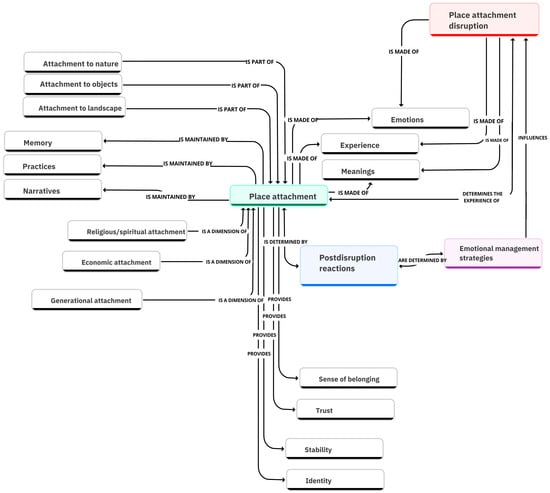
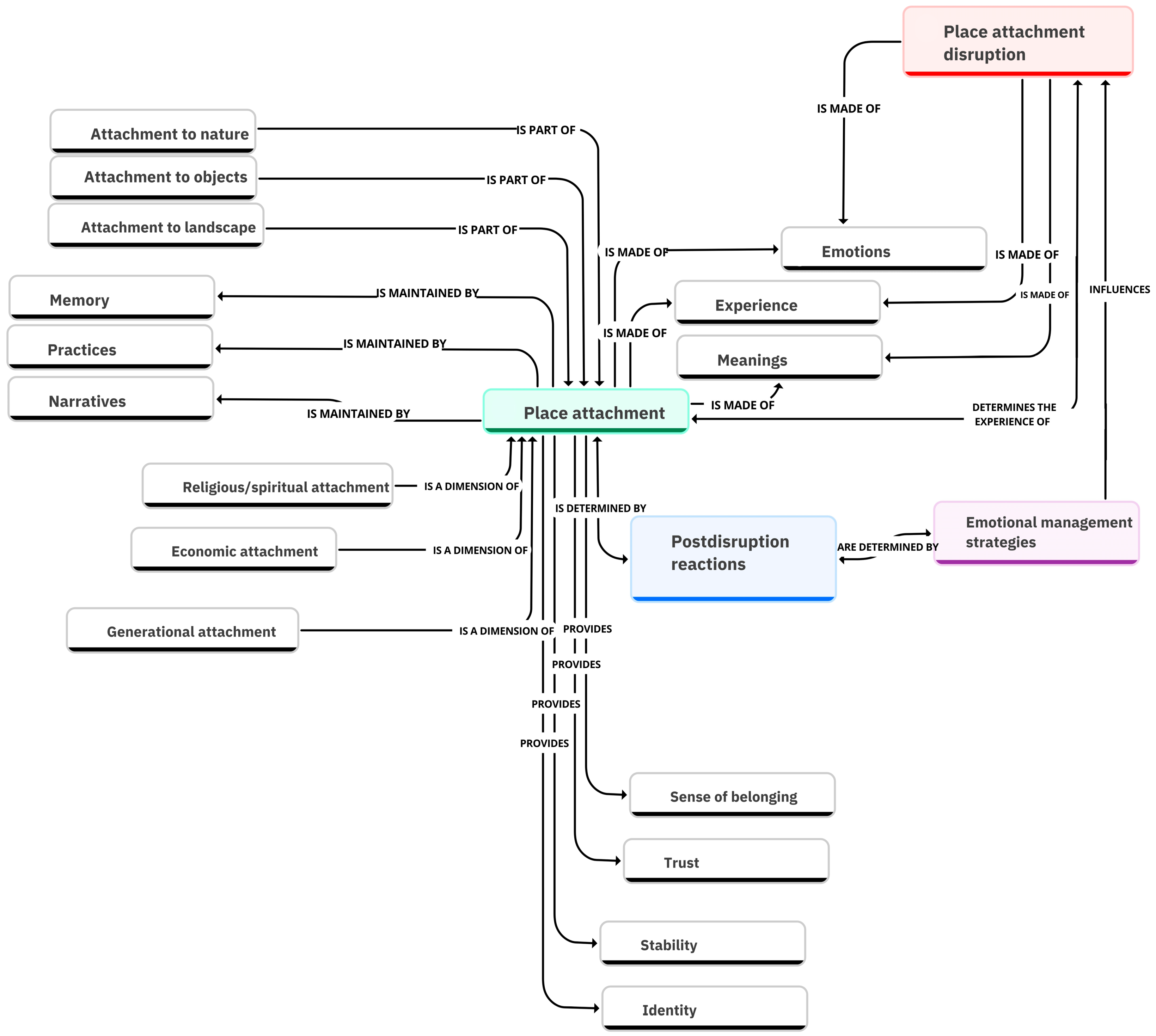

Disclaimer/Publisher’s Note: The statements, opinions and data contained in all publications are solely those of the individual author(s) and contributor(s) and not of MDPI and/or the editor(s). MDPI and/or the editor(s) disclaim responsibility for any injury to people or property resulting from any ideas, methods, instructions or products referred to in the content. |
© 2026 by the authors. Licensee MDPI, Basel, Switzerland. This article is an open access article distributed under the terms and conditions of the Creative Commons Attribution (CC BY) license.