Community Structure and Foraging Behavior of Flower-Visiting Insects in a Sweet Cherry Orchard in Eastern Gansu, China
by
 ,
,
Shujuan Xu
1,2,*,
Ruirui Liu
1,2,*,
Qingxia Zhang
1,
Wenfan Zeng
1,
Shengrui Liang
1,
Guobin Lan
1,
Budan Duo
1 and
Xi Li
1 1
School of Agriculture and Bioengineering, Longdong University, Qingyang 745000, China
2
Gansu Key Laboratory of Protection and Utilization for Biological Resources and Ecological Restoration, Qingyang 745000, China
*
Authors to whom correspondence should be addressed.
Insects 2026, 17(8), 786; https://doi.org/10.3390/insects17080786
Submission received: 17 June 2026
/
Revised: 26 July 2026
/
Accepted: 27 July 2026
/
Published: 29 July 2026
(This article belongs to the Special Issue Pollinator Diversity, Ecosystem Services, and Conservation in a Changing World)
Simple Summary
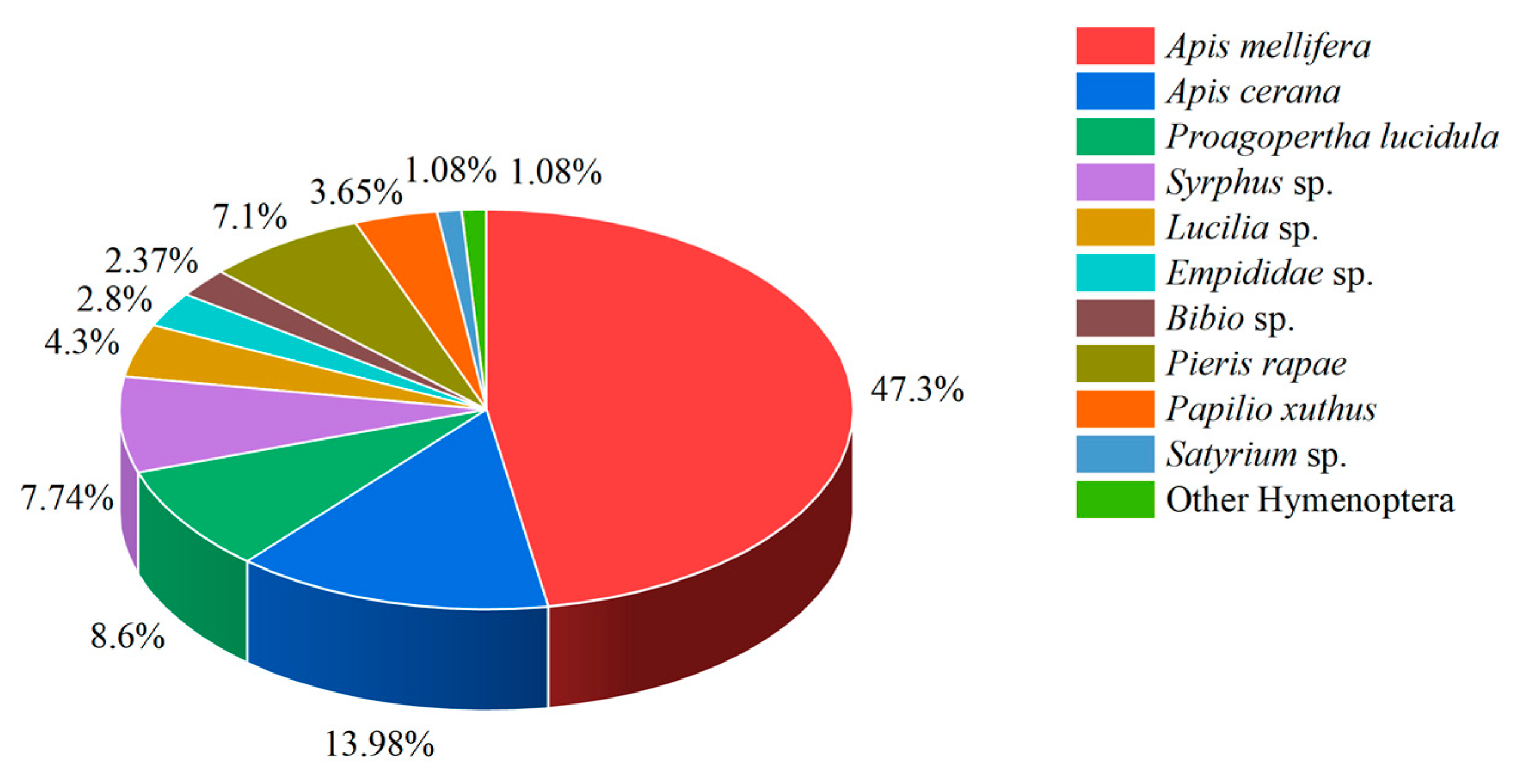
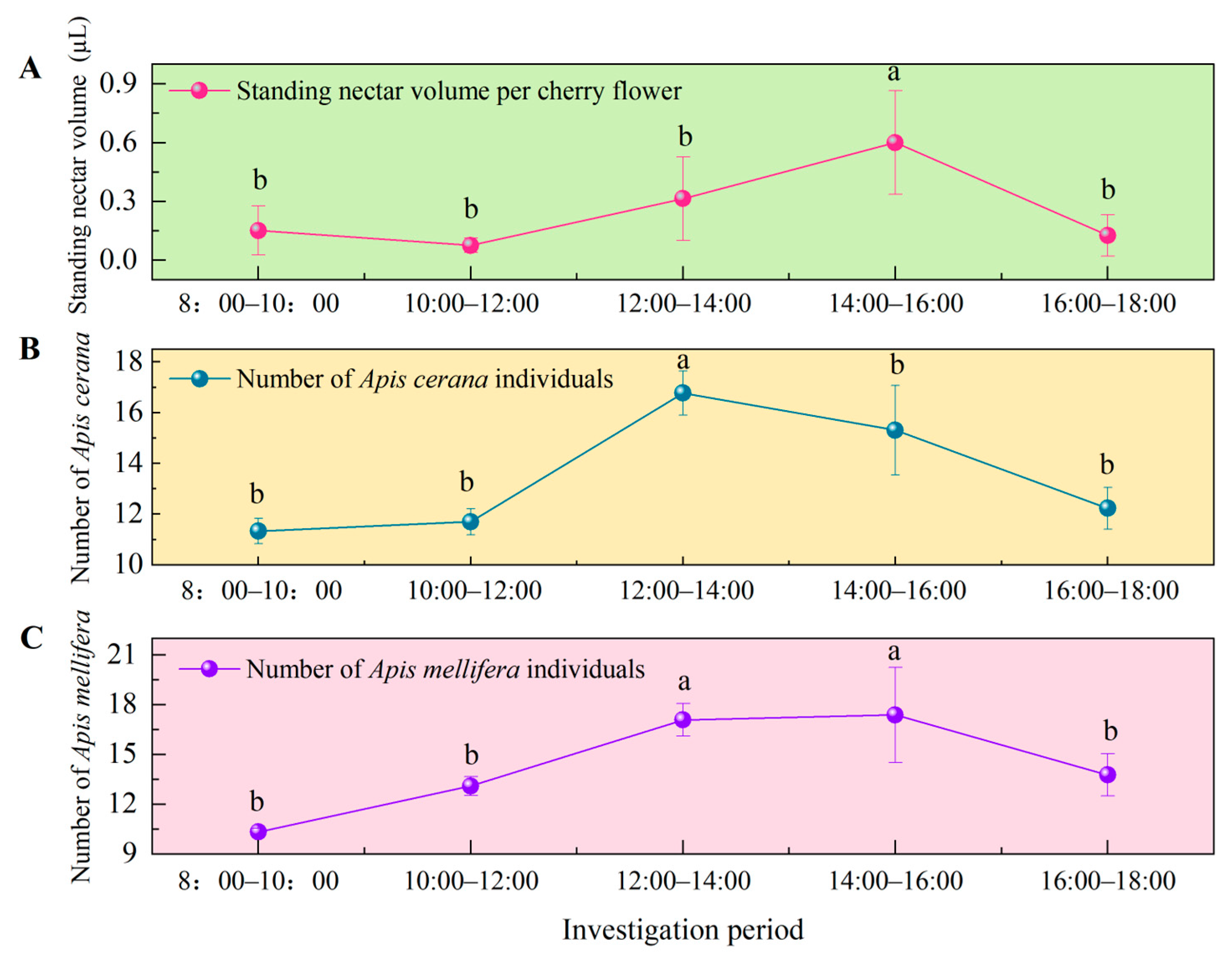
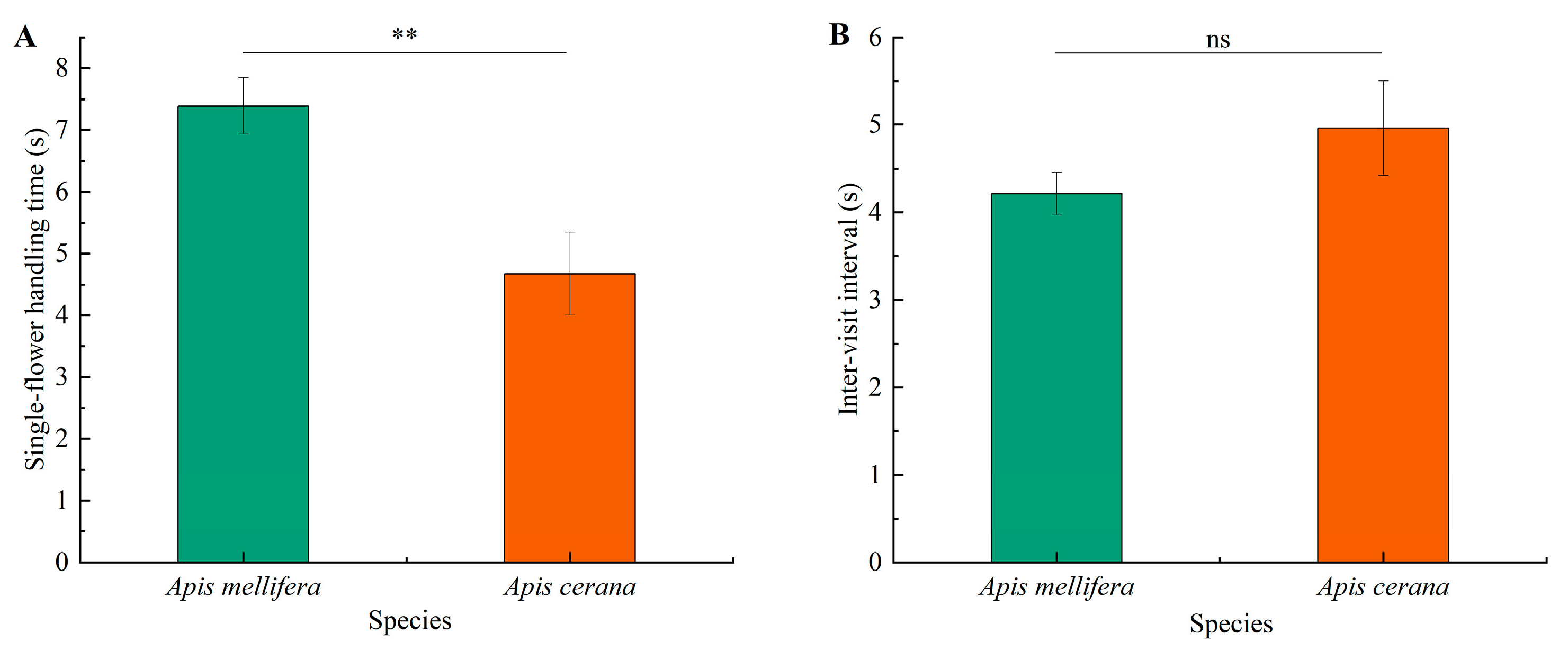
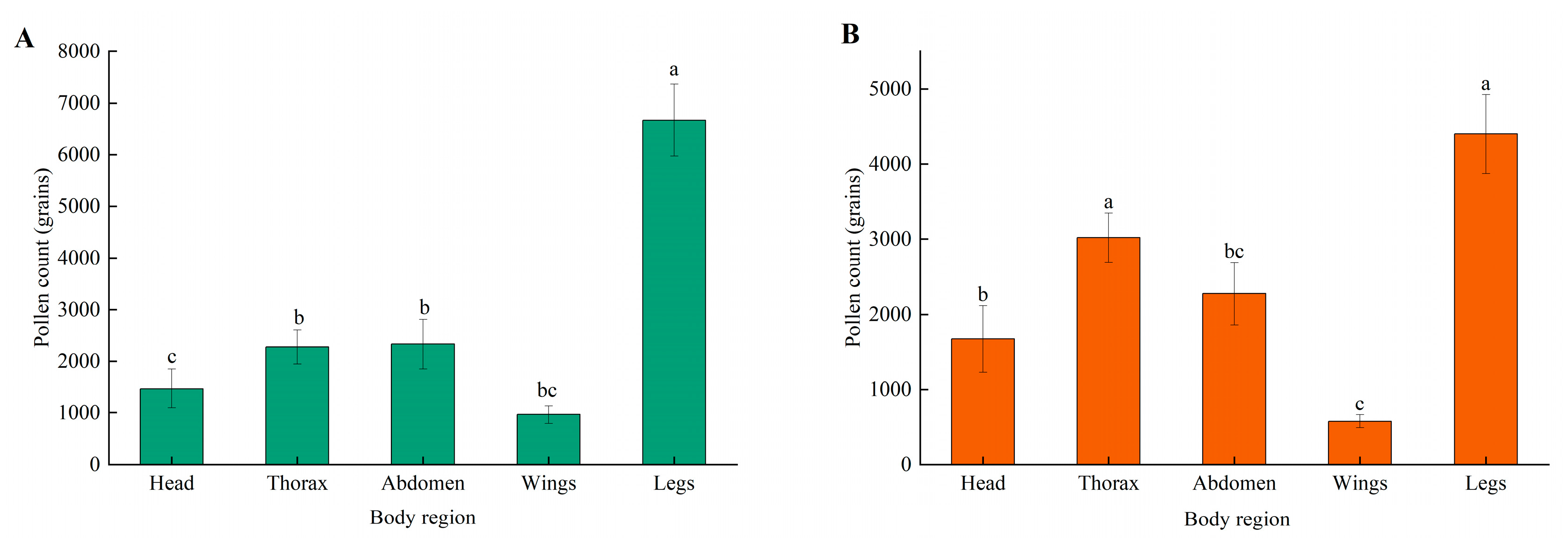
Insect pollination is vital for sweet cherry production. Our research focused on flower-visiting insects in the cherry orchards of the Loess Plateau in eastern Gansu, China. We found that honeybees were the most dominant visitors, with Apis mellifera being the most numerous, followed by Apis cerana. We noted some differences between the two species. Apis cerana reached peak foraging time earlier in the day compared to A. mellifera. Whereas A. mellifera had longer durations per flower, A. cerana had better dispersal of pollen over their body, especially to their thorax, which is an easily accessible body region of the bee to flower stigmas. Apis cerana might play a complementary and functionally significant role in pollination despite the fact that it was less abundant than A. mellifera. Therefore, protecting local bee populations and maintaining diverse pollinator communities in orchards is a practical strategy to ensure sustainable cherry production.
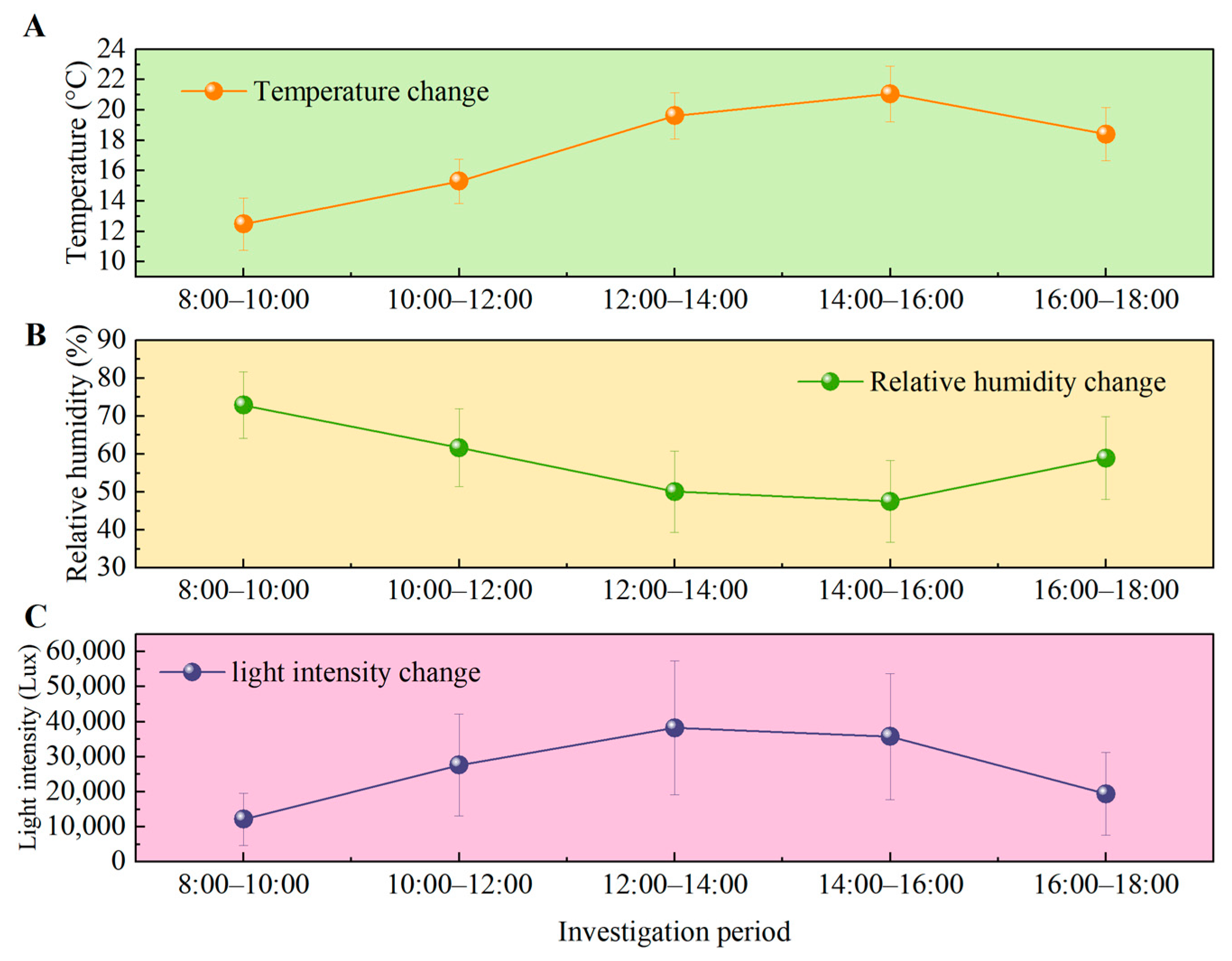
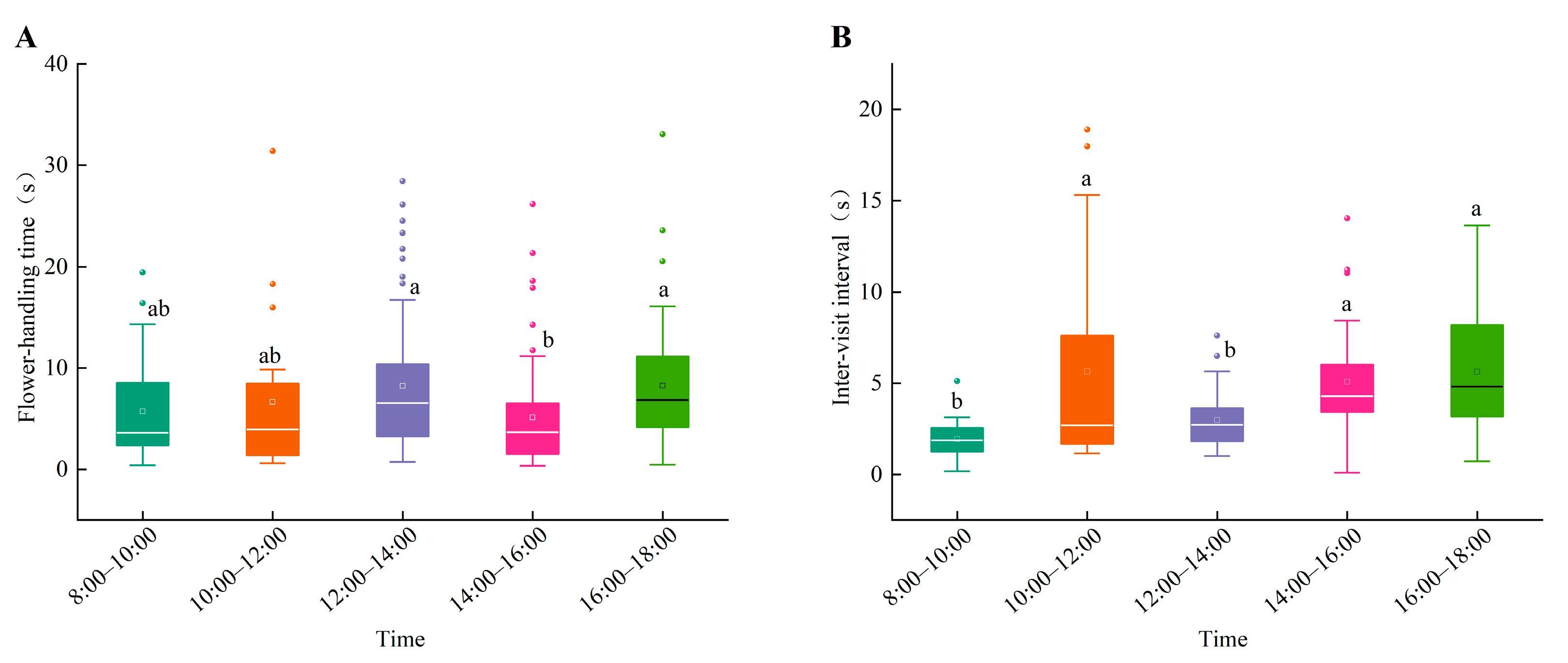
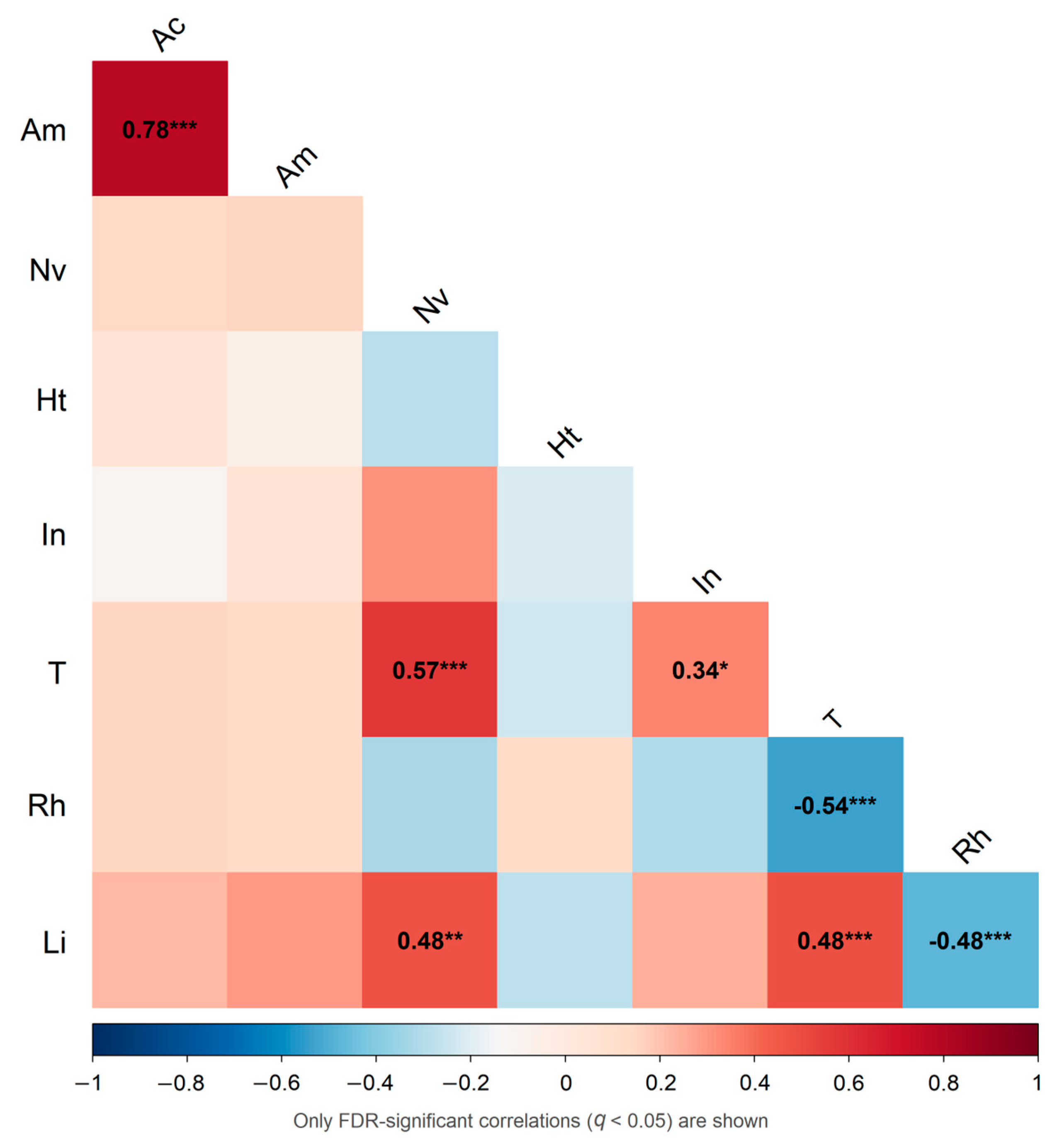
Abstract
Pollination services provided by insects are fundamental to the productivity and quality of sweet cherry orchards. This study investigated the flower-visiting insect community and compared the pollination potential of A. mellifera and A. cerana in a sweet cherry orchard on the Loess Plateau of eastern Gansu, China. Field surveys were conducted during the blooming periods of 2025 and 2026. Visual observation and video recording documented flower-visiting insects across five daily time intervals. Foraging behavior, including flower-handling time and inter-visit interval, was measured in both bee species. Pollen loads on five body parts (head, thorax, abdomen, wings, and legs) were measured by hemocytometry. Standing nectar volume was measured by capillary extraction. Statistical analyses included generalized linear models, Friedman tests, and Pearson correlation analysis. Fourteen insect taxa were identified, among which Hymenoptera was the most dominant order. The main visitors were A. mellifera and A. cerana. The peak of A. cerana visitation was at 12:00–14:00, whereas A. mellifera showed a broader activity peak spanning 12:00–16:00. Apis mellifera exhibited a significantly longer single-flower handling time compared to A. cerana, and inter-visit intervals did not differ significantly between species. Pollen loads showed both species carried the loosest pollen on their legs, but A. cerana also maintained a substantial load on its thorax. Pollen loads did not differ significantly between the two species on any body region. Pollinator activity and standing nectar volume both peaked at 14:00–16:00, but bee visitation showed no linear correlation with environmental factors. Although A. mellifera was numerically dominant, our findings indicate that A. cerana may play a disproportionate role in pollination because of its unique pollen-carrying profile and earlier peak of activity. Therefore, maintaining both honeybee species alongside a diverse assemblage of flower-visiting insects is a prudent strategy for resilient orchard pollination.