
Essential Oils as Biofriendly Alternatives to Synthetic Insect Repellents

Biological Sciences Department, Towson University, Towson, MD 21252, USA
*
Author to whom correspondence should be addressed.
Insects 2026, 17(6), 575; https://doi.org/10.3390/insects17060575
Submission received: 20 April 2026
/
Revised: 28 May 2026
/
Accepted: 29 May 2026
/
Published: 31 May 2026
(This article belongs to the Topic Strategies for Pest and Pesticide Management in Crop Production)
Simple Summary
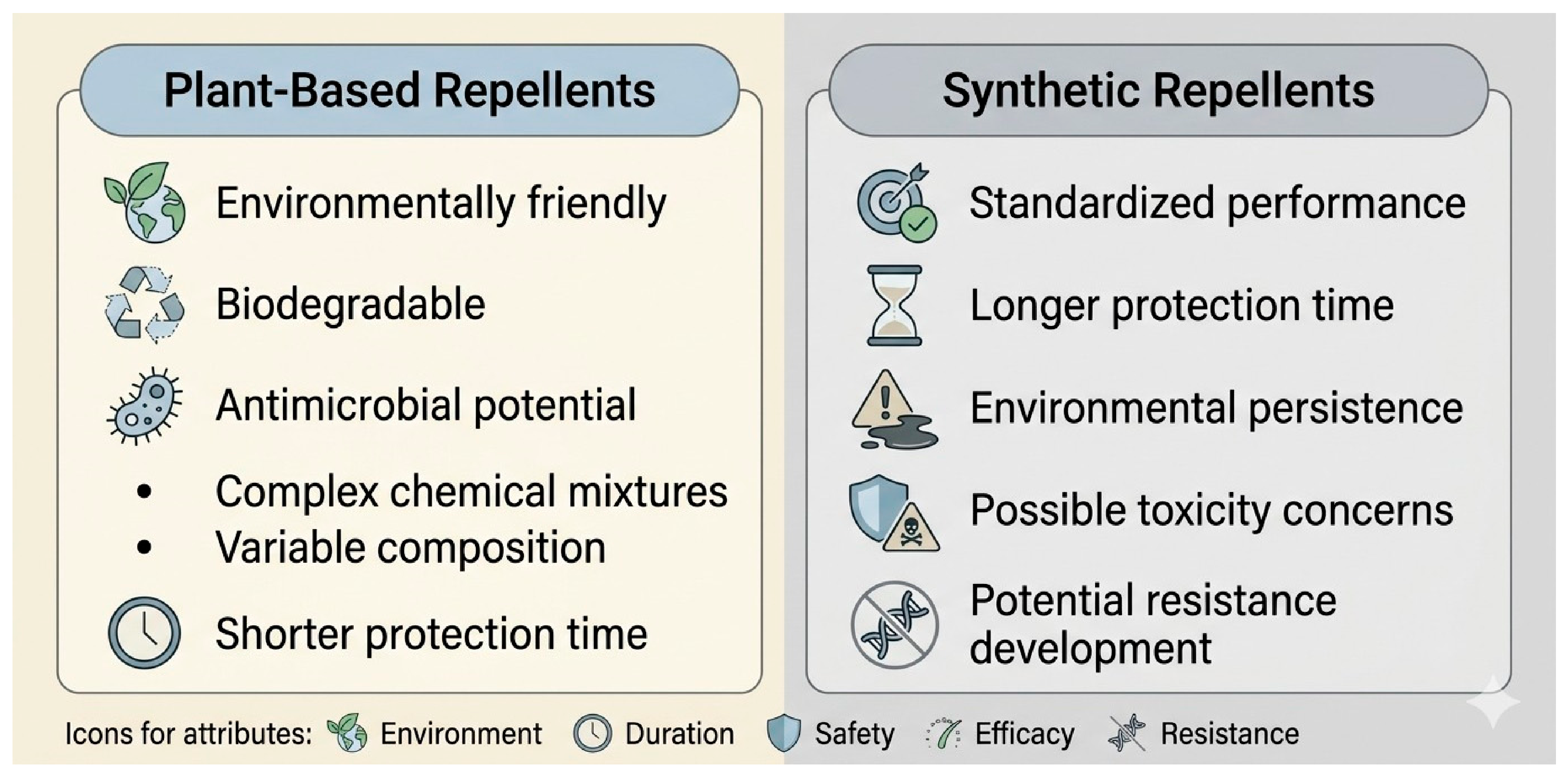
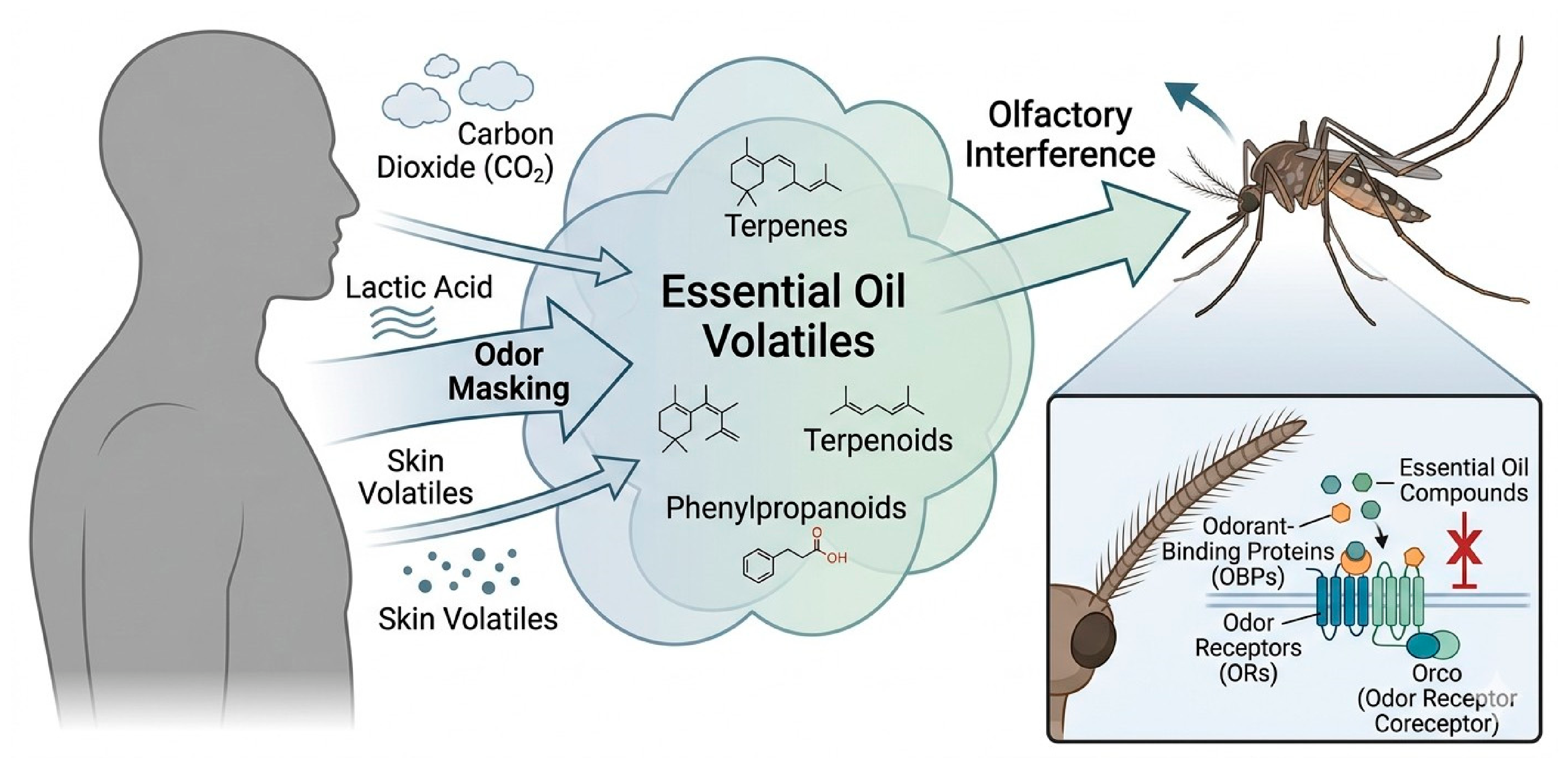
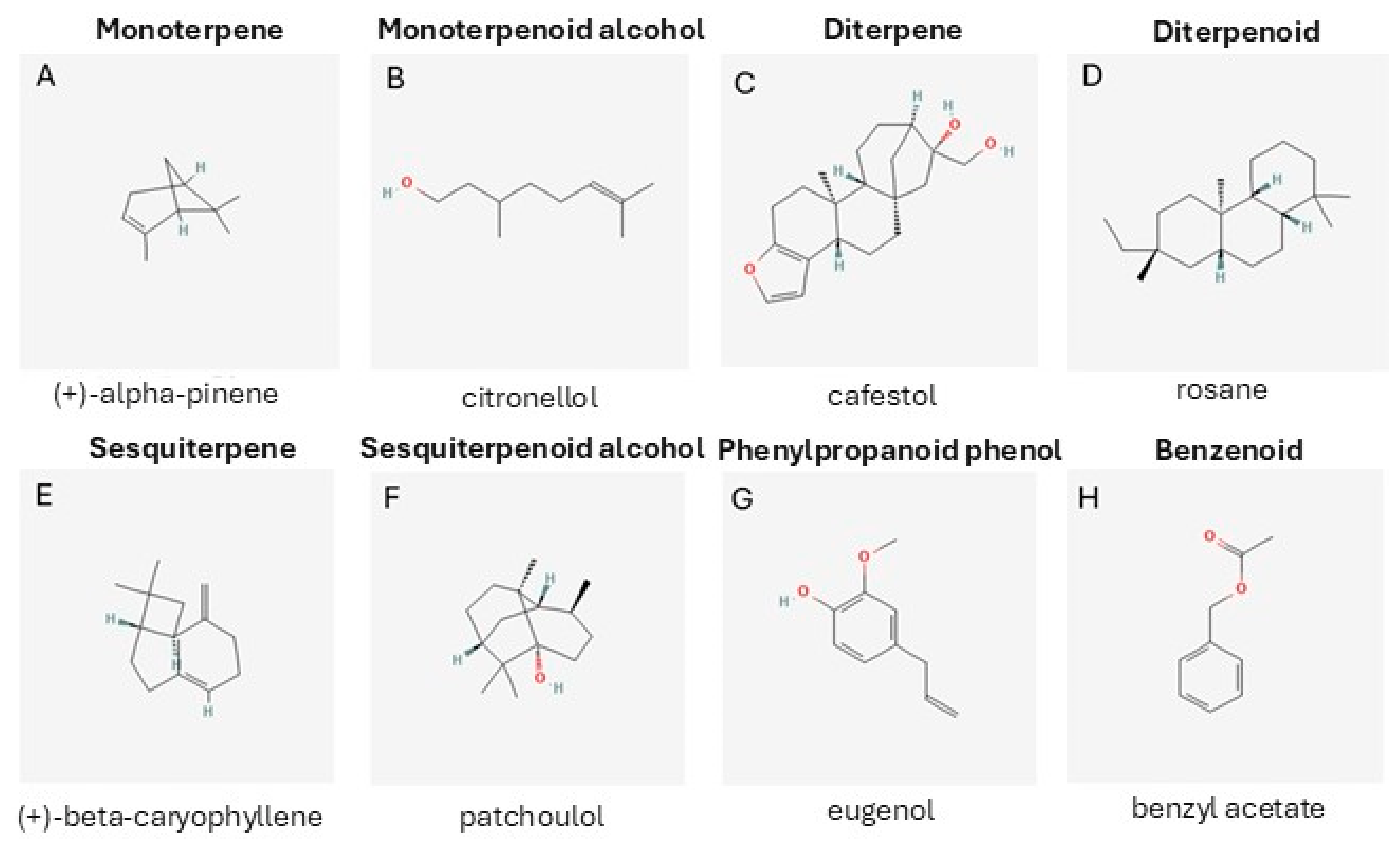
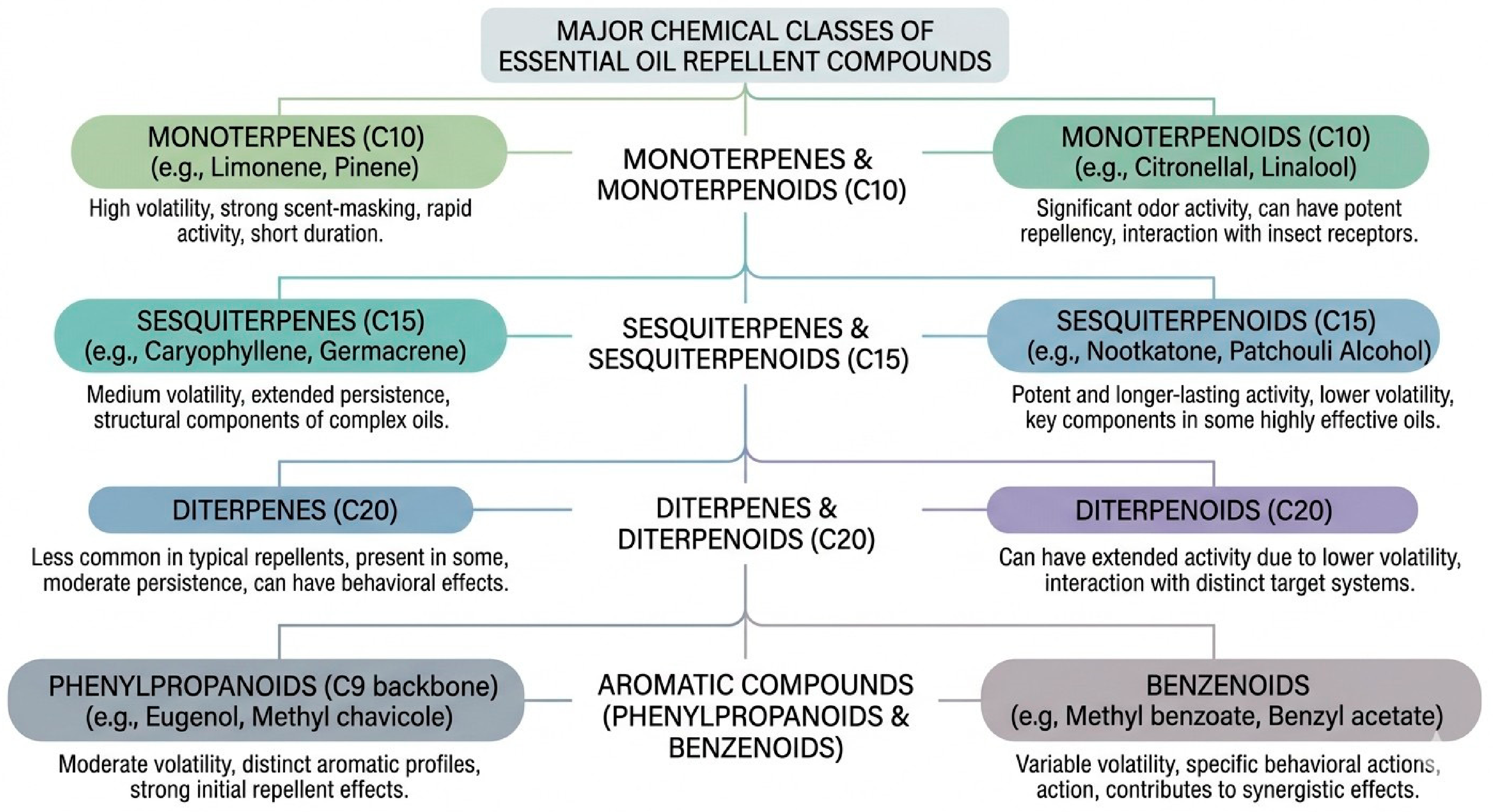
Plant-based repellents use essential oils made of terpenes, terpenoids, phenylpropanoids or benzenoids that either mask human scent or disrupt insect scent detection. Their environmental friendliness and frequent antimicrobial activity make them promising alternatives to synthetic repellents, but their short protection time remains a major limitation because the active compounds are highly volatile. Beyond pest control, many essential oils are also used in therapeutic contexts for effects such as relaxation, mood support, and symptom relief, which contributes to their broad consumer appeal. Current research aims to improve longevity through encapsulation and nanotechnology-based delivery systems. Because essential oils are complex mixtures, resistance may develop differently than with traditional single-ingredient repellents. Before these products become commercially viable, they must undergo extensive safety testing, standardized efficacy comparisons with EPA-approved repellents, large-scale field trials, and compliance with federal and state pesticide regulations.
Abstract
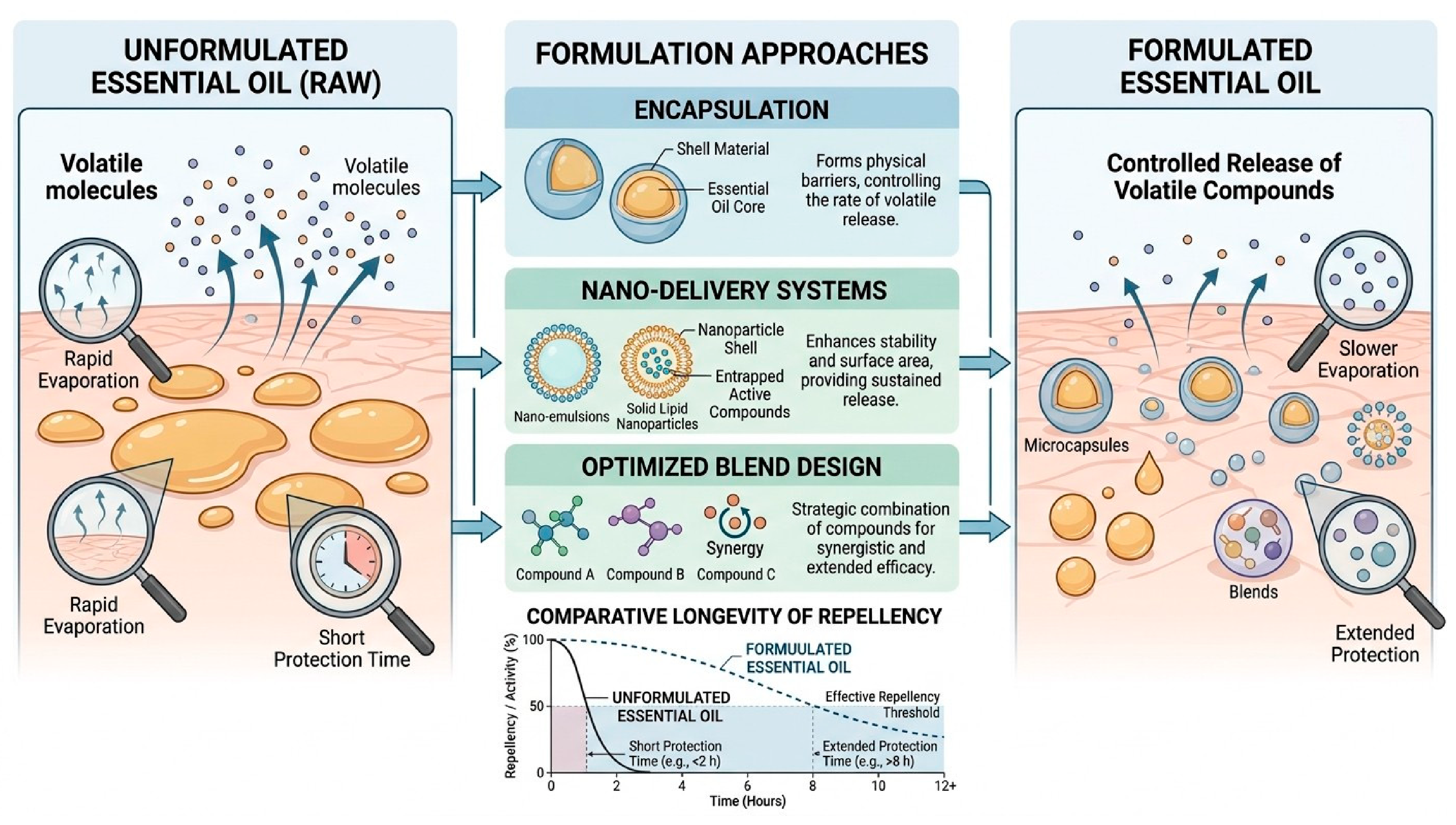
Most plant-based essential oil repellent products currently available on the market utilize a “green” approach based on the volatile properties of essential oils. In general, these essential oils contain terpenes, terpenoids, phenylpropanoids or benzenoids that can be used to either (1) eliminate a human’s scent through a process called odor masking, or (2) interfere with an insect’s ability to detect a person’s scent through interaction with both olfactory receptors and odorant binding proteins. Additionally, many of the essential oil blends that have been developed have been shown to exhibit antimicrobial and therapeutic properties. The primary drawback to using essential oil-based repellents is that their protection times vary widely, and typically last only a short period of time due to the volatile nature of the active ingredients, as well as differences in concentration and formulation among products. Encapsulation, nano-delivery systems, and rationally designed blend combinations are being proposed as potential methods to delay the release of the essential oil active ingredients, thus extending the duration of effectiveness of the repellent product. Since essential oils represent complex mixtures, there is a possibility that resistance to the repellent active ingredients could develop differently than it would for single-active agents. However, before such resistance can be assessed, the repellents must undergo extensive safety evaluations, along with standardized efficacy assessments against Environmental Protection Agency (EPA)-approved repellent products, and ultimately, field trials must be conducted in areas where the repellents will be used to prevent vector-borne diseases. In addition to conducting these evaluations, the repellents must comply with existing state and federal pesticide regulations.
Keywords:
essential oils; olfaction; repellent; arthropods; insects; behavior; green repellent; pesticides; pest; antimicrobial; therapeutic