Effects of Temperature and Exposure Duration on Energy Substances and Antioxidant Enzymes in Riptortus pedestris (Hemiptera: Alydidae)

 and
and
Simple Summary
Abstract
1. Introduction
2. Materials and Methods
2.1. Test Insect Source
2.2. Test Instruments and Equipments
2.3. Reagents and Materials
2.4. Treatment Methods
2.5. Determination Methods of Energy Substances
2.5.1. Method of Water Loss Rate Measurement
2.5.2. Method of Fat Content Determination
2.5.3. Method of Total Sugar Content Determination
2.5.4. Method of Glycogen Content Determination
2.5.5. Method of Determination Total Protein Content
2.6. Activity Assay Method
2.6.1. Superoxide Dismutase Activity Assay Method
2.6.2. Peroxidase Activity Assay Method
2.6.3. Catalase Activity Assay Method
2.6.4. Total Antioxidant Capacity Assay Method
2.6.5. Malondialdehyde Activity Assay Method
2.7. Data Analysis
3. Results
3.1. Effects of Short-Term High-Temperature Stress on Energy Substances in Adult R. pedestris
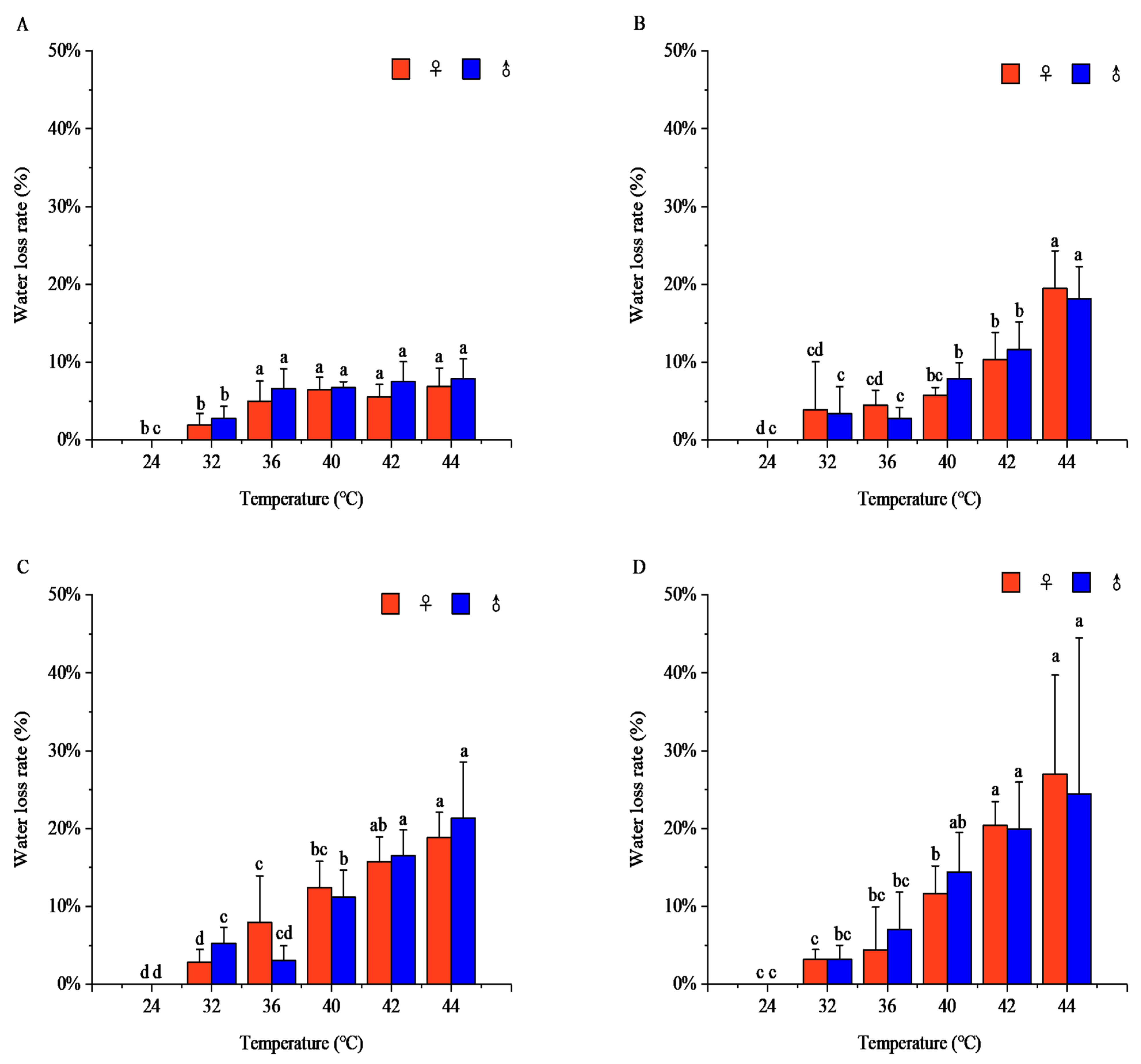
3.1.1. Effects of Short-Term High-Temperature Stress on Water Loss Rate of R. pedestris Adults
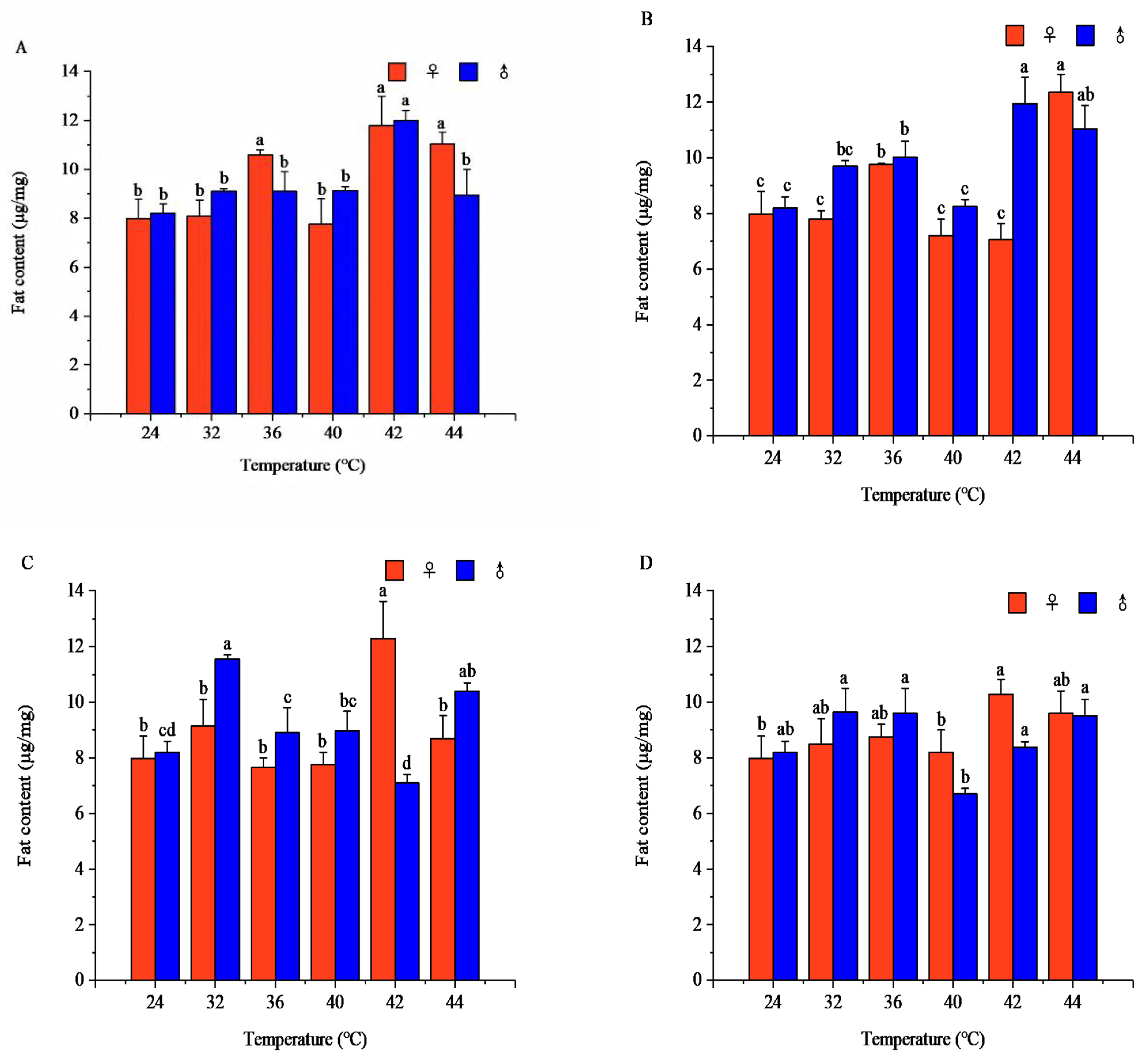
3.1.2. Effects of Short-Term High-Temperature Stress on Fat Content of Adult R. pedestris
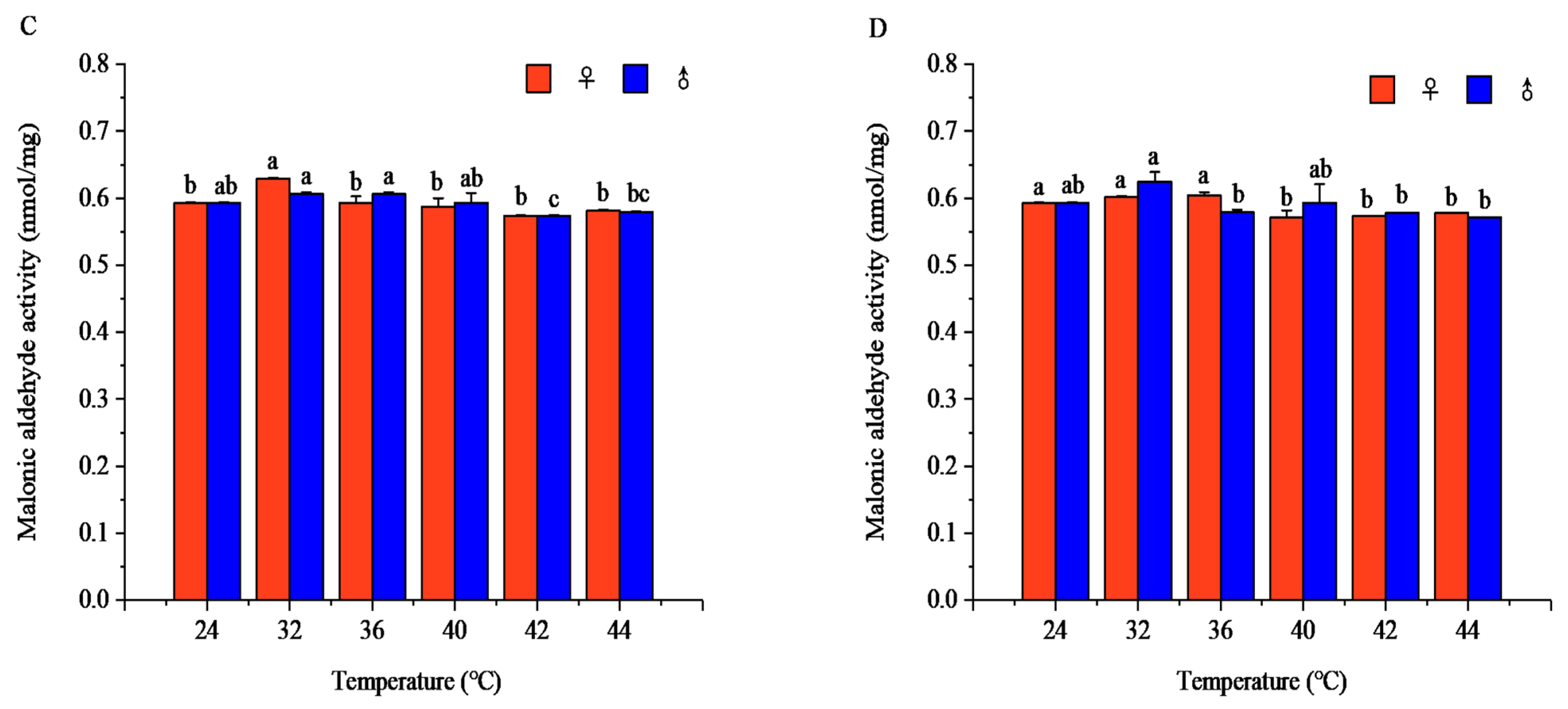
3.1.3. Effects of Short-Term High-Temperature Stress on Total Sugar Content of Adult R. pedestris
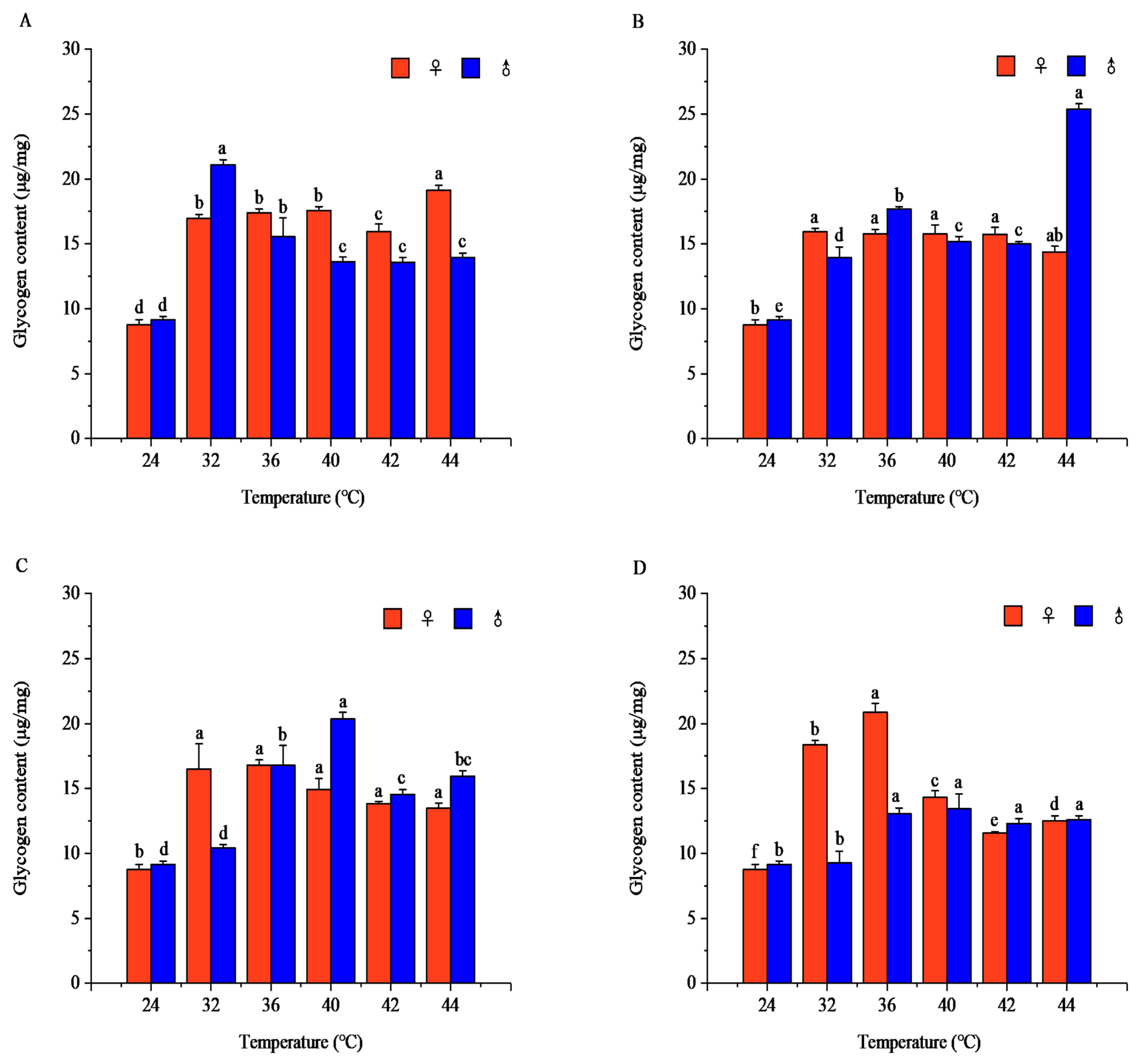
3.1.4. Effects of Short-Term High-Temperature Stress on Glycogen Content of Adult R. pedestris
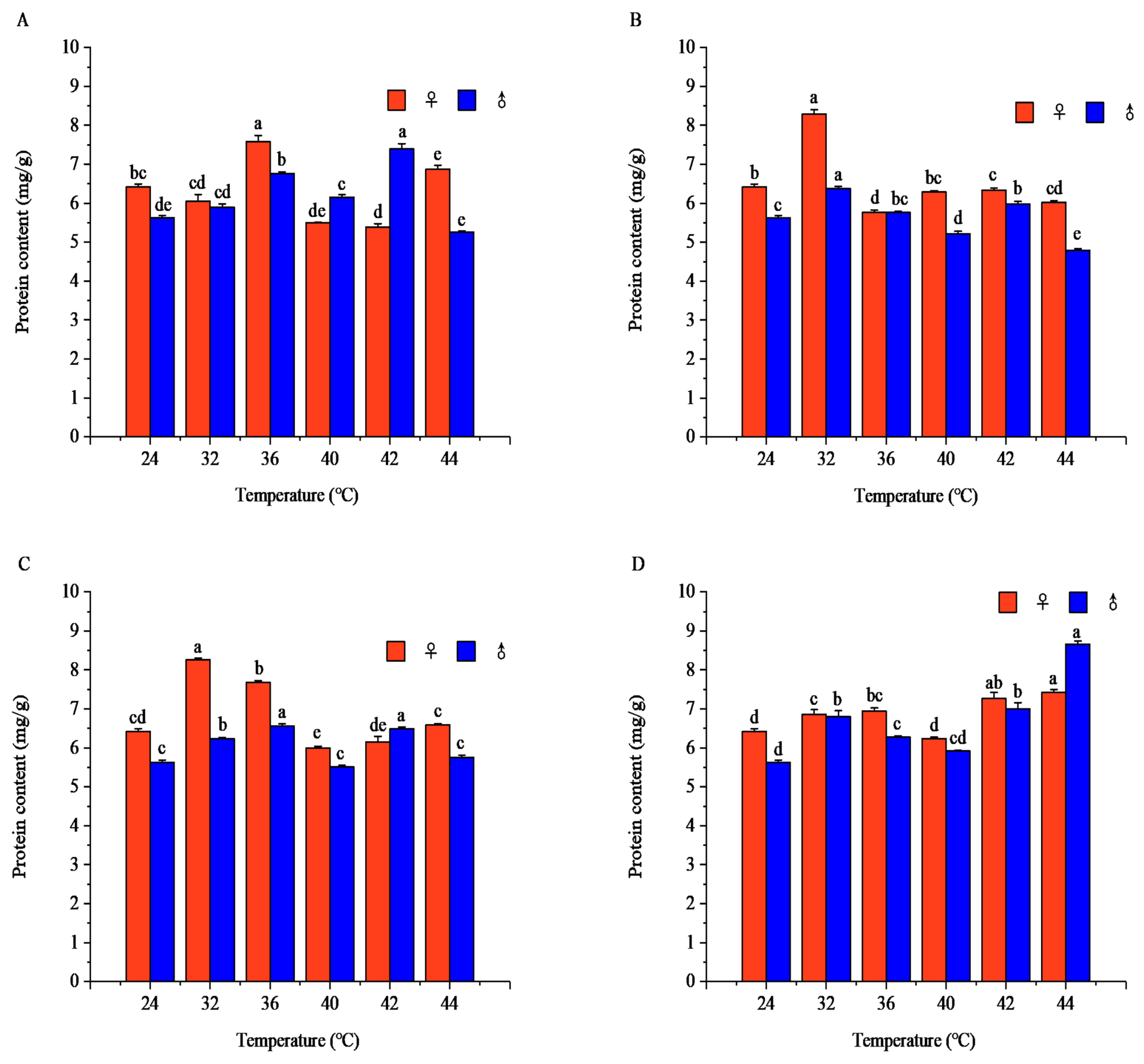
3.1.5. Effects of Short-Term High-Temperature Stress on Total Protein Content of Adult R. pedestris
3.2. Effects of Short-Term High-Temperature Stress on Antioxidant Enzyme Activities of Adult R. pedestris
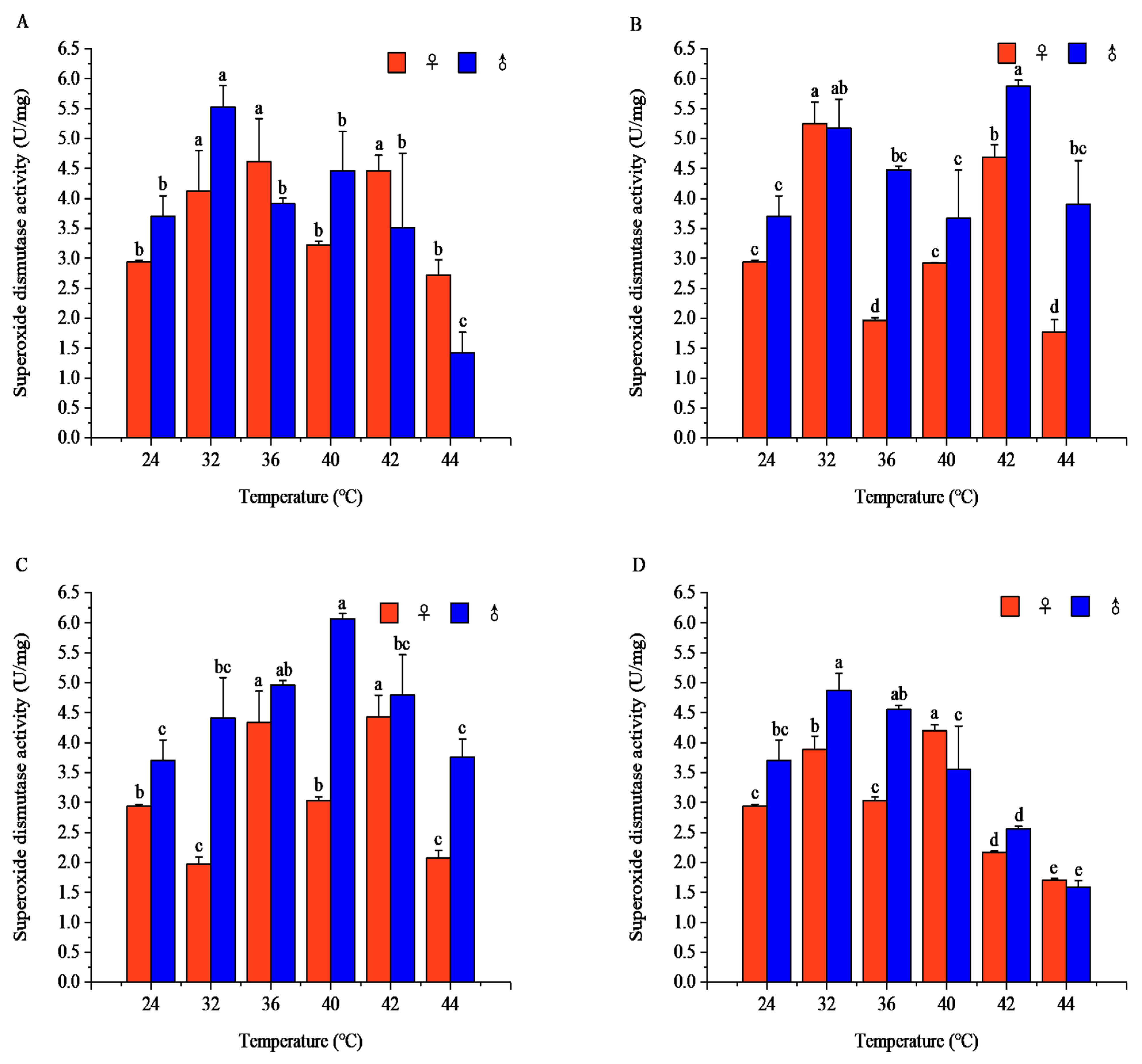
3.2.1. Effects of Short-Term Heat Stress on SOD Activity in Adult R. pedestris
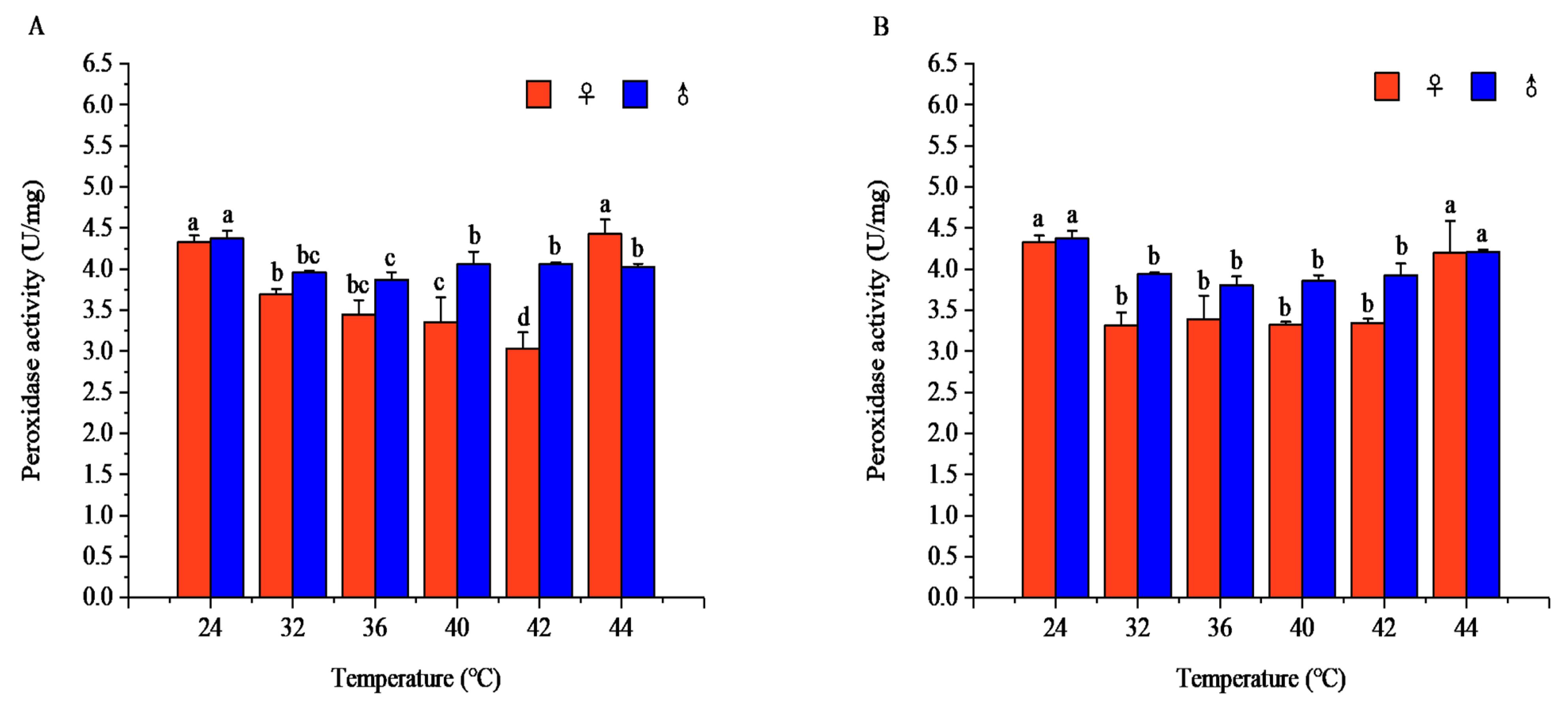
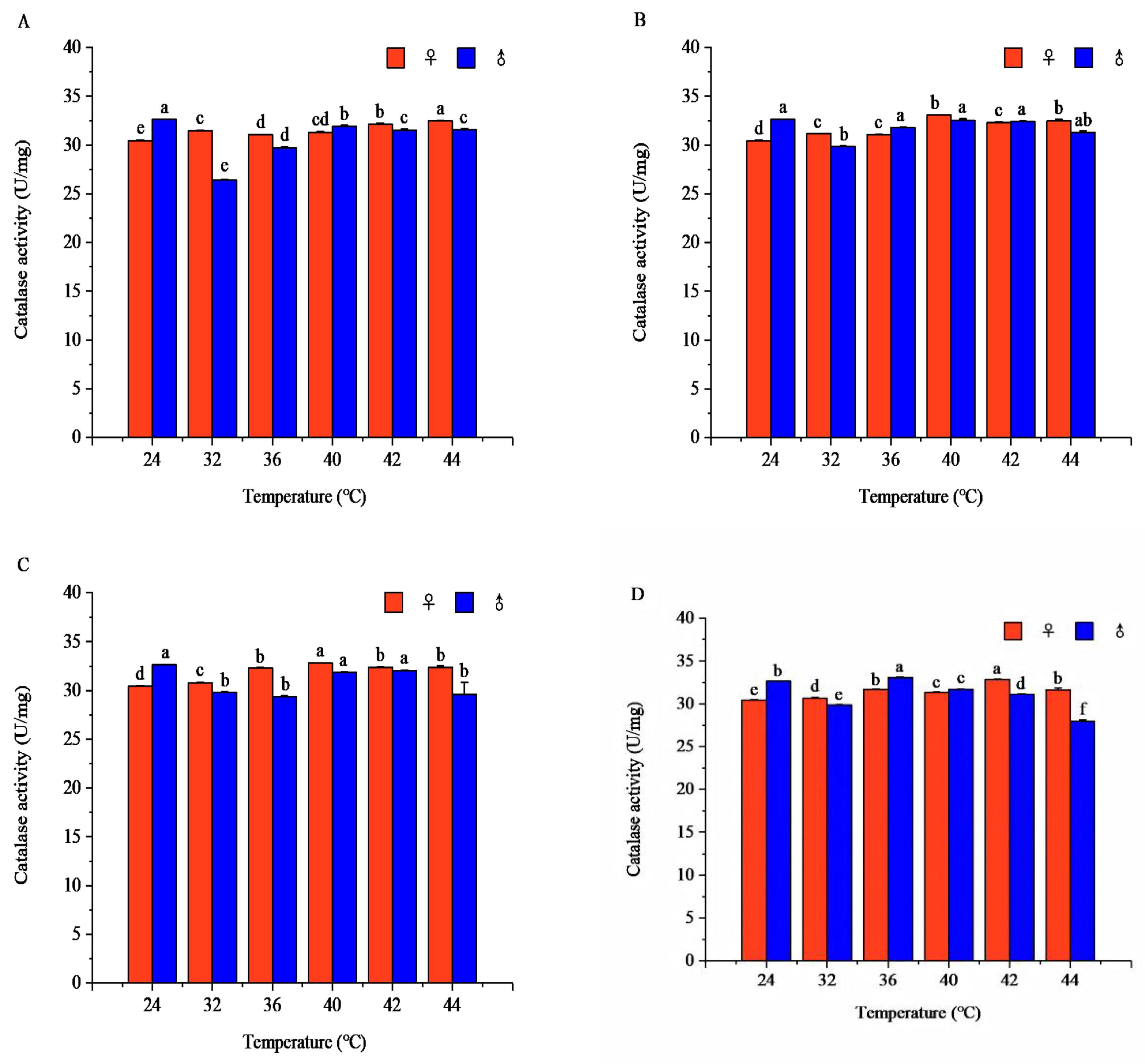
3.2.2. Effects of Short-Term High-Temperature Stress on POD Activity in Adult R. pedestris
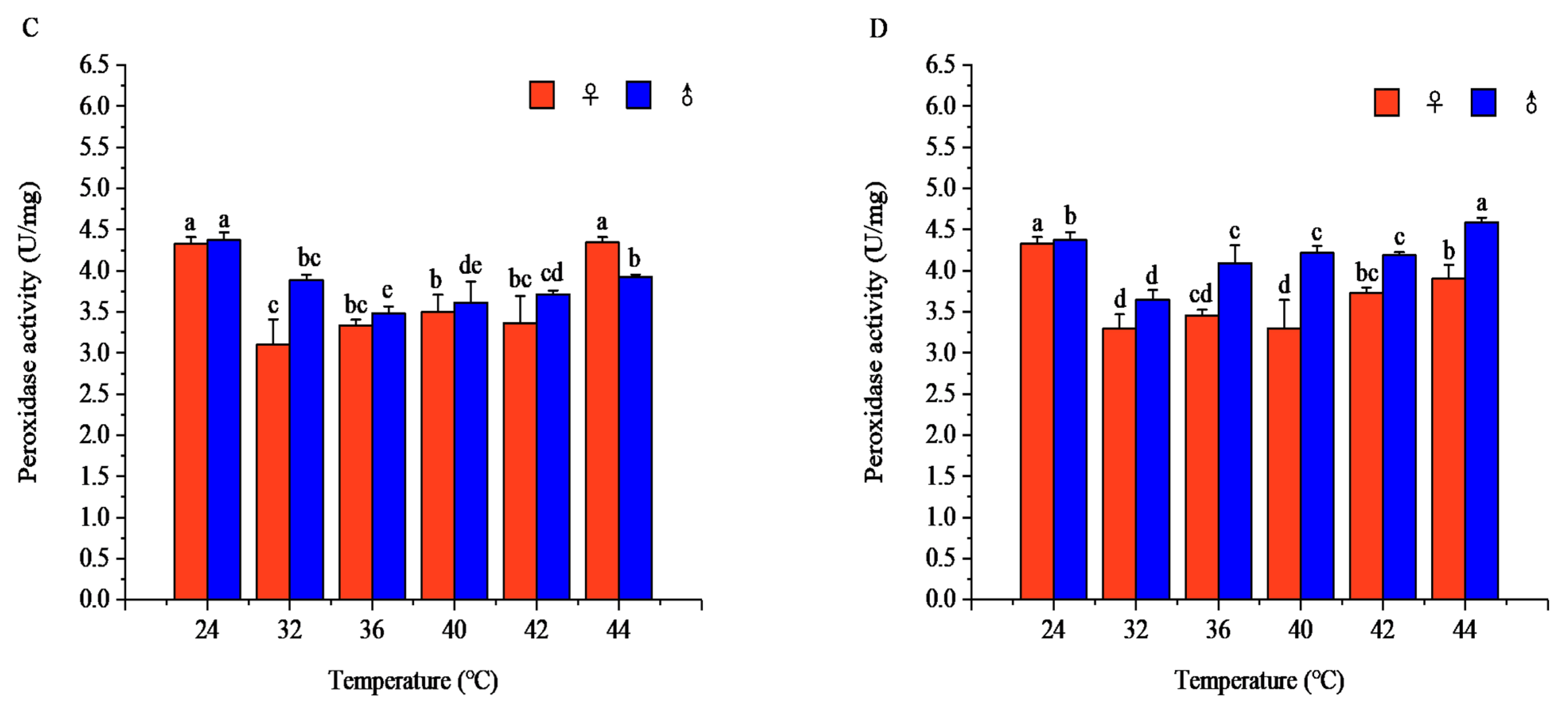
3.2.3. Effects of Short-Term High-Temperature Stress on the CAT Activity of Adult R. pedestris with Increasing Temperature
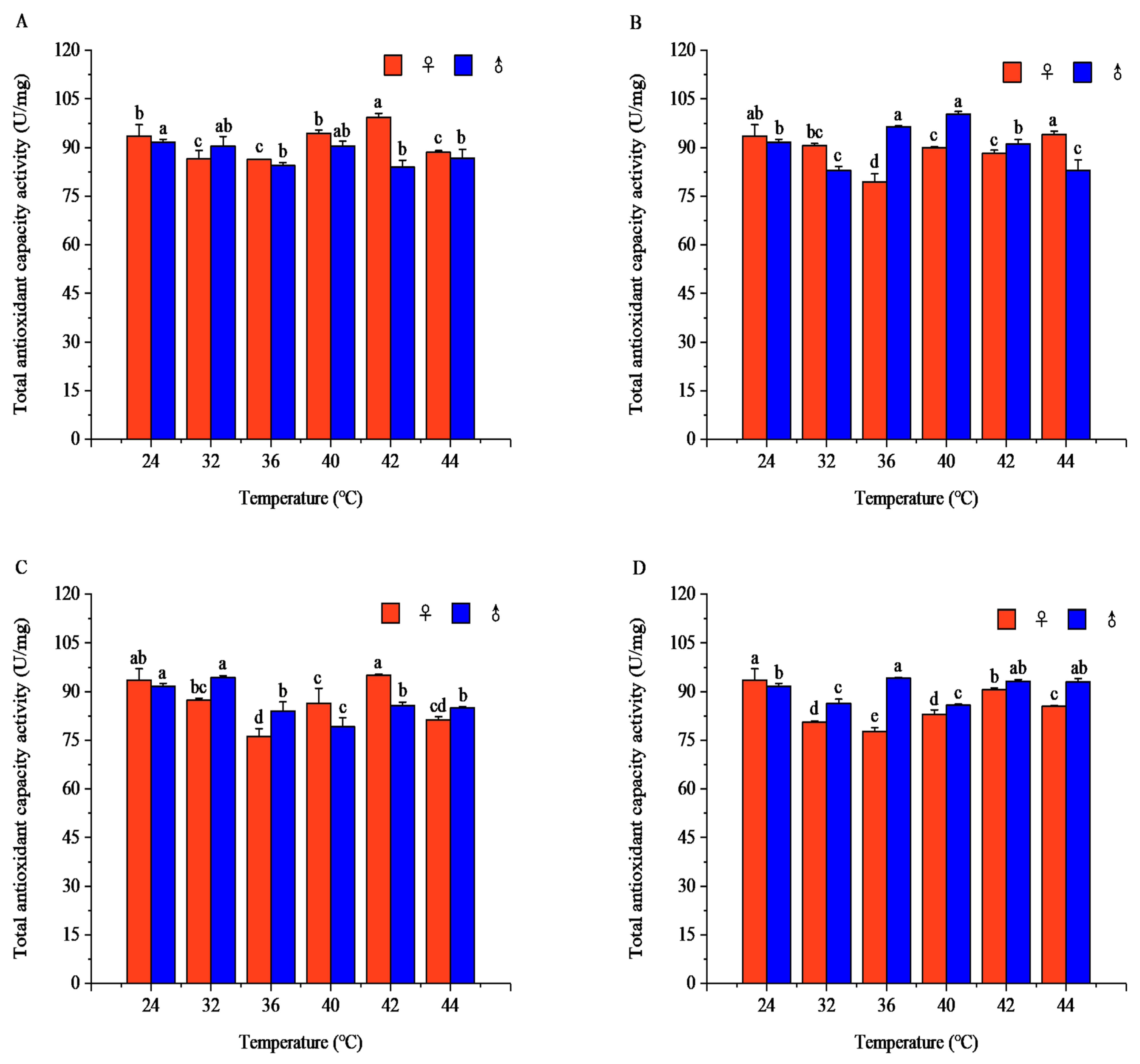
3.2.4. Effects of Short-Term High-Temperature Stress on T-AOC Capacity of Adult R. pedestris
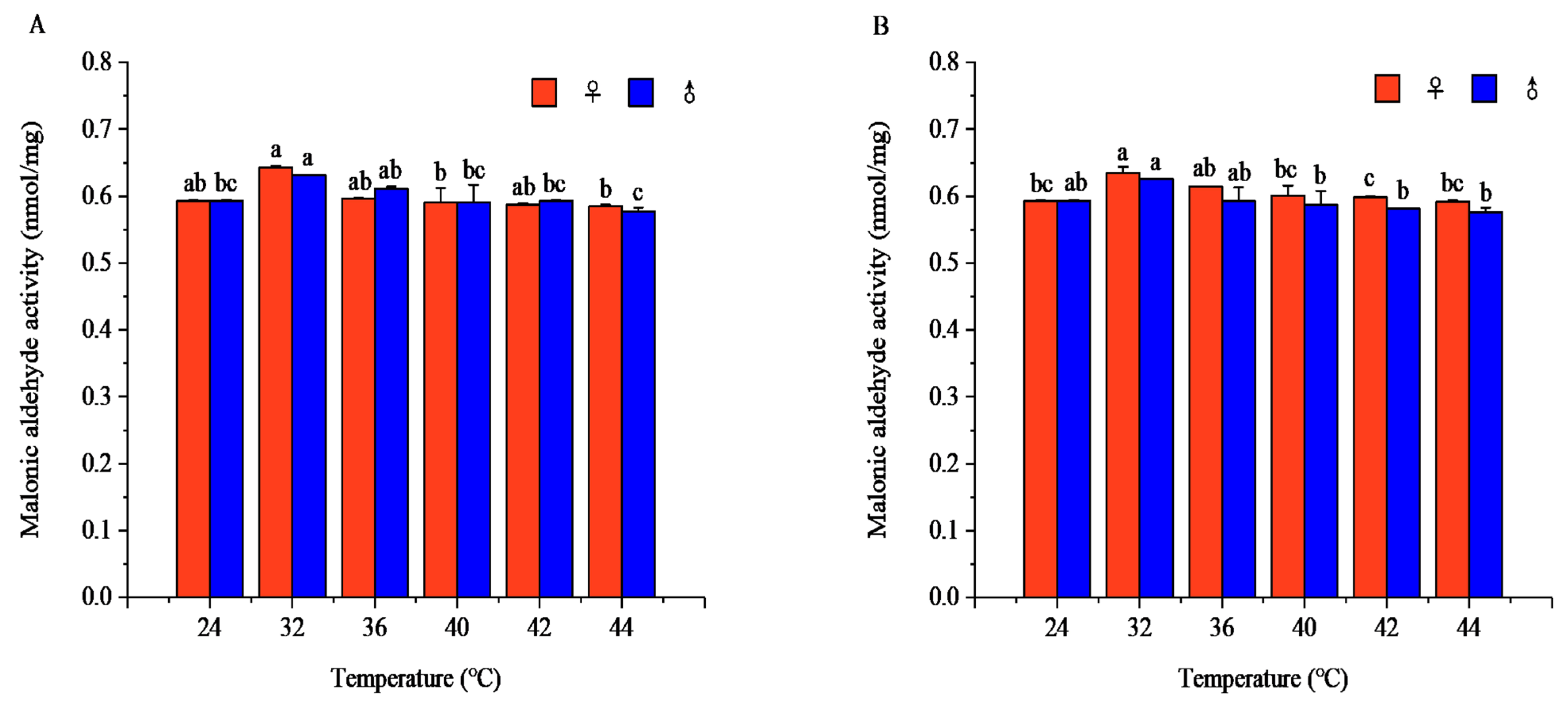
3.2.5. Effects of Short-Term High-Temperature Stress on MDA Content of Adult R. pedestris
4. Discussion
5. Conclusions
Supplementary Materials
Author Contributions
Funding
Data Availability Statement
Acknowledgments
Conflicts of Interest
References
- Liu, J.; Wang, C.; Desneux, N.; Lu, Y. Impact of temperature on survival rate, fecundity, and feeding behavior of two aphids, Aphis gossypii and Acyrthosiphon gossypii, when reared on cotton. Insects 2021, 12, 565. [Google Scholar] [CrossRef] [PubMed]
- Lahondere, C. Recent advances in insect thermoregulation. J. Exp. Biol. 2023, 226, jeb245751. [Google Scholar] [CrossRef]
- Ma, C.-S.; Ma, G.; Pincebourde, S. Survive a warming climate: Insect responses to extreme high temperatures. Annu. Rev. Entomol. 2021, 66, 163–184. [Google Scholar] [CrossRef]
- Beaulieu, M.; Gillen, E.; Hahn, S.; Pape, J.M.; Fischer, K. Behavioural antioxidant strategies to cope with high temperatures: A study in a tropical butterfly. Anim. Behav. 2015, 109, 89–99. [Google Scholar] [CrossRef]
- Ma, C.-S.; Wang, B.-X.; Wang, X.-J.; Lin, Q.-C.; Zhang, W.; Yang, X.-F.; van Baaren, J.; Bebber, D.P.; Eigenbrode, S.D.; Zalucki, M.P. Crop pest responses to global changes in climate and land management. Nat. Rev. Earth Environ. 2025, 6, 264–283. [Google Scholar] [CrossRef]
- Zhang, L.; Zhou, Y.; Zhou, X.; Li, X.; Niu, Y.; Du, Z.; Zhang, W.; Gao, Y. Sex-specific thermal adaptation in Riptortus pedestris: Integrating logistic thresholds and transcriptomic responses. Biology 2026, 15, 552. [Google Scholar] [CrossRef]
- Jiang, F.; Zheng, L.; Guo, J.; Zhang, G. Effects of temperature stress on insect fertility and its physiological and biochemical mechanisms. J. Environ. Entomol. 2015, 37, 653–663. [Google Scholar] [CrossRef]
- Du, Y.; Ma, C.; Zhao, Q.; Ma, G.; Yang, H. Effects of heat stress on physiological and biochemical mechanisms of insects: A literature review. Acta Ecol. Sin. 2007, 27, 1565–1572. [Google Scholar] [CrossRef]
- Gao, Y.; Shi, S.S.; Xu, M.L.; Cui, J. Current research on soybean pest management in China. Oil Crop Sci. 2018, 3, 215–227. [Google Scholar] [CrossRef]
- Tian, X.-Y.; Gao, Y.; Ali, M.Y.; Li, X.-H.; Hu, Y.-L.; Li, W.-B.; Wang, Z.-J.; Shi, S.-S.; Zhang, J.-P. Impact of temperature on age-stage, two-sex life table analysis of a chinese population of bean bug, Riptortus pedestris (Hemiptera: Alydidae). Agriculture 2022, 12, 1505. [Google Scholar] [CrossRef]
- Ahn, J.J.; Choi, K.S. Population parameters and growth of Riptortus pedestris (Fabricius) (Hemiptera: Alydidae) under fluctuating temperature. Insects 2022, 13, 113. [Google Scholar] [CrossRef] [PubMed]
- Geister, T.L.; Lorenz, M.W.; Meyering-Vos, M.; Hoffmann, K.H.; Fischer, K. Effects of temperature on reproductive output, egg provisioning, juvenile hormone and vitellogenin titres in the butterfly Bicyclus anynana. J. Insect Physiol. 2008, 54, 1253–1260. [Google Scholar] [CrossRef]
- Wang, S.; Yin, X.; Tang, J.; Hansen, J.D. Thermal resistance of different life stages of codling moth (Lepidoptera: Tortricidae). J. Stored Prod. Res. 2004, 40, 465–474. [Google Scholar] [CrossRef]
- Yang, M.; Sun, F.; Li, Z.; Liu, X.; Yu, F. Responses of physiological indexes of Chilo suppressalis larvae at different instars under high temperature stress. Jiangsu Agric. Sci. 2022, 50, 135–139. [Google Scholar] [CrossRef]
- Bhargav, O.; Aggarwal, N.; Jindal, J. Temperature-dependent life history and demographic traits of the invasive fall armyworm, Spodoptera frugiperda (J.E. Smith) on maize. Bull. Entomol. Res. 2025, 116, 90–103. [Google Scholar] [CrossRef]
- Walter, M.F.; Petersen, N.S.; Biessmann, H. Heat shock causes the collapse of the intermediate filament cytoskeleton in Drosophila embryos. Dev. Genet. 1990, 11, 270–279. [Google Scholar] [CrossRef]
- Ma, G.; Ma, C.-S. Climate warming may increase aphids’ dropping probabilities in response to high temperatures. J. Insect Physiol. 2012, 58, 1456–1462. [Google Scholar] [CrossRef]
- Appiah, E.F.; Ekesi, S.; Salifu, D.; Afreh-Nuamah, K.; Obeng-Ofori, D.; Khamis, F.; Mohamed, S.A. Effect of temperature on immature development and longevity of two introduced opiine parasitoids on Bactrocera invadens. J. Appl. Entomol. 2013, 137, 571–579. [Google Scholar] [CrossRef]
- Kashiwagi, A.; Kashiwagi, K.; Takase, M.; Hanada, H.; Nakamura, M. Comparison of catalase in diploid and haploid Rana rugosa using heat and chemical inactivation techniques. Comp. Biochem. Physiol. B-Biochem. Mol. Biol. 1997, 118, 499–503. [Google Scholar] [CrossRef] [PubMed]
- Li, X.; Niu, Y.; Cui, X.; Cui, Y.; Chen, S.; Shi, S.; Gao, Y. Temperature modulates nutrient metabolism and antioxidative fluctuations in Riptortus pedestris. Agronomy 2025, 15, 1300. [Google Scholar] [CrossRef]
- Yang, L.-H.; Huang, H.; Wang, J.-J. Antioxidant responses of citrus red mite, Panonychus citri (McGregor) (Acari Tetranychidae), exposed to thermal stress. J. Insect Physiol. 2010, 56, 1871–1876. [Google Scholar] [CrossRef] [PubMed]
- Li, D.; Luo, Y.; Huang, X.; Yi, T.; Tan, Z. Effects of high temperature stress on the activities of three enzymes of Dysmicoccus neobrevipes Beardsley (Hemiptera:Pseudococcidae) in different geographical populations. J. Environ. Entomol. 2023, 45, 659–665. [Google Scholar] [CrossRef]
- Bulut, B.; Geiss, M.; Bernard, M.; Doria, H.B.; Feldmeyer, B.; Pfenninger, M. Dissecting oxidative stress and organismic response to a temperature gradient in the midge Chironomus riparius. Ecol. Evol. 2025, 15, e72625. [Google Scholar] [CrossRef]
- Gao, Y.; Chen, L.; Hu, Y.; Tian, X.; Wang, Y.; Wang, Z.; Zhao, Y.; Li, J.; Shi, S. Laboratory evaluation of leguminous plants for the development and reproduction of the bean bug Riptortus pedestris (Hemiptera: Alydidae). Entomol. Sci. 2022, 25, e12525. [Google Scholar] [CrossRef]
- Chen, J.; Cui, J.; Tang, J.; Bi, R.; Zhang, J.; Shi, S. Effects of temperature on the growth and development of Riptortus pedestris Fabricius. Chin. J. Oil Crop Sci. 2018, 40, 579–584. [Google Scholar] [CrossRef]
- O’Brien, D.M.; Suarez, R.K. Fuel use in hawkmoth (Amphion floridensis) flight muscle: Enzyme activities and flux rates. J. Exp. Zool. 2001, 290, 108–114. [Google Scholar] [CrossRef] [PubMed]
- Huang, S.-P.; Talal, S.; Ayali, A.; Gefen, E. The effect of discontinuous gas exchange on respiratory water loss in grasshoppers (Orthoptera: Acrididae) varies across an aridity gradient. J. Exp. Biol. 2015, 218, 2510–2517. [Google Scholar] [CrossRef]
- Colinet, H.; Vernon, P.; Hance, T. Does thermal-related plasticity in size and fat reserves influence supercooling abilities and cold-tolerance in Aphidius colemani (Hymenoptera: Aphidiinae) mummies? J. Exp. Biol. 2007, 32, 374–382. [Google Scholar] [CrossRef]
- Zhao, F.; Bu, Y.L.; Han, H.; Cheng, Z.; Wang, D.; He, Y. Effects of periodical extremely high temperature on the growth, development and reproduction of sevenspotted lady beetle Coccinella septempunctata. Acta Phytophylacica Sin. 2023, 50, 129–135. [Google Scholar] [CrossRef]
- Dang, Y.; Wang, X.; Zhang, Y.; Wei, K.; Cao, L. Physiological responses of Agrilus planipennis adults to short-time high-temperature conditions. Sci. Silvae Sin. 2023, 59, 112–120. [Google Scholar] [CrossRef]
- Quinlan, M.C.; Hadley, N.F. Gas exchange, ventilatory patterns, and water loss in two lubber grasshoppers: Quantifying cuticular and respiratory transpiration. Physiol. Zool. 1993, 66, 628–642. [Google Scholar] [CrossRef]
- Ju, R.-T.; Wang, F.; Li, B. Effects of temperature on the development and population growth of the sycamore lace bug, Corythucha ciliata. J. Insect Sci. 2011, 11, 16–28. [Google Scholar] [CrossRef]
- Toolson, E.C. Water profligacy as an adaptation to hot deserts: Water loss rates and evaporative cooling in the sonoran desert cicada, Diceroprocta apache (Homoptera: Cicadidae). Physiol. Zool. 1987, 60, 379–385. [Google Scholar] [CrossRef]
- O’Donnell, M.J. A perspective on insect water balance. J. Exp. Biol. 2022, 225, jeb242358. [Google Scholar] [CrossRef] [PubMed]
- Krebs, R.A.; Loeschcke, V. Costs and benefits of activation of the heat-shock response in Drosophila melanogaster. Funct. Ecol. 1994, 8, 730–737. [Google Scholar] [CrossRef]
- Zhang, S.; Cao, Z.; Wang, Q.; Zhang, F.; Liu, T.-X. Exposing eggs to high temperatures affects the development, survival and reproduction of Harmonia axyridis. J. Therm. Biol. 2014, 39, 40–44. [Google Scholar] [CrossRef]
- Klepsatel, P.; Girish, T.N.; Galikov, M. Acclimation temperature affects thermal reaction norms for energy reserves in Drosophila. Sci. Rep. 2020, 10, 21681. [Google Scholar] [CrossRef] [PubMed]
- Roux, O.; Le Lann, C.; van Alphen, J.J.M.; van Baaren, J. How does heat shock affect the life history traits of adults and progeny of the aphid parasitoid Aphidius avenae (Hymenoptera: Aphidiidae)? Bull. Entomol. Res. 2010, 100, 543–549. [Google Scholar] [CrossRef]
- Suzuki, J.; Imamura, M.; Nakano, D.; Yamamoto, R.; Fujita, M. Effects of water turbidity and different temperatures on oxidative stress in caddisfly (Stenopsyche marmorata) larvae. Sci. Total Environ. 2018, 630, 1078–1085. [Google Scholar] [CrossRef]
- Zhou, Y.; Lu, C.; Shen, H.; Liang, Y.; Chen, Z.; Zhong, J.; Tan, J.; Wang, X.; Liang, G. Adaptation and physiological response of Dastarcus helophoroides (Fairmaire) to high temperature stress. Chin. J. Biol. Control 2021, 37, 1179–1188. [Google Scholar] [CrossRef]
- Choi, K.S.; Kim, D.-S. Effect of temperature on the fecundity and longevity of Ascotis selenaria (Lepidoptera: Geometridae): Developing an oviposition model. J. Econ. Entomol. 2016, 109, 1267–1272. [Google Scholar] [CrossRef]
- Mahroof, R.; Subramanyam, B.; Flinn, P. Reproductive performance of Tribolium castaneum (Coleoptera: Tenebrionidae) exposed to the minimum heat treatment temperature as pupae and adults. J. Econ. Entomol. 2005, 98, 626–633. [Google Scholar] [CrossRef] [PubMed]
- Fouda, M.; Negm, A.; Germoush, M.; Mahmoud, S. Temperature and spinosad-induced modulation of antioxidant enzyme activity and gene expression of adaptive stress-related genes in Ceratitis capitata. Open Vet. J. 2025, 15, 108–117. [Google Scholar] [CrossRef]
- Chen, H.; Solangi, G.S.; Guo, J.; Wan, F.; Zhou, Z. Antioxidant responses of ragweed leaf beetle Ophraella communa (Coleoptera: Chrysomelidae) exposed to thermal stress. Front. Physiol. 2018, 9, 808. [Google Scholar] [CrossRef] [PubMed]
- Lu, Y.; Bai, Q.; Zheng, X.; Lu, Z. Expression and enzyme activity of catalase in Chilo suppressalis (Lepidoptera: Crambidae) is responsive to environmental stresses. J. Econ. Entomol. 2017, 110, 1803–1812. [Google Scholar] [CrossRef]
- Zhang, S.; Fu, W.; Li, N.; Zhang, F.; Liu, T.-X. Antioxidant responses of Propylaea japonica (Coleoptera: Coccinellidae) exposed to high temperature stress. J. Insect Physiol. 2015, 73, 47–52. [Google Scholar] [CrossRef] [PubMed]
- Park, S.-Y.; Nair, P.M.G.; Choi, J. Characterization and expression of superoxide dismutase genes in Chironomus riparius (Diptera, Chironomidae) larvae as a potential biomarker of ecotoxicity. Comp. Biochem. Physiol. C-Toxicol. Pharmacol. 2012, 156, 187–194. [Google Scholar] [CrossRef]
- Cui, Z.; He, F.; Li, X.; Li, Y.; Huo, C.; Wang, H.; Qi, Y.; Tian, G.; Zong, W.; Liu, R. Response pathways of superoxide dismutase and catalase under the regulation of triclocarban-triggered oxidative stress in Eisenia foetida: Comprehensive mechanism analysis based on cytotoxicity and binding model. Sci. Total Environ. 2023, 854, 158821. [Google Scholar] [CrossRef]
- Durak, R.; Dampc, J.; Kula-Maximenko, M.; Molon, M.; Durak, T. Changes in antioxidative, oxidoreductive and detoxification enzymes during development of aphids and temperature increase. Antioxidants 2021, 10, 1181. [Google Scholar] [CrossRef]
- Zhang, W.; Chang, X.-Q.; Hoffmann, A.A.; Zhang, S.; Ma, C.-S. Impact of hot events at different developmental stages of a moth: The closer to adult stage, the less reproductive output. Sci. Rep. 2015, 5, 10436. [Google Scholar] [CrossRef]
- Chen, Y.; Liu, Y.; Wang, R.; Nie, P.; Wei, B.; Abdel-Fattah, R.; Shang, S.; Dewer, Y. Decoding peroxidase gene function in heat stress adaptation of Tetranychus urticae: Unraveling molecular mechanisms of short-term thermal tolerance. Antioxidants 2025, 14, 562. [Google Scholar] [CrossRef] [PubMed]
- Li, W.; Zhu, T.; Zhou, J.; Shang, S. Effects of short-term heat stress on the activity of three antioxidant enzymes of predatory mite Neoseiulus barkeri (Acari, Phytoseiidae). Front. Physiol. 2022, 13, 937033. [Google Scholar] [CrossRef]
- Wei, B.; Nie, P.; Liu, Y.; Hou, N.; Shi, F.; Shao, J.; Gao, Y.; Shang, S.; Dewer, Y. Molecular identification and characterization of the superoxide dismutase (SOD) gene family in Tetranychus urticae (Acari: Tetranychidae) and the role of TuSOD2 gene under short-term heat stress. Int. J. Biol. Macromol. 2024, 283, 137233. [Google Scholar] [CrossRef] [PubMed]
- Osakabe, M. Enzymatic and non-enzymatic antioxidant protection from environmental oxidative stresses in spider mites and phytoseiid mites. J. Acarol. Soc. Jpn. 2024, 33, 59–84. [Google Scholar] [CrossRef]
- Chen, Z.; Xuan, J.; Willadsen, P.; Lorenzen, M.; Li, J.; Liu, W.; Zhang, Y.; Li, S. Identification and screening of potential RNAi targets in the bean bug Riptortus pedestris via virus-induced gene silencing and root soaking. Pest Manag. Sci. 2026, 82, 1400–1413. [Google Scholar] [CrossRef]
- Zhou, Y.; Shi, S.; Chen, L.; Du, Z.; Chen, Y.; Ma, J.; Wang, W.; Wang, L.; Zhao, Y.; Zhu, S.; et al. Mitogenomic insight into the population genetic diversity and phylogeography of soybean stink bug (Riptortus pedestris) in China. Insects 2026, 17, 337. [Google Scholar] [CrossRef]
- Antunes, M.; Santos, M.; Santos, M.; Matos, M.; Simoes, P. Evolutionary dynamics of gene expression during thermal adaptation in Drosophila subobscura. Genome Biol. Evol. 2026, 18, 33. [Google Scholar] [CrossRef] [PubMed]
- Yu, P.; Ma, C.; Gao, Q.; Yan, D.; Liu, Y.; Xu, J.; Liu, Y.; Zong, X.; Wang, S.; Fan, Y. Genome-wide identification and expression profiles of the superoxide dismutase (SOD) genes in Lentinula edodes. Int. J. Biol. Macromol. 2025, 322, 147032. [Google Scholar] [CrossRef]




Disclaimer/Publisher’s Note: The statements, opinions and data contained in all publications are solely those of the individual author(s) and contributor(s) and not of MDPI and/or the editor(s). MDPI and/or the editor(s) disclaim responsibility for any injury to people or property resulting from any ideas, methods, instructions or products referred to in the content. |
© 2026 by the authors. Licensee MDPI, Basel, Switzerland. This article is an open access article distributed under the terms and conditions of the Creative Commons Attribution (CC BY) license.
Share and Cite
Song, K.; Zhang, L.; Li, X.; Zhao, S.; Qu, W.; Xu, M.-L.; Yang, J.; Gao, Y. Effects of Temperature and Exposure Duration on Energy Substances and Antioxidant Enzymes in Riptortus pedestris (Hemiptera: Alydidae). Insects 2026, 17, 506. https://doi.org/10.3390/insects17050506
Song K, Zhang L, Li X, Zhao S, Qu W, Xu M-L, Yang J, Gao Y. Effects of Temperature and Exposure Duration on Energy Substances and Antioxidant Enzymes in Riptortus pedestris (Hemiptera: Alydidae). Insects. 2026; 17(5):506. https://doi.org/10.3390/insects17050506
Chicago/Turabian StyleSong, Ke, Liyan Zhang, Xiaofeng Li, Sizhu Zhao, Wendi Qu, Meng-Lei Xu, Jing Yang, and Yu Gao. 2026. "Effects of Temperature and Exposure Duration on Energy Substances and Antioxidant Enzymes in Riptortus pedestris (Hemiptera: Alydidae)" Insects 17, no. 5: 506. https://doi.org/10.3390/insects17050506
APA StyleSong, K., Zhang, L., Li, X., Zhao, S., Qu, W., Xu, M.-L., Yang, J., & Gao, Y. (2026). Effects of Temperature and Exposure Duration on Energy Substances and Antioxidant Enzymes in Riptortus pedestris (Hemiptera: Alydidae). Insects, 17(5), 506. https://doi.org/10.3390/insects17050506