


Simple Summary
Sex pheromone receptors (PRs) are critical chemical sensors in insects that govern mating and reproduction. This review synthesizes current knowledge on PRs, focusing on their recognition mechanisms, methods for their identification and functional validation, and their structural features. These insights not only deepen our understanding of insect olfactory communication but also provide a conceptual and methodological foundation for developing environmentally friendly pest control strategies. Interfering with PR function offers a promising avenue to disrupt pest mating, thereby reducing reliance on chemical pesticides and promoting sustainable agricultural and forestry practices.
Abstract
Insect sex pheromone receptors (PRs) are crucial for regulating mating and reproduction. In the insect olfactory perception pathway, the pheromone-binding protein (PBP) facilitates the efficient translocation of sex pheromones, enabling them to bind to PRs. PRs convert chemical signals into electrical signals, which are transmitted to the insect central nervous system to ultimately regulate reproductive behaviors. Thus, conducting functional analysis of PRs not only clarifies the molecular mechanism underlying insect mating via sex pheromone recognition and reveals the intrinsic regulatory link between sex pheromone detection and mating behavior but also provides theoretical support for the scientific understanding of the insect olfactory system. Additionally, this research lays a core theoretical foundation for the development of green pest control technologies in agriculture and forestry. This paper systematically reviews the research methods, technical principles, and advantages and disadvantages of techniques used to study insect PR genes. It summarizes representative identified PRs and their corresponding research strategies, aiming to provide a reference for future investigations into insect chemical communication and for the advancement of pest control practices.
1. Introduction
Chemical communication is a fundamental biological strategy for insects to mediate intraspecific and interspecific interactions, underpinning key behaviors such as mating, foraging, and predator avoidance [1]. Insects are capable of synthesizing and detecting a diverse array of semiochemicals—including aggregation, alarm, trail, and sex pheromones—each of which serves distinct ecological functions [2]. Among these, sex pheromones stand out as the primary chemical signals driving species-specific mating in most insect taxa [3,4]. Their highly specific recognition not only determines individual mating success and population persistence but also acts as a critical molecular barrier for reproductive isolation among closely related species, shaping the formation and maintenance of insect species diversity [5]. Antennae is the primary olfactory organ and in many insect species, females release sex pheromones to elicit attraction by the males [6], the accurate detection of sex pheromones is the prerequisite for this specialized communication, and this process hinges on a key functional class of molecules in the insect olfactory system: sex pheromone receptors (PRs) [7]. The maxillary palps, as one of the olfactory organs of insects, may also be involved in the recognition of PRs [8]. Dissecting the molecular characteristics, identification methods, and regulatory mechanisms of PRs is thus essential to unraveling the molecular basis of insect sex pheromone communication, while also providing a core molecular target for the development of green pest control technologies that disrupt insect reproductive behavior [9,10].
The insect olfactory system is the primary sensory pathway for detecting volatile chemical signals such as sex pheromones and host volatiles, evolving remarkable specificity and sensitivity through long-term adaptive evolution [11]. It is composed of a suite of functionally complementary gene families, including odorant receptors (ORs), ionotropic receptors (IRs), gustatory receptors (GRs), odorant-binding proteins (OBPs), and chemosensory proteins (CSPs) [12,13,14]. Among these, the OR family is the central player in recognizing volatile odorants, orchestrating a range of vital insect behaviors—from mating and foraging to aggregation and anti-predator responses—via selective binding to distinct odorant ligands [15]. PRs represent a highly specialized functional class of the OR family, differing from general ORs that recognize a broad spectrum of environmental volatiles by their adaptation to sex pheromone detection [7]. PRs do not form a single, conserved monophyletic clade across all insect orders; their evolutionary relationships are clade-specific, with distinct PR lineages evolving independently in different insect groups [16]. Structurally, most PRs possess a typical seven α-helical transmembrane domain architecture, a feature shared with classical G protein-coupled receptors (GPCRs), but with a reversed membrane topology—an intracellular N-terminus and an extracellular C-terminus—that distinguishes them from mammalian GPCRs [17]. A small number of PRs, such as Holotrichia parallela (Coleoptera: Scarabaeidae) HparOR14, have been predicted to contain six transmembrane domains via in silico modeling, though this structural characterization awaits biochemical validation [18]. For all insect ORs, including PRs, functional signal transduction is dependent on the assembly of heteromultimeric complexes with the highly conserved odorant receptor co-receptor (Orco) [19,20,21,22,23,24,25]; this interaction is a prerequisite for PRs to anchor to the plasma membrane of olfactory sensory neurons (OSNs) and initiate downstream signaling.
The molecular process of sex pheromone detection by PRs involves precise coordination of multiple components, beginning with the capture of sex pheromone molecules in the insect antennae. Pheromone-binding proteins (PBPs), abundant in the antennal sensilla, bind to lipophilic sex pheromone molecules in the aqueous sensillar lymph and facilitate their delivery to PRs on the OSN plasma membrane, a role that supports the efficient initiation of neuronal electrical signals (Figure 1) [26,27]. Upon reaching the PRs, sex pheromone molecules interact with the receptor’s ligand-binding pocket, triggering a conformational change that initiates signal transduction [7]. While PRs are primarily specialized for detecting conspecific sex pheromones, their recognition is not strictly exclusive: many PRs can respond to multiple closely related pheromone components, and a small subset may also be activated by specific plant volatiles [16,28]. This interaction converts extracellular chemical signals into intracellular electrical signals, which are transmitted to the insect central nervous system to regulate mating behavior [29]. PRs are responsible for the detection of sex pheromone signals at the peripheral sensory level; true perception of these signals occurs in the insect brain [30].
Figure 1.
Schematic diagram of the PR-mediated olfactory signal transduction pathway in insects.
Research into insect sex pheromones and their receptors has advanced dramatically since the first isolation and identification of the Bombyx mori (Lepidoptera: Bombycidae) sex pheromone by Butenandt in 1959 [31]. In the years that followed, sex pheromones from a range of insect taxa, such as Diprion similis (Hymenoptera: Diprionidae) and Anomala rufocuprea (Coleoptera: Scarabaeidae), were sequentially analyzed and validated [32,33], and the identification and functional characterization of the first insect PR, B. mori BmorOR1, in 2004 marked a pivotal milestone, opening the door to systematic studies of PR molecular biology [34]. Since then, high-throughput omics technologies and bioinformatics tools have accelerated PR identification across diverse insect species [35], revealing a wealth of PR sequences and functional characteristics [36]. However, this research landscape is marked by a pronounced taxonomic bias: Lepidoptera PRs have been extensively characterized, with cumulative genomic, transcriptomic, and functional data forming a relatively comprehensive understanding of their evolution and function [36]. In stark contrast, PR research in other major insect orders remains fragmented and underdeveloped [18]. Current research also faces unresolved challenges: the evolutionary drivers of PR structural and functional diversity across insect orders remain unclear, the molecular basis of PR ligand-binding plasticity is poorly understood, and there is a lack of validation for how laboratory-based functional findings translate to the complex chemical environments insects encounter in nature, where factors like temperature, humidity, and background odors may modulate PR function [37,38].
As a core molecular node mediating insect sex pheromone communication, PR research carries important theoretical significance and broad application potential [9,10]. Interfering with PR-mediated sex pheromone recognition can effectively disrupt pest mating and population growth, thereby reducing agricultural economic losses [39]. Yet the field still grapples with key unresolved questions: the PR–ligand recognition mechanism is not fully elucidated [40], functional verification systems lack standardization across taxa, and structural biology insights have not been fully integrated with in vivo functional evidence [7]. To address these gaps, this review systematically synthesizes the research progress of insect PR identification, structural analysis, and functional verification technologies, critically comparing the advantages and limitations of different methodological approaches. To enhance the comprehensiveness of this review, we also focus on the relevance across different insect taxa, emphasizing that the research scope is not limited to Lepidoptera—despite the current research focus on PRs being heavily weighted toward lepidopteran species. We highlight the evolutionary conservation and lineage-specific divergence of PR sequences and structural features across insect orders, explicitly address the taxonomic bias and technical bottlenecks in current research, and propose future development directions rooted in cutting-edge technological advances. By consolidating existing knowledge and identifying critical research gaps, this review aims to provide a structured and insightful reference for further exploring the molecular mechanisms of insect olfactory communication and for guiding the innovation of PR-targeted green pest control strategies for sustainable agricultural and forestry management.
2. Identification of Insect PRs
PRs are core regulators of insect reproductive behavior, and the efficient, accurate identification of PR genes forms the fundamental basis for all subsequent structural and functional research [7]. With the rapid advancement of high-throughput omics technologies and bioinformatics analysis tools [41], the screening and identification pipeline for PR genes has been continuously refined. This process can be divided into three sequential, mutually corroborating stages, each playing a unique role in the precise discovery of PR genes.
2.1. Preliminary Screening of Candidate PR Genes Based on Genomic/Transcriptomic Sequencing
Advances in genomics and transcriptomics have significantly improved the efficiency of screening and identifying PRs across diverse insect taxa (Table 1) [42]. As primary technical methodologies for constructing candidate PR gene libraries, genomic sequencing and transcriptomic sequencing follow a standardized workflow [43,44]: first, high-quality whole-genome data or antennal transcriptome datasets are generated; next, in silico screening is performed to identify potential PR candidate sequences from the OR gene family. Subsequently, gene cloning techniques are applied to obtain the full-length coding sequence (CDS) of the target gene, and qRT-PCR assays are conducted to characterize its spatial expression patterns in antennae (with a focus on male antennae), which enables the preliminary confirmation of its candidacy as a PR. However, this antennae-expression-based identification method has limitations. It cannot rule out false positives, as some ORs highly expressed in antennae may not be functionally involved in pheromone recognition, and it may also miss PRs with low expression levels or tissue-specific expression outside antennae [45]. For example, in research focusing on Spodoptera frugiperda (Lepidoptera: Noctuidae), investigators leveraged whole-genome sequencing (WGS) and RNA sequencing (RNA-seq) data to screen for OR genes that are highly expressed in male antennae. Following this, via gene cloning and verification of expression profiles, they successfully identified several PRs, such as the well-characterized SfruOR6 [46,47]. Similarly, in Galleria mellonella (Lepidoptera: Pyralidae) research, the PR gene GmelOR4 was identified using a genomic database and the same technical approach [48].
Table 1.
Insect part PRs, ligands, and functional verification methods.
2.2. Bioinformatics Analysis for Targeted Narrowing of PR Candidates
Bioinformatics tools are essential for screening candidate genes with conserved structural features from massive omics datasets, significantly boosting identification efficiency [88]. Common bioinformatics tools, their functions, and application scenarios are shown in Table 2. Sequence alignment tools (e.g., BLAST) can infer the functional association between new genes and known PRs through homology analysis [89]. Protein structure prediction tools (e.g., AlphaFold) provide a basis for three-dimensional structure modeling [90]. Gene expression analysis tools (e.g., DESeq2) help evaluate tissue-specific expression patterns, supporting the screening of candidates enriched in antennae [91]. In S. frugiperda studies, researchers used the BLASTn program to search the genome for PR homologous sequences and screened candidates with specific gene family domains via HMMER software (v3.0), ultimately identifying SfruOR6 [92]. In research focusing on Micromelalopha troglodyta (Lepidoptera: Notodontidae), investigators employed the ORFfinder to analyze transcriptomic datasets, identification of 74 OR genes de novo, eight of which were classified as PR candidates after integrating criteria like homology to known PRs and enriched expression in male antennae, consistent with the PR screening logic applied in S. frugiperda studies [93].
Table 2.
Commonly used bioinformatics analysis tools.
Homology-based prediction is an efficient initial screening method, yet it has notable limitations [44,94]. Sequence homology does not perfectly match receptor function, and minor amino acid variations at key sites can lead to significant differences in ligand recognition specificity [95]. Existing reference databases show an obvious bias toward Lepidoptera, with a lack of receptor data for Coleoptera, Hemiptera and other orders, which markedly reduces predictive reliability for non-lepidopteran species [40]. Receptor genes have complex evolutionary characteristics such as rapid expansion/contraction and functional differentiation [96], making it difficult for traditional homology analysis to accurately reflect true functional evolutionary relationships. Therefore, this method can only provide a preliminary screen and cannot replace subsequent experimental verification.
2.3. Phylogenetic and Expression Profile Analysis for Confirming PR Candidate Credibility
Phylogenetic analysis and tissue-specific expression profiling serve as pivotal experimental evidence for validating the reliability of candidate PR genes [97,98]. These two approaches integrate evolutionary and expression-based evidence, forming a dual-evidence framework for screening candidate PR genes.
2.3.1. Phylogenetic Analysis
Phylogenetic analysis plays a pivotal role in the preliminary functional prediction of candidate PRs. By constructing phylogenetic trees, typically based on PR amino acid or nucleotide sequences, researchers can elucidate the interspecific evolutionary relationships of PRs across different insect taxa [99]. For instance, in S. frugiperda, phylogenetic analysis based on amino acid sequence alignments showed that the identified PRs exhibit high sequence homology with well-characterized PRs from other lepidopteran species, suggesting they perform conserved sex pheromone recognition functions [100]. As demonstrated in research on Dendrolimus punctatus (Lepidoptera: Lasiocampidae), based on amino acid sequence alignment and functional validation of XOE-TEVC, it was demonstrated that this species has significant differentiation from the identified lepidopteran PR lineage, forming an independent evolutionary branch, and the PR protein in this lineage specifically recognizes the Type I pheromones [68].
2.3.2. Expression Profile Analysis
Tissue-specific expression profiling acts as key experimental evidence for the spatial localization of candidate PR genes [101], with its core principle lying in the fact that most PRs are highly expressed in insect male antennae a canonical tissue expression trait that distinguishes PRs from non-PR genes. Molecular biology techniques, including qRT-PCR, in situ hybridization, and RNA in situ hybridization, are used to detect the expression levels and spatial distribution of candidate PR genes across various tissues (antennae, heads, thoraxes, abdomens, legs, and wings) [63,102,103]. High enrichment in male antennae is adopted as the core screening criterion to validate the reliability of these candidate PRs [104]. The central value of this step is that it leverages the tissue-specific expression features of PRs to exclude non-PR OR genes with either non-antenna expression or low antennal expression, thereby pinpointing candidate genes whose spatial expression specificity aligns with the functional characteristics of PRs. For instance, in the identification of most lepidopteran PR genes, such as B. mori BmorOR1 and H. armigera HarmOR6, qRT-PCR assays have confirmed high expression of these candidate genes in male antennae, providing pivotal evidence for verifying their identity as PRs [34,57].
2.4. Current Status of PR Gene Identification and Sequence Evolutionary Characteristics in Insects
PRs have been increasingly identified across a broad range of insect taxa. Representative examples include Drosophila melanogaster (Diptera: Drosophilidae), Helicoverpa armigera (Lepidoptera: Noctuidae), and Plutella xyllostella (Lepidoptera: Plutellidae), for which PRs have been functionally validated following identification, reflecting the significance of PR-mediated recognition of sex pheromones (Table 1). Among insect taxa, lepidopteran PR research is the most mature, with cumulative genomic, transcriptomic, and functional data supporting a relatively comprehensive understanding of this gene family’s diversity and evolution [40]. By contrast, PR identification in other major orders is still significantly lagging. In 2012, the PR gene (McOr3) of the first Coleoptera insect was identified. The number of functionally validated PRs in Coleoptera remained relatively small [86]. This highlights a long-standing gap in our understanding of PRs in non-lepidopteran insects, indicating considerable untapped research potential.
PR gene sequences exhibit both conservation and species-specificity across diverse insect species [105]. In terms of conservation, PRs harbor signature conserved domains, and the majority of PR family members possess a 7TM-GPCR-like topology. These conserved structural features serve as the molecular basis for their signal transduction function in mediating sex pheromone recognition [106,107]. Additionally, specific conserved motifs are present in the amino acid sequences of PRs across different insect taxa [40]. This sequence-level conservation directly reflects the evolutionary stability of their core functional domains, as these conserved regions are typically associated with key functions such as ligand binding and signal transduction—ensuring the conservation of PR-mediated sex pheromone recognition during evolution [108]. From the perspective of specificity, notable diversity exists in the amino acid sequences of PRs across taxa. This divergence is functionally driven, endowing PRs with the capacity to discriminate and bind to sex pheromones with structurally distinct functional groups (Table 1). Such specificity ensures the accuracy of species-specific mating communication, which is a key evolutionary adaptation for maintaining reproductive isolation [16,28]. For example, BmOR1 from B. mori specifically recognizes (E,Z)-10,12-hexadecadienol (bombykol) [34]; while a single-base mutation in the PR genes of Ostrinia furnacalis (Lepidoptera: Crambidae) and Ostrinia nubilalis (Lepidoptera: Crambidae) confers specificity in sex pheromone recognition, leading to natural behavioral isolation despite laboratory hybridization capacity [16].
This synergistic “Conservative-Diversity” evolutionary pattern of PRs has key biological significance: conserved domains maintain core signal transduction function to ensure basic sex pheromone recognition activity, while specific sequence variations enable adaptation to distinct sex pheromone structures, forming species-specific “sex pheromone–PR” recognition systems [109]. This prevents the erroneous cross-recognition of non-conspecific sex pheromones, safeguarding reproductive isolation. Furthermore, by leveraging comparative genomics to characterize the expansion and contraction patterns of PR gene families across diverse species, researchers can decipher the regulatory principles underlying adaptive evolutionary changes in these gene families—providing insights into how PRs evolve to match species-specific ecological and reproductive needs [11,110,111]. This knowledge is critical for in-depth analysis of insect olfactory signaling and for formulating PR-based sustainable pest control strategies.
2.5. The Collaborative Relationship Among the Complete Identification Systems and the Contributions of Each Stage
The three stages of insect PR gene identification—omics-based preliminary screening, bioinformatics-driven targeted refinement, and phylogenetic and expression profiling validation—are not isolated. Instead, they form a systematic identification framework characterized by sequential progression, mutual corroboration, and multi-layered evidence accumulation. The synergistic integration of high-throughput sequencing, systematic bioinformatics analyses, and in-depth evolutionary analysis has significantly driven the field of insect PR identification [35]. In the future, this systematic workflow will continue to enable efficient and accurate PR identification. Furthermore, integrating structural biology techniques such as cryo-electron microscopy will allow for a deeper analysis of PR structure–function relationships.
Based on the above identification and functional studies, further analysis of PR protein structures is critical to reveal their working mechanisms.
3. Structural Analysis of PR Proteins
3.1. Analysis of Secondary Structure
As a specific functional category of ORs, PRs exhibit the classic structural features of ORs. Conserved domain analysis is one of the common methods for identifying PRs [112]. The research on specific recognition and binding of ligands suggests that extracellular loops (ECLs) play a crucial role. A well-characterized case is BmOR1: The second extracellular loop (ECL-2) of this protein contains four conserved proline residues (Pro-165, Pro-178, Pro-181, Pro-194). These residues maintain the stability of the binding pocket. In Heliothis virescens (Lepidoptera: Noctuidae) HvirOR13, Diaphania indica (Lepidoptera: Crambidae) DindOR1, and Plutella xylostella (Lepidoptera: Plutellidae) PxylOR1, there are 2 proline residues in their ECL-2 that are highly conserved with Pro-165 and Pro-194 of BmorOR1. Site-directed mutagenesis confirmed that substitutions of Pro-165 or Pro-194 significantly reduce the binding affinity of BmOR1 to its sex pheromone, demonstrating the critical roles of these conserved residues in ligand–receptor recognition [113]. Studies have shown that the amino acid composition and arrangement pattern in other insect PRs also possess similar characteristics to this [114].
The transmembrane domains are involved in the ligand binding process and can also directly regulate the transduction efficiency [115]. Proteomic-based analyses of the transmembrane domain provide critical functional insights. For example, the D. melanogaster pheromone receptor DmelOR67d, which mediates recognition of male-produced pheromones: its individual transmembrane α-helices contain 20–30 hydrophobic residues, and the seven-transmembrane assembly forms a barrel-like cavity that serves as a core ligand-binding region. Site-directed mutagenesis studies reveal that substituting the evolutionarily conserved Pro-238 residue with leucine diminishes DmelOR67d’s ligand sensitivity by 2.7-fold. It is worth noting that this residue is also highly conserved in PRs of B. mori, highlighting that conserved residues in transmembrane domains modulate ligand–receptor interactions and signal transduction efficiency [116]. These findings confirm that conserved amino acid residues in the transmembrane region are core components maintaining PR structural stability and functional activity.
Beyond ECLs and transmembrane domains, the ligand-binding pocket and ion channel structure of PRs exert indispensable impacts on their functional performance [117]. Mechanistically, these structural elements directly participate in core processes such as ligand capture, binding specificity determination, and ion conductance during signal transduction—collectively modulating the efficiency and specificity of PR-mediated sex pheromone recognition [118]. The research team headed by Guirong Wang elucidated key structural determinants of PR function by comparing the molecular mechanisms of HarmOR11 and HarmOR13, two well-characterized PRs from the H. armigera. Their findings demonstrated that the three-dimensional shape and spatial size of the PRs’ ligand-binding pocket (LBP) are the primary factors dictating the structural compatibility of sex pheromones with the receptor, thus defining which pheromone types can be physically accommodated. Additionally, the amino acid composition within the LBP (e.g., residues involved in hydrogen bonding, hydrophobic interactions) directly regulates the specificity of ligand–receptor recognition and the stability of the resulting PR–pheromone complex, which are critical for efficient signal transduction [119]. The gating of ion channels constitutes a pivotal step in signal transduction cascades mediated by PRs. Conformational changes in the ion channel structure not only dictate the efficacy of channel opening (e.g., open probability and duration) but also directly modulate ion flux magnitude—two parameters that synergistically regulate the initiation, amplification, and propagation of neural signals in the olfactory pathway [120].
Collectively, insect PRs possess conserved amino acid residues and secondary structural elements that form the basis for their sex pheromone recognition and signal transduction functions. Structural differences in the LBP determine PR recognition specificity, making the prediction and analysis of PR secondary structures a key link in deciphering their functional mechanisms.
3.2. Analysis of Three-Dimensional Structure
For the decipherment of 3D structures, Cryo-Electron Microscopy (Cryo-EM) and X-ray Crystallography stand as the two most widely utilized structural biology approaches to date [121]. Cryo-EM has witnessed unprecedented breakthroughs in the structural characterization of biomacromolecules in recent years [122,123]. Unlike X-ray crystallography, which requires protein crystallization, Cryo-EM allows for high-resolution structural determination of proteins under near-physiological states, preserving their native conformation. This makes Cryo-EM an optimal platform for dissecting the 3D architecture of membrane-bound receptors like PRs. For instance, Zhao et al. [124] employed single-particle Cryo-EM to determine the 3D structure of the AaOR10/Orco complex, revealing a tetrameric assembly mode and clarifying the molecular activation mechanism. Butterwick et al. [125] characterized the 3D structure of an Orco homologue from Apocrypta bakeri (Hymenoptera: Pteromalidae) using Cryo-EM, elucidating its inherent tetrameric architecture and identifying that odorant binding induces conformational changes leading to pore opening.
X-ray crystallography is used to determine the 3D structure of proteins by analyzing the X-ray diffraction patterns generated by protein crystals [126]. It has shown great potential but, to date, no X-ray crystal structures of insect PRs have been published. However, its application in related systems, such as determining the structure of the Euplotes raikovi (Ciliophora: Euplotidae) pheromone Er-13 [127], suggests that it may play a role in future PR research.
The studies above underscore that Cryo-EM is a powerful tool for deciphering the 3D structures of insect olfactory proteins. These techniques enable the elucidation of key conformational dynamics and molecular mechanisms, providing structural insights indispensable for understanding PR-sex pheromone recognition and for designing targeted pest control strategies.
From the perspective of research trends, predicting protein structures based on amino acid sequences and characterizing PRs functions have become the focus of future studies [128]. Propelled by technological advancements, researchers can further explore the conservation and divergence of PR structural features across different insect lineages, as well as their adaptive significance in the course of evolution. It is noteworthy that the number of resolved G protein-coupled receptor (GPCR) structures from 2020 to 2022 has surpassed the cumulative total from 2000 to 2019, underscoring the rapid progress of structural biology techniques [129]. This progress is primarily attributable to breakthroughs in applying Cryo-EM to resolving GPCR complexes. This trend strongly indicates that Cryo-EM will become the primary means for investigating the three-dimensional structure of PRs in the future [122,123,130]. Analyzing the amino acid composition and three-dimensional conformation of PRs is expected to profoundly reveal their functional mechanisms, laying a theoretical foundation for developing new insect behavior regulation strategies.
4. Functional Verification of PR Proteins
Elucidating the structural characteristics of PRs provides a basis for understanding their working modes, whereas systematic functional verification is indispensable to confirm their actual biological roles. Functional verification of PRs relies on multiple complementary strategies [131]. XOE-TEVC and cell line-based heterologous expression are widely used for in vitro ligand recognition and activation analysis of PRs. Drosophila transgenic expression systems, including the empty neuron system (Δab3A), enable in vivo functional analysis of PRs in native olfactory neurons. RNA interference achieves transient gene silencing to verify in vivo functions, while CRISPR/Cas provides definitive genetic evidence via stable gene editing. These methods form a systematic platform from in vitro characterization to in vivo validation, jointly revealing the physiological roles of PR proteins in sex pheromone communication.
4.1. Xenopus Oocyte Expression and Two-Electrode Voltage Clamp Recording System (XOE-TEVC)
The Xenopus oocyte expression and two-electrode voltage clamp recording system (XOE-TEVC) is a classic technique for in vitro functional validation of PRs [50,51,52,53,54,55,56,57,58,59,60,61]. It enables heterologous expression of PR genes in oocytes to record electrophysiological responses to sex pheromones. XOE-TEVC offers distinct advantages: Xenopus oocytes are large (diameter 1–2 mm), facilitating microelectrode insertion and stable recording [132]; the expression system exhibits high stability and enables efficient expression of exogenous PR proteins, ensuring sufficient receptor levels for reliable testing [133,134].
A potential limitation is the endogenous expression of muscarinic receptors in oocytes, which can lead to non-specific activation; however, this can be controlled with appropriate pharmacological blockers and control experiments [135]. Despite this, XOE-TEVC has been widely applied in functional studies on PRs across various insect species, such as Orthaga achatina (Lepidoptera: Pyralidae) and Apolygus lucorum (Hemiptera: Miridae) (Table 1).
4.2. Drosophila Transgenic Expression Approach
Among the most widely used heterologous platforms for characterizing insect ORs and PRs, the Drosophila ab3 “empty neuron” system [136,137] leverages the fly’s genetically accessible olfactory system. The system uses engineered OSNs as in vivo “cellular chassis” to express exogenous receptors, eliminating endogenous receptor interference while preserving intact signal transduction, enabling reliable electrophysiological detection of receptor-ligand interactions [138]. In addition, the T1 trichoid sensillum system is a specialized platform designed for the functional study of PRs, which has been well-established and validated in Drosophila research: this system is centered on the T1 trichoid sensilla housing the ORNs expressing the sex pheromone receptor Or67d, and through genetic replacement of endogenous Or67d with exogenous PRs, it enables direct assessment of heterologous PR function in a physiological context dedicated to pheromone perception, with functional readout also achieved via single sensillum recording (SSR) [81].
The ab3 system is based on the ab3A OSNs located in the basiconic sensilla of Drosophila antennae [139]. In wild-type flies, ab3A neurons express endogenous receptors OR22a and OR22b. In the engineered system, these endogenous receptors are knocked out to generate “empty” neurons with intact signal transduction machinery but no olfactory responsiveness. Exogenous ORs/PRs can be specifically expressed in ab3A neurons via the OR22a-GAL4/UAS system, and their functions are characterized using SSR [136,140]. This system is highly versatile, suitable for functional analysis of various ORs and PRs, capable of providing a physiologically relevant cellular environment, and featuring mature, highly sensitive and stable detection methods [141]; however, due to potential compatibility differences between exogenous receptors and Drosophila’s endogenous signaling pathways, the response efficiency of some receptors may be impaired, and the system cannot fully simulate the complex multi-receptor cooperative ligand recognition in native insects. In comparison, the T1 sensillum system, with its specialization for pheromone signal transduction, offers a more physiologically relevant background for PR characterization, though its application is relatively focused on pheromone receptor research rather than the broad spectrum of olfactory receptors applicable to the ab3 system.
4.3. Cell Line Heterologous Expression System
Heterologous expression systems, such as the Human Embryonic Kidney 293 (HEK293) cell line and S. frugiperda (SF9) cell line, serve as important platforms for the in vitro functional verification of PRs [48,80]. These systems enable heterologous expression of PRs in mammalian or insect cells. When combined with calcium imaging techniques, cellular responses to pheromones can be measured, verifying functional characteristics like ligand specificity and response intensity [142]. For example, when investigating H. armigera PRs (HvOR13, HvOR14, HvOR16), researchers used HEK293 cells for heterologous expression and found that these receptors specifically responded to the sex pheromone component (Z)-11-hexadecenal (Z11-16:Ald) [57]. Zboray et al. [143] co-expressed OR genes and Orco in multiple cell lines. They then used the GCaMP6 fluorescent calcium indicator to detect changes in intracellular calcium concentration, successfully verifying the functions of seven insect ORs and identifying their corresponding specific ligands.
The cell line-based heterologous expression system offers multiple advantages: they can achieve efficient expression of PRs by optimizing expression conditions; they enable real-time, dynamic monitoring of PR activation; and both insect and mammalian cell lines provide a post-translational modification environment close to the native state, facilitating correct protein folding. For instance, EposOR3 from Eriocrania semipurpurella (Lepidoptera: Eriocraniidae) heterologously expressed in HEK293 cells exhibited high sensitivity to its sex pheromone [144]. Similarly, MdesOR115 from the Mayetiola destructor (Diptera: Cecidomyiidae) can exhibit specific responsiveness to the sex pheromone component (2S,8E,10E)-8,10-tridecadien-2-yl acetate when heterologously expressed in the same HEK293 cell system [80].
In cell line selection, three key factors—intrinsic traits of the PR, experimental purpose, and cost—should be considered. Insect cell lines (e.g., Sf9) more closely mimic the native physiological environment, making them ideal for analyzing natural functions. Mammalian cell lines (e.g., HEK293), by contrast, offer the advantages of simple operation and short culture cycles, thus being more suitable for high-throughput functional screening of PRs (Table 3). Collectively, cell-based heterologous expression systems provide a robust platform for exploring PR functional properties.
Table 3.
The advantages and disadvantages of different technologies in PR verification.
4.4. RNA Interference
RNA interference (RNAi) is a reverse genetics approach that mediates the specific silencing of target genes via the introduction of double-stranded RNA(dsRNA) [145]. By inducing the degradation of mRNA encoding target PRs, this technology suppresses the protein expression of the receptors; changes in insect behavior are then monitored to verify the functional significance of the target PRs. In Ectropis obliqua (Lepidoptera: Geometridae), RNAi silencing of the PR gene EoblOR17 significantly reduced the insect’s mating rate, directly confirming its key role in mating behavior [146]. In Grapholita molesta (Lepidoptera: Tortricidae), oral administration of GmolOR2-targeting dsRNA effectively downregulates the gene’s expression and significantly reduces male adults’ sensitivity to sex pheromones [74]. Similarly, in the A. lucorum, RNAi-mediated silencing of the PR gene AlucOR4 significantly impaired the insect’s responsiveness to its key sex pheromone components [147].
RNAi provides several key advantages: high specificity, allowing for precise targeting of individual PR genes [148,149]; flexible dsRNA delivery methods (microinjection, oral feeding, topical application) [150]; and strong environmental compatibility, as dsRNA is easily degraded under natural conditions, aligning with green pest control concepts [151,152].
Nevertheless, this technology faces practical challenges. On the one hand, dsRNA is highly susceptible to degradation by endogenous and environmental nucleases, leading to unstable silencing efficacy and short duration of effect, often requiring repeated delivery [37,153]. On the other hand, there are significant interspecific differences in dsRNA absorption efficiency; some insects have intestinal barriers (e.g., thick peritrophic matrix, tight junctions) that hinder dsRNA from reaching target tissues, limiting silencing effects (Table 3) [154]. Furthermore, dsRNA is prone to rapid degradation under field conditions due to UV radiation, rainfall, and microbial activity [155]. To tackle these issues, researchers have developed nanoparticle-based delivery systems, such as chitosan nanoparticles, which encapsulate dsRNA to enhance its stability and cell penetration, thereby significantly boosting RNAi efficiency [156]. With the ongoing optimization of dsRNA delivery systems, RNAi technology is expected to assume a more prominent role in both the functional analysis of PRs and the regulation of pest behaviors.
4.5. CRISPR/Cas Gene Editing Technology
CRISPR/Cas gene editing technology, originating from bacterial and archaeal adaptive immune systems, uses guide RNA (gRNA) to direct Cas nucleases to cleave DNA at specific sites [157]. This enables precise gene knockout, knock-in, or site-directed mutagenesis, making it an irreplaceable genetic manipulation tool in biomedicine, agriculture, and related fields [158,159,160]. This system has evolved beyond Cas9-based to include variants Cas12a and Cas13a, achieving more efficient and precise genomic modification capabilities [161].
For in vivo PR functional studies, CRISPR/Cas technology produces gene knockout or mutant insects by targeted editing of insect PR genes. Subsequent observation of their behavioral and physiological changes enables clarification of PR functional mechanisms. For example, in Spodoptera littoralis (Lepidoptera: Noctuidae), CRISPR-Cas9 knockout of the PR gene SlitOR5 significantly weakened male moths’ electrophysiological responses to the major sex pheromone component Z9,E11-14: OAc, reduced courtship and mating behaviors, and specifically shrank the volume of the MGC glomerulus responsible for processing this pheromone signal. This confirms SlitOR5’s key role in both pheromone perception and associated neural development [118]. For Cydia pomonella (Lepidoptera: Tortricidae), targeted knockout of the PR gene CpomOR1 via CRISPR-Cas9 significantly decreased pest fecundity, with eggs laid by female moths failing to hatch normally [162].
CRISPR/Cas technology offers three key advantages: high editing efficiency enables rapid construction of PR function-deficient strains; strong precision—optimized sgRNA design effectively reduces off-target risk [163]; and stable heritability of editing effects facilitates long-term functional studies [164]. However, it still faces limitations: off-target effects cannot be fully eliminated, which may undermine the accuracy of phenotypic analysis [165,166]; and gene editing systems are still immature for some insects, with technical operations like embryo microinjection proving particularly difficult (Table 3) [132]. As the CRISPR/Cas system undergoes ongoing optimization and new editing tools emerge. It will not only strengthen research on insect chemical communication mechanisms but also provide robust support for developing green pest control strategies.
5. Conclusions and Future Perspectives
5.1. Conclusions
As a functionally specialized subset of the insect OR family, PRs play a key role in regulating insects’ mating and reproductive behaviors by specifically detecting sex pheromones [27]. This paper systematically reviews the identification systems, structural analysis progress, and functional verification methods of PRs. It highlights current research limitations—uneven taxonomic coverage, ambiguous PR multifunctionality, high verification costs, and RNAi field application bottlenecks—and offers a theoretical framework to support future research and green pest control efforts.
5.2. Future Perspectives
Aligning with the practical needs of green pest control and advances in research on insect chemical communication, future studies on insect PRs should prioritize the following key directions:
- (1)
- Expanding systematic excavation of PR gene resources: Future work should address the current bias toward lepidopteran species by integrating advanced sequencing technologies (e.g., third-generation transcriptome [167], nanopore sequencing [168] and HiFi sequencing [169]) to capture full-length PR transcripts in key coleopteran and hemipteran pests. Furthermore, single-cell transcriptome sequencing of antennae holds significant promise [170], enabling precise correlation of specific OSNs with the PRs they express and the pheromone components they detect. Integrating these approaches with conserved domain screening and antenna-specific expression analysis will help construct PR gene maps for non-lepidopteran pests and establish a comprehensive cross-order PR database.
- (2)
- Deepen research on multifunctional recognition mechanism of PRs: Current studies mostly focus on PRs’ role in sex pheromone recognition, yet pests also need to respond to host volatiles, suggesting PRs may have “dual-function” characteristics. Future work should XOE-TEVC and GC-MS technology to systematically evaluate PR response spectra to both pheromones and host volatiles. RNAi can be used to silence target PRs and observe changes in mating and oviposition preferences, clarifying their role in multi-signal integration and filling research gaps on synergistic regulation of multi-source chemical signals.
- (3)
- Optimize PR function verification technology system: Current technologies like XOE-TEVC and cell line have high operational costs [18], making them insufficient to meet large-scale screening needs. In the future, priority should be given to developing miniaturized electrophysiological recording equipment to reduce detection costs and to constructing a PR ligand prediction model based on amino acid sequences and structural characteristics to reduce the workload of experimental verification and provide technical support for rapid functional annotation.
- (4)
- Advance analysis of PR structure and evolutionary mechanisms: With Cryo-EM resolution reaching 1.8 Å [130], resolving the three-dimensional structure of the PR–Orco complex bound to sex pheromones will clarify the impact of key amino acid variations in the binding pocket on recognition specificity. Combined with comparative genomics, this will help systematically analyze sequence and structural differences across insect orders, revealing the evolutionary principles of “sex pheromone-PR” matching systems and providing new perspectives on the molecular mechanisms of interspecific isolation.
- (5)
- Construct a field control system based on PR interference: As a core PR-targeted approach, RNAi faces challenges including rapid dsRNA degradation in pests [37,38] and low delivery efficiency. Future work should develop new delivery systems (e.g., chitosan–rosin composite nanoparticles [152]) to enhance dsRNA stability and cell penetration. Future work should also establish a dsRNA expression system mediated by transgenic crops, integrate CRISPR/Cas technology to develop PR knockout strains, systematically evaluate the impact of PR interference on pest population dynamics and ultimately develop a synergistic control technology system combining “PR interference and sex pheromone trapping [171],” reduce reliance on chemical pesticides, and support the sustainable management of agricultural and forestry ecosystems.
Author Contributions
Writing—original draft preparation, H.J.; writing—review and editing, J.H.; literature collection, Y.L. (Youmiao Li), B.O., W.H., H.L., Y.H., Y.L. (Yanqing Li) and T.C.; funding acquisition, J.H. All authors have read and agreed to the published version of the manuscript.
Funding
This research was supported by Key Research and Development Program of Guangxi (Guinongke AB241484044), the Science and Technology Development Foundation of the Maize Research Institute, Guangxi Academy of Agricultural Sciences (Guiyuke202302), the National Natural Science Foundation of China (31660627), the China Agriculture Research System of MOF and MARA (CARS-10-SYZ14), and the Science and Technology Development Foundation of the Guangxi Academy of Agricultural Sciences (Guinongke2026YT063, Guinongke2026YP101).
Data Availability Statement
No new data were created or analyzed in this study. Data sharing is not applicable to this article.
Acknowledgments
The authors thank all colleagues and reviewers for their valuable comments.
Conflicts of Interest
The authors declare no conflicts of interest.
References
- Ali, M.F.; Morgan, E.D. Chemical communication in insect communities: A guide to insect pheromones with special emphasis on social insects. Biol. Rev. 1990, 65, 227–247. [Google Scholar] [CrossRef] [Scilit]
- Brezolin, A.N.; Martinazzo, J.; Muenchen, D.K.; de Cezaro, A.M.; Rigo, A.A.; Steffens, C.; Steffens, J.; Blassioli-Moraes, M.C.; Borges, M. Tools for detecting insect semiochemicals: A review. Anal. Bioanal. Chem. 2018, 410, 4091–4108. [Google Scholar] [CrossRef] [Scilit] [PubMed]
- Seybold, S.J.; Bentz, B.J.; Fettig, C.J.; Lundquist, J.E.; Progar, R.A.; Gillette, N.E. Management of western North American bark beetles with semiochemicals. Annu. Rev. Entomol. 2018, 63, 407–432. [Google Scholar] [CrossRef] [Scilit]
- Smart, L.E.; Aradottir, G.I.; Bruce, T.J.A. Chapter 6—Role of semiochemicals in integrated pest management. In Integrated Pest Management; Abrol, D.P., Ed.; Academic Press: San Diego, CA, USA, 2014; pp. 93–109. ISBN 978-0-12-398529-3. [Google Scholar]
- Pasqual, C.D.; Groot, A.T.; Mappes, J.; Burdfield-Steel, E. Evolutionary importance of intraspecific variation in sex pheromones. Trends Ecol. Evol. 2021, 36, 848–859. [Google Scholar] [CrossRef] [Scilit] [PubMed]
- Callahan, P.S. Insect antennae with special reference to the mechanism of scent detection and the evolution of the sensilla. Int. J. Insect Morphol. Embryol. 1975, 4, 381–430. [Google Scholar] [CrossRef] [Scilit]
- Fleischer, J.; Krieger, J. Insect pheromone receptors-key elements in sensing intraspecific chemical signals. Front. Cell. Neurosci. 2018, 12, 425. [Google Scholar] [CrossRef] [Scilit]
- Lemke, R.-S.; Pregitzer, P.; Eichhorn, A.-S.; Breer, H.; Krieger, J.; Fleischer, J. SNMP1 and odorant receptors are co-expressed in olfactory neurons of the labial and maxillary palps from the desert locust Schistocerca gregaria (Orthoptera: Acrididae). Cell Tissue Res. 2020, 379, 275–289. [Google Scholar] [CrossRef] [Scilit]
- Li, Y.; Ju, H.; Huang, W.; Ou, B.; Li, H.; Huang, Y.; Li, Y.; Chen, T.; Zheng, X.-L.; Hua, J. Recent advances in sustainable management of Cylas formicarius. Insects 2026, 17, 245. [Google Scholar] [CrossRef] [Scilit]
- Hua, J.; Zhang, L.; Han, Y.; Gou, X.; Chen, T.; Huang, Y.; Li, Y.; Ma, D.; Li, Z. Chromosome-level genome assembly of Cylas formicarius provides insights into its adaptation and invasion mechanisms. J. Integr. Agric. 2023, 22, 825–843. [Google Scholar] [CrossRef] [Scilit]
- Hua, J.; Pan, C.; Huang, Y.; Li, Y.; Li, H.; Wu, C.; Chen, T.; Ma, D.; Li, Z. Functional characteristic analysis of three odorant-binding proteins from the sweet potato weevil (Cylas formicarius) in the perception of sex pheromones and host plant volatiles. Pest Manag. Sci. 2021, 77, 300–312. [Google Scholar] [CrossRef] [Scilit]
- Guo, B.; Hao, E.; Qiao, H.; Wang, J.; Wu, W.; Zhou, J.; Lu, P. Antennal transcriptome analysis of olfactory genes and characterizations of odorant binding proteins in two woodwasps, Sirex noctilio and Sirex nitobei (Hymenoptera: Siricidae). BMC Genom. 2021, 22, 172. [Google Scholar] [CrossRef] [Scilit]
- Hua, J.-F.; Zhang, S.; Cui, J.-J.; Wang, D.-J.; Wang, C.-Y.; Luo, J.-Y.; Lv, L.-M.; Ma, Y. Functional characterizations of one odorant binding protein and three chemosensory proteins from Apolygus lucorum (Meyer-Dur) (Hemiptera: Miridae) legs. J. Insect Physiol. 2013, 59, 690–696. [Google Scholar] [CrossRef] [Scilit]
- Hua, J.-F.; Zhang, S.; Cui, J.-J.; Wang, D.-J.; Wang, C.-Y.; Luo, J.-Y.; Lv, L.-M. Identification and binding characterization of three odorant binding proteins and one chemosensory protein from Apolygus lucorum (Meyer-Dur). J. Chem. Ecol. 2012, 38, 1163–1170. [Google Scholar] [CrossRef] [Scilit] [PubMed]
- Qi, Q.-M.; Li, Q.-R. Research progress of insect odorant receptors. Guangdong Agric. Sci. 2022, 49, 111–120. [Google Scholar] [CrossRef]
- Leary, G.P.; Allen, J.E.; Bunger, P.L.; Luginbill, J.B.; Linn, C.E.; Macallister, I.E.; Kavanaugh, M.P.; Wanner, K.W. Single mutation to a sex pheromone receptor provides adaptive specificity between closely related moth species. Proc. Natl. Acad. Sci. USA 2012, 109, 14081–14086. [Google Scholar] [CrossRef] [Scilit]
- Sims, C.; Birkett, M.A.; Withall, D.M. Enantiomeric discrimination in insects: The role of OBPs and ORs. Insects 2022, 13, 368. [Google Scholar] [CrossRef] [Scilit]
- Wang, Y.; Dong, H.; Qu, Y.; Zhou, Y.; Qin, J.; Li, K.; Luo, C.; Ren, B.; Cao, Y.; Zhang, S.; et al. Circabidian rhythm of sex pheromone reception in a scarab beetle. Curr. Biol. 2024, 34, 568–578.e5. [Google Scholar] [CrossRef] [Scilit]
- Chen, X.-L.; Li, B.-L.; Chen, Y.-X.; Li, G.-W.; Wu, J.-X. Functional analysis of the odorant receptor coreceptor in odor detection in Grapholita molesta (Lepidoptera: Tortricidae). Arch. Insect Biochem. Physiol. 2021, 108, e21837. [Google Scholar] [CrossRef] [Scilit] [PubMed]
- Moon, M.; Yun, J.; Pyeon, M.; Yun, J.; Yang, J.; Yeom, H.D.; Lee, G.; Choi, Y.-S.; Lee, J.; Lee, J.H. Phenethyl acetate as an agonist of insect odorant receptor co-receptor (Orco): Molecular mechanisms and functional insights. Int. J. Mol. Sci. 2025, 26, 4970. [Google Scholar] [CrossRef] [Scilit]
- Xu, L.; Jiang, H.-B.; Tang, K.-Y.; Yan, Y.; Schetelig, M.F.; Wang, J.-J. CRISPR-Mediated mutagenesis of the odorant receptor co-receptor (Orco) gene disrupts olfaction-mediated behaviors in Bactrocera dorsalis. Insect Sci. 2022, 29, 1275–1286. [Google Scholar] [CrossRef] [Scilit] [PubMed]
- Fan, X.-B.; Mo, B.-T.; Li, G.-C.; Huang, L.-Q.; Guo, H.; Gong, X.-L.; Wang, C.-Z. Mutagenesis of the odorant receptor co-receptor (Orco) reveals severe olfactory defects in the crop pest moth Helicoverpa armigera. BMC Biol. 2022, 20, 214. [Google Scholar] [CrossRef] [Scilit]
- Bobkov, Y.V.; Walker, W.B., III; Cattaneo, A.M. Altered functional properties of the codling moth orco mutagenized in the intracellular Loop-3. Sci. Rep. 2021, 11, 3893. [Google Scholar] [CrossRef] [Scilit]
- He, P.; Ma, Y.-F.; Wang, M.-M.; Wang, H.; Dewer, Y.; Abd El-Ghany, N.M.; Chen, G.-L.; Yang, G.-Q.; Zhang, F.; He, M. Silencing the odorant coreceptor (Orco) disrupts sex pheromonal communication and feeding responses in Blattella germanica: Toward an alternative target for controlling insect-transmitted human diseases. Pest Manag. Sci. 2021, 77, 1674–1682. [Google Scholar] [CrossRef] [Scilit]
- Liu, X.-Y.; Yan, R.; Chen, S.-J.; Zhang, J.-L.; Xu, H.-J. Orco mutagenesis causes deficiencies in olfactory sensitivity and fertility in the migratory brown planthopper, Nilaparvata lugens. Pest Manag. Sci. 2023, 79, 1030–1039. [Google Scholar] [CrossRef] [Scilit] [PubMed]
- Terrado, M.; Pinnelli, G.R.; Sanes, J.; Plettner, E. Binding interactions, structure-activity relationships and blend effects in pheromone and host olfactory detection of herbivorous Lepidoptera. In Olfactory Concepts of Insect Control—Alternative to Insecticides: Volume 2; Picimbon, J.F., Ed.; Springer International Publishing: Cham, Switzerland, 2019; pp. 265–310. ISBN 978-3-030-05165-5. [Google Scholar]
- Xu, W.; Leal, W.S. Molecular switches for pheromone release from a moth pheromone-binding protein. Biochem. Biophys. Res. Commun. 2008, 372, 559–564. [Google Scholar] [CrossRef] [Scilit]
- Li, Z.; Capoduro, R.; François, M.-C.; Jacquin-Joly, E.; Montagné, N.; Meslin, C. Multiple amino acid changes are responsible for the shift of tuning breadth along the evolutionary trajectory of a moth pheromone receptor. MicroPubl. Biol. 2024, 2024, 10-17912. [Google Scholar] [CrossRef] [Scilit]
- Liu, N.; Wang, Y.; Li, T.; Feng, X. G-protein coupled receptors (GPCRs): Signaling pathways, characterization, and functions in insect physiology and toxicology. Int. J. Mol. Sci. 2021, 22, 5260. [Google Scholar] [CrossRef] [Scilit] [PubMed]
- Dekker, T.; Kárpáti, Z. Coding and evolution of pheromone preference in moths. In Insect Sex Pheromone Research and Beyond: From Molecules to Robots; Ishikawa, Y., Ed.; Springer: Singapore, 2020; pp. 265–286. ISBN 978-981-15-3082-1. [Google Scholar]
- Butenandt, A.; Beckmann, R.; Stamm, D.; Hecker, E. Über den sexual-lockstoff des seidenspinners Bombyx mori. Z. Naturforschung. 1959, 14, 283–284. [Google Scholar] [CrossRef] [Scilit]
- Jewett, D.M.; Matsumura, F.; Coppel, H.C. Sex pheromone specificity in the pine sawflies: Interchange of acid moieties in an ester. Science 1976, 192, 51–53. [Google Scholar] [CrossRef] [Scilit] [PubMed]
- Nakano, Y.; Tamaki, Y.; Sugie, H. Field evaluation of synthetic sex-attractant pheromone of the soybean beetle, Anomala rufocuprea MOTSCHULSKY (Coleoptera: Scarabaeidae). Jpn. J. Appl. Entomol. Zool. 1986, 30, 254–259. [Google Scholar] [CrossRef] [Scilit]
- Sakurai, T.; Nakagawa, T.; Mitsuno, H.; Mori, H.; Endo, Y.; Tanoue, S.; Yasukochi, Y.; Touhara, K.; Nishioka, T. Identification and functional characterization of a sex pheromone receptor in the silkmoth Bombyx mori. Proc. Natl. Acad. Sci. USA 2004, 101, 16653–16658. [Google Scholar] [CrossRef] [Scilit]
- Hopf, T.A.; Morinaga, S.; Ihara, S.; Touhara, K.; Marks, D.S.; Benton, R. Amino acid coevolution reveals three-dimensional structure and functional domains of insect odorant receptors. Nat. Commun. 2015, 6, 6077. [Google Scholar] [CrossRef] [Scilit]
- Zhang, S.; Jacquin-Joly, E.; Montagné, N.; Liu, F.; Liu, Y.; Wang, G. Identification of anodorant receptor responding to sex pheromones in Spodoptera frugiperda extends the novel type-I PR lineage in moths. Insect Sci. 2024, 31, 489–502. [Google Scholar] [CrossRef] [Scilit]
- Yan, S.; Ren, B.; Zeng, B.; Shen, J. Improving RNAi efficiency for pest control in crop species. BioTechniques 2020, 68, 283–290. [Google Scholar] [CrossRef] [Scilit]
- Mendoza-Alatorre, M.; Julian-Chávez, B.; Solano-Ornelas, S.; Siqueiros-Cendón, T.S.; Torres-Castillo, J.A.; Sinagawa-García, S.R.; Abraham-Juárez, M.J.; González-Barriga, C.D.; Rascón-Cruz, Q.; Siañez-Estrada, L.I.; et al. RNAi in pest control: Critical factors affecting dsRNA efficacy. Insects 2025, 16, 737. [Google Scholar] [CrossRef] [Scilit] [PubMed]
- Ceja-Navarro, J.A.; Karaoz, U.; Bill, M.; Hao, Z.; White, R.A.; Arellano, A.; Ramanculova, L.; Filley, T.R.; Berry, T.D.; Conrad, M.E.; et al. Gut anatomical properties and microbial functional assembly promote lignocellulose deconstruction and colony subsistence of a wood-feeding beetle. Nat. Microbiol. 2019, 4, 864–875. [Google Scholar] [CrossRef] [Scilit] [PubMed]
- Yang, C.; Cheng, J.; Lin, J.; Zheng, Y.; Yu, X.; Sun, J. Sex pheromone receptors of lepidopteran insects. Front. Ecol. Evol. 2022, 10, 797287. [Google Scholar] [CrossRef] [Scilit] [PubMed]
- Bharti, M.; Chandra, D. Recent advancement in high-throughput “omics” technologies. In Current Omics Advancement in Plant Abiotic Stress Biology; Academic Press: San Diego, CA, USA, 2024; pp. 343–355. [Google Scholar]
- Rizvi, S.A.H.; George, J.; Reddy, G.V.P.; Zeng, X.; Guerrero, A. Latest developments in insect sex pheromone research and its application in agricultural pest management. Insects 2021, 12, 484. [Google Scholar] [CrossRef] [Scilit]
- Liu, W.; Zhang, S.; Wang, G. Behavior modification in fruit flies through male annihilation technique: Field applications, olfactory mechanisms, and future directions. Entomol. Gen. 2025, 45, 1565–1576. [Google Scholar] [CrossRef] [Scilit]
- Li, Q.; Zhang, Y.-F.; Zhang, T.-M.; Wan, J.-H.; Zhang, Y.-D.; Yang, H.; Huang, Y.; Xu, C.; Li, G.; Lu, H.-M. iORbase: A database for the prediction of the structures and functions of insect olfactory receptors. Insect Sci. 2023, 30, 1245–1254. [Google Scholar] [CrossRef] [Scilit]
- Brunetti, A.E.; Neto, F.C.; Vera, M.C.; Taboada, C.; Pavarini, D.P.; Bauermeister, A.; Lopes, N.P. An integrative omics perspective for the analysis of chemical signals in ecological interactions. Chem. Soc. Rev. 2018, 47, 1574–1591. [Google Scholar] [CrossRef] [Scilit]
- Guo, H.; Gong, X.-L.; Li, G.-C.; Mo, B.-T.; Jiang, N.-J.; Huang, L.-Q.; Wang, C.-Z. Functional analysis of pheromone receptor repertoire in the fall armyworm, Spodoptera frugiperda. Pest Manag. Sci. 2022, 78, 2052–2064. [Google Scholar] [CrossRef] [Scilit]
- Guo, J.-M.; Liu, X.-L.; Liu, S.-R.; Wei, Z.-Q.; Han, W.-K.; Guo, Y.; Dong, S.L. Functional characterization of sex pheromone receptors in the fall armyworm (Spodoptera frugiperda). Insects 2020, 11, 193. [Google Scholar] [CrossRef] [Scilit]
- Lizana, P.; Godoy, R.; Martínez, F.; Wicher, D.; Kaltofen, S.; Guzmán, L.; Ramírez, O.; Cifuentes, D.; Mutis, A.; Venthur, H. A highly conserved plant volatileodorant receptor detects a sex pheromone component of the greater wax moth, Galleria mellonella (Lepidoptera: Pyralidae). Insect Biochem. Mol. Biol. 2023, 163, 104031. [Google Scholar] [CrossRef] [Scilit]
- Nakagawa, T.; Sakurai, T.; Nishioka, T.; Touhara, K. Insect sex-pheromone signals mediated by specific combinations of olfactory receptors. Science 2005, 307, 1638–1642. [Google Scholar] [CrossRef] [Scilit] [PubMed]
- Yuan, T.-T.; Luo, Z.-J.; Luo, Z.-X.; Cai, X.-M.; Bian, L.; Xiu, C.-L.; Fu, N.-X.; Chen, Z.-M.; Zhang, L.-W.; Li, Z.-Q. Olfactory gene families in Scopula subpunctaria and candidates for type-II sex pheromone detection. Int. J. Mol. Sci. 2022, 23, 15775. [Google Scholar] [CrossRef] [Scilit] [PubMed]
- Cao, S.; Liu, Y.; Wang, B.; Wang, G. A single point mutation causes one-way alteration of pheromone receptor function in two Heliothis species. iScience 2021, 24, 102981. [Google Scholar] [CrossRef] [Scilit]
- Große-Wilde, E.; Gohl, T.; Bouché, E.; Breer, H.; Krieger, J. Candidate pheromone receptors provide the basis for the response of distinct antennal neurons to pheromonal compounds. Eur. J. Neurosci. 2007, 25, 2364–2373. [Google Scholar] [CrossRef] [Scilit]
- Wang, G.; Vásquez, G.M.; Schal, C.; Zwiebel, L.J.; Gould, F. Functional characterization of pheromone receptors in the tobacco budworm Heliothis virescens. Insect Mol. Biol. 2011, 20, 125–133. [Google Scholar] [CrossRef] [Scilit]
- Wanner, K.W.; Moore, K.; Wei, J.; Herdlicka, B.C.; Linn, C.E.; Baker, T.C. Pheromone odorant receptor responses reveal the presence of a cryptic, redundant sex pheromone component in the European corn borer, Ostrinia nubilalis. J. Chem. Ecol. 2020, 46, 567–580. [Google Scholar] [CrossRef] [Scilit] [PubMed]
- Li, J.; Zhang, L. Current understandings of olfactory molecular events in the Asian corn borer, Ostrinia furnacalis (Lepidoptera: Crambidae). Arch. Insect Biochem. Physiol. 2023, 112, e21996. [Google Scholar] [CrossRef] [Scilit] [PubMed]
- Mitsuno, H.; Sakurai, T.; Murai, M.; Yasuda, T.; Kugimiya, S.; Ozawa, R.; Toyohara, H.; Takabayashi, J.; Miyoshi, H.; Nishioka, T. Identification of receptors of main sex-pheromone components of three lepidopteran species. Eur. J. Neurosci. 2008, 28, 893–902. [Google Scholar] [CrossRef] [Scilit] [PubMed]
- Jiang, X.-J.; Guo, H.; Di, C.; Yu, S.; Zhu, L.; Huang, L.-Q.; Wang, C.-Z. Sequence similarity and functional comparisons of pheromone receptor orthologs in two closely related Helicoverpa species. Insect Biochem. Mol. Biol. 2014, 48, 63–74. [Google Scholar] [CrossRef] [Scilit]
- Zhang, D.-D.; Zhu, K.-Y.; Wang, C.-Z. Sequencing and characterization of six cDNAs putatively encoding three pairs of pheromone receptors in two sibling species, Helicoverpa armigera and Helicoverpa assulta. J. Insect Physiol. 2010, 56, 586–593. [Google Scholar] [CrossRef] [Scilit]
- Yang, K.; Wang, C.Z. Review of pheromone receptors in heliothine species: Expression, function, and evolution. Entomol. Exp. Appl. 2021, 169, 156–171. [Google Scholar] [CrossRef] [Scilit]
- Sun, D.; Zhang, Y.; Cao, S.; Wang, X.; Cao, Q.; Zhang, S.; Liu, Y. A compound produced by Helicoverpa armigera male genitalia activates a conserved pheromone receptor. J. Integr. Agric. 2025, 24, 1892–1904. [Google Scholar] [CrossRef] [Scilit]
- Zhang, D.-D.; Löfstedt, C. Functional evolution of a multigene family: Orthologous and paralogous pheromone receptor genes in the turnip moth, Agrotis segetum. PLoS ONE 2013, 8, e77345. [Google Scholar] [CrossRef] [Scilit]
- Zhang, Q.-H.; Wu, Z.-N.; Zhou, J.-J.; Du, Y.-J. Molecular and functional characterization of a candidate sex pheromone receptor OR1 in Spodoptera litura. Insect Sci. 2017, 24, 543–558. [Google Scholar] [CrossRef] [Scilit]
- Lin, X.; Zhang, Q.; Wu, Z.; Du, Y. Identification and differential expression of a candidate sex pheromone receptor in natural populations of Spodoptera litura. PLoS ONE 2015, 10, e0131407. [Google Scholar] [CrossRef] [Scilit]
- Sun, M.; Liu, Y.; Walker, W.-B.; Liu, C.; Lin, K.; Gu, S.; Zhang, Y.; Zhou, J.; Wang, G. Identification and characterization of pheromone receptors and interplay between receptors and pheromone binding proteins in the diamondback moth, Plutella xyllostella. PLoS ONE 2013, 8, e62098. [Google Scholar] [CrossRef] [Scilit]
- Liu, Y.; Liu, Y.; Jiang, X.; Wang, G. Cloning and functional characterization of three new pheromone receptors from the diamondback moth, Plutella xylostella. J. Insect Physiol. 2018, 107, 14–22. [Google Scholar] [CrossRef] [Scilit]
- He, X.; Cai, Y.; Zhu, J.; Zhang, M.; Zhang, Y.; Ge, Y.; Zhu, Z.; Zhou, W.; Wang, G.; Gao, Y. Identification and functional characterization of two putative pheromone receptors in the potato tuber moth, Phthorimaea operculella. Front. Physiol. 2021, 11, 618983. [Google Scholar] [CrossRef] [Scilit] [PubMed]
- Liu, C.; Liu, Y.; Walker, W.B.; Dong, S.; Wang, G. Identification and functional characterization of sex pheromone receptors in beet armyworm Spodoptera exigua (Hübner). Insect Biochem. Mol. Biol. 2013, 43, 747–754. [Google Scholar] [CrossRef] [Scilit] [PubMed]
- Shen, S.; Cao, S.; Zhang, Z.; Kong, X.; Liu, F.; Wang, G.; Zhang, S. Evolution of sex pheromone receptors in Dendrolimus punctatus Walker (Lepidoptera: Lasiocampidae) is divergent from other moth species. Insect Biochem. Mol. Biol. 2020, 122, 103375. [Google Scholar] [CrossRef] [Scilit]
- Yuvaraj, J.K.; Jordan, M.D.; Zhang, D.D.; Andersson, M.N.; Löfstedt, C.; Newcomb, R.D.; Corcoran, J.A. Sex pheromone receptors of the light brown apple moth, Epiphyas postvittana, support a second major pheromone receptor clade within the Lepidoptera. Insect Biochem. Mol. Biol. 2022, 141, 103708. [Google Scholar] [CrossRef] [Scilit]
- Zhang, Y.; Han, H.-B.; Li, Y.-Y.; Xu, L.-B.; Hao, L.-F.; Wang, H.; Wang, W.-H.; Gao, S.-J.; Lin, K.-J. Functional characterization of pheromone receptors in the beet webworm, Loxostege sticticalis (Lepidoptera: Pyralidae). Insects 2023, 14, 584. [Google Scholar] [CrossRef] [Scilit] [PubMed]
- Bengtsson, J.M.; Gonzalez, F.; Cattaneo, A.M.; Montagné, N.; Walker, W.B.; Bengtsson, M.; Anfora, G.; Ignell, R.; Jacquin-Joly, E.; Witzgall, P. A predicted sex pheromone receptor of codling moth Cydia pomonella detects the plant volatile pear ester. Front. Ecol. Evol. 2014, 2, 33. [Google Scholar] [CrossRef] [Scilit]
- Köblös, G.; François, M.C.; Monsempes, C.; Montagné, N.; Fónagy, A.; Jacquin-Joly, E. Molecular characterization of MbraOR16, a candidate sex pheromone receptor in Mamestra brassicae (Lepidoptera: Noctuidae). J. Insect Sci. 2018, 18, 5. [Google Scholar] [CrossRef] [Scilit]
- Cheng, J.; Zhang, Y.; Du, Y. Pheromone receptors help Cnaphalocrocis medinalis avoid competition in rice fields. bioRxiv 2021. [Google Scholar] [CrossRef] [Scilit]
- Shang, L.; Li, Z.-C.; Tian, K.; Yang, B.; Wang, G.-R.; Lin, K.-J. Identification and functional characterization of sex pheromone receptors in the oriental fruit moth, Grapholita molesta (Lepidoptera: Tortricidae). J. Agric. Food Chem. 2022, 70, 9845–9855. [Google Scholar] [CrossRef] [Scilit]
- Zhang, D.-D.; Wang, H.-L.; Schultze, A.; Froß, H.; Francke, W.; Krieger, J.; Löfstedt, C. Receptor for detection of a Type II sex pheromone in the winter moth Operophtera brumata. Sci. Rep. 2016, 6, 18576. [Google Scholar] [CrossRef] [Scilit]
- Ma, Y.; Si, Y.-X.; Guo, J.-M.; Yang, T.-T.; Li, Y.; Zhang, J.; Dong, S.-L.; Yan, Q. Functional characterization of odorant receptors for sex pheromone (Z)-11-Hexadecenol in Orthaga achatina. J. Agric. Food Chem. 2024, 72, 18864–18871. [Google Scholar] [CrossRef] [Scilit]
- Guo, H.; Mo, B.-T.; Li, G.-C.; Li, Z.-L.; Huang, L.-Q.; Sun, Y.-L.; Dong, J.-F.; Smith, D.P.; Wang, C.-Z. Sex pheromone communication in an insect parasitoid, Campoletis chlorideae Uchida. Proc. Natl. Acad. Sci. USA 2022, 119, e2215442119. [Google Scholar] [CrossRef] [Scilit]
- Gress, J.C.; Robertson, H.M.; Weaver, D.K.; Dlakić, M.; Wanner, K.W. Odorant receptors of a primitive hymenopteran pest, the wheat stem sawfly. Insect Mol. Biol. 2013, 22, 659–667. [Google Scholar] [CrossRef] [Scilit] [PubMed]
- Slone, J.D.; Pask, G.M.; Ferguson, S.T.; Millar, J.G.; Berger, S.L.; Reinberg, D.; Liebig, J.; Ray, A.; Zwiebel, L.J. Functional characterization of odorant receptors in the ponerine ant, Harpegnathos saltator. Proc. Natl. Acad. Sci. USA 2017, 114, 8586–8591. [Google Scholar] [CrossRef] [Scilit]
- Andersson, M.N.; Corcoran, J.A.; Zhang, D.D.; Hillbur, Y.; Newcomb, R.D.; Löfstedt, C. A sex pheromone receptor in the hessian fly Mayetiola destructor (Diptera, Cecidomyiidae). Front. Cell. Neurosci. 2016, 10, 212. [Google Scholar] [CrossRef] [Scilit]
- Kurtovic, A.; Widmer, A.; Dickson, B.J. A single class of olfactory neurons mediates behavioural responses to a Drosophila sex pheromone. Nature 2007, 446, 542–546. [Google Scholar] [CrossRef] [Scilit] [PubMed]
- Liu, H.; Chen, Z.-S.; Zhang, D.-J.; Lu, Y.-Y. BdorOR88a modulates the responsiveness to methyl eugenol in mature males of Bactrocera dorsalis (Hendel). Front. Physiol. 2018, 9, 987. [Google Scholar] [CrossRef] [Scilit] [PubMed]
- Zhang, Z.-X.; Zhang, M.-P.; Wang, G.-R.; Liu, Y. Cloning and characterization of an odorant receptor gene AlucOR40 in Apolygus lucorum (Hemiptera: Miridae). Acta Entomol. Sin. 2016, 59, 592–601. [Google Scholar] [CrossRef]
- Tian, J.; Dewer, Y.; Hu, H.; Li, F.; Yang, S.; Luo, C. Diversity and molecular evolution of odorant receptor in hemipteran insects. Insects 2022, 13, 214. [Google Scholar] [CrossRef] [Scilit]
- Wang, Q.; Xiao, Y.; An, X.-K.; Shan, S.; Khashaveh, A.; Gu, S.-H.; Zhang, Y.-H.; Zhang, Y.-J. Functional characterization of a candidate sex pheromone receptor AlinOR33 involved in the chemoreception of Adelphocoris lineolatus. J. Agric. Food Chem. 2021, 69, 6769–6778. [Google Scholar] [CrossRef] [Scilit]
- Mitchell, R.F.; Hughes, D.T.; Luetje, C.W.; Millar, J.G.; Soriano-Agatón, F.; Hanks, L.M.; Robertson, H.M. Sequencing and characterizing odorant receptors of the cerambycid beetle Megacyllene caryae. Insect Biochem. Mol. Biol. 2012, 42, 499–505. [Google Scholar] [CrossRef] [Scilit]
- Ma, C.; Zhao, C.; Cui, S.; Zhang, Y.; Chen, G.; Chen, H.; Wan, F.; Zhou, Z. Identification of candidate chemosensory genes of Ophraella communa LeSage (Coleoptera: Chrysomelidae) based on antennal transcriptome analysis. Sci. Rep. 2019, 9, 15551. [Google Scholar] [CrossRef] [Scilit] [PubMed]
- Zhang, Y.-N.; Zhu, X.-Y.; Fang, L.-P.; He, P.; Wang, Z.-Q.; Chen, G.; Sun, L.; Ye, Z.-F.; Deng, D.-G.; Li, J.-B. Identification and expression profiles of sex pheromone biosynthesis and transport related genes in Spodoptera litura. PLoS ONE 2015, 10, e0140019. [Google Scholar] [CrossRef] [Scilit]
- Bengtsson, J.M.; Trona, F.; Montagné, N.; Anfora, G.; Ignell, R.; Witzgall, P.; Jacquin-Joly, E. Putative chemosensory receptors of the codling moth, Cydia pomonella, identified by antennal transcriptome analysis. PLoS ONE 2012, 7, e31620. [Google Scholar] [CrossRef] [Scilit]
- Ohno, S.; Manabe, N.; Yamaguchi, Y. Prediction of protein structure and AI. J. Hum. Genet. 2024, 69, 477–480. [Google Scholar] [CrossRef] [Scilit]
- Assefa, A.T.; De Paepe, K.; Everaert, C.; Mestdagh, P.; Thas, O.; Vandesompele, J. Differential gene expression analysis tools exhibit substandard performance for Long Non-Coding RNA-Sequencing data. Genome Biol. 2018, 19, 96. [Google Scholar] [CrossRef] [Scilit]
- Jia, C.; Mohamed, A.; Cattaneo, A.M.; Huang, X.; Keyhani, N.O.; Gu, M.; Zang, L.; Zhang, W. Odorant-binding proteins and chemosensory proteins in Spodoptera frugiperda: From genome-wide identification and developmental stage-related expression analysis to the perception of host plant odors, sex pheromones, and insecticides. Int. J. Mol. Sci. 2023, 24, 5595. [Google Scholar] [CrossRef] [Scilit]
- Zhang, Y.; Feng, K.; Mei, R.; Li, W.; Tang, F. Analysis of the Antennal transcriptome and identification of tissue-specific expression of olfactory-related genes in Micromelalopha troglodyta (Lepidoptera: Notodontidae). J. Insect Sci. Online 2022, 22, 8. [Google Scholar] [CrossRef] [Scilit] [PubMed]
- Tiwari, V.; Karpe, S.D.; Sowdhamini, R. Topology prediction of insect olfactory receptors. Curr. Opin. Struct. Biol. 2019, 55, 194–203. [Google Scholar] [CrossRef] [Scilit] [PubMed]
- Campbell, S.J.; Gold, N.D.; Jackson, R.M.; Westhead, D.R. Ligand binding: Functional site location, similarity and docking. Curr. Opin. Struct. Biol. 2003, 13, 389–395. [Google Scholar] [CrossRef] [Scilit]
- Zhou, X.; Slone, J.D.; Rokas, A.; Berger, S.L.; Liebig, J.; Ray, A.; Reinberg, D.; Zwiebel, L.J. Phylogenetic and transcriptomic analysis of chemosensory receptors in a pair of divergent ant species reveals sex-specific signatures of odor coding. PLoS Genet. 2012, 8, e1002930. [Google Scholar] [CrossRef] [Scilit]
- Dippel, S.; Oberhofer, G.; Kahnt, J.; Gerischer, L.; Opitz, L.; Schachtner, J.; Stanke, M.; Schütz, S.; Wimmer, E.A.; Angeli, S. Tissue-specific transcriptomics, chromosomal localization, and phylogeny of chemosensory and odorant binding proteins from the red flour beetle Tribolium castaneum reveal subgroup specificities for olfaction or more general functions. BMC Genom. 2014, 15, 1141. [Google Scholar] [CrossRef] [Scilit] [PubMed]
- Yuan, H.; Chang, H.; Zhao, L.; Yang, C.; Huang, Y. Sex and tissue-specific transcriptome analyses and expression profiling of olfactory-related genes in Ceracris nigricornis Walker (Orthoptera: Acrididae). BMC Genom. 2019, 20, 808. [Google Scholar] [CrossRef] [Scilit] [PubMed]
- Miura, N.; Nakagawa, T.; Tatsuki, S.; Touhara, K.; Ishikawa, Y. A male-specific odorant receptor conserved through the evolution of sex pheromones in Ostrinia moth species. Int. J. Biol. Sci. 2009, 5, 319–330. [Google Scholar] [CrossRef] [Scilit] [PubMed]
- Sun, Y.-L.; Dong, J.-F.; Yang, H.-B.; Li, D.-X.; Tian, C.-H. Identification and characterization of chemosensory receptors in the pheromone gland-ovipositor of Spodoptera frugiperda (J. E. Smith). Insects 2022, 13, 481. [Google Scholar] [CrossRef] [Scilit]
- Pitts, R.J.; Rinker, D.C.; Jones, P.L.; Rokas, A.; Zwiebel, L.J. Transcriptome profiling of chemosensory appendages in the malaria vector Anopheles gambiae reveals tissue- and sex-specific signatures of odor coding. BMC Genom. 2011, 12, 271. [Google Scholar] [CrossRef] [Scilit]
- Krieger, J.; Große-Wilde, E.; Gohl, T.; Breer, H. Candidate pheromone receptors of the silkmoth Bombyx mori. Eur. J. Neurosci. 2005, 21, 2167–2176. [Google Scholar] [CrossRef] [Scilit]
- Krieger, J.; Grosse-Wilde, E.; Gohl, T.; Dewer, Y.M.E.; Raming, K.; Breer, H. Genes encoding candidate pheromone receptors in a moth (Heliothis virescens). Proc. Natl. Acad. Sci. USA 2004, 101, 11845–11850. [Google Scholar] [CrossRef] [Scilit]
- Vogt, R.G.; Riddiford, L.M. Pheromone binding and inactivation by moth antennae. Nature 1981, 293, 161–163. [Google Scholar] [CrossRef] [Scilit]
- Cao, S.; Shi, C.; Wang, B.; Xiu, P.; Wang, Y.; Liu, Y.; Wang, G. Evolutionary shifts in pheromone receptors contribute to speciation in four Helicoverpa species. Cell. Mol. Life Sci. 2023, 80, 199. [Google Scholar] [CrossRef] [Scilit]
- Hilger, D.; Masureel, M.; Kobilka, B.K. Structure and dynamics of GPCR signaling complexes. Nat. Struct. Mol. Biol. 2018, 25, 4–12. [Google Scholar] [CrossRef] [Scilit] [PubMed]
- Xu, L.; Jiang, H.-B.; Yu, J.-L.; Wang, J.-J. Plasticity of the olfactory behaviors in Bactrocera dorsalis under various physiological states and environmental conditions. Curr. Opin. Insect Sci. 2024, 63, 101196. [Google Scholar] [CrossRef] [Scilit]
- Wang, B.; Liu, Y.; Wang, G.R. Proceeding from in vivo functions of pheromone receptors: Peripheral-coding perception of pheromones from three closely related species, Helicoverpa armigera, H. assulta, and Heliothis virescens. Front. Physiol. 2018, 9, 1188. [Google Scholar] [CrossRef] [Scilit] [PubMed]
- Gonzalez, F.; Borrero-Echeverry, F.; Jósvai, J.K.; Strandh, M.; Unelius, C.R.; Tóth, M.; Witzgall, P.; Bengtsson, M.; Walker, W.B., III. Odorant receptor phylogeny confirms conserved channels for sex pheromone and host plant signals in tortricid moths. Ecol. Evol. 2020, 10, 7334–7348. [Google Scholar] [CrossRef] [Scilit] [PubMed]
- Brand, P.; Ramírez, S.R. The evolutionary dynamics of the odorant receptor gene family in corbiculate bees. Genome Biol. Evol. 2017, 9, 2023–2036. [Google Scholar] [CrossRef] [Scilit]
- Mier, P.; Fontaine, J.-F.; Stoldt, M.; Libbrecht, R.; Martelli, C.; Foitzik, S.; Andrade-Navarro, M.A. Annotation and analysis of 3902 odorant receptor protein sequences from 21 insect species provide insights into the evolution of odorant receptor gene families in solitary and social insects. Genes 2022, 13, 919. [Google Scholar] [CrossRef] [Scilit]
- Antony, B.; Soffan, A.; Jakše, J.; Abdelazim, M.M.; Aldosari, S.A.; Aldawood, A.S.; Pain, A. Identification of the genes involved in odorant reception and detection in the palm weevil Rhynchophorus ferrugineus, an important quarantine pest, by antennal transcriptome analysis. BMC Genom. 2016, 17, 69. [Google Scholar] [CrossRef] [Scilit]
- Xu, P.-X.; Leal, W.S. Probing insect odorant receptors with their cognate ligands: Insights into structural features. Biochem. Biophys. Res. Commun. 2013, 435, 477–482. [Google Scholar] [CrossRef] [Scilit]
- Wang, C.; Liu, L.; Huang, T.-Y.; Zhang, Y.; Liu, Y.; Wang, G.-R. Characterization of the pheromone receptors in Mythimna loreyi reveals the differentiation of sex pheromone recognition in Mythimna species. Insect Sci. 2024, 31, 173–185. [Google Scholar] [CrossRef] [Scilit]
- Sahoo, A.R.; Buck, M. Structural and functional insights into the transmembrane domain association of Eph receptors. Int. J. Mol. Sci. 2021, 22, 8593. [Google Scholar] [CrossRef] [Scilit]
- Lee, J.H.; Lee, N.R.; Kim, D.H.; Kim, Y.J. Molecular characterization of ligand selectivity of the sex peptide receptors of Drosophila melanogaster and Aedes aegypti. Insect Biochem. Mol. Biol. 2020, 127, 103472. [Google Scholar] [CrossRef] [Scilit]
- Wicher, D.; Miazzi, F. Functional properties of insect olfactory receptors: Ionotropic receptors and odorant receptors. Cell Tissue Res. 2021, 383, 7–19. [Google Scholar] [CrossRef] [Scilit]
- Koutroumpa, F.; Monsempès, C.; Anton, S.; François, M.C.; Montagné, N.; Jacquin-Joly, E. Pheromone receptor knock-out affects pheromone detection and brain structure in a moth. Biomolecules 2022, 12, 341. [Google Scholar] [CrossRef] [Scilit]
- Wang, C.; Cao, S.; Shi, C.; Guo, M.; Sun, D.; Liu, Z.; Xiu, P.; Wang, Y.; Wang, G.; Liu, Y. The novel function of an orphan pheromone receptor reveals the sensory specializations of two potential distinct types of sex pheromones in noctuid moth. Cell. Mol. Life Sci. CMLS 2024, 81, 259. [Google Scholar] [CrossRef] [Scilit]
- Friederich, P. Basic concepts of ion channel physiology and anaesthetic drug effects. Eur. J. Anaesthesiol. 2003, 20, 343–353. [Google Scholar] [CrossRef] [Scilit] [PubMed]
- Lengyel, J.; Hnath, E.; Storms, M.; Wohlfarth, T. Towards an integrative structural biology approach: Combining Cryo-TEM, X-Ray crystallography, and NMR. J. Struct. Funct. Genom. 2014, 15, 117–124. [Google Scholar] [CrossRef] [Scilit] [PubMed]
- Boland, A.; Chang, L.; Barford, D. The potential of Cryo-electron microscopy for structure-based drug design. Essays Biochem. 2017, 61, 543–560. [Google Scholar] [CrossRef] [Scilit] [PubMed]
- Renaud, J.P.; Chari, A.; Ciferri, C.; Liu, W.T.; Rémigy, H.-W.; Stark, H.; Wiesmann, C. Cryo-EM in drug discovery: Achievements, limitations and prospects. Nat. Rev. Drug Discov. 2018, 17, 471–492. [Google Scholar] [CrossRef] [Scilit]
- Zhao, J.; Chen, A.-Q.; Ryu, J.; Del Mármol, J. Structural basis of odor sensing by insect heteromeric odorant receptors. Science 2024, 384, 1460–1467. [Google Scholar] [CrossRef] [Scilit]
- Butterwick, J.A.; Del Mármol, J.; Kim, K.H.; Kahlson, M.A.; Rogow, J.A.; Walz, T.; Ruta, V. Cryo-EM structure of the insect olfactory receptor Orco. Nature 2018, 560, 447–452. [Google Scholar] [CrossRef] [Scilit]
- Holcomb, J.; Spellmon, N.; Zhang, Y.; Doughan, M.; Li, C.; Yang, Z. Protein crystallization: Eluding the bottleneck of X-Ray crystallography. AIMS Biophys. 2017, 4, 557–575. [Google Scholar] [CrossRef] [Scilit]
- Pedrini, B.; Finke, A.D.; Marsh, M.; Luporini, P.; Vallesi, A.; Alimenti, C. Crystal structure of the pheromone Er-13 from the ciliate Euplotes raikovi, with implications for a protein–protein association model in pheromone/receptor interactions. J. Struct. Biol. 2022, 214, 107812. [Google Scholar] [CrossRef] [Scilit]
- Biswas, T.; Sims, C.; Yuvaraj, J.K.; Roberts, R.E.; Löfstedt, C.; Andersson, M.N. Functional characterization supports multiple evolutionary origins of pheromone receptors in Bark Beetles. Mol. Biol. Evol. 2024, 41, msae196. [Google Scholar] [CrossRef] [Scilit] [PubMed]
- Gusach, A.; García-Nafría, J.; Tate, C.G. New insights into GPCR Coupling and dimerisation from cryo-EM structures. Curr. Opin. Struct. Biol. 2023, 80, 102574. [Google Scholar] [CrossRef] [Scilit]
- Azinas, S.; Carroni, M. Cryo-EM uniqueness in structure determination of macromolecular complexes: A selected structural anthology. Curr. Opin. Struct. Biol. 2023, 81, 102621. [Google Scholar] [CrossRef] [Scilit] [PubMed]
- Zhang, D.D.; Löfstedt, C. Moth pheromone receptors: Gene sequences, function, and evolution. Front. Ecol. Evol. 2015, 3, 105. [Google Scholar] [CrossRef] [Scilit]
- Oron, Y.; Gillo, B.; Gershengorn, M.C. Differences in receptor-evoked membrane electrical responses in native and mRNA-injected Xenopus oocytes. Proc. Natl. Acad. Sci. USA 1988, 85, 3820–3824. [Google Scholar] [CrossRef] [Scilit] [PubMed]
- Zeng, S.-L.; Sudlow, L.C.; Berezin, M.Y. Using Xenopus oocytes in neurological disease drug discovery. Expert Opin. Drug Discov. 2020, 15, 39–52. [Google Scholar] [CrossRef] [Scilit]
- Ivorra, I.; Alberola-Die, A.; Cobo, R.; González-Ros, J.M.; Morales, A. Xenopus oocytes as a powerful cellular model to study foreign fully-processed membrane proteins. Membranes 2022, 12, 986. [Google Scholar] [CrossRef] [Scilit]
- Davidson, A.; Mengod, G.; Matus-Leibovitch, N.; Oron, Y. Native Xenopus oocytes express two types of muscarinic receptors. FEBS Lett. 1991, 284, 252–256. [Google Scholar] [CrossRef] [Scilit] [PubMed]
- Syed, Z.; Kopp, A.; Kimbrell, D.A.; Leal, W.S. Bombykol receptors in the silkworm moth and the fruit fly. Proc. Natl. Acad. Sci. USA 2010, 107, 9436–9439. [Google Scholar] [CrossRef] [Scilit] [PubMed]
- Syed, Z.; Ishida, Y.; Taylor, K.; Kimbrell, D.-A.; Leal, W.-S. Pheromone reception in fruit flies expressing a moth’s odorant receptor. Proc. Natl. Acad. Sci. USA 2006, 103, 16538–16543. [Google Scholar] [CrossRef] [Scilit]
- Rützler, M.; Zwiebel, L. Molecular biology of insect olfaction: Recent progress and conceptual models. J. Comp. Physiol. 2005, 191, 777–790. [Google Scholar] [CrossRef] [Scilit] [PubMed]
- Gonzalez, F.; Witzgall, P.; Walker, W.B., III. Protocol for heterologous expression of insect odourant receptors in Drosophila. Front. Ecol. Evol. 2016, 4, 24. [Google Scholar] [CrossRef] [Scilit]
- Brand, A.H.; Dormand, E.L. The GAL4 System as a tool for unravelling the mysteries of the Drosophila nervous system. Curr. Opin. Neurobiol. 1995, 5, 572–578. [Google Scholar] [CrossRef] [Scilit]
- Diallo, S.; Kašparová, K.; Šulc, J.; Johny, J.; Křivánek, J.; Nebesářová, J.; Sillam-Dussès, D.; Kyjaková, P.; Vondrášek, J.; Machara, A.; et al. Identification of the trail-following pheromone receptor in termites. eLife 2025, 13, RP101814. [Google Scholar] [CrossRef]
- Guo, L.; Zhao, H.; Jiang, Y. Expressional and functional interactions of two Apis cerana cerana olfactory receptors. PeerJ 2018, 6, e5005. [Google Scholar] [CrossRef] [Scilit]
- Zboray, K.; Toth, A.V.; Miskolczi, T.D.; Pesti, K.; Casanova, E.; Kreidl, E.; Mike, A.; Szenes, Á.; Sági, L.; Lukacs, P. High-throughput ligand profile characterization in novel cell lines expressing seven heterologous insect olfactory receptors for the detection of volatile plant biomarkers. Sci. Rep. 2023, 13, 18456. [Google Scholar] [CrossRef] [Scilit]
- Yuvaraj, J.K.; Corcoran, J.A.; Andersson, M.N.; Newcomb, R.D.; Anderbrant, O.; Löfstedt, C. Characterization of odorant receptors from a non-ditrysian moth, Eriocrania semipurpurella sheds light on the origin of sex pheromone receptors in Lepidoptera. Mol. Biol. Evol. 2017, 34, 2733–2746. [Google Scholar] [CrossRef] [Scilit]
- Malakondaiah, S.; Julius, A.; Ponnambalam, D.; Gunthoti, S.S.; Ashok, J.; Krishana, P.S.; Rebecca, J. Gene silencing by RNA Interference: A review. Genome Instab. Dis. 2024, 5, 225–241. [Google Scholar] [CrossRef] [Scilit]
- Chen, J.; Wei, F.; Li, Q.; Wang, J.; Shao, H.; Hu, J. Functional characterization and small molecule drug screening of sex pheromone receptors in Ectropis obliqua. J. Agric. Food Chem. 2025, 73, 9261–9270. [Google Scholar] [CrossRef] [Scilit]
- An, X.; Khashaveh, A.; Liu, D.; Xiao, Y.; Wang, Q.; Wang, S.; Geng, T.; Gu, S.; Zhang, Y. Functional characterization of one sex pheromone receptor (AlucOR4) in Apolygus lucorum (Meyer-Dür). J. Insect Physiol. 2020, 120, 103986. [Google Scholar] [CrossRef] [Scilit]
- Wei, D.; Wang, S.; Niu, J. RNAi-based pesticides: Current knowledge and potential applications for integrated pest management. Entomol. Gen. 2023, 43, 1–4. [Google Scholar] [CrossRef] [Scilit]
- Huang, Z.; Liu, Z.; Ma, H.; Zhou, Y.; Zhao, P.; Zhu, H.; Liu, J.; Man, Y.; Zhou, X. RNAi-mediated knockdown of fruitless in Plutella xylostella (Lepidoptera: Plutellidae) disrupts female sex pheromone biosynthesis and male courtship behavior. J. Econ. Entomol. 2025, 118, 1407–1418. [Google Scholar] [CrossRef] [Scilit] [PubMed]
- Pujar, K.; Pagire, K.S.; Archana, B.R.; Purushotham, P.; Chakrabarty, S.; Muwel, K.; Saikia, R.; Kumar, A. A comprehensive review on genomic approaches for insect pest management. J. Agric. Ecol. Res. Int. 2024, 25, 146–164. [Google Scholar] [CrossRef] [Scilit]
- Mamta, B.; Rajam, M.V. RNAi technology: A new platform for crop pest control. Physiol. Mol. Biol. Plants Int. J. Funct. Plant Biol. 2017, 23, 487–501. [Google Scholar] [CrossRef] [Scilit]
- Lyu, Z.; Xiong, M.; Mao, J.; Li, W.; Jiang, G.; Zhang, W. A dsRNA delivery system based on the rosin-modified polyethylene glycol and chitosan induces gene silencing and mortality in Nilaparvata lugens. Pest Manag. Sci. 2023, 79, 1518–1527. [Google Scholar] [CrossRef] [Scilit] [PubMed]
- Zhong, X.; Yu, X.; Zhang, J.; Xu, J.; Qin, M.; Cao, M.; Francis, F.; Xia, L. RNAi technologies for insect control in crop protection. Crop J. 2025, 13, 1009–1021. [Google Scholar] [CrossRef] [Scilit]
- Silver, K.; Cooper, A.M.; Zhu, K.Y. Strategies for enhancing the efficiency of RNA interference in insects. Pest Manag. Sci. 2021, 77, 2645–2658. [Google Scholar] [CrossRef] [Scilit]
- Yang, W.; Wang, B.; Lei, G.; Chen, G.; Liu, D. Advances in nanocarriers to improve the stability of dsRNA in the environment. Front. Bioeng. Biotechnol. 2022, 10, 974646. [Google Scholar] [CrossRef] [Scilit] [PubMed]
- Palmer, S.; Dearden, P.K.; Mercier, O.R.; King-Hunt, A.; Lester, P.J. Gene drive and RNAi technologies: A bio-cultural review of next-generation tools for pest wasp management in New Zealand. J. R. Soc. N. Z. 2022, 52, 508–525. [Google Scholar] [CrossRef] [Scilit]
- Sontheimer, E.J.; Barrangou, R. The bacterial origins of the CRISPR genome-editing revolution. Hum. Gene Ther. 2015, 26, 413–424. [Google Scholar] [CrossRef] [Scilit]
- Alariqi, M.; Ramadan, M.; Yu, L.; Hui, F.; Hussain, A.; Zhou, X.; Yu, Y.; Zhang, X.; Jin, S. Enhancing specificity, precision, accessibility, flexibility, and safety to overcome traditional CRISPR/Cas editing challenges and shape future innovations. Adv. Sci. 2025, 12, e2416331. [Google Scholar] [CrossRef] [Scilit]
- Li, W.; Huang, C.; Chen, J. The application of CRISPR/Cas mediated gene editing in synthetic biology: Challenges and optimizations. Front. Bioeng. Biotechnol. 2022, 10, 890155. [Google Scholar] [CrossRef] [Scilit] [PubMed]
- Simpson, B.P.; Davidson, B.L. Chapter 18—CRISPR–Cas gene editing for neurological disease. In Nervous System Drug Delivery; Lonser, R.R., Sarntinoranont, M., Bankiewicz, K., Eds.; Academic Press: San Diego, CA, USA, 2019; pp. 365–376. ISBN 978-0-12-813997-4. [Google Scholar]
- Yu, D.; Xie, Z.; Zhang, Y.; Xie, Z.; Fan, Q.; Luo, S.; Xie, L.; Li, M.; Zeng, T.; Zhang, M.; et al. A dual fluorescence channel RAA-Based CRISPR-Cas12a/Cas13a System for highly sensitive detection of Gyrovirus galga1 and Gyrovirus homsa1. Virulence 2025, 16, 2521012. [Google Scholar] [CrossRef] [Scilit] [PubMed]
- Garczynski, S.F.; Martin, J.A.; Griset, M.; Willett, L.S.; Cooper, W.R.; Swisher, K.D.; Unruh, T.R. CRISPR/Cas9 editing of the Codling Moth (Lepidoptera: Tortricidae) CpomOR1 gene affects egg production and viability. J. Econ. Entomol. 2017, 110, 1847–1855. [Google Scholar] [CrossRef] [Scilit]
- Zhao, Y.; Li, L.; Wei, L.; Wang, Y.; Han, Z. Advancements and future prospects of CRISPR-Cas-based population replacement strategies in insect pest management. Insects 2024, 15, 653. [Google Scholar] [CrossRef] [Scilit]
- Fan, X.; Wang, J.; Liang, L.; Liu, R. Multiplex gene editing and regulation techniques based on CRISPR/Cas system. Chin. J. Biotechnol. 2023, 39, 2449–2464. [Google Scholar] [CrossRef] [Scilit]
- Guo, Q.-J.; Han, Q.-J.; Zhang, J. Off-target effect of CRISPR/Cas9 and optimization. Prog. Biochem. Biophys. 2018, 45, 798–807. [Google Scholar] [CrossRef]
- Hryhorowicz, M.; Lipiński, D.; Zeyland, J. Evolution of CRISPR/Cas systems for precise genome editing. Int. J. Mol. Sci. 2023, 24, 14233. [Google Scholar] [CrossRef] [Scilit] [PubMed]
- Athanasopoulou, K.; Boti, M.A.; Adamopoulos, P.G.; Skourou, P.C.; Scorilas, A. Third-Generation Sequencing: The spearhead towards the radical transformation of modern genomics. Life 2021, 12, 30. [Google Scholar] [CrossRef] [Scilit]
- Pyatnitskiy, M.A.; Arzumanian, V.A.; Radko, S.P.; Ptitsyn, K.G.; Vakhrushev, I.V.; Poverennaya, E.V.; Ponomarenko, E.A. Oxford nanopore MinION direct RNA-Seq for systems biology. Biology 2021, 10, 1131. [Google Scholar] [CrossRef] [Scilit]
- Wang, B.; Jia, P.; Gao, S.-H.; Zhao, H.-H.; Zheng, G.-Y.; Xu, L.-F.; Ye, K. Long and accurate: How HiFi sequencing is transforming genomics. Genom. Proteom. Bioinf. 2025, 23, qzaf003. [Google Scholar] [CrossRef] [Scilit] [PubMed]
- Nayyar, N.; Arya, S.K.; Harrison, D.A.; Palli, S.R. Recent advances and applications of single-cell sequencing in insects. Curr. Opin. Insect Sci. 2026, 73, 101455. [Google Scholar] [CrossRef] [Scilit] [PubMed]
- Hua, J.-F.; Li, Y.-Q.; Li, Z.-Y.; Ma, D.-F.; He, S.-Y.; Li, C.; Myron, P.Z.; Gao, Y.-L. Advancing towards a sustainable green management system (SGMS) for the sweet potato weevil, Cylas formicarius: A synthesis of traditional knowledge and modern innovations. Pest Manag. Sci. 2026, 82, 2825–2837. [Google Scholar] [CrossRef] [Scilit]
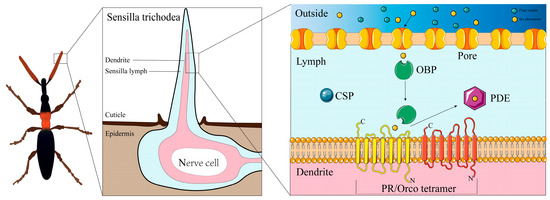
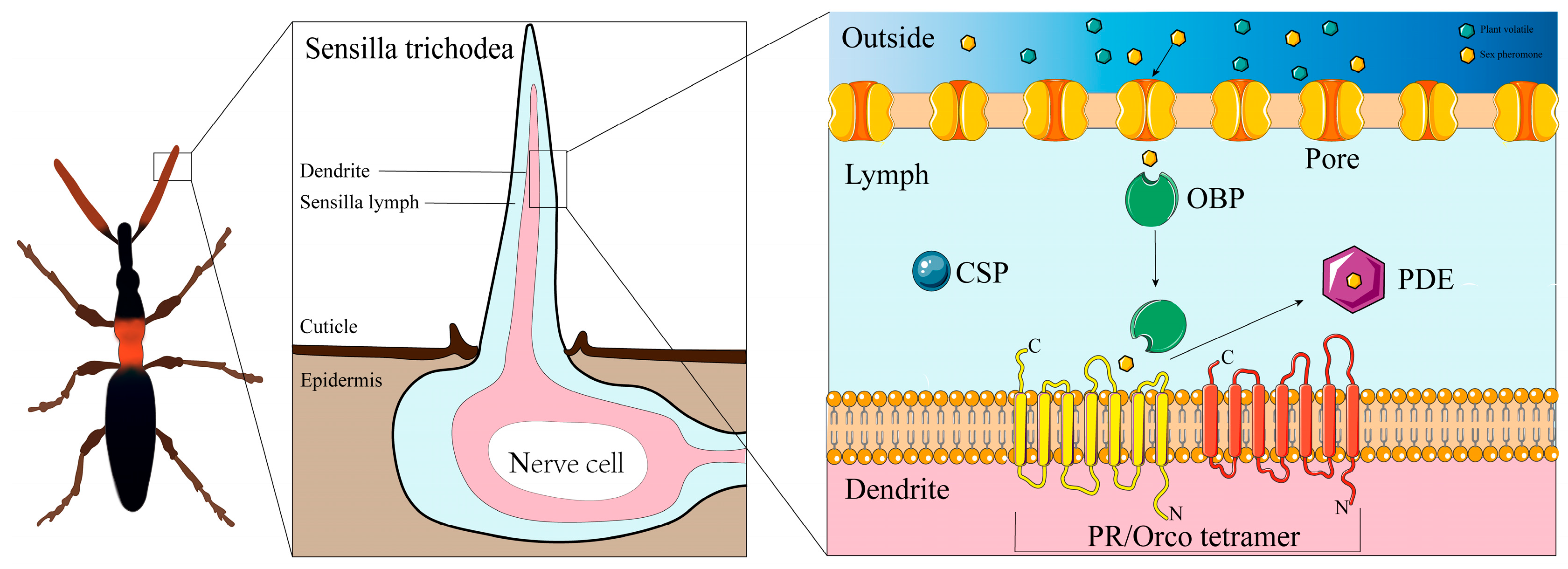

Disclaimer/Publisher’s Note: The statements, opinions and data contained in all publications are solely those of the individual author(s) and contributor(s) and not of MDPI and/or the editor(s). MDPI and/or the editor(s) disclaim responsibility for any injury to people or property resulting from any ideas, methods, instructions or products referred to in the content. |
© 2026 by the authors. Licensee MDPI, Basel, Switzerland. This article is an open access article distributed under the terms and conditions of the Creative Commons Attribution (CC BY) license.