Evaluation of Novel Dillapiol Analogs as Insect Detoxification Enzyme Inhibitors and Insecticide Synergists †
by
 and
and
Suqi Liu
1, 
Ana Francis Carballo-Arce
2,
Zhiling Wang
3,
Tony Durst
4,
Steven R. Sims
5,
John T. Arnason
6 and
Ian M. Scott
7,* 1
PEI Department of Agriculture, Charlottetown, PE C1A 7N8, Canada
2
Department of Chemistry, Universidad Nacional Autonoma, Heredia 86-3000, Costa Rica
3
Department of Forestry, Shanxi Agricultural University, Taigu, Jinzhong 030801, China
4
Chemistry Department and Biomolecular Sciences, University of Ottawa, D’Iorio Hall, 10 Marie Curie, Ottawa, ON K1N 6N5, Canada
5
Blue Imago LLC, 1973 Rule Ave., Maryland Heights, MO 63043, USA
6
Biology Department, Faculty of Science, University of Ottawa, 30 Marie Curie, Station A, P.O. Box 450, Ottawa, ON K1N 6N5, Canada
7
London Research and Development Centre, Agriculture and Agri-Food Canada, London, ON N5V 4T3, Canada
*
Author to whom correspondence should be addressed.
†
Dedicated to the memory of Pablo E. Sanchez Vindas, Herbario JVR, Universidad Nacional Autonoma, Heredia 86-3000, Costa Rica.
Insects 2026, 17(3), 351; https://doi.org/10.3390/insects17030351
Submission received: 21 January 2026
/
Revised: 17 March 2026
/
Accepted: 17 March 2026
/
Published: 23 March 2026
(This article belongs to the Topic Exploring Plant-Derived Compounds for Effective Insect Pest Management in Agriculture)
Simple Summary
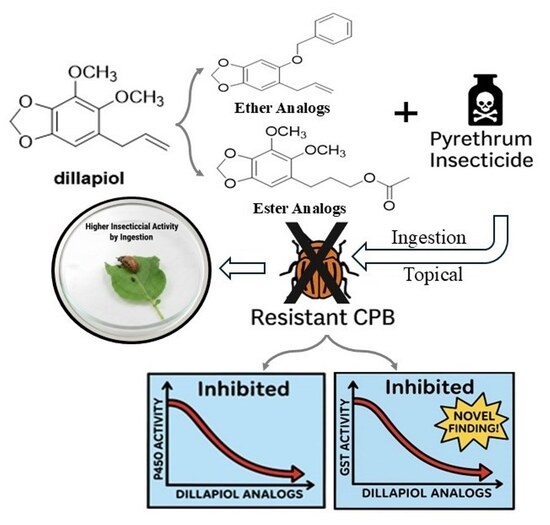
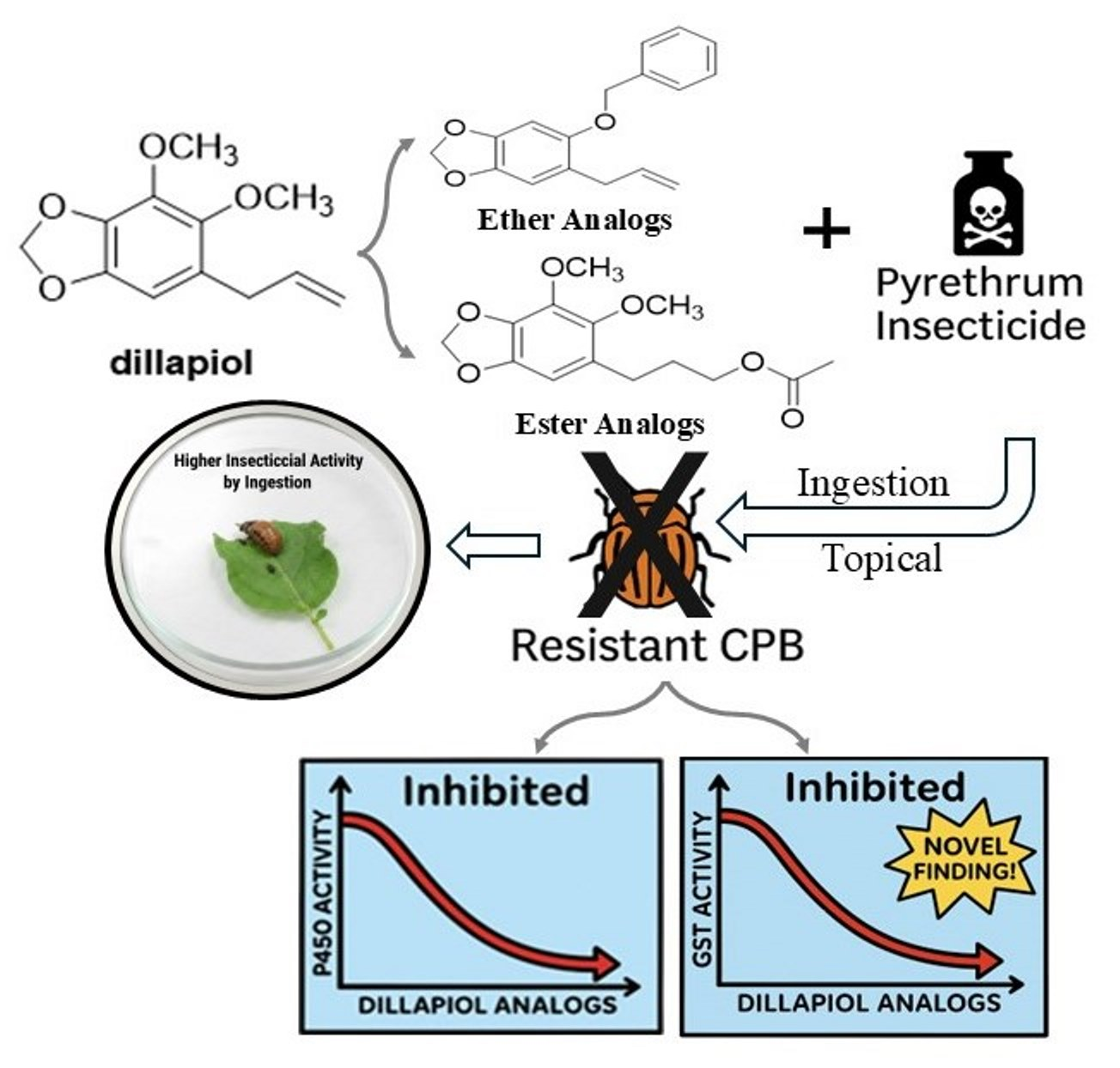
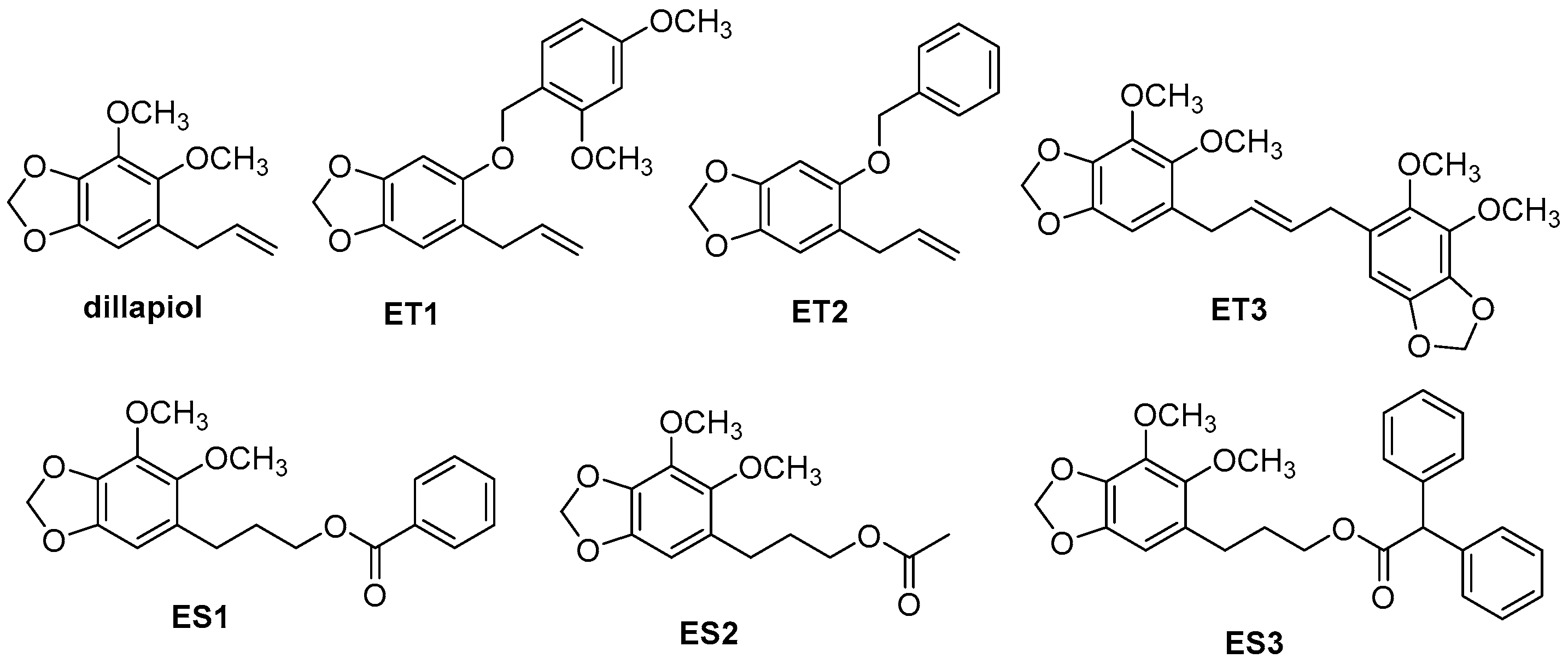
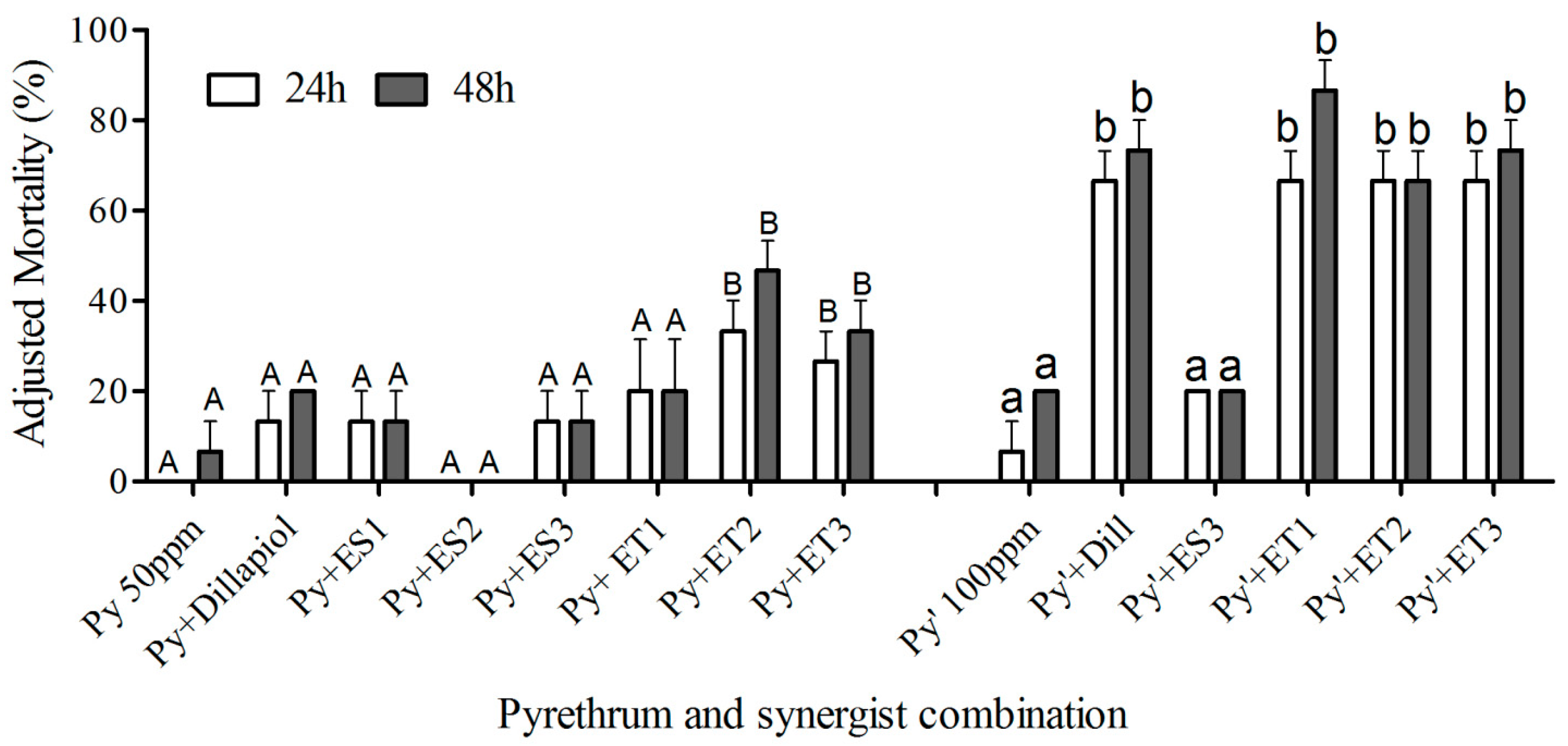
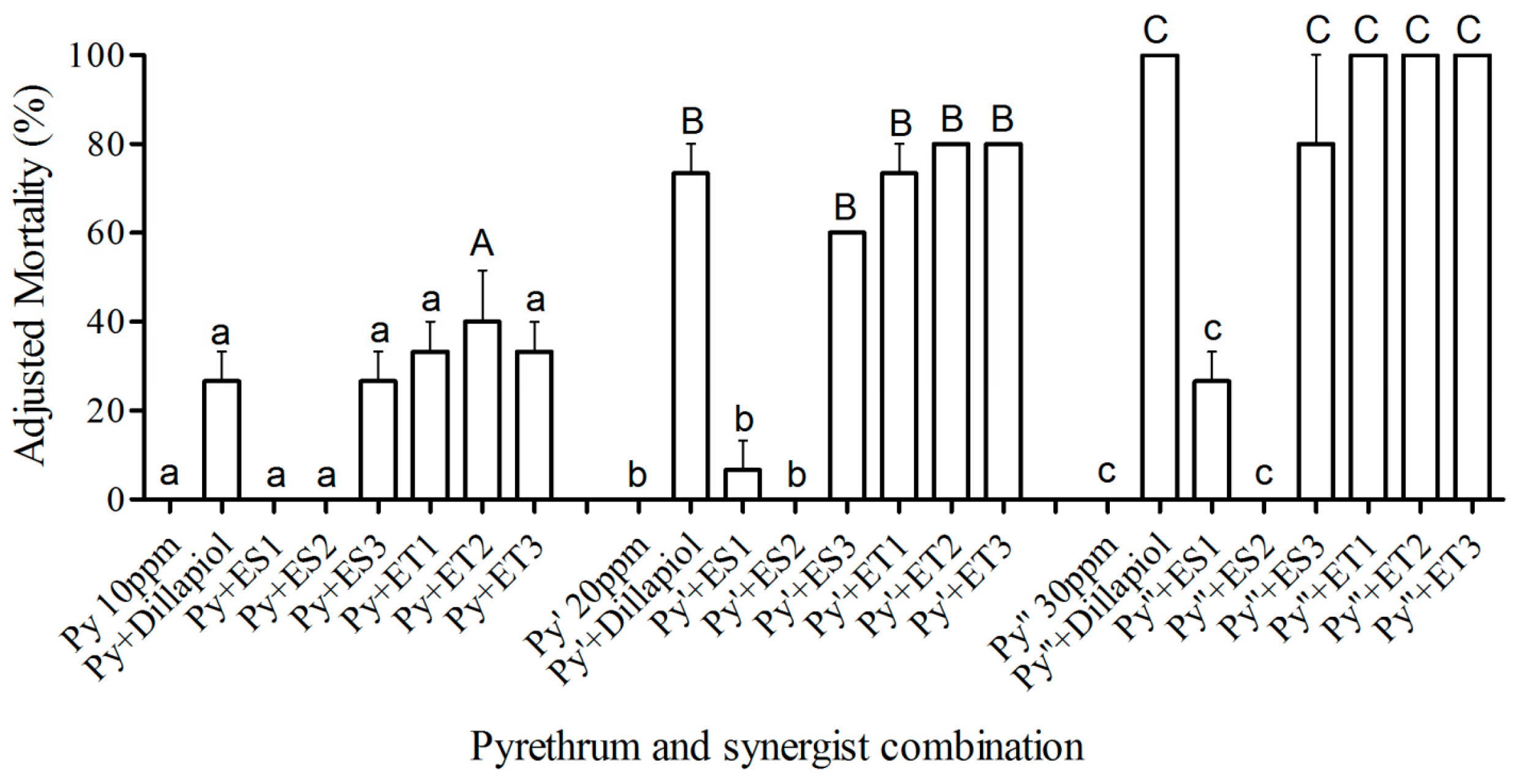
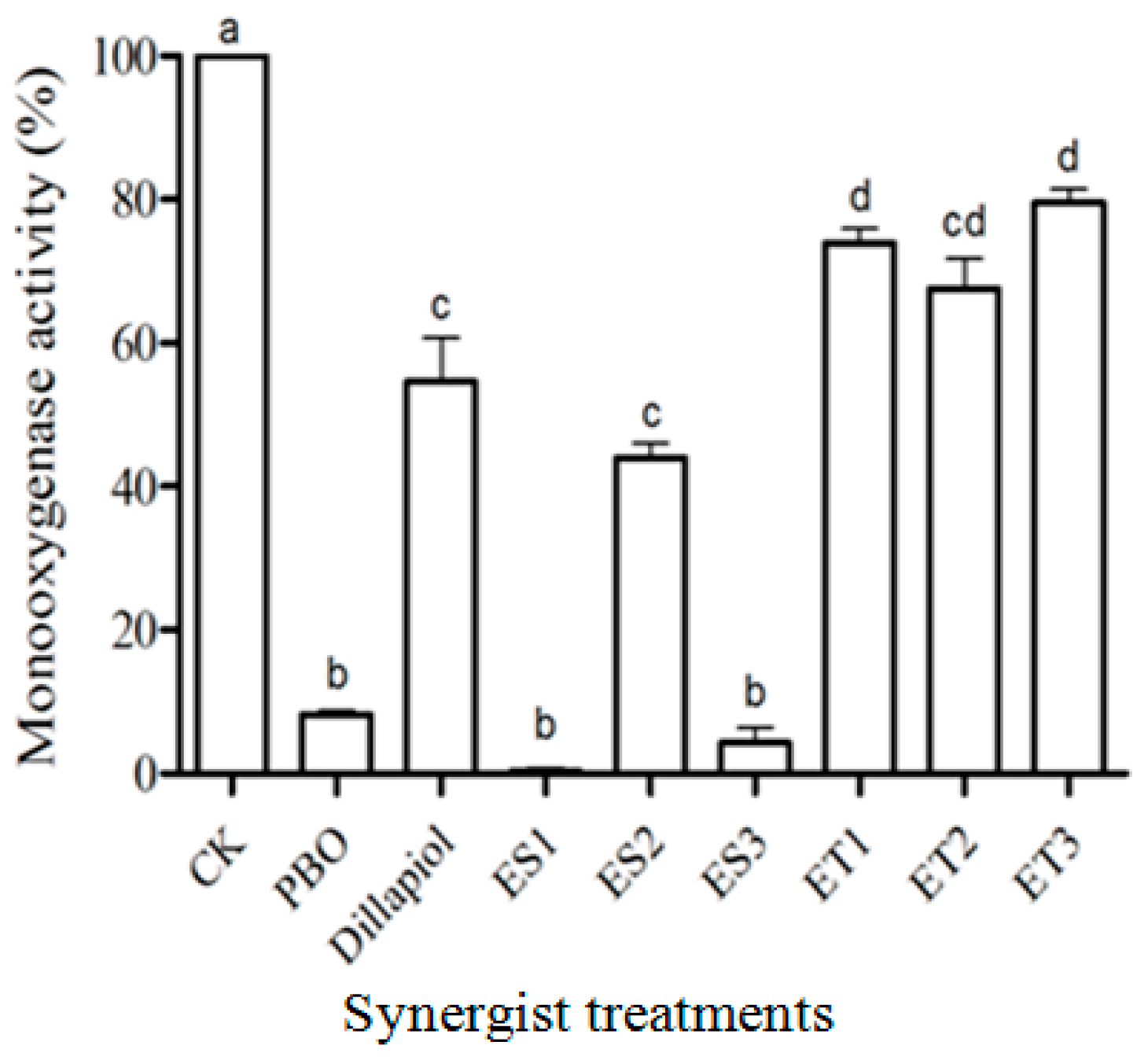
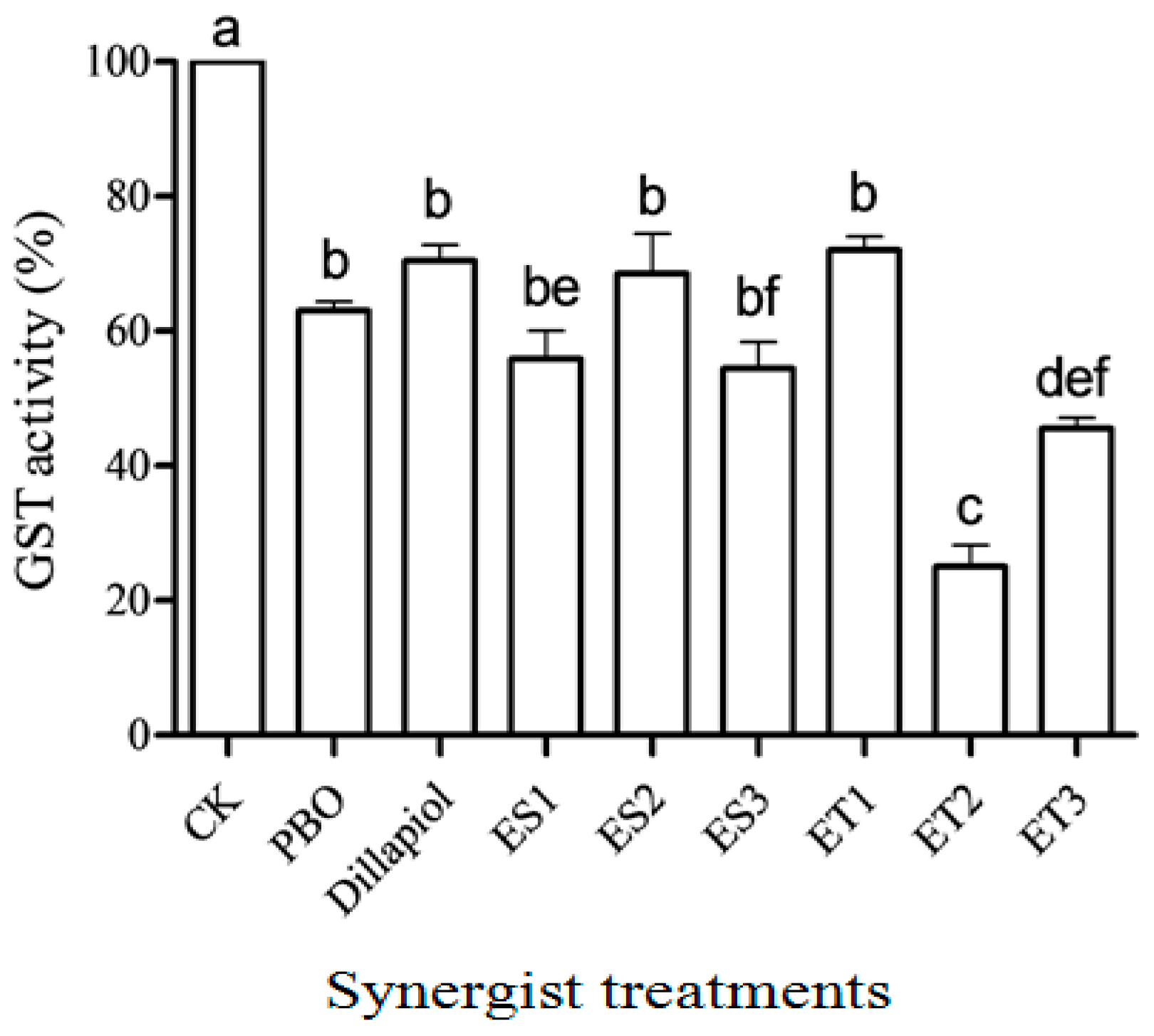
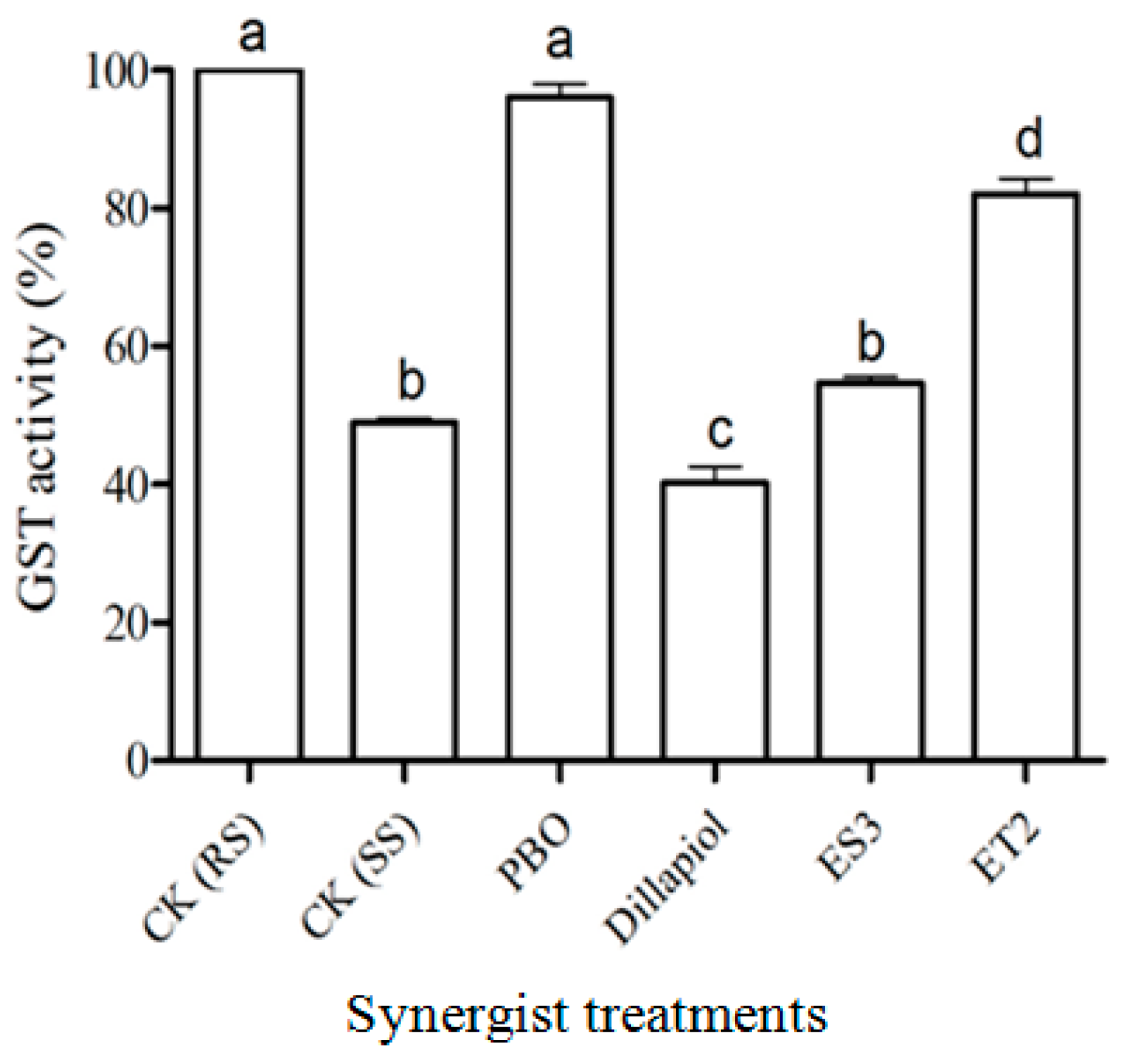
This study was designed to address the critical challenge of widespread insecticidal resistance in agricultural pests by exploring novel botanical synergists as alternatives to piperonyl butoxide (PBO), a primary insecticide synergist in today’s market but facing growing safety concerns due to adverse mammalian effects. Our study focused on dillapiol, a natural botanical compound with synergistic efficacy comparable to PBO. We synthesized six novel dillapiol analogs and evaluated their ability to enhance the potency of pyrethrum against the Colorado potato beetle (CPB). Several analogs significantly boosted pyrethrum’s insecticidal activity, especially when the compounds were consumed by insects rather than topically applied. Mechanistic investigations confirmed that, like PBO, several new compounds effectively inhibited key Phase I detoxification enzymes. These enzymes perform the primary transformation of molecules through oxidation–reduction to create water-soluble compounds. Notably, several new analogs demonstrated higher inhibitory activity of the analogs compared to PBO in the enzyme inhibition assays. Some even demonstrated a unique capacity to reduce Phase II detoxification enzyme activity, which facilitates the conjugation of molecules into water-soluble forms, a process typically unaffected by PBO in in vivo assays. One compound, in particular, exhibited a significant reduction in enzymatic activity across both phases. Our data suggest that these new dillapiol-based compounds represent a promising new class of synergists. Their enhanced efficacy and novel modes of action could enhance the management of resistant pest populations, improve integrated pest management (IPM) strategies and contribute to more sustainable agricultural practices.
Abstract
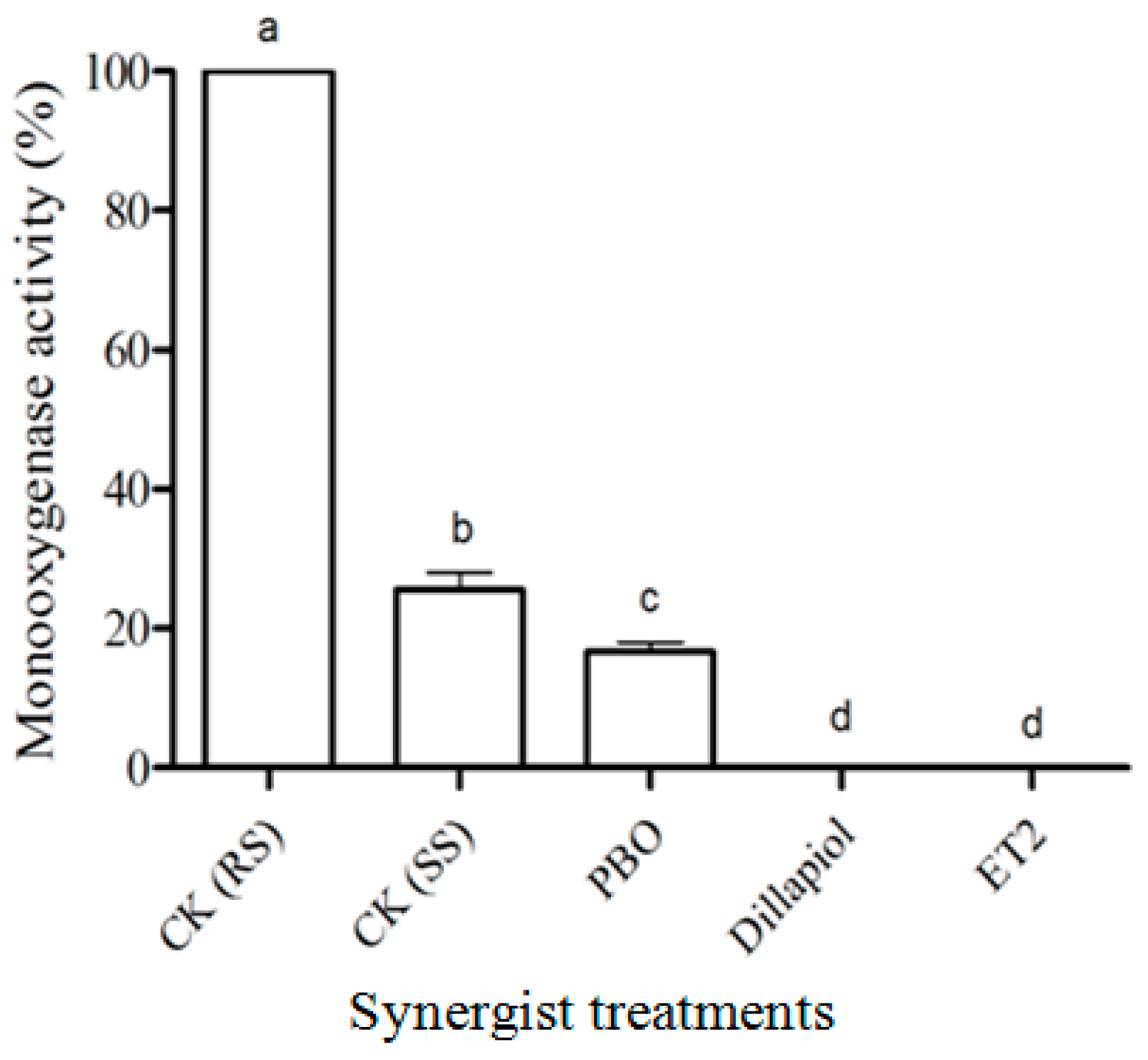
Dillapiol is a naturally occurring methylenedioxyphenyl compound with insecticide-synergizing activity comparable to piperonyl butoxide (PBO). This study identified structurally related molecules with practical potential for managing insecticide-resistant insects. Six new dillapiol analogs, containing ester- or ether-linked side chains, were synthesized and evaluated as pyrethrum synergists against the Colorado potato beetle (CPB) Leptinotarsa decemlineata (Say) (Coleoptera: Chrysomelidae). Their activity was assessed through bioassays and by quantifying inhibition of Phase I and II detoxification enzymes in vitro and in vivo. All six compounds displayed higher synergistic activity by ingestion than by topical exposure, and each structural class included at least one compound with a synergism ratio greater than 20. In the resistant CPB strain (RS-CPB), two ester compounds inhibited P450 monooxygenase activity in vitro as effectively as PBO, while dillapiol and one ether analog reduced P450 activity in vivo. Notably, all six analogs reduced glutathione S-transferase (GST) activity; the most active was an ether analog with an in vitro IC50 of 0.23 (±0.04) mM. Dillapiol also significantly reduced GST activity in vivo. These analogs demonstrated PBO-equivalent P450 inhibition combined with unique GST inhibition and show promise as alternative synergists for managing insecticide-resistant insects.