1. Introduction
Bark and ambrosia beetles (Coleoptera: Curculionidae: Scolytinae) represent a large and diverse group of wood-boring insects which often cause serious damage to crops and forests [
1,
2,
3,
4,
5]. Although they usually attack stressed, dying, or dead trees [
6,
7], some species are significant primary pests that can weaken or kill healthy trees as well [
8]. The structural weakening of the tree and the damage observed on infested plants is usually associated with two main factors. The first factor is the chewing activity carried out by adults, which dig oviposition galleries into the wood to protect eggs and juvenile stages. The second damaging factor is the pool of fungi commonly associated with bark and ambrosia beetles, which develop into the gallery and further weaken the plant [
9].
In recent years, the global trade of wood products and climate change have promoted the spread of alien species [
10] and the expansion of beetles beyond their native range [
11], dramatically increasing the possibility of outbreak occurrence [
8,
12]. Scolytinae are among the most successful groups of invasive species [
1,
13,
14], as they are supported by their small size, cryptic life cycle, and broad host range. Within Scolytinae, Xyleborini is the most species-rich tribe [
15], which contains many exotic species that have successfully established in Europe [
1]. This group of insects includes pest species, such as
Xylosandrus compactus (Eichhoff) [
16],
Xylosandrus crassiusculus (Motschulsky) [
17],
Xylosandrus germanus (Blandford) [
18], and
Euwallacea fornicatus (Eichhoff) [
19], currently considered transient and under official phytosanitary control [
4,
20].
Although bark and ambrosia beetles mainly infest forest environments, in recent years, they have become a relevant problem for agriculture as well. The short distance between natural forests and cultivated orchards, as well as exceptional increases in population due to extreme weather events, are two possible causes of infestations in many cultivations, including hazelnut (
Corylus avellana L. 1753). Hazelnut is a high-revenue plant cultivated in several countries across temperate regions of both the northern and southern hemisphere [
21]. The economic importance of hazelnut comes from its fruits, as it produces one of the most widely consumed and highly appreciated nuts worldwide [
22]. In 2021, global hazelnut production reached approximately 1,077,000 tonnes, mostly concentrated in Türkiye (which accounted for the largest share of production), and followed by Italy, US, Azerbaijan, and Republic of Georgia [
23].
The growing interest behind this cultivation is leading to a global increase in the production [
24] outside its native range [
21]. This phenomenon of expansion, however, is constantly exposing this plant to various damaging agents which can compromise production efforts. Among the biotic adversities, insect and mite pests cause the major impact on the yield [
25], followed by fungal and bacterial pathogens [
26,
27].
Phytosanitary management in hazelnut orchards is essential to ensure sustainable, healthy, and profitable production [
25]. Integrated Pest Management (IPM) and organic farming are among the most widely adopted approaches, both focusing on ecosystem-based methods which reduce the impact of pests and pathogens. As the use of traditional agrochemicals is banned, pest control in organic farming primarily relies on natural enemies, plant varieties with low susceptibility, and biotechnical methods. Conversely, IPM adopts a more flexible approach which allows chemical control strategies, when necessary, only based on threshold levels and environmental impact assessments [
28]. These management strategies involve a range of preventive and monitoring actions aimed at the early detection of pests and diseases, either through a direct identification of the organisms involved or through signs and symptoms on the plant. Baited traps, which sometimes incorporate chromotropic cues, represent a well-established method for continuous surveillance of bark and ambrosia beetles, supporting timely and selective measures in line with integrated or organic management principles.
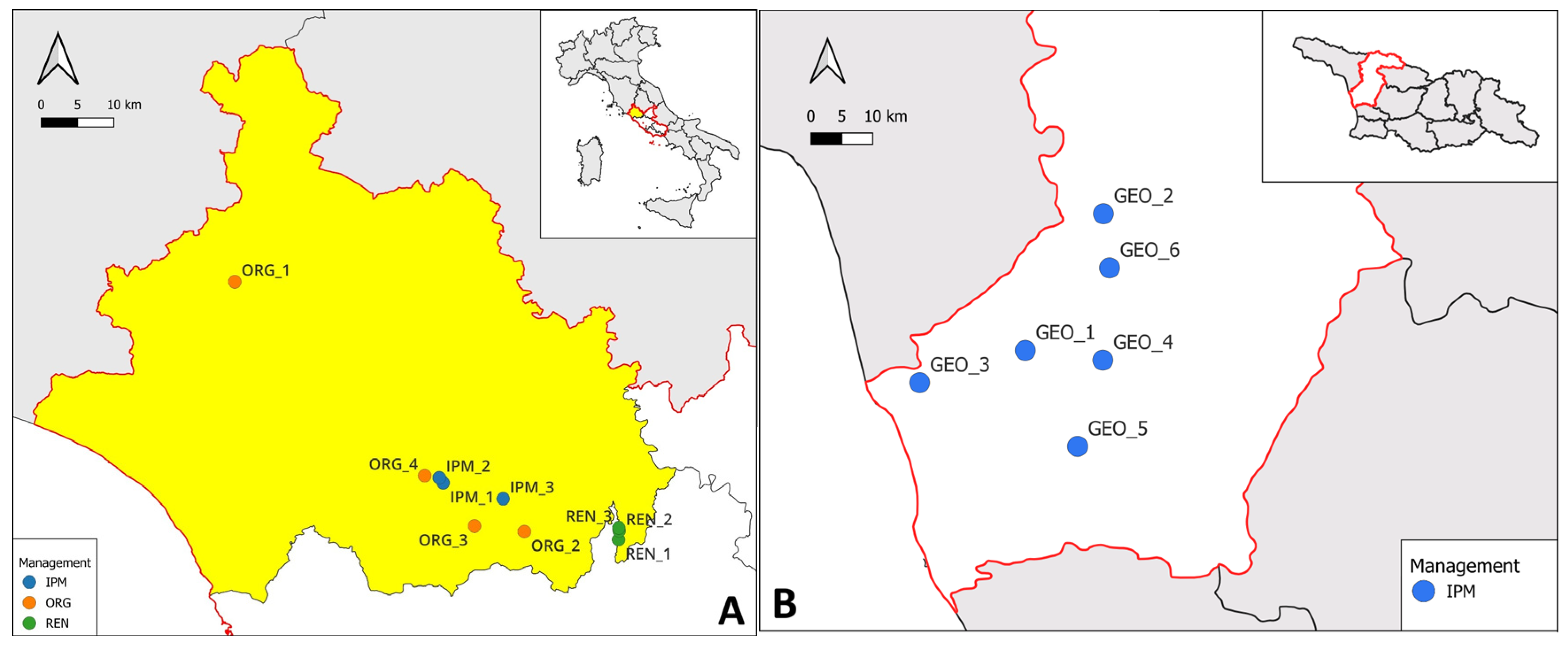
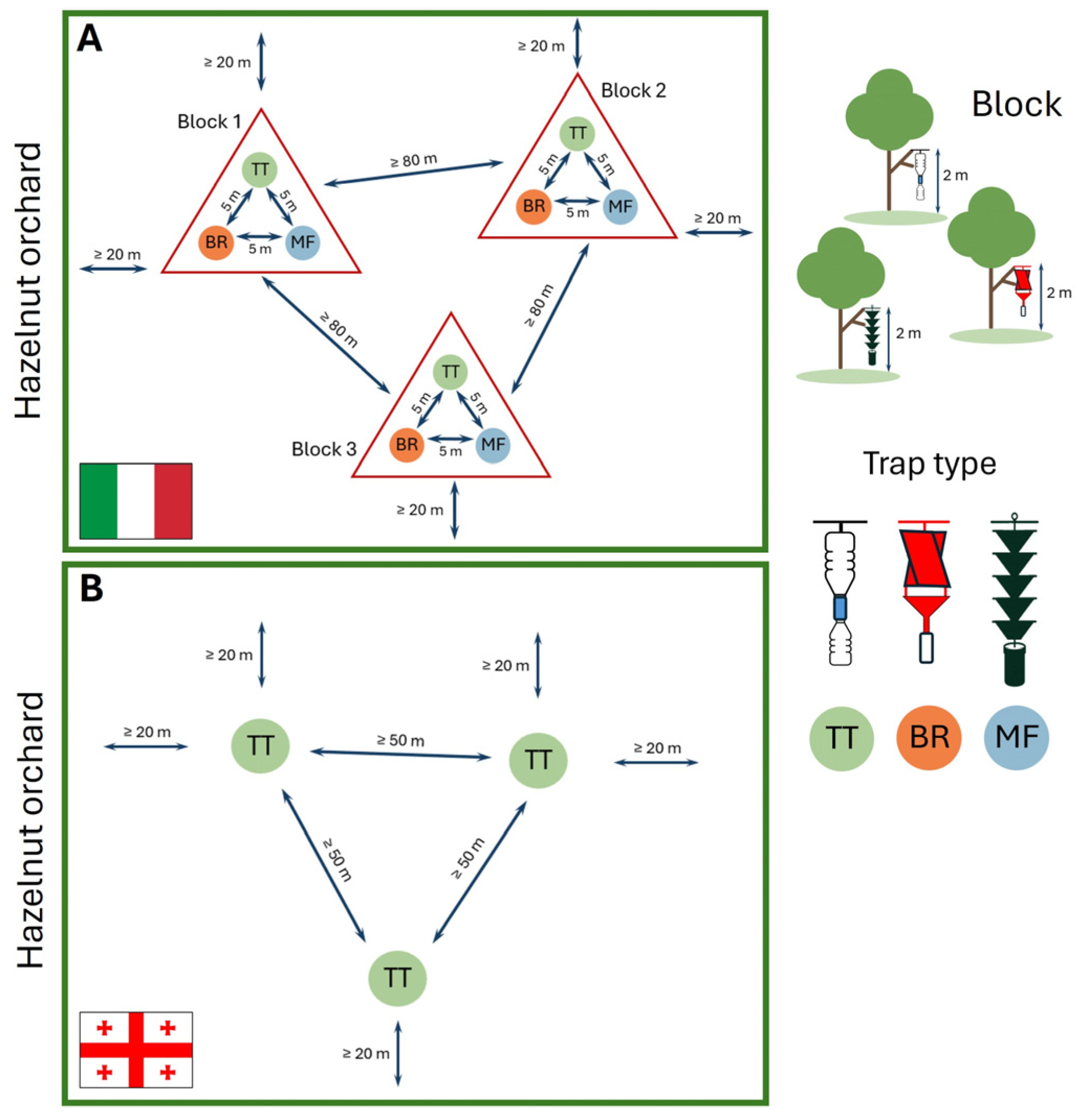
This study, carried out over the growing seasons 2023 and 2024, aimed to investigate three relevant aspects behind the incidence of ambrosia and bark beetle communities in hazelnut orchards. Notably, the first objective of this paper was the determination of species composition and population size across orchards under different phytosanitary management practices: IPM, organic farming, and renaturalised (plots abandoned over three decades ago). The second objective was to compare three different types of traps, in the same hazelnut orchards, to assess their effectiveness. The third objective was a cross-country comparison of the ambrosia and bark beetles’ community in Italy and Republic of Georgia, within the core of the hazelnut-productive areas. The first two objectives of the study involved orchards from Central Italy, while the third one involved orchards from Central Italy and Samegrelo-Zemo Svaneti region of the Republic of Georgia.
4. Discussion
This study aimed to assess the most recurrent bark and ambrosia beetle species in hazelnut orchards of two high-productive countries (Italy and the Republic of Georgia), the effect of the phytosanitary management strategy on the species abundance, and the efficacy of three different trap designs. Results showed differences in terms of composition and abundance of bark and ambrosia beetle communities between Italy and the Republic of Georgia, differences in terms of trap efficacy, and different effects of phytosanitary management strategies on population abundances. This pool of results provides relevant information on bioecological aspects related to bark and ambrosia beetles and helpful indications to plan monitoring activities.
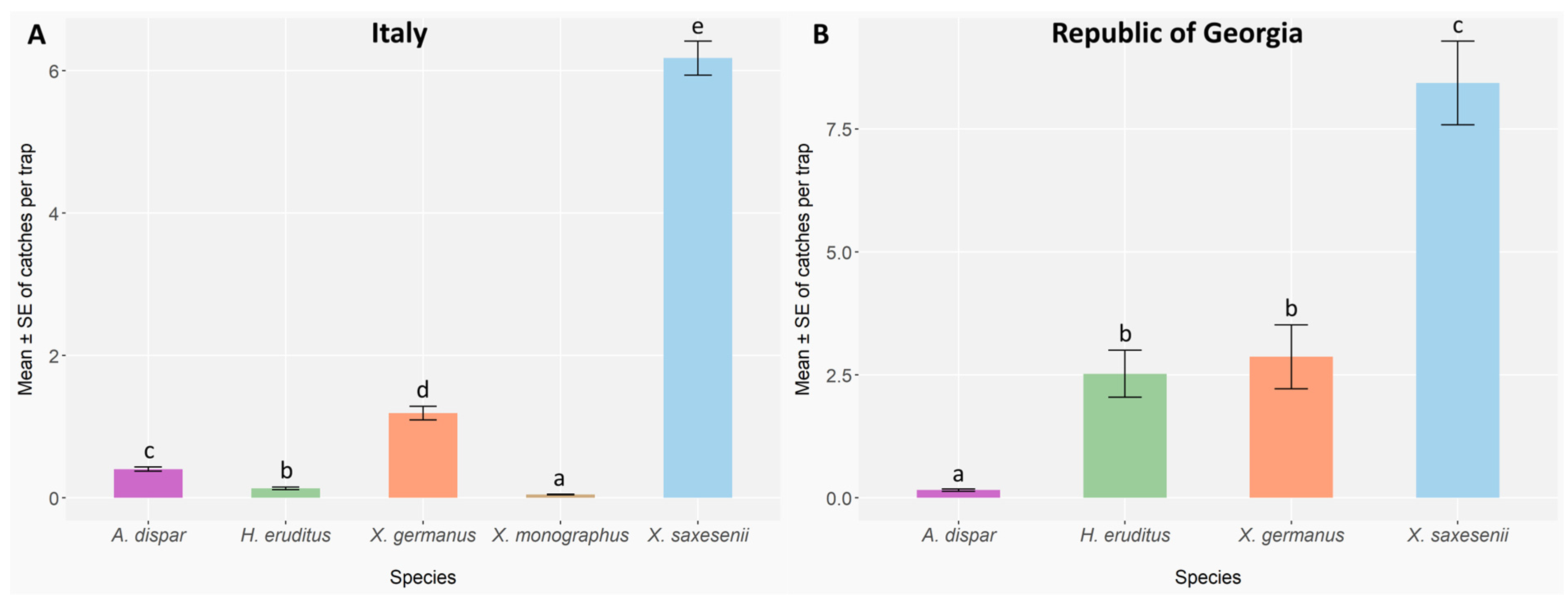
Five and four species were detected in Italy and in the Republic of Georgia, respectively;
X. monographus was exclusively found within Italian orchards, while the other four species were detected in both countries.
Xyleborus monographus is a recurrent species in Mediterranean habitats primarily associated with
Quercus spp. [
40] and other broadleaf trees typical of these woodlands, likely explaining its absence in Georgian orchards. The consistently high abundance of
X. saxesenii across both countries could be justified by its ecological flexibility and wide host range [
41,
42] which is known to support its adaptation to different environments.
Xylosandrus germanus is a highly generalist species native to Asia which showed, in many cases, its capability of establishing in a variety of habitats, including the European continent [
43]. Notably, according to Alonso-Zarazaga et al. [
44], only
X. germanus has been formally reported in Georgia. However, other species have been documented in the literature [
45,
46], confirming their presence in the country. Conversely, the lower abundance of
H. eruditus and
A. dispar might suggest more specific habitat requirements or lower attraction to the traps systems considered. The scenarios observed in our study are in line with similar studies conducted by Tuncer et al. [
32] in hazelnut orchards in Türkiye.
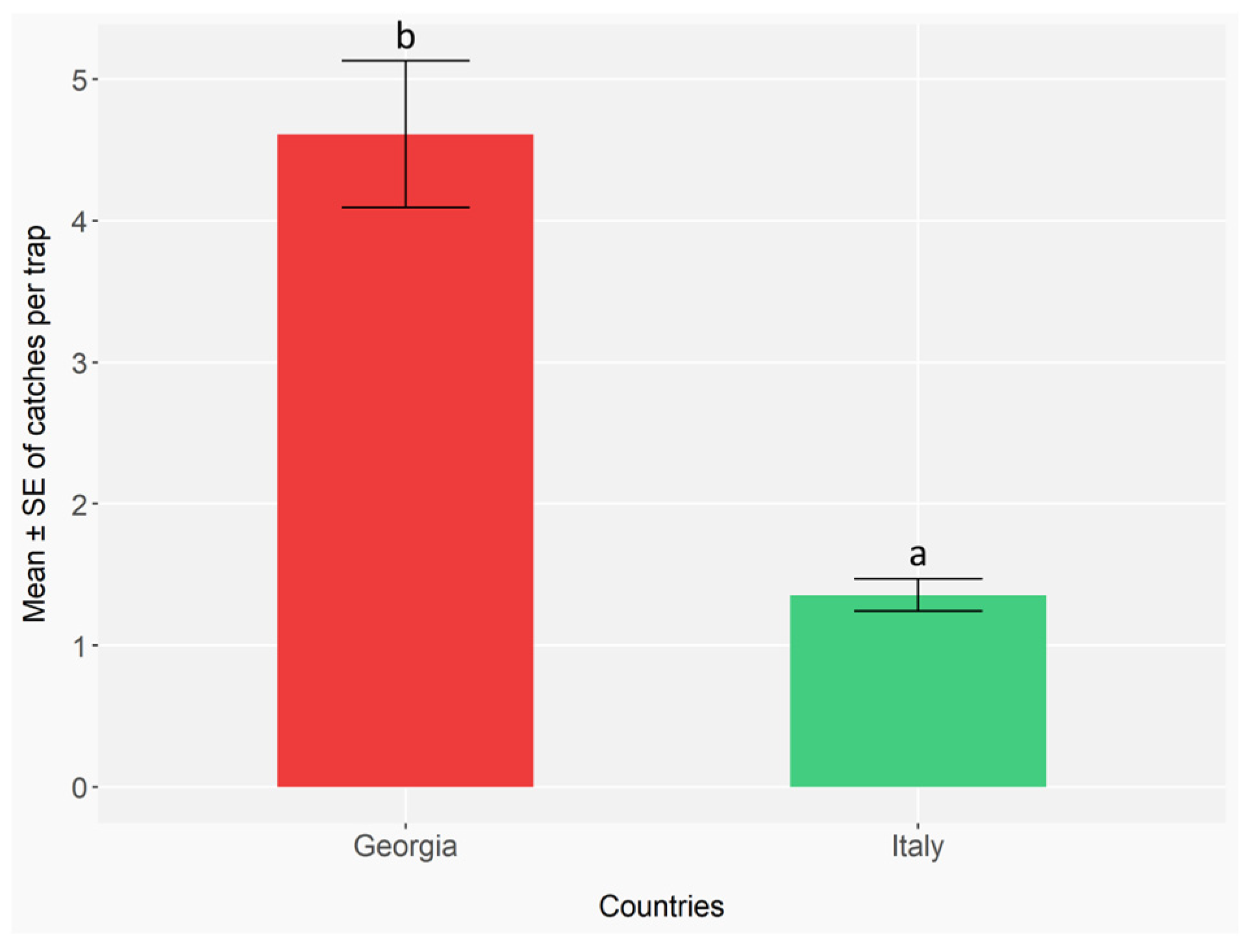
Although similar sampling protocols, the overall number of specimens caught were significantly higher in the Republic of Georgia than in Italy. This gap may be the effect of different combinations of environmental factors, such as greater forest cover, milder microclimates, or differences in orchard structure and tree health. Interestingly,
A. dispar is more abundant in Italian orchards, probably because of its strong association with broadleaf trees commonly found in Mediterranean environments. Its reduced presence in Georgian sites may be due to a lower host plant availability or to a different forest composition.
Anisandrus dispar is recognized as an injurious pest of fruit and hazelnut trees [
47,
48], typically infesting trees weakened by biotic and/or abiotic factors [
49]. The higher occurrence of
A. dispar in Italian orchards, combined with its known capability to colonize thinner branches typical of hazelnut trees [
49], suggests a greater potential impact on hazelnut production compared to the risk posed by the more abundant
X. saxesenii, which is rarely considered a significant pest [
48].
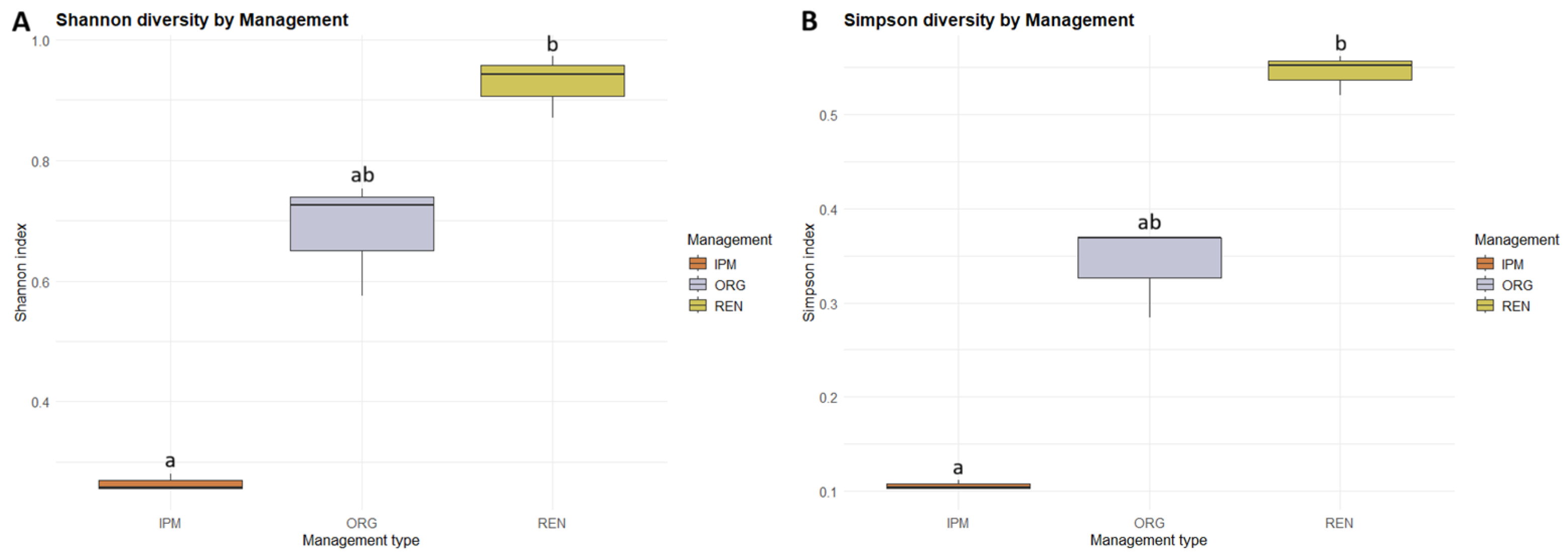
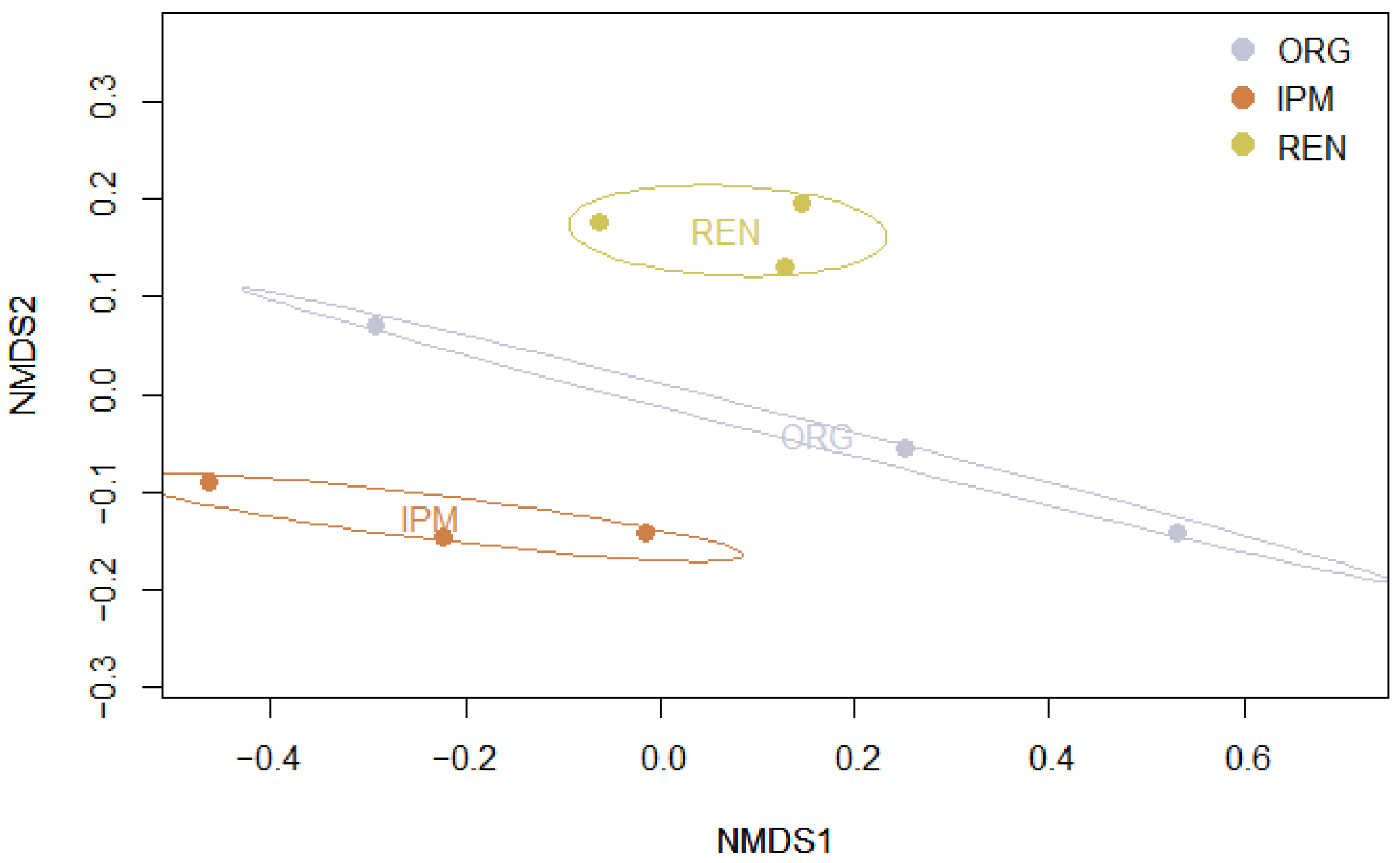
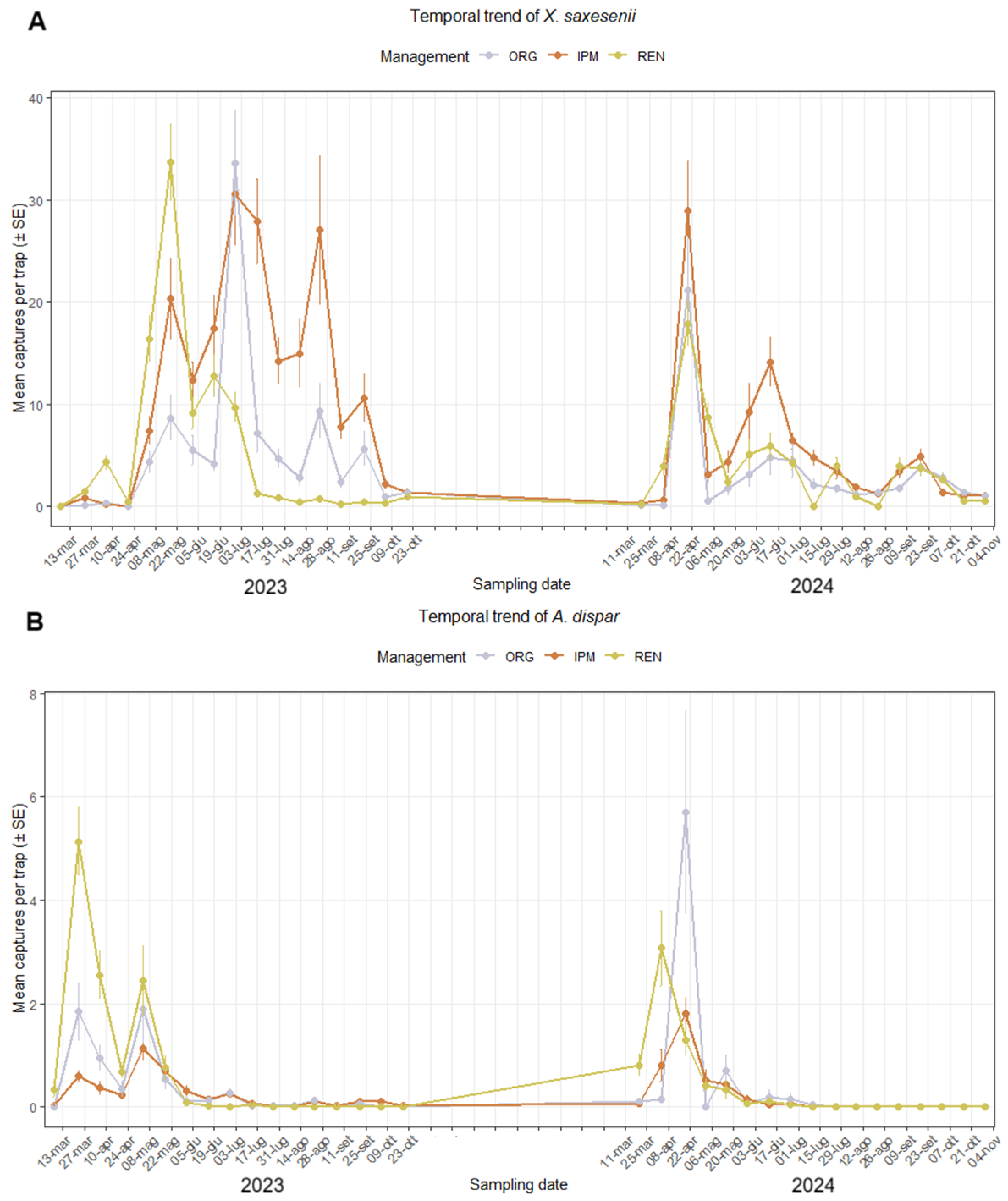
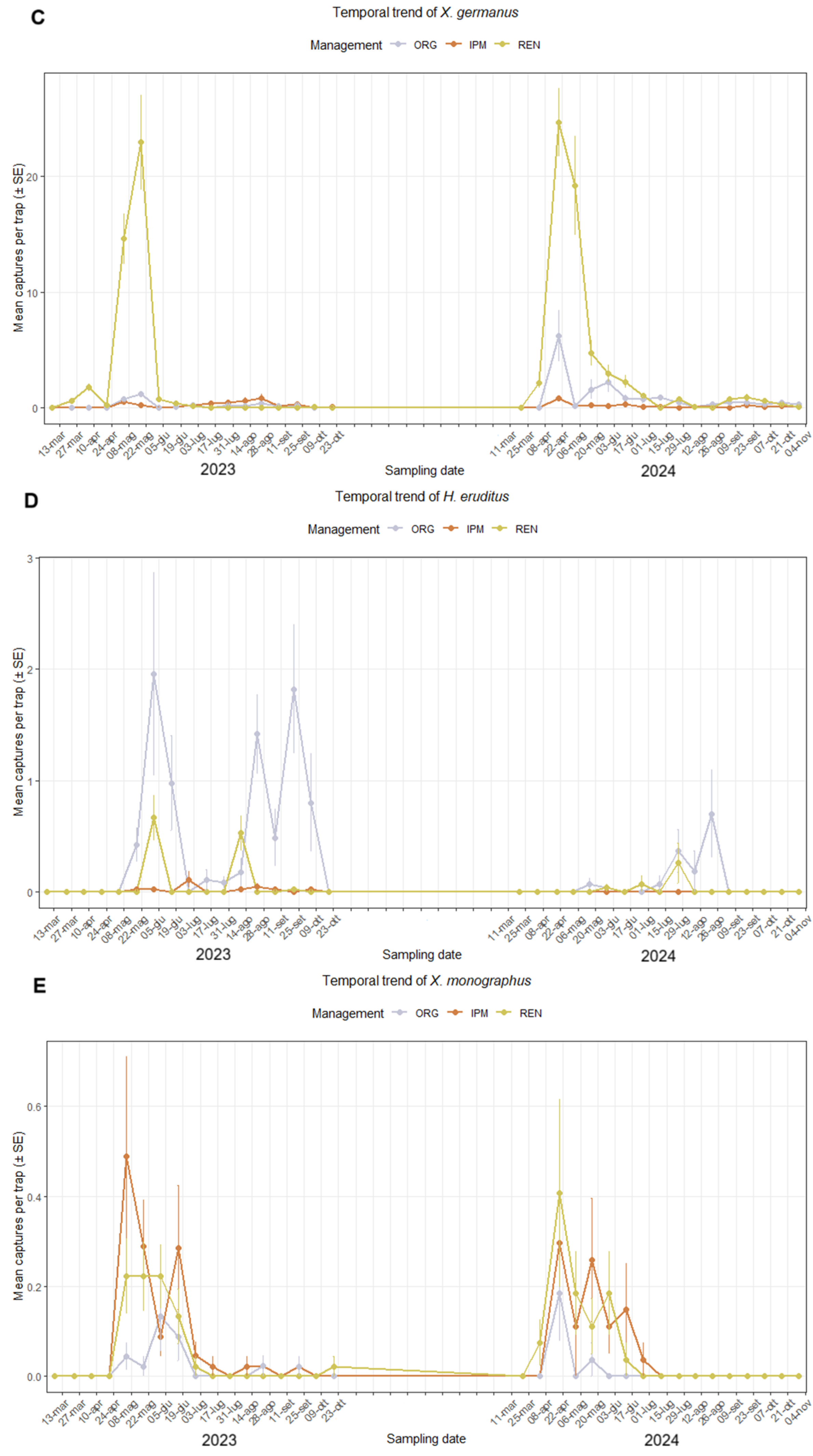
Phytosanitary management influenced beetle communities, primarily through differences between IPM and renaturalised (REN) orchards. Alpha diversity, measured by both Shannon and Simpson indices, was significantly higher in REN orchards compared to IPM, while organic (ORG) orchards showed intermediate values. Similarity, beta diversity varied among management types, indicating that both the richness and composition of beetle assemblages were affected by management. NMDS ordination further revealed clear clustering of sites according to management type. Despite these patterns, indicator species analysis did not detect any species uniquely associated with a specific management type or combination of types, suggesting that while management shapes overall community structure, individual species may be widely distributed, potentially due to their opportunistic ecology or broad host range.
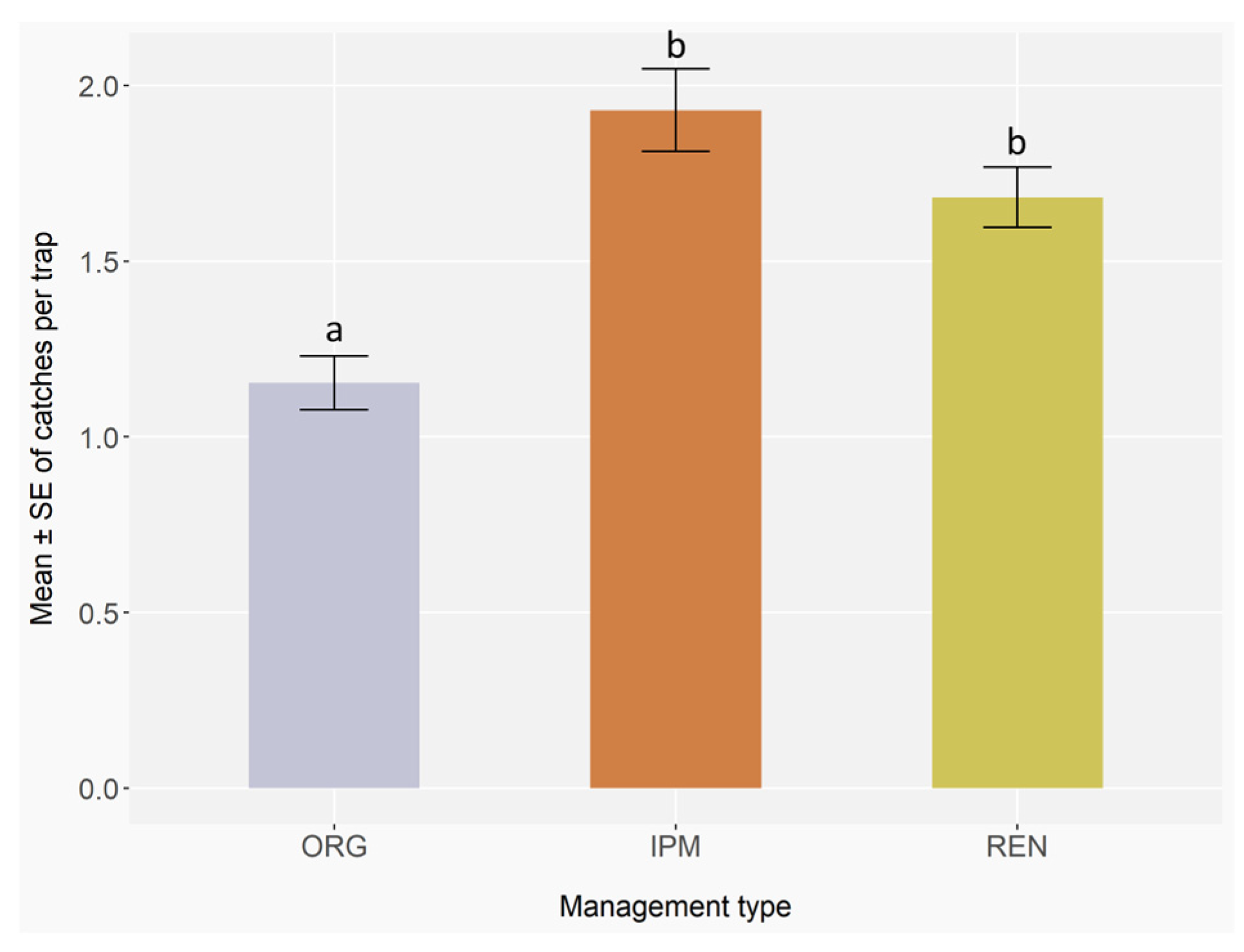
IPM and renaturalised orchards generally showed higher overall beetle populations than organic orchards. This pattern seems to be associated with differences in habitat complexity and ecological stability among management types. In particular, sites showing a higher presence of stressed host plants, potentially related to management practices such as mechanization, non-professional pruning, and inadequate irrigation management in IPM orchards, as well as greater structural diversity, typically found in more naturalized environments, such as REN sites, might offer conditions known to enhance bark and ambrosia beetles attraction and proliferation. In integrated orchards, the moderate but consistent use of plant protection products aimed at controlling primary pests, combined with frequent and intense disturbance regimes, might be associated with reduced populations of natural enemies, indirectly influencing beetle abundance [
50,
51]. This factor, combined with potential plant stress induced by intensive cultural practices, may favour opportunistic species such as
X. saxesenii [
52]. Conversely, organic orchards, which refrain from chemical inputs and prioritize ecological balance, may sustain more stable and diverse communities of natural antagonists, effectively limiting beetle populations [
53]. In renaturalised orchards, the ongoing transition from cultivated hazelnut groves to mixed woodland likely results in a higher diversity of woody plant species. This increased structural complexity may offer a broader range of ecological niches [
54], thereby supporting more diverse and abundant Scolytinae populations. Additionally, successional vegetation dynamics may be altering the phytosanitary status of hazelnut trees, which now experience competition from other plant species. These stressed or senescent hazelnut trees may serve as functional hosts, promoting the development of ambrosia beetle populations.
Although only a long-term study can provide a comprehensive understanding of the impact of plant protection practices on arthropod communities inhabiting hazelnut orchards, useful insights are offered by the study of Contarini et al. [
55]. The authors reported that, in the same integrated, organic and renaturalised orchards examined in the present work, infestations by the big bud mite,
Phytoptus avellanae, were significantly lower in renaturalised systems. This difference seems to be driven by the contrasting effects of plant protection strategies on the communities of the mite’s natural enemies, which tend to be favoured in management regimes with reduced chemical input.
Trapping-based monitoring approaches have been extensively investigated in several studies [
18,
56] as their effectiveness is highly context-dependent. It is well established that multiple variables can influence their performance, making it essential to continuously update these methodologies, particularly in agriculture systems, to adapt to the evolving conditions that may arise in the application environment [
57,
58]. For instance, a closed canopy resulting from a dense orchard planting pattern or from non-regular and non-intensive pruning practices may create favourable humid conditions for the development of bark and ambrosia beetle populations [
59]. Similarly, the proximity of hazelnut orchards to mixed forested areas may contribute to a greater incidence of xylomycetophagous taxa. In this context, updating and adapting monitoring tools becomes particularly relevant for hazelnut agroecosystems.
Additional environmental variables, such as proximity to natural forests, canopy closure and availability of deadwood, can significantly influence bark and ambrosia beetle communities. These factors were not quantified in the present study and could not be included as covariates in the models. Future studies should incorporate such variables to further refine the understanding of management effects on beetle populations. Moreover, it is worth noting that ethanol evaporation rates may have differed among sites due to microclimatic variation (e.g., temperature, humidity, and exposure). Since traps were baited with a fixed 5 mL of 96% ethanol renewed approximately every 15 days, differences in evaporation might have affected the effective release rate of the attractant, potentially influencing capture efficiency. While this factor is unlikely to alter the overall interpretation of management-related patterns, it should be acknowledged as a potential limitation influencing the comparability of capture rates across environments.
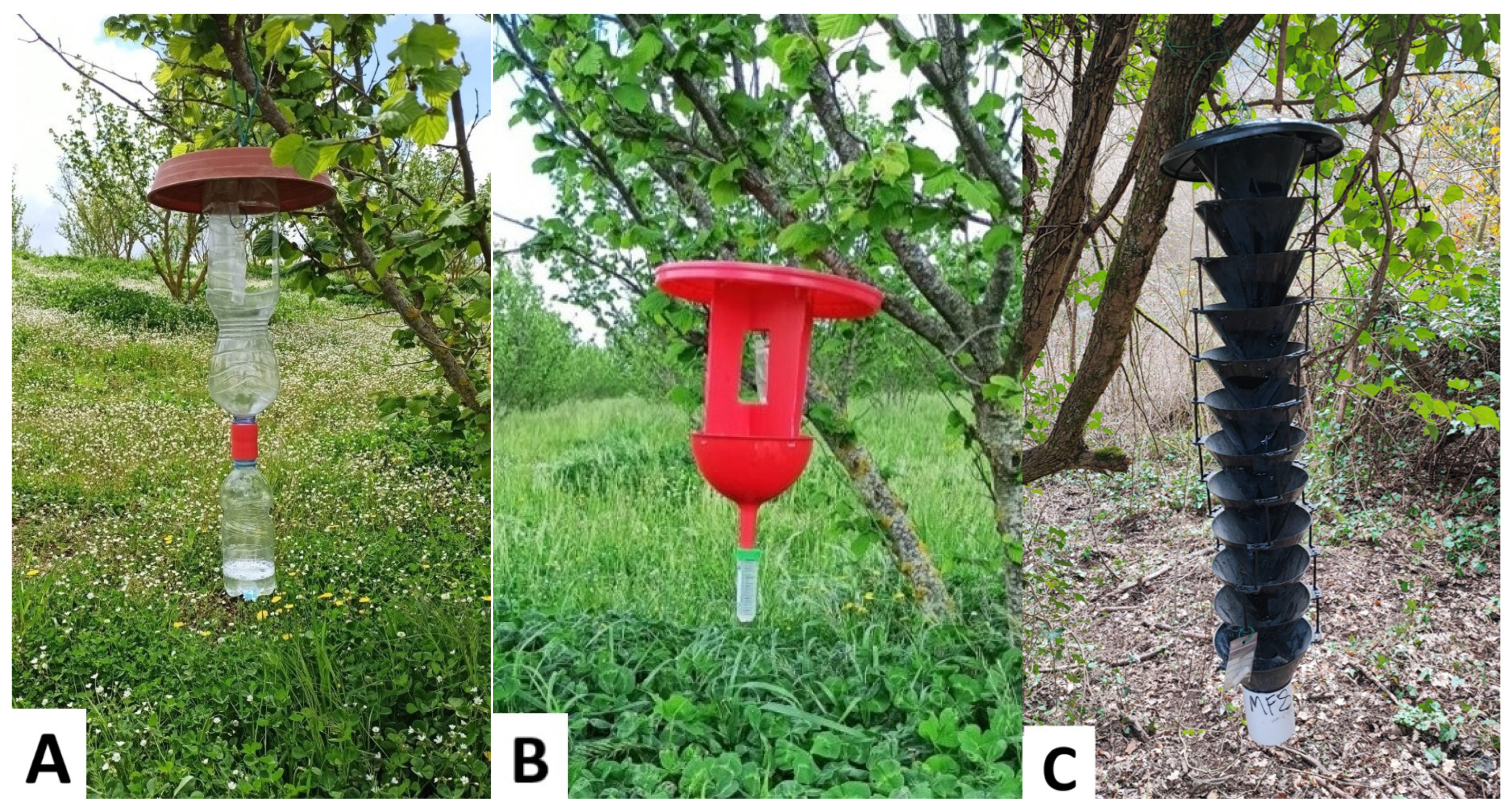
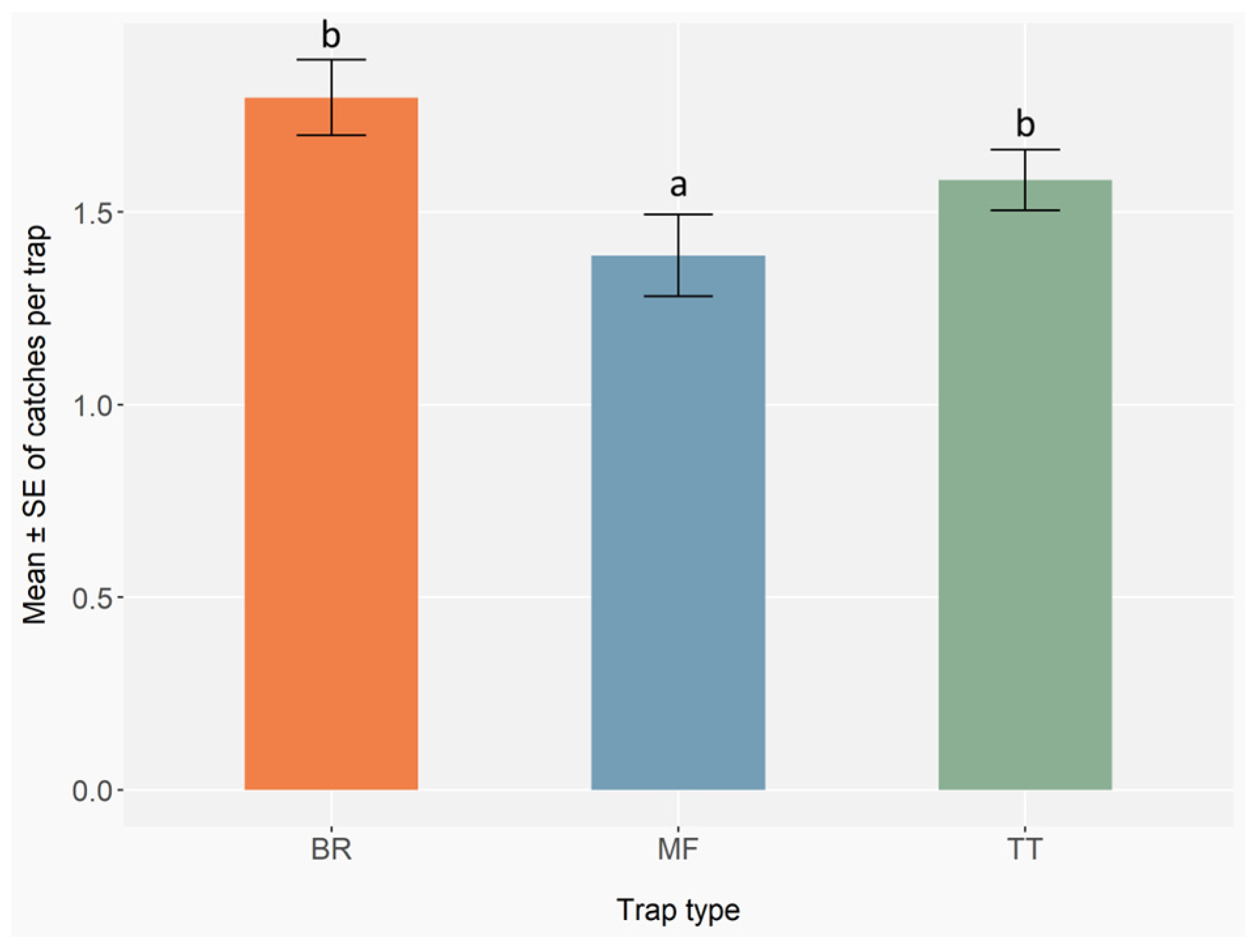
This study provides an updated evaluation that reflects the current species assemblage and monitoring needs in hazelnut orchards. The results of this study show that trap type had a significant effect on the number of ambrosia and bark beetles caught. In particular, BR and TT traps outperformed MF traps, catching significantly higher numbers of individuals, with no significant different between BR or TT traps. These results demonstrate that well-designed handmade traps can be as effective as commercial traps for monitoring ambrosia and bark beetles, and in some cases may even outperform them, offering a cost-effective and flexible alternative for pest surveillance programmes.
In this case, given the more consistent performance of BR and TT traps compared to MF, the observed differences cannot be attributed solely to trap colour, as these traps also differ in structure and design. These findings suggest that both trap design and colour strongly affect trapping efficiency. In fact, the observed differences are the result of the combined effects of visual attraction and trap architecture. Visual attraction is mainly linked to colour, which may determine the initial detection and approach distance of flying adults, whereas the shape of the trap and the configuration of its entrance can influence the probability that insects will enter and remain inside. In addition, trap geometry may also affect air circulation and the dispersion of the lure, further contributing to differences in trap performance. In both BR and TT traps, the lure bag was placed in a central position, favouring both odour diffusion and insect guidance toward the entrance, thus enhancing capture success. Furthermore, in both types of traps, the collection container held a soapy solution, which may have contributed to retaining the trapped insects more effectively. Further studies set up on crossed experimental designs would be needed to disentangle the effects of colour and structure.
From a practical standpoint, both BR and TT traps represent suitable options for growers and technicians involved in ambrosia and bark beetle monitoring. Both traps have significantly lower construction costs than commercial models, such as MF, and costs can be almost negligible when the TT trap is assembled from recycled plastic bottles. These handmade traps are easy to assemble and to deploy in the field. BR traps proved to be more durable, as they were used in the field for several years, whereas TT traps needed to be replaced after one or two years.
To the best of our knowledge, this study provides the first systematic comparison of trap types in hazelnut orchards under current conditions, influenced by the introduction of invasive organisms such as
Xylosandrus species and the effects of climate change. Although Speranza et al. [
60] previously conducted a comparative trial in hazelnut orchards of central Italy, that work was carried out almost two decades ago, when invasive bark and ambrosia beetles such as
Xylosandrus germanus were not yet established in the area. During the monitoring activity, no specimens of the invasive species
X. compactus or
X. crassiusculus were collected, despite the widespread distribution in the Lazio Region [
3] and their presence few kilometres apart from the hazelnut orchards under investigation (Cresta pers. obs.). Although hazelnut has not been reported as a host plant [
61], the highly polyphagous nature of these species suggests that in the future they could potentially exploit this extensively cultivated crop.
Previous studies have also highlighted the effectiveness of red sticky traps in Turkish hazelnut orchards [
62,
63]. However, the practical application of sticky traps is limited because identification of the specimens is usually carried out directly in the field, which may lead to misidentification [
32]. Although replacing traps after each inspection could mitigate this issue, it would considerably increase both costs and human efforts. In contrast, the traps evaluated in the present study allow the collected insects to be easily removed and preserved, enabling subsequent laboratory identification with greater accuracy. The results obtained with the BR trap seems to support a role of red colour in attracting bark and ambrosia beetles, which could enhance the effect of the chemical lure and overall trap performance. Interestingly, similar colour-related attraction patterns have been reported for other Scolytinae species, such as
Hypothenemus hampei (Ferrari), which shows a strong preference for red traps compared to other colours [
64,
65]. This suggests that the positive response to red may represent a conserved visual cue within several ambrosia beetle taxa, potentially supporting the reliability of red traps for monitoring purposes across different host systems.




 ,
,