A Comparative Analysis of Different Xenorhabdus Strains Reveals a Virulent Factor, Cyclic Pro-Phe, Using a Differential Expression Profile Analysis of Non-Ribosomal Peptide Synthetases


Department of Plant Medicals, Andong National University, Andong 36729, Republic of Korea
*
Author to whom correspondence should be addressed.
Insects 2024, 15(9), 710; https://doi.org/10.3390/insects15090710
Submission received: 23 August 2024
/
Revised: 13 September 2024
/
Accepted: 16 September 2024
/
Published: 17 September 2024
(This article belongs to the Section Insect Physiology, Reproduction and Development)
Simple Summary
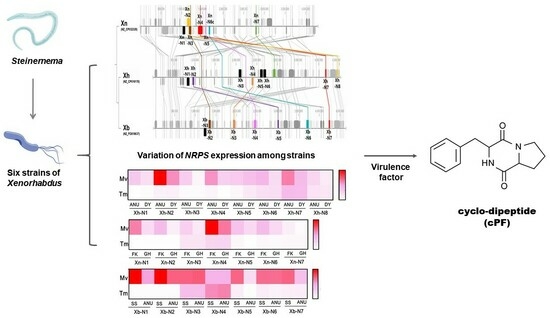
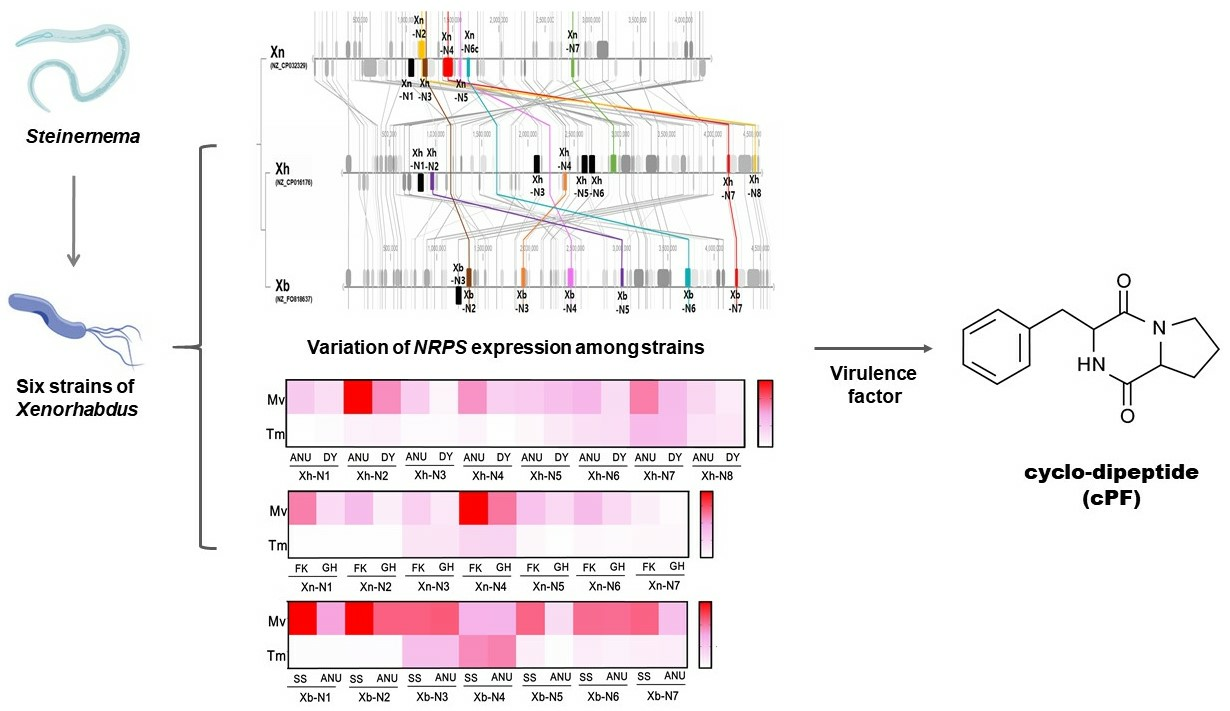
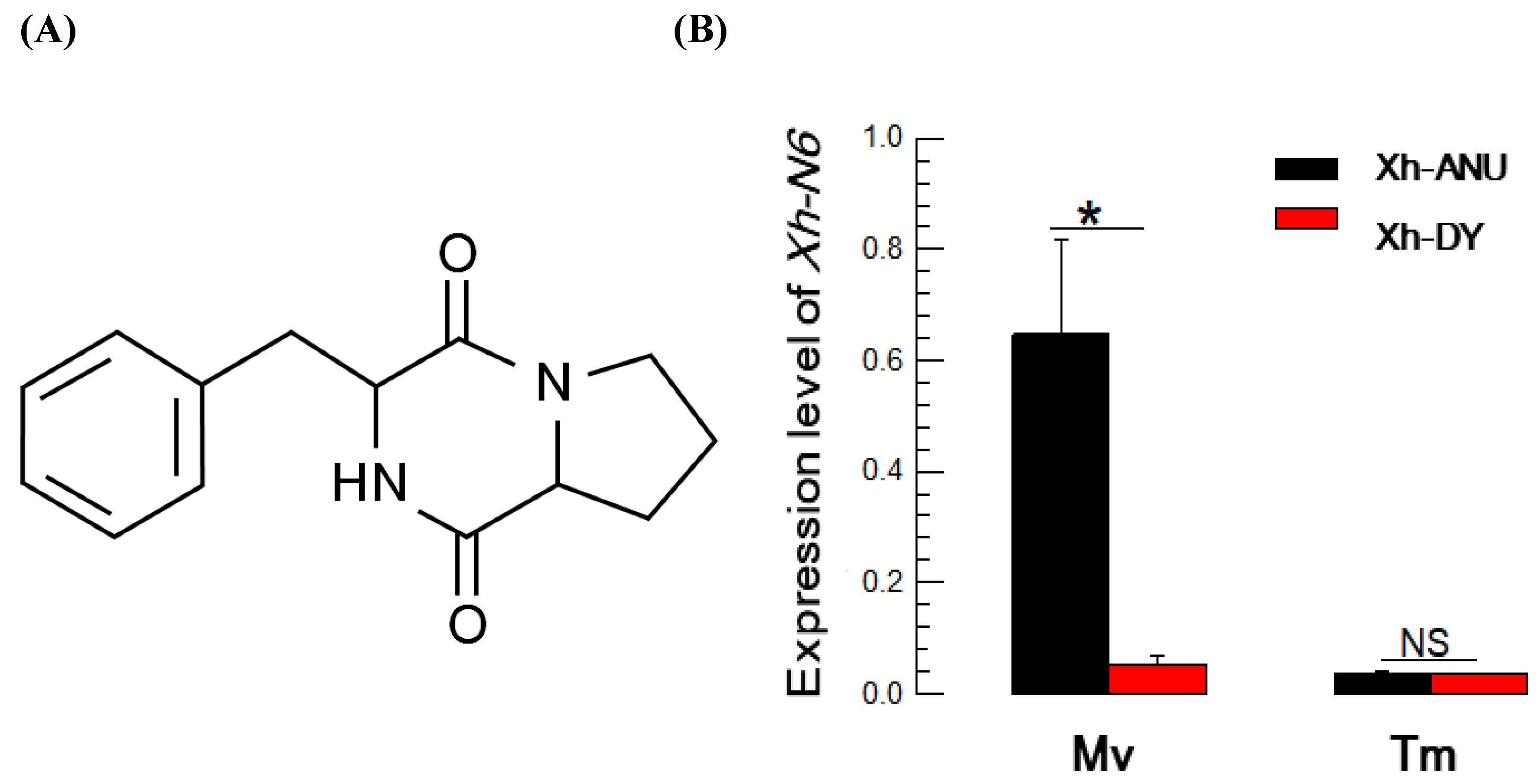
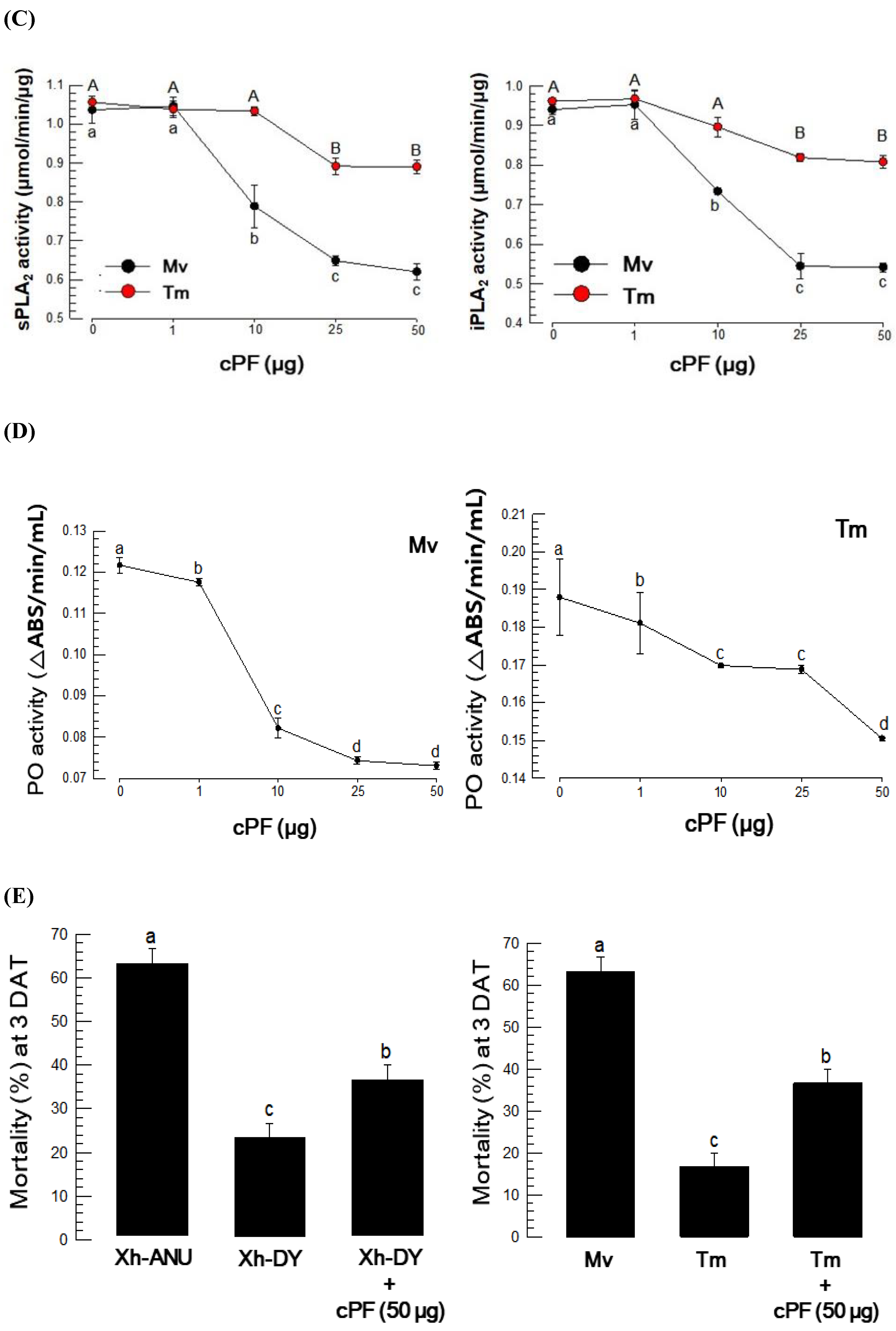
Xenorhabdus is a bacterial genus that symbioses with entomopathogenic nematodes, specifically classified within Steinernema. These nematodes transport the bacteria into target insects, where the bacteria suppress the host’s immune responses and induce septicemia. Within the cadaver of the insect, the nematodes reproduce and re-establish their association with the symbiotic bacteria. This study identifies significant variability in insecticidal virulence across different Xenorhabdus species or strains. This variability arises from differences in their growth rates and suppressive activities against host immune functions. Analysis of secondary metabolites revealed the presence of several peptides in the virulent strains. Further analysis of non-ribosomal peptide synthetase genes suggested cyclo Pro-Phe (cPF) as a virulence factor, which suppressed insect immune responses and enhanced the bacterial virulence.
Abstract
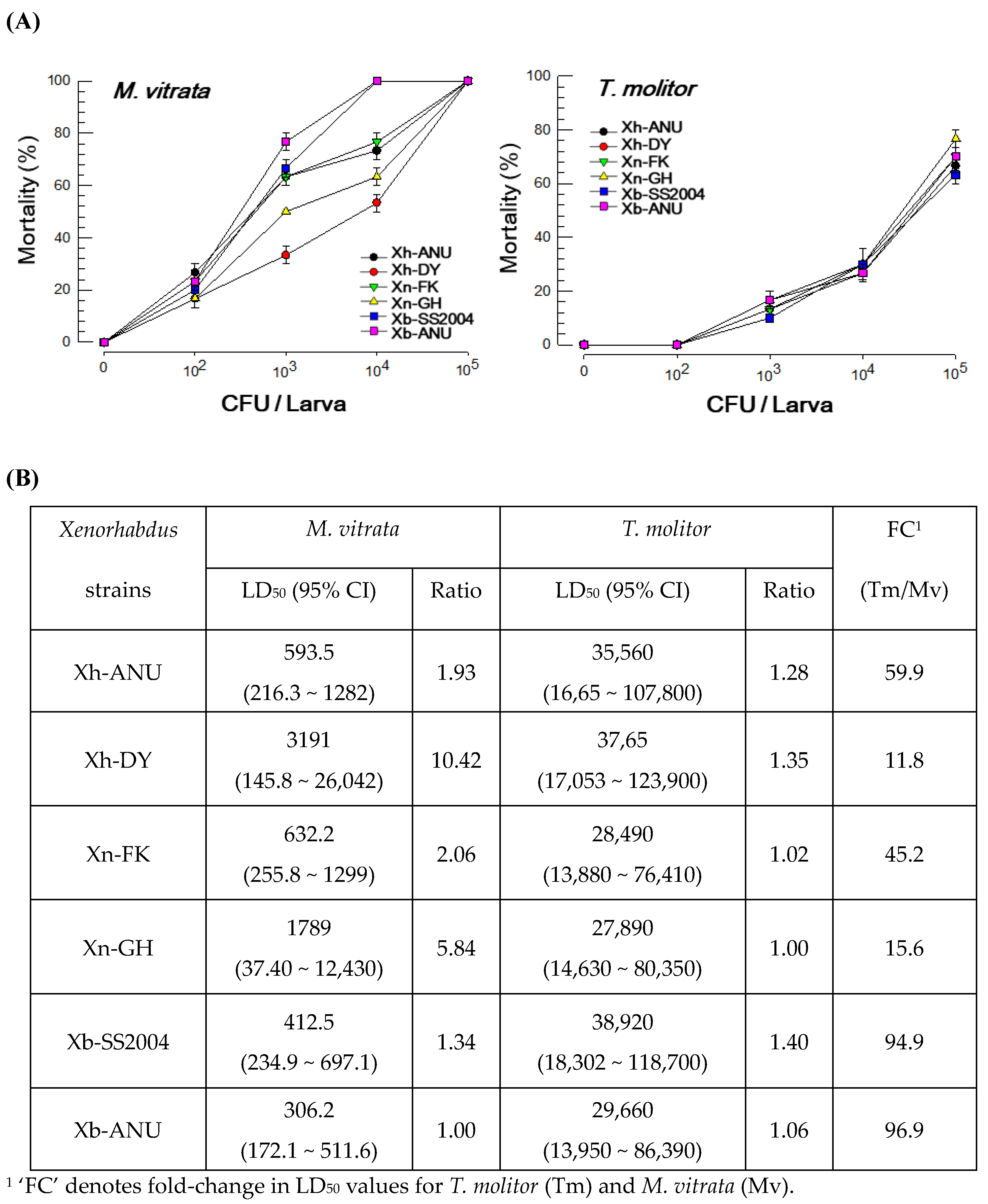
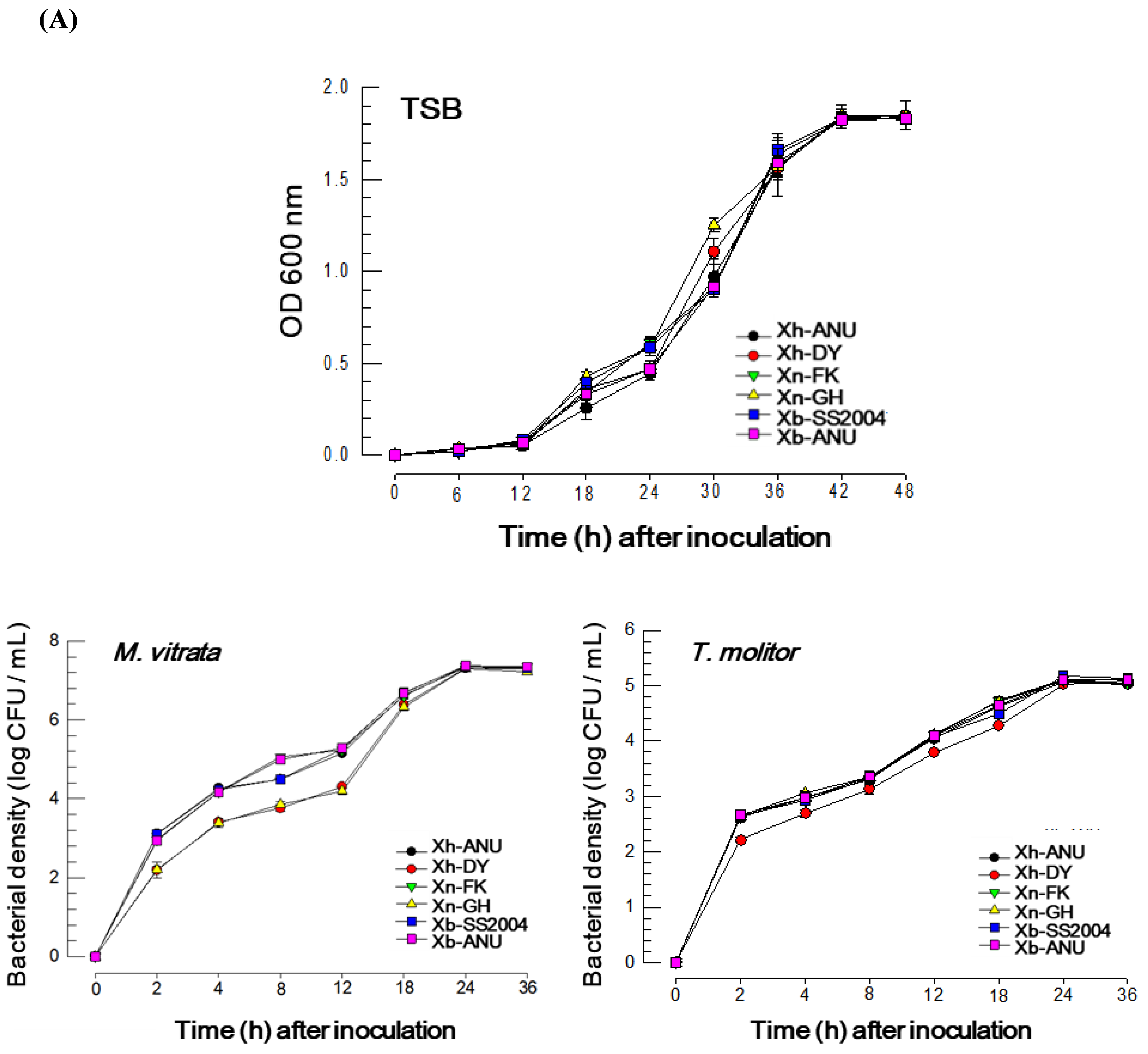
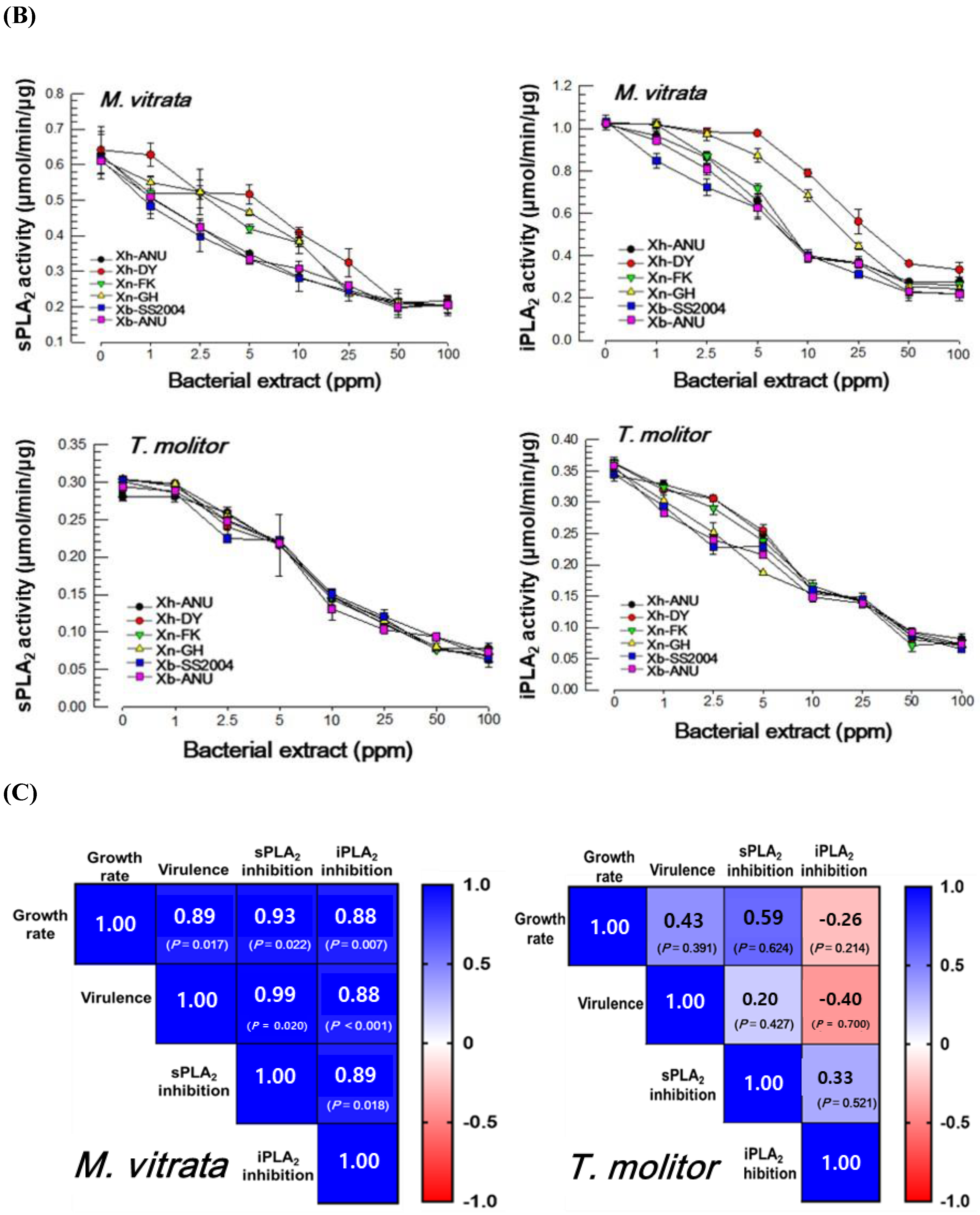
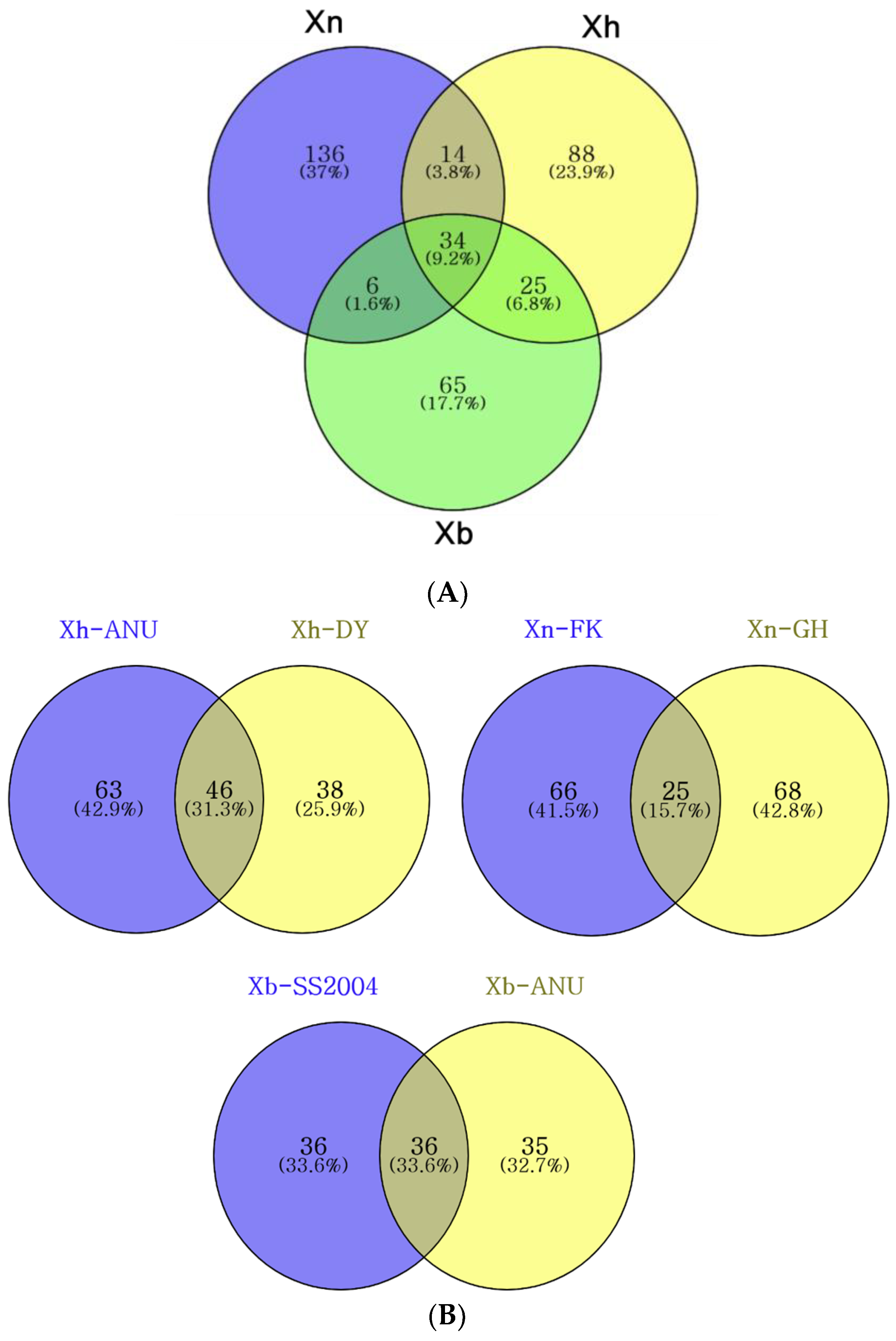
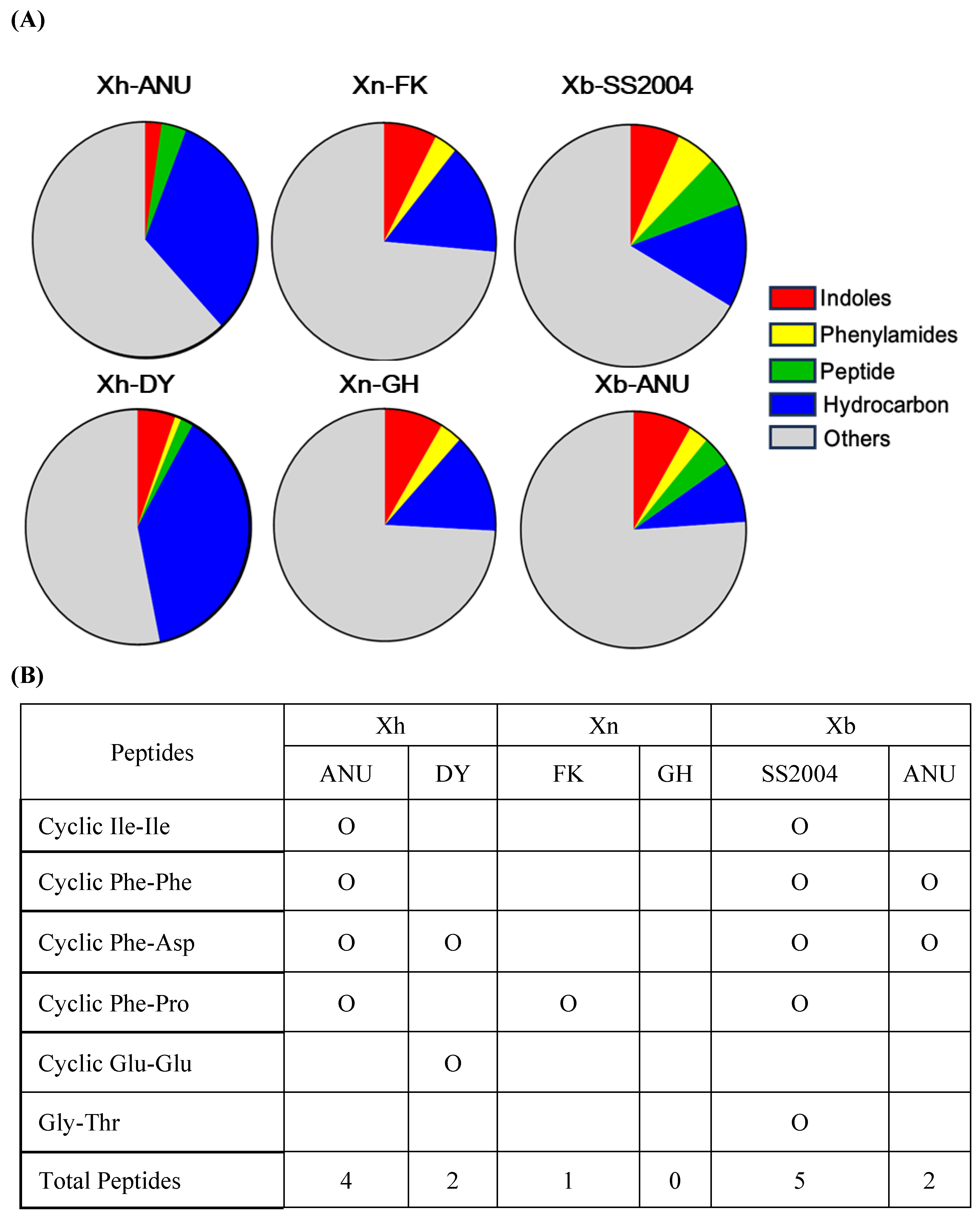
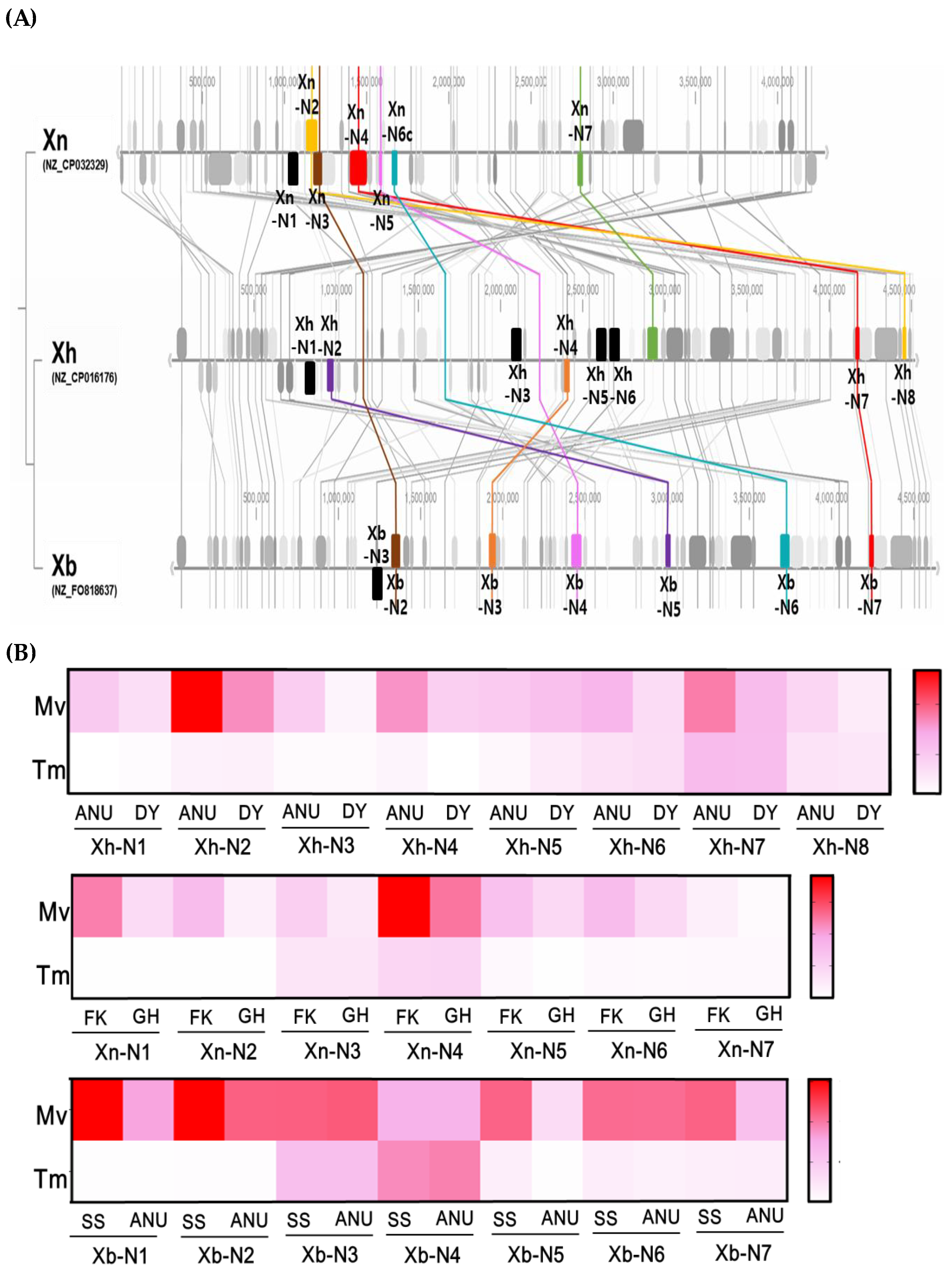
Entomopathogenic bacteria, classified into the genus Xenorhabdus, exhibit a dual lifestyle as mutualistic symbionts to Steinernema nematodes and as pathogens to a broad range of insects. Bacterial virulence depends on toxin proteins that induce toxemia and various immunosuppressive secondary metabolites that cause septicemia. Particularly, the immunosuppressive properties of Xenorhabdus bacteria determine the variability of their insecticidal activities. This study explored the role of peptide metabolites in virulence and its variation among six bacterial strains across three species: X. nematophila, X. bovienii, and X. hominickii. Initially, their virulence significantly varied against a susceptible lepidopteran host, Maruca vitrata, but showed less variation against a tolerant coleopteran host, Tenebrio molitor, with high median lethal bacterial doses. In M. vitrata, virulence was strongly correlated with bacterial growth rate and inhibitory activity against phospholipase A2. Secondly, the six strains differed in the compositions of their secreted secondary metabolites, analyzed by GC-MS following ethyl acetate extraction. Notably, there was significant variation in the production of di- or tetra-peptides. Highly virulent strains commonly produced the cyclic Pro-Phe (cPF). Thirdly, the expression of non-ribosomal peptide synthetase (NRPS) genes varied greatly among the strains. NRPS genes were minimally expressed in the tolerant T. molitor and highly expressed in the susceptible M. vitrata. In M. vitrata, specific NRPS genes were markedly expressed in the virulent strains. Finally, cPF demonstrated potent immunosuppressive activity against the cellular and humoral responses of M. vitrata. The addition of cPF significantly enhanced the virulence against the tolerant T. molitor. These findings suggest that immunosuppression is necessary for the pathogenicity of Xenorhabdus bacteria, wherein NRPS products play a critical role in suppressing immune-associated factors in target insects.