Article

Patella Alta on X-Ray and MRI: Diagnostic Agreement and Clinical Correlations

by
Faten Abdulrahman Almohideb
1,*,
Mehad Hussni Felemban
2,
Nizar Al-Nakshabandi
1,
Mamdouh Saad Almalki
1,
Mohammad Alfaqih
1 and
Abdullah Alfaqih
1
1
Department of Radiology and Medical Imaging, College of Medicine, King Saud University Medical City, King Saud University, Riyadh 11472, Saudi Arabia
2
Radiology Department, King Faisal Specialist Hospital & Research Centre, Riyadh 11211, Saudi Arabia
*
Author to whom correspondence should be addressed.
Diagnostics 2026, 16(15), 2444; https://doi.org/10.3390/diagnostics16152444

Submission received: 22 June 2026 / Revised: 24 July 2026 / Accepted: 28 July 2026 / Published: 3 August 2026
(This article belongs to the Section Medical Imaging and Theranostics)

Abstract

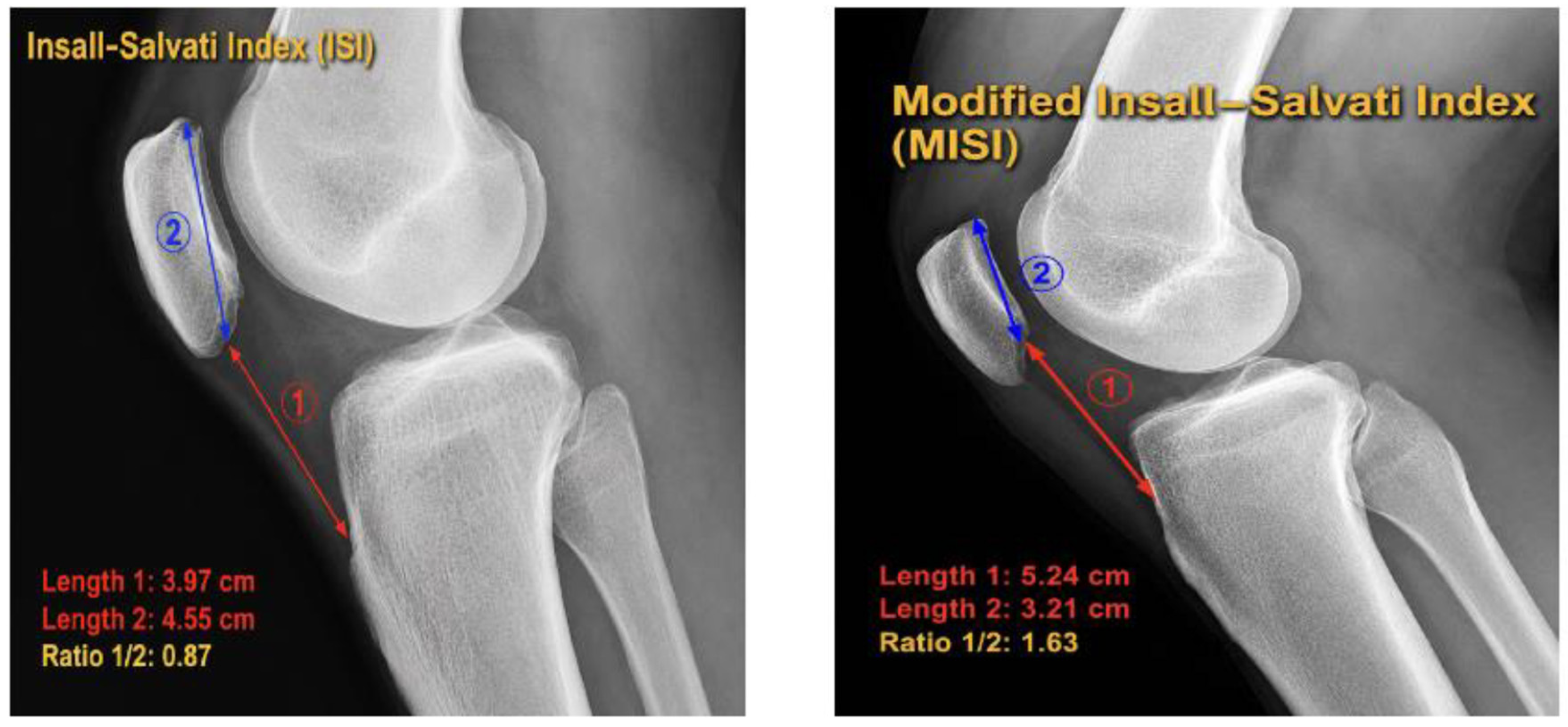
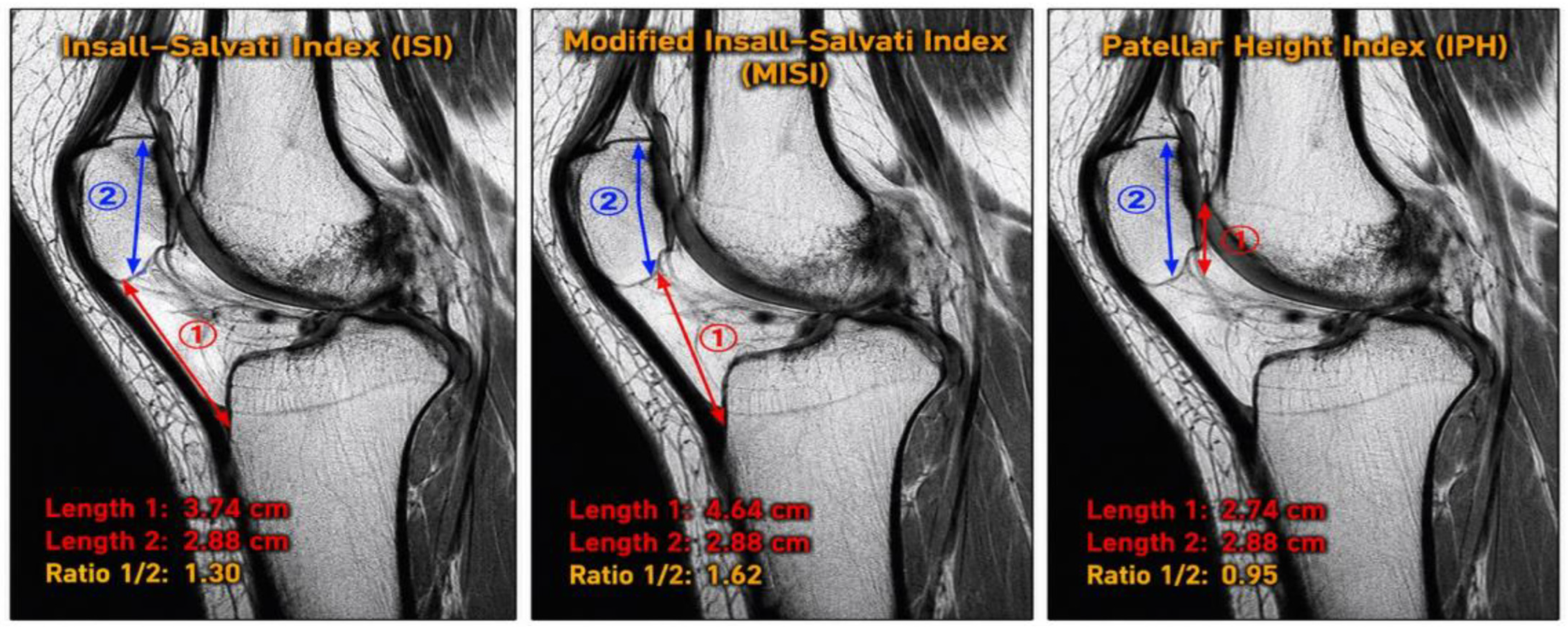
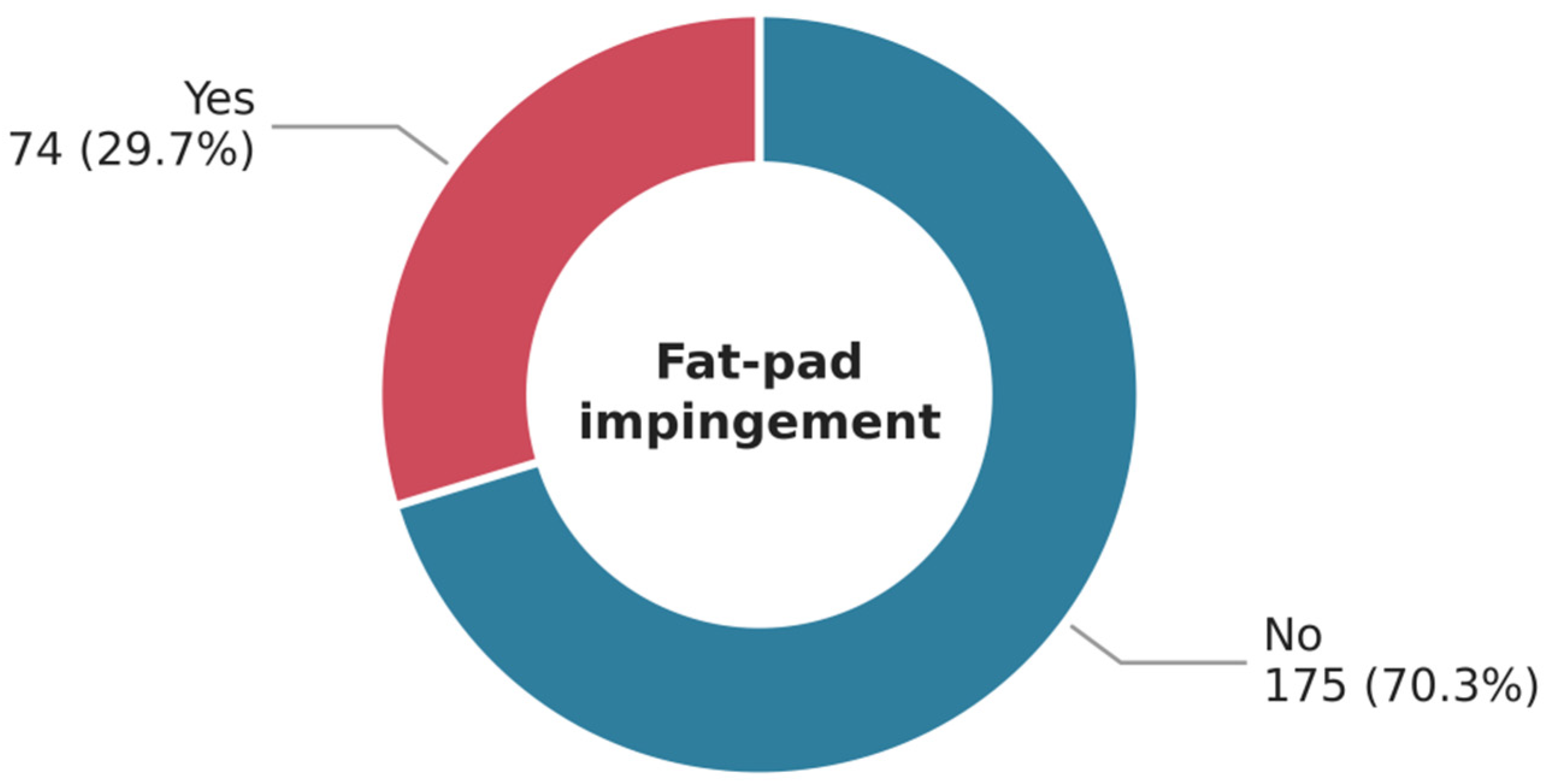
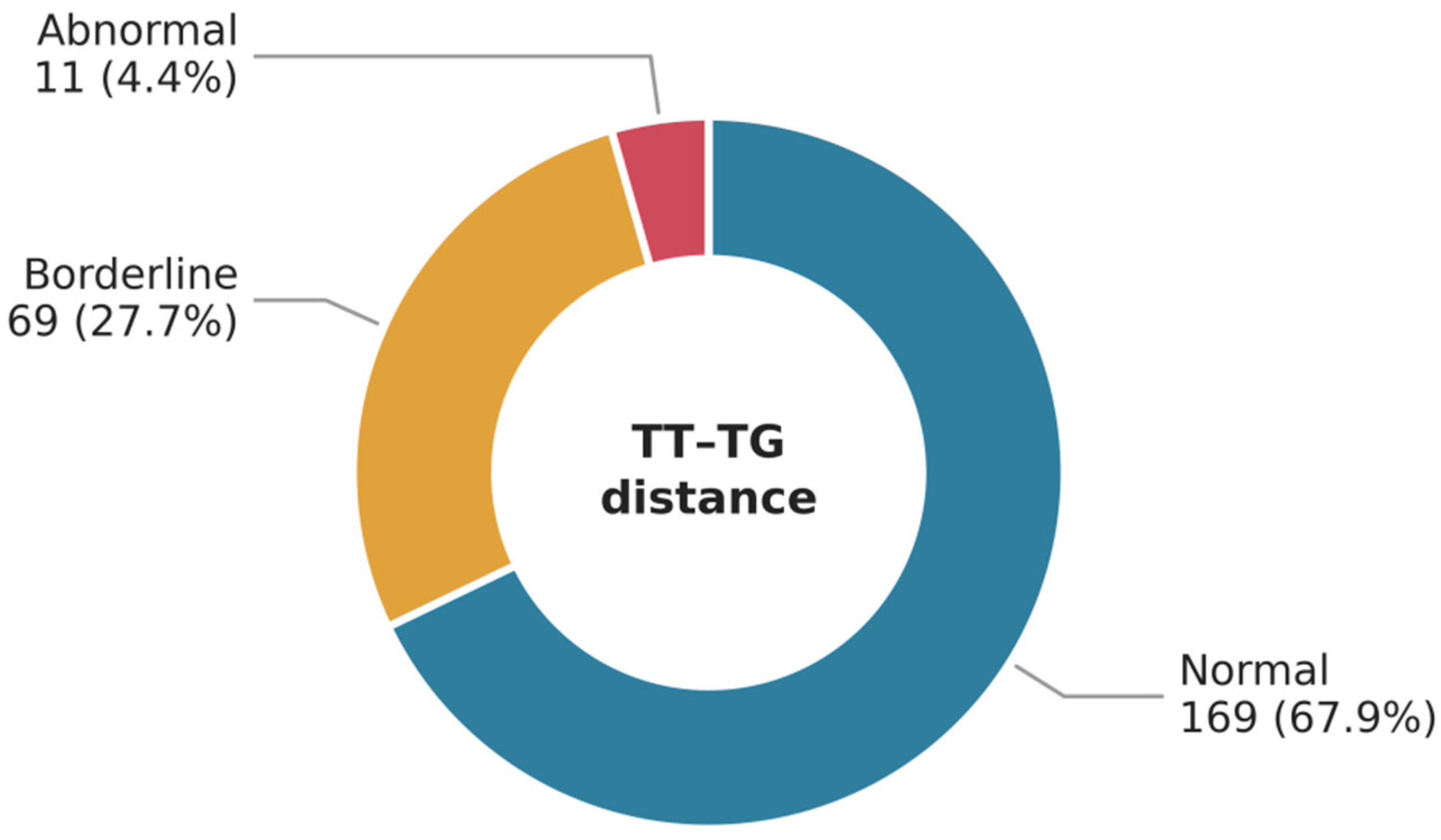
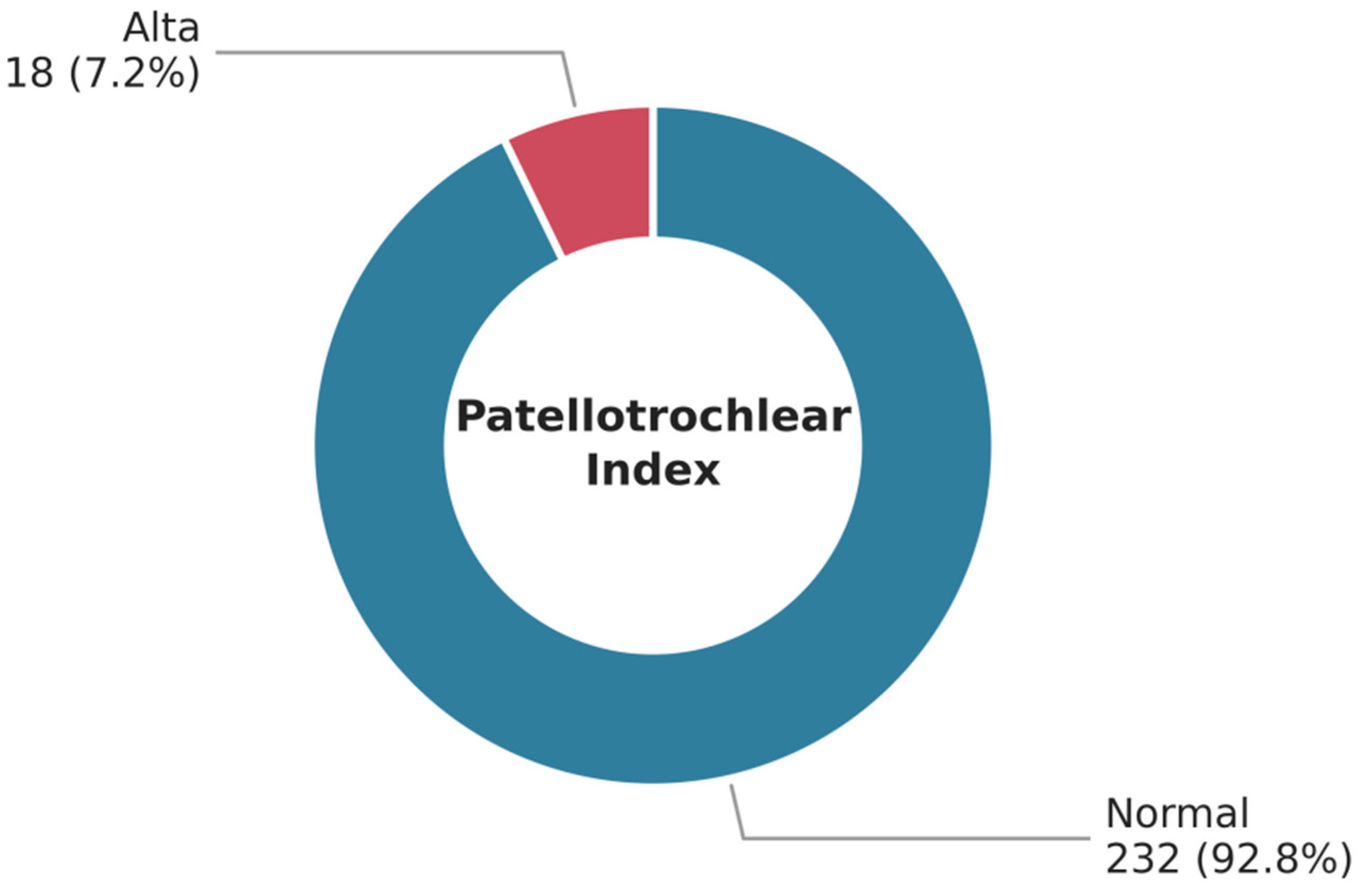
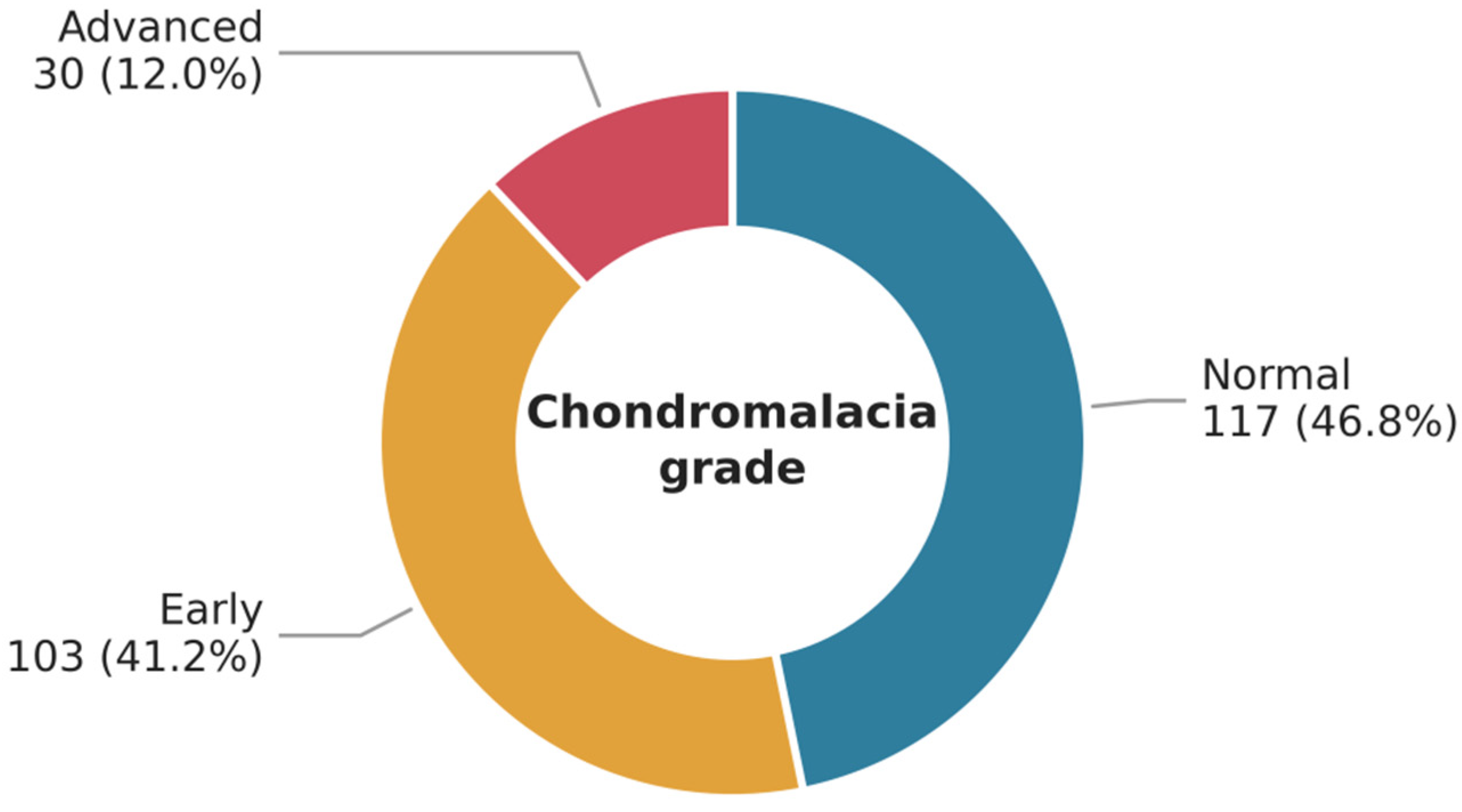
Background/Objectives: Patella alta contributes to patellofemoral (PF) maltracking and anterior knee pain, but the agreement of patellar-height indices across imaging modalities and their clinical relevance remain uncertain. We aimed to estimate the prevalence of patella alta when using each index, quantify inter-method agreement, and quantify patella alta’s associations with Hoffa’s fat-pad impingement, patellar chondromalacia, and tibial tubercle–trochlear groove (TT–TG) distance. Methods: This retrospective cross-sectional study included 250 patients aged 18–38 years who underwent both knee radiography and MRI. Patellar height was assessed using the Insall–Salvati (IS) and modified Insall–Salvati (mIS) ratios on radiographs and MRI, and the Patellotrochlear Index (PTI) on MRI. Associations with fat-pad impingement, chondromalacia grade, and TT–TG abnormality were analyzed using the chi-square or Fisher’s exact test and as odds ratios (ORs) adjusted for age, sex, and imaged side; agreement was assessed with Cohen’s kappa (κ). Results: Patella alta prevalence was 13.2% using IS on radiographs and 10.8% using IS on MRI, but markedly lower with mIS (≤1.6%). Patella alta was more frequent in patients with Hoffa’s fat-pad impingement (31.1% vs. 5.7% on IS radiography; adjusted OR 8.83, 95% CI 3.82–20.45) and advanced chondromalacia (p = 0.025). Agreement was moderate between IS radiography and IS MRI (κ = 0.47, 95% CI 0.33–0.61) and between IS MRI and the PTI (κ = 0.43). Conclusions: The prevalence and clinical relevance of patella alta depend strongly on the measurement method. The IS ratio was the most consistent index, but radiography–MRI agreement was moderate rather than high, so the two are not interchangeable. The PTI adds information on trochlear engagement from the same MRI examination. These cross-sectional associations do not establish causation.
Keywords: patella alta; Insall–Salvati ratio; Patellotrochlear Index; magnetic resonance imaging; radiography patella alta; Insall–Salvati ratio; Patellotrochlear Index; magnetic resonance imaging; radiography