Article

When Brownian Motion Meets Clinical Laboratory Automation: A DLS-Inspired Autocorrelation Function for Characterizing Workflow Performance in Sample Processing

by
Claudia Spoliti
1,†,
Raimondo De Cristofaro
1,2,† and
Enrico Di Stasio
2,3,*
1
Department of Translational Medicine and Surgery, Catholic University of the Sacred Heart, Largo Francesco Vito 1, 00168 Rome, Italy
2
Foundation University Hospital “A. Gemelli” IRCCS, Largo Agostino Gemelli 8, 00168 Rome, Italy
3
Department of Basic Biotechnological Sciences, Intensive Care and Perioperative Clinics, Catholic University of the Sacred Heart, Largo Francesco Vito 1, 00168 Rome, Italy
*
Author to whom correspondence should be addressed.
These authors contributed equally to this work.
Diagnostics 2026, 16(13), 2120; https://doi.org/10.3390/diagnostics16132120

Submission received: 2 June 2026 / Revised: 3 July 2026 / Accepted: 5 July 2026 / Published: 7 July 2026
(This article belongs to the Special Issue Advances in the Laboratory Diagnosis—2nd Edition)

Abstract

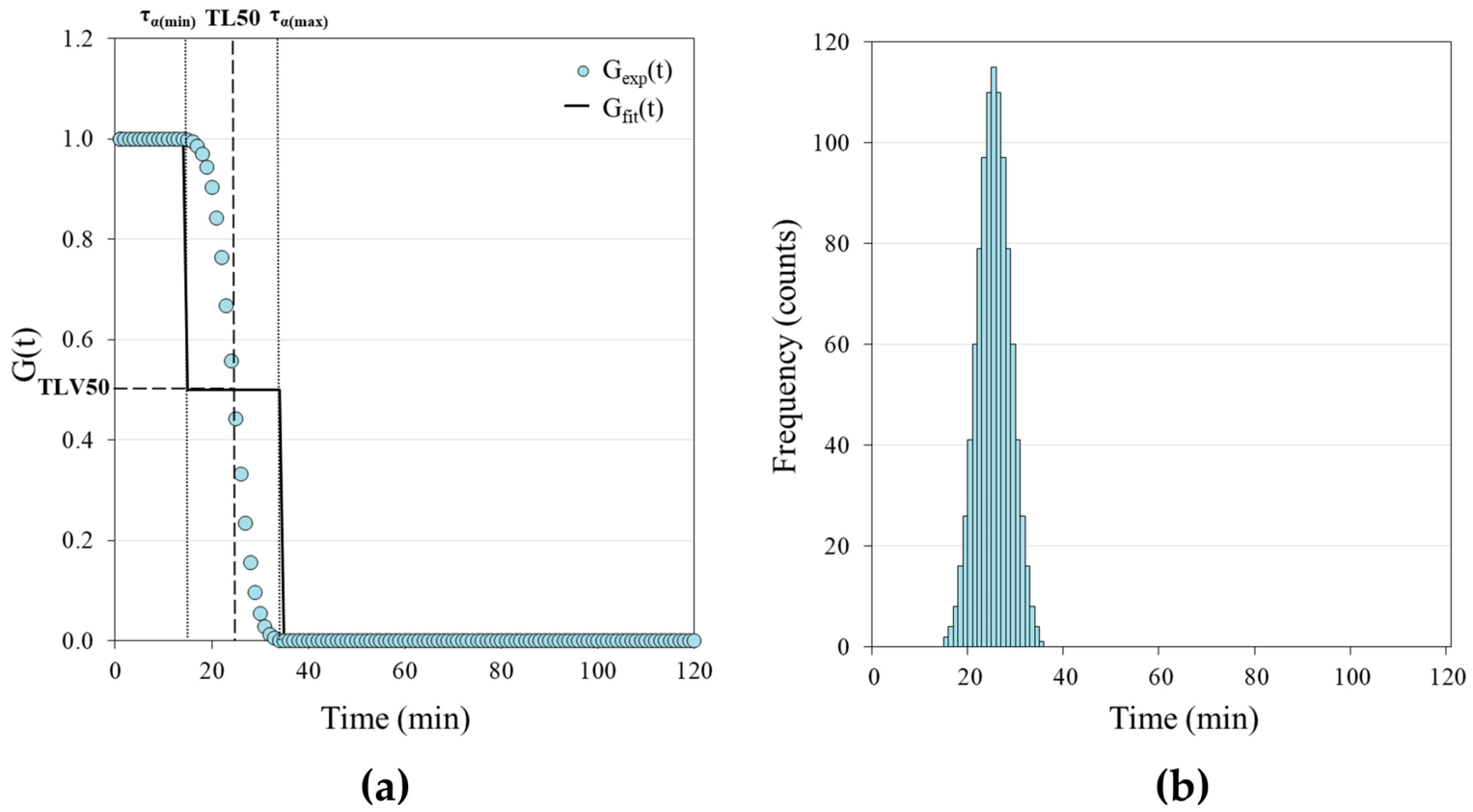
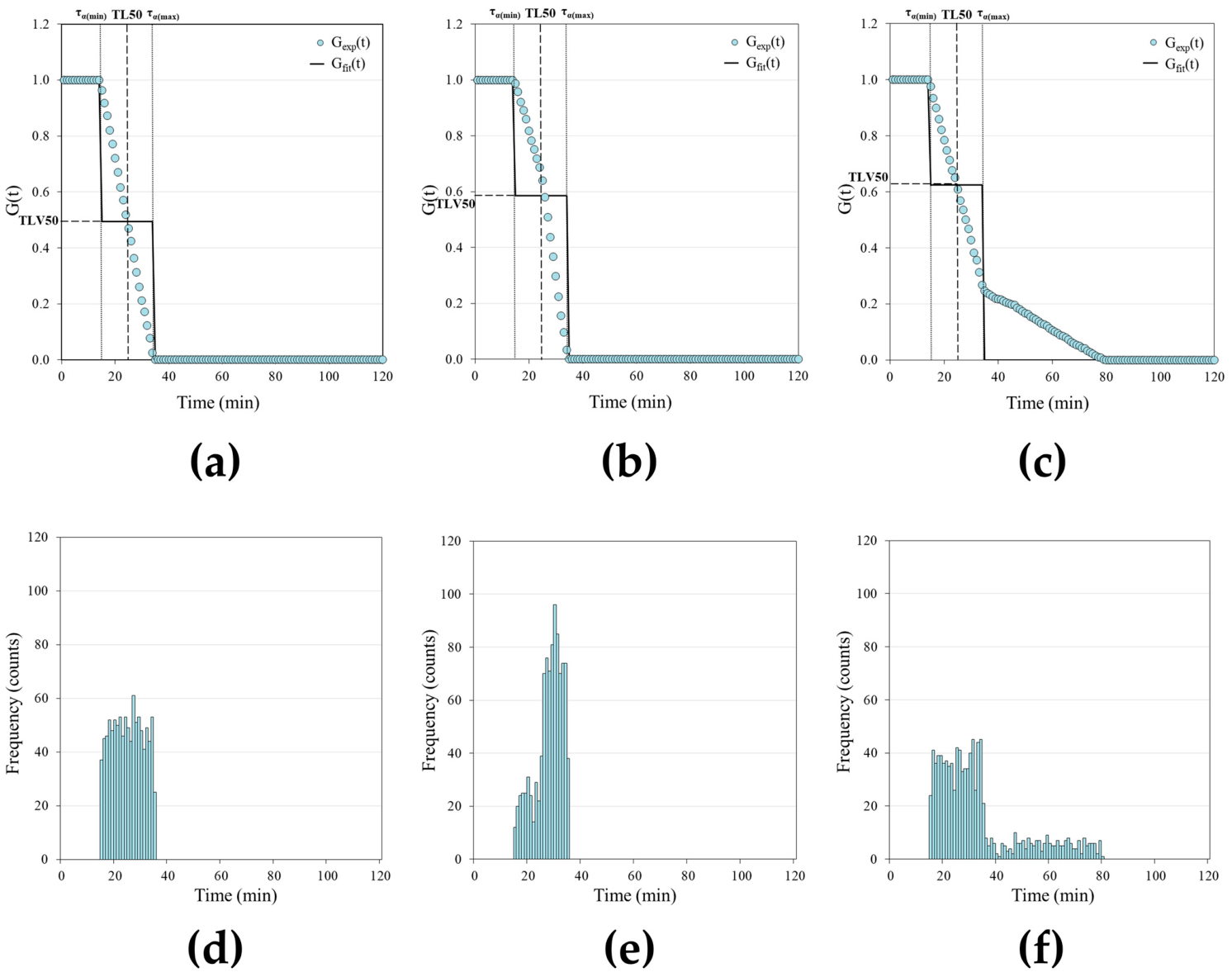
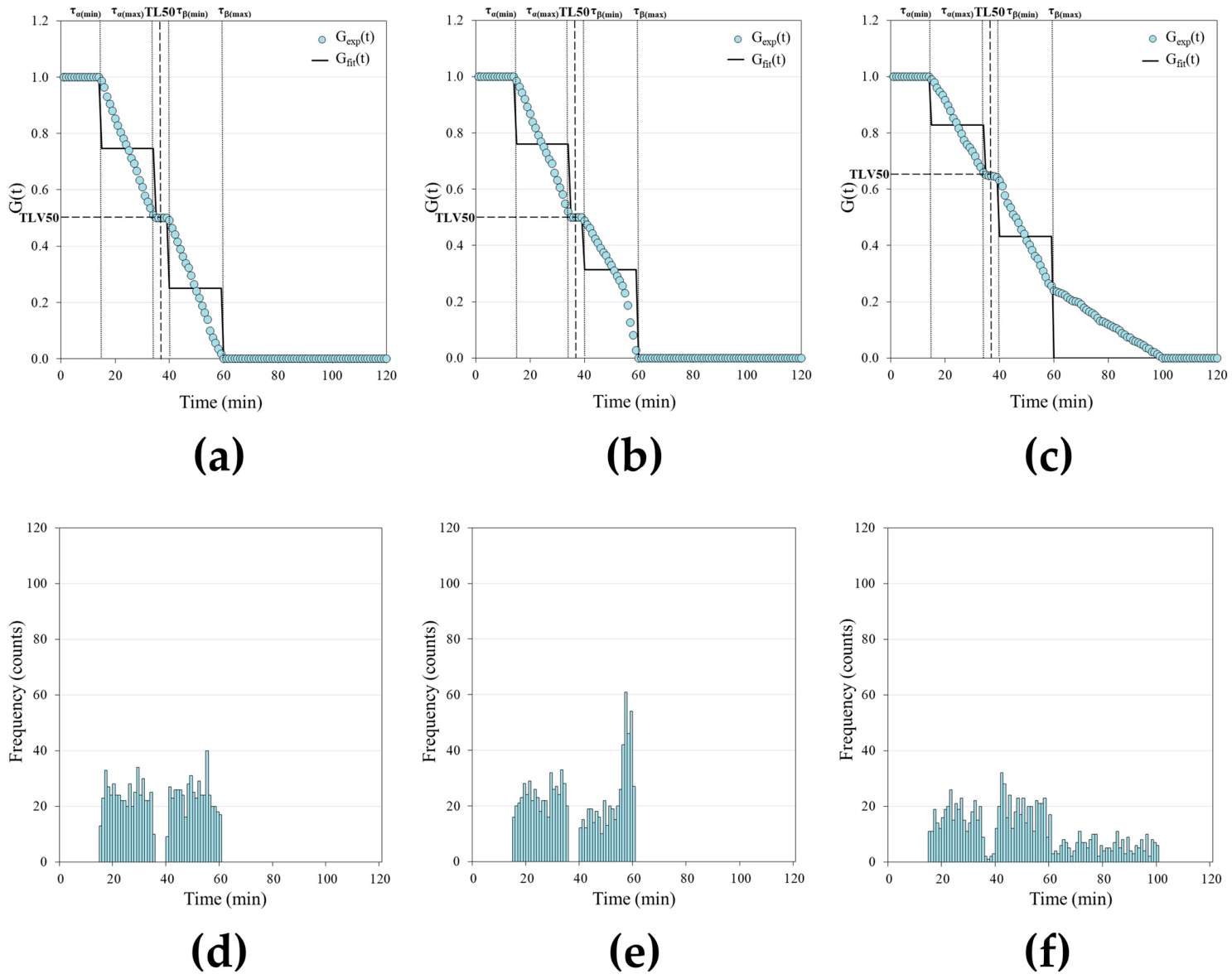
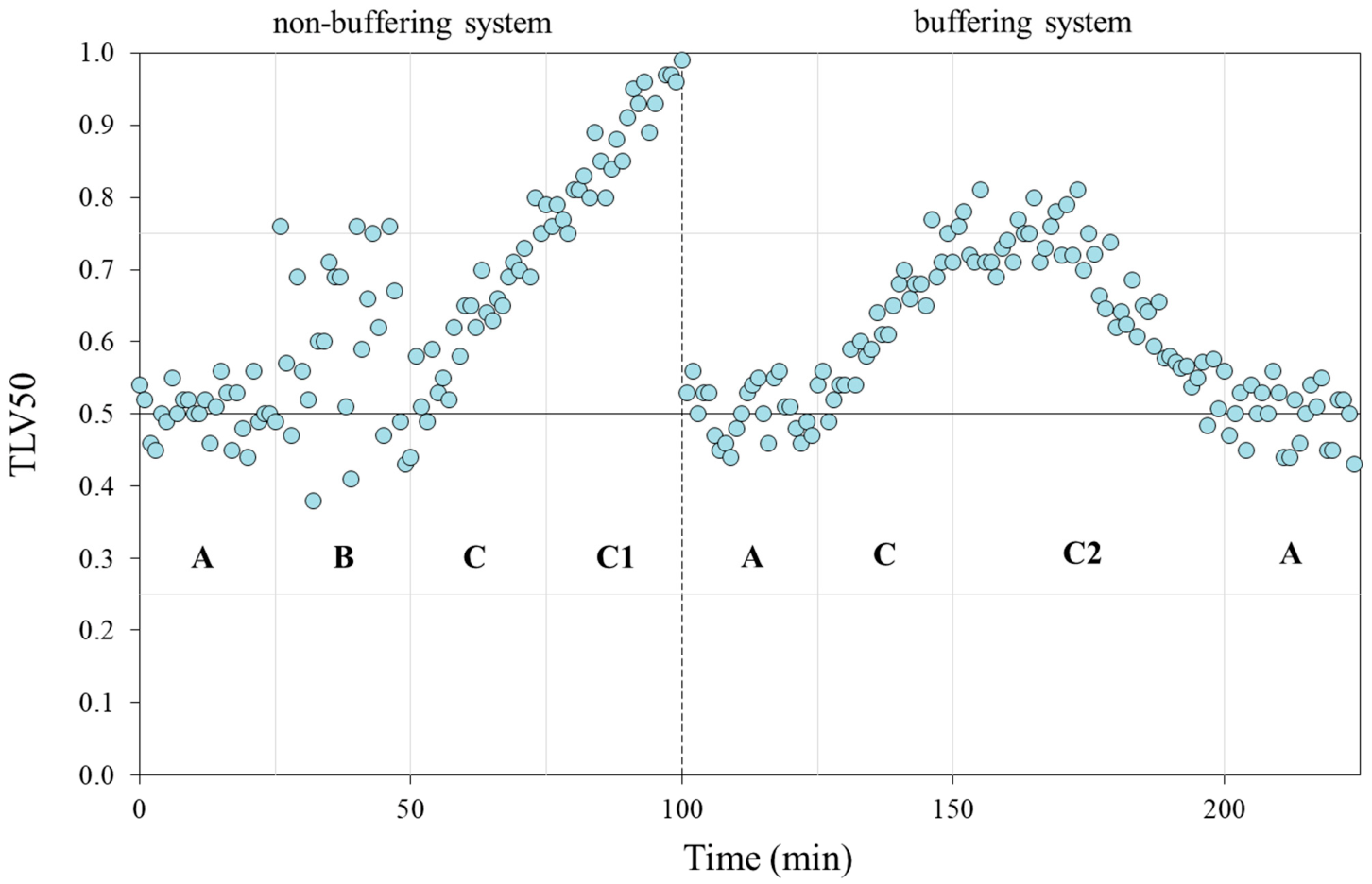
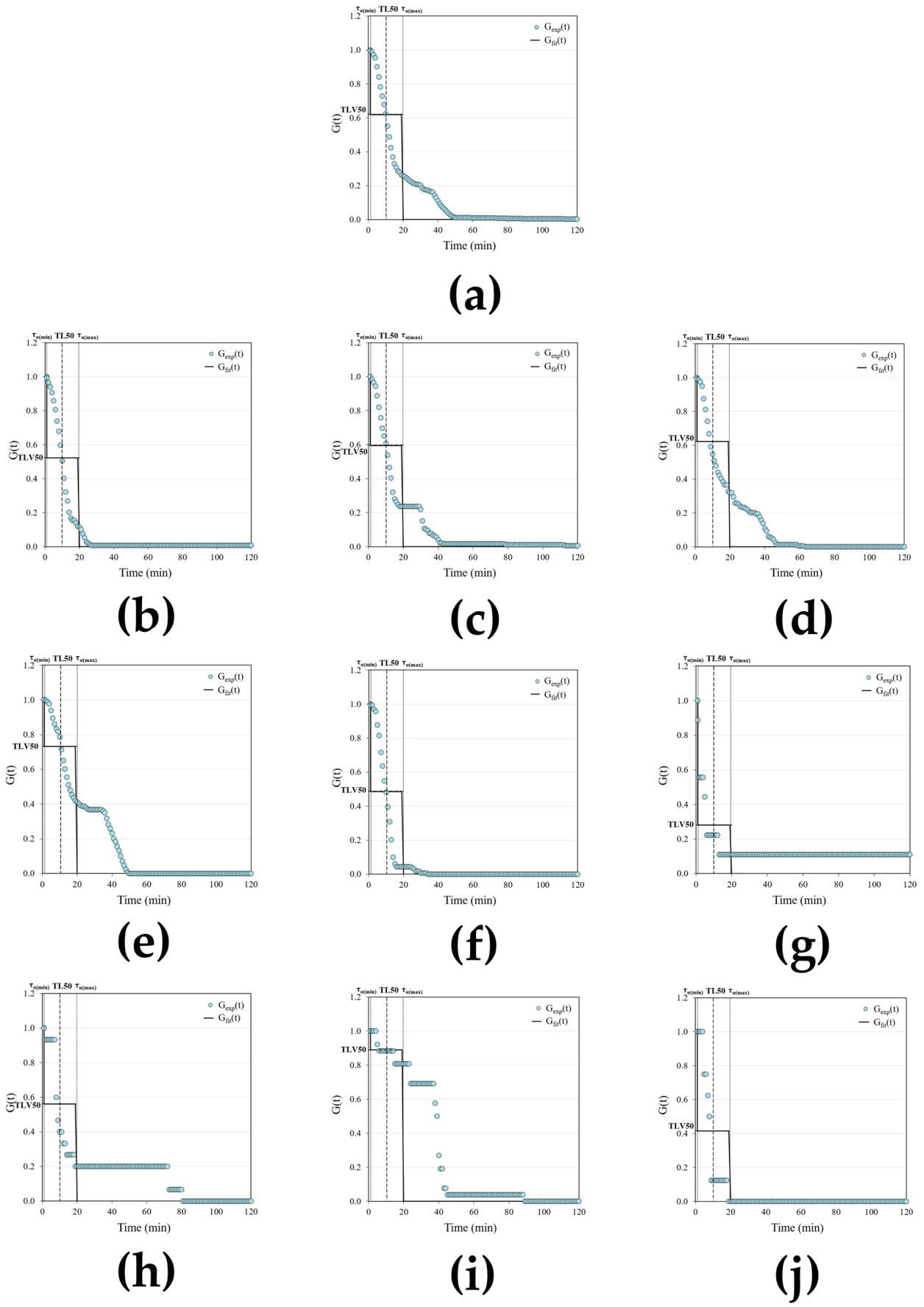
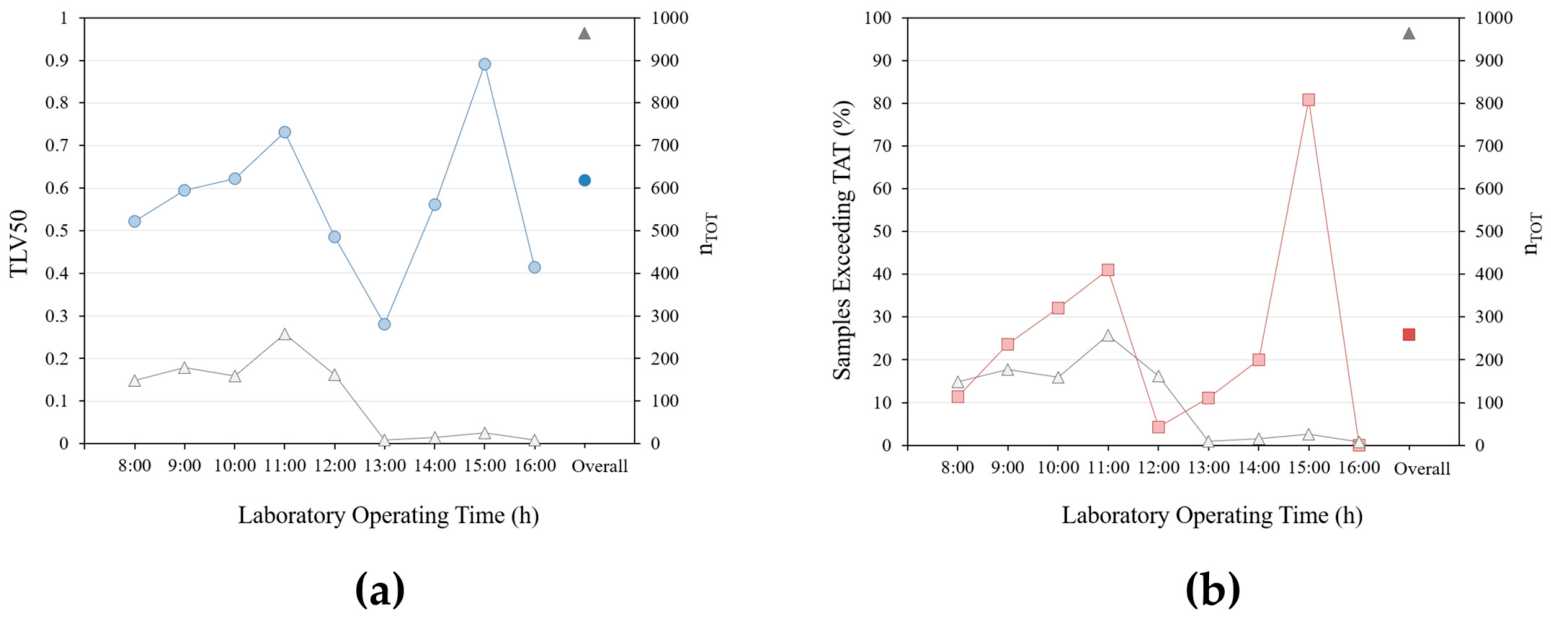
Background/Objectives: Laboratory automation is a key strategy for increasing productivity and reducing sample turnaround time (TAT), a common indicator of laboratory performance. However, owing to the statistical distribution of TAT values, conventional descriptors such as mean, standard deviation, and percentiles cannot capture the processing history of individual samples. In this study, sample flow within a highly automated laboratory system was analyzed by analogy with the Brownian motion of molecules in solution, using an ad hoc modified Dynamic Light Scattering (DLS) correlation function. Methods: Seven processing histories, each consisting of 1000 samples and representing different TAT scenarios, were generated, and the corresponding correlation functions were calculated. Each sample was assumed to remain correlated with its initial state (value = 1) until its TAT was reached; thereafter, once the result was produced, the sample was considered uncorrelated and its status value became 0. The correlation function was defined as the normalized progressive sum, over time, of the status values of all analyzed samples at each time point. Results: The DLS-inspired autocorrelation function enabled the derivation of parameters describing both overall system performance and sample processing status. These parameters provide quantitative indicators for near-real-time monitoring of automation chain efficiency and reveal system features that are not accessible through conventional TAT statistics. Conclusions: This approach allows the definition of measurable metrics describing the system’s capacity to buffer and mitigate operational disruptions at both the global and individual-sample levels. The proposed framework provides a novel tool for evaluating, monitoring, and comparing the performance of laboratory automation systems.
Keywords: dynamic light scattering; correlation function; automation chain; sample flow; turnaround time; laboratory efficiency; laboratory performance; laboratory workflow dynamic light scattering; correlation function; automation chain; sample flow; turnaround time; laboratory efficiency; laboratory performance; laboratory workflow