Article

A Cable-Driven Hip Exoskeleton with a Postural Control Strategy for Reinforcing Human Balance

by
Giovanni Gerardo Muscolo
1,2,3,*,
Michele Conconi
4,
Alessandra Del Felice
5,6,
Lorenzo Chiari
1 and
Nicola Sancisi
4
1
Department of Electrical, Electronic, and Information Engineering Guglielmo Marconi, Università di Bologna, Viale del Risorgimento, 2, 40136 Bologna, Italy
2
European Center for Theoretical Studies in Nuclear Physics and Related Areas, Fondazione Bruno Kessler, Strada delle Tabarelle, 286, Villazzano, 38123 Trento, Italy
3
Department of Physics, University of Trento, Via Sommarive 14, Povo, 38123 Trento, Italy
4
Department of Industrial Engineering, Università di Bologna, Viale del Risorgimento, 2, 40136 Bologna, Italy
5
Department of Neuroscience, Section of Neurology, University of Padova, Via Belzoni 160, 35121 Padova, Italy
6
Padova Neuroscience Center, University of Padova, Via Orus 2/B, 35129 Padova, Italy
*
Author to whom correspondence should be addressed.
Machines 2026, 14(5), 484; https://doi.org/10.3390/machines14050484

Submission received: 20 March 2026 / Revised: 14 April 2026 / Accepted: 17 April 2026 / Published: 24 April 2026
(This article belongs to the Special Issue Design and Control of Assistive Robots)

Featured Application

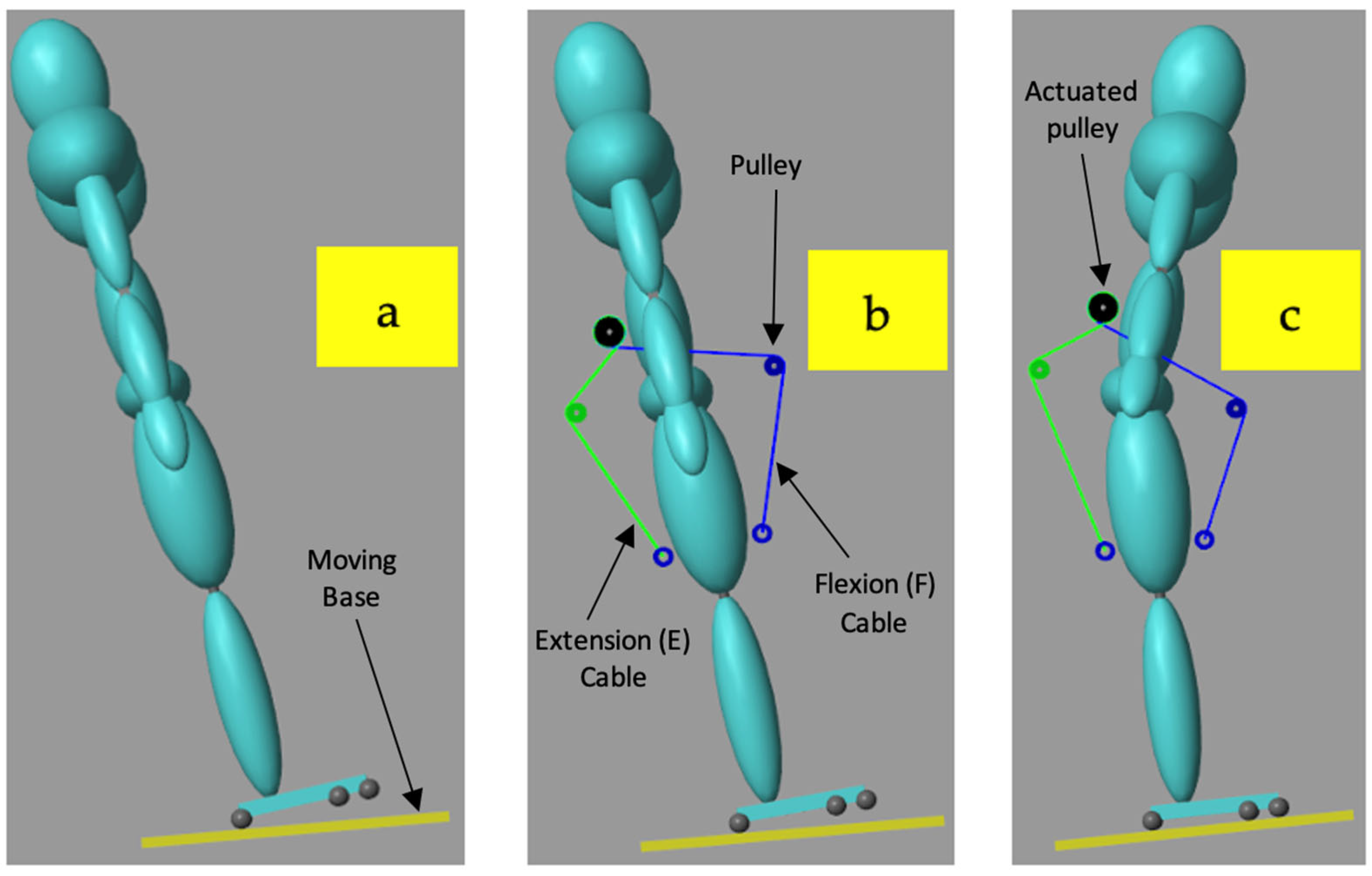
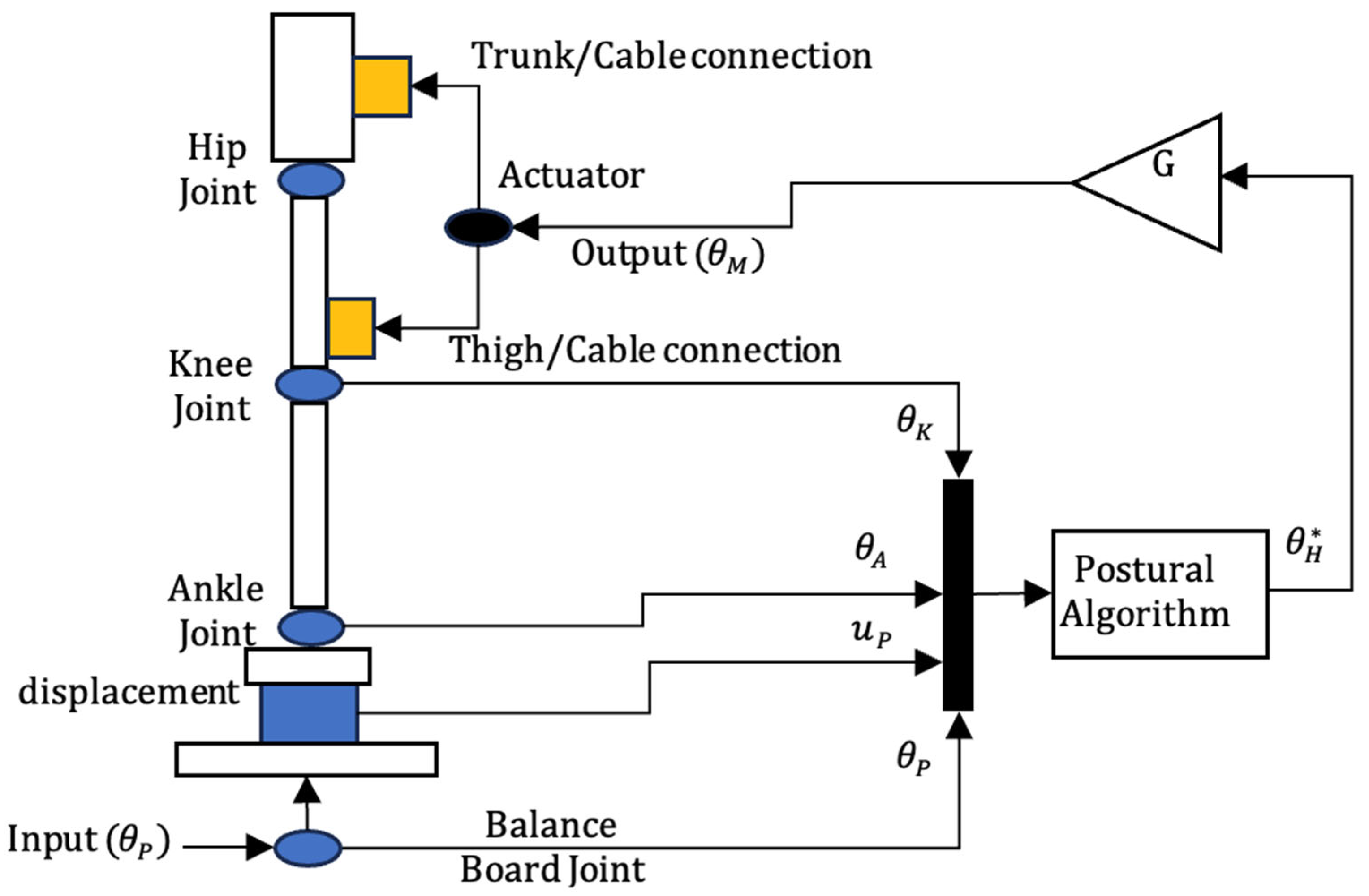
This paper presents a new hip exoskeleton with a postural control strategy to reinforce human balance after an unexpected perturbation.

Abstract

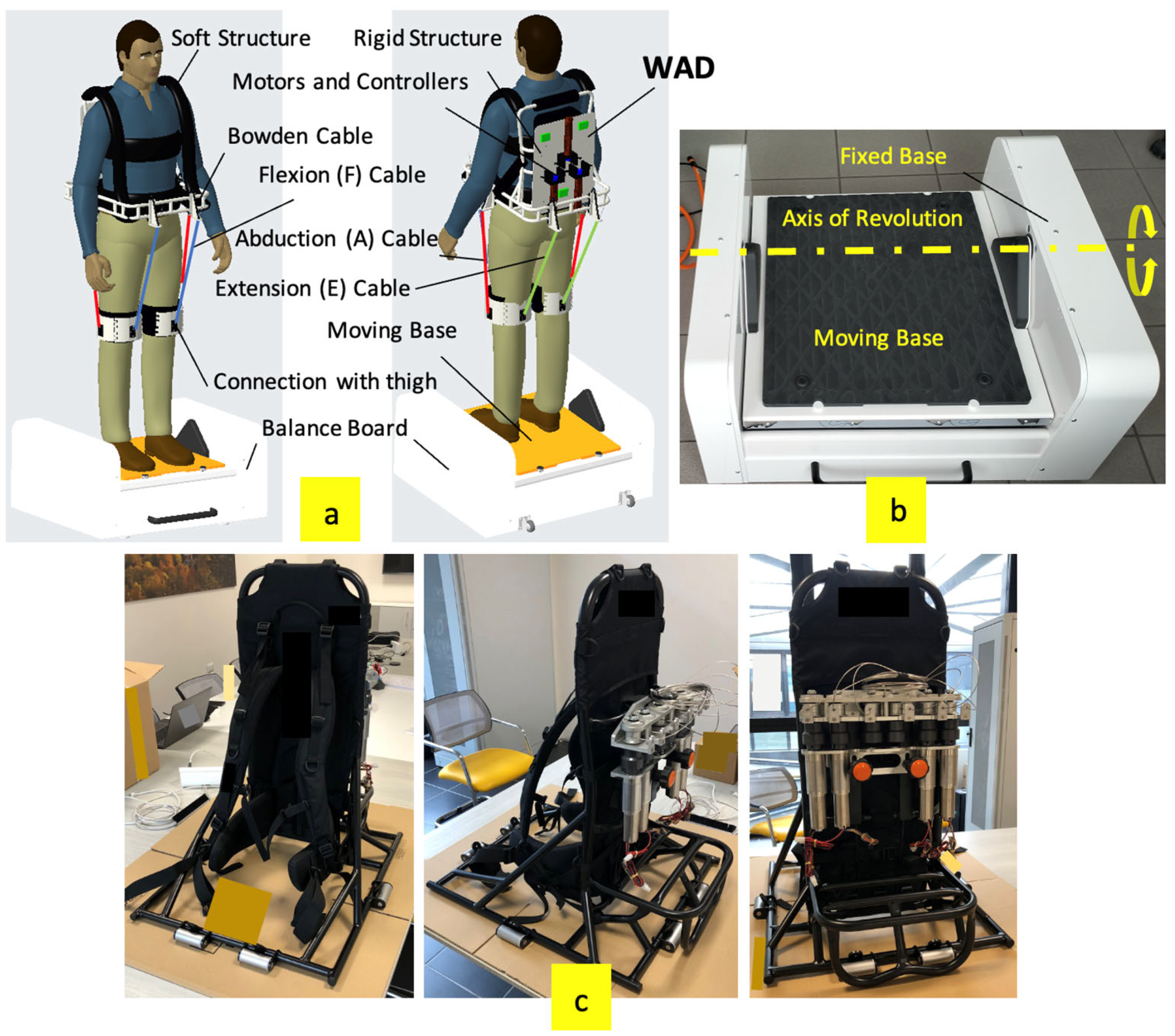
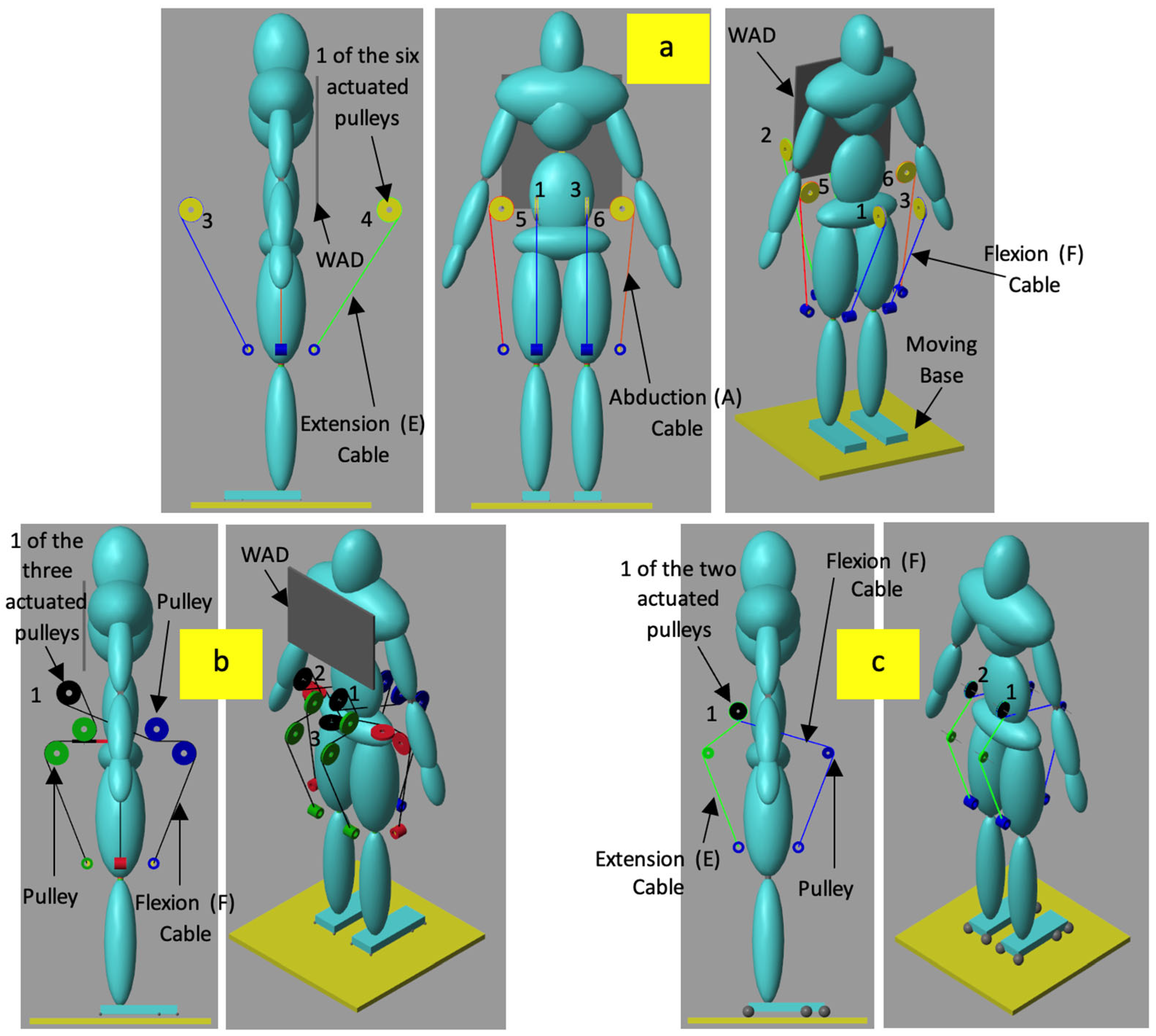
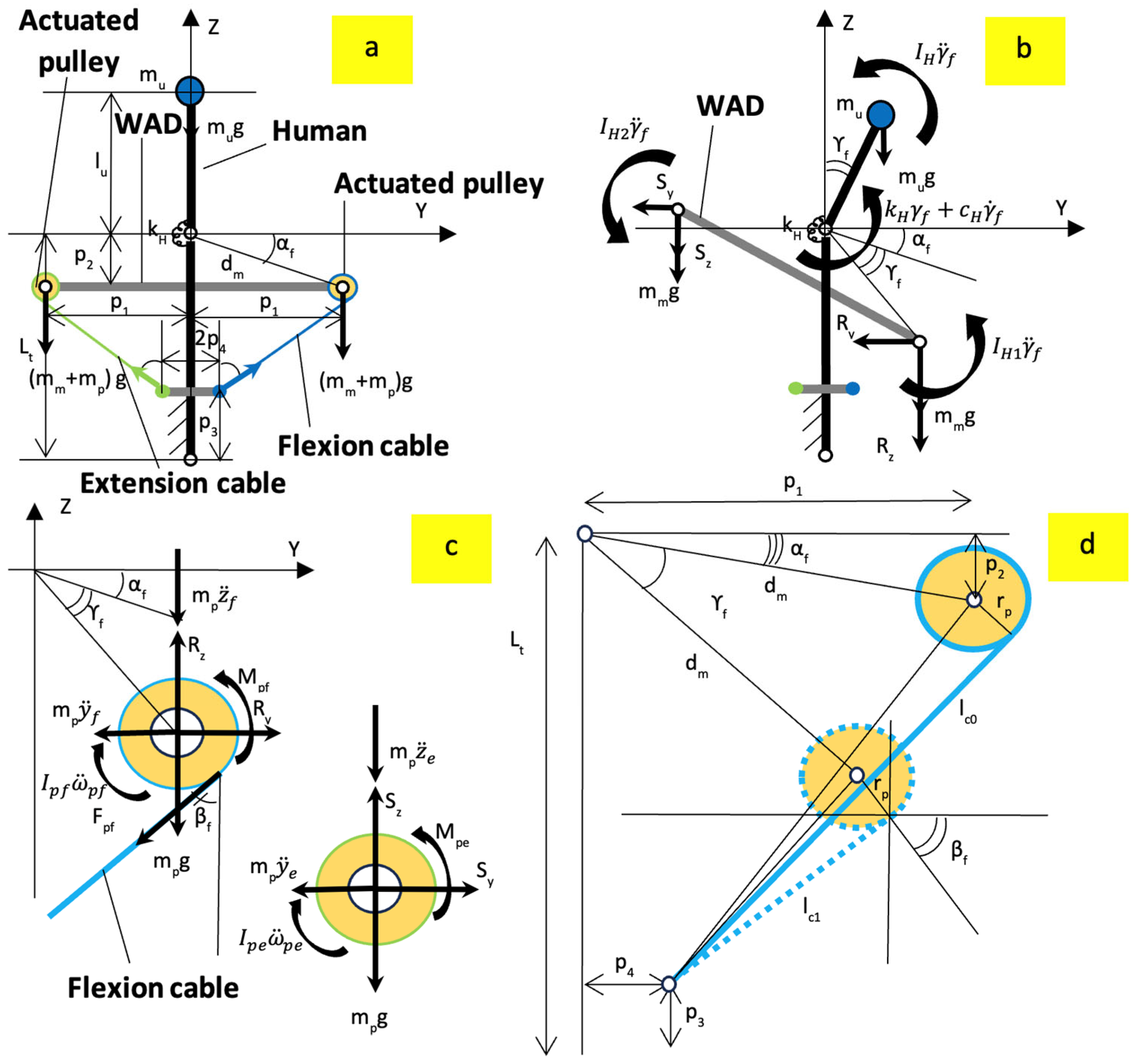
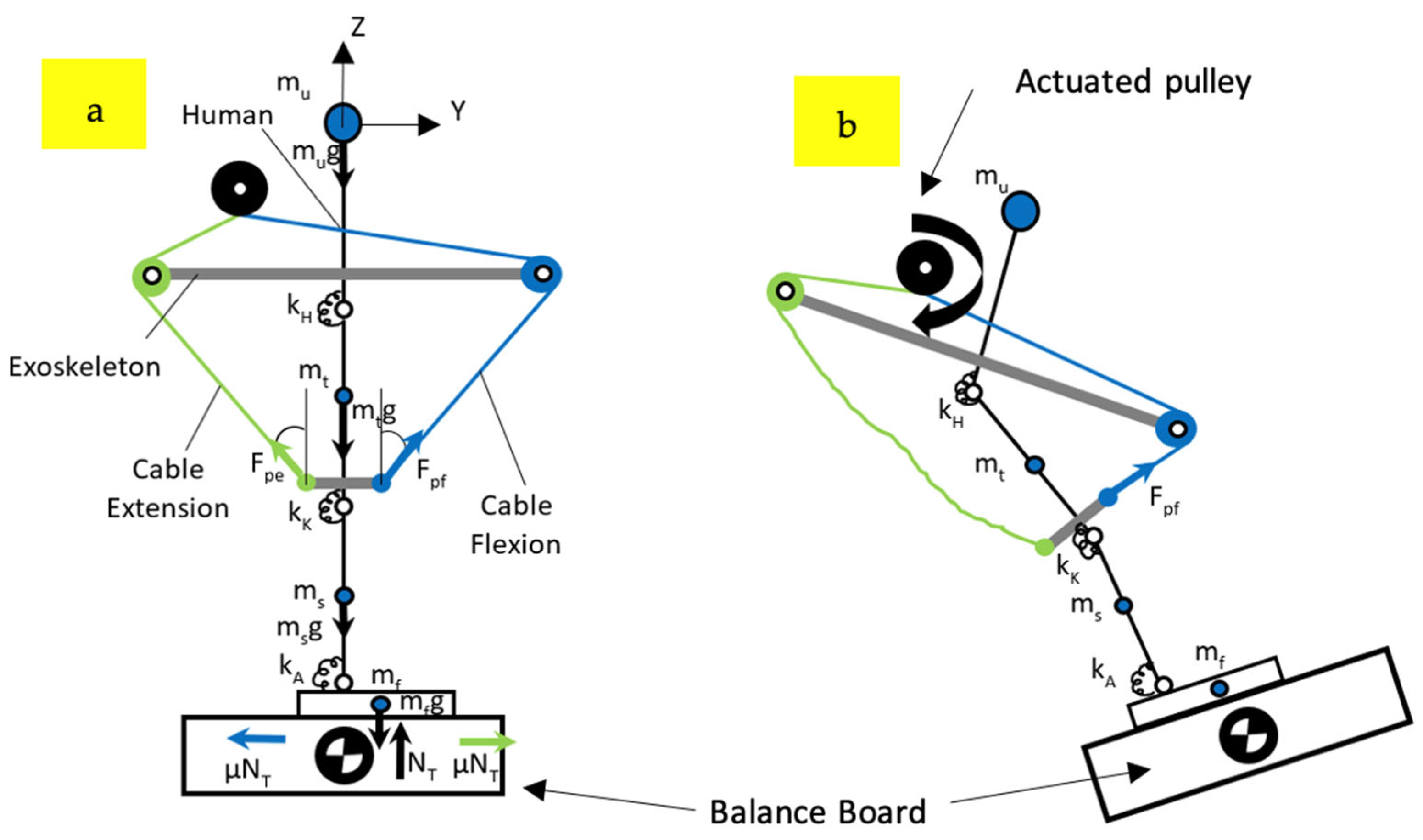
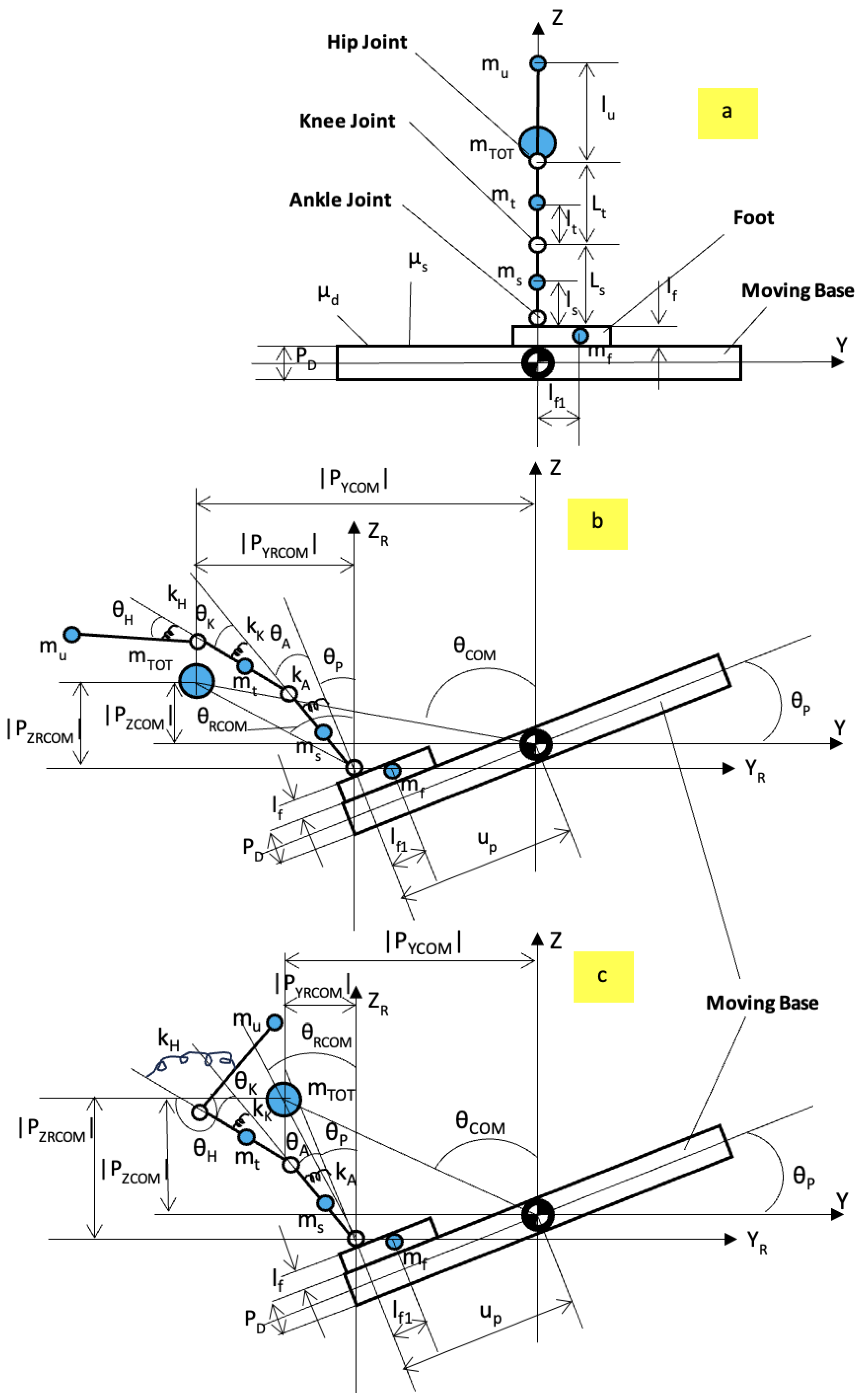
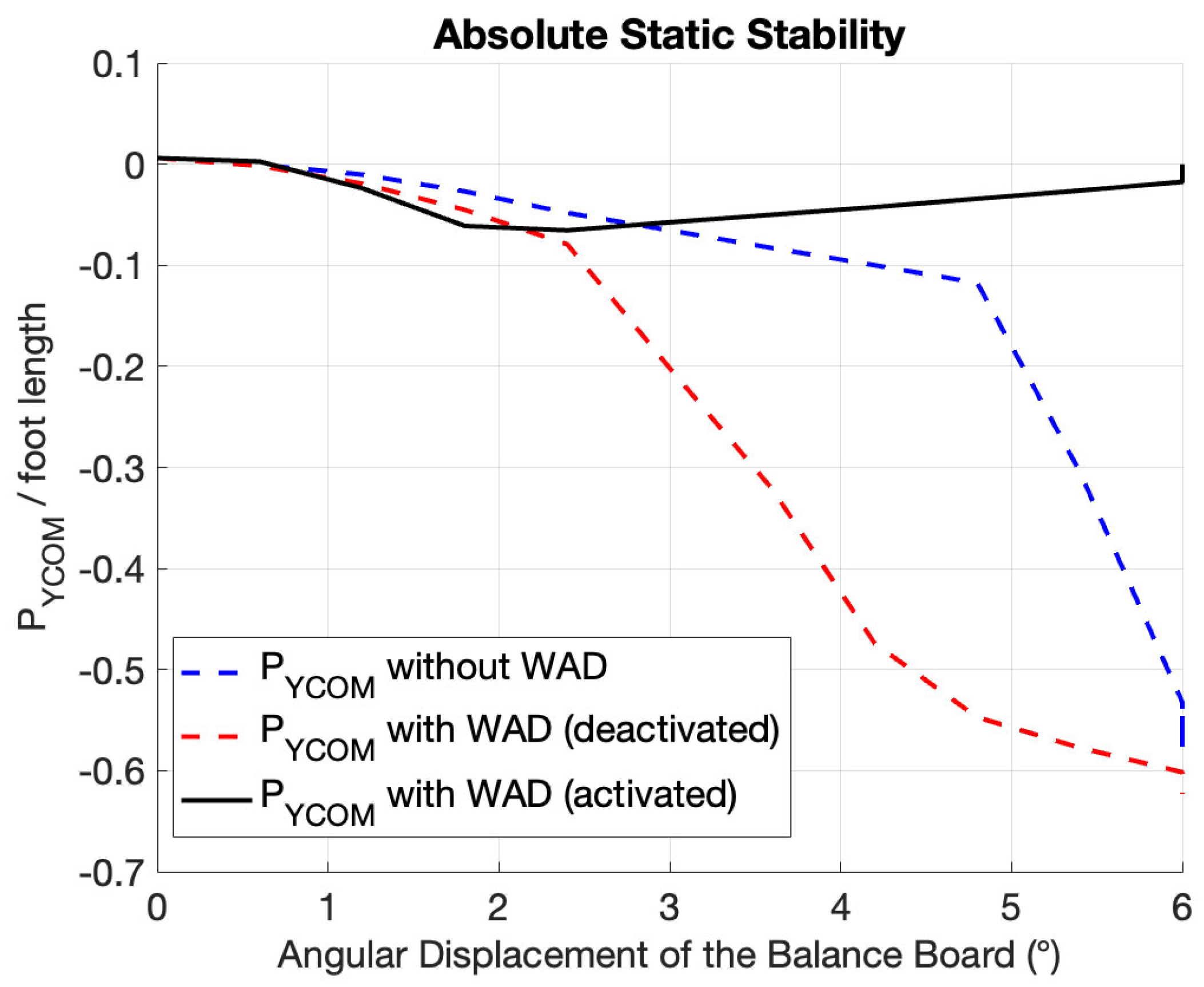
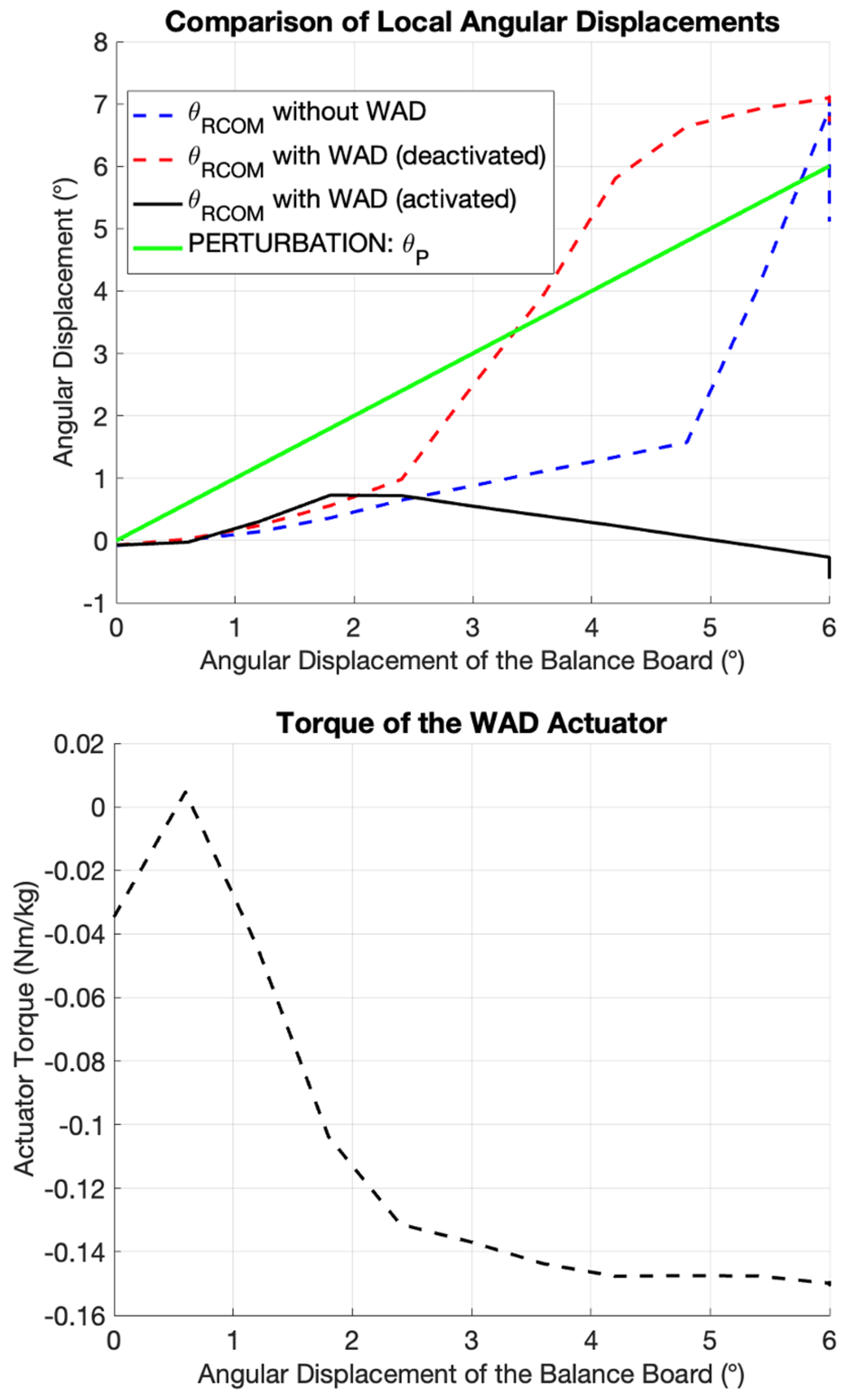
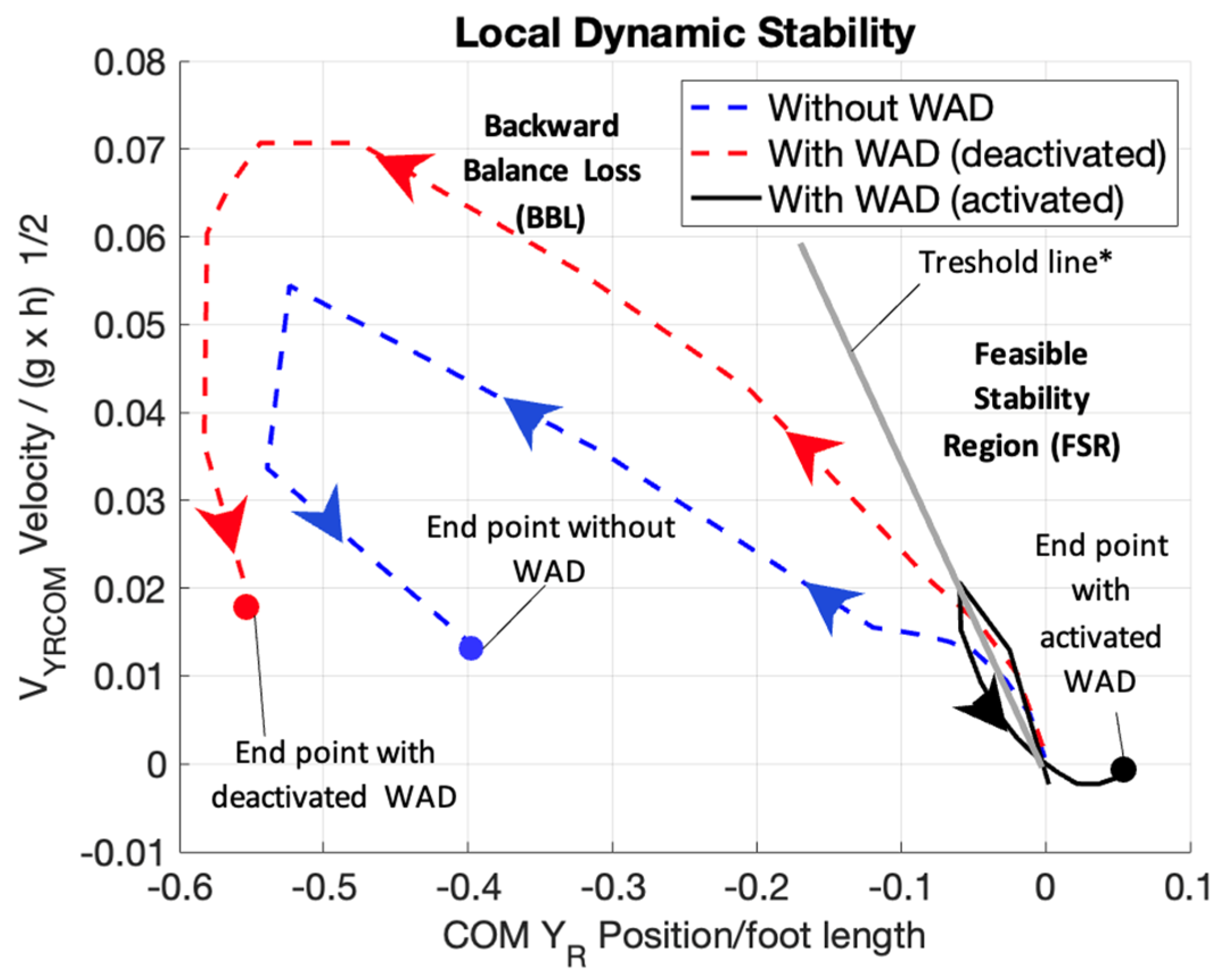
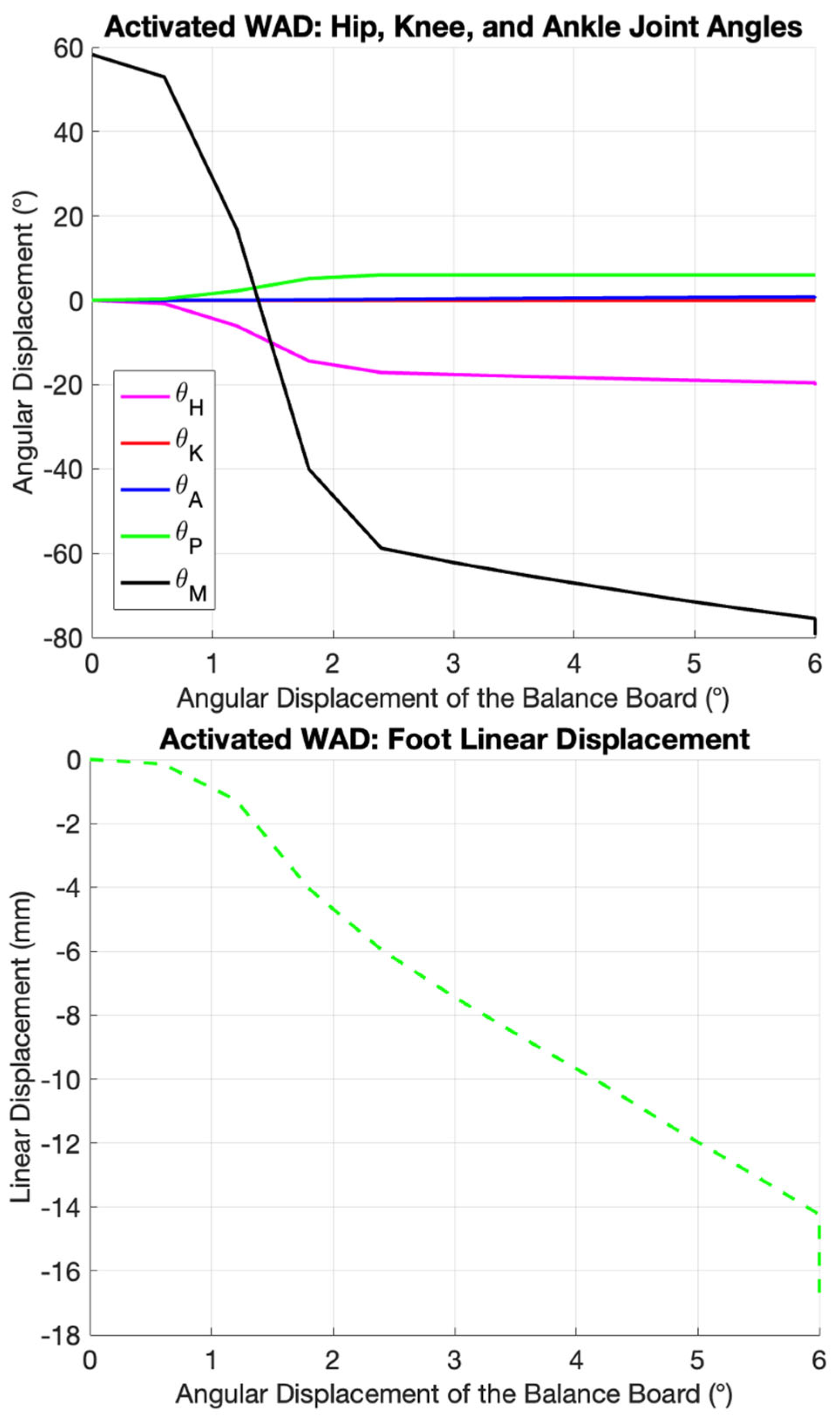
Balance loss in older adults often leads to severe consequences, and wearable exoskeletons may help restore postural stability. This paper presents a novel hip cable-driven exoskeleton designed to support balance recovery. The proposed postural control strategy implemented on the device is based on maintaining balance by reducing the center of mass displacement from its equilibrium condition. Loss of balance is analyzed using multibody human models both with and without the exoskeleton. Simulation results evaluating static and dynamic balance demonstrate the effectiveness of the proposed control strategy and support its feasibility for implementation in a real system. The simulations presented in this study will be compared with experimental results from human subjects in future work.
Keywords: cable-driven exoskeleton; dynamic balance; perturbation; loss of balance; postural control; falls cable-driven exoskeleton; dynamic balance; perturbation; loss of balance; postural control; falls