1. Introduction
Environmental protection has become a significant focus in the field of air conditioning for road vehicles over the past two decades. Not only has the U.S. EPA emphasized the importance of system maintenance [
1], but the European Union has as well [
2]. The SAE (Society of Automotive Engineers) described electric leak detection methods, including minimum performance criteria, in SAE J2913 [
3] and Refrigerant Recovery, Recycling, Recharging in SAE J3030 [
4].
According to EU directive 2006/40/EC [
5], relating to emissions from air conditioning systems in motor vehicles, since 2013, all newly approved cars must be filled with a refrigerant with low global warming potential (GWP) (1). As a result, the HFO-R1234yf (HFO: Hydrofluoroolefin; in the following, just R1234yf) refrigerant, with a GWP of only 4, was developed, compared to the previously used R134a, which had a GWP of 1300. The GWP value compares the environmental impact of a given substance over a typical 100-year emission period to that of the baseline CO, which has a GWP = 1. As of 2017, all new cars sold in the European Union must use R1234y instead of R134a because its GWP is <150 [
6].
Since the price of R1234yf can be 5 to 10 times higher per kilogram than that of previous refrigerants [
5], in these systems, economic factors play a significant role alongside environmental reasons: even small, “slow” leaks can lead to substantial refrigerant loss (according to some studies, HVAC systems can lose 20–30% per year if minor leaks go undetected), resulting in reduced cooling performance, higher energy consumption, and potential damage to the equipment over time. Therefore, timely detection and repair of leaks are essential to maintain the system’s efficiency and longevity [
7].
The high price of R1234yf refrigerant changes the economics. In the days of R-134a, if there was a slow leak, the customer could decide to top it up once in the summer for
$50 instead of paying
$300 for a repair. In the case of R1234yf, even a single recharge can cost several hundred dollars (R1234yf refrigerant was around
$70 per pound wholesale in 2018 and still costs several times more than R-134a) [
7].
The other reason why attention must be paid to the airtightness of the air conditioning system is that the R1234yf refrigerant, although slightly flammable, can, in extreme cases, produce toxic hydrogen fluoride gas in a hot engine compartment [
8].
The GWP is calculated using:
Radiative efficiency: how much energy the gas can absorb.
Atmospheric lifetime: how long the gas remains in the atmosphere.
Integration over time: total warming effect over the period.
The simplified formula is [
9]:
where:
ax: radiative efficiency of gas x.
cx(t): concentration of gas x over time.
T: period (e.g., 100 years).
Based on practical experience, the following major types of errors generally lead to micro-leakages:
2. Literature Review: Leak Testing Procedures for R-1234yf Systems
Soapy bubble solution: This is a simple, old-fashioned method: soapy water or a special leak-detection fluid is applied or sprayed onto areas suspected of leaking (fittings, joints, welds). If a leak is present, bubbles form at the leak site when the refrigerant gas passes through the liquid (small, slow leaks may not produce visible signs) [
10].
Pressure and vacuum decay tests: If the system is empty, another approach is to pressurize the air conditioning circuit with an inert dry gas (such as nitrogen) or pull a vacuum, and check whether it holds. If the pressure decreases over time (or the vacuum increases), it indicates a leak somewhere. Some R1234yf service machines automate the vacuum-hold test: the machine evacuates the system and waits to see if the pressure rises, and if there is a leak, the test cannot be completed successfully [
10].
Fluorescent dye injection: In this method, UV-reactive dye is added to the air conditioning system’s refrigerant oil. The dye circulates with the refrigerant, and if there is a leak, it escapes and leaves a telling bright residue at the leak site. By illuminating with an ultraviolet lamp and wearing yellow-tinted glasses, the technician can inspect all components and see a fluorescent green-yellow spot where the refrigerant (and dye) leaked. Over time, the dye continues to mark the spot, so even a small leak will be revealed in a later inspection. Most new vehicles can be serviced with dye—the dye is compatible with R1234yf oils when properly formulated [
10].
Ultrasonic detectors: These detect the high-frequency sound of gas escaping through small openings. Refrigerant under pressure can emit ultrasonic sound. Ultrasonic detection is helpful in noisy environments where the hiss of a small leak might be drowned out. Still, it works best for specific sizes of pressurized leaks (tiny leaks may not generate enough sound, and large leaks are often noticeable by other means) [
10].
Electronic Leak Detectors (“Sniffers”): These draw in air through a probe and use a sensor to detect the presence of refrigerant gas. Modern detectors employ detection technologies such as heated diode sensors, metal-oxide semiconductor (MOS) sensors, or non-dispersive infrared (NDIR) sensors, which are calibrated to detect HFO refrigerants, such as R1234yf. These devices are extremely sensitive: according to the SAE J2913 standard, many can detect leak rates as low as a few grams per year. For example, advanced infrared sensors can detect R1234yf concentrations of a few ppm in the air and can sense leaks as small as approximately 0.15 ounces per year (≈4 g/year) [
9].
IoT and Remote Monitoring: Battery-powered wireless refrigerant sensors could be placed inside equipment housings or vehicles and send alerts to cloud platforms when a leak is detected. This means, for example, that a fleet operator can receive a notification on a cell phone that a particular bus’s R1234yf refrigerant is leaking before the driver notices the problem. Some systems record data over time, allowing trends to be detected; for example, a minimal but gradually increasing background refrigerant level over weeks may indicate a slow-growing leak [
11].
Experience shows that, even with this modern technology, micro-leaks in production are not always detected with 100% accuracy. The probable causes are wear and tear from vibrations during operation in screw connections, potentially damaged seals, and soldering points. Additionally, one method would be necessary for using cars owned by owners and running in the field.
This is the research gap that the study focuses on: since standard passenger cars do not yet have wireless refrigerant sensors, how can such micro-leaks be detected and corrected in time before they cause malfunctions in production and in the field, based on existing signs in cars, and how can a possible failure during and immediately after production be predicted before the vehicle is delivered to the customer, with the help of a dashboard that displays the standard pressure measurement data.
Several articles have addressed the diagnosis of vehicle air conditioning systems. Jin Dai et al. used a digital twin method to predict the refrigerant state and thus optimize the system’s control strategy [
12]. M. Razi et al. approached the same question using neural networks (neuro-predictive control). Analogous to the previous ones, this study relies on AI models to solve the problem rather than control it [
13].
3. Methodology: Preparation of Trial
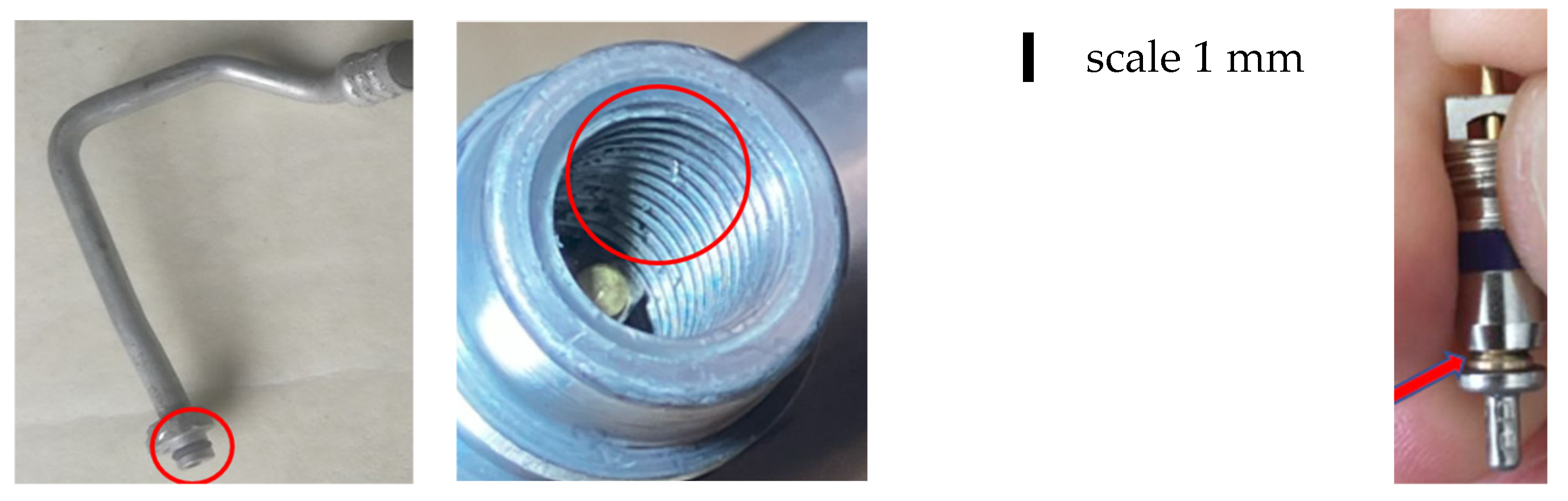
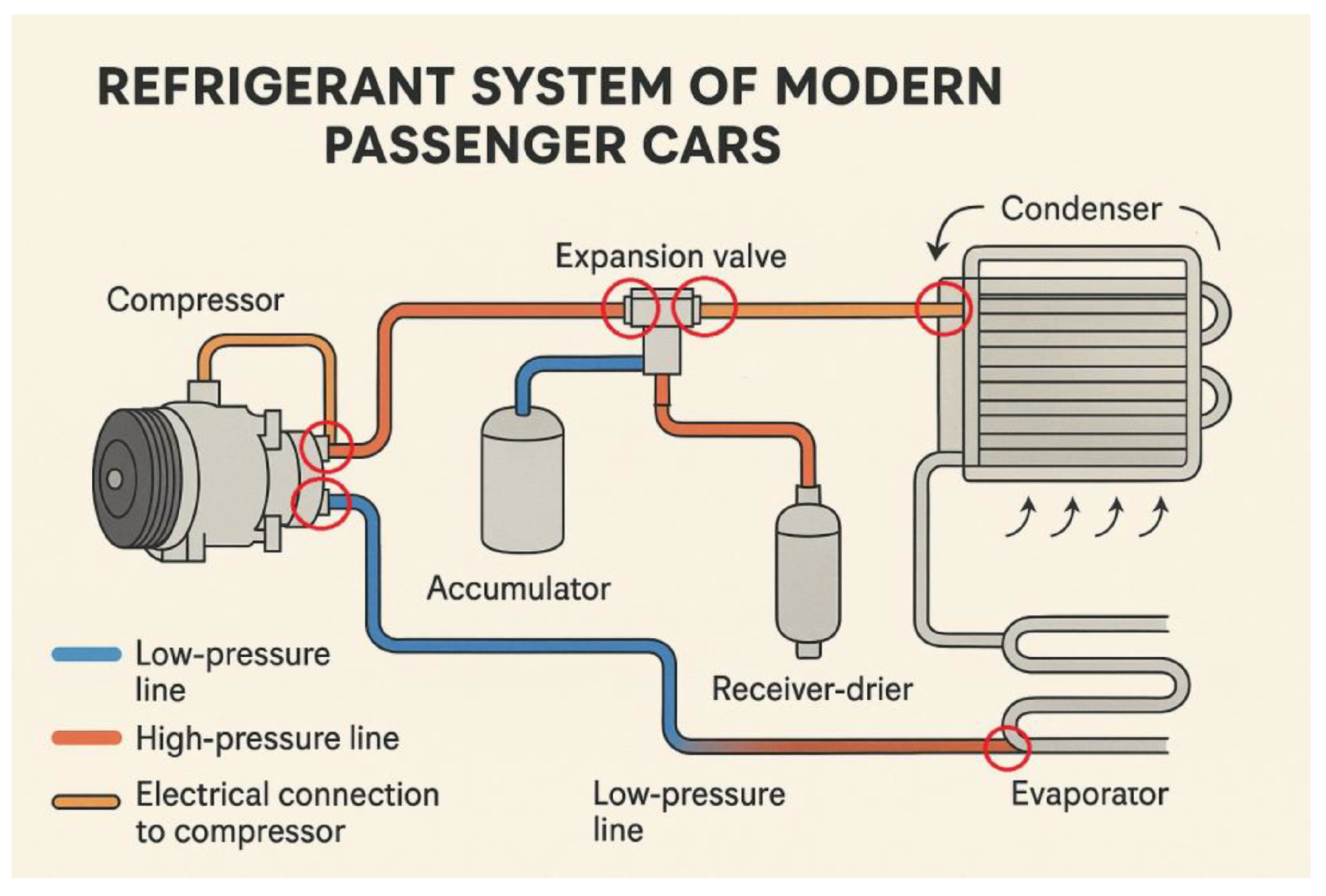
The first step was to analyze the data of specific cars in use until the customer complaint (reduced cooling capacity) or function error (automatically switched off compressor with DTC entry) occurred. For this purpose, a test fleet of 30 vehicles was created: 10 cars had the O-ring damaged, and 20 had small aluminum chips glued to the sealing surface of the filler valve to simulate real micro-leakage failures in the system. This was done based on field experience, where these two types of failures dominate as early failures. This means that the pressure lost (Δp) is minimal, typically < 0.1 bar per day. In that case, the car could be OK at the time of delivery to customers, and the failure occurs only afterwards.
Metal pieces with a length of 200–400 μm were selected for contamination, as the system component specification (TL 82316 [
14]) allows this maximum size (
Figure 2).
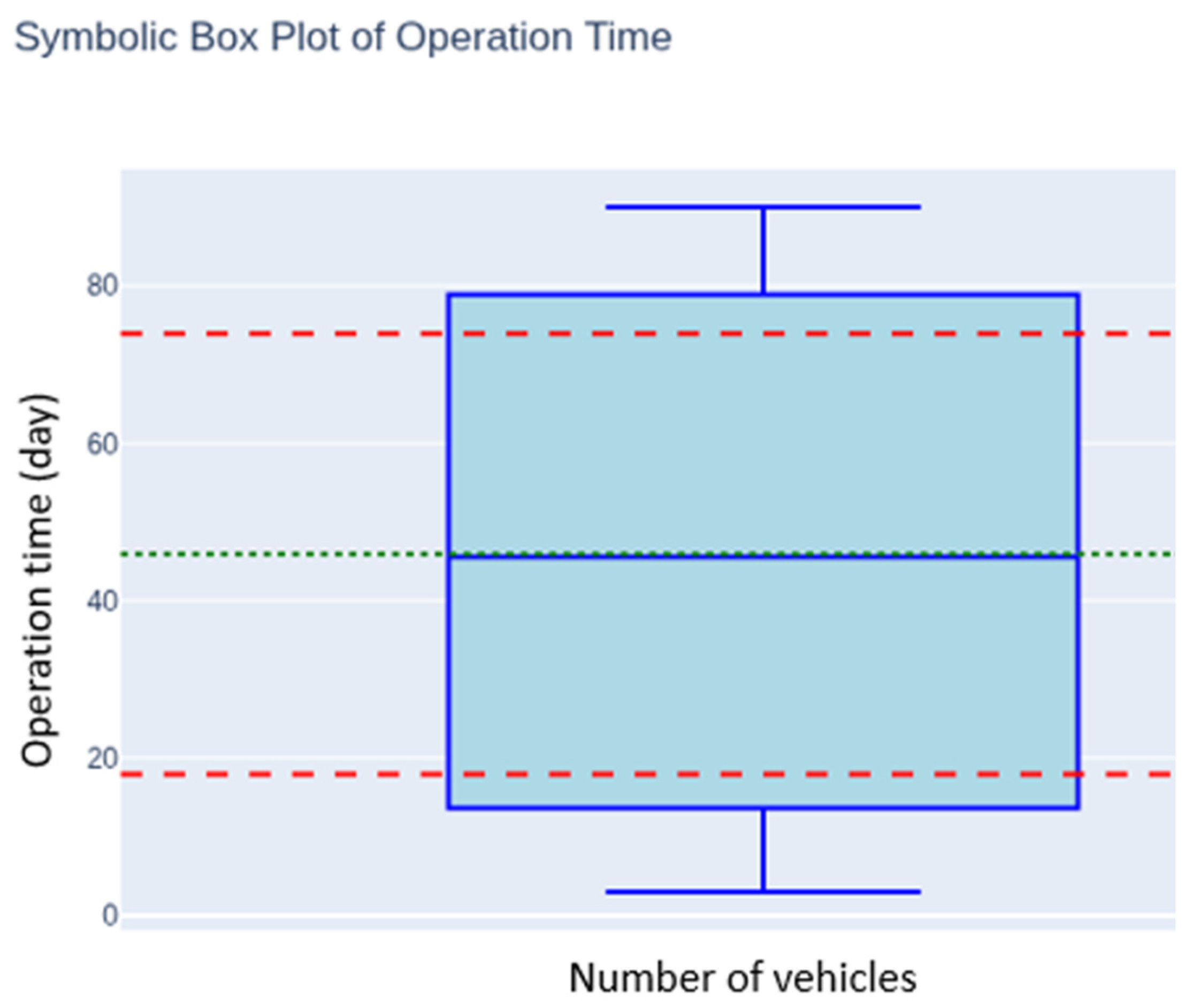
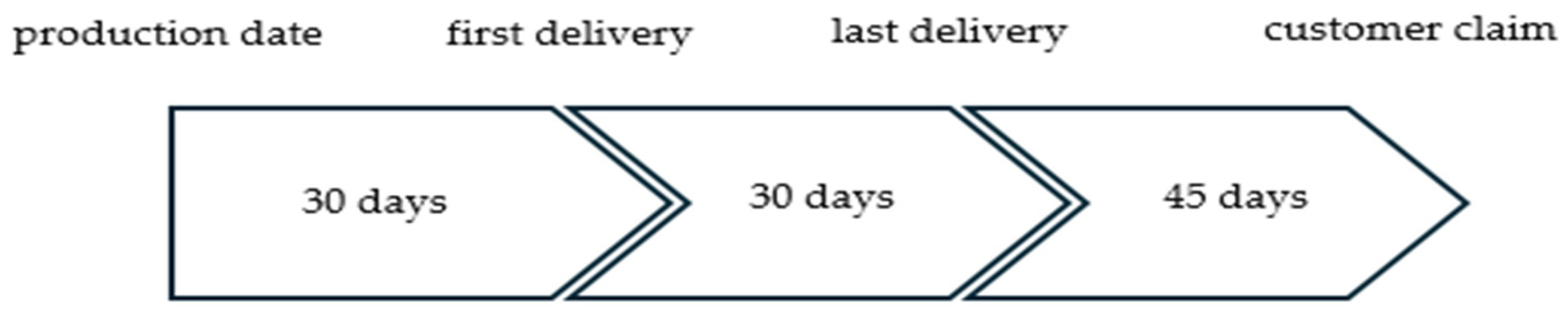
The statistical data from the 30 available test fleet vehicles showed that, on average, 45 days pass from production (refrigerating system filling) to complaints (
Figure 3). It follows that in practice, we have a maximum of 45 days after production to detect the anomaly and repair the car to avoid a customer complaint.
The goal was to determine if there was a loss of pressure based on the available car pressure at the moment and the temperature of the engine cooling water. Hypothesis: the pressure value is taken from a vehicle that has been stopped for at least 5 h without an engine, where the system’s pressure fluctuation transitions have already calmed, and the air conditioning system has taken over the cooling circuit temperature.
The practical climate chamber measurements (50 vehicles) have been shown in a car with an engine that has not been running for at least 5 h (“t last ignition off” value from ECU). However, in the summer heat or winter cold, the body heats up or cools down. At the same time, the engine cooling water temperature (T value read from the engine control unit) and the air conditioning system (outside temperature) remain the same due to temperature equalization. The smaller temperature between the coolant and the outside temperature is always considered.
Based on this, two methods were tested: how much a given pressure value falls within the tolerance field when converted to the nearest specific temperature and whether the pressure gradient (drop), for example, calculated at room temperature, is horizontal or shows a rain-like anomaly.
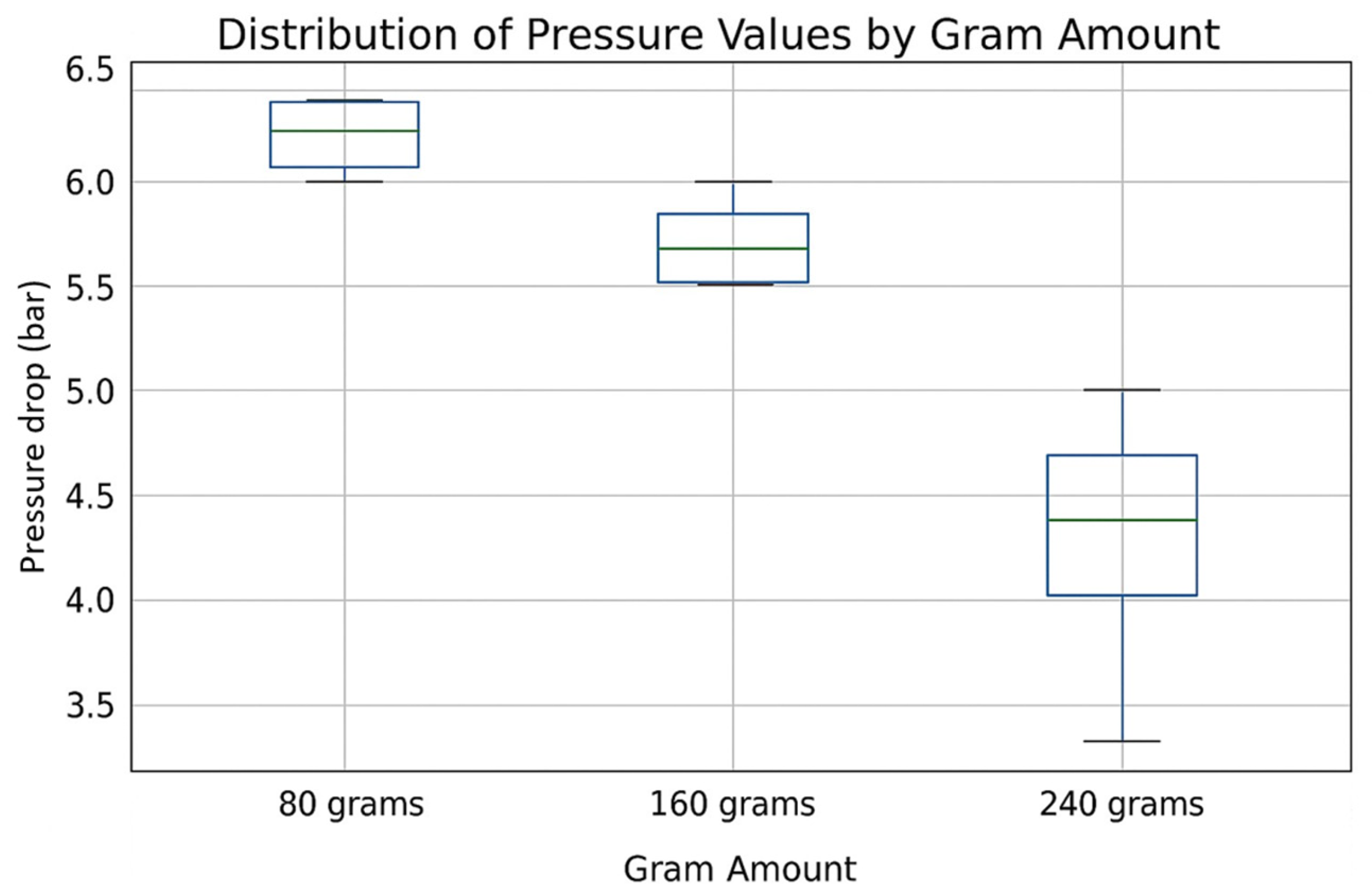
For informative purposes, a test was carried out in the workshop with the filling/draining machine of the Waeco 5500 ASC G RPA R1234yf (Dometic Waeco International, Emsdetten, Germany) refrigerant to test the extent to which removing several doses, e.g., 80 g of medium at room temperature at rest, with a car that has been stopped for at least 12 h, reduces the system pressure. The focus was on how the pressure drops when gas is removed in 80 g increments for each of 5 cars (
Figure 4).
Since, during the tests, it was possible to remove a maximum of 240 g of refrigerant from a car with the equipment, the pressure drop was tested every 80 g at 22 degrees Celsius to simulate a loss of pressure during field operation.
With the mentioned WAECO device, pressure measurement is also possible, or the measured value can be read out via a scan tool from the car’s OBD II port connector. As mentioned earlier, the vehicle must be resting for at least 5 h beforehand without the engine running (“last ignition off parameter from engine control unit”) so that the system pressure can be set to a resting level, and if we take a measurement of the temperature based not on the outside temperature but on, e.g., the temperature of the cooling water, then the systems have time to take over the outside temperature.
4. Discussion: Mathematical Background and Procedure
P. P. Amarendra and A. J. Malakappa [
15] and V. D’Silva [
16] discuss the mathematical background of interpolation, while M. Lepot et al. [
17] examine the method’s applicability from a practical perspective, applied to time series.
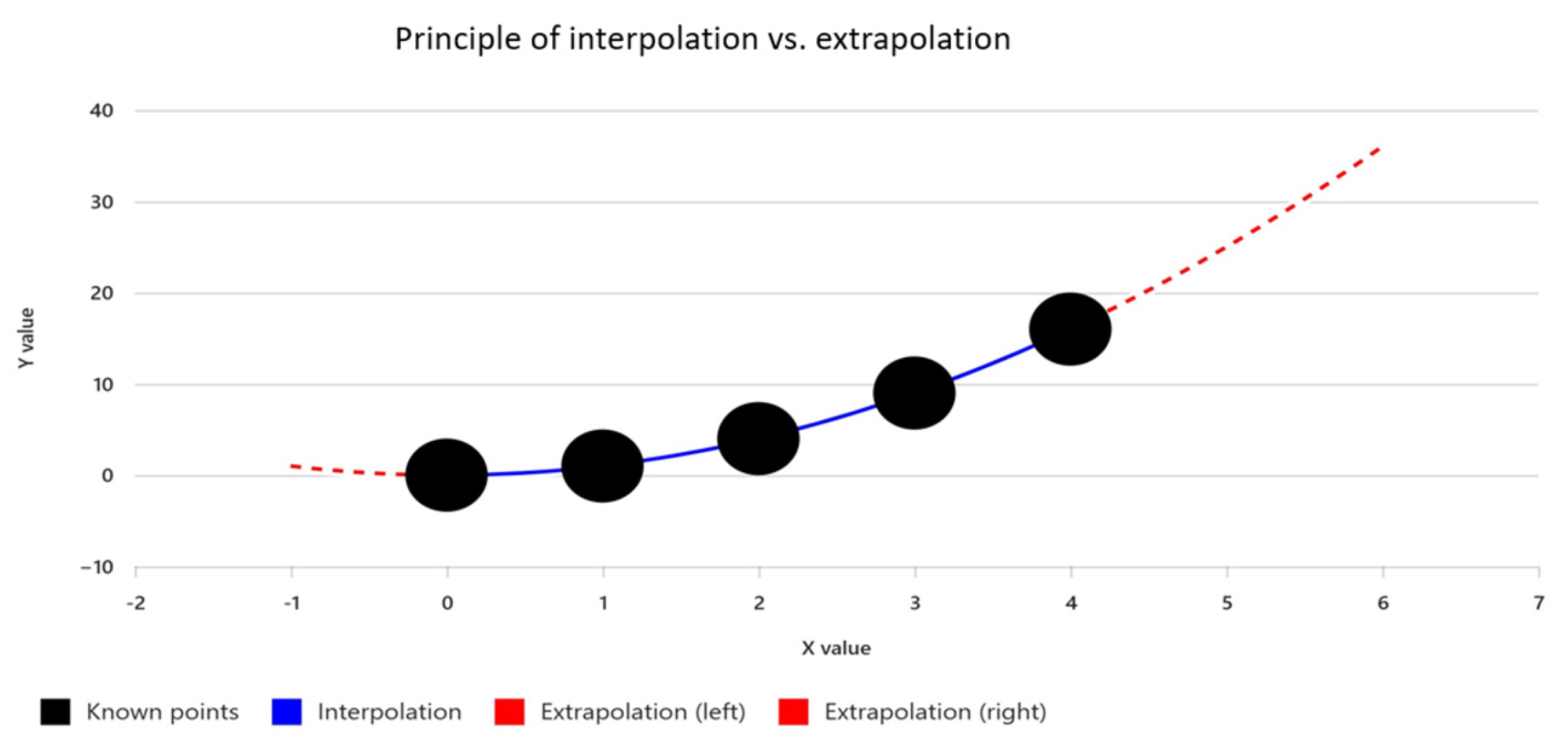
To put it simply, interpolation is a method for estimating new values within the range of available data, while extrapolation is used to estimate values outside that range (
Figure 5, bottom).
The linear interpolation formula is a simplified approach (see
Figure 6):
In this use case, the expected pressure measurements fall within the specified temperature range, so interpolation (which is more accurate, by the way) can be used.
Later, pressure values measured at a given time and temperature could be converted to the factory charge temperature using a Python 3 (3.11/3.12/3.13) interpolation program in a Jupyter Notebook environment. The Python code can be generated more easily with AI tools such as MS Copilot or Google Colab/Gemini.
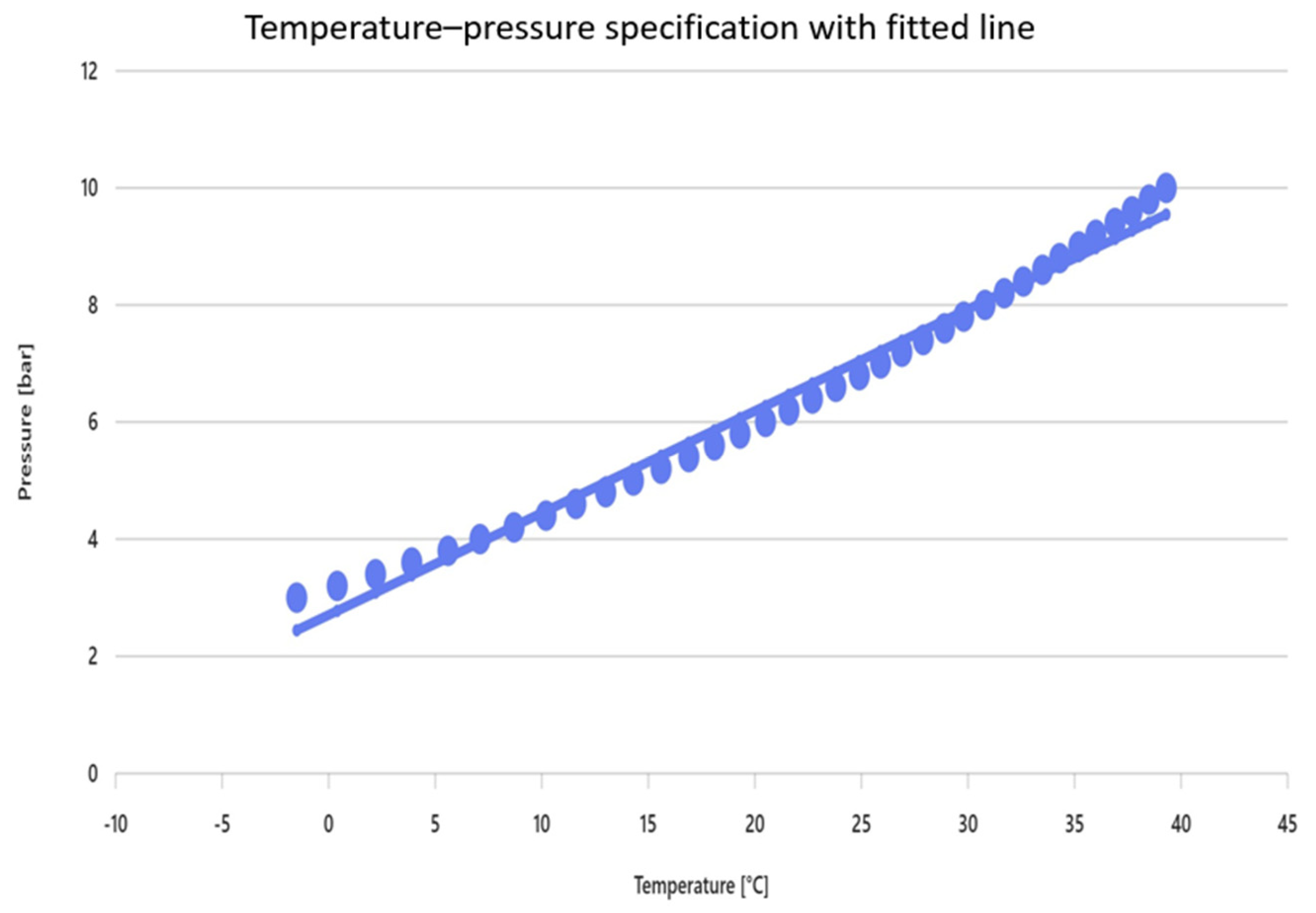
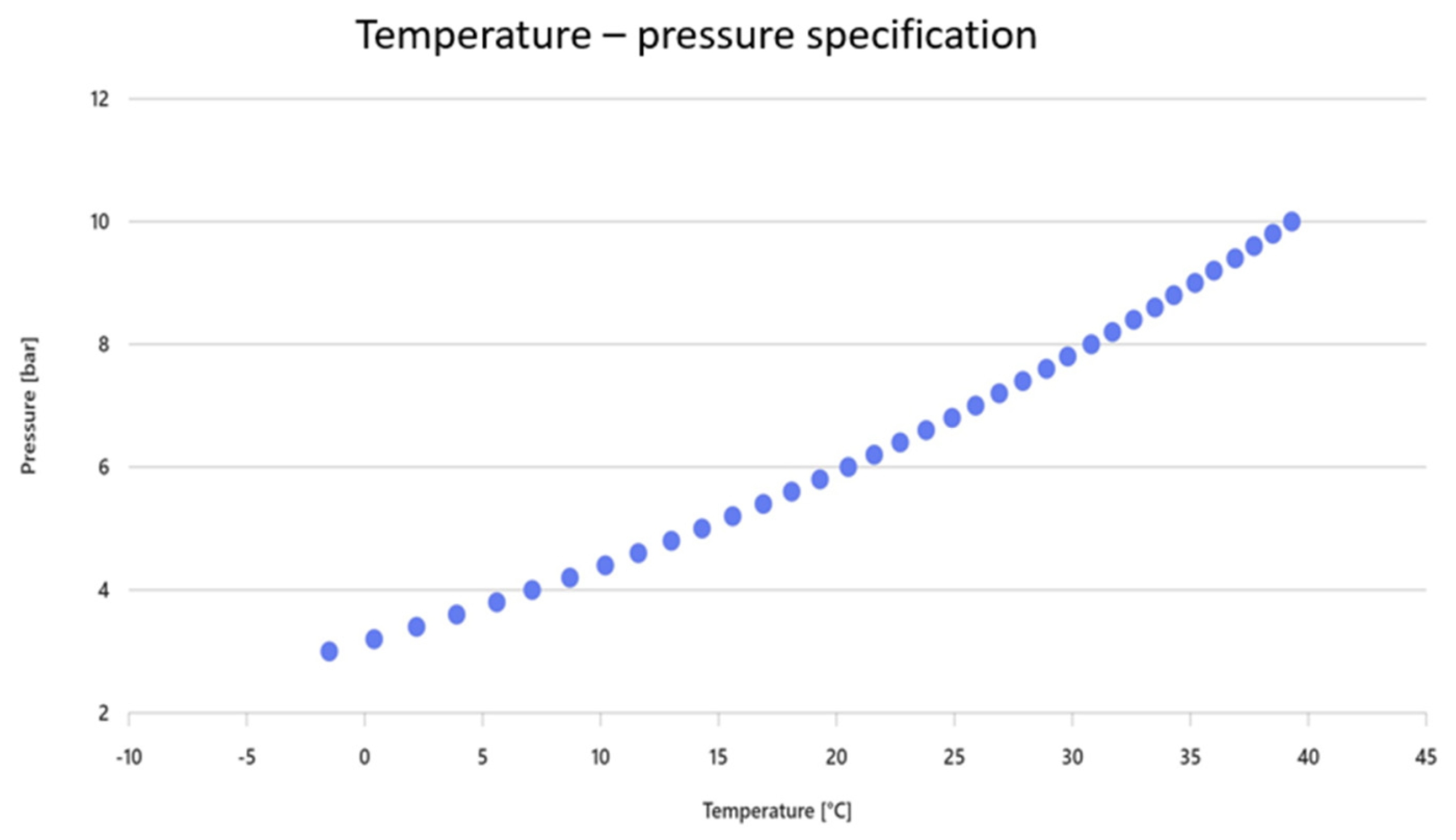
In practice, to classify the system pressure of selected vehicles with respect to compliance (i.e., whether there has been a loss of pressure), it is advisable to compare the interpolated measured pressure values with the value at the time of system filling, both at the same temperature. Since, in most cases, the subsequent pressure measurement is not performed at the filling temperature, the measured pressure must be interpolated against the specification (
Figure 7).
As mentioned before, based on practical experience, potential cars are eliminated after about 45 days, on average, 6–7 weeks. Based on practical experience, it takes about 4–8 weeks for the customer to get a repair appointment at the service, so it is advisable to measure and evaluate it before handing it over, and, based on this, repair it if necessary. From all this, this use case is not a decisive advantage of online diagnostics, as failures can occur relatively quickly.
Another method could be to align a straight line on the p/T specification curve to determine continuous specification values (linear regression). Its advantage is simplicity: it allows us to consider not only discrete but also constant pressure and temperature values. The disadvantage is that it is less accurate.
The implementation of a predictive maintenance strategy [
20] in practice depends on whether the given vehicle has an online diagnostic option, i.e., whether the manufacturer can transmit measurement values (time series) over the telecommunication network.
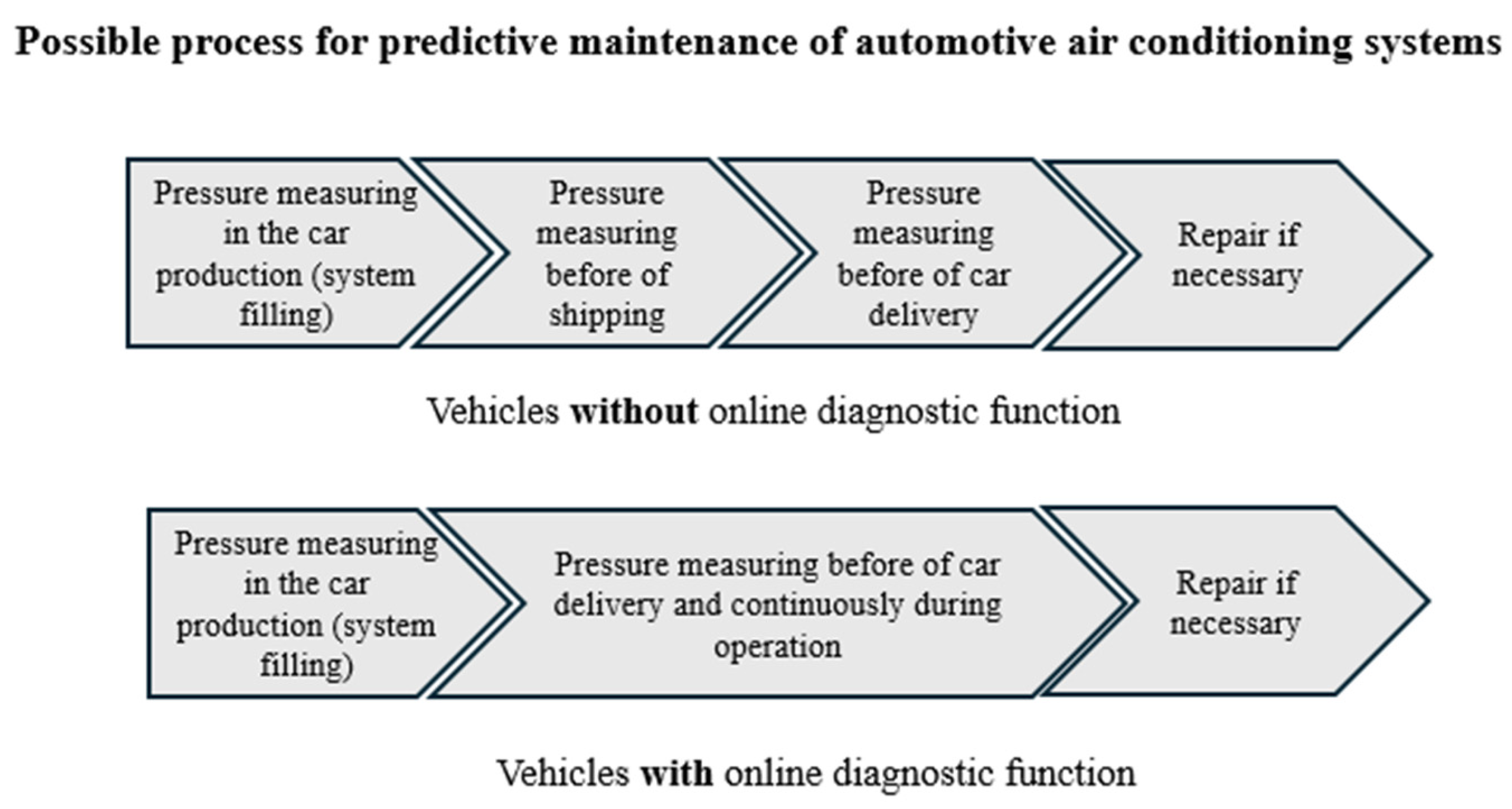
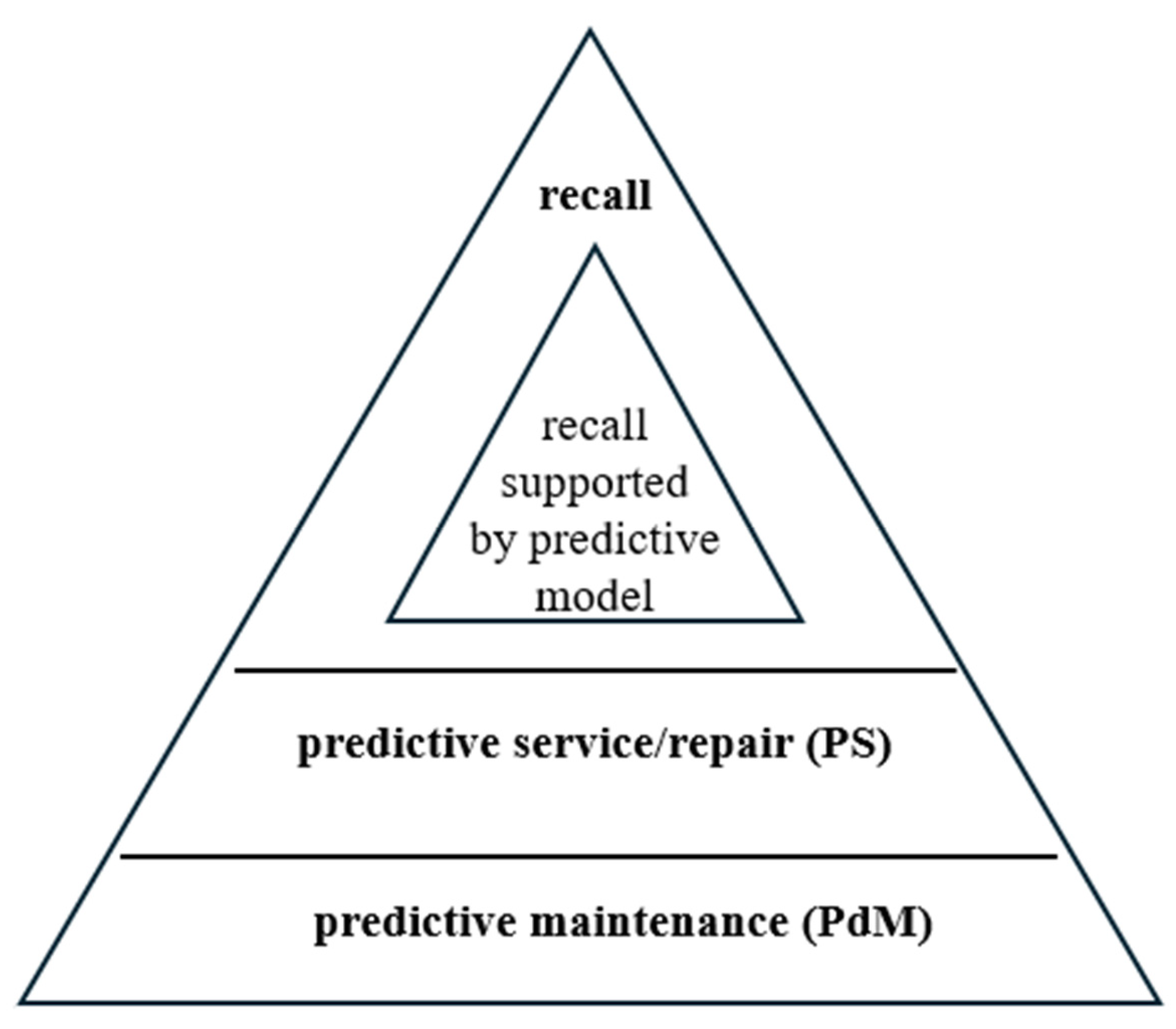
Before starting a possible practical application, it is advisable to clarify some technical-legal concepts: we can discuss predictive maintenance (PdM) for wear parts. A predictive service/repair (PS) can be used in the event of unexpected systematic failures, when we have not yet legally reached the conditions for a recall. It is advisable to treat this as an extension of the vehicle’s own diagnostics. Thus, it can be distinguished from voluntary or mandatory recall. In many cases, voluntary recalls fail for economic reasons when the number of affected specimens cannot be precisely narrowed in a large sample population. AI models used in both PdM and PS can help with this; however, in this case, an AI model was not necessary (
Figure 8).
The monitoring process will differ depending on whether the car is capable of online diagnostics. Online diagnostics capability enables the import of diagnostic data, e.g., measured values, via remote telemetry from car control unit(s). If so, we can continuously monitor the pressure values converted to the given reference temperature (e.g., room temperature, 22 °C) weekly. If not, it is advisable to verify any pressure loss before handing over the vehicle to the customer.
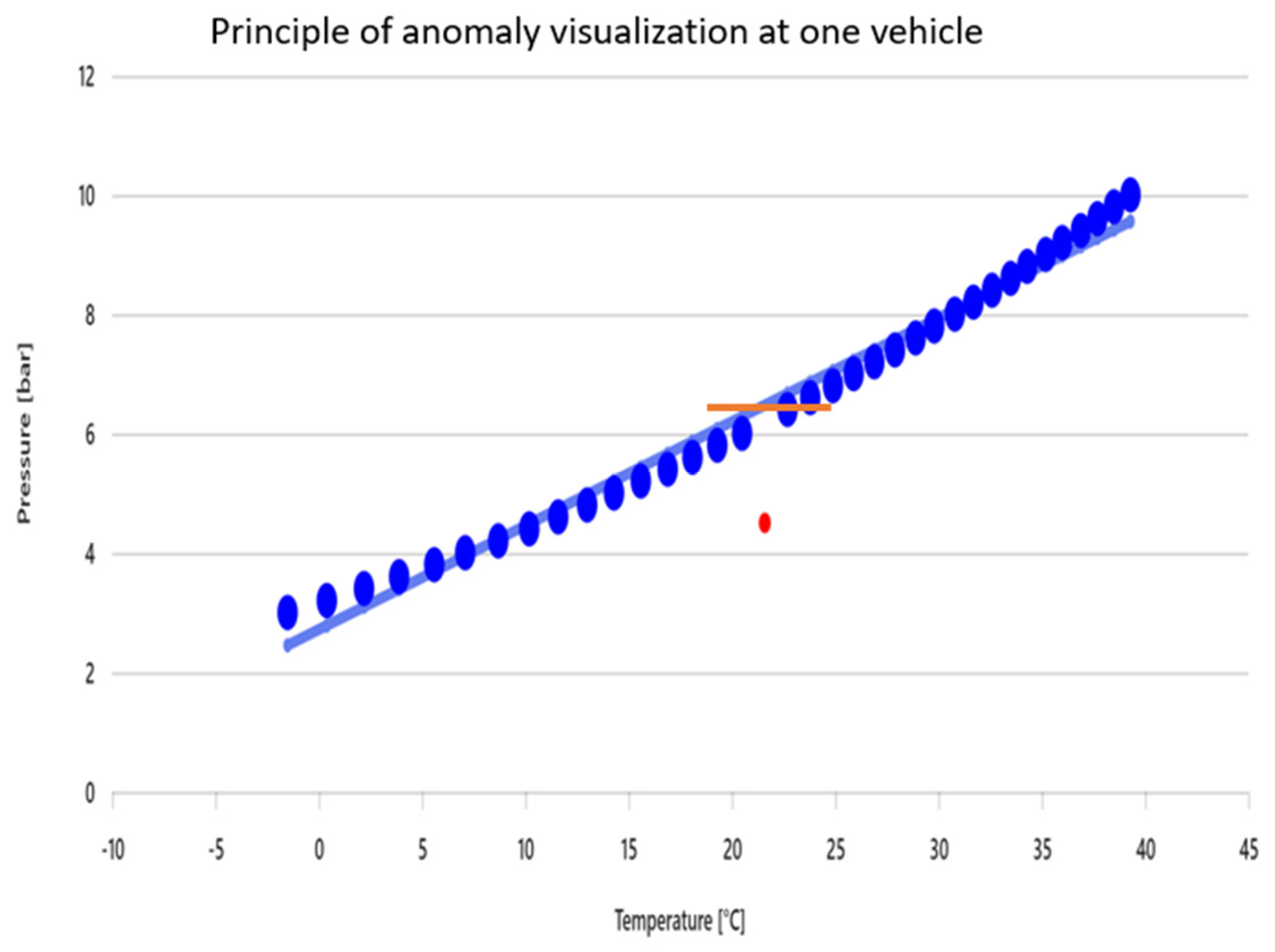
If the car cannot be diagnosed online, it is advisable to measure the pressure once before delivery, ideally a few days after production or even weeks later, before handing it over to the customer, interpolate it, and compare it with the factory-loaded value (
Figure 9 and
Figure 10). The method’s limit for those cars is that pressure measurements can be performed only manually, less frequently, and it is not possible to obtain measured values after the vehicle is delivered to customers.
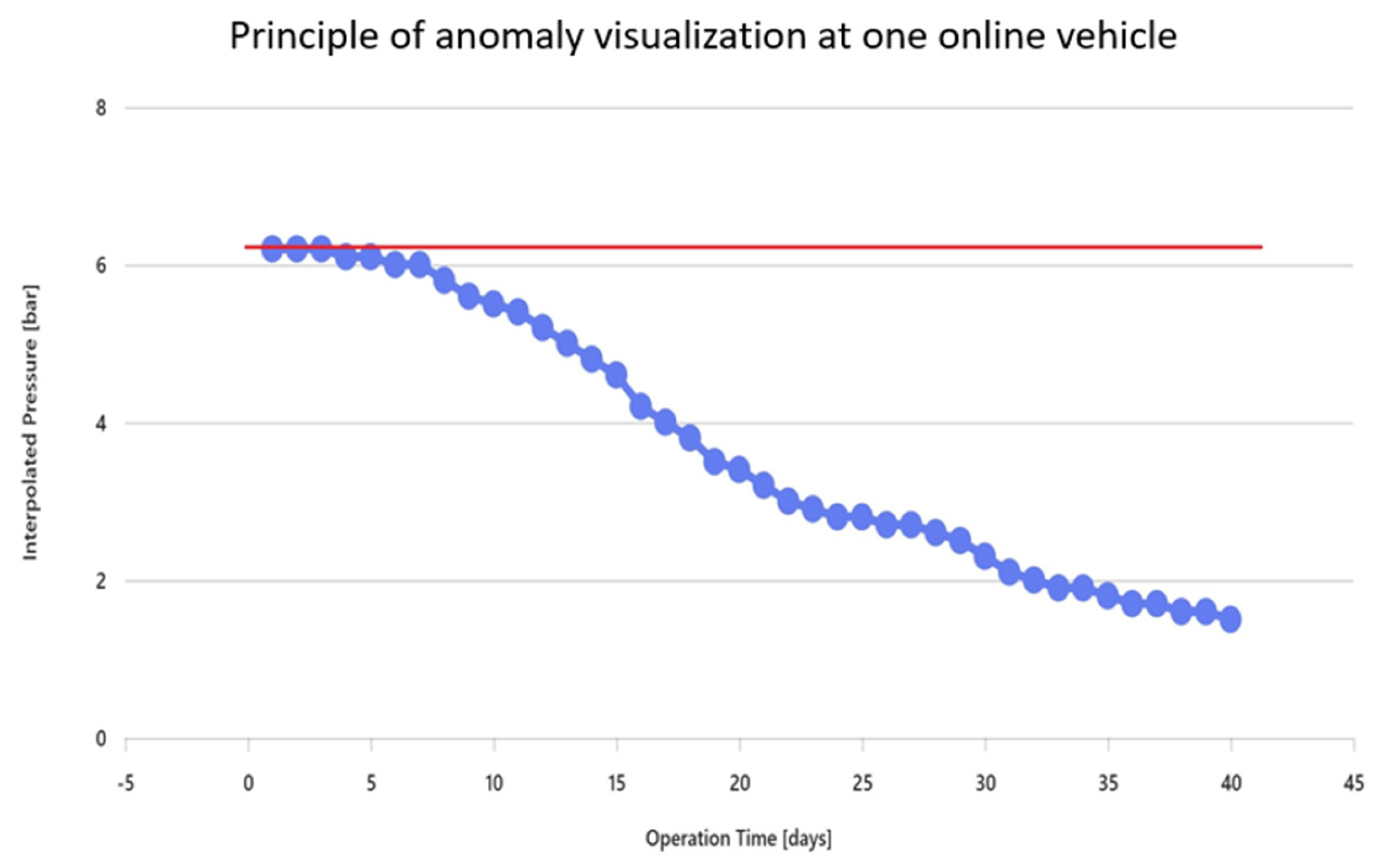
For vehicles equipped with remote diagnostics, pressure values can be continuously transmitted (e.g., weekly) to the manufacturer’s back-end systems, where they are interpolated and evaluated at the filling temperature (
Figure 9 and
Figure 11).
If we work with online, real-time diagnosis-capable vehicles, we measure and transmit data to the manufacturer’s back end even after handover. For this reason, the personal data protection legislation of the given country, including the GDPR [
21] in the European Union, as well as other legal regulations such as cybersecurity and AI, must be considered [
22].
5. Results
The results of the research show that it is possible to measure the refrigerant pressure of the analyzed air conditioning system—in 500 vehicles—with existing, straightforward tools/methods. With the help of interpolation as a mathematical support, a later pressure value measured at any external temperature can be converted to the same pressure as the factory loading temperature by the interpolation method for comparison. This allows a manufacturer to monitor for slower pressure losses caused by leakage. The standard deviation (including temperature correction) for vehicles directly after production (1–5 days) was initially +/− 0.5 bar, which shows the sum of measurement uncertainties and was used as a threshold. Regarding this use case, only the “−” deviations are relevant (
Figure 12). During the trial, a 0.2% false-negative and a 1.2% false-positive detection rate were observed. The analysis showed that the measurement inaccuracy was due to the ECU (engine control unit) measuring temperatures in 1.0 °C steps and the outside temperature in 0.5 °C steps, and the AC control unit measuring pressures in 0.2 bar steps. However, due to interpolation (for comparison with the specification), there are, of course, not only these kinds of discrete pressure values. In cases where the engine coolant temperature differs from the outside temperature, the lower value has been used to reduce the false-negative rate.
The manufactured vehicles are delivered to customers in the European market within 30–60 days. As mentioned earlier, the average downtime for complaints caused by damaged seals and small aluminum chips is another 45 days after this, so an average of 75–105 days pass from production to complaint (
Figure 12). Since the system shuts down to protect the compressor at 1.5 bar, the worst-case pressure loss over the aforementioned 75–105 days is about 4.5 bar, or about 0.06–0.04 bar/day. This is well within the measurement inaccuracy of the vehicle’s sensors. Still, since the control measurement is performed before delivery, i.e., at least 30 days after production, we are already talking about 1.8–1.2 delta p, which is a significant indicator of a leak and is well outside the measurement uncertainty of the vehicle’s control units.
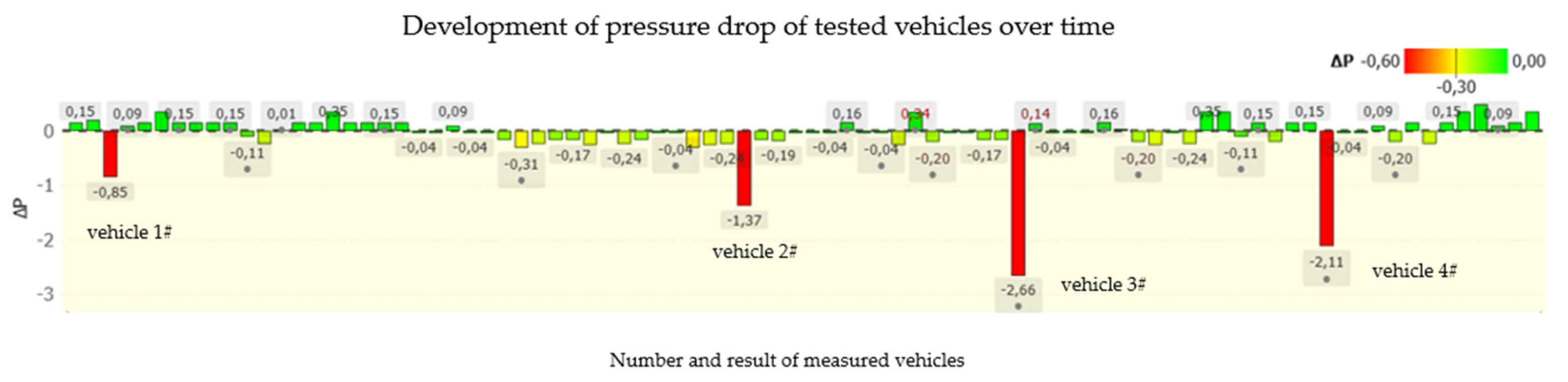
We do not even need to write separate software for this monitoring process: the measured values (absolute pressures at the same temperature, p) can be saved in an .xls or .csv file, and the display can be shown on a dashboard, e.g., with MS Power BI (Premium 1.0) support. This regularly updated dashboard effectively monitors potential anomalies (
Figure 13).
If the car manufacturer has an “online car care”-type mobile phone application and the affected vehicle is capable of online diagnosis, in the event of an anomaly, the system could even send a warning message to the customer’s cellphone and/or the car’s infotainment display (vehicle 3# and 4# on
Figure 13).
This way, the driver could make a repair appointment with the workshop before restricting the function (in this case, reduced or completely lost air conditioning cooling capacity).
6. Conclusions
The research showed that it is possible to monitor refrigerant pressure in the air conditioning system in both online and non-online vehicles in the field. This allows us to identify potential micro-leaks, which can be repaired in time within the framework of predictive repair, reducing environmental impact, lowering refilling costs, and increasing customer satisfaction by preventing potential loss of function.
The novelty of the method is that it is not a reactive but a preventive test. If it is done based on signal readings from the vehicle’s control units (coolant pressure and engine cooling water temperature), no additional measuring devices are required. It can be completed very quickly (a car takes up to 1 min).
According to the study, the pressure-monitoring method also works for cars that cannot be diagnosed online. The disadvantage, however, is that it is only a one-time inspection before the vehicle is handed over to the customer, so only possible manufacturing or early component failures can be filtered out and repaired predictively. Any defective replacement or subsequent shortcomings are no longer under control.
For vehicles that can only be diagnosed offline, this method can only be used until the first possible failure is detected during a new offline measurement before the car is handed over.
For this reason, online monitoring is recommended, e.g., with weekly sampling. An increasing number of newly manufactured vehicles are equipped with telemetry of the measured data assigned to each control unit. For this reason, it is advisable to consider this use case even when designing cars.
7. Outlook
During the pilot project, the cars were measured days after production, in the logistics process. This requires a significant workforce during a complete, 100% series process, because, in addition to the test, it may also be necessary to search for or move the vehicles.
For this reason, the next step can be to integrate a measurement into production as soon as the air conditioning system is operational and communication is already established via the car’s OBD connector.
From the after-sales side, the next step could be to measure the cars 100% before handover (read out the values) manually for offline cars and over telemetry for online vehicles.
Since this—especially manually measured value reading—means additional costs for all cars, but only brings benefits in the case of defective ones (predictive repair), it will be expedient in the future not only to focus on this use case but to connect it to other topics, e.g., high voltage battery monitoring, 12 V battery SoC test, etc., as in this case, the data reading time increases minimally, but the potential benefits can be much more than that.