


Abstract
Triboelectric nanogenerators (TENGs) offer intrinsically high open-circuit voltages in the kilovolt range; however, conventional diode rectifier interfaces clamp the voltage prematurely, restricting access to the high-energy portion of the mechanical cycle and preventing delivery-centric control. This work develops a unified physical basis for contact–separation (CS) TENGs by confirming the consistency of the canonical – relation with a dual-capacitor energy model and analytically establishing that both terminal voltage and storable electrostatic energy peak near maximum plate separation. Leveraging this insight, a self-powered gas-discharge-tube (GDT) rectifier bridge is devised to replace two diodes and autonomously trigger conduction exclusively in the high-voltage window without auxiliary bias. An inductive buffer regulates the current slew rate and reduces loss, while the proposed topology realizes two decoupled power rails from a single CS-TENG, enabling simultaneous sensing/processing and actuation. A low-power microcontroller is powered from one rail through an energy-harvesting module and executes an operator-based nonlinear controller to regulate the actuator-side rail via a MOSFET–resistor path. Experimental results demonstrate earlier and higher-efficiency energy transfer compared with a diode-bridge baseline, robust dual-rail decoupling under dynamic loading, and accurate closed-loop voltage tracking with negligible computational and energy overhead. These findings confirm the practicality of the proposed self-powered architecture and highlight the feasibility of integrating operator-theoretic control into TENG-driven rectifier interfaces, advancing delivery-oriented power extraction from high-voltage TENG sources.
1. Introduction
Triboelectric nanogenerators (TENGs) are mechanically driven electrostatic transducers that convert low-frequency motion into electricity and exhibit high open-circuit voltage, low short-circuit current, and large source impedance [1,2]. TENGs are generally classified into four types [3]: (1) vertical contact-separation mode, (2) lateral sliding mode, (3) single-electrode mode, and (4) freestanding triboelectric-layer mode. Among the four canonical modes, the contact–separation (CS) configuration is particularly relevant because periodic plate separation induces a strongly nonlinear, geometry-dependent capacitance variation that governs charge redistribution and intra-cycle energy storage. Current research concentrates on (i) materials and structural engineering (e.g., multilayer stacks and hybrid/textured interfaces) [4,5,6], (ii) electromechanical modeling that links , charge transfer, and [7,8,9,10,11,12], and (iii) system-level integration for wearables, environmental sensing, and distributed IoT nodes [13,14,15,16]. On the power-management side, studies [9,17,18,19,20,21,22,23] have advanced rectification, cold-start front ends, and impedance adaptation to convert intermittent, high-impedance outputs into regulated DC rails. Consequently, emphasis is shifting from the quantity of harvestable energy to delivery architectures—how to preserve access to high-voltage windows, reduce conversion losses, and support application-oriented multi-rail supply.
Most TENG power-management circuits [17,18,24,25,26,27,28,29,30] employ diode-bridge or synchronous rectification followed by capacitive storage, sometimes assisted by inductive transfer. These designs typically initiate conduction at relatively low terminal voltages, underutilizing the intra-cycle high-voltage window of CS-TENGs. Early clamping limits access to the energy available near maximum plate separation, while direct charging of large storage capacitors from high-impedance sources imposes large transient currents and loss unless buffering is inserted. Raising the effective conduction threshold via gated or triggered switching often requires auxiliary drivers, compromising truly self-powered operation [18,20,26,31,32]. A second gap concerns the output architecture: most systems deliver a single rail and pay limited attention to energy partitioning for heterogeneous loads (e.g., a regulated low-voltage rail for an MCU versus a higher-energy rail for actuation). Even where multi-path extraction is attempted, interactions through shared source impedance, conduction timing, and storage dynamics are seldom modeled or quantified, leaving open questions about decoupling, stability, and design trade-offs. Third, the control layer has focused largely on the harvester side. Application-layer control—where an MCU uses one rail to sense/compute while regulating energy on another rail (e.g., an actuator-side capacitor)—is rarely formulated and validated within a rigorous control-theoretic framework, despite its relevance under frequency drift, parameter variation, and environmental changes.
Guided by the model-based insight that both and stored electrostatic energy peak near the maximum plate separation under open-circuit conditions, our prior work [33] embedded dual high-voltage switchers in a bridge rectifier for CS-TENGs and verified the concept theoretically and experimentally. Building on that foundation, this paper advances the line of research in four layers. First, we refine and consolidate the theory, formalizing the consistency between the – formulation and a dual-capacitor representation and using it to time conduction with the high-voltage window. Second, we provide a device-level analysis of an improved rectifier bridge with a dual gas discharge tube (GDT) and the associated inductive energy transfer: an inductor buffers the high-voltage burst and dumps magnetic energy into the storage capacitor through a low-loss rectifying path. We derive L–C sizing rules that bound current slew and meet per-cycle energy targets, and we report experimentally validated L–C parameter maps (recommended ranges and co-design curves). Third, at the delivery and application levels, we develop a dual-output architecture derived from this topology—yielding two relatively independent power rails from a single CS-TENG—and target a practical scenario in which one rail is conditioned by an energy-harvesting module to power a microcontroller and sensors, while the other rail charges a capacitor to drive an actuator. On the application layer, the MCU implements an operator-theoretic [34,35,36,37,38,39] control scheme and predictive control scheme [40] to regulate the actuator-side capacitor voltage via a MOSFET–resistor discharge path; control is thus applied on the load rail, not on the harvester. Meanwhile, those are applicable to agricultural approaches [41].
In summary, this study extends our earlier results [6,12,33] by (i) completing the theoretical framework that aligns peak-window conduction with CS kinematics; (ii) furnishing a rigorous operating-principle analysis for the dual GDT rectifier bridge together with an inductive-buffering model and L–C co-design rules validated by experiments; (iii) developing and validating a dual-output power-delivery scheme based on that bridge and quantifying path interaction; and (iv) demonstrating a practical control case in which an MCU, powered from one rail, regulates the actuator-side voltage on the other rail. Hardware experiments corroborate the improvements over diode-bridge baselines, showing earlier and higher energy-transfer windows, effective dual-rail decoupling, and accurate voltage regulation with low implementation overhead.
The remainder of this paper is organized as follows. Section 1 develops the CS-TENG models, establishes the consistency between the – and dual-capacitor formulations, and derives the energy–distance relation that motivates peak-window conduction. Section 2 presents the gas-discharge rectifier bridge, analyzes its operating states, and provides parameterization rules. Section 3 derives the dual-output architecture, and studies energy partition and path interaction. Section 4 details the target application scenario (one rail for MCU/sensing, one rail for actuation) and the associated power budget and formulates the operator-theoretic MCU-level control for actuator-side voltage regulation and discusses implementation. Section 5 describes the experimental setup, reports comparative results, and discusses the results. Section 6 concludes the paper.
2. Modeling and Theoretical Analysis of CS-TENGs
2.1. CS-TENG Physical Model and Cycle-Level Charge/Energy Evolution
To establish the subsequent modeling and unify notation, we first present a cycle-level picture of a contact–separation (CS) TENG. Figure 1 assembles five panels that clarify the device geometry (Al/FEP/Cu stack used in this paper), the kinematics , ranging between the minimum and maximum separations and , and the electrical variables used throughout: the terminal voltage (aluminum relative to copper), the air-gap and dielectric voltage drops (, ); the corresponding capacitances (, ); the series equivalent capacitance ; the interfacial bound charge Q; and the free branch charge q. Unless otherwise stated, we assume a quasi-electrostatic regime with negligible fringing under the parallel-plate approximation, and we distinguish between (i) open-circuit segments (, q constant) and (ii) segments where an external two-terminal network conducts. This depiction serves as a reference for unifying the – formulation with the dual-capacitor model and for deriving the peak-window conduction insight.
Figure 1.
Cycle-level operation of a CS-TENG (Al/FEP/Cu). Panels: (a) initial separated state with air gap and no triboelectric charge; (b) contact and rubbing generate interfacial charge Q on Al (positive) and FEP (negative); (c) separation under open-circuit conditions: the air-gap capacitance decreases and the terminal open-circuit voltage rises as , with the gap drop approximately ; (d) with a passive two-terminal network connected across the electrodes, and charge flows through the network while voltage/energy repartition evolves with ; (e) re-contact leads to partial neutralization and, after rubbing, a renewed triboelectric charge distribution, closing the cycle.
A CS-TENG from Figure 1a consists of an aluminum top electrode, a copper bottom electrode laminated with a fluorinated ethylene propylene (FEP) dielectric of thickness , and an air gap of distance between the aluminum and the FEP surface. At the beginning of the mechanical cycle, the plates are separated and no triboelectric charges are present on the dielectric–metal interface; the terminals (aluminum and copper) are open, so no external current flows (see Figure 1a).
When the plates come into contact and rub, triboelectric charges are generated: a net positive charge accumulates on the aluminum surface and an equal-magnitude negative charge on the FEP surface. Denoting the total interfacial bound charge by Q, its magnitude depends on the FEP–Al interfacial charge density, the effective contact area, and the friction conditions, as illustrated in Figure 1b.
As separation proceeds under open-circuit conditions, the air-gap capacitance decreases while the Q remains constant, leading to a build-up of terminal voltage. Under the parallel-plate approximation (, fringe effects neglected), the terminal open-circuit voltage follows
Equivalently, the gap drop satisfies with a nearly uniform field E in the gap, so the potential difference increases approximately linearly with distance. Consistent with the peak-window result used later, both and the stored electrostatic energy attain their intra-cycle maxima near (see Figure 1c).
When a passive two-terminal external network is connected across the aluminum and copper electrodes, it experiences the terminal voltage . The aluminum–FEP–copper path forms two capacitive drops in series—across the air gap and across the dielectric—so that the loop relation reads
where is the voltage across the external network. Once the external path conducts, charge flows from the aluminum to the copper through the network, while Kirchhoff’s current law enforces equal series-branch charge in the two capacitive elements. As varies and current flows, the division of voltage and energy between the gap and the dielectric is dynamically re-partitioned (see Figure 1d). As the plates approach and re-contact, the terminal voltage collapses, interfacial charges partially neutralize, and a new triboelectric charge distribution is established upon subsequent rubbing, closing the cycle (see Figure 1e).
The analytical framework in this study adopts several standard assumptions for CS-TENG modeling. First, a quasi-static approximation is used, i.e., the mechanical excitation is sufficiently slow such that the electrostatic state can be treated as instantaneous within each cycle. Second, leakage currents are neglected in the intra-cycle derivations because the electrical time scale is much shorter than the mechanical period; their cumulative influence is considered only at the cycle-averaged level. Third, parasitic capacitances are assumed to be much smaller than the air-gap capacitance in the operating region near maximum separation and are therefore omitted from the analytical formulations. Finally, plate misalignment and fringe-field effects are neglected under the parallel-plate approximation, which is consistent with the experimental geometry used in this work.
2.2. – Formulation and a Thevenin-like Equivalent
Figure 2 shows a single-layer CS-TENG with an aluminum top plate, an FEP dielectric of thickness laminated on a copper bottom plate, and an air gap of distance driven by low-frequency mechanical motion. In the canonical - formulation, it can be represented as an open-circuit voltage source in series with a state-dependent capacitance . This Thevenin-like equivalent facilitates circuit analysis.
under the parallel-plate approximation (uniform field, negligible fringing). Here S is the effective overlap area, and are the permittivity of free space and FEP, respectively, and Q is the effective interfacial charge retained under open-circuit conditions. The resulting source is convenient for SPICE/Simulink co-simulation and for power-management design: it decouples electromechanics from downstream circuits, and makes conduction timing transparent via the explicit dependence.
Figure 2.
Single-layer CS-TENG and its – (Thevenin-like) abstraction.
However, this abstraction idealizes the harvester as a single voltage source in series with a lumped capacitor, thereby obscuring the internal two-capacitor structure of the Al/FEP/Cu stack. Consequently, the internal voltage and energy partition, as well as the role of the series elements, are not explicit.
2.3. Dual-Capacitor Representation Based on Cycle-Level Charge Transport
Under the modeling assumptions summarized in Section 2.1, we adopt the dual-capacitor representation to explicitly capture the internal field/energy partition and the cycle-level charge transport. To explicitly describe the internal field partition, we adopt the dual-capacitor model shown in Figure 3, derived from the cycle-level charge evolution and the externally connected load conditions. Specifically, the aluminum–air–FEP gap is modeled as a variable capacitor
whereas the FEP–copper laminate is modeled as a fixed capacitor.
which remains constant during operation. The interfacial triboelectric charge created during contact/rubbing is
which is bound on the surfaces. We further define the transferred free charge as the net charge that has flowed from the aluminum electrode to the copper electrode through the external circuit since the last neutralization event (typical sign convention yields during separation). With these definitions, the series equivalent capacitance is
and the terminal voltage for an arbitrary is
Figure 3.
Dual-capacitor representation derived from cycle-level charge analysis.
Under open circuit (), is constant; immediately after contact/neutralization, one has , hence
which recovers the canonical – relation while retaining the internal decomposition into and .
The dual-capacitor representation makes the following aspects explicit and tractable: (i) Voltage division across the series branch,
so that as x increases and decreases, dominates, exposing a high-voltage window near ; (ii) Energy repartition within the stack,
which clarifies how the intra-cycle stored electrostatic energy grows toward maximum separation and is reduced when external conduction increases ; (iii) Load connection and re-partition: When a load is connected, the rise of explicitly re-distributes both voltage and energy, providing a transparent basis for timing conduction near the high-voltage window and for co-designing the downstream L–C transfer stage.
Setting in (8) yields , i.e., the dual-capacitor picture is formally consistent with the canonical – formulation. Its advantage is that it also exposes the internal field/energy partition and the role of the transferred charge during conduction, thereby capturing the charge-flow dynamics that are latent in the lumped – view.
2.4. Implications of the Dual-Capacitor Model: Energy Scaling, Measurable Voltages, and Design Insight
While the canonical Voc–Cs formulation is sufficient for predicting terminal voltage, it does not explicitly reveal how intra-cycle electrostatic energy is partitioned and redistributed during conduction. The dual-capacitor representation adopted here does not replace the Voc–Cs model, but rather augments it by exposing the internal voltage and energy flow, which is essential for timing passive switching and co-designing high-voltage rectifier interfaces.
Under the modeling assumptions summarized in Section 2.1, the dual-capacitor representation provides direct design insight into energy scaling and measurable terminal voltages. Under the dual-capacitor representation, the Al/air/FEP gap behaves as a variable capacitor , which is connected in series with the fixed dielectric capacitor . During open-circuit segments (), the series-branch free charge is equal to and remains at the effective interfacial charge . The branch voltages and energies are (10) and (11). Accordingly, the total electrostatic energy is . As decreases with increasing x, the gap energy increases monotonically during separation. When —a typical condition near large gaps—the total energy becomes gap-dominated and scales as
Expression (12) clearly reveals the dependence of the harvestable energy on the interfacial charge and the gap capacitance: harvestable energy is controlled by the interfacial charge Q and by the gap capacitance . Here depends on the triboelectric pair, surface treatments, contact area S, and rubbing conditions, and typically exhibits saturation with repeated cycles; depends on S, the gap medium, and the plate separation , satisfying for fixed area and materials.
A second consequence is the voltage scaling. According to , the gap voltage increases as the plates separate, and therefore attains its maximum near . Combining with (12) shows that larger intra-cycle energy coincides with larger , i.e., the high-energy window aligns with the maximum-separation, high-voltage window. This observation provides a direct design guideline: to maximize per-cycle energy extraction, the conduction event should be triggered near .
Practically, cannot be measured directly because the FEP layer is insulating. The external measurable quantity is the terminal voltage between the aluminum and copper electrodes,
with the fraction of the terminal voltage appearing across the gap given by
Equation (14) shows that near maximum separation—where —the terminal voltage essentially equals the gap voltage, . Therefore, a terminal-voltage threshold (e.g., a gas-discharge-tube breakdown) effectively senses the same high-voltage window that maximizes , enabling passive synchronization of conduction with the energy peak.
The dual-capacitor picture (i) explains why energy extraction should be aligned with the large-gap region (high ), (ii) clarifies that itself is not directly measurable while is, and (iii) justifies using terminal-voltage thresholds to access the peak-energy window because when x is large.
Beyond the canonical abstraction, the dual-capacitor picture offers a physically transparent account of intra-cycle charge/energy migration in the Al/air/FEP/Cu stack. During the transferred-charge process characterized by , the dielectric-side voltage increases monotonically while the air-gap voltage decreases, signifying a directed flow of electrostatic energy from the variable capacitor toward the fixed dielectric capacitor and the external branch. From an energetic standpoint, this stage corresponds to a redistribution of stored field energy rather than its creation or dissipation: the energy previously concentrated in is partitioned into and the load once conduction is triggered (i.e., as grows). Over a complete mechanical cycle, triboelectric contact establishes the bound charge Q; as the separation x increases, the electrostatic energy accumulates predominantly in . When the conduction condition is met near the large-x high-voltage window, this accumulated energy is released and reallocated, simultaneously charging and driving current through the external path. The model thereby elucidates the internal voltage repartition and energy-flow continuity within the TENG body and highlights that serves as an intrinsic secondary reservoir that captures residual energy between successive cycles, furnishing a mechanistic basis for the passive, phase-synchronized triggering strategy employed in the subsequent rectifier design.
3. Improved Rectifier Bridge with Gas Discharge Tube (GDT)
3.1. Limitations of a Single-GDT Interface
Building on the dual-capacitor analysis in Section 2, we revisit the used single-GDT interface (Figure 4) [21,22,23], which is commonly employed in laboratory TENG rectifier prototypes. The rectified terminal presented to the GDT is , so the GDT sees
with breakdown and extinction governed by (on).
Figure 4.
Single-GDT interface for a CS-TENG under the dual-capacitor picture.
In the single-GDT mode, the dielectric capacitor accumulates a voltage that, in each mechanical cycle, remains lower than the GDT breakdown threshold owing to the voltage-division constraint imposed by Kirchhoff’s law. As a result, conduction occurs only in one direction—from the air-gap capacitor to the dielectric capacitor —when the gap voltage reaches the GDT trigger level. After the discharge event, the voltage stored on () is considerably smaller than the breakdown voltage of the GDT. Consequently, when the plates approach and increases, the terminal voltage never reaches the threshold required for reverse triggering, and no reverse conduction occurs. This inherent asymmetry means that the single-GDT interface supports unidirectional charge transfer only, where energy flows from to but cannot be discharged back through the same path, leaving residual charge trapped in the dielectric branch between cycles.
During the arc conduction, charge flows from the aluminum to the copper electrode through the external loop. Consequently, the gap voltage decreases, while and the external node rise. The re-trigger condition in the next cycle becomes
which tightens monotonically because each successful conduction event increases (and thus ) by approximately . Therefore, if leakage is insufficient, the interface ultimately stalls when and no longer delivers energy, despite continued mechanical excitation.
In laboratory air and at low frequencies, parasitic leakage partially discharges between cycles, mitigating accumulation. However, encapsulated or inert environments (e.g., nitrogen purging) increase the effective , slow the decay of , and make the re-trigger failure in (16) more pronounced.
3.2. Dual High-Voltage Switcher with LC Transfer: Topology, Operating States, and Trigger Criteria
Figure 5 depicts the proposed two-phase LC-assisted front end, in which the CS-TENG body is modeled by the dual-capacitor stack (pink block): the variable gap capacitor in series with the fixed dielectric capacitor , with interfacial charge established by contact electrification (Section 2.1). Two gas-discharge tubes (GDTs) occupy opposite arms of a rectifier bridge together with diodes . The energy-transfer path consists of an inductor and a freewheeling diode that inject current into a storage capacitor with voltage . Let be the TENG voltage which can be expressed as ; operationally, includes the relevant forward drops of the conducting arm(s). Each GDT is characterized by four key parameters—breakdown voltage , arc drop , holding current , and holding voltage —which depend on device type and ambient conditions (pressure and humidity). We denote by and the effective forward drops of the conducting diode path in the and loops, respectively, and by the total series resistance of wiring, ESR, and device on-resistances.
Figure 5.
Proposed dual high-voltage switcher with LC buffering. (a) Topology: with form the rectifying front end; and inject current into the storage capacitor at voltage . (b) Pre-trigger build-up during separation; both GDTs are off. (c) State S1: near maximum separation, (higher threshold) breaks down; the red path indicates the instantaneous conduction loop. captures the transient differential and, after extinction, freewheels through into . (d) State S2: near small gaps, (lower threshold) fires (red path), removing residual energy and resetting the device for the next cycle.
We adopt asymmetric breakdowns (also referring to the description in Section 3.1). Specifically, the higher ensures that fires only in the large-gap, high-energy window near , avoiding premature clamping and maximizing per-cycle extraction. After the event, charge is displaced to the copper side and towards , so that in the approaching phase, the available headroom for a second event is smaller; a lower guarantees that can still trigger to remove residual energy and reset the device. Because these events are tied to distinct mechanical phases (separation end vs. approach end), their conduction windows are inherently non-overlapping.
During separation with both GDTs off (Figure 5b), decreases and rises; between conduction windows, varies slowly (stepwise increments occur right after each freewheel interval).
When x approaches , the rectified terminal surpasses the composite threshold of the first path:
and breaks down (Figure 5c, red loop). During the arc, the inductor stores the transient differential with a controlled current slew,
Hence a significant fraction of the high-voltage, small-capacitance energy is captured as magnetic energy in rather than being dissipated in direct charging of . As the gap voltage collapses and the differential in (17) shrinks, the GDT current falls below (or ) and the arc extinguishes. Because is continuous, the current commutates to and freewheels into , producing a smooth, step-like rise of . The two-step sequence—arc capture then freewheel injection—realizes
During the approaching phase, the gap voltage reduces toward zero while the dielectric branch and the storage node retain part of the previous cycle’s potential. The second path monitors the opposite differential:
so that (with lower threshold) fires near small gaps (Figure 5d, red loop), removing residual energy and preventing cycle-to-cycle offset build-up. During the arc,
and after extinction the current again freewheels through into . The mechanism is consistent with the voltage-partition result in Section 2.4: as , and is dominated by the dielectric/storage potential (cf. (14)), so the available difference increases and enables a reliable low-threshold reset.
During dual-GDT operation, the conduction sequence and timing are jointly governed by the voltage-division constraint and the mechanical motion of the plates. When is triggered, the high voltage across the air-gap capacitor drives charge transfer toward the dielectric capacitor . Under Kirchhoff’s voltage law, the instantaneous voltage distribution satisfies during the conduction interval, indicating that energy flows simultaneously from to both and the external path. As conduction proceeds, rapidly accumulates charge and establishes a voltage , which remains nearly constant after extinguishes, while the residual charge persists on .
Subsequently, as mechanical motion continues and the plate separation decreases from its maximum, the gap capacitance increases, causing to decrease gradually under the residual charge. When the condition is satisfied, the second GDT () is triggered in the reverse direction, releasing the remaining charge and resetting the system. Because the mechanical motion occurs at only a few hertz—orders of magnitude slower than the microsecond-scale GDT conduction events—the overall temporal sequence within one cycle is strictly ordered as
This pronounced difference in time scales ensures that and conduction windows are fully separated, eliminating any possibility of overlap. The dual-GDT topology therefore exhibits inherently phase-selective conduction behavior: corresponds to the high-voltage window near maximum separation, while corresponds to the low-voltage window near minimum separation, enabling a stable two-phase energy transfer process.
Across S1–S2 from Figure 5, the per-cycle port energy satisfies the pocket balance
so the LC path improves the balance by reducing dissipation and shaping the port current (limited ), which also mitigates EMI. Experimentally, three signatures corroborate the mechanism: (i) a sharp but controlled rise of during the arc, (ii) a freewheel plateau into after arc extinction leading to a stepwise increment of , and (iii) a second, smaller conduction window tied to near the approach end, again followed by freewheel injection.
The dual high-voltage switcher operates as a two-phase, LC-assisted front end: (higher threshold) captures the large-gap high-energy window and loads ; (lower threshold) removes residual energy near small gaps to prevent offset accumulation and to reset the device. Mechanical phase separation guarantees non-overlapping conduction, while enables efficient transfer from the TENG’s high-voltage, small-capacitance source to the low-voltage storage rail.
4. Dual-Output Power-Delivery Architecture
4.1. Topology and Operating Principle of the Dual-Output Front End
Building on the two-phase, LC-assisted rectifier introduced in Section 3.2, we now derive a delivery architecture that produces two independent power rails from a single CS-TENG, while preserving the passive synchronization with the mechanical phases. The goals are to (i) route the energy extracted near the high-voltage window and the small-gap reset window into separate storage capacitors, and (ii) provide a shared electrical reference that simplifies downstream interfacing.
Figure 6a shows the proposed topology. The CS-TENG body is modeled as the series pair – with interfacial charge (pink block). Two gas-discharge tubes and occupy opposite bridge arms, with diodes and in the complementary arms as in Section 3.2. Downstream, the single LC transfer path is divided into two independent branches: (i) the upper leg ––, representing the gap-voltage side, and (ii) the lower leg ––, representing the dielectric-voltage side. The midpoint between and serves as a common ground shared by both storage capacitors and external circuitry.
Figure 6.
Dual-output delivery derived from the air-discharge front end. (a) Topology: the single LC path is divided into two branches, –– and ––, with a common ground located at the bridge midpoint between and . (b) Separation-end event: when (higher threshold) breaks down, the red loop indicates the conduction path that loads and then freewheels into , thereby raising . (c) Approach-end event: when (lower threshold) breaks down, the red loop loads and then freewheels into , raising and removing residual energy.
The two branches are driven by the same pair of phase-selective events but are triggered at different times within each mechanical cycle:
- Separation end (Figure 6b). As the plates separate and rises, (set to a higher breakdown ) conducts near . The instantaneous conduction loop is TENG ground → bridge return. During the microsecond-scale arc, captures the transient voltage differential; after extinction, the current freewheels through into , generating a stepwise increase in .
- Approach end (Figure 6c). When the plates approach and the gap voltage collapses toward zero, residual potential remains on the dielectric node. The lower-threshold (with ) then fires, driving the loop TENG ground → bridge return. absorbs the transient and subsequently freewheels into , removing residual energy and preventing voltage offset accumulation across cycles.
Because the two discharge events correspond to distinct mechanical phases and employ asymmetric thresholds, their conduction windows are naturally non-overlapping. The diodes and ensure one-way current flow, preventing cross-back-discharge between the two rails during freewheel intervals.
- Key features of the topology:
- True dual output. A single CS-TENG injects energy into two storage capacitors within one mechanical cycle, yielding two supply rails from a single harvester.
- Common ground. Both rails share the bridge midpoint as a reference, greatly simplifying sensing and integration—no floating measurement circuits are required.
- Coupled but non-backdriving. The rails are weakly coupled through the front-end bridge and the shared mechanical source; unidirectional conduction paths prevent cross-discharge. Each branch should include a small local storage capacitor to provide a valid current return during its conduction window.
- Independent sizing. and can be independently chosen to satisfy downstream energy or voltage requirements. At low mechanical frequencies, no strict front-end limit exists on their values; practical constraints arise from harvested energy per cycle, leakage, and acceptable ripple.
- Passive phase-selective routing. Without auxiliary clocks or control power, energy is autonomously routed according to the mechanical phase ( at separation end; at approach end), ensuring robustness to frequency drift.
The dual-output front end therefore provides two storage nodes with a shared reference, forming a convenient foundation for system-level integration—typically a conditioned low-voltage rail for sensing and control, and a higher-energy rail for actuation. The next subsection demonstrates such use cases.
4.2. Application Schemes Enabled by the Dual-Output Topology
The dual-output front end supplies two storage rails, across and across , sharing a common electrical reference at the bridge midpoint. This configuration supports system-level applications where computation/sensing and actuation are powered with minimal interference, while preserving the passive phase-selective routing established in Section 4.1. Figure 7 illustrates two representative configurations.
Figure 7.
Application schemes enabled by the dual-output topology. (a) One rail powers an EH–PM and MCU for sensing and control, while the other rail charges an actuator-side capacitor; the MCU senses () and commands a MOSFET–resistor discharge path via . (b) Each rail powers an independent node (EH–PM1/MCU1 and EH–PM2/MCU2); the nodes share a common ground and communicate over a low-power link to coordinate tasks.
In Figure 7a, one rail is dedicated to the “harvest–manage–control” path, while the other provides “actuator energy and controlled discharge.” Rail A (, ) drives an energy-harvesting and power-management (EH–PM) module that cold-starts and regulates a low-voltage supply for a microcontroller (MCU). A supercapacitor on the regulated side buffers the MCU’s intermittent demand. Rail B (, ) accumulates higher voltage for actuation. The MCU senses through a high-impedance divider () and drives a MOSFET–resistor discharge path via a control pin () to regulate actuator-side energy. After several mechanical cycles, the EH–PM cold-starts from and charges to the regulated level. The MCU then operates in a low-duty-cycle regime, periodically estimating available energy from and . When exceeds a predefined threshold, the MCU issues a pulse-width or duty-ratio command to the discharge path, delivering a controlled energy packet or maintaining a target voltage. It then returns to standby while the front end replenishes . Because both rails share a common ground, sensing and communication require no floating references, and cross-coupling is minimized by the unidirectional conduction paths.
In Figure 7b, each rail powers an independent control node coordinated through a low-power data link. Rail A supplies EH–PM1 and MCU1, while Rail B supplies EH–PM2 and MCU2. Each node includes its own and can cold-start autonomously. The shared ground allows direct UART/SPI/one-wire communication without isolation. The node that boots first periodically broadcasts a low-duty “heartbeat” signal indicating its energy state. Once both nodes are active, they exchange coarse energy indicators (e.g., codes derived from or ) to coordinate task allocation—for example, MCU1 may handle continuous sensing and data aggregation, while MCU2 performs intermittent high-energy actions such as actuator driving or burst wireless transmission. After completing tasks, both nodes return to the harvesting phase until the next joint condition is met. This architecture maintains energy independence across the two rails while enabling cooperative operation with minimal mutual disturbance.
5. Operator-Theoretic Control for a Representative Dual-Output Application
5.1. Use-Case and Circuit Overview
Figure 8 illustrates the representative application adopted for control design and validation. A single CS-TENG, processed through the dual-GDT and LC-assisted front end (Section 3.2 and Section 4.1), supplies two storage rails that share the bridge midpoint as a common electrical reference.
Figure 8.
Representative dual-output application for operator-theoretic control. Rail A powers the energy-harvesting and MCU subsystem, while Rail B stores and regulates actuator energy through MOSFET control.
Rail A (upper branch) charges the capacitor through the inductor and diode . It powers a commercial energy-harvesting and power-management IC (ADP5091), which cold-starts from the harvested voltage and regulates a low-voltage supply for a low-power microcontroller (MSP430FR4133). A supercapacitor on the regulated side buffers the MCU supply, compensating for burst loads and inter-cycle interruptions.
Rail B (lower branch) charges the actuator-side capacitor through and . The MCU senses the capacitor voltage via a high-impedance divider (node ) and drives a MOSFET–resistor discharge path (gate input ) to regulate the actuator-side voltage and energy delivery. Control is therefore applied on the load rail (Rail B) rather than on the harvester.
The overall system operates in a fully self-powered manner. During the initial cycles, Rail A accumulates energy until the EH–PM module cold-starts and charges to its regulated setpoint. Once the MCU becomes active, it enters a low-duty-cycle sensing and decision loop while the front end continues charging . When exceeds a task-dependent threshold, the MCU issues a time-bounded control command to the MOSFET path (either by pulse width or duty ratio), thus (i) regulating toward a constant target , or (ii) generating a controlled voltage/energy waveform for actuation. After the action, the MCU returns to standby mode, and the front end replenishes during subsequent mechanical cycles.
Because energy harvesting is intermittent and synchronized with the CS-TENG kinematics, the controller enforces energy causality: actuation occurs only when Rail A can sustain computation and Rail B holds sufficient energy for the intended task. This dual-output arrangement therefore enables a clean separation of functions—Rail A for computation and control, and Rail B for actuation—allowing the system to perform autonomous energy scheduling and self-sustained operation without external power support.
5.2. Physical Mechanism and Equivalent-Power Modeling
5.2.1. From Impulsive Injection to Averaged Input Power
After the high-voltage triggering of the dual-GDT front end and the LC freewheel stage, the CS-TENG delivers energy to the storage capacitor in discrete packets. Let the n-th injection occur at time with energy . The impulsive power can be written as
Since a single GDT arc and the ensuing LC freewheel occur on a s scale whereas the controller samples at ms and the injection period is –1000 ms, it is convenient (though not mandatory) to replace the impulsive sequence by a smoothed average injected power:
with a window chosen on the order of one to three injection periods. Equivalently, a first-order low-pass
can be used with s, which lies above the arc time scale and below the voltage regulation time constant . Or, equivalently, by the output of a first-order low-pass filter with , which yields a smooth, slowly varying that preserves the mean inflow and its slow drift with operating conditions.
5.2.2. Energy Balance with Parameters and Model
Consider the storage capacitor C on Rail B (Figure 8) with terminal voltage . Define so that the stored energy is . Two dissipative paths are present in the application circuit: (i) a high-impedance measurement divider – that creates node , and (ii) a controlled dump branch consisting of series resistor and a MOSFET operated in its linear region with an effective on-resistance during the on-subintervals of PWM.
Let
and
where is treated as approximately constant within each PWM on-subinterval (its slow drift with can be absorbed into parametric uncertainty). With duty ratio , the average power dissipated by the dump path is , and the average divider loss is . Energy conservation then gives
Rearranging (27) yields a first-order linear ODE in :
For constant over a horizon, the steady-state and the time constant follow as
Accordingly,
and the measured sample voltage is
Equation (28) is the continuous model used for control design: the input pair is , the state/output is (or ), captures the divider-induced leakage fixed by , and captures the dissipative strength of the MOSFET– branch when it is active. The model is nonlinear in V and affine in d, which enables closed-form feedforward design (via (30)) and local feedback synthesis around a target despite fluctuations in from cycle-to-cycle variations of the mechanical drive.
5.3. Right Coprime Factorization Design Based on Operator Theory
5.3.1. Operator-Theoretic Preliminaries
Building on the continuous energy model derived in Section 5.2.2, the plant on Rail B is reformulated within an operator-theoretic framework to enable right coprime factorization (RCF)-based control synthesis. From this perspective, the plant is described as a bounded operator
that maps the input signal (control duty ratio or gate voltage) in the input space to the measurable output (capacitor voltage) in the output space .
The operator P can be factorized as
where N is a stable bounded operator as shown in Figure 9a; here can be an unstable operator decomposed from P.
Figure 9.
Operator-theoretic realization of the RCF-based control framework: (a) Plant factorization . (b) Closed-loop arrangement with operators satisfying the Bézout identity. (c) Reference-to-output mapping defining a stable tracking channel.
5.3.2. Closed-Loop Structure and Bézout Identity
Let A and B denote the feedback and feedforward operators of the P. The internal stability of the closed loop is ensured if the following Bézout identity holds (Figure 9b):
For normalization, the auxiliary operator M is typically chosen as the identity (). When (34) is satisfied, the closed-loop interconnection becomes internally stable, and the reference-to-output map (as Figure 9c) is obtained as
where r denotes the reference signal, and defines the stable tracking channel. Hence, performance indices such as bandwidth and steady-state accuracy are shaped through N and M, while robustness is analyzed by perturbing the stable factors.
Let denote a bounded perturbation in the nominal factor N. The closed loop remains stable under this perturbation if the following small-gain condition is met:
This condition guarantees bounded input–output gain for the perturbed system, thereby ensuring robust stability.
5.3.3. Physical Embedding of the RCF Model
The continuous dynamics of the storage rail can be rewritten as
Let represent the squared capacitor voltage, which is always non-negative.
To embed this physical model into the RCF form (33), define the stable output map
and the input-side operator
which encodes the dynamic energy balance between input power and dissipative losses through the leakage and discharge branches.
A is defined as follows:
where is a parameter introduced to impose a constraint on the unstable P-state, and denotes the preset maximum voltage of the system; once this value is exceeded, the operating state is considered unstable. In this system, when the voltage surpasses the defined threshold, the P-state is regarded as entering the instability region.
is defined as the gating function of the MOSFET driver:
where represents a saturation nonlinearity limiting the duty ratio within [0,1]. Together, A and satisfy the Bézout relation (34) on the active set, ensuring bounded realization and preventing over-discharge or voltage divergence.
This operator embedding bridges the physical energy model of the TENG-powered rail with an abstract, mathematically tractable RCF representation. It enables the synthesis of robust controllers that guarantee internal stability and energy-causal regulation under fluctuating input power, as developed further in Section 5.4.
5.4. RCF-Based Tracking Control Design
Building on the operator-based RCF representation established in Section 5.3, this section develops a voltage-tracking controller for the actuator-side rail. The design integrates an energy feedforward term, a lightweight PI compensator to ensure robust regulation under fluctuating harvested power based on RCF in Figure 10.
Figure 10.
Control demonstration for reference tracking.
5.4.1. Energy-Domain Plant and Reference Shaping
The averaged energy-domain dynamics of the storage capacitor on Rail B follow from (37):
where represents the squared capacitor voltage and is the slowly varying input power from the CS-TENG.
To generate a smooth reference, the desired trajectory is defined in the energy domain as
where is the nominal operating voltage. The corresponding energy reference is . For small deviations around , the linearized voltage error satisfies
5.4.2. Feedforward and Feedback Integration
The control objective is to maintain within a narrow band by balancing the harvested and dissipated powers. An energy-feedforward term predicts the required discharge ratio:
This term provides a nominal duty ratio that compensates for slow variations in .
To correct residual steady-state error, a lightweight PI compensator is introduced:
The overall continuous control signal is
which is subsequently bounded within by a saturation function:
6. Experimental Validation
This section validates the proposed dual high-voltage switching front-end with L–C buffering and dual-path delivery under weak CS-TENG excitations [33]. The testbed extends the configuration reported in [33] by (i) enlarging the set of gas-discharge tubes (GDTs), (ii) sweeping L–C parameters, and (iii) integrating a dual-output energy delivery architecture with a voltage-regulation strategy.
6.1. Experimental Setup and Parameter Configuration
Figure 11 overviews the hardware platform used in this work. The CS-TENG (Al/FEP/Cu) operates at a low mechanical excitation frequency, generating two distinct voltage windows along the contact–separation trajectory: a high-voltage window near , which enables energy extraction, and a low-voltage window near , which facilitates system reset. The front-end implements two GDT devices to capture these two phase windows, and an L–D–C branch is introduced to buffer the pulsed energy before delivery.
Figure 11.
Experimental setup and key modules. (a) Experimental platform: overall bench including the CS-TENG (Al/FEP/Cu). (b) Dual-path rectification and control circuitry: schematic/board view. (c) ADP5091 energy-harvesting module.
The experimental platform, shown in Figure 11, consists of three main components. First, the overall setup in Figure 11a integrates the CS-TENG (Al/FEP/Cu structure), a dual-GDT front-end module, and an L–D–C branch for energy transfer. The system produces two voltage phases in each mechanical cycle: a high-voltage phase for energy release and a low-voltage phase for reset. Second, the dual-path rectification and control circuit in Figure 11b realizes separate supply and regulation channels, denoted as and . The control unit monitors and periodically drives a MOSFET–resistor discharge path to maintain the capacitor voltage around the target reference. Third, the energy-harvesting module (ADP5091) in Figure 11c performs post-processing of the harvested power, enabling impedance matching, cold-start management, and efficient transfer of stored energy to larger capacitors. Together, these modules form a complete experimental platform that supports stable voltage regulation and efficient energy management for the TENG system.
It is noted that the fundamental CS-TENG platform parameters (material stack, geometric dimensions, mechanical stroke, and dielectric properties) are kept consistent with those reported in [33] (see Table 2 therein), ensuring direct comparability of energy-window behavior. In the present work, additional experimental parameters—including extended GDT ratings, multiple GDT pairing configurations, and a set of L–C combinations—are newly introduced and summarized in Table 1.
Table 1.
Components used in the CS-TENG energy conversion topology (updated).
It is noted that gas-discharge tubes exhibit inherent breakdown-voltage dispersion due to manufacturing tolerances and environmental conditions. In the experiments, GDTs with nominal different breakdown voltages were employed, and repeatable triggering was observed within a bounded voltage window under identical mechanical excitation. Although the exact triggering instant varies slightly from cycle to cycle, the conduction consistently occurs near the high-voltage region, which is sufficient for effective energy extraction. The series inductor mainly serves to limit current slew during discharge; therefore, moderate inductance tolerance and parasitic resistance do not affect the qualitative energy-transfer behavior demonstrated in this work.
6.2. Verification of Single GDT Conduction Window
Based on [33], we further examine whether each single GDT can repeatedly conduct in the high-voltage window near under identical mechanical excitation and loading. Table 2 summarizes the observations.
Table 2.
Single-GDT triggering summary under ambient laboratory conditions (room temperature, no forced humidity control).
Although theoretical models of CS-TENG, as reported in [1], indicate that open-circuit voltages exceeding 1000 V can be achieved under ideal dielectric separation, the actual discharge threshold in physical experiments is significantly affected by ambient conditions, including air humidity, temperature, surface charge leakage, and environmental ionization. Under the present laboratory conditions (room temperature, without humidity control), the highest repeatable breakdown event was observed at approximately 800 V, which corresponds to the rated value of the 800 V GDT. However, this voltage level could not be reached consistently in every cycle, and the stable conduction range was found to be between 470 V and 600 V.
According to the energy window analysis in Figure 12 of [33], a higher breakdown voltage allows a larger amount of charge to be extracted per cycle, thereby increasing the overall harvested energy. Therefore, it is desirable to push the discharge threshold to higher values. Nevertheless, this must be based on experimentally validated conduction windows rather than nominal device ratings. In this work, GDTs rated at 1000 V and 1200 V failed to trigger under the tested excitation conditions, indicating that, in the current platform configuration, the CS-TENG cannot reliably generate a discharge event beyond the 800 V range.
Figure 12.
Comparison of the storage capacitor voltage evolution under different rectification schemes. The proposed GDT-assisted rectifier with different breakdown voltages (250–600 V) enables continuous energy accumulation, whereas the conventional diode-bridge rectifier yields a negligible output voltage under identical CS-TENG excitation conditions.
These observations confirm that the selection of GDTs for CS-TENG energy harvesting should not rely solely on their datasheet breakdown voltage. Instead, the usable breakdown threshold must be characterized under the actual operating environment of the device. Future work will focus on improving the achievable peak potential of CS-TENGs by exploring surface insulation, moisture isolation, and charge confinement strategies, with the aim of extending the effective discharge window beyond 1000 V and approaching the high-voltage energy extraction regime predicted by theory.
Figure 12 presents an experimental comparison between the proposed GDT-assisted rectifier and a conventional diode-bridge rectifier under identical mechanical excitation and storage conditions. It can be observed that, while the GDT-based interface enables a continuous and monotonic increase in the storage capacitor voltage, the diode-bridge rectifier produces an output voltage that remains close to zero over the entire observation window. This indicates that the conventional rectifier is unable to effectively transfer energy from the high-impedance CS-TENG source to the storage capacitor.
Since the harvested energy scales with the square of the capacitor voltage, the near-zero voltage obtained with the diode-bridge rectifier corresponds to a negligible average harvested power, whereas the GDT-assisted rectifier achieves orders-of-magnitude higher effective power delivery.
It is observed that, under identical mechanical excitation and storage conditions, the conventional diode-bridge rectifier yields an almost negligible voltage increase, effectively preventing access to the high-voltage, high-energy window of the CS-TENG. This confirms that early voltage clamping inherent to diode rectification fundamentally limits energy extraction efficiency.
Comparison with Model-Based Power Estimation
Based on the dual-capacitor energy model developed in Section 1, the extractable electrostatic energy per cycle can be estimated from the variation of the equivalent capacitance during the contact–separation process. Under the quasi-static assumption, the model predicts that the maximum extractable energy occurs near the maximum separation, where the equivalent capacitance reaches its minimum. This prediction is consistent with the design principle adopted in the proposed GDT-assisted rectifier, which intentionally delays conduction toward the high-voltage energy window.
Accordingly, the model-based average harvested power can be approximated as
where denotes the estimated extractable energy per cycle derived from the dual-capacitor model, and f is the mechanical excitation frequency.
The experimentally measured average harvested power is of the same order of magnitude as the model-based estimation and follows the same qualitative scaling trend with respect to excitation frequency and capacitance variation. The remaining discrepancy is mainly attributed to non-ideal effects, including stochastic GDT triggering dispersion, arc-related losses during breakdown, and parasitic leakage paths not explicitly included in the simplified model.
6.3. Verification of Dual-GDT Coordination Mechanism
In previous section and [33], we introduced a two-stage mechanism: for high-voltage release and for low-voltage reset. We experimentally test pairs. A functional pair must satisfy
where, denotes the experimentally observed conduction window on the present platform: forward phase ≈ 600 V, reverse/reset phase ≈ 470 V.
As can be seen from Table 3, based on Figure 14 of [33], the experimental outcomes confirm that effective energy extraction from the CS-TENG requires both GDTs to conduct within their respective voltage windows. When the two-stage condition defined in (50) is fulfilled, the charge accumulated in the TENG structure can be successfully released through , followed by the reset process via GDT2. In contrast, when either of the two GDTs fails to reach its conduction threshold, the stored energy cannot be transferred to the load, leading to incomplete or unstable energy-harvesting cycles.
Table 3.
Dual-GDT combination validation under ambient laboratory conditions.
Because the ambient temperature and humidity of the laboratory environment were not strictly controlled, the actual conduction window of the TENG slightly fluctuated between experimental runs. Therefore, practical testing and validation are essential to determine the achievable conduction thresholds under real operating conditions. The data presented in Table 3 demonstrate that when both conditions in (50) are satisfied, the dual-switch topology can reliably extract electrical energy from the CS-TENG. Furthermore, to maximize energy extraction efficiency, the breakdown voltage of both GDTs should be selected as close as possible to the upper limit of the experimentally achievable window.
6.4. L–C Energy Transfer and Parameter Sweep
As shown in Figure 13, when the GDT is triggered, the inductor voltage rapidly rises to its peak within several tens of nanoseconds. This peak value corresponds to the voltage difference between and in Figure 8, subtracting the total conduction voltage of the discharge path. According to the preceding analysis, the inductor momentarily endures this full potential difference upon GDT conduction, with the measured peak voltage reaching approximately 300 V. Because the CS-TENG possesses only a limited amount of stored charge, its voltage drops sharply once discharge begins. The initial segment, denoted as Phase I, reflects this extremely short energy transfer interval, during which the inductor rapidly accumulates magnetic energy. When returns to zero, the magnetic energy stored in the core reaches its maximum, as marked by the “ max point” in the figure. The Phase I waveform indicates that the inductor effectively captures the transient electrical energy originally stored in the CS-TENG and .
Figure 13.
Measured inductor voltage waveform in the CS-TENG LC circuit (experimental setup with H and F).
After becomes zero, the GDT extinguishes and opens, while the inductor, diode, and external capacitor form a freewheeling path—entering Phase II. The inductor voltage reverses polarity, becoming consistent with the capacitor voltage, and the magnetic energy begins to transfer to the capacitor. During this interval, the capacitor voltage rises steadily, and the duration (on the order of several microseconds) is governed by the discharge time constant defined by L, C, and the equivalent series resistance .
When the inductor energy is nearly exhausted, the circuit enters Phase III, characterized by a weak oscillation caused by residual energy in the L–C loop. This ringing gradually decays until the freewheeling path is completely cut off, marking the end of the discharge process. The overall sequence of Phases I–III occurs within the microsecond timescale.
Unlike conventional buck converters, where the inductor operates under continuous current and controlled switching cycles, the CS-TENG provides only micro-scale energy bursts. Thus, the inductor in this system is not prone to magnetic saturation and only experiences a brief high-voltage excitation. Once the voltage of decays below the sustaining threshold of the discharge path, the GDT immediately extinguishes. This conduction period occurs on the nanosecond scale—significantly shorter than the switching-on interval in typical buck converter operations.
The results indicate that under the weak energy conditions of the CS-TENG, the inductance value has a limited influence on overall transfer efficiency. However, the ratio strongly affects the effective buffering and the damping of the discharge tail. A high inductance with excessive resistance tends to dissipate more energy and extend the tail duration. Conversely, a smaller inductance with low resistance provides rapid current rise but limited magnetic buffering. The optimal configuration is achieved by prioritizing a high ratio rather than simply increasing L. Experiments show that an inductor of approximately 1 mH with low dc resistance yields the most stable transfer performance.
The capacitor parameter also plays a critical role in determining the discharge time and the energy storage efficiency. The L–C recirculation time constant must remain shorter than the mechanical vibration period of the CS-TENG to avoid overlap between successive charge cycles. A larger capacitance slows the voltage rise, lengthens the discharge tail, and may cause partial interference with the next mechanical cycle. Comparison among small (≤ 100 F) and large (≥10,000 F) capacitors demonstrates a clear trade-off between energy storage capacity and per-cycle efficiency. Excessively large capacitors or supercapacitors (0.1–1 F) exhibit significant leakage and ESR, leading to a marked reduction in charging efficiency.
Overall, the experimental observations suggest that the inductance value affects energy buffering and stability primarily through its internal resistance, whereas capacitance directly determines the energy delivery rate and efficiency. The preferred design range is –2 mH with a high ratio and . For long-term or high-capacity storage, the energy transfer should be staged through an energy-harvesting management IC, such as the ADP5091, which can accumulate charge from a small capacitor and deliver it efficiently to a large storage unit. This staged energy-harvesting strategy not only enables efficient extraction of the high-voltage discharges from the CS-TENG but also leverages the management circuit’s capability to maintain high charging efficiency for supercapacitors and batteries.
6.5. Dual-Path Output and Voltage Regulation
The dual-path output architecture was developed to decouple the power-supply and voltage-regulation functions of the CS-TENG system. As shown in Figure 8, operates during the high-voltage release phase, transferring energy to the storage capacitor , which serves as the supply buffer. , in contrast, functions during the reset phase, directing energy to , the regulated node. The energy management IC ADP5091 draws power from to sustain a low-power microcontroller (MCU). The MCU senses the voltage via a divider and drives a dissipative branch (MOSFET + resistor) to maintain a target reference . This configuration realizes a self-powered closed-loop voltage control under the dual-path energy-output scheme.
Within this design, the control law is formulated under an operator-based framework, employing a hysteresis-threshold strategy combined with an energy-feedforward and light PI compensation. The MCU operates in a low-power sleep–wake mode at a sampling rate of 100 Hz: it remains dormant when is below the lower threshold to minimize self-consumption and wakes up only when the measured voltage reaches the reference window. Once activated, the controller adjusts the MOSFET duty ratio to dissipate excess charge when and allows re-charging when . An over-voltage protection threshold of approximately 25 V ensures rapid recovery when entering control from a high-voltage state.
Two representative simulation cases were conducted based on the controller designed in Section 4 and results can be seen in Figure 14.
Figure 14.
Simulation verification of dual-path control algorithm: (a) start-from-zero scenario where the capacitor voltage gradually rises and stabilizes at 20 V; (b) high-voltage entry scenario starting from 25 V with rapid convergence to 20 V.
(1) Simulation 1 (start-from-zero scenario): The voltage of gradually rises with the stochastic charge injections of the CS-TENG. When reaches 20 V, the MCU activates and holds the voltage within the band. (2) Simulation 2 (high-voltage entry scenario): is pre-charged to approximately 25 V, after which the controller initiates regulation as soon as sufficient energy is available. The voltage is rapidly pulled down and stabilized around 20 V. Both simulations verify that the proposed control algorithm can stabilize the capacitor voltage despite fluctuating TENG energy inputs, with efficient response and minimal overshoot.
Experimental results corresponding to the above cases are shown in Figure 15. The blue trace represents the measured , and the red trace corresponds to the control or discharge activity. In the start-from-zero condition, the capacitor voltage increases exponentially until the MCU triggers control, after which it remains within a narrow ±0.5 V window synchronized with the injection cycles of the CS-TENG. In the high-voltage condition, the controller rapidly suppresses the voltage from 25 V to the target range and maintains a stable steady state thereafter. These experimental waveforms confirm the simulation trends, demonstrating that a single CS-TENG can not only self-power the ADP5091 and MCU but also perform effective voltage regulation at the same time. The results validate the feasibility and robustness of the proposed dual-path energy-output architecture.
Figure 15.
Experimental validation of dual-path voltage control corresponding to Simulation 1 and Simulation 2: (a) voltage rise and stabilization around 20 V under self-powered MCU operation; (b) regulation from a pre-charged 25 V state to 20 V with steady-state maintenance. Blue trace: ; red trace: control activity.
From an engineering perspective, several conclusions can be drawn: (1) The dual-path configuration isolates the energy-supply function ( + ADP5091) from the regulation task ( + control branch), avoiding interference between power management and voltage control. (2) Even under extremely weak energy inputs, a 100 Hz sampling rate combined with a sleep–wake control framework ensures stable voltage regulation with ultra-low self-consumption. (3) The capacitor should be chosen in the microfarad range to shorten the LC recirculation time and improve charging efficiency. (4) The equivalent resistance of the dissipative branch should match the energy level of the CS-TENG to prevent excessive loss or slow regulation. (5) For large-capacity storage (supercapacitors or batteries), staged energy transfer through ADP5091 significantly enhances the overall energy-harvesting efficiency.
7. Conclusions
This study proposed an operator-based control framework and a dual-output energy-delivery architecture for CS-TENGs, built upon an improved GDT-assisted rectifier bridge. The research integrates physics-based modeling, high-voltage energy interface design, and low-power control implementation to enable efficient energy extraction and self-powered regulation. The main conclusions are summarized as follows.
(1) Theoretical foundation: By confirming the consistency between the canonical formulation and the dual-capacitor representation, the intra-cycle charge redistribution in CS-TENGs was analytically clarified. It was shown that both terminal voltage and storable electrostatic energy peak near the maximum plate separation, providing a quantitative criterion for accessing the most favorable energy-transfer window.
(2) Circuit-level innovation: The proposed dual-GDT rectifier bridge enables self-triggered, bias-free conduction exclusively in the high-voltage region. Together with an inductive buffer, it suppresses current surges, mitigates losses, and enlarges the effective transfer window. Experiments validated earlier conduction onset and greater transferred energy compared with a conventional diode-bridge interface.
Compared with a conventional diode-bridge rectifier, the proposed GDT-assisted architecture achieves a substantially higher cycle-averaged harvested power under identical mechanical excitation, highlighting its effectiveness for high-impedance, low-frequency CS-TENG energy harvesting.
(3) System architecture: A dual-output topology was developed that delivers two functionally decoupled power rails from a single CS-TENG. One rail supports energy-harvesting power conditioning (ADP5091) for the microcontroller and sensing electronics, while the other rail directly charges an actuator-side capacitor. The shared-ground structure simplifies sensing and control while preserving rail independence during dynamic loading.
(4) Control strategy: An operator-theoretic RCF-based nonlinear controller was implemented on the actuator-side rail using a low-power MCU. Based on energy-domain modeling and feedforward disturbance compensation, the controller maintained accurate voltage regulation ( V) with negligible computation and energy overhead, confirming robustness under low-frequency excitation.
(5) Experimental validation: The integrated system corroborated the analytical predictions. The improved rectifier successfully harvested high-voltage energy with enhanced efficiency, the dual-rail architecture preserved delivery decoupling, and the operator-based control enabled reliable closed-loop regulation fully powered by the harvested energy.
Overall, this work builds a cohesive pathway from electromechanical modeling to power-management circuit design and operator-theoretic nonlinear control. The results demonstrate that high-voltage energy from CS-TENGs can be effectively partitioned, controlled, and utilized in a self-powered manner, forming a scalable basis for intelligent and autonomous triboelectric micro-energy systems. Future work will investigate improved discharge stability and coordinated multi-load management to broaden applicability to distributed sensing and self-powered actuation networks.
From a practical perspective, the cost–performance trade-off of the proposed architecture should be considered. While additional components such as gas-discharge tubes and inductors are introduced compared with a simple diode bridge, this overhead is justified in CS-TENG systems where harvested energy is otherwise severely constrained by premature voltage clamping. Moreover, the proposed topology targets niche applications characterized by ultra-low-frequency excitation and high source impedance, where conventional rectification is particularly inefficient. Future work will investigate component integration and cost reduction strategies to improve scalability and applicability.
Author Contributions
Methodology, C.L.; Formal analysis, C.L.; Investigation, C.L.; Data curation, C.L.; Writing—original draft, C.L.; Writing—review & editing, M.D.; Visualization, C.L.; Supervision, M.D. All authors have read and agreed to the published version of the manuscript.
Funding
This research received no external funding.
Data Availability Statement
The original contributions presented in the study are included in the article, further inquiries can be directed to the corresponding author.
Conflicts of Interest
The authors declare no conflicts of interest.
References
- Fan, F.R.; Tian, Z.Q.; Wang, Z.L. Flexible triboelectric generator. Nano Energy 2012, 1, 328–334. [Google Scholar] [CrossRef] [Scilit]
- Wang, Z.L. Triboelectric nanogenerators as new energy technology for self-powered systems and as active mechanical and chemical sensors. ACS Nano 2013, 7, 9533–9557. [Google Scholar] [CrossRef] [Scilit] [PubMed]
- Wang, Z. Triboelectric nanogenerators as new energy technology and self-powered sensors—Principles, problems and perspectives. Faraday Discuss. 2014, 176, 447–458. [Google Scholar] [CrossRef] [Scilit] [PubMed]
- Zhao, Z.; Zhou, L.; Li, S.; Liu, D.; Li, Y.; Gao, Y.; Liu, Y.; Dai, Y.; Wang, J.; Wang, Z.L. Selection rules of triboelectric materials for direct-current triboelectric nanogenerator. Nat. Commun. 2021, 12, 4686. [Google Scholar] [CrossRef] [Scilit] [PubMed]
- Xu, W.; Chen, Q.; Ren, Q.; Li, J.; Chen, Q.; Zhu, C.; Xie, Y.; Li, W. Recent advances in enhancing the output performance of liquid-solid triboelectric nanogenerator (L-S TENG): Mechanisms, materials, and structures. Nano Energy 2024, 131, 110191. [Google Scholar] [CrossRef] [Scilit]
- Liu, C.; Deng, M. Operator-based Phase Control of Dual-Layer Triboelectric Nanogenerators Using Right Coprime Factorization. In Proceedings of the 2025 International Conference on Advanced Mechatronic Systems (ICAMechS), Xian, China, 19–22 September 2025; pp. 178–183. [Google Scholar]
- Niu, S.; Wang, S.; Lin, L.; Liu, Y.; Zhou, Y.S.; Hu, Y.; Wang, Z.L. Theoretical study of contact-mode triboelectric nanogenerators as an effective power source. Energy Environ. Sci. 2013, 6, 3576–3583. [Google Scholar] [CrossRef] [Scilit]
- Niu, S.; Liu, Y.; Wang, S.; Lin, L.; Zhou, Y.S.; Hu, Y.; Wang, Z.L. Theory of sliding-Mode triboelectric nanogenerators. Adv. Mater. 2013, 25, 6184–6193. [Google Scholar] [CrossRef] [Scilit]
- Niu, S.; Wang, Z.L. Theoretical systems of triboelectric nanogenerators. Nano Energy 2015, 14, 161–192. [Google Scholar] [CrossRef] [Scilit]
- Niu, S.; Liu, Y.; Zhou, Y.S.; Wang, S.; Lin, L.; Wang, Z.L. Optimization of triboelectric nanogenerator charging systems for efficient energy harvesting and storage. IEEE Trans. Electron Devices 2014, 62, 641–647. [Google Scholar] [CrossRef] [Scilit]
- Zhang, C.; Tang, W.; Han, C.; Fan, F.; Wang, Z.L. Theoretical comparison, equivalent transformation, and conjunction operations of electromagnetic induction generator and triboelectric nanogenerator for harvesting mechanical energy. Adv. Mater. 2014, 26, 3580–3591. [Google Scholar] [CrossRef] [Scilit]
- Liu, C.; Shimane, R.; Deng, M. Operator-based triboelectric nanogenerator power management and output voltage control. Micromachines 2024, 15, 1114. [Google Scholar] [CrossRef] [Scilit]
- Rana, S.M.S.; Faruk, O.; Islam, M.R.; Yasmin, T.; Zaman, K.; Wang, Z.L. Recent advances in metal-organic framework-based self-powered sensors: A promising energy harvesting technology. Coord. Chem. Rev. 2024, 507, 215741. [Google Scholar] [CrossRef] [Scilit]
- Akram, W.; Chen, Q.; Xia, G.; Fang, J. A review of single electrode triboelectric nanogenerators. Nano Energy 2023, 106, 108043. [Google Scholar] [CrossRef] [Scilit]
- Zou, Y.; Xu, J.; Chen, K.; Chen, J. Advances in nanostructures for high-performance triboelectric nanogenerators. Adv. Mater. Technol. 2021, 6, 2000916. [Google Scholar] [CrossRef] [Scilit]
- Luo, J.; Wang, Z.L. Recent progress of triboelectric nanogenerators: From fundamental theory to practical applications. EcoMat 2020, 2, e12059. [Google Scholar] [CrossRef] [Scilit]
- Choi, D.; Lee, Y.; Lin, Z.H.; Cho, S.; Kim, M.; Ao, C.K.; Soh, S.; Sohn, C.; Jeong, C.K.; Lee, J.; et al. Recent advances in triboelectric nanogenerators: From technological progress to commercial applications. ACS Nano 2023, 17, 11087–11219. [Google Scholar] [CrossRef] [Scilit] [PubMed]
- Kim, W.G.; Kim, D.W.; Tcho, I.W.; Kim, J.K.; Kim, M.S.; Choi, Y.K. Triboelectric nanogenerator: Structure, mechanism, and applications. ACS Nano 2021, 15, 258–287. [Google Scholar] [CrossRef] [Scilit] [PubMed]
- Macário, D.; Domingos, I.; Carvalho, N.; Pinho, P.; Alves, H. Harvesting circuits for triboelectric nanogenerators for wearable applications. Iscience 2022, 25, 103977. [Google Scholar] [CrossRef] [Scilit]
- Wu, H.; Shan, C.; Fu, S.; Li, K.; Wang, J.; Xu, S.; Li, G.; Zhao, Q.; Guo, H.; Hu, C. Efficient energy conversion mechanism and energy storage strategy for triboelectric nanogenerators. Nat. Commun. 2024, 15, 6558. [Google Scholar] [CrossRef] [Scilit]
- Li, B.; Yang, Y.; Chen, J.; Shen, J.; Liu, X.; Lu, Y.; Ji, L.; Yang, Z.; Cheng, J. Gas discharge tubes for significantly boosting the instantaneous current and active power of load driven by triboelectric nanogenerators. Nano Energy 2023, 108, 108200. [Google Scholar] [CrossRef] [Scilit]
- Liang, C.; Chen, J.; Li, H.; Tang, J.; Hu, X.; Zheng, C.; Lu, X. A Self-Powered Power Management Circuit for Triboelectric Nanogenerators Utilizing Gas Discharge Tube. Adv. Mater. Technol. 2023, 8, 2300672. [Google Scholar] [CrossRef] [Scilit]
- Zhang, W.; Gu, G.; Zhang, Z.; Ren, H.; Zhou, H.; Gui, Y.; Du, Z.; Cheng, G. Enhancing the output energy of triboelectric nanogenerator by adaptive arc discharge devices and its application in wireless weather sensing system. Nano Energy 2024, 129, 109987. [Google Scholar] [CrossRef] [Scilit]
- Li, C.; Bai, Y.; Shao, J.; Meng, H.; Li, Z. Strategies to improve the output performance of triboelectric nanogenerators. Small Methods 2024, 8, 2301682. [Google Scholar] [CrossRef] [Scilit]
- Xi, F.; Pang, Y.; Li, W.; Jiang, T.; Zhang, L.; Guo, T.; Liu, G.; Zhang, C.; Wang, Z.L. Universal power management strategy for triboelectric nanogenerator. Nano Energy 2017, 37, 168–176. [Google Scholar] [CrossRef] [Scilit]
- Harmon, W.; Bamgboje, D.; Guo, H.; Hu, T.; Wang, Z.L. Self-driven power management system for triboelectric nanogenerators. Nano Energy 2020, 71, 104642. [Google Scholar] [CrossRef] [Scilit]
- Hu, T.; Wang, H.; Harmon, W.; Bamgboje, D.; Wang, Z.L. Current progress on power management systems for triboelectric nanogenerators. IEEE Trans. Power Electron. 2022, 37, 9850–9864. [Google Scholar] [CrossRef] [Scilit]
- Hu, C.; Yang, Y.; Wang, Z.L. Quantitative comparison between the effective energy utilization efficiency of triboelectric nanogenerator and electromagnetic generator post power management. Nano Energy 2022, 103, 107760. [Google Scholar] [CrossRef] [Scilit]
- Wu, C.; Wang, A.C.; Ding, W.; Guo, H.; Wang, Z.L. Triboelectric nanogenerator: A foundation of the energy for the new era. Adv. Energy Mater. 2019, 9, 1802906. [Google Scholar] [CrossRef] [Scilit]
- Wu, L.; Xue, P.; Fang, S.; Gao, M.; Yan, X.; Jiang, H.; Liu, Y.; Wang, H.; Liu, H.; Cheng, B. Boosting the output performance of triboelectric nanogenerators via surface engineering and structure designing. Mater. Horiz. 2024, 11, 341–362. [Google Scholar] [CrossRef] [Scilit]
- Wang, K.; Liao, Y.; Li, W.; Zhang, Y.; Zhou, X.; Wu, C.; Chen, R.; Kim, T.W. Triboelectric nanogenerator module for circuit design and simulation. Nano Energy 2023, 107, 108139. [Google Scholar] [CrossRef] [Scilit]
- Harmon, W.; Guo, H.; Bamgboje, D.; Hu, T.; Wang, Z.L. Timing strategy for boosting energy extraction from triboelectric nanogenerators. Nano Energy 2021, 85, 105956. [Google Scholar] [CrossRef] [Scilit]
- Liu, C.; Deng, M. Dual High-Voltage Switch Rectifier Bridge for Efficient Energy Transfer in Triboelectric Nanogenerators. Electronics 2025, 14, 2215. [Google Scholar] [CrossRef] [Scilit]
- Chen, G.; Han, Z. Robust Right Coprime Factorization and Robust Stabilization of Nonlinear Feedback Control Systems. IEEE Trans. Autom. Control 1998, 43, 1505–1509. [Google Scholar] [CrossRef] [Scilit]
- Bu, N.; Liu, H.; Li, W. Robust passive tracking control for an uncertain soft actuator using robust right coprime factorization. Int. J. Robust Nonlinear Control 2021, 31, 6810–6825. [Google Scholar] [CrossRef] [Scilit]
- Bu, N.; Wang, X. Swing-up design of double inverted pendulum by using passive control method based on operator theory. Int. J. Adv. Mechatron. Syst. 2023, 10, 1–7. [Google Scholar] [CrossRef] [Scilit]
- Gao, X.; Yang, Q.; Zhang, J. Multi-objective optimisation for operator-based robust nonlinear control design for wireless power transfer systems. Int. J. Adv. Mechatron. Syst. 2022, 9, 203–210. [Google Scholar] [CrossRef] [Scilit]
- Fujita, K.; Deng, M.; Wakimoto, S. A Miniature Pneumatic Bending Rubber Actuator Controlled by Using the PSO-SVR-Based Motion Estimation Method with the Generalized Gaussian Kernel. Actuators 2017, 6, 6. [Google Scholar] [CrossRef] [Scilit]
- Katsurayama, Y.; Deng, M.; Jiang, C. Operator-based Experimental Studies on Nonlinear Vibration Control for an Aircraft Vertical Tail with Considering Low-order Modes. Trans. Inst. Meas. Control 2015, 38, 1421–1433. [Google Scholar] [CrossRef] [Scilit]
- Deng, M.; Inoue, A.; Yanou, A.; Hirashima, Y. Continuous-time Anti-windup Generalized Predictive Control of Non-minimum Phase Processes with Input Constraints. In Proceedings of the 42nd IEEE International Conference on Decision and Control (CDC), Maui, HI, USA, 9–12 December 2003; Volume 5, pp. 4457–4462. [Google Scholar]
- Zhihong, M.; Paplinski, A.P.; Wu, H.R. A robust MIMO terminal sliding mode control scheme for rigid robotic manipulators. IEEE Trans. Autom. Control 1994, 39, 2464–2469. [Google Scholar] [CrossRef] [Scilit]
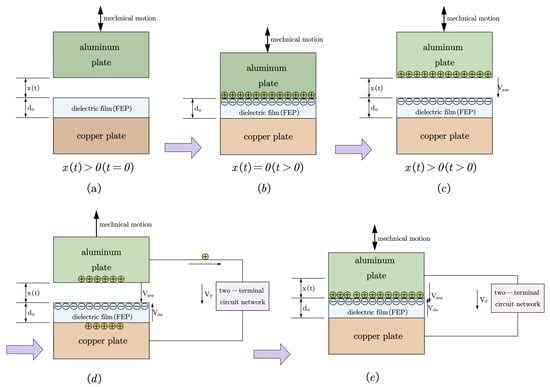
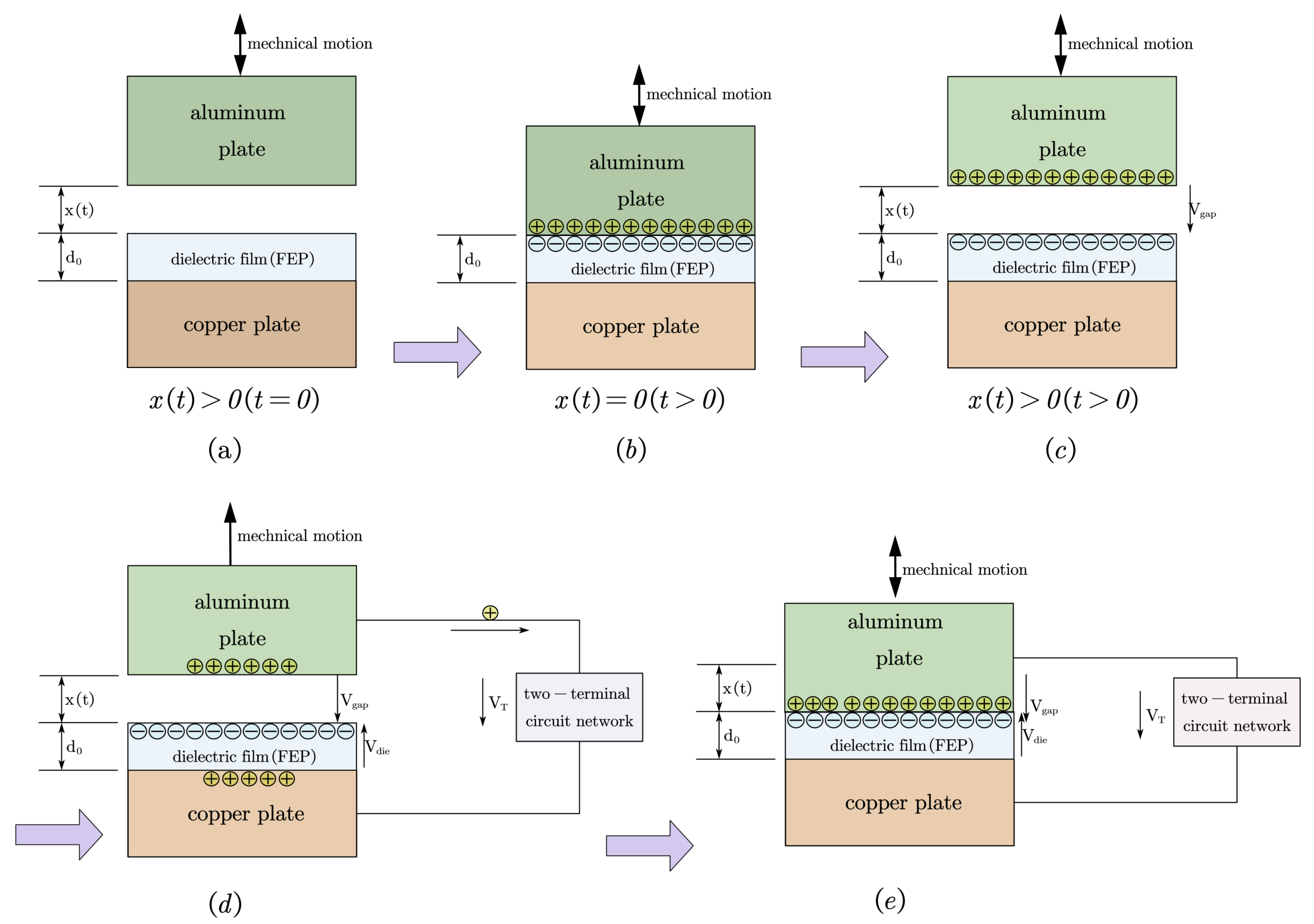
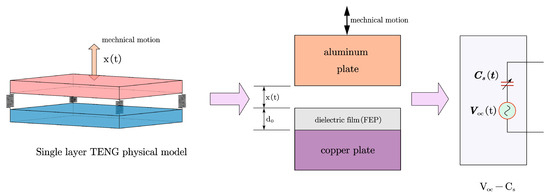
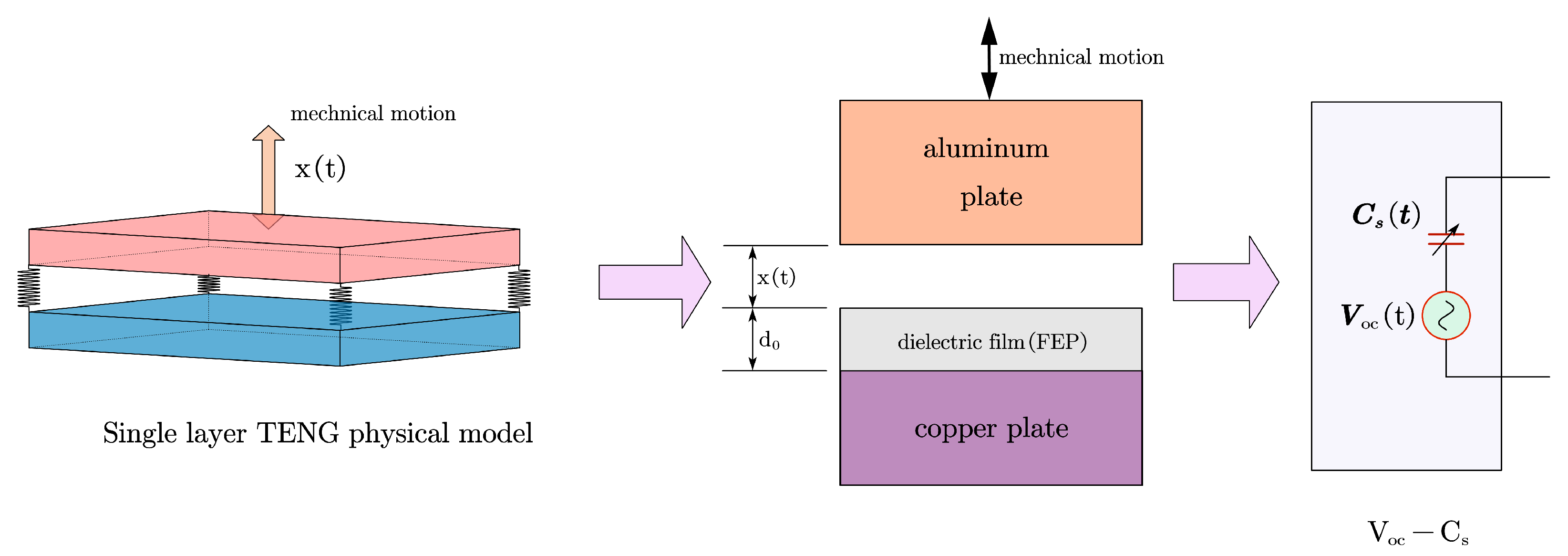
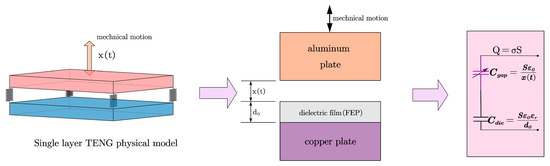
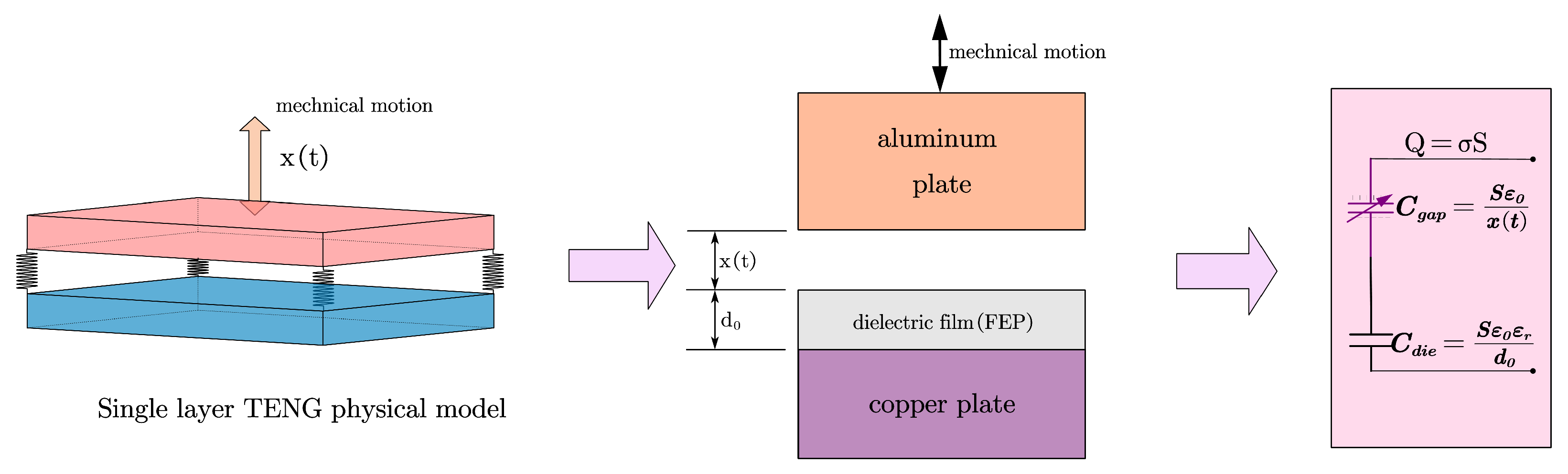
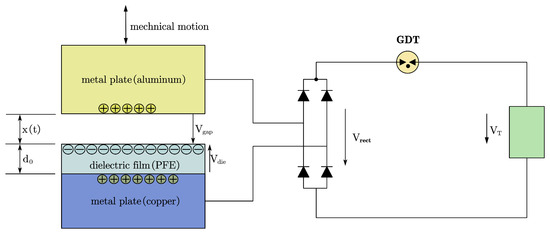
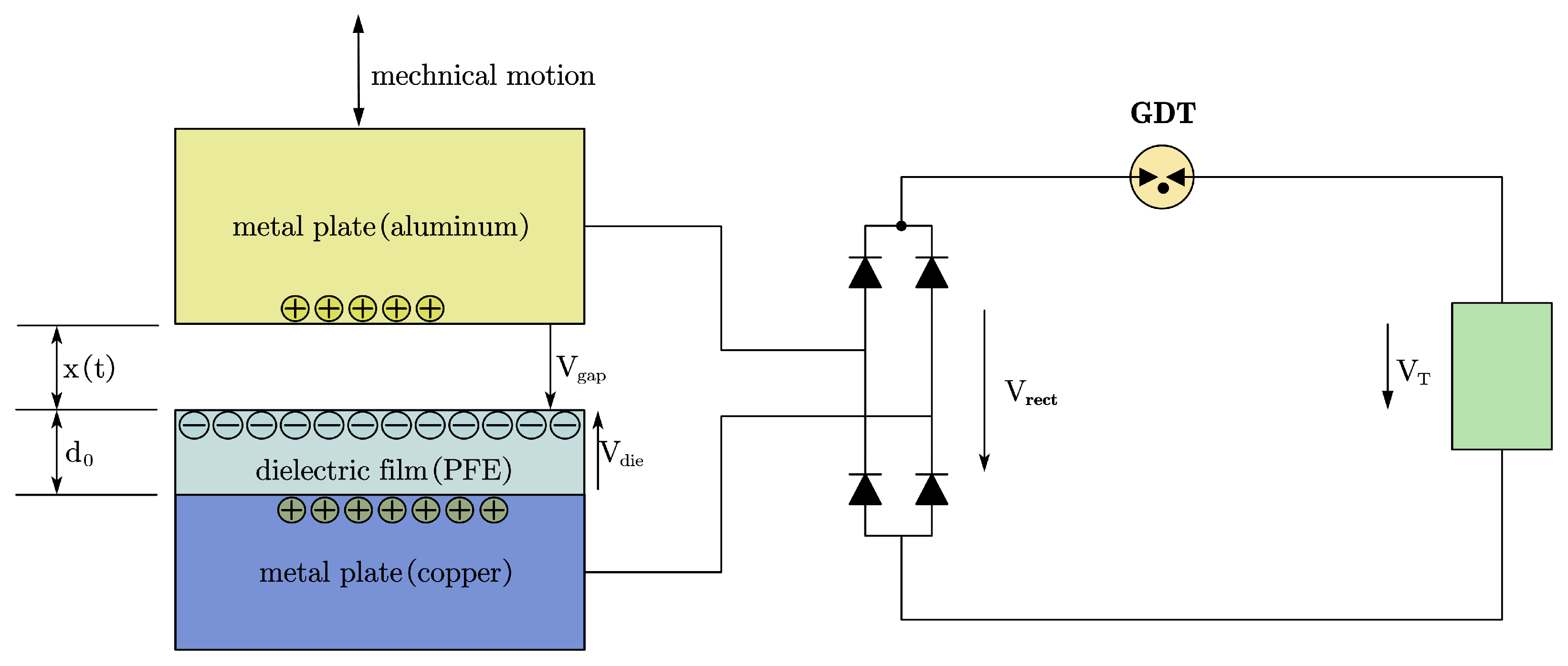
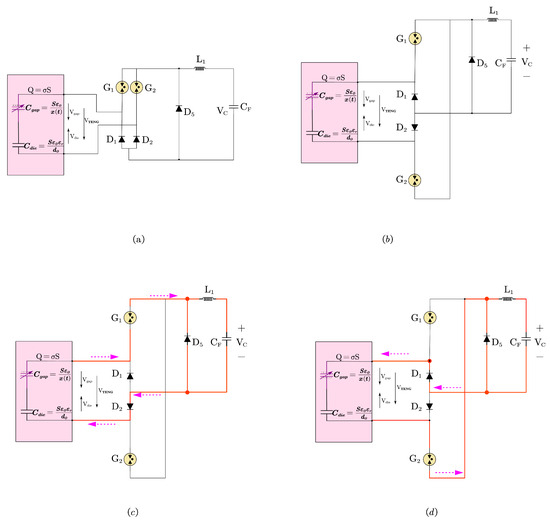
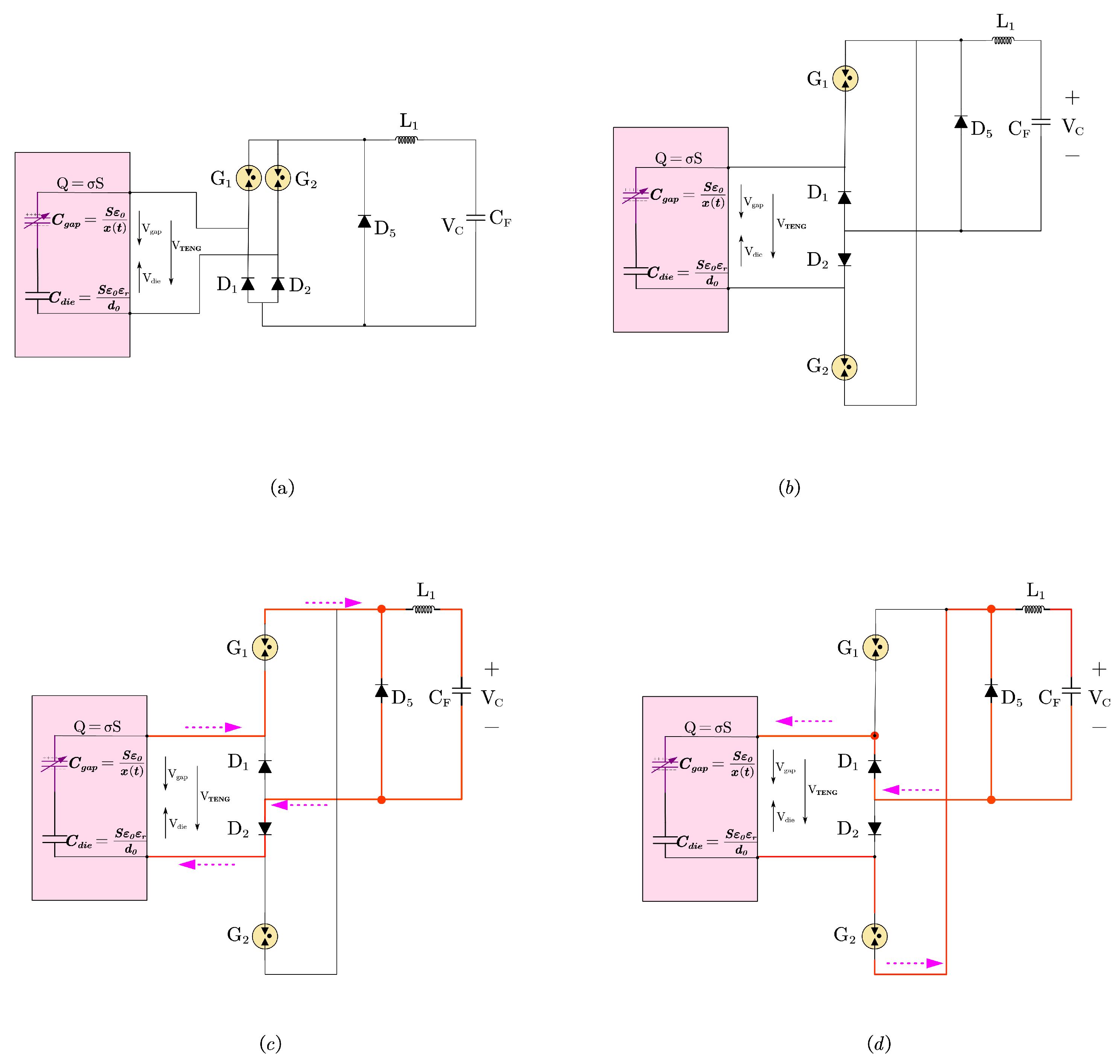
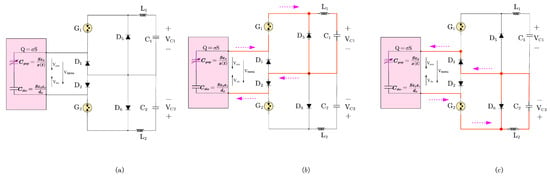
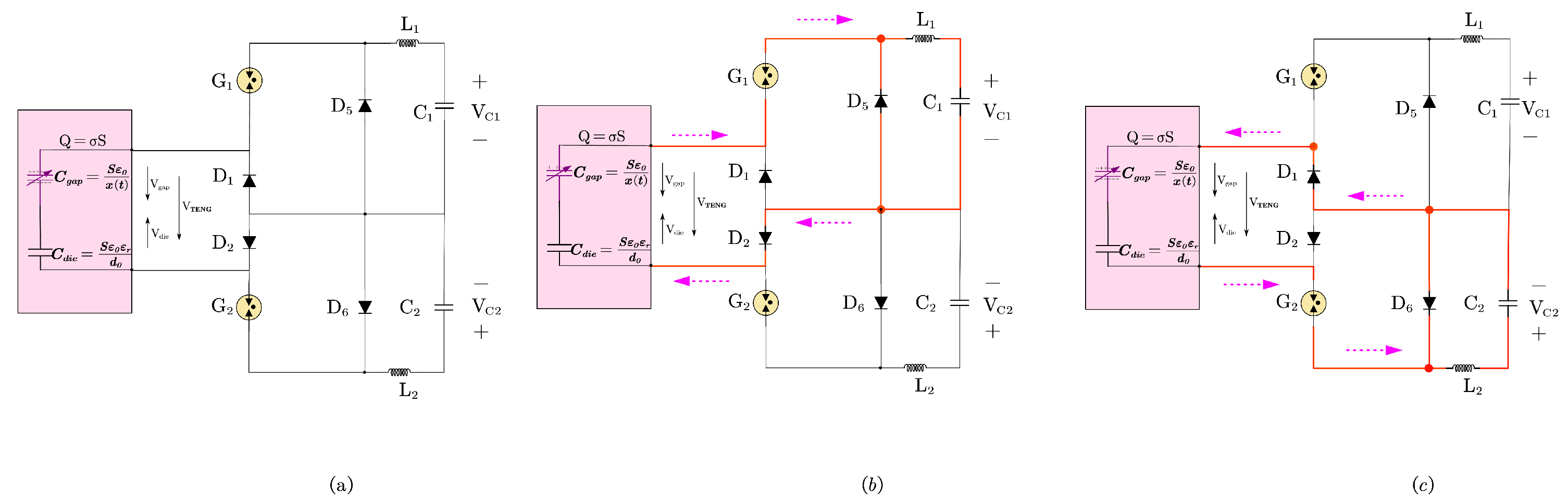
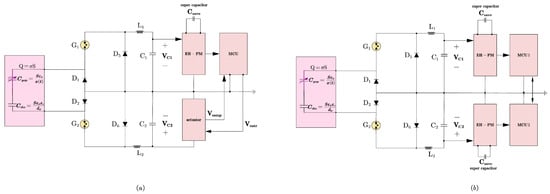
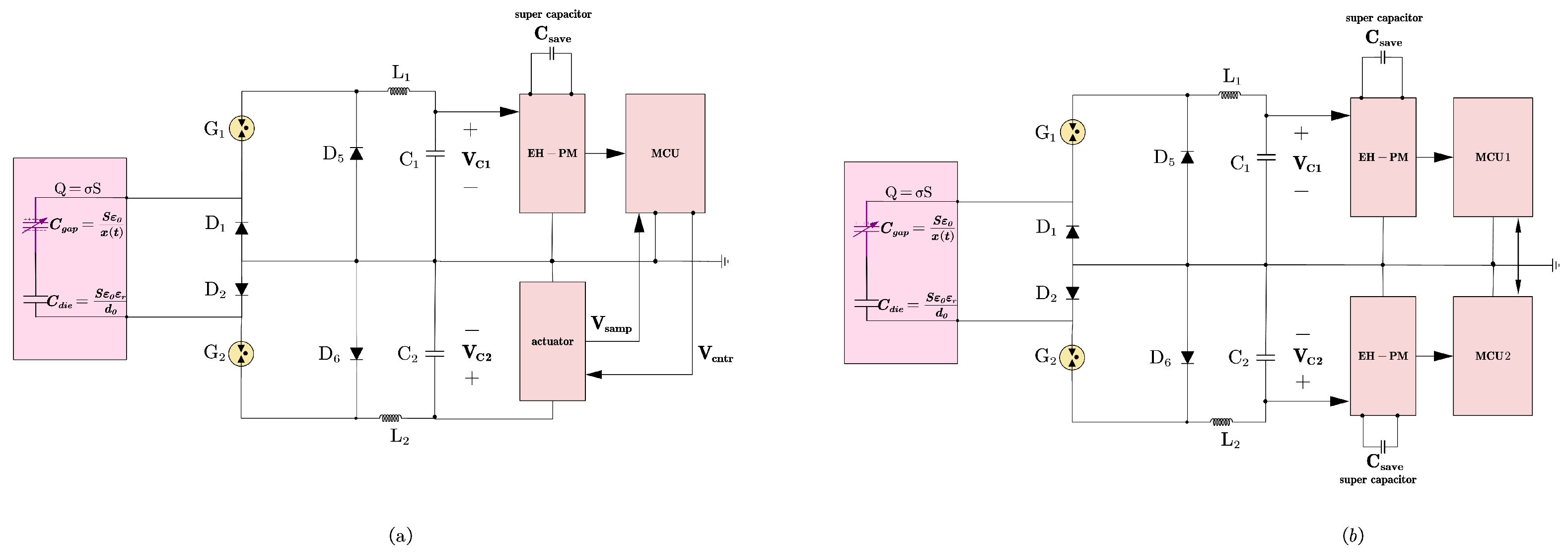
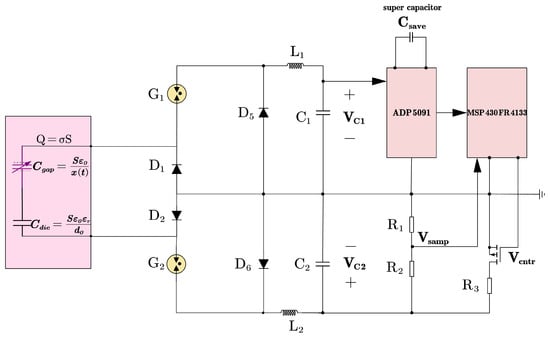
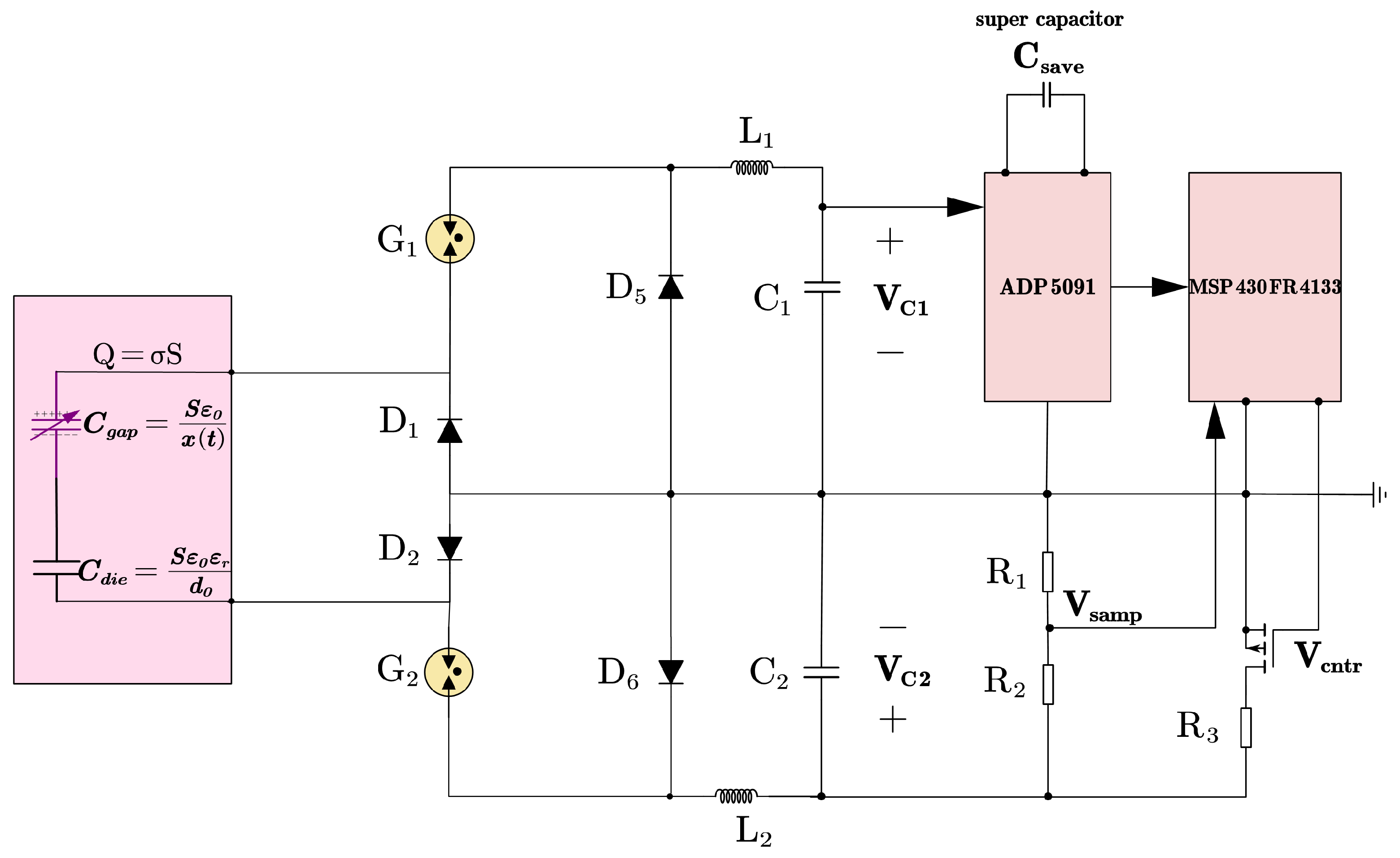
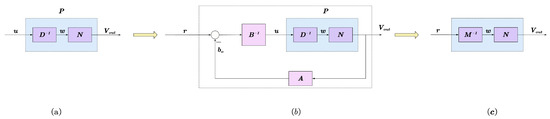
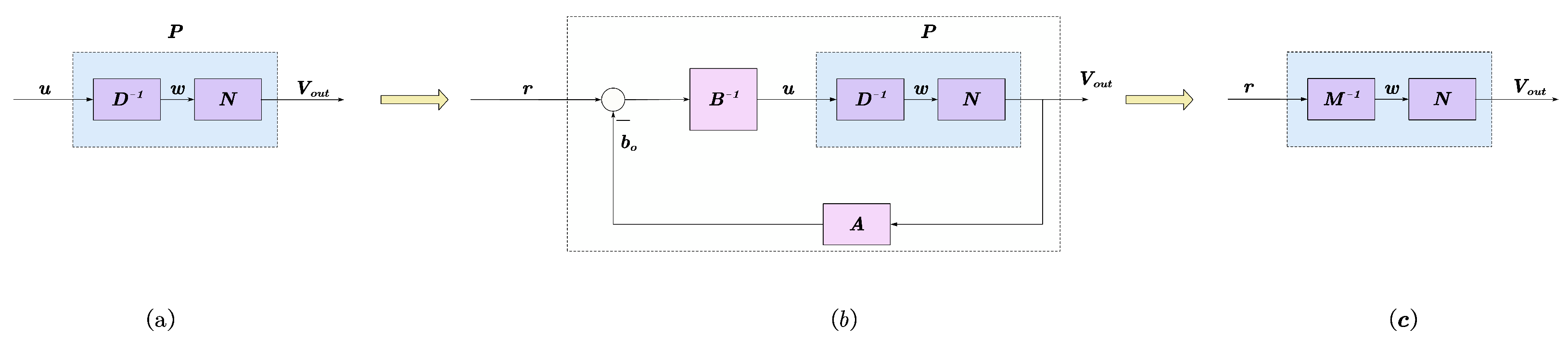
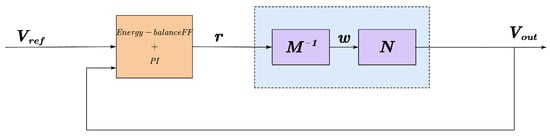
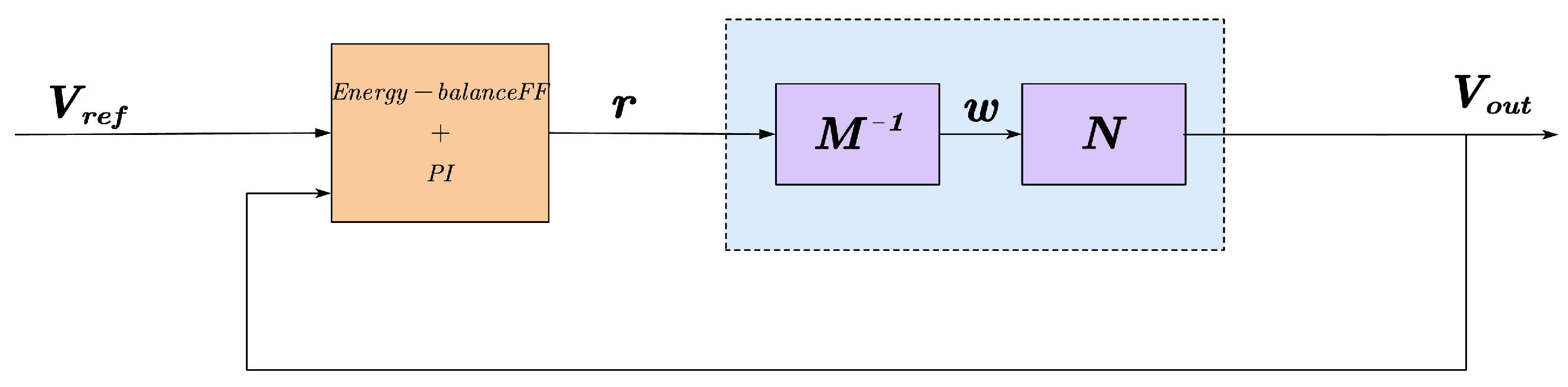
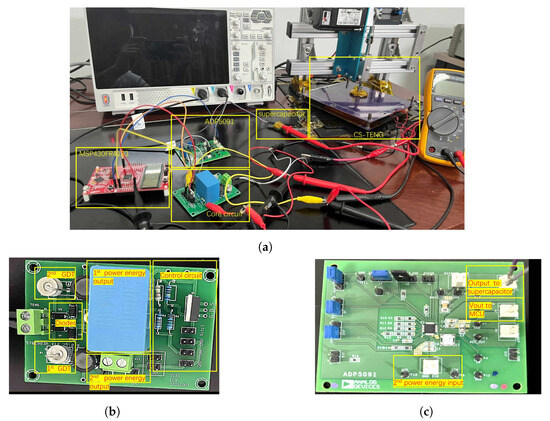
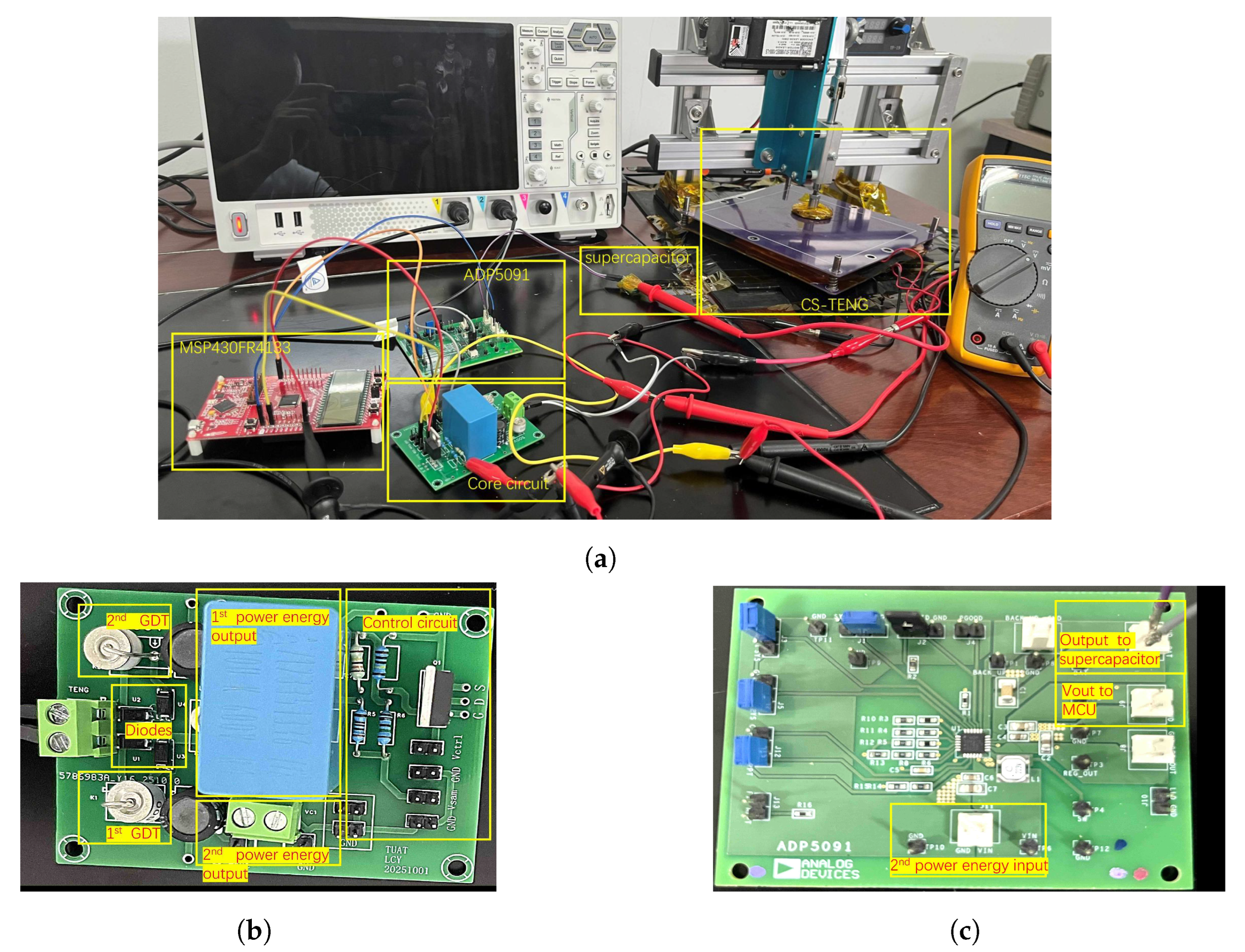
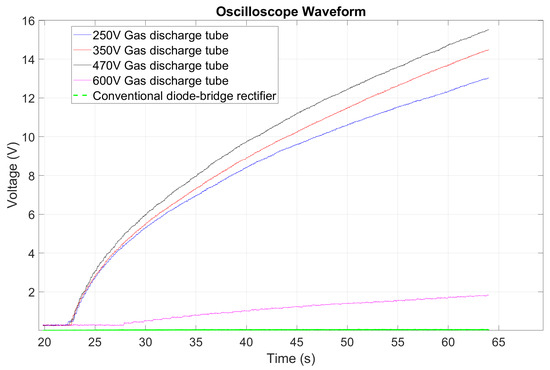
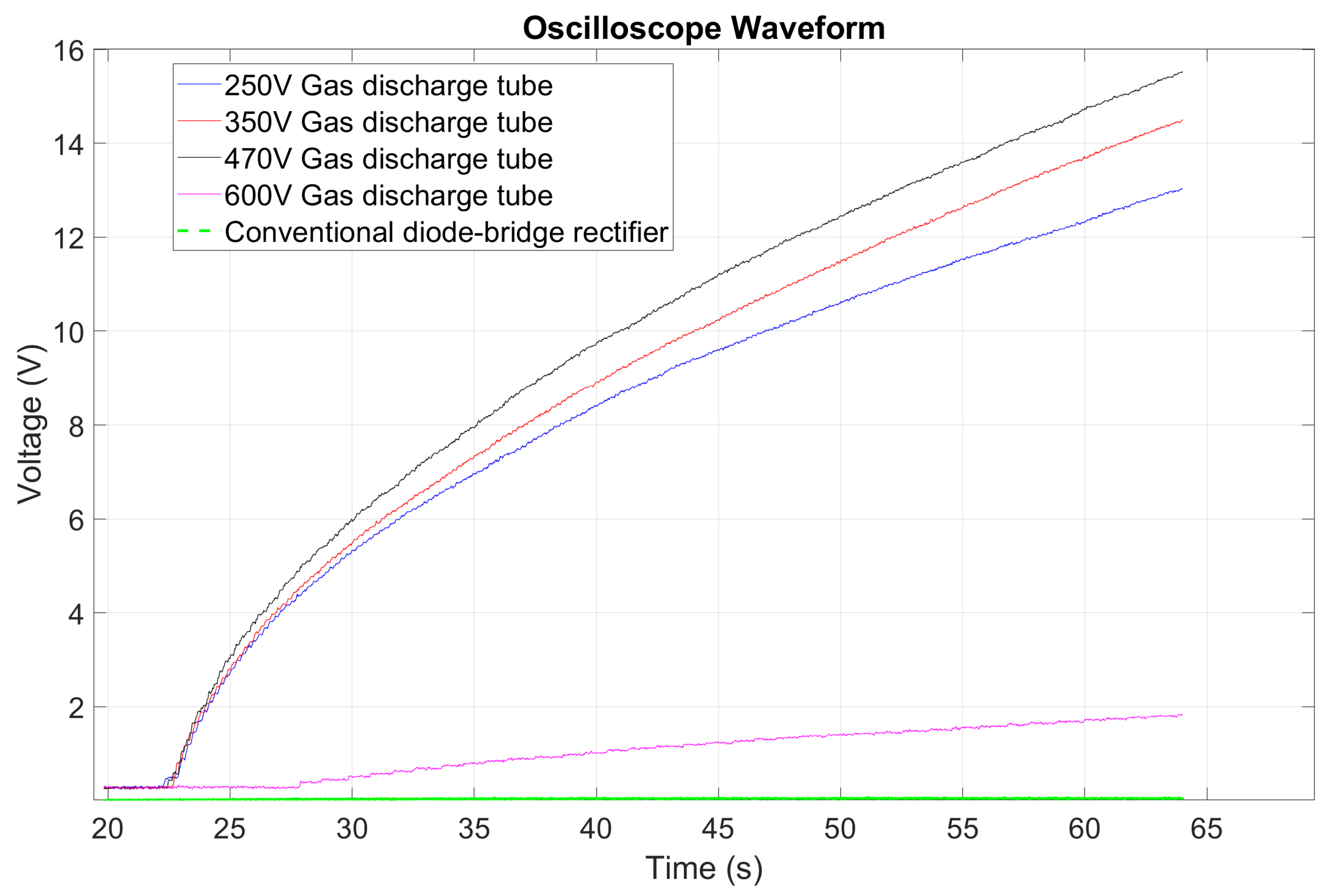
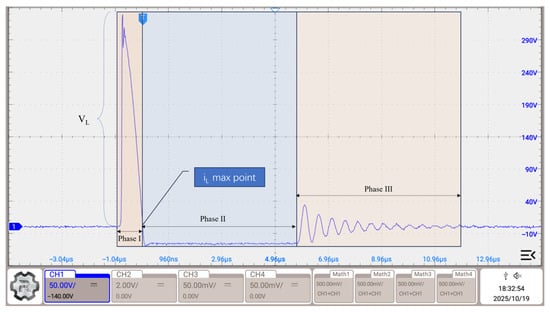
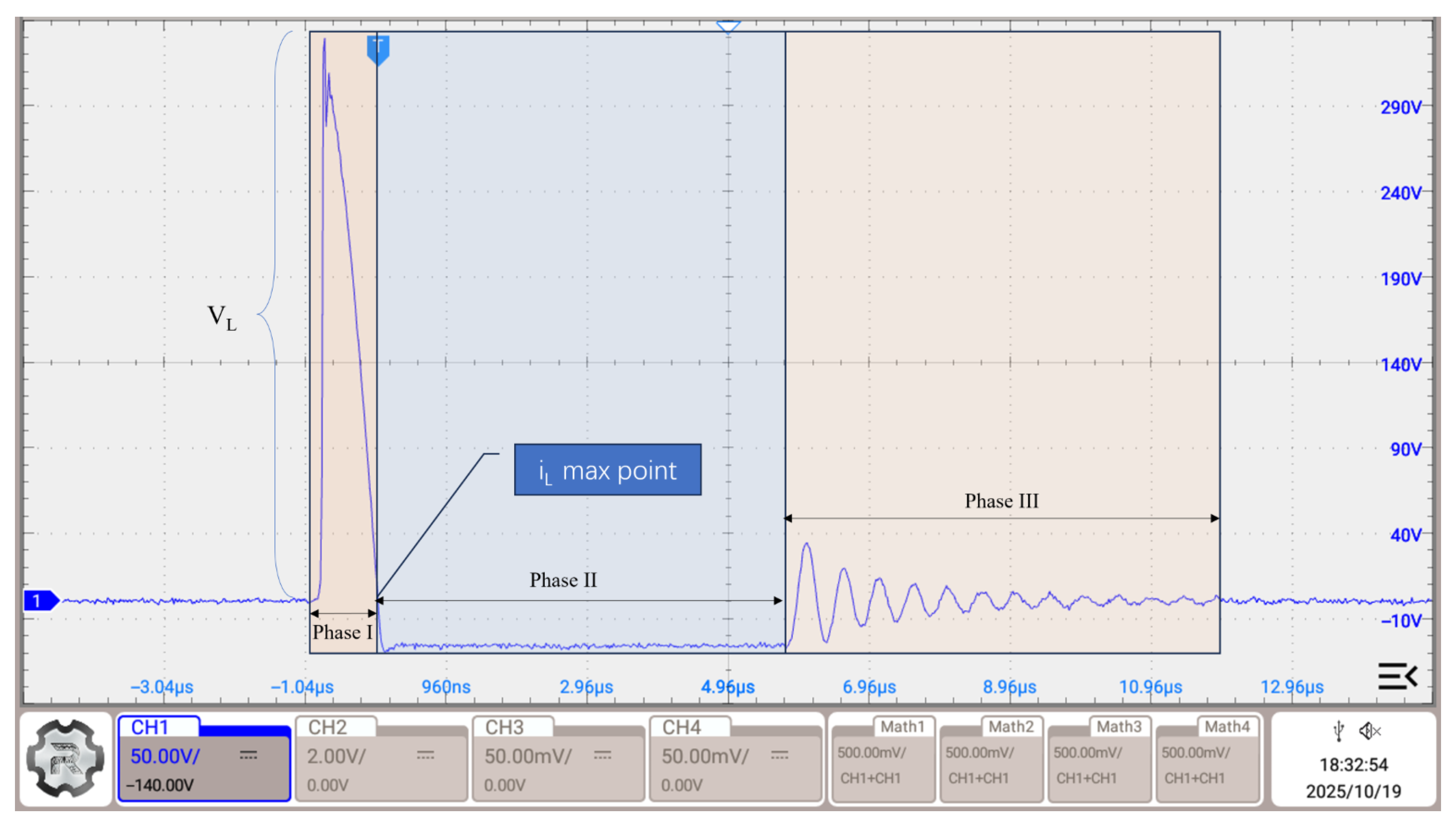
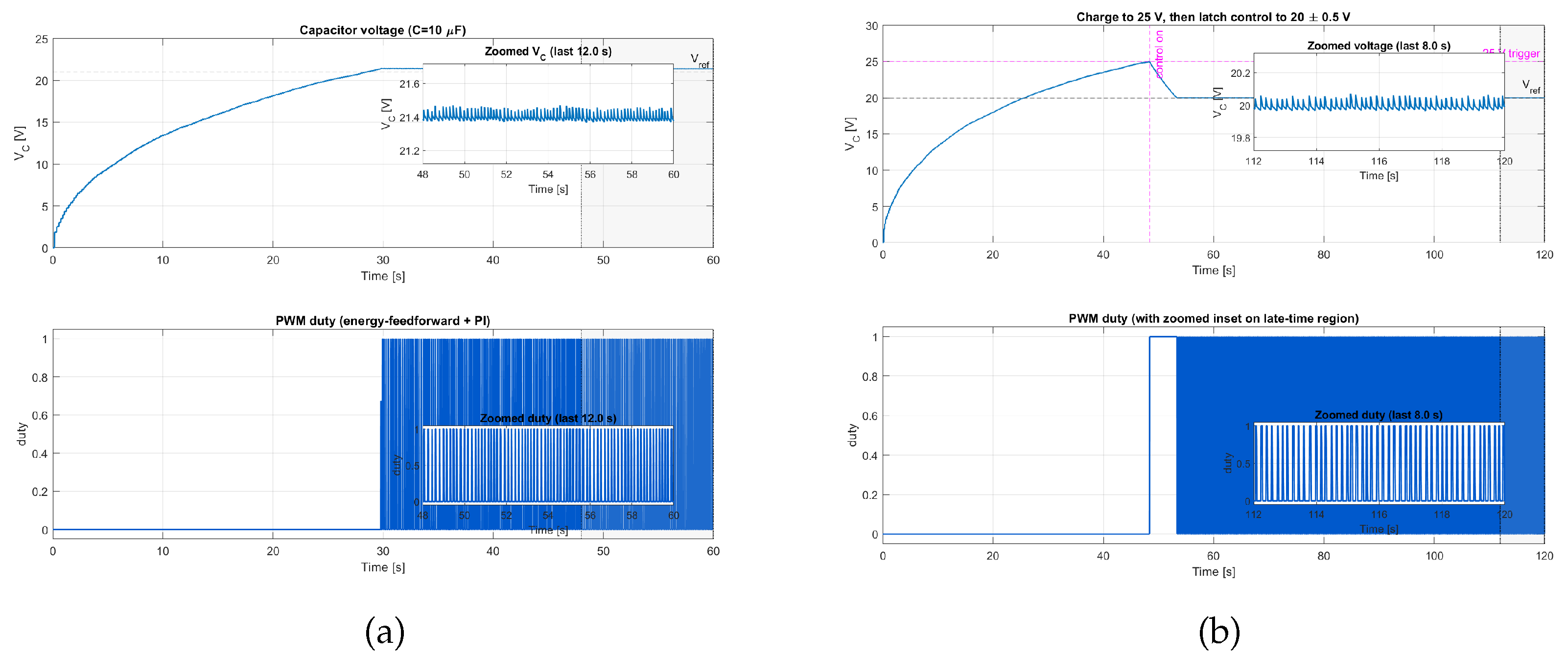
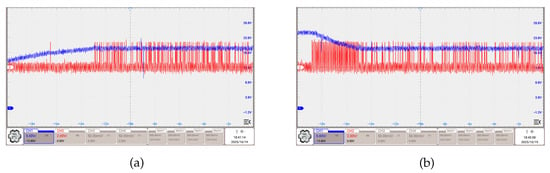
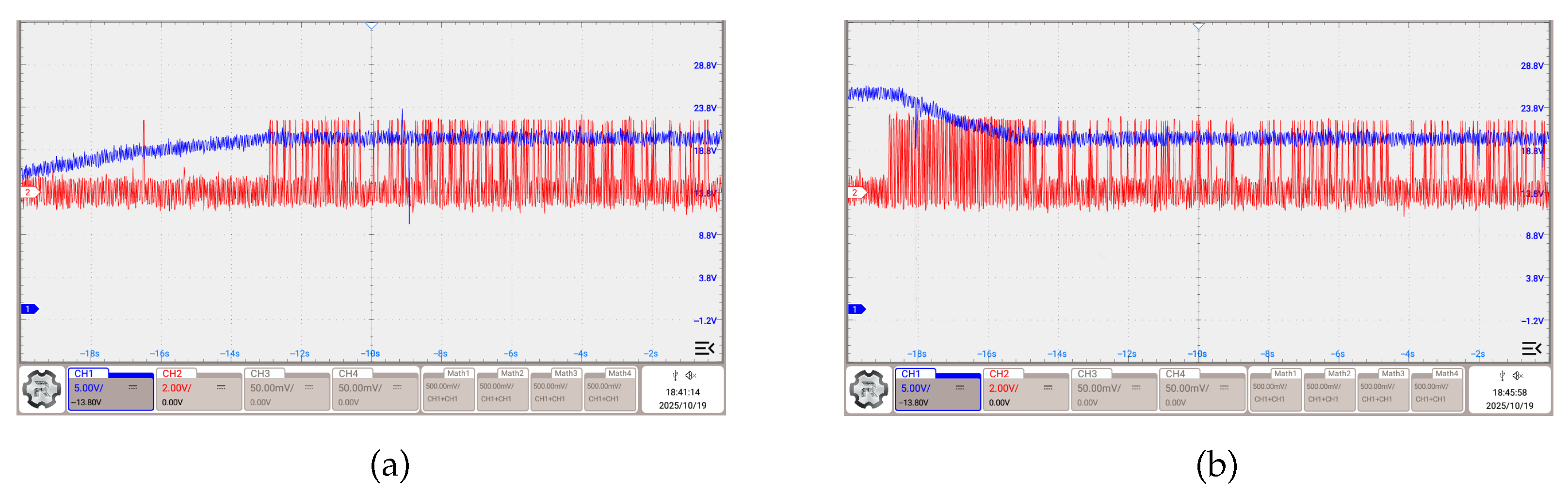

Disclaimer/Publisher’s Note: The statements, opinions and data contained in all publications are solely those of the individual author(s) and contributor(s) and not of MDPI and/or the editor(s). MDPI and/or the editor(s) disclaim responsibility for any injury to people or property resulting from any ideas, methods, instructions or products referred to in the content. |
© 2025 by the authors. Licensee MDPI, Basel, Switzerland. This article is an open access article distributed under the terms and conditions of the Creative Commons Attribution (CC BY) license.