Article

CAD-Integrated Automatic Gearbox Design with Evolutionary Algorithm Gear-Pair Dimensioning and Multi-Objective Genetic Algorithm-Driven Bearing Selection


Faculty of Mechanical Engineering, University of West Bohemia, Univerzitní 2732/8, 301 00 Pilsen, Czech Republic
Machines 2026, 14(1), 36; https://doi.org/10.3390/machines14010036 (registering DOI)
Submission received: 19 November 2025 / Revised: 16 December 2025 / Accepted: 25 December 2025 / Published: 27 December 2025
(This article belongs to the Section Machine Design and Theory)

Abstract

This paper investigates global optimization methods applied to the design of a one-stage gearbox, aiming to partially automate the design using artificial intelligence. The developed software autonomously determines the gearbox parameters (number of teeth, gear width, modulus, etc.), optimizes them, and then models the assembly in Siemens NX CAD (computer-aided design). The direct connection between optimization and CAD leads to a faster designing process. The literature review reveals that the field of machine design is quite conservative, and only a few articles with some similarities to our research have been found. The paper describes gear dimensioning and the application of the Ipopt algorithm to the optimization of gear-pair parameters. Then, it addresses shaft design and bearing selection through multi-objective optimization using the NSGA-II algorithm, balancing cost, weight, and volume while meeting strength and durability constraints. The paper also describes the transfer of the optimized parameters and the creation of a CAD model. The last part is dedicated to the problems encountered, their potential solutions, and the advantages of the new approach. The proposed approach delivers a functional, optimized CAD model in about 10 min, providing a notable speed advantage over typical manual workflows.

1. Introduction

Engineering and the search for novel and improved technical solutions are closely related. The majority of engineering tasks can be described mathematically as equations that use appropriate functions to characterize the issue as an optimization problem. There have been significant advances in artificial intelligence over the past 20 years, which enable the solution of such tasks swiftly and with low computational cost [1]. Evolutionary optimization algorithms can undoubtedly be included in this category. They are employed in situations where an analytical solution would be extremely challenging or perhaps unfeasible. Global optimization techniques provide a faster and more effective means of searching through a pool of potential solutions. Evolutionary algorithms (EAs) fall into the category of heuristic techniques [1]. They can be generally classified as stochastic or deterministic. This study employs algorithms with stochastic elements. These optimizations can be used for many problems; however, the main issues are local extremes and how to work with them. Real-life engineering tasks often contain many variables and boundary conditions. It may appear counterintuitive at first, but stochastic elements greatly increase an algorithm’s robustness and enable it to effectively handle local extremes [1,2]. EAs are useful tools for solving difficult optimization issues because of this interaction, as they can effectively explore the solution space.
The paper starts with a literature review, which tries to establish the research context and define the broader requirements of the software. The second section outlines the methodology, starting with the theoretical framework for gear dimensioning, followed by the application of the Ipopt optimization algorithm. The second part of the methodology section describes the bearing choice and shaft dimensioning and concludes with the principles and implementation of multi-objective optimization using the NSGA-II algorithm. The third section focuses on the integration with Siemens NX, emphasizing the automated generation of CAD (computer-aided design) models. The conclusion then discusses the applicability, advantages, limitations, and boundaries of the proposed approach and the direction of our future research.
Analytical calculations can be considered the most basic optimization technique. This is how structural mechanics knowledge is applied to machine parts. The deformation/stress responses of a body to a given load are investigated. The machine’s components are built so that the responses are within a safe range. The next step is to use gradient-based methods [1]. Even with their very limited capability, these deterministic algorithms are still in use today. Their biggest drawback is that they can easily get stuck in local extremes. It is difficult, if not impossible, to use them in complicated optimizations of real components when several input parameters are taken into account. Global optimization methods offer solutions to this. They are based on semi-stochastic elements and are able to swiftly and computationally efficiently search the solution space [1,2]. Their functionality has been thoroughly documented, and their implementation is now common in commercial software products. The literature describes a wide range of their applications in engineering practice. Optimization is almost always related to the smaller individual components of larger machines. In contrast, the complete design of a machine from the input parameters to a final CAD model is very uncommon.

1.1. Literature Review

Hoseiniasl and Fesharaki of one paper used the particle swarm algorithm for the optimization of a gear train layout in 3D space [3]. The volume of material used to make the gearbox components was taken into consideration as the objective function in order to achieve the ideal weight/volume of the gearbox. Another paper dealt with a genetic algorithm that minimized the gear train volume [4]. As a result, it could provide accurately chosen parameters for different gear ratios. This was applied to a parallel-axis, two-stage helical gear train. In another paper [5], Golabi et al. tried to optimize two- and three-stage gear trains. The optimization process aimed at minimizing the volume/weight of the gearbox, resulting in practical graphs facilitating the derivation of key parameters such as the number of stages and modules, the face width of the gears, and the shaft diameter. This allowed for comparison with previous works and practical applications. Multi-objective optimization was used to optimize a two-stage helical gearbox [6]. Two objective functions were established: the first minimized the gearbox’s volume, and the second minimized the gearbox’s overall power loss. There are a number of design restrictions, including bending stress, pitting stress, etc., as well as tribological constraints like wear and scuffing. Another paper used an interesting multiparent crossover evolutionary technique that introduced the elite-preservation strategy, constructing a dynamic penalty function and enhancing the selection pressure of parents in the process of crossover [7]. In yet another paper, Mendi et al. optimized not just a gear-pair module, but also other important parts of the gearbox, like bearings and shafts [8]. Their approach used genetic algorithms and calculated all the gearbox parameters in one optimization. The authors of the another paper tried to automate gear train design by combining topological changes, discrete variable choices, and continuous variable optimization, resulting in near-optimal solutions for various gear train problems. Swantner and Campbell [9] deals with the 3D topology of the gear train. However, only gear pairs were evaluated. Méndez et al. [10] solved the optimization problem of the double-reduction gear train design. It introduced a hybrid DE-NSGA-II metaheuristic that sequentially combined Differential Evolution with NSGA-II to improve exploration and to capture extreme Pareto-optimal solutions. The proposed framework overcomes sparse-solution regions and outperforms previous multi-objective approaches by obtaining the full Pareto front. Another study performed multi-objective optimization of a gear unit using NSGA-II to simultaneously reduce power loss and vibrational excitation by tuning both macro- and micro-geometry parameters. The results showed that joint optimization produced different and better results than sequential approaches [11]. Another paper presented a modified evolutionary algorithm for selecting optimal geometric parameters of a two-stage cylindrical reducer. It used an LT-τ sequence to generate initial test points and to improve the search randomness. It then output a graphical comparison of the solutions [12]. There is even a paper that focused on the connection between the detailed gear parameters’ solution and the evolutionary algorithm. The study incorporated L10 life and key tribological failure modes (micropitting, flank fracture, wear, scuffing, and scoring) into a multi-objective optimization of spur gear design. Using a genetic algorithm to minimize gear weight, power loss, and heat-treatment time, the authors selected the most balanced solution from the Pareto front [13]. The only paper in which the connection between optimization and modeling was found connects Matlab and Solidworks [14]. Utilizing genetic algorithm methods, the optimization problems of gear design were efficiently solved, managing discontinuous, non-differentiable, stochastic, or highly non-linear objective functions. The final design tool, developed within the Matlab environment, calculates the load capacity of helical gears, including the tooth-bending strength and surface durability (pitting), and estimates the service life under variable loads. An automated macro procedure for Solidworks interacts with Matlab to obtain the dimensional parameters of each gear and to generate the models of each gear and its assembly. This approach is very close to the goal of our paper; however, the choice of the bearings and overall gearbox assembly was not dealt with.
Finding a comparable application, even within the boundaries of the whole field of mechanical engineering, is quite difficult. Zhang et al. tried to design an impeller with the pressure rise as the target function and a GVF (gas void fraction) of 30% [15]. This study provides a unique genetic algorithm-based optimization technique for impellers. The impeller performance was assessed during optimization using the standard k-epsilon turbulence model and Reynolds-averaged Navier–Stokes (RANS) equations. The improved impeller demonstrated a 14.4% rise in pressure at a GVF of 30%, demonstrating the efficacy of using genetic algorithms in conjunction with RANS to design multiphase pump impellers. A CAD system and genetic algorithms combined with an algorithm by Graham et al. produced intricate geometric designs that could serve as helpful inspiration for the usefulness and esthetics of products [16]. Through user-directed selective breeding and environmental influences, objects develop into ever-more-refined forms. Blend functions in CAD software are integrated to improve the graphic representation of geometric complexity. The difficulties are in maintaining consistency and in transferring the desired traits to the offspring. One research study attempted an alternative method for part generation [17]. In order to handle the growing complexity in manufacturing, this work introduced the Genetic Algorithm for Features Recognition (GAFR) into big CAD databases. GAFR uses a random search technique that includes creating offspring features and initializing the population. The best options are chosen through the processes of evolution and extinction of offspring sub-solutions. The authors also provided a case study of a lifting handle.
It is possible to take a look at a problem from a broader perspective and to try to find an application that contains the automatic creation of a CAD model without evolutionary algorithms.
A very interesting approach is modeling by programming, in which the geometric construction of the part is automated by the preliminary programming [18]. This study was aimed at the process of designing turbine blades. The program significantly reduced the time and effort needed for the design; the author suggested that a reduction of 70–90% could be achieved.
Another paper studied the AI-generated design of shell and tensile structures [19]. Unlike other approaches, the software’s computational model did not interact with the designer via design variables but through visual input. An AI model was trained to identify and extract geometric features from a dataset comprising 40 well-known design precedents of shell and tensile structures. The interface of the software showed the design space within the CAD software.
Chen et al. developed software intended to automate the creation of 3D content in general [20]. They developed the program Deep3DSketch-im, which uses a single freehand sketch for modeling. Creating 3D models using CAD is obviously laborious and requires a certain expertise. Their proposed software models 3D CAD models based only on a freehand sketch. This approach could be excellent for some applications, such as computer games or art designs; however, it does not address the issue of the mechanical or functional properties of the designed machines, which is necessary for the aim of this paper. However, it is possible that our approaches will meet in future research.
A paper by Khan et al. introduced the program Text2CAD, which bridges natural language and computer-aided design (CAD) workflows [21]. It enables users to create 3D CAD models based only on a description of the intention to a chatbot. It enhances productivity by translating textual commands into precise geometries and design elements. The applicability spans architecture, engineering, manufacturing, and even general 3D modeling. The authors also provide an easy CAD modeler that allows the user to finish or add some structures on their own. This application has great potential; however, it does not deal with the functionality of the mechanical constraints of the given solution.

1.2. Aims of the Paper

The literature review discussed the general approaches to the automatic generation of CAD models. The range of the methods described is great; however, a similar application to the goals of our study has not been found. The only application close to our goal uses Matlab (https://www.mathworks.com) and Solidworks (https://www.solidworks.com). However, even this has its setbacks, as described in the text [14]. The literature review revealed valuable concepts and possibilities for future research. The integration of LLMs with CAD in Text2CAD looks especially promising and, in combination with evolutionary algorithms, could lead to great results.
The aim of this paper is not to optimize a specific gearbox design but to demonstrate a novel methodology for automating the conceptual design process using non-linear optimization techniques. A gear-pair creation is used as a representative engineering example because it provides a well-defined set of geometric and kinematic constraints, making it suitable for evaluating the proposed approach. The contribution of this work, therefore, lies in presenting a generalizable design-automation framework rather than improving any particular gearbox topology. The introduction and literature review serves to connect the broader optimization methodology to this more specific mechanical application.

2. Methodology

The proposed methodology introduces an automated framework that combines analytical gear-design formulas, geometric constraint evaluation, and stochastic optimization. The chosen task (gear-pair creation) serves as a case study for proving the applicability of the overall methodology. A similar approach with an appropriately adapted mathematical description could be used for basically any engineering problem.
Analytical calculations of gearbox parameters, similar to those employed by human designers, form the foundation of the gearbox design optimization process. The main goal is to simultaneously meet constraint requirements and to minimize the machine’s total weight by efficiently examining a wide range of possible sets of input variables that reflect various gearbox dimensions. The novelty of this method lies in automatically constructing a feasible gearbox geometry from a set of input requirements while ensuring consistency with gear-design rules and CAD-compatible parametric constraints. It bridges the gap between numerical optimization and practical CAD modeling, enabling faster design iterations. Firstly, reducing weight often leads to cost savings. Lighter components typically require fewer materials and are easier to transport and install. Reducing weight can also improve a gearbox’s overall performance and efficiency by lowering inertia and enabling better operation. The step-by-step creation process is described in the following paragraph and in the Python 3.7 pseudocode as outlined in Figure 1.
The first part of the solution algorithms uploads the necessary Python libraries (Pyomo, Pandas, NumPy, Matplotlib, etc.) and acquires the necessary inputs from the user (such as transmitted power, ratio, speed, etc.). The optimization itself starts with finding the gear-pair’s optimal parameters using the Ipopt evolutionary algorithm. The next step involves bearing choice and shaft dimensioning. These two tasks come together because the shaft size must fit within the bearing’s inner-circle diameter. The solution leads onto multi-objective optimization. The algorithm used is NSGA-II. The last part of the program deals with the transfer of the data to the CAD software and the modeling of the whole assembly. The whole process is described by the pseudocode (Figure 1).
This chapter continues with a detailed description of the different stages of the calculation. The background theory is always mentioned first, followed by the optimization application details. The last part deals with the creation of the NX journals and the overall model assembly.

2.1. Gear Dimensioning

The optimization starts with the design of the gear pair. Dimensioning of gears is a crucial aspect of mechanical design and involves determining parameters such as the pitch diameter, tooth profile, module, diametral pitch, pressure angle, clearance, etc., to ensure optimal gear performance and longevity. The main parameters are the pitch, pitch diameter, module, and gear width. These (and many other factors) ensure the correct engagement with the mating gear. The tooth profile, which defines the shape of the gear tooth, is typically standardized to ensure compatibility and interchangeability between gears. A number of variables, including torque requirements, available space, and the preferred gear ratio influences the selection of the module and pitch diameter [22].
Another very important aspect of gear design is the choice of material. In this paper, the choice of material is not taken into account, and classical construction steel is chosen as the overall material.
Firstly, the analysis takes the input variables—in our case, power, ratio, and input shaft speed. Then, it adds the prescribed default inputs, such as material density, gear engagement angle, tooth head height, and tooth root parameters. After that, it is necessary to take into account the decision variables and to set their bounds. For the gear pair, the gear width, module, and number of teeth of the first gear were chosen. Width bounds were set in a range from 10 to 100 mm. The calculation follows the design rule presented in ref. [22] and is supported by standard English-language references such as ref. [23]. According to Shigley et al. [23], the number of teeth of the smaller gear must be greater than 17 to prevent tooth undercutting. So, the variable range of the number of teeth was set from 17 to 150. The lower bound of the module is 0.3, and all of the values are the commonly used values of the module [23]. These design bounds are reflected in the optimization calculation, where they form constraints.
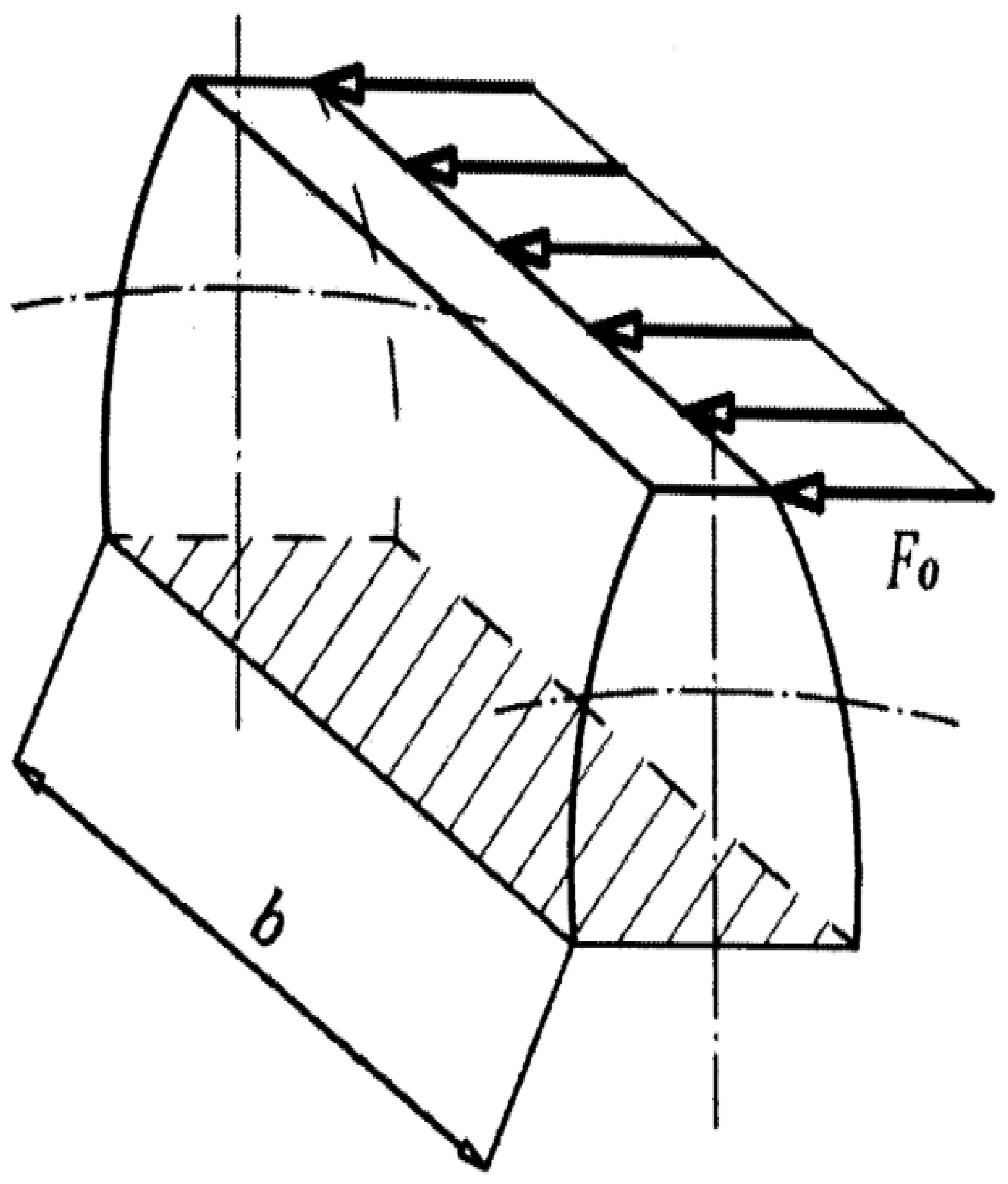
The second step is setting the constraints of the optimization. The application of the Bach formula is very important, as it provides a simplified calculation of the gear width. The Bach calculation model is shown in Figure 2. This rule provides an efficient method for estimating the minimum width of the gear teeth based on the pressure angle, the number of teeth, and the gear module (for metric gears) [22]. It provides a reasonable initial estimate; however, it is crucial to keep in mind that this rule simplifies the issue, and it might have to be modified in accordance with particular application needs, like torque transmission, operating circumstances, and manufacturing factors. In real-world applications, further engineering analysis could be used to further optimize the width of the gear teeth by taking wear resistance, tooth strength, and stress distribution into account [23]. In order to maximize the quality of the gear design and to guarantee its performance under multiple operating situations, advanced design technologies, especially finite element analysis (FEA), are frequently used. However, the Bach formula provides a useful estimate of the correct tooth design [22]. This paper focuses on the optimization of the designing process and not on the exact calculation of the ideal tooth profile, so this rough calculation can be used without greatly influencing the overall process.
The basic Bach formula is given by [22]:
F 0 = t · b · c
where F0 is the circumferential force of the gear contact [N], t is the tooth pitch [-], c is the coefficient of the tooth stress [MPa], and b is the gear width [mm].
This basic calculation was adapted for this paper into the following formula [22]:
σ D 9550 · 10 3 · ( 27 · P · cos β ) n · m · z · π · 0.7 · b
where σD is the allowed stress [MPa], P is input power [W], β is the tooth inclination angle [°], n is the speed [r/min], m is the gear module [mm], z is the number of teeth of the gear, and b is the gear width [mm]. For our material, the allowed stress is 110 MPa. This is based on the yield stress point of commonly used steel (330 MPa) and a safety factor k = 3.
The next constraint is the relation between the gear width and the module [22]:
10 · m b 30 · m
The objective rule of the optimization calculates the approximate mass of the gear pair and tries to minimize it. The calculation is based on a general calculation of the gear profiles according to the norm ČSN 01 4607 [24].
It is important to determine the size of the pitch circle, base circle, addendum circle, and root circle. The first calculation is the pitch-circle diameter. The pitch circle is tangent to the tooth profiles. The involute curve that defines the gear tooth profile is created from the pitch circle [22]:
d 1 = m z 1
The base-circle diameter is calculated from the pitch circle [22]:
d b = d 1 cos α
where α is the pressure angle, which equals 20°.
The addendum circle comes next. It is located at the tips of the gear teeth and represents the maximum diameter of the gear. The diameter of the addendum circle is determined by adding the gear’s addendum (the radial distance from the pitch circle to the tip of the tooth) to the pitch diameter [22].
d a 1 = d 1 + 2 m h a
where ha is the height of the tooth head and normally equals 1[-].
The root circle is normally calculated last [22].
d f 1 = d 1 2 m ( h a + c a )
where ca is the parameter given to calculate the space for the tooth root, which is normally equal to 0.25 mm.
The output of the calculation is the approximate mass of the gear pair. The calculation volume consists of the addendum volume and the inner region volume. The density of the calculated gear (regular construction steel) is 7850 kg/m3.
m = ρ A s o l i d b
where Asolid is the total cross-sectional area.
A s o l i d = ϕ t e e t h A a n n + k h π R r 2
where ϕteeth is the teeth fill factor to approximate the teeth gaps, and kh is the fill factor of the inner region of the gear. This was selected to be 0.8 in order to represent a future weight reduction.
The calculated tooth factor represents the computationally inexpensive option for representing teeth gaps. It assumes that the tooth arc length scales linearly with the radius and the choice of the mid-radial position.
R a = d a 2 ,   R r = d f 2 ,   R p = d 1 2 R m = R a + R _ r 2
The tooth thickness at radius r can be approximated by
s r π m 2 · r R p
The approximate area of one tooth (2-D cross-section) is
A t o o t h s ( R m ) ( R a R r )
The total teeth area is then
A t e e t h = z A t o o t h
The teeth gap factor is the ratio of the total teeth area and the total addendum area.
A a n n = π ( R a 2 R r 2 ) ϕ t e e t h = A t e e t h A a n n
This formula is computationally cheap and captures the basic reduction caused by tooth gaps. It assumes that tooth thickness scales with the radius, which is a reasonable approximation for the preliminary design.

2.2. Ipopt

The optimization uses the Ipopt solver from the Pyomo library. Ipopt (Interior Point OPTimizer) is an open-source interior-point optimizer created especially to handle complicated non-linear optimization (NLP) problems. Ipopt searches for local solutions of NLPs using an interior-point line-search filter technique [25]. Due to its adaptability, it can be applied to a variety of technical problems. The mathematical complexities of the algorithm have been examined in a number of papers [26,27,28,29,30]. Unlike many gradient-free or simplex-based methods, Ipopt efficiently exploits derivative information, which significantly reduces the computational time for smooth engineering problems. Its robustness and ability to handle large variable sets have made it a common choice in engineering optimization literature. Given the non-linear and continuous nature of the design variables, Ipopt provides faster convergence and greater numerical stability than alternative solvers available in Pyomo for this class of problems. Ipopt can solve small and dense problems as well as large ones, supporting millions of variables and constraints. Depending on the application, the majority of the computational work involved in optimization using Ipopt is involved in either solving linear systems or in calculating the problem functions and their derivatives.

3. Choosing the Bearings

The choice of the bearing is based on the tradeoff between its price, its volume, and the volume of the shaft. It also takes into account the load and stress constraints.
The first step was to prepare the necessary bearing data. Only bearings in the SKF catalogue were taken into consideration in this case study, because it was relatively easy to summarize all the necessary information, which is not always the case with other manufacturers. However, the methodology could be easily used for a much bigger dataset and range of bearings. The table includes the name, inner diameter, outer diameter, width, dynamic and static basic load ratings, reference speed, and limiting speed.
It was necessary to calculate several other bearing parameters based on the initial gearbox information to correctly evaluate their performance. The background calculation is based on the classical analytical solution of the bearing durability and shaft load stress, which can be found in [22]. The first step is the calculation of the minimum allowed shaft diameter from the torque Mk [Nm] [22].
M k = 60 P 2 π n
where P is the input power [W], and n is the shaft speed [1/min]. We can calculate the minimum shaft diameter from this calculation [22].
d w = 16 M k π τ k 3
where τk is the allowed torque stress [MPa]. Next, it is necessary to calculate the forces applied on the tooth: circumferential force, radial force, and axial force [22].
F t = 2 M d 1
F r = F o tan ( α )
F a = F o tan ( β )
where α is the pressure angle [°] and β is the helix angle [°].
It is necessary to calculate the bearing durability. For standard rolling bearings, the basic rating life is in hours [22]:
L h = 10 6 60 n · C P p
All bearings in the dataset used are ball bearings, where p = 3.
L h = 16,666 n · C P 3
where C is the basic dynamic load rating [kN], and P [kN] is the variable based on the ratio of the radial and axial load forces [22].
P = X · F r + Y · F a
The coefficients X [-] and Y [-] are selected in accordance with the calculation procedure specified in ČSN 02 4607 [31], which is derived from ISO 281:2007 [32] (Rolling bearings—dynamic load ratings and rating life). The coefficients depend on the ratio of the radial and axial loads and on the bearing type. For a given bearing, the exact values of the coefficients are obtained by linear interpolation from the standard-defined ranges. The bearing durability must exceed 1,000,000 revolutions.
The next constraint depends on the shaft parameters. The calculated reduced stress must be smaller than 60 MPa (for construction steel). This number is calculated from the yield point of the lower-quality construction steel, which is based on 240 MPa and a safety coefficient k = 4. The choice of bearings and the width of the gears directly influence the safe shaft diameter. The reduced stress of the shaft is compiled from the bending stress, torsional shear stress, and axial stress. The calculation uses the von Mises reduced stress [22]:
σ r = σ o + σ a 2 + 3 · τ k 2 2
where σo is the bending stress [MPa], σa is the axial stress [MPa], and τk is the torsional stress [MPa].
Bending stress:
σ o = 32 M π d s 3
where M is composed of the moments in the tangential and radial plane. The critical point on the shaft is under the bearing at the distance a [mm] [22].
Tangential plane:
M t =   F t a 2
Radial plane:
M r = F r a 2
Bending moment:
M =   a 2 F t 2 + F r 2
Torsional stress:
τ k = 16 M k π d s 2
where Mk is the transmitted torque [Nm] and ds [mm] is the diameter of the shaft.
Shear stress:
σ a = 4 F a π d s 2
where Fa [N] is the axial force.
The last step is the evaluation of the bearing solution. It should reflect the technical quality of the shaft weight minimization, the smallest possible price of the bearings, and their smallest possible volume. It is difficult to compare the values of these three different characteristics. The field of decision making involving multiple conflicting criteria or objectives is known as Multi-Criteria Decision Making (MCDM). It provides systematic approaches and techniques to assist decision-makers in evaluating and selecting the best option from a group of possibilities while taking into account a variety of factors.
Firstly, we have to relativize our decision-variable values. That means comparing them with the maximum value of the given criteria:
r p r = p r i c e s o l u t i o n p r i c e m a x r S h   v o l = s h a f t   v o l s o l u t i o n s h a f t   v o l u m e m a x
r B   v o l = b e a r i n g   v o l s o l u t i o n b e a r i n g   v o l m a x
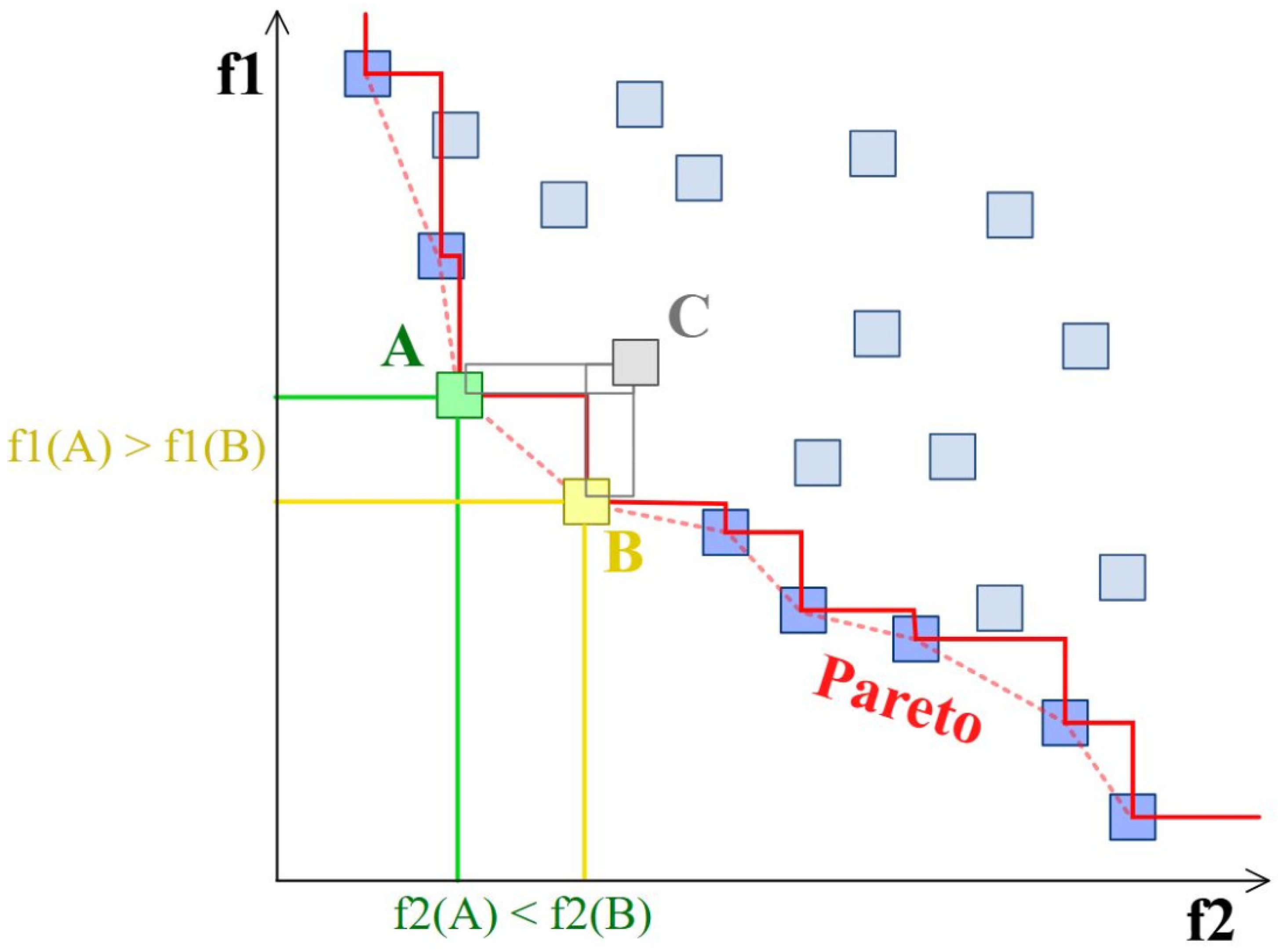
We can easily compare these relativized parameters. If the individual objective functions are in conflict, a Pareto front is formed. This is a set of points that represents the best combinations of solutions that can be obtained when the solution parameters are combined. Thus, it is not possible to decrease the value of one objective function without simultaneously increasing the value of another. This means that the solutions on the Pareto front represent qualitatively comparable results. This is illustrated in Figure 3.
In order to choose the best solution and to better mimic the designing process, it was necessary to introduce weights for the different parameters. In this case, the price of the bearing was assigned a 70% weight (wPr), the volume of bearings, 20% (wBvol), and the volume of shafts, just 10% (wShvol). The weightings of the weight, bearing, and volume were chosen based on the experience of the author. These are not carved in stone and reflect the reality of constant price pressure on all machines. These would have to be modified for specific applications. The weighting values are provided solely as examples and do not represent fixed or universal costs. Actual industrial values depend on numerous application-specific and market-dependent factors (manufacturing cost, production time, material, actual bearing costs, delivery time/cost, etc.) and are therefore outside the scope of this study. The final equation is
w f i n = w P r r p r + w B   V o l r B   V o l + w S h   v o l r S h   v o l
This equation can be called the objective function; in our case, a multi-objective (cost) function. wpr is the weight of the price, rpr is the relative price, wBvol is the weight of the bearing volume, rBvol is the relative volume of the bearing, wShvol is the weight of the shaft, and rShvol is the relative volume of the shaft.

3.1. Application of the NSGA-II Algorithm on Bearing Evaluation

The algorithm uses the Pyomo Python library for the optimization tasks. This library allows the user to easily define the objective function, constraints, and other aspects of the optimization. The NSGA-II (Non-dominated Sorting Genetic Algorithm) algorithm is an advanced variant of the genetic algorithm. It is one of the most common methods used for multi-objective design optimization. It would be possible to use any other multi-objective optimization technique within the library; however, the choice of NSGA-II is especially because it has proven functionality. It introduces several novel modifications to the traditional approach, particularly in the realms of mating and survival selection strategies. Working within the context of multi-objective optimization, NSGA-II starts the process by choosing individuals in a front-wise manner. However, because of inherent constraints in survival capacity, this method may need split fronts. Solutions are carefully selected within these split fronts according to their crowding distance, which is precisely computed as the Manhattan Distance inside the objective space. NSGA-II is noteworthy for its emphasis on keeping extreme points throughout generations. It does this by giving them an infinite crowding distance, which ensures their continuing representation and maintains population diversity. NSGA-II implements a binary-tournament mating selection mechanism to further enhance the selection pressure and to facilitate the evolution of high-quality solutions. This strategy ensures that the most promising candidates are passed down through the generations by methodically comparing individuals based on their rank and crowding distance. Additionally, there is a selection operator that favors solutions with higher fitness. It combines individuals from both parent and offspring populations in an effective way. This combination results in the discovery of numerous better Pareto-optimal solutions, because it balances exploration with exploitation. Empirical analyses on a wide range of test problems demonstrate the great performance of NSGA-II. Compared with alternative elitist multi-objective evolutionary algorithms (MOEAs) like the strength-Pareto EA and Pareto-archived evolution strategy, NSGA-II shows an increased spread of solutions and enhanced convergence toward the real Pareto-optimal front. A difficult five-objective seven-constraint non-linear problem was used by authors Deb et al. [34] as an example to show off NSGA-II’s abilities, where it performed better than other constrained multi-objective optimizers. This performance confirms NSGA-II’s reputation as a top option for handling difficult multi-objective optimization problems in a variety of areas.

3.2. Optimization Process

The optimization algorithm was written in Python. The first optimization by Ipopt had the objective of minimizing the weight. The gear pair was defined by three variables: module, gear width, and number of teeth for Gear1. The calculation has eight constraints. The minimum bound of the module was set to 0.3. The gear must be wider than 10 mm, and the number of teeth of both gears must be greater than 17. The next two constraints are based on the Bach formula. The allowed stress of the tooth root must be higher than 110 MPa. The last three constraints are empirical suggestions from the literature [22]. The upper limit of gear width is connected to the number of teeth and the module:
b 1.5   m   z cos β
There is also another equation that suggests the width:
10 m b 30 m
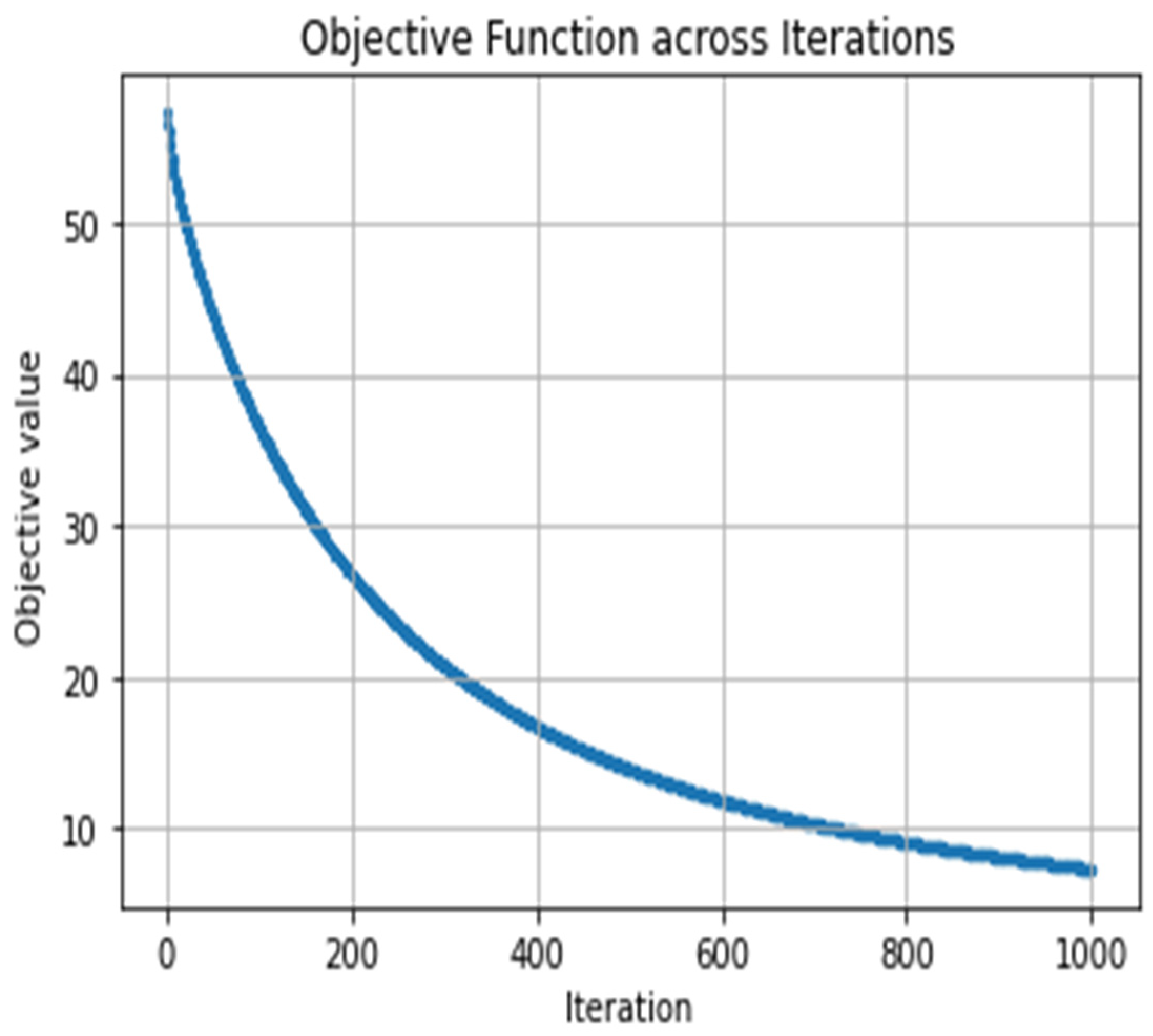
The list of constraints is shown in Table 1. The objective function is shown in Figure 4. The graph of the objective function values across iterations shows clear convergence. The number of iterations was set to 1000.
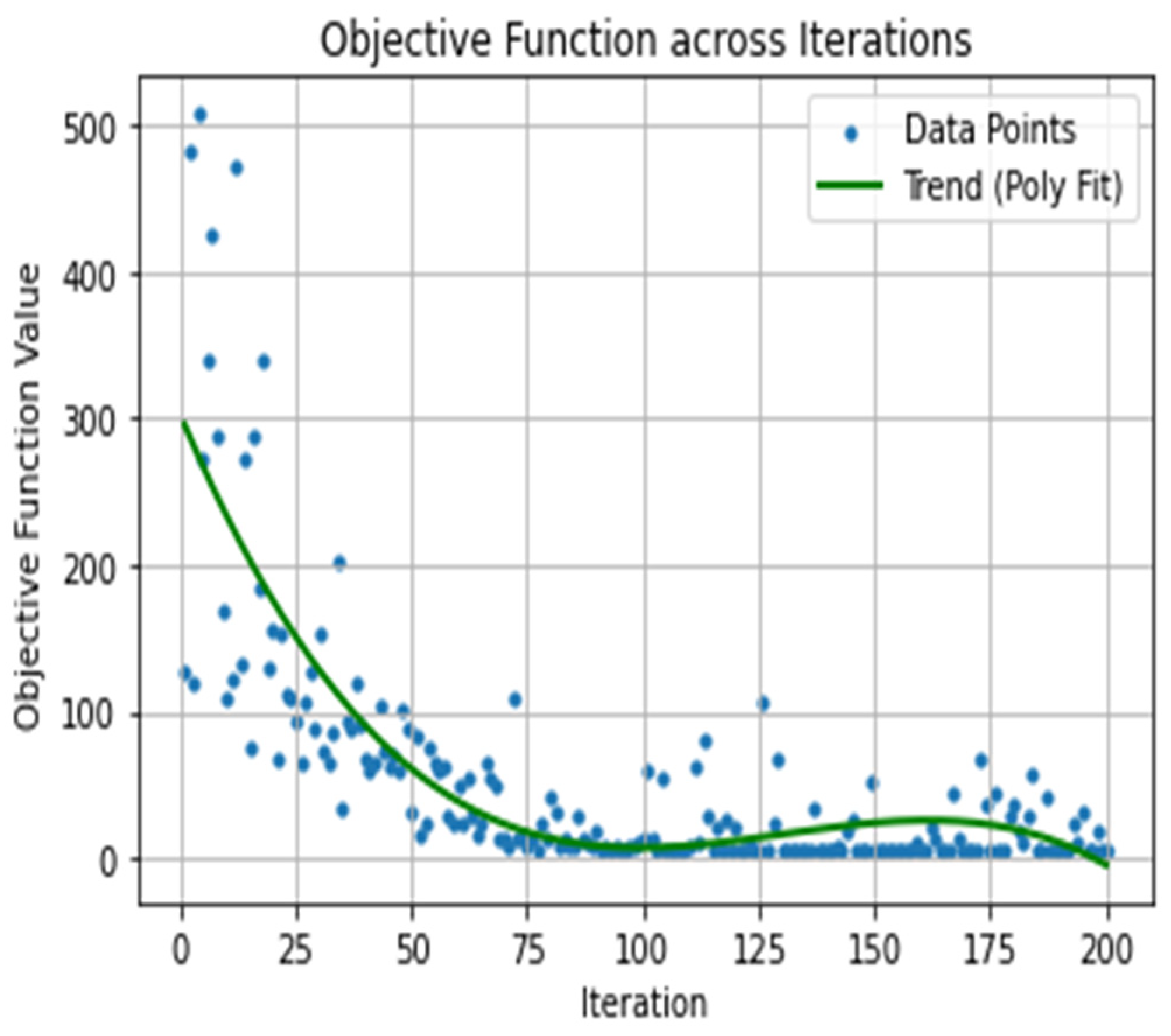
The next optimization dealt with the choice of bearings. The number of generations was set to 200, with 10 offspring in each. The test bearing dataset was quite small, so it was found that this number of iterations was sufficient to find the correct solution. Clear convergence of the data was shown.
The objective function is composed from the weight of the shaft and the bearing and from the bearing price described in the paragraphs above. The constraints take into account the bearing durability and the reduced stress described above. The objective value converges rapidly.
The list of constraints is shown in Table 2. The objective function is shown in Figure 5. The graph contains the value of the objective function in each iteration. The convergence is shown by the green curve. A moving average (MA) calculation was used to create it. This is a technique used to smooth out short-term fluctuations in data to reveal the long-term trends. It calculates the average of a fixed number of consecutive data points (a window) and then “moves” the window across the data. The MA was used to clearly show the convergence and the decrease in the cost function.
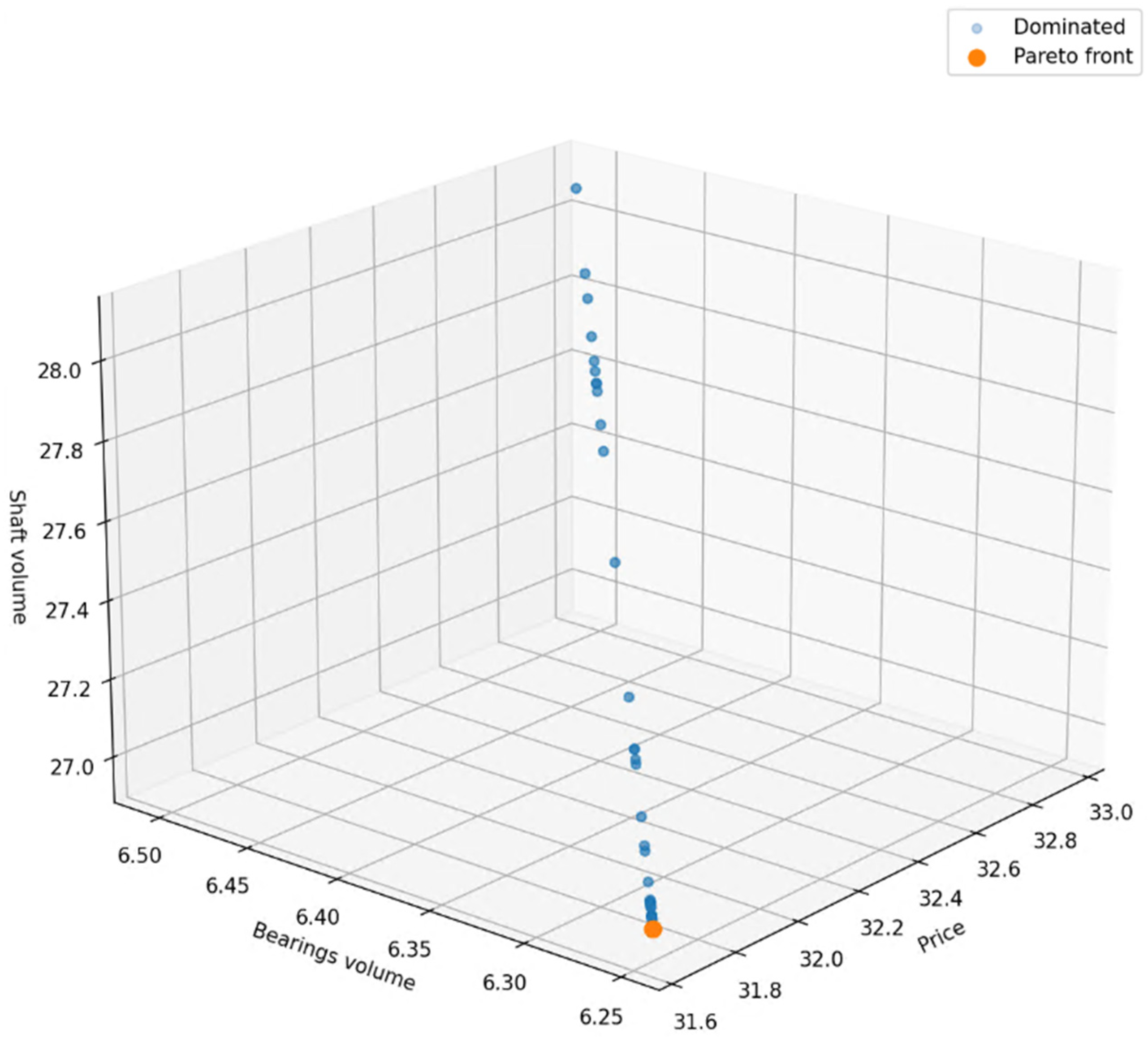
Figure 6 presents the Pareto front for the three-objective optimization involving the bearing volume, shaft volume, and total price. The non-dominated solutions align along an approximately linear front, indicating a strong correlation between the objectives and a nearly proportional trade-off among them. This suggests that reductions in bearing or shaft volume are directly associated with increases in price, and vice versa. One solution dominates, as it is better in all three objectives compared with at least one Pareto-optimal design.

4. Connection Between Python and Siemens NX

Dimension values for the solution are calculated after the optimization process. The outputs are then transferred to the corresponding CAD model, which includes the parametrical dimensions that correspond with a foreseen input. There is some kind of programming language behind all CAD systems. For most of the larger modeling packages, the authors allow access to use stand-alone programs. This is an option that allows the creation of so-called macros/journals, which are a set of functions that can be used to customize and greatly expand the capabilities of CAD packages. They are mostly used to speed up repetitive procedures. It is a way of using one of the programming languages to control the work of a CAD program. There is great opportunity for the automation of the machine design and their components in connection with evolutionary algorithms. Siemens even published a short tutorial regarding this topic [35,36] to introduce these tools to the common user. The script can operate in batch mode, as opposed to the conventional interactive use of Siemens NX, enabling the process to run smoothly in the background without requiring a graphical user interface.
The algorithm has at its disposal the parametrical models of all parts of the assembly. The first step is to copy a model CAD file of each part, then add the suffix indicating the project number.
Then, it uploads the optimization outputs to update the new part. It was necessary to create a file with the main dimensions that control other parameters of the gear. The gear model and its dimensions have to be carefully engineered so it does not crash after the upload of the new parameters. This task was particularly difficult. The dimensions obviously have to deal with the standard sizes of parts and their availability in the real world. The algorithm includes a table of the commonly used modulus sizes. The difference in gear performance is small and should not greatly impact the overall real gear-pair functionality. In the case of bearings and shafts, the problem is a little bit different. The bearings are chosen from a datasheet and modeled based on the dimensions defined by the supplier. The main shaft diameter corresponds with this. So, no great changes were needed in this case. Other dimensions of the shafts were also mostly rounded up to whole millimeters; however, they never fell below the minimum permissible value.
The next task for the program was to create a new assembly and to position the two gears into it. This was achieved by a combination of two edited journals for creating a new assembly and adding a part into the existing assembly. The rest of the parts mostly depended on the results of the second optimization. The procedure for adding them was almost the same; only the control dimensions were different. The algorithm included predefined parametric positional and orientation matrixes for each part of the assembly.

5. Conclusions

The application of the new methodology is clearly an advance in the field of machine design. The algorithm could, to a certain extent, create a preliminary design, which was the original goal of the research. The aim of the case study was to demonstrate the applicability of the proposed approach. The calculation of the background of the optimization was basic, but it was enough for the preliminary design. The algorithm complexity can definitely be scaled up, and further engineering calculations can undoubtedly be applied in the same way. Importantly, the approach demonstrated efficiency and robustness across the spectrum of gearbox input parameters. All the optimization experiments were performed on a standard consumer-grade laptop to demonstrate that the proposed approach does not require high-performance computing hardware. The system was equipped with an Intel® Core™ i5-6200U CPU running at 2.30–2.40 GHz, 8 GB of RAM, a 256 GB SSD complemented by a 466 GB hybrid HDD, and an AMD FirePro W4190M GPU with 2 GB VRAM alongside integrated Intel HD Graphics 520. The process of calculating and modeling the case study took only around 10 min. This speed itself can be seen as a great improvement, because the creation of similar results without this automated approach could take up to several hours. Furthermore, it could test a significant number of design combinations (bearing sizes, shaft sizes, gear parameters, etc.). A designer with classical computational programs for gear design has to work step-by-step (similar to the process described in the pseudocode) and can see the overall metrics of a particular solution only at the very end. The possibility of minimizing the total weight of the gear pair and choosing the most suitable bearing within this time frame is definitely beyond the capacity of a normal calculation approach without optimization.
On the other hand, using a normal workflow and in-hand modeling, a designer has the construction process under control the whole time. This could be beneficial because the aim of the automatized algorithm is not to offer a final model but to provide fast and optimized first-draft results. These could, in many cases (especially with smaller gear pairs), be used directly for manufacturing parts; however, sometimes weight reduction and some remodeling (for example in the case of welded gears) must be performed. With a normal workflow, the designer could address those issues sooner, which would sometimes be beneficial.
Another problematic aspect of the automatic gear-pair creation is the boundary condition of the decision variables in the optimization algorithms. The optimization method was verified through multiple computational tests with different input settings, and in all cases, the solver satisfied the constraints and produced feasible designs. To ensure a realistic search space, the design variables were constrained according to commonly used engineering ranges. For standard industrial gears, the module typically lies between 1 and 10, the number of teeth is commonly below 150, and typical face widths range from a few millimeters up to several tens of millimeters (<100 mm), depending on the load capacity [23]. This should include most of the commonly used gears; however, the algorithm would have to be modified for atypical cases. The case study had an input power of 70 kW, a speed of 330 1/min and an index ratio of 4. The optimization calculated a value of 1.94 for the module, which was rounded up to 2 (a 3% change does not play a significant role in a preliminary design). The number of teeth was 19 and 76, which corresponded to the required index ratio. The width of the gear was 58 mm. The algorithm chose the bearing SKF_618_710MA. All the requirements were fulfilled.
The combination of global optimization methods with CAD journaling is currently very rare and could have a significant impact on the whole engineering field. The possibilities for future research look extremely promising. Similar software could generate lightweight models, automatically prepare drawings and documentation, or help to compose complicated systems. This integration of artificial intelligence into the workflow of a company could lead to much improved performance and streamline many processes.
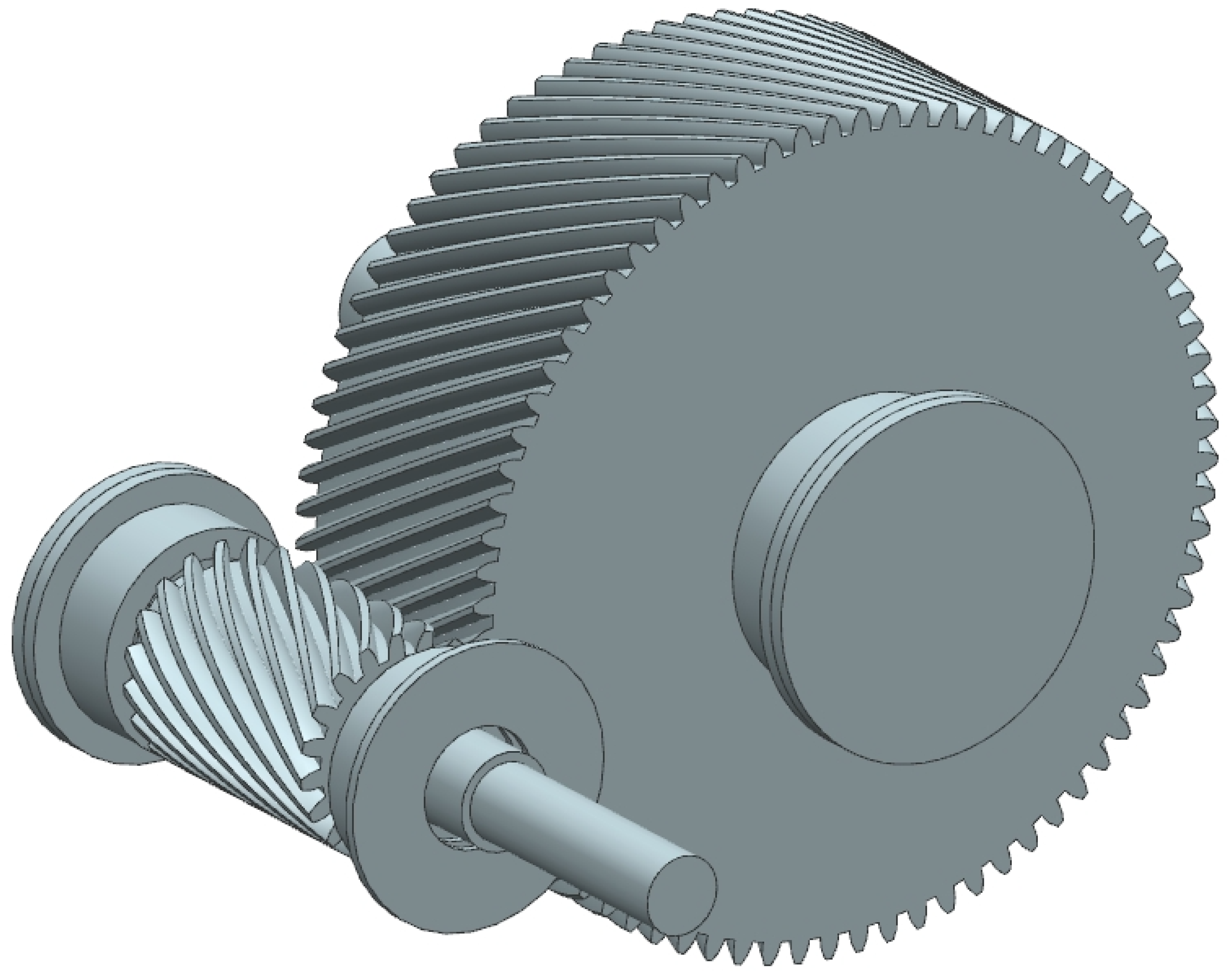
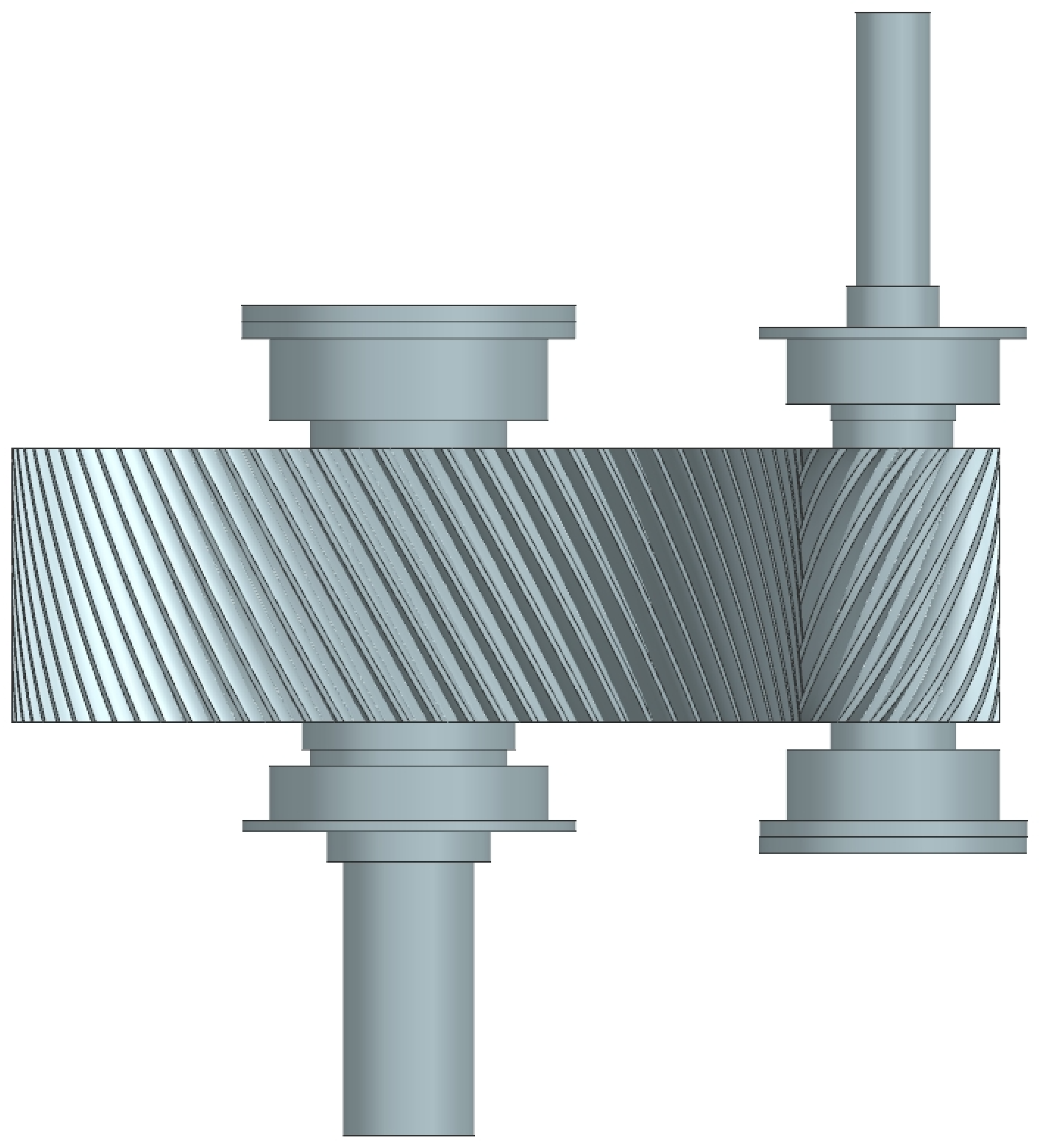
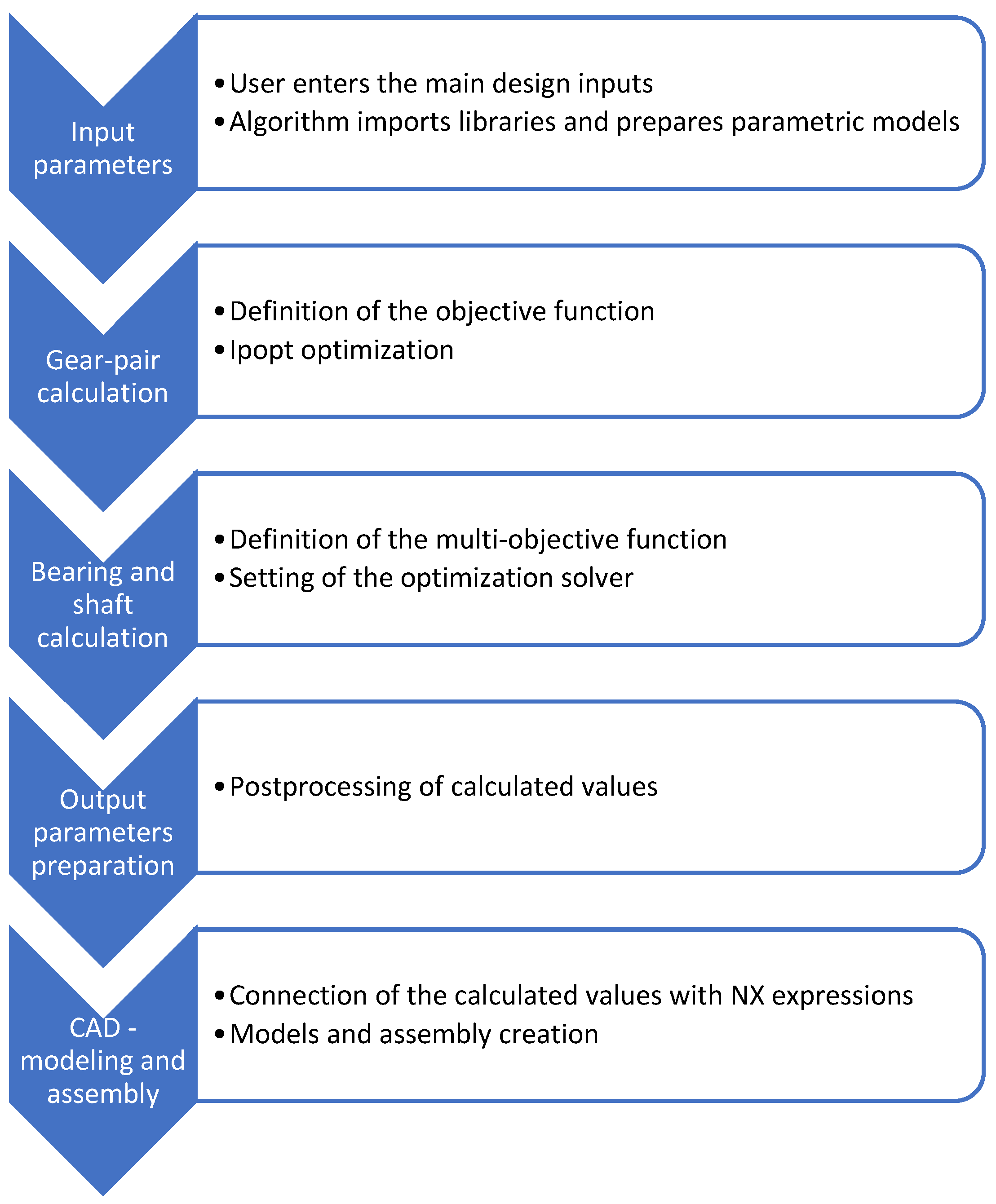
However, these models come at a price. Their functionality is based on the perfect finetuning of the optimization parameters. The wrong definition of an objective rule could result in the failure of the analysis, making the machines impossible to assemble. The connection between EAs and CAD is very sensitive to the definition of the model dimensions, etc. Without correct dimension parameters, it could lead to the failure of the whole automatic process because of the geometrical changes. The creation of the correct parametric CAD models for this process is much more challenging than for ordinary ones. The final models are shown in Figure 7 and Figure 8. Figure 9 sums up the whole creation process into one diagram.
Future research will focus on more complicated assemblies. The research will also move to the enhancement of a more user-friendly environment for the creation of CAD models and the possible use of “normally” created models for our applications.
One of the most probable future research directions is the scaling toward multi-stage gearboxes. Such a task will probably lead to an application that could create the overall layout of a gearbox. Evolutionary algorithms have proved to be efficient in the optimization of the parameters of certain solutions. Another direction for future research is the automatic creation of gearbox housings.

Funding

This contribution is supported by the internal project SGS-2025-003—Advanced Construction Methods using Numerical Simulations and Alternative Materials.

Data Availability Statement

The datasets generated and analyzed during the current study are available in the Figshare repository, which are accessible via the following DOI link: https://doi.org/10.6084/m9.figshare.26426257. All the authors agree to their sharing.

Conflicts of Interest

The authors have no conflicts of interest relevant to the content of this article to declare.

Abbreviations

The following abbreviations are used in this manuscript:
CADComputer-Aided Design
NSGA-IINon-Dominated Sorting Genetic Algorithm
EAsEvolutionary Algorithms
IpoptInterior Point OPTimizer
GVFGas Void Fraction
RANSReynolds-Averaged Navier–Stokes Equations
GAFRGenetic Algorithm For Features Recognition
AIArtificial Intelligence
LLMLarge Language Model
FEAFinite Element Analysis
MAMoving Average
RLReinforcement Learning

References

  1. Zelinka, I. Evoluční Výpočetní Techniky: Principy A Aplikace; BEN—Technická Literature: Praha, Czech Republic, 2009; ISBN 978-80-7300-218-3. [Google Scholar]
  2. Weise, T. Global Optimization Algorithms—Theory and Application; Free Software Foundation: Boston, MA, USA, 2009. [Google Scholar]
  3. Hoseiniasl, M.; Fesharaki, J. 3D Optimization of Gear Train Layout Using Particle Swarm Optimization Algorithm. J. Appl. Comput. Mech. 2020, 6, 823–840. [Google Scholar]
  4. Gologlu, C.; Zeyveli, M. A genetic approach to automate preliminary design of gear drives. Comput. Ind. Eng. 2009, 57, 1043–1051. [Google Scholar] [CrossRef]
  5. Golabi, S.; Fesharaki, J.; Yazdipoor, M. Gear train optimization based on minimum volume/weight design. Mech. Mach. Theory 2014, 73, 197–217. [Google Scholar] [CrossRef]
  6. Patil, M.; Ramkumar, P.; Shankar, K. Multi-objective optimization of the two-stage helical gearbox with tribological constraints. Mech. Mach. Theory 2019, 138, 38–57. [Google Scholar] [CrossRef]
  7. Luo, Y.; Liao, D. The Elite Multi-parent Crossover Evolutionary Optimization Algorithm to Optimum Design of Automobile Gearbox. In Proceedings of the 2009 International Conference on Artificial Intelligence and Computational Intelligence, Shanghai, China, 7–8 November 2009. [Google Scholar]
  8. Mendi, F.; Başkal, T.; Boran, K.; Boran, F. Optimization of module, shaft diameter and rolling bearing for spur gear through genetic algorithm. Expert Syst. Appl. 2010, 37, 8058–8064. [Google Scholar] [CrossRef]
  9. Swantner, A.; Campbell, M. Topological and parametric optimization of gear trains. Eng. Optim. 2012, 44, 1351–1368. [Google Scholar] [CrossRef]
  10. Méndez, M.; Rossit, D.A.; González, B.; Frutos, M. Proposal and Comparative Study of Evolutionary Algorithms for Optimum Design of a Gear System. IEEE Access 2019, 7, 3482–3497. [Google Scholar] [CrossRef]
  11. Younes, E.B.; Changenet, C.; Bruyère, J.; Rigaud, E.; Perret-Liaudet, J. Multi-objective optimization of gear unit design to improve efficiency and transmission error. Mech. Mach. Theory 2022, 171, 104499. [Google Scholar] [CrossRef]
  12. Ustynenko, O.; Bondarenko, O.; Serykov, V. Solving the Problem of Optimal Design for a Two-Stage Reducer by using a Modified Evolutionary Algorithm. In Proceedings of the MATEC Web of Conferences 317, 7th International BAPT Conference “Power Transmissions 2020”, Borovets, Bulgaria, 10–13 June 2020. [Google Scholar] [CrossRef]
  13. Dixit, Y.; Kulkarni, M.S. Multi-objective optimization with solution ranking for design of spur gear pair considering multiple failure modes. Tribol. Int. 2023, 180, 108284. [Google Scholar] [CrossRef]
  14. Bonisoli, E.; Velardocchia, M.; Moos, S.; Tornincasa, S.; Galvagno, E. Gearbox Design by Means of Genetic Algorithm and CAD/CAE Methodologies. In Proceedings of the SAE 2010 World Congress & Exhibition, Detroit, MI, USA, 13–15 April 2010. [Google Scholar]
  15. Zhang, J.; Zhu, H.; Li, Y.; Yang, C. Shape Optimization of Helico-axial Multiphase Pump Impeller Based on Genetic Algorithm. In Proceedings of the 2009 Fifth International Conference on Natural Computation, Tianjian, China, 14–16 August 2009. [Google Scholar]
  16. Graham, I.; Case, K.; Wood, R. Genetic algorithms in computer-aided design. J. Mater. Process. Technol. 2001, 117, 216–221. [Google Scholar] [CrossRef]
  17. Pal, P.; Tigga, A.; Kumar, A. Feature extraction from large CAD databases using genetic algorithm. Comput.-Aided Des. 2005, 37, 545–558. [Google Scholar] [CrossRef]
  18. Ryazanov, A. Automated 3D modeling of working turbine blades. Russ. Eng. Res. 2016, 36, 751–754. [Google Scholar] [CrossRef]
  19. Mirra, G.; Pugnale, A. Exploring a Design Space Of Shell and Tensile Structures Generated by AI from Historical Precedents. J. Int. Assoc. Shell Spatial Struct. 2022, 63, 172–188. [Google Scholar] [CrossRef]
  20. Chen, T.; Cao, R.; Li, Z.; Zang, Y.; Sun, L. Deep3DSketch-im: Rapid high-fidelity AI 3D model generation by single freehand sketches. Front. Inf. Technol. Electron. Eng. 2024, 25, 149–159. [Google Scholar] [CrossRef]
  21. Khan, M.; Sinha, S.; Sheikh, T.; Stricker, D.; Ali, S.; Afzal, M. Text2CAD: Generating Sequential CAD Models from Beginner-to-Expert Level Text Prompts. Adv. Neural Inf. Process. Syst. 2024, 37, 7552–7579. [Google Scholar]
  22. Krátký, J.; Krónerová, E.; Hosnedl, S. Obecné Strojní Části 2 Základní a Složené Převodové Mechanismy, Plzeň: Západočeská Univerzita v Plzni; University of West Bohemia: Pilsen, Czech Republic, 2011. [Google Scholar]
  23. Shigley, J.E.; Budynas, R.; Nisbett, K. Shigley’s Mechanical Engineering Design; Mcgraw-Hill Series in Mechanical Engineering; Springer: Berlin/Heidelberg, Germany, 2010. [Google Scholar]
  24. ČSN 01 4607; Ozubená Kola Čelní s Evolventním Ozubením. Základní Profil. Česká Agentura pro Standardizaci: Prague, Czech Republic, 1978.
  25. Bynum, M.L.; Hackebeil, G.; Hart, W.E.; Laird, D.C.; Nicholson, L.B.; Siirola, J.D.; Watson, J.; Woodruff, L.D. Pyomo—Optimization Modeling in Python; Springer: Berlin/Heidelberg, Germany, 2021. [Google Scholar]
  26. Nocedal, J.; Wächter, A.; Waltz, R. Adaptive barrier strategies for nonlinear interior methods. SIAM J. Optim. 2009, 19, 1674–1693. [Google Scholar] [CrossRef]
  27. Wächter, A. An Interior Point Algorithm for Large-Scale Nonlinear Optimization with Applications in Process Engineering; Carnegie Mellon University: Pittsburgh, PA, USA, 2002. [Google Scholar]
  28. Wächter, A.; Biegler, L. On the implementation of a primal-dual interior point filter line search algorithm for large-scale nonlinear programming. Math. Program. 2006, 106, 25–57. [Google Scholar] [CrossRef]
  29. Wächter, A.; Biegler, L. Line search filter methods for nonlinear programming: Local convergence. SIAM J. Optim. 2005, 16. [Google Scholar] [CrossRef]
  30. Wächter, A.; Biegler, L. Line search filter methods for nonlinear programming: Motivation and global convergence. SIAM J. Optim. 2005, 16, 1–31. [Google Scholar] [CrossRef]
  31. ČSN ISO 281 (02 4607); Valivá Ložiska—Dynamická Únosnost a Trvanlivost. Česká Agentura pro Standardizaci: Prague, Czech Republic, 2008.
  32. ISO 281:2007; Rolling Bearings—Dynamic Load Ratings and Rating Life. International Organization for Standardization: Geneva, Switzerland, 2007.
  33. Dréo, J. 9 May 2006. Available online: https://commons.wikimedia.org/wiki/File:Front_pareto.svg (accessed on 5 December 2025).
  34. Deb, K.; Pratap, A.; Agarwal, S.; Meyarivan, T. A fast and elitist multiobjective genetic algorithm: Nsga-II. IEEE Trans. Evol. Comput. 2002, 6, 182–197. [Google Scholar] [CrossRef]
  35. NXjournaling. Beginning Journaling Using NX Journal. Available online: https://nxjournaling.com (accessed on 5 December 2025).
  36. Siemens. Getting Started with NX Open; Siemens: Munich, Germany, 2016. [Google Scholar]
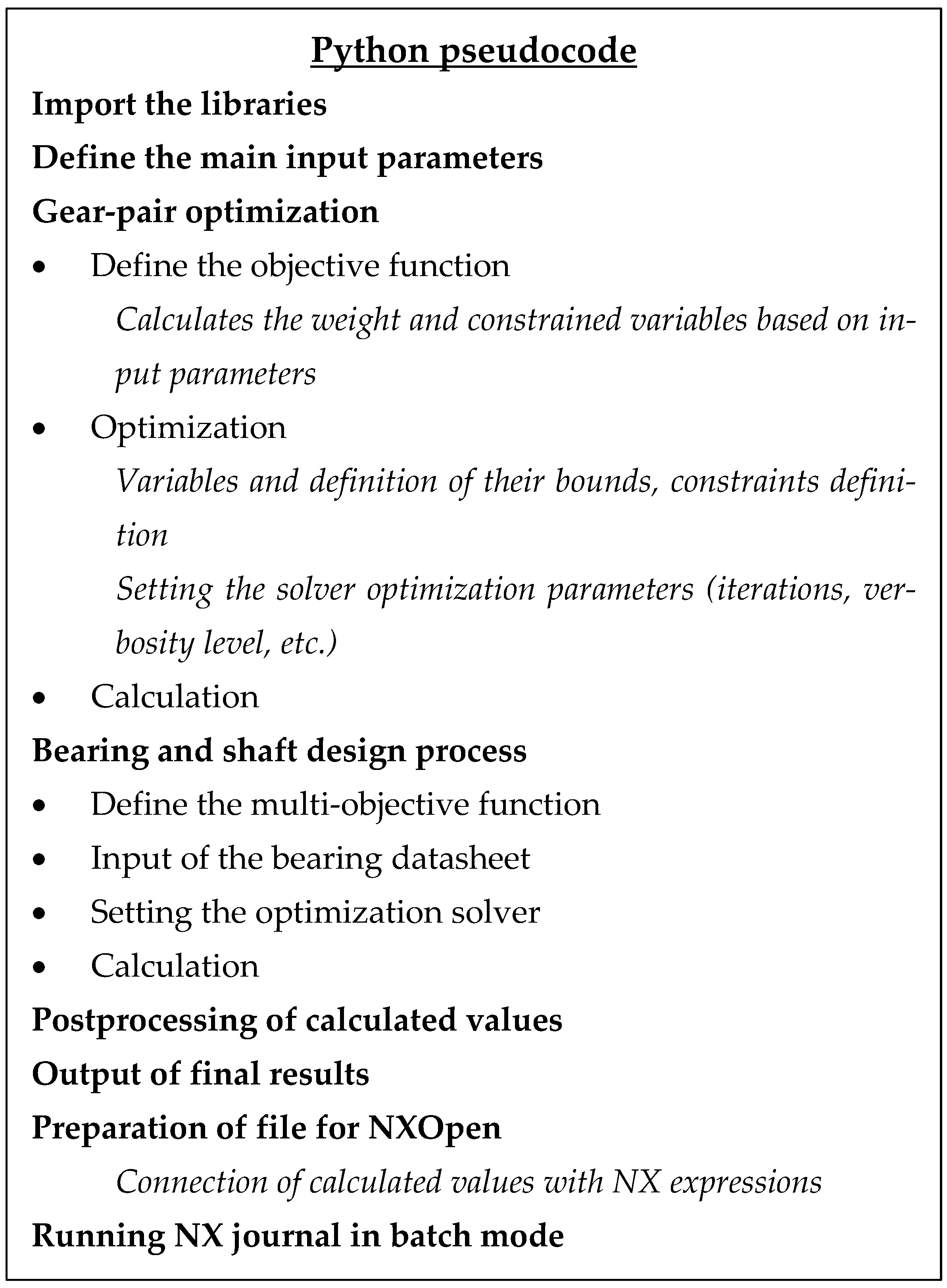
Figure 1. Python pseudocode.
Machines 14 00036 g001
Figure 2. Bach’s calculation model of teeth and the load [18].
Machines 14 00036 g002
Figure 3. Pareto front [33].
Machines 14 00036 g003
Figure 4. Objective function of the gear optimization.
Machines 14 00036 g004
Figure 5. Objective function of the bearing optimization.
Machines 14 00036 g005
Figure 6. Pareto front of the bearing optimization.
Machines 14 00036 g006
Figure 7. Finished gear pair model—isometric view.
Machines 14 00036 g007
Figure 8. Finished gear pair model—top view.
Machines 14 00036 g008
Figure 9. Schematic overview of the entire optimization workflow.
Machines 14 00036 g009
Table 1. Constraints of the first optimization.
NameConstraint
1Module>0.3
2Gear width>10 mm
3Number of teeth—Gear1>17
4Number of teeth—Gear2>17
5Tooth root stress (actual)
(according to the Bach formula)
<10 MPa
6Gear width 1.5   m   z cos β
7Gear width>10 m
8Gear width<30 m
Table 2. Constraints of the second optimization.
NameConstraint
1Shaft diameter = Bearing inner diameter
2Shaft stress<60 MPa
3Bearing durability>1,000,000 revolutions
4Reference speed limit of bearing>actual speed
Disclaimer/Publisher’s Note: The statements, opinions and data contained in all publications are solely those of the individual author(s) and contributor(s) and not of MDPI and/or the editor(s). MDPI and/or the editor(s) disclaim responsibility for any injury to people or property resulting from any ideas, methods, instructions or products referred to in the content.