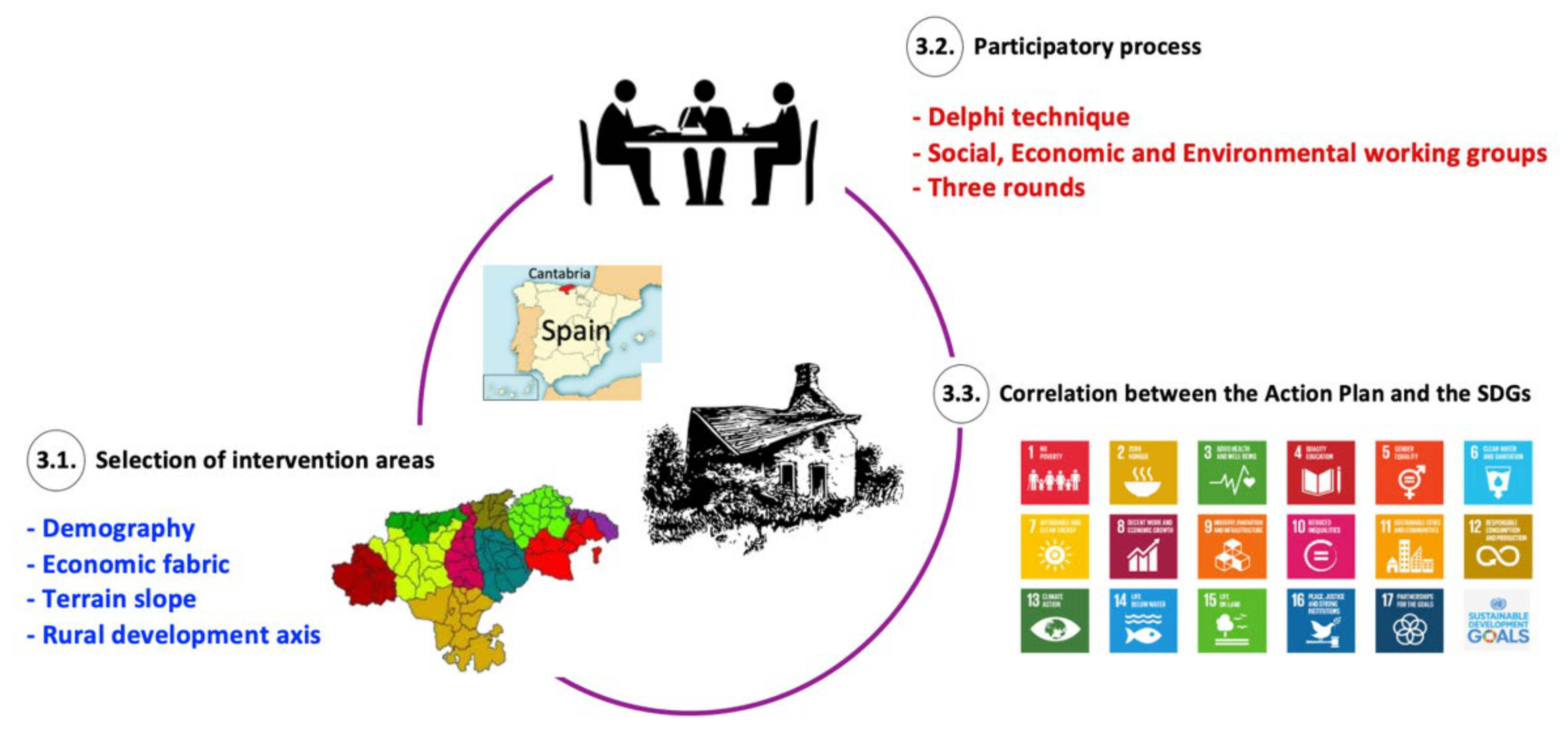
Combining Participatory Processes and Sustainable Development Goals to Revitalize a Rural Area in Cantabria (Spain)


Abstract
1. Introduction
2. Materials and Methods
2.1. Assortment of Areas for Action
2.2. Work in Groups
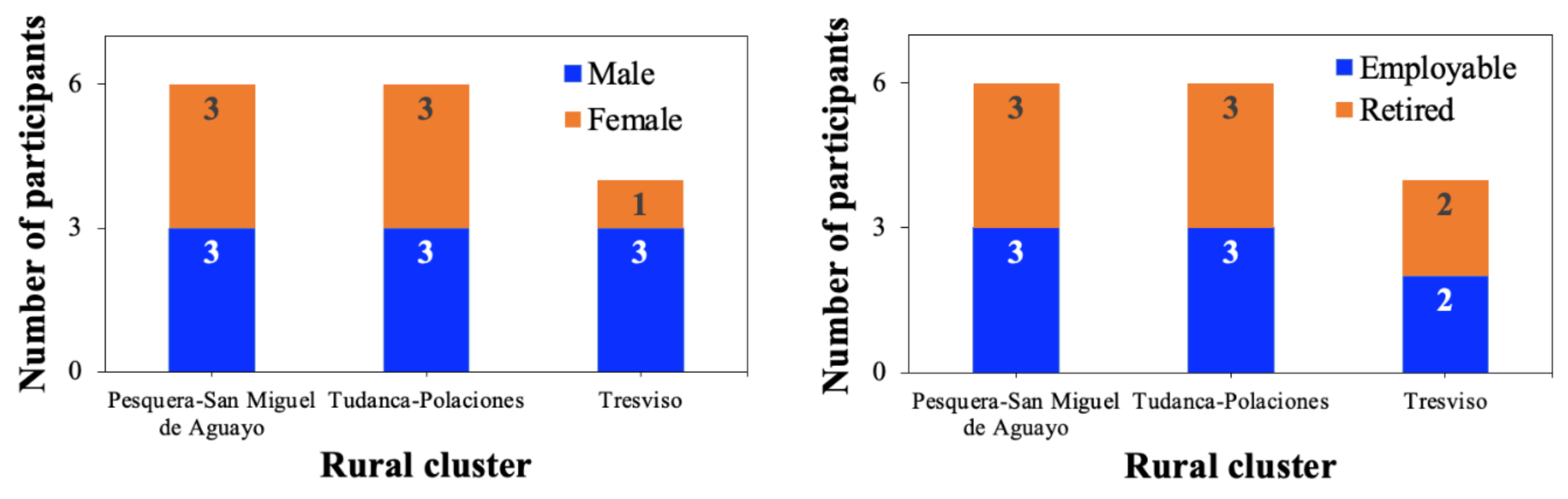
2.2.1. Composition of Working Groups
2.2.2. Participatory Process
2.3. Correspondence between the Action Plan and the SDGs and the RDPC
3. Results
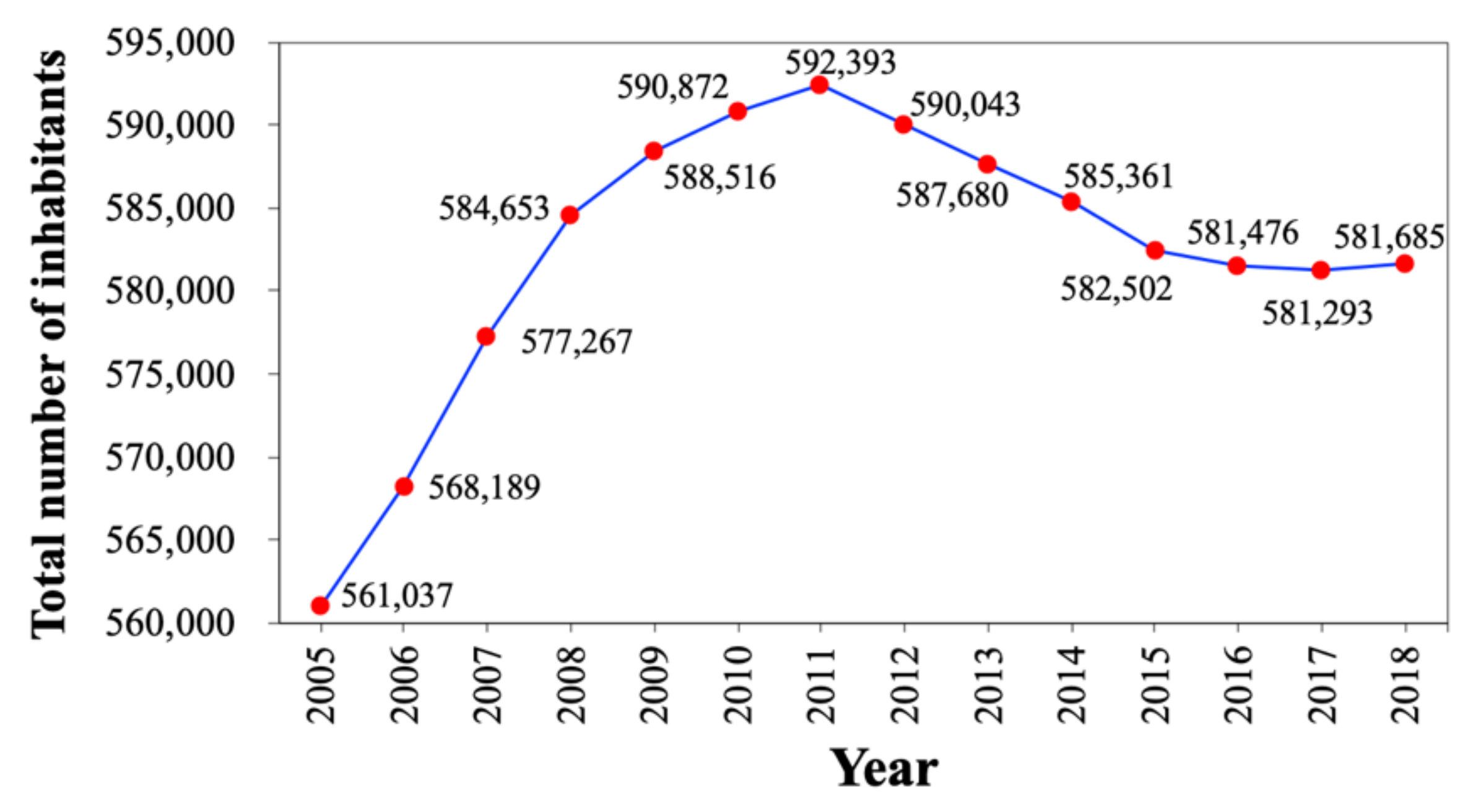
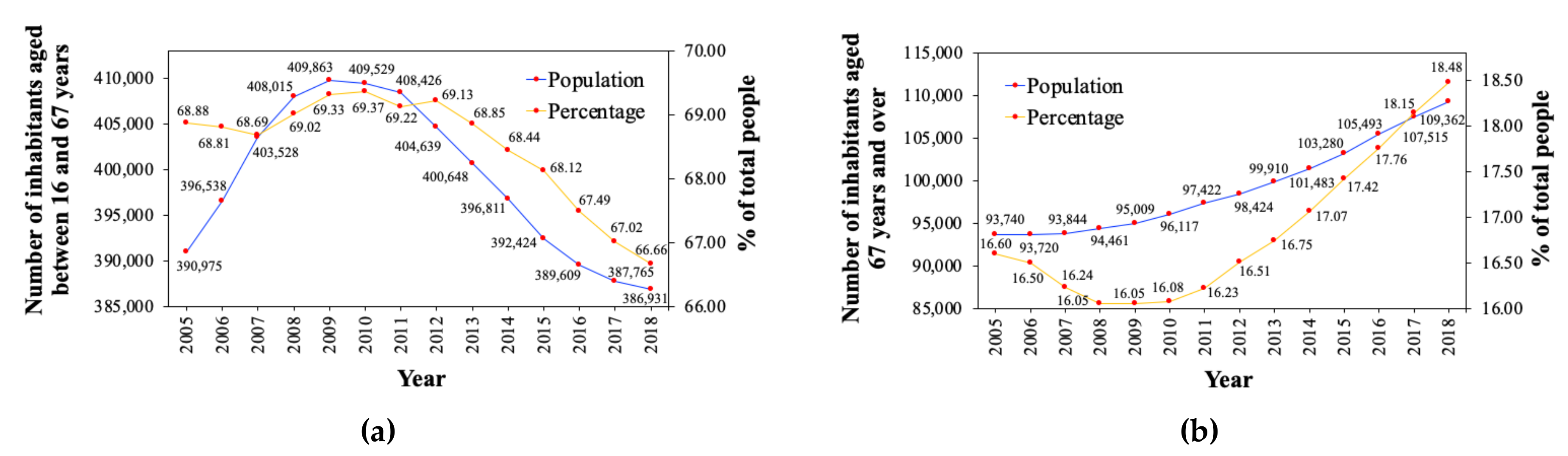
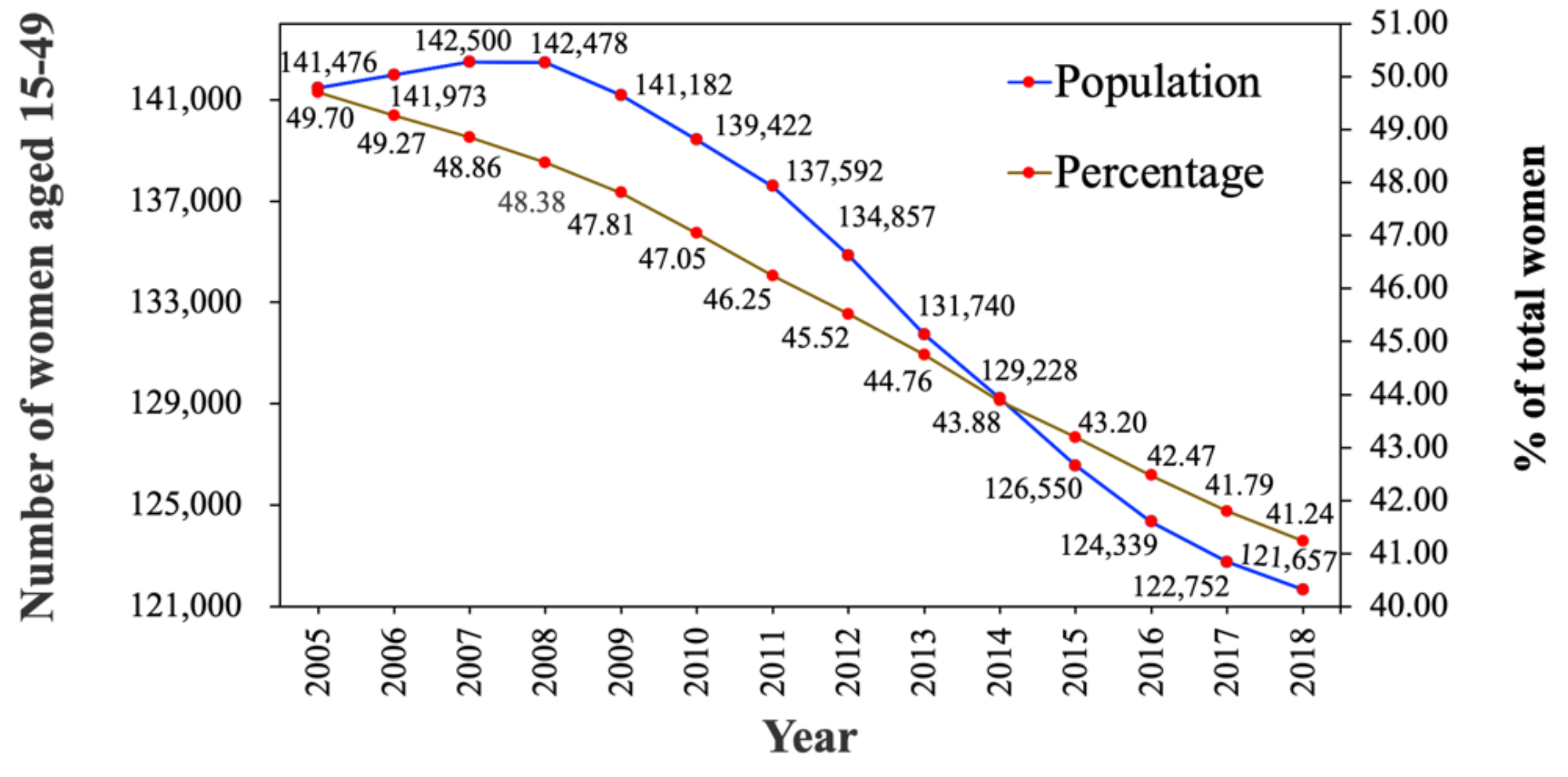
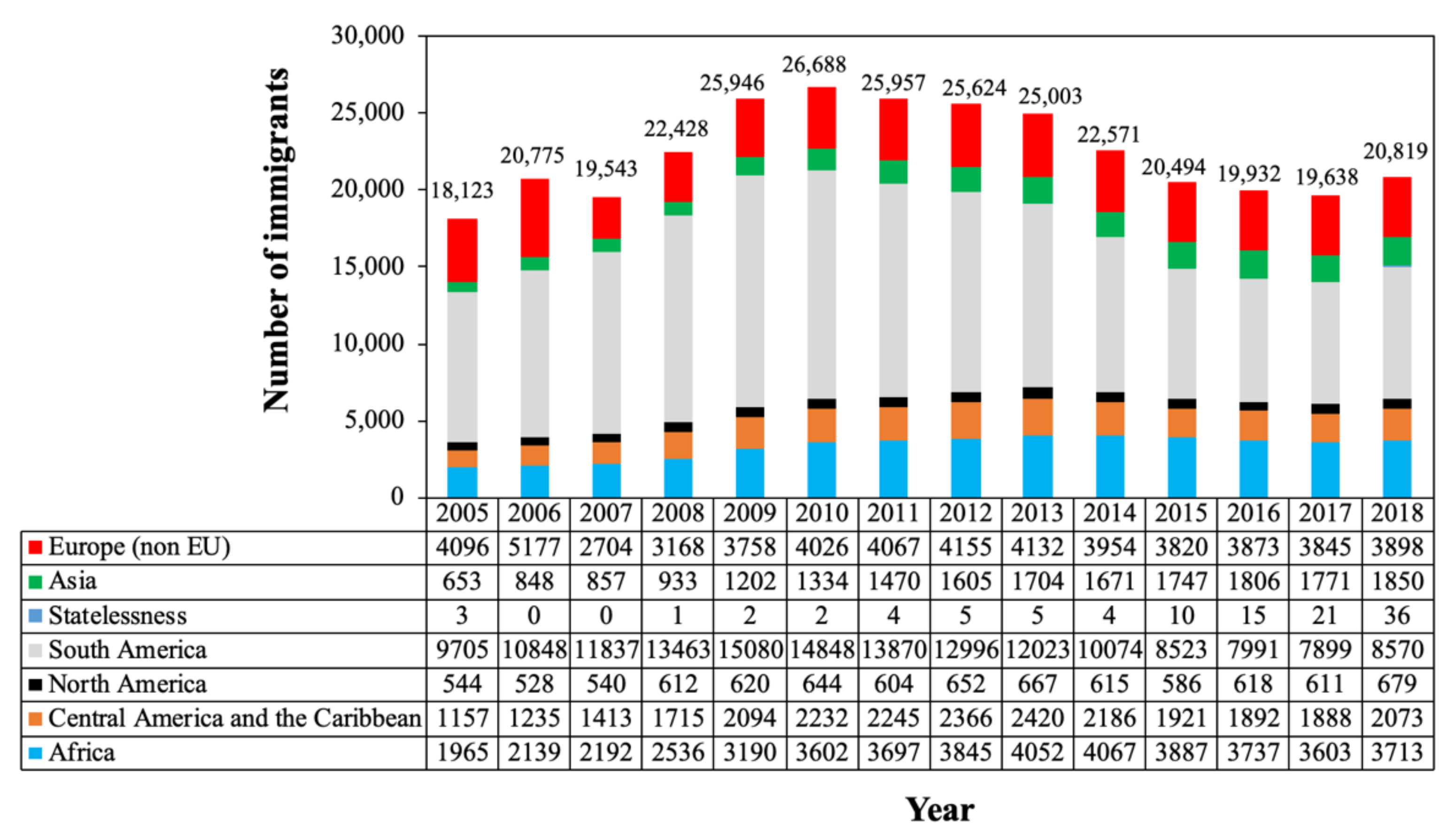
Overview of Cantabria
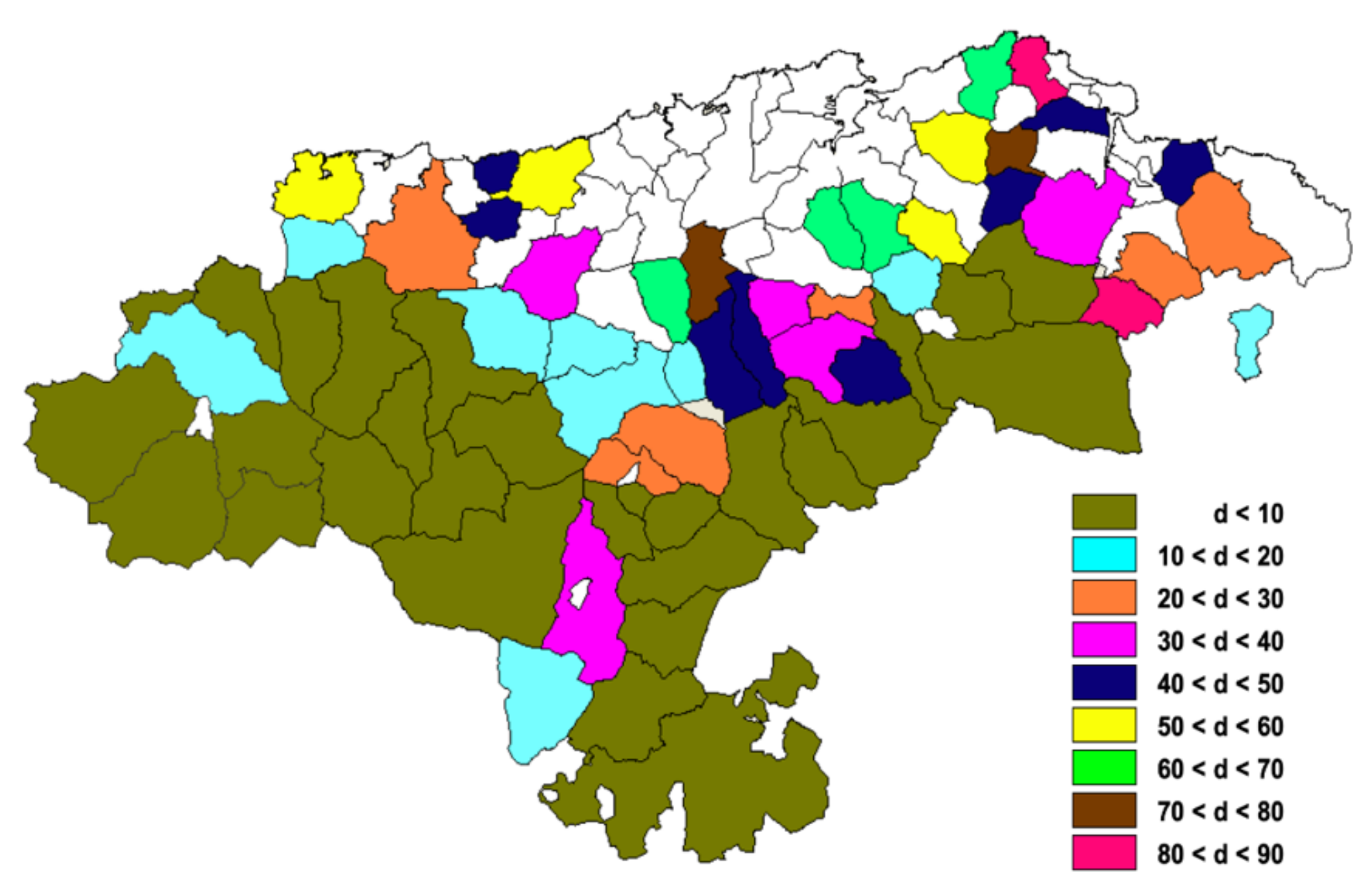
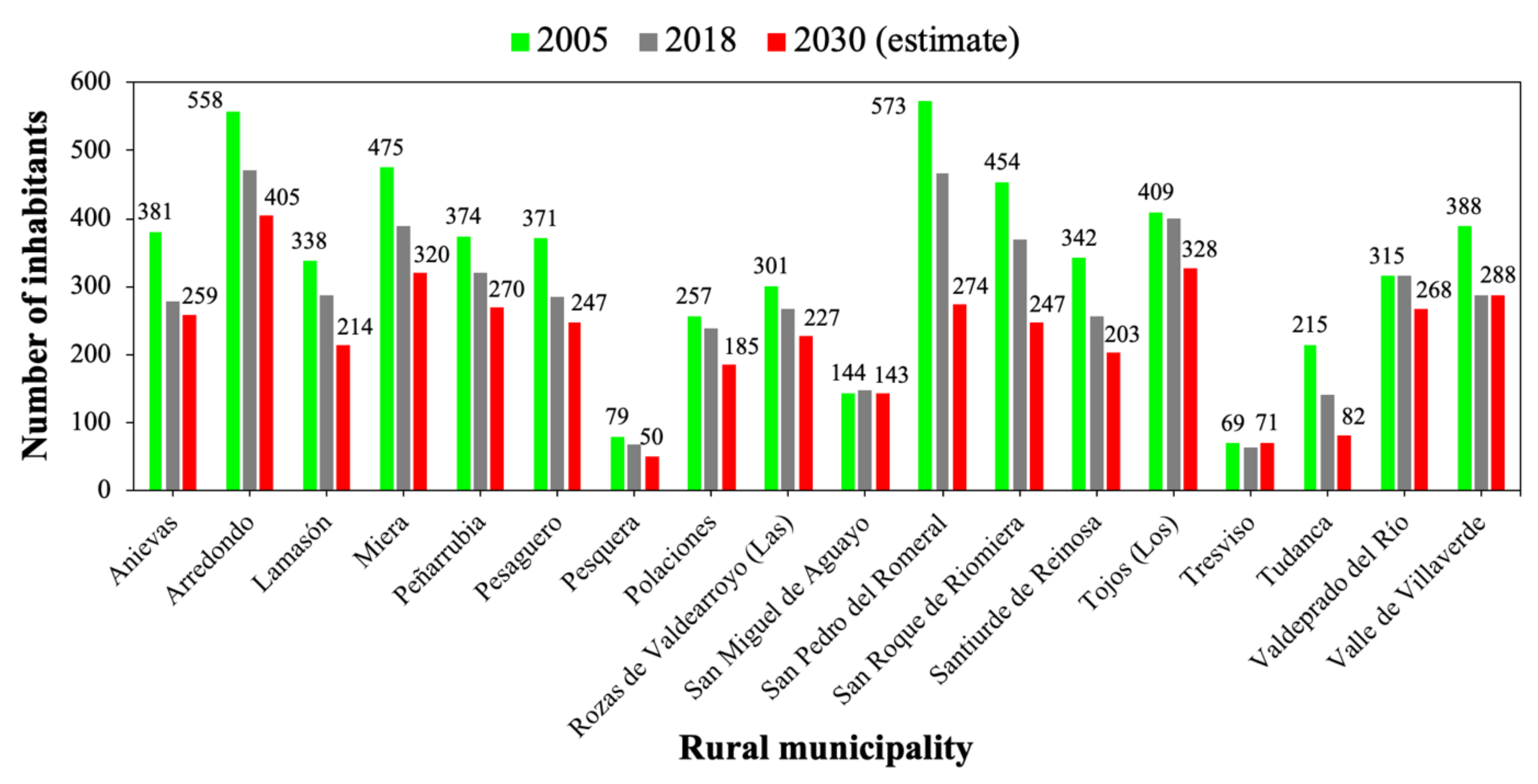
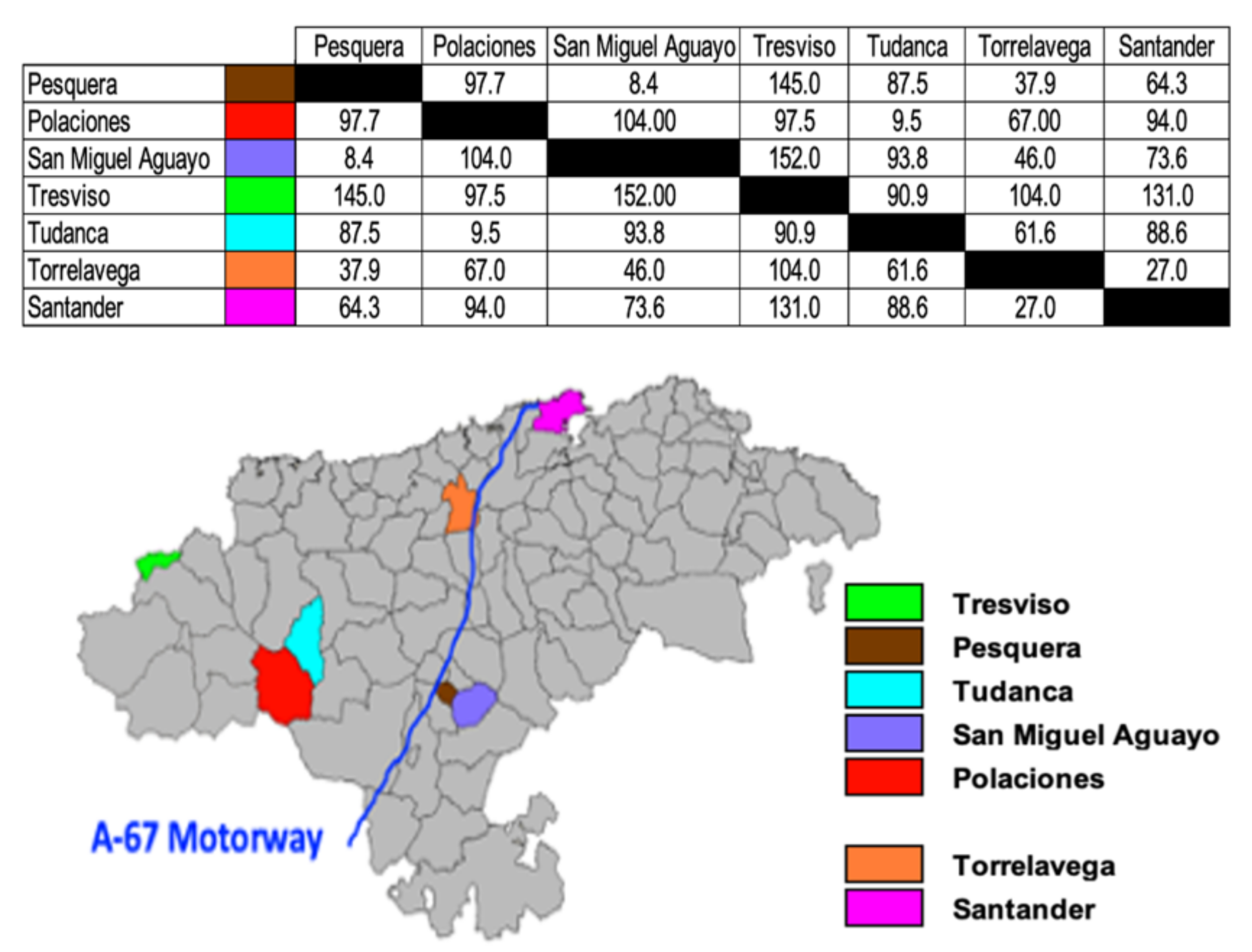
3.1. Selection of Areas to Be Intervened
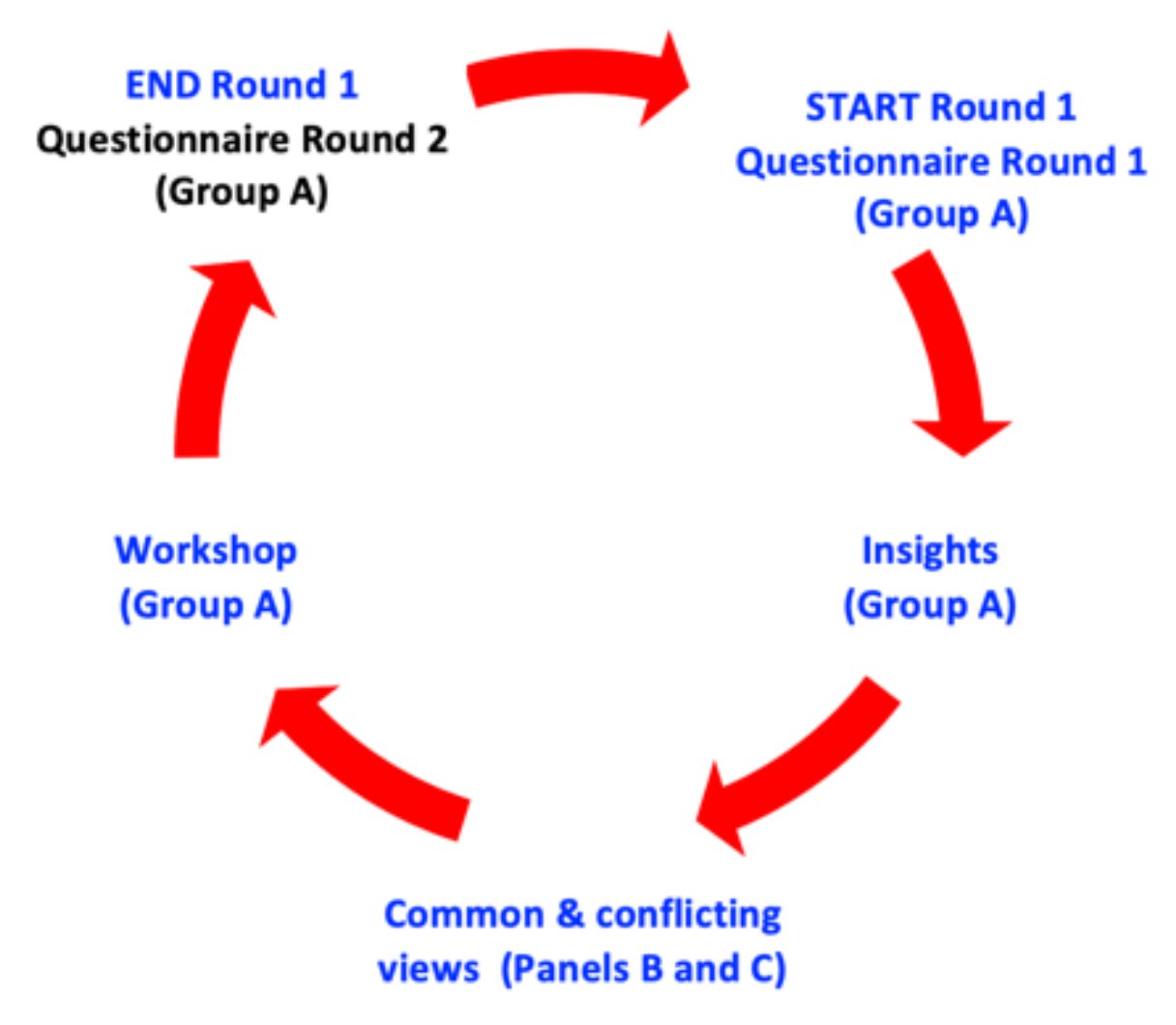
3.2. Performance of Working Teams
3.2.1. First Round
3.2.2. Second Round
3.2.3. Third Round
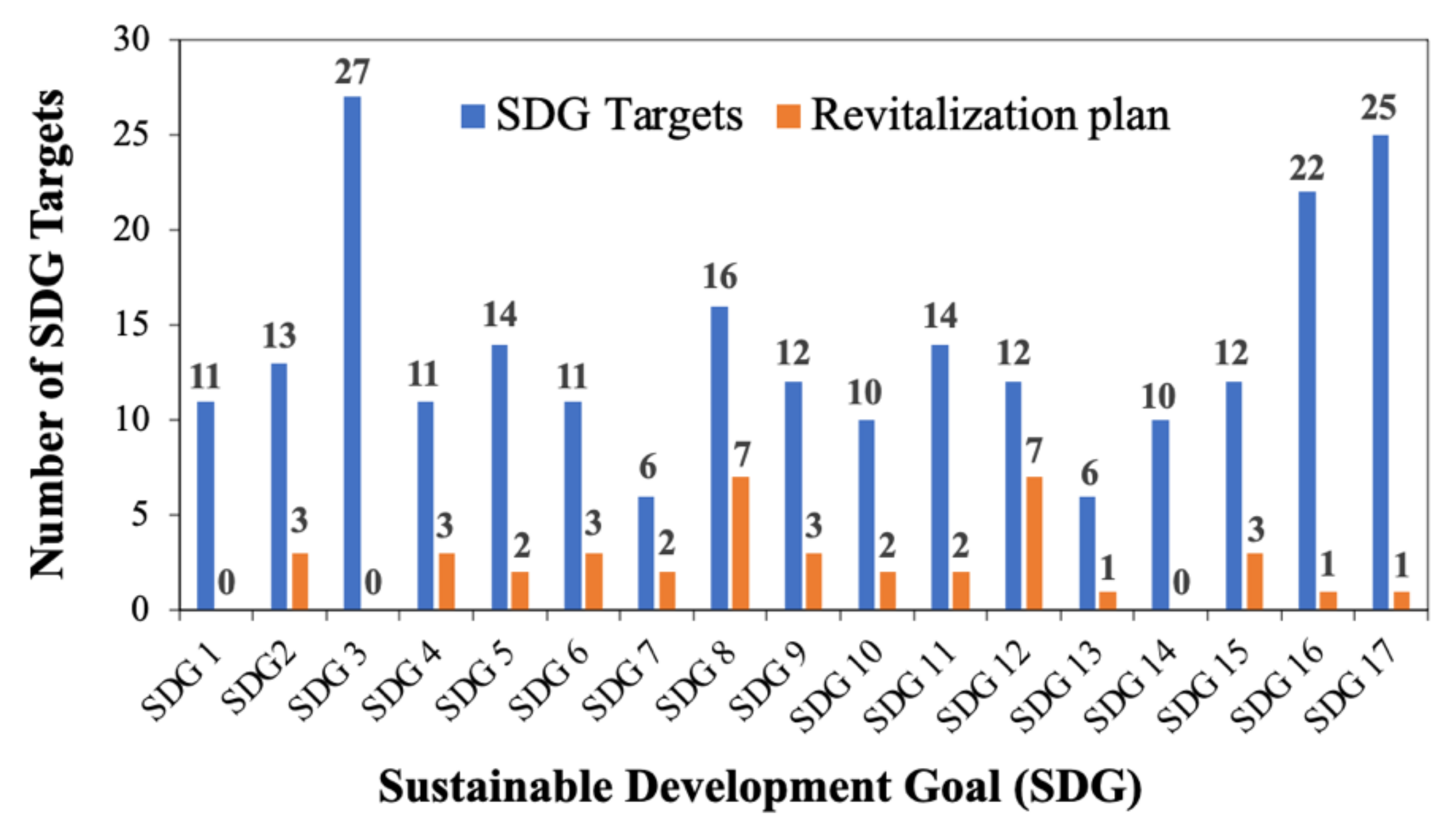
3.3. Interlinkage between the Proposed Initiative and the SDGs and the RDP
4. Conclusions
- Social dimension was revealed as instrumental in the design of the action plan. Most panelists expressed concern regarding inclusiveness, newcomer retention, gender equality, and work–family balance as cornerstones for the success of the rural strategy.
- Economic activities proposed represent a break with traditional farming practices. The pronounced regional orientation toward bovine livestock gave way to organic agriculture, poultry production supported by the construction of a poultry slaughter plant, and food processing.
- The lack of knowledge about the SDGs and the close interlinkage between those goals altered the methodology initially planned so that each working group should have been mainly focused on the assigned SDGs related to one of the sustainability facets. Instead, the four sustainability dimensions were analyzed by all teams.
- Although smallholding is widely practiced in Cantabria, most participants suggested cooperatives as the preferred governance system to inter alia increase land productivity, resolve disputes, promote resource efficiency, improve equal opportunities, and build a sense of belonging and identity. Land consolidation was widely rejected by the panelists.
- Apart from a range of general remarks included in the SWOT analysis, the contribution of the Rural Development Programme for Cantabria to the research was scant. The present study provides valuable insights from multi-sectoral stakeholders that can be put into practice to revitalize the countryside areas of the region.
Funding
Conflicts of Interest
Appendix A

| Priority# | Description |
|---|---|
| 1 | “Fostering knowledge transfer and innovation in agriculture, forestry, and rural areas.” |
| 2 | “Enhancing the viability and competitiveness of all types of agriculture and promoting innovative farm technologies and sustainable forest management.” |
| 3 | “Promoting food chain organization, animal welfare, and risk management in agriculture.” |
| 4 | “By 2030, substantially increase the number of youth and adults who have relevant skills, including technical and vocational skills, for employment, decent jobs, and entrepreneurship.” |
| 5 | “Restoring, preserving and enhancing ecosystems related to agriculture and forestry” |
| 6 | “Promoting social inclusion, poverty reduction, and economic development in rural areas.” |
| Action# | Dimension | Description | Score | SDG# |
|---|---|---|---|---|
| 1 | Economic | Crop selection to increase land productivity | 193 | 2, 12 |
| 2 | Economic | Adaptation of agricultural production to demand | 174 | 8 |
| 3 | Economic | Livestock exclusion | 118 | 8 |
| 4 | Economic | Diversification of farming activities | 162 | 8 |
| 5 | Economic | Alternatives to traditional rural tourism | 95 | 8, 12 |
| 6 | Economic | Online commerce | 183 | 9 |
| 7 | Economic | Registration of protected denominations of origin | 5 | 12, |
| 8 | Economic | External funding rather than public subsidization | 138 | 2, 9, 17 |
| 9 | Environmental | Crop rotation | 201 | 2, 15 |
| 10 | Environmental | Use of genetically modified crops | 0 | 2, 8 |
| 11 | Environmental | Use of biomass from forests | 167 | 7, 15 |
| 12 | Environmental | Preservation and restoration of forests to supply biomass fuel | 75 | 7 |
| 13 | Environmental | Implementation of sustainability metrics and reports | 11 | 12 |
| 14 | Environmental | Carbon neutral objective | 103 | 13 |
| 15 | Environmental | Zero waste policy | 81 | 12 |
| 16 | Institutional | Creation of a commonwealth of services | 17 | 17 |
| 17 | Institutional | Land consolidation process | 64 | 17 |
| 18 | Institutional | Incorporation of local and regional authorities only when the action plan is fully defined by panelists | 158 | 17 |
| 19 | Social | Collaboration with regional Agronomy Research and Education Centers | 201 | 8, 12 |
| 20 | Social | Incorporation of rural inhabitants into professional training, as well as education of young people to preserve local customs and traditions | 165 | 4, 11 |
| 21 | Social | Cooperativism as instrument of business management | 128 | 8 |
| 22 | Social | Initiatives to promote rural culture | 47 | 12 |
| 23 | Social | Regular events to divulge cultures of newcomers | 91 | 4 |
| 24 | Social | Reconciliation of family life and work | 141 | 5 |
| 25 | Social | High-quality internet access | 27 | 4, 17 |
| Question# | Description |
|---|---|
| 1 | Do you believe that residents in your village would accept people from other cultures to live there? |
| 2 | Percentage of foreigner population that could enable a peaceful cohabitation in your village |
| 3 | Number of people that could be housed in your village according the availability of housing or land to build |
| 4 | Do you agree on including people from vulnerable groups (abused women, refugees, etc.) in your village? |
| 5 | Would you participate in a Land Consolidation process to foster economic activities in your village? |
| 6 | Are you willing to be a cooperative member? |
| Item# | Description |
|---|---|
| 1 | Loyalty rewards for staying at villages (housing, land) |
| 2 | Incorporation of women-mothers into labor market |
| 3 | Scholarships for students |
| 4 | Childcare facilities |
| 5 | Timeframe to help newcomers settle in villages |
| Description |
|---|
| Crop selection |
| Adaptation of agricultural production to demand |
| Poultry production |
| Use of farming production in food processing industry |
| Agro-tourism initiatives |
| Online commerce |
| External funding |
| Crop rotation |
| Use of biomass as a source of energy |
| Preservation and restoration of forests to supply biomass fuel |
| Carbon neutral objective |
| Zero waste policy |
| Long-term land leases to avoid a land consolidation process |
| Incorporation of local and regional authorities only when the action plan is fully defined by panelists |
| Collaboration with regional Agronomy Research and Education Centers |
| Incorporation of rural inhabitants into professional training, as well as education of young people to preserve local customs and traditions |
| Adoption of cooperativism as instrument of business management |
| Initiatives to promote rural culture |
| Regular events to divulge cultures of newcomers |
| Reconciliation of family life and work |
References
- Battino, S.; Lampreu, S. The role of the sharing economy for a sustainable and innovative development of rural areas: A case study in Sardinia (Italy). Sustainability 2019, 11, 3004. [Google Scholar] [CrossRef]
- Margaras, V. Demographic Trends in EU Regions, 12 January 2019. Available online: https://ec.europa.eu/futurium/en/system/files/ged/eprs-briefing-633160-demographic-trends-eu-regions-final.pdf (accessed on 13 March 2020).
- Eurostat. Urban and Rural Living in EU. 2020. Available online: https://ec.europa.eu/eurostat/web/products-eurostat-news/-/EDN-20200207-1 (accessed on 20 March 2020).
- Margaras, V. Book Review: Philip McCann, The Regional and Urban Policy of the European Union: Cohesion, Results-Orientation and Smart Specialisation. Political Stud. Rev. 2016, 14, 619–620. [Google Scholar] [CrossRef]
- García Coll, A.; Sánchez Aguilera, D. La Población Rural En Catalunya: Entre El Declive y La Revitalización. Cuad. Geogr. 2005, 36, 387–407. [Google Scholar]
- Ji, X. Taking the pulse of urban economy: From the perspective of systems ecology. Ecol. Model. 2015, 318, 36–48. [Google Scholar] [CrossRef]
- Pinilla Navarro, V.; Sáez Pérez, L.A. Rural Depopulation in Spain: Genesis of a Problem and Innovative Policies; CEDDAR: Zaragoza, Spain, 2017. [Google Scholar]
- FEMP. Población y despoblación en España 2016. 2017. Available online: http://femp.femp.es/files/566-2117-archivo/20170125informe_despoblacion.pdf (accessed on 7 April 2020).
- Castro-Arce, K.; Vanclay, F. Transformative Social Innovation for Sustainable Rural Development: An Analytical Framework to Assist Community-Based Initiatives. J. Rural Stud. 2020, 74, 45–54. [Google Scholar] [CrossRef]
- Trewin, D. Regional Policy and Research in Australia—The Statistical Dimension; Australian Bureau of Statistics: Canberra, Australia, 2005. [Google Scholar]
- Liu, Y. Introduction to Land Use and Rural Sustainability in China. Land Use Policy 2018, 74, 1–4. [Google Scholar] [CrossRef]
- Zasada, I.; Reutter, M.; Piorr, A.; Lefebvre, M.; Paloma, S.G.Y. Between capital investments and capacity building-development and application of a conceptual framework towards a place-based rural development policy. Land Use Policy 2015, 46, 178–188. [Google Scholar] [CrossRef]
- Eurostat. Rural Development. Data. Methodology. 2020. Available online: https://ec.europa.eu/eurostat/web/rural-development/methodology (accessed on 20 March 2020).
- BOE. Ley 45/2007, de 13 de Diciembre, Para el Desarrollo Sostenible del Medio Rural. 2007. Available online: https://www.boe.es/buscar/pdf/2007/BOE-A-2007-21493-consolidado.pdf (accessed on 23 May 2020).
- Liu, Y.; Li, Y. Revitalize the world’s countryside. Nature 2017, 548, 275–277. [Google Scholar] [CrossRef] [PubMed]
- Markey, S.; Halseth, G.; Manson, D. Challenging the inevitability of rural decline: Advancing the policy of place in northern British Columbia. J. Rural Stud. 2008, 24, 409–421. [Google Scholar] [CrossRef]
- EU. Sparsely Populated Areas, 1–12 September 2016. Available online: https://www.europarl.europa.eu/RegData/etudes/BRIE/2016/586632/EPRS_BRI(2016)586632_EN.pdf (accessed on 25 March 2020).
- Long, H.; Zhang, Y.; Tu, S. Rural vitalization in China: A perspective of land consolidation. J. Geogr. Sci. 2019, 29, 517–530. [Google Scholar] [CrossRef]
- Wang, P.; Qi, M.; Liang, Y.; Ling, X.; Song, Y. Examining the relationship between environmentally friendly land use and rural revitalization using a coupling analysis: A case study of Hainan province, China. Sustainability 2019, 11, 6266. [Google Scholar] [CrossRef]
- Liu, Y. Research on the urban-rural integration and rural revitalization in the new era in China. Acta Geogr. Sin. 2018, 73, 637–650. (In Chinese) [Google Scholar]
- Liu, Y. Research on the geography of rural revitalization in the new era. Geogr. Res. 2019, 38, 461–466. [Google Scholar]
- Zhou, Y.; Guo, Y.; Liu, Y.; Wu, W.; Li, Y. Targeted poverty alleviation and land policy innovation: Some practice and policy implications from China. Land Use Policy 2018, 74, 53–65. [Google Scholar] [CrossRef]
- Zhou, Y.; Li, Y.; Xu, C. Land Consolidation and Rural Revitalization in China: Mechanisms and Paths. Land Use Policy 2020, 91, 104379. [Google Scholar] [CrossRef]
- EU. Rural Development. 2020. Available online: https://ec.europa.eu/info/food-farming-fisheries/key-policies/common-agricultural-policy/rural-development_en#ruraldevelopmentprogrammes (accessed on 20 March 2020).
- Ono, A. Sanson Kankyo Shakaigaku Jyosetsu [Introduction to Environmental Sociology of Mountain Villages]; Nouson gyoson bunka kyokai: Tokyo, Japan, 2005. [Google Scholar]
- Odagiri, T. Regenerating Agricultural Communities in Mountainous Regions; Iwanami Shoten: Tokyo, Japan, 2009. [Google Scholar]
- Elshof, H.; Bailey, A. The role of responses to experiences of rural population decline in the social capital of families. J. Rural Community Dev. 2015, 10, 72–93. [Google Scholar]
- Long, H.; Tu, S.; Ge, D.; Li, T.; Liu, Y. The Allocation and Management of Critical Resources in Rural China under Restructuring: Problems and Prospects. The Allocation and Management of Critical Resources in Rural China under Restructuring: Problems and Prospects. J. Rural Stud. 2016, 47, 392–412. [Google Scholar] [CrossRef]
- Walker, B.; Salt, D. Resilience Thinking: Sustaining Ecosystems and People in a Changing World; Island Press: Washington, DC, USA, 2006. [Google Scholar]
- Zhou, Y.; Guo, L.; Liu, Y. Land consolidation boosting poverty alleviation in China: Theory and practice. Land Use Policy 2019, 82, 339–348. [Google Scholar] [CrossRef]
- Ellis, F. Rural Livelihoods and Diversity in Developing Countries; Oxford University Press: Oxford, UK, 2000. [Google Scholar]
- Todaro, M.P.; Smith, S.C. Economic Development, 11th ed.; Pearson Education: Essex, UK, 2011. [Google Scholar]
- Li, Y.; Westlund, H.; Liu, Y. Why some rural areas decline while some others not: An overview of rural evolution in the world. J. Rural Stud. 2019, 68, 135–143. [Google Scholar] [CrossRef]
- Atun, R.A.; Nafa, H.; Türker, Ö.O. Envisaging sustainable rural development through ‘context-dependent tourism’: Case of Northern Cyprus. Environ. Dev. Sustain. 2019, 21, 1715–1744. [Google Scholar] [CrossRef]
- Imperiale, A.J.; Vanclay, F. Experiencing local community resilience in action: Learning from post-disaster communities. J. Rural Stud. 2016, 47, 204–219. [Google Scholar] [CrossRef]
- Cocklin, C.; Dibden, J. Introduction. Sustainability and Change in Rural Australia; Cocklin, C., Dibden, J., Eds.; UNSW Press: Sydney, Australia, 2005; pp. 1–18. [Google Scholar]
- Thu, N.T.A. One village one product (ovop) in Japan to one tambon one product (otop) in Thailand: Lessons for grass root development in developing countries. J. Soc. Dev. Sci. 2013, 4, 529. [Google Scholar]
- Zheng, X.Q.; Chen, M. Theoretical framework and model design for beautiful countryside construction in china. J. Agric. Resour. Environ. 2015, 32, 106–115. [Google Scholar]
- Li, Y.; Westlund, H.; Zheng, X.; Liu, Y. Bottom-up initiatives and revival in the face of rural decline: Case studies from China and Sweden. J. Rural Stud. 2016, 47, 506–513. [Google Scholar] [CrossRef]
- Fernandez, R.S.; Gajardo, F.G.; Saez, P.R. Rural depopulation in the Pampean region of Argentina: Intervention model. Cuad. Desarro. Rural 2013, 10, 201–218. [Google Scholar]
- Fonseca, M.L. New waves of immigration to small towns and rural areas in Portugal. Popul. Space Place 2008, 14, 525–535. [Google Scholar] [CrossRef]
- Nelson, L.; Nelson, P.B. The global rural: Gentrification and linked migration in the rural USA. Prog. Hum. Geogr. 2011, 35, 441–459. [Google Scholar] [CrossRef]
- Escolano, L.M.S. Los Problemas de La Planificación y El Desarrollo Territorial En La Comarca de Tabernas (Almería). Ager 2015, 2015, 147–180. [Google Scholar]
- García, M.D.; Swagemakers, P.B.; Bock, B.; Fernández, X.S. Making a Living: Grassroots Development Initiatives, Natural Resource Management and Institutional Support in Galicia, Spain. Eur. Ctries. 2012, 4, 17–30. [Google Scholar] [CrossRef][Green Version]
- UN. Transforming Our World: The 2030 Agenda for Sustainable Development. 2015. Available online: https://sustainabledevelopment.un.org/post2015/transformingourworld (accessed on 23 February 2020).
- EU. Rural Development Programme for Cantabria. 2019. Available online: https://www.cantabria.es/documents/16811/1989172/PDR+Cantabria+versión+5_2+Diciembre+2019.pdf/e92aadcb-c72c-84c7-a400-657fa62288b7 (accessed on 16 May 2020).
- Spijker, S.N.; Parra, C. Knitting green spaces with the threads of social innovation in Groningen and London. J. Environ. Plan. Manag. 2018, 61, 1011–1032. [Google Scholar] [CrossRef]
- Pradel Miquel, M.; García Cabeza, M.; Eizaguirre Anglada, S. Theorizing multi-level governance in social innovation dynamics. In The International Handbook of Social Innovation Collective Action, Social Learning and Transdisciplinary Research; Moulaert, F., Mac Callum, D., Mehmood, A., Hamdouch, A., Eds.; Edward Elgar: Cheltenham, UK; Northampton, UK, 2013; pp. 155–168. [Google Scholar]
- Molden, O.; Abrams, J.; Davis, E.J.; Moseley, C. Beyond localism: The micropolitics of local legitimacy in a community-based organization. J. Rural Stud. 2017, 50, 60–69. [Google Scholar] [CrossRef]
- González, M. Idas y Vueltas En El Desarrollo Rural: De La Diversificación de Las Economías Locales a Lo Rural Como Categoría Económica Global. Rev. Española Estud. Agrosoc. Pesq. 2006, 121–142. [Google Scholar]
- ICANE. Municipal Register of Inhabitants. 2020. Available online: https://www.icane.es/data/municipal-register-annual-review-municipality#timeseries (accessed on 10 October 2019).
- García Nájera, J.M. Pendiente Máxima Admisible en las Tierras de Cultivo y Cálculo de las Terrazas Intermitentes con Desagüe para la Conservación del Suelo; Instituto Forestal de Investigaciones y Experiencias: Madrid, Spain, 1954. [Google Scholar]
- Goodman, L.A. Snowball Sampling. Ann. Math. Stat. 1961, 32, 148–170. [Google Scholar] [CrossRef]
- Dalkey, N.; Helmer, O. An Experimental Application of the Delphi Method to the Use of Experts. Manag. Sci. 1963, 9, 458–467. [Google Scholar] [CrossRef]
- INE. Gross Domestic Product and Gross Domestic Product per Capita. 2019. Available online: https://www.ine.es/dyngs/INEbase/es/operacion.htm?c=Estadistica_C&cid=1254736167628&menu=resultados&idp=1254735576581#!tabs-1254736158133 (accessed on 23 October 2019).
- WHO. Reproductive Health Indicators: Guidelines for Their Generation, Interpretation and Analysis for Global Monitoring. World Health Organization: Geneva PP-Geneva. 2006. Available online: https://apps.who.int/iris/handle/10665/43185 (accessed on 3 June 2020).
- IGN. Instituto Geográfico Nacional de España. Available online: https://www.ign.es/web/ign/portal (accessed on 19 May 2020).
- González Díaz, J.A.; Celaya, R.; Fernández García, F.; Osoro, K.; Rosa García, R. Dynamics of rural landscapes in marginal areas of northern Spain: Past, present, and future. Land Degrad. Dev. 2019, 30, 141–150. [Google Scholar] [CrossRef]
- Li, Y.H.; Wu, W.H.; Liu, Y.S. Land consolidation for rural sustainability in China: Practical reflections and policy implications. Land Use Policy 2018, 74, 137–141. [Google Scholar] [CrossRef]
- García, M.; Eizaguirre, S.; Pradel, M. Social innovation and creativity in cities: A socially inclusive governance approach in two peripheral spaces of Barcelona. City Cult. Soc. 2015, 6, 93–100. [Google Scholar] [CrossRef]
- Niehof, A. The significance of diversification for rural livelihood systems. Food Policy 2004, 29, 321–338. [Google Scholar] [CrossRef]
- Ashley, C.; Maxwell, S. Rethinking rural development. Dev. Policy Rev. 2001, 19, 395–425. [Google Scholar] [CrossRef]
- Conti, G.; Perelli, C. Traditional mass tourism destinations: The decline of Fordist tourism facing the rise of vocational diversification. Governance and Sustainability in New Tourism Trends. Planum Eur. J. Plan. 2006, 12. Available online: https://www.researchgate.net/publication/237713018_Traditional_Mass_Tourism_Destinations_the_decline_of_Fordist_tourism_facing_the_rise_of_vocational_diversification_Governance_and_sustainability_in_new_tourism_trends (accessed on 3 July 2020).
- Pan, L.; Shan, T.; Tang, Z. Urban layout research bases the integration theory of production, life and ecology: Wenzhou example. Planners 2014, 3, 265–270. [Google Scholar]
- Park, D.; Yoon, Y. Segmentation by motivation in rural tourism: A Korean case study. Tour. Manag. 2009, 30, 99–108. [Google Scholar] [CrossRef]
- Murphy, B.L. Locating social capital in resilient community-level emergency management. Nat. Hazards 2007, 41, 297–315. [Google Scholar] [CrossRef]
- Marsden, T.; Sonnino, R. Rural development and the regional state: Denying multifunctional agriculture in the UK. J. Rural Stud. 2008, 24, 422–431. [Google Scholar] [CrossRef]
- Moulaert, F.; MacCallum, D.; Mehmood, A.; Hamdouch, A. General introduction: The return of social innovation as a scientific concept and a social practice. In The International Handbook on Social Innovation: Collective Action, Social Learning and Transdisciplinary Research; Moulaert, F., MacCallum, D., Mehmood, A., Hamdouch, A., Eds.; Edward Elgar: Cheltenham, UK; Northampton, UK, 2013; pp. 1–6. [Google Scholar]
- Mangabeira Unger, R. Conclusion: The task of the social innovation movement. In New Frontiers in Social Innovation Research; Nicholls, A., Simon, J., Gabriel, M., Eds.; Palgrave Macmillan: London, UK, 2015; pp. 233–251. [Google Scholar]
- Bock, B.B. Rural marginalization and the role of social innovation; A turn towards nexogenous development and rural reconnection. Sociol. Rural 2016, 56, 552–573. [Google Scholar] [CrossRef]
- Barnes, M.L.; Bodin, Ö.; Guerrero, A.M.; Mc Allister, R.R.J.; Alexander, S.M.; Robins, G. The social structural foundations of adaptation and transformation in social- ecological systems. Ecol. Soc. 2017, 22, 16. [Google Scholar] [CrossRef]
- Castro-Arce, K.; Parra, C.; Vanclay, F. Social innovation, sustainability and the governance of protected areas: Revealing theory as it plays out in practice in Costa Rica. J. Environ. Plan. Manag. 2019, 62, 2255–2272. [Google Scholar] [CrossRef]
- Gibson-Graham, J.K. Enabling ethical economies: Cooperativism and class. Crit. Sociol. 2003, 29, 123–161. [Google Scholar] [CrossRef]
- Anwar McHenry, J. A place for the arts in rural revitalization and the social wellbeing of Australian rural communities. Rural Soc. 2009, 19, 60–70. [Google Scholar] [CrossRef]
- De Satge, R. Rural Development in South Africa; Phuhlisani Publishers: Johannesburg, South Africa, 2010. [Google Scholar]
- Huang, L. Rural tourism revitalization of the leisure farm industry by implementing an e-commerce strategy. J. Vacat. Mark. 2006, 12, 232–245. [Google Scholar] [CrossRef]
- Bisht, I.S.; Pandravada, S.R.; Rana, J.C.; Malik, S.K.; Singh, A.; Singh, P.B.; Firoz, A.; Bansal, K.C. Subsistence Farming, Agrobiodiversity, and Sustainable Agriculture: A Case Study. Agroecol. Sustain. Food 2014, 38, 890–912. [Google Scholar] [CrossRef]
- Mueller, B.E.T. The Persistence of Subsistence Agriculture: Life Beneath the Level of the Marketplace—By Tony Waters. J. Agrar. Chang. 2008, 8, 643–646. [Google Scholar] [CrossRef]
- Escribano, M.; Gaspar, P.; Mesias, F.J. Creating market opportunities in rural areas through the development of a brand that conveys sustainable and environmental values. J. Rural Stud. 2020, 75, 206–215. [Google Scholar] [CrossRef]
- Clark, M.; Tilman, D. Comparative analysis of environmental impacts of agricultural production systems, agricultural input efficiency, and food choice. Environ. Res. Lett. 2017, 12, 6. [Google Scholar] [CrossRef]
- Wier, M.; Calverley, C. Market potential for organic foods in Europe. Brit. Food J. 2002, 104, 45–62. [Google Scholar] [CrossRef]
- EIP-AGRI. EIP-AGRI Focus Group on Agroforestry. Agroforestry: Introducing Woody Vegetation into Specialized Crop and Livestock Systems. Final Report. 2017. Available online: https://ec.europa.eu/eip/agriculture/sites/agri-eip/files/eip-agri_fg_agroforestry_final_report_2017_en.pdf (accessed on 16 January 2020).
- Mesías, F.J.; Gaspar, P.; Escribano, M.; Pulido, F. The role of protected designation of origin in consumer preference for Iberian dry-cured ham in Spain. Ital. J. Food Sci. 2010, 22, 367–376. [Google Scholar]
- Eldesouky, A.; Mesias, F.J.; Elghannam, A.; Escribano, M. Can extensification compensate livestock greenhouse gas emissions? A study of the carbon footprint in Spanish agroforestry systems. J. Clean. Prod. 2018, 200, 28–38. [Google Scholar] [CrossRef]
- Sama, C.; Crespo-Cebada, E.; Díaz-Caro, C.; Escribano, M.; Mesías, F.J. Consumer preferences for foodstuffs produced in a socio-environmentally responsible manner: A threat to fair trade producers? Ecol. Econ. 2018, 150, 290–296. [Google Scholar] [CrossRef]
- Trukhachev, A. Methodology for evaluating the rural tourism potentials: A tool to ensure sustainable development of rural settlements. Sustainability 2015, 7, 3052–3070. [Google Scholar] [CrossRef]
- Nordin, S.; Westlund, H. Social capital and the life cycle model: The transformation of the destination of Åre. Tour. Int. J. 2009, 57, 259–284. [Google Scholar]
- Hegarty, C.; Przezborska, L. Rural and Agri-Tourism as a Tool for Reorganizing Rural Areas in Old and New Member States-A Comparison Study of Ireland and Poland. Int. J. Tour. Res. 2005, 7, 63–77. [Google Scholar] [CrossRef]
- Zwit Project. Smart Management Works to Build Smart Villages. 2020. Available online: https://enrd.ec.europa.eu/sites/enrd/files/tg6_smart-villages_zwit-project.pdf (accessed on 7 June 2020).
- Kakumba, U.; Nsingo, S. Citizen participation in local government and the process of rural development. The rhetoric and reality in Uganda. J. Public Adm. 2008, 43, 107–123. [Google Scholar]
- Wu, J.J. Influence of Market Orientation and Strategy on Travel Industry Performance: An Empirical Study of E- Commerce in Taiwan. J. Tour. Manag. 2004, 25, 357–365. [Google Scholar] [CrossRef]
- Tobler, C.; Visschers, V.H.M.; Siegrist, M. Eating green. Consumers’ willingness to adopt ecological food consumption behaviors. Appetite 2011, 57, 674–682. [Google Scholar] [CrossRef]
- Ellen MacArthur Foundation. Delivering the Circular Economy: A Toolkit for Policymakers. 2015. Available online: https://www.ellenmacarthurfoundation.org/assets/downloads/publications/EllenMacArthurFoundation_PolicymakerToolkit.pdf (accessed on 5 February 2020).
- Li, Y.H.; Li, Y.R.; Westlund, H.; Liu, Y.S. Urban-rural transformation in relation to cultivated land conversion in China: Implications for optimizing land use and balanced regional development. Land Use Policy 2015, 47, 218–224. [Google Scholar] [CrossRef]
- Du, W.; Huang, M. Reflections on the reform of rural land system under the background of rural revitalization strategy. J. Sichuan Norm. Univ. (Soc. Sci. Ed.) 2018, 45, 12–16. [Google Scholar]
- Jiang, G.; Zhang, R.; Ma, W.; Zhou, D.; Wang, X.; He, X. Cultivated land productivity potential improvement in land consolidation schemes in Shenyang, China: Assessment and policy implications. Land Use Policy 2017, 68, 80–88. [Google Scholar] [CrossRef]
- Luo, W.; Timothy, D.J. An assessment of farmers’ satisfaction with land consolidation performance in China. Land Use Policy 2017, 61, 501–510. [Google Scholar] [CrossRef]
- Long, H. Land Consolidation: An Indispensable Way of Spatial Restructuring in Rural China. J. Geogr. Sci. 2014, 24, 211–225. [Google Scholar] [CrossRef]
- Demetriou, D.; Stillwell, J.; See, L. Land consolidation in Cyprus: Why is an integrated planning and decision support system required? Land Use Policy 2012, 29, 131–142. [Google Scholar] [CrossRef]
- Abubakari, Z.; Van der Molen, P.; Bennett, R.M.; Kuusaana, E.D. Land consolidation, customary lands, and Ghana’s Northern Savannah Ecological Zone: An evaluation of the possibilities and pitfalls. Land Use Policy 2016, 54, 386–398. [Google Scholar] [CrossRef]
- Pašakarnis, G.; Maliene, V. Towards sustainable rural development in Central and Eastern Europe: Applying land consolidation. Land Use Policy 2010, 27, 545–549. [Google Scholar] [CrossRef]
- Long, H.; Zhang, Y.; Tu, S. Land consolidation and rural vitalization. Acta Geogr. Sin. 2018, 73, 1837–1849. [Google Scholar]
- Zhang, H. Rural revitalization and system innovation. Rural Econ. 2018, 3, 1–4. [Google Scholar]
- Osawa, T.; Kohyama, K.; Mitsuhashi, H. Trade-off relationship between modern agriculture and biodiversity: Heavy consolidation work has a long-term negative impact on plant species diversity. Land Use Policy 2016, 54, 78–84. [Google Scholar] [CrossRef]
- Zhang, Z.; Zhao, W.; Gu, X. Changes resulting from a land consolidation project (LCP) and its resource–environment effects: A case study in Tianmen City of Hubei Province, China. Land Use Policy 2014, 40, 74–82. [Google Scholar] [CrossRef]
- Zhang, Z.; Zhao, W. Effects of land consolidation on ecological environment. Trans. Chin. Soc. Agri. Engin. 2007, 23, 281–285. [Google Scholar]
| 1 | 600 inhabitants in the 2005 population forecast was set as a threshold because that amount was roughly the population of San Pedro del Romeral in 2005, one of the villages with a population drop greater than 50% in the period from 1970 to 2000. |
| 2 | According to the EU, all Rural Development Programmes “must work towards at least four of the six priorities of the European Agricultural Fund for Rural Development (EAFRD)” [24]. |
| 3 | Schedule is founded on a business plan that contains diverse scenarios and different economic activities. |

| SDG# | Description | Thematic Group | ||
|---|---|---|---|---|
| Social | Economic | Environmental | ||
| 1 | No poverty | √ | √ | |
| 2 | Zero hunger | √ | ||
| 3 | Good health and well-being | √ | ||
| 4 | Quality education | √ | ||
| 5 | Gender equality | √ | ||
| 6 | Clean water and sanitation | √ | ||
| 7 | Affordable and clean energy | √ | ||
| 8 | Decent work and economic growth | √ | ||
| 9 | Industry, innovation and infrastructure | √ | ||
| 10 | Reduced inequalities | √ | √ | |
| 11 | Sustainable Cities and Communities | √ | √ | √ |
| 12 | Responsible Consumption and Production | √ | √ | √ |
| 13 | Climate action | √ | ||
| 14 | Life below water | √ | ||
| 15 | Life on land | √ | ||
| 16 | Peace, justice and strong institutions | √ | √ | √ |
| 17 | Partnerships for the goals | √ | √ | √ |
| Municipality | Population | Working/Retired People | Women | Male (%) | Ageing Rate (%) | |||||
|---|---|---|---|---|---|---|---|---|---|---|
| Total | Male | Female | 16–67 | 67 and Over | 15–49 | Total | Male | Female | ||
| Pesquera | 68 | 43 | 25 | 41 | 25 | 5 | 63.2 | 36.8 | 34.9 | 40.0 |
| Polaciones | 232 | 147 | 85 | 150 | 74 | 22 | 63.4 | 31.9 | 27.8 | 36.8 |
| San Miguel de Aguayo | 147 | 76 | 71 | 94 | 38 | 24 | 51.7 | 25.9 | 22.4 | 29.6 |
| Tresviso | 64 | 44 | 20 | 39 | 23 | 2 | 68.8 | 35.9 | 29.5 | 50.0 |
| Tudanca | 138 | 97 | 41 | 97 | 39 | 11 | 70.0 | 28.3 | 20.4 | 45.2 |
| #.# SDG Target Description | Action Proposed by Panelists | Dimension | RDP Priority | |
|---|---|---|---|---|
| 2.3 | “By 2030, double the agricultural productivity and incomes of small-scale food producers, in particular women, indigenous peoples, family farmers, pastoralists and fishers, including through secure and equal access to land, other productive resources and inputs, knowledge, financial services, markets and opportunities for value addition, and non-farm employment.” | Use of hydroponics, greenhouses, vertical farms, digitalization | Economic | 2 |
| 2.4 | “By 2030, ensure sustainable food production systems and implement resilient agricultural practices that increase productivity and production, that help maintain ecosystems, that strengthen capacity for adaptation to climate change, extreme weather, drought, flooding, and other disasters and that progressively improve land and soil quality.” | Selection of crops according to edaphologic criteria. Installation of soil and water sensors | Environmental | 2 |
| 2.5 | “At the end of 2020, maintain the genetic diversity of seeds, cultivated plants and farmed and domesticated animals and their related wild species, including through soundly managed and diversified seed and plant banks at the national, regional and international levels, and promote access to and fair and equitable sharing of benefits arising from the utilization of genetic resources and associated traditional knowledge, as internationally agreed.” | Collaboration with “the Agronomy Research and Education Center of Cantabria (CIFA)” to adapt and cultivate suitable seeds to farmland | Institutional | 1 |
| 4.4 | “By 2030, substantially increase the number of youth and adults who have relevant skills, including technical and vocational skills, for employment, decent jobs, and entrepreneurship.” | Internships of students from the training center “La Granja de Heras” in farming activities | Institutional | 4 |
| 4.7 | “By 2030, ensure that all learners acquire the knowledge and skills needed to promote sustainable development, including, among others, through education for sustainable development and sustainable lifestyles, human rights, gender equality, promotion of a culture of peace and non-violence, global citizenship, and appreciation of cultural diversity and of culture’s contribution to sustainable development.” | Sustainability, social inclusiveness, and local identity are the flagship of the plan | Social | 6 |
| 4.B | “At the end of 2020, substantially expand globally the number of scholarships available to developing countries, in particular least developed countries, small island developing States, and African countries, for enrolment in higher education, including vocational training and information and communications technology, technical, engineering, and scientific programs, in developed countries and other developing countries.” | Inclusion of a scholarship program to promote education and training for cooperative members and their descendants | Social | 4 |
| 5.5 | “Ensure women’s full and effective participation and equal opportunities for leadership at all levels of decision-making in political, economic, and public life.” | As full cooperative members, women participate in all levels of decision-making process | Social | 6 |
| 5.C | “Adopt and strengthen sound policies and enforceable legislation for the promotion of gender equality and the empowerment of all women and girls at all levels.” | Elimination of gender gap as stipulated in statutes of the cooperative | Social | 6 |
| 6.3 | “By 2030, improve water quality by reducing pollution, eliminating dumping and minimizing release of hazardous chemicals and materials, halving the proportion of untreated wastewater and substantially increasing recycling and safe reuse globally” | Farming activities are focused on ecological and organic products | Environmental | 2 |
| 6.4 | “By 2030, substantially increase water-use efficiency across all sectors and ensure sustainable withdrawals and supply of freshwater to address water scarcity and substantially reduce the number of people suffering from water scarcity.” | Drip irrigation and water sensors to increase water-use efficiency | Environmental | 2 |
| 6.B | “Support and strengthen the participation of local communities in improving water and sanitation management.” | Natural resource efficiency as a cornerstone of the cooperative | Environmental | 5 |
| 7.2 | “By 2030, increase substantially via the share of renewable energy in the global energy mix.” | Preferential use of biomass and photovoltaic panels as source of renewable energy | Environmental | 2 |
| 7.3 | “By 2030, double the global rate of improvement in energy efficiency.” | Implementation of productive processes oriented to promote energy efficiency | Environmental | 2 |
| 8.2 | “Achieve higher levels of economic productivity through diversification, technological upgrading and innovation, including through a focus on high-value added and labor-intensive sectors.” | Diversification is based on exclusive local crops, high-quality products and a unique poultry slaughter plant in CantabriaFood processing promotes vertical integration | Economic | 2 |
| 8.3 | “Promote development-oriented policies that support productive activities, decent job creation, entrepreneurship, creativity, and innovation and encourage the formalization and growth of micro-, small-, and medium-sized enterprises, including through access to financial services.” | Cooperative as the model used to manage the revitalization plan | Social | 6 |
| 8.4 | “Improve progressively, through 2030, global resource efficiency in consumption and production and endeavor to decouple economic growth from environmental degradation, in accordance with the 10-year framework of programs on sustainable consumption and production, with developed countries taking the lead.” | Application of responsible consumption and production practices in farming | Environmental | 2 |
| 8.5 | “By 2030, achieve full and productive employment and decent work for all women and men, including for young people and persons with disabilities, and equal pay for work of equal value.” | As a main principle of cooperative associations | Social | 6 |
| 8.6 | “At the end of 2020, substantially reduce the proportion of youth not in employment, education, or training.” | Creation of a school-workshop targeted at unemployed people | Institutional | 4 |
| Participation of students from the training center “La Granja de Heras” in professional practices associated to farming activities | ||||
| 8.8 | “Protect labor rights and promote safe and secure working environments for all workers, including migrant workers, in particular women migrants, and those in precarious employment.” | Up to a maximum of 50% of cooperative members are migrants and/or belong to vulnerable groups such as abused women or refugees at risk of social exclusion | Social | 6 |
| 8.9 | “By 2030, devise and implement policies to promote sustainable tourism that creates jobs and promotes local culture and products.” | “Roman road of Besaya” to attract visitors | Economic | 6 |
| Tourism based on agriculture | ||||
| Local products and gastronomy as core business | ||||
| 9.5 | “Enhance scientific research, upgrade the technological capabilities of industrial sectors in all countries, in particular developing countries, including, by 2030, encouraging innovation and substantially increasing the number of research and development workers per 1 million people and public and private research and development spending.” | “The Agronomy Research and Education Center of Cantabria (CIFA)” contributes to enhance scientific research | Institutional | 1 |
| 9.B | “Support domestic technology development, research and innovation in developing countries, including by ensuring a conducive policy environment for, inter alia, industrial diversification and value addition to commodities.” | Promotion of knowledge and technology transfer from the two regional universities and research centers to improve farming activities | Institutional | 1 |
| 9.C | “Significantly increase access to information and communications technology and strive to provide universal and affordable access to the Internet in least developed countries by 2020.” | Development of a smart management network that foster distance learning, remote elderly health care and services for dependent person E-commerce initiative “from stable to table” | Social | 6 |
| 10.2 | “By 2030, empower and promote the social, economic and political inclusion of all, irrespective of age, sex, disability, race, ethnicity, origin, religion, or economic or other status.” | At least 50% of cooperative members are migrants and/or belong to vulnerable groups such as abused women or refugees | Social | 6 |
| 10.4 | “Adopt policies, especially fiscal, wage, and social protection policies, and progressively achieve greater equality.” | Work-life balance measures such as part-time jobs, grants for parents for childcare, children facilities | Social | 6 |
| 11.3 | “By 2030, enhance inclusive and sustainable urbanization and capacity for participatory, integrated, and sustainable human settlement planning and management in all countries.” | Cooperative contributes to inclusiveness and social engagementA yearly multicultural festival serves to showcase customs and traditions from home countries of new foreign inhabitants | Social | 6 |
| 11.4 | “Strengthen efforts to protect and safeguard the world’s cultural and natural heritage.” | Participation of local residents in the school-workshop to protect cultural heritageAlternative tourism grounded on natural heritage | Social | 4 |
| 12.2 | “By 2030, achieve the sustainable management and efficient use of natural resources.” | Application of responsible consumption and production practices | Environmental | 5 |
| 12.4 | “At the end of 2020, achieve the environmentally sound management of chemicals and all wastes throughout their life cycle, in accordance with agreed international frameworks, and significantly reduce their release to air, water, and soil in order to minimize their adverse impacts on human health and the environment.” | Selection of organic and ecological crops that reduce land use and air pollution | Environmental | 2 |
| 12.5 | “By 2030, substantially reduce waste generation through prevention, reduction, recycling, and reuse.” | “Zero waste” policy. Most waste is expected to be used as biomass fuel | Environmental | 2 |
| 12.6 | “Encourage companies, especially large and transnational companies, to adopt sustainable practices and to integrate sustainability information into their reporting cycle.” | Sustainability report is part of the annual report issued by the cooperative | Social | Not applicable |
| 12.8 | “By 2030, ensure that people everywhere have the relevant information and awareness for sustainable development and lifestyles in harmony with nature.” | Certifications and trademarks that associate products to sustainable attributes and organic practices | Economic | 2 |
| Patronage of farm productionRental of allotments to urban residents to share rural lifestyle | ||||
| 12.A | “Support developing countries to strengthen their scientific and technological capacity to move towards more sustainable patterns of consumption and production.” | Circular economy principles towards zero waste bases the rural strategy. Waste is planned to be used as biomass fuel. | Economic | 2 |
| 12.B | “Develop and implement tools to monitor sustainable development impacts for sustainable tourism that creates jobs and promotes local culture and products.” | Sustainability report is part of the annual report issued by the cooperative | Social | Not applicable |
| 13.2 | “Integrate climate change measures into national policies, strategies, and planning.” | The balance of carbon is planned by the use of renewable energy | Environmental | 2 |
| 15.1 | “At the end of 2020, ensure the conservation, restoration and sustainable use of terrestrial and inland freshwater ecosystems and their services, in particular forests, wetlands, mountains, and drylands, in line with obligations under international agreements.” | The renewal of ecosystems damaged by human activity, the search of the maximum biological balance in the natural environment and a management based on soil requirements | Environmental | 5 |
| 15.2 | “At the end of 2020, promote the implementation of sustainable management of all types of forests, halt deforestation, restore degraded forests, and substantially increase afforestation and reforestation globally.” | As forests are the larger provider of biomass fuel, sustainable management and restoration were deemed in the rural plan | Environmental | 5 |
| 15.3 | “By 2030, combat desertification; restore degraded land and soil, including land affected by desertification, drought, and floods; and strive to achieve a land-degradation-neutral world.” | Ecological farming activities to avoid land degradation Slope of land lower than 3% for agricultural purposes. | Environmental | 5 |
| 16.7 | “Ensure responsive, inclusive, participatory, and representative decision making at all levels.” | Cooperative guarantee total equality between all its members | Social | 6 |
| 17.17 | “Encourage and promote effective public, public–private, and civil society partnerships, building on the experience and resourcing strategies of partnerships.” | A community work plan is agreed with local authorities to employ temporary underutilized staff by enhancing ornamentation of villagesLong-term land leases to increase size of plots and avoid land consolidation | Institutional | 6 |
Publisher’s Note: MDPI stays neutral with regard to jurisdictional claims in published maps and institutional affiliations. |
© 2020 by the author. Licensee MDPI, Basel, Switzerland. This article is an open access article distributed under the terms and conditions of the Creative Commons Attribution (CC BY) license (http://creativecommons.org/licenses/by/4.0/).
Share and Cite
Diaz-Sarachaga, J.M. Combining Participatory Processes and Sustainable Development Goals to Revitalize a Rural Area in Cantabria (Spain). Land 2020, 9, 412. https://doi.org/10.3390/land9110412
Diaz-Sarachaga JM. Combining Participatory Processes and Sustainable Development Goals to Revitalize a Rural Area in Cantabria (Spain). Land. 2020; 9(11):412. https://doi.org/10.3390/land9110412
Chicago/Turabian StyleDiaz-Sarachaga, Jose Manuel. 2020. "Combining Participatory Processes and Sustainable Development Goals to Revitalize a Rural Area in Cantabria (Spain)" Land 9, no. 11: 412. https://doi.org/10.3390/land9110412
APA StyleDiaz-Sarachaga, J. M. (2020). Combining Participatory Processes and Sustainable Development Goals to Revitalize a Rural Area in Cantabria (Spain). Land, 9(11), 412. https://doi.org/10.3390/land9110412