


Abstract
We studied livelihood changes and poverty dynamics over a 25-year period in two villages in central Tanzania. The villages were, from the early 1990s and 2000s, strikingly poor with between 50% and 55% of families in the poorest wealth groups. 25 years later much has changed: people have become substantially wealthier, with 64% and 71% in the middle wealth groups. The new wealth had been generated locally, from farming, particularly of sunflowers as a cash crop. This goes against a conventional view of small-scale farming in Tanzania as being stagnant or unproductive. The area of land farmed per family has increased, almost doubling in one village. People have made money, which they invest in mechanised farming, improved housing, education of their children, livestock, and consumer goods. Improved infrastructure and local entrepreneurs have played key roles in the area’s transformation. Locally identified wealth rankings showed that most villagers, those in the middle wealth groups and above, can now support themselves from their land, which is a notable change to a time when 71% and 82% in each village respectively depended on casual labour for their survival. This change has come at a cost to the environment. By 2016, the village forests have largely gone and been replaced by farms. Farmers were concerned that the climate was turning drier because of deforestation. Studying the mundane—the material used in roofs, the size of farms, and so on made it possible to trace and understand the radical transition the area has experienced.
1. Introduction
What does radical, positive change in poor rural societies look like, and how is it achieved? This issue is a bone of contention in Africanist circles, with three contrasting schools of thought at work. There are those who argue that growth is occurring in many African countries with marked positive changes in rural areas (we call these the neoliberal optimists). Others argue that neoliberal capitalism is at best leaving people behind, and at worst wreaking havoc on rural societies as strategies of accumulation by dispossession proliferate (we call these the radical critics). A third school challenges our ability to know anything in rural African contexts with much certainty because the quality of the data is so poor (we call these the data challengers).
Tanzania, where our case study is set, provides a good laboratory to explore these debates. The first school of thought is strongly represented. Most observors accept that Tanzania has experienced strong economic growth (averaging 7% annually) since the 1990s that was principally generated from mining, tourism, services, construction, and the financial sector [1,2]. The neoliberal optimists herald this as a success of neoliberal reforms, which saw tighter controls on government spending, the withdrawl of government attempts to plan and control economies, the sale of parastatals, macroeconomic stability, loosening of financial restrictions, and encouraging foreign investment [3,4]. The fruits of this, these enthusiasts argue, are visible in the reducing levels of basic needs poverty in Tanzania from 34.4% in 2007 to 28.2% in 2011/12 and extreme poverty from 11.7% to 9.7% in the same period, according to the most recent Household Budget Surveys [5].
These analysts belong to a wider school of enthusiasts for free markets and neoliberal policies which they argue are fundamentally responsible for reducing poverty because they have made economic growth possible [6]. Without growth, they insist, there can be no poverty reduction [7]. Indeed, growth matters far more than redistribution through taxation and social services or social protection payments [8]. Because of the economic growth that is caused by the policies which they advocate, they claim that global poverty has reduced dramatically, driven by transformations in India and China (see Hulme for a review [9]).
At the same time, many of these same observors concede that, amidst this success in Tanzania the agricultural sector in this country appears to be relatively stagnant, showing little sign of growth [3]. Given that 68% of the population live in rural areas with most working as peasants [10], and 84% of the country’s poor live in the countryside [5], the radical critics argue that the country’s rapid economic growth only partly benefits the rural areas [1,11,12]. These critics observe that during many years of economic growth up until 2007, poverty lines did not shift particularly noticeably [13]. Even with recent changes and declining poverty, population growth means that the number of Tanzanians living in poverty is larger in 2012 than in 1992, according to World Bank figures [14].
This school is in turn part of a broader critique of what neoliberal capitalism does to poor people, poverty and poor places like Tanzania. Some authors here decry the inequality, dispossession, and social and environmental deprivation that results when firms extract resources from rural places with state violence to support them [15,16,17]. They point to a growing crescendo of alarm at land grabbing for agriculture [18,19,20]. Others observe land grabs that are driven by alliances between capitalists and conservationists [21,22] (for a particularly unpleasant example of this in Tanzania see Walsh’s work [23]), or by new environmental policies [24]. Others insist that the World Bank’s own data are either misconceived, or poorly calculated, or else at face value demonstrate that poverty persists [25]. The costs of living in urban areas are under-estimated meaning that far more people are poor in towns than is recognised [26]. In rural areas, the evidence of poverty is so overwhelming that the correct task for analysts is not to celebrate its reduction but to explain why it persists [27].
Finally, the data challengers question the empirical basis of both sides in this debate. Jerven’s already classic study Poor Numbers [28] argues that much of official statistics in African countries are of poor quality, and should not be taken at face value. His work joins a tranche of critiques that question the quality of data to measure large-scale changes in well-being and poverty [29,30,31]. Ansoms and colleagues found substantial misrepresentation of rural poverty in official statistics in Rwanda when these were confronted with their own qualitatively oriented studies, carried out in 2006–07 and 2011 in six different locations [32]. We can also include in this group critics who contend that some of the alarm raised over land-grabbing is itself based on faulty data and measurements that over-estimate the extent of actual land loss [33].
A different branch of the data challenging debate questions whether the right statistics are being used to measure change. An increasingly important and influential view argues that GDP is anyway the wrong means of measuring progress [34,35] and that income and expenditure are inadequate to capture the experience of poverty [36]. Alwyn Young has used asset data to suggest that there has been such a positive transformation that Africa must have experienced a ‘growth miracle’, and that poverty dynamics need to pay attention to assets [37]. Young’s argument may have been over-extrapolated [38], but the point remains that, as we have argued elsewhere [39,40], the measures of poverty that are used by both the neoliberal optimists and the radical critics rely on poverty lines and baskets of consumption from Household Budget Survey data. This means that they do not include local meanings of wealth and poverty that are more concerned with assets. Changes in these measures will not be well captured by such consumption data.
The logic of the data challengers’ argument is that national scale figures about changes in poverty may not be good enough to capture local variety and dynamics, either because the numbers are wrong, and/ or because they are counting the wrong thing. They will be a poor source of predictions for nature of changes at village level. This raises the possibility that villagers may be richer than the optimists have hoped, or poorer than the radical critics have feared, or even simply not sufficiently well connected to ‘national’ economies or policies for it to be meaningful to look for prosperity or poverty that results from national fortunes.
The data challengers’ arguments are particularly apt for studies of poverty dynamics Tanzania because there are few good data. The normal records to explore poverty dynamics and the mechansims by which GDP changes might affect ordinary people’s lives are scarce. Ideally, poverty dynamics are measured using panel data that track the same individuals and families over time, revisiting families every 2–3 years [41,42,43,44]. These are only present in Tanzania for Kagera in the 1990s [45], and for the nation as a whole since 2007 when the Living Standards Measurement Survey was started. Alternatively researchers can use longitudinal data, which are less robust than a panel (because the revisits are less frequent), but which nonetheless still track the same individuals, families, or larger communities. Unfortunately these too are rare.
There is therefore a need to look afresh at changes which are occurring in rural parts of Tanzania. We need to understand first what sorts of changes rural villagers aspire to achieve. What do they mean by wealth, prosperity and a good life? Do they think that they are closer to those ideals now than they once were? Do they think that they have become poorer or richer? What data can we use, and should we use, to explore changes in rural areas? Which of the grand narratives just reviewed—the neoliberal optimists and the radical critics are most justified in the light of new data?
In this paper, we address this challenge by exploring the relationship between these national figures and detailed studies of small, rural Tanzanian communities. We draw on data from a longitudinal study set in two villages (Goima and Mirambu) in a geographically peripheral and economically disadvantaged part of central Tanzania. We show how the studied area has gone through a substantial transition, which pleases many villagers, during the last 25 years, and we explore some of the drivers of change. Yet we also argue that these changes can only be cautiously welcomed.
We proceed as follows. First we outline how the study was organised and the broad headline changes. Then, we explain what precisely has changed, and what villagers make of these dynamics in more detail. Then we explore some of the reasons for these changes. Finally, we consider what these changes in Goima and Mirambu might mean for the broader context of Tanzanian economic development.
2. The Techniques of Longitudinal Research
This restudy is part of the Long Term Livelihood Change in Tanzania research project which is retrospectively constructing longitudinal profiles of change by revisiting households first visited in the early 1990s–early 2000s [40]. The project has identified 67 villages, which were surveyed by 17 researchers in this time period. Of these, we have revisited 30.
The limitation of this technique is that it is confined to villages that happened to be surveyed in the past. It is not possible systematically to survey the country. We are restricted to places that researchers once found interesting or were able to reach. Its advantage is that if the original researcher is able to take part in the repeat visits, then this adds to the insights that are possible.
This paper presents our findings from two of these revisted villages, Goima and Mirambu, in Chemba district, Dodoma region in central Tanzania (Figure 1). They were first visited by Wilhelm Östberg in the early 1990s as part of his PhD research ([46], and see Materials and Methods). This he undertook with the support of Joseph Mduma, and both he and Mduma took part in the second revisit, which took place in 2016. In addition, we are also able to draw on findings of an earlier revisit, 2005, undertaken by a Dutch sociologist Monique Slegers [47].
Figure 1.
Goima and Mirambu villages on the foot slopes of the Burunge Hills, south-east of Kondoa town, and the Kondoa Eroded Area. Source: Östberg and Slegers 2010.
The technique of retrospective longitudinal survey construction has been used before in the Kageera Health and Development Survey [45]. It is similar to methods which ask respondents to reconstruct change over time from the present—turning survey data ‘upside down’ as Dercon and Shapira put it ([43], p. 30)—except that it does not rely on those memories for its baseline. The baseline is provided by the first survey. This gives it an advantage, as recall can suffer from rose-tints and inaccuracy, a risk, for all of its insights, in the ‘stages of progress’ method [48,49,50]. We rely instead on actual observations that were recorded some twenty years ago.
When we resurvey villages, our methods are deceptively simple (see Materials and Methods). We identify sites that were visited in that time period, and, working with the original researchers where possible, revisit the original families to explore how their circumstances have changed. Our particular focus is to explore the changes in asset control and ownership, as we find that these are central in local meanings of wealth. We combine this with keyinformant interviews and focus groups to talk about the changing meaning of wealth and prosperity. We also take, where village lists allow, profiles of the condition of families that are currently in the village. But note the word ‘deceptively’ in the first line of this paragraph. Re-identifying families is no easy task, and, on occasion, we find that there has been too much change even to attempt this work.
Fortunately, as Table 1 shows, the levels of attrition are relatively low in this case. Moreover, there is no sign of a tendency in the data for the attrition to affect particular groups. In particular, given that the villages appear to have got richer we have to be clear that this is not due to poorer families who were once present have now just disappeared (through death or migration). Absence of poverty for this reason would not indicate an improvement in well-being. Fortunately this selective attrition is not apparent. As Table 1 shows, there is no trend for higher attrition rates in the poorest groups across both villages: attrition is slightly higher among the poorest in Goima (37% missing as compared to 31% from wealth group 2), but lower in Mirambu (only 8% missing when compared to 19% in wealth group 2). Nor could we spot any consistent trend in terms of attrition of dual and female headed households across both of the villages, with attrition in female headed households being lower than the dual headed households in Goima (29% as compared to 35%) and higher in Mirambu (23% compared to 9%).
Table 1.
Success rates in recontacting original families.
The changing composition of households over time has made some changes to the presence of female-headed households in the follow up in Mirambu alone. In the original survey, 50% of households in Goima, and 38% in Mirambu, were female headed. In the revisited group the proportion changes to 47% and 20%.
However, we can get a deeper picture of the forms of bias that might be at work if we look beneath headline wealth categories to the construction of family units. There is a sadly long history of talking about societies using terms like ‘family’ or ‘household’ in problematic ways. These can obscure gender or generational dynamics, or simply fail to mention how a household unit was defined [51,52]. As we have described elsewhere [53], family units are often essential to understand the changes in assets that we explore, but they have to be examined carefully.
For the work of the 1991 survey Östberg and Mduma used village rosters from Goima and Mirambu to construct the sample frame. The basic unit, in the view of the village offices, was a “kaya” (household) which they more specifically defined as a “house”. This was made up of people sharing a roof. This definition meant that an aged and/or sickly person sleeping in his/her own house would count as a separate domestic unit, even if he/she on a daily basis was provided with food from relatives, or neighbours. They typically would have only a small piece of land, an aged house of low quality, and they did not own much more than the clothes they wore. In the wealth rankings, people in this category were usually described as “helpless”. The advantage with following the local practice of registering them as a separate domestic unit was, from the point of view of our survey, that these cases of poverty were not concealed (they constituted 7% of the sample). However, for the 2016 re-survey, these units have largely disappeared—they have died. Ours is a record therefore of what happened to the people who have survived the intervening 25 years.
Goima and Mirambu are rather stable social entities, and the households provided a useful unit to record changes of assets, which we use as one dimension to capture the transformation the area has gone through over a period of 25 years. The households afford us with some headline changes and sufficient material to present the arguments in this paper.
But, we must note that there are aspects of this story, taking place within families, which are not told here. This means that the labour implications within the families of the larger farms that we describe are not covered in this paper. Our female informants gave us some inkling as to the value of better water supplies, but we have not provided the sort of rich account which privileges their views. It means that the contests over what sorts of assets (cows, land, farms, houses, education) to invest in, that will have taken place, and currently are taking place, are not described in this paper. They must form the subject of other investigations.
We could go on, but the point is made. We are just beginning to understand the implications of increased investment in assets. Our first task, however, is to describe the nature and the possible causes of the changes that we encountered. This will, we hope, create the space for other richer accounts. Or, to put this differently, we think we can robustly describe in this paper important changes which deserve writing up and publishing as they are. We do not pretend for a moment, however, that our household based perspectives are at all complete and we welcome contributions in this area.
3. Sketching a Changing Scenario
Goima and Mirambu are located on the lower slopes of the Burunge hills and their surrounding plains in central Tanzania. Before the villagisation campaign of 1973–4, the Burunge people also lived in the interior of the hills. During the villagisation campaign, the people were moved off the hills to settle in the villages surrounding them. As the rigour of the villagisation policy slackened in the 1980s, a number of Burunge began returning to their ancestral lands.
The area has a semi-arid climate with an average (but unpredictable) annual precipitation of below 550 mm. The rain falls entirely between November and May, with no rain being recorded at the nearest guage between June and October [47]. Rivers are ephemeral and it is difficult to find surface water for six to eight months in most years (Figure 2a). In the 1990s, these villages, and indeed the broader region, were marked by their poverty. Agriculture was marginal and precarious, yields poor, and returns slim. Infrastructure was sparse with bad roads, supplies, and transport.
Figure 2.
(a) Mirambu village centre, 2016. (b) Peddlers by the Moogimo tree (Ficus sp.), Goima village, 1992. (c) Busy life at Goima centre, 2016. The Indian manufactured tractor sports the slogan Kilimo Kwanza, meaning ‘Agriculture First’; and, (d) Modern houses in Goima village.
In the early 1990s, an old, battered bus arrived in Goima village from Kondoa town every morning, on its way to Kiteto. In the afternoon, it returned. This was the only public transport on offer. Today, privately operated buses pass frequently with connections to major towns, including Arusha, Babati, Dodoma (the political capital), Tanga, and the metropolis of Dar es Salaam. The road passing through Goima has been widened and provided with a gravel surface, and this encouraged bus companies to open new services. A new road is also planned to take a more south-westerly direction, passing through Mirambu village, and at Chemba, where the district headquarters are, to link up with the major road that is connecting Dodoma with Arusha. The new, tarmacked road will soon also continue to Singida. This means that Goima and Mirambu will be situated along one of the country’s major arteries, opening up not only these two villages along the roadside, but the whole region.
The primary court in Goima village is still a dilapidated building made by adobe bricks. In the early 1990s, the open area outside the primary court was the sleepy centre of the village. Peddlers marketed their selection of tomatoes, cassava, dried fish and other produce in the shade of a big Ficus tree, said to have grown from the cattle enclosure of Damasi, the first chief of the Burunge (Figure 2b). These goods the peddlers either carried there, or transported by bicycle.
Today a fleet of motorcycles are parked here, waiting to transport people and goods to various destinations in the area. Motorbikes appeared in Goima in numbers by 2005–6, and a new village centre, with modern buildings, has moved a few hundred metres further east, on land that used to be the primary school’s sports field, but that was opened up for commercial development. Here, one also finds a new spacious mosque, and a new secondary school is not far away (Figure 2c,d).
Mirambu village is, currently, less obviously changed than Goima in terms of its buildings. It is slightly more off the beaten track, being located some five kilometres from the main Kondoa—Kiteto gravel road, and the road accessing it is small and not well maintained, being better suited to carts than cars or lorries. The village does not look that different from how it was 25 years ago, although there now are more houses, and the farming areas have been expanded considerably (Figure 3a). The primary school has been extended and it is well-maintained. There is a new grinding mill making noise that is close to the village office, which looks just as it did 25 years ago. The ‘truly’ modern houses in Mirambu are few. In fact, so unusual that they act as village landmarks, with people saying, “you go left at the modern house with the green roof” or “the turning is just past the modern house with the red roof”.
Figure 3.
(a) Drawing water from shallow wells in dry river bed. (b) Gourds lined up to be filled with water from shallow wells dug in a dry river bed, 1991. (c) Household water on sale at Goima village centre, 2016.
In both villages commercial life has expanded dramatically (Table 2). In Goima, shops are almost four times as many as they were 25 years ago. The number of grinding mills and oil presses have more than doubled. There are now seven tractors based in Goima as compared to just one in the early 1990s, and 35 motorcycles when compared to five before, and 128 ploughs. Likewise, Mirambu is today better endowed with facilities when compared to the early 1990s. There are three tractors, three power tillers, and three grinding mills in the village, 28 motorcycles, no less than 106 ploughs (in a village of 672 households), and 25 solar panels.
Table 2.
Commerce and Infrastructure Changes.
One of the biggest changes to the area is water supply. In the early 1990s, the water situation was desperate. At least one member of most households, often a child, spent hours every day during the long dry season drawing water for household needs from wells that were dug deep into dry riverbeds situated kilometres away from home. Any discussion about farming and livelihoods started and ended with the comment “if only it rains” ([46], p. 31). What can you do when there is not enough water for people, crops, or livestock?
Today, there is a large water body at Adia in a valley that is just west of Goima. In 2016, a large earth wall was constructed leading water from a gully into the area and a shallow lake developed. In November 2016, just before the rainy season, it still contained water. Livestock could be watered closer to home instead of taken to distant watering points at Kelema River. People could also get water from wells in the sand fans immediately below the new water reservoir (and prefer to take water from such sites because the sand filters some of the dirt). Furthermore, at the neighbouring village of Jenjeluse, a successful borehole has been installed, and two entrepreneurs ferry water with tractors to Goima, which they sell at a small profit. The changes that access to water has brought to the village cannot be overestimated (Figure 3b,c). It is for this reason that people have been able to expand livestock herds and take on new building projects.
The water situation has improved also in Mirambu when compared to the early 1990s. A Christian NGO, Compassion, has drilled a borehole for a children’s support centre that they have run in the village since 2014 (but it was broken in December 2017 on our return visit). They offer water for households for 100 Tz sh a jerry can (about US$ 0.05 at the time of writing). The new lake at Adia similarly eases life for the Mirambu livestock keepers.
There has also been considerable population growth. The number of households in Goima grew more than 2.5 times from 1991 to 2016, from 507 to 1350, and in Mirambu, it almost doubled, from 350 to 672. The increase is faster than the annual population increase in the Dodoma region, which was 2.1% during the last inter-censal period 2002–2012. Both Goima and Mirambu have attracted immigrants, and Goima particularly so, the majority (according to key informants) being from the neighbouring Kondoa highlands.
4. Findings from Revisited Families
Impressions such as those that we have just described above are notorious for concealing other dynamics. The appearance of new trappings of wealth makes it seem that people as a whole have benefited. However, it is possible that the original inhabitants do not share in the new prosperity. Indeed, worse than that it is possible that earlier residents may have suffered in some way, experiencing displacement or land loss to make way for a new set of economic actors. So, how are the changes described above reflected in the lives of the families who Mduma and Östberg visited in the early 1990s?
Briefly put, it appears that most have prospered, and they are prospering because they are able to farm more. In the early 1990s, farming in Goima and Mirambu was largely undertaken with hand hoes with 64% and 66% of land cultivated thus (Table 3). Land was cultivated for a limited period and fallowed to allow fertility to be restored. Many fields looked more like clearings in the forest than a cultivation steppe ([46], pp. 58–66). Families typically owned two or three fields, of which one often was a newly opened field in the Burunge Hills. It was a period of expansion of farm land. In both Goima and Mirambu, the median size of cultivated land was three acres (1.2 ha), while the mean land owned was 6.7 acres (2.7 ha) and eight acres (3.2 ha see Table 4).
Table 3.
Mode of cultivation (%) in Goima and Mirambu villages, 1991/3 (farmers) and 2016 (plots).
Table 4.
Land farmed (acres) in Goima and Mirambu villages 1991/3—2016.
By 2016, the mean cultivated area (not the area owned) had increased, in Goima to 6.5 acres (2.6 ha) and in Mirambu to 7.4 (3 ha see Table 4). The extensive land use has been made possible by improved farming technology. The dominance of hand hoes has been replaced by the dominance of tractors in Goima (65% of farmers ploughed their land with tractors, 44% in Mirambu). Levels of ox ploughing remain unchanged. Now, only minorities (17% in Goima and 31% in Mirambu) cultivate land with hand hoes (Table 3). This growth of farms is clearly visible in the landscape with much more land, on the plains and in the hills, put to use.
The expansion of land used is particularly important because the local definitions of poverty here (and indeed throughout the other 28 villages we have worked in as part of this project) associate poverty not so much with landlessness as with an inability to use land owned properly because the families lack the capital, labour or liquidity to do so. Working land well requires money for ploughing, good seeds, manure, and/or chemical inputs. Poverty is expressed by not being able to use land as well as one might—by not being able to generate an income from assets. Thus, the expansion in land cultivated, being made possible by greater access to tractors, is both likely to be a driver of wealth increase (it increases production and returns) and an expression of that greater wealth.
The farming boom in Goima and Mirambu is not associated with intensified production. In the early 1990s no Goima or Mirambu farmers in our sample used any farm inputs. The picture had not changed by 2016. Only four per cent of the farmers in the Goima and Mirambu samples for the early 1990 used manure in their fields, and quite sparsely at that. In 2016, five per cent of the Goima farmers used manure, while none in the Mirambu sample did. A district by-law stipulates that manure must be removed from the cattle enclosures and used in the fields. This was rarely enforced at the time of our visit. Villagers cited lack of transport and fear that manure increased pest incidence. Now five per cent of the Goima farmers used improved seeds, but other farm inputs were not used. Neither in Goima, nor in Mirambu, do any shops stock improved seeds. In this respect, Goima and Mirambu are still, in 2016, relatively remote outposts.
Yields of maize are much higher now than in Östberg and Mduma’s first survey (Table 5). But the comparision is unreliable as they collected yield data during a particularly dry period when respondents were bemoaning their unproductive farms. Our hypothesis is that there has in fact been little real change in the productivity per unit area, unless it be derived from the different means of land preparation. Tractor ploughing can be more intensive and thorough than hand hoes, especially if performed more than once before sowing.
Table 5.
Yield per acre (kg) of different staple crops in the two study sites.
Cash crops have grown in importance, as has trading. In addition to maize, bulrush millet, finger millet, and sorghum, people also grow sunflower, pigeon peas, green grams, cow peas, pumpkins, water melon, and others. Cash crops became important in the late 1990s, and particularly sunflower has a stable and good market. Village focus groups discussing our findings insisted that the most important cash crop that was driving the new found wealth was sunflowers.
Increased wealth in land is matched by the trends in livestock ownership (Table 6). In the early 1990s, 18% of families owned livestock in both Goima and Mirambu. By 2016, 32% of the households in Goima owned cows, and 38% in Mirambu. There have also been a growth in the incidences of smallstock ownership. These are within bounds of normal statistically significant difference in Mirambu, and just outside these bounds in Goima. Mean herd size for cattle owners has risen substantially to 10.5 in both of the villages, from 2.7 in Goima and 0.6 in Mirambu. More cattle also means more livestock powered goods, such as carts and ploughs, which have increased almost five times (Table 7). In the early 1990s, 23% of families in Goima had smallstock. This had risen to 39% in 2016. In Mirambu, smallstock ownership has more than doubled from 23% of families to 49%. There are signs that the increased wealth in Mirambu has in particular strengthened the cattle economy, while the increased resources in Goima have been used for improved housing, farm expansion, and education.
Table 6.
Percentage of Families owning cattle and smallstock, Goima and Mirambu.
Table 7.
Ownership of livestock infrastructure Goima and Mirambu (total number).
The consequences of this growing agriculturally-based prosperity are visible in three ways. First in changes to employment practices, second in buildings, and third in commerce. In both villages, casual work (called kibarua in Swahili), which was the affliction and economic mainstay of the early 1990s, has in 2016 been reduced, indeed, the proportion of people that are undertaking it has generally halved (Table 8). Moreover, as we explore below, casual labour now has a different meaning from previous eras. It is not just a sign of poverty, but has also become a strategy of increasing wealth.
Table 8.
Casual Work Goima and Mirambu villages (proportion of sample).
Asked about what the main changes during the last decades were, people commonly emphasised that they now live in better houses and that all children attend school. Östberg and Mduma did not record housing quality 25 years ago, simply because virtually all the people at that time lived in tembe houses (wattle and daub houses with mud roofs). In 2016, 76% of people in Goima lived in houses with galvanized metal sheet roofs, which was mentioned in focus groups in both Goima and Mirambu as a key signifier of wealth. In Mirambu, 67% of interviewees lived in houses with roofs that were covered by metal sheets. This is a clear change to the early 1990s when only the very richest families lived in houses of this type.
It is important to report, however, that while records of assets and farming activity show all these increases, people’s own perceptions of their lives are not as positive (Table 9). In Goima and Mirambu, a majority of people (56% and 61% respectively) thought that life was better before—and this reflects the views of the female headed households who tended to prefer their earlier lives. In some respect, this should not be surprising as many people were recalling the times of their youth when they were healthier and more vigorous. Some people also feel strongly about how the forests in the hills now are gone, and they worry that there is less land that is available for the next generation. Assets provide only a partial insight into the nature of social change in these localities. We provide more of the the details of the changes in Appendix A.
Table 9.
Is life better or worse now than at the last survey by village and gender of the domestic unit head.
In the 1990s, in both of the villages, well-off families were those who could feed themselves. The catch-all term that villagers used to rank the households was uwezo (strength, ability), or their nafasi (literally ‘space’, but here, rather ‘possibilities’). Those who were poor were described as people who lack strength (hana uwezo). The guiding principle was a household’s ability to cultivate the land, rather than the size of the land holding itself. Capacity to plough with oxen or tractors and to hire farm labour meant that a household was regarded as well-off. Note that wealth was not necessarily about owning the oxen (or tractors) per se, rather it focussed on the potential to produce food and to solve problems. The poorest families were those who had to work as farm labourers to meet their daily needs, and in there was also a category of people who were dependent on others to survive ([46], pp. 42–3).
Wealth rankings in 2005 provided findings that were rather similar to the 1990s. More than half of the households struggled to support themselves from their own farms. Day labouring continued to be an important aspect of life in the villages. Farm size had now become more important as a criterion of wealth ([54], pp. 141–2).
In 2016, the number of wealth groups and their definitions were self-determined by participants in a focus group setting. We then assigned households from the village lists to these groups. This exercise highlighted two major changes. First, the significant majority of the families that were currently living in the villages were classified by villagers as being of medium wealth. Poverty (locally defined) is not the dominant experience. There seems to have been an expansion of the middle group, with the poorest categories contracting (Table 10). This is particularly important, as it suggests that the changes of the longitudinal surveys are matched by broader changes in the village as a whole.
Table 10.
Changing Wealth Profiles—proportion of families in different wealth classes.
This shift matched local perception of some changes. In Mirambu, our informants said that the big change is that many poor households have moved to the category ‘ordinary people’, and that many now live in sun-dried or baked brick houses, while previously almost all lived in tembe houses. In Goima, they noted that the support of the Tanzanian Social Action Fund (TASAF), which provides financial support to the poorest families, was influential.
Second, there is considerable shift in the meaning and definition of wealth, as described by our focus groups (Table 11). In the 2016 wealth rankings, uwezo remained the factor upon which wealth is determined, but this now means new things. To be able to afford health care, and to pay for educating one’s children, as well as quality of housing, were now factors that our informants in Goima emphasized. Investments, like owning a tractor or a milling machine, were points of reference for the most wealthy. Trading now also appeared as a means for people to better their lives. These all indicate a more diversified economy and improved livelihoods.
Table 11.
Changing Definitions of wealth Goima and Mirambu villages, 1991/3–2016.
In Mirambu, the meaning of poverty has changed: the poor are now defined as those who have ‘only’ a few cattle, and these are put in the same group as those who have none and have to do casual work to keep going. In other words, without things that were once the property of a privileged few, people are currently counted as poor. So, not only are there more wealthy families, but the standards of what it means to be wealthy have risen.
Moreover ,the meaning of the activities that defined poverty in the 1990s (casual labour) has changed. In the 1990s, payment was low, often the load of grains that you could carry home after a couple of days’ or a week’s work. Attendance to the home fields suffered, meaning reduced harvests, in addition to the strain on family life with one or more adults being away from home for long periods. In 2016, the situation was different. We were told that people could undertake casual work not just to ‘hunt for food, but (also) to better their lives’, as a participant in a focus group in Mirambu formulated it.
5. Drivers of Change
What could explain the changes we have described above? We do not have the sample sizes or experimental design to be able to quantify any of the factors that we have discussed. Instead, we present here a qualitative account of the possible factors, drawn from our key informants, interviews and focus groups, as well the academic literature.
First, it is plain that the improved infrastructure and communications networks have made a great difference to the availability of consumer goods and the prices that can be obtained for agricultural products. But, interestingly, our informants were not as concerned about the infrastructure per se as with the mindsets and attitudes of residents. One such change is that there is less alcohol consumption. According to both local businessmen and leaders, people used to be away for days, ‘following pombe (alcohol). However, they have now come to their senses’ (while) ‘those who continue with pombe remain poor’ (Goima interview, 10 November 2016), and there appears to be less money being spent on local brews than previously. We have no data to test whether this change has happened or not, but if drinking has declined drastically there seem to be two factors responsible: one is a revivalism within the Christian community and the expansion of Islam. The other is that incomes have increased so much that people can afford to improve their houses, pay secondary school fees, buy better clothes, invest in solar panels, motorcycles, televisions, and other consumer durables. Some may be drinking less because there are other things to do with their money.
Another prominent driver of the changes in local eyes is changing attitudes towards farm work. This came up in discussions about rain. In the 1990s people said that if only it rains everything would be fine. But now, some informants objected to that view, as one put it:
‘What matters is that you work. Not the rains. That you all the time think that you can do better. People used to be content with cultivating two acres (0.8 ha) growing bulrush millet. Yes, they got food enough to feed the family. But what is that? It was when people turned to commercial crops that things started to change. When they grasped that they could earn money, they also started to work, and not just roam around’.
Some observers suggested that the greater desire for money reflected more social diversity and specifically immigration. Immigrants, we were told, stimulate the community: ‘they came and they worked’. They start new activities, and they make use of the land and earn money from farming, in turn motivating others. It also mattered that young people from the area had been working in other places and discovered fresh opportunities: ‘then they want progress also for themselves’. When money is available, traders arrive, and people are stimulated to grow commercial crops, and the economy grows.
Another factor has been the role of wealthy entrepreneurs who dominate the booming grain trade in Goima and Mirambu. They have played decisive roles in bringing about the transformation, particularly in Goima village. Their modus operandi involves a mixture of good business knowledge and practices that allow for them to make money out of their neighbours’ poverty and poor bargaining position, combined with instances of more philanthropic activity. For example, as many farmers cannot afford to hire a tractor, they ask the entrepreneurs to plough for them and as payment for the service the tractor owner will get access to half the ploughed land for the cultivation season. In this way, the entrepreneurs get access to farmland at a low cost. They also act as an informal bank. People in need of cash ask for a loan, which after the harvest will be repaid in grains at a predetermined price below the market value (up to as much as a third of the price), and the trader increases his margins considerably.
The entrepreneurs have also invested in village infrastructure, and with it have built up their social capital. Two of them ferry in water to Goima village from the government-financed borehole in the neighbouring village of Jenjeluse and sell it at a price that all agree is below the market value of the service. With this service, the two traders have solved the problem of household water in Goima for all who can afford the sum that is charged. One of the traders in 2015 hired a grader to construct a sizeable earth wall to lead water from a gully into the low-lying area at Adia, west of Goima and northeast of Mirambu, as we mentioned in the introduction. The same person also created two smaller dams in the village, which do not contain water year-round, but he plans to extend these so that they will. He furthermore contributed TZS 30 million (c. US$ 13,500), according to local hearsay, to the newly built mosque in Goima. Initiatives like these have made the grain traders appreciated in Goima.
Other factors are likely to be at work, but we can only mention their possibility, we do not have the qualitative or quantitative data to examine them. First, many long term observers in Tanzania will recognise that wealth accumulation has been constrained in rural areas of the country due to the fears of jealousy and witchcraft. This, in turn, is sustained by notions of ‘limited good’, which sees the pursuit of wealth as a zero-sum game [55]. What one person enjoys you cannot. Personal advantage therefore has to be gained at someone else’s expense. Fear of retalitation by ones’ neighbours constrained wealth creation. This is clearly not constraining the wealthier entrepreneurs, and the discourse of jealously is notable for its absence in our most recent fieldwork, especially when compared to previous visits.
Second, crop prices are likely to have played a role in wealth creation. However how they have done so, when and for whom is difficult to disentangle from these data. As several researchers have observed, where most poor farmers in fact purchase more food than they produce then crop price increases must, logically, increase household expenditure and make people poorer [56,57,58]. Only relatively few farmers who are net food producers will prosper from the higher prices. Thus, it is possible that one of the factors that made people wealthier in these villages was the low food prices when most of the families were net food consumers. However, as they have got richer and started farming more, so more families will become net food producers. At this point. they will benefit from higher food prices. We cannot tell which dynamic is at work—both may work at the same time in that low prices for food crops, and high prices for cash crops will decrease outlays and increase income. Further research is required to understand these dynamics.
6. Sustaining Beneficial Change
Members of the local elite, the village officials, teachers, and entrepreneurs, are all optimistic about the future. More and more land is put under the plough and the demands for agricultural products is strong (Figure 4). Goima and Mirambu are booming. However, the entrepreneurs’ optimism contrasts with many farmers’ fears that their children will face difficulties in accessing land, and that the fertility of the land is reducing. It was plain from our transect walks, field observations, and discussions with villagers that the previous expansion areas in the Burunge hills have now been cleared of trees, and now new land is not so easily available. Signs of soil erosion were evident in many fields. This is in marked contrast to the situation in the early 1990s, when farmers described the Burunge Hills as an endless expanse of land, waiting to be cultivated whenever needs arose. There was a belief that soil would regenerate itself faster than it could be eroded. The forest, with its virgin soils, and re-generating power, was there to guarantee that life goes on ([46], pp. 53–58; 117–120).
Figure 4.
Newly opened fields in the Burunge Hills.
Fifteen years later, by 2005/6, local perceptions of natural resources had notably changed. Many farmers worried about increased drought, which is perceived to be driven by local reductions in forest cover. The opinion was shared by rich and poor farmers, men and women. However, the notion was particularly strong among female-headed and younger households, reflecting that female-headed households were less endowed with resources, and therefore, particularly vulnerable, while young farmers had a shorter memory of droughts ([47], p. 258). Rainfall records did not tally with the perceived increased severity of drought, but rather reflected a local interpretation of the diminishing resource base ([47], p. 255).
In 2016, the worry that clearings would result in diminishing rains persists. People argued that rain clouds gather over forests, and with the forests largely gone, the area will no longer attract rains. They felt that they were now facing a changed environment. Over 25 years the attitudes had moved from trusting that nature will provide, to a concern that the area’s current farming bonanza may soon be over. The Burunge used to talk of good land as being ‘cold’, which when over-exploited turns ‘hot’, describing an environment where rains could be expected to a new situation where rain clouds pass without delivering. They describe the ‘hot’ land as ‘pushing’ the rains away.
Since the improved livelihoods that we documented in Goima and Mirambu are based on resource extraction and extensification, the situation is unlikely to be sustainable under current forms of land management. Land rehabilitation, soil conservation, and tree planting were the hallmarks of development policy in the Kondoa area for at least half a century [59,60,61,62,63,64,65,66], but are now history. The institutional set up for land rehabilitation work is no longer there. No government foresters are posted to the study area. There are no tree nurseries. ‘There just is no environmental protection any longer. The village environmental committees should be empowered’, one informant observed, while admitting that this is unlikely to happen. To sustain the improved living conditions of recent years, and to raise agricultural productivity, the conservation of farm land is essential.
7. Conclusions
In some senses, the changes that we have documented here are in accordance with country wide patterns. We have a situation of agricultural activity expanding through increasing the area that is farmed. This is entirely normal. A United States Department of Agriculture report covering 2001–2008 found that 69 per cent of the agricultural growth could be attributed to the expansion of area [67]. Only 17% of increased agricultural productivity was due to increased use of inputs and technical change ([68], p. 138). One assessment is that in Tanzania ‘agricultural productivity has remained stubbornly low’ and that the use of agricultural inputs is quite low ([12], p. 64).
But, in other respects, our findings are new and strange. Using local measures of wealth and measures of assets, people here appear to be substantially wealthier. This is contrary to the pessimistic interpretations that saw little return of economic growth to rural people. It is also contrary to perceptions of the agricultural sector as being relatively stagnant and unresponsive to change.
The most striking change since the early 1990s is that most households can now support themselves on their land, and many do this on a substantially improved living standard, while 25 years ago, half the number of households survived only with the help of underpaid day labour. We have described how some differentiation of the economy has indeed taken place, but life in the study area remains firmly anchored in the land. Agriculture is what people live from, and it is their ability to use the land that lies at the core of how people define wealth and well being in Goima and Mirambu today.
Living standards were very low in the early 1990s, by 2005/6 the pattern of social stratification remained similar, while by 2016 many people had moved up the local ladder of progress. If this is sustainable or not will depend on the extent to which farming productivity can be raised, how off-farm income possibilities develop, and how farmers manage their environment.
This finding is important because it suggests that the radical critics may be overlooking important forms of local economic dynamism in their arguments. Indeed, some radical critics already complain that their colleagues’ theories are too totalising, and foreclose the possibilities of positive change. Henry Bernstein observes that:
‘the assumption of generalised persistent/’permanent’ rural poverty gives no analytical purchase on such questions as: why are some farmers/rural people not poor? Which and why? What are the trends of rural poverty?’([69] page 173 emphasis in the original)
Our work suggests that by using local measures of wealth, far more dynamism becomes visible. Rural societies in Tanzania, even in its poorest regions, are more varied than the theories of persistent poverty suggest.
However it does not follow from this finding that the neoliberal optimists’ exhultation in the success of the country are justified. Not least we should note that neoliberal optimists were concerned about agricultural stagnation and low productivity. In this respect, our findings provide more succour to data challengers than to people who want to celebrate the achievements of economic growth.
It is also important to recall that the changes we have observed may not be as driven by national level change as they might first seem. Local interpretations of the changes emphasise that they are driven from within. The infrastructural change (new roads and transport facilities), like the abundance of land, provides enabling conditions. Similarly, the growth of the Tanzanian economy, with its greater demand for agricultural goods, and its cheaper provision of things, like motorbikes and metal roofing, stimulate growth. But, they are merely that: stimulants. They are not, in themselves, responsible for the improvements we have documented.
Rather, in local parlance, change in these villages derives from the initiative of the villagers themselves. Many emphasize the driving role of locally based entrepreneurs. There is talk of a new ethos of hard work, in a way reverberating with sentiments from the socialist post-independence era. That it is local initiatives, responding to outside opportunities, that transformed Goima and Mirambu, echoes experiences from other places, like Giting village in Hanang District [39], Rukwa Region [70]; from Kagera [71], and from Sibou village in Marakwet County, Kenya [72]. The triggers differ, but what is common is that large-scale outside, technical (green revolution-type) interventions are remarkable for their relative absence. They can cause change [73], but they are not necessary for change to occur. It can be locally driven and incremental.
We do not have the data to test the power of this interpretation, but it is important to note it. Further research that allowed for the researchers to distinguish between exogenous factors such as infrastructure and marketing arrangements, and endogenous factors, such as attitudes to wealth and work, are required.
In a 25-year perspective, the changes are dramatic, as we have reiterated throughout this article. However, when comparing the village to other Tanzania villages, Goima and Mirambu look ordinary. What is so special with a good range of shops, a communication tower, buses, a secondary school, and a new spacious mosque? Well, perhaps little. But, this is our point. For it is precisely this mundane but widespread change that might tell a wider story of improved livelihood conditions in other peripheral parts of rural Tanzania. Goima and Mirambu are, as Tanzanians would put it, ‘catching up’, and becoming ordinary, whereas just 25 years ago the story was quite different. If Goima and Mirambu are just like any Tanzanian villages, then we need to look at the stories that their mundane asset growth portray in order to get a richer picture of the nature of social and economic change in the country as a whole.
8. Materials and Methods
Field data were collected by Mduma and Östberg in Goima and Mirambu villages during the years 1991–94, and reported in a monograph [46]. They made follow-up research visits in 1997, 2006, and 2007. Further background information on the study area and primary data are also available in Slegers & Östberg [54] and Östberg & Slegers [47].
The data from the early 1990s derive from participant observation, semi-structured interviewing, transect walks, participatory mapping, wealth and problem rankings, focus group discussions, village asset inventories, reporting back-seminars ([46], pp. 10–14, 6–40, 49–51, 108–111, 221–222), and from surveys that were based on a ten per cent random sample of households in both of the villages. The surveys were focused on farming, land management and livelihoods, and they provide the benchmark from which the 2016 situation is evaluated.
The two villages were restudied in November 2016 by Howland, Mduma, and Östberg, together with Cuthbert Mwanyika and Einhart Mwanyika. All of the still existing households from the original study were located with the help of the respective village chairmen and secretary, and were interviewed. When the original informant was no longer available, a close relative (a spouse or a child) was interviewed. In addition to formal interviews and conducting questionnaires with farmers, we arranged focus group meetings, separately with men and women, in both villages (Goima women 9, men 10; Miramu women 7, men 10), and conducted semi-structured interviews with a number of informants from our original study in the early 1990s, with village leaders, subject specialists, entrepreneurs, teachers, shop keepers, religious leaders, traditional specialists, and as many villagers as we found time to engage in conversations during our weeks in the villages. These were combined with and entailed long walks through the landscape in which we assessed forest cover change, from our own observations and in conversation with villagers. The survey work and interviews were conducted in Swahili.
The wealth rankings that were done in 1991 were based on our ten per cent random sample of households. A step-by-step procedure was followed to identify the criteria for wealth that local informants applied, and the number of wealth groups that they used to describe the economic differentiation in the village (the procedure is accounted for in 46, pp. 36–40). The sample households were then ranked by selected well-informed villagers, both in individual exercises and in group sessions. The 2005 and 2016 wealth rankings were likewise based on criteria for wealth that was generated locally. The ranking in 2005 followed the same procedure as in 1991, backed up by the familiarity with the area derived from long-term field work. In 2016, the ranking was done during two focus group sessions in each village.
The data from the original household surveys have been digitalised and anonymised. The 2016 data were digitally recorded in the field using the Open Data Kit app, which allowed for coded version of the questionnaire to be uploaded in app form and then administered using Android devices. These data could then be sent to a central server, to prevent the risk of loss or corruption of data, and later downloaded in an Excel format for ease of analysis. Thus, both the field work in the early 1990s and the one in 2016 used a combination of qualitative and quantitative methods, and utilised the original researchers’ familiarity with the area built up progressively over several years.
We then analysed the data to explore what changes had occurred, many of which have been presented in the present paper. Subsequently, we undertook a second visit to the villages to present these findings to villagers and ask them what they made of the changes and why they thought people appeared to have become richer. This took place in February 2018, with two focus groups (Goima women and men mixed, 15 people; Mirambu women 5, men 8), and have been incorporated into the present draft.
Acknowledgments
The authors gratefully acknowledge the support of the DfID ESRC Growth Research Programme (ES/L012413/2) which has funded this research project and of the Research Council of Norway which has supported this work through the Greenmentality project. Östberg gratefully acknowledges support from The Royal Swedish Academy of Letters, History and Antiquities. We are grateful to three reviewers, and to Sheona Shackleton, Hobart Mu and Viola Gao for their comments on earlier drafts, and to the residents of Goima and Mirambu for answering our questions and discussing the findings with us.
Author Contributions
Fieldwork was undertaken by Östberg, Mduma and Howland. The paper was drafted first by Östberg with inputs from Howland and Mduma and further writing and data analysis support from Brockington.
Conflicts of Interest
The authors declare no conflict of interest.
Appendix A. Short Biographies Introducing Some of the Interviewed Households in Goima and Mirambu Villages
Appendix A.1. Goima Village
Farmer #Goima 012 in our sample. In the early 1990s this farmer was in his 40s, a man with a clear plan for his farming. He was doing well at the time, and the family belonged to those who could support themselves on their land. There was no erosion on his land, and they cultivated with ridges. The harvest was more than satisfactory, although less than what they expected in a good year. They counted 53 bags of grains (apart from bulrush millet which he grew but where we did not record the figure) plus beans, cowpeas, pigeon peas, gourds, sweet potatoes, pumpkins, castor. They did not plough, and managed the farm with the help of casual labour.
Today this informant is prospering. He now owns 26 acres (10.5 ha compared to 18 acres—7.3 ha—in 1992). He employs casual labour. He owns livestock, and a motorcycle. He has moved closer to the village centre. He has made use of the new possibilities to grow cash crops, and from the profits he has bought land, and built a new house. His children finished primary school, and are now successful farmers. From a solid base, his life has improved further.
#G073. In 1991 this was a young, recently married family. They had 6 acres (2.4 ha), cultivated with hoes, using ridges, and lived in a modest house. The harvest was adequate at 12 bags of grains plus sunflower, cow peas, pigeon peas, and other “small crops”. They started trading animal skins shortly after our visit. The proceeds from that trade helped them to gradually build a house with burnt bricks and an iron sheet roof, and to buy a bicycle. They bought goats and chicken. In 2005, they bought 10 acres (4 ha) of land, and they had a herdsman looking after the animals. They have now moved to the centre of the village to develop the skin trade. They have ten cows. Their house is connected to the electricity grid, they have a tv-set, sofa and coffee table.
#G196. The household was ranked in wealth group 3 (of 6), which means that they were among those who could support themselves on their land. They had 4 acres (1.6 ha) of land, most of it cleared the last two years, and they added one more acre (0.4 ha) in 1993. 1.5 acres (0.6 ha) were cultivated with ridges and the rest flat. They harvested 7 bags of grains (below what they normally expect, but it was a dry year), plus cassava and a wide variety of small crops, including groundnuts and tomatoes. There were considerable problems with soil erosion in the fields. They had 40 beehives and sold both honey, wax and honey beer. They also brewed grain beer for sale. In addition to all this the farmer did woodwork (arrows, handles, etc.) for sale, and the family engaged in petty trade with dagaa (small fish) and salt. They had livestock and ten donkeys helped to bring water from the river some five kilometres away. The cattle enclosure was full of cow dung; i.e., not used in the fields. They lived on land that belonged to the wife’s father, and we could not quite make out what animals belonged to him and what to our interviewee.
We returned in 2006, and now the family had doubled the farm size. The erosion problems remained unsolved. There was still no cut-off drain protecting the land, and no other conservation measures either. They hired casual labour (while in 1991 this farmer worked for others) and they received help from work parties. Generally, the economy seemed to have improved. Although they had livestock they did not plough. The manure was not used in the fields. Ten donkeys (!) were used for carrying water from River Dalai. The harvest was modest, and the family depended more on livestock, selling milk, than on farming.
Ten years further on, in 2016, they say life is difficult as the land is not fertile. The farmer now occasionally does casual labour. All the same, in 2014 they built a new house, using their own money, and a contribution from the parents in law, and in 2015 they had bought three goats and four ducks. They had five cows and two donkeys. They say that life was better in the 1990s.
#G204. In the early 1990s, this farmer was one of Goima’s richest persons, owning 32 acres (12.9 ha) of land and a large herd. The family got very good yields in newly cleared land at a distance from the village centre. They harvested 90 bags of grains as well as beans, pigeon peas, cowpeas, etc. This, the farmer said, was about half the normal harvest. They used cattle manure in the fields. They ploughed with both tractor and oxen, and used hired labour for the farm work. They also ploughed with oxen for others. The main income came from trading with livestock.
Today the farmer is dead and the sons and their families live on the farm. In 2006 they built a house with burnt bricks, cement floor and roof covered with metal sheets. It is equipped with solar panel. Soil fertility has gone down dramatically, and they continue to transport cow dung to the fields on oxcarts. There are many mouths to feed and they say life is more difficult now. Today they have 18 cows, 20 goats and 7 sheep.
#G242. When we first met this farmer, she was a middle-aged, recently widowed woman living with her children in the hills above Goima. She was ranked in wealth group 4 (of 6), meaning that people did not think that the family could subsist from only their land. She cultivated 5 acres (2 ha), all with ridges, on sloping land, surrounded by forest. She had recently increased with two acres (0.8 ha) to allow two acres (0.8 ha) to stay fallow. She looked after livestock for others, and cultivated with the help of the children. She worked for others now and then, as did her sons. She was, at our first visit, upset because bee-hives had been stolen. “This could never had happened had my husband been alive”.
We met her again in 2006. She was growing a wide selection of crops, some for the market but most for home consumption. Her sons were now married and lived with their families on the land. All the land was cultivated, using hoes. A work party had helped with weeding. It was a household in full swing.
Ten years later, 2016, only a grandchild lived with her on the farm. She was still using her old tembe house. She occasionally did casual work. Some of the land has been divided to other grandchildren. The cultivated area was smaller. She was in a phase of the life cycle when life become reduced, and she was not particularly happy to be interviewed while she had on previous occasions been quite helpful.
#G333. The husband and wife were in their 30s in 1992, with four small children. They had moved five years earlier to the land they cultivated from land close to the village centre. They had been looking for more and better land. They cultivated only half of the 6 acres (2.4 ha, with ridges, across the slope) in 1992 because of the poor rains. In 1993 they opened a further two acres (0.8 ha). They had left the land in the village fallow. In the wealth ranking they were regarded as among those who can support themselves on their land, but in the dry year 1992 they harvested very little. To survive they sold goats and did day-labouring. They had 15 beehives, and the husband made bee-hives for sale.
In November 2016, they had recently moved back to the village centre to get closer to schools and services. The house was built by sunburnt bricks, and with a metal sheet roof. They had been successful with the previous move. Most years they reaped good harvests and they bought livestock. In 2013 they sold crops for TZS 300,000 (c. USD 135), which was invested in livestock. They now had ten cows, two donkeys and four goats. They are a modernising family where husband and wife take decisions together. Five children have been through secondary schools. Life has improved, they concluded.
#G367. In 1991 their land was a clearing in the hills, about an hour and half’s walk from the village centre. The farmer was a man in his 60s, who together with his sons and two more families, had returned to the place they had been evicted from during the villagisation campaign of 1974. Now they had started a small settlement in the forest. It was a calm and pleasant life, and the first two harvests had been good. “If you come here next year, you shall see what we can do here”. However, water entered the 3-acre field (1.2 ha), there were rills all over the place and emerging gullies. The 1991 harvest was poor.
We revisited in 1993. The farmer had been sick, and the cultivated area was now reduced. He harvested almost nothing, “no rains”. The erosion problem had clearly grown worse. The farmer’ solution, he told us, was to “leave for Matui to get new land if things do not improve”. In addition to the land, the farmer had 60 beehives but only harvested 7 debe of honey a year. (A debe is a tin container, for kerosene, and re-used to measure and store grains, potatoes and other products. It holds roughly 13–14 litres or kg. One might think that honey production could be a safe-guard in dry years but also flowers are affected by drought.) He prepared honey beer and sold. He also makes wood products that he sells in Mondo market, about 25 km away. He and the sons also worked as casual labourers to get food.
In 2016 the farmer was dead and his widow said that without fertilisers, which she could not afford, the land does not produce anything. The house was built by sunburnt bricks and had a grass roof. In 25 years the household had gone from a golden opportunity, on land that had been rested for 20 years, to bad lands.
#G436. He is one of the farmers who said that life was better in the early 1990s. At the same time, our records tell that at that time his fellow villagers ranked the family in wealth group 4 (of 6), which means that they had to do day-labouring for their food. They experienced considerable problems with soil erosion on the land. They had 12 goats, and the family got extra income from selling local beer. The husband’s parents helped with money for ploughing. Things were not that bright in the old days either, we could note.
Now he is divorced since 15 years. His house was destroyed by floods in 2015, and he has built a new house with walls of sticks and adobe and a roof covered with soil. The animals died about ten years ago, and he says he does not have much energy these days. He cultivates 3 of his 5 acres (1.2 ha of 2 ha). It was easier, he commented, when they were two who cooperated, and when the children were still at home. Problems with supporting the family have followed him through his life. The root cause is, we assert, that he never managed to do anything about the soil erosion on the land.
Appendix A.2. Mirambu Village
Farmer #M024. This household was ranked in wealth group 4 (of 5) in the early 1990s. The family had sold land, and remained with 7.5 acres (3 ha), of which four were cultivated. One of the fields was on a 4.5% slope, with serious erosion problems. They harvested only three bags of grains, of which they sold two tins of bulrush millet. Food was finished by October. The four beehives did not produce this year. The husband worked as a casual most of the time. The family sold home-made beer. They received a small quantity of maize as famine relief.
In 2016 the land had been divided between the sons, and they now leased 2 acres (0.8 ha) from a neighbour. In 2015 they built a new house, with bricks and iron sheet roof, with the help of two daughters who worked as housemaids elsewhere. Life is better now, they say, as they have a better house, and get help from the children from time to time.
#M029. In 1992 our informant was an old woman, ranked in the poorest group. She owned 3.5 acres (1.4 ha), had a grandchild staying with her, and got help also from other grand-children to cultivate. This dry year she harvested only a few tins. Food was finished already in July. Her children and neighbours helped her with food. She received famine relief with 4 kg of maize.
In 2016 an adult son and his family live on the land, and things had improved. The old house had collapsed and they were building a new made of sun-dried bricks with a grass roof, and had eleven goats and two donkeys, bought with money from day-labouring. They ploughed with a donkey instead of using hand-hoes.
#M044. In 1992 this household was ranked in wealth group 4 (of 5), indicating that the family could not support themselves from their land. The farmer was a woman in her thirties. Her husband lived in a village about 20 km away. She had 2.5 acres (1 ha), inherited from her maternal grandmother. She harvested two bags of white sorghum, a tin of pigeon peas and very little else. She had chicken and sold eggs. She worked as a casual most of the time. Received a small quantity of maize as famine relief.
In 2016 the informant had died, her house had collapsed, and been replaced with a house built by sun-dried bricks and with a roof covered with metal sheets. Now an adult daughter lives on the land. She works regularly as a day-labourer and gets an extra income from making pots. Life was difficult 25 years ago, and so it is today.
#M135. Wealth group 4 (of 5) 25 years ago. Their assets might have implied a better ranking since the family had 5 acres (2 ha), 6 cows, 5 goats. The harvest, however, was minimal, and food was finished by September. The husband worked frequently as day-labourer, and they brew beer for sale to get an extra income. Sold two goats to buy grain. They also received 5 kg maize as famine relief.
In 2016 the farmer was old, both his wives were dead, and he had divided the land among the children, retaining one acre (0.4 ha) for himself. In 2015 he built a new house, mud and daube walls and earth-covered roof, with the help of his children. They also gave him food every day. He says life was more enjoyable when he still had cattle. One daughter is a housewife in Dodoma, and the other children are farmers. He survives with the support of the children.
#M162. In 1991 this farmer was in his mid-thirties. He was ranked in wealth group 4 (of 5), had five children, and lived on 1.5 acres (0.6 ha) of land that he had bought. He borrowed land in addition to his own. He harvested two bags of grains and a couple of tins of small crops. He said he would normally get six bags. He was doing casual labour regularly. The family brewed local beer for sale twice a month.
In 2016 the farmer had evacuated his house after it collapsed, and was building a new with mud and daube walls and a roof covered by earth. He still did casual work. He had had livestock at some stage but they died from disease. Erosion problems on the land had grown to the extent that some of the land had been abandoned. Yields are low, and life has not improved, he says, compared to 25 years ago. Receives help from the children.
References
- Edwards, S. Toxic Aid: Economic Collapse and Recovery in Tanzania; Oxford University Press: Oxford, UK, 2014. [Google Scholar]
- Nord, R.; Sobolev, Y.; Dunn, D.; Hajdenberg, A.; Hobdari, N. Tanzania: The Story of an African Transition; The International Monetary Fund: Washington, DC, USA, 2009. [Google Scholar]
- Robinson, D.O.; Gaertner, M.; Papageorgiou, C. Tanzania: Growth Acceleration and Increased Public Spending with Macroeconomic Stability. In Yes Africa Can. Success Stories from a Dynamic Continent; Chuhan-Pole, P., Angwafo, M., Eds.; The World Bank: Washington, DC, USA, 2011. [Google Scholar]
- Adam, C.S.; Collier, P.; Ndulu, B. Tanzania: The Path to Prosperity; Oxford University Press: Oxford, UK, 2017. [Google Scholar]
- World Bank. Tanzania Mainland Poverty Assessment; World Bank: Washington, DC, USA, 2015. [Google Scholar]
- United Nations. The Millenium development Goals Report 2015; United Nations: New York, NY, USA, 2015. [Google Scholar]
- Collier, P.; Dercon, S. African Agriculture in 50 Years: Smallholders in a Rapidly Changing World? World Dev. 2014, 63, 92–101. [Google Scholar] [CrossRef] [Scilit]
- Atkinson, B. Inequality: What Can Be Done? Harvard University Press: Cambridge, MA, USA, 2015. [Google Scholar]
- Hulme, D. Global Poverty: How Global Governance Is Failing the Poor; Routledge: London, UK, 2010. [Google Scholar]
- The World Bank. Country Poverty Brief, Tanzania; The World Bank: Washington, DC, USA, 2017. [Google Scholar]
- Mashindano, K.; Kayunze, L.; da Corta, F. Maro, Growth without Poverty Reduction in Tanzania—Reasons for the Mismatch in Translating Growth into Poverty Reduction; Beyond the Numbers; Kessy, F., Mashindano, O., Shepherd, A., Scott, L., Eds.; Mkuki na Nyota: Dar es Salaam, Tanzania, 2013. [Google Scholar]
- United Nations Development Programme. Tanzania Human Development Report 2014; Economic Transformation for Human Development; Economic and Social Research Foundation Dar es Salaam: Dar es Salaam, Tanzania, 2015. [Google Scholar]
- Kessy, F.; Mashindano, O.; Shepherd, A.; Scott, L. Translating Growth Into Poverty Reduction; Beyond the Numbers; Mkuki na Nyota: Dar es Salaam, Tanzania, 2013. [Google Scholar]
- McGillivray, M.; Carpenter, D.; Morrisey, O.; Thaarup, J. Swedish Development Cooperation with Tanzania: Has It Helped the Poor? Expertgruppen för Biståndsanalys, Report 2016:10; Elanders Sverige AB: Stockholm, Sweden, 2016. [Google Scholar]
- Bracking, S. Money and Power: Great Predators in the Political Economy of Development; Pluto: London, UK, 2009. [Google Scholar]
- Bracking, S. The Financialisation of Power: How Financiers Rule Africa; Routledge: London, UK, 2016. [Google Scholar]
- Bond, P. Looting Africa: The Economics of Exploitation; Zed Books: London, UK, 2006. [Google Scholar]
- Oakland-Institute. Understanding Land Investment Deals in Africa: Country Report: Tanzania; The Oakland Institute: Oakland, CA, USA, 2011. [Google Scholar]
- Theting, H.A.; Brekke, B. Land Investments or Land Grab? A Critical View from Tanzania and Mozambique; Spire: Oslo, Norway, 2010. [Google Scholar]
- Wolford, W.; Borras, S.M.J.; Hall, R.; Scoones, I.; White, B. Governing Global Land Deals: The Role of the State in the Rush for Land. Dev. Chang. 2013, 44, 189–210. [Google Scholar] [CrossRef] [Scilit]
- Brockington, D.; Duffy, R. Capitalism and Conservation; Wiley: London, UK, 2011. [Google Scholar]
- Fairhead, J.; Leach, M.; Scoones, I. Green Grabbing: A new appropriation of nature? J. Peasant Stud. 2012, 39, 237–261. [Google Scholar] [CrossRef] [Scilit]
- Walsh, M. The not-so-Great Ruaha and hidden histories of an environmental panic in Tanzania. J. East. Afr. Stud. 2012, 6, 303–335. [Google Scholar] [CrossRef] [Scilit]
- Svarstad, H.; Benjaminsen, T.A. Nothing succeeds like success narratives: A case of conservation and development in the time of REDD. J. East. Afr. Stud. 2017, 11, 482–505. [Google Scholar] [CrossRef] [Scilit]
- Reddy, S.G.; Pogge, T. How Not to Count the Poor. In Debates on the Measurement of Global Poverty; Anand, S., Segal, P., Stiglitz, J.E., Eds.; Oxford University Press: Oxford, UK, 2010. [Google Scholar]
- Mitlin, D.; Satterthwaite, D. Urban Poverty in the Global South; Scale and Nature; Routledge: London, UK, 2013. [Google Scholar]
- Boltvinik, J.; Mann, S.A. Introduction. In Peasant Poverty and Persistence in the 21st Century: Theories, Debates, Realities and Policies; Boltvinik, J., Mann, S.A., Eds.; Zed Books: London, UK, 2016. [Google Scholar]
- Jerven, M. Poor Numbers: How We Are Misled by African Development Statistics and What to do about It; Cambridge University Press: Cambridge, UK, 2013. [Google Scholar]
- Jerven, M. Africa: Why Economists Get It Wrong; ZED: London, UK, 2015. [Google Scholar]
- Jerven, M. Economic Growth and Measurement Reconsidered in Botswana, Kenya, Tanzania and Zambia, 1965–1995; Oxford University Press: Oxford, UK, 2014. [Google Scholar]
- Jerven, M. Measuring African Development: Past and Present; Routledge: London, UK, 2015. [Google Scholar]
- Ansoms, E.; Marijnen, G.; Cioffo, J. Murison, Statistics versus livelihoods: questioning Rwanda’s pathway out of poverty. Rev. Afr. Polit. Econ. 2017, 44, 47–65. [Google Scholar] [CrossRef] [Scilit]
- Locher, M.; Sulle, E. Challenges and methodological flaws in reporting the global land rush: Observations from Tanzania. J. Peasant Stud. 2014, 41, 569–592. [Google Scholar] [CrossRef] [Scilit]
- Fioramonti, L. The World After GDP: Politics, Business and Society in the Post Growth Era; Polity Press: London, UK, 2017. [Google Scholar]
- Stiglitz, J.E.; Sen, A.; Fitoussi, J.-P. Mismeasuring Our Lives: Why GDP Doesn’t Add Up; The New Press: New York, NY, USA, 2010. [Google Scholar]
- Alkire, S.; Foster, J. Understandings and misunderstandings of multidimensional poverty measurement. J. Econ. Inequal. 2011, 9, 289–314. [Google Scholar] [CrossRef] [Scilit]
- Young, A. The African Growth Mircale. J. Polit. Econ. 2012, 120, 696–739. [Google Scholar] [CrossRef] [Scilit]
- Johnston, D.; Abreu, A. The Asset Debates: How (Not) To Use Asset Indices To Measure Well-Being And The Middle Class In Africa. Afr. Aff. 2016, 115, 399–418. [Google Scholar] [CrossRef] [Scilit]
- Brockington, D.; Howland, O.; Loiske, V.-M.; Mnzava, M.; Noe, C. Economic Growth, Rural Assets and Prosperity: Exploring the implications of a twenty year record of asset growth in Tanzania. J. Mod. Afr. Stud. TBC 2018. accepted. [Google Scholar]
- Brockington, D.; Howland, O.; Loiske, V.-M.; Mnzava, M.; Noe, C. Assets and Poverty Dynamics: The Methodological Challenges of Constructing Longitudinal Surveys in Tanzania. In Tanzanian Development: A Comparative Perspective; Potts, D., Ed.; Boydell and Brewer: Woodbridge, UK, 2018. [Google Scholar]
- Dercon, S.; Gilligan, D.O.; Hoddinott, J.; Woldehanna, T. The Impact of Agricultural Extension and Roads on Poverty and Consumption Growth in Fifteen Ethiopian Villages. Am. J. Agric. Econ. 2009, 91, 1007–1021. [Google Scholar] [CrossRef] [Scilit]
- Baulch, B.; Hoddinott, J. Economic mobility and poverty dynamics in developing countries. J. Dev. Stud. 2000, 36, 1–24. [Google Scholar] [CrossRef] [Scilit]
- Dercon, S.; Shapiro, J. Moving on, Staying Behind, Getting Lost: Lessons on Poverty Mobility from Longitudinal Data; Global Poverty Research Group: Oxford, UK, 2007. [Google Scholar]
- Baulch, B. Why Poverty Persists: Poverty Dynamics in Asia and Africa; Edward Elgar: Cheltenham, UK, 2011. [Google Scholar]
- Beegle, K.; De Weerdt, J.; Dercon, S. Migration and Economic Mobility in Tanzania: Evidence from a Tracking Survey. Rev. Econ. Stat. 2011, 93, 1010–1033. [Google Scholar] [CrossRef] [Scilit]
- Östberg, W. Land Is Coming Up: The Burunge of Central Tanzania and their Environments; Stockholm Studies in Social Anthropology; Stockholm University: Stockholm, Sweden, 1995. [Google Scholar]
- Östberg, W.; Slegers, M.F.W. Losing faith in the land: changing environmental perceptions in Burunge country, Tanzania. J. East. Afr. Stud. 2010, 4, 247–265. [Google Scholar] [CrossRef] [Scilit]
- Krishna, P.; Kristjanson, M.; Radeny, W. Nindo, Escaping poverty and becoming poor in twenty Kenyan villages. J. Hum. Dev. 2004, 5, 211–226. [Google Scholar] [CrossRef] [Scilit]
- Krishna, A. Pathways Out of and Into Poverty in 36 Villages of Andhra Pradesh, India. World Dev. 2006, 34, 271–288. [Google Scholar] [CrossRef] [Scilit]
- Krishna, A. One Illness Away: Why People Become Poor and How They Escape Poverty; Oxford University Press: Oxford, UK, 2010. [Google Scholar]
- Randall, S.; Coast, E. Poverty in African Households: The Limits of Survey and Census Representations. J. Dev. Stud. 2015, 51, 162–177. [Google Scholar] [CrossRef] [Scilit]
- Randall, S.; Coast, E.; Leone, T. Cultural constructions of the concept of household in sample surveys. Popul. Stud. 2011, 65, 217–229. [Google Scholar] [CrossRef] [Scilit] [PubMed]
- Brockington, D.; Coast, E.; Howland, O.; Mdee, A.; Randall, S. Households, Domestic Units and Assets. Methodological Challenges to Longitudinal Studies of Poverty Dynamics. Unpublished MS. 2018.
- Slegers, M.F.W.; Östberg, W. The strength of the land and the missing rains. Environmental change in Goima, Tanzania, and farmers’ growing concerns. In Exploring Farmers’ Perceptions of Drought in Tanzania and Ethiopia; Slegers, M.F.W., Ed.; Wageningen University, Erosion and Soil & Water Conservation Group: Wageningen, The Netherlands, 2008; pp. 129–150. [Google Scholar]
- Foster, G.M. Peasant Society and the Image of Limited Good. Am. Anthropol. 1965, 67, 293–315. [Google Scholar] [CrossRef] [Scilit]
- Jayne, T.S.; Mather, D.; Mghenyi, E. Principal Challenges Confronting Smallholder Agriculture in Sub-Saharan Africa. World Dev. 2010, 38, 1384–1398. [Google Scholar] [CrossRef] [Scilit]
- Bryngelsson, D.K.; Åhlén, A.; Azar, C.; Persson, U.M. The effect of food-price movements on African households. Int. J. Agric. Res. Gov. Ecol. 2012, 9, 121–146. [Google Scholar] [CrossRef] [Scilit]
- Muyanga, M.; Jayne, T.S.; Burke, W.J. Pathways into and out of Poverty: A Study of Rural Household Wealth Dynamics in Kenya. J. Dev. Stud. 2013, 49, 1358–1374. [Google Scholar] [CrossRef] [Scilit]
- Christiansson, I.; Kikula, S. Changing Environments: Research on Man-Land interrelations in Semi-Arid Tanzania; Sida, Regional Soil Conservation Unit: Nairobi, Kenya, 1996. [Google Scholar]
- Payton, R.W.; Christiansson, C.; Shishira, E.K.; Yanda, P.; Eriksson, M. Landform, Soils and Erosion in the north-eastern Irangi Hills, Kondoa, Tanzania. Geogr. Ann. 1992, 74, 65–79. [Google Scholar] [CrossRef] [Scilit]
- Kangalawe, R.Y.M. Changing Land-Use Patterns in the Irangi Hills, Central Tanzania. A Study of Soil Degradation and Adaptive Farming Strategies; Stockholm University, Department of Physical Geography and Quaternary Geology: Stockholm, Sweden, 2001. [Google Scholar]
- Mbegu, C.; Mlenge, W.C. Ten Years of HADO, 1973–1983; Ministry of Natural Resources and Tourism, Forestry Division: Dar es Salaam, Tanzania, 1984. [Google Scholar]
- Kikula, S.; Mung’ong’o, C.G.; Jengo, R.D. Perspectives of Land Degradation and Conservation in Tanzania: An Annotated Bibliography; Institute of Resource Assessment, University of Dar es Salaam: Dar es Salaam, Tanzania, 1990. [Google Scholar]
- Mung’ong’o, G. Social Processes and Ecology in the Kondoa Irangi Hills, Central Tanzania; Meddelanden Series B93; Stockholm University, Department of Human Geography: Stockholm, Sweden, 1995. [Google Scholar]
- Mung’ong’o, G.; Kikula, I.S.; Mwalyosi, R.B.B. Geophysical and Socio-Political Dynamics of Environmental Conservation in Kondoa District; Dar es Salam University Press: Dar es Salaam, Tanzania, 1996. [Google Scholar]
- Östberg, W. The Kondoa Transformation: Coming to Grips with Soil Erosion in Central Tanzania; Scandinavian Institute of African Studies: Uppsala, Sweden, 1986. [Google Scholar]
- Fuglie, K.O.; Rada, N.E. Resources, Policies, and Agricultural Productivity in Sub-Saharan Africa; Economic Research Report Number 145; United States Department of Agriculture: Washington, DC, USA, 2013. [Google Scholar]
- International Fund for Agricultural Development. Rural Development Report 2016; Fostering Inclusive Rural Transformation; International Fund for Agricultural Development: Rome, Italy, 2016. [Google Scholar]
- Bernstein, H. Agriculture/Industry, Rural/Urban, Peasants/Workers: some reflections on poverty, persistence and change. In Peasant Poverty and Persistence in the 21st Century: Theories, Debates, Realities and Policies; Boltvinik, J., Mann, S.A., Eds.; Zed Books: London, UK, 2016. [Google Scholar]
- Brockington, D. The Sesame Seed Cash Injection: Asset Investment and Economic Change in Mtowisa Village, Rukwa Region 2000–2016. Master’s Thesis, 2016, unpublished. [Google Scholar]
- De Weerdt, J. Moving out of Poverty in Tanzania: Evidence from Kagera. J. Dev. Stud. 2010, 46, 331–349. [Google Scholar] [CrossRef] [Scilit]
- Östberg, W.; Caretta, M.A. Kerio Valley, 1973–2013: A case study of Kenyan smallholder agriculture. Afr. Stud. 2017, 76, 402–422. [Google Scholar] [CrossRef] [Scilit]
- Farm Africa. Tanzania Smallholder Sesame Production And Marketing Project Phase II; Final Report; Farm Africa: Dar es Salaam, Tanzania, 2017. [Google Scholar]
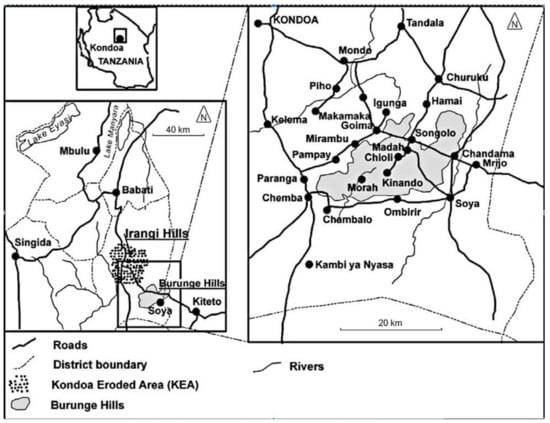
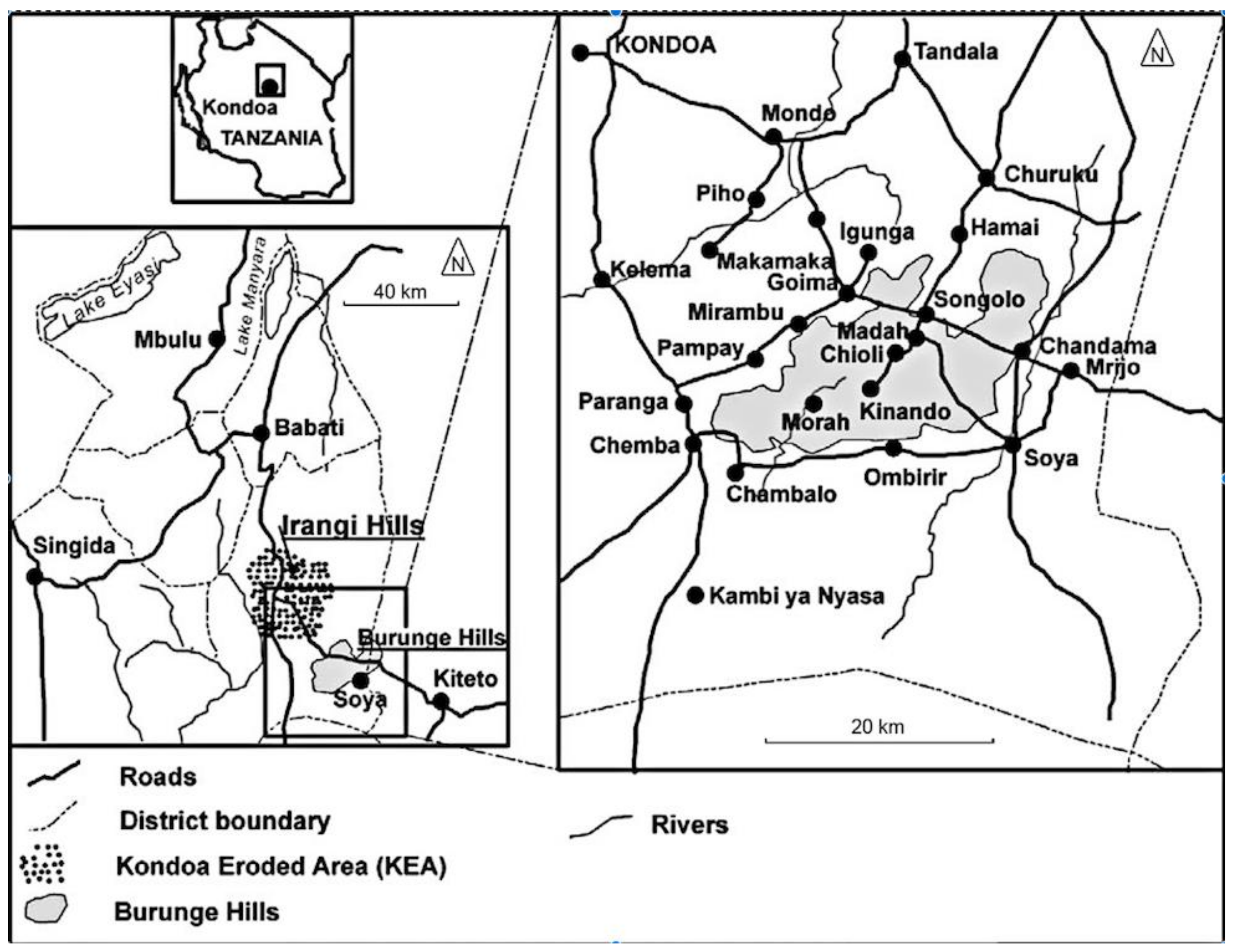
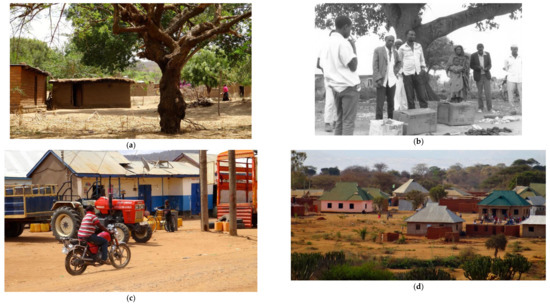
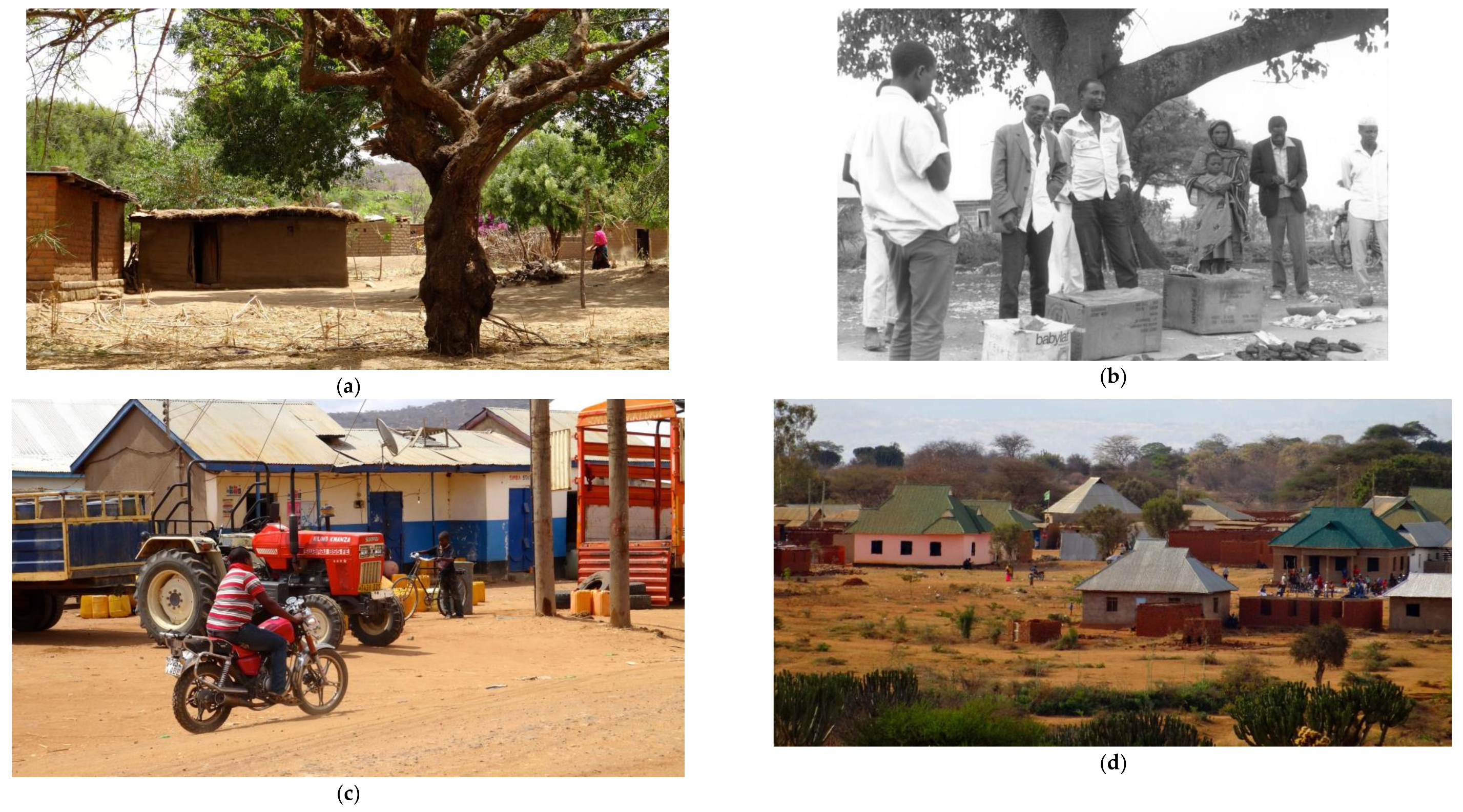
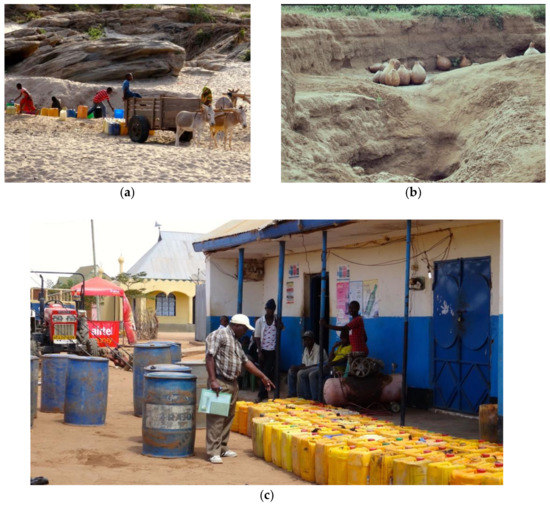
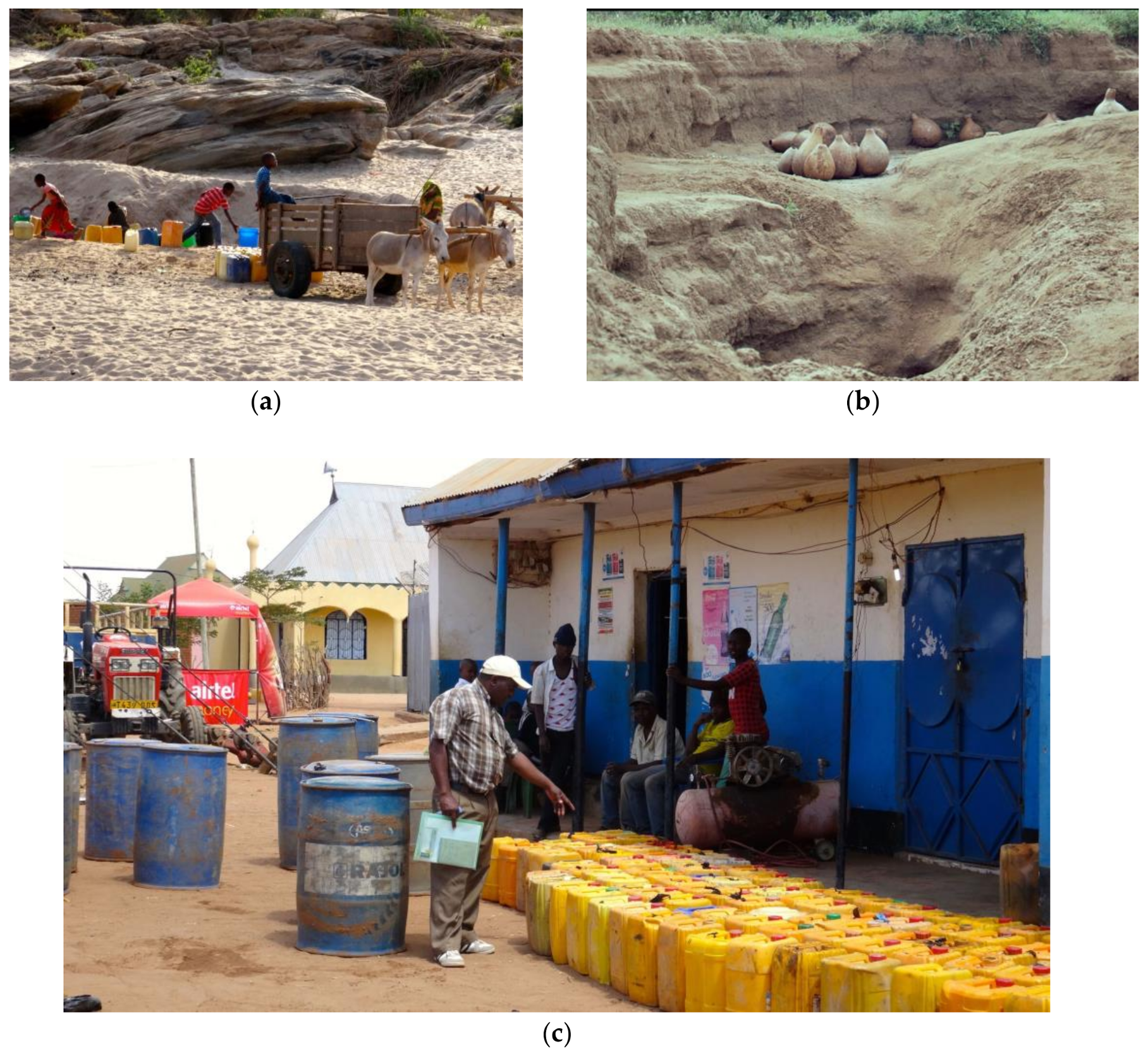
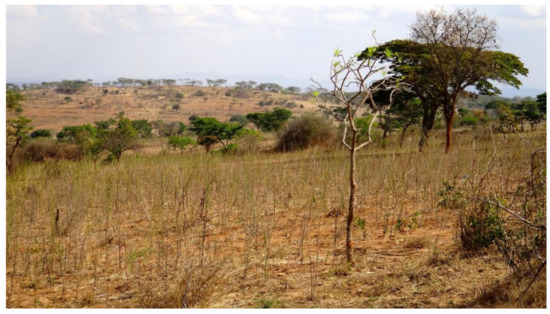
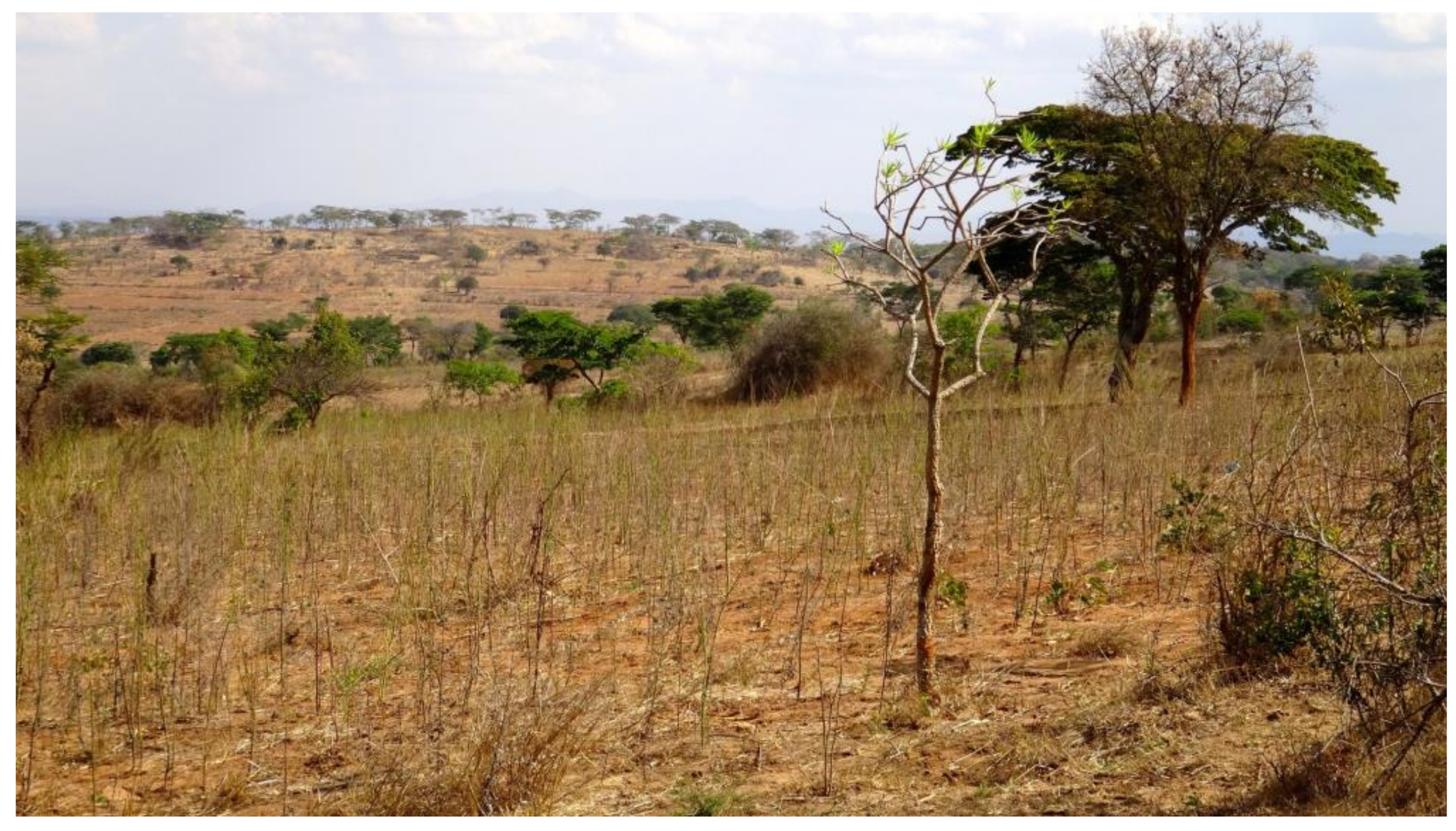

© 2018 by the authors. Licensee MDPI, Basel, Switzerland. This article is an open access article distributed under the terms and conditions of the Creative Commons Attribution (CC BY) license (http://creativecommons.org/licenses/by/4.0/).