1. Introduction
The beach represents a unique environment where the land and sea continuously interact, giving rise to dynamic processes such as erosion and sedimentation [
1,
2]. Seabed alterations are driven by multiple factors, including seasonal high waves, storm surges, human interventions, and coastal development, such as the construction of coastal structures or seawalls. Moreover, natural environmental changes, such as climate change, alongside human-induced modifications like coastal reclamation for economic purposes, have exacerbated beach erosion significantly. This has led to considerable losses in land, human life, and recreational spaces, making beach erosion a pressing social issue [
3].
The west coast of South Korea provides a distinctive case study, where expansive tidal flats have transformed into a large island environment, lacking a barrier island and direct connection to the open sea [
4,
5,
6]. A prominent feature of this region is Kkotji Beach, distinguished by its extensive erosion, a gentle seabed slope, and a width ranging from 300 to 500 m. Kkotji Beach has attracted considerable attention, and over seven years, numerous field observations and numerical simulations have been conducted to examine the patterns of erosion and sedimentation in the area. In addition, Kkotji Beach is a major tourist destination that attracts millions of visitors annually and makes a significant contribution to the local economy. The steady increase in tourism and visitor numbers has heightened concerns about coastal erosion at Kkotji Beach.
The purpose of this study is to identify the causes of beach erosion and its socio-economic impacts at Kkotji Beach and to propose practical, interdisciplinary strategies for mitigation and sustainable coastal planning. Process-based knowledge of coastal erosion is considered indispensable for informing sustainable management strategies on the Korean east coast [
7,
8]. Therefore, this study adopted a comprehensive methodology, integrating foundational field survey data with advanced numerical simulations using MIKE 21 software developed by DHI (Hørsholm, Denmark). The software’s spectral wave (SW), hydrodynamic (HD), and sand transport (ST) modules were employed to model the coastal current fields and assess the extent of erosion and sedimentation. The results of this research are essential for understanding the intricate dynamics of coastal erosion and sedimentation while providing valuable insights for the formulation of effective coastal management strategies.
This study addresses a tide-influenced beach where longshore transport and tidal asymmetry govern erosion patterns. We contribute by coupling field observations with MIKE 21 simulations to isolate the dominant driver and to derive site-specific, evidence-based management options.
2. Case Area
Kkotji Beach, located on the west coast of South Korea near the city of Boryeong in Chungcheongnam Province, is a popular tourist destination known for its soft sandy shores, clear waters, and scenic environment. With its temperate climate and numerous attractions, Kkotji Beach offers a variety of recreational water activities and a peaceful environment, attracting both domestic and international tourists year-round. The beach is also famous for the annual Boryeong Mud Festival, an internationally recognized event that draws millions of visitors and significantly contributes to both the beach’s popularity and the local economy.
Kkotji Beach is situated on a macro-tidal stretch of Korea’s west coast with gentle nearshore slopes that strongly influence shoreline change [
9]. Taean County describes Kkotji as a long silica-sand beach serving major recreational use, which contextualizes local exposure to erosion [
10]. The macrotidal regime of the west coast generates substantial tidal asymmetry, with ebb dominance identified as a key factor in persistent erosion along northern shores and increased sediment deposition in southern areas [
11]. The case of Kkotji Beach exemplifies the long-term erosion and accretion patterns observed throughout the west coast. Kkotji Beach has played a critical role in the local economic growth, particularly in sectors such as hotels, restaurants, shopping, and tourism. These industries not only cater to tourists but also provide employment opportunities for the local population, contributing significantly to regional economic development. As a result, the region has seen an increase in population growth, driven by both tourists seeking permanent residences and locals benefiting from the economic opportunities generated by tourism. The expanding population has led to the growth of public services, including schools, healthcare facilities, and infrastructure development. Official statistics from Taean County indicate a consistent increase in the number of visitors to Kkotji Beach in recent years, underscoring its status as a prominent coastal destination. In 2025, approximately 431,080 individuals visited Kkotji Beach during the official beach season, representing over one quarter of all visitors to the county’s 22 beaches [
10]. Broader tourism trends in Taean County also reveal sustained growth, with total visitor numbers rising from 10.17 million in 2020 to 17.75 million in 2023. This pattern demonstrates a marked recovery and expansion of coastal tourism following the COVID-19 pandemic [
12,
13,
14].
As highlighted earlier, while Kkotji Beach has had a positive impact on local tourism, economic growth, population growth, and community development, beach erosion presents a potential negative effect on the tourism industry and economic growth. Recent research on South Korea’s coastal communities demonstrates that discrepancies between institutional frameworks and practical implementation in disaster risk management impede effective responses to shoreline change, highlighting the need for integrated governance structures and active involvement of relevant stakeholders in coastal policy development [
15].
3. Methods
This study was conducted to determine the underlying causes of beach erosion and coastline retreat at Kkotji Beach through a series of field observations. Over a period of two months, wave and tidal current observations were conducted within the target area, and a cross-sectional topographic survey was carried out at 60 cross-sectional beach transects at a spacing of 50 m and over a cross-sectional length ranging from 300–500 m. Additionally, a bathymetric survey was conducted to incorporate the latest bathymetric data into numerical simulations. Bathymetry was surveyed with a single-beam echo sounder integrated with RTK-GNSS and corrected to mean sea level; cross-shore profiles at 60 fixed transects were tied to the same datum for consistency with the model grid. The two-month observation window provides a reconnaissance baseline that is interpreted alongside seven-year beach-profile records. Field data and the computational mesh were referenced consistently to the same horizontal and vertical datums used for model setup and outputs.
This study employed the MIKE 21 model, utilizing SW, HD, and ST module calculations, to simulate the phenomenon of beach erosion at Kkotji Beach. Parameters followed MIKE 21 guidance and literature ranges and were tuned to match observed waves and currents. The results of the numerical simulations were compared to the past seven years of cross-sectional beach profile data from 60 transects at Kkotji Beach to confirm the tendency of erosion and sedimentation. The findings of this study provide important insights into the contributing factors of beach erosion and coastline retreat at Kkotji Beach, thereby aiding in the development of effective management strategies for the area.
For the social component, we conducted a qualitative review of publicly available administrative sources (e.g., beach-use directives, nourishment records, visitor statistics) to frame management implications; no additional quantitative analysis was performed.
3.1. Field Observation
This section presents the results of a two-month analysis of wave and tidal current observations. This study used data from bathymetric surveys that were conducted at the end of the winter season in the case study area in February. In order to provide a comprehensive analysis, this study compared the current cross-sectional beach profile data with historical data from the past seven years in the results section. This comparison allows for a more detailed assessment of the current data and its implications.
3.1.1. Wave Observation
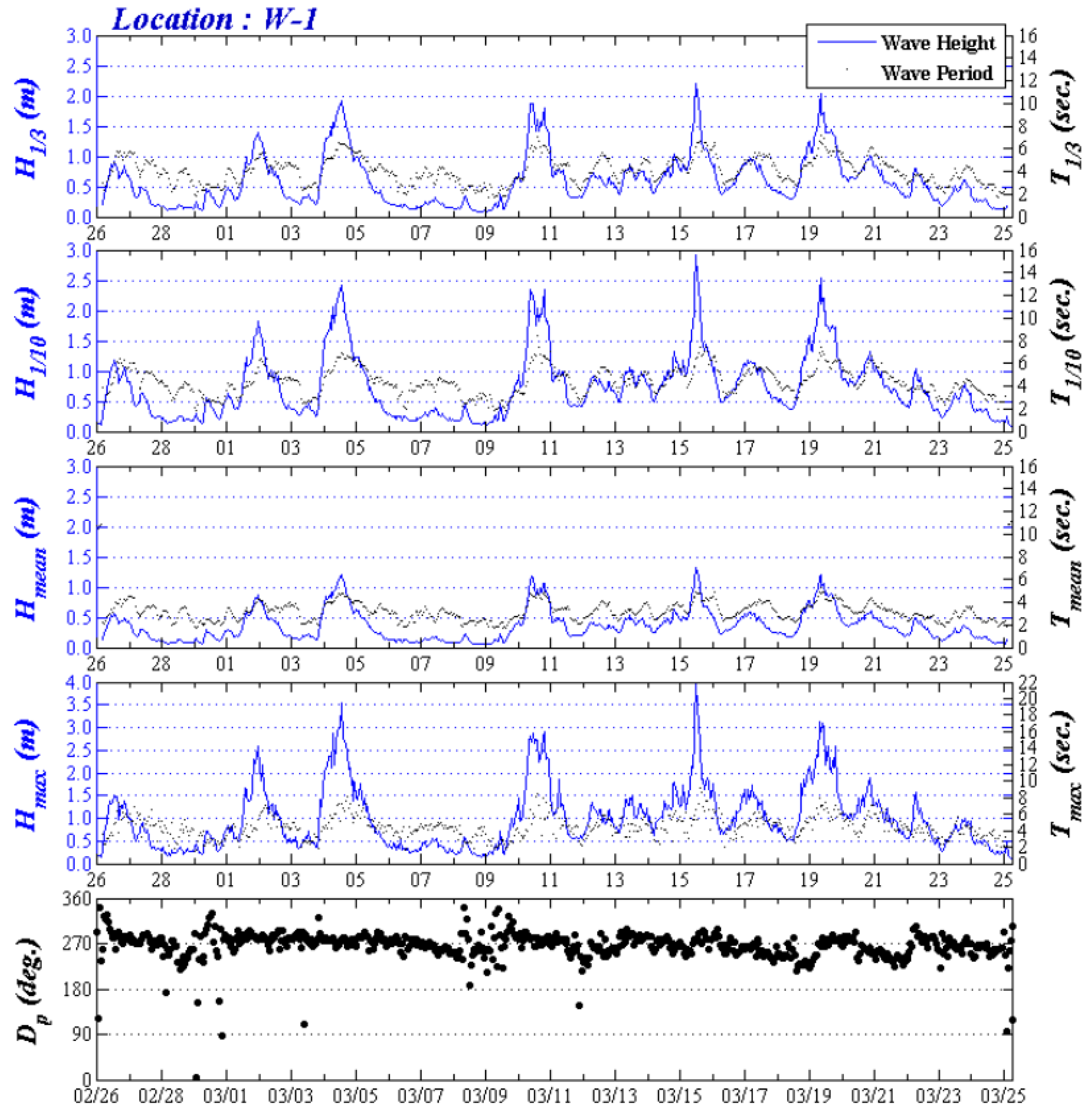
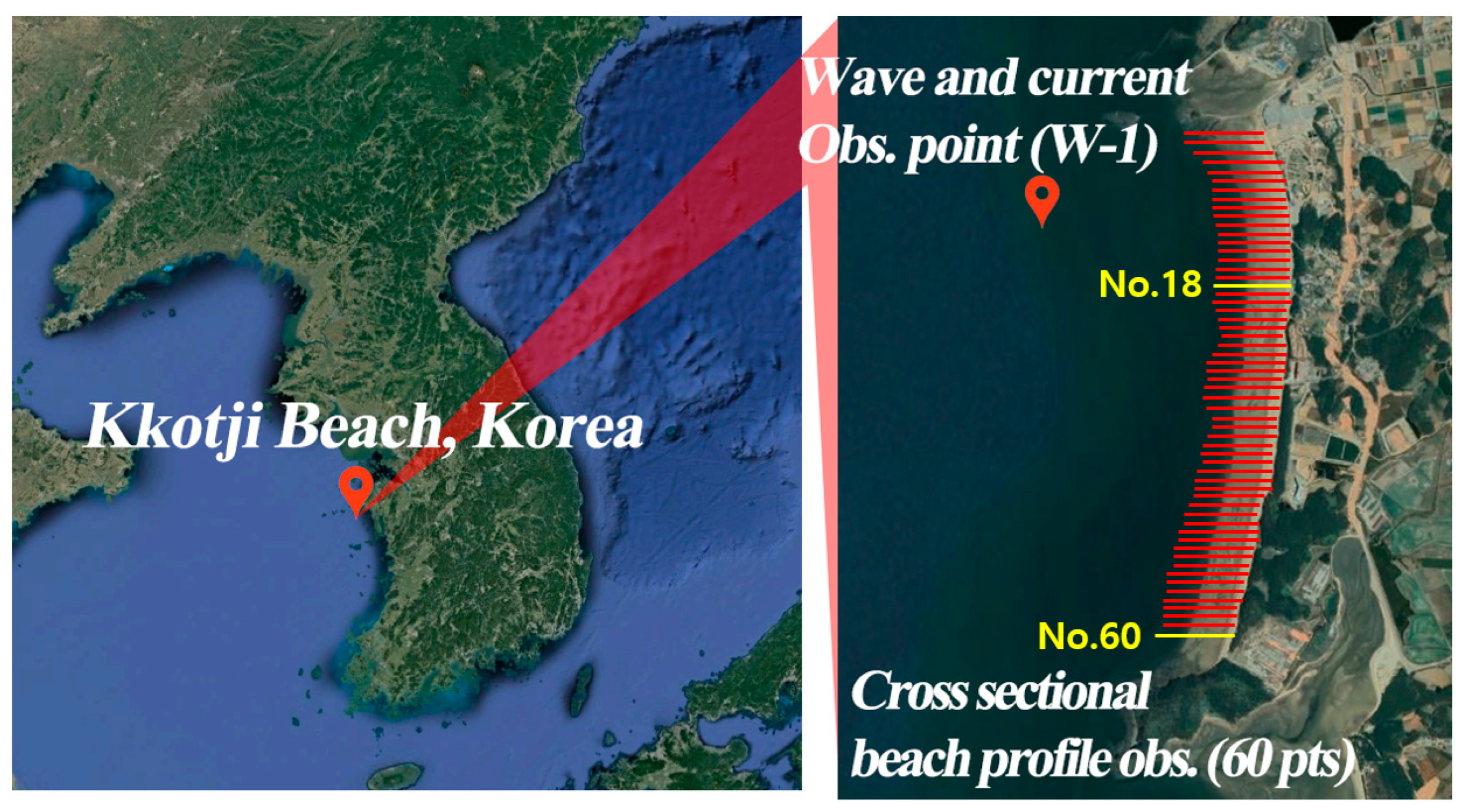
A study was conducted to observe waves at W-1, located approximately 2 km from Kkotji Beach’s shoreline in
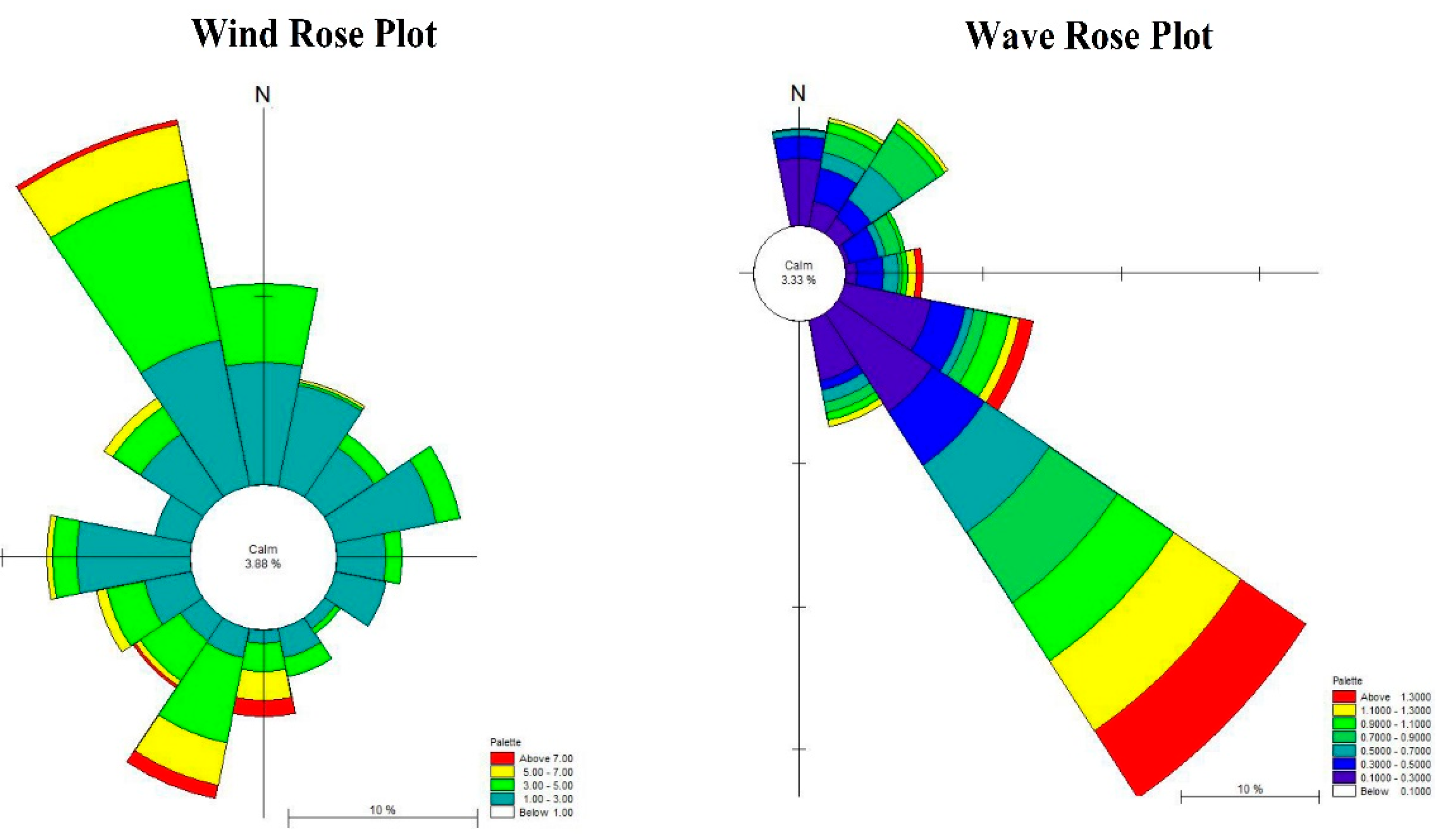
Figure 1. The results indicate the prevalence of W series waves vertical to the coast during winter, primarily due to N and NW winds, as depicted in
Figure 2. Significant wave height, peak period, and mean direction were recorded continuously; quantitative values are presented in
Section 4.
3.1.2. Tidal Current Observation
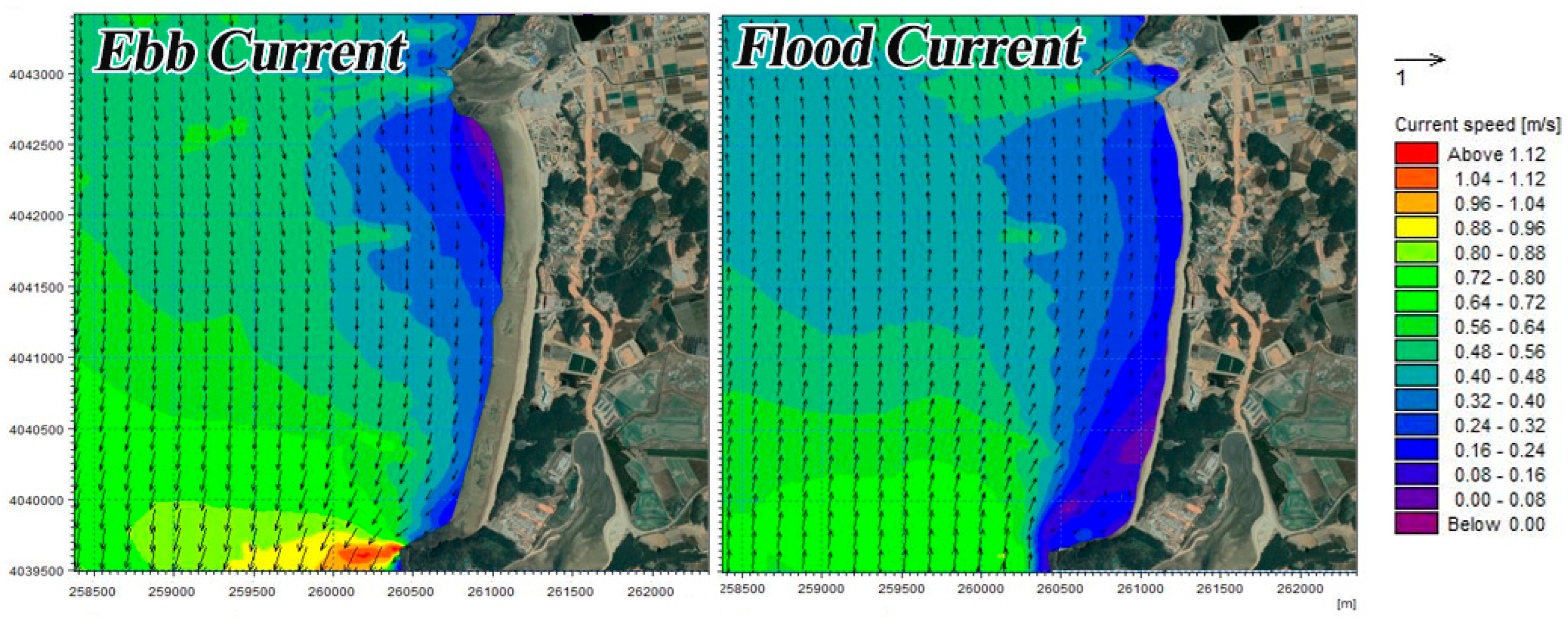
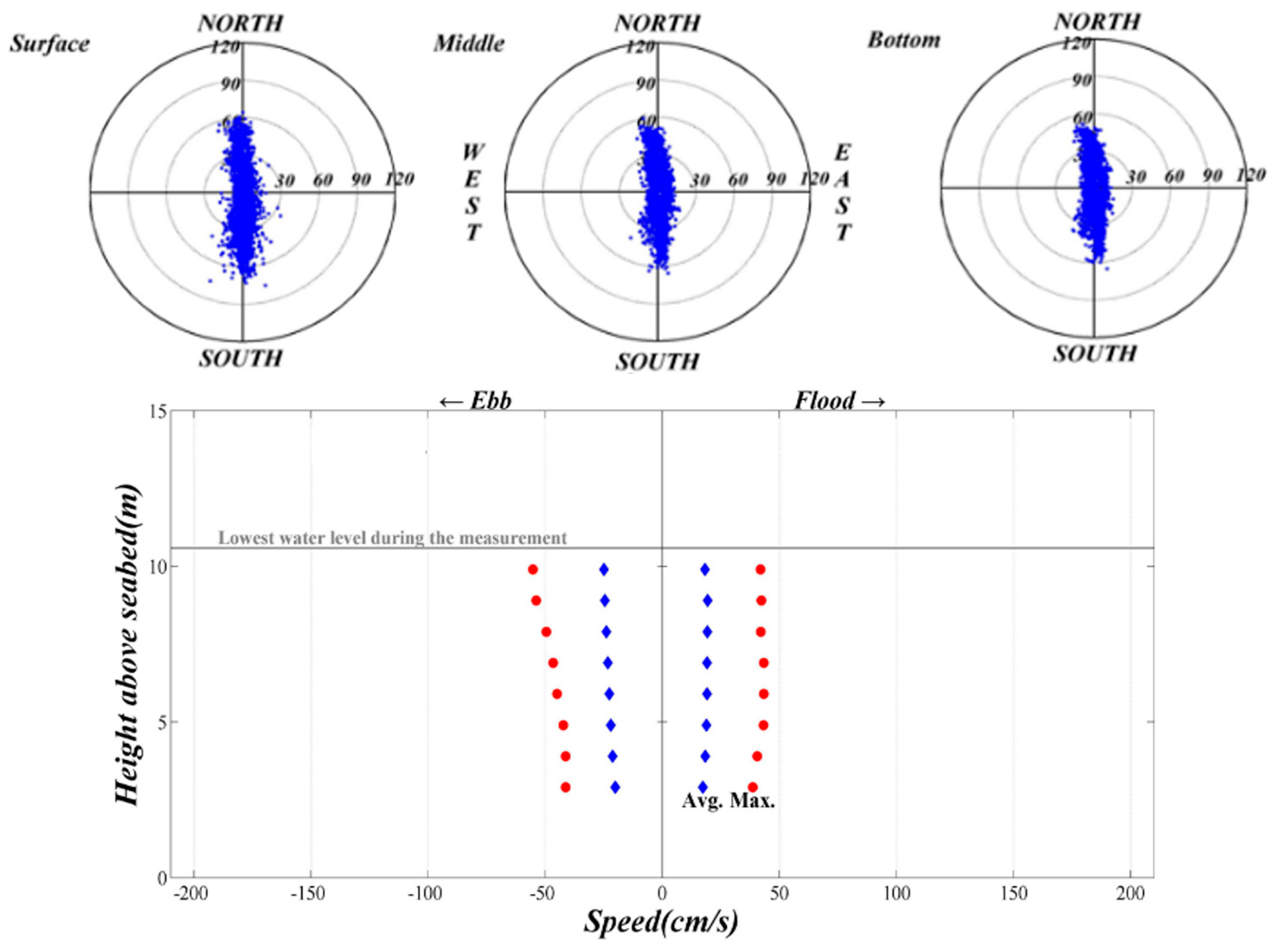
During the observation, the tidal current was monitored together with the waves at a specific location. It was observed that the surface currents displayed their highest intensity during the flood and ebb phases. Depth-averaged currents were measured through flood and ebb phases; comparative magnitudes are reported in
Section 4 and a visual representation of these results is provided in
Figure 3.
3.2. Numerical Simulation
For numerical simulations in this study, three modules—SW, HD, and ST—from MIKE 21 were employed. Large-scale analysis was conducted using 10,964 unstructured meshes, while detailed scale analysis was carried out with 17,698 unstructured meshes, as illustrated in
Figure 4. The bathymetric data utilized in this study were obtained from the most recent survey conducted in February 2020. All MIKE 21 SW, HD, and ST simulations were performed on a georeferenced computational grid, and all model outputs are presented in georeferenced coordinates.
The SW module is based on the spectral wave action balance equation, the HD module on the depth integrated continuity and momentum equations, and the ST module on an advection and diffusion formulation for sediment transport.
The HD model is a two-dimensional hydrodynamic model that simulates water levels and current patterns. It is based on the solution of the three -dimensional incompressible Reynolds averaged Navier–Stokes equations, subject to the assumptions of Boussinesq and hydrostatic pressure. The mass conservation is simplified to the continuity equation,
The equations of momentum are reduced to the two components
x and
y, respectively:
where
is the time;
and are the Cartesian coordinates;
is the surface elevation;
is the still water depth;
is the total water depth;
and are the velocity components in the and direction;
is the Coriolis parameter ( is the geographic latitude);
is the gravitational acceleration;
is the density of water;
and are components of the radiation stress tensor;
is the vertical turbulence (or eddy) viscosity;
is the atmospheric pressure;
is the reference density of water;
is the magnitude of the discharge due to point source and;
is the velocity by which the source is discharged into the ambient water.
3.2.1. Wave Model
The MIKE 21 SW module is a highly effective wave model that accurately predicts the size of waves generated by wind and can be used for both coastal and offshore areas. The conservation equation for wave action can be written as
where
To generate the SW model, specific input data is required, which is presented in an organized format in
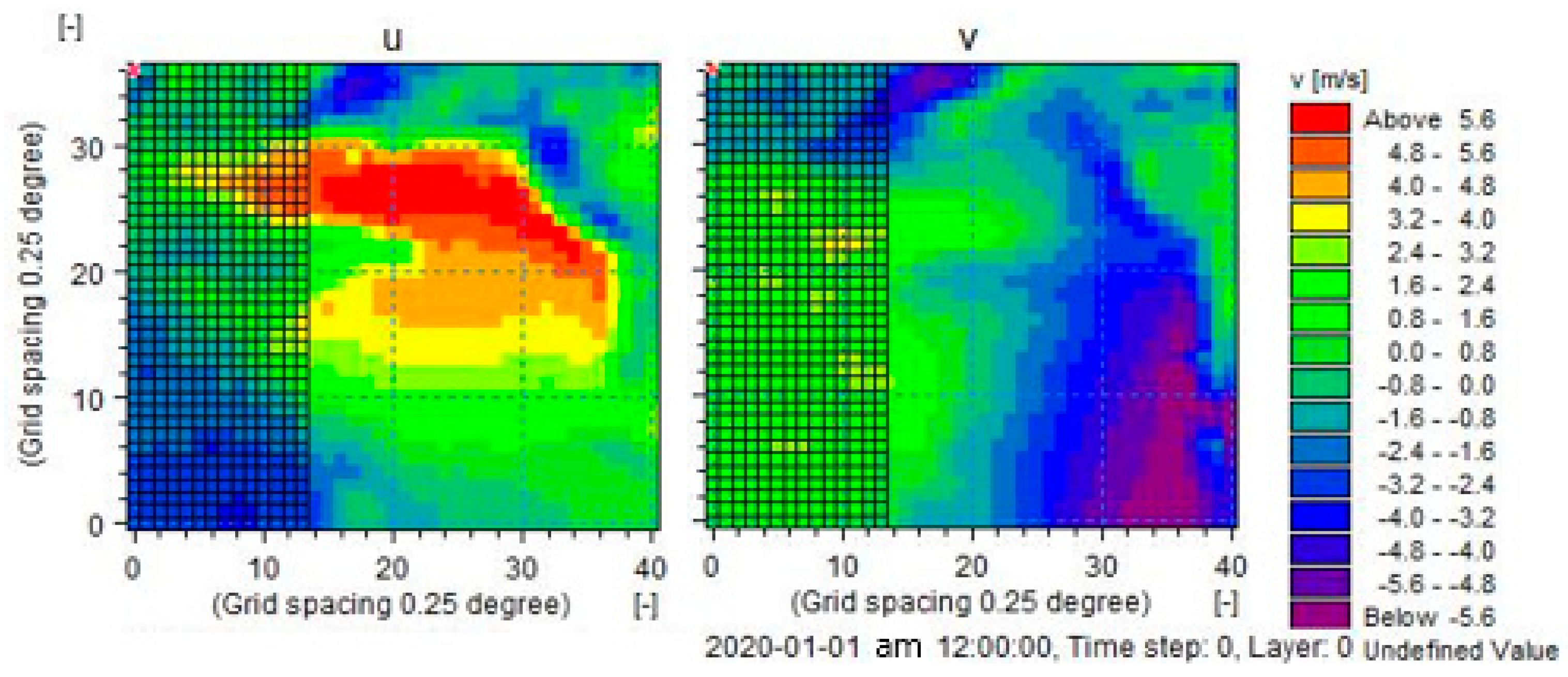
Table 1. The primary input for the SW model is wind forecast data, which was expertly obtained from the ECMWF ERA5. This data includes U and V (latitudinal and longitudinal) components of wind velocity time series data, as illustrated in
Figure 4. To clarify,
Figure 4 presents the ERA5 forcing grid utilized by the model, as opposed to a site-specific georeferenced vector field. The native ERA5 resolution is 0.25 degrees, and the panel displays a representative snapshot used as input to the SW module.
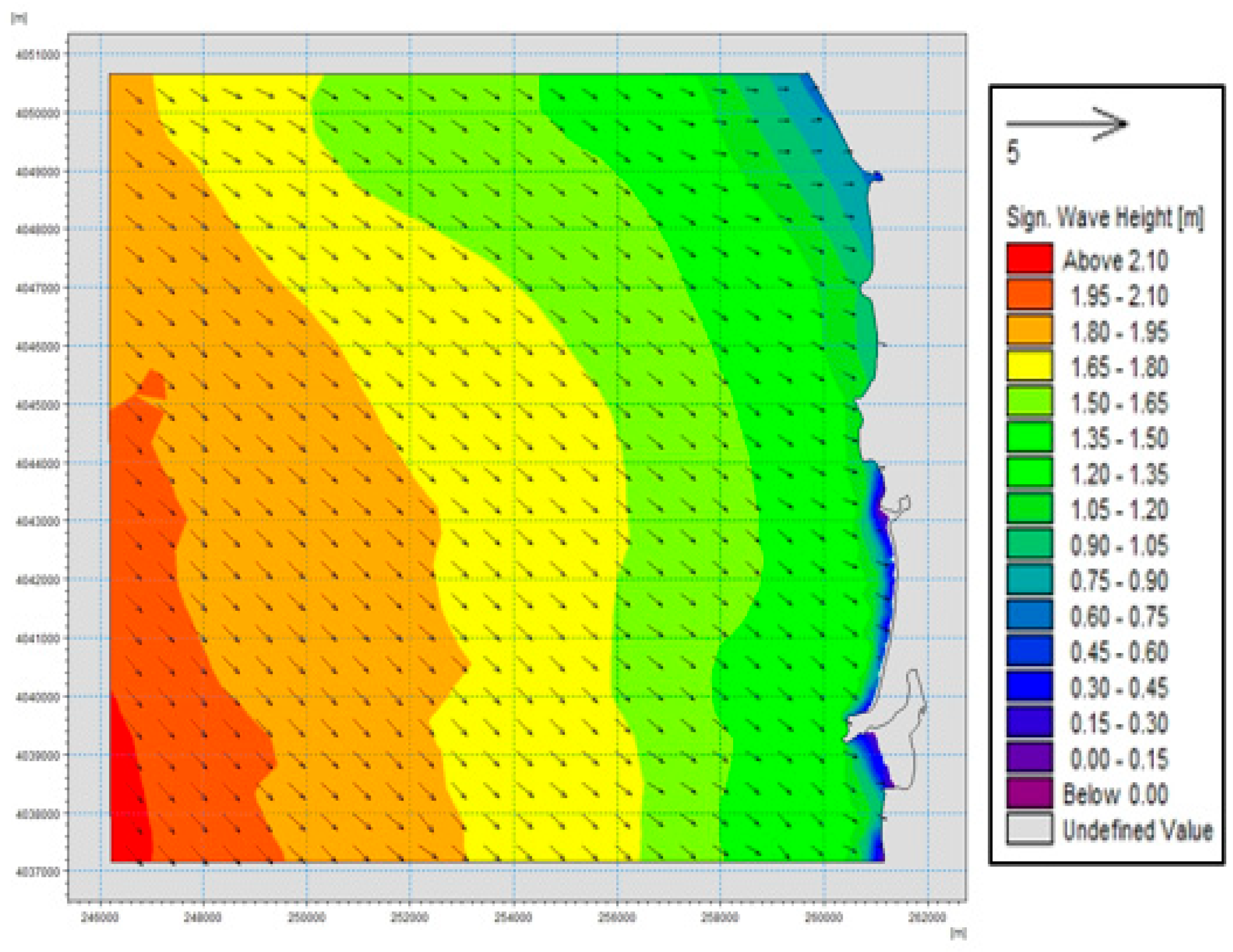
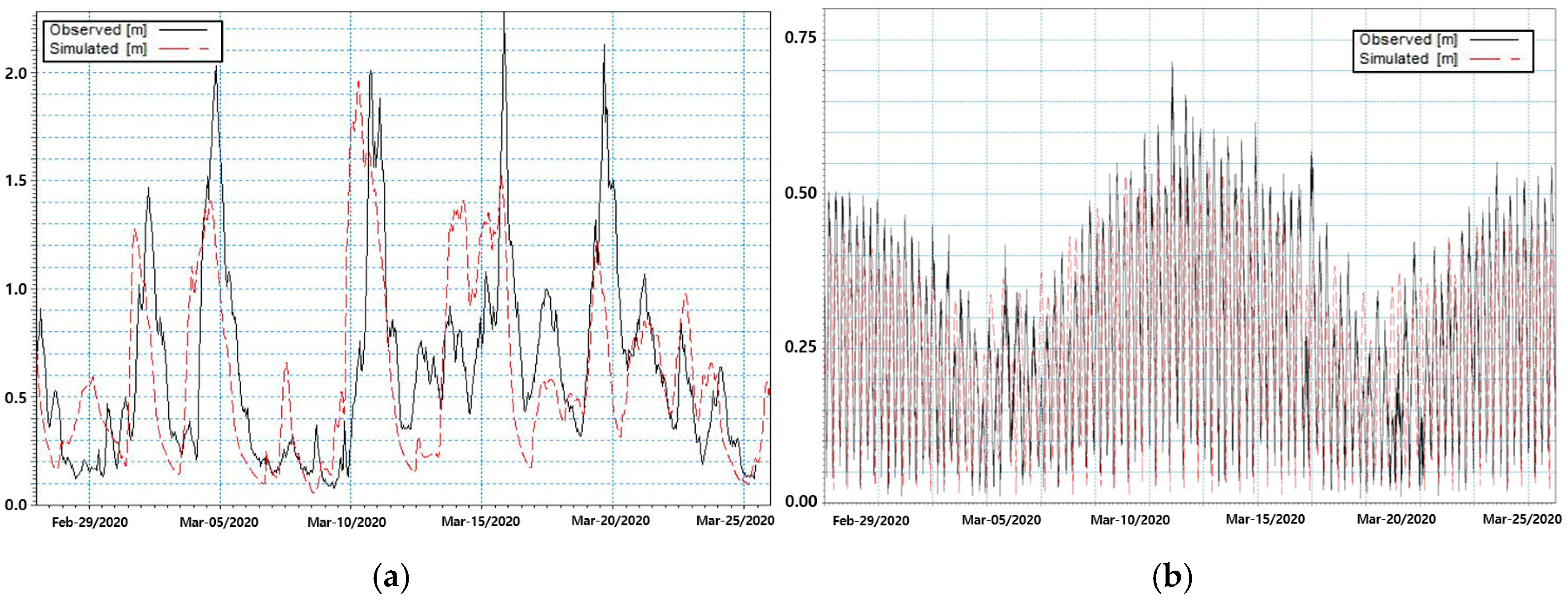
Simulation results obtained for the 42-day period, 20 February–1 April 2020, are presented in
Figure 5 and
Figure 6.
3.2.2. Current Model
The HD module calculates salinity, temperature, mass, and momentum conservation equations, accounting for multiple variables. For the boundary condition, input was primarily based on the water level at Kkotji Beach, along with additional inputs that can be found in
Table 2. This model underwent testing for 62 days (1 February–3 April 2020), with a time step of 600 s throughout the experiment, and the resulting ebb and flood currents are presented in
Figure 7.
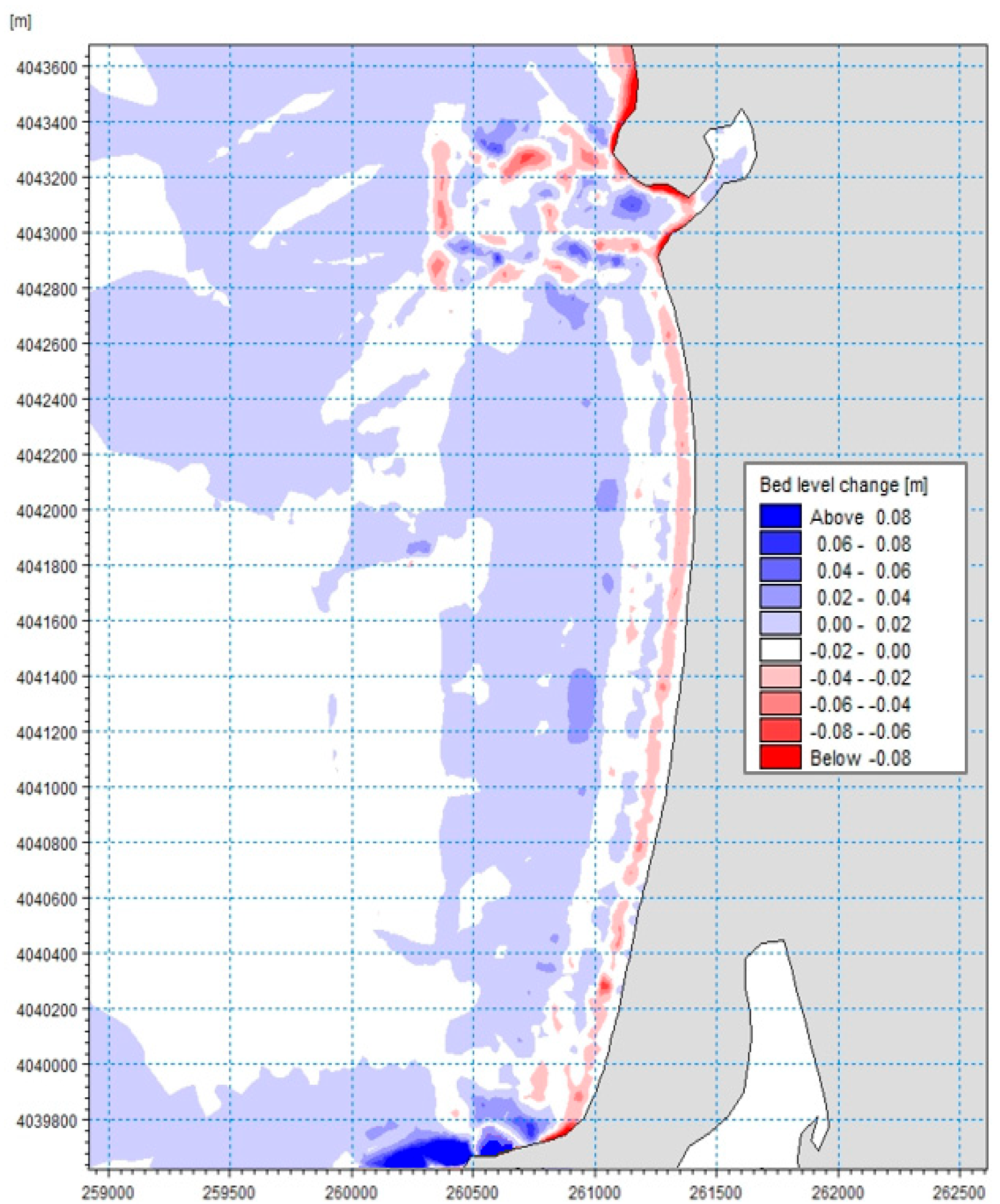
To calculate sediment transport volume, bed level change, sand movement, and erosion caused by changes in current velocity, the ST module simulates sand and non-cohesive sediment, which combines with the results of the SW and HD modules. The ST model also predicts morphological changes of non-cohesive sediment caused by waves, as shown in
Table 3.
During the winter, erosion caused by currents flowing parallel to the coast and high NW waves occurs on the coastal line of the beach. Sedimentation takes place on the southern side, resulting in dominant ebb currents in this area. These currents move sediments along the coast and deposit them on the southern side. However, during the flood current, an insufficient amount of sediment moves back to the northern side of the beach, causing beach erosion. The analysis of observed cross-sectional beach profile evolution data over seven years confirms these findings in the
Section 4.
Figure 8 displays the sediment transport results and tendencies of erosion and sedimentation for two months.
4. Results
The results from two months of experiments using SW, HD, and ST modules provided by MIKE 21 numerical simulations were compared with the observed data. The observations showed that waves of the NW series were dominant, and strong winds formed wave heights higher than 2 m during winter. Comparing the observed wave data with the numerical simulation of SW, it was found that MIKE 21 resulted in wave heights similar to those of the observed data.
During the observation period from February to March, the strongest surface currents during flood and ebb were approximately 0.64 m/s and 0.77 m/s, respectively. The ebb current had the stronger flow. Comparing it with the results of the numerical simulation of the HD module, the flood current shows a reciprocating flow pattern that flows in a direction parallel to the coast and goes to the northern part. Ebb current was observed to be superior, and the strongest flow velocities during flood and ebb were approximately 0.45 m/s and 0.6 m/s, respectively (
Figure 9).
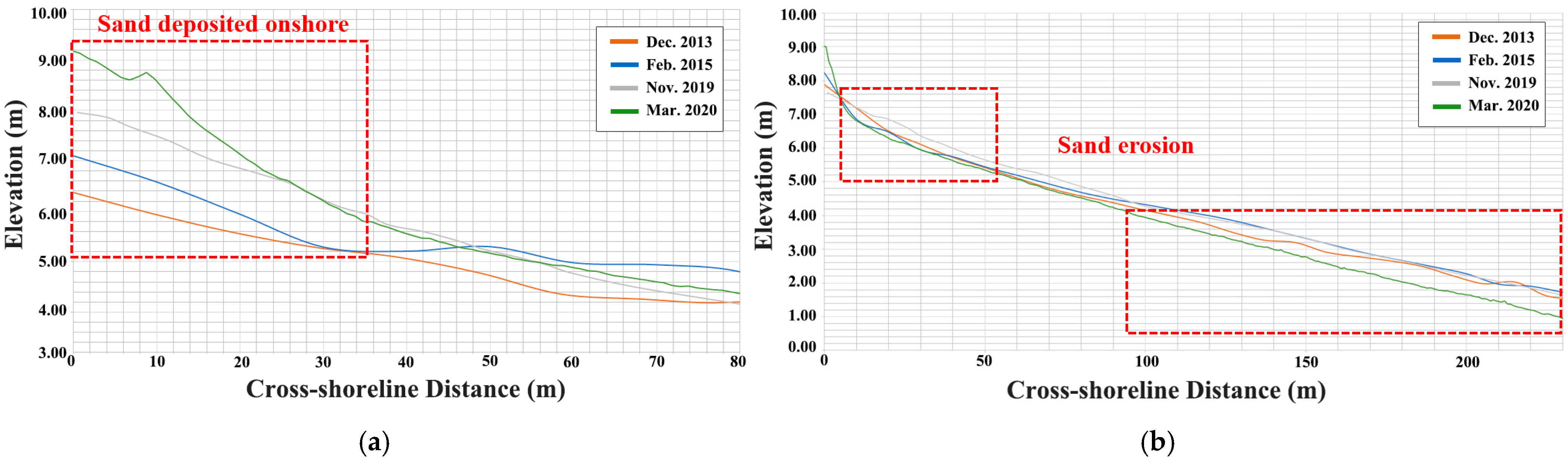
Winter survey data were chosen for comparison since winter wave heights were higher than in summer. Survey data from December 2013, March 2014, December 2014, February 2015, November 2017, October 2018, November 2019, January 2020, and March 2020 were chosen among the survey data for the seven years and were compared. General cross-sectional beach profile evaluation showed that erosion persisted and increased over time. However, in 2017, continuous nourishment was conducted at this beach, so little erosion was observed. A small amount of erosion was observed in general from cross-sections No. 1–50, and sedimentation was observed from cross-sections No. 51–60. December 2013, February 2015, November 2019, and March 2020 were selected among the data to compare the cross-sectional profile evolution, where the tendencies of sedimentation and erosion are clear as shown in
Figure 10.
Despite constant nourishment in 2017, continuous erosion can be observed in the north, and the eroded sand seems to be deposited in the southern part of the beach due to the dominant ebb current. This causes sediment to be transported to the southern part during ebb, and insufficient sediment is transported back northwards during the flood.
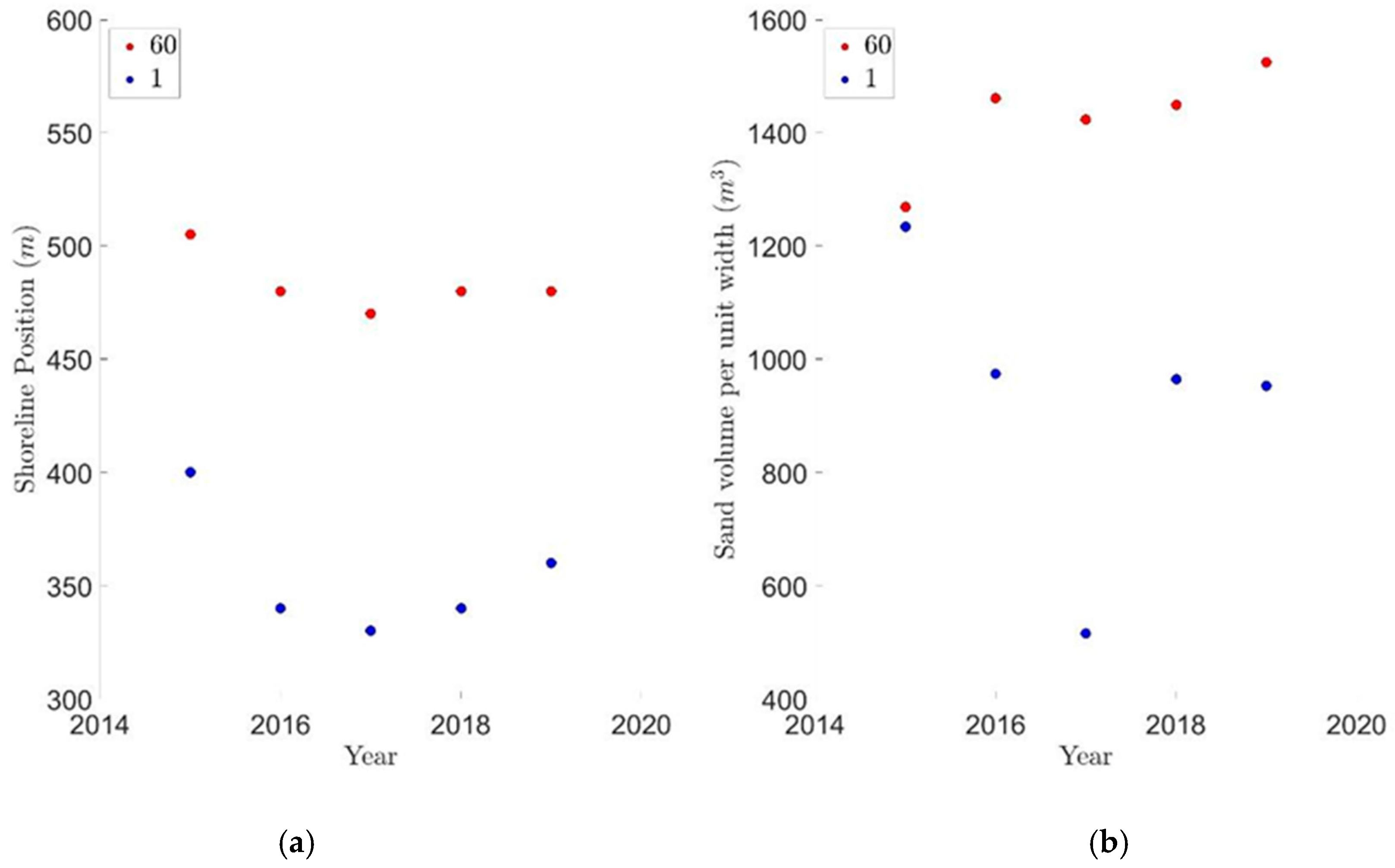
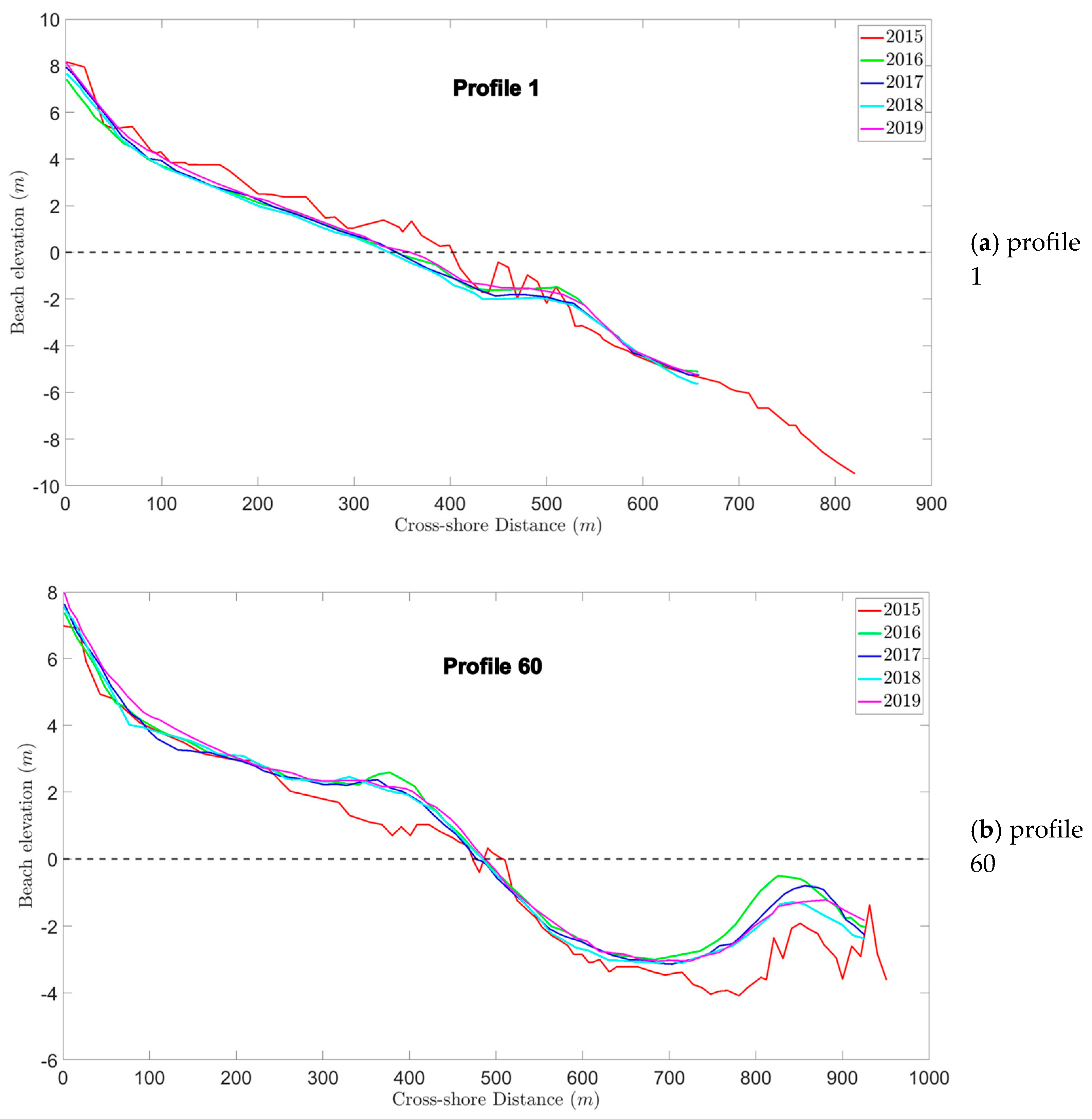
The shoreline position, defined as the first point seaward where the beach profile intersects the zero-elevation contour relative to mean sea level (MSL), is analyzed to assess coastal stability. Temporal variation in this position is examined for two representative cross-shore profiles, Profile 1 (northern end) and Profile 60 (southern end), to monitor changes in beach morphology over time (
Figure 11).
Analysis reveals a landward retreat of the shoreline for both profiles from earlier years until 2017, indicating progressive erosion likely driven by sea level rise and hydrodynamic forces. However, a slight seaward advance is observed post-2017, attributed to a beach nourishment effort that year. This intervention enhanced the beach’s resilience and temporarily reversed erosional trends.
Profile 60, located in the south, is notably more stable and features a broader shoreline compared to Profile 1 in the north. One prominent geomorphological distinction is the presence of a submerged berm or bar offshore of Profile 60, which is absent in Profile 1. This offshore berm indicates greater sediment availability and active cross-shore sediment transport that facilitates sediment sorting and accretion, contributing to the development of a more equilibrium beach profile at Profile 60.
To further evaluate sediment dynamics, the sand volume above MSL per unit width was calculated for each profile using trapezoidal integration of elevation data exceeding the MSL threshold. The results show a stark contrast between the two profiles (
Figure 12). Profile 60 exhibits relatively stable conditions with net sediment accumulation over time, consistent with the observed berm formation. Conversely, Profile 1 experienced a significant reduction in sand volume of approximately 50% loss until the 2017 nourishment intervention.
These observations confirm the presence of longshore sediment transport gradients along Kkotji Beach, with the northern section undergoing greater erosion compared to the southern part. This asymmetry is attributed to the dominant ebb tidal current, which facilitates net southward sediment transport.
Historically, the west coast of Korea has exhibited similar trends, where tidal flux imbalance, favoring the ebb tide, induces persistent north-to-south longshore sediment transport [
16]. The magnitude of this transport is influenced by local beach slope and sediment characteristics. At Kkotji Beach, the combination of sandy substrate and gentle slope exacerbates sediment mobility, contributing to continued erosion in the northern sections and deposition in the south.
From a geomorphic standpoint, the beach is likely evolving toward an equilibrium orientation aligned from northeast to southwest, consistent with the direction of net sediment transport. This adjustment reflects tidal bay dynamics, where dominant ebb flows tend to widen the bay and shape the equilibrium beach profile.
In light of these findings, sustained monitoring and periodic sand replenishment, particularly in the northern sector, are essential to maintaining the current beach state and supporting its recreational functions. Effective management should consider the long-term sediment budget and hydrodynamic processes to ensure the beach’s resilience against future erosional pressures.
5. Discussion
The simulations indicate ebb-dominant southward sand transport, consistent with seven-year profile records documenting persistent erosion in the northern sector. On this basis, we focus on management implications on targeted sand bypassing and nourishment scheduling, with limited seasonal measures during peak visitation. These physical drivers have direct socioeconomic consequences at Kkotji Beach. Tourism-oriented businesses and public amenities cluster along the active shoreline. Concentration of assets in zones of net sediment loss increases long-term exposure to chronic infrastructure damage, business interruption, and rising maintenance costs. Translating the observed ebb dominant transport into policy, therefore, requires linking shoreline management with land development regulation. Approaches include erosion control line-based setbacks, periodic nourishment with sediment bypassing, risk-informed siting of facilities, and incentive-based instruments that align private investment with erosion risk reduction [
17].
Coastal erosion is primarily driven by sea-level rise, a consequence of accelerating climate change [
18]. Despite the existence of approximately 1800 climate change-related policies worldwide, indicating that nearly every country has implemented climate-focused legislation [
19], specific policies targeting coastal erosion remain notably underdeveloped compared to those addressing broader climate change issues and sea-level rise.
Meanwhile, coastal land development, particularly that associated with tourism, has emerged as a central economic driver for many coastal municipalities. Businesses such as hotels, restaurants, and recreational services are often located in close proximity to the shoreline, concentrating development in vulnerable coastal zones. Kkotji Beach exemplifies this trend. While such development yields short-term economic benefits, it likely contributes to the acceleration of coastal erosion. Accordingly, policy responses to coastal erosion should not focus solely on physical or engineering-based prevention strategies but must instead be integrated within broader frameworks of urban planning and sustainable development. Achieving a balance between tourism-driven economic growth and long-term resilience necessitates integrating coastal management into land development regulations and implementing incentive-based mechanisms that encourage private investment in erosion-risk mitigation [
17]. Therefore, a comprehensive and forward-looking approach is necessary to enhance long-term resilience and effectively address the complex interactions between coastal erosion and other environmental risks.
Simulations and long-term profiles indicate that ebb-dominant southward sediment transport drives persistent erosion in the northern sector of Kkotji Beach. This finding highlights the necessity of targeted sand bypassing and nourishment scheduling as primary management strategies, supplemented by limited seasonal interventions during periods of peak visitation. Comparable methodologies have been implemented internationally, where coastal management combines short-term engineering solutions with long-term, process-based strategies. For instance, the U.S. Army Corps of Engineers’ nourishment project at Ocean View Beach, Virginia, and the sediment restoration program at Perdido Key, Florida, illustrate that integrating sediment placement with ongoing monitoring and sediment budget management can promote shoreline stability and reduce vulnerability to storms [
20,
21]. While further comparative analysis was outside the scope of this study, these examples underscore that effective coastal management relies on maintaining sediment continuity and incorporating physical interventions within adaptive, sustainable planning frameworks. The inability to mitigate disaster-related damages is frequently attributable to deficiencies in urban planning, development regulation, and disaster preparedness. A comparative example can be found in the impact of Hurricanes Harvey and Irma in 2017. Despite their similar magnitude and intensity, areas with robust preparedness and planning frameworks experienced significantly fewer damages, while regions lacking such measures suffered devastating losses. This underscores the critical role of proactive planning and management in mitigating the impacts of climate-induced events. In recent years, heightened global awareness of climate change has catalyzed a variety of regulatory responses from international organizations such as the United Nations, as well as from national governments. These initiatives have played a meaningful role in reducing climate-related damages, yet remain insufficient in comprehensively addressing coastal-specific vulnerabilities.
Public education and awareness are also essential components of an effective coastal erosion management strategy. Many visitors to coastal areas such as Kkotji Beach are unaware of the ongoing erosion due to its often gradual and imperceptible effects. This phenomenon reflects a broader public misunderstanding or underestimation of the severity of coastal erosion, despite the substantial body of academic literature dedicated to the subject. Enhancing environmental literacy and fostering community engagement are, therefore, critical to promoting more responsible environmental behaviors.
Nonetheless, environmental challenges like coastal erosion are frequently interpreted subjectively, complicating the development of objective and consensus-based responses [
17]. In this context, centralized intervention by governments and institutions is indispensable. Regulatory frameworks must form the backbone of coastal erosion mitigation efforts. A multifaceted approach—incorporating both awareness-raising initiatives and technological interventions—can help reduce erosion and enhance disaster preparedness.
Furthermore, incentive-based strategies may serve as powerful tools in promoting sustainable coastal development. For instance, tax incentives for businesses that implement environmentally sustainable construction methods could help mitigate the adverse effects of urban expansion along the coast. Such policies would encourage private-sector participation in environmental stewardship, while simultaneously preserving coastal ecosystems. South Korean households showed a clear willingness to pay for beach erosion prevention, underscoring strong public support for policies and funding mechanisms to mitigate erosion impacts [
6,
22].
South Korea, however, ranks among the lowest of approximately 60 countries in the Climate Change Performance Index (CCPI) with respect to climate change policy. Although the South Korean government has adopted various measures aimed at reducing greenhouse gas emissions, promoting renewable energy, and achieving carbon neutrality, these efforts fall short of addressing the rapid and intensifying impacts of climate change, including coastal erosion. Without proactive intervention through integrated urban planning and comprehensive disaster mitigation strategies, local communities and visitors alike will remain increasingly vulnerable to the damaging consequences of coastal degradation.
In conclusion, addressing coastal erosion necessitates a comprehensive, interdisciplinary approach that includes policy reform, public education, and sustainable development. The main benefit of erosion control is not only direct protection against erosion, but they also provide broader public benefits, including reduced disaster damages and enhanced recreational amenities, reinforcing their value as policy investments [
6]. By aligning environmental planning and policy with climate adaptation strategies, it is possible to enhance the resilience of coastal regions and ensure their long-term sustainability in the face of escalating climate risks. Nonetheless, we note as a limitation that extended, multi-season observations would sharpen the estimates.
6. Conclusions
A consistent trend of erosion was observed along the coastline of the beach, leading to the transport of a substantial volume of nourished sediments to the southern part of the beach, where they became trapped. This phenomenon was primarily driven by the dominance of the ebb current over the flood current. Consequently, when conducting nourishment activities, it is crucial to account for sediment transport to the southern section of the beach and implement sand bypassing to facilitate the movement of deposited sand to this area.
After comparing the numerical simulation results with the observed data, it was found that both the wave and tidal current results were very similar. Furthermore, the sediment transport numerical simulation resulted in a similar trend after comparing the cross-sectional profile evolution of sediment transport tendencies over the past seven years. MIKE 21 requires wind data to generate results in the SW, HD, and ST modules, which makes it possible to predict long-term sediment transport on the beach if wind data is available.
This study clarifies the geomorphic processes responsible for persistent erosion at Kkotji Beach and examines the intersection of these physical dynamics with socioeconomic vulnerability. Recent advances in erosion control line (ECL) methodology on the west coast of Korea confirm the feasibility of risk-informed shoreline management. However, these findings also indicate that disregarding socioeconomic exposure diminishes the effectiveness of such frameworks [
3,
9]. The integration of long-term field observations and MIKE 21 simulations in this case provides evidence-based guidance for implementing ECL approaches at Kkotji Beach. This approach supports policy interventions that enhance both local economic resilience and environmental sustainability.
Mitigating beach erosion issue is crucial to reducing its impacts, which include negative effects on tourism and the local economy. The findings highlight the urgent need for a comprehensive approach to coastal management. Despite the existence of global climate policies, specific measures to address coastal erosion remain insufficient, underscoring the importance of integrating urban planning with sustainable development. Coastal development, particularly for tourism, exacerbates the problem, making it essential to prioritize coastal disaster mitigation and prevention. Strengthening land development regulations for environmental protection is also critical. To enhance resilience and reduce the long-term impacts of coastal erosion, a holistic strategy combining regulation, public education, and incentives for sustainable development is needed. Further research is required to develop detailed strategies for coastal community planning and development, which will be essential for addressing these challenges more effectively in the future.