

Delineating the Role of Direct and Indirect Photolysis on Trichloroacetaldehyde (TCAL) and Dichloroacetonitrile (DCAN) in Water Degradation by Ultraviolet Irradiation


Abstract
1. Introduction
2. Materials and Methods
2.1. Reagent and Chemicals
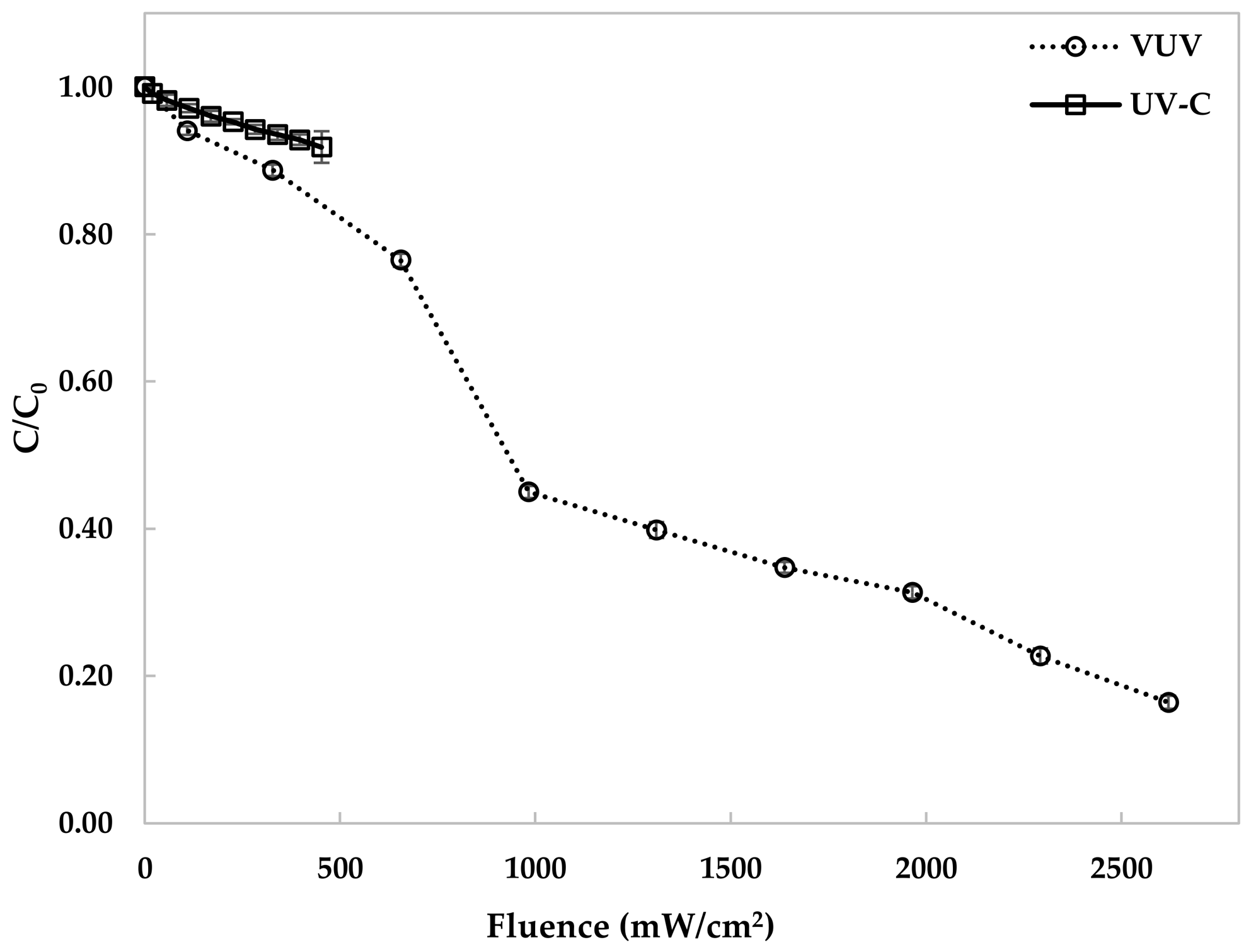
2.2. Experimental Setup
2.3. Analytical Method
2.4. Radical Capture
3. Results and Discussion
3.1. Degradation of HALs and HANs by UV-C and VUV Irradiation
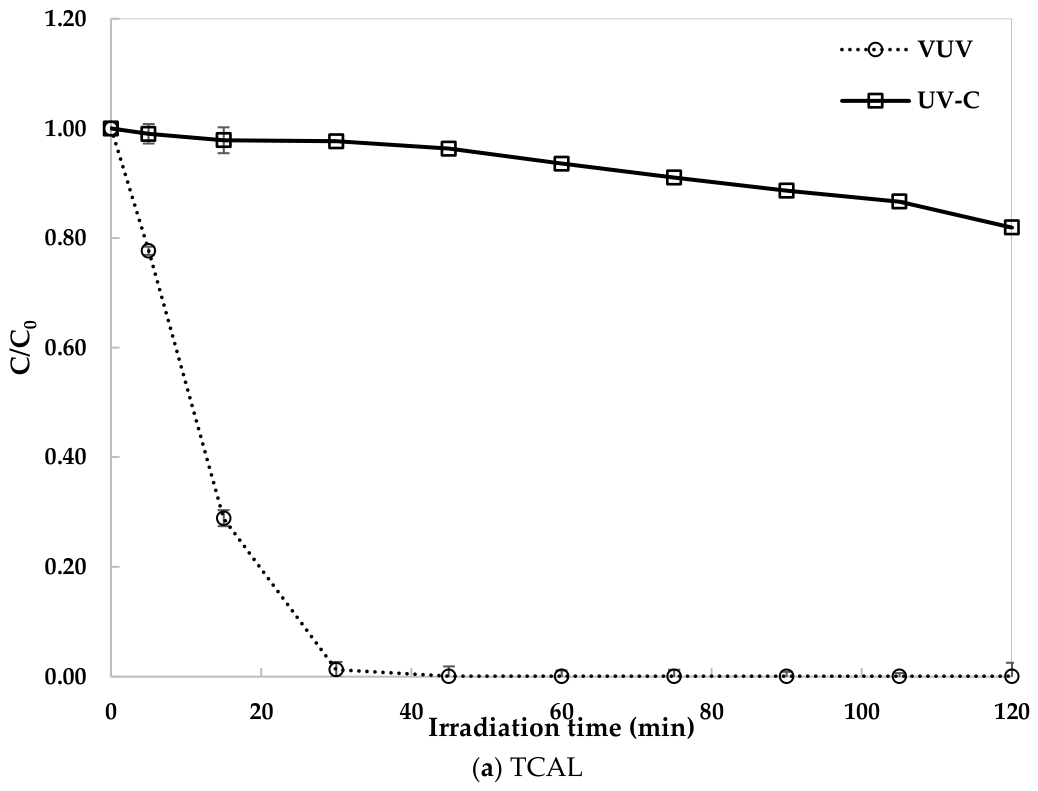
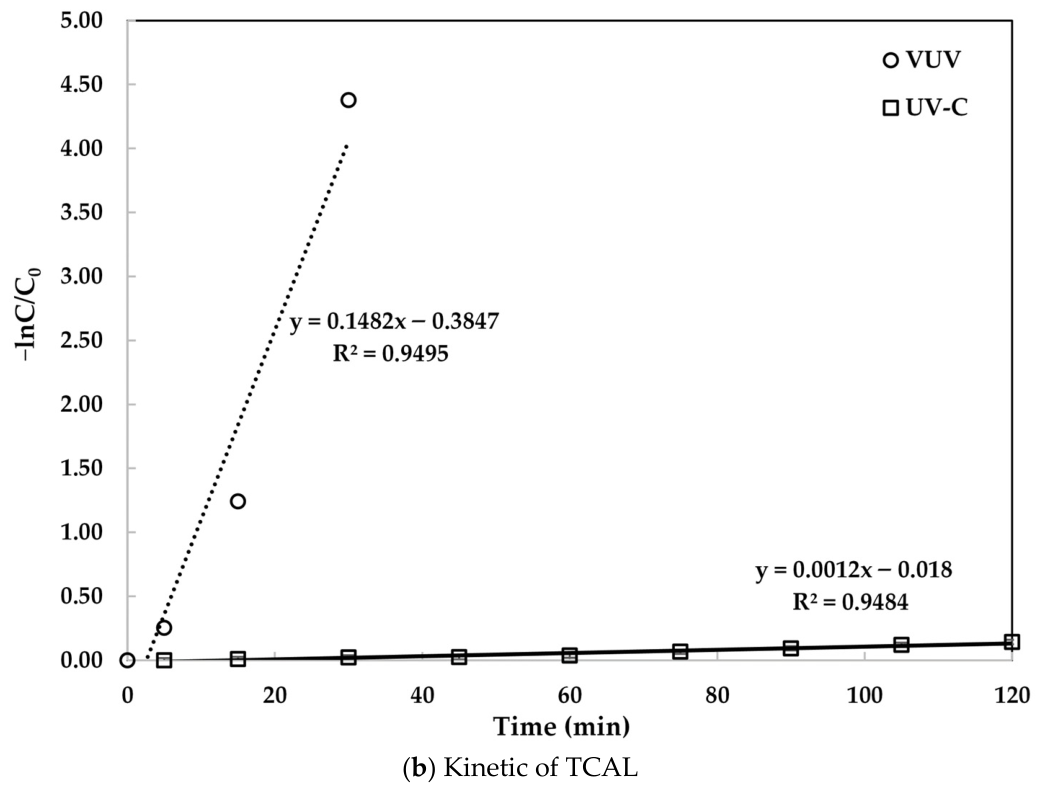
3.1.1. Degradation of TCAL Under VUV or UV-C Irradiation
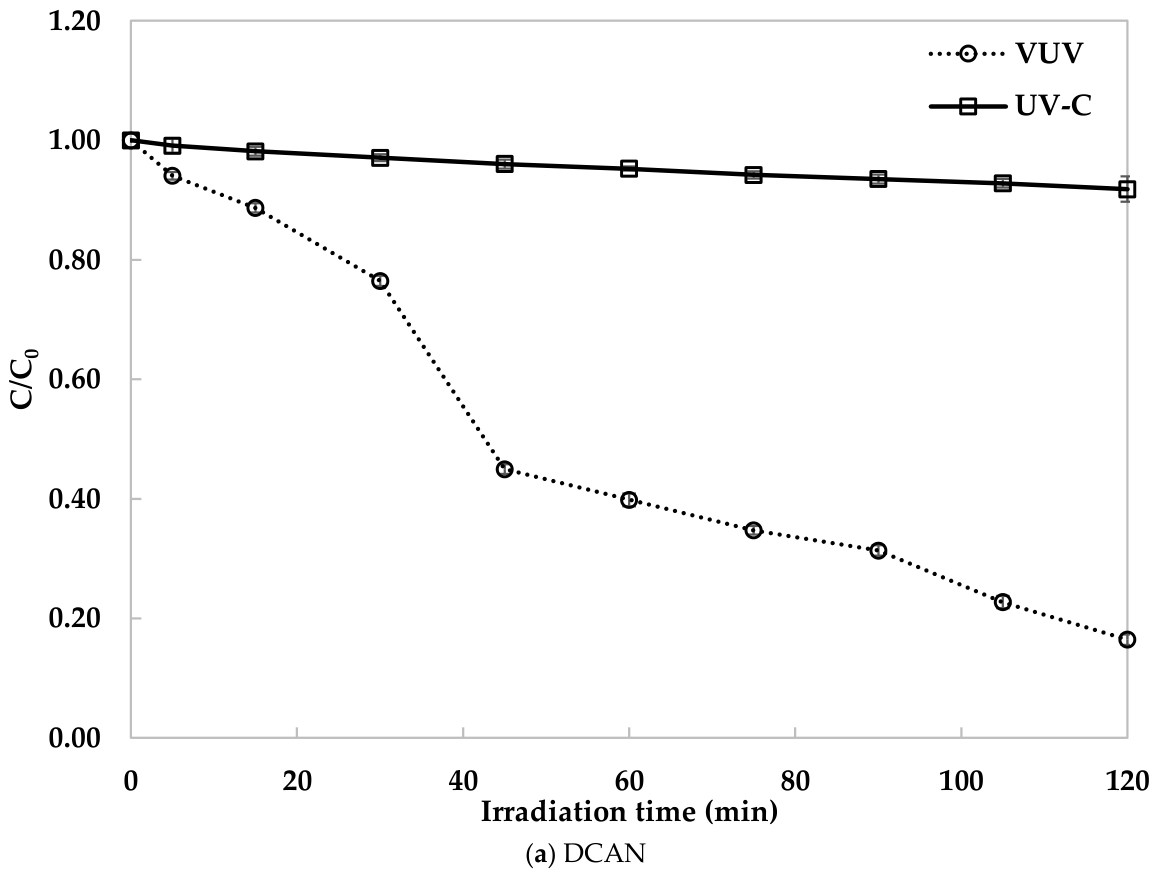
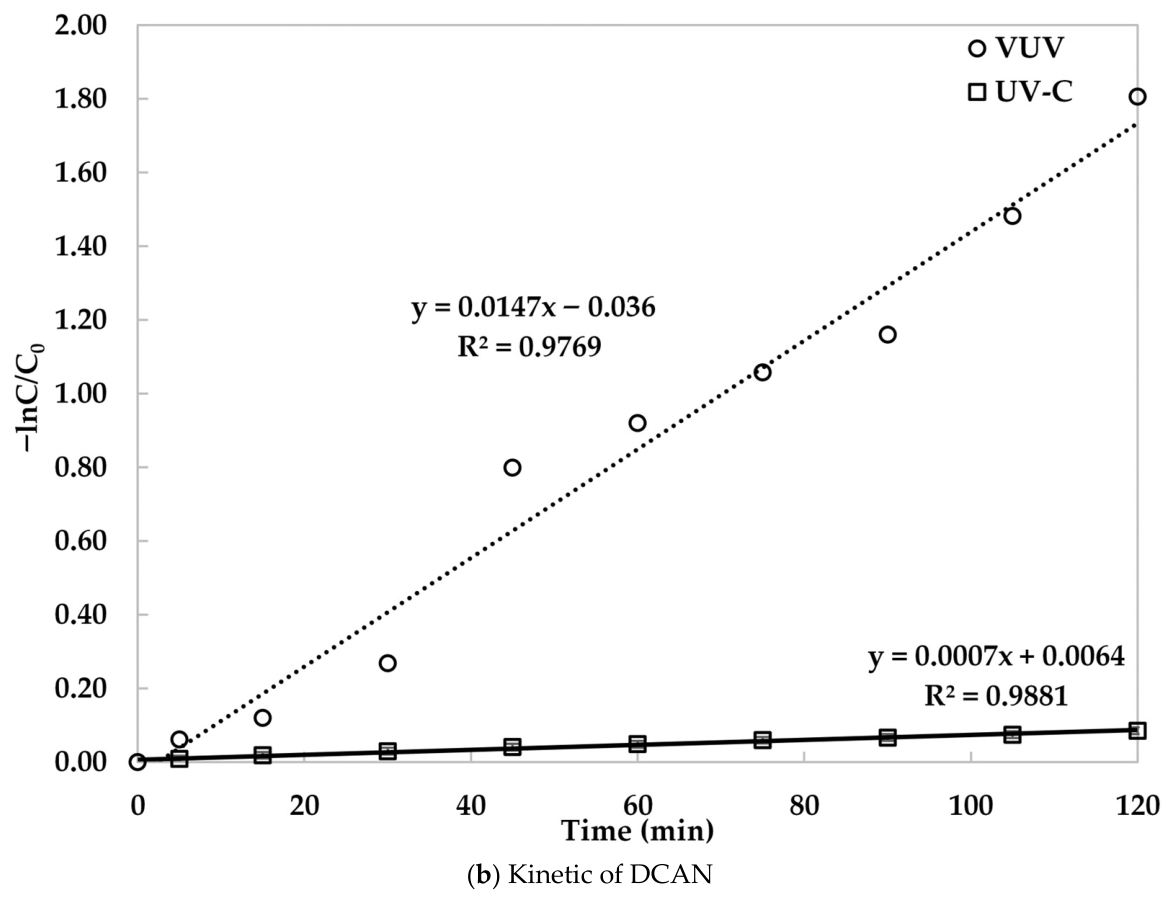
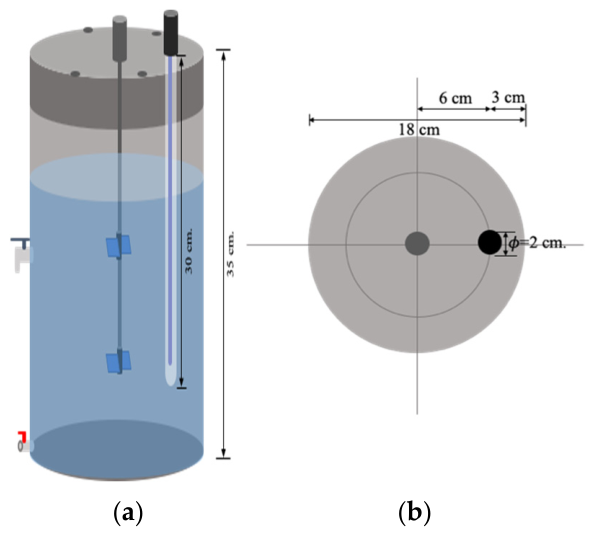
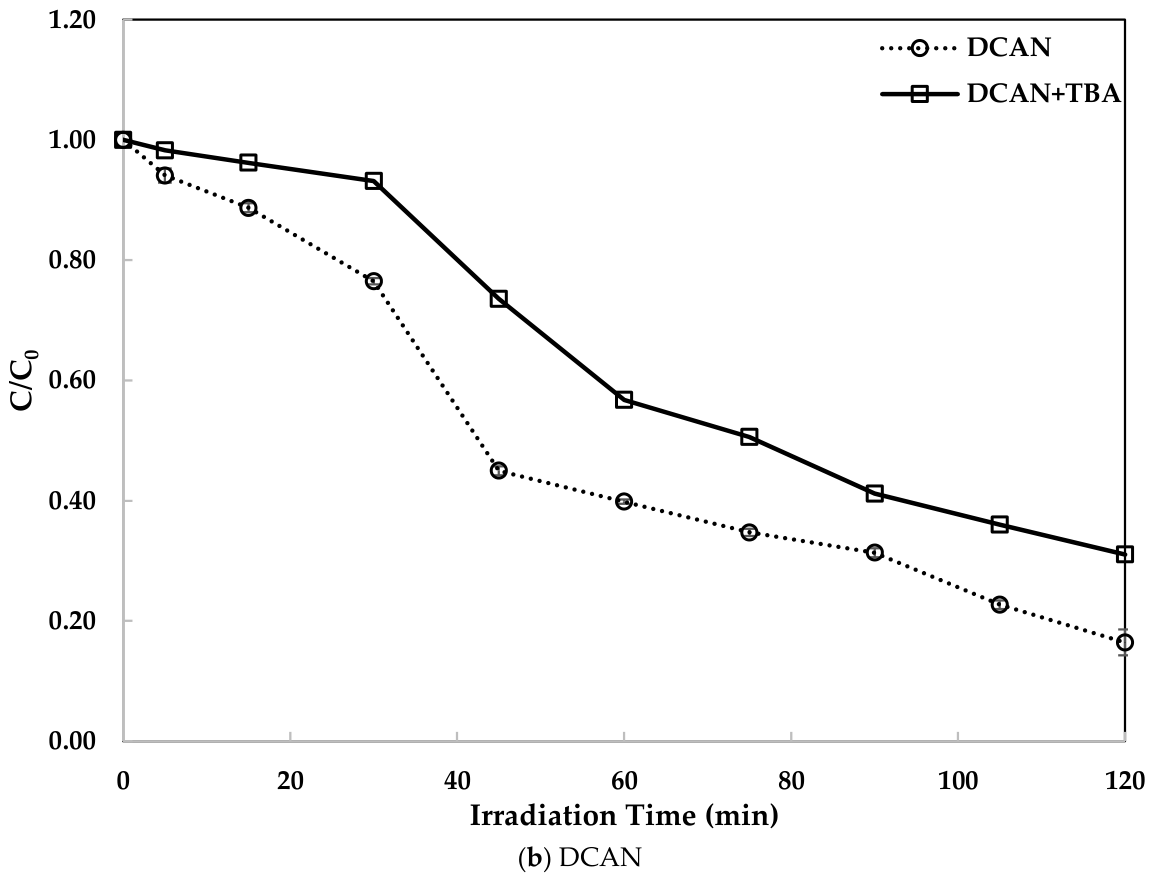
3.1.2. Degradation of DCAN Under VUV or UV-C Irradiation
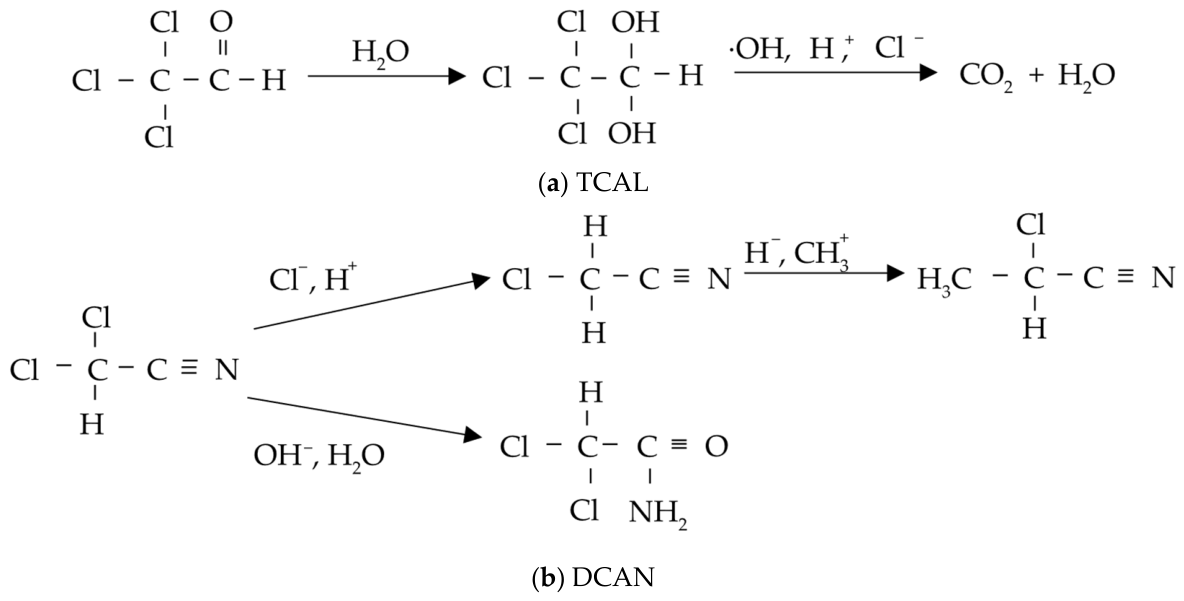
3.2. Mechanisms of TCAL and DCAN Degradation
3.3. Competitive Effect of HALs and HANs Mixture Under VUV
3.4. Mechanism Identification
4. Conclusions
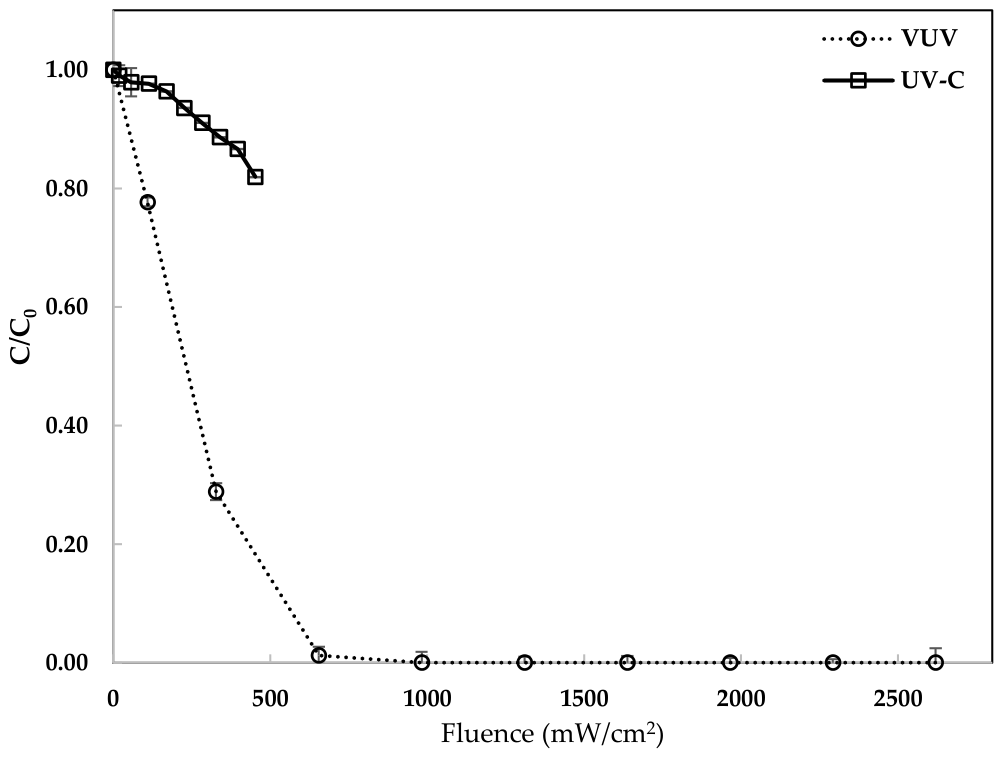
- VUV light was more effective than UV-C light at degrading TCAL and DCAN.
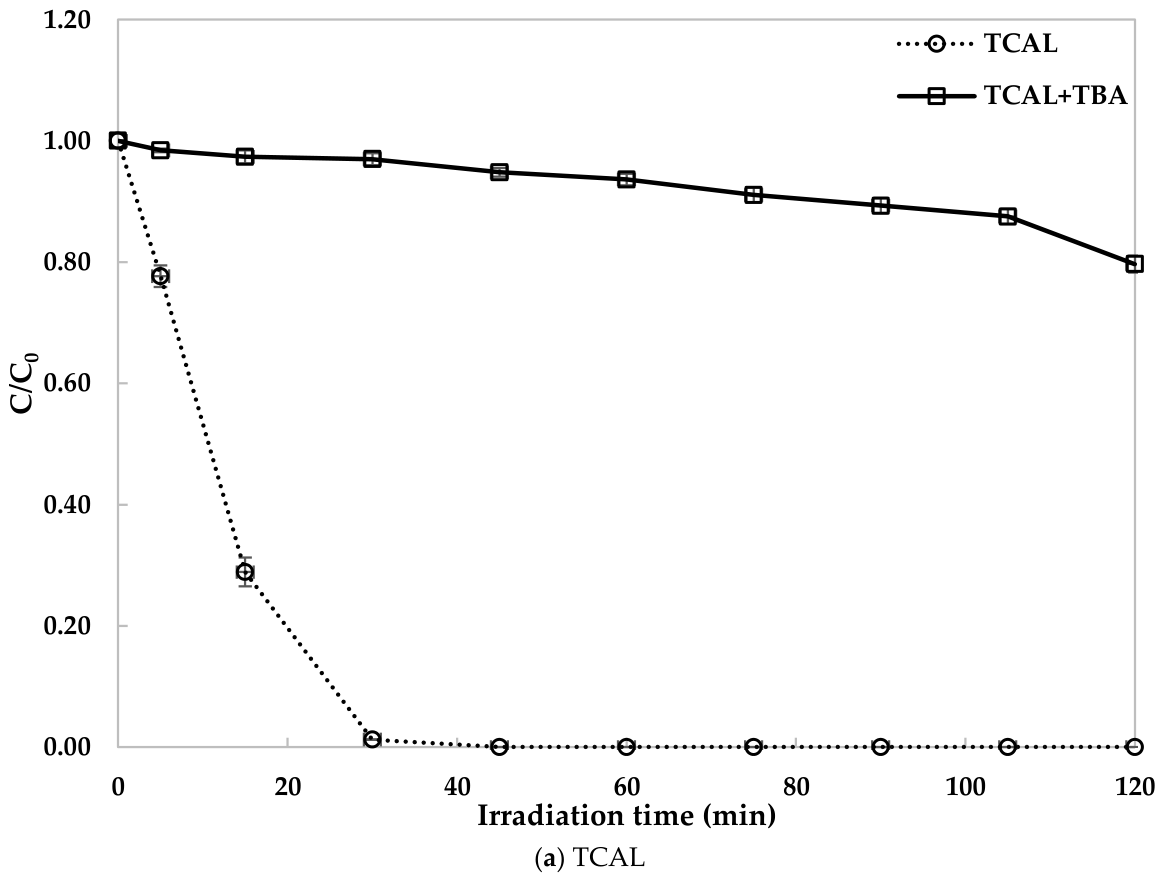
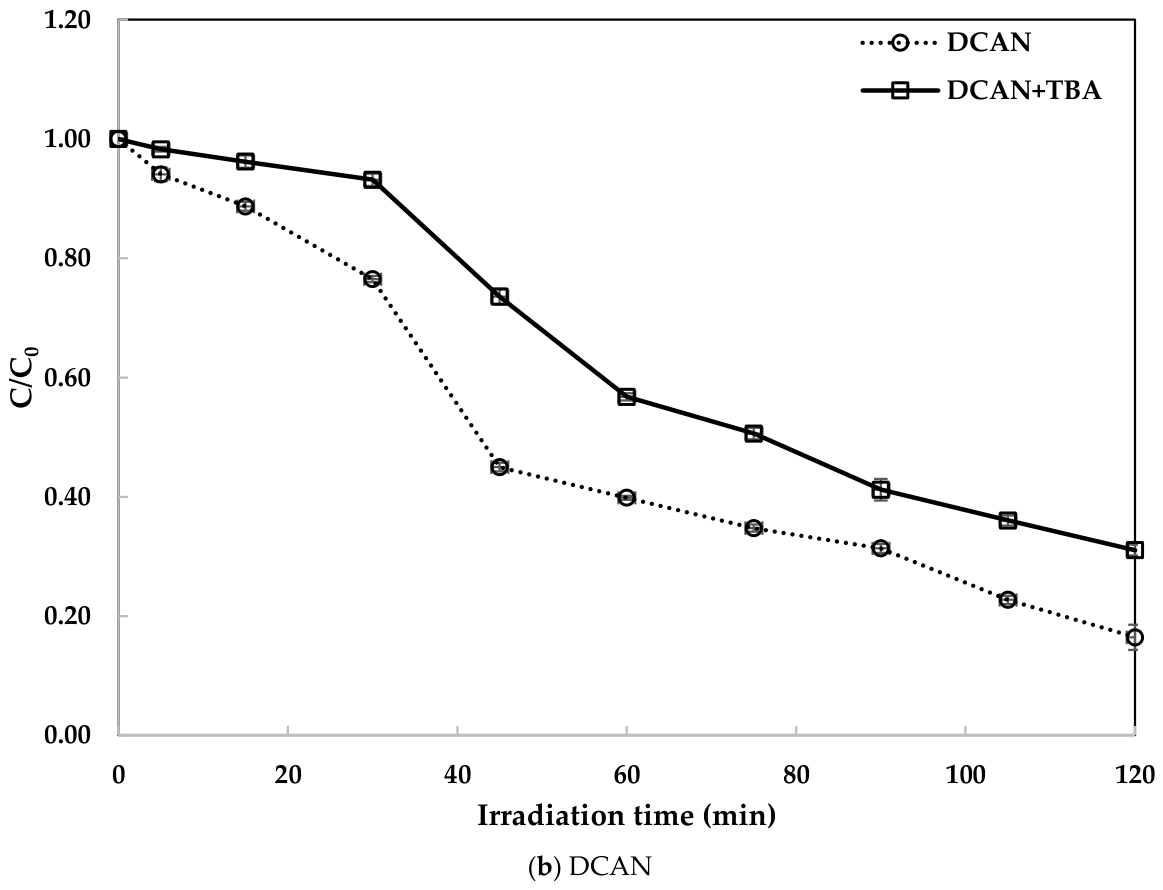
- The main mechanism of DCAN removal was direct photolysis, but TCAL removal was driven by indirect photolysis and adding TBA to quench •OH formation.
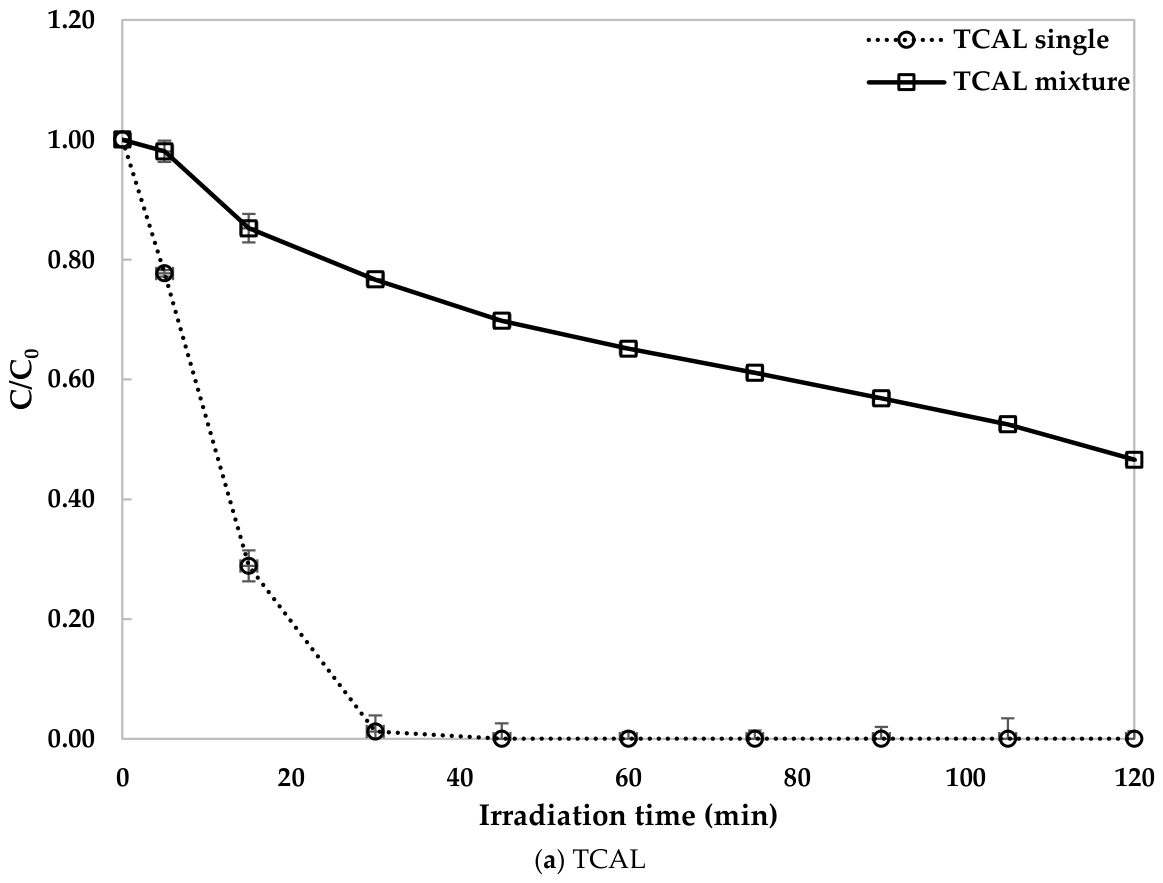
- Degradation of HALs and HANs in mixtures under VUV irradiation was determined by competition for OH radicals.
- Competition in the DBP mixture group occurred under conditions of indirect photolysis.
Supplementary Materials
Author Contributions
Funding
Data Availability Statement
Conflicts of Interest
Abbreviations
| HALs | Haloacetaldehydes |
| HANs | Haloacetonitriles |
| DBPs | Disinfection by products |
| TCAL | Trichloroacetaldehyde |
| DCAN | Dichloroacetonitrile |
| UV-C | Ultraviolet Type C |
| VUV | Vacuum ultraviolet |
| C-DBPs | Carbonaceous DBPs |
| THMs | Trihalomethanes |
| HAAs | Haloacetic acids |
| N-DBPs | Nitrogenous DBPs |
| WHO | World Health Organization |
| CH | Chloral hydrate |
| DWDS | Drinking water distribution system |
| SPW | Swimming pool water |
| µg/L | Microgram per liter |
| NOM | Natural organic matter |
| DWTPs | Drinking water treatment plants |
| AOPs | Advanced oxidation processes |
| •OH | Hydroxyl radicals |
| UV | Ultraviolet |
| UV-B | Ultraviolet Type B |
| UV-A | Ultraviolet Type A |
| IMI | Imipramine |
| TCAN | Trichloroacetonitrile |
| TBAL | Tribromocetaldehyde |
| MtBE | Tert-Butyl methyl ether |
| EPA | Environmental Protection Agency |
| TBA | Tert-Butanol |
| ppb | Parts per billion |
| MΩ·cm | Megohm centimeter |
| LP-VUV | Low pressure VUV |
| LP-UV-C | Low pressure UV-C |
| LLE | Liquid–liquid Extraction |
| GC/ECD | Gas chromatograph equipped with an electron capture detector |
| GC/MS | Gas chromatograph equipped with a mass spectrometer |
| mM | Millimolar |
| LOD | Limit of detection |
| mW/cm2 | Milliwatts per square centimeter |
| h | hour |
| e−aq | Hydrated electrons |
| k | kinetics constant rate |
| min | minutes |
| QSAR | Quantitative structure–activity relationship |
| H2O2 | Hydrogen peroxide |
| CO2 | Carbon dioxide |
| H2O | Water |
| Cl- | Chloride |
| DCAcAm | Dichloroacetamide |
Appendix A
Appendix A.1. The Degradation of TCAL by VUV and UV-C with Fluence Rate

Appendix A.2. The Degradation of DCAN by VUV and UV-C with Fluence Rate
References
- Koudjonou, B.K.; Lebel, G.L. Halogenated acetaldehydes: Analysis, stability and fate in drinking water. Chemosphere 2006, 64, 795–802. [Google Scholar] [CrossRef]
- Koley, S.; Dash, S.; Khwairakpam, M.; Kalamdhad, A.S. Perspectives and understanding on the occurrence, toxicity and abatement technologies of disinfection by-products in drinking water. J. Environ. Manag. 2024, 351, 119770. [Google Scholar] [CrossRef]
- Chen, B.; Lee, W.; Westerhoff, P.K.; Krasner, S.W.; Herckes, P. Solar photolysis kinetics of disinfection byproducts. Water Res. 2010, 44, 3401–3409. [Google Scholar] [CrossRef]
- Gao, X.; Wangc, X.; Ma, J.; Liu, Y. Potential and mechanism of disinfection by-products removal in drinking water by bubbling corona discharge. Water Res. 2023, 245, 120624. [Google Scholar] [CrossRef]
- Postigo, C.; Richardson, S.D.; Barceló, D. Formation of iodo-trihalomethanes, iodo-haloacetic acids, and haloacetaldehydes during chlorination and chloramination of iodine containing waters in laboratory controlled reactions. J. Environ. Sci. 2017, 58, 127–134. [Google Scholar] [CrossRef] [PubMed]
- Kali, S.; Khan, M.; Ghaffar, M.S.; Rasheed, S.; Waseem, A.; Iqbal, M.M.; Niazi, M.B.K.; Zafar, M.I. Occurrence, influencing factors, toxicity, regulations, and abatement approaches for disinfection by-products in chlorinated drinking water: A comprehensive review. Environ. Pollut. 2021, 281, 116950. [Google Scholar] [CrossRef] [PubMed]
- Lou, J.; Wang, W.; Zhu, L. Transformation of emerging disinfection byproducts Halobenzoquinones to haloacetic acids during chlorination of drinking water. Chem. Eng. J. 2021, 418, 129326. [Google Scholar] [CrossRef]
- Mao, Y.; Zang, W.; Qi, S.; Yang, H.; Xie, Y.F. Kinetics and mechanism of haloacetaldehyde formation from the reaction of acetaldehyde and chlorine. Chemosphere 2021, 283, 131253. [Google Scholar] [CrossRef]
- Jeong, C.H.; Postigo, C.; Richardson, S.D.; Simmons, J.E.; Kimura, S.Y.; Mariñas, B.J.; Barcelo, D.; Liang, P.; Wagner, E.D.; Plewa, M.J. Occurrence and Comparative Toxicity of Haloacetaldehyde Disinfection Byproducts in Drinking Water. Env. Sci Technol. 2015, 49, 13749–13759. [Google Scholar] [CrossRef]
- Richardson, S.D.; Thruston, A.D., Jr.; Krasner, S.W.; Weinberg, H.S.; Miltner, R.J.; Scheneck, K.M.; Narotsky, M.S.; McKague, B.; Simmons, E.J. Integrated disinfection by-products mixtures research: Comprehensive charecterization of water concentrates prepared from chlorinated and ozonated/postchlorinated drinking water. J. Toxicol. Environ. Health Part A 2008, 71, 1165–1186. [Google Scholar] [CrossRef]
- World Health Organization. Guidelines for Drinking-Water Quality, 4th ed.; World Health Organization: Geneva, Switzerland, 2012; pp. 375–377. [Google Scholar]
- Carter, R.A.A.; Allard, S.; Croué, J.-P.; Joll, C.A. 500 days of swimmers: The chemical water quality of swimming pool waters from the beginning. Environ. Sci. Pollut. Res. 2019, 26, 29110–29126. [Google Scholar] [CrossRef]
- Wang, X.; Fang, C.; Xiao, R.; Lai, K.; Yang, W.; Chu, W. Rapid degradation of brominated haloacetaldehydes at elevated temperature: Kinetics and newly discovered mechanisms. Water Res. 2024, 253, 121298. [Google Scholar] [CrossRef]
- Mian, H.R.; Hu, G.; Hewage, K.; Rodriguez, M.J.; Sadiq, R. Prioritization of unregulated disinfection by-products in drinking water distribution systems for human health risk mitigation: A critical review. Water Res. 2018, 147, 112–131. [Google Scholar] [CrossRef]
- Mao, Y.; Wang, X.; Guo, X.; Yang, H.; Xie, Y.F. Characterization of haloacetaldehyde and trihalomethane formation potentials during drinking water treatment. Chemosphere 2016, 159, 378–384. [Google Scholar] [CrossRef] [PubMed]
- Lee, W.; Westerhoff, P.; Croué, J.P. Dissolved organic nitrogen as a precursor for chloroform, dichloroacetonitrile, N-nitrosodimethylamine, and trichloronitromethane. Environ. Sci. Technol. 2007, 41, 5485–5490. [Google Scholar] [CrossRef] [PubMed]
- Xie, P.; Zou, Y.; Jiang, S.; Wang, J.; Zhang, L.; Wang, Z.; Yue, S.; Feng, X. Degradation of imipramine by vacuum ultraviolet (VUV) system: Influencing parameters, mechanisms, and variation of acute toxicity. Chemosphere 2019, 233, 282–291. [Google Scholar] [CrossRef] [PubMed]
- Kim, H.Y.; Kim, T.H.; Yu, S. Photolytic degradation of sulfamethoxazole and trimethoprim using UV-A, UV-C and vacuum-UV (VUV). J. Environ. Sci. Health Part A 2015, 50, 292–300. [Google Scholar] [CrossRef]
- Parsons, S. Advanced Oxidation Processes for Water and Wastewater Treatment; IWA Pubishing: London, UK, 2004; pp. 7–49. [Google Scholar]
- Hansen, K.M.S.; Zortea, R.; Piketty, A.; Vega, S.R.; Andersen, H.R. Photolytic removal of DBPs by medium pressure UV in swimming pool water. Sci. Total Environ. 2013, 443, 850–856. [Google Scholar] [CrossRef]
- Kiattisaksiri, P.; Khan, E.; Punyapalakul, P.; Ratpukdi, T. Photodegradation of haloacetonitriles in water by vacuum ultraviolet irradiation: Mechanisms and intermediate formation. Water Res. 2016, 98, 160–167. [Google Scholar] [CrossRef]
- Goldstein, S.; Rabani, J. The ferrioxalate and iodide–iodate actinometers in the UV region. J. Photochem. Photobiol. A Chem. 2008, 193, 50–55. [Google Scholar] [CrossRef]
- Pousty, D.; Mamane, H.; Cohen-Yaniv, H.; Bolton, J.R. Ultraviolet actinometry – Determination of the incident photon flux and quantum yield for photochemical systems using low-pressure and ultraviolet light-emitting diode light sources. J. Environ. Chem. Eng. 2022, 10, 107947. [Google Scholar] [CrossRef]
- Prarat, P.; Ngamcharussivichai, C.; Khaodhiar, S.; Punyapalakul, P. Adsorption characteristics of halocetonitriles on functionalized silica-based porous materials in aqueous soltion. J. Hazard. Mater. 2013, 192, 1210–1218. [Google Scholar] [CrossRef]
- Maniero, M.G.; Bila, D.M.; Dezotti, M. Degradation and estrogenic activity removal of 17β-estradiol and 17α-ethinylestradiol by ozonation and O3/H2O2. Sci. Total Environ. 2008, 407, 105–115. [Google Scholar]
- Fu, P.; Feng, J.I.; Yang, H.; Yang, T. Degradation of sodium n-butyl xanthate by vacuum UV-ozone (VUV/O3) in comparison with ozone and VUV photolysis. Process Saf. Environ. Prot. 2016, 102, 64–70. [Google Scholar] [CrossRef]
- Hu, H.; Jiang, C.; Ma, H.; Ding, L.; Geng, J.; Xu, K.; Huang, H.; Ren, H. Removal characteristics of DON in pharmaceutical wastewater and its influence on the N-nitrosodimethylamine formation potential and acute toxicity of DOM. Water Res. 2017, 109, 114–121. [Google Scholar] [CrossRef] [PubMed]
- Masjoudi, M.; Dixit, F.; Barbeau, B.; Mitch, W.; Mohseni, M. Photodegradation of micropollutants by vacuum-UV (VUV) radiation in potable reuse waters: Promotive and inhibitory effects of free chlorine oxidant. J. Environ. Chem. Eng. 2025, 13, 115095. [Google Scholar] [CrossRef]
- Gan, Y.; Ma, S.; Guo, X.; Chen, B.; Jassby, D. Photolysis of chloral hydrate in water with 254 nm ultraviolet: Kinetics, influencing factors, mechanisms, and products. Chemosphere 2019, 218, 104–109. [Google Scholar] [CrossRef]
- Ghauch, A.; Tuqan, A.M. Oxidation of bisoprolol in heated persulfate/H2O systems: Kinetics and products. Chem. Eng. J. 2012, 183, 162–171. [Google Scholar] [CrossRef]
- Hazimea, R.; Nguyen, Q.H.; Ferronato, C.; Salvador, A.; Jaber, F.; Chovelona, J.-M. Comparative study of imazalil degradation in three systems: UV/TiO2, UV/K2S2O8 and UV/TiO2/K2S2O8. Appl. Catal. B Environ. 2014, 144, 286–291. [Google Scholar] [CrossRef]





| DBPs | Apparent First-Order Constants Rate | |||
|---|---|---|---|---|
| kVUV (min−1) | R2 | kUV-C (min−1) | R2 | |
| TCAL | 0.1482 | 0.9495 | 0.0012 | 0.9484 |
| DCAN | 0.0147 | 0.9769 | 0.0007 | 0.9881 |
| DBPs | Apparent First-Order Constants Rate | |||
|---|---|---|---|---|
| kwithout TBA (min−1) | R2 | kwith TBA (min−1) | R2 | |
| TCAL | 0.1482 | 0.9495 | 0.0015 | 0.8962 |
| DCAN | 0.0147 | 0.9769 | 0.0105 | 0.9764 |
| DBPs | Apparent First-Order Constants Rate | |||
|---|---|---|---|---|
| ksingle (min−1) | R2 | kmixture (min−1) | R2 | |
| TCAL | 0.1482 | 0.9495 | 0.0060 | 0.9814 |
| DCAN | 0.0147 | 0.9769 | 0.0097 | 0.9773 |
Disclaimer/Publisher’s Note: The statements, opinions and data contained in all publications are solely those of the individual author(s) and contributor(s) and not of MDPI and/or the editor(s). MDPI and/or the editor(s) disclaim responsibility for any injury to people or property resulting from any ideas, methods, instructions or products referred to in the content. |
© 2026 by the authors. Licensee MDPI, Basel, Switzerland. This article is an open access article distributed under the terms and conditions of the Creative Commons Attribution (CC BY) license.
Share and Cite
Nakboon, K.; Lohwacharin, J.; Larpparisudthi, O.-a. Delineating the Role of Direct and Indirect Photolysis on Trichloroacetaldehyde (TCAL) and Dichloroacetonitrile (DCAN) in Water Degradation by Ultraviolet Irradiation. Water 2026, 18, 970. https://doi.org/10.3390/w18080970
Nakboon K, Lohwacharin J, Larpparisudthi O-a. Delineating the Role of Direct and Indirect Photolysis on Trichloroacetaldehyde (TCAL) and Dichloroacetonitrile (DCAN) in Water Degradation by Ultraviolet Irradiation. Water. 2026; 18(8):970. https://doi.org/10.3390/w18080970
Chicago/Turabian StyleNakboon, Kiattisak, Jenyuk Lohwacharin, and On-anong Larpparisudthi. 2026. "Delineating the Role of Direct and Indirect Photolysis on Trichloroacetaldehyde (TCAL) and Dichloroacetonitrile (DCAN) in Water Degradation by Ultraviolet Irradiation" Water 18, no. 8: 970. https://doi.org/10.3390/w18080970
APA StyleNakboon, K., Lohwacharin, J., & Larpparisudthi, O.-a. (2026). Delineating the Role of Direct and Indirect Photolysis on Trichloroacetaldehyde (TCAL) and Dichloroacetonitrile (DCAN) in Water Degradation by Ultraviolet Irradiation. Water, 18(8), 970. https://doi.org/10.3390/w18080970