Article

Origin, Composition and Spectroscopic Characteristics of Dissolved Organic Matter in Brine from Yuncheng Salt Lake


1
Key Laboratory of Synthetic and Biological Colloids, Ministry of Education, School of Chemical and Material Engineering, Jiangnan University, Wuxi 214122, China
2
Shanxi Coking Coal Yuncheng Salt Chemical Group Co., Ltd., Yuncheng 044000, China
3
Jiangnan Institute of Beauty Research, Wuxi 214125, China
*
Authors to whom correspondence should be addressed.
Water 2026, 18(2), 288; https://doi.org/10.3390/w18020288
Submission received: 20 December 2025 / Revised: 17 January 2026 / Accepted: 20 January 2026 / Published: 22 January 2026
(This article belongs to the Section Hydrology)

Abstract

Dissolved organic matter (DOM) in salt lake brines comprises organic compounds dissolved in high-salinity aquatic systems. With complex composition and diverse sources, DOM significantly influences biogeochemical cycles, mineral formation, and resource development in salt lakes. However, few studies have investigated the characteristics and sources of DOM in salt lake brines. In this study, a DOM sample (YC-4) from brine of Shanxi Yuncheng Salt Lake was isolated and characterized using FT-ICR-MS, nuclear magnetic resonance spectroscopy, three-dimensional fluorescence spectroscopy, and parallel factor analysis. The results demonstrate that YC-4 DOM exhibits rich chemical diversity, primarily composed of lignin/CRAM-like compounds (54.26%), tannins (16.75%) and proteins (13.43%). The predominant carbon forms in YC-4 DOM were aliphatic C-O bonded compounds (33.74%), aliphatic compounds (24.31%), and carboxylic acid compounds (23.95%). YC-4 DOM consists of five fluorescent components: marine-like humic substances, two types of humic-like substances, fulvic-like substances, and one protein-like substance. The fluorescence signature, characterized by high fluorescence index (FI 1.99), low humification index (HIX 0.66), and high biological index (BIX 1.27), collectively indicates that the DOM in Yuncheng Salt Lake brine is predominantly autochthonous, weakly humified, and highly bioavailable. This study reveals the DOM feature within the “human–environment coupled system” of Yuncheng Salt Lake. The findings provide a scientific basis for the sustainable utilization of its brine DOM resources and further enrich the theoretical system of DOM biogeochemical cycle in high-salinity lake system.

1. Introduction

Salt lake brine is a highly mineralized natural water body occurring in enclosed or semi-enclosed basins. It has formed over long geological timescales spanning millions of years [1]. As a critical aquatic ecosystem in arid and semi-arid regions globally, salt lake brine constitutes not only a treasury of strategic mineral resources such as lithium, boron, and potassium [1] but also a natural laboratory for studying biogeochemical cycles under extreme environmental conditions [2]. Within the complex salt lake brine system, dissolved organic matter (DOM) represents the most active organic component [3] and plays an especially crucial role. DOM profoundly influences the migration, enrichment, separation, and extraction efficiency of strategic metal elements through complexation reactions [4]. Furthermore, it acts as a central driver, participating in and regulating key processes within the brine, including microbial energy metabolism, photochemical transformations, and the production and consumption of greenhouse gases [5,6]. Consequently, elucidating the composition and sources of DOM in salt lake brine is essential. It is key to gaining a deeper understanding of the unique carbon cycle mechanisms and ecological functions of salt lakes. This knowledge also carries significant scientific and practical importance for evaluating the environmental impacts of resource exploitation.
Current research on DOM has established an extensive and in-depth knowledge base within marine and freshwater systems. Advancements in analytical techniques, such as high-resolution mass spectrometry [3] and multi-dimensional spectroscopy, enable scientists to systematically resolve DOM molecular composition profiles across diverse aquatic environments, ranging from polar to equatorial regions and from surface waters to the deep ocean [7,8,9]. Molecular fingerprinting, isotopic geochemistry (e.g., δ13C, Δ14C), and multivariate statistical models have also been successfully employed to quantitatively trace multiple DOM sources (including terrestrial and endogenous origins [3,5,6,10,11]) and to elucidate their transformation processes and mechanisms within the carbon cycle [12]. However, research on DOM in salt lake brines, which exist under the unique conditions of high salinity, intense evaporation, and elevated ionic strength, remains relatively limited. The origin, composition, and cycling of DOM in saline lakes, especially hypersaline lakes, remain largely unknown [7]. Current research indicates that the high-salinity conditions of these distinctive water bodies further regulate DOM sources and transformation processes, leading to significant differences in DOM characteristics among various regions and types of salt lakes. Hypersaline lakes are typically terminal hydrological systems, lacking surface outflow, with long water residence times, which generally results in high concentrations of dissolved organic carbon (DOC) [13]. In their late stages of evaporation and evolution, distinct physicochemical environments, such as water residence time, salinity, hydrological inputs, and ultraviolet (UV) irradiation, may impart unique features to DOM in hypersaline lakes. For example, Da Qaidam Lake on the Tibetan Plateau is a typical high-altitude (approximately 3100 m) hypersaline lake. Influenced by a combination of natural factors, including a cold, arid climate, intense UV radiation, and extreme evaporation, its DOM is characterized by predominant endogenous (halophilic microbial) contribution, low molecular weight, high oxidation state, and a high proportion of sulfur-containing compounds [7,14]. In contrast, Lake Vida in Antarctica represents an extreme low-temperature hypersaline system. Isolated for thousands of years, the lake water exists in a state of extreme equilibrium characterized by high stability, perpetual darkness, anoxia, low temperature, high salinity, and high pressure. Consequently, its DOM exhibits a unique profile of extremely low concentration, high recalcitrance, a high degree of humification, and extremely low bioavailability [8]. The hypersaline lakes of the Monegros Desert in Spain are seasonal shallow salt marshes. Intense seasonal cycles of precipitation and evaporation cause the sources and composition of DOM to fluctuate drastically with the hydrological cycle. Subjected to alternating intense microbial and photodegradation, these lakes display a distinct pulsed terrestrial-endogenous signature [9]. During flood periods (winter and spring), precipitation runoff delivers abundant fresh terrestrial DOM, while algae and higher aquatic plants produce significant amounts of fresh endogenous DOM, resulting in high bioavailability and a broad molecular range. In contrast, during dry periods (summer and autumn), under the combined effects of intense evaporation, strong irradiation, and microbial degradation, DOM tends to transform into recalcitrant humic-like substances that persist in salt crusts or sediments [9]. Daihai Lake in Inner Mongolia is a notable hypersaline lake undergoing rapid salinization in recent years. Due to historical eutrophication, DOM derived from endogenous productivity (algae and bacteria) contributes substantially. Simultaneously, pronounced human activities have exacerbated terrestrial input, leading to a compositional pattern characterized by “dual terrestrial and endogenous drivers, moderate to low humification, and high bioavailability” [15]. In summary, although considerable research has explored DOM characteristics in hypersaline lakes under specific environmental regimes, such as high altitude, extreme low temperature, intense dry-wet alternation, eutrophication, and human activity impacts, significant differences persist in the compositional features and sources of DOM across different hypersaline lakes due to regional specificity and environmental complexity.
Yuncheng Salt Lake in Shanxi Province (110°41′ E, 34°48′ N), historically known as the “Hedong Salt Pond,” is a unique study site that integrates natural resources, cultural heritage, and a dynamic ecosystem [16]. Its significance is reflected in three key aspects. First, as one of the world’s three major sulfate-type inland salt lakes, it remains an important producer of inorganic salts to this day. Its brine chemical composition, rich in Na+, Mg2+, SO42−, and Cl [17,18], combined with the continuous production cycle of “harvesting salt in summer and mirabilite in winter,” forms a typical human-environment coupled system subject to high-intensity, periodic disturbance. Second, as a vital wetland in the middle reaches of the Yellow River, the salt lake plays a crucial ecological role in regulating the regional climate and maintaining biodiversity [19]. Finally, with over 4000 years of exploitation history, material cycling within its brine carries a deep imprint of both natural processes and anthropogenic activities [16]. Within this context, DOM in the brine plays a dual role. It serves not only as a key active component in the lake’s biogeochemical cycles, such as those of carbon and sulfur [5], but also as a potential tracer connecting the lake ecosystem with millennia of human production activities, such as the ancient method of sun-drying salt [3]. Therefore, elucidating the composition and sources of DOM in the brine of Yuncheng Salt Lake is central not only to understanding the functioning of this distinctive semi-artificial ecosystem but also to reconstructing its long-term evolution and the history of human-environment interaction. However, existing research on Yuncheng Salt Lake has focused primarily on its geological origin, inorganic mineral extraction, and conventional water quality assessment [20], leaving the characteristics of DOM in its brine largely unexplored.
Based on this gap, the present study systematically characterized DOM from the brine pool YC-4 in Yuncheng Salt Lake, Shanxi Province, using an integrated suite of analytical techniques. The results are expected to reveal the DOM cycling pattern within the “human-environment coupled system” of Yuncheng Salt Lake, provide a scientific basis for the sustainable utilization of its brine DOM resources, and further enrich the theoretical framework of DOM biogeochemical cycling in high-salinity lake systems.

2. Materials and Methods

2.1. Sampling Sites and Description

Yuncheng Salt Lake (110°41′ E, 34°48′ N) is located at the lowest part of the Yuncheng Fault Basin on the northern foot of the Zhongtiao Mountains in the southern suburbs of Yuncheng, Shanxi Province, China. It is classified as a hypersaline water body, with a lake surface elevation of 324.5 m, a total area of 132 km2, and a maximum water depth of 6 m [21]. Situated in a semi-arid region, the lake experiences concentrated precipitation during July, August, and September, with the annual average evaporation being four times the annual average precipitation. The annual average sunshine duration is 2247.4 h, and the annual average temperature is approximately 13.6 °C. In addition, Yuncheng Salt Lake is a closed-type lake where surface runoff and groundwater serve as the main water sources and pathways for salt delivery, with atmospheric precipitation acting as a supplement. Driven by the interplay of its enclosed terrain and intense evaporation, the lake has undergone long-term evolution to become a “natural salt reservoir” [16].
Brine samples were collected from the brine pool YC-4 of Yuncheng Salt Lake in Shanxi Province on 30 August 2023. The sampling process strictly complied with the requirements specified in Water Quality—Technical Guidelines for Sampling [22] (GB/T 12998-1991). All sampling containers were pre-treated with 5% (v/v) nitric acid (Sinopharm Chemical Reagent Co. Ltd., Shanghai, China) and rinsed three times with the sample prior to sampling [4]. The 10 L polyethylene plastic buckets used were soaked in 5% (v/v) nitric acid for 24 h, rinsed with ultrapure water until neutral, and then dried for subsequent use to avoid the adsorption of DOM fractions on the container walls. After sampling, all samples were transported to the laboratory under ice-bathed and dark conditions for further processing. Upon arrival at the laboratory, the samples were filtered through a 0.7 μm pore-size glass fiber filter (Whatman GF/F (Whatman plc, Maidstone, Kent, UK), combusted at 450 °C for 5 h before use) to remove suspended particulate matter and microorganisms. The filtrate was aliquoted into 50 mL brown glass vials, sealed, and stored protected from light in a refrigerator at 4 °C, and reserved for physical and chemical analysis as well as spectral determination.

2.2. Extraction and Purification of DOM

The DOM in salt lake brine was extracted and purified using a solid-phase extraction (SPE) cartridge (PPL, Agilent, Santa Clara, CA, USA), following the method reported by Xu et al. [15]. The DOM samples were stored in a refrigerator at −20 °C for subsequent use. Detailed operational procedures are provided in Text S1.

2.3. Analytical Testing

2.3.1. Determination of Geochemical Parameters

The pH value of brine samples was measured using an Ohaus ST3100 pH meter (Ohaus Instruments Co., Ltd., Shanghai, China). The concentration of Br was determined using a Thermo Dionex Aquion IC ion chromatograph (Thermo Fisher Scientific Inc., Waltham, MA, USA), with a detection limit of 0.001 ppm and a relative standard deviation (RSD) not exceeding 1%. The concentrations of Cl, CO32−, HCO3, and SO42− ions were measured by the titration method [23], with an RSD not exceeding 10%. A Thermo ICAP TQ inductively coupled plasma mass spectrometer (Thermo Fisher Scientific Inc., Waltham, MA, USA) was used to determine the concentrations of Na+, K+, Mg2+, and Ca2+, which has a detection range of 4–260 amu and an RSD not exceeding 3%. The salinity of the salt lake brine was calculated by summing the concentrations of the aforementioned anions and cations. The concentration of DOC in brine samples was determined via the high-temperature catalytic oxidation method using a Shimadzu TOC-VCPH total organic carbon analyzer (Shimadzu Corporation, Kyoto, Japan), with a detection limit of 4 μg/L and an RSD not exceeding 1.5%. Due to the high salinity of the brine, the brine sample was diluted with ultrapure water at a volume ratio (v/v) of 1:10 prior to analysis. All reported values represent the average of three replicate measurements.

2.3.2. 13C Nuclear Magnetic Resonance (NMR) Spectroscopy

One hundred milligrams (100 mg) of freeze-dried DOM sample was dissolved in 1 milliliter (1 mL) of deuterated water (D2O), and then filtered through a 0.45 μm membrane filter. The 13C Nuclear Magnetic Resonance (NMR) analysis was performed at 600 MHz using a Bruker AVANCE NEO 600 NMR spectrometer (Bruker, Ettlingen, Germany). The operating parameters of the NMR spectrometer were set as follows: pulse width of 10 μs, acquisition time of 0.9175 s, spectrometer frequency of 150.4 MHz, spectral width of 35.71 kHz, delay time of 2 s, and 7000 cumulative scans. All spectra were divided into seven chemical shift regions: alkyl carbon (0–60 ppm), O-alkyl carbon (60–90 ppm), di-O-alkyl carbon (90–110 ppm), hydrogen- and carbon-substituted aromatic carbon (110–135 ppm), oxygen-substituted aromatic carbon (135–160 ppm), carboxyl carbon (160–185 ppm), and carbonyl carbon (185–220 ppm) [7].

2.3.3. FT-ICR-MS Analysis

Ultra-high-resolution mass spectra of the samples were acquired using a Bruker Solarix FT-ICR-MS (Bruker, Ettlingen, Germany) equipped with a 15 T superconducting magnet and an electrospray ionization (ESI) source. The DOM sample was dissolved in 1 mL of methanol-water solution (v/v = 1:1), and 200 μL of the treated sample was directly injected for mass spectrometry analysis under negative ion detection mode. The main detection parameters were set as follows: continuous injection mode with a flow rate of 120 μL/h, capillary inlet voltage of 4 kV, ion accumulation time of 0.06 s, mass range collected of 100–1600 Da, 4 M 32-bit data points for sampling, and 300 accumulations of time-domain signals to improve the signal-to-noise ratio. Prior to sample detection, the instrument was externally calibrated using 10 mmol/L sodium formate. After sample detection, internal calibration was performed using a set of m/z values in the sample. After calibration, the mass error of detection was less than 1 ppm. The molecular formula calculator developed by the National High Magnetic Field Laboratory (Molecular Formula Calculation Version 1.2.2, NHMFL, 2016) was used to generate empirical formulas. For a given chemical formula, the mass error between the calculated value and the measured value was less than 1 ppm, and the signal-to-noise ratio of the designated peaks was greater than 10. The assignment criteria were specified as follows: 12C 1–60, 13C 0–1, 1H 1–120, 16O 1–50, 14N 0–5, 32S 0–2, 31P 0–2, 0.2 ≤ H/C ≤ 2.3, and 0 ≤ O/C ≤ 1.2. The molecular weight distribution range of the DOM samples in this study is 100–800 Da. All chemical formulas were screened and verified by searching for their chemical structures in the PubChem database (https://pubchem.ncbi.nlm.nih.gov/search (accessed on 14 January 2025)) [24]. The finally assigned chemical formulas were classified into 8 categories: CHO, CHON, CHOS, CHOP, CHONS, CHONP, CHOSP, and CHONSP. Based on molar assignment, the Dissolved Organic Matter (DOM) molecules were classified into 8 categories according to the Van Krevelen classification method and the following intensity-weighted average parameters were calculated in Text S1 [25]: double bond equivalent (DBE), modified aromaticity index (Aimod), and nominal oxidation state of carbon (NOSC). The relative intensity of each single peak was calculated by dividing the intensity of the peak in each sample by the sum of the intensities of all peaks. The Ward Linkage method was used for clustering the dataset.

2.3.4. EEM Analysis

EEM fluorescence was measured using a Hitachi F-7000 fluorescence spectrophotometer (Hitachi Ltd., Tokyo, Japan). Brine samples were diluted with Milli-Q ultrapure water at a volume ratio of 1:25 (v/v) before analysis. Ultrapure water served as the blank for calibration to minimize interference from instrument background and Raman scattering. The excitation and emission slit widths were both set to 5 nm, and the scan speed was 2400 nm/min. The excitation wavelength (λEx) was scanned from 230 nm to 500 nm at 10 nm intervals, while the emission wavelength (λEm) was recorded from 250 nm to 600 nm at 2 nm intervals. EEM contour plots were generated using Origin software. Fluorescence indices, including the fluorescence index (FI) [5,26], biological index (BIX) [27], and humification index (HIX) [26], were calculated using the “drEEM” package in R software (version 4.3.1). These indices were derived from the three-dimensional EEM data; their specific definitions and calculation formulas were provided in Text S2. The Parallel Factor Analysis (PARAFAC) model was implemented using the DOMFluor toolbox (Stedmon; https://openfluor.lablicate.com/ (accessed on 6 March 2025)). All three-dimensional fluorescence data were processed in MATLAB 2018b according to the following sequence: blank subtraction, removal of Rayleigh and Raman scattering, and outlier elimination. The number of fluorescent components was then determined by split-half validation and residual analysis, after which the fluorescence intensities of the identified components were quantified.

2.4. Statistical Analysis

PARAFAC and fluorescence index calculations were performed using MATLAB 2018b. Data processing and visualization were conducted using Excel 2013 and Origin 2021.

3. Results and Discussion

3.1. Geochemical Parameters

The geochemical parameters of brine sample YC-4 from Yuncheng Salt Lake are summarized in Table 1. The sample exhibits a weakly acidic pH, a salinity of 362.4 g/L, and a DOC concentration of 196.26 mg/L. DOC serves as a key indicator of organic matter content in aquatic systems [28]. The DOC concentration in YC-4 is significantly higher than values reported for saline lakes on the Tibetan Plateau, which typically range from 3.89 to 164.80 mg/L [28]. This notable difference may be attributed to two main factors. First, the lake’s strongly endorheic hydrology, absence of external runoff inputs, and persistent evaporation under semi-arid conditions collectively promote evaporative concentration of DOC, leading to elevated levels [29]. Second, as shown in Table 1, the chloride ion (Cl) concentration in the Yuncheng Salt Lake brine sample exceeds 300 g/L, representing the highest proportion among all ions. This is attributed to long-term selective salt harvesting practices, whereby large quantities of sodium sulfate and magnesium sulfate are extracted, while sodium chloride and magnesium chloride remain and continuously accumulate in the brine. Based on this, chloride ions were selected as the core indicator to characterize the salinity of the salt lake in this study. Existing studies have confirmed that increasing salinity significantly promotes DOC accumulation [30]. Thus, the characteristics of high chloride enrichment and high DOC concentration observed in this study essentially reflect the driving effect of salinity on DOC accumulation, which is consistent with previous literature reports.

3.2. 13C NMR Analysis of DOM in Brine

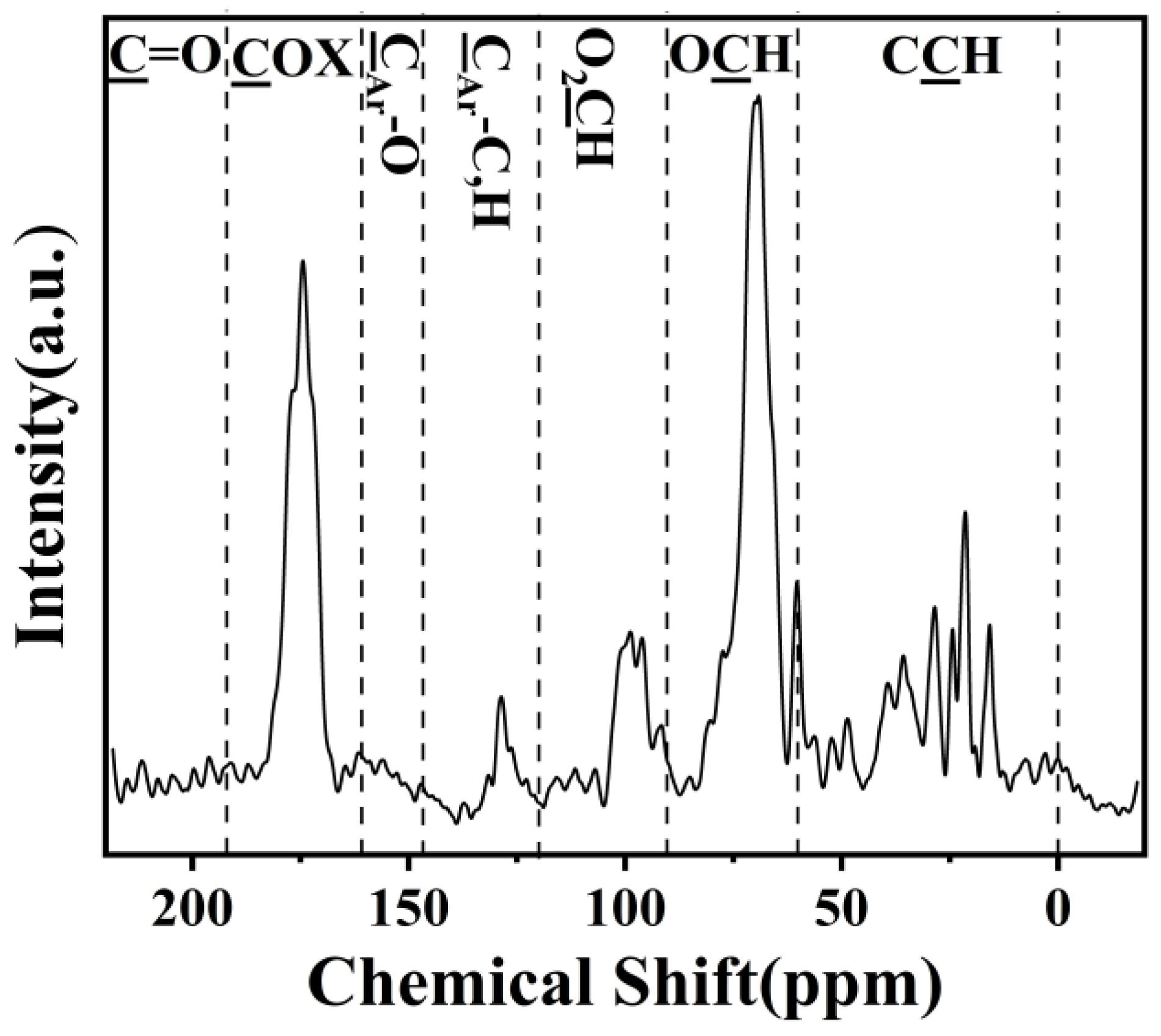
The 13C NMR spectrum is shown in Figure 1, and the percentage integrals for each spectral region, along with comparative data from Da Qaidam Lake on the Tibetan Plateau [7] and Lake Vida in Antarctica [8], are provided in Table 2. The results indicate that the most abundant carbon form in sample YC-4 is aliphatic C-O bonded compounds (33.74%), which is significantly higher than the proportions found in Da Qaidam Lake (20.07%) and Lake Vida (16%). This suggests a greater abundance of alcohols, esters, and ethers in the DOM of Yuncheng Salt Lake. The difference likely originates from the lake’s location in a temperate semi-arid zone, where moderate annual temperature variations support metabolic activities of halotolerant microorganisms [17]. The oxidative degradation of organic matter by these microorganisms may promote the formation and accumulation of aliphatic C-O compounds. In contrast, the high-altitude environment of Da Qaidam Lake and the low-temperature environment of Lake Vida inhibit microbial activity, thereby limiting the generation of such compounds [7,8]. The second most abundant carbon type in YC-4 is aliphatic compounds (24.31%, including C-H, C-C, and C-N bonds) [31], which is lower than in Da Qaidam Lake (55.87%) and Lake Vida (63%). This difference reflects a commonality of extreme environments: both the high-altitude Da Qaidam Lake and the permanently low-temperature Lake Vida significantly inhibit the ability of microorganisms to degrade organic matter [7,8]. This results in the aliphatic compounds produced by biological metabolism accumulating without further decomposition. Furthermore, Da Qaidam Lake is characterized by strong UV radiation, which preferentially degrades aromatic and oxygen-containing complex structures in DOM but has a weaker effect on saturated aliphatics [32], leading to a higher proportion of aliphatics (C-H/C-C/C-N) and a lower proportion of C-O bonds. Although the proportion of aliphatic compounds in YC-4 is relatively low, their total quantity remains considerable. Although the proportion of aliphatic compounds in YC-4 is relatively lower, it remains substantial. This observation aligns with the positive correlation between 13C enrichment and aliphatic compounds in autochthonous DOM reported by Kellerman et al. [33], supporting the interpretation that DOM in YC-4 is primarily governed by in-lake processes. Carboxyl carbon (COO/CONH) represents the third most prevalent carbon form in Yuncheng Salt Lake DOM (23.95%), which is higher than in Da Qaidam Lake (14.33%) and Lake Vida (19%). This reflects a higher degree of oxidation in Yuncheng’s DOM, possibly resulting from specific metabolic pathways of halotolerant microorganisms selected by the high-salinity environment, which enhance the enhanced production of carboxyl-containing substances [18]. It also highlights the environmental contrast where the low-temperature environments of Da Qaidam Lake and Lake Vida inhibit oxidative processes. Anomeric carbon, a substructure of carbohydrates, accounts for 9.64% of the total carbon, higher than the 6.80% observed in Da Qaidam Lake. This may be attributed to abundant carbohydrate production from phytoplankton and microbial photosynthesis, as well as glycogen synthesis in the brine [16], with anomeric carbon forming during carbohydrate degradation [29]. Notably, YC-4 contains low levels of olefinic/aromatic carbon (2.48%) and phenolic carbon (2.09%). This can be explained by limited terrestrial input of aromatic organic matter due to the lake’s strongly enclosed setting. Additionally, although the temperate semi-arid climate of Yuncheng provides less intense UV radiation than the Tibetan Plateau, it still facilitates the photochemical transformation of residual aromatic compounds into aliphatic forms [34]. In summary, the 13C composition characteristics of DOM in Yuncheng Salt Lake differ significantly from those of the high-altitude Da Qaidam Lake [7] and the permanently cryogenic Lake Vida in Antarctica. This highlights the uniqueness of Yuncheng Salt Lake—a sodium sulfate-type lake with a “human-environment coupled system”—within the global landscape of saline lakes. Its molecular characteristics are the result of the synergistic effects of specific ecological conditions and biogeochemical processes.

3.3. FTICR-MS Characterization and Analysis of DOM in Brine

Table 3 summarizes the FT-ICR-MS data for the YC-4 sample, alongside comparative data from Da Qaidam Lake on the Tibetan Plateau [7], Qinghai Lake [15], Daihai Lake [15], saline lakes in the Monegros Desert of Spain (La Salineta) [9], and Lake Vida in Antarctica [8]. All parameters are reported as intensity-weighted averages. In total, 4429 molecular formulas were identified in the YC-4 DOM sample, a value slightly lower than the 4582 identified in Da Qaidam Lake but notably higher than those in Qinghai Lake (3719), Daihai Lake (2058) and Lake Vida (1287). This indicates that YC-4 exhibits high DOM molecular diversity with moderate chemical complexity. Compared to Lake Vida, YC-4 displays richer chemical composition, likely because the extremely low temperature, near absence of exogenous input, and extremely low biological activity in Antarctic Lake Vida result in lower molecular diversity [8]. Conversely, the lower diversity of YC-4 compared to the Spanish Monegros Desert saline lakes may be related to the extreme environment characterized by intense seasonal cycles of precipitation and evaporation. In such environments, DOM is more prone to degradation into simple components and the accumulation of more low-molecular-weight compounds [9]. The molecular weight of YC-4 DOM ranged from 100 to 800 Da, with a predominant distribution between 200 and 500 Da (Figure S1). The average m/z value of YC-4 DOM was 404, similar to that of Da Qaidam Lake (m/z 400) and slightly higher than those of Qinghai Lake (m/z 381), Daihai Lake (m/z 374) and the Spanish Monegros Desert saline lakes (m/z 357), but significantly lower than Lake Vida (m/z 501). This pattern may be attributed to in-lake microbial polymerization processes, wherein the high-salinity environment selects for specific halophilic bacteria, such as Halobacterium species, that incorporate amino acids into proteins, thereby promoting the transformation of low-molecular-weight components into higher-molecular-weight assemblages [17]. In Tibetan Plateau saline lakes, due to the high-altitude and low-temperature environment, the rates of DOM degradation and polymerization are relatively balanced, maintaining a medium molecular weight level [7]. The higher average m/z value of Lake Vida is likely due to its cryogenic environment strongly inhibiting microbial activity, making DOM difficult to degrade and allowing the long-term preservation of originally generated high-molecular-weight organic matter [8]. The hypersaline lakes in the Spanish Monegros Desert may experience rapid DOM concentration due to periodic drastic hydrological changes, leading to a higher proportion of small-molecule components [9]. In contrast, Yuncheng Salt Lake maintains a dynamic balance between microbial polymerization and degradation under a temperate climate. This distinguishes it from both high-altitude saline lakes in China and extreme environmental saline lakes internationally, resulting in its maintenance of a unique medium molecular weight level.
Formulas containing only C, H, O, and N (CHON compounds) account for 35.83% of the identified molecular formulas (35.83%) in YC-4. This proportion is similar to those observed in Qinghai Lake (31.11%), Daihai Lake (33.47%) and Lake Vida (30%), but substantially higher than that in Da Qaidam Lake (12.3%) and the hypersaline lakes in the Spanish Monegros Desert (23.8%). In contrast, the proportion of CHO compounds in YC-4 is 33.64%, comparable to the values in Qinghai Lake (29.73%) and Daihai Lake (23.74%) but only about half of that in Da Qaidam Lake (62.2%), Lake Vida (66%), and the Monegros Desert saline lakes (56.2%). This molecular composition reflects the predominantly autochthonous character of DOM in Yuncheng Salt Lake, with a minor terrestrial influence. The relatively low abundance of CHO compounds can be attributed to limited input of terrestrial organic matter, such as lignin-like compounds, resulting from the lake’s hydrologically closed nature. Meanwhile, the high proportion of CHON compounds, likely stems from active metabolic processes of algae and microorganisms within the lake, which promote the synthesis of protein-like materials [18]. Notably, CHOP-class compounds were uniquely detected in YC-4. Under the semi-arid climate, where annual evaporation far exceeds precipitation [19], persistent brine concentration leads to continuous enrichment of phosphate in the water column. Concurrently, high salinity and elevated temperatures accelerate organic matter degradation, exposing functional groups such as hydroxyl and alcohol moieties in microbial residues and terrestrial organic debris. Under high ionic strength, these groups can bind with phosphate to form phosphate esters and other organophosphorus compounds [35]. This process becomes progressively amplified in the closed-basin system, ultimately establishing CHOP-containing compounds as a diagnostic component of DOM in Yuncheng Salt Lake.
Regarding elemental composition, hydrogen (H) was the most abundant element (44.82%) in the DOM, followed by carbon (C, 34.64%), oxygen (O, 18.32%), nitrogen (N, 1.57%), sulfur (S, 0.61%), and phosphorus (P, 0.04%). The H/C and O/C ratios of YC-4 are similar to those of Da Qaidam Lake (H/C: 1.27, O/C: 0.58), Qinghai Lake (H/C: 1.28, O/C: 0.57), the saline lakes in the Monegros Desert of Spain (H/C: 1.31, O/C: 0.55), and Lake Vida (H/C: 1.33, O/C: 0.44). This reflects the similarity in common elemental composition characteristics of DOM in hypersaline environments. However, the N/C ratio (0.05) is significantly higher than that of Da Qaidam Lake (0.017), the Monegros Desert saline lakes (0.03), and Lake Vida (0.017). This reflects the temperate, low-altitude environment of Yuncheng Salt Lake, which provides favorable conditions for microbial nitrogen fixation and algal protein synthesis [36,37], thereby enhancing the production of nitrogen-containing compounds through autochthonous biological processes [38].
The double bond equivalent (DBE), which represents the total number of double bonds and rings in a molecule, is inversely related to molecular saturation; higher DBE values indicate a lower degree of saturation [39]. As shown in Table 3, the DBE of DOM in the brine sample was 7.63, slightly higher than that reported for Qinghai Lake and Da Qaidam Lake [7,15] and the Monegros Desert saline lakes [7,9,15] but considerably lower than that of Daihai Lake in Inner Mongolia. This pattern suggests that DOM in YC-4 exhibits characteristics intermediate between those of extreme hypersaline lakes and temperate inland lakes, with a predominance of highly saturated and oxidized components [7,40]. Such a molecular profile may be influenced by the moderate ultraviolet radiation intensity in the YC-4 region, which is weaker than that experienced by salt lakes on the Tibetan Plateau and the Monegros Desert saline lakes in Spain, but stronger than that at Daihai Lake. Compounds with a modified aromaticity index (Aimod) > 0.5 are generally classified as aromatic, while those with Aimod >0.67 are considered condensed polycyclic aromatic species [41]. In YC-4, only 5.96% of DOM formulas exhibited Aimod > 0.5, and merely 1.69% exceeded Aimod > 0.67, indicating low overall aromaticity despite the presence of some aromatic compounds derived from lignin-like or condensed polycyclic aromatic sources [42]. This finding is consistent with the hydrological setting of Yuncheng Salt Lake: as a closed system with negligible runoff inputs, terrestrial aromatic inputs are limited, and the system relies on limited in situ microbial synthesis of aromatic compounds. Under the temperate climate with relatively strong solar irradiation, some aromatic compounds may undergo photochemical transformation into saturated species [34], further reducing the aromatic fraction. Additionally, low-aromaticity substances possess simple structures that are more susceptible to attack and transformation by reactive species [43]. In summary, a comprehensive analysis reveals that the molecular signature of DOM in sample YC-4 results from the synergistic effects of minor terrestrial input and predominantly in-lake biogeochemical transformation.
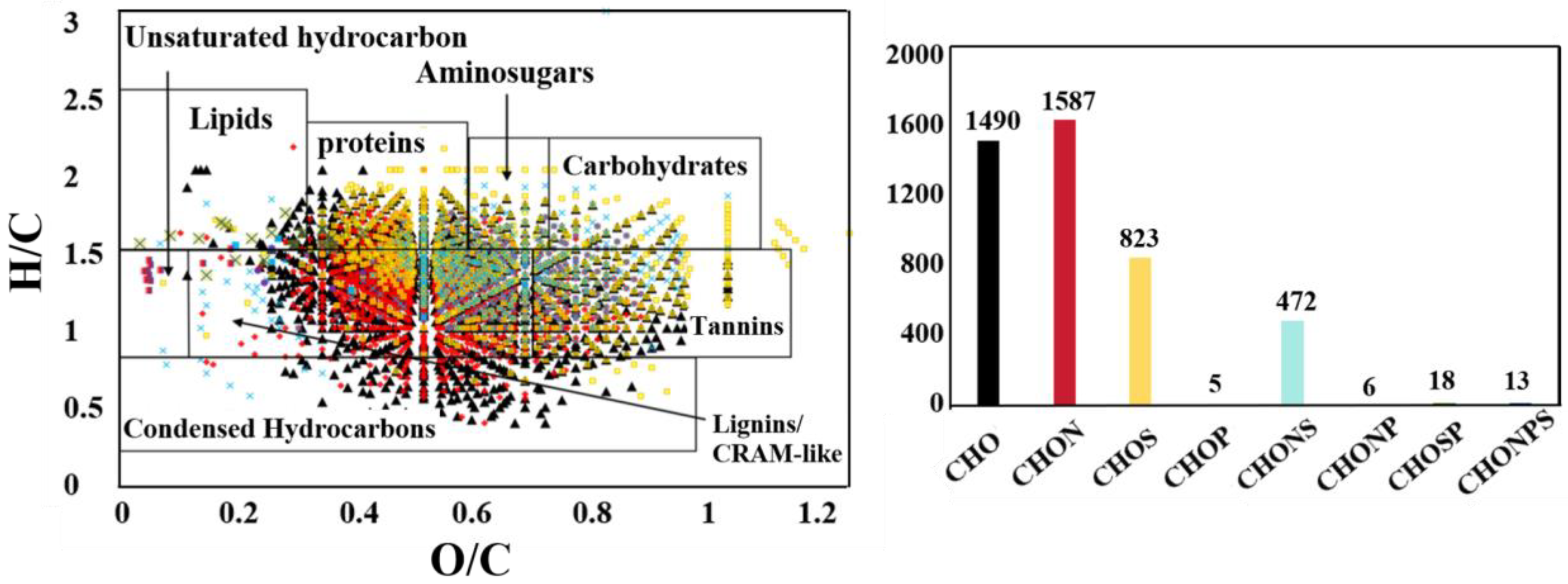
The Van Krevelen diagram elucidates and distinguishes compound classes in samples based on characteristic elemental ratios of each major compound category [44]. As shown in Figure 2, all detected molecules displayed in the Van Krevelen diagram were categorized into eight compound classes: lipids, proteins, amino sugars, lignin/carboxyl-rich alicyclic molecule (CRAM)-like structures, carbohydrates, unsaturated hydrocarbons, condensed polycyclic aromatic hydrocarbons, and tannins. The DOM from Yuncheng Salt Lake brine exhibited a relatively scattered distribution in the diagram, indicating substantial chemical diversity and reflecting complex sources and transformation pathways. Table 4 summarizes the relative percentages of identified compounds by category, with comparative data from Da Qaidam Lake [7], Qinghai Lake [15], and Daihai Lake [15] on the Tibetan Plateau. Overall, lignin/CRAM-like compounds constituted the most abundant category in YC-4 DOM (54.26%), consistent with observations in Da Qaidam, Qinghai, and Daihai lakes, a pattern that may reflect the persistence of chemically stable structures under high-salinity conditions that resist microbial degradation [45]. Tannins (16.75%) and proteins (13.43%) were also notable constituents. The presence of protein-like compounds indicates contributions from microbial activity or internal metabolic processes, whereas tannins, as polyphenolic substances, are often associated with terrestrial plant inputs [46]. This dual signature supports the mixed influence of autochthonous and allochthonous sources in YC-4. Amino sugars accounted for a relatively low proportion (5.51%). Compounds such as N-acetylglucosamine and N-acetylgalactosamine are major components of extracellular glycoconjugates derived from cyanobacteria [47]. The difference in their abundance among lakes may be attributed to variations in microbial community structure: phytoplankton in Yuncheng Salt Lake is dominated by Chlorophyta, and while cyanobacteria are less abundant, they exhibit high metabolic activity and continuously exude extracellular polysaccharides [16]. In contrast, low temperatures in Da Qaidam Lake suppress cyanobacterial activity, limiting amino sugar production [7]. Lipids (1.15%) and carbohydrates (3.73%) each constituted less than 5% of identified compounds, likely due to their high bioavailability and rapid microbial consumption [44]. Unsaturated hydrocarbons were the least abundant category (0.50%), which may be explained by suppressed lipid solubility under high-salinity conditions, thereby reducing the presence of unsaturated hydrocarbon structures [48]. In summary, the molecular composition of DOM in sample YC-4 results from synergistic interactions between terrestrial inputs and in-lake processes. Allochthonous sources contribute recalcitrant organic matter such as lignin and tannins, forming a foundational material pool, while autochthonous microbial activity degrades labile compounds like lipids and carbohydrates while simultaneously generating protein-like DOM components.

3.4. Three-Dimensional Fluorescence Characterization and Analysis of DOM in Brine

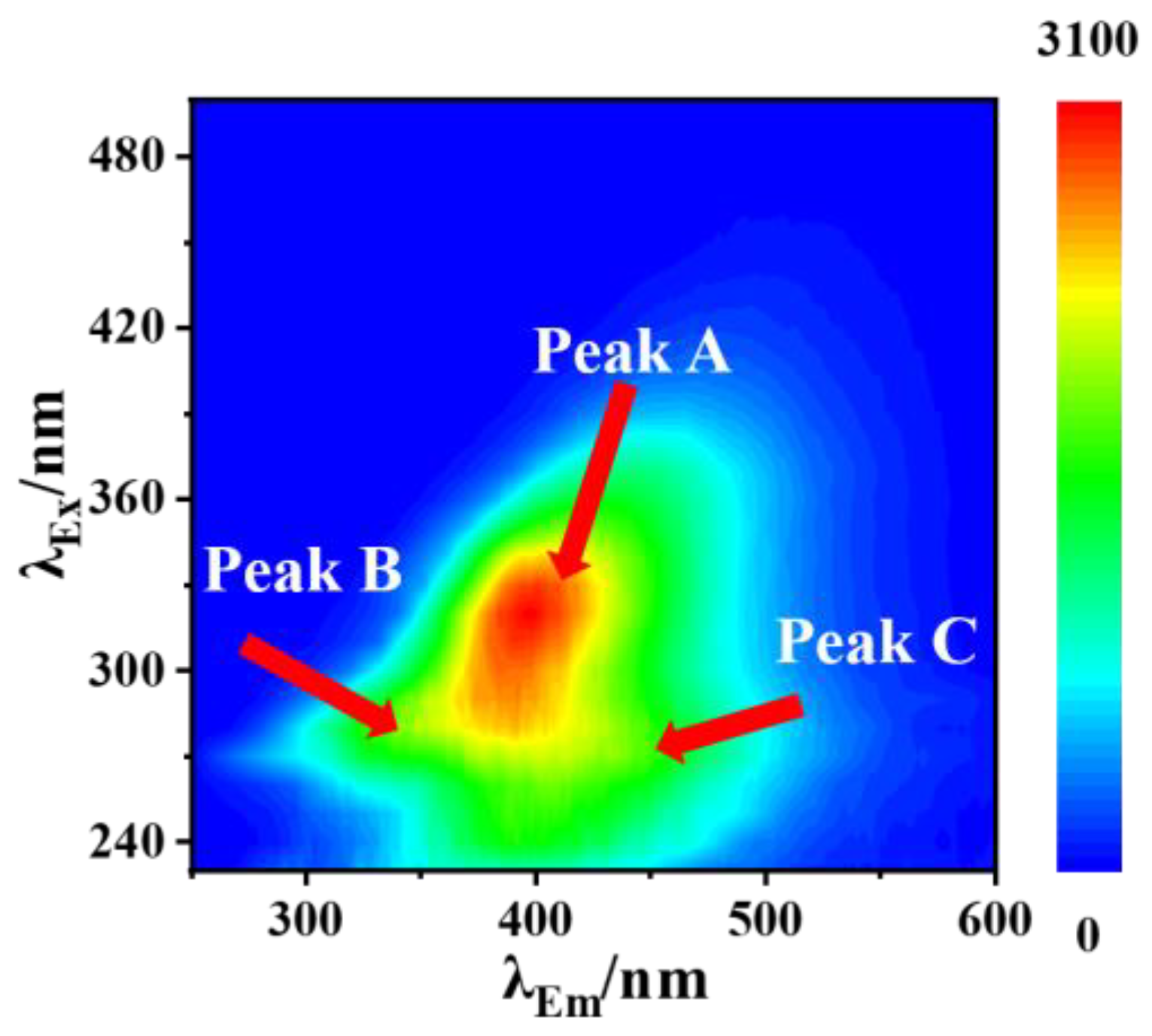
Figure 3 presents the EEM contour plot of the DOM from brine sample YC-4. The fluorescence profile shows three prominent peaks: Peak A (Ex/Em: 320/400 nm), Peak B (Ex/Em: 280/330 nm), and Peak C (Ex/Em: 280/480 nm). Peaks A and C correspond to humic-like substances [4]. Although such components are commonly attributed to terrestrial inputs, the hydrologically closed nature of Yuncheng Salt Lake, lacking surface inflow, restricts allochthonous contributions to minor levels. Previous studies have also shown that algal and microbial activities can produce fluorescence in these spectral regions [49]. Therefore, the humic-like components in the DOM likely originate primarily from in situ biological processes. This interpretation agrees with earlier findings from Van Krevelen diagrams and compound category analysis, which highlighted substantial contributions from algal and microbial metabolism in YC-4. Peak B is identified as protein-like, typically associated with tryptophan or tyrosine-like components [50]. The temperate climate of Yuncheng Salt Lake supports active metabolism in halotolerant microorganisms, such as Dunaliella salina and halophilic bacteria [18], while the high-salinity environment further selects for specialized microbial communities. These microorganisms continually release protein-like materials through protein synthesis and cell lysis, consistent with the autochthonous DOM signature previously identified by FT-ICR-MS. Notably, the fluorescence intensity reaches 3100 a.u. in YC-4. Given the established positive correlation between fluorescence intensity and DOM concentration [39], this high value indicates a substantial DOM content, corroborating the elevated DOC level measured in YC-4 and further demonstrating the rich DOM pool in Yuncheng Salt Lake.
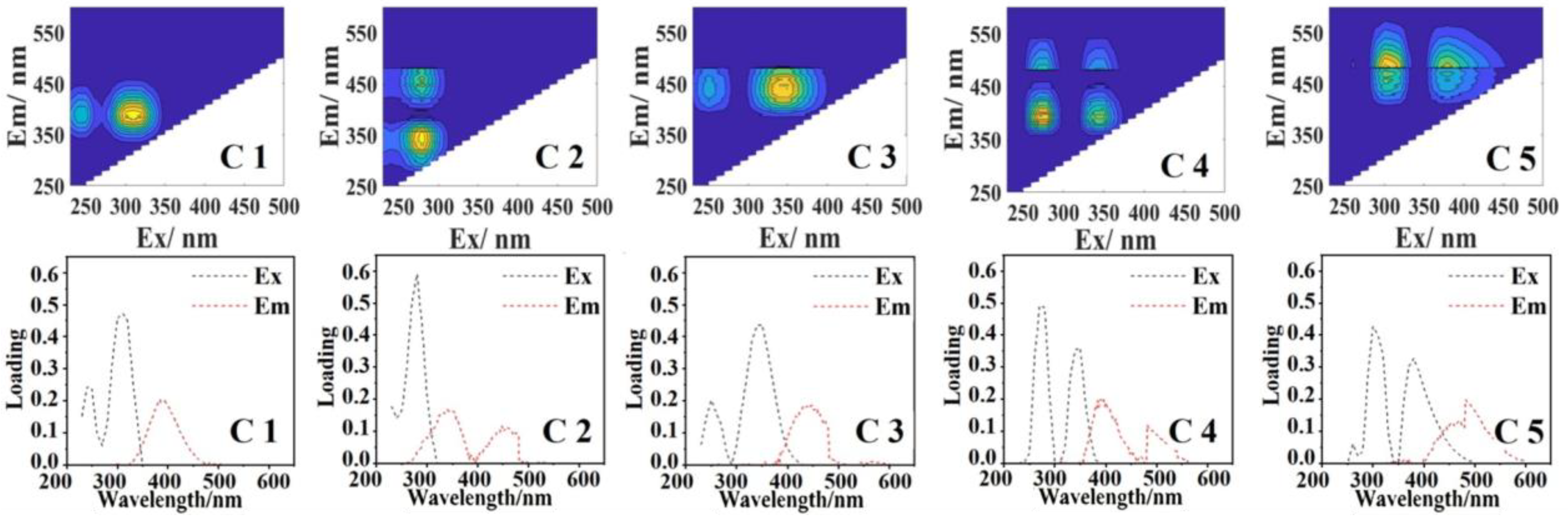
PARAFAC analysis of the three-dimensional fluorescence spectral matrix resolved five distinct components in the DOM of the YC-4 brine sample (Table 5 and Figure 4). Component C1 resembles the marine humic-like substances reported by Meilleur et al. [51] and is inferred to originate primarily from algal excretion and anthropogenic activities. Component C2 (Ex/Em = 275/340 (450) nm) is identified as a protein-like constituent exhibiting characteristics of both fulvic-like and tryptophan-like materials [52], representing a mixture of these substance types. Protein-like components are typically associated with algal excretion and microbial activity [53]. Together with the previously identified protein-like Peak B in the EEM spectra, this finding confirms biologically active inputs in sample YC-4. This interpretation aligns with FT-ICR-MS results, where protein-like compounds accounted for 13.43% of assigned formulas, underscoring the significant contribution of in situ biological processes. Components C3, C4, and C5 represent visible humic-like substances and soil fulvic acid-like materials [54,55,56,57], deriving primarily from terrestrial inputs and microbial metabolic activities. The coexistence of these components reflects the multi-source nature of DOM in the YC-4 sample, resulting from combined diverse inputs and complex in-lake environmental processes.
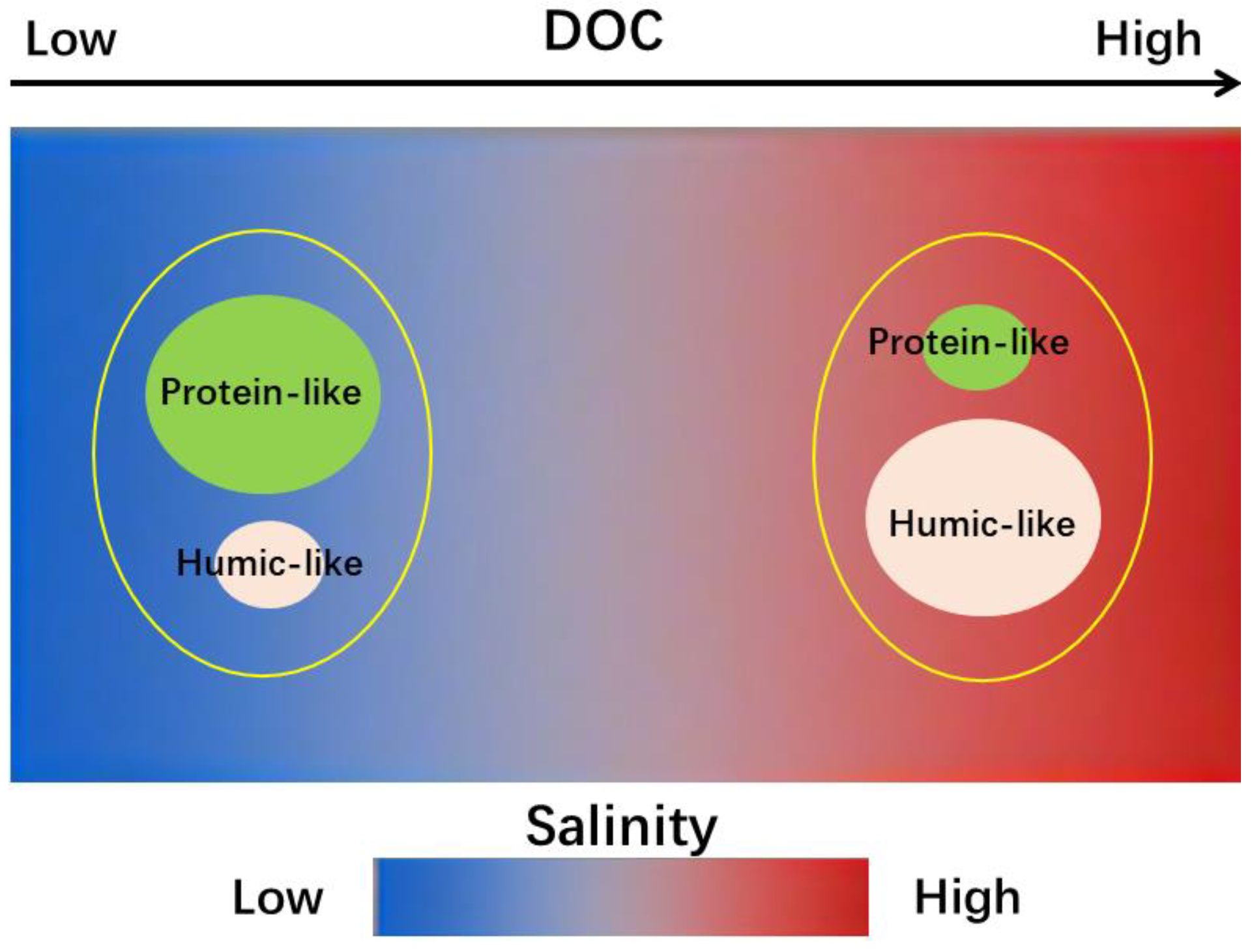
The relative fluorescence intensities of the five PARAFAC-derived components in sample YC-4 decreased in the order C1 (33.45%) > C2 (22.19%) > C4 (19.69%) > C3 (16.35%) > C5 (8.32%), as detailed in Figure S2. Collectively, humic-like components (C1, C3, C4, and C5) accounted for 77.81% of the total fluorescence, indicating that humic-like substances constitute the predominant fraction of DOM in YC-4. This proportional characteristic is highly consistent with the salinity-DOM fluorescent component relationship revealed in Figure 5: as salinity increases, the relative proportion of humic-like components shows an upward trend. Component C1, associated with the marine ultraviolet visible humic-like peak (M and A), has been linked to microbial activity [51]. Components C3 and C4 correspond to visible region Peak C and ultraviolet region Peak A, respectively [59], both of which typically originated from autochthonous production and terrestrial sources. However, as Yun-cheng Salt Lake is a hydrologically closed system [19], allochthonous humic inputs are limited to minor contributions from wind-blown erosion products of surrounding semi-arid grassland vegetation and atmospheric deposition. Previous studies indicate that halotolerant microorganisms in salt lakes can transform their metabolic products into humic-like substances through oxidation and polymerization reactions [18]. Additionally, the M peak can be generated by algal excretion or anthropogenic activities [53]. Component C5 is identified as peak D, categorized as fulvic-like material and closely associated with microbial processes [59]. Therefore, the humic-like substances in the brine DOM of Yuncheng Salt Lake primarily originate from the humification of in situ microbial materials.
The protein-like component C2 accounted for 22.19% of the total fluorescence and is attributed to the tryptophan peak, which is mainly produced by biological activities such as algal excretion, phytoplankton degradation, and bacterial extracellular polymeric substances (EPS) [47]. This further underscores the contribution of autochthonous microbial activity to the DOM pool. This finding is consistent with the FT-ICR-MS results, which revealed the presence of autochthonous protein-like compounds, as well as with the earlier identification of protein-like Peak B in the EEM spectra. In summary, the DOM fluorescent component characteristics of YC-4 not only reflect the regulatory effect of salinity on the “protein-like vs. humic-like” proportion but also, through the endogenous dominance of humic-like components, confirm the key role of microorganisms in shaping DOM composition under hypersaline conditions.

3.5. Origin Analysis of DOM in Salt Lake Brine

Fluorescence indices (FI, HIX, and BIX) were calculated for the dissolved organic matter (DOM) in the YC-4 brine sample to evaluate its sources and humification characteristics. The fluorescence index (FI) serves as an indicator of DOM origin and degradation state [5]. Lower FI values (<1.4) typically suggest dominant terrestrial sources (e.g., plant debris, soil humic acids), characterized by higher molecular weight and aromaticity, whereas higher FI values (>1.8) primarily reflect autochthonous inputs (e.g., microbial metabolites or algal exudates) with lower degrees of humification [26]. The FI value of YC-4 was 1.99, indicating that DOM in the brine originates mainly from in-lake sources and has undergone limited humification. This result aligns with the EEM-PARAFAC findings (Section 3.4), which showed a high proportion of protein-like and humic-like components associated with microbial activity. The humification index (HIX) is widely used to assess the extent of DOM humification and can also provide insights into its source characteristics [25,26]. An HIX value of 1.5 is generally regarded as the threshold between high (>1.5) and low (≤1.5) humification degrees. The measured HIX value for YC-4 was 0.66, indicating a low degree of humification. Previous studies have shown that terrestrial humic substances with high molecular weight and abundant aromatic structures typically exhibit high HIX values [39], further supporting the predominantly autochthonous character of the brine DOM. The high salinity environment may also suppress microbial activity, thereby slowing humification processes and resulting in lower HIX values compared to freshwater systems. The biological index (BIX) reflects the relative contribution of recently produced autochthonous material versus external inputs [27]. A BIX value greater than 1 indicates dominant autochthonous sources (e.g., algal and phytoplankton secretions), values between 0.8 and 1 suggest mixed sources with strong recent autochthonous production, and values between 0.6 and 0.8 point to mainly terrestrial sources with limited recent internal production [27]. The BIX value for YC-4 was 1.27, confirming that DOM is primarily derived from in situ biological production. In summary, the fluorescence signature of the YC-4 sample, characterized by high FI (1.99), low HIX (0.66), and high BIX (1.27), collectively indicates that the DOM in Yuncheng Salt Lake brine is predominantly autochthonous, weakly humified, and highly bioavailable.
The unique DOM signature in Yuncheng Salt Lake results from the combined effects of its hypersaline environment and temperate semi-arid climate. The temperate climate supports favorable conditions for in situ DOM production [19], avoiding both the strong microbial suppression characteristic of high-altitude lakes like Da Qaidam Lake [26] and the rapid DOM degradation typical of tropical saline lakes [9]. Furthermore, the absence of extreme ultraviolet radiation in this region enables the preservation of protein-like components derived from microbial activity, yielding fluorescence parameters that clearly indicate an autochthonous origin. As a typical endorheic system, Yuncheng Salt Lake lacks perennial inflow rivers and receives only limited seasonal precipitation [16], substantially restricting allochthonous DOM inputs from external sources. Prolonged water residence time further promotes continuous accumulation of microbial metabolites, driving the DOM composition toward a predominantly autochthonous character [60]. This contrasts sharply with lakes such as Daihai in Inner Mongolia, where DOM shows mixed terrestrial and autochthonous signatures due to intensive agricultural activity and surface runoff within its catchment [15]. Additionally, the semi-arid conditions, where annual evaporation exceeds precipitation [19], produce a pronounced brine concentration effect in Yuncheng Salt Lake. Previous studies have identified evaporative concentration as a key factor controlling both DOM quantity and composition in hypersaline ecosystems [9]. Under these conditions, aliphatic compounds undergo selective accumulation and become more saturated, while heteroatom-containing molecules with higher oxygen content often increase proportionally to DOC concentration and accumulate in the brine. Intense evaporation also elevates brine conductivity, further enhancing the autochthonous character of the DOM pool [61]. Collectively, these processes substantially reinforce the internal biological signature of DOM in Yuncheng Salt Lake.
The high-salinity environment of Yuncheng Salt Lake sustains a biological community dominated by halotolerant microorganisms and algae, particularly salt-tolerant Dunaliella species [18]. Under temperate climatic conditions, these organisms maintain elevated metabolic activity and continuously produce autochthonous organic matter, including protein-like components, through photosynthesis and microbial metabolism. Unlike tropical saline lakes in East Africa, where DOM derives largely from cyanobacterial secretions [9], the more diverse biological community in Yuncheng Salt Lake [19] supports a more stable and sustained production of autochthonous DOM. This pattern is clearly reflected in the high biological index (BIX) value of 1.27, which substantially exceeds the 1.0 threshold and underscores the central role of biological activity in shaping the DOM pool. Salinity serves as a key environmental factor exerting dual regulatory effects. On one hand, it suppresses non-halotolerant microorganisms, selectively favoring halophilic species capable of producing organic matter through specialized metabolic pathways [18]. On the other hand, chloride-driven chlorination reactions can inhibit DOM humification [62], resulting in a lower humification degree compared to Da Qaidam Lake, which has a slightly lower salinity [7]. Therefore, Yuncheng Salt Lake represents a unique case of autochthonous DOM production. It differs markedly from the extremely cold and hypersaline Antarctic Lake Vida, where low microbial activity and slow DOM degradation prevail [8], as well as from low-salinity lakes receiving diverse allochthonous inputs. Instead, Yuncheng Salt Lake has developed a distinctive DOM assembly mechanism driven by its specific biogeochemical setting.
Unlike many salt lakes suffering from modern industrial pollution or unregulated exploitation, the human activities in Yuncheng Salt Lake are primarily characterized by traditional and sustainable resource utilization [16]. The sources and composition of DOM in Yuncheng Salt Lake brine do not exhibit the dual-driven pattern of terrestrial and endogenous sources seen in Daihai Lake, which is more heavily impacted by human activities [15]. Instead, it shows no significant difference from naturally evolved salt lakes like Da Qaidam Lake. This indicates that such civilized human activities have not caused destructive impacts on the ecological environment. The results fully demonstrate that within the unique “human-environment coupled system,” Yuncheng Salt Lake has maintained a sound environmental baseline and ecological stability.

4. Conclusions

This study comprehensively investigates the sources, composition, and spectroscopic characteristics of dissolved organic matter (DOM) in Yuncheng Salt Lake brine using a suite of analytical techniques, including Fourier-transform ion cyclotron resonance mass spectrometry (FT-ICR-MS), three-dimensional excitation-emission matrix (EEM) fluorescence spectroscopy, parallel factor analysis (PARAFAC), and fluorescence index analysis. The results indicate that the DOM in Yuncheng Salt Lake brine exhibits rich chemical diversity, with molecular compositions dominated by lignin/carboxyl-rich alicyclic molecule (CRAM)-like structures, tannins, and protein-like compounds. Spectroscopic characterization reveals the presence of two main fluorescent components: humic-like and protein-like substances, accounting for 77.81% and 22.19% of the total fluorescence intensity, respectively. Multiple lines of evidence from fluorescence indices and molecular composition consistently demonstrate the predominantly autochthonous nature of the DOM, primarily derived from microbial metabolism and algal excretion with limited terrestrial inputs. The DOM is characterized by a low humification degree and high bioavailability. This distinct autochthonous signature is regulated by multiple environmental factors, including the temperate semi-arid climate, the hydrologically closed system, the high-salinity environment. This research reveals the DOM feature within the “human-environment coupled system” of Yuncheng Salt Lake, establishes a scientific basis for the sustainable utilization of DOM resources in Yuncheng Salt Lake, and provides important insights into DOM biogeochemical cycling in temperate semi-arid hypersaline lakes. Sample collections across different seasons and regions will be enhanced to comprehensively understand the spatiotemporal variation characteristics of DOM composition in salt lake brine in further research.

Supplementary Materials

The following supporting information can be downloaded at https://www.mdpi.com/article/10.3390/w18020288/s1, Figure S1: Negative ion mode mass spectra of DOM (m/z range: 100–800); Figure S2: Relative abundance of DOM fluorescent components in brine from Yuncheng salt lake. Text S1. Extraction and Purification of DOM. Text S2. Fluorescence spectrometry measurement and analysis.

Author Contributions

Conceptualization, P.J., Y.C., J.W. and M.L.; methodology, P.J.; validation, H.C.; formal analysis, P.J.; investigation, P.J.; resources, H.C.; data curation, M.W.; writing—original draft preparation, P.J.; writing—review and editing, P.J. and M.L.; visualization, J.L.; supervision, Y.C. and J.W.; project administration, J.W. and M.L.; funding acquisition, J.W. and M.L. All authors have read and agreed to the published version of the manuscript.

Funding

The authors declare that this study received funding from Shanxi Coking Coal Yuncheng Salt Chemical Group Co., Ltd.

Data Availability Statement

The original contributions presented in this study are included in the article. Further inquiries can be directed to the corresponding authors.

Acknowledgments

This work was financially supported by Shanxi Coking Coal Yuncheng Salt Chemical Group Co., Ltd.

Conflicts of Interest

Author Hailan Chen was employed by the company Shanxi Coking Coal Yuncheng Salt Chemical Group Co., Ltd. The remaining authors declare that the research was conducted in the absence of any commercial or financial relationships that could be construed as a potential conflict of interest. The authors declare that this study received funding from Shanxi Coking Coal Yuncheng Salt Chemical Group Co., Ltd. The funder had the following involvement with the study: Resources, Validation.

Abbreviations

The following abbreviations are used in this manuscript:
YC-4Yuncheng salt lake brine-4
DOMDissolved organic matter
FT-ICR-MSFourier transform ion cyclotron resonance mass spectrometry
DOCDissolved organic carbon
FTIRFourier transform infrared spectroscopy
PARAFACparallel factor analysis
EEMExcitation–emission matrix
FIFluorescence index
BIXBiological index
HIXHumification index
NMRNuclear magnetic resonance
ESIElectrospray ionization
DBEDouble bond equivalent
AimodModified aromaticity index
NOSCNominal oxidation state of carbon
EPSExtracellular polymeric substances
CRAMCarboxyl-rich alicyclic molecule

References

  1. Wang, C.Y.; Wang, H.Z.; Du, G.R. Determination of rubidium and cesium in brine by standard addition-atomic absorption spectrometry. Chem. Anal. Meterage 2010, 19, 81–82. (In Chinese) [Google Scholar] [CrossRef]
  2. Cui, Y.W.; Zhang, J.Y.; Wen, L.Y.; Liu, J.B.; Hao, Z.E.; Wei, C.Z.; Jiang, Y.B.; Wei, Y.S.; Shen, P.H. Seasonal changes of chemodiversity along with microbial succession in a municipal wastewater treatment plant. J. Environ. Sci. 2025, 150, 318–331. [Google Scholar] [CrossRef] [PubMed]
  3. Liu, S.S.; Hou, J.W.; Suo, C.Y.; Chen, J.Y.; Liu, X.H.; Fu, R.; Wu, F.C. Molecular-level composition of dissolved organic matter in distinct trophic states in Chinese lakes: Implications for eutrophic lake management and the global carbon cycle. Water Res. 2022, 217, 118438. [Google Scholar] [CrossRef] [PubMed]
  4. Yang, K.L.; Zhang, Y.L.; Dong, Y.P.; Li, D.D.; Li, W. Metal binding by dissolved organic matter in hypersaline water: A size fractionation study using different isolation methods. Limnologica 2021, 87, 125849. [Google Scholar] [CrossRef]
  5. Duan, P.F.; Wei, M.J.; Yao, L.G.; Li, M. Relationship between non-point source pollution and fluorescence fingerprint of riverine dissolved organic matter is season dependent. Sci. Total Environ. 2022, 823, 153617. [Google Scholar] [CrossRef]
  6. Lavonen, E.E.; Kothawala, D.N.; Tranvik, L.J.; Gonsior, M.; Schmitt-Kopplin, P.; Köhler, S.J. Tracking changes in the optical properties and molecular composition of dissolved organic matter during drinking water production. Water Res. 2015, 85, 286–294. [Google Scholar] [CrossRef]
  7. Zhang, Y.L.; Yang, K.L.; Chen, H.M.; Dong, Y.P.; Li, W. Origin, composition, and accumulation of dissolved organic matter in a hypersaline lake of the Qinghai-Tibet Plateau. Sci. Total Environ. 2023, 868, 161612. (In Chinese) [Google Scholar] [CrossRef]
  8. Cawley, K.M.; Murray, A.E.; Doran, P.T.; Kenig, F.; Stubbins, A.; Chen, H.M.; Hatcher, P.G.; McKnight, D.M. Characterization of dissolved organic material in the interstitial brine of Lake Vida, Antarctica. Geochim. Cosmochim. Acta 2016, 183, 63–78. [Google Scholar] [CrossRef]
  9. Butturini, A.; Herzsprung, P.; Lechtenfeld, O.J.; Alcorlo, P.; Benaiges-Fernandez, R.; Berlanga, M.; Boadella, J.; Campillo, Z.F.; Gomez, R.M.; Sanchez-Montoya, M.M.; et al. Origin, accumulation and fate of dissolved organic matter in an extreme hypersaline shallow lake. Water Res. 2022, 221, 118727. [Google Scholar] [CrossRef]
  10. Kong, X.Y.; Lechtenfeld, O.J.; Kaesler, J.M.; Granskog, M.A.; Stedmon, C.A.; Graeve, M.; Koch, B.P. Major terrestrial contribution to the dissolved organic carbon budget in the Arctic Ocean. Nat. Geosci. 2026, 19, 90–98. [Google Scholar] [CrossRef]
  11. Zhang, X.L.; Wang, H.B.; Yang, F.; Wang, S.Y.; Guo, X.Y.; Feng, H.J. Parallel factor analysis with three-dimensional excitation-emission matrix spectroscopy on dissolved organic matter of rural black and odorous water bodies in Pingdu City of Shandong Province. J. Environ. Eng. Technol. 2022, 12, 651–659. (In Chinese) [Google Scholar] [CrossRef]
  12. Yang, X.; RosarioOrtiz, F.L.; Lei, Y.; Pan, Y.H.; Lei, X.; Westerhoff, P. Multiple Roles of Dissolved Organic Matter in Advanced Oxidation Processes. Environ. Sci. Technol. 2022, 56, 11111–11131. [Google Scholar] [CrossRef] [PubMed]
  13. Liu, G.; Li, S.J.; Song, K.S.; Wang, X.; Wen, Z.D.; Kutser, T.; Jacinthe, P.A.; Shang, Y.X.; Lyu, L.; Fang, C.; et al. Remote sensing of CDOM and DOC in alpine lakes across the Qinghai-Tibet Plateau using Sentinel-2A imagery data. J. Environ. Manag. 2021, 286, 112231. [Google Scholar] [CrossRef] [PubMed]
  14. Wang, S.H.; Shi, X.H.; Zhao, S.N.; Tao, Y.L.; Sun, B.; Feng, W.Y.; Zhang, S. Optical Characteristics and Source Analysis of Dissolved Organic Matter in Hypersaline Lakes in Cold and Arid Regions. Environ. Sci. 2024, 45, 6574–6582. (In Chinese) [Google Scholar] [CrossRef]
  15. Xu, W.; Gao, A.; He, C.; Shi, Q.; Hou, Z.; Zhao, H.Z. Using ESI FT-ICR MS to characterize dissolved organic matter in salt lakes with different salinity. Environ. Sci. Technol. 2020, 54, 12929–12937. [Google Scholar] [CrossRef]
  16. Zhang, Y.; Zhang, J.; Guo, D.G. Research on biodiversity in Yuncheng salt lake: The past, the challenges, and the future. Emerg. Sci. Technol. 2024, 3, 333–344. (In Chinese) [Google Scholar] [CrossRef]
  17. Gao, F.; Nan, F.R.; Feng, J.; Lu, J.P.; Liu, Q.; Liu, X.D.; Xie, S.L. Transcriptome profile of Dunaliella salina in Yuncheng Salt Lake reveals salt-stress-related genes under different salinity stresses. J. Oceanol. Limnol. 2021, 39, 2336–2362. [Google Scholar] [CrossRef]
  18. Zeng, F.F.; Zhu, Y.H.; Zhang, D.L.; Zhao, Z.Q.; Li, Q.S.; Ma, P.P.; Zhang, G.L.; Wang, Y.; Wu, S.J.; Guo, S.D.; et al. Metagenomic analysis of the soil microbial composition and salt tolerance mechanism in Yuncheng Salt Lake, Shanxi Province. Front. Microbiol. 2022, 13, 1004556. [Google Scholar] [CrossRef]
  19. Guan, Y.; Zhang, Y.; Zhang, Q.X.; Gao, R.N.; Guo, D.G. Biodiversity characteristics and protection countermeasures of Yuncheng Salt Lake. Asian J. Agric. Res. 2025, 17, 1–7. [Google Scholar]
  20. Zhou, H.; Tang, J.J.; Guo, J.; Dai, Y.P.; Li, G.B.; Yan, B. Integrated system of comprehensive utilizing the concentrated brine of Yuncheng salt-lake basing on salt-forming diagram. Chin. J. Chem. Eng. 2019, 27, 182–190. [Google Scholar] [CrossRef]
  21. Kou, L.L.; Li, Z.H.; Xia, C.X.; Wei, L.J.; Dong, X.M.; Wang, S.; Cui, J.W.; Huang, T.; Nan, D.B. Formation and evolution of the Yuncheng Salt Lake and sources of the saline ions. J. Geomech. 2024, 30, 933–951. (In Chinese) [Google Scholar] [CrossRef]
  22. GB/T 12998-1991; Water Quality-Guidance on Sampling Techniques. Standards Press of China: Beijing, China, 1991.
  23. Carstea, E.M.; Bridgeman, J.; Baker, A.; Reynolds, D.M. Fluorescence spectroscopy for wastewater monitoring: A review. Water Res. 2016, 95, 205–219. [Google Scholar] [CrossRef] [PubMed]
  24. Fu, Q.L.; Fujii, M.; Riedel, T. Development and comparison of formula assignment algorithms for ultrahigh-resolution mass spectra of natural organic matter. Anal. Chim. Acta 2020, 1125, 247–257. [Google Scholar] [CrossRef] [PubMed]
  25. Bahureksa, W.; Tfaily, M.M.; Boiteau, R.M.; Young, R.B.; Logan, M.N.; McKenna, A.M.; Borch, T. Soil organic matter characterization by Fourier Transform Ion Cyclotron Resonance Mass Spectrometry (FTICR MS): A critical review of sample preparation, analysis, and data Interpretation. Environ. Sci. Technol. 2021, 55, 9637–9656. [Google Scholar] [CrossRef]
  26. Liu, S.K.; Liu, K.; Wu, J.P.; Sun, P.; Zheng, N.; Zhao, W.K.; Bai, Y.; Zhang, H.B.; Su, R.G. Evaluation and estimation of water quality based on EEMs-PARAFAC and optical indices in the Bohai Rim. J. Environ. Chem. Eng. 2025, 13, 117316. [Google Scholar] [CrossRef]
  27. Wu, C.Z.; Wan, J.Q.; Wang, J.P.; Cai, J.L.; Ren, X.W.; Wang, Y.; Bi, Z.Q. Three-dimensional fluorescence spectrum characteristics and source analysis of dissolved organic matter in sewage outfall into the Sea of Dongguan. Water Air Soil Pollut. 2025, 236, 55. [Google Scholar] [CrossRef]
  28. Wen, Z.D.; Song, K.S.; Liu, G.; Shang, Y.X.; Hou, J.B.; Lyu, L.L.; Fang, C. Impact factors of dissolved organic carbon and the transport in a river-lake continuum in the Tibet Plateau of China. J. Hydrol. 2019, 579, 124202. [Google Scholar] [CrossRef]
  29. Spencer, R.G.M.; Guo, W.D.; Raymond, P.A.; Dittmar, T.; Hood, E.; Fellman, J.; Stubbins, A. Source and biolability of ancient dissolved organic matter in glacier and lake ecosystems on the Tibetan Plateau. Geochim. Cosmochim. Acta 2014, 142, 64–74. [Google Scholar] [CrossRef]
  30. Zhang, Q.; Wang, Y.H.; Zhang, X.L.; Li, H.L.; Jiao, J.J.; Fu, Q.L.; Wang, J.J. Dissolved organic matter characteristics and composition of small saline lakes in the Badain Jaran Desert, China. In Proceedings of the EGU General Assembly Conference Abstracts, Vienna, Austria, 1 May 2023; p. EGU-2572. [Google Scholar]
  31. Plante, A.F.; Sanderman, J.; Asanopoulos, C.H.; Bell, S.; Baldock, J. Interpreting ramped combustion thermograms using 13C NMR spectroscopy to characterize soil organic matter composition. Geoderma 2023, 432, 116415. [Google Scholar] [CrossRef]
  32. Gao, J.; Jiang, T.; Yan, J.L.; Wei, S.Q.; Wang, D.Y.; Lu, S.; Li, L.L. Photobleaching of Dissolved Organic Matter (DOM) from Confluence of Two Rivers Under Natural Solar Radiation: A Case Study of Fujiang River-Jialingjiang River. Environ. Sci. 2014, 35, 3397–3407. (In Chinese) [Google Scholar] [CrossRef]
  33. Kellerman, A.M.; Guillemette, F.; Podgorski, D.C.; Aiken, G.R.; Butler, K.D.; Spencer, R.G.M. Unifying concepts linking dissolved organic matter composition to persistence in aquatic ecosystems. Environ. Sci. Technol. 2018, 52, 2538–2548. [Google Scholar] [CrossRef]
  34. Gonsior, M.; Peake, B.M.; Cooper, W.T.; Podgorski, D.; D’Andrilli, J.; Cooper, W.J. Photochemically induced changes in dissolved organic matter Identified by ultrahigh resolution fourier transform ion cyclotron resonance mass spectrometry. Environ. Sci. Technol. 2009, 43, 698–703. [Google Scholar] [CrossRef] [PubMed]
  35. Condron, L.M.; Turner, B.L.; Cade-Menun, B.J. Chemistry and dynamics of soil organic phosphorus. In Phosphorus: Agriculture and the Environment; Thomas Sims, J., Sharpley, A.N., Eds.; American Society of Agronomy: Madison, WI, USA, 2005; pp. 87–121. [Google Scholar]
  36. Zhang, W.Z.; Liu, Y.Q.; Geng, M.D.; Chen, R.R.; Wang, J.Y.; Xue, B.; Xie, P.; Wang, J.J. Extracellular enzyme stoichiometry reveals carbon and nitrogen limitations closely linked to bacterial communities in China’s largest saline lake. Front. Microbiol. 2022, 13, 1002542. [Google Scholar] [CrossRef] [PubMed]
  37. Guo, H.R.; Wang, F.; Tian, L.X.; Wang, C.X.; Li, W.J.; Fang, B.Z.; Li, X.; Wang, Z. Bacterial diversity and influencing factors in soil sediments of Yuncheng Salt Lake, Shanxi. Acta Microbiol. Sin. 2024, 64, 1891–1905. (In Chinese) [Google Scholar] [CrossRef]
  38. Han, B.J.; Chen, L.Y.; Xiao, K.; Chen, R.Y.; Cao, D.; Yu, L.; Li, Y.J.; Tao, S.; Liu, W.X. Characteristics of dissolved organic matter (DOM) in Chinese farmland soils under different climate zone types: A molecular perspective. J. Environ. Manag. 2024, 350, 119695. [Google Scholar] [CrossRef] [PubMed]
  39. Liu, F.; Zhao, Q.L.; Ding, J.; Li, L.L.; Wang, K.; Zhou, H.M.; Jiang, M.; Wei, J. Sources, characteristics, and in situ degradation of dissolved organic matters: A case study of a drinking water reservoir located in a cold-temperate forest. Environ. Res. 2023, 217, 114857. [Google Scholar] [CrossRef]
  40. Minor, E.C.; Steinbring, C.J.; Longnecker, K.; Kujawinski, E.B. Characterization of dissolved organic matter in Lake Superior and its watershed using ultrahigh resolution mass spectrometry. Org. Geochem. 2012, 43, 1–11. [Google Scholar] [CrossRef]
  41. Liu, J.B.; Wang, C.L.; Hao, Z.E.; Kondo, G.; Fujii, M.; Fu, Q.L.; Wei, Y.S. Comprehensive understanding of DOM reactivity in anaerobic fermentation of persulfate-pretreated sewage sludge via FT-ICR mass spectrometry and reactomics analysis. Water Res. 2023, 229, 119488. [Google Scholar] [CrossRef]
  42. Kellerman, A.M.; Kothawala, D.N.; Dittmar, T.; Tranvik, L.J. Persistence of dissolved organic matter in lakes related to its molecular characteristics. Nat. Geosci. 2015, 8, 454–457. [Google Scholar] [CrossRef]
  43. Yu, N.; Zeng, X.; Ma, X.; Sun, Y.; Wang, Y.; Chen, B.; Luo, Z.; Dong, C.; Shen, K.; Wu, J. Preparation of Ce-Fe2O3/Al2O3 catalyst for simultaneous degradation of benzodiacetone and reduction of Cr(VI) by electro-Fenton process: Performance, mechanism, degradation pathways. J. Alloy. Compd. 2025, 1045, 184745. [Google Scholar] [CrossRef]
  44. Kim, S.; Kaplan, L.A.; Hatcher, P.G. Biodegradable dissolved organic matter in a temperate and a tropical stream determined from ultra-high resolution mass spectrometry. Limnol. Oceanogr. 2006, 51, 1054–1063. [Google Scholar] [CrossRef]
  45. Lu, L.H.; Guan, Y.W.; Ouyang, W.J.; Xiao, Y.; Bao, Y.F.; Wang, D.C.; Li, Z. Chemodiversity and molecular traits of dissolved organic matter driven by cascade reservoirs regulations in the upper Yangtze River. J. Environ. Manag. 2025, 382, 125401. [Google Scholar] [CrossRef] [PubMed]
  46. Hu, L.J.; Du, P.; Ren, J.; Zhang, Y.D.; Liu, Y.T.; Chen, K. Restoration-mediated protein substances preferentially drive underlying bauxite residue macroaggregate formation during the simulated ecological reconstruction process. Sci. Total Environ. 2024, 951, 175636. [Google Scholar] [CrossRef] [PubMed]
  47. Zippel, B.; Neu, T.R. Characterization of glycoconjugates of extracellular polymeric substances in tufa-associated biofilms by using fluorescence lectin-binding analysis. Appl. Environ. Microbiol. 2011, 77, 505–516. [Google Scholar] [CrossRef]
  48. Dittmar, T.; Koch, B.P. Thermogenic organic matter dissolved in the abyssal ocean. Mar. Chem. 2006, 102, 208–217. [Google Scholar] [CrossRef]
  49. Zhuang, W.E.; Chen, W.; Cheng, Q.; Yang, L.Y. Assessing the priming effect of dissolved organic matter from typical sources using fluorescence EEMs-PARAFAC. Chemosphere 2021, 264, 128600. [Google Scholar] [CrossRef]
  50. Zhang, X.L.; Yu, H.B.; Gao, H.J.; Lu, K.T.; Liu, D.P. Explore variations of DOM components in different landcover areas of riparian zone by EEM-PARAFAC and partial least squares structural equation model. Spectrochim. Acta Part A 2023, 291, 122300. [Google Scholar] [CrossRef]
  51. Meilleur, C.; Kamula, M.; Kuzyk, Z.A.; Guéguen, C. Insights into surface circulation and mixing in James Bay and Hudson Bay from dissolved organic matter optical properties. J. Mar. Syst. 2023, 238, 103841. [Google Scholar] [CrossRef]
  52. Peleato, N.M.; Sidhu, B.S.; Legge, R.L.; Andrews, R.C. Investigation of ozone and peroxone impacts on natural organic matter character and biofiltration performance using fluorescence spectroscopy. Chemosphere 2017, 172, 225–233. [Google Scholar] [CrossRef]
  53. Maurischat, P.; Lehnert, L.; Zerres, V.H.D.; Tran, T.V.; Kalbitz, K.; Rinnan, Å.; Li, X.G.; Dorji, T.; Guggenberger, G. The glacial-terrestrial-fluvial pathway: A multiparametrical analysis of spatiotemporal dissolved organic matter variation in three catchments of Lake Nam Co, Tibetan Plateau. Sci. Total Environ. 2022, 838, 156542. [Google Scholar] [CrossRef]
  54. Harjung, A.; Sabater, F.; Butturini, A. Hydrological connectivity drives dissolved organic matter processing in an intermittent stream. Limnologica 2018, 68, 71–81. [Google Scholar] [CrossRef]
  55. Murphy, K.R.; Hambly, A.; Singh, S.; Henderson, R.K.; Baker, A.; Stuetz, R.; Khan, S.J. Organic matter fluorescence in municipal water recycling schemes: Toward a unified PARAFAC model. Environ. Sci. Technol. 2011, 45, 2909–2916. [Google Scholar] [CrossRef] [PubMed]
  56. Sondergaard, M.; Stedmon, C.A.; Borch, N.H. Fate of terrigenous dissolved organic matter (DOM) in estuaries: Aggregation and bioavailability. Ophelia 2003, 57, 161–176. [Google Scholar] [CrossRef]
  57. Fellman, J.B.; Hood, E.; Spencer, R.G.M. Fluorescence spectroscopy opens new windows into dissolved organic matter dynamics in freshwater ecosystems: A review. Limnol. Oceanogr. 2010, 55, 2452–2462. [Google Scholar] [CrossRef]
  58. Osburn, C.L.; Handsel, L.T.; Peierls, B.L.; Paerl, H.W. Predicting sources of dissolved organic nitrogen to an estuary from an agro-urban coastal watershed. Environ. Sci. Technol. 2016, 50, 8473–8484. [Google Scholar] [CrossRef]
  59. Li, X.; Li, Z.C.; Wang, X.; Zhang, S.Y.; Wang, H.M.; Li, R.Q.; Wang, G.X.; Li, Q.M. Characteristics of dissolved organic matter in overlying water during algal bloom decay. Environ. Sci. 2021, 42, 3281–3290. (In Chinese) [Google Scholar] [CrossRef]
  60. Kothawala, D.N.; Stedmon, C.A.; Müller, R.A.; Weyhenmeyer, G.A.; Köhler, S.J.; Tranvik, L.J. Controls of dissolved organic matter quality: Evidence from a large-scale boreal lake survey. Glob. Change Biol. 2014, 20, 1101–1114. [Google Scholar] [CrossRef]
  61. Osburn, C.L.; Wigdahl, C.R.; Fritz, S.C.; Saros, J.E. Dissolved organic matter composition and photoreactivity in prairie lakes of the U.S. Great Plains. Limnol. Oceanogr. 2011, 56, 2371–2390. [Google Scholar] [CrossRef]
  62. Li, Q.Y.; Fang, F.Y.; Chen, W.M. Effect of a high Cl- concentration on the transformation of waste leachate DOM by the UV/PMS system: A mechanistic study using the Suwannee River natural organic matter (SRNOM) as a simulator of waste leachate DOM. J. Hazard. Mater. 2025, 487, 137038. [Google Scholar] [CrossRef]
Figure 1. The 13C NMR spectra for the studied DOM sample.
Water 18 00288 g001
Figure 2. Distribution of the Van Krevelen diagrams and the CHO, CHON, CHOS, CHOP, CHON, CHONP, CHOSP, and CHONSP formulas of the studied sample.
Water 18 00288 g002
Figure 3. Three-dimensional fluorescence pattern of brine from Yuncheng Salt Lake.
Water 18 00288 g003
Figure 4. Five fluorescence components and wavelengths based on the PARAFAC model.
Water 18 00288 g004
Figure 5. Conceptual diagram illustrating the effects of salinity on DOC and its various fluorescent components.
Water 18 00288 g005
Table 1. Basic geochemical parameters and DOC content of brine in Yuncheng Salt Lake.
pHSalinity (g/L)Cl (g/L)CO32− (g/L)HCO3 (g/L)SO42− (g/L)Br (g/L)DOC (mg/L)
5.97 ± 0.06362.40 ± 15.74308 ± 31.01 ± 0.010.13 ± 0.0125.9 ± 0.74.77 ± 0.01196.26 ± 12.53
Table 2. The percentages of different types of carbon from 13C NMR for the studied DOM samples.
SamplesCHXHCOHO-C-OC=C/Ar-CCAr-OCOO/CONC=O
0–60 ppm60–90 ppm90–120 ppm120–145 ppm145–160 ppm160–190 ppm190–220 ppm
YC-424.3133.749.642.482.0923.953.79
Da Qaidam Lake [7]55.8720.076.801.510.1514.331.29
Lake Vida [8]6316-1.9-19-
Table 3. Summary of molecular composition and related parameters of the studied DOM samples obtained from FTICR mass spectra.
YC-4Da Qaidam Lake [7]Qinghai Lake [15]Daihai Lake [15]La Salineta [9]Lake Vida [8]
Total number of assigned formulas442945823719205857981287
CHO-compounds (%)33.6462.229.7323.7456.266
CHON-compounds (%)35.8312.331.1133.4723.830
CHOS-compounds (%)18.5821.216.3819.57164
CHOP-compounds (%)0.11000--
CHONS-compounds (%)10.663.522.7823.224.1-
CHONP-compounds (%)0.140.300--
CHOSP-compounds (%)0.410.200--
CHONSP-compounds (%)0.290.300--
C (%)34.6452.2----
H (%)44.825.5----
N (%)1.570.9----
O (%)18.3239.1----
P (%)0.040.1----
S (%)0.612.2----
O/C0.530.580.570.470.550.44
H/C1.291.271.281.201.311.33
N/C0.050.0170.030.230.030.017
S/C0.020.0180.020.03--
P/C0.00120.0004400--
m/z404.29400.10380.53373.85357501
DBE7.637.547.4510.356.73-
Aimod0.120.190.150.190.180.21
Aimod > 0.5%5.964.11----
Aimod > 0.67%1.691.87--0.34-
NOSC−0.0086−0.03--−0.08-
Note: “-” indicates literature is not listed.
Table 4. Relative percentages of identified compounds based on compound classification of the studied samples obtained from FTICR mass spectra.
Samples (%)YC-4Da Qaidam Lake [7]Qinghai Lake [15]Daihai Lake [15]
Lipids1.151.621.520.14
Proteins13.436.7218.0115.67
Amino sugar5.513.86--
Carbohydrates3.732.103.335.95
Unsaturated hydrocarbon0.502.543.886.29
Lignins/CRAM-like54.2658.2355.4849.14
Tannins16.7514.1913.617.52
Condensed hydrocarbons4.4510.284.1715.29
Note: “-” indicates literature is not distinguished.
Table 5. Fluorescence spectral characteristics of the five fluorescent components.
ComponentsExcitation/Emission WavelengthsLiterature ValueBasic DescriptionReferences
C1325 (240)/390 nmC3:305/400 nm
C4:250 (310)/390 nm
C4:250 (305)/385 nm
Low molecular weight humic substances associated with anthropogenic marine activities[53]
[58]
[51]
C2275/340 (450) nmC4:280/330 nmProtein-like, similar to mixture of tryptophan and fulvic acid-like substances[52]
C3350 (250)/450 nmC2:349 (251)/451 nm
C1:370 (250)/464 nm
humic-like substances[54]
[55]
C4275 (350)/400 nmC5:340/402 nmhumic-like substances[56]
C5300 (380)/490 nmC4:300/498 nmfulvic acid-like[57]
Disclaimer/Publisher’s Note: The statements, opinions and data contained in all publications are solely those of the individual author(s) and contributor(s) and not of MDPI and/or the editor(s). MDPI and/or the editor(s) disclaim responsibility for any injury to people or property resulting from any ideas, methods, instructions or products referred to in the content.