


Highlights
- Application of the LandSim modeling software for long-term simulation of landfill leachate migration and impacts on receiving water bodies.
- Calibration of model outputs using in-situ monitoring data, improving reliability of predicted contaminant transport pathways.
- Best- and worst-case scenarios developed for over 10 organic, inorganic, toxic, and persistent leachate parameters.
- Long-term projections reveal future eco-hydrological risks for groundwater and receiving aquatic systems.
Abstract
Landfill leachate represents a long-term source of contamination that may significantly affect groundwater and receiving water bodies through the migration of organic, inorganic, and toxic pollutants. This study evaluated the long-term migration of landfill leachate and its potential environmental impacts using the LandSim Release 2 probabilistic software model applied to two municipal waste landfills in the Republic of Serbia: the regional sanitary landfill “Gigoš” in Jagodina and the sanitary landfill “Meteris” in Vranje. The modelling framework integrated laboratory leachate analyses, hydrogeological conditions, engineered barrier system characteristics, and receptor-oriented contaminant transport assessment. Model validation was performed through comparison of simulated and laboratory-measured concentrations. Two scenarios were analyzed for each site: an engineered sanitary landfill scenario with a functional containment system and a conservative barrier-failure scenario representing complete loss of engineered barrier functionality. Ten representative leachate parameters were included, covering nitrogen compounds, inorganic ions, toxic substances, and heavy metals/metalloids. The results showed that engineered protection systems significantly delay contaminant migration and reduce receptor concentrations, while barrier-failure conditions lead to earlier pollutant breakthrough and higher environmental risk. The simulations demonstrated that under the engineered sanitary landfill scenario, receptor concentrations of all analyzed contaminants remained below the corresponding maximum allowable concentrations, with contaminant migration occurring only after several centuries. In contrast, the conservative barrier-failure scenario resulted in substantially earlier contaminant breakthrough, with nitrogen compounds and phenols representing the greatest environmental concern due to their rapid migration and exceedance of regulatory thresholds, while the “Meteris” landfill generally exhibited higher receptor concentrations than the “Gigoš” landfill. These findings highlight the importance of predictive modelling and long-term monitoring for sustainable landfill management and groundwater protection.
1. Introduction
The protection of water resources and aquatic ecosystems remains one of the major environmental challenges of the twenty-first century [1]. Population growth, urbanization, industrial development, and agricultural intensification continue to exert significant pressures on surface water and groundwater systems worldwide [2,3]. Water bodies are increasingly exposed to nutrient enrichment, organic pollution, hazardous substances, emerging contaminants, persistent pollutants, salinization, microplastics, PFAS, and pathogenic microorganisms, resulting in declining water quality and increased risks to ecosystem functioning and human health [4].
Water quality deterioration originates from diverse anthropogenic activities characterized by complex contaminant pathways. Industrial activities generate effluents containing organic pollutants, heavy metals, and hazardous substances that may affect aquatic ecosystems and groundwater resources [5]. Agricultural production contributes nutrients, pesticides, veterinary pharmaceuticals, and sediments through diffuse runoff, often leading to eutrophication and ecological imbalance [6,7]. Mining activities represent additional sources of acid mine drainage, sulfates, suspended solids, and toxic metals that persist in aquatic environments [8]. Variations in hydrological conditions may further influence contaminant transport, dilution processes, and environmental vulnerability [9]. Consequently, sustainable water management increasingly relies on integrated, predictive assessment approaches that address long-term environmental pressures [10].
Within the European Union, water protection is primarily regulated through the Water Framework Directive, which established a comprehensive framework for achieving good ecological and chemical status of water bodies through river basin management, monitoring programs, and pollution prevention measures [11]. Complementary legislation, including the Urban Wastewater Treatment Directive and regulations addressing industrial emissions, groundwater protection, and nutrient management, further supports integrated water protection objectives [12,13]. Despite substantial regulatory progress, many water bodies continue to experience degradation caused by both points and diffuse pollution sources [14]. Integrated environmental regulation has also been strengthened through the Industrial Emissions Directive and its recent revision, which reinforces pollution prevention, resource efficiency, environmental monitoring, and integrated permitting requirements for activities with significant environmental impacts, including landfills [15]. Under these frameworks, landfill operators are required to monitor leachate, groundwater, surface water, landfill gas, and other environmental parameters during operation and aftercare phases [16]. Furthermore, ongoing development of landfill-related guidance documents is expected to strengthen requirements concerning leachate management, groundwater protection, contaminant monitoring, and long-term environmental assessment [17,18]. In this context, predictive modeling tools such as LandSim provide valuable support for permit compliance, environmental monitoring, and long-term risk assessment [19].
Municipal solid waste landfilling remains one of the most widespread waste management practices globally despite increasing implementation of circular economy principles [20]. Although modern sanitary landfills employ engineered containment systems designed to reduce environmental impacts, landfill leachate remains one of the most important long-term threats to groundwater and surface water quality [21]. Leachate composition is complex and dynamic, often containing elevated concentrations of organic matter, ammonia, inorganic ions, heavy metals, xenobiotic compounds, and persistent contaminants whose mobility depends on landfill age, operational conditions, hydrogeological characteristics, and water balance conditions [22]. These risks are particularly relevant where older or partially rehabilitated landfill systems remain in operation. Conventional monitoring approaches based on periodic sampling and laboratory analysis provide essential information on environmental quality but are often insufficient to evaluate contaminant migration over extended time horizons [23]. Consequently, numerical simulation models have become increasingly important for predicting future leachate generation, contaminant transport, and potential impacts on groundwater and receiving water bodies under different scenarios. Among the available tools, the LandSim model has gained considerable attention due to its ability to simulate long-term landfill emissions and contaminant migration using probabilistic and scenario-based approaches [19].
Previous studies have applied landfill simulation models to contaminant transport prediction, landfill design optimization, groundwater vulnerability assessment, and evaluation of engineered barrier performance [24]. Nevertheless, several research gaps remain. Many investigations focus primarily on modern sanitary landfills, whereas fewer studies address older or semi-sanitary systems, which are characterized by weaker containment measures and potentially greater environmental risks [25]. Comparative assessments of different landfill systems operating under similar regional conditions are also relatively limited [26]. In addition, many studies rely on shorter forecasting periods that may underestimate delayed contaminant release and long-term pollution pressures [27]. Such limitations are particularly relevant in Southeast European countries where waste management systems continue to evolve [28]. The Republic of Serbia provides an appropriate case study because newly developed sanitary landfills coexist with older disposal sites that exhibit varying levels of environmental protection and operational performance [29]. These differences pose varying risks to groundwater and receiving water bodies and highlight the need for predictive tools to support long-term environmental management and monitoring strategies [30].
Unlike previous studies that have primarily focused on individual landfill sites or short-term contaminant behavior, this research integrates probabilistic LandSim modelling with validation based on five years of monitoring data to evaluate long-term contaminant migration to receptor locations under two contrasting operational scenarios. A comparative assessment was conducted for two engineered sanitary landfills operating under different containment conditions, using a consistent modeling framework to enable direct comparison. In addition, long-term probabilistic simulations were combined with regulatory threshold assessment to identify contaminants with the greatest potential to adversely affect receiving water bodies. This integrated approach provides a reproducible methodology for long-term environmental risk assessment, landfill monitoring, and the sustainable management of municipal solid waste disposal sites. Accordingly, the LandSim model was applied to two sanitary municipal landfills in Serbia, located in Jagodina and Vranje, to evaluate long-term leachate migration and its potential environmental impacts. The model was calibrated using available five-year monitoring data, and both engineered-containment (best-case) and conservative barrier-failure scenarios were developed for representative organic, inorganic, toxic, and persistent contaminants. Long-term simulations were then performed to assess contaminant transport, pollutant mobility, and the potential impacts on groundwater and receiving water bodies. The results provide a comparative evaluation of landfill performance under different containment conditions and demonstrate the value of predictive modeling as a decision-support tool for environmental monitoring, prioritization of contaminants, and the long-term protection of water resources.
2. Materials and Methods
2.1. Research Framework
This study is based on software-assisted modeling of landfill leachate to evaluate its potential long-term impact on receiving water bodies [31]. The methodological framework combines field monitoring data and laboratory analyses of leachate characteristics with long-term predictive simulations performed using the LandSim model [31,32]. Within this framework, the migration of selected contaminants was simulated through the landfill waste mass, engineered liner and protective systems, the unsaturated zone, and the underlying subsurface environment. Particular emphasis was placed on predicting contaminant concentrations at the designated receptor location to assess the potential environmental impact of landfill-derived pollutants [31,33]. The flowchart depicting the study’s research workflow is shown in Figure 1.
Figure 1.
Implemented research workflow.
The methodological framework was applied to two engineered municipal solid waste landfills in the Republic of Serbia: the regional sanitary landfill “Gigoš” in Jagodina and the sanitary landfill “Meteris” in Vranje [31]. Although both facilities incorporate engineered environmental protection systems, they differ in their geographical setting, hydrogeological conditions, climatic characteristics, and landfill design [31,32]. This comparative case-study approach enables the assessment of how site-specific environmental conditions and engineering measures influence leachate migration and the predicted concentrations of selected contaminants at receptor locations [31,33].
The research was conducted through a series of interconnected phases. First, the principal characteristics of each landfill system were defined, including landfill geometry, engineered liner and barrier systems, leachate collection and drainage infrastructure, infiltration conditions, and the location of the receiving water body [31,32]. Representative leachate constituents were then selected to encompass a broad range of contaminant groups, including nitrogen compounds, inorganic ions, specific toxic substances, and heavy metals [31]. This selection allows the evaluation of contaminants exhibiting different sources, transport mechanisms, and environmental behavior, thereby providing a comprehensive assessment of their potential impacts on groundwater and surface water quality [31,34]. In the subsequent phase, site-specific LandSim models were developed using input data describing landfill configuration, leachate composition, engineered protective systems, unsaturated zone properties, and contaminant transport pathways to the designated receptors [31,32]. LandSim was employed as a probabilistic simulation model to predict the long-term migration of leachate constituents while explicitly accounting for uncertainties associated with landfill processes and subsurface transport [32,33]. This modelling approach is particularly appropriate because the environmental impacts of landfills cannot be reliably assessed solely from contemporary laboratory measurements. Instead, realistic long-term predictions must also consider landfill ageing, temporal variations in hydraulic conditions, and the progressive degradation of engineered containment systems [31,32,33,34,35].
Model validation was performed by comparing simulated contaminant concentrations with laboratory-derived leachate data collected at the investigated landfills [31]. Although laboratory analyses were not the primary focus of this study, they provided the basis for evaluating the applicability and reliability of the LandSim model under site-specific conditions [31]. The validation process was intended to establish confidence in the model as a robust tool for subsequent scenario analyses and for assessing the potential long-term impacts of landfill leachate on receiving water bodies [31,32].
Following validation, two modeling scenarios were analyzed for each landfill site in order to evaluate the role of the engineered containment system in controlling leachate migration toward the receptor. Scenario 1 represents the engineered sanitary landfill condition, assuming a functional engineered barrier system, drainage infrastructure, and controlled leachate collection [31,32]. This scenario corresponds to the designed operating conditions of the analyzed sanitary landfills. Scenario 2 represents a conservative barrier-failure scenario, defined as a risk-assessment case in which the protective function of the engineered barrier system is considered absent or fully impaired [31,32]. This scenario does not represent the regular operating condition of the analyzed landfills; rather, it provides a critical reference case for evaluating potential contaminant migration and receptor concentrations under complete loss of containment efficiency [31,33].
Particular attention was given to contaminant concentrations at receptor locations, as these represent the most relevant indicators for assessing the potential impact of landfill leachate on receiving water bodies [31,32]. Unlike studies that focus primarily on leachate quality within the landfill body or at the landfill base, this research evaluates the contaminant loads reaching the aquatic environment after transport through the engineered landfill system and the surrounding subsurface environment [31,32,33,34].
The simulation periods were selected according to the objectives of the analyzed scenarios. For the conservative barrier-failure scenario, critical early-stage periods of 5, 10, and 30 years were evaluated to assess the consequences of a loss of containment. In contrast, the engineered sanitary landfill scenario considered extended assessment periods of 300, 700, and 1500 years to investigate delayed contaminant migration under conditions of continued engineered containment. These extended time horizons should be interpreted as model-based assessment periods rather than deterministic predictions of future landfill behavior. They provide a framework for evaluating the long-term influence of liner degradation, changes in drainage performance, infiltration variability, and subsurface transport processes on contaminant migration. Consequently, the long-term simulations serve as screening-level indicators of delayed receptor impacts, whereas the conservative barrier-failure scenario represents a precautionary assessment of earlier contaminant breakthrough resulting from reduced containment efficiency.
This dual-scenario approach enables a direct comparison between landfill systems operating with effective engineered protection and those representing conservative containment-failure conditions, both in terms of predicted contaminant concentrations and the timing of potential impacts at receptor locations [31,32].
Overall, the proposed methodology treats landfill leachate migration as a long-term process governed by landfill design, hydrogeological conditions, infiltration rates, waste characteristics, landfill age, and the performance of engineered protection systems [31,32,33,34,35]. The resulting simulations provide a scientific basis for optimizing environmental monitoring programs, identifying priority monitoring parameters and critical operational periods, and supporting improvements in long-term leachate management and environmental protection at sanitary landfills [31,32,33,34,35,36].
2.2. Research Sites—Case Studies
The research was conducted at two sanitary municipal waste landfills in the Republic of Serbia: the regional sanitary landfill “Gigoš” in Jagodina and the sanitary landfill “Meteris” in Vranje. Both sites represent organized municipal waste disposal systems equipped with engineered technical protection measures; however, they differ in geographical location, terrain morphology, hydrogeological characteristics, landfill body design, and leachate collection and management systems [31]. Consequently, their comparative analysis provides an appropriate basis for evaluating landfill leachate behavior under different spatial and technical conditions using the same software model and an identical set of selected parameters [31,32].
In this study, the landfills were treated as model systems in which leachate generation, and migration were analyzed through the interaction between the pollution source, engineered protective barriers, the unsaturated zone, the subsurface environment, and receptor locations. Site characterization was focused on parameters relevant for LandSim model parameterization, including landfill geometry, characteristics of deposited waste, liner and protective layer systems, leachate drainage infrastructure, infiltration conditions, and the position of the receiving water body [31,33].
Within the model configuration, the receptor was defined as a point located outside the landfill boundary at which concentrations of selected components were estimated following transport through the landfill body and subsurface environment. For the “Gigoš” landfill, Hajdučki Potok stream was selected as the receptor, located approximately 150 m from the landfill site, whereas for the “Meteris” landfill, Batlijski Potok stream was defined as the receptor, situated approximately 100 m from the landfill boundary. These receptor locations were used as representative assessment points for evaluating the potential impact of landfill leachate on receiving surface water bodies [31].
2.2.1. Regional Sanitary Landfill “Gigoš”
The regional sanitary landfill “Gigoš” is located northwest of Jagodina, at the “Gigoš” site within the hilly and mountainous area of Jagodina Forest [31,32]. The location belongs to the wider territory of the City of Jagodina, situated at approximately 43°59′ N latitude and 24°14′ E longitude [32]. From a hydrological perspective, the proximity of the Velika Morava River, located approximately 2 km from the landfill site, is of particular importance, while Hajdučki Potok stream was defined as the immediate receptor within the model framework [31,32], as shown in Figure 2.
Figure 2.
Location and layout of the regional sanitary landfill “Gigoš”.
The regional sanitary landfill “Gigoš” complex covers an area of approximately 11.83 ha and was designed as a regional municipal waste disposal facility with a total capacity of approximately 1,500,000 m3 [32,37]. The landfill commenced operation in 2010 and was designed for an operational lifespan of approximately 25 years [32]. The landfill body was constructed on steeply sloping terrain within a naturally confined depression between surrounding ridges, a feature that significantly influences surface water management, landfill stability, leachate generation, and the selection of technical solutions for leachate collection and control [32,37].
At the “Gigoš” site, municipal waste is disposed of following reception, weighing, and partial separation of selected waste fractions [32]. The average daily quantity of disposed waste is approximately 150 t, corresponding to around 372 m3 of un-compacted waste and approximately 114 m3 after compaction [32]. Waste composition, particularly the proportion of biodegradable material, moisture content, and waste placement practices, represents an important factor affecting both leachate generation and its chemical characteristics [31,32].
The geological substratum of the site predominantly consists of clayey-sandy deposits and partially weathered rock, which are relevant to assessing the natural permeability of the surrounding environment and the potential transport of pollutants beyond the landfill body [32,37]. The landfill was constructed with an engineered bottom liner system and a leachate drainage network designed to limit leachate infiltration into the subsurface environment and to enable controlled leachate collection [38]. These engineered elements form the basis of the sanitary landfill scenario analyzed in this study, as they directly influence the quantity of leachate capable of migrating through the protective barrier toward the unsaturated zone and receptor locations [37].
Within the context of the present study, the “Gigoš” landfill represents a suitable case study for evaluating differences between the engineered sanitary landfill scenario and the barrier-failure scenario, with particular emphasis on concentrations of selected parameters at the receptor [31,32]. Previous investigations conducted at this site have demonstrated that engineered barrier systems significantly reduce leachate migration in comparison with conditions without effective protection [32]. For this reason, the landfill was selected as one of the two comparative study sites for assessing the applicability of the LandSim model in landfill leachate management and impact assessment [37].
2.2.2. Sanitary Landfill “Meteris”
The sanitary landfill “Meteris” is located within the territory of the City of Vranje and represents an important facility for the organized disposal of municipal waste in the southern part of the Republic of Serbia [39]. The site forms part of the broader municipal waste management system of Vranje, while its geographical position, terrain morphology, and technical design characteristics are particularly relevant for the analysis of landfill leachate generation and migration processes [39]. In the present study, the “Meteris” landfill was selected as the second model site because it enables a comparative assessment with the “Gigoš” landfill using the same methodological framework, identical sets of analyzed parameters, and the same software model [31], as shown in Figure 3.
Figure 3.
Location and spatial representation of the sanitary landfill “Meteris”.
The “Meteris” landfill was designed as a sanitary landfill equipped with technical systems for controlled waste disposal, subsurface environmental protection, and leachate collection and management [39,40]. The landfill body structure includes a prepared foundation layer, bottom liner protection system, drainage layer, and operational waste disposal cells [39]. According to the technical documentation, the landfill cross-section comprises a compacted soil layer, HDPE geo-membrane, gravel drainage layer, landfill cells, cover material, active working face, and final reclamation layer [39]. These components are directly relevant to LandSim parameterization, as they determine infiltration processes, pollutant retention, and leachate migration through the landfill system [33].
The bottom protection system at the “Meteris” landfill was designed to minimize direct contact between leachate and the subsurface environment while enabling controlled leachate collection through the drainage infrastructure [40]. In addition, the drainage layer and leachate collection system reduce the possibility of elevated hydraulic loads at the landfill base [40]. Technical documentation for the site also provides detailed information on drainage installations and systems for the separation and collection of leachate and atmospheric water, which were used for defining key model input parameters [40].
For the purposes of this study, the “Meteris” landfill was analyzed using the same conceptual modeling framework applied to the “Gigoš” landfill, based on the interaction between the pollution source, engineered protective barriers, the unsaturated zone, the subsurface environment, and the receptor [31,33]. Batlijski Potok stream, located approximately 100 m from the landfill site, was defined as the receptor within the model. Such a model configuration enables evaluation of the influence of local differences between the two landfill systems by considering concentrations of selected parameters at the receptor location, rather than solely by concentrations measured directly in leachate.
Within the methodological framework, two scenarios were analyzed for the “Meteris” landfill, consistent with the approach applied for the “Gigoš” landfill: the engineered sanitary landfill scenario (Scenario 1) and the conservative barrier-failure scenario (Scenario 2). The first scenario assumes the presence of a fully functional bottom liner system, drainage layer, and controlled leachate collection system [40]. The second scenario represents a conservative assessment of conditions involving the absence or failure of the primary protective elements of the landfill base [31,33]. Comparison of these scenarios enables evaluation of the extent to which engineered protection systems contribute to reducing pollutant concentrations that may migrate through the landfill and subsurface environment and ultimately reach the receptor location.
2.3. Selection of Leachate Parameters
The selection of leachate parameters was performed to include components representing different groups of pollutants relevant for assessing the potential impact of landfill leachate on receiving water bodies [31]. Landfill leachate is a complex, highly variable mixture of organic and inorganic substances whose composition depends on multiple factors, including waste morphology, landfill age, climatic conditions, infiltration rates, hydrogeological site characteristics, and the efficiency of leachate collection and control systems [41,42]. Consequently, the selection of parameters for modeling purposes should encompass components with different origins, mobility characteristics, and ecological-toxicological significance [42].
A total of ten leachate parameters were analyzed in this study: total nitrogen, nitrates, sulfates, fluorides, cyanides, phenols, arsenic, chromium, nickel, and mercury. These parameters were classified into four major pollutant groups, namely nitrogen compounds, inorganic ions, specific toxic substances, and heavy metals/metalloids [41,42]. Such an approach enabled the modeling framework to include pollutants with different transport behavior and environmental interactions within the landfill body, subsurface environment, and receptor zone, rather than focusing on a single contaminant category [31,33].
Total nitrogen and nitrates were selected as representative nitrogen compounds due to their association with the biological decomposition of organic matter within the landfill body and their potential influence on groundwater and surface water quality [41]. Nitrates are particularly important because of their relatively high mobility within the subsurface environment and their potential transport toward receptor locations [42].
Sulfates and fluorides were included as representative inorganic components that may reflect the mineral composition of leachate, the presence of dissolved inorganic matter, and leaching processes occurring within the landfill body [31]. Their occurrence may result from the composition of deposited waste, chemical reactions within the landfill environment, and interactions between infiltrating water and soluble waste constituents [41]. Within the context of LandSim modeling, these parameters are relevant for evaluating the transport of relatively mobile inorganic pollutants toward receptor points [31,33].
Cyanides and phenols were selected as specific toxic components because they may pose significant environmental risks even at relatively low concentrations [31]. Their presence in landfill leachate may be associated with various fractions of municipal and mixed waste, as well as with decomposition and leaching processes occurring within the landfill body [42]. Due to their toxicological relevance, these parameters are particularly important in the conservative barrier-failure scenario, where the potential for rapid contaminant migration toward receptors is more pronounced [33].
Arsenic, chromium, nickel, and mercury were included as representatives of heavy metals and metalloids with considerable ecological and toxicological significance [42]. The environmental impact of these contaminants cannot be evaluated solely on the basis of current leachate concentrations but must also consider their long-term behavior within soil, the unsaturated zone, and groundwater systems [33]. Their migration is influenced by processes such as retention, retardation, adsorption, and dispersion, making them particularly relevant for long-term scenario simulations and environmental risk assessment [42].
The selected parameters were applied consistently for both landfill sites and for both analyzed scenarios to ensure direct comparability of results between locations and modelling conditions. Such an approach enables differences in simulated receptor concentrations to be interpreted primarily because of landfill design characteristics, protective barrier performance, drainage systems, local environmental conditions, and temporal scenario development, rather than differences in parameter selection [33]. Subsequently, the selected parameters were analyzed through LandSim model validation and scenario-based simulations of receptor concentrations, with particular emphasis on differences between the engineered sanitary landfill scenario and the conservative barrier-failure scenario [33].
2.4. Software Package LandSim
The LandSim software-based model was applied to simulate landfill leachate migration and to estimate concentrations of selected parameters at receptor locations. LandSim was developed as a probabilistic tool for quantitative risk assessment of landfill performance with respect to groundwater protection, while accounting for uncertainties in geological and hydrogeological conditions, engineered protection system performance, and leachate composition variability [33]. A key advantage of the model is its ability to evaluate pollutant migration through an integrated system comprising the pollution source, engineered protective barriers, the geosphere, and the receptor.
Within the LandSim framework, the landfill body is defined as the pollution source term, representing the zone where leachate is generated and where initial concentrations of selected contaminants are formed [33]. The source term is characterized through defined leachate parameters and their concentrations, with the possibility of incorporating temporal variability and site-specific differences between landfill systems [33]. Such an approach is particularly relevant because landfill leachate composition is influenced by waste characteristics, landfill age, organic matter degradation processes, infiltration rates, and physicochemical conditions within the landfill body [42].
The engineered barrier system (EBS) represents the technical component of the model designed to limit leachate migration from the landfill body into the subsurface environment [33]. This system may include mineral barrier layers, geo-synthetic materials, HDPE geo-membranes, drainage layers, and leachate collection systems [31,33]. The effectiveness of the protective barrier depends on several factors, including design characteristics, construction quality, long-term material stability, potential clogging of drainage layers, geo-membrane damage, and the gradual decline of system functionality over time [33,35].
Following transport through the engineered barrier system, pollutants migrate through the geosphere, including the unsaturated zone, saturated zone, and aquifer, depending on the conceptual model adopted for the site [33]. In this stage of the model, processes such as advection, dispersion, retardation, and potential degradation of individual contaminants are of particular importance because they directly influence pollutant travel time, migration plume development, and concentrations that may occur at the receptor location [33,34]. LandSim enables estimation of contaminant concentrations beneath the protective barrier, at the base of the unsaturated zone, and at the receptor, with receptor concentrations representing the primary output parameter analyzed in the present study.
LandSim belongs to the group of probabilistic models and uses a Monte Carlo simulation approach in which input parameter values are selected from predefined ranges or probability density functions (PDFs) [33]. Rather than relying on a single deterministic value, the model allows ranges to be assigned to individual parameters to reflect natural environmental variability and uncertainties associated with model inputs. Through repeated simulations, distributions of possible output values are generated, enabling assessment of the probability of specific concentrations occurring at receptor locations and improving the interpretation of model reliability [33].
In this study, uncertainty was addressed within the probabilistic structure of LandSim rather than through the development of a separate uncertainty quantification method. Input uncertainty was represented by assigning fixed values, bounded ranges, or minimum-most likely-maximum values to selected model parameters, depending on data availability and parameter type. This approach allowed variability in leachate composition, hydraulic properties, infiltration conditions, engineered barrier performance, and subsurface transport characteristics to be incorporated into the model structure. The Monte Carlo simulation procedure then propagated these input uncertainties through the source-pathway-receptor system and generated probabilistic estimates of receptor concentrations [33].
For each landfill model and modeling scenario, 1000 Monte Carlo iterations were performed. This number of iterations was selected to obtain a stable probabilistic estimate of receptor concentrations while maintaining the same simulation setting for both landfill sites and both scenarios. The use of an identical number of iterations ensured that differences between model outputs were related to site-specific characteristics and scenario assumptions, rather than to differences in simulation configuration.
The developed LandSim models were applied to the two investigated sanitary landfills, “Gigoš” and “Meteris”, using the same set of selected leachate parameters and two modelling scenarios for each site. This approach enabled a comparative evaluation of the engineered sanitary landfill scenario and the conservative barrier-failure scenario, as well as analysis of differences in pollutant concentrations at receptor locations resulting from site-specific landfill characteristics [32]. For both landfill systems, the model was configured to simulate contaminant transport pathways from the landfill body, through the engineered protection system and subsurface environment, toward the receptor [33].
Model input data included landfill body characteristics, leachate parameter concentrations, properties of protective barrier systems, infiltration conditions, unsaturated zone parameters, and data required for defining contaminant transport toward the receiving water body [31]. Methodologically, the model was initially applied to evaluate the agreement between simulated results and available laboratory measurements, after which it was used for scenario-based simulations of long-term contaminant migration and comparative assessment of the two analyzed scenarios [31,32]. Such an application enables the obtained results to support analyses of leachate migration processes, monitoring strategy development, and the identification of priority measures for the protection of receiving water bodies [36].
2.5. Input Data and Model Parameterization
The LandSim models for the “Gigoš” and “Meteris” landfills were parameterized using site-specific technical documentation, landfill design data, laboratory leachate analyses, and hydrogeological assumptions derived from the underlying doctoral research [1,7,8,9,10,31,37,38,39,40]. The input structure followed the source–pathway–receptor concept, where the landfill body was treated as the contaminant source, the engineered barrier and drainage system as the containment and control elements, the unsaturated and saturated zones as transport pathways, and the nearby surface water bodies as receptors [1,3,31,33].
The main input parameters were grouped into leachate source term, landfill geometry, infiltration, drainage layer, engineered barrier system, unsaturated pathway, saturated pathway, receptor location, and scenario settings. For the leachate source term, minimum, most likely, and maximum concentrations were used to represent the observed variability of selected contaminants in landfill leachate. Hydraulic and transport-related parameters were introduced either as fixed design values or bounded ranges, depending on data availability and parameter type. The same model structure was applied to both landfill sites to enable direct comparison between the engineered sanitary landfill scenario and the conservative barrier-failure scenario [1,2,3]. Table 1 presents an overview of the principal LandSim input data used to parameterize the “Gigoš” and “Meteris” landfill models. The parameters are grouped according to the main elements of the source-pathway-receptor concept, including landfill geometry, infiltration, leachate source term, drainage layer, engineered barrier system, subsurface transport pathway, receptor location, and scenario settings. The table also indicates how each input was represented in the model, distinguishing between fixed site-specific values, design-based inputs, bounded ranges, and minimum–most likely–maximum source-term values.
Table 1.
LandSim input structure and main parameter ranges used for the “Gigoš” and “Meteris” landfill models [31,32,37,39].
The parameters presented in Table 1 define the main source, pathway, containment, and receptor-related assumptions used in the LandSim models. The values were used as the basis for model validation and subsequent scenario-based simulation of receptor concentrations [1,3,31,33].
2.6. Model Validation
The validation of the LandSim model was performed through comparison of concentrations of selected leachate parameters obtained from laboratory analyses with concentrations generated by LandSim simulations for the same landfill sites and corresponding time periods [31]. This procedure was conducted to evaluate the extent to which the model can reproduce values identified through leachate monitoring prior to its application in long-term scenario simulations [31,33]. Model validation was carried out for both investigated landfill sites, namely the regional sanitary landfill “Gigoš” and the sanitary landfill “Meteris” [31]. Within the scope of this study, laboratory results were not analyzed as an independent monitoring dataset but were used exclusively to assess the agreement between measured and simulated values [31]. For each analyzed parameter, concentrations obtained through laboratory analyses of leachate samples were compared with concentrations generated by the LandSim model, while statistical evaluation of deviations was performed using the paired-samples t-test [31]. This statistical approach was selected because two related datasets were compared for the same parameter and landfill site, namely, measured and model-simulated concentrations [31]. The criterion for statistical significance was defined based on the p-value, with differences between laboratory and simulated values considered statistically significant when p < 0.05 [31]. In cases where the p-value did not indicate statistically significant deviation, the results were interpreted as evidence of acceptable agreement between the model outputs and laboratory measurements for the purposes of subsequent scenario modeling [31]. This validation procedure was not intended to replace regular leachate monitoring activities, but rather to confirm the applicability of the LandSim model as a tool for assessing the long-term migration of selected contaminants and their potential impacts on receptor locations [33]. For model validation purposes, pairwise comparisons between laboratory-measured and LandSim-simulated concentrations of selected leachate parameters were performed for the five-year period from 2018 to 2022. Statistical verification was conducted using the paired-samples t-test, where the null hypothesis assumed that no statistically significant difference existed between the mean values of laboratory-measured and simulated concentrations. Summary validation results for the analyzed parameters are presented in Table 2 and Table 3 [31].
Table 2.
Statistical validation of laboratory-measured and LandSim-simulated concentrations of selected leachate parameters at the “Gigoš” landfill.
Table 3.
Statistical validation of laboratory-measured and LandSim simulated concentrations of selected leachate parameters at the “Meteris” landfill.
In addition to the paired t-test, the agreement between laboratory-measured and LandSim-simulated concentrations was evaluated using the Bland–Altman approach. This method compares two paired datasets by plotting the difference between measured and simulated values against their mean value, allowing the identification of systematic bias and the dispersion of differences across the observed concentration range. In this study, the Bland–Altman analysis was used as a complementary validation tool to assess whether deviations between measured and simulated concentrations were randomly distributed or associated with specific concentration levels. The Bland–Altman plots for the two landfill models are presented in Supplementary Material S1.
The provided Bland–Altman plots indicate that the differences between laboratory-measured and LandSim-simulated concentrations were generally within the limits of agreement for most selected parameters. This supports the applicability of the model for scenario-based assessment of leachate migration and receptor concentrations. Minor parameter-specific deviations were observed for a limited number of components. For the “Gigoš” landfill, these deviations were mainly associated with fluorides and mercury, which is consistent with the paired t-test results. These differences can be explained by very low measured concentrations and limited variability within the monitoring dataset, where small absolute differences may become more pronounced in statistical comparison. For the “Meteris” landfill, arsenic showed a more evident difference between laboratory-measured and simulated values. This discrepancy was interpreted as a parameter-specific uncertainty related to the narrow concentration range, local variability of leachate composition, and simplified source-term and transport assumptions in the model. Therefore, these differences do not indicate a general failure of the LandSim model but rather identify parameters that require cautious interpretation in further scenario-based assessment. After statistical verification and agreement analysis, the validation results were used as a basis for assessing the applicability of the LandSim model in further scenario modeling. The validation procedure therefore represented a transition between laboratory-based characterization of leachate quality and predictive assessment of receptor concentrations under the engineered sanitary landfill scenario and the conservative barrier-failure scenario [31,33].
3. Results
This section presents the results of LandSim simulations of concentrations of selected landfill leachate parameters at the receptor for the landfills “Gigoš” and “Meteris”.
The results are presented for two modelling scenarios: Scenario 1, representing the engineered sanitary landfill condition with a functional protective barrier system, and Scenario 2, representing the conservative barrier-failure scenario in which the protective function of the engineered barrier system is considered absent or fully impaired [31].
For regulatory comparison, receptor concentrations were evaluated against maximum allowable concentrations (MACs) prescribed by the national regulation on limit values of pollutants in surface waters, groundwater and sediments of the Republic of Serbia [13]. In this study, MAC values were used as screening thresholds for assessing whether simulated receptor concentrations could indicate potential risk to receiving surface water bodies. In Scenario 1, the simulated receptor concentrations of all selected parameters remained below the corresponding MAC values; therefore, MAC lines were not separately shown in the figures for this scenario in order to keep the graphical presentation clear. In Scenario 2, several parameters exceeded or approached the relevant MAC values, so the corresponding MAC lines were included in the figures where regulatory comparison was relevant [13,42,43].
3.1. Concentrations of Selected Parameters at the Receptor in Scenario 1
In Scenario 1, the concentrations of selected parameters at the receptor were analyzed under the conditions of the designed sanitary functioning of the landfill. This scenario assumes the existence of the designed bottom protection system, drainage layer and controlled collection of leachates. The results are presented for critical time intervals of 300, 700, and 1500 years, because in the conditions of the existence of a protective barrier, the occurrence of concentrations at the receptor occurs in the long-term time interval [31].
3.1.1. Nitrogen Compounds
The results of the simulation of nitrogen compounds at the receptor in Scenario 1 are shown in Figure 4, where the temporal changes in total nitrogen and nitrate concentrations for the “Gigoš” and “Meteris” landfills are presented side by side.
Figure 4.
Temporal changes in concentrations of nitrogen compounds at the receptor in Scenario 1 for: total nitrogen and nitrates, for the landfills “Gigoš” and “Meteris”.
Based on the presented results, the total nitrogen concentrations at the receptor in both landfills increase after the initial period without significant change, reach a maximum in the middle of the observed interval, and then show a tendency to decrease. In the entire analyzed period, higher values of total nitrogen were registered for the landfill “Meteris” compared to the landfill “Gigoš”. An increase in concentrations was also observed for nitrates after the initial period, with the increase in the landfill “Meteris” being more pronounced and reaching significantly higher values than in the landfill “Gigoš”. After a more intensive increase, nitrate concentrations in the landfill “Meteris” show a tendency to stabilize, while in the landfill “Gigoš” they remain at a significantly lower level throughout the entire observed period.
3.1.2. Inorganic Components
The concentrations of inorganic components at the receptor in Scenario 1 were analyzed through changes in sulfate and fluoride concentrations over the long-term simulation period. A comparative presentation of the results for the “Gigoš” and “Meteris” landfills is given in Figure 5.
Figure 5.
Time changes in the concentrations of inorganic components at the receptor in Scenario 1: sulfates; fluorides, for the landfills “Gigoš” and “Meteris”.
Based on the presented results, it is observed that the sulfate concentrations at the receptor for both landfills increase after the initial period without any significant phenomena, reach maximum values in the middle part of the observed interval, and then gradually decrease. During the entire analyzed period, higher sulfate values were registered for the “Meteris” landfill compared to the “Gigoš” landfill. A similar course of changes was observed for fluoride. Fluoride concentrations after the initial increase reach a maximum and then show a gradual decrease trend towards the end of the simulation period. In both cases, the values at the receptor are higher for the “Meteris” landfill, while for the “Gigoš” landfill the concentrations are lower throughout the entire period shown in Figure 5.
3.1.3. Specific Toxic Components
The concentrations of specific toxic components at the receptor in Scenario 1 were analyzed through changes in cyanide and phenol concentrations over the long-term simulation period. A comparative presentation of the results for the “Gigoš” and “Meteris” landfills is given in Figure 6.
Figure 6.
Time-dependent changes in concentrations of specific toxic components at the receptor in Scenario 1: cyanides; phenols, for the landfills “Gigoš” and “Meteris”.
Based on the presented results, different behaviors of cyanide and phenol at the receptor are observed. Cyanide concentrations at the “Gigoš” landfill reach higher values and are maintained for a longer part of the simulation period, while at the “Meteris” landfill the values are lower and after reaching the maximum show a more pronounced decreasing trend. For phenol, a sharp increase in concentrations was observed after the initial period, then reaching maximum values and a gradual decrease towards the end of the simulation period. Higher values of phenol were registered for the “Gigoš” landfill compared to the “Meteris” landfill, with concentrations decreasing after the maximum period for both landfills.
3.1.4. Heavy Metals and Metalloids
Concentrations of heavy metals and metalloids at the receptor in Scenario 1 were analyzed through changes in concentrations of arsenic, chromium, nickel and mercury over the long-term simulation period. A comparative presentation of the results for the “Gigoš” and “Meteris” landfills is given in Figure 7.
Figure 7.
Time changes in concentrations of heavy metals and metalloids at the receptor in Scenario 1: arsenic; chromium; nickel; mercury, for the landfills “Gigoš” and “Meteris”.
Based on the presented results, it is observed that the concentrations of arsenic, chromium, nickel and mercury at the receptor in both landfills increase after the initial period without significant occurrence, reach maximum values in the middle part of the observed interval, and then gradually decrease. This course of changes indicates a delayed appearance of the analyzed components at the receptor under the conditions of Scenario 1. For all presented parameters, higher concentrations at the receptor were registered at the “Meteris” landfill compared to the “Gigoš” landfill. The most pronounced difference between the landfills is observed for mercury, while the differences are less pronounced for arsenic, chromium and nickel, but the course of changes in both cases is similar. The analyzed results show that even under the conditions of the projected sanitary scenario, individual components may appear at the receptor in the long-term period of time, but with different intensity depending on the locality and parameters.
3.2. Concentrations of Selected Parameters at the Receptor in Scenario 2
In Scenario 2, the concentrations of selected parameters at the receptor were analyzed in the absence of an effective protective barrier. Unlike Scenario 1, in which the transport of pollutants is limited by the designed bottom protection system and drainage system, Scenario 2 represents a critical model condition in which the potential impact of leachate on the receptor occurs in a significantly shorter time period. Therefore, the results were analyzed for early critical time intervals, i.e., for 5, 10, and 30 years from the beginning of the simulated period [31]. Given that in this scenario, the concentrations of a large number of parameters reach or exceed the prescribed limit values, the results are also presented in relation to the maximum allowable concentrations (MAC) for surface waters. In this way, in addition to the comparative analysis of the “Gigoš” and “Meteris” landfills, it was possible to examine the relationship of simulated concentrations to regulatory values relevant to receiving water bodies [43].
3.2.1. Nitrogen Compounds
The concentrations of nitrogen compounds at the receptor in Scenario 2 were analyzed through changes in total nitrogen and nitrate concentrations over a period of 0 to 100 years. A comparative presentation of the results for the “Gigos” and “Meteris” landfills, as well as the ratio of simulated values to the maximum allowable concentrations (MAC), is given in Figure 8 (Maximum Allowable Concentration-MAC).
Figure 8.
Temporal changes in concentrations of nitrogen compounds at the receptor in Scenario 2: total nitrogen and nitrates, for the landfills “Gigoš” and “Meteris”, with a display of the maximum allowable concentration (MAC).
Based on the presented results, it is observed that the concentrations of total nitrogen at the receptor in Scenario 2 increase sharply in the early part of the simulation period, after which they reach maximum values and then gradually decrease. For both landfills, the highest values occur in the first years after the appearance of concentrations at the receptor, with higher concentrations being registered for the “Meteris” landfill compared to the “Gigoš” landfill throughout the entire analyzed period. Nitrate concentrations show a different trend compared to total nitrogen. After a sharp increase in the initial part of the period, nitrate values stabilize and maintain a relatively uniform level until the end of the simulation. For this parameter, the concentrations at the receptor are also higher for the “Meteris” landfill, while for the “Gigoš” landfill, the values are lower, but with a similar pattern of change over time.
3.2.2. Inorganic Components
The concentrations of inorganic components at the receptor in Scenario 2 were analyzed through changes in sulfate and fluoride concentrations over a period of 0 to 100 years. A comparative presentation of the results for the “Gigoš” and “Meteris” landfills is given in Figure 9.
Figure 9.
Time changes in concentrations of inorganic components at the receptor in Scenario 2: sulfates and fluorides, for the landfills “Gigoš” and “Meteris”.
Based on the presented results, sulfate concentrations at the receptor in Scenario 2 increase sharply early in the simulation period, after which they stabilize or change gradually depending on the location. The comparative view shows the differences between the landfills “Gigoš” and “Meteris” in terms of concentration levels and the dynamics of their change during the analyzed period. Fluoride concentrations also show an early appearance at the receptor under Scenario 2 conditions. After the initial increase, the values change in accordance with the modeled transport conditions, whereby the differences between the landfills can be followed through the intensity of the increase, the maximum values reached, and the concentration trend until the end of the simulation period.
3.2.3. Specific Toxic Components
The concentrations of specific toxic components at the receptor in Scenario 2 were analyzed through changes in cyanide and phenol concentrations over the period from 0 to 100 years. A comparative presentation of the results for the “Gigoš” and “Meteris” landfills is given in Figure 10.
Figure 10.
Temporal changes in concentrations of specific toxic components at the receptor in Scenario 2: cyanides and phenols, for the “Gigoš” and “Meteris” landfills, with a display of the maximum allowable concentration (MAC).
Based on the presented results, it is observed that in Scenario 2, the concentrations of cyanide and phenol at the receptor increase sharply early in the simulation period, then gradually decrease. For both parameters, higher values were registered for the “Meteris” landfill compared to the “Gigoš” landfill, with the values for phenol in the initial part of the period above the maximum allowed concentrations shown.
3.2.4. Heavy Metals and Metalloids
Concentrations of heavy metals and metalloids at the receptor in Scenario 2 were analyzed through changes in concentrations of arsenic, chromium, nickel, and mercury in the period from 0 to 100 years. A comparative presentation of the results for the landfills “Gigoš” and “Meteris”, as well as the ratio of simulated values to maximum allowable concentrations (MAC), is given in Figure 11.
Figure 11.
Time changes in concentrations of heavy metals and metalloids at the receptor in Scenario 2: arsenic; chromium; nickel; mercury, for the landfills “Gigoš” and “Meteris”, with a display of the maximum allowable concentration (MAC).
Based on the presented results, it is observed that the concentrations of arsenic, chromium, nickel, and mercury at the receptor occur in the early part of the simulation period, which is in accordance with the conditions of Scenario 2. For most of the analyzed parameters, higher values were registered for the “Meteris” landfill compared to the “Gigoš” landfill, while the simulated concentrations in the observed period are mostly below the presented maximum allowed concentrations.
3.3. Summary of Scenario Modeling Results
The summary of the results shows a clear difference between Scenario 1 and Scenario 2 in terms of the time of occurrence and concentration levels of selected parameters at the receptor. In Scenario 1, receptor concentrations occurred over a long-term interval and did not exceed the relevant limit values for surface waters, whereas in Scenario 2, concentrations of a larger number of parameters occurred in the early part of the simulation period and reached or exceeded maximum allowable concentrations.
Key findings for both landfill sites and both modeling scenarios are summarized in Table 4. The table compares the dominant landfill site for each parameter group, the critical simulation period, the occurrence of maximum allowable concentration (MAC) exceedance, and the main interpretation of the modelled receptor concentrations.
Table 4.
Summary of key receptor-based LandSim outputs for both landfill sites and modelling scenarios.
Overall, the summary confirms that the engineered sanitary landfill scenario resulted in delayed and attenuated receptor concentrations, while the conservative barrier-failure scenario produced earlier contaminant breakthrough and higher receptor concentrations. The “Meteris” landfill showed higher concentrations for most parameter groups, particularly under Scenario 2, whereas the behavior of heavy metals and metalloids was more parameter-specific.
The differences in receptor concentrations between the two landfill sites and parameter groups can be attributed to the combined influence of landfill configuration, receptor distance, protective barrier performance, infiltration conditions, and contaminant-specific transport behavior. More mobile components, such as nitrogen compounds and selected inorganic ions, showed earlier and more pronounced receptor response, particularly under the conservative barrier-failure scenario. In contrast, heavy metals and metalloids exhibited more parameter-specific behavior due to retardation, adsorption, dispersion, and attenuation processes within the landfill–subsurface system. Therefore, the observed differences between “Gigoš” and “Meteris” were interpreted as the result of site-specific landfill conditions and contaminant transport mechanisms.
These results emphasize the importance of engineered bottom protection, drainage control, and long-term receptor-oriented monitoring in reducing the potential impact of landfill leachate on receiving water bodies.
4. Discussion
The results obtained in this study demonstrate that the potential impact of landfill leachate on receiving water bodies cannot be adequately interpreted solely based on contaminant concentrations measured directly in leachate. Instead, assessment of environmental impact requires consideration of the complete contaminant transport pathway, including migration from the landfill body, through engineered protection systems, and the subsurface environment, to the receptor location. This approach is particularly important because the LandSim model enables evaluation not only of concentration levels, but also of the temporal dynamics of contaminant occurrence at the receptor. In this context, the comparison between Scenario 1 and Scenario 2 represents one of the key outcomes of the study, as it clearly illustrates the extent to which the functionality of engineered barrier systems influences both the delay of contaminant breakthrough and the reduction of pollutant concentrations reaching the receiving water body [1,3].
In Scenario 1, representing the engineered sanitary landfill condition with a functional bottom protection system and controlled leachate collection, concentrations of the analyzed parameters occurred predominantly within long-term simulation intervals and generally remained below the corresponding regulatory threshold values. These findings indicate that engineered barrier systems do not eliminate the possibility of long-term contaminant migration but substantially reduce migration intensity and significantly delay contaminant arrival at receptor locations. Such observations are consistent with previous studies demonstrating that composite liner systems and geo-membranes represent critical components for controlling pollutant migration from landfill bodies, although their long-term effectiveness depends on construction quality, material degradation, physical damage, and hydraulic loading conditions [44,45].
In contrast, Scenario 2 produced considerably less favorable results, with elevated concentrations of multiple parameters occurring during the early stages of the simulation period and several components reaching or exceeding maximum allowable concentrations. This distinction is particularly important because, under the engineered sanitary scenario, the potential environmental impact is characterized by delayed long-term migration, whereas in the barrier-failure scenario, receptors become exposed during the initial critical years of landfill operation. Such behavior is consistent with recent investigations indicating that landfill pollutant migration is governed by the combined effects of physical transport, leaching, adsorption, microbiological degradation, and natural attenuation processes within the subsurface environment [46].
An important finding is that Scenario 2 influenced not only the magnitude of concentrations, but also the timing of contaminant occurrence at the receptor. Instead of the delayed and attenuated transport characteristic of Scenario 1, the absence of an effective protective barrier resulted in substantially faster contaminant migration toward the receptor. This confirms that engineered barrier systems and drainage infrastructure should not be regarded solely as passive structural elements, but rather as active control mechanisms governing contaminant breakthrough time, concentration levels, and the resulting environmental risk to receiving water bodies. Similar conclusions have been reported in studies addressing the long-term performance of composite liner systems, where pollutant breakthrough time is recognized as one of the key indicators of barrier effectiveness [45].
Comparative analysis of the “Gigoš” and “Meteris” landfills further demonstrated that the “Meteris” site exhibited higher receptor concentrations for several analyzed parameters, particularly under Scenario 2. These differences were most pronounced for nitrogen compounds, sulphates, fluorides, cyanides, and phenols. For total nitrogen, concentrations at the “Meteris” landfill in Scenario 2 were approximately twofold higher than those observed at “Gigoš” during periods of peak concentration, while nitrate concentrations remained consistently elevated throughout most of the simulation period at the “Meteris” site. These findings suggest that nitrogen compounds represent one of the most sensitive parameter groups for evaluating the environmental consequences of barrier-failure conditions. Similar conclusions have been emphasized in recent review studies, which identify nitrogen compounds as a major challenge in landfill leachate management because of their mobility, persistence, and potential impact on water resources [47].
Regarding inorganic components, the results indicate that sulphate and fluoride concentrations in Scenario 2 were substantially higher at the “Meteris” landfill compared with the “Gigoš” landfill. The differences were particularly evident for fluorides, where receptor concentrations at “Meteris” exceeded those at “Gigoš” by several times. These observations suggest that inorganic components may serve as sensitive indicators of local differences between landfill systems. The current literature similarly emphasizes that landfill leachate composition is highly site-specific and depends on multiple factors, including landfill age, waste composition, infiltration rates, climatic conditions, geochemical reactions within the landfill body, and local hydrogeological settings [42,47]. Consequently, the observed differences between the “Gigoš” and “Meteris” landfills should not be attributed to a single controlling factor but rather interpreted as the result of the combined influence of contaminant input concentrations, landfill design characteristics, receptor positioning, and subsurface transport conditions.
Among the analyzed toxic components, cyanides and phenols are particularly important for interpretation of environmental risk under Scenario 2. Although these substances did not occur at the highest absolute concentrations relative to nitrogen and inorganic compounds, their toxicological significance and low regulatory threshold values make them environmentally relevant. In the case of phenols, concentrations simulated for the “Meteris” landfill during the early stages of the simulation period exceeded the maximum allowable concentrations several times, whereas substantially lower values were observed at the “Gigoš” landfill. This identifies phenols as one of the key indicators of short-term environmental risk in the absence of an effective protective barrier. Such findings agree with recent studies highlighting that landfill leachate constitutes a complex mixture of organic, inorganic, and toxic substances, requiring assessment approaches that consider not only concentration levels but also the toxicological significance of individual contaminants [42,47].
For heavy metals and metalloids, the results indicated more moderate behavior with respect to direct exceedance of regulatory limits; however, this does not diminish their environmental relevance. Arsenic, chromium, nickel, and mercury were detected at receptor locations under Scenario 2, although modeled concentrations generally remained below maximum allowable concentrations. Nevertheless, these contaminants possess substantial ecological and toxicological importance because their mobility and environmental behavior depend on factors such as pH conditions, redox potential, organic matter content, sediment composition, and groundwater chemistry. Previous investigations examining the influence of landfill leachate on groundwater systems have shown that heavy metals and metalloids may represent long-term environmental risks even when current concentrations do not indicate immediate exceedance of regulatory standards, primarily because of their potential for accumulation and delayed changes in mobility and toxicity over time [48,49,50].
From the perspective of regulatory compliance, particular importance in this study is assigned to parameters that, under Scenario 2, exhibited both early occurrence and exceedance of maximum allowable concentrations. These primarily include total nitrogen, nitrates, sulphates, fluorides, cyanides, and phenols. For these contaminants, exceedance of regulatory thresholds should not be interpreted merely as a formal indicator of water quality deterioration, but also as evidence of a potentially unacceptable level of environmental risk for receiving water bodies. Conversely, parameters that did not exceed regulatory limits, but were nevertheless detected at receptor locations, such as certain heavy metals and metalloids, should remain part of long-term monitoring programs because of their toxicological significance and potential for gradual accumulation. This interpretation is consistent with contemporary approaches to landfill impact assessment, which recommend integrating contaminant concentrations, regulatory criteria, and environmental risk assessment for both groundwater and surface water systems [48,49,50].
The practical significance of the obtained results is reflected in the possibility of defining priority monitoring parameters through scenario-based modelling. Under Scenario 2, priority should be assigned to parameters characterized by early occurrence, elevated concentrations, and/or exceedance of maximum allowable concentrations, namely total nitrogen, nitrates, sulphates, fluorides, cyanides, and phenols. These parameters are particularly relevant at the “Meteris” landfill, where receptor concentrations were generally higher than those observed at the “Gigoš” landfill. In contrast, for heavy metals and metalloids, the monitoring priority is associated less with immediate exceedance of regulatory thresholds and more with long-term observation of their occurrence, mobility, and potential accumulation within aquatic and sediment environments. This finding emphasizes that landfill monitoring strategies should not remain static, but instead should be adapted to landfill age, operational conditions, barrier system integrity, receptor location, and the specific contaminant groups of concern.
From the standpoint of landfill leachate management, the results confirm that routine monitoring of leachate alone is insufficient if the potential impact on receptor systems is not simultaneously considered. The applied modeling approach enables assessment of when and under which conditions individual contaminants may reach receiving water bodies, which is particularly important for sanitary landfills characterized by long operational lifespans and extensive post-closure management obligations. In this context, LandSim should not be viewed as a replacement for laboratory monitoring, but rather as a complementary predictive tool capable of evaluating future environmental conditions that cannot be directly inferred from current monitoring data alone [31,33]. Such an approach is fully aligned with contemporary landfill management concepts, which increasingly emphasize predictive modeling, risk assessment, and adaptive monitoring throughout different stages of landfill operation, closure, and long-term aging [46,47,48,49,50].
More broadly, the results demonstrate that the comparative analysis of the two landfill sites is important not only for understanding the behavior of the investigated systems, but also for the development of a transferable methodological framework for assessing the impact of landfill leachate on receiving water bodies. Although both landfill sites were analyzed using the same software model, the same scenario structure, and the same set of leachate parameters, substantial differences were observed in both contaminant concentration levels and the temporal dynamics of their occurrence at receptor locations. These findings indicate that landfill leachate management cannot rely solely on generalized assumptions regarding sanitary landfill performance, but must incorporate local hydrogeological conditions, receptor characteristics, technical integrity of protection systems, and the site-specific behavior of different contaminant groups.
Based on the obtained results, Scenario 2 can be considered a useful conservative modelling approach for identifying contaminants and time periods associated with the highest potential environmental risk at receptor locations. Such an approach is particularly valuable for evaluating the consequences of barrier degradation or complete loss of protective system functionality, while also emphasizing the importance of preventive maintenance of drainage and barrier systems. At the same time, Scenario 1 confirms that engineered sanitary landfill systems play a significant role in reducing contaminant migration and environmental risk, although their long-term effectiveness requires continuous monitoring and assessment. Consequently, the results of this study provide practical value for the development of monitoring strategies, the prioritization of key contaminants, the identification of critical operational periods, and the improvement of landfill leachate management practices [51,52].
The findings of this study are generally consistent with previous international investigations that evaluated long-term landfill leachate migration using numerical simulation approaches. Several studies have demonstrated that engineered containment systems substantially delay contaminant migration toward groundwater and surface water receptors, whereas deterioration or failure of protective barriers may accelerate contaminant breakthrough and increase environmental risk [31,33,34]. Similar long-term simulation studies have also reported that nitrogen compounds and selected organic contaminants exhibit relatively high mobility compared with many heavy metals, whose transport is often moderated by adsorption, retardation, and geochemical attenuation processes [42]. The present results agree with these observations, as the engineered sanitary landfill scenario delayed contaminant arrival for several centuries while maintaining receptor concentrations below regulatory thresholds, whereas the conservative barrier-failure scenario resulted in considerably earlier contaminant migration and exceedance of maximum allowable concentrations for several parameters, particularly total nitrogen, nitrates, and phenols. Comparable conclusions have been reported in studies applying LandSim and other contaminant transport models, which emphasize that long-term landfill performance depends primarily on the integrity of engineered barrier systems, hydrogeological conditions, and leachate generation rates rather than on initial contaminant concentrations alone [24,31,33]. In addition, the comparative analysis of the two investigated landfill sites demonstrates that differences in landfill design characteristics and local site conditions can significantly influence long-term receptor concentrations, supporting previous findings that site-specific parameterization is essential for reliable environmental risk assessment [25,26,27]. Collectively, these comparisons indicate that the present study confirms internationally recognized contaminant transport patterns while extending current knowledge through the comparative probabilistic assessment of two sanitary landfill systems under identical modelling assumptions and contrasting operational scenarios.
Study Limitations
The results of this study should be interpreted considering several limitations. The LandSim simulations are based on conceptual representations of contaminant transport and therefore simplify some physical, chemical, and biological processes occurring within landfill systems and the subsurface environment. Model validation was performed using five years of monitoring data, which provides confidence in the model performance but cannot fully represent processes occurring over centuries. The analyzed scenarios should therefore be interpreted as probabilistic assessments rather than deterministic predictions of future landfill behavior. In addition, the study considered two landfill sites located within the same geographical region, which may limit direct extrapolation of the numerical results to substantially different geological or climatic settings. Future research should include additional landfill types, longer monitoring datasets, site-specific hydrogeological characterization, and sensitivity analyses of key model parameters to further reduce uncertainty and improve the robustness of long-term environmental risk assessments.
5. Conclusions
This study demonstrated the applicability of the LandSim probabilistic modeling approach for assessing long-term migration of landfill leachate and its potential impact on receiving water bodies under different landfill management scenarios. By integrating laboratory leachate data, hydrogeological characteristics, engineered barrier properties, and receptor-oriented transport modeling, a comprehensive methodological framework was established for evaluating contaminant migration from sanitary municipal waste landfills. The developed approach was tested on two sanitary landfills in the Republic of Serbia, enabling comparative analysis under both engineered sanitary and barrier-failure conditions. The results clearly indicate that the effectiveness of engineered protection systems plays a decisive role in controling contaminant migration, delaying pollutant breakthrough, and reducing concentrations at receptor locations. In the engineered sanitary landfill scenario, contaminant occurrence at the receptor was characterized by long-term delayed transport, while concentrations generally remained below regulatory threshold values. In contrast, the barrier-failure scenario resulted in significantly earlier contaminant occurrence and increased concentrations of several environmentally relevant parameters, particularly nitrogen compounds, sulfates, fluorides, cyanides, and phenols. These findings confirm that the absence or degradation of landfill protection systems may substantially increase environmental risk for surrounding groundwater and surface water resources. The study also demonstrated that local hydrogeological and technical conditions strongly influence contaminant transport behavior. Although both analyzed landfill sites were modelled using the same methodological approach and identical parameter groups, differences were observed in both concentration levels and temporal migration dynamics at receptor locations. The “Meteris” landfill generally exhibited higher receptor concentrations, particularly for nitrogen compounds and inorganic pollutants, indicating that site-specific characteristics such as landfill geometry, infiltration conditions, waste composition, hydrogeological settings, and receptor position can significantly affect long-term environmental performance. These findings highlight that landfill risk assessment cannot rely solely on generalized assumptions regarding sanitary landfill design but must incorporate local environmental and technical conditions.
An important contribution of this work lies in the receptor-oriented approach adopted within the modelling framework. Unlike conventional studies focused primarily on contaminant concentrations within leachate or at the landfill base, this research emphasized concentrations occurring at the receptor after transport through the engineered barrier system and subsurface environment. Such an approach provides a more realistic basis for assessing the actual environmental burden imposed on receiving water bodies and supports the development of more effective monitoring and risk management strategies. The practical significance of the results is reflected in the possibility of identifying priority monitoring parameters and critical periods of landfill operation through scenario-based modelling. The results suggest that nitrogen compounds, sulfates, fluorides, cyanides, and phenols should receive particular attention within monitoring programs due to their relatively rapid migration and elevated concentrations under critical conditions. At the same time, heavy metals and metalloids remain important for long-term environmental assessment because of their persistence, accumulation potential, and complex geochemical behavior. In this context, the proposed methodology may support optimization of landfill monitoring systems, prioritization of environmental protection measures, and improvement of long-term landfill management strategies.
A structured synthesis of the most important outcomes of this study highlights the principal implications derived from the modeling results and their relevance for landfill risk assessment and environmental management:
- Engineered landfill protection systems significantly control contaminant migration by delaying breakthrough and reducing receptor concentrations;
- Barrier failure leads to earlier contaminant arrival and markedly higher concentrations of key pollutants, increasing environmental risk;
- Nitrogen compounds, sulfates, fluorides, cyanides, and phenols are the most sensitive indicators and require priority monitoring under critical scenarios;
- Local hydrogeological and technical conditions strongly influence both concentration levels and temporal migration dynamics;
- Receptor-oriented modelling provides a more realistic assessment of environmental exposure than conventional leachate- or base-focused approaches;
- The modeling framework is broadly transferable and applicable across different climatic and regulatory contexts for landfill risk assessment.
Although the investigated case studies are in the Republic of Serbia, the methodological framework developed in this study has broader relevance. The applied modeling concept is transferable to landfill systems in different climatic, hydrogeological, and regulatory settings because it is based on universally applicable principles of contaminant transport, barrier system performance, and receptor-oriented risk assessment. Therefore, the presented approach may contribute to global efforts aimed at improving sustainable landfill management, groundwater protection, and long-term assessment of landfill-related environmental risks, particularly in regions where landfill infrastructure is undergoing modernization or where long-term monitoring data remain limited. Future research should focus on further integration of probabilistic landfill modeling with climate change projections, advanced hydro-geochemical transport modeling, and real-time environmental monitoring systems. Additional studies could also include emerging contaminants, microplastics, pharmaceutical residues, and per- and poly-fluoroalkyl substances (PFAS), whose occurrence in landfill leachate is receiving increasing international attention. Moreover, future investigations should explore the application of artificial intelligence and machine learning techniques for predictive landfill risk assessment, optimization of monitoring networks, and identification of early-warning indicators of barrier system failure, further strengthening predictive environmental modelling.
Supplementary Materials
The following supporting information can be downloaded at: https://www.mdpi.com/article/10.3390/w18131619/s1, Supplementary Material S1: The Bland–Altman analysis as a complementary validation tool. The following supporting information can be downloaded at: https://www.gov.uk/government/publications/landsim-25-groundwater-risk-assessment-tool-for-landfill-design (accessed on 1 June 2026).
Author Contributions
Conceptualization, D.V. and N.P. (Natalija Petrovic); methodology, D.V., N.P. (Natalija Petrovic); software, N.P. (Nemanja Petrovic) and N.P. (Natalija Petrovic); validation, A.V., N.P. (Natalija Petrovic), and D.V.; formal analysis, D.V.; investigation, N.P. (Natalija Petrovic); resources, N.P. (Nemanja Petrovic); data curation, A.V.; writing—original draft preparation, D.V.; writing—review and editing, D.V.; visualization, N.P. (Nemanja Petrovic); supervision, D.V. and N.P. (Natalija Petrovic); project administration, A.V. and C.M.; funding acquisition, D.V. All authors have read and agreed to the published version of the manuscript.
Funding
This research received no external funding.
Data Availability Statement
All produced data is provided as an integral part of the article. Any additional questions, requests for clarification, or related correspondence may be directed to the corresponding author, who will be pleased to provide further information.
Acknowledgments
This study was supported by the Ministry of Education, Science and Technological Development of the Republic of Serbia (Contracts No. 451-03-34/2026-03/200148) in relation to SDG 6, 11, and 13. Part of this publication is based upon work from the COST Action <CA23104—Mainstreaming water reuse into the circular economy paradigm (Water4Reuse)>, supported by COST (European Co-operation in Science and Technology) and the Erasmus+ Jean Monnet project „Innovative Approaches to EU Water Policy: Water Innovation for Sustainable and Effective Resilience”—WISER (Ref. No. 101233651).
Conflicts of Interest
The authors declare no conflicts of interest.
Abbreviations
The following abbreviations are used in this manuscript:
| BAT | Best Available Techniques |
| BREF | Best Available Techniques Reference Document |
| IED | Industrial Emissions Directive |
| IPPC | Integrated Pollution Prevention and Control |
| MAC | Maximum Allowable Concentrations |
References
- Abu-Zeid, M.A.; Abu-Zeid, K.M.; Halim, M.K. Impact of Climate Change on Water Resources. In Climate Changes Impacts on Aquatic Environment. Earth and Environmental Sciences Library; Khalil, M.T., Emam, W.W.M., Negm, A., Eds.; Springer: Cham, Switzerland, 2025. [Google Scholar] [CrossRef] [Scilit]
- Tian, C.; Han, K.; Wei, J.; Bai, W.; Yao, L. Analysis of the Trade-offs/Synergies and Driving Forces of Ecosystem Services in the Yellow River Basin from 2000 to 2020. Pol. J. Environ. Stud. 2026, 35, 2831–2843. [Google Scholar] [CrossRef] [Scilit] [PubMed]
- Menges, R.; Eckenfels, F. Integrating Energy and Water Management in a Low Mountain Region: A Project for Coupled Ecosystem Services. J. Sustain. Dev. Energy Water Environ. Syst. 2024, 12, 1–22. [Google Scholar] [CrossRef] [Scilit]
- Denora, M.; Candido, V.; Brunetti, G.; De Mastro, F.; Murgolo, S.; De Ceglie, C.; Salerno, C.; Gatta, G.; Giuliani, M.M.; Mehmeti, A.; et al. Uptake and accumulation of emerging contaminants in processing tomato irrigated with tertiary treated wastewater effluent: A pilot-scale study. Front. Plant Sci. 2023, 14, 1238163. [Google Scholar] [CrossRef] [Scilit] [PubMed]
- Bukhari, I.; Haq, F.; Kiran, M.; Kundi, R.; Kiran, A. Emerging Contaminants in Water Systems: Detection, Environmental Impacts, and Sustainable Removal Solutions. Water Air Soil Pollut. 2025, 236, 538. [Google Scholar] [CrossRef] [Scilit]
- Ame, M.A.; Wei, W.; Gemechu, G.F. Optimising Vegetation Buffers for Soil and Water Conservation in Dryland Cropping Systems: A Modelling Framework Integrating Causal and Process-Based Approaches. Agriculture 2026, 16, 993. [Google Scholar] [CrossRef] [Scilit]
- Dogan, F.N.; Capar, G. Assimilative Capacity-Based Evaluation of Nitrogen and Phosphorus Pollution in a Semi-Arid Sub-Basin Using Grey Water Footprint Approach. Water 2026, 18, 1075. [Google Scholar] [CrossRef] [Scilit]
- Pedrozo-Acuña, A.; Breña-Naranjo, J.A.; Ramírez-Salinas, N.; Bustos-Montes, J.C.; Soriano-Monzalvo, J.C.; Zetina-Robleda, E.F.; López-López, M.R. Environmental Impact of Mining Activities on Water Availability, Quality and Sediments in the Sonora River, Mexico. Water Air Soil Pollut. 2025, 236, 524. [Google Scholar] [CrossRef] [Scilit]
- Alamou, E.A.; Obada, E.; Afouda, A. Assessment of Future Water Resources Availability under Climate Change Scenarios in the Mékrou Basin, Benin. Hydrology 2017, 4, 51. [Google Scholar] [CrossRef] [Scilit]
- Maftei, C.; Vaseashta, A. Ecohydrology in the Context of Climate Change: Strategies for Management, Monitoring, and Modeling. Water 2026, 18, 643. [Google Scholar] [CrossRef] [Scilit]
- Copetti, D.; Erba, S. A bibliometric review on the Water Framework Directive twenty years after its birth. Ambio 2024, 53, 95–108. [Google Scholar] [CrossRef] [Scilit] [PubMed]
- Grafe, F.-J.; Mieg, H.A. Precaution and Innovation in the Context of Wastewater Regulation: An Examination of Financial Innovation under UWWTD Disputes in London and Milan. Sustainability 2021, 13, 9130. [Google Scholar] [CrossRef] [Scilit]
- Thimm, H.; Schmidt, V. Predictive modeling of major polluters based on the German PRTR emissions data. Discov. Sustain. 2025, 6, 634. [Google Scholar] [CrossRef] [Scilit]
- Backhaus, T. Commentary on the EU Commission’s proposal for amending the Water Framework Directive, the Groundwater Directive, and the Directive on Environmental Quality Standards. Environ. Sci. Eur. 2023, 35, 22. [Google Scholar] [CrossRef] [Scilit]
- Meshalkin, V.P.; Kulov, N.N.; Guseva, T.V.; Tikhonova, I.O.; Burvikova, Y.N.; Bhimani, C.; Shchelchkov, K.A. Best Available Techniques and Green Chemical Technology: Possibilities for Convergence of Concepts. Theor. Found. Chem. Eng. 2022, 56, 964–970. [Google Scholar] [CrossRef] [Scilit]
- Kunes, R.; Havelka, Z.; Olsan, P.; Smutny, L.; Filip, M.; Zoubek, T.; Bumbalek, R.; Petrovic, B.; Stehlik, R.; Bartos, P.A. Review: Comparison of Approaches to the Approval Process and Methodology for Estimation of Ammonia Emissions from Livestock Farms under IPPC. Atmosphere 2022, 13, 2006. [Google Scholar] [CrossRef] [Scilit]
- European Bureau for Research on Industrial Transformation and Emissions (EU-BRITE). Landfills (LAN BREF): Drawing Up of the Best Available Techniques Reference Document for Landfills Under the Industrial Emissions Directive (IED 2.0); European Commission Joint Research Centre: Seville, Spain, 2025; Available online: https://bureau-industrial-transformation.jrc.ec.europa.eu/reference/landfills (accessed on 25 May 2026).
- European Commission Joint Research Centre (JRC). JRC Reference Report on Monitoring of Emissions to Air and Water from IED Installations (ROM); European IPPC Bureau: Seville, Spain, 2018; Available online: https://bureau-industrial-transformation.jrc.ec.europa.eu/reference/monitoring-emissions-air-and-water-ied-installations-0 (accessed on 25 May 2026).
- Sun, X.-C.; Xu, Y.; Liu, Y.-Q.; Nai, C.-X.; Dong, L.; Liu, J.-C.; Huang, Q.-F. Evolution of geomembrane degradation and defects in a landfill: Impacts on long-term leachate leakage and groundwater quality. J. Clean. Prod. 2019, 224, 335–345. [Google Scholar] [CrossRef] [Scilit]
- Pernebayev, Z.; Aitimbetova, A. Environmental Impacts of Municipal Solid Waste Disposal in Urban Areas: A Systematic Review of Contamination Pathways, Assessment Methods, and Mitigation Strategies. Sustainability 2026, 18, 3900. [Google Scholar] [CrossRef] [Scilit]
- Chen, Y. Sustainable Landfilling of Municipal Solid Waste. In Soil Degradation-Consolidation Theory and Its Applications; Springer: Singapore, 2024. [Google Scholar] [CrossRef] [Scilit]
- Wdowczyk, A.; Szymańska-Pulikowska, A. Comparison of Landfill Leachate Properties by LPI and Phytotoxicity-A Case Study. Front. Environ. Sci. 2021, 9, 693112. [Google Scholar] [CrossRef] [Scilit]
- Li, J.; Li, P.; Guo, X.; Yu, K.; Dou, F.; Zhang, X.; He, Y. A Critical Review on the Landfill Plastisphere: Coupling Microplastics and Greenhouse Gases Towards Smart Low-Carbon Management. Sustainability 2026, 18, 4134. [Google Scholar] [CrossRef] [Scilit]
- Sinnathamby, G.; Phillips, D.H.; Paksy, A.; Halim, M. Landfill cap models under simulated climate change precipitation: Assessing long-term infiltration using the HELP model. Environ. Earth Sci. 2024, 83, 311. [Google Scholar] [CrossRef] [Scilit]
- Kumar, P.; Babu, G.L.S.; Rao, L. Numerical Modelling of Landfill Gas Emission Through Landfill Covers Based on Computational Fluid Dynamics. In Sustainable Environmental Geotechnology and Pollution Control. EGRWSE 2025; Cameselle, C., Gouveia, S., Urréjola, S., Reddy, K.R., Agnihotri, A.K., Eds.; Lecture Notes in Civil Engineering; Springer: Cham, Switzerland, 2026; Volume 804. [Google Scholar] [CrossRef] [Scilit]
- Gotal Dmitrovic, L. Development of a Conceptual, Mathematical and Model of System Dynamics for Landfill Water Treatment. J. Sustain. Dev. Energy Water Environ. Syst. 2023, 11, 1–18. [Google Scholar] [CrossRef] [Scilit]
- Aitimbetova, A.; Pernebayev, Z. Sustainable Municipal Solid Waste Treatment in a Central Asian City: A Geographic Information System and Scenario-Based Framework for Technology Prioritization in Shymkent, Kazakhstan. Sustainability 2026, 18, 5318. [Google Scholar] [CrossRef] [Scilit]
- Moleka, P. Adaptive Water Governance Under Climate Uncertainty. In The Palgrave Encyclopedia of Sustainable Resources and Ecosystem Resilience; Brears, R., Ed.; Palgrave Macmillan: Cham, Switzerland, 2026. [Google Scholar] [CrossRef] [Scilit]
- Vasović, D.; Janaćković, G.; Stojanović, A.; Stanković, S.; Petrović, N. Conceptual Framework for the BREF Documents Selection and BAT Design as Advisable Response to EU Industrial Emissions Directive Demands. Facta Univ. Ser. Work. Living Environ. Prot. 2023, 20, 135–146. [Google Scholar] [CrossRef]
- Tošić, N.; Vasović, D.; Nešić, B.; Petrović, N. Leachate Treatment by Reverse Osmosis Method—Regional Sanitary Landfill “Zeljkovac” Case Study. Facta Univ. Ser. Work. Living Environ. Prot. 2020, 17, 175–184. [Google Scholar] [CrossRef] [Scilit]
- Petrović, N. Modeliranje Parametara Deponijskih Procednih voda u Funkciji Procene Uticaja na Prijemna Vodna Tela. Doctoral Dissertation, University of Niš, Faculty of Occupational Safety in Niš, Niš, Serbia, 2024. (In Serbian) [Google Scholar]
- Petrović, N.; Vasović, D.; Nešić, B.; Petrović, N. Landfill leachate migration modeling using the LandSim software. Case study of Gigoš regional sanitary landfill. Environ. Prot. Eng. 2023, 49, 89–108. [Google Scholar] [CrossRef] [Scilit]
- Environment Agency. LandSim Release 2; Environment Agency R&D Publication 120; Environment Agency: Bristol, UK, 2003. [Google Scholar]
- Slack, R.J.; Gronow, J.R.; Hall, D.H.; Voulvoulis, N. Household hazardous waste disposal to landfill: Using LandSim to model leachate migration. Environ. Pollut. 2007, 146, 501–509. [Google Scholar] [CrossRef] [Scilit] [PubMed]
- Abdelaal, F.B.; Rowe, R.K.; Islam, M.Z. Effect of leachate composition on the long-term performance of a HDPE geomembrane. Geotext. Geomembr. 2014, 42, 348–362. [Google Scholar] [CrossRef] [Scilit]
- Igwegbe, C.A.; López-Maldonado, E.A.; Landázuri, A.C.; Ovuoraye, P.E.; Ogbu, A.I.; Vela-García, N.; Białowiec, A. Sustainable municipal landfill leachate management: Current practices, challenges, and future directions. Desalin. Water Treat. 2024, 320, 100709. [Google Scholar] [CrossRef] [Scilit]
- Institut “Kirilo Savić”. Glavni Projekat Regionalne Sanitarne Deponije na Lokaciji “Gigoš” u Jagodini, Knjiga 4: Glavni Projekat Niskogradnje; 1274.G.04.NP; Institut “Kirilo Savić”: Belgrade, Serbia, 2008. (In Serbian) [Google Scholar]
- Ministarstvo zaštite životne sredine Republike Srbije. Integrisana Dozvola, Registarski Broj 8, “PWW Deponija” d.o.o. Jagodina, Deponija “Gigoš”; Ministarstvo zaštite životne sredine Republike Srbije: Belgrade, Serbia, 2016. (In Serbian) [Google Scholar]
- Hidrozavod DTD a.d. Regionalni Centar za Upravljanje Otpadom “Meteris” Vranje, 1/2—Projekat Sanitarne Deponije, E–14/20-2; Hidrozavod DTD a.d.: Novi Sad, Serbia, 2020. (In Serbian) [Google Scholar]
- Hidrozavod DTD a.d. Regionalni Centar za Upravljanje Otpadom “Meteris” Vranje, 6—Projekat Mašinskih Instalacija, E–14/20-2; Hidrozavod DTD a.d.: Novi Sad, Serbia, 2020. (In Serbian) [Google Scholar]
- Ergene, D.; Aksoy, A.; Sanin, F.D. Comprehensive analysis and modeling of landfill leachate. Waste Manag. 2022, 145, 48–59. [Google Scholar] [CrossRef] [Scilit] [PubMed]
- Qian, Y.; Hu, P.; Lang-Yona, N.; Xu, M.; Guo, C.; Gu, J.D. Global landfill leachate characteristics: Occurrences and abundances of environmental contaminants and the microbiome. J. Hazard. Mater. 2024, 461, 132446. [Google Scholar] [CrossRef] [Scilit] [PubMed]
- Government of the Republic of Serbia. Regulation on Limit Values of Polluting Substances in Surface and Underground Waters and Sediment and Deadlines for Reaching Them; “Official Gazette of RS”, бp. 50/2012; Government of the Republic of Serbia: Belgrade, Serbia, 2012. (In Serbian) [Google Scholar]
- Touze-Foltz, N.; Xie, H.; Stoltz, G. Performance issues of barrier systems for landfills: A review. Geotext. Geomembr. 2021, 49, 475–488. [Google Scholar] [CrossRef] [Scilit]
- Chen, Y.M.; Wang, Y.Z.; Xie, H.J. Breakthrough-time-based design of landfill composite liners. Geotext. Geomembr. 2015, 43, 196–206. [Google Scholar] [CrossRef] [Scilit]
- Xiang, S.; He, X.; Yang, Q.; Wang, Y. Migration and natural attenuation of leachate pollutants in bedrock fissure aquifer at a valley landfill site. Environ. Pollut. 2024, 362, 124963. [Google Scholar] [CrossRef] [Scilit] [PubMed]
- Wang, J.; Qiao, Z. A comprehensive review of landfill leachate treatment technologies. Front. Environ. Sci. 2024, 12, 1439128. [Google Scholar] [CrossRef] [Scilit]
- Lu, Y.; Xie, Q.; Cao, C.; Huang, J.; Wang, J.; Ren, B.; Liu, Y. Determination of leachate leakage around a valley type landfill and its pollution and risk on groundwater. Sci. Rep. 2025, 15, 9465. [Google Scholar] [CrossRef] [Scilit] [PubMed]
- Mao, X.; Lyu, Y.; Li, Y.; Chen, J.; Li, J.; Zhou, X. Evaluation of human health risks associated with groundwater around a landfill. Water 2023, 15, 723. [Google Scholar] [CrossRef] [Scilit]
- Benaddi, R.; Ferkan, Y.; Bouriqi, A.; Ouazzani, N. Impact of landfill leachate on groundwater quality—A comparison between three different landfills in Morocco. J. Ecol. Eng. 2022, 23, 89–94. [Google Scholar] [CrossRef] [Scilit]
- Donevska, K.; Jovanovski, J.; Jovanovski, M.; Pelivanoski, P. Analyses of Environmental Impacts of Non Hazardous Regional Landfills in Macedonia. J. Sustain. Dev. Energy Water Environ. Syst. 2013, 1, 281–290. [Google Scholar] [CrossRef] [Scilit]
- Dlamini, N.S.; Jha, P.K.; Srivastava, A.; Elaksher, A.F.; Chakrabortty, R. Assessment of Groundwater Contamination and Human Health Risks from Landfill Leachate: A Case Study of Shivari Landfill, Lucknow, India. Earth Syst. Environ. 2026, 10, 1323–1347. [Google Scholar] [CrossRef] [Scilit]
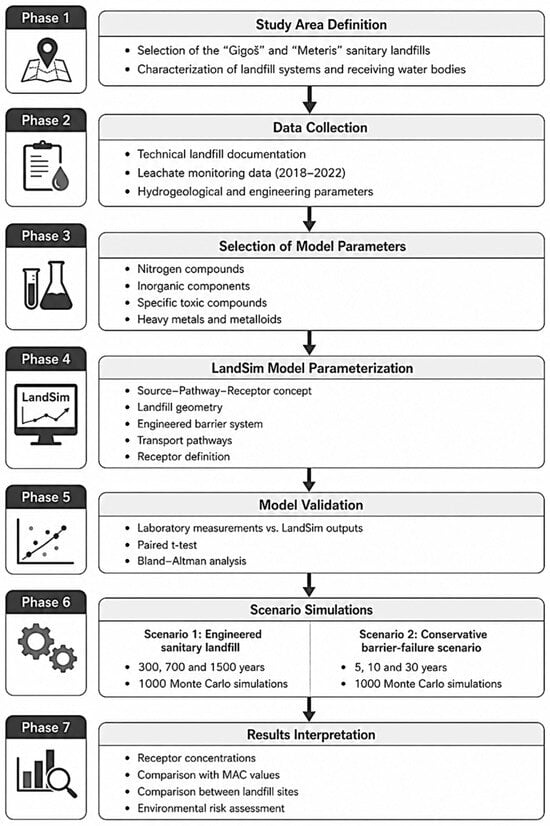
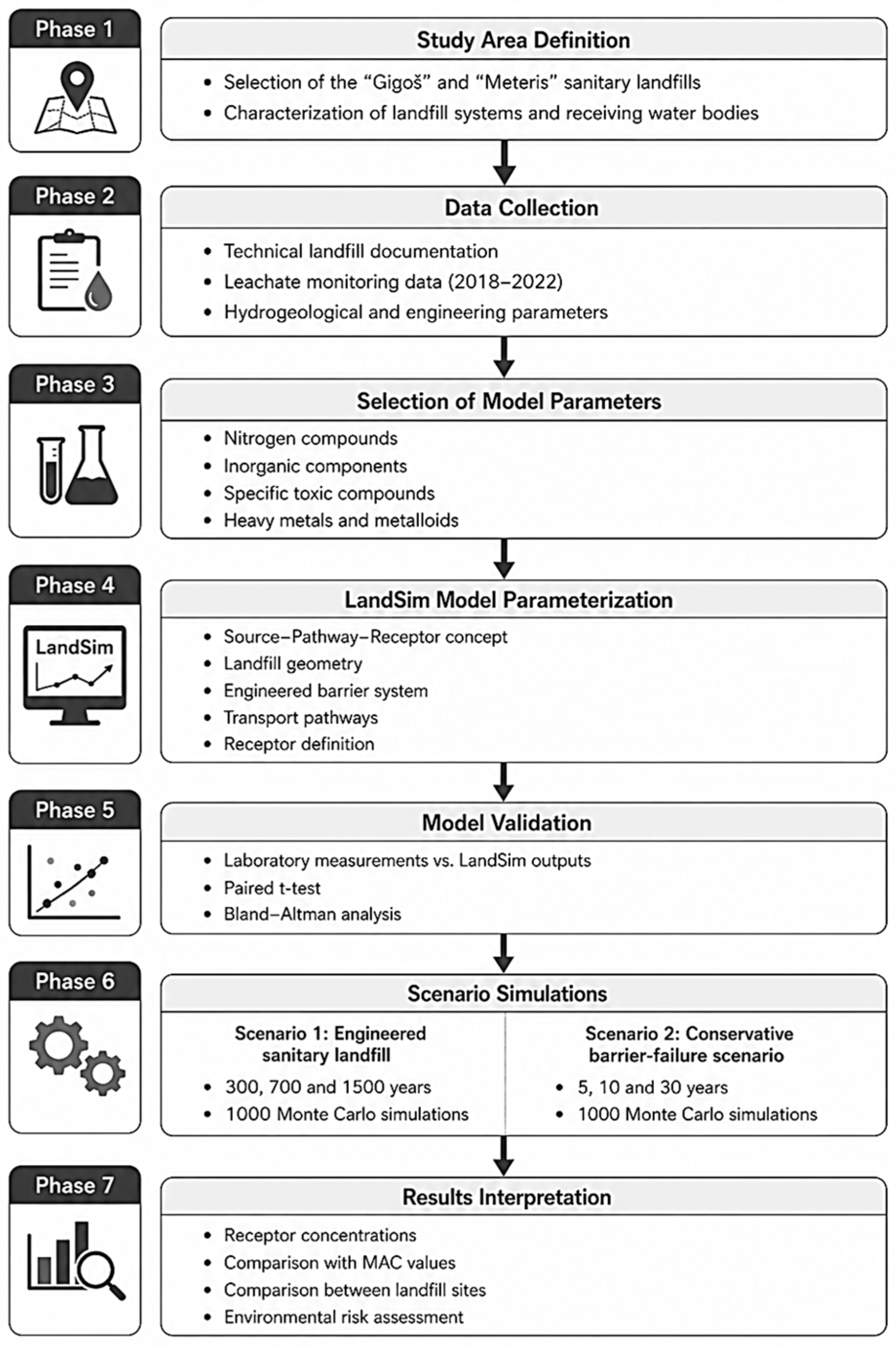
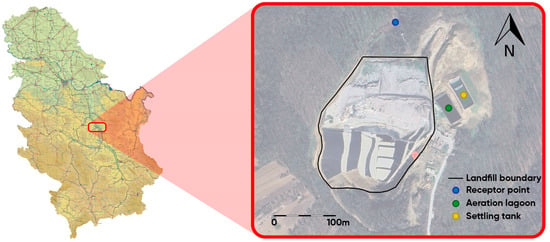
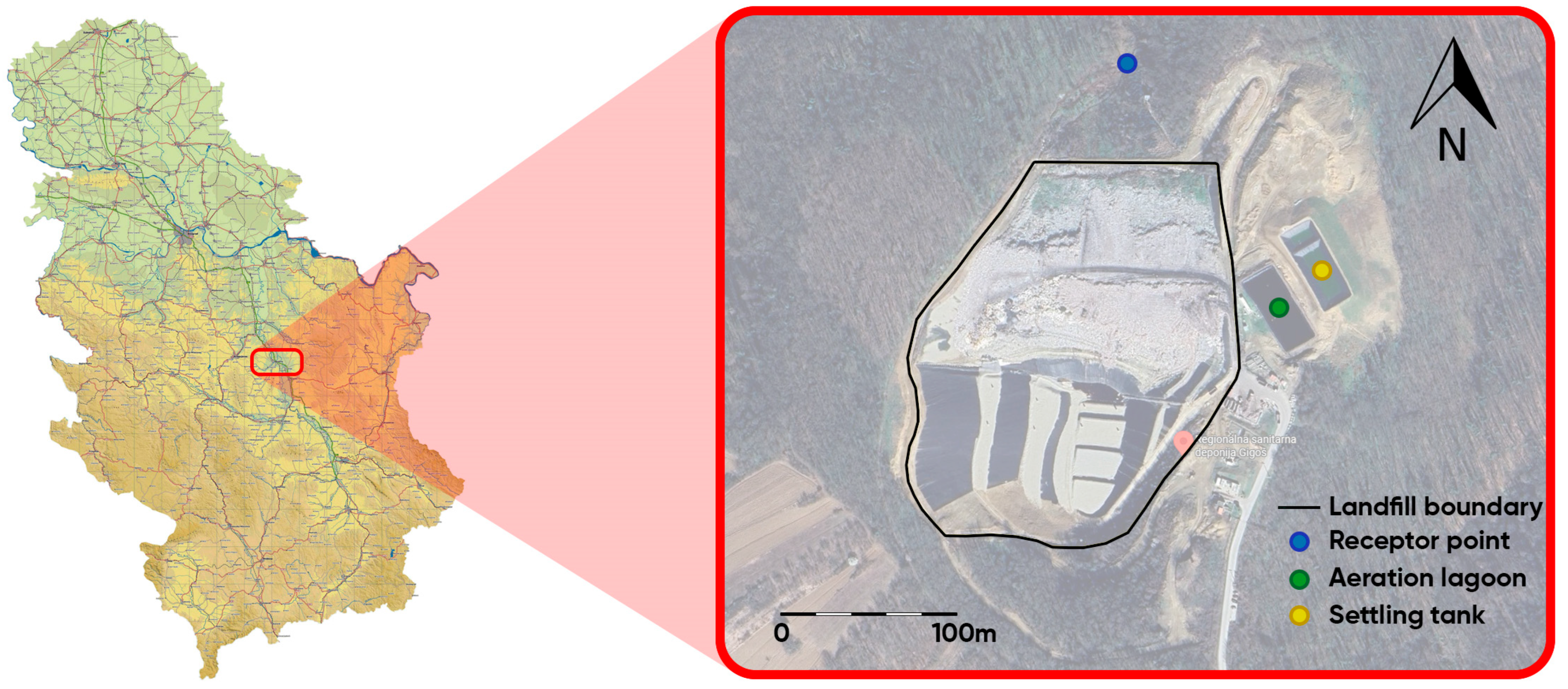
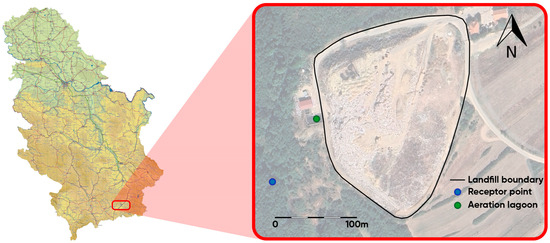
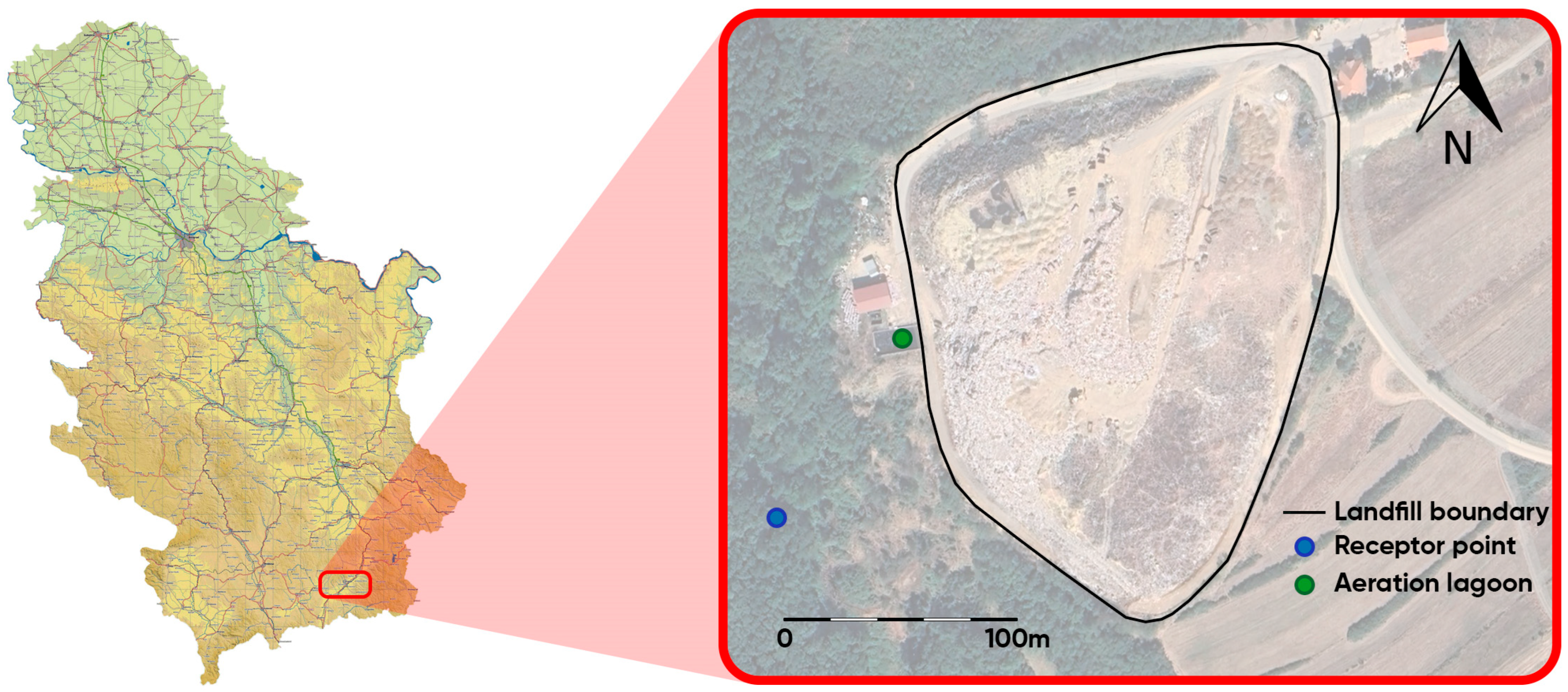
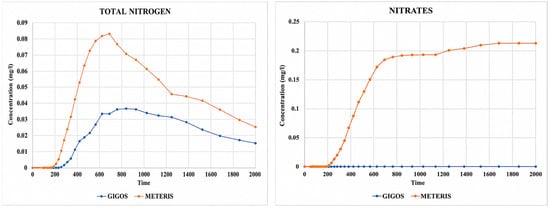
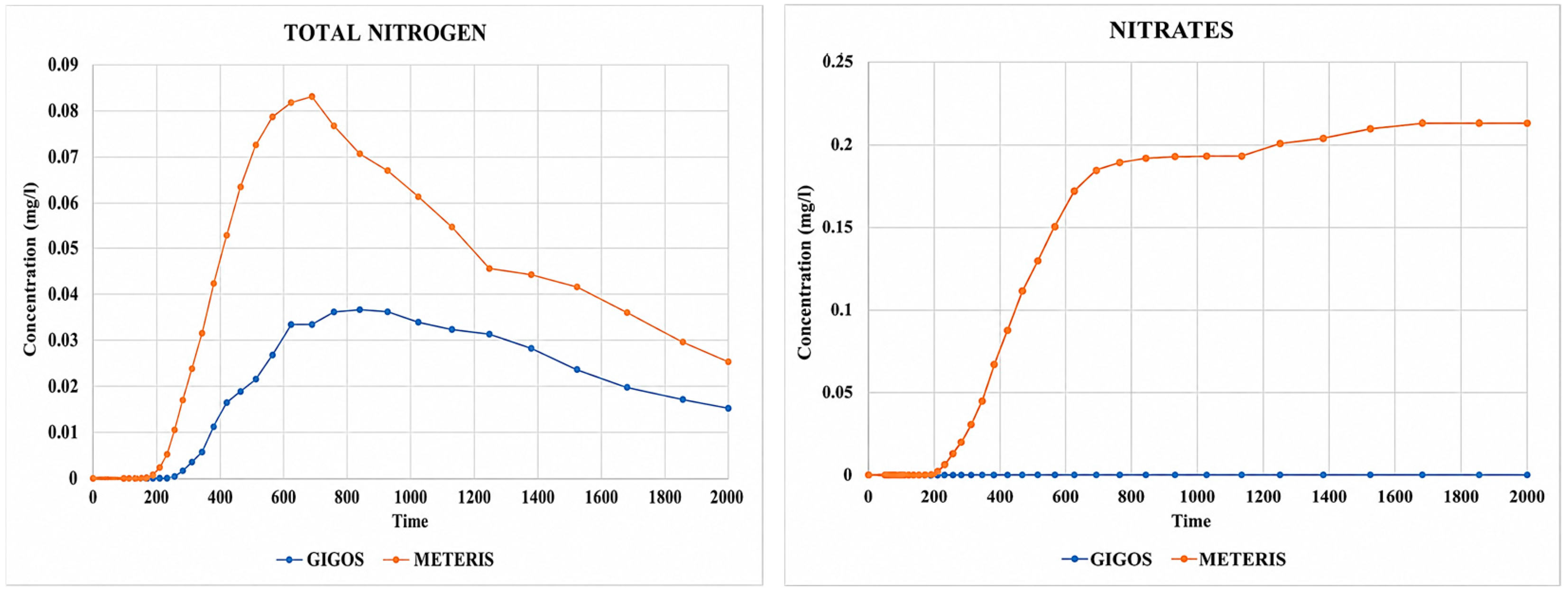
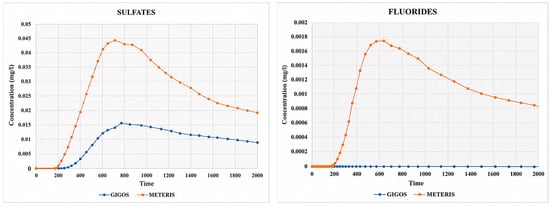
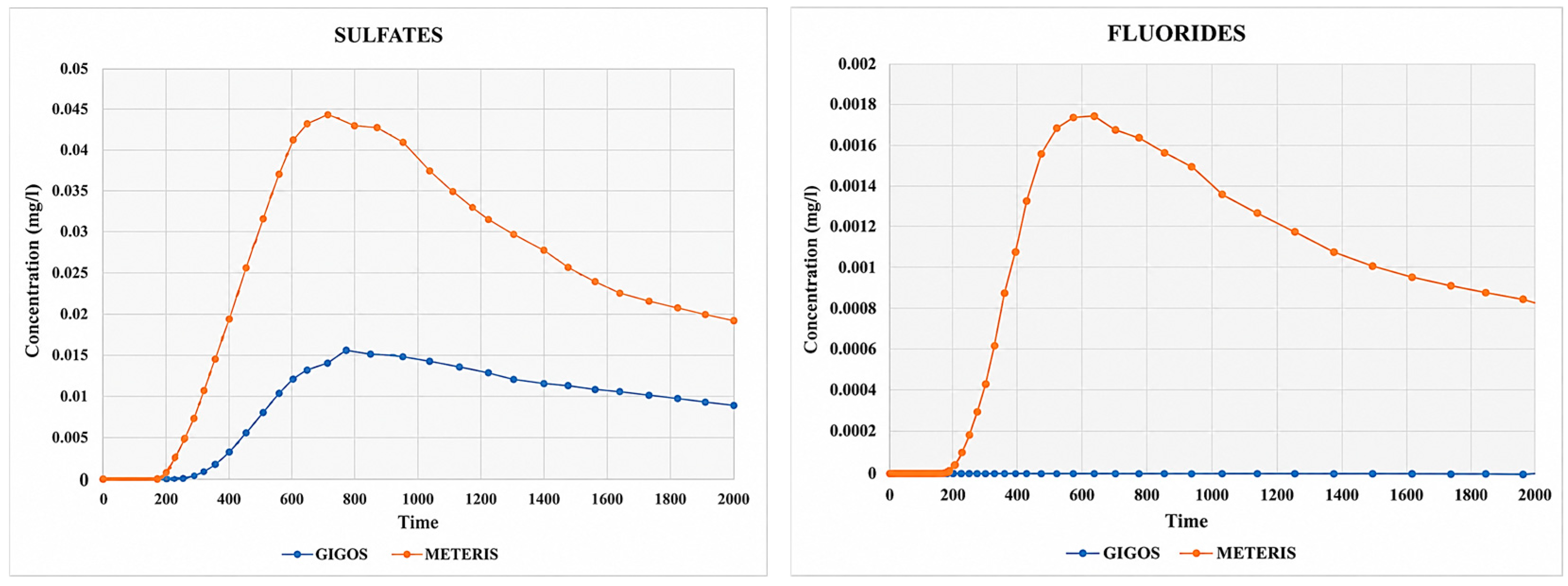
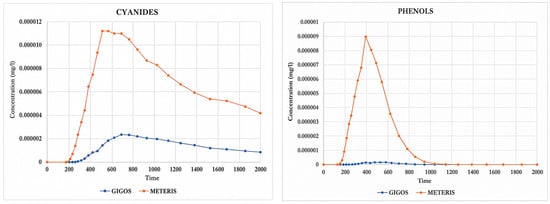
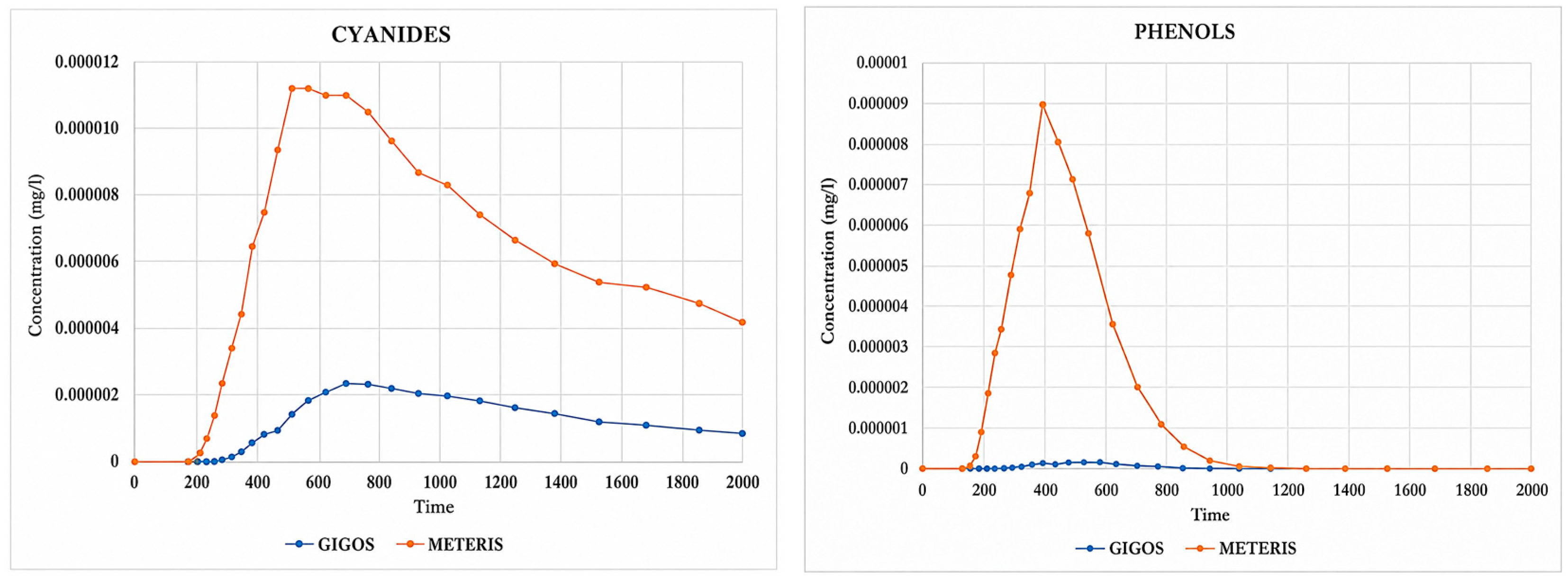
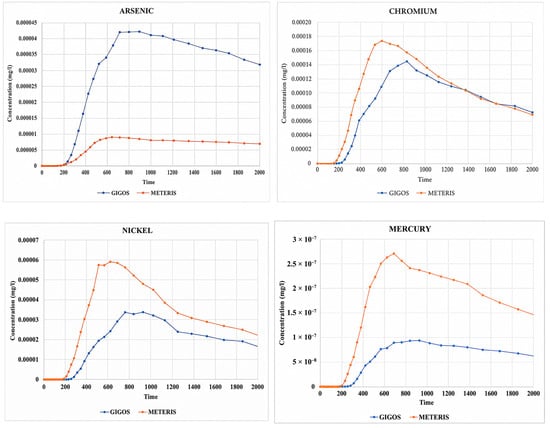
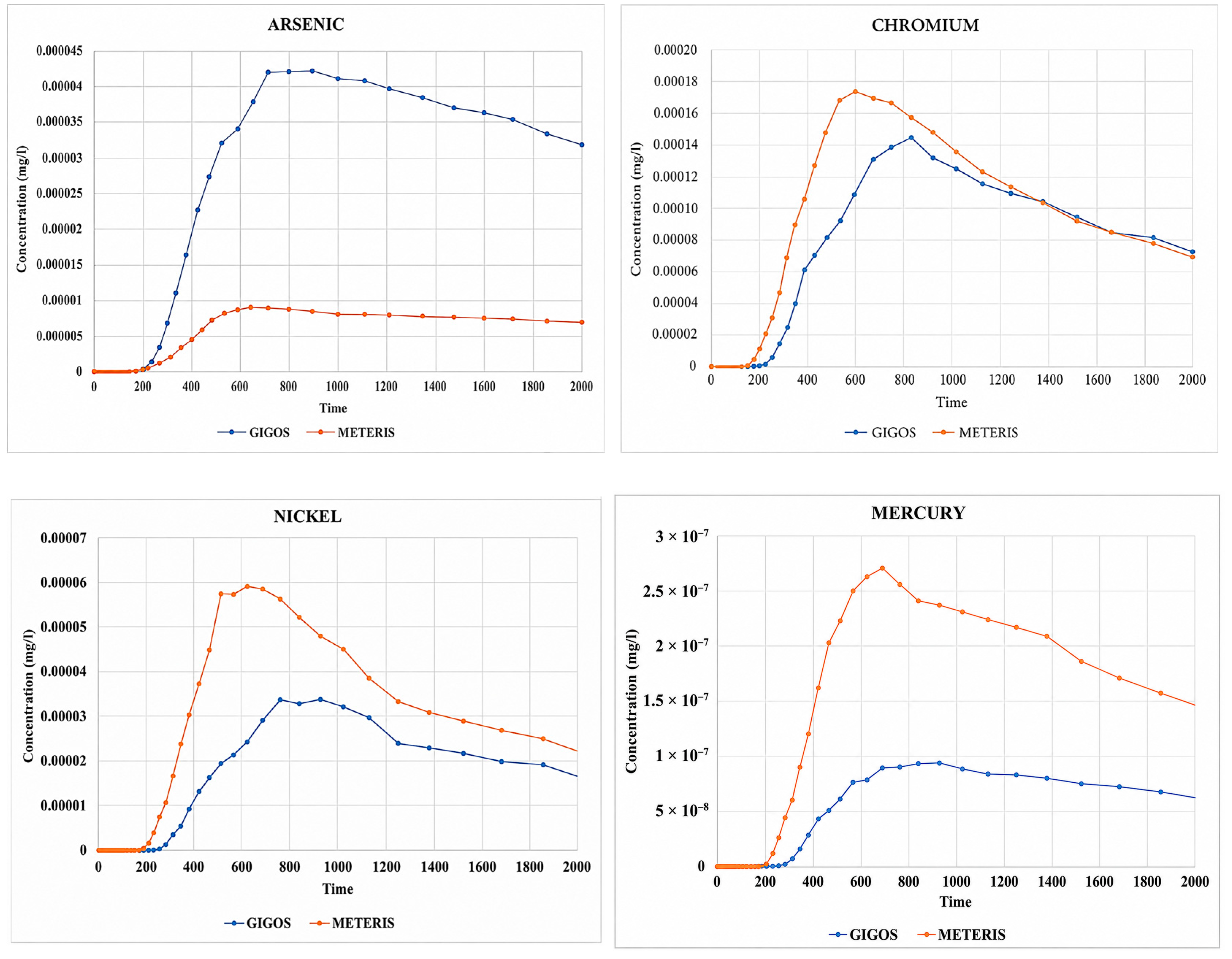
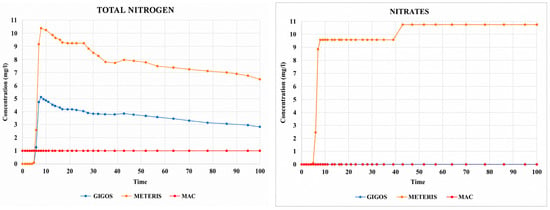
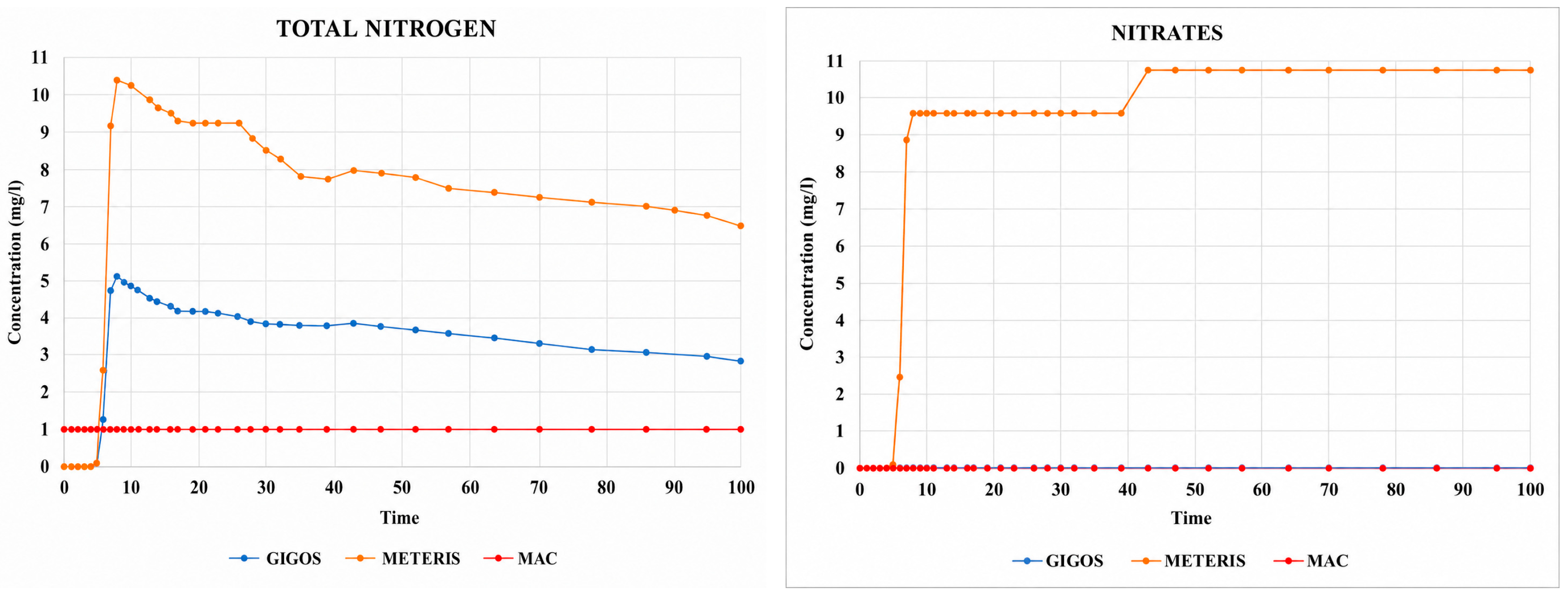
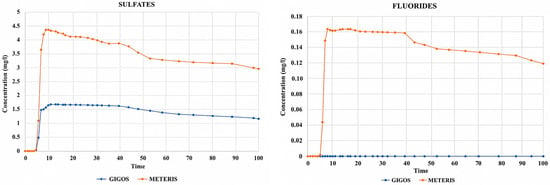
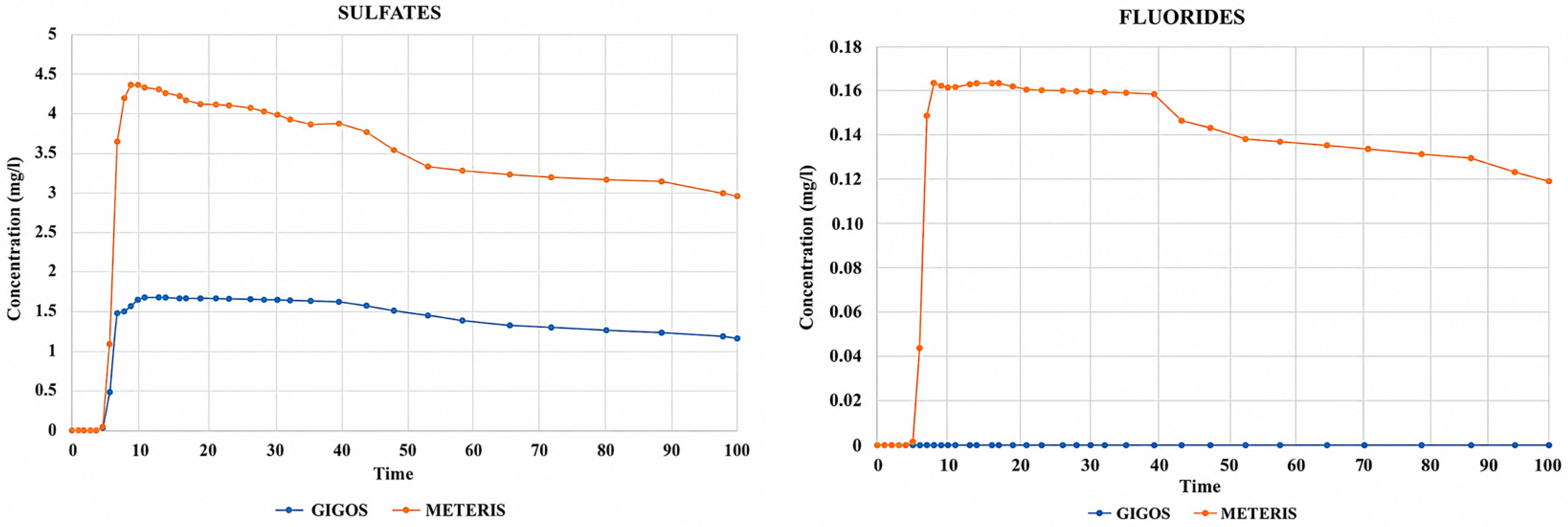
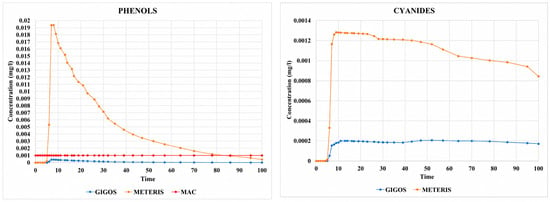
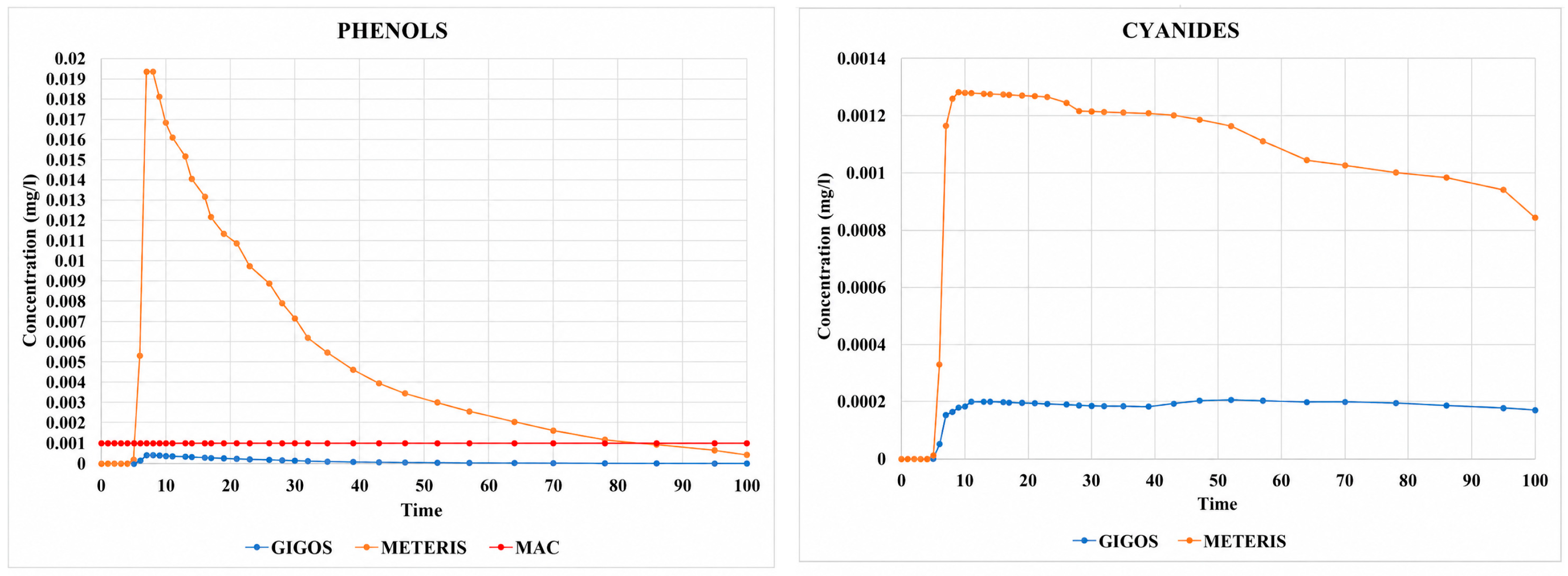
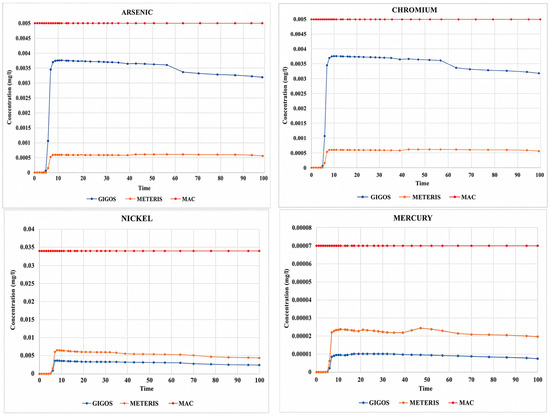
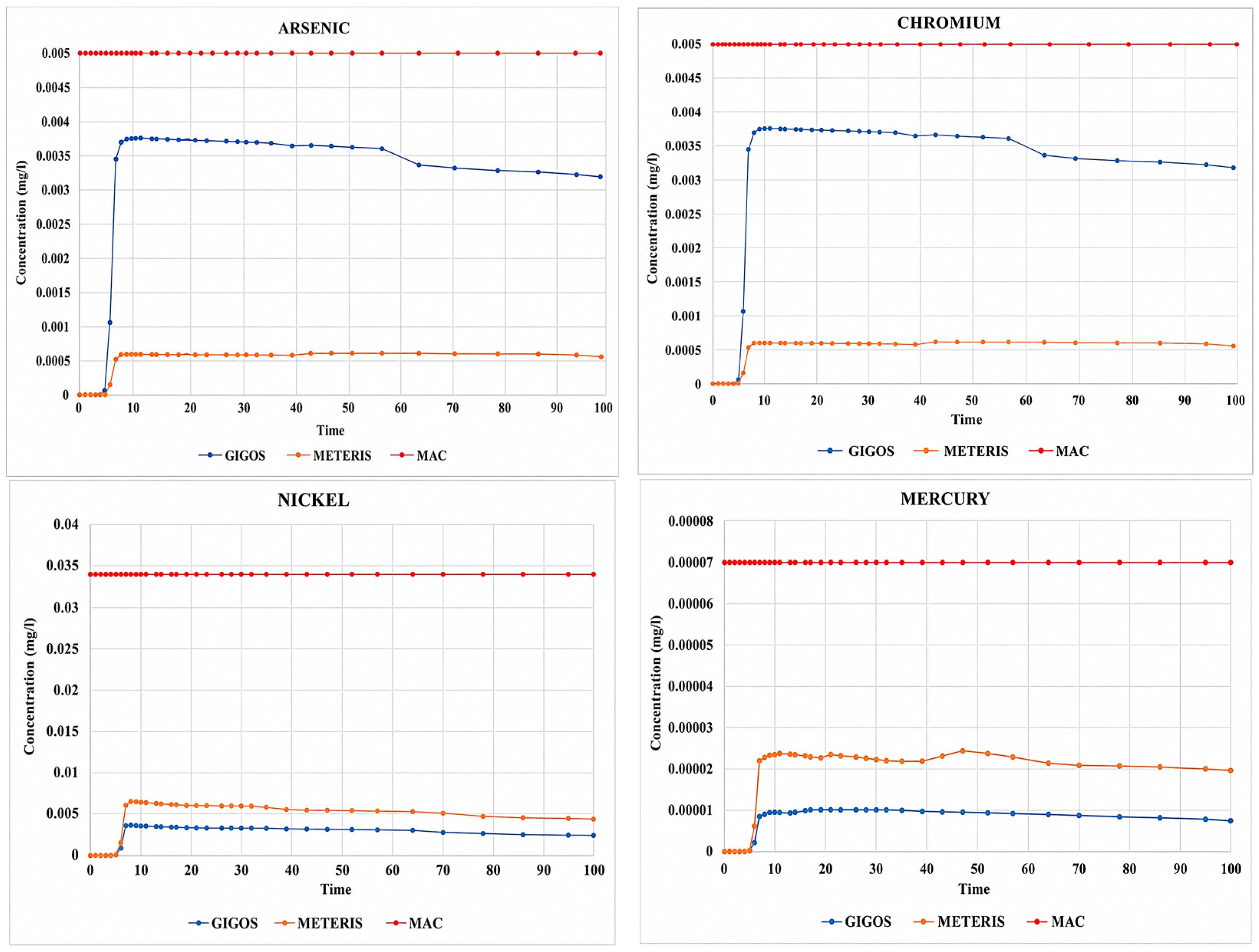

Disclaimer/Publisher’s Note: The statements, opinions and data contained in all publications are solely those of the individual author(s) and contributor(s) and not of MDPI and/or the editor(s). MDPI and/or the editor(s) disclaim responsibility for any injury to people or property resulting from any ideas, methods, instructions or products referred to in the content. |
© 2026 by the authors. Licensee MDPI, Basel, Switzerland. This article is an open access article distributed under the terms and conditions of the Creative Commons Attribution (CC BY) license.