Article

Acetonitrile-Degrading Halophilic Aerobic Granular Sludge: De Novo Granulation, Acetonitrile Biodegradation, and Nutrient Removal Pathways


by
Anuroop Singh
1,2 and
Yarlagadda. V. Nancharaiah
1,2,*
1
Biofouling and Biofilm Processes Section, Water & Steam Chemistry Division, Bhabha Atomic Research Centre, Kalpakkam 603102, India
2
Homi Bhabha National Institute, BARC Training School Complex, Anushakti Nagar, Trombay, Mumbai 400094, India
*
Author to whom correspondence should be addressed.
Water 2026, 18(12), 1529; https://doi.org/10.3390/w18121529 (registering DOI)
Submission received: 15 May 2026 / Revised: 18 June 2026 / Accepted: 19 June 2026 / Published: 22 June 2026

Highlights

  • First report on de novo granulation of seawater microbiome using acetonitrile, a refractory substrate.
  • Complete and sustained acetonitrile biodegradation under saline conditions.
  • Incomplete ammonium removal led to the accumulation of ammonium released from acetonitrile.
  • Phosphate removed via enhanced bio-P removal under saline conditions with acetonitrile as substrate.
  • Aerobic granules had less bacterial diversity than the seawater microbiome.

Abstract

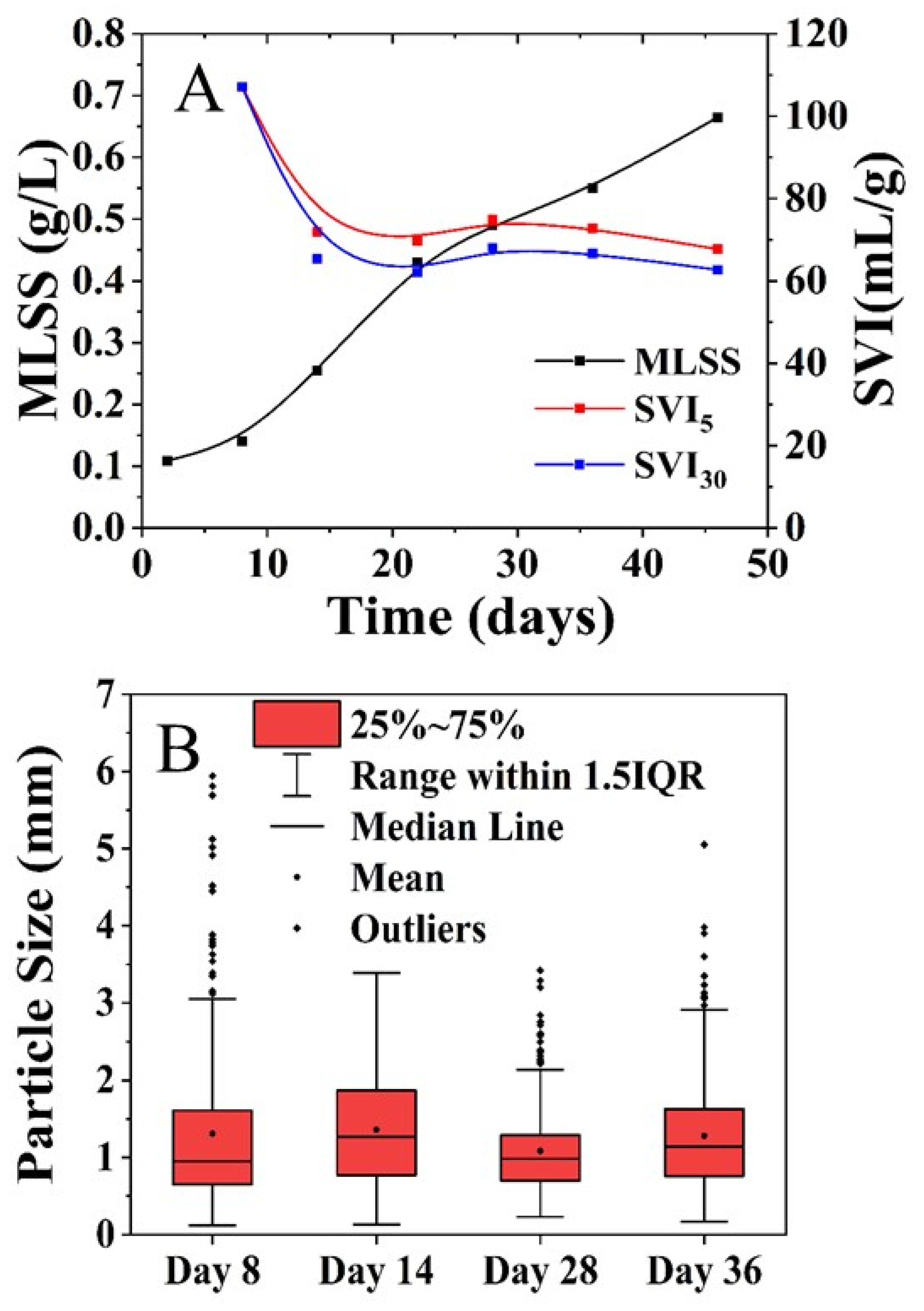
De novo granulation of autochthonous microorganisms of water and wastewater reduces the start-up periods for cultivating aerobic granular sludge (AGS) and enrichment of degrading strains. However, it has not been demonstrated using refractory carbon compounds. This work investigated the formation of AGS from the seawater microbiome and establishment of pollutant removal pathways by feeding acetonitrile as the sole carbon and nitrogen source. Use of acetonitrile at an organic loading rate of 0.124 kg/m3/day enabled rapid emergence of aggregates and then stable granules (size: 1.3 mm; SVI5: 68 mL/g) within two weeks. TOC removal accompanied by ammonium nitrogen release was consistent and stable at 93% during the 50 days of bioreactor operation. Formation of acetamide and ammonium indicated involvement of nitrile hydratase and amidase enzymes in acetonitrile biodegradation. Ammonium released during acetonitrile biodegradation was removed by partial nitrification and the nitrite denitrification pathway. However, incomplete ammonium removal led to accumulation of up to 120 mg/L NH4+-N by day 50. Phosphate was removed via the enhanced biological phosphate removal pathway. This study shows that de novo granulation permits cultivation of AGS via the de novo granulation approach for simultaneous biodegradation of refractory acetonitrile and biological nutrient removal under saline conditions.

1. Introduction

Aerobic granular sludge (AGS) has attracted interest for advanced biological wastewater treatment for a widely applied activated sludge process due to increased particle size, compact microbial structure, superior settling properties, efficient nutrient removals, higher tolerance to emerging pollutants, and environmental sustainability [1]. The AGS is also best suited for removing ammoniacal nitrogen and phosphate through partial nitrification–denitrification (PND) [2] and enhanced biological phosphate removal (EBPR) [3] pathways, respectively, due to the coexisting distinct microbial groups, and different redox microenvironments within the granules [4,5]. In addition to advanced biological treatment, AGS technology promises a significant reduction in land footprint up to 70% and energy costs up to 40% compared to the conventional activated sludge process [5,6]. Since the beginning of AGS research, activated sludge has been used as the inoculum for granulation [7,8]. Several studies revealed that AGS exhibits higher settling velocities, and performs more effective biological treatment including removal of nutrients and toxic pollutants than activated sludge [4,9,10]. Using dewatered activated sludge as the inoculum led to enhanced aerobic granulation and the rapid formation of AGS [11]. Some studies reported using pre-formed AGS, disintegrated AGS [11], anaerobic granules [12] or fungal mycelial pellets [13] as the inoculum for rapidly cultivating granular sludge [14].
Quite recently, a de novo granulation of wastewater-borne microorganisms has been reported as the universal strategy for cultivating AGS and establishing efficient nitrogen and phosphate removal pathways [15,16]. This strategy enabled rapid aerobic granulation and formation of AGS in a lab-scale sequencing batch reactor (SBR) using acetate as the carbon source while treating real domestic wastewater [16]. The similar de novo granulation method has been used for cultivating halophilic AGS from autochthonous microorganisms of seawater [15]. This approach has certain advantages such as directly enriching halophilic microorganisms compared to adaptation and selection of salt-tolerant AGS or activated sludge developed under non-saline conditions. So far, the de novo approach was tested for cultivating AGS from real domestic wastewater and the seawater microbiome. There is a need for evaluating de novo granulation using different carbon sources and with different wastewaters. Moreover, previous studies have reported AGS cultivation, and biological nutrient removal (BNR) by feeding acetate as the sole carbon source. However, it is unknown if other carbon sources, particularly refractory and toxic xenobiotic compounds, can support de novo granulation of seawater-borne microorganisms and establishment of BNR pathways, achieving BNR under saline conditions.
Because of its robust metabolism and resilience, AGS has attracted interest for biological treatment of seawater-based wastewater or saline sewage [17,18]. However, challenges often reported in the biological treatment of saline wastewater include accumulation of nitrite, inhibition of phosphate removal, and decreased porosity of granules due to salt precipitation. Bassin et al. [19] reported nitrite accumulation due to the negative impact of salinity on nitrite-oxidising bacteria but not ammonia-oxidising bacteria. Complete inhibition in bio-P removal was noticed at 33 g/L NaCl [19]. However, these studies have attempted to adapt the AGS developed from activated sludge inoculum under freshwater conditions. De novo granulation of halophilic microorganisms can alleviate these challenges and also avoid long adaptation or start-up periods for establishing nutrient removal pathways under saline conditions.
To the best of the authors’ knowledge, there are no previous studies on de novo granulation of the seawater microbiome using xenobiotic compounds. In order to test the feasibility of de novo granulation and BNR under saline conditions, acetonitrile was used as the sole carbon and nitrogen source for investigations on AGS development, establishment of nutrient removal pathways and biological treatment. This enabled us to evaluate de novo granulation under the toughest conditions like salinity and with xenobiotics such as C and N as the source, which is distinct from the co-metabolism approach wherein a xenobiotic compound is often supplied along with a co-substrate such as acetate or glucose for enriching acetonitrile-degrading strains. Additionally, the present study provides an insight into developing an AGS-based system for biological treatment of acetonitrile-containing saline wastewaters generated in the pharmaceutical and chemical industries.

2. Materials and Methods

2.1. SBR Setup and Operation

A polycarbonate column (diameter: 9 cm; working height 47.2 cm) was fabricated with influent, effluent and aeration ports. It was operated with a 3 litre working volume in SBR with a 6 h cycle comprising 60 min of filling, 280 min of aeration, 3 min of settling, 2 min of decanting, and 15 min of an idle phase. The bioreactor was operated with 4 cycles per day. It was fed with nutrient-amended seawater with a 67% volumetric exchange ratio [20]. Aeration was done using an aquarium pump (BOYU-ACQ007, Chaozhou, China) connected to a diffuser placed at the reactor bottom. Aeration rate was adjusted to 0.5 LPM corresponding to a superficial air velocity of 0.13 cm/s. Feeding and decanting were done using peristaltic pumps (Masterflex, Radnor, PA, USA). Operation of the SBR cycle, peristaltic pumps and aeration pump was controlled using electronic timers.

2.2. Inoculum and Nutrient-Amended Seawater

Seawater was collected from the coast of Kalpakkam (12°33′ N and 80°11′ E) and was used for preparing synthetic wastewater. A fresh batch of natural seawater was collected once a week. For making synthetic wastewater, seawater was spiked with acetonitrile, phosphate and trace elements. Acetonitrile (78 mg/L) was used as the sole carbon and nitrogen source. Inorganic phosphate (KH2PO4 and K2HPO4) equivalent to 12 mg/L PO43−-P was prepared in seawater. Trace element stock containing KI (3 mM), H3BO4 (7 mM), NiCl2·6H2O (0.1 Mm), MnCl2·2H2O (5 mM), FeCl3·6H2O (8 mM) and ZnSO4·6H2O (5 mM) was added at 1 mL per one litre of synthetic wastewater [21]. The nutrient-amended seawater was used as the source of nutrients (organic carbon, nitrogen, and phosphorus) and microorganisms for developing halophilic granular sludge [15].

2.3. Granular Characteristics

MLSS and SVI were determined using standard methods. For determining settling velocity and biomass density, the granules were washed and analysed in accordance with standard methods [22]. Particle size was determined after taking pictures using a digital single-lens reflex camera and analysing the pictures in ImageJ software v1.53.

2.4. DNA Isolation and Bacterial Community Analysis

DNA was isolated from seawater, in day 8, day 28 and day 36 granules, using the CTAB method at Symbiont Life Science Pvt. Ltd., Bengaluru, India. The extracted DNA was observed on 1% agarose gel and quantified using a Qubit 4.0 fluorometer. PCR was performed using V3-F (5′-TCGTCGGCAGCGTCAGATGTGTATAAGAGACAGCCTACGGGNGGCWGCAG-3′) and V4-R (5′-GTCTCGTGGGCTCGGAGATGTGTATAAGAGACAGGACTACHVGGGTATCTAATCC-3′). The amplicons were purified Ampure DNA cleanup kit and subjected to quantitative and qualitative control on Agilent TapeStation 4150 (Santa Clara, CA, USA) after an Indexing PCR based on Illumina technology (San Diego, CA, USA). The amplicons were then sequenced with an Illumina-compatible platform, Novaseq X plus, as described previously [23]. The data was analysed by the QIIME 2 pipeline, generating visuals of the data, such as a taxonomy bar chart, an OUT heatmap, rarefaction curves, the calculation of alpha and beta diversity and a Krona graph. DNA isolation, clean-up, quality check, PCR, sequencing and raw data analysis were done by Symbiont Life Science Pvt. Ltd., Bengaluru, India.

2.5. Analytical Techniques

Samples were collected from the SBR regularly and were analysed for various parameters. For kinetics, liquid samples were collected at hourly intervals during the 6 h cycle. All parameters were analysed as per APHA (2008) [22]. Acetonitrile degradation was correlated with TOC concentration in the samples analysed using a TOC analyser (Shimadzu India Pvt. Ltd., Chennai, India). Ammoniacal nitrogen was analysed using the phenate method. Nitrite was analysed using the N (1-naphthyl) ethylene diamine dihydrochloride (NED) method. Inorganic phosphate was determined using the ascorbic acid method. All colourimetry measurements were taken using a UV-visible spectrophotometer (Tintometer India Pvt. Ltd., Hyderabad, India). Nitrate was measured using high-performance liquid chromatography [24].

3. Results and Discussion

3.1. Halophilic Aerobic Granular Sludge Formation

Imaging of biomass harvested from the bioreactor confirmed prominent growth in the form of microbial aggregates (Figure 1). The aggregates formed by seawater-borne microorganisms were retained in the bioreactor and grown in size from sub-millimetre- to millimetre-sized particles. Within 2 days, a noticeable increase in turbidity was observed in the bioreactor. At this stage, the MLSS was at 0.11 g/L (Figure 2A). Microbial growth was primarily in the form of tiny particles or patches. By day 8, the growth was prominently seen as biomass particles or patches. This was accompanied by a gradual increase in MLSS up to 0.67 g/L by day 46 (Figure 2A). Measured data indicated minor deviation between the MLSS and MLVSS values indicating inorganic content or precipitates in the granular sludge. These observations were consistent with previous studies on halophilic granular sludge that had inorganic content of about 8–14% [15]. The observed lower MLSS values were linked to the prevailing organic carbon loading rate and also to the refractory nature of the organic substrate. This indicated that acetonitrile as the sole source of carbon and nitrogen supported rapid growth of seawater-borne microorganisms in the form of aggregates. It also indicates that acetonitrile-degrading microorganisms are readily available in natural seawater used for feeding the bioreactor. The particle size of granules mainly belonged to a range from 0.5 to 2 mm (Figure 2B). SVI values indicated compactness of the biomass granules formed in the bioreactor. SVI5 values decreased quickly from 107 mL/g to 71.4 mL/g and stabilised at about 64 mL/g during SBR operation (Figure 2A). The observed SVI values confirmed formation of compact biomass granules from de novo granulation of seawater-borne microorganisms, corroborating previous studies that relied on acetate as the carbon source [15]. The measured SVI5/SVI30 ratio values were close to 1, indicating effective granulation and formation of fast-settling granules under seawater conditions. These measurements have clearly demonstrated rapid formation of aerobic granular sludge from halophilic microorganisms using acetonitrile as the sole carbon and nitrogen source. Successful formation of AGS revealed that microbial aggregation and formation of aerobic granules are achievable with a lower organic loading rate and superficial air velocity [25]. It has been well established that organic substrate type, substrate loading rate and superficial air velocities are critical factors influencing aerobic granulation and characteristics of aerobic granular sludge [5]. Being a first report on de novo cultivation of xenobiotic-degrading aerobic granules, this study expands the application range for bioremediation technologies. It is clearly distinct from the previous studies that utilised acetate (a benign substrate) for de novo granulation of sewage and the seawater microbiome [15,16].

3.2. Acetonitrile Biodegradation in Sequencing Batch Reactor

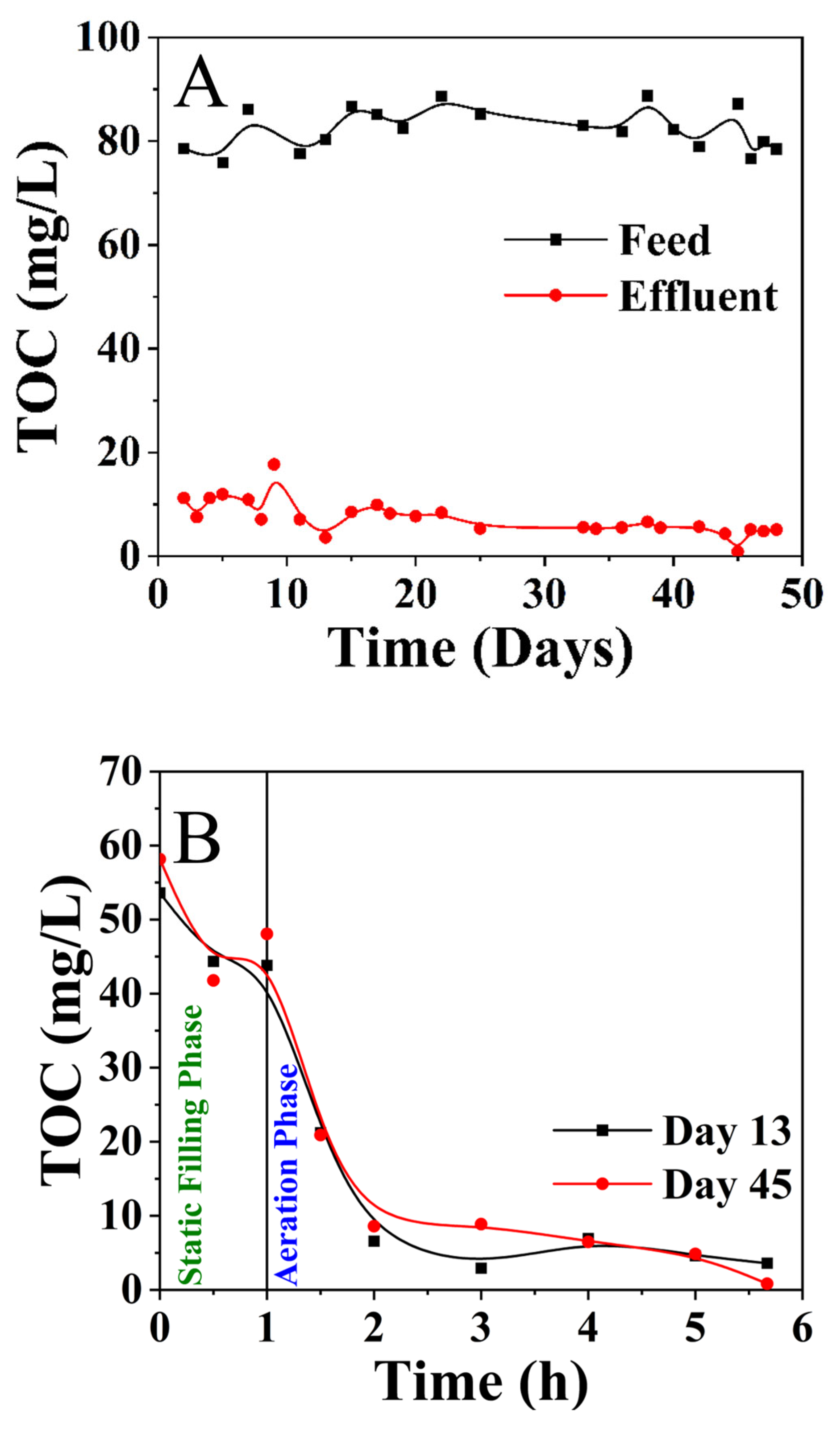
TOC removal was quickly established in the bioreactor (Figure 3). Within 2 days (8 cycles) of operation, the TOC, provided at 77.15 ± 1.9 mg/L in the influent, decreased to 9.35 ± 2.5 mg/L in the effluent (Figure 3A). However, some fluctuation was noticed in the effluent TOC in the initial days. Subsequently, the effluent TOC values were stabilised and maintained at 4.97 ± 1.4 mg/L during day 25 to 46 (Figure 3A). Quick establishment of TOC removal was corroborated by the biomass growth and granulation in the bioreactor. It essentially linked to the growth of acetonitrile-degrading bacteria and their enrichment in the granules. While TOC was removed, a gradual accumulation of ammonium ions was noticed during bioreactor operation. The removal profile of TOC and ammonium during the 6 h cycle confirmed acetonitrile degradation in the aeration phase, associated with ammonium ion release into the medium. A decrease in TOC during the static fill phase (0 to 1 h) was related to dilution due to the applied 66% volumetric exchange ratio of SBR operation and was not because of degradation. However, the decrease in TOC levels in the aeration phase (1 to 5.5 h) was related to biodegradation. The TOC removal profile in the aeration phase typically comprised a rapid removal followed by a slow degradation phase [26]. Acetonitrile degradation occurred mainly in the first hour of the aeration phase and was linked to the release of ammonium in each cycle (Figure 3B). Thus, ammonium accumulation was related to its release from acetonitrile degradation in each cycle and the incomplete removal of the released ammonium within the cycle.
Biodegradation of acetonitrile has been mainly investigated under non-saline conditions using bacterial cultures [27], adapted activated sludge [28], and biofilms [29,30]. Biodegradation of acetonitrile has proven to be more efficient with mixed microbial consortia than pure cultures due to synergistic metabolic interactions, higher tolerance, efficient degradation and stability [31]. Accordingly, aerobic granular sludge cultivated from activated sludge has demonstrated efficient and sustained biodegradation of acetonitrile [24]. However, adapting these cultures to work under saline conditions faces challenges including long start periods. In this context, formation of AGS from the seawater microbiome is advantageous for establishing acetonitrile biodegradation under saline conditions.

3.3. Nitrogen and Phosphate Removal

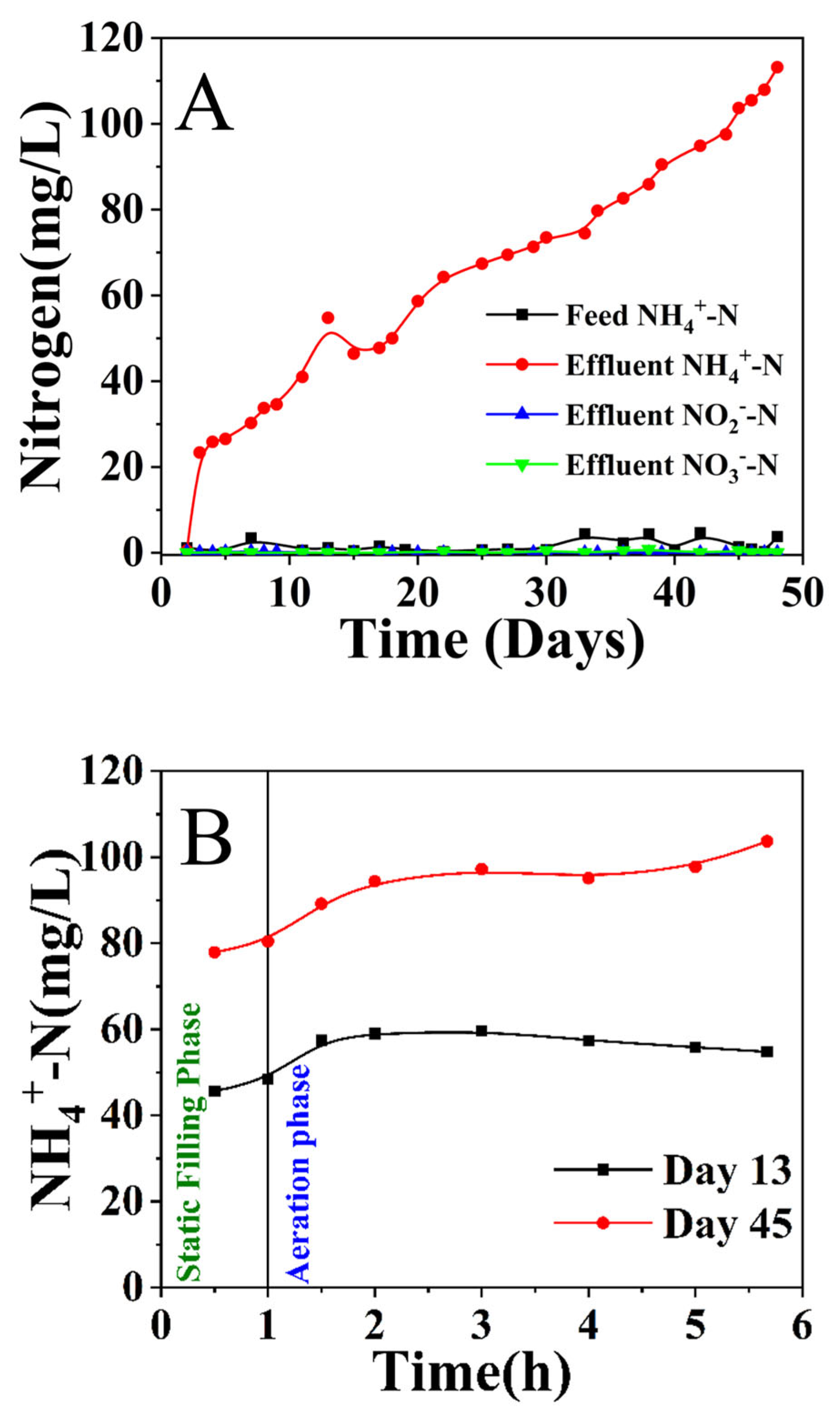
Ammonium was not provided in the seawater medium and acetonitrile was the sole nitrogen source for bacteria. Ammonium release and its accumulation was evident during bioreactor operation (Figure 4A). Ammonium release was mainly observed in the aeration phase and linked to aerobic biodegradation of acetonitrile (Figure 4B). However, the accumulated ammonium was not in agreement with the theoretically calculated ammonium release during the complete degradation of acetonitrile. About 26 mg/L NH4+-N could not be accounted for per cycle presuming complete acetonitrile degradation. Neither nitrite nor nitrate was significant in the effluent samples (Figure 4A). These measurements indicated ammonium removal through partial nitrification and denitrification (PND) or simultaneous nitrification and denitrification pathways. qPCR analysis confirmed higher abundance of amx (anammox) and amoA (ammonium-oxidising bacteria) in the granules. The presence of AOB suggests their role in the partial removal of ammonium ion released during acetonitrile degradation. Moreover, the SBR operating conditions such as alternating anaerobic and aeration conditions, low dissolved oxygen during feeding, and temperature (~30 °C) are conductive for establishing the PND pathway [2,32]. Nevertheless, ammonium removal was incomplete during the applied 6 h cycle. Thus, further studies are needed to evaluate the biological treatment at different hydraulic retention times to improve ammonium removal efficiencies.
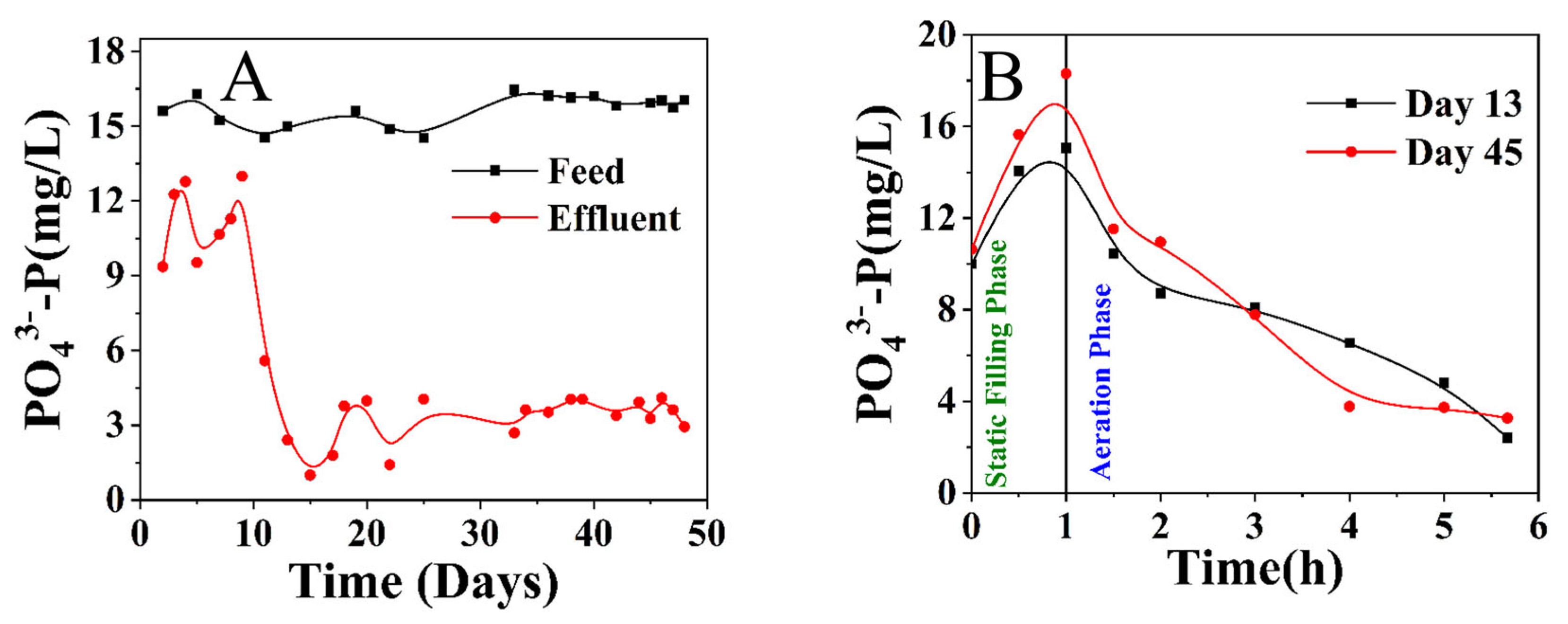
Phosphate removal was unstable at the beginning (Figure 5A). However, it gradually improved after day 8 of bioreactor operation. After that, effluent phosphate concentrations were maintained at ≤4 mg/L. The phosphate removal efficiency was stabilised at ~75%. A typical phosphate profile during a 6 h SBR cycle is shown in Figure 5B. The phosphate removal profiles comprised an initial P release phase and subsequent P removal phase. The P release and P removal phases corresponded to the anaerobic and aerobic phases, respectively. The release of phosphate ranged from 5 to 8 mg/L PO43−-P in the static fill phase. In the subsequent aeration phase, about 13 to 15 mg/L PO43−-P was removed and accumulated by the granular sludge. The observed phosphate removal profiles were in agreement with other studies on enhanced biological phosphate removal (EBPR) by freshwater- or seawater-based AGS systems [33,34]. The abundance of polyphosphate accumulating organisms (PAOs), i.e., Ca. Accumulibacter, in the granules measured by qPCR supported the occurrence of the EBPR pathway [35]. Moreover, the phosphate removal profiles observed using acetonitrile were in agreement with those exhibited by acetate-fed halophilic AGS [15]. Thus, acetonitrile as the sole carbon and nitrogen source supported de novo granulation and the establishment of EBPR in seawater conditions.

3.4. Bacterial Community Analysis

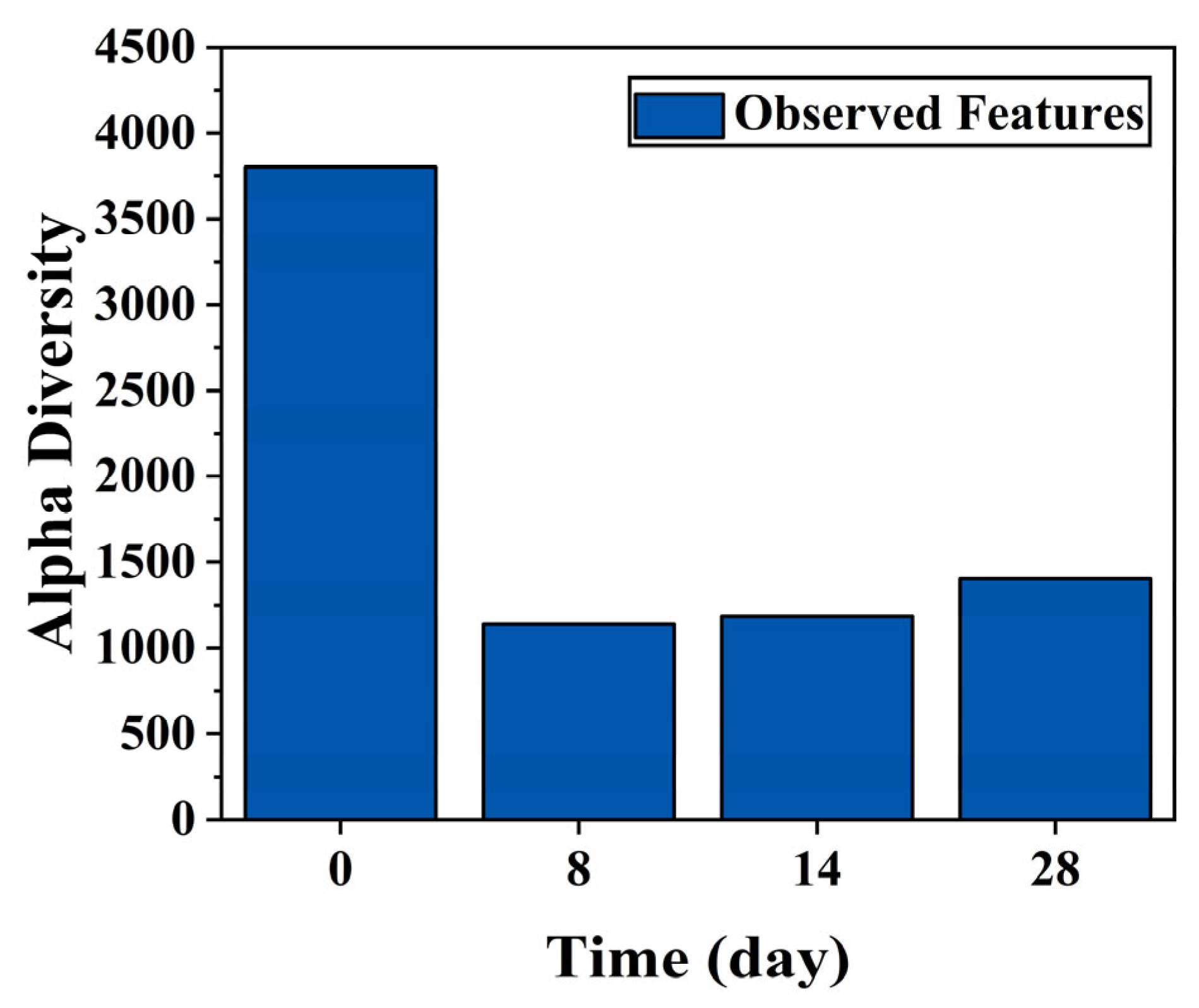
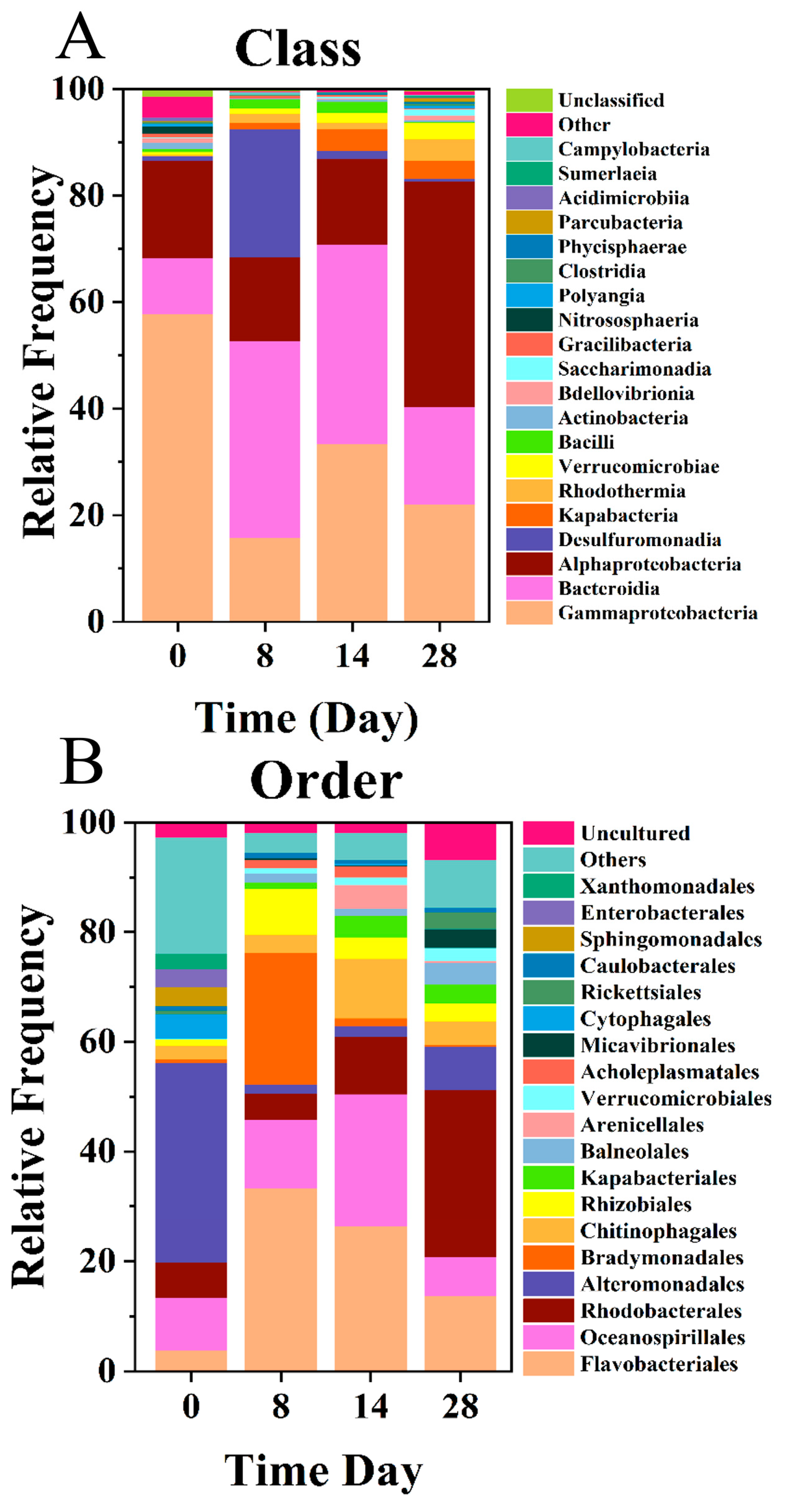
Biomass samples collected at different time points (day 0, 8, 14 and 28) from the bioreactor were analysed for bacterial diversity and relative abundance of phylogenetic groups. Figure 6 shows the observed alpha diversity (observed features) in the samples. The seawater contained the highest bacterial diversity, with 3801 OTUs. While, the number of OTUs in granular sludge samples was significantly lower compared to the seawater microbiome at 1139 (70% lower), 1185 (68% lower), and 1405 (63% lower), respectively, on day 8, 14 and 28. A marginal increase in OTUs in granular sludge from 1185 on day 14 to 1405 on day 28 can be attributed to the restructuring of bacterial community [36]. The reduction in bacterial diversity during AGS development is linked to selection pressures imposed by bioreactor operation conditions and washout of non-settling activated sludge flocs from the bioreactor. In case of de novo granulation, AGS exhibits considerably lower bacterial diversity than the seawater microbiome or sewage microbiome due to the enrichment of aggregating strains and functional bacteria involved in carbon, nitrogen and phosphate removal [15,16,34]. The seawater microbiome contained Proteobacteria (76%) and Bacteroidota (10.8%) as the major phyla. Gammaproteobacteria (57.8%), Alphaproteobacteria (18.2%), and Bacteroidia (10.6%) were the abundant classes in the seawater (Figure 7A), while, Alteromonadales was the most dominant order with 36.4% abundance in natural seawater (Figure 7B).
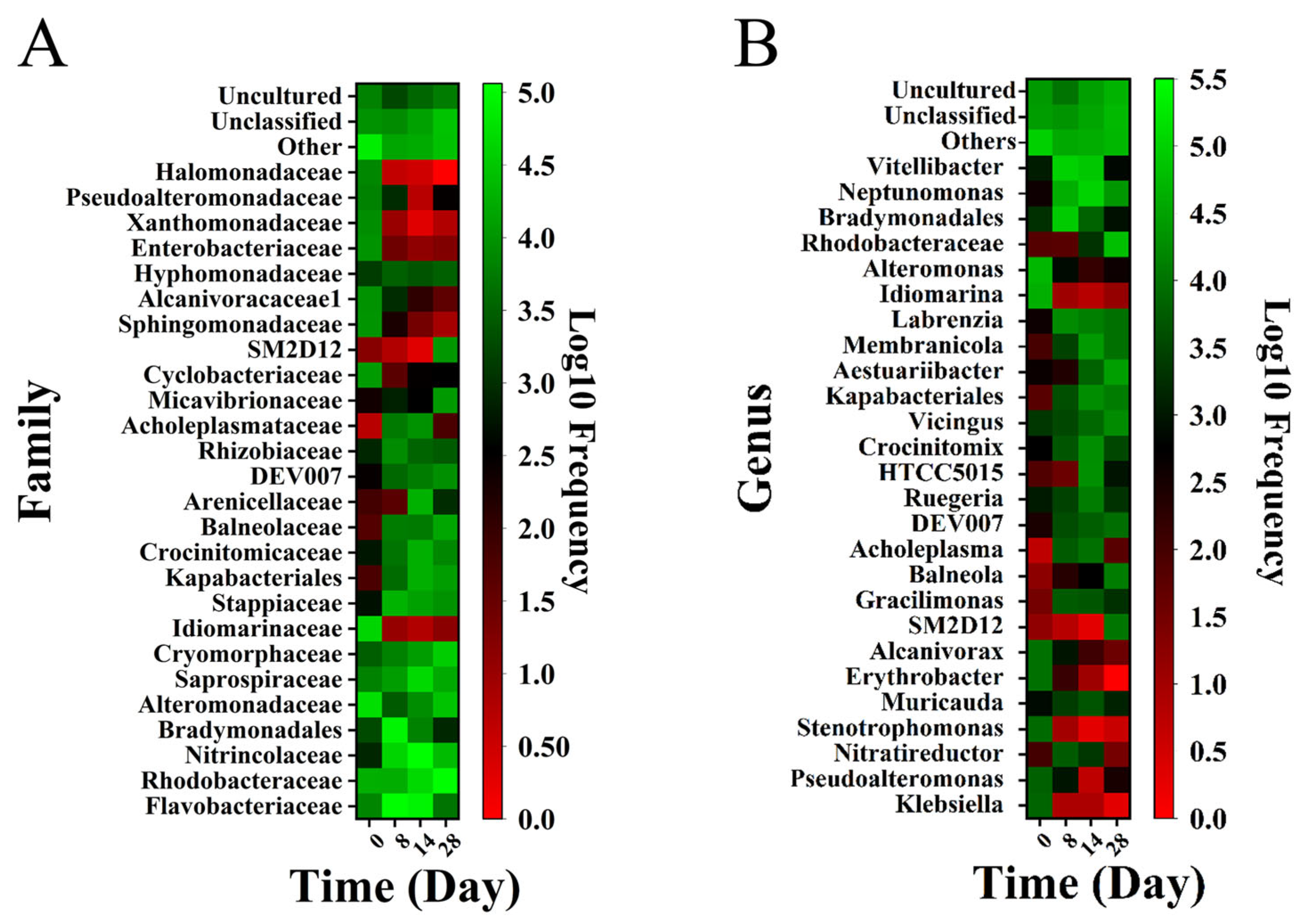
Alphaproteobacteria (15–42%) and Gammaproteobacteria (15–33%) were the major classes prominent in the AGS throughout bioreactor operation (Figure 8A). The bacteria belonging to these classes are known for their prominent role in elemental cycling, particularly in biological nitrogen removal pathways [15,37]. Granular sludge contained orders such as Flavobacteriales (13 to 33%), Oceanospirillales (7 to 24%) and Rhodobacterales (4 to 30%) representing ecologically important marine bacteria in elemental transformations, particularly in carbon cycling (Figure 7B). Bradymonadales (0.2 to 24%) was the other major order abundant in the granular sludge comprising marine microbial predators with an ecological role in shaping the microbial community [38]. Rhodobacteraceae, an abundant family in the granules, can be linked to organic degradation and ammonium removal (Figure 8A) [36]. Table 1 provides the abundance of families whose members are known to exhibit nitrilase or amidase activity essential to biodegradation of nitrile compounds. The presence of these families in the granules suggests the role of their members in establishing the acetonitrile degradation pathway. The abundance of Alteromonas, known for its role in organic matter degradation, has drastically decreased from 18% in seawater to 0.2% (0.003) in granular sludge, implying a minimal role in acetonitrile degradation (Figure 8B). Marine Gram-negative bacteria such as Vitellibacter and Naptunomonas observed in the granules are known for their role in the heterotrophic metabolism in marine environment (Figure 8B). Pseudomonas and Rhodococcus are the known acetonitrile-degrading bacteria found in the granules. These bacteria harbour enzymes that can break down the C-N bond in nitrile compounds (x-C≡N) and release the corresponding carboxylic acid and ammonium ions.
Among all the samples, the seawater sample (inoculum) had the highest bacterial diversity similar to the de novo granulation of the seawater microbiome [15] and activated sludge-dependent aerobic granulation [16]. The reduction in bacterial diversity during aerobic granulation compared to the inoculum is primarily linked to the selection and enrichment of certain bacteria under bioreactor operating conditions including alternating non-aeration and aeration periods, feast–famine conditions, and shear force. The indigenous microbes in the seawater would have aggregated after growth in the presence of nutrients. The aggregation is followed by the formation of granules under shear forces from aeration [5]. However, to the best of the authors’ knowledge, this is the first study to use seawater-borne microorganisms for cultivating acetonitrile-degrading granules under saline conditions. The limited number of studies on microbial degradation of acetonitrile under saline conditions has restricted the discovery of genera capable of performing this task. Natronocella acetinitrilica is the only genus identified to date capable of degrading acetonitrile under haloalkaline conditions [39]. Although applied 16S rRNA amplicon sequencing revealed several genera in the granules, identifying which of these can degrade acetonitrile is challenging and requires more detailed studies with intensive whole-genome sequencing and a larger sample size. Nevertheless, several potential candidate bacteria were identified from the analysis of 16S rRNA amplicon sequences (Table 1), based on the occurrence of enzymes involved in acetonitrile degradation. Among all the families with probable candidates for degrading acetonitrile, only Nocardiaceae showed enrichment during granulation (0.008% on day 0 to 0.272% on day 28).

4. Conclusions

This study expanded the de novo granulation strategy by demonstrating cultivation of aerobic granular sludge from the seawater microbiome using acetonitrile as the sole source of carbon and nitrogen. The cultivated aerobic granules exhibited fast-settling characteristics and effective biological treatment including acetonitrile biodegradation and ammonium and phosphate removal under saline conditions. Near complete biodegradation of 120 mg/L acetonitrile was achieved within a 6 h cycle and sustained during 2 months of bioreactor operation. Ammonium and phosphate were primarily removed through the partial nitrification and denitrification PND and EBPR pathways, respectively. The bacterial community was moderated during granulation due to selection imposed by the acetonitrile and bioreactor operation conditions. The de novo granulation approach permits cultivating compact granular sludge from indigenous microorganisms, in the water or wastewater microbiome, capable of xenobiotic biodegradation and biological wastewater treatment.

Author Contributions

Conceptualization, A.S. and Y.V.N.; methodology, A.S.; validation, A.S.; formal analysis, A.S.; investigation, A.S.; resources, A.S. and Y.V.N.; data curation, A.S.; writing—original draft preparation, A.S.; writing—review and editing, A.S. and Y.V.N.; supervision, Y.V.N.; project administration, Y.V.N.; funding acquisition, Y.V.N. All authors have read and agreed to the published version of the manuscript.

Funding

This research was funded by the Department of Atomic Energy, RBA-4110.

Data Availability Statement

The original contributions presented in this study are included in the article. Further inquiries can be directed to the corresponding author.

Acknowledgments

The authors thank G. Kiran Kumar Reddy for his support in performing the 16S rRNA amplicon sequencing of samples. Christu Raja Singh is acknowledged for collecting and transporting seawater to the lab.

Conflicts of Interest

The authors declare no conflicts of interest.

Abbreviations

The following abbreviations are used in this manuscript:
AGSAerobic granular sludge
SBRSequencing batch reactor
BNRBiological nitrogen removal
PNDPartial nitrification and denitrification
EBPREnhanced biological phosphate removal
MLSSMixed liquor suspended solids
MLVSSMixed liquor volatile suspended solids
SVISludge volume index

References

  1. Hamza, R.; Rabii, A.; Ezzahraoui, F.z.; Morgan, G.; Iorhemen, O.T. A Review of the State of Development of Aerobic Granular Sludge Technology over the Last 20 Years: Full-Scale Applications and Resource Recovery. Case Stud. Chem. Environ. Eng. 2022, 5, 100173. [Google Scholar] [CrossRef]
  2. Lochmatter, S.; Maillard, J.; Holliger, C. Nitrogen Removal over Nitrite by Aeration Control in Aerobic Granular Sludge Sequencing Batch Reactors. Int. J. Environ. Res. Public Health 2014, 11, 6955–6978. [Google Scholar] [CrossRef] [PubMed]
  3. Bassin, J.P.; Winkler, M.-K.H.; Kleerebezem, R.; Dezotti, M.; van Loosdrecht, M.C.M. Improved Phosphate Removal by Selective Sludge Discharge in Aerobic Granular Sludge Reactors. Biotechnol. Bioeng. 2012, 109, 1919–1928. [Google Scholar] [CrossRef] [PubMed]
  4. Nancharaiah, Y.V.; Kiran Kumar Reddy, G. Aerobic Granular Sludge Technology: Mechanisms of Granulation and Biotechnological Applications. Bioresour. Technol. 2018, 247, 1128–1143. [Google Scholar] [CrossRef] [PubMed]
  5. Nancharaiah, Y.V.; Sarvajith, M. Aerobic Granular Sludge Process: A Fast Growing Biological Treatment for Sustainable Wastewater Treatment. Curr. Opin. Environ. Sci. Health 2019, 12, 57–65. [Google Scholar] [CrossRef]
  6. Bengtsson, S.; de Blois, M.; Wilén, B.-M.; Gustavsson, D. A Comparison of Aerobic Granular Sludge with Conventional and Compact Biological Treatment Technologies. Environ. Technol. 2019, 40, 2769–2778. [Google Scholar] [CrossRef] [PubMed]
  7. Morgenroth, E.; Sherden, T.; Van Loosdrecht, M.C.M.; Heijnen, J.J.; Wilderer, P.A. Aerobic Granular Sludge in a Sequencing Batch Reactor. Water Res. 1997, 31, 3191–3194. [Google Scholar] [CrossRef]
  8. Jungles, M.; Val del Río, Á.; Mosquera-Corral, A.; Campos, J.; Méndez, R.; Costa, R. Effects of Inoculum Type and Aeration Flowrate on the Performance of Aerobic Granular SBRs. Processes 2017, 5, 41. [Google Scholar] [CrossRef]
  9. Sarvajith, M.; Nancharaiah, Y.V. Aerobic Granular Sludge with Granular Activated Carbon for Enhanced Biological Phosphate Removal from Domestic Wastewater. Curr. Sci. 2024, 127, 581. [Google Scholar] [CrossRef]
  10. Sarvajith, M.; Nandini, D.; Nancharaiah, Y.V. Comparative Evaluation of Activated Sludge and Aerobic Granular Sludge for Biological Treatment of Real Domestic Wastewater with Oxytetracycline Dosing. J. Environ. Chem. Eng. 2024, 12, 112482. [Google Scholar] [CrossRef]
  11. Wang, L.; Zhan, H.; Wang, Q.; Wu, G.; Cui, D. Enhanced Aerobic Granulation by Inoculating Dewatered Activated Sludge under Short Settling Time in a Sequencing Batch Reactor. Bioresour. Technol. 2019, 286, 121386. [Google Scholar] [CrossRef] [PubMed]
  12. Linlin, H.; Jianlong, W.; Xianghua, W.; Yi, Q. The Formation and Characteristics of Aerobic Granules in Sequencing Batch Reactor (SBR) by Seeding Anaerobic Granules. Process Biochem. 2005, 40, 5–11. [Google Scholar] [CrossRef]
  13. Liu, C.; Han, X.; Li, N.; Jin, Y.; Yu, J. Ultra-Rapid Development of ‘Solid’ Aerobic Granular Sludge by Stable Transition/Filling of Inoculated ‘Hollow’ Mycelial Pellets in Hypersaline Wastewater. Bioresour. Technol. 2024, 406, 131006. [Google Scholar] [CrossRef] [PubMed]
  14. Li, S.; Li, S.; Xiong, X.; Zeng, H.; Li, D.; Zhang, J. Operational Parameters Driving Microalgal-Bacterial Granular Sludge Formation: Inoculum Type and Carbon Source Composition Effects. J. Environ. Chem. Eng. 2026, 14, 122503. [Google Scholar] [CrossRef]
  15. Sarvajith, M.; Nancharaiah, Y.V. Granulation of the Autochthonous Planktonic Bacterial Community of Seawater for Saline Wastewater Treatment. Environ. Sci. Water Res. Technol. 2020, 6, 1902–1916. [Google Scholar] [CrossRef]
  16. Sarvajith, M.; Nancharaiah, Y.V. De Novo Granulation of Sewage-Borne Microorganisms: A Proof of Concept on Cultivating Aerobic Granular Sludge without Activated Sludge and Effective Enhanced Biological Phosphorus Removal. Environ. Res. 2023, 224, 115500. [Google Scholar] [CrossRef] [PubMed]
  17. Wang, M.; He, J.; Dong, X.; Zhang, J. Effect of Salinity on Performance and Microbial Community during Granulation Process in a Sequencing Batch Reactor. Water 2023, 15, 3961. [Google Scholar] [CrossRef]
  18. Zhou, J.; Wu, L.; Wu, C.; Chen, S.; Zhou, C.; Zhang, Y.; Zhang, Z.; Zhu, L.; Xu, X. Operation Performance of Aerobic Granular Sludge Process Treating Saline Wastewater: Granular Structure, Microbial Activity, and Effluent Quality. J. Environ. Chem. Eng. 2025, 13, 118894. [Google Scholar] [CrossRef]
  19. Bassin, J.P.; Pronk, M.; Muyzer, G.; Kleerebezem, R.; Dezotti, M.; van Loosdrecht, M.C.M. Effect of Elevated Salt Concentrations on the Aerobic Granular Sludge Process: Linking Microbial Activity with Microbial Community Structure. Appl. Environ. Microbiol. 2011, 77, 7942–7953. [Google Scholar] [CrossRef] [PubMed]
  20. Nancharaiah, Y.V.; Kiran Kumar Reddy, G.; Krishna Mohan, T.V.; Venugopalan, V.P. Biodegradation of Tributyl Phosphate, an Organosphate Triester, by Aerobic Granular Biofilms. J. Hazard. Mater. 2015, 283, 705–711. [Google Scholar] [CrossRef] [PubMed]
  21. Nancharaiah, Y.V.; Joshi, H.M.; Hausner, M.; Venugopalan, V.P. Bioaugmentation of Aerobic Microbial Granules with Pseudomonas Putida Carrying TOL Plasmid. Chemosphere 2008, 71, 30–35. [Google Scholar] [CrossRef] [PubMed]
  22. APHA (American Public Health Association). Shigellosis, in Control of Communicable Diseases Manual, 19th ed.; Heymann, D.L., Clark, M., Eds.; Scientific Research Publishing: Wuhan, China, 2008; pp. 556–560. Available online: https://www.scirp.org/reference/referencespapers?referenceid=1845028 (accessed on 6 June 2025).
  23. Shah, D.; Nancharaiah, Y.V. Algal–Bacterial Granular Sludge Development from a Pond Microbiome: Rapid Granulation, Treatment Performance, and Nutrient Removal Pathways. ACS ES&T Water 2026, 6, 1936–1946. [Google Scholar] [CrossRef]
  24. Reddy, G.K.K.; Singh, A.; Nancharaiah, Y.V. Aerobic Granular Sludge for Acetonitrile Biodegradation: Granulation, Treatment Performance, Degradation Pathway and Microbial Community Analysis. Bioresour. Technol. Rep. 2025, 32, 102361. [Google Scholar] [CrossRef]
  25. Benatti, J.C.B.; de Andrade, A.E.F.; Nour, E.A.A.; Mattos de Oliveira Cruz, L. Aeration-Driven Microbial Aggregation in Aerobic Granular Sludge Systems for Low-Strength Wastewater Treatment. Desalination Water Treat. 2025, 322, 101050. [Google Scholar] [CrossRef]
  26. Klimiuk, E.; Kulikowska, D. Organics Removal from Landfill Leachate and Activated Sludge Production in SBR Reactors. Waste Manag. 2006, 26, 1140–1147. [Google Scholar] [CrossRef] [PubMed]
  27. Fang, S.; An, X.; Liu, H.; Cheng, Y.; Hou, N.; Feng, L.; Huang, X.; Li, C. Enzymatic Degradation of Aliphatic Nitriles by Rhodococcus rhodochrous BX2, a Versatile Nitrile-Degrading Bacterium. Bioresour. Technol. 2015, 185, 28–34. [Google Scholar] [CrossRef] [PubMed]
  28. Li, T.; Liu, J.; Bai, R.; Ohandja, D.-G.; Wong, F.-S. Biodegradation of Organonitriles by Adapted Activated Sludge Consortium with Acetonitrile-Degrading Microorganisms. Water Res. 2007, 41, 3465–3473. [Google Scholar] [CrossRef] [PubMed]
  29. Li, T.; Bai, R.; Ohandja, D.G.; Liu, J. Biodegradation of Acetonitrile by Adapted Biofilm in a Membrane-Aerated Biofilm Reactor. Biodegradation 2009, 20, 569–580. [Google Scholar] [CrossRef] [PubMed]
  30. Li, C.; Sun, Y.; Yue, Z.; Huang, M.; Wang, J.; Chen, X.; An, X.; Zang, H.; Li, D.; Hou, N. Combination of a Recombinant Bacterium with Organonitrile-Degrading and Biofilm-Forming Capability and a Positively Charged Carrier for Organonitriles Removal. J. Hazard. Mater. 2018, 353, 372–380. [Google Scholar] [CrossRef] [PubMed]
  31. Phosirikul, N.; Visvanathan, C.; Rene, E.R. Removal of Gas Phase Methanol and Acetonitrile Mixture in an Air Membrane Bioreactor (AMBR) under Steady and Transient-State Operations. Bioresour. Technol. 2023, 376, 128824. [Google Scholar] [CrossRef] [PubMed]
  32. Sarvajith, M.; Reddy, G.K.K.; Nancharaiah, Y.V. Textile Dye Biodecolourization and Ammonium Removal over Nitrite in Aerobic Granular Sludge Sequencing Batch Reactors. J. Hazard. Mater. 2018, 342, 536–543. [Google Scholar] [CrossRef] [PubMed]
  33. De Kreuk, M.K.; Heijnen, J.J.; Van Loosdrecht, M.C.M. Simultaneous COD, Nitrogen, and Phosphate Removal by Aerobic Granular Sludge. Biotechnol. Bioeng. 2005, 90, 761–769. [Google Scholar] [CrossRef] [PubMed]
  34. Nancharaiah, Y.V.; Sarvajith, M.; Mohan, T.V.K. Pilot-Scale Aerobic Granular Sludge Reactors with Granular Activated Carbon for Effective Nitrogen and Phosphorus Removal from Domestic Wastewater. Sci. Total Environ. 2023, 894, 164822. [Google Scholar] [CrossRef] [PubMed]
  35. Sarvajith, M.; Nancharaiah, Y.V. Enhanced Biological Phosphorus Removal in Aerobic Granular Sludge Reactors by Granular Activated Carbon Dosing. Sci. Total Environ. 2022, 823, 153643. [Google Scholar] [CrossRef] [PubMed]
  36. Rajeev, M.; Cho, J.C. Rhodobacteraceae Are Prevalent and Ecologically Crucial Bacterial Members in Marine Biofloc Aquaculture. J. Microbiol. 2024, 62, 985–997. [Google Scholar] [CrossRef] [PubMed]
  37. Sarvajith, M.; Nancharaiah, Y.V. Biological Nutrient Removal by Halophilic Aerobic Granular Sludge under Hypersaline Seawater Conditions. Bioresour. Technol. 2020, 318, 124065. [Google Scholar] [CrossRef] [PubMed]
  38. Mu, D.S.; Wang, S.; Liang, Q.Y.; Du, Z.Z.; Tian, R.; Ouyang, Y.; Wang, X.P.; Zhou, A.; Gong, Y.; Chen, G.J.; et al. Bradymonabacteria, a Novel Bacterial Predator Group with Versatile Survival Strategies in Saline Environments. Microbiome 2020, 8, 126. [Google Scholar] [CrossRef] [PubMed]
  39. Sorokin, D.Y.; van Pett, S.; Tourova, T.P.; Takaichi, S.; Muyzer, G. Acetonitrile Degradation under Haloalkaline Conditions by Natronocella Acetinitrilica Gen. Nov., Sp. Nov. Microbiology 2007, 153, 1157–1164. [Google Scholar] [CrossRef] [PubMed]
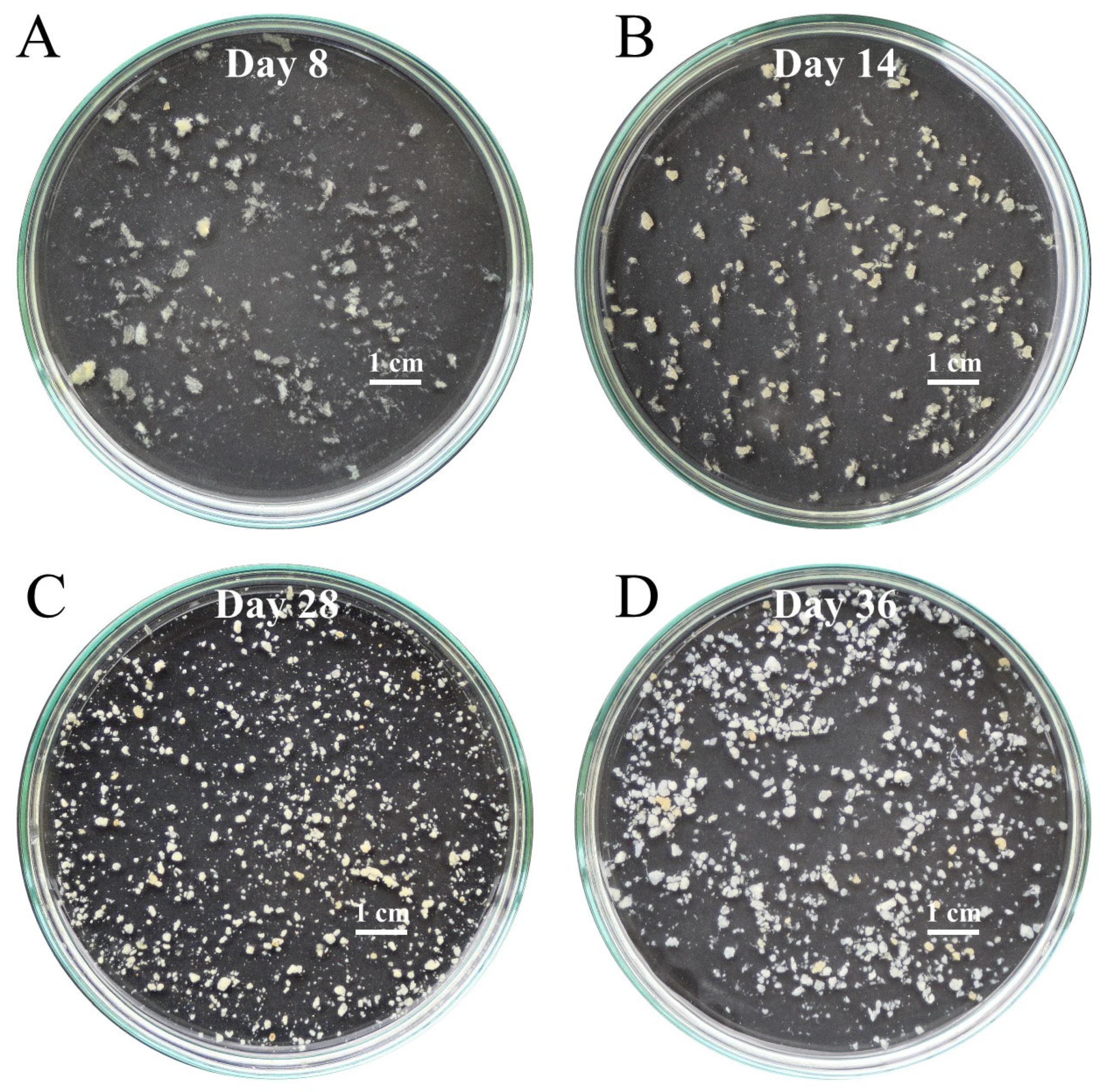
Figure 1. Formation of halophilic acetonitrile-degrading aerobic granular sludge by de novo granulation of seawater microbiome in a 3-litre volume sequencing batch reactor. (A) day 8, (B) day 14, (C) day 28 and (D) day 36.
Water 18 01529 g001
Figure 2. Time course measurements of mixed liquor suspended solids (MLSS), sludge volume index (SVI) and particle size of aerobic granular sludge cultivated from seawater microbiome using acetonitrile as sole C and N source. (A) MLSS and SVI. (B) Particle size.
Water 18 01529 g002
Figure 3. Time course of TOC removal (A) in 3-litre sequencing batch reactor fed with acetonitrile as sole carbon and nitrogen source. (B) TOC removal during representative 6 h cycles.
Water 18 01529 g003
Figure 4. Nitrogen removal under saline conditions by acetonitrile degrading aerobic granular sludge. (A) Time course of ammonium nitrogen during AGS formation. (B) Ammonium profiles in individual 6 h cycles.
Water 18 01529 g004
Figure 5. Biological phosphate removal under saline conditions by acetonitrile degrading aerobic granular sludge. (A) Time course of phosphate removal. (B) Phosphate profiles during 6 h cycle.
Water 18 01529 g005
Figure 6. Alpha diversity of seawater microbiome and acetonitrile-degrading granular sludge harvested at different time points of sequencing batch reactor operation.
Water 18 01529 g006
Figure 7. Comparative taxonomy of seawater microbiome and acetonitrile-degrading aerobic granular sludge. (A) Class level. (B) Order level.
Water 18 01529 g007
Figure 8. Heat map with phylogenetically distinct bacteria in seawater microbiome and acetonitrile degrading aerobic granular sludge harvested at different times of reactor operation (>0.5%). (A) Family, (B) Genus.
Water 18 01529 g008
Table 1. Enrichment of different families with potential candidates for acetonitrile biodegradation.
FamilyRelative FrequencyPercentage Change
Day 0Day 28
Nocardiaceae0.0080.2723182.9
Pseudomonadaceae0.0880.00396.2
Bacillaceae0.1270.00298.0
Enterobacteriaceae3.2540.00499.8
Moraxellaceae0.3760.00199.7
Disclaimer/Publisher’s Note: The statements, opinions and data contained in all publications are solely those of the individual author(s) and contributor(s) and not of MDPI and/or the editor(s). MDPI and/or the editor(s) disclaim responsibility for any injury to people or property resulting from any ideas, methods, instructions or products referred to in the content.