1. Introduction
In 2021, the Intergovernmental Panel on Climate Change (IPCC) released its latest report in Geneva, stating that greenhouse gas emissions from human activities have caused approximately 1.1 °C of global warming above the 1850–1900 baseline and that the global average temperature is expected to reach or exceed 1.5 °C of warming within the next two decades [
1]. Climate change leads to rising atmospheric temperatures and shifts in precipitation patterns [
2]. Meanwhile, with continued population growth, economic development, and scientific advancement, the scope and intensity of human activities are also increasing [
3]. In China, rapid economic development and population concentration have substantially altered the terrestrial hydrologic cycle across various watersheds and regions [
4]. As a result, the impacts of climate change and human activities on hydrological processes and the evolution of water resources have long been a central focus of scientific research and public concern [
5,
6,
7].
A variety of attribution approaches have been used to assess the impacts of climate change and human activities on hydrologic processes, including the Budyko framework, climate–runoff elasticity analysis, double-mass curves, hydrological change-point analysis, statistical decomposition methods, and process-based hydrological models. Classical statistical and Budyko-type approaches are useful for diagnosing basin-scale runoff changes, but they usually simplify spatial heterogeneity and have limited capacity to represent groundwater–surface-water interactions, irrigation withdrawals, reservoir and sluice regulation, land-use-dependent evapotranspiration, and the separation of mountainous and plain hydrologic responses. These limitations are particularly important in basins where natural and artificial water-cycle processes are strongly coupled.
Currently, extensive research on hydrologic-cycle theory has been conducted both domestically and internationally [
8,
9]. Studies examining the impacts of a changing environment on the hydrologic cycle generally fall into two categories: quantitative assessments of how environmental changes affect hydrological processes and water resources [
10,
11], and attribution analyses of changes in hydrologic-cycle elements under evolving environmental conditions [
9]. Since the late 1970s, considerable research has been undertaken abroad to address the effects of climate change on hydrological processes and water resources [
12]. Furthermore, precipitation data has indicated a global increase in wetting conditions since 1950 [
13]. The IPCC has carried out numerous studies on the attribution of global climate change, its implications for water resources, and potential adaptation strategies while also coordinating the periodic publication of global climate assessment reports [
1]. In China, quantitative research on the impact of climate change on the hydrologic cycle began in the 1980s [
14]. In the 21st century, rising temperatures have intensified evapotranspiration without a corresponding increase in precipitation, thereby increasing the intensity and frequency of hydrological droughts worldwide [
15]. At the same time, human activities—including water extraction, land-use and land-cover change, urbanization, industrialization, and reservoir regulation—have significantly altered hydrologic cycles [
16], particularly as climate change itself is driven by ongoing human activities [
17].
However, research on hydrologic cycles in north–south transitional zone regions remains insufficient and often adopts a monolithic perspective, frequently overlooking the distinct characteristics and variations in hydrological patterns between mountainous and plain areas [
18,
19]. North–south transitional zone regions are generally characterized by the interlacing of climate systems, water resources, and human activities [
20]. Due to the influence of these interacting factors, such regions possess unique hydro-meteorological conditions that substantially increase the complexity of their hydrologic cycles [
21]. The Huaihe River Basin is situated within China’s north–south transitional zone, with the Shaying River as its largest tributary. Influenced by these climatic conditions, the basin experiences dry winters and springs, hot and rainy summers and autumns, sharp transitions between cold and warm weather, and a rapid onset of flood seasons [
22]. These factors result in frequent water-related disasters and an uneven spatiotemporal distribution of precipitation, with 50% to 80% of annual rainfall concentrated between June and September. Furthermore, the Shaying River Basin is characterized by high population density, rapid urbanization, large-scale industrial and agricultural production, and intensive regulation of water conservancy projects, including the widespread presence of sluice gates [
23]. The dual influence of climate change and intense human activity causes the hydrologic cycle in this north–south transitional zone region to fluctuate drastically [
24], leading to significant spatiotemporal shifts in hydrological elements, altering water resource availability, and ultimately impacting the socioeconomic development of the Shaying River Basin [
25].
To address these gaps, this study applies the Simulation Water-cycle and Allocation Model (SWAM) to the Shaying River Basin—the largest tributary basin of the Huaihe River Basin—to simulate hydrologic-cycle changes under baseline and changed-environment conditions. The specific objectives are to: (1) characterize the spatiotemporal changes in major hydrologic-cycle components, including evapotranspiration, surface runoff, soil-water storage, and groundwater storage; (2) quantify the relative contributions of climate change and human activities using scenario-based attribution; and (3) compare the dominant drivers in mountainous and plain areas to provide implications for differentiated water-resource management.
2. Materials and Methods
2.1. Study Area
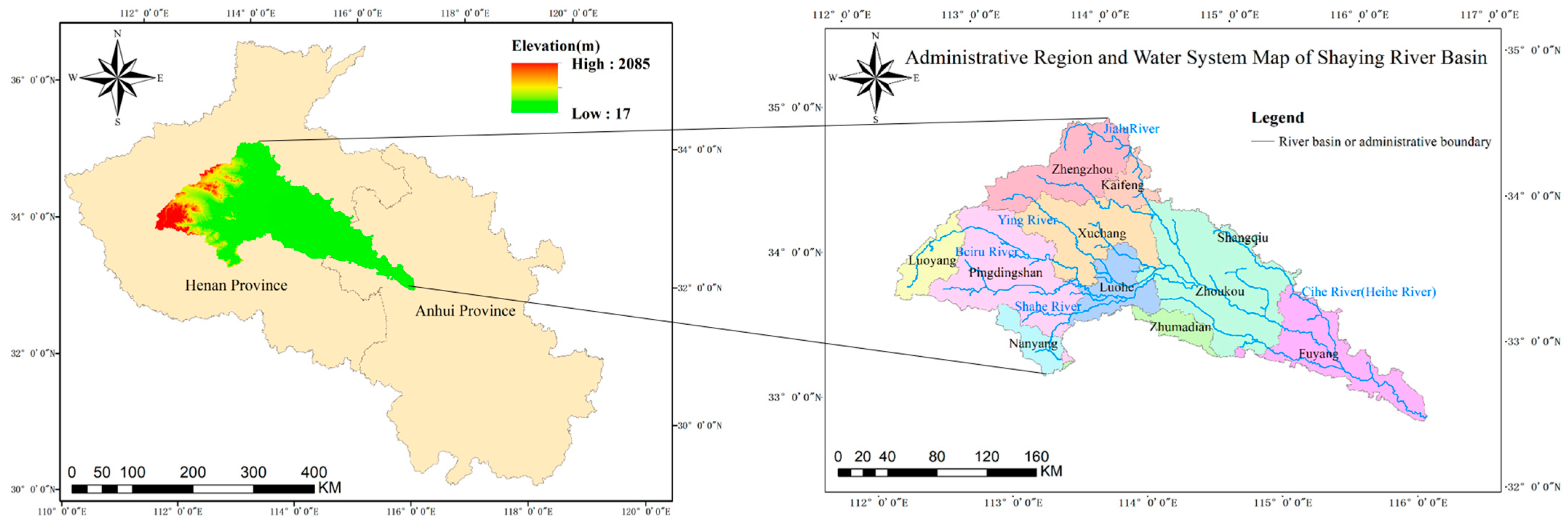
The Shaying River Basin is the largest tributary basin of the Huaihe River Basin in eastern China. The river originates in the Funiu Mountains of Henan Province, flows through Henan and Anhui Provinces, and joins the main stream of the Huaihe River near Zhengyangguan. The basin is located between approximately 111.57–116.43° E and 32.31–34.52° N, with a drainage area of approximately 40,000 km2. The topography generally decreases from the northwestern mountainous region toward the southeastern plain, producing marked differences in runoff generation, groundwater conditions, land use, and human water use between mountainous and plain areas.
The basin is located in a warm-temperate monsoon climate zone and has typical characteristics of a north–south climatic transition region. Winters and springs are generally dry, whereas summers and autumns are hot and humid. Precipitation is highly seasonal, with approximately 50–80% of annual rainfall concentrated between June and September. Flood-season runoff accounts for a large proportion of annual runoff, and alternating drought and flood events occur frequently. The mean annual precipitation is approximately 769.5 mm, generally decreasing from the southeast to the northwest. This uneven seasonal and spatial distribution of precipitation is a key natural factor controlling hydrologic-cycle variability in the basin. The location, topography, and river network of the Shaying River Basin are shown in
Figure 1.
The basin contains diverse soil types, including fluvo-aquic soil, brown soil, and Shajiang black soil. Shajiang black soil occupies a substantial part of the basin and is characterized by low hydraulic conductivity and poor drainage capacity. During concentrated rainfall events, rapid runoff from mountainous areas may enter the plains, where low infiltration capacity and weak drainage conditions can intensify waterlogging. These soil and terrain characteristics are important for understanding the spatial differences in surface runoff, soil-water storage, and groundwater recharge.
The plain area of the Shaying River Basin is densely populated and intensively cultivated. It supports large-scale agricultural production and has experienced urban expansion, industrial development, irrigation growth, groundwater abstraction, and intensive hydraulic regulation. Reservoirs, sluices, gates, and inter-basin water transfers have been constructed to support water supply, irrigation, and flood control. Therefore, the basin provides a representative case for examining the combined effects of climate variability and human water use on hydrologic-cycle changes.
2.2. SWAM Model Description and Rationale
SWAM was selected because it is designed to represent the coupled “natural–artificial” water cycle and can simulate multiple hydrologic components, including evapotranspiration, soil-water redistribution, groundwater movement, runoff generation and concentration, water withdrawals, and hydraulic engineering operations. Compared with lumped or purely statistical attribution methods, SWAM is more suitable for this study because the Shaying River Basin contains strong mountain–plain contrasts, intensive irrigation, groundwater abstraction, and extensive regulation by reservoirs, sluices, and water-transfer projects. In this study, SWAM was not used for model intercomparison but as a process-based diagnostic tool to quantify decadal hydrologic-cycle differences under prescribed climate, land-use, and water-use scenarios.
The SWAM framework includes simulations of evapotranspiration within grid cells, soil-water redistribution, groundwater movement, snow accumulation and melting, runoff generation, runoff concentration, and the operation of water conservancy projects. The model further represents hillslope and plain-area confluence, groundwater dynamics in the plains, and hydraulic infrastructures such as lakes, reservoirs, sluices, dams, and inter-basin water-transfer projects. These modules allow the model to describe both natural hydrological processes and artificial water-use processes within a unified water-balance framework [
26,
27].
2.2.1. Evapotranspiration
The model considers three types of evapotranspiration: evaporation from bare soil, transpiration from various vegetation types, and canopy evaporation induced by different vegetation cover types. Evapotranspiration within each computational grid cell is calculated as the weighted sum of contributions from all underlying vegetation cover types. Vertically, each grid cell consists of a three-layer soil column and a two-layer canopy structure (or bare soil), with the upper and lower canopy layers further subdivided into dry and wet components. Evapotranspiration for each vegetation type is computed based on parameters including surface evaporation resistance, leaf stomatal resistance, potential evaporation capacity, and aerodynamic resistance. For bare soil, only evaporation from the upper soil layer is considered, which varies according to underlying surface heterogeneity—such as infiltration conditions, soil type, and evaporation factors. It is stipulated that when a snow layer exists on the surface, the snow completely covers the bare soil layer and the lower canopy layer; therefore, evaporation from the lower canopy layer and bare soil is not considered under such conditions.
2.2.2. Soil-Water Redistribution
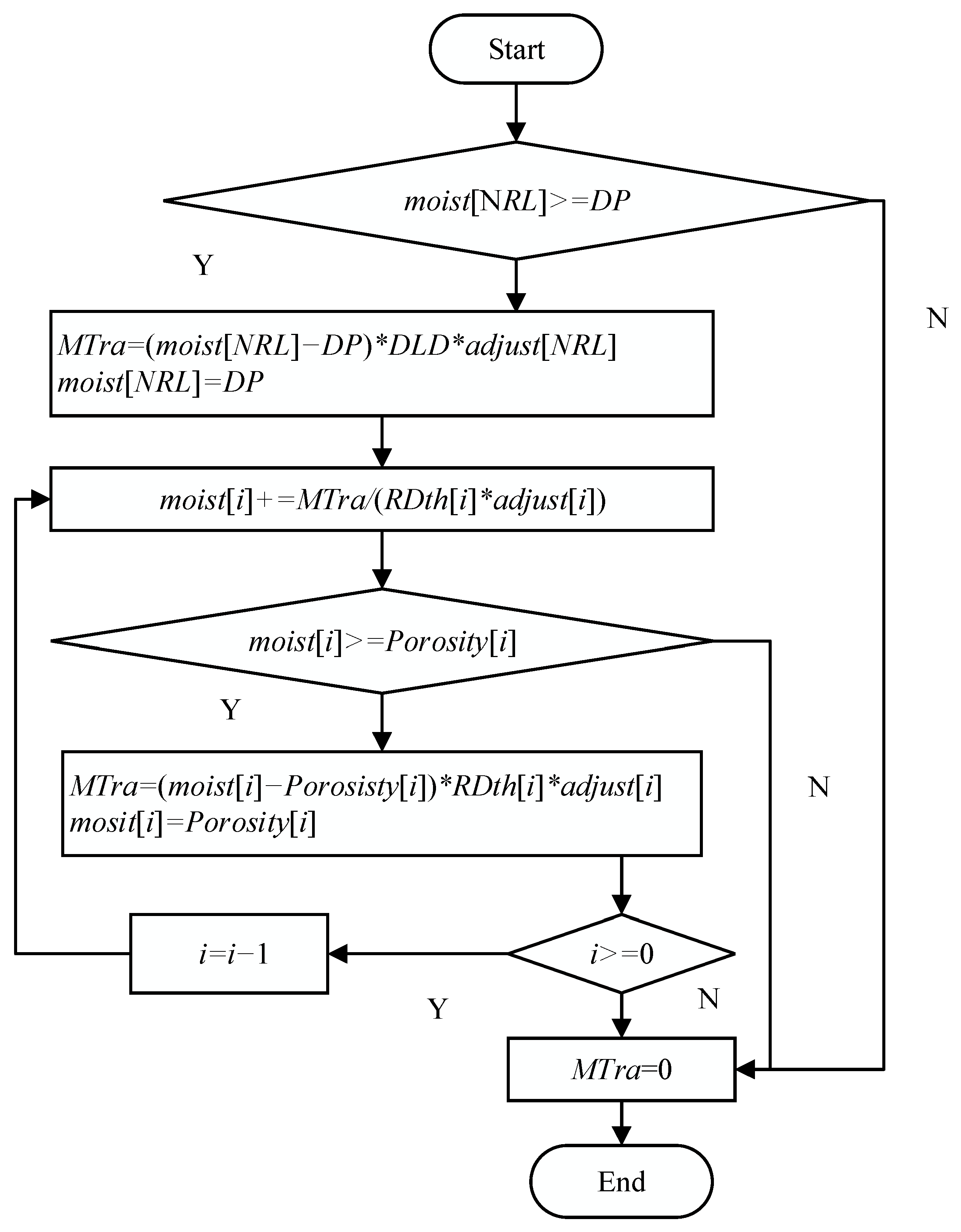
As the core link of soil-water redistribution, the infiltration process takes precipitation, snowmelt water and drainage from adjacent grids as three core recharge sources in the model, and a layered soil model is adopted for refined simulation of water movement in the unsaturated zone. When simulating the soil water within the computational grid, the model follows the bottom-up water movement logic and prioritizes the calculation of water transfer from each soil layer to its upper layer (the calculation process is shown in
Figure 2), with engineering simplification applied to the upward recharge process: upward water transfer is only triggered when the moisture content of the lower soil layer exceeds its porosity, and the moisture content of the lower layer remains at the porosity threshold after transfer.
(, NRL is the number of soil layers, is the thickness of each layer, is the porosity of each layer, is the moisture content of each layer, DLD is the soil depth of the bottommost layer, and DP is the porosity of the bottommost layer.)
2.2.3. Groundwater Movement
Groundwater movement was calculated for hydrologic-cycle units in the plain area, where groundwater abstraction, shallow groundwater evaporation, and groundwater–surface-water exchange are important components of the water balance. The boundary conditions for groundwater calculations are divided into three main types:
- (1)
Type I boundary (given head boundary)
where
is a known head function on
. This type of boundary is usually expressed as the dividing line (surface) between the surface water body and the seepage area.
- (2)
Type II boundary (given flow boundary)
where H and n are the head and the outer normal direction of the boundary respectively;
is the component of the hydraulic gradient in the boundary direction; and q is the single-width flow.
- (3)
Third type of boundary (mixed boundary conditions)
Mixed boundary conditions are usually used to solve the equations when some of the conditions at the boundary of the study area are known for head variation cases or flow cases.
2.2.4. Snow Accumulation and Melting Process on the Surface and Water Balance
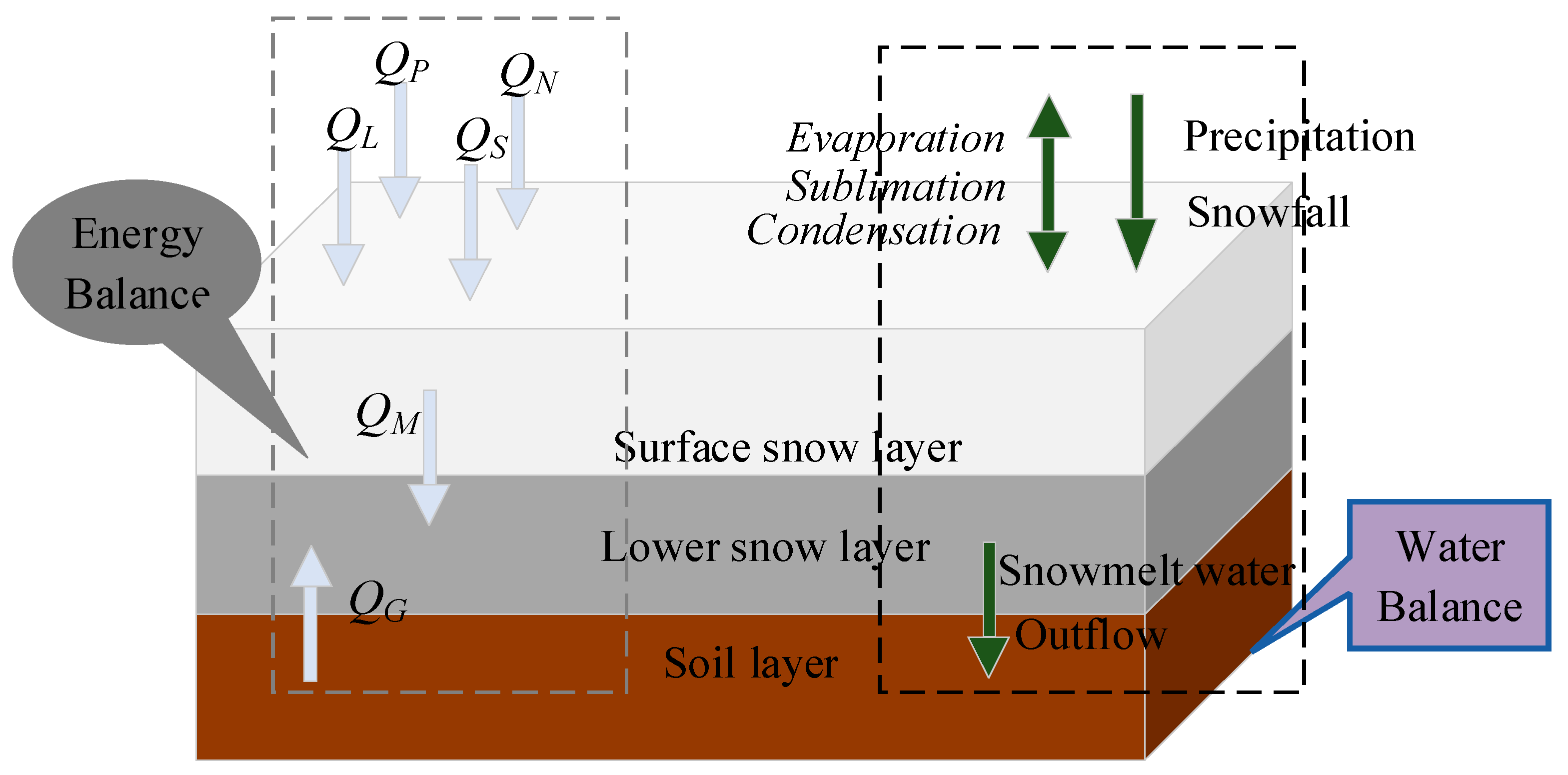
The snow accumulation and melting module couples mass-balance and energy-balance calculations using a two-layer snow representation. The mass-balance component describes changes in snow cover, snow water equivalent, snowmelt, and snowmelt-generated runoff, while the energy-balance component describes ice formation, melting, and thermal storage changes within the snowpack. Although snowfall and snowmelt are not dominant hydrologic processes in most parts of the Shaying River Basin, this module was retained because it is an integrated component of SWAM and can account for occasional winter snow or freezing processes. The contribution of snow processes to the basin-scale attribution results is expected to be limited compared with precipitation, evapotranspiration, irrigation, and groundwater abstraction. The two-layer snow accumulation and melting model is shown in
Figure 3.
2.2.5. Runoff Generation
In the construction of the runoff module, the Curve Number (CN)–Topographic Index method is adopted to define the initial spatial distribution of the excess storage runoff generation zones in the watershed. During the runoff generation calculation, the infiltration-excess runoff generation grids and saturation-excess runoff generation grids are dynamically identified based on the relationship between rainfall and soil moisture content.
The following assumptions are followed in the division of excess storage grids: ① Given the flat terrain and relatively high soil moisture content near river channels, all river channel grids are defined as saturation-excess grids, while non-river channel grids can be set as infiltration-excess or saturation-excess grids according to the corresponding discrimination criteria. ② In the calculation of non-river channel grids, infiltration-excess and saturation-excess grids are dynamically identified by judging whether rainfall exceeds the infiltration capacity and whether soil moisture content reaches the field capacity. The core principles are as follows: in the runoff generation simulation, a grid is identified as an infiltration-excess grid when the rainfall intensity exceeds the soil infiltration capacity; a grid is converted to a saturation-excess grid once its soil moisture content reaches the field capacity.
2.2.6. Runoff Concentration
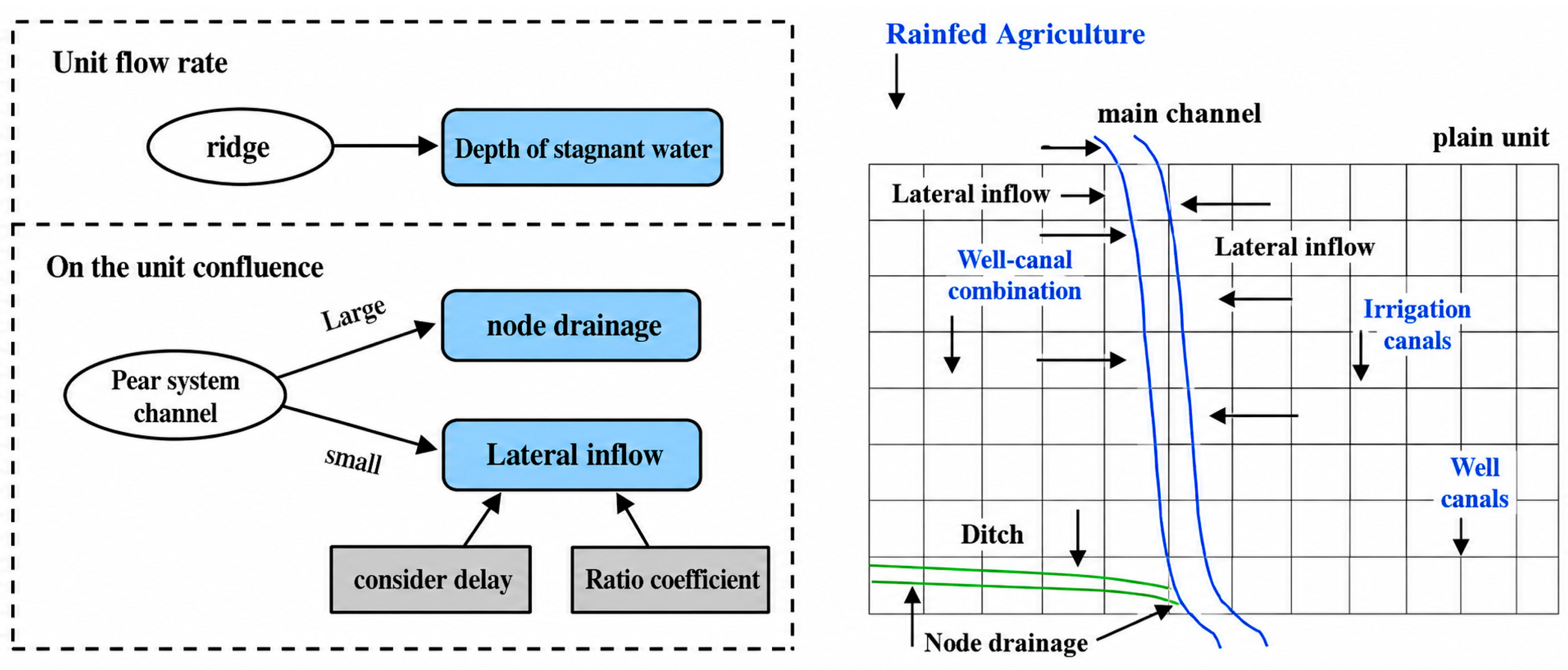
Runoff concentration in the plain area was calculated according to the principle of nearest inflow. When sufficient drainage-network information was available, the nodal drainage method was used. When detailed drainage information was unavailable, the side-inflow method was adopted. This treatment allows the model to represent confluence processes in both data-rich and data-limited plain-area units. The generalized confluence process for plain-area hydrologic units is shown in
Figure 4.
2.2.7. Simulation of Hydraulic Engineering and Water-Transfer Processes
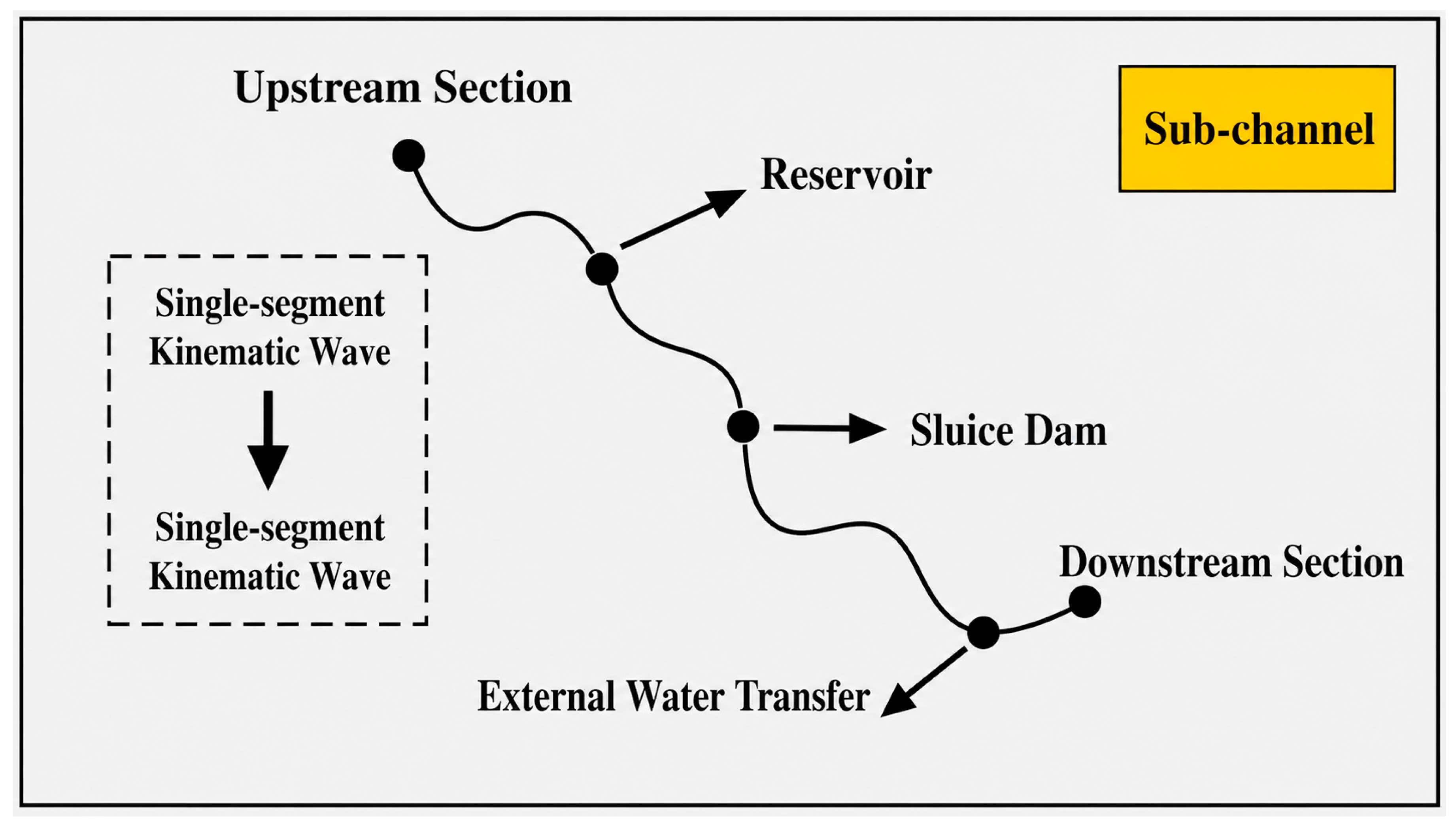
The fundamental approach for simulating hydraulic engineering involves generalizing these structures as computational watershed nodes within the river network. Subsequently, the water balance equation is solved for each individual node to maintain mass conservation; the conceptual schematic for this process is illustrated in
Figure 5.
In alignment with the operational characteristics of the basin, the model treats small- and medium-sized reservoirs with limited data as simplified generalized nodes for flow calculation. In contrast, large-scale reservoirs with comprehensive datasets are subject to high-fidelity, real-time simulation. Regarding water diversion projects, these are categorized into intra-basin and inter-basin transfers. For intra-basin transfers, the model designates distinct source and destination nodes within the river network. For inter-basin transfers, a source or destination node is integrated into the river network as appropriate to facilitate the simulation of river reach routing and evolution.
2.3. Data Sources and Processing
2.3.1. Data Preparation
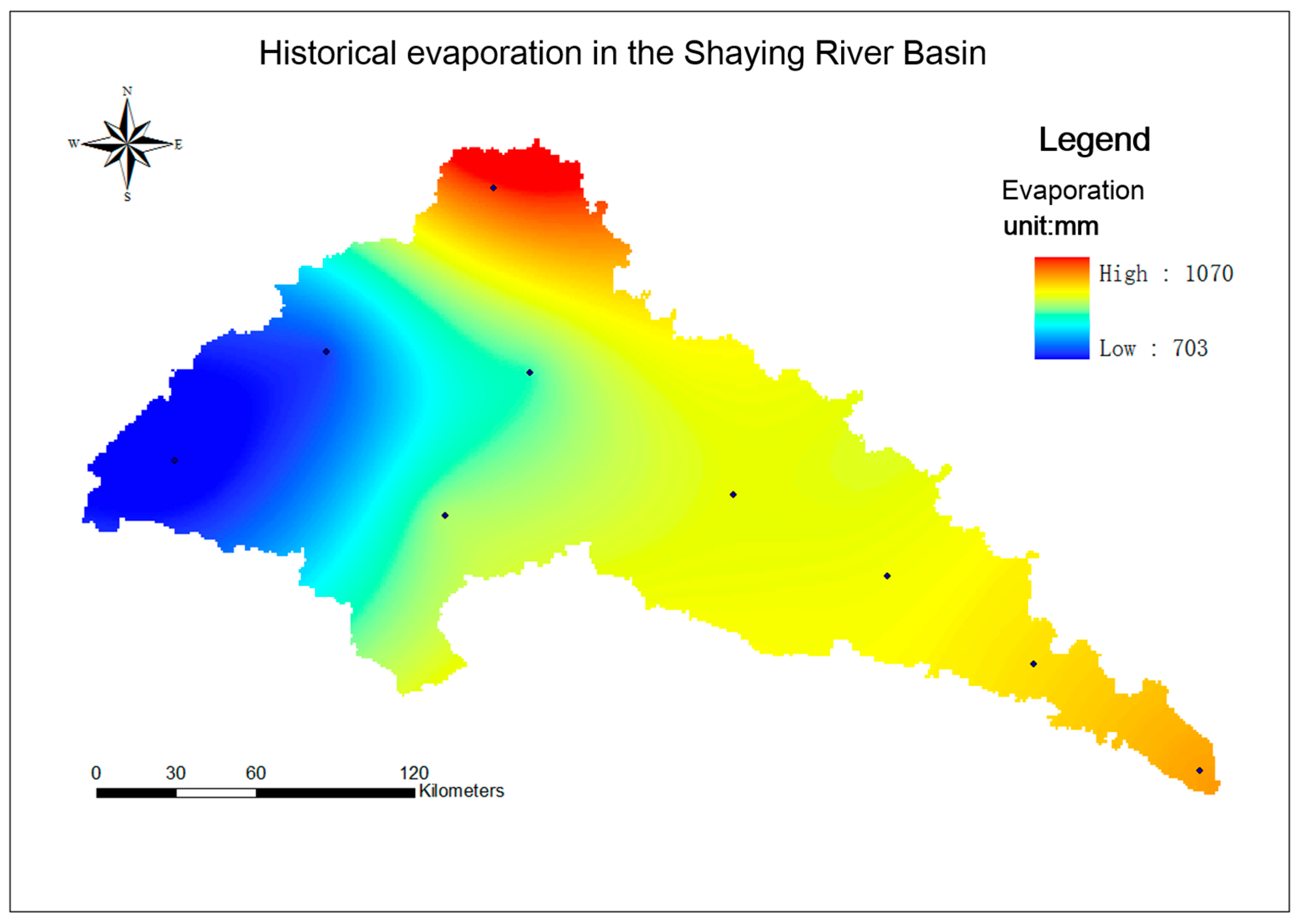
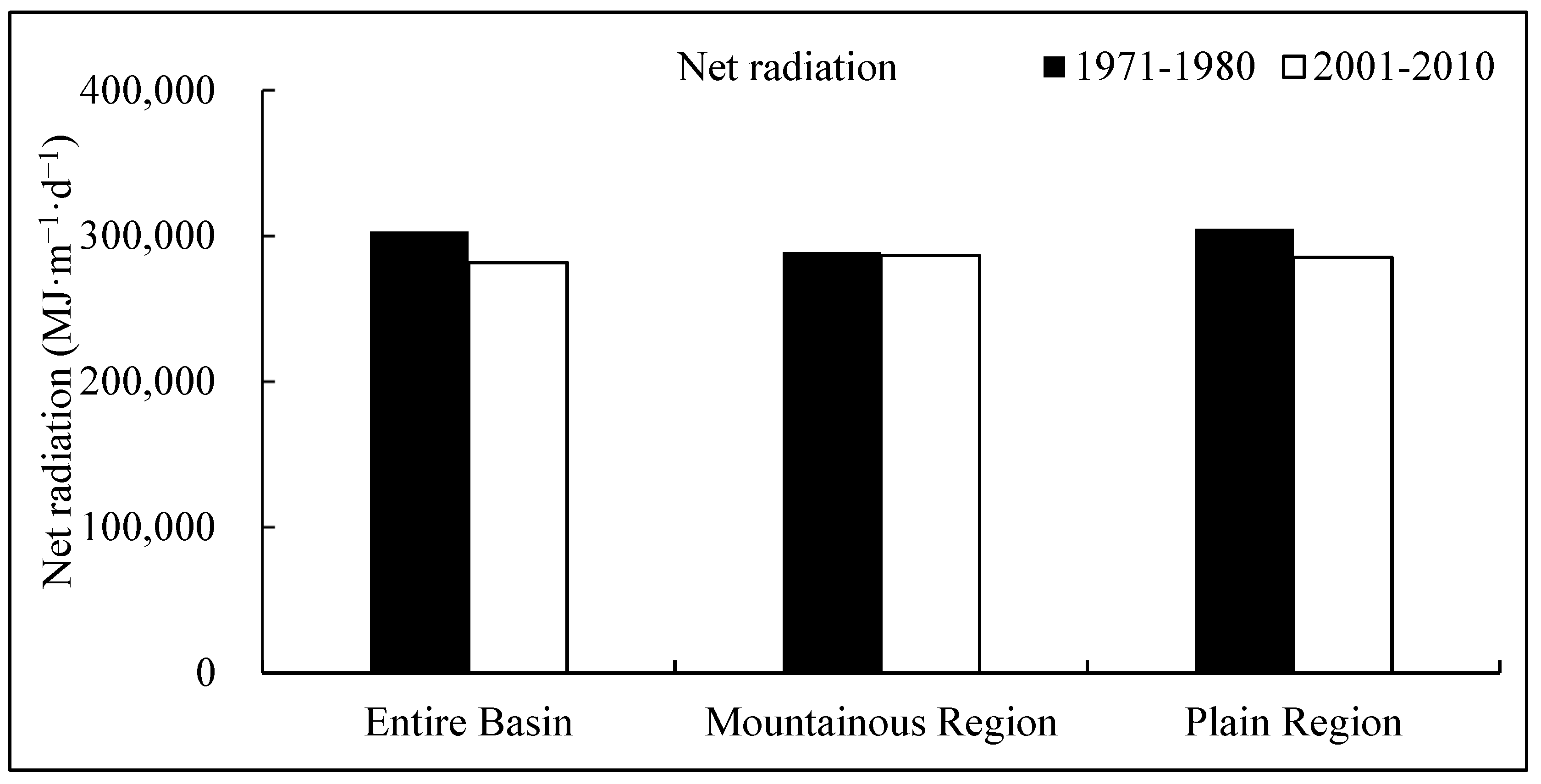
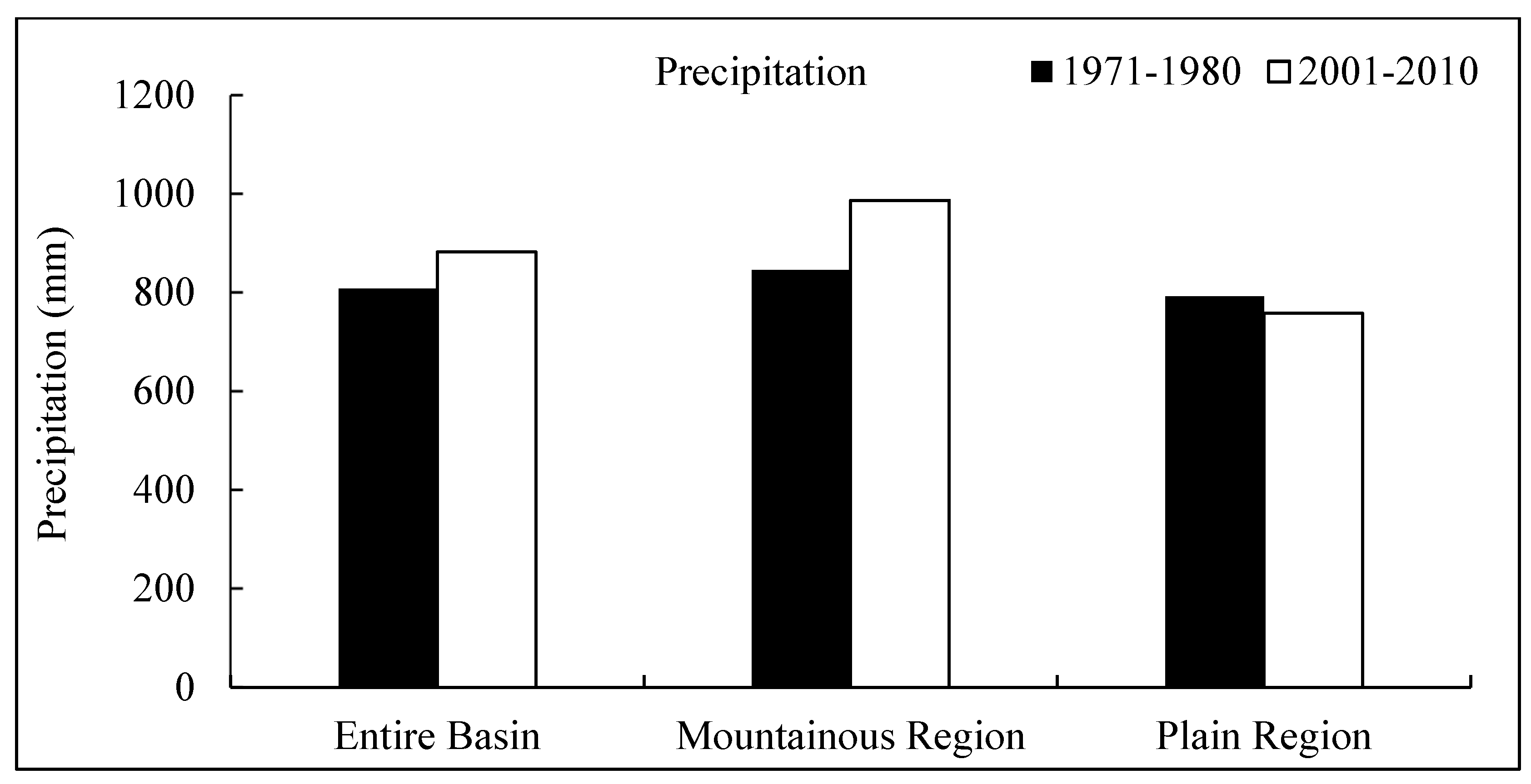
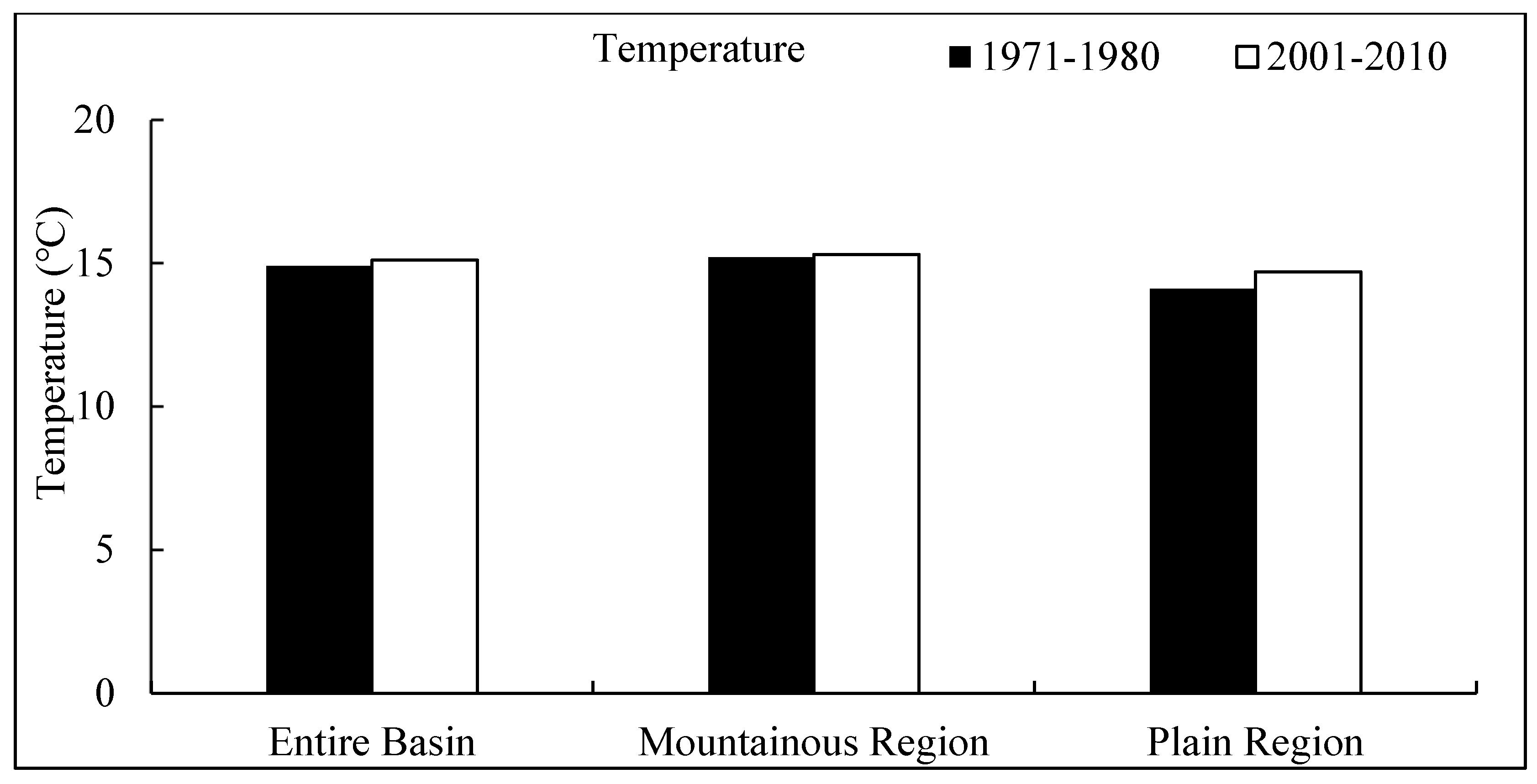
Meteorological data for the Shaying River Basin were sourced from the Daily Value Dataset of Chinese Terrestrial Climate Data (V3.0), encompassing precipitation; maximum, minimum, and mean temperatures; average wind speed; relative humidity; and sunshine duration. Ten representative meteorological stations were identified within the basin using Thiessen polygons; subsequently, the Kriging interpolation method was employed to distribute these data across the individual hydrological units. Based on these datasets, the analysis utilized continuous time series from two decades (1971–1980 and 2001–2010), specifically incorporating net radiation, daily precipitation, thermal extremes, sunshine duration, wind speed, temperature diurnal range, and relative humidity. Data from each station were further processed using a weighted averaging technique to represent the basin-wide conditions.
To improve data transparency and reproducibility, the main meteorological, hydrological, and groundwater observation data used in this study are summarized in
Table 1.
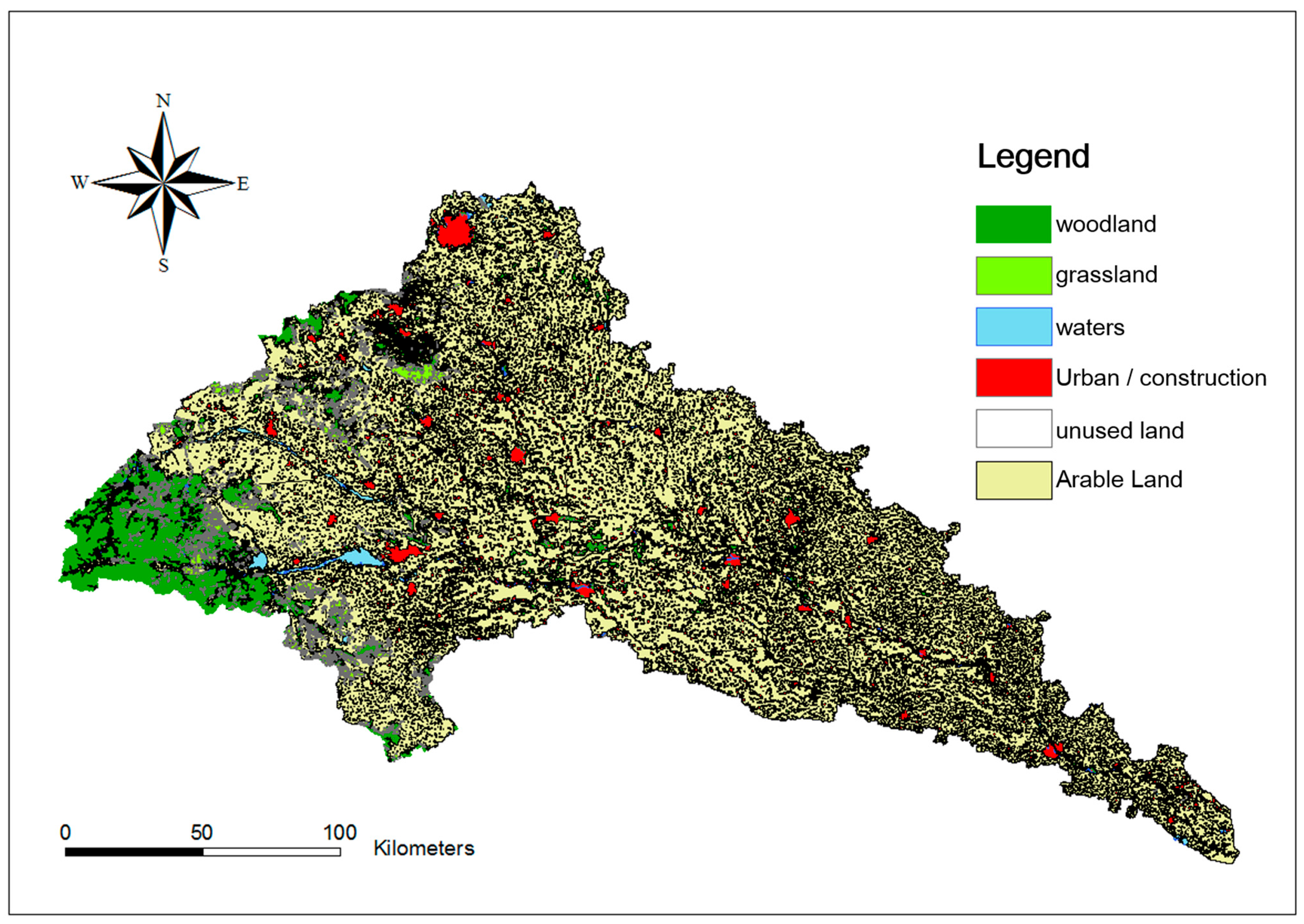
Land-use data were obtained from the Resource and Environment Science Data Center of the Chinese Academy of Sciences. For model application, land-use types were reclassified into six categories: forest land, grassland, water bodies, urban construction land, unused land, and arable land. The 2005 land-use distribution used in this study is shown in
Figure 6. The 1980 land-use dataset was used to represent the baseline land-surface condition, whereas the 2005 land-use dataset was used to represent the changed-environment period because it is close to the midpoint of 2001–2010 and provides spatially complete land-cover information for this period. This treatment may smooth intra-decadal land-use changes, and this uncertainty is discussed in
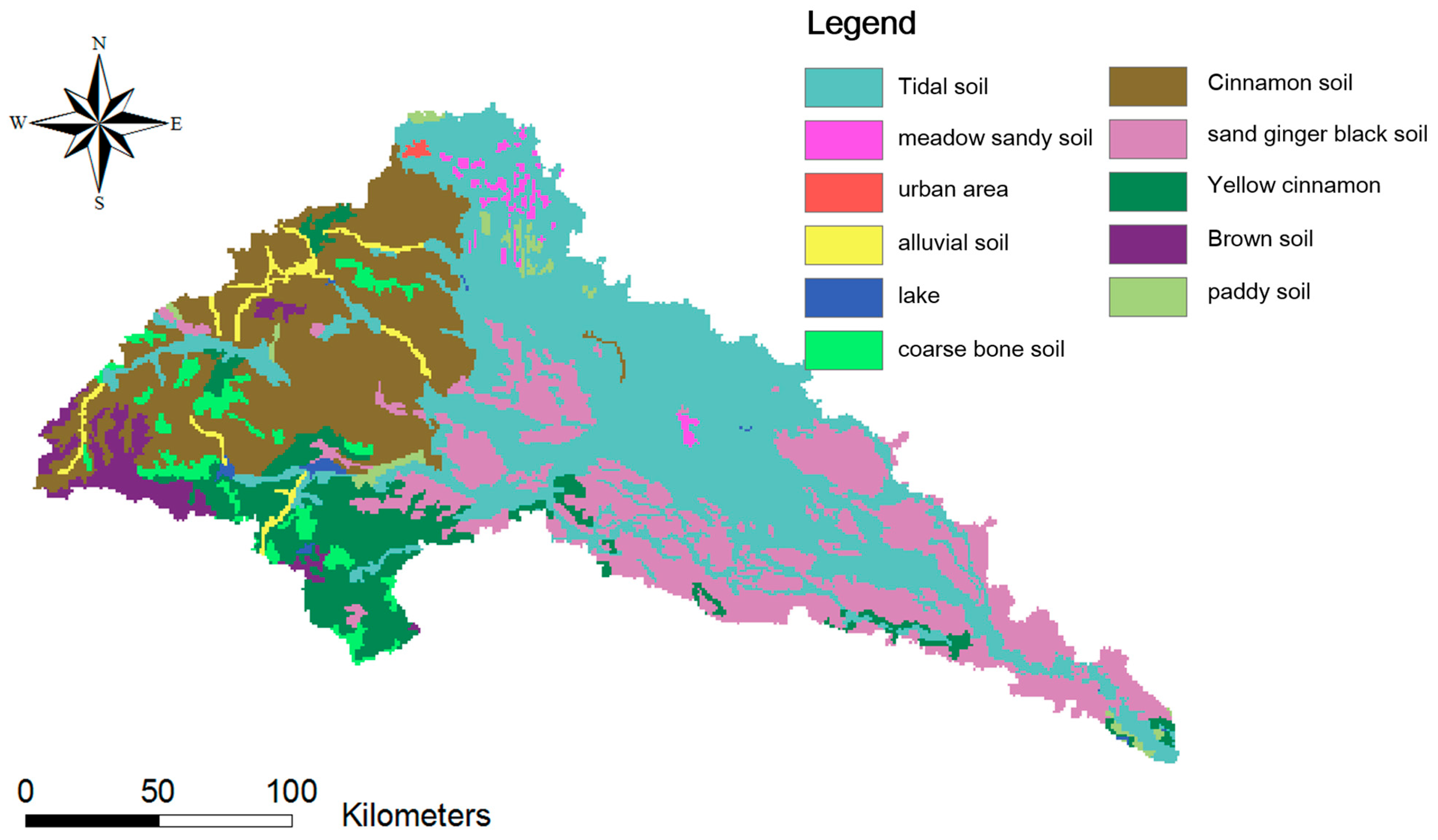
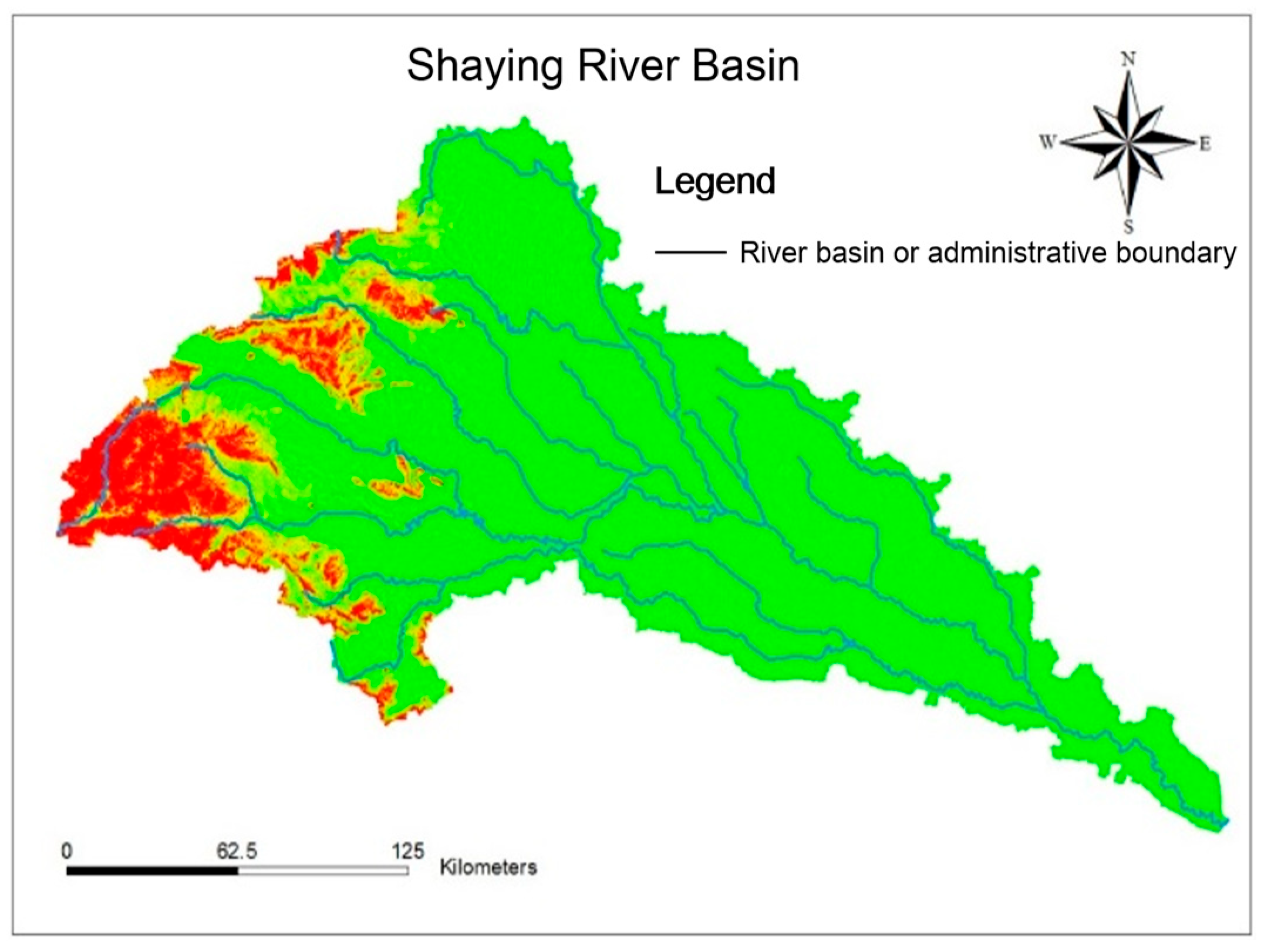
Section 5. Soil-type data were also used to support the parameterization of infiltration, soil-water redistribution, and runoff-generation processes in the SWAM model. The distribution of major soil types in the Shaying River Basin is shown in
Figure 7.
Socioeconomic water-use data were compiled from the Water Resources Bulletin of the Huaihe River Basin, the Comprehensive Water Resources Plan of the Huaihe River Basin, and water-resource bulletins of administrative regions within the Shaying River Basin. For administrative units only partially located within the basin, urban and rural water-use data were adjusted using correction factors based on the proportion of residential or cultivated land area within the basin. These data were used to represent irrigation, industrial, and domestic water withdrawals in the water-resource development scenario.
The water-supply degree in the hydrogeological data of the plain area was calculated based on the groundwater dynamics and evaporation data of selected observation wells in the Shaying River Basin in Henan Province; the water-supply degree of four lithologies (chalky sand, sub-sand, sub-clay, sub-sand and sub-clay interlayer) was calculated by the graphical method according to the Averyanov formula ; and the water-supply degree of some water sources was calculated by the cylinder measurement method, the pumping test method, the use pumping test, indoor instrument determination, the field concentric ring or test pit injection test, and other methods of permeability to determine the coefficient K value.
The hydrogeological data of the plain area, in terms of water-feeding degree and permeability coefficient, are important hydrogeological parameters:
According to the groundwater dynamics and evaporation data of selected observation wells in Henan Province of the Shaying River Basin and according to the Averyanov formula,
, a relationship diagram of
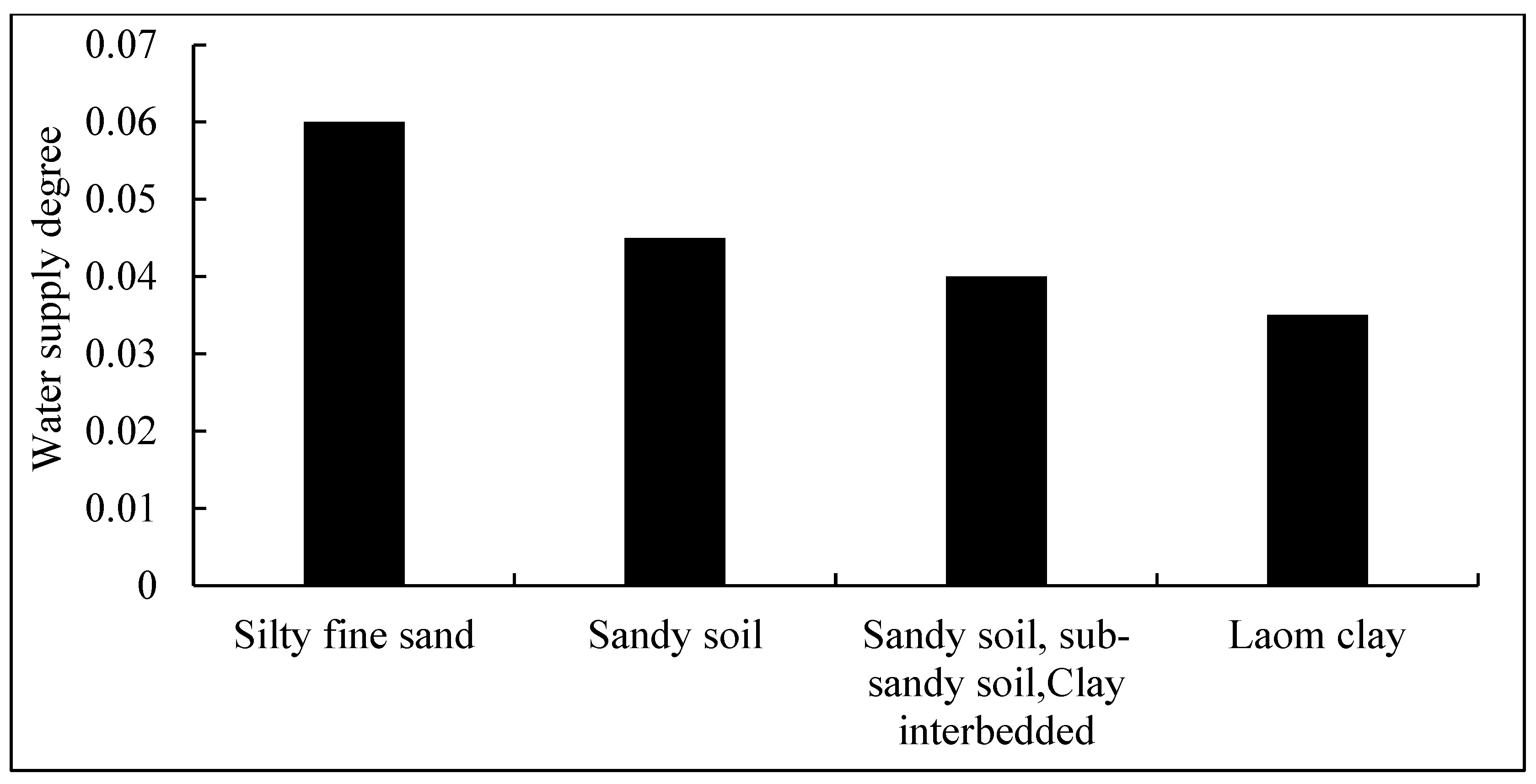
was made using the graphical method, and the water-feeding degrees of four lithologies (chalky sand, sub-sand, sub-clay, sub-sand and sub-clay interlayer) were calculated and combined with the water-feeding degrees determined by the cylinder measurement and pumping test method at some water sources. The groundwater-feeding degrees in the plain area of the Shaying River Basin are shown in
Figure 8.
- (2)
Permeability coefficient
To determine the permeability coefficient (
K), various methods, such as pumping tests, laboratory instrumentation, and field-based concentric ring or test pit injection tests, are typically employed. By referencing the experimental results from specific water sources within the Shaying River Basin and integrating the empirical
K values associated with diverse lithological characteristics, the determined permeability coefficients were established, as presented in
Table 2.
2.3.2. Hydrologic-Cycle Unit Construction
The spatial discretization of the Shaying River Basin was executed through a multi-stage process to define the hydrologic-cycle calculation units. The initial phase involved delineating mountainous units by intersecting sub-basin boundaries with administrative divisions. Subsequently, plain areas were discretized using a standardized rectangular grid. Each grid cell was systematically coded with irrigation area, sub-basin, and administrative attributes to ensure uniform data processing.
- (1)
Topographic Boundary Delineation
The fundamental prerequisite for unit processing is the delineation of the mountain–plain interface. This boundary was established using a slope threshold analysis applied to adjacent terrain raster datasets.
- (2)
Mountainous Unit Delineation
By applying slope dispersion analysis, the mountainous and plain regions were partitioned into discrete spatial maps. The mountainous units were then finalized by overlaying administrative boundaries on the identified terrain, as illustrated in
Figure 9.
- (3)
Discretization of Plain Units
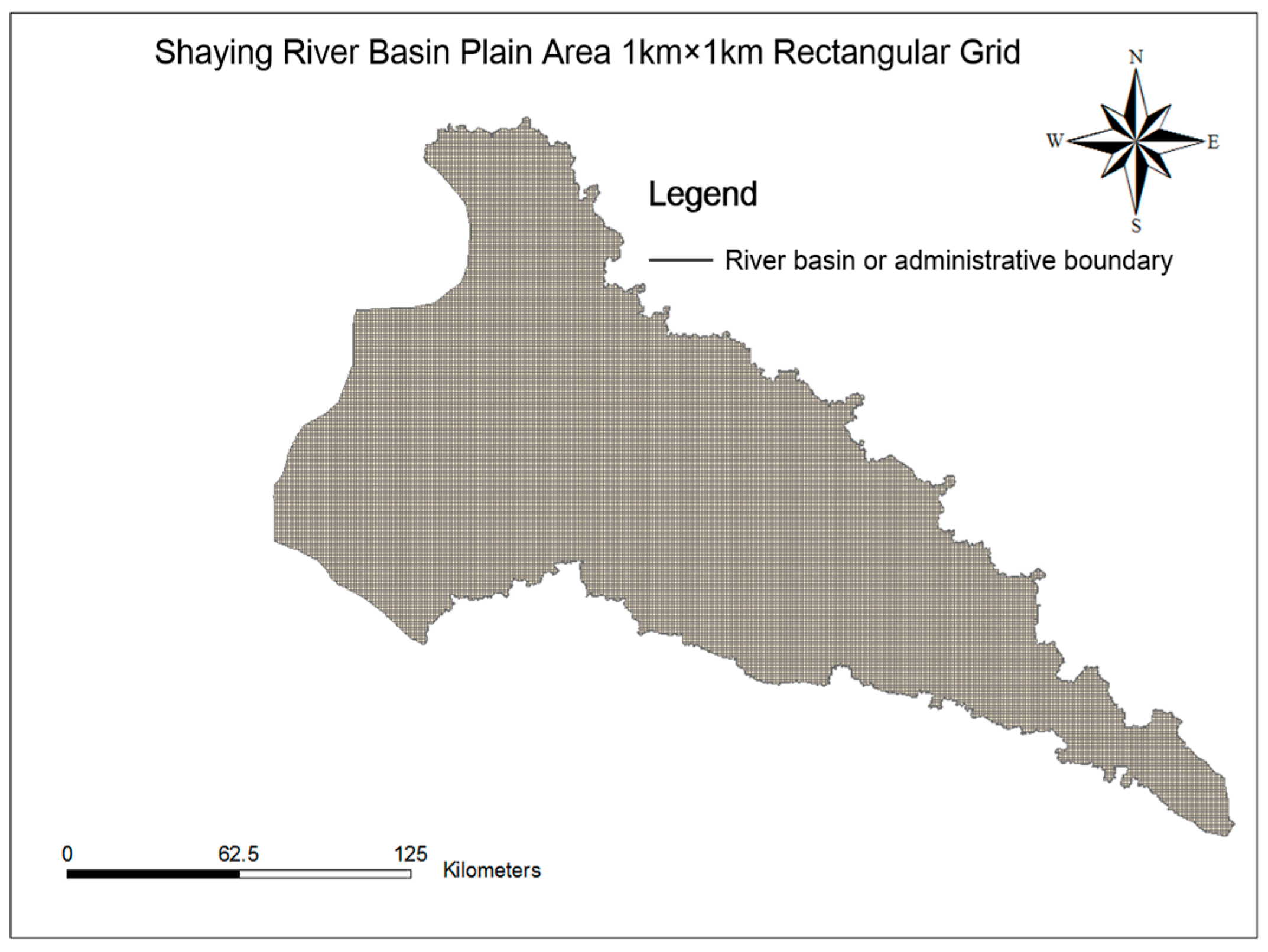
The plain areas were divided into rectangular cells with a spatial resolution of 1 km × 1 km. To facilitate finite-difference groundwater calculations, the grid encompasses the entire plain area, with zero-value boundary cells appended to the periphery for computational stability, as shown in
Figure 10.
- (4)
Junction Unit Calibration
For cells situated at the junction of mountainous and plain regions, ArcGIS version 10.8 (Esri, Redlands, CA, USA) was employed to calculate the actual area of the hydrological plain component. This value replaced the original geometric cell area, resulting in topological units that maintain strict attribute and relational integrity while accounting for irregular boundary areas.
- (5)
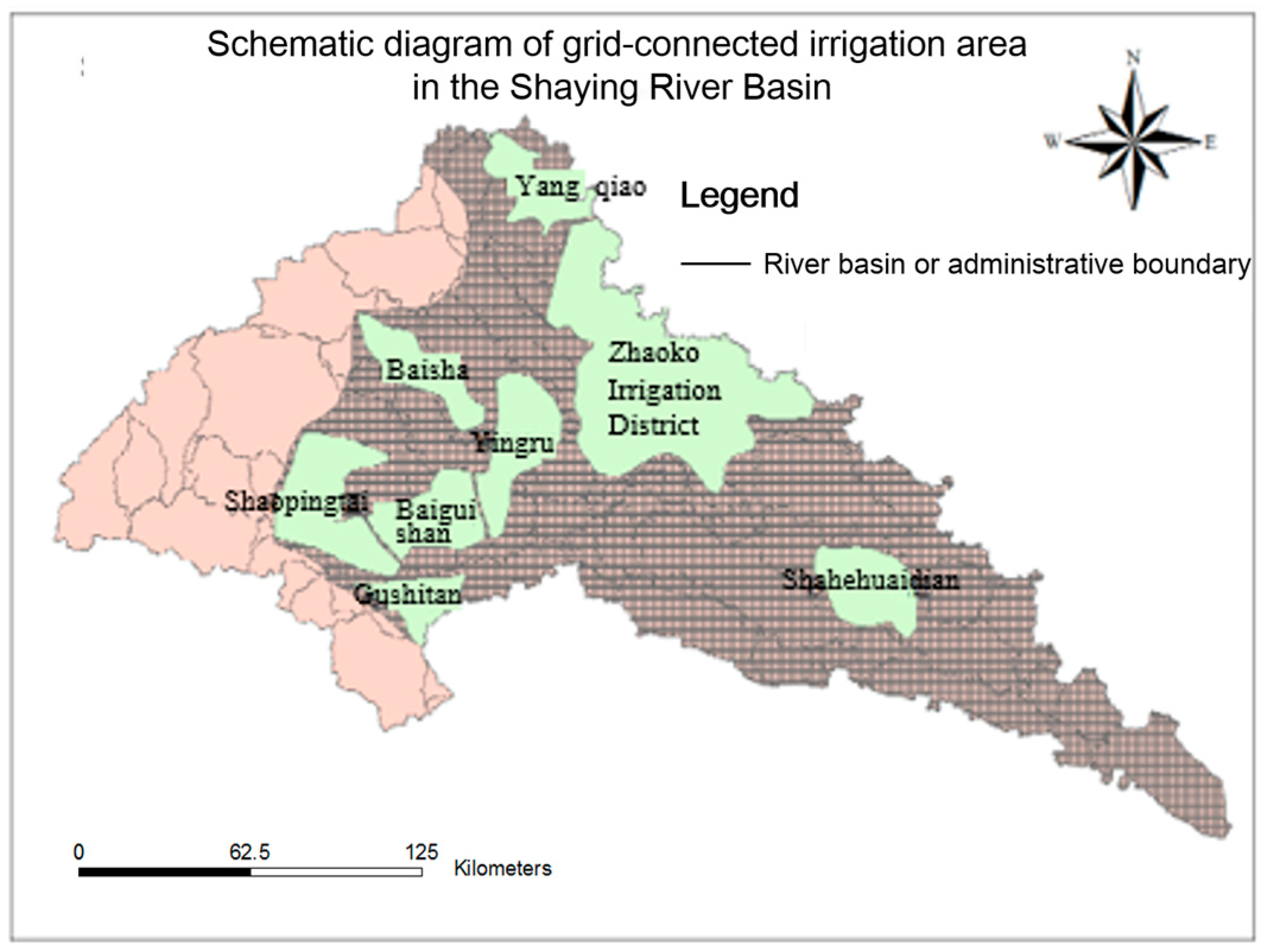
Integration of Irrigation and Administrative Districts
Following the spatial distribution of the irrigation districts (
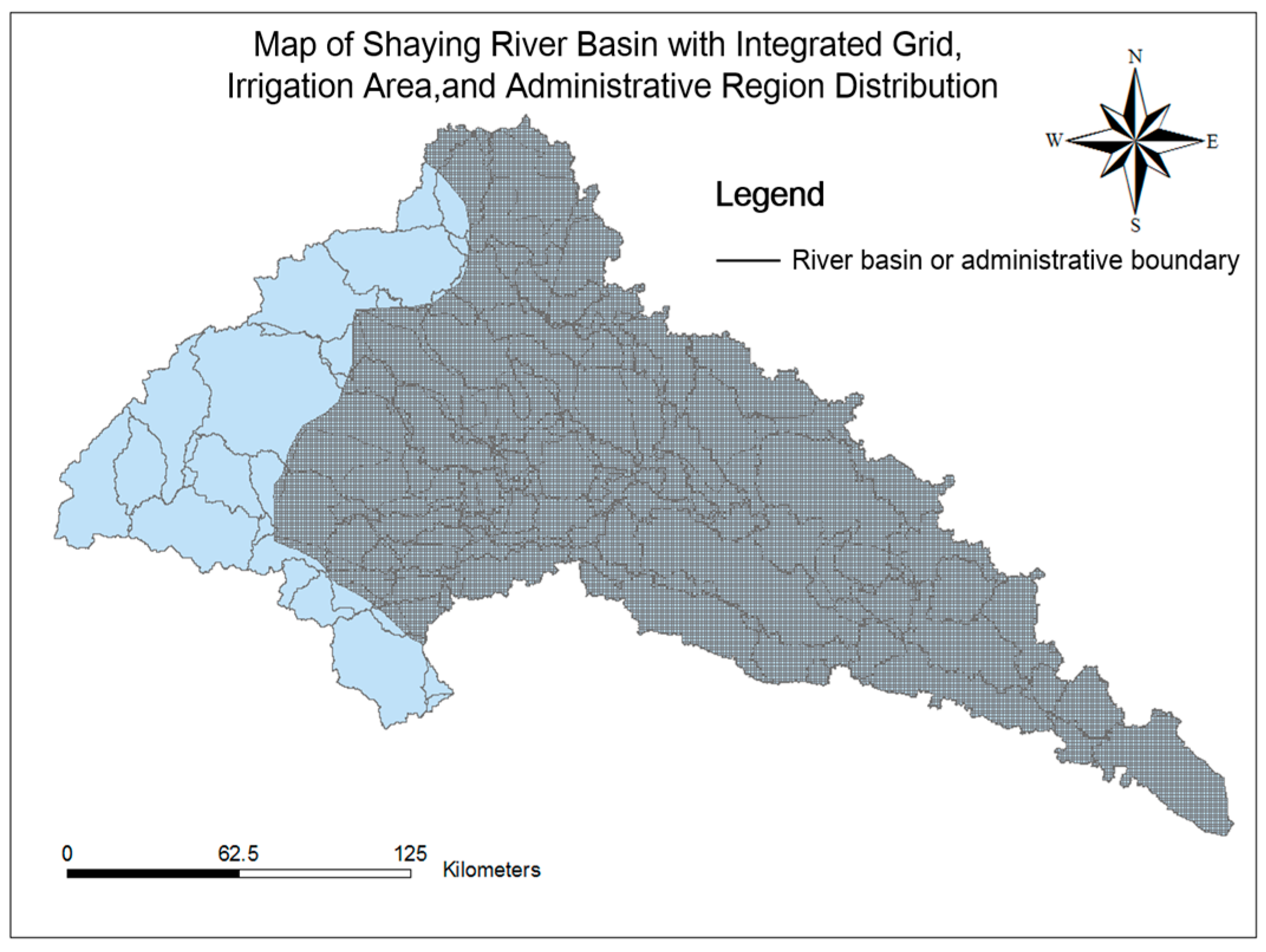
Figure 11), these zones were superimposed onto the existing grid. A final overlay of administrative districts was conducted to generate the comprehensive hydrologic-cycle calculation units. This process yielded a total of 37,389 computational units, as depicted in
Figure 12.
2.3.3. Scenario Design and Attribution Calculation
To separate the effects of climate change and human activities on hydrologic-cycle changes, four scenarios were designed. Scenario S1 represents the baseline condition, using meteorological data from 1971 to 1980, land-use data from 1980, and water-resource development conditions from 1971 to 1980. Scenario S2 represents the climate-change scenario, in which meteorological data were replaced by those from 2001–2010, while land-use and water-resource development conditions were kept the same as in S1. Scenario S3 represents the land-use-change scenario, in which land-use data were replaced by the 2005 land-use dataset while meteorological and water-use conditions were kept the same as in S1. Scenario S4 represents the water-resource development scenario, in which water-use conditions were replaced by those from 2001–2010, while meteorological and land-use conditions were kept the same as in S1.
For a hydrologic variable, X, the climate-induced change was calculated as
. The land-use-induced change was calculated as
, and the water-resource-development-induced change was calculated as
. The total human-activity-induced change was estimated as
. The relative contributions of climate change and human activities were then calculated as:
where CC and CH represent the relative contributions of climate change and human activities, respectively. This scenario-based attribution approach assumes first-order separability among climate change, land-use change, and water-resource development. Potential nonlinear interactions among these drivers are not fully resolved and are discussed as a limitation in
Section 5.
2.4. Model Calibration and Validation
2.4.1. Calibration and Evaluation Metrics
The model was calibrated for the baseline period of 1971–1980 and validated for the changed-environment period of 2001–2010. Monthly runoff at key hydrological stations, annual groundwater resources, and annual total water resources were used to evaluate model performance. The correlation coefficient (R) and Nash–Sutcliffe efficiency coefficient (Ens) were used as performance metrics. After calibration, the model parameters were kept unchanged during the validation period to test the transferability of the parameter set under changed environmental conditions.
The formula for the correlation coefficient,
, is given in (3):
The formula for calculating the Nash coefficient,
, is shown in (4):
Here, denotes the value of the measured series; denotes the value of the simulated series; denotes the average value of the simulated series; and denotes the average value of the measured series.
Because this study focuses on decadal scenario-based attribution rather than parameter-sensitivity diagnosis or model intercomparison, the model evaluation was designed to test whether SWAM could reproduce the key runoff, groundwater, and total-water-resource characteristics required for the attribution analysis. A separate parameter-sensitivity analysis was not included in the present study because many model parameters were derived from local hydrogeological surveys, soil and land-use datasets, hydraulic-engineering information, and previous SWAM applications. Nevertheless, parameter uncertainty may influence the quantitative attribution results, and systematic sensitivity analysis and uncertainty propagation should be incorporated in future studies when more detailed observations and computational resources are available.
2.4.2. Calibration and Validation Results
Monthly Runoff Validation
Zhoukou, Baiguishan, and Zhaoping stations were selected as key hydrological stations for runoff validation. The simulated and observed monthly runoff series showed good agreement during both the calibration and validation periods. The correlation coefficients were greater than 0.89, and the Ens values were greater than 0.77, indicating that the model can reasonably reproduce monthly runoff dynamics at the selected stations. The runoff calibration and validation statistics are summarized in
Table 3.
Groundwater Validation
Groundwater resources were validated using available groundwater-resource assessments for 1971–1980 and 2001–2010. The correlation coefficients between simulated and assessed annual groundwater resources were 0.8895 and 0.8971 for the two periods, respectively. These results suggest that the model can capture the main interannual variation in groundwater resources at the basin scale. However, localized groundwater-level changes and seasonal overdraft may still contain uncertainty because of the limited spatial resolution of groundwater observations.
Water Resources Validation
Observed water resources data were synthesized from relevant technical reports and the published literature. Statistical analysis indicates that the correlation coefficient (R) between the measured and simulated total annual water resources for the 1971–1980 period was 0.8988. For the 2001–2010 period, the correlation coefficient was 0.8723. These results reflect a high degree of consistency between the simulated outputs and the empirical data, verifying the model’s robustness in capturing the long-term variability of the basin’s total water resources.
5. Discussion
5.1. Interpretation of Regional Differences in Hydrologic-Cycle Attribution
The attribution results reveal distinct differences between the plain and mountainous areas of the Shaying River Basin. In the plain area, human activities were the dominant driver of hydrologic-cycle changes. This is mainly because the plain area has intensive agricultural irrigation, dense population, urban expansion, groundwater abstraction, and extensive hydraulic regulation. These activities directly modify surface-water withdrawals, groundwater storage, soil-water conditions, and outbound flow. In contrast, the mountainous area is less affected by direct water withdrawals and urban development, and its hydrologic response is more strongly controlled by precipitation, temperature, terrain, vegetation, and natural runoff-generation processes. Therefore, climate change showed a higher relative contribution in the mountainous area.
The basin-scale result, in which human activities contributed more than climate change, is consistent with the strong anthropogenic modification of the Shaying River Basin. However, the spatial contrast between plains and mountains indicates that basin-mean attribution may obscure important regional differences. This finding supports the need to analyze hydrologic-cycle changes separately for physiographic zones, especially in transitional basins where climate gradients and human water use coexist.
Compared with classical basin-scale attribution approaches, the SWAM-based scenario framework provides a way to examine multiple hydrologic-cycle components, including evapotranspiration, surface runoff, soil-water storage, groundwater storage, artificial water withdrawals, and hydraulic engineering effects. This is particularly useful for the Shaying River Basin, where natural and artificial water-cycle processes are closely coupled. Nevertheless, the contribution rates should be interpreted as scenario-based diagnostic estimates rather than universal constants for all transitional basins.
5.2. Methodological Assumptions and Uncertainties
Several methodological assumptions and uncertainties should be acknowledged. First, the scenario-based attribution method assumes first-order separability between climate change, land-use change, and water-resource development. In reality, these drivers may interact nonlinearly. For example, land-use change can modify evapotranspiration and local climate feedbacks, while water-resource regulation can alter soil moisture and groundwater recharge. Therefore, the attribution percentages reported in this study should be interpreted as first-order diagnostic estimates under prescribed scenarios.
Second, a full parameter-sensitivity analysis and model intercomparison were not conducted in this study. This is because the objective of the present work is to diagnose decadal hydrologic-cycle attribution using an established SWAM framework rather than to compare alternative models or identify parameter sensitivity rankings. Many model parameters were derived from local hydrogeological surveys, soil and land-use datasets, hydraulic-engineering information, and previous SWAM applications. Model credibility was evaluated using monthly runoff, groundwater resources, and total water resources during calibration and validation periods. Nevertheless, parameter sensitivity and uncertainty propagation may affect the quantitative contribution estimates, and future studies should incorporate systematic sensitivity analysis, multi-model comparison, and ensemble simulation when sufficient data and computational resources are available.
Third, the comparison between the periods 1971–1980 and 2001–2010 provides a decadal-scale contrast between baseline and changed-environment conditions, but it does not fully describe continuous long-term trends or abrupt change points. The 2005 land-use dataset was used to represent the changed-environment period because it is close to the midpoint of 2001–2010 and provides complete spatial coverage. However, this approach may smooth intra-decadal land-use changes. Future work should use higher-temporal-resolution land-use datasets to examine continuous land-cover trajectories.
Fourth, the present analysis focuses on historical attribution up to 2010. Since 2010, continued urbanization, changes in agricultural water use, ecological restoration, hydraulic-engineering operation, and more frequent extreme hydro-climatic events may have further altered hydrologic-cycle processes in the basin. Extending the SWAM simulations to 2010–2024 would help evaluate whether the contribution of human activities has continued to increase in the plain area and whether climate-driven extremes have become more important in the mountainous area.
Finally, the separation of land-surface factors and climatic factors in the scenario framework is a simplification. Land-surface conditions and climate are not fully independent in coupled hydro-climatic systems. For example, vegetation, soil moisture, and interception storage can affect evapotranspiration and local water availability. Therefore, equations involving interception, storage, and evaporation should be interpreted within the water-balance assumptions of SWAM. Future studies should further examine coupled land–atmosphere feedbacks and interception processes using more detailed field observations and physically based parameterization.
5.3. Management Implications
The attribution results have important implications for differentiated water-resource management. In the plain area, where human activities dominate hydrologic-cycle changes, management should focus on controlling groundwater abstraction, improving irrigation efficiency, optimizing the joint use of surface water and groundwater, and strengthening regulation of sluices, reservoirs, and water-transfer projects. Because water-resource development caused marked storage depletion, especially in groundwater, future policies should prioritize groundwater conservation, water-saving irrigation, industrial water-use efficiency, and stricter control of excessive withdrawals.
In the mountainous area, where climate change plays a larger role, management should emphasize ecological conservation, soil and water retention, vegetation protection, and monitoring of climate-driven runoff changes. Maintaining forest and grassland cover can help regulate runoff generation, reduce soil erosion, and improve water retention. Because mountainous runoff contributes to downstream plain hydrology, improved monitoring of precipitation, runoff, and extreme events in the mountainous area is important for flood control and basin-wide water allocation.
At the basin scale, the contrasting drivers in mountainous and plain areas suggest that uniform water-management strategies may be ineffective. Instead, adaptive management should distinguish between climate-dominated upstream or mountainous zones and human-activity-dominated downstream or plain zones. Such differentiated strategies can better support flood control, drought mitigation, groundwater protection, and sustainable water-resource development in the Shaying River Basin.
6. Conclusions
This study applied SWAM to investigate hydrologic-cycle changes in the Shaying River Basin under baseline and changed-environment conditions. By designing comparative scenarios for climate change, land-use change, and water-resource development, the study quantified the relative contributions of climate change and human activities to hydrologic-cycle changes in the whole basin, plain area, and mountainous area. The main conclusions are as follows.
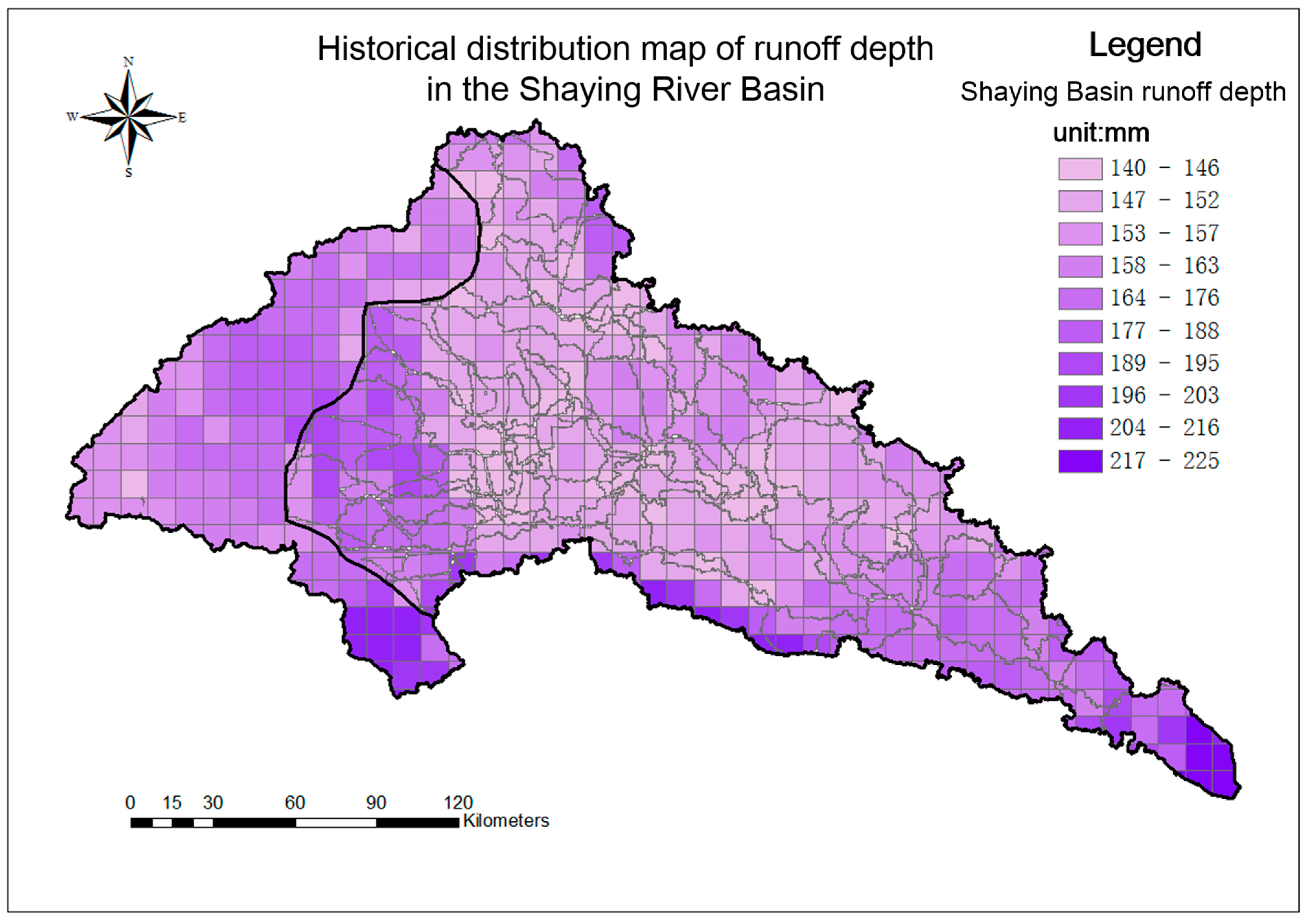
(1) During the baseline period of 1971–1980, precipitation was the dominant input to the basin hydrologic cycle, whereas evapotranspiration and outbound runoff were the major output components. Surface-water, soil-water, and groundwater storage showed positive storage changes at the basin scale, indicating a net water surplus during the baseline period.
(2) Hydrologic-cycle responses differed markedly between the plain and mountainous areas. The plain area was more strongly affected by irrigation, groundwater abstraction, urban expansion, and hydraulic regulation, whereas the mountainous area was more strongly controlled by precipitation, temperature, terrain, and vegetation conditions.
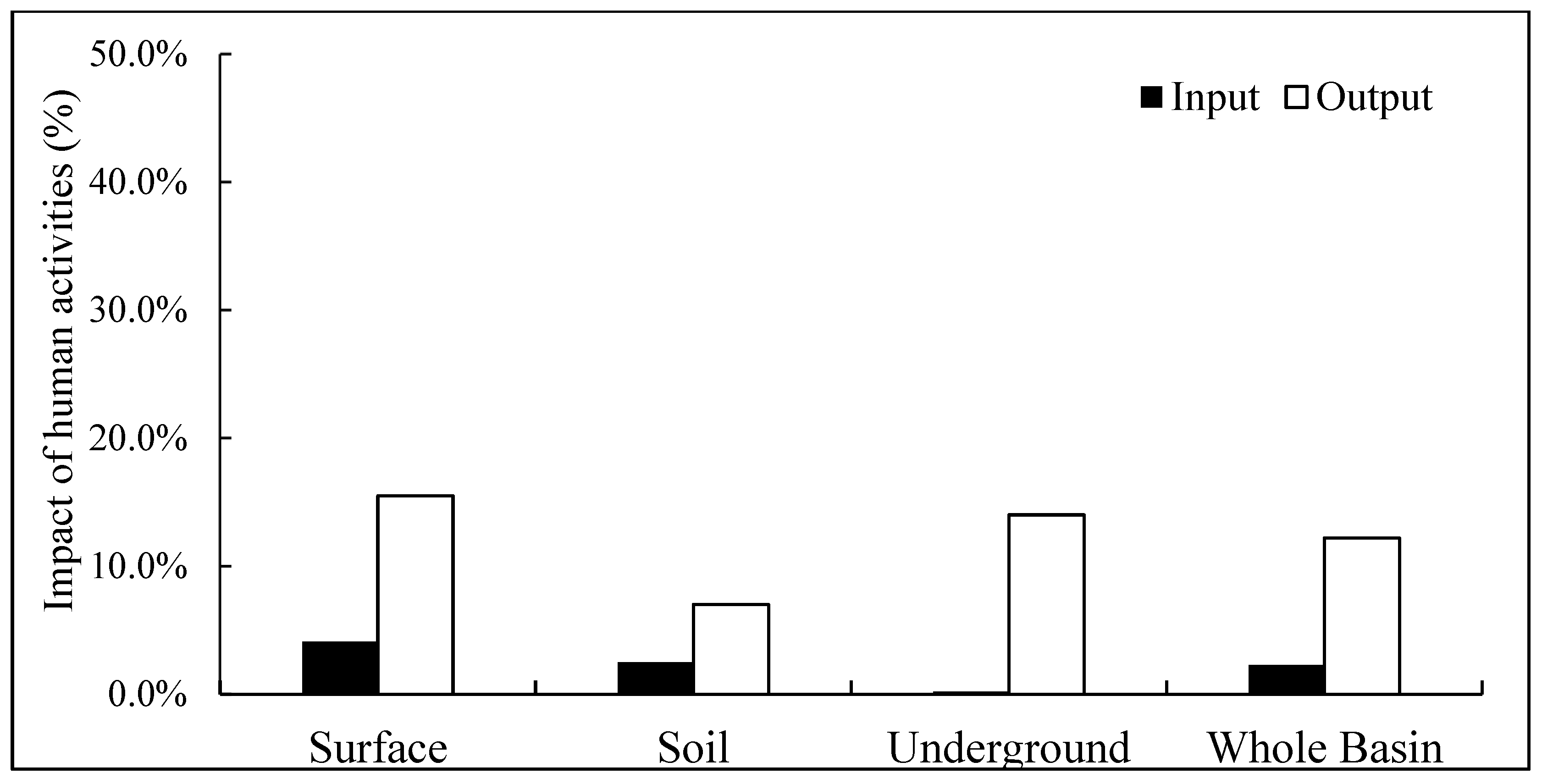
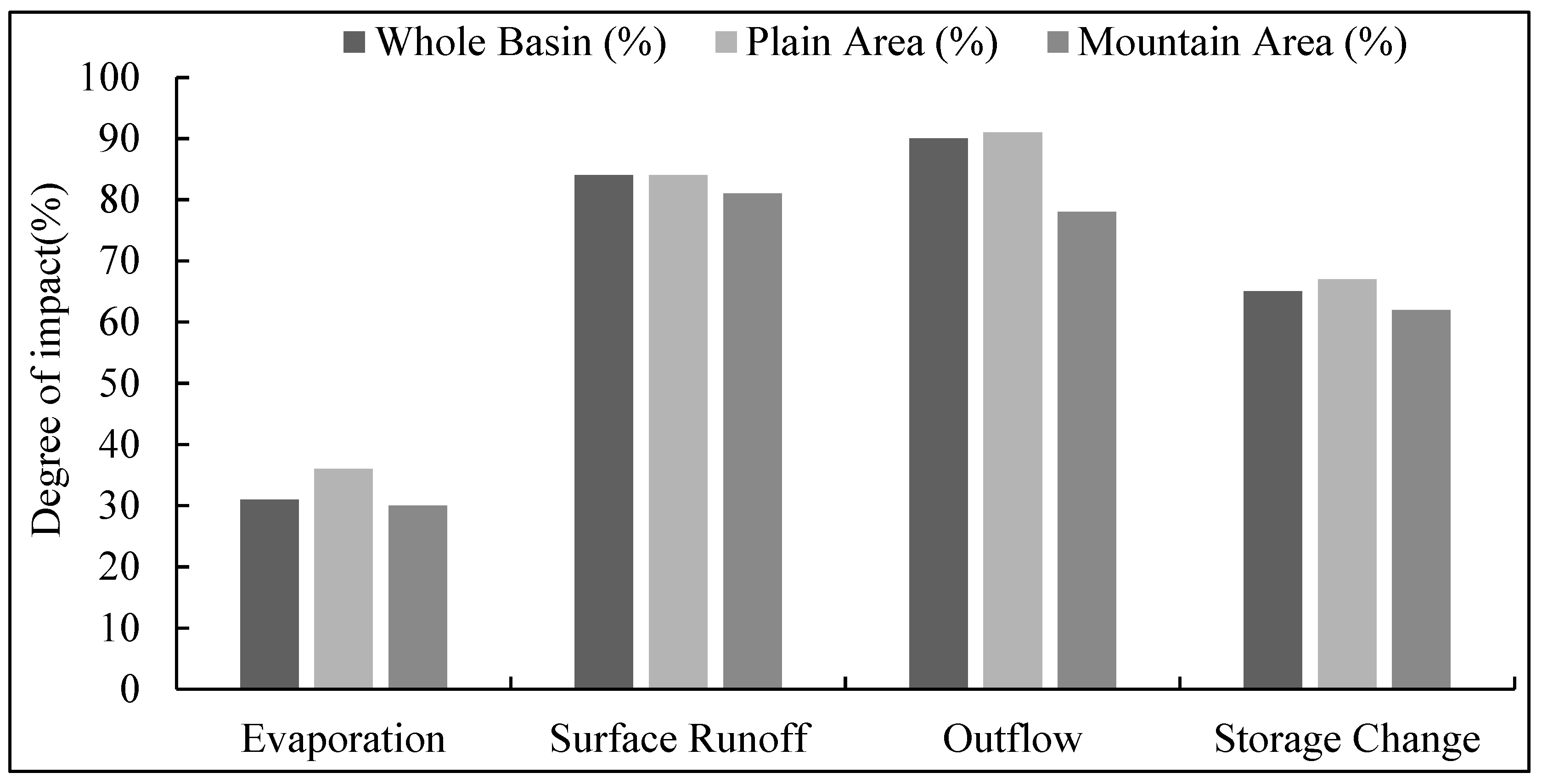
(3) At the basin scale, human activities contributed 59% and climate change contributed 41% to hydrologic-cycle changes. In the plain area, human activities were the dominant driver, contributing 67%, whereas in the mountainous area, climate change was dominant, contributing 61%. These results indicate that physiographic differences should be considered when attributing hydrologic-cycle changes in transitional basins.
(4) Water-resource development reduced surface-water, soil-water, and groundwater storage, especially in the plain area. Future water management should therefore focus on controlling groundwater abstraction, improving irrigation efficiency, optimizing hydraulic regulation, and implementing differentiated management strategies for mountainous and plain areas.
The contribution rates reported in this study should be interpreted as scenario-based first-order attribution estimates for the Shaying River Basin. Future work should extend the analysis to more recent periods, incorporate higher-resolution land-use data, and conduct systematic sensitivity and uncertainty analyses.