


Abstract
Approaches, methods, and corresponding ground-based and air/space-borne instrumentation currently utilized for detecting, studying, and monitoring fogs (including in situ and remote sensing techniques) are summarized. Special attention is paid to the existing and some emerging methods enabling reliable assessments and quantification of basic fog parameters, such as visibility, liquid water content, droplet number/volume concentration, effective radius, and size distribution. Along with purely natural fogs and those resulting directly or indirectly from industrial, combustive, or other human activities (smog, chemical fogs), entirely artificially created fogs are also subject to consideration in this study. Systems and apparatuses for the generation and control of artificial fogs are presented and discussed in terms of operational principles, design, and applicability. Methods and devices for fog water collection/harvesting are presented in view of their importance for solving the lack of water problem in dry and desert regions. Some other actual and potential applications of natural and artificial fogs are summarized and discussed related to air freshening or cleaning from chemicals and radioactive aerosols, fire extinguishing, nebulized therapies in medicine, spray coating of tablets or material surfaces, aeroponic agriculture, dust-proof coatings, etc.
1. Introduction
Fog consists of a collection of microscopic water droplets or ice crystals suspended in the air near the Earth’s surface that reduce horizontal visibility [1]. In a natural environment, fogs can be formed under various conditions, depending on meteorological (temperature, air pressure, humidity, cloud cover, etc.), orographic (landscape type, presence of water basins, etc.), dynamical (winds, frontal passages), societal (industrial, urban), and other factors [2]. These factors define the large variety of fog types (radiation, advection, orographic, inversion, frontal/precipitation, mixed fog, etc.) and their particular occurrences and interactions with other environmental components [3,4,5].
Reduced visibility is the principal effect of fog. The transparency of the atmosphere is its basic characteristic in many respects. It is an indicator of air quality and conditions, such as the energy exchange between earth/ocean, atmosphere and space, or climate features [6,7]; the quality of communications through the atmosphere [8,9]; and airport marking and, in general, visibility in public transportation [10]. A specific atmospheric characteristic of daytime visibility is the meteorological optical range (MOR), which is empirically defined as the greatest distance at which a black object near the ground observed against a bright background can be visually distinguished. Quantitatively, assuming that the minimum visually perceptible contrast is 2%, one obtains MOR = 3.912/µt (Koschmeider’s relation), where µt is the extinction coefficient of the atmosphere. Thus, for radiation of wavelength λ = 520 nm, µt = 13.2 × 10⁻⁶ m−1 and MOR ~ 296 km. In comparison, mist and fog are considered to be hydrometeors consisting of water droplets with sizes between 5 and 50 µm with an MOR of less than one kilometer (fog) and up to five kilometers (mist). Haze and smoke, considered lithometeors, consist of even smaller particles (<2–3 µm for haze and <0.1 µm for smoke) and have an MOR of less than five kilometers [11]. A comparison of common atmosphere aerosols in terms of size, visibility, and relative humidity is given in Table 1.
Table 1.
Comparison of particle size, visibility, and relative humidity for fog, mist, haze, and smoke.
The reduced visibility during fog events has severe consequences for all types of public transportation, causing a large number of injuries and fatalities [20]. In addition, some aggressive fog liquid or solid components (chemicals, radioactive elements, etc.) can strongly affect air quality, vegetation, ecosystems, and human health [21,22,23,24]. Therefore, proper modeling and forecasting of fog occurrences and duration are socially important tasks. However, because of the local character of fogs, the specifics and variability of conditions, as well as the lack of widely distributed networks of fog monitoring stations, these tasks remain challenging. Extensive research efforts have been applied to solve them [25]. The development of adequate 1D/3D models for fog forecasting requires proper fog parameterization schemes. This creates high demand for the development of corresponding fog research laboratories, approaches, and devices to better understand the physics, microphysics, and chemistry of fogs and to increase the efficiency and reliability of fog modeling and forecasting [26,27,28,29,30,31,32].
Along with natural fogs, artificially produced ones (artificial fogs) have become an object of extensive generation, investigation, and characterization. They have found increasing applications in different spheres of societal life, industry, firefighting, medicine/pharmacology, etc. [33,34,35]. Nevertheless, in contrast to natural fogs, studies on artificial fogs are still scarce.
Fog acts as both a carrier and a remover of atmospheric pollutants, playing a complex role in air quality and environmental health. As fog forms, it can capture and concentrate pollutants, such as particulate matter, nitrogen oxides, sulfates, and organic compounds, within its droplets, effectively pausing air movement and allowing for the deposition of these substances onto surfaces and ecosystems [36,37,38]. This process can lead to elevated deposition rates of pollutants during foggy periods—sometimes five to twenty times higher than during clear conditions—impacting both human health and the environment [37,38]. Additionally, fog can facilitate chemical transformations, such as the formation of secondary pollutants like nitrate, through multiphase reactions within droplets and interstitial aerosols. The composition of fog water often reflects a mix of natural and anthropogenic sources, including emissions from agriculture, industry, and transportation [36,37].
The use of human-made equipment is crucial for advancing the study of fog as an atmospheric pollutant. Specialized fog collectors, automated sampling systems, and advanced sensors enable researchers to accurately capture fog water, monitor droplet microphysics, and analyze chemical compositions under controlled and field conditions [39,40,41]. These instruments allow for precise identification of fog events, efficient collection of samples even in weak or mixed conditions, and real-time monitoring of fog density and pollutant concentrations [39,40]. Laboratory and field experiments using such equipment have provided important insights into the interactions between fog and pollutants, the efficiency of pollutant scavenging, and the optimization of fog’s air-cleaning properties [40,41]. The integration of remote sensing, in situ measurements, and automated collection devices has significantly improved the understanding of fog’s role in atmospheric chemistry and its broader environmental impacts [39,40,41].
The present work aims to summarize selectively recent research efforts (mainly, but not limited to, those reported in the last decade and a half) and achievements devoted to the generation, characterization, and application of natural and artificial fogs. A wide range of approaches and devices (including state-of-the-art ones) for studying and characterizing fogs are reviewed and critically analyzed, weighing their merits and limitations. An emphasis and characteristic feature of the work is an in-depth consideration of efficient research methods implemented predominantly using devices that are compact, simple in composition and construction, and cost-effective for precise quantitative characterization of fogs in near-real time.
The structure of the paper is as follows. Some latest achievements in developing laboratory and field instrumentation (including state-of-the-art apparatuses) are highlighted in Section 2, together with in situ and ground-based or airborne remote sensing approaches and methods, applied to generating, studying, and characterizing the physical, microphysical, and chemical properties of fogs. Discussed in Section 3 are artificial fogs, including systems and apparatuses for fog generation. Applications of natural and artificial fogs are presented in Section 4. The basic conclusions are drawn in Section 5.
2. Approaches and Methods for Detection and Characterization of Fogs
2.1. General Classification. In Situ Methods
In order to reliably detect and characterize fogs in all of their forms and states of occurrence, a broad variety of experimental approaches, methods, and techniques have been developed and applied [42,43]. These can be classified into two main groups: in situ methods and remote sensing ones. In the following sections, existing approaches and the corresponding devices are presented, intended for fog generation, detection, and characterization. Certain aspects are highlighted, such as up-to-date solutions allowing for the assessment of basic fog characteristics, such as liquid–water content (LWC), fog condensation nuclei (FCN) type and concentration, droplet number concentration, droplet size distribution (DSD), effective radius, density, composition dynamics, etc.
For meteorological purposes, fog detection, measurement, and characterization are mainly performed by using physical and optical in situ methods. Visibility was initially determined by the unaided eye with the help of human-made objects or known landscape markers placed on measured distances from the meteorological station in different directions (where possible). Nowadays, automatic transmissometers are in use, taking advantage of technical progress and avoiding subjectivity. The transparency of the atmosphere is an essential meteorological quantity. It can be determined by measuring the meteorological optical range—the path length in the atmosphere required to reduce the luminous flux of a collimated beam from an incandescent lamp (color temperature of 2700 K) to 5% of its original value, with the luminous flux being evaluated by means of the photometric luminosity function of the International Commission on Illumination. A transmissometer is composed of an optical transmitter, a receiver, and a logger. A drawback of such a system is the limited range of measurement, making it necessary to use multiple devices in order to cover the whole area for which the meteorological station is responsible.
In situ methods offer good opportunities for comprehensive local studies and evaluation of fog characteristics in both laboratory and field environments by using systems and apparatuses for pre-set generation, precise measurements, and reliable control of the investigated fog parameters and conditions. In addition, these approaches provide favorable conditions for developing, verifying, parameterizing, and validating the related theoretical models. Depending on the character, tools, and aims of the specific measurements, these methods can be defined as physical, chemical, meteorological, etc. In this review, we are focused predominantly on physical approaches, including, in particular, optical and meteorological ones.
2.2. Generating and Studying Fogs Using Fog Chambers and Field-Deployed Apparatuses
Along with the numerous experimental studies devoted to fog investigations in a field environment, both the development and application of laboratory instrumentation for the generation and characterization of fogs have been subject to extensive scientific efforts [43,44,45,46,47,48,49,50]. At present, existing fog research laboratories and facilities, taking advantage of up-to-date technological achievements and sophisticated scientific equipment, offer unique possibilities for performing complex studies of fog formation, evolution, and dissipation under well-defined and controlled conditions. The basic part of such fog facilities is the so-called “fog chamber” or “cloud chamber,” in which experimental fogs are created and investigated. A typical arrangement of a fog chamber system (FCHS) is presented schematically in Figure 1.
Figure 1.
Schematic of general arrangement of a fog chamber.
The main components are as follows: a fog chamber with optical windows, a water supply and circulating tract, an air-compressor steam generator, FCN injectors and mixers, pressure valves and gauges, pin nozzles, steam pipes, a light source (laser), an optical receiver, an acquisition system, relative humidity (RH) and temperature sensors, condition-setting modules, controlling electronics, multi-meters, and specialized software for data processing. A variety of coated or uncoated solid-state (carbon, mineral, organic) and liquid/chemical particulate matter with various physical and microphysical properties (consistency, solubility, shape, size distribution, etc.) are used as FCNs in order to form and examine fogs of different types, states, and behaviors. Some examples of modern FCHSs are pointed out and briefly characterized below.
The Sandia National Laboratories fog chamber [46] is a large (55 m × 3 m × 3 m) fog generating facility providing fog conditions through spraying of water mixed with various seeding chemicals using 64 two-fluid air-atomizing nozzles. Primarily, it has been used to test and evaluate optical systems (such as visible cameras, thermal imagers, or laser-based devices) within a controllable laboratory environment. The facility is utilized for performing various fog-related test experiments and measurements of characteristics such as the relative spatial frequency response area under curve, meteorological optical range, and total number of fog particles present within the test chamber, as well as their volume and number distributions [47].
Another large fog creating facility (22 m × 2.4 m × 2.4 m) is the two-entrance outdoor Defence R&D Canada fog chamber [51]. Various scattering environments are simulated by spraying and distributing different kinds of particulate matter (such as water, talcum powder, and Dualite MS3 powder) by using a series of fans. The created fog is exposed to testing and characterization by the two chamber entrances. The facility offers possibilities for determining fog concentration and droplet size distributions.
The European Union fog chamber built in France is a similar large (30 m × 5.5 m × 2 m) outdoor fog facility intended mainly for visibility tests and studies [52]. It allows for creating and stabilizing a consistent, very dense fog, which is subjected to natural dissipation or controllable maintenance at different levels of visibility. This chamber is primarily used for testing automotive lights and street visibility in fog.
Along with large fog facilities, such as the ones mentioned above, there exist a number of smaller fog chambers allowing for the creation and examination of fogs under varying controlled conditions and states.
The IIT Kanpur Fog Chamber Facility (Kanpur, India) represents state-of-the-art instrumentation for generating and studying fog in a carefully controlled environment [45]. A sophisticated fog chamber design and variable regimes of operation allow one to control and optimize all fog-governing parameters. Using the facility and varying the supersaturation conditions inside of the fog chamber, researchers have studied the effects of relative humidity, temperature and size distribution, and the number and chemical composition of fog condensation nuclei on the formation, stability, and dissipation of fog. Visibility measurements have also been carried out using a continuous-wave monochromatic laser.
Studies on fog droplet size distributions under various conditions, based on measuring the time variation of the transmission of a light beam during the gravitational settling of droplets, have been implemented by using the Cloud Chamber Facility of the University of Bucharest (Bucharest, Romania) [53]. Along with the fog DSD, other characteristic parameters of fog, such as total droplet concentration, liquid water content, and effective radius, have been determined using a model of light extinction by floating spherical particles. The possibility of adapting the method and the device to reach in situ real-time field fog measurements has also been proposed.
An advantage of FCHSs is the possibility for selective and independent precise setting and/or variation of the system’s parameters and conditions, allowing one to account for their particular impacts on the fog’s properties at different stages of the fog life cycle and thus contribute to better fog parameterization, modeling, and forecasting.
Some fog-related studies and applications require automated field collection of fog samples. Therefore, calibrated field-deployed equipment is required to perform reliable sensing and measurement of fog’s presence and its mass/volume characteristics (fog drop volume/surface and LWC). A commonly used commercially available instrument for such applications is the Gerber Scientific Inc. (Tolland, CT, USA), viz. Particulate Volume Monitor (PVM-100) [54,55]. The PVM-100 makes use of forward scattering/diffraction of laser radiation emitted at 780 nm, providing measurement data for the LWC and the particle surface area. Limitations to wider applications of this PVM are related to its maintenance complexity and relatively high cost. There exist simpler low-cost PVM counterparts operating in the near infrared (NIR). The so-called “poor man’s optical fog detector” is based on measurements of forward scattered radiation emitted by a pulsed light-emitting diode (LED) at 880 nm [56]. The Caltech visibility sensor measures fog droplet backscattered radiation emitted using a modulated LED at 940 nm [57]. A phototransistor-based fog detector, as a part of an automated microprocessor-controlled fog sampling collector, was used to measure the fog’s LWC by sensing backscattered light [58]. An economical instrument is reported [59], which detects fog drops by measuring the attenuation of an LED signal at 880 nm. The optical fog detector provides reliable sensing of the presence of fog and satisfactory assessments of the fog’s LWC under different conditions.
2.3. Mass Spectrometry
Sub-micron-sized secondary aerosols containing highly water-soluble inorganic salts and carbonaceous organics account for a considerable amount of the total air particles [60,61,62]. Low-volatility and semi-volatile organic compounds are formed in reactions between organic gases [63]. They can be found in marine, urban, and rural air masses, aqueous fog, and rainwater in both gas and particle phases [64,65]. In cases of fog droplets nucleated by water-soluble and/or chemically active organic or inorganic molecular fractions (gaseous or liquid), the processes of droplet activation and scavenging growth are attended by related processes of dissolving and chemical reactions, resulting in the formation of new species and secondary aerosols with different chemical and microphysical properties. Retrieving the actual chemical composition and activity of such particulate matter in fog is of foremost importance in view of its possible interactions with surrounding air masses, underlying canopy/forestry, and water, followed by the corresponding negative impacts on the environment, fauna, and, particularly, human health. In recent years, aerosol mass spectroscopy has proven a reliable and powerful tool for the detection and quantitative characterization of sub-micron organic and inorganic secondary aerosols, as well as for resolving particle chemical signatures, including chemical fog compositions [21,66,67,68,69,70,71,72,73]. A typical assembly of an aerosol mass spectrometer (AMS) is presented schematically in Figure 2. Its main parts are as follows: a vacuum system, a particle inlet, a particle beam generator, an aerodynamic sizing module, a vaporizer, an ionizer, a mass spectrometer, a particle composition analyzer, and a data acquisition system. The particle beam is formed and focused by an aerodynamic lens. Thermal or laser vaporizers are normally utilized. The vaporized aerosols are ionized through electron impact or powerful pulsed UV laser irradiation and analyzed via mass spectrometry. The particles’ time-of-flight is measured by using mechanical beam chopping in order to obtain chemically speciated size distributions.
Figure 2.
Schematic of an aerosol mass spectrometer.
Currently, the most widely used thermal vaporization aerosol mass spectrometers are those developed at Aerodyne Research, Inc. (Billerica, MA, USA) [66]. Versions of the AMSs can vary in the type of mass spectrometric detector, namely, a quadrupole mass spectrometer (MS), a time-of-flight (ToF) mass spectrometer, or a high-resolution ToF mass spectrometer (HR-ToF) [69,74,75,76]. By using automated software-controlled switching between the MS and ToF modes, chemical and microphysical characterization of the particles can be performed. Particle sizes in the range of 0.05–1 µm can be resolved, with a detection limit down to a few ng/m3, mass resolving power m/Δm of up to 5 × 10³ (where m is the mass of the peak, whereas Δm is the mass resolution defined as the minimum peak separation, which allows for distinguishing two ion species), and a mass-to-charge range m/z of up to 1.2 × 10³ [77]. An AMS has been used to characterize sub-micron fog particles in terms of chemical composition and DSD.
Two types of on-line aerosol mass spectrometers, namely, a compact time-of-flight aerosol mass spectrometer (C-ToFAMS) and an aerosol time-of-flight mass spectrometer (ATOFMS), have been applied to characterize aerosol particles detected during a radiation fog event at an urban background location in London, United Kingdom [78]. The authors reported on the detection of unique chemical species, hydroxymethanesulfonate (HMS), in the droplet mode (0.8–0.9 µm) during the fog event. Information about the abundance of different types of aerosol particles as a function of their size was provided with high temporal resolution by using the ATOFMS. During the fog event, two distinct types of particles were formed. One was rich in nitrate and distributed in the same droplet mode as the HMS particle type thought to be formed in the aqueous phase. The other one was proven to be rich in high-mass organic carbon chemical species, with a size distribution peaking in the smallest ATOFMS size range at about 200–300 nm. The work demonstrated that fog can drastically modify the chemical and physical properties of urban atmospheric aerosol.
Zhang et al. [79] reported on measuring trimethylamine (TMA) in submicron particles using a single-particle aerosol mass spectrometer (SPAMS) during a fog event in urban Guangzhou, China. A dramatic increase was seen in the number fraction of TMA-containing particles relative to the total number of detected particles, in good correlation with the relative humidity, indicating the important role of aerosol water content in the gas-to-particle partitioning of TMA. The obtained number-based size distribution of TMA-containing particles was ascribed to the significant mass transfer of TMA and other semi-volatile species from gas to aerosol. The presence of ammonium, nitrate, and sulphate was also detected, strongly associated with TMA.
The mass spectroscopic approach is characterized by high sensitivity, accuracy, and resolution, providing excellent analytical capabilities for the detection and precise characterization of aerosols and fogs. This is achieved at the price of high structural and functional complexity, bulkiness, and cost of the mass spectroscopic arrangements used, which is a limitation to widespread use of the approach, especially outside of laboratory conditions.
2.4. Fog Characterization Using Light Scattering and Diffraction
As a result of many years of creative scientific efforts, classical and advanced approaches have been developed, utilized, and further optimized to levels allowing for the development of state-of-the-art commercially available equipment for assessments of optical and microphysical properties of particulate matter. Most of them make use of optical methods for probing and sensing, such as laser light scattering and/or diffraction [80]. Theoretically, these methods and devices are based on the Mie theory of light scattering and the Fraunhofer diffraction approximation.
At present, laser diffraction is a common, fully automated method for accurate measurement of particle size distribution (PSD) in different types of samples. By using laser diffraction analysis, particles in the size range of 0.01–2800 µm and droplets in the size range of 0.5–2000 µm can be measured and characterized. Normally, the samples are in a liquid or gaseous form—naturally or dispersed in air or in suitable liquid media. One or more continuous-wave lasers in the visible or infrared (IR) spectral ranges (usually He-Ne or diode lasers) of a power of several milliwatts are used as light sources in laser scattering/diffraction measurement schemes and systems. By exposing the particles to a collimated laser beam in properly designed optical arrangements, a diffraction pattern is produced in the focal plane of the system. Usually, an array of detectors is utilized, with the detectors being placed at different angles around the scattering area in order to capture and measure the light scattered by the particles in the whole detectable size range, according to the principle that the light diffraction angle is inversely proportional to the particle size. Corresponding sets of properly adjusted collimating, focusing, and compensating optics (e.g., spherical, cylindrical, and Fourier transform lenses, spatial filters, etc.) are also used for producing clear diffraction/scattering patterns. In cases of predominantly large particles/droplets, the Fraunhofer theory is appropriate, while for samples dominated by small particles/droplets, the full Mie theory provides greater accuracy. In the latter case, additional information about the real and imaginary parts of the particle refractive index is required and, to further increase the accuracy, an indication of whether the particle is spherical or not. A typical optical arrangement of a device for measuring PSD/DSD through light diffraction is shown in Figure 3.
Figure 3.
Typical arrangement for particle/droplet size distribution measurements by using light scattering/diffraction.
The advantages of laser light diffraction for particle/droplet assessments are its speed of measurement, wide particle size range, repeatability, and ease of use. There are, however, certain requirements, which are not satisfied by all laser light scattering systems, thus lowering their precision and accuracy. For instance, the laser diffraction method becomes less precise and reliable in cases of non-spherical particles. When the particle number concentration is too low, the signal-to-noise ratio decreases proportionally; if it is too high, then multiple light scattering can take place, resulting in particle size distributions that shift to smaller size ranges. In the latter case, multiple-scattering algorithms should be used in order to provide high measurement accuracy and reliability. In the case of natural fogs, the droplets have well-defined spherical shapes, whereas those of artificial fogs can be quite non-spherical. In both cases, the negative effects can give rise to inaccurate results without software solutions.
A characteristic feature, which is to some extent a limitation, of the approach based on light scattering and diffraction is the determination of predominantly optical and microphysical parameters of the studied aerosols/fogs, mostly locally or in limited air volumes.
2.5. Applying the Electromagnetic Echo Effect
Although various methods and devices are available and used to measure fog composition and parameters (mainly based on light scattering and diffusion), presently, there is a lack of simple and cost-effective sensors of this type.
An affordable option is to use sensing devices, which operate on the basis of the so-called surface photo-charge effect (SPCE). SPCE is the working name for the grouped results obtained. In 2019, it was proposed to change this working name to “electromagnetic echo effect” (EMEE), as it more accurately describes the experimental results obtained later and better reflects the nature of the effect. In addition, in this way, it will not be confused with the photoelectric effect. The EMEE principle is the following: the interaction of any solid with an electromagnetic field generates an alternating electrical signal occurring at the solid’s surface with the same frequency as the one of the incident electromagnetic field [81,82]. The induced electrical signal exists between the irradiated surface and the common electrical ground of the system. The output signal is normally taken by means of a measuring electrode placed near the irradiated object. The measurement is contactless and fast [83], and the signals can be measured on a nano- or micro-volt scale (Figure 4).
Figure 4.
Principled measurement of EMEE signals.
An important finding is that each solid object responds to the applied electromagnetic field through a specific signal, which is determined by the material’s inherent properties. Fluids can also be studied by this effect by placing them in contact with the irradiated solid body. In this case, the signal is generated in the solid–fluid interface. In this way, any change in the fluid changes the interface and the signal. As a result, various fluid parameters of interest can be monitored. Numerous practical applications of the EMEE have been successfully put into practice for both solids and fluids, such as the detection of phase transitions in liquid crystals [84,85]; the construction of a level meter indicating the level of a liquid without moving parts [86]; the assessment of defects, irregularities, and impurities [81]; the detection of the presence of viruses [87]; the evaluation of solution components deposited on a metal surface, monitoring octane factors of gasoline, impurities in liquids, and the concentration of gases [88]; surface conductivity measurement [89]; the measurement of impurity concentrations in fluids [90]; the analysis of drinking water [91]; or quality control and identification of harmful substances in milk and other foods [92].
It is possible to extend EMEE’s applications to measurements of the state of fogs. Changes in fog parameters induce changes in the EMEE signal. Properties that can be investigated using this effect are fog’s chemical composition and density, droplet size, and speed. A series of such devices has been developed, constructed, and tested. Each of them has a different arrangement of components, but they are all capable of giving information about the presence of fog and its properties. A major advantage of some of these devices is that they can measure fog parameters over large distances—for example, hundreds of meters. This is a very important feature, as most of the currently available methods (particularly the in situ ones) are capable of measuring fog properties (usually detecting the presence of fog and assessing visibility) only at a certain point [93]. In addition, the EMEE method is distinguished by its high sensitivity, enabling both instantaneous and precise measurements. Importantly, it also offers the option of contactless measurements, which broadens its applicability across different scenarios for on-line and/or in situ investigations. EMEE-based fog devices do not use costly consumables, are economical to manufacture, and can be readily adapted for deployment in field applications. Moreover, these EMEE-based systems are simple to operate and do not require specialized training. They can also be engineered in a compact form suitable for portable use.
Example results from measurements in laboratories, as well as in field environments, with devices that operate using the EMEE [94] are shown in Figure 5. These results prove that the EMEE can be successfully used to develop devices for monitoring fog parameters, such as droplet diameter, droplet speed, or contaminant concentration. Fog with predominantly larger droplet diameters shows smaller deviations in the measured EMEE signal in comparison to fog with smaller water droplets (Figure 5a). This phenomenon could influence fog’s ability to effectively collect impurities and how the EMEE-based devices measure this process. Another parameter that influences the system’s behavior in natural conditions is the droplets’ speed (Figure 5b). Greater droplet speed permits interactions between larger quantities of droplets and the sensor, which leads to greater deviation from the initial signal. Results in Figure 5a,b are obtained with an EMEE device that has two parts—one of them is the emitter (laser), and the other is the receiver (sensor). The sprayed fogs are directed between them, similarly to setups that take measurements based on light extinction, but, in this case, the EMEE response is measured instead. It is directly related to the size of the droplets or their speed depending on the configuration of the system. Other examples of direct measurements include detecting the presence of impurities in the composition of fogs [95] and optimization of the air cleaning properties of fog [96]. Another experimentally proven approach is to measure these parameters indirectly by using several such devices along an artificially generated laminar fog spray. The largest droplets fall on the ground first and the rest continue forward; then, the next largest ones fall, and so on. The finest droplets reach the greatest distance from the spraying nozzle. Due to the gravitational separation of the droplets by size, each device measures a different EMEE signal. The differences between the signals of each two consecutive devices corresponds to the average size of the droplets that have fallen to the ground in that area. By processing and comparing these signals with, for example, a particle size analyzer, it is possible to calibrate the system to interpret these EMEE signals and obtain the same information [97]. Figure 5c shows an example of the dependence of the EMEE signal’s amplitude on the concentration of the contaminant substance (in this case, iodine). The graph gives information for each concentration around the peaks of the EMEE response (i.e., the maximum deviation from the background signal detected before the fog falls into the sensor). There is a more than a double increase in the signal’s amplitude with the increase of the iodine concentration from 0.04 mol/L to 0.20 mol/L. The variation in fog density can affect the linearity of the results.
Figure 5.
Dependence of EMEE signal deviation on (a) droplet diameter; (b) droplet speed; (c) contaminant concentration.
The abovementioned devices use novel types of sensors operating on the basis of the EMEE. A sensor of this series has been recently presented [98]. It is capable of measuring the presence of contaminations in the composition of fogs and of giving relative estimates of their concentrations. The sensor uses a liquid layer, which eliminates the fog condensation on the sensing structure and the signal variation due to the fog dynamics (Figure 6). In addition, it is able to detect only the contribution of admixtures in fog to the measured EMEE signal. A design layout of the setup with this EMEE fog sensor is shown in Figure 7. The sensor is coupled with a laser unit, which emits modulated light into its sensing surface. The sensor is connected to two micro pumps, which clean it by flushing the liquid layer inside after measurements are taken, and then fills it again with clean water for the next measurement. This is a required procedure, because if there are contaminants present in the fog’s composition, they need to be cleaned in order to ensure that the successive measurement is correct and not influenced by the previous one. The process of flushing and refilling the sensor is automated.
Figure 6.
Principle of operation of the EMEE fog sensor with a liquid layer.
Figure 7.
Design layout of the experimental setup with the EMEE fog sensor with a liquid layer.
Figure 8 shows how the amplitude of the EMEE signal evolves over a period of time after spraying fog. Figure 8a presents the EMEE response to a fog generated from clean (distilled) water and interacting with the liquid layer of the sensor, which also contains clean water. It can be seen that after the interaction with the clean fog, the resulting response intensity of the sensor is stable over time. Figure 8b shows the responses of the sensor when the fog is generated from a mixture of water and a contaminator, potassium dihydrogen phosphate (KH2PO4), with a 0.14 mol/L concentration. As can be seen from the graphs, when the contaminator is added to the fog mixture, there is a peak in the response of the sensor during measurement. The peak is followed by a relaxation curve. Another studied capability of the sensors is selectivity to different contaminants. The preliminary results show the ability of the sensor to detect specific contaminants selectively in the sense that it reacts differently to different contaminants. For different substances, the response time varies to some extent. For different concentrations of the same substance, the peak and the behavior of the EMEE response also vary, and this allows the sensor to be calibrated in order to give information about the relative quantity of the particular substance present in fog. More work is required for obtaining discrimination between mixtures of contaminants. Such a sensor is applicable to systems for environmental protection and counteraction to terrorist attacks, disasters, accidents, etc.
Figure 8.
Results from measurements with the EMEE fog sensor with a liquid layer: (a) clean-water fog; (b) fog with contaminator KH2PO4—4 g into 200 mL of distilled water (concentration 0.14 mol/L). Reproduced with permission from [99].
2.6. Remote Sensing Methods
Fog investigations have been carried out by ground-based and air/space-borne remote sensing instruments, such as radars, spectroradiometers, imagers, and lidars [100,101,102,103,104]. Lee et al. [105] have shown the applicability of a GPS-derived integrated water vapor (GPS IWV) detector as a supplementary fog sensor, especially in cases of radiation fog.
Different methods for monitoring fogs and distinguishing ground fogs from low strati using satellite data have been proposed and investigated [106,107,108,109]. These techniques include measuring the brightness temperature difference between 10.7 µm and 3.9 µm IR bands, thus detecting fog and determining its optical depth, especially during night-time [3,98,99,101,110]; defining the minimum and maximum fog and low stratus properties and subsequently converting them into spectral thresholds through radiative transfer calculations (a threshold technique), thus discriminating ground fog and low stratus during daylight [98,99]; distinguishing ground fog from low strati during daytime by applying a cloud-microphysics-based approach [100]; and distinguishing between fog and clouds by using images in the visible spectral range and brightness–temperature differentiation in the infrared range (albedo based on FY-1D satellite data [102]).
Fog-related studies using remote sensing methods have been reported, which investigate the influence of gravity waves and Kelvin–Helmholtz instability on fog’s structure (resulting in multiscale fog structures) through ground-based Doppler radar [97]; phenomena of preferential dissipation of radiation fog and low stratus clouds near large urban areas—the so-called urban clear islands (UCI) [111]; fog formation, evolution, and dissipation, as well as fog microphysics, in order to improve numerical model simulations and fog forecasting/nowcasting in the framework of the Fog Remote Sensing And Modeling (FRAM) project [110]; and the relationship between visibility and radar reflectivity in a radiation fog layer in view of developing traffic safety products [96].
By using a two-wavelength lidar operating in the visible/infrared (532/1064 nm) spectral range, orographic (up-stream) fogs have been frequently detected on the slopes of Vitosha Mountain, near Sofia, Bulgaria [112,113,114]. Optical, dynamical, and microphysical properties of the aerosol/fog were characterized by means of the two-wavelength lidar technique and related classical and newly developed algorithms.
Remote sensing approaches are suitable and applicable primarily for the study and characterization of natural fogs or for the detection of artificial fogs carrying hazardous pollutants in large close-to-ground air volumes near or over populated areas.
3. Artificial Fogs: Apparatus for Fog Generation and Characterization
3.1. Fog Machines and Fog Laboratory Systems
There exist at present a wide range of fog machines and fog generating devices, such as cooling systems, fire extinguishing systems, aeroponic systems, smoke machines, oil fog/mist generators, acid mist generators, etc. However, the extensive studies aimed at achieving a better understanding and parameterization of fogs require more complex equipment and instrumentation. Such facilities are the fog research laboratories (fog chambers), some of which were already described previously in Section 2.2 of this paper [45,46,47,51,52,53]. By producing artificial fogs with a wide range of different properties, these unique experimental assemblies allow one to investigate and clarify important issues concerning the physics, microphysics, thermodynamics, and chemistry of natural fogs [115,116,117,118]. Fog chambers also provide perfect variable conditions for optimizing the possibilities for generating fogs with pre-set, controllable, and stable characteristics, especially for medical applications.
Some of the experiments performed in these fog laboratories have been aimed at addressing important specific aspects of fog-related social problems and challenges. Low visibility, naturally attributed to fog presence, is one such important problem, with a severe impact on transportation, particularly road transportation safety. A testing center has been developed and is operating in Clermont-Ferrand, France, specially designed for research on road safety and visibility [52]. It comprises a small-scale climatic chamber, an improved fog spraying device, a laser-based visibility measurement device, a reduced scale transmissometer, and combined indoor climate–fog production simulation software. The facility enables studies of factors affecting visibility in fog, both day and night, under conditions very close to natural ones. The fog research center provides monitoring of fog characteristics for visibility ranges related to and useful for road safety. The best results in producing stable, homogeneous, reproducible fog with preset droplet characteristics have been achieved in cases of moderate and dense fog.
A recent study [119] evaluated aerosol’s solute effects on the physical properties of artificial fog produced in a lab environment. The experiments were conducted in a large room with controlled air temperature and relative humidity inside of it, rather than in a fog chamber. Using a specially designed automated fog generating system, which allows for precise control of the chemical composition of the sprayed fogs [49,50], various microphysical conditions, including fog droplet size and volume concentration, were analyzed as a function of changing aerosol composition at fixed thermodynamic conditions. The results showed that fog droplet size spectra vary with the addition of chemical compounds (similar to CBRN agents) to the pure water volume, which results in changes in droplet number concentration and liquid water content, as well as mean volume diameter.
3.2. Nebulizers
In view of the increasing applications of artificially produced fogs in pharmacy and medicine, industry dust technologies, agriculture, fire extinguishing, research, art performances, etc., various devices and systems for fog generation have been developed. They include different kinds of fog machines, fog turbines, nebulizers, atomizers, nozzle arrangements, etc. They are able to produce wet or dry fogs and mists at controllable rates, and with amounts, chemical composition, and droplet size ranges and distributions matching the specific requirements of their usage.
A principal component of a fog-producing device is the nebulizer spreading out the liquid bulk [120]. Nebulizers (Ns) have been classified and discussed in detail by Mora et al. [121,122]. Depending on the phase of the fog-producing streams, Ns can be classified as pneumatic (using a high-velocity gas stream) and hydraulic (using a liquid stream). In these types of Ns, gas and liquid streams can interact concentrically (concentric Ns) or perpendicularly (cross-flow Ns). The pneumatic concentric Ns are robust, low-cost, and simple in construction and use, which is why they are the most commonly utilized. However, they are of low efficiency and prone to clogging in cases of salt-containing liquids. Some cross-flow pneumatic Ns and those with improved designs, or the so-called highly efficient Ns [121,123,124], provide better performance, avoiding these drawbacks. Thermal Ns (thermo-sprays) are versions of pneumatic Ns in which the gas phase component is obtained by vaporizing part of the liquid through standard heating or by using microwaves (microwave Ns) [125].
In the hydraulic Ns, fog is generated by a high-velocity liquid jet discharged from a micrometric outlet placed at the nebulizer nozzle and impacting a solid surface. In the case of ultrasonic Ns, the liquid is ejected onto the surface of a piezoelectric transducer, resulting in the generation of ultrafine droplets. Both the design and functional mechanisms of Ns are subject to permanent improvement in order to meet the increasing demands of their various applications [126].
Ultrasonic, jet, and mesh Ns are involved in the main technologies used for the atomization of drugs. Ultrasonic devices provide a high flow rate but are not suitable for use with antibiotics or corticoids due to heat generation. Jet Ns employ an air or oxygen stream to expel the drug, typically taking advantage of the Venturi effect. However, the droplets generated are of relatively coarse size, so inertial filtration techniques are needed in order to limit the output to “respirable” droplet sizes [127]. Lastly, in mesh Ns, the aerosol is formed after the liquid passes through a mesh with small holes that can vibrate or not. They are typically less noisy and more compact than the jet Ns [128].
4. Fog Applications
4.1. Applications of Natural Fogs
Fog is one of the non-conventional sources of water used in water shortage regions. It occurs naturally on the leaves and branches of some til trees (Ocotea foetens) in the Canary Islands, where fog has been a natural water source for centuries.
The collisions between suspended droplets on a vertical mesh are the basis of fog (or cloud) water collection mechanisms. The droplets coalesce on the mesh and run down into a collecting drain and then into a tank or distribution system [129,130]. After the first tests in the mid-sixties in Chile, the technology has been spreading out [131,132]. At present, fog water collection is implemented in Central and Latin America (Chile, Peru, Ecuador, Guatemala, Colombia) [133,134,135], Africa (Namibia, Ethiopia, Egypt, South Africa) [136,137,138], Asia (Oman, Yemen, Nepal) [139,140,141], Southern Europe (Croatia, Spain) [142], California (USA), Islands in the Caribbean (Dominican Republic, Haiti) [143], Canary Islands (Spain) [144], and Cape Verde Islands [145]. Daily amounts of water gathered by such systems may vary from 1 to 100 L/m2 [140,144,145]. The world’s largest fog water collection and distribution system is in Southwest Morocco, in the Anti-Atlas Mountains near Sidi Ifni [146]. Recently, fog collection investigations have been focused mainly on mesh materials [140,144,147] and the development of portable fog collectors [148].
The standard fog collector normally consists of a 1 m2 frame with a double layer of 35% shade coefficient polypropylene mesh, mounted with its base about 2 m above the ground [149]. There also exist so-called large fog collectors with an integral mesh area of tens of m2 capable of collecting amounts of fog water more than 100 L/day [131,144,150]. Abdul-Wahab et al. [140] investigated three different types of screen materials for fog collectors in Oman: aluminum shade mesh, green plastic shade mesh, and aluminum solid plate. The best results were obtained with an aluminium shade mesh, followed by a green plastic shade. Banakar et al. [147] investigated the influence of the physical fiber parameters on the efficiency of textile fog collectors. The parameters that were found to affect the efficiency of water collection are fiber–water absorption, the material’s specific heat capacity, and the existence of sites for holding moisture on the material’s surface. The largest amounts of collected water were reached when cotton and hemp yarns were used. The authors also found that increasing the contact angle between the threads within a fabric structure leads to a decrease in the performance of textile fog collectors. Michna et al. [148] developed a battery-powered mini Caltech Active Strand Cloud Water Collector for biogeochemical investigations in ecological applications. The tests of the device demonstrated its capability to collect volumes large enough for examining the basic inorganic chemistry of the collected cloud water. The applicability of other type fog collectors, the so-called mist eliminators, has also been studied. Martikainen [151] investigated the feasibility of fog mesh systems with a mist eliminator as a fog removal instrument in mines in Finland. The results showed that both the relative humidity and the particle concentration, i.e., the fogginess, can be considerably reduced by almost all of the tested meshes but without complete fog removal from the underground mines.
4.2. Applications of Artificial Fogs
Fog chambers are used for a wide variety of applications. They are useful in analyzing properties, such as insulating performance, of different components and materials [152,153,154]. In this context, saltwater fog chambers are very frequently applied to perform corrosion or accelerated aging tests [155,156]. Atmospheric conditions and processes, e.g., ice formation, can also be investigated in a laboratory environment by using this technology [157]. Fog chambers find applications as measurement instruments in dew-point determination [158]; particle detectors in nuclear physics (also known as cloud, Wilson, or diffusion cloud chambers); and instruments for investigating the influence of air humidity on surface tension, freezing, and contact angle measurements [159,160,161].
Water-fog-based evaporative cooling systems are used in recreation areas and warehouses and have also been proposed for cooling down engine cylinder heads [162]. Furthermore, they are extensively used as cooling systems in greenhouses. Fog cooling systems have shown excellent performance in comparison with natural and forced ventilation systems in controlling the temperature inside of greenhouses, especially in the warmest summer months in hot areas [163].
In the nuclear industry, spray water systems have typically been used to speed up the cooling of the pressure vessel heads [164] and directly applied to the nuclear reactor. In the latter case, fogs are used to depressurize nuclear reactor containment through steam condensation on spray droplets, to reduce the risk of hydrogen burning, and to collect radioactive aerosols from the confined atmosphere in case of severe incidents [165,166].
Fog and mist water systems have attracted increasing interest in applications related to fire protection engineering due to their potential for controlling and suppressing fires. Water mist, regarded as a fire protection tool, is a fine water spray comprising droplets in a wide size range. Many of these droplets are in the range of 5–100 µm.
Fog water systems appeared in the market around the 1950s [167]. The high values of both the water heat capacity (~4.18 kJ/kgK at 25 °C) and the latent heat of vaporization (2257.7 kJ/kg) [168] make water mist an effective fire extinguisher due to its cooling effect. Oxygen displacement by water steam is another effective mechanism for fire suppression. For most hydrocarbon fuels, combustion is suppressed at oxygen concentrations below 13% [169]. Dilution of fuel vapors, radiation attenuation, and other kinematic effects also play a role [34]. Reduction of the droplet size involves a larger surface area available for heat absorption and evaporation, thus improving radiant heat blockage. Due to the high efficiency of mist water systems, the amounts of stored water needed are reduced and the time needed for fire extinguishing can be considerably shortened in comparison to the case of traditional sprinkler-based systems.
Fog-based fire suppression systems have found various applications in the oil and gas industry (spray curtains, indoor transformers), power generation industry (gas and steam turbines, fuel handling units), manufacturing industry (semiconductor manufacturing, pumps and mixers, welding areas), marine transportation (engine and generator rooms), aerospace industry (aircraft hangars or aircraft engines), and civil infrastructure (tunnels or underground stations) [34,170].
Condensed aerosols are also used in relatively recent fire suppression systems that take advantage of fogs. In this case, very small solid particles are mixed with air or an expellant gas to form an aerosol similar to dry chemical powder systems. While in dry powders the particle size typically ranges from 40 to 125 µm [171], in condensed aerosols, it is usually less than 5 µm [172,173].
Nebulized therapies are common in medicine [35,174,175], especially for diseases related to the respiratory system, like asthma or distress syndrome. The main advantage of nebulized (atomized) drugs is that they are deposited directly into the respiratory tract and a higher drug concentration can be achieved in the bronchial tree and pulmonary bed. Factors such as the particle size, the density or the surface tension, and the anatomy of patient airways have demonstrated a relevant influence in the therapy’s effectiveness. Most studies and practical applications have shown the ideal particle size to be in the range of 1–5 µm [176].
An important typical application of artificial fogs in the pharmaceutical industry is related to the usage of nebulizers for spray coating tablets. Tablet coating masks drug taste, odor, and color and controls the release of the drug from the tablet. In addition, the coating provides physical and chemical protection to the drug. Most common coating techniques make use of spray nozzles for efficient coating of the pills [33].
Aeroponic systems allow for plant growth in an air/mist environment with much less water or nutrient consumption, providing crop harvesting in less time [130,177]. Droplet size is a main factor to be considered in aeroponic agriculture. Very large droplet size reduces both the root oxygenation and the efficiency of water absorption. Very small droplets provide too much oxygen. The ideal droplet size for aeroponic applications is in the range of 5–50 µm. Low-pressure aeroponic systems produce visible droplets, whereas high-pressure aeroponics produce fogs with droplet sizes < 50 µm that penetrate the densest roots or foliage.
Another application of artificial fogs developed in recent years is cleaning of contaminated air from dispersed aerosols in cases of terrorist attacks with CBRN (chemical, biological, radiological, and nuclear) agents, industrial accidents, natural disasters, etc. A decontamination system has been developed within a project of the European Commission to improve European security [178]. This system uses specially developed devices and nozzles for the generation of fog with additives for the purpose of neutralizing harmful substances in the air and depositing them on the ground.
5. Conclusions
Multidisciplinary efforts and achievements joined together have resulted in developing modern multifunctional computerized experimental systems for generating, studying, and analyzing fogs in laboratory environment—“fog research laboratories,” known also as “fog/cloud chambers.” These provide perfect, variable, and close to natural conditions for fog observation, characterization, and parameterization.
Some well-developed classical analytical technologies, such as aerosol mass spectroscopy, appear to have become promising powerful instruments for analyzing and quantifying the chemical composition of fog droplets and their nuclei, with impressive precision and reliability.
By using basic optical phenomena, such as light scattering and light diffraction, the optical and microphysical characteristics of fog droplets can be efficiently determined. Fog droplet size distribution in the range of 0.02–2000 µm can be rapidly obtained and visualized by means of compact fully automated computerized equipment, now commercially available. Although these optical analyzing approaches and instruments are precise and reliable, in a range of practical cases, they can exhibit some disadvantages to be taken into account, mostly related to non-proper conditioning or incorrect sample states.
The remote sensing techniques and instruments applied to fog observation, which use ground-based and space-borne (satellite) lidars and sensors (including IR ones), provide time/range-resolved measurements over large and/or distant areas, favoring more representative fog parameterization and, hence, more integral and informative fog characterization.
The use of artificially generated wet and dry fogs grows progressively, with various applications in industry, agriculture, pharmacy/medicine, fire extinguishing, etc. Most of the research reports concerning artificial fogs are focused on the droplet/particle size distributions. Because artificial fog droplets/particles are potential carriers of biological, chemical, and radioactive substances, their importance with regard to public safety must also be considered.
In summary, considerable intellectual and technological resources have been involved in developing approaches, methods, and corresponding apparatuses for the detection, measurement, and characterization of aerosols and fogs. They have resulted in the appearance of state-of-the-art research instrumentation providing fast (including real-time), reliable, and accurate determination of a range of important optical, microphysical, and chemical properties of fogs, thus revealing their density, composition, and droplet size distributions. Further efforts are needed to increase the number of fog research laboratories and fog monitoring stations in order to achieve better fog parameterization schemes for more adequate fog modeling and forecasting. The production of new kinds of more effective and useful artificial fogs/mists for improving the quality of health care and living standards appears to have become a sustainable tendency.
Author Contributions
Conceptualization, J.L.P.-D., A.V., Z.P. and O.I.; Methodology, J.L.P.-D., A.V., Z.P. and O.I.; Literature Research, Z.P., T.D., P.T. and J.S.G.C.; Writing—Original Draft Preparation, Z.P., T.D., P.T. and J.S.G.C.; Writing—Review and Editing, J.L.P.-D., A.V., Z.P., T.D., P.T. and O.I.; Supervision, J.L.P.-D. and A.V. All authors have read and agreed to the published version of the manuscript.
Funding
This work was supported by the project PVU—57/12.12.2024/BG-RRP-2.017-0040-C01/ “Sensor for Detection of Air Pollution” (EMEE sensor) in implementation of an investment under C2.I2: “Increasing the innovation capacity of the Bulgarian Academy of Sciences in the field of green and digital technologies.” This publication has been created with the financial support of the European Union—NextGenerationEU. The sole responsibility for the content of the document lies with Institute of Mechanics—BAS and under no circumstances can it be assumed that this document reflects the official position of the European Union and MRS-BAS. The APC was funded by the project PVU—57/12.12.2024/BG-RRP-2.017-0040-C01/ under the same investment initiative.
Data Availability Statement
No new data were created or analyzed in this study. Data sharing is not applicable to this article.
Acknowledgments
The authors would like to thank Zhivko Stoyanov and Kiril Angelov for their technical assistance during the preparation of the manuscript. Z.P. and T.D. acknowledge the support of the Ministry of Education and Science of Bulgaria for ACTRIS BG, part of the National Roadmap for Research Infrastructure.
Conflicts of Interest
Author Juan Sanchez Garcia Casarrubios was employed by the company San Jorge Tecnológicas S.L. The remaining authors declare that the research was conducted in the absence of any commercial or financial relationships that could be construed as a potential conflict of interest.
References
- WMO. International Meteorological Vocabulary; Secretariat of the World Meteorological Organization: Geneva, Switzerland, 1966. [Google Scholar]
- Perez-Diaz, J.L.; Ivanov, O.; Peshev, Z.; Alvarez-Valenzuela, M.; Valiente-Blanco, I.; Evgenieva, T.; Dreischuh, T.; Gueorguiev, O.; Todorov, P.; Vaseashta, A. Fogs: Physical basis, characteristic properties, and impacts on the environment and human health. Water 2017, 9, 807. [Google Scholar] [CrossRef] [Scilit]
- Lakra, K.; Avishek, K. A Review on Factors Influencing Fog Formation, Classification, Forecasting, Detection and Impacts. Rendiconti Lincei. Scienze Fisiche Naturali 2022, 33, 319–353. [Google Scholar] [CrossRef] [Scilit]
- Zhang, R.; Wang, G.; Guo, S.; Zamora, M.L.; Ying, Q.; Lin, Y.; Wang, W.; Hu, M.; Wang, Y. Formation of urban fine particulate matter. Chem. Rev. 2015, 115, 3803–3855. [Google Scholar] [CrossRef] [Scilit]
- Li, L.; Zhou, D.; Wang, Y.; Hong, Y.; Cui, J.; Jiang, P. An observational study of atmospheric ice nuclei number concentration during three fog-haze weather periods in Shenyang, Northeastern China. Atmos. Res. 2017, 188, 11–19. [Google Scholar] [CrossRef] [Scilit]
- Dickerson, A.K.; Liu, X.; Zhu, T.; Hu, D.L. Fog spontaneously folds mosquito wings. Phys. Fluids 2015, 27, 021901. [Google Scholar] [CrossRef] [Scilit]
- Vaughan, R.A.; Cracknell, A.P. (Eds.) Remote Sensing and Global Climate Change; NATO ASI Series, Series I: Global Environmental Change; Springer: Berlin, Heidelberg, Germany, 1994; Volume 24. [Google Scholar]
- Barrios, R.; Dios, F. Wireless optical communications through the turbulent atmosphere: A review. In Optical Communications Systems; Das, N., Ed.; InTech: Rijeka, Croatia, 2012; pp. 3–40. [Google Scholar]
- Zhu, X.; Kahn, J.M. Free-space optical communication through atmospheric turbulence channels. IEEE Trans. Commun. 2002, 50, 1293–1300. [Google Scholar] [CrossRef] [Scilit]
- Bullough, J.D.; Rea, M.S. Impacts of fog characteristics, forward illumination, and warning beacon intensity distribution on roadway hazard visibility. Sci. World J. 2016, 2016, 4687816. [Google Scholar] [CrossRef] [Scilit]
- Toth, G.; Gultepe, I.; Milbrandt, J.; Hansen, B.; Pearson, G.; Fogarty, C.; Burrows, W. The Environment Canada Handbook on Fog and Fog Forecasting; Environment Canada: Gatineau, QC, Canada, 2010. [Google Scholar]
- Gultepe, I.; Tardif, R.; Michaelides, S.C.; Cermak, J.; Bott, A.; Bendix, J.; Muller, M.D.; Pagowski, M.; Hansen, B.; Ellrod, G.; et al. Fog research: A review of past achievements and future perspectives. Pure Appl. Geophys. 2007, 164, 1121–1159. [Google Scholar] [CrossRef] [Scilit]
- WMO. Aerodrome Reports and Forecasts: A User’s Handbook to the Codes, WMO-No. 782; Secretariat of the World Meteorological Organization: Geneva, Switzerland, 2005. [Google Scholar]
- WMO. Compendium of Lecture Notes for Training Class IV Meteorological Personnel: Meteorology, WMO-No. 266; Secretariat of the World Meteorological Organization: Geneva, Switzerland, 1984. [Google Scholar]
- Kniveton, D. Encyclopedia of World Climatology—Edited by John E. Oliver. Geogr. J. 2007, 173, 93–94. [Google Scholar] [CrossRef] [Scilit]
- Handbook of Aviation Meteorology; H.M. Stationery Office: London, UK, 1994.
- Li, Y.; Zheng, C.; Ma, Z.; Quan, W. Acute and cumulative effects of haze fine particles on mortality and the seasonal characteristics in Beijing, China, 2005–2013: A time-stratified case-crossover study. Int. J. Environ. Res. Public Health 2019, 16, 2383. [Google Scholar] [CrossRef] [Scilit]
- WMO. Guide to Meteorological Instruments and Methods of Observations, WMO-No. 8; Secretariat of the World Meteorological Organization: Geneva, Switzerland, 1996. [Google Scholar]
- Mohanakumar, K. Stratosphere–Troposphere Interactions: An Introduction; Doe, R., Ed.; Springer: Dordrecht, The Netherlands, 2008. [Google Scholar]
- Zhao, Y.; Zhang, Y.; Liu, J.; Wang, H.; Li, X. Quantitative assessment of traffic accident risk under fog conditions using multi-source data fusion. Accid. Anal. Prev. 2024, 193, 107245. [Google Scholar]
- Costabile, F.; Gilardoni, S.; Barnaba, F.; Di Ianni, A.; Di Liberto, L.; Dionisi, D.; Manigrasso, M.; Paglione, M.; Paluzzi, V.; Rinaldi, M.; et al. Characteristics of brown carbon in the urban Po Valley atmosphere. Atmos. Chem. Phys. 2017, 17, 313–326. [Google Scholar] [CrossRef] [Scilit]
- Leng, C.; Duan, J.; Xu, C.; Zhang, H.; Wang, Y.; Wang, Y.; Li, X.; Kong, L.; Tao, J.; Zhang, R.; et al. Insights into a historic severe haze event in Shanghai: Synoptic situation, boundary layer and pollutants. Atmos. Chem. Phys. 2016, 16, 9221–9234. [Google Scholar] [CrossRef] [Scilit]
- Wang, G.; Zhang, R.; Gomez, M.E.; Yang, L.; Levy Zamora, M.; Hu, M.; Lin, Y.; Peng, J.; Guo, S.; Meng, J.; et al. Persistent sulfate formation from London fog to Chinese haze. Proc. Natl. Acad. Sci. USA 2016, 113, 13630–13635. [Google Scholar] [CrossRef] [Scilit] [PubMed]
- Fu, H.; Chen, J. Formation, features and controlling strategies of severe haze-fog pollutions in China. Sci. Total Environ. 2017, 578, 121–138. [Google Scholar] [CrossRef] [Scilit] [PubMed]
- Jacobs, W.; Nietosvaara, V.; Bott, A.; Bendix, J.; Cermak, J.; Michaelides, S.; Gultepe, I. (Eds.) Short Range Forecasting Methods of Fog, Visibility and Low Clouds, ESSEM COST Action 722 Final Report; Office for Official Publications of the European Communities: Luxembourg, 2008. [Google Scholar]
- Policarpo, C.; Salgado, R.; Costa, M.J. Numerical simulations of fog events in Southern Portugal. Adv. Meteorol. 2017, 2017, 1276784. [Google Scholar] [CrossRef] [Scilit]
- Gultepe, I.; Zhou, B.; Milbrandt, J.; Bott, A.; Li, Y.; Heymsfield, A.J.; Ferrier, B.; Ware, R.; Pavolonis, M.; Kuhn, T.; et al. A review on ice fog measurements and modeling. Atmos. Res. 2015, 151, 2–19. [Google Scholar] [CrossRef] [Scilit]
- Gultepe, I.; Milbrandt, J.A.; Zhou, B. Marine fog: A review on microphysics and visibility prediction. In Marine Fog: Challenges and Advancements in Observations, Modeling, and Forecasting; Koracin, D., Dorman, C., Eds.; Springer: Cham, Switzerland, 2017; pp. 345–394. [Google Scholar]
- Pu, Z.; Chachere, C.N.; Hoch, S.W.; Pardyjak, E.; Gultepe, I. Numerical prediction of cold season fog events over complex terrain: The performance of the WRF model during MATERHORN-fog and early evaluation. Pure Appl. Geophys. 2016, 173, 3165–3186. [Google Scholar] [CrossRef] [Scilit]
- Jayakumar, A.; Anurose, T.J.; Bhati, S.; Hendry, M.A.; Hayman, G.; Gordon, H.; Field, P.; Mohandas, S.; Rumbold, H.; Yadav, P.; et al. Development of an integrated modeling framework for visibility and air quality forecasting in Delhi. Bull. Am. Meteorol. Soc. 2025, 106, E261–E274. [Google Scholar] [CrossRef] [Scilit]
- Liu, D.; Cater, J.; Dunker, C.; MacDonald, M. Direct numerical simulation of fog formation with turbulence and longwave radiation. Bound.-Layer Meteorol. 2025, 191, 25. [Google Scholar] [CrossRef] [Scilit]
- Bergot, T.; Lestringant, R. On the predictability of radiation fog formation in a mesoscale model: A case study in heterogeneous terrain. Atmosphere 2019, 10, 165. [Google Scholar] [CrossRef] [Scilit]
- Ankit, G.; Ajay, B.; Kumar, K.M.; Neetu, K. Tablet coating techniques: Concepts and recent trends. Int. Res. J. Pharm. 2012, 3, 50–58. [Google Scholar]
- Liu, L.; Kim, A.K. A review of water mist fire suppression systems: Fundamental studies. J. Fire Prot. Eng. 2000, 10, 32–50. [Google Scholar]
- Dolovich, M.; Ahrens, R.; Hess, D.; Anderson, P.; Dhand, R.; Rau, J.; Smaldone, G.; Guyatt, G. Device selection and outcomes of aerosol therapy: Evidence-based guidelines. Chest 2005, 127, 335–371. [Google Scholar] [CrossRef] [Scilit]
- Saikh, S.; Mushtaque, M.; Das, S. A study on the understanding of chemical compositions of deposited fog water over Central Indo-Gangetic Plain in India. Aerosol Air Qual. Res. 2023, 23, 230098. [Google Scholar] [CrossRef] [Scilit]
- Boris, A.; Napolitano, D.; Herckes, P.; Clements, A.; Collett, J. Fogs and air quality on the Southern California coast. Aerosol Air Qual. Res. 2018, 18, 224–239. [Google Scholar] [CrossRef] [Scilit]
- Waldman, J.; Jacob, D.; Munger, J.; Hoffmann, M. Pollutant deposition in radiation fog. In Aerosols and Acid Rain; Lindberg, S.E., Page, A.L., Norton, S.A., Eds.; American Chemical Society: Washington, DC, USA, 1987; pp. 219–239. [Google Scholar]
- Du, P.; Nie, X.; Liu, H.; Hou, Z.; Pan, X.; Liu, H.; Liu, X.; Wang, X.; Sun, X.; Wang, Y. Design and evaluation of ACFC—An automatic cloud/fog collector. Atmosphere 2023, 14, 563. [Google Scholar] [CrossRef] [Scilit]
- Todorov, P.; Ivanov, O.; Gultepe, I.; Agelin-Chaab, M.; Pérez-Díaz, J.; Dreischuh, T.; Kostadinov, K. Optimization of the air cleaning properties of fog. Aerosol Sci. Eng. 2024, 8, 402–414. [Google Scholar] [CrossRef] [Scilit]
- Neuberger, A.; Decesari, S.; Aktypis, A.; Andersen, H.; Baumgardner, D.; Bianchi, F.; Busetto, M.; Cai, J.; Cermak, J.; Dipu, S.; et al. From molecules to droplets: The Fog and Aerosol InteRAction Research Italy (FAIRARI) 2021/22 campaign. Bull. Am. Meteorol. Soc. 2024, 105, E23–E50. [Google Scholar] [CrossRef] [Scilit]
- Gultepe, I.; Fernando, H.J.S.; Pardyjak, E.R.; Hoch, S.W.; Silver, Z.; Creegan, E.; Leo, L.S.; Pu, Z.; De Wekker, S.F.J.; Hang, C. An overview of the MATERHORN fog project: Observations and predictability. Pure Appl. Geophys. 2016, 173, 2983–3010. [Google Scholar] [CrossRef] [Scilit]
- Kuhn, T.; Gultepe, I. Ice fog and light snow measurements using a high-resolution camera system. Pure Appl. Geophys. 2016, 173, 3049–3064. [Google Scholar] [CrossRef] [Scilit]
- Dennis, R.C.; Le, T.; Madsen, M.J.; Brown, J. Cloud chamber. Wabash J. Phys. 2015, 4, 1–11. [Google Scholar]
- Singh, V.; Gupta, T.; Tripathi, S.; Jariwala, C.; Das, U. Experimental Study of the Effects of Environmental and Fog Condensation Nuclei Parameters on Rate of Fog Formation and Dissipation Using a New Laboratory Scale Fog Generation Facility. Aerosol Air Qual. Res. 2011, 11, 140–154. [Google Scholar] [CrossRef] [Scilit]
- Alekseeva, A.; Davidov, V.; Ivanov, V.; Palei, A.; Pisanko, Y. Warm fog artificial dispersion: Preliminary results. J. Atmos. Sci. Res. 2025, 8, 1–12. [Google Scholar] [CrossRef] [Scilit]
- Birch, G.C.; Woo, B.L.; Sanchez, A.L.; Knapp, H. Image quality, meteorological optical range, and fog particulate number evaluation using the Sandia National Laboratories fog chamber. Opt. Eng. 2017, 56, 085104. [Google Scholar] [CrossRef] [Scilit]
- Liu, Q.; Shen, X.; Sun, J.; Zhang, Y.; Qi, B.; Ma, Q.; Han, L.; Xu, H.; Hu, X.; Lu, J.; et al. Characterization of fog microphysics and their relationships with visibility at a mountain site in China. Atmos. Chem. Phys. 2025, 25, 3253–3267. [Google Scholar] [CrossRef] [Scilit]
- Ivanov, O.; Ralev, Y.; Todorov, P.; Popov, I.; Angelov, K.; Perez-Diaz, J.L.; Kuneva, M. Laboratory system for artificial fog generation with controlled number and size distribution of droplets. Bulg. Chem. Commun. 2018, 50, 89–93. [Google Scholar]
- Ivanov, O.; Ralev, Y.; Todorov, P.; Popov, I.; Perez-Diaz, J.L.; Kuneva, M. System for generation of fogs with controlled impurities. Bulg. Chem. Commun. 2018, 50, 94–99. [Google Scholar]
- Larochelle, V.; Bonnier, D.; Roy, G.; Simard, J.-R.; Mathieu, P. Performance assessment of various imaging sensors in fog. In Enhanced and Synthetic Vision 1998; SPIE: Bellingham, WA, USA, 1998; Volume 3364, pp. 136–147. [Google Scholar]
- Colomb, M.; Hirech, K.; Andre, P.; Boreux, J.J.; Lacote, P.; Dufour, J. An innovative artificial fog production device improved in the European project “FOG”. Atmos. Res. 2008, 87, 242–251. [Google Scholar] [CrossRef] [Scilit]
- Viijiiiac, S.N.; Filip, V.; Stefan, S.; Boscornea, A. Assessing the size distribution of droplets in a cloud chamber from light extinction data during a transient regime. J. Atmos. Sol.-Terr. Phys. 2014, 109, 29–36. [Google Scholar] [CrossRef] [Scilit]
- Gerber, H. Direct measurement of suspended particulate volume concentration and far-infrared extinction coefficient with a laser-diffraction instrument. Appl. Opt. 1991, 30, 4824–4831. [Google Scholar] [CrossRef] [Scilit]
- Arends, B.G.; Kos, G.P.A.; Wobrock, W.; Schell, D.; Noone, K.J.; Fuzzi, S.; Pahl, S. Comparison of techniques for measurements of fog liquid water content. Tellus B 1992, 44, 604–611. [Google Scholar] [CrossRef] [Scilit]
- Mallant, R.K.A.M. Poor man’s optical fog detector. Ann. Meteorol. 1988, 25, 333–334. [Google Scholar]
- Collett, J.L.; Daube, B.C.; Hoffmann, M.R. The chemical composition of intercepted cloudwater in the Sierra Nevada. Atmos. Environ. 1990, 24, 959–972. [Google Scholar] [CrossRef] [Scilit]
- Fuzzi, S.; Cesari, G.; Evangelisti, F.; Facchini, M.C.; Orsi, G. An automatic station for fog water collection. Atmos. Environ. 1990, 24A, 2609–2614. [Google Scholar] [CrossRef] [Scilit]
- Carrillo, J.H.; Emert, S.E.; Sherman, D.E.; Herckes, P.; Collett, J.L., Jr. An economical optical cloud/fog detector. Atmos. Res. 2008, 87, 259–267. [Google Scholar] [CrossRef] [Scilit]
- Canagaratna, M.R.; Jimenez, J.L.; Kroll, J.H.; Chen, Q.; Kessler, S.H.; Massoli, P.; Hildebrandt Ruiz, L.; Fortner, E.; Williams, L.R.; Wilson, K.R.; et al. Elemental ratio measurements of organic compounds using aerosol mass spectrometry: Characterization, improved calibration, and implications. Atmos. Chem. Phys. 2015, 15, 253–272. [Google Scholar] [CrossRef] [Scilit]
- Renbaum-Wolff, L.; Song, M.; Marcolli, C.; Zhang, Y.; Liu, P.F.; Grayson, J.W.; Geiger, F.M.; Martin, S.T.; Bertram, A.K. Observations and implications of liquid–liquid phase separation at high relative humidities in secondary organic material produced by α-pinene ozonolysis without inorganic salts. Atmos. Chem. Phys. 2016, 16, 7969–7979. [Google Scholar] [CrossRef] [Scilit]
- Saarikoski, S.; Reyes, F.; Vázquez, Y.; Tagle, M.; Timonen, H.; Aurela, M.; Carbone, S.; Worsnop, D.R.; Hillamo, R.; Oyola, P. Characterization of submicron aerosol chemical composition and sources in the coastal area of Central Chile. Atmos. Environ. 2019, 199, 391–401. [Google Scholar] [CrossRef] [Scilit]
- Perraud, V.; Bruns, E.A.; Ezell, M.J.; Johnson, S.N.; Yu, Y.; Alexander, M.L.; Zelenyuk, A.; Imre, D.; Chang, W.L.; Dabdub, D.; et al. Nonequilibrium atmospheric secondary organic aerosol formation and growth. Proc. Natl. Acad. Sci. USA 2012, 109, 2836–2841. [Google Scholar] [CrossRef] [Scilit]
- Rehbein, P.J.G.; Jeong, C.-H.; McGuire, M.L.; Yao, X.; Corbin, J.C.; Evans, G.J. Cloud and fog processing enhanced gas-to-particle partitioning of trimethylamine. Environ. Sci. Technol. 2011, 45, 4346–4352. [Google Scholar] [CrossRef] [Scilit]
- Zhang, Q.; Anastasio, C. Free and combined amino (PM2.5) compounds in atmospheric fine particles and fog waters from Northern California. Atmos. Environ. 2003, 37, 2247–2258. [Google Scholar] [CrossRef] [Scilit]
- Li, W.; Ito, A.; Wang, G.; Zhi, M.; Xu, L.; Yuan, Q.; Zhang, J.; Liu, L.; Wu, F.; Laskin, A. Aqueous-phase secondary organic aerosol formation on mineral dust. Natl. Sci. Rev. 2025, 12, nwaf221. [Google Scholar] [CrossRef] [Scilit]
- Murphy, D.M. The design of single particle laser mass spectrometers. Mass Spectrom. Rev. 2007, 26, 150–165. [Google Scholar] [CrossRef] [Scilit] [PubMed]
- Noble, C.A.; Prather, K.A. Real-time single particle mass spectrometry: A historical review of a quarter century of the chemical analysis of aerosols. Mass Spectrom. Rev. 2000, 19, 248–274. [Google Scholar] [CrossRef]
- Zheng, Y.; Miao, R.; Zhang, Q.; Li, Y.; Cheng, X.; Liao, K.; Koenig, T.K.; Ge, Y.; Tang, L.; Shang, D.; et al. Secondary formation of submicron and supermicron organic and inorganic aerosols in a highly polluted urban area. J. Geophys. Res. Atmos. 2023, 128, e2022JD037865. [Google Scholar] [CrossRef] [Scilit]
- Saarikoski, S.; Williams, L.R.; Spielman, S.R.; Lewis, G.S.; Eiguren-Fernandez, A.; Aurela, M.; Hering, S.V.; Teinilä, K.; Croteau, P.; Jayne, J.T.; et al. Laboratory and field evaluation of the Aerosol Dynamics Inc. concentrator (ADIc) for aerosol mass spectrometry. Atmos. Meas. Tech. 2019, 12, 3907–3920. [Google Scholar] [CrossRef] [Scilit]
- Du, X.; Xie, Q.; Huang, Q.; Li, X.; Yang, J.; Hou, Z.; Wang, J.; Li, X.; Zhou, Z.; Huang, Z.; et al. Development and characterization of a high-performance single-particle aerosol mass spectrometer (HP-SPAMS). Atmos. Meas. Tech. 2024, 17, 1037–1050. [Google Scholar] [CrossRef] [Scilit]
- Shen, X.; Ramisetty, R.; Mohr, C.; Huang, W.; Leisner, T.; Saathoff, H. Laser ablation aerosol particle time-of-flight mass spectrometer (LAAPTOF): Performance, reference spectra and classification of atmospheric samples. Atmos. Meas. Tech. 2018, 11, 2325–2343. [Google Scholar] [CrossRef] [Scilit]
- Xing, C.; Liu, C.; Wang, S.; Hu, Q.; Liu, H.; Tan, W.; Zhang, W.; Li, B.; Liu, J. A new method to determine the aerosol optical properties from multiple-wavelength O4 absorptions by MAX-DOAS observation. Atmos. Meas. Tech. 2019, 12, 3289–3302. [Google Scholar] [CrossRef] [Scilit]
- Zhou, S.; Wang, Y.; Zhang, Y.; Li, J.; Li, Y.; Zhang, Q.; Hu, M.; He, K.; Zhang, Y. Comparative analysis of aerosol chemical composition using ToF-ACSM and HR-ToF-AMS in a suburban region of China. Environ. Pollut. 2023, 320, 121015. [Google Scholar]
- Xu, W.; Kuang, Y.; Xu, W.; Zhang, Z.; Luo, B.; Zhang, X.; Tao, J.; Qiao, H.; Liu, L.; Sun, Y. Hygroscopic growth and activation changed submicron aerosol composition and properties in the North China Plain. Atmos. Chem. Phys. 2024, 24, 9387–9399. [Google Scholar] [CrossRef] [Scilit]
- Gkatzelis, G.I.; Tillmann, R.; Hohaus, T.; Müller, M.; Eichler, P.; Xu, K.M.; Schlag, P.; Schmitt, S.H.; Wegener, R.; Kaminski, M.; et al. Comparison of three aerosol chemical characterization techniques utilizing PTR-ToF-MS: A study on freshly formed and aged biogenic SOA. Atmos. Meas. Tech. 2018, 11, 1481–1500. [Google Scholar] [CrossRef] [Scilit]
- Eidhammer, I.; Flikka, K.; Mikalsen, S.-O.; Martens, L. Computational Methods for Mass Spectrometry Proteomics; John Wiley & Sons: Chichester, UK, 2007. [Google Scholar]
- Dall’Osto, M.; Harrison, R.M.; Coe, H.; Williams, P. Real-time secondary aerosol formation during a fog event in London. Atmos. Chem. Phys. 2009, 9, 2459–2469. [Google Scholar] [CrossRef] [Scilit]
- Zhang, G.; Bi, X.; Chan, L.Y.; Li, L.; Wang, X.; Feng, J.; Sheng, G.; Fu, J.; Li, M.; Zhou, Z. Enhanced trimethylamine-containing particles during fog events detected by single particle aerosol mass spectrometry in urban Guangzhou, China. Atmos. Environ. 2012, 55, 121–126. [Google Scholar] [CrossRef] [Scilit]
- Tsubaki, K. Measurements of fine particle size using image processing of a laser diffraction image. Jpn. J. Appl. Phys. 2016, 55, 08RE08. [Google Scholar] [CrossRef] [Scilit]
- Ivanov, O.; Mihailov, V.; Pustovoit, V.; Abbate, A.; Das, P. Surface photo-charge effect in solids. Opt. Commun. 1995, 113, 509–512. [Google Scholar] [CrossRef] [Scilit]
- Pustovoit, V.I.; Borissov, M.; Ivanov, O. Surface photo-charge effect in conductors. Solid State Commun. 1989, 72, 613–619. [Google Scholar] [CrossRef] [Scilit]
- Ivanov, O.; Kuneva, M. Quality Control Methods Based on Electromagnetic Field-Matter Interactions. In Application and Experience of Quality Control; Ivanov, O., Ed.; IntechOpen: Vienna, Austria, 2011; pp. 509–536. ISBN 978-953-307-236-4. [Google Scholar]
- Ivanov, O.; Petrov, M.; Naradikian, H.; Perez-Diaz, J.L. Phase Transition Detection by Surface Photo Charge Effect in Liquid Crystals. Phase Transit. 2018, 91, 351–360. [Google Scholar] [CrossRef] [Scilit]
- Ivanov, O.; Naradikian, H.; Pérez-Díaz, J.L. Contactless Detection of Phase Transition in Liquid Crystal State by Means of Laser Induced Surface Photo-Charge Effect through Measurement of Electrical Signal. Bulgarian Patent Office Application No. 112488, 13 April 2017. (approved 7 October 2020), Registration No. 67179. [Google Scholar]
- Ivanov, O. Level Meter for Liquids Based on the Surface Photo-Charge Effect. Sens. Actuators B Chem. 2001, 75, 210–212. [Google Scholar] [CrossRef] [Scilit]
- Ivanov, O.; Todorov, P.; Simeonov, K.; Vaseashta, A.; Kostadinov, K.; Manga, Y. Experimental Control of a Reaction Occurring During the Interaction Between Chicken Anemia Virus (CAV) and Its Corresponding Antibodies Using Electromagnetic Echo Effect. In Proceedings of the International Conference on Manipulation, Manufacturing and Measurement on the Nanoscale (3M-NANO), Changchun, China, 28 July–1 August 2025; IEEE: New York, NY, USA, 2025; pp. 142–146. [Google Scholar]
- Ivanov, O.; Konstantinov, L. Investigations of liquids by photo-induced charge effect at solid–liquid interfaces. Sens. Actuators B Chem. 2002, 86, 287–289. [Google Scholar] [CrossRef] [Scilit]
- Das, P.; Mihailov, V.; Ivanov, O.; Georgiev, V.; Andreev, S.; Pustovoit, V. Contactless characterization of semiconductor devices using surface photocharge effect. IEEE Electron Device Lett. 1992, 13, 291–293. [Google Scholar] [CrossRef] [Scilit]
- Ivanov, O.; Konstantinov, L. Application of the photo-induced charge effect to study liquids and gases. Surf. Rev. Lett. 2000, 7, 211–212. [Google Scholar] [CrossRef]
- Ivanov, O.; Mutafchieva, Y.; Vaseashta, A. Applications of an effect based on electromagnetic field–matter interactions for investigations of water. In Advanced Sensors for Safety and Security; Vaseashta, A., Khudaverdyan, S., Eds.; NATO Science for Peace and Security Series B; Physics and Biophysics; Springer: Dordrecht, The Netherlands, 2013; pp. 225–230. [Google Scholar]
- Ivanov, O.; Radanski, S. Application of surface photo charge effect for milk quality control. J. Food Sci. 2009, 74, R79–R83. [Google Scholar] [CrossRef] [Scilit]
- Nelli, N.; Francis, D.; Abida, R.; Fonseca, R.; Masson, O.; Bosc, E. In-situ measurements of fog microphysics: Visibility parameterization and estimation of fog droplet sedimentation velocity. Atmos. Res. 2024, 309, 107570. [Google Scholar] [CrossRef] [Scilit]
- Ivanov, O.; Mitova, I.; Pérez-Díaz, J.L.; Yordanova, A. Measurements of speed and diameters of droplets of fogs with devices operating on the basis of the surface photo-charge effect. Secur. Future 2017, 4, 154–156. [Google Scholar]
- Ivanov, O.; Pérez-Díaz, J.L. Detecting the Presence of Impurities in the Composition of Fogs and Aerosols through Measuring the Electrical Signal Induced by Surface Photo-Charge Effect. Bulgarian Patent Office Application No. 112588, 29 September 2017. (approved 15 October 2020), Registration No. 67186. [Google Scholar]
- Ivanov, O.; Todorov, P.; Pérez-Díaz, J.L. Optimization of the Cleaning Properties of Fog by Means of a Sensor Operating on the Basis of Laser-Induced Photo-Charge Effect by Measuring Electrical Signals. Bulgarian Patent Office Application No. 112601, 20 October 2017. (approved 18 February 2021), Registration No. 67262 B1. [Google Scholar]
- Ivanov, O.; Todorov, P.; Pérez-Díaz, J.L. Contactless Evaluation of the Number and Diameter of Fog Droplets by Gravitational Separation and Measurement of Electrical Signals. Bulgarian Patent Office Application No. 112602, 20 October 2017. (approved 8 October 2020), Registration No. 67164 B1. [Google Scholar]
- Ivanov, O.; Karatodorov, S.; Pérez-Díaz, J.L. Novel electromagnetic sensor for contaminations in fog based on the laser-induced charge effect. In Proceedings of the IEEE SENSORS 2017, Glasgow, UK, 29 October–1 November 2017; IEEE: New York, NY, USA, 2017; pp. 1509–1511. [Google Scholar]
- Ivanov, O.; Todorov, P.; Nikolova, N. Application of Electromagnetic Charge Effect for Development of Optical Sensors. Acta Mater. Turc. 2020, 4, 8–15. [Google Scholar]
- Uematsu, A.; Hashiguchi, H.; Yamamoto, M.K.; Dhaka, S.K.; Fukao, S. Influence of gravity waves on fog structure revealed by a millimeter-wave scanning Doppler radar. J. Geophys. Res. Atmos. 2007, 112, D07207. [Google Scholar] [CrossRef] [Scilit]
- Bendix, J.; Thies, B.; Naufs, T.; Cermak, J. A feasibility study of daytime fog and low stratus detection with TERRA/AQUA-MODIS over land. Meteorol. Appl. 2006, 13, 111–125. [Google Scholar] [CrossRef] [Scilit]
- Cermak, J.; Bendix, J. Detecting ground fog from space—A microphysics-based approach. Int. J. Remote Sens. 2011, 32, 3345–3371. [Google Scholar] [CrossRef] [Scilit]
- Liang, Y.; Chen, X.; Xia, Z. Monitoring fog using FY-1D meteorological satellite. Geo-Spat. Inf. Sci. 2008, 11, 107–111. [Google Scholar] [CrossRef] [Scilit]
- Dupont, J.C.; Haeffelin, M.; Wærsted, E.; Delanoe, J.; Renard, J.B.; Preissler, J.; O’Dowd, C. Evaluation of fog and low stratus cloud microphysical properties derived from in situ sensor, cloud radar and SYRSOC algorithm. Atmosphere 2018, 9, 169. [Google Scholar] [CrossRef] [Scilit]
- Lee, J.; Park, J.-U.; Cho, J.; Baek, J.; Kim, H.W. A characteristic analysis of fog using CPS-derived integrated water vapour. Meteorol. Appl. 2010, 17, 463–473. [Google Scholar] [CrossRef] [Scilit]
- Jahani, B.; Karalus, S.; Fuchs, J.; Zech, T.; Zara, M.; Cermak, J. Algorithm for continual monitoring of fog based on geostationary satellite imagery. Atmos. Meas. Tech. 2025, 18, 1927–1945. [Google Scholar] [CrossRef] [Scilit]
- Cermak, J.; Bendix, J. Advances in satellite-based fog detection: A review of techniques and applications. Remote Sens. Environ. 2024, 298, 113890. [Google Scholar]
- Wang, Y.; Qiu, Z.; Zhao, D.; Ali, M.A.; Hu, C.; Zhang, Y.; Liao, K. Automatic detection of daytime sea fog based on supervised classification techniques for FY-3D satellite. Remote Sens. 2023, 15, 2283. [Google Scholar] [CrossRef] [Scilit]
- Arguedas Chaverri, A.G.; Toppa, R.H.; Tonello, K.C. From climate to cloud: Advancing fog detection through satellite imagery. Climate 2025, 13, 110. [Google Scholar] [CrossRef] [Scilit]
- Gultepe, I.; Pearson, G.; Milbrandt, J.A.; Hansen, B.; Platnick, S.; Taylor, P.; Gordon, M.; Oakley, J.P.; Cober, S.G. The fog remote sensing and modeling field project. Bull. Am. Meteorol. Soc. 2009, 90, 341–359. [Google Scholar] [CrossRef] [Scilit]
- Underwood, S.J.; Hansen, C. Investigating urban clear islands in fog and low stratus clouds in the San Joaquin Valley of California. Phys. Geogr. 2008, 29, 442–454. [Google Scholar] [CrossRef] [Scilit]
- Peshev, Z.Y.; Deleva, A.D.; Dreischuh, T.N.; Stoyanov, D.V. Dynamical characteristics of atmospheric layers over complex terrain probed by two-wavelength lidar. In Proceedings of the 16th International School on Quantum Electronics: Laser Physics and Applications, Nessebar, Bulgaria, 20–24 September 2010; SPIE: Bellingham, WA, USA, 2011; Volume 7747, p. 77470U. [Google Scholar]
- Peshev, Z.Y.; Dreischuh, T.N.; Toncheva, E.N.; Stoyanov, D.V. Two-wavelength lidar characterization of atmospheric aerosol fields at low altitudes over heterogeneous terrain. J. Appl. Remote Sens. 2012, 6, 063581. [Google Scholar] [CrossRef] [Scilit]
- Stoyanov, D.V.; Grigorov, I.; Kolarov, G.V.; Peshev, Z.Y.; Dreischuh, T.N. LIDAR atmospheric sensing by metal vapor and Nd:YAG lasers. In Advanced Photonic Sciences; Fadhali, M., Ed.; InTech: Rijeka, Croatia, 2011; pp. 345–374. [Google Scholar]
- Khlystov, A.; Kos, G.P.A.; ten Brink, H.M. A high-flow turbulent cloud chamber. Aerosol Sci. Technol. 1996, 24, 59–68. [Google Scholar] [CrossRef] [Scilit]
- Pazhanivel, D.B.; Velu, A.N.; Palaniappan, B.S. Design and enhancement of a fog-enabled air quality monitoring and prediction system. Sensors 2024, 24, 5069. [Google Scholar] [CrossRef] [Scilit]
- Shaw, R.A.; Chen, S.; Freer, M.; Korolev, A.; Krueger, S.K.; Murakami, M.; Niedermeier, D.; Ovchinnikov, M.; Schmalfuß, S.; Tian, P.; et al. Scientific directions for cloud chamber research: Instrumentation, modeling, new chambers, and emerging chamber concepts. Bull. Am. Meteorol. Soc. 2025, 106, E770–E781. [Google Scholar] [CrossRef] [Scilit]
- Kumar, P. Towards design and development of isothermal cloud chamber for seeding experiments in tropics and testing of pyrotechnic cartridge. J. Atmos. Sol.-Terr. Phys. 2018, 181, 79–93. [Google Scholar] [CrossRef] [Scilit]
- Ivanov, O.; Todorov, P.; Gultepe, I. Investigations on the influence of chemical compounds on fog microphysical parameters. Atmosphere 2020, 11, 225. [Google Scholar] [CrossRef] [Scilit]
- Hess, D.R. Nebulizers: Principles and performance. Respir. Care 2000, 45, 609–622. [Google Scholar]
- Mora, J.; Todolí, J.L.; Sempere, F.J.; Canals, A.; Hernandis, V. Determination of metals in lubricating oils by flame atomic absorption spectrometry using a single-bore high-pressure pneumatic nebulizer. Analyst 2000, 125, 2344–2349. [Google Scholar] [CrossRef] [Scilit]
- Mora, J.; Maestre, S.; Hernandis, V.; Todolí, J.L. Liquid-sample introduction in plasma spectrometry. TrAC Trends Anal. Chem. 2003, 22, 123–132. [Google Scholar] [CrossRef] [Scilit]
- Cano, J.M.; Todolí, J.L.; Hernandis, V.; Mora, J. The role of the nebulizer on the sodium interferent effects in inductively coupled plasma atomic emission spectrometry. J. Anal. At. Spectrom. 2002, 17, 57–63. [Google Scholar] [CrossRef] [Scilit]
- Mora, J.; Todolí, J.L.; Rico, I.; Canals, A. Aerosol desolvation studies with a thermospray nebulizer coupled to inductively coupled plasma atomic emission spectrometry. Analyst 1998, 123, 1229–1234. [Google Scholar] [CrossRef] [Scilit]
- Bordera, L.; Todolí, J.L.; Mora, J.; Canals, A.; Hernandis, V. A microwave-powered thermospray nebulizer for liquid sample introduction in inductively coupled plasma atomic emission spectrometry. Anal. Chem. 1997, 69, 3578–3586. [Google Scholar] [CrossRef] [Scilit] [PubMed]
- Chaker, M.; Meher-Homji, C.B.; Mee, T., III. Inlet fogging of gas turbine engines—Part C: Fog behavior in inlet ducts, CFD analysis and wind tunnel experiments. In Proceedings of the ASME Turbo Expo 2002: Power for Land, Sea, and Air, Volume 4: Turbo Expo 2002, Parts A and B, Amsterdam, The Netherlands, 3–6 June 2002; ASME: New York, NY, USA, 2002; pp. 443–455, Paper No. GT2002-30564. [Google Scholar]
- Clark, A.R. Medical aerosol inhalers: Past, present, and future. Aerosol Sci. Technol. 1995, 22, 374–391. [Google Scholar] [CrossRef] [Scilit]
- Dhand, R. Nebulizers that use a vibrating mesh or plate with multiple apertures to generate aerosol. Respir. Care 2002, 47, 1406–1416. [Google Scholar]
- Di Bitonto, M.G.; Rodriguez Torres, N.M.; Liu, B.; Zanelli, A. Sustainable textile-based building envelopes: Enhancing water and energy efficiency through fog harvesting. In Sustainable Built Environment for People and Society; IntechOpen: London, UK, 2025. [Google Scholar]
- Xu, J.; Huo, X.; Yan, T.; Wang, P.; Bai, Z.; Chao, J.; Yang, R.; Wang, R.; Li, T. All-in-one hybrid atmospheric water harvesting for all-day water production by natural sunlight and radiative cooling. Energy Environ. Sci. 2024, 17, 4988–5001. [Google Scholar] [CrossRef] [Scilit]
- Klemm, O.; Schemenauer, R.S.; Lummerich, A.; Cereceda, P.; Marzol, V.; Corell, D.; van Heerden, J.; Reinhard, D.; Gherezghiher, T.; Olivier, J.; et al. Fog as a fresh-water resource: Overview and perspectives. Ambio 2012, 41, 221–234. [Google Scholar] [CrossRef] [Scilit]
- Fessehaye, F.; Abdul-Wahab, S.A.; Savage, M.; Kohler, T.; Gherezghiher, T.; Hurni, H. Fog-water collection for community use. Renew. Sustain. Energy Rev. 2014, 29, 52–62. [Google Scholar] [CrossRef] [Scilit]
- Larrain, H.; Velasquez, F.; Cereceda, P.; Espejo, R.; Pinto, R.; Osses, P.; Schemenauer, R.S. Fog measurements at the site “Falda Verde” north of Chañaral compared with other fog stations of Chile. Atmos. Res. 2002, 64, 273–284. [Google Scholar] [CrossRef] [Scilit]
- Salbitano, F.; Calamini, G.; Certini, G.; Ortega, A.; Pieguidi, A.; Villasante, L.; Caceres, R.; Coaguila, D.; Delgado, M. Dynamics and evolution of tree populations and soil–vegetation relationships in fogscapes: Observations over a period of 14 years at the experimental sites of Mejia (Peru). In Proceedings of the Fifth International Conference on Fog, Fog Collection and Dew, Münster, Germany, 25–30 July 2010; p. 266. [Google Scholar]
- Schemenauer, R.S.; Zanetta, N.; Rosato, M.; Carter, V. The Tojquia, Guatemala fog collection project 2006 to 2016. In Proceedings of the Seventh International Conference on Fog, Fog Collection and Dew, Wrocław, Poland, 24–29 July 2016; pp. 210–213. [Google Scholar]
- Shanyengana, E.S.; Henschel, J.R.; Seely, M.K.; Sanderson, R.D. Exploring fog as a supplementary water source in Namibia. Atmos. Res. 2002, 64, 251–259. [Google Scholar] [CrossRef] [Scilit]
- Salem, T.A.; Omar, M.E.D.M.; El Gammal, H.A.A. Evaluation of fog and rain water collected at Delta Barrage, Egypt as a new resource for irrigated agriculture. J. Afr. Earth Sci. 2017, 135, 34–40. [Google Scholar] [CrossRef] [Scilit]
- Olivier, J.; de Rautenbach, C.J. The implementation of fog water collection systems in South Africa. Atmos. Res. 2002, 64, 227–238. [Google Scholar] [CrossRef] [Scilit]
- Abdul-Wahab, S.A.; Lea, V. Reviewing fog water collection worldwide and in Oman. Int. J. Environ. Stud. 2008, 65, 487–500. [Google Scholar] [CrossRef] [Scilit]
- Abdul-Wahab, S.A.; Al-Damkhi, A.M.; Al-Hinai, H.; Al-Najar, K.A.; Al-Kalbani, M.S. Total fog and rainwater collection in the Dhofar region of the Sultanate of Oman during the monsoon season. Water Int. 2010, 35, 100–109. [Google Scholar] [CrossRef] [Scilit]
- Schemenauer, R.S.; Bignell, B.; Makepeace, T. Fog collection projects in Nepal: 1997 to 2016. In Proceedings of the Seventh International Conference on Fog, Fog Collection and Dew, Wrocław, Poland, 24–29 July 2016; pp. 187–190. [Google Scholar]
- Estrela, M.J.; Valiente, J.A.; Corell, D.; Millán, M. Fog collection in the western Mediterranean basin (Valencia region, Spain). Atmos. Res. 2008, 87, 324–337. [Google Scholar] [CrossRef] [Scilit]
- Schemenauer, R.S.; Osses, P.; Lara, F.; Zywina, C.; Cereceda, P. Fog collection in the Dominican Republic. In Proceedings of the Second International Conference on Fog and Fog Collection, St. John’s, NL, Canada, 15–20 July 2001; pp. 235–238. [Google Scholar]
- Ritter, A.; Regalado, C.M.; Guerra, J.C. Quantification of fog water collection in three locations of Tenerife (Canary Islands). Water 2015, 7, 3306–3319. [Google Scholar] [CrossRef] [Scilit]
- Sabino, A. Fog collection in the natural park of Serra Malagueta: An alternative source of water for the communities. In Proceedings of the Fourth International Conference on Fog, Fog Collection and Dew, La Serena, Chile, 22–27 July 2007; pp. 425–428. [Google Scholar]
- Carter, V.; Verbrugghe, N.; Lobos-Roco, F.; del Río, C.; Albornoz, F.; Khan, A.Z. Unlocking the fog: Assessing fog collection potential and need as a complementary water resource in arid urban lands—The Alto Hospicio, Chile case. Front. Environ. Sci. 2025, 13, 1537058. [Google Scholar] [CrossRef] [Scilit]
- Banakar, H.; Sheikhzadeh, M.; Ghane, M.; Hejazi, S.M.; Hajrasouliha, J. Investigating the efficiency of textile fog-collectors on the basis of fiber parameters. J. Text. Inst. 2014, 105, 1050–1057. [Google Scholar] [CrossRef] [Scilit]
- Michna, P.; Schenk, J.; Werner, R.A.; Eugster, W. MiniCASCC—A battery driven fog collector for ecosystem research. Atmos. Res. 2013, 128, 24–34. [Google Scholar] [CrossRef] [Scilit]
- Schemenauer, R.S.; Cereceda, P. A proposed standard fog collector for use in high-elevation regions. J. Appl. Meteorol. 1994, 33, 1313–1322. [Google Scholar] [CrossRef] [Scilit]
- Schemenauer, R.S.; Joe, P.I. The collection efficiency of a massive fog collector. Atmos. Res. 1989, 24, 53–69. [Google Scholar] [CrossRef] [Scilit]
- Martikainen, A.L. Fog removal with a fog mesh—Mist eliminators and multiple mesh systems. Int. J. Min. Reclam. Environ. 2007, 21, 185–197. [Google Scholar] [CrossRef] [Scilit]
- Gorur, R.S.; Cherney, E.A.; Hackman, R.; Orbeck, T. The electrical performance of polymeric insulating materials under accelerated aging in a fog chamber. IEEE Trans. Power Deliv. 1988, 3, 1157–1164. [Google Scholar] [CrossRef] [Scilit]
- Gorur, R.S.; Chang, J.W.; Amburgey, O.G. Surface hydrophobicity of polymers used for outdoor insulation. IEEE Trans. Power Deliv. 1990, 5, 1923–1933. [Google Scholar] [CrossRef] [Scilit]
- Sebo, S.A.; Zhao, T. Utilization of fog chambers for non-ceramic outdoor insulator evaluation. IEEE Trans. Dielectr. Electr. Insul. 1999, 6, 676–687. [Google Scholar] [CrossRef] [Scilit]
- El-Hag, A.; Meyer, L.H.; Naderian, A. Experience with salt-fog and inclined-plane tests for aging polymeric insulators and materials. IEEE Electr. Insul. Mag. 2010, 26, 42–50. [Google Scholar] [CrossRef] [Scilit]
- Gutman, I.; Hartings, R.; Matsuoka, R.; Kondo, K. Experience with IEC 1109 1000 h salt fog ageing test for composite insulators. IEEE Electr. Insul. Mag. 1997, 13, 36–39. [Google Scholar] [CrossRef] [Scilit]
- Swiss Federal Institute of Technology. Practical Course in Atmospheric Physics: Continuous Cloud Chamber; Swiss Federal Institute of Technology: Zurich, Switzerland, 2014. [Google Scholar]
- Wiederhold, P.R. Water Vapor Measurement: Methods and Instrumentation; Marcel Dekker, Inc.: New York, NY, USA, 1997; ISBN 0824793196. [Google Scholar]
- Perez-Diaz, J.L.; Alvarez-Valenzuela, M.A.; Garcia-Prada, J.C. The effect of the partial pressure of water vapor on the surface tension of the liquid water–air interface. J. Colloid Interface Sci. 2012, 381, 180–182. [Google Scholar] [CrossRef] [Scilit] [PubMed]
- Perez-Diaz, J.L.; Alvarez-Valenzuela, M.A.; Valiente-Blanco, I.; Jimenez-Lopez, S.; Palacios-Cuesta, M.; Garcia, O.; Diez-Jimenez, E.; Sanchez-Garcia-Casarrubios, J.; Cristache, C. On the influence of relative humidity on the contact angle of a water droplet on a silicon wafer. In Proceedings of the ASME 2013 International Mechanical Engineering Congress and Exposition (IMECE2013), Volume 7A: Fluids Engineering Systems and Technologies, San Diego, CA, USA, 15–21 November 2013; Paper No. IMECE2013-63781. p. V07AT08A027. [Google Scholar]
- Perez-Diaz, J.L.; Alvarez-Valenzuela, M.A.; Sanchez-Garcia-Casarrubias, J.; Jimenez-Lopez, S. Ice surface entropy induction by humidity or how humidity prompts freezing. J. Multidiscip. Eng. Sci. Technol. 2016, 3, 3825–3828. [Google Scholar]
- Batcha, M.M.; Hussin, A.; Raghavan, V. Engine cylinder head cooling enhancement by mist cooling—A simulation study. In Proceedings of the International Conference on Mechanical & Manufacturing Engineering (ICME2008), Johor Bahru, Malaysia, 21–23 May 2008; ISBN 97-98-2963-59-2. [Google Scholar]
- Arbel, A.; Yekutieli, O.; Barak, M. Performance of a fog system for cooling greenhouses. J. Agric. Eng. Res. 1999, 72, 129–136. [Google Scholar] [CrossRef] [Scilit]
- Chung, J.N.; Ayyaswamy, P.S. Laminar condensation heat and mass transfer to a moving drop. AIChE J. 1981, 27, 372–377. [Google Scholar] [CrossRef] [Scilit]
- Huang, L.; Ayyaswamy, P.S. Heat transfer of a nuclear reactor containment spray drop. Nucl. Eng. Des. 1987, 101, 137–148. [Google Scholar] [CrossRef] [Scilit]
- Lemaitre, P.; Porcheron, E. Study of heat and mass transfers in a spray for containment application: Analysis of the influence of the spray mass flow rate. Nucl. Eng. Des. 2009, 239, 541–550. [Google Scholar] [CrossRef] [Scilit]
- Santangelo, P.; Tartarini, P. Fire control and suppression by water-mist systems. Open Thermodyn. J. 2010, 4, 167–184. [Google Scholar] [CrossRef] [Scilit]
- Incropera, F.P.; DeWitt, D.P.; Bergman, T.L.; Lavine, A.S. Fundamentals of Heat and Mass Transfer, 6th ed.; John Wiley & Sons, Inc.: New York, NY, USA, 2006; ISBN 0471457280. [Google Scholar]
- Drysdale, D. An Introduction to Fire Dynamics; John Wiley & Sons, Inc.: New York, NY, USA, 1985. [Google Scholar]
- Naldi, L.; D’Ercole, M. Effects of a water-mist fire protection system on integrity and operation of heavy-duty gas turbine. In Proceedings of the Thirty-Fifth Turbomachinery Symposium, Houston, TX, USA, 25–28 September 2006; pp. 73–80. [Google Scholar]
- DIN EN 615; Fire Protection—Fire Extinguishing Media—Specifications for Powders (Other than Class D Powders). DIN: Berlin, Germany, 2009.
- Ingram, J.M.; Averill, A.F.; Battersby, P.; Holborn, P.G.; Nolan, P.F. Suppression of hydrogen/oxygen/nitrogen explosions by fine water mist containing sodium hydroxide additive. Int. J. Hydrogen Energy 2013, 38, 8002–8010. [Google Scholar] [CrossRef] [Scilit]
- Chattaway, A.; Gall, R.; Spring, D.J. Dry chemical extinguishing systems. In Proceedings of the 1997 Halon Options Technical Working Conference, Albuquerque, NM, USA, 6–8 May 1997; pp. 216–227. [Google Scholar]
- Lene, M. Nebulized medications in respiratory disease management: Current trends and future directions. J. Clin. Respir. Med. 2024, 8, 195–202. [Google Scholar]
- Yan, R.; Zou, C.; Yang, X.; Zhuang, W.; Huang, Y.; Zheng, X.; Hu, J.; Liao, L.; Yao, Y.; Sun, X.; et al. Nebulized inhalation drug delivery: Clinical applications and advancements in research. J. Mater. Chem. B 2025, 3, 821–843. [Google Scholar] [CrossRef] [Scilit]
- Clay, M.M.; Pavia, D.; Newman, S.P.; Clarke, S.W. Factors influencing the size distribution of aerosols from jet nebulisers. Thorax 1983, 38, 755–759. [Google Scholar] [CrossRef] [Scilit]
- Massa, G.D.; Dufour, N.F.; Hummerick, M.E.; Spencer, L.E.; Smith, T.M.; Romeyn, M.W.; Morrow, R.C.; Wheeler, R.M.; Khodadad, C.L.; Gooden, J.L.; et al. eXposed Root On-Orbit Test System (XROOTS): Demonstrating aeroponic crop production aboard the International Space Station. Acta Hortic. 2025, 1382, 45–52. [Google Scholar]
- Perez-Diaz, J.L.; Qin, Y.; Ivanov, O.; Quinones, J.; Stengl, V.; Nylander, K.; Hornig, W.; Álvarez, J.; Ruiz Navas, E.M.; Manzanec, K. Fast response CBRN high-scale decontamination system: COUNTERFOG—Science as the first countermeasure for CBRNE and cyber threats. In Enhancing CBRNE Safety & Security; Malizia, A., D’Arienzo, M., Eds.; Springer: New York, NY, USA, 2017; pp. 61–69. [Google Scholar]
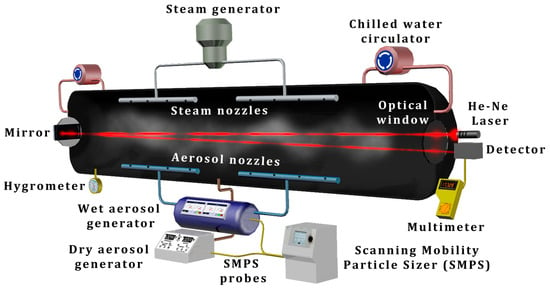
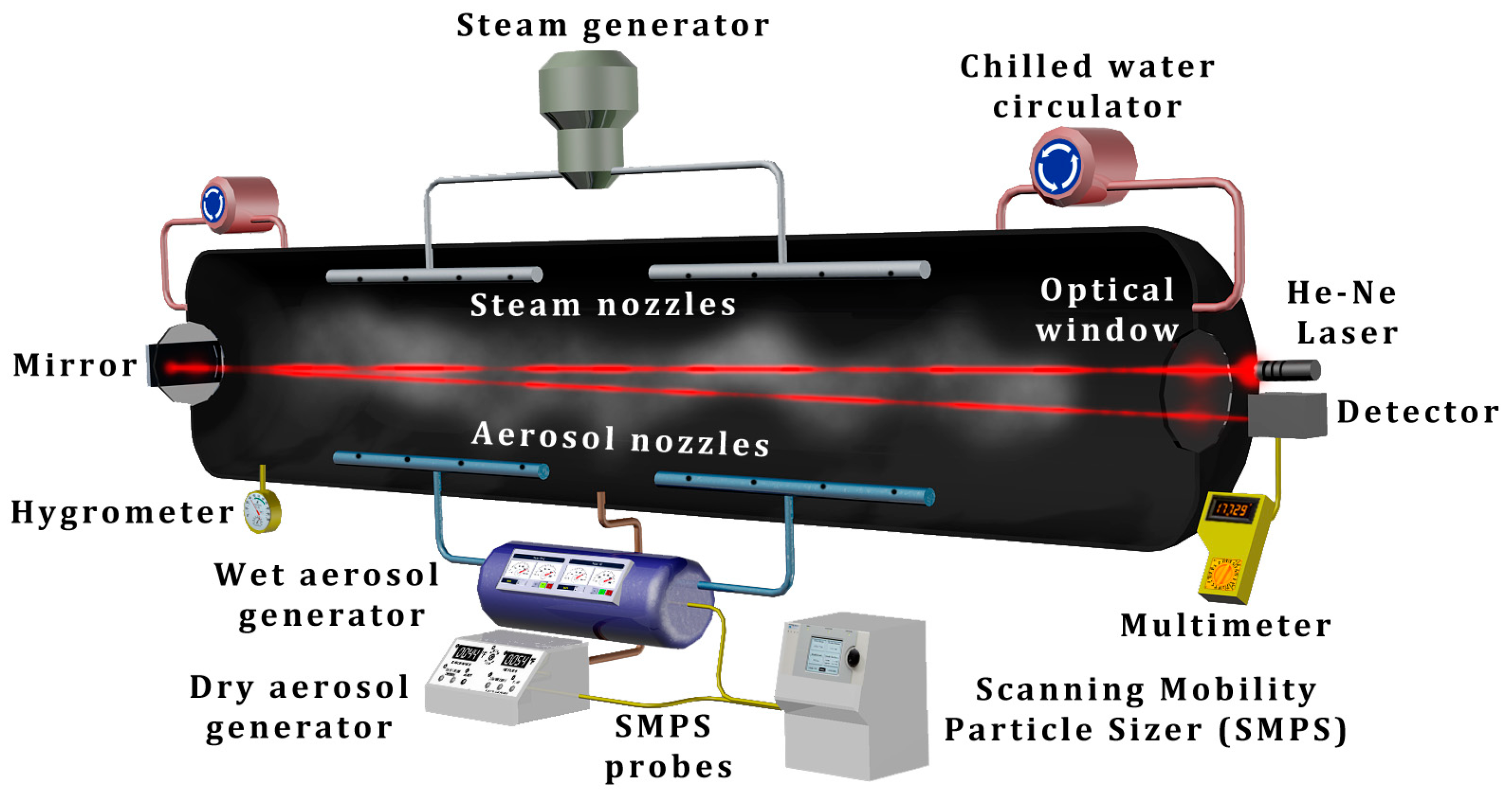
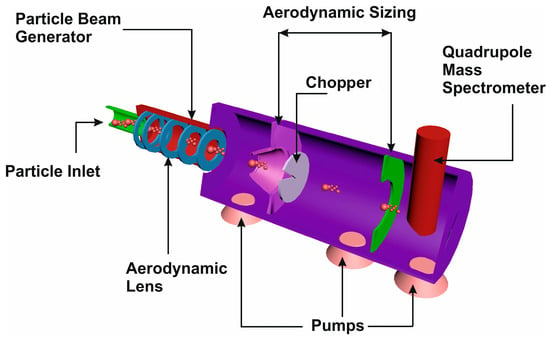
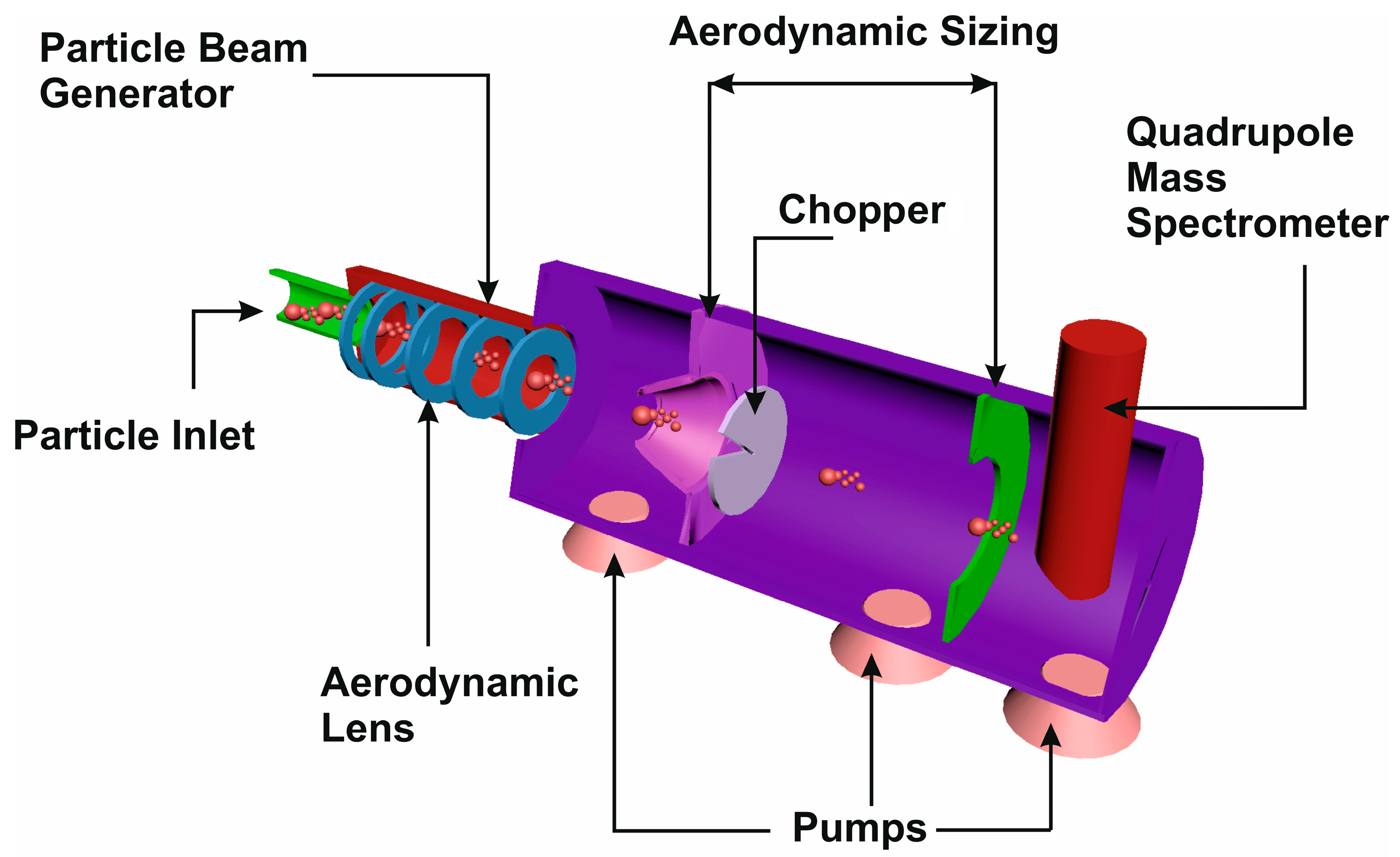
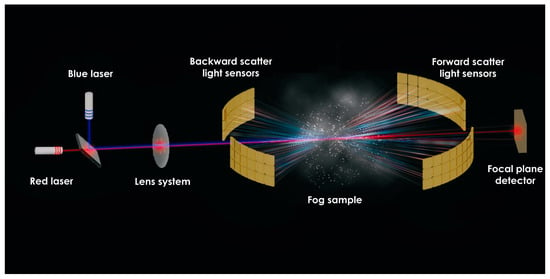
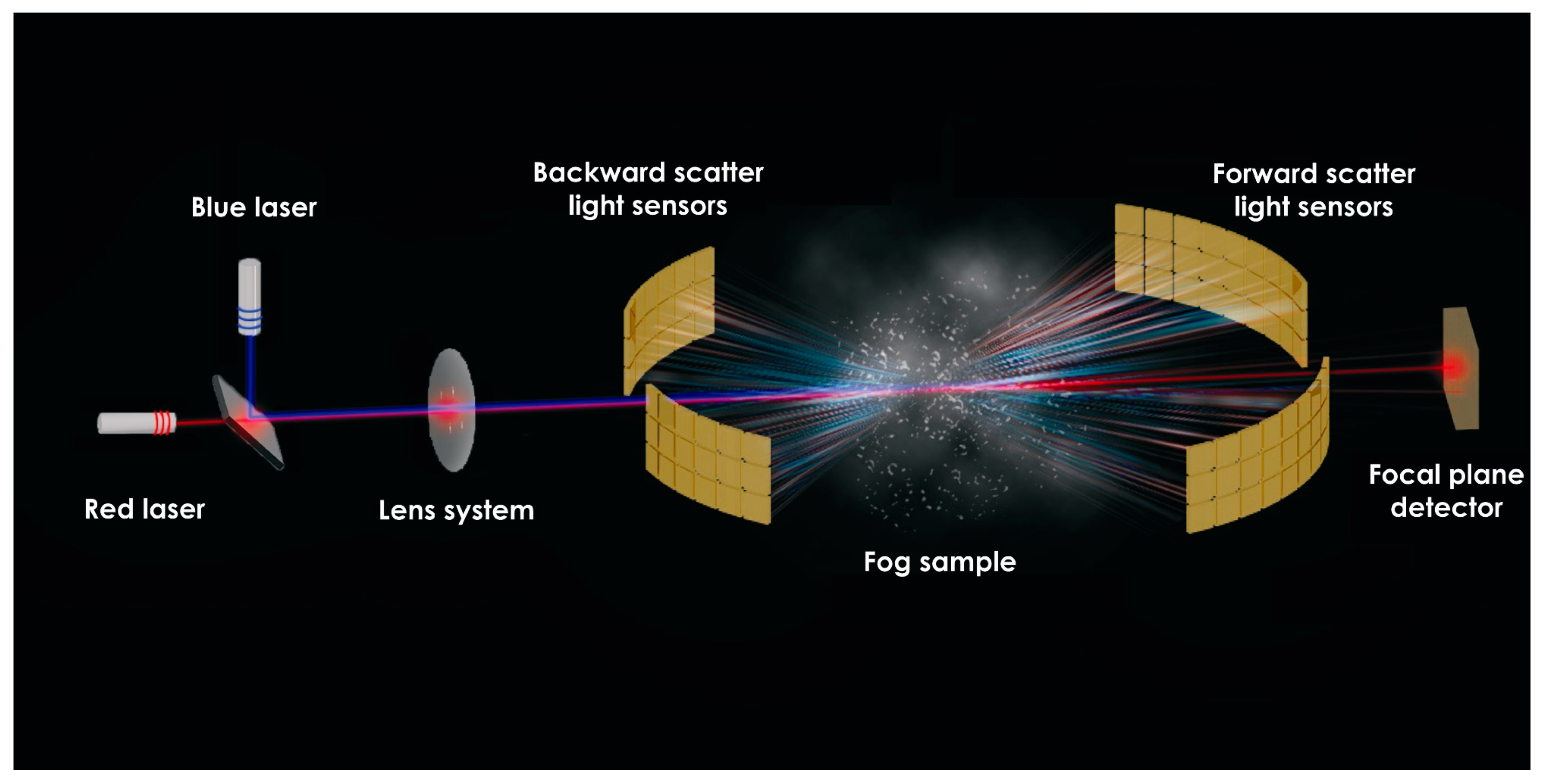
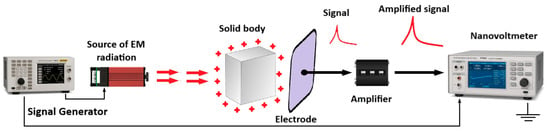
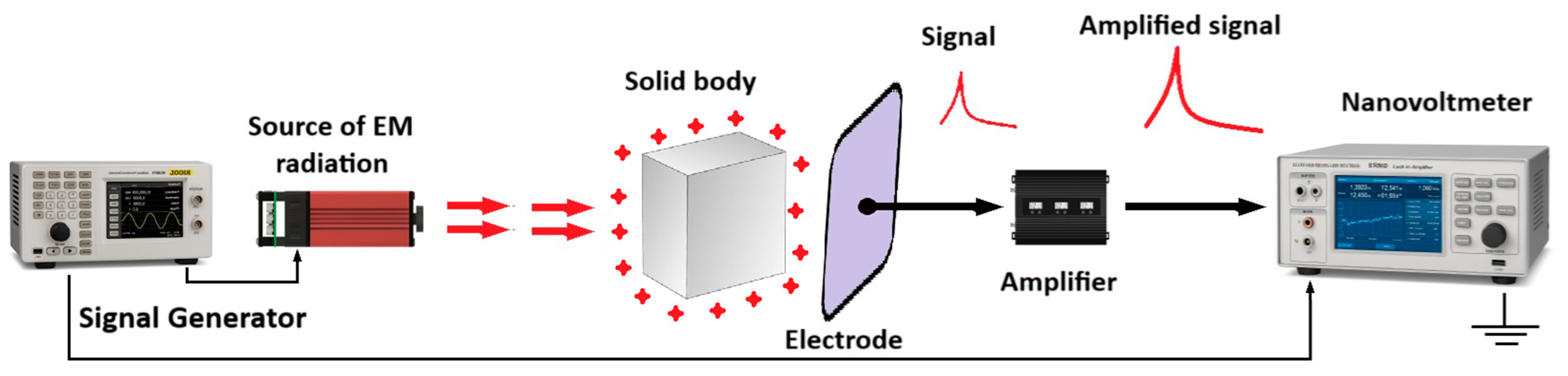
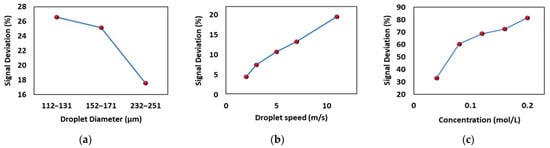
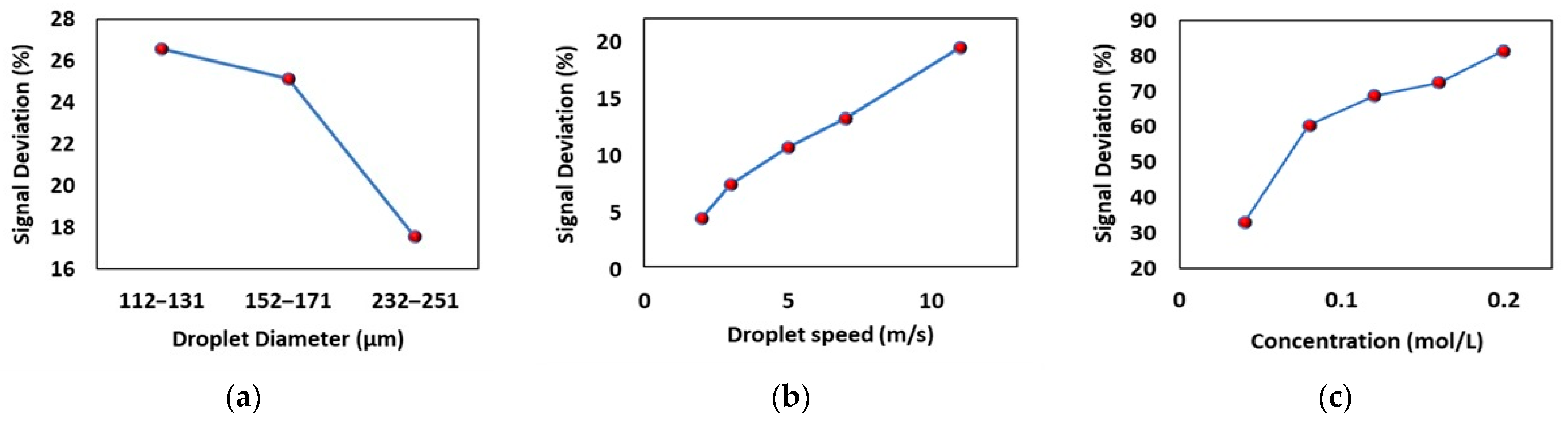
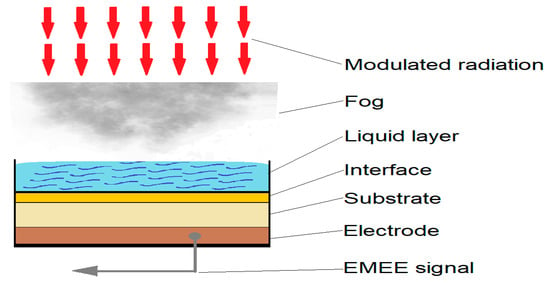
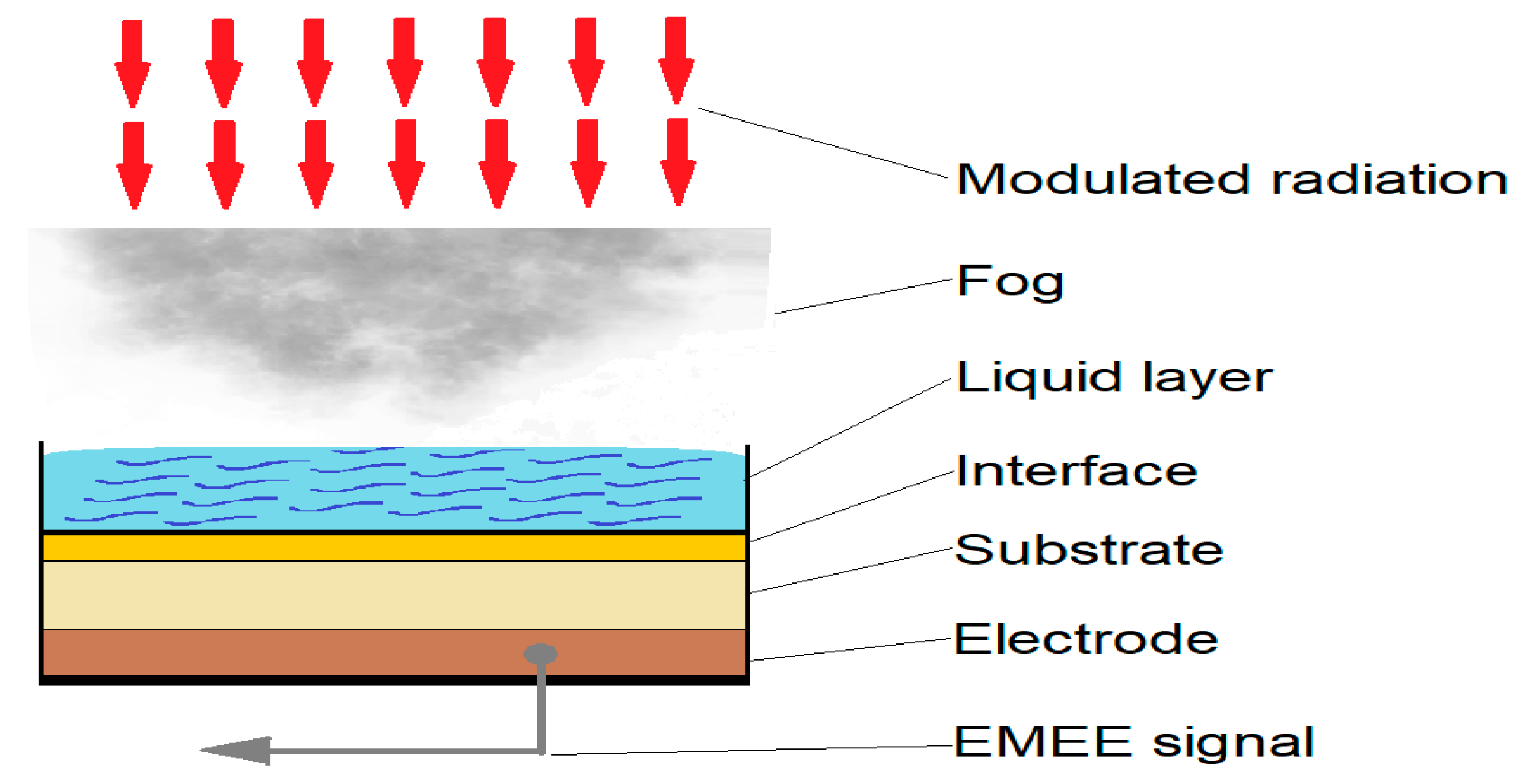
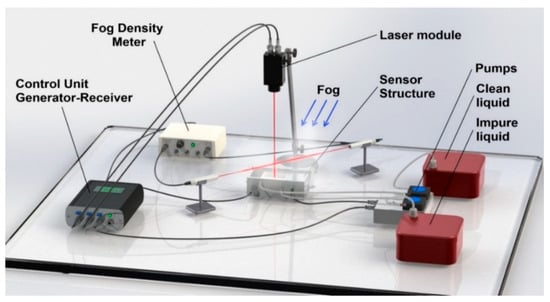
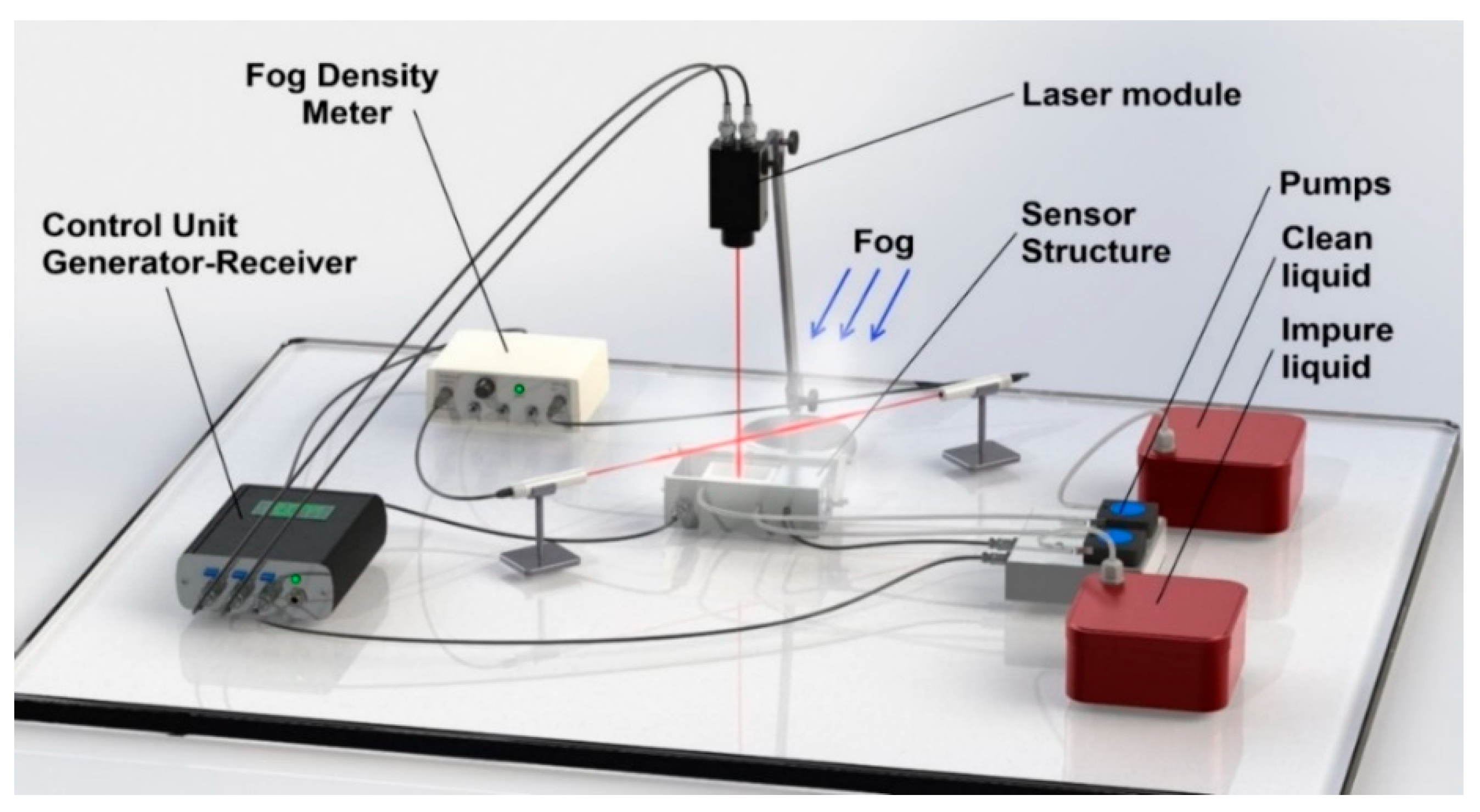
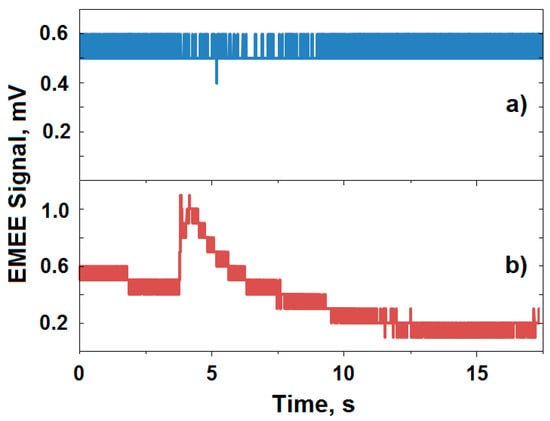
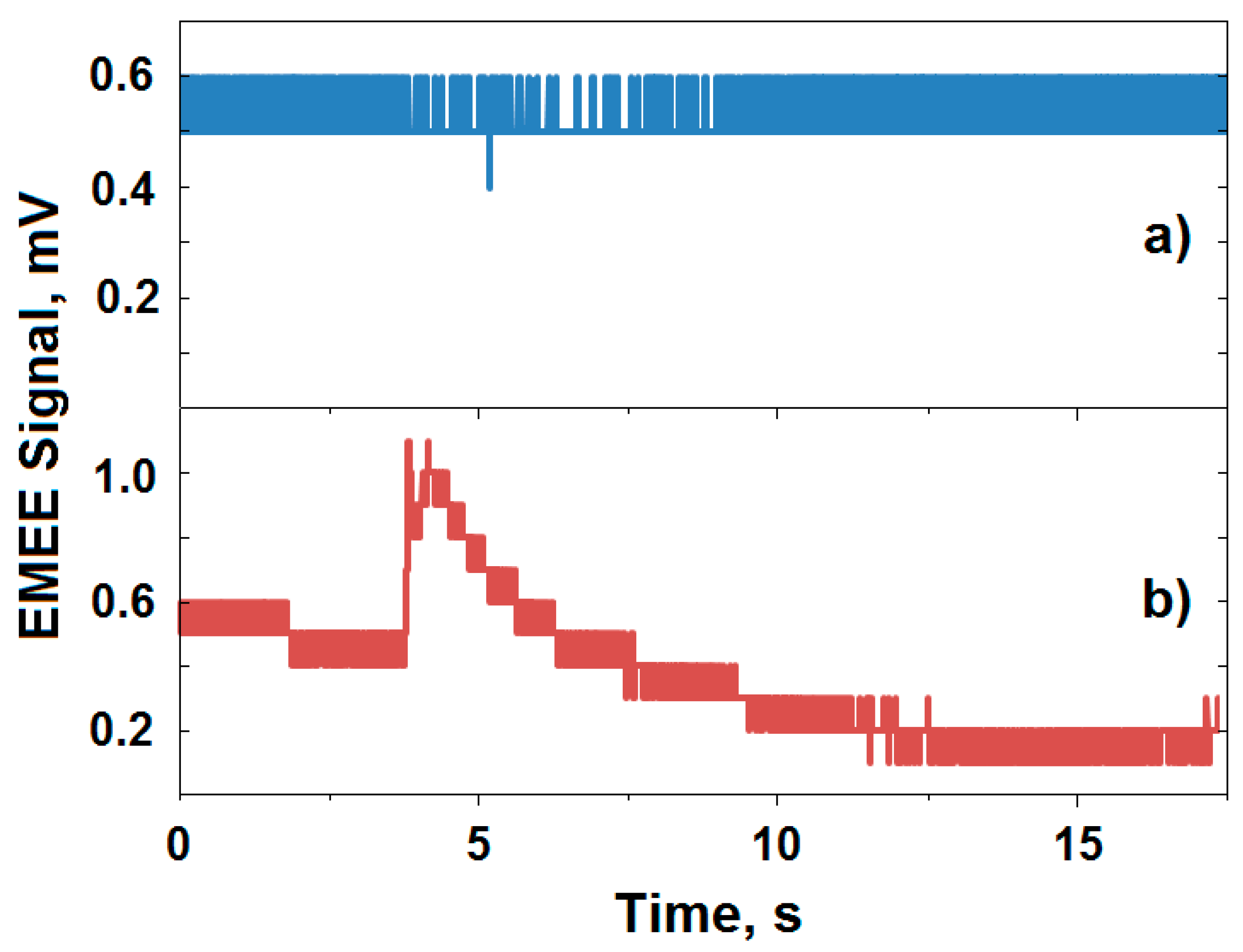

Disclaimer/Publisher’s Note: The statements, opinions and data contained in all publications are solely those of the individual author(s) and contributor(s) and not of MDPI and/or the editor(s). MDPI and/or the editor(s) disclaim responsibility for any injury to people or property resulting from any ideas, methods, instructions or products referred to in the content. |
© 2025 by the authors. Licensee MDPI, Basel, Switzerland. This article is an open access article distributed under the terms and conditions of the Creative Commons Attribution (CC BY) license.