Article

Pre-Filter Regulation Strategies and Deactivation Mechanisms of Filter Media in Water Treatment

1
School of Civil and Transportation Engineering, Guangdong University of Technology, Guangzhou 510006, China
2
Guangzhou Water Supply Co., Ltd., Guangzhou 510600, China
*
Author to whom correspondence should be addressed.
Water 2026, 18(1), 127; https://doi.org/10.3390/w18010127
Submission received: 4 December 2025 / Revised: 24 December 2025 / Accepted: 30 December 2025 / Published: 5 January 2026

Abstract

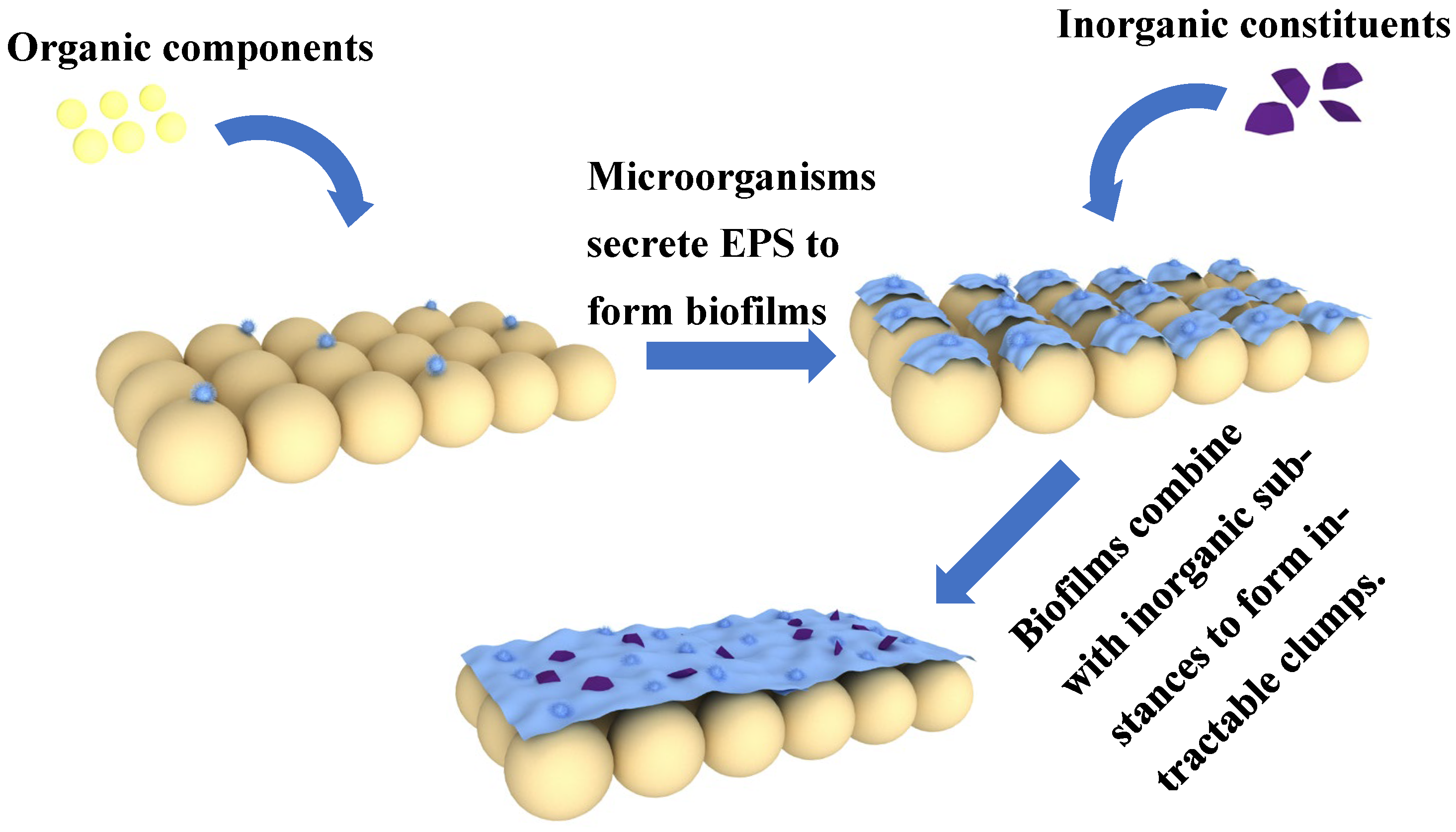
In the context of micro-polluted water sources, the performance decline of filtration units is a major challenge for the operational management of water supply plants. Therefore, it is necessary to systematically analyze the mechanism underlying the decline in filter media activity and optimize the pre-filtration treatment. This study focuses on waterworks, aiming to enhance filtration performance through filter media modification and a combined coagulant-oxidant strategy. A key innovation of this work is the development of a macro-microscopic correlation evaluation system. The results showed that the modified filter media increased the turbidity removal rate by 10.48% compared to the unmodified media. Furthermore, the combined coagulation–pre-oxidation scheme increased the removal rates for turbidity and UV254 by 3.24% and 19.03%, respectively, compared to the single-process scheme. Combined with filter media characterization results, the deactivation mechanism of filter media can be inferred. During the high-algae period, microorganisms on the filter media generate anaerobic Extracellular Polymeric Substances (EPS), which form a biofilm with bacteria and adhere to the filter media. The viscous matrix of these EPS then encapsulates inorganic substances, resulting in hard-to-remove clumps. These clumps clog pores and hinder the adsorption of subsequent pollutants, ultimately leading to continuous deterioration in filter media performance until failure.

1. Introduction

Offshore aquaculture tailwater with a low pollution load is directly discharged into the coastal urban water circulation system, which has gradually become an important source of micro-pollution in drinking water sources. However, traditional water treatment processes have limitations in removing these micro-pollutants, thereby increasing the load on the normal operation of the filter units. The progressive accumulation of pollutants leads to the gradual deterioration of filter media performance, eventually reaching a deactivated state that fails to meet filtration requirements [1]. Although some contaminants can be removed through periodic air-water backwashing, a portion remains incompletely removed by routine cleaning [2]. Therefore, to address the issue of cumulative micro-pollutants that cannot be fully removed through conventional backwashing, enhancing the pre-oxidation and coagulation processes and optimizing the system’s filter media configuration are essential for maintaining the long-term stability of the filter.
The synergistic enhancement of pre-oxidation and coagulation processes is a critical link in improving filtration efficiency. Studies have shown that using a single oxidant and coagulant often leads to unsatisfactory coagulation, resulting in slow floc formation and fine floc particles, as well as poor destabilization of suspended particles [3]. To enhance the filtration performance, it is necessary to strengthen the pre-oxidation and coagulation processes. To this end, combining multiple coagulants can achieve synergistic effects through the complementary effects of charge neutralization and adsorption bridging [4,5,6]. The compound use of oxidants can decompose macromolecular organic matter into small molecules through free radical chain reactions or selective oxidation, enhance the coagulant’s adsorption affinity, and improve filtration performance [7,8,9]. The different compounding schemes and the dosage ratio will directly affect the filtration performance to a large extent.
The surface morphology of filter media directly affects its pollutant retention capacity, and the deactivation of filter media essentially results from the deterioration of its surface physical and chemical properties. Therefore, by establishing the correlation between microstructure features (such as surface morphology, specific surface area) and macroscopic filtration performance (turbidity removal rate, effluent flow rate), the essential mechanism of filter media deactivation can be deeply revealed. The filter media used in waterworks is generally quartz sand. The surface of ordinary quartz sand is smooth and has a small specific surface area [10]; thus, its adsorption capacity for pollutants is limited. In view of this limitation, surface modification technology used to construct a metal oxide coating on the quartz sand surface can optimize its physical properties, chemical properties, and adsorption function [11] and significantly improve the filtering performance [12,13].
Improving the performance of the filter is a crucial step in addressing the issue of micro-pollution of water sources in coastal cities and ensuring the water quality of water supply plants. This can be achieved by strengthening the front-end pre-oxidation and coagulation processes while also optimizing the filter media configuration, thereby enhancing the system’s pollutant removal capacity. This study developed a pretreatment control strategy by combining pre-oxidants and coagulants, achieving the strengthening of the coagulation process. Based on the filtration performance indicators, a macroscopic standard for filter media inactivation was established, and combined with the biological and physical-chemical analysis of the actual filter media in the water plant, the microscopic mechanism of filter material inactivation was analyzed.
To address these challenges, this study has developed a comprehensive set of strategies to enhance the filtering performance. The specific objectives are to (1) develop and optimize a synergistic pre-oxidation-coagulation dosing strategy; (2) evaluate the performance of iron-oxide-modified filter media; and (3) establish macroscopic deactivation criteria and elucidate the underlying microscopic fouling mechanisms. This study aims to address the issue of low filtration efficiency, enhance the water supply plant’s ability to cope with water source shock loads, and gain a deeper understanding of the mechanism of filter material deactivation.
This solution was developed and validated through a case study at Jiangcun Water Plant. The core concept of the composite process is applicable to most plants suffering from unsatisfactory performance due to single-agent dosing, though specific parameters require adjustment according to actual conditions. The innovation of this research lies in two aspects: firstly, developing a simple and practical composite dosing process based on the plant’s existing workflow, with its efficacy verified using raw water; secondly, elucidating the deactivation mechanism by establishing correlations between the macroscopic indicators of filter media performance decline and its microscopic structure. In summary, this study not only provides a practical solution for enhancing filtration performance but also constructs a theoretical framework for understanding filter media deactivation, offering both theoretical and practical references for extending media lifespan and ensuring the stable operation and water quality safety of water treatment systems.

2. Materials and Methods

2.1. Materials

Kaolin and quartz sand samples used in this study were supplied by Shanghai Macklin Biochemical Technology Co., Ltd. (Shanghai, China). Chemicals with at least analytical grade. Polyaluminum chloride (PAC), polyferric sulfate (PFS), polyaluminum sulfate (PAS), sodium hypochlorite (NaClO), potassium permanganate (KMnO4), potassium ferrate (K2FeO4), Ferric chloride (FeCl3), Sodium hydroxide (NaOH), and Hydrochloric acid (HCl) were purchased from Shanghai Macklin Biochemical Technology Co., Ltd. Shanghai McLean Biochemical Technology Co., Ltd. is located at Building 1, No. 68, Huatuo Road, Zhangjiang Hi-Tech Park, Pudong, Shanghai, China. The raw water used in this study was sourced from the Jiangcun Water Plant in Baiyun District, Guangzhou, Guangdong Province. Deionized water (DI water, resistivity of 18.2 MΩ⋅cm) was used for all solution preparations and washing steps. In this study, PAC, PFS, PAS, and FeCl3 acted as coagulants, whereas NaClO, KMnO4, and K2FeO4 functioned as pre-oxidation agents. Quartz sand was pretreated with NaOH and HCl. FeCl3 served the dual purpose of being a coagulant and a chemical agent for filter media modification. Kaolin was introduced to increase the turbidity of the water samples.

2.2. Experimental Procedure

2.2.1. Modification of Filter Media

First, quartz sand was sieved to obtain the 0.8–1.0 mm fraction. This fraction was then washed, soaked in water, and sequentially treated with 1 mol/L NaOH [14], and 1 mol/L HCl. After drying at 110 °C and cooling to room temperature, the pretreated sand was immersed in a 0.5 mol/L FeCl3 solution. The mixture was dried at 110 °C with hourly stirring. Once surface moisture evaporated, the material was transferred to a crucible and calcined in a muffle furnace at 550 °C for 2 h. Finally, the coated sand was cooled, washed, and dried [15].

2.2.2. Coagulation Experiments

A standard jar test was conducted in 1 L cylindrical beakers using a six-paddle stirrer (Wuhan Meiyu Instrument Co., Ltd., Wuhan, China). The coagulation procedure consisted of the following stages: rapid mixing (300 rpm, 50 s), slow mixing (190 rpm, 5.5 min), and flocculation (60 rpm, 11 min). Following a 30 min settling period, the supernatant was sampled at a depth of 2 cm for analysis. All experiments were conducted in triplicate and the results with error bars are presented in this work.

2.2.3. Coagulation and Pre-Oxidation Compound

This study used raw water from a water supply plant to investigate the effects of different coagulant combinations and oxidant combinations and their dosage ratios on coagulation performance. The Jiangcun Water Plant employs sodium hypochlorite (NaClO) as its pre-oxidant and polyaluminum chloride (PAC) as its coagulant. The coagulant combinations were PAC/PFS [16], PAC/PAS, and PAC/FeCl3. The pre-oxidant combinations were NaClO/KMnO4 and NaClO/K2FeO4. The optimal combination scheme and dosage ratio were identified by comparing the treatment efficacy of different compound systems. In the coagulant combinations, PAC served as the primary component. PAC was dosed at 1/2, 2/3, 3/4, 4/5, 3/5, and 5/6 of its optimal dose, while the other coagulants were dosed at 1/2, 1/3, 1/4, 1/5, 2/5, and 1/6 of their optimal dose. The same fractional dosing strategy was applied to the oxidant combinations, in which NaClO served as the primary component.

2.2.4. Filtration Experiment

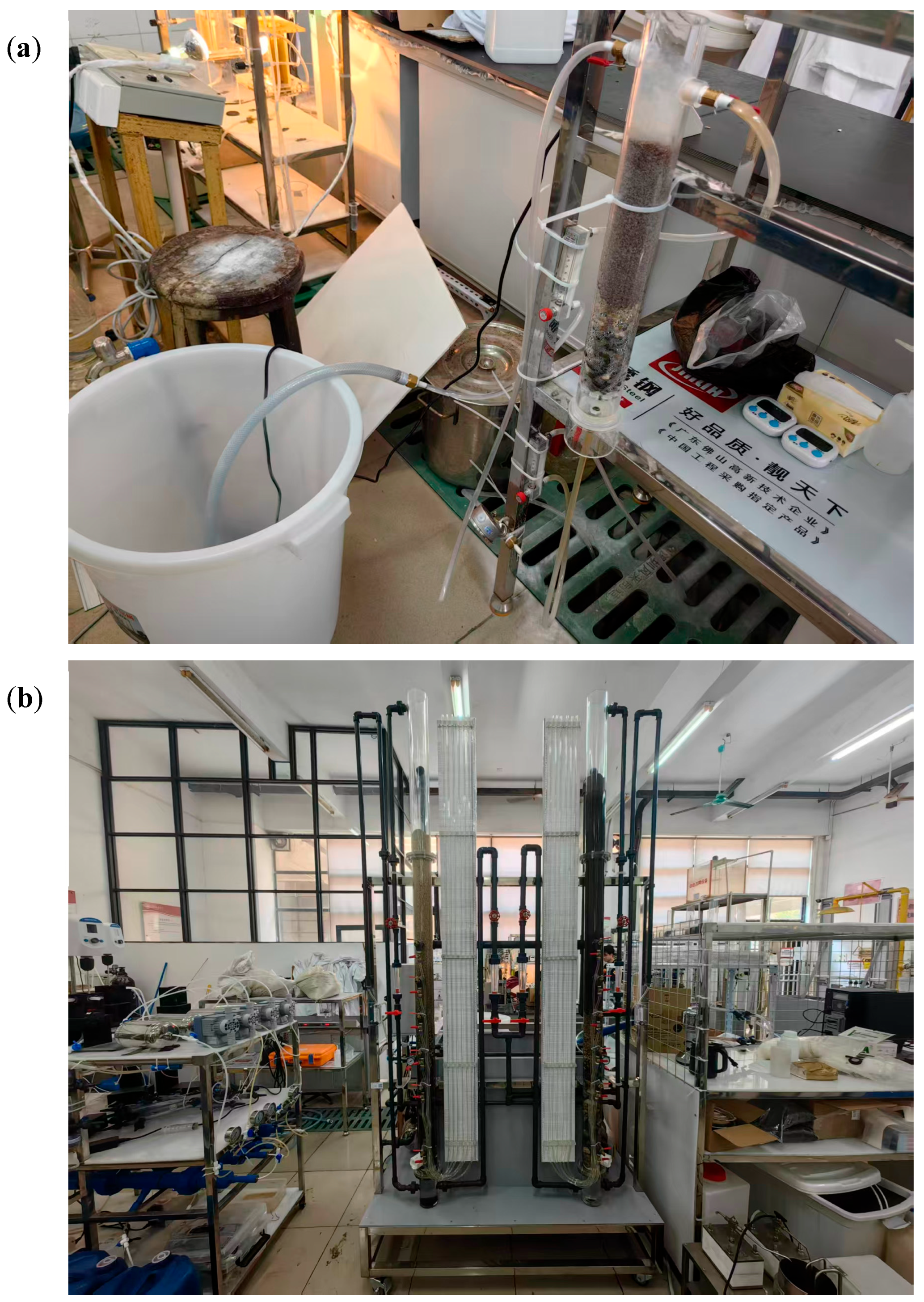
The experimental system was composed of filter columns, submersible pumps, glass rotor flowmeters, turbidity meters, and other supporting equipment. The new filter media was acclimated by adjusting the influent turbidity, with the principle of total pollutant control as guidance of total pollutant control, to mimic the contaminated state of the ten-year-old plant’s filter media. The inlet flow rate was controlled to maintain a constant filtration rate of 12 m/h throughout the experiments. Under this constant flow condition, the water samples were collected simultaneously from the inlet and outlet at 10 min intervals for measurement of turbidity and the recording of the outlet flow rate. Turbidity removal rate and effluent flow served as the macroscopic indices for filter media deactivation. The performance attenuation profile was established from long-term monitoring data, and the critical deactivation threshold was determined. The experimental apparatus is illustrated in Figure 1.

2.3. Analytical Methods

Samples included modified filter media, contaminated modified media, unmodified media, and actual media from a water plant. After room-temperature drying, all samples were characterized. The surface morphology and chemical composition of the filter media samples were investigated by scanning electron microscopy (SEM) and energy-dispersive X-ray spectroscopy (EDS). Model used: Czech TESCAN MIRA LMS (Brno, Czech Republic). The specific surface area of the samples was determined using a BET specific surface area and pore size analyzer. Model used: Mac ASAP 2460 (Shanghai McMuratick Instrument Co., Ltd., Shanghai, China). The elemental composition and chemical states were analyzed by X-ray photoelectron spectroscopy (XPS). Model used: Avantage (Vancouver, BC, Canada). And the functional groups were characterized using Fourier transform infrared (FTIR) spectroscopy. Model used: Thermo Nicolet IS5 (Thermo Fisher Scientific, Shanghai, China). UV254 was determined according to standard methods using a UV-vis spectrophotometer (at 254 nm). Taxonomic analysis of the biofilm microbiota was performed using high-throughput sequencing. The turbidity of water samples was determined with a WZB-170 portable turbidimeter (Shanghai Leici Instrument Co., Ltd., Shanghai, China).

3. Results and Discussion

3.1. Filtration Performance Enhancement Strategy

3.1.1. Enhanced Coagulation

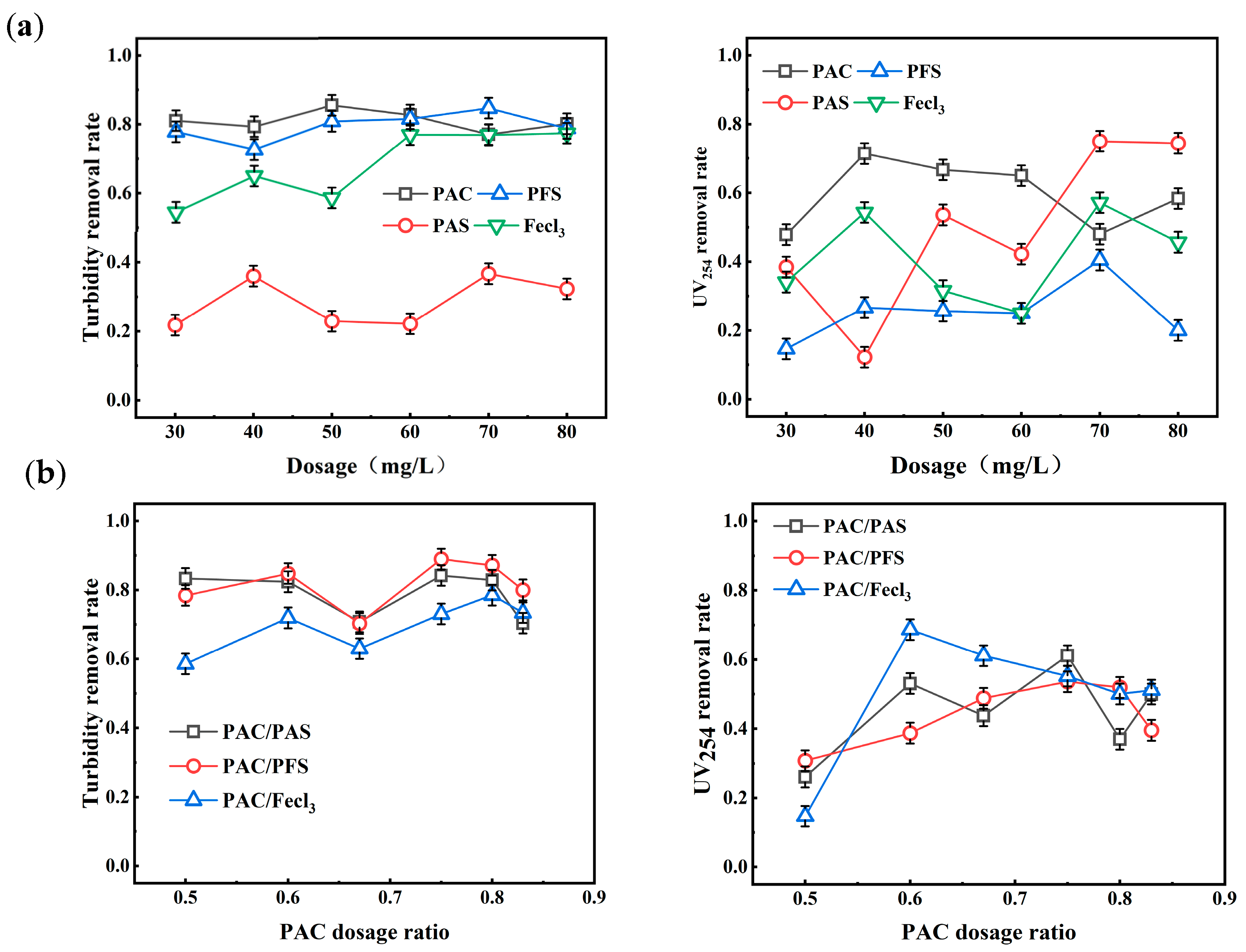
This study investigated the efficacy of individual coagulants and their combinations in removing turbidity and UV254 from raw water. As shown in Figure 2a, the optimal dosages of PAC, PFS, FeCl3, and PAS were 50, 70, 70, and 70 mg/L, respectively. While PAS achieved the highest UV254 removal, its performance was compromised by lower efficiency at reduced dosages and suboptimal turbidity removal. Therefore, PAC was chosen as the optimal base compound for coagulants. As shown in Figure 2b, the combinations of PAC/PFS, PAC/PAS, and PAC/FeCl3 achieved turbidity removal efficiencies of 88.97%, 84.22%, and 78.53% at PAC proportions of 3/4, 3/4, and 4/5, respectively. The PAC/PFS combination demonstrated the highest turbidity removal performance among them.
This excellent coagulation effect is due to the synergistic mechanism of PAC and PFS: PAC first adsorbs to the surface of particles by virtue of its high charge density [17,18], showing a strong electric neutralization ability. Meanwhile, the hydroxyl-bridged polynuclear complexes produced during the hydrolysis of PFS form a network structure [19,20,21]. The synergy of electrostatic adsorption and sweep flocculation consequently facilitated rapid floc sedimentation and the development of a dense, stable floc architecture. The optimal coagulation performance for both turbidity and UV254 removal was achieved with a PAC/PFS dosage of 37.5 mg/L PAC to 17.5 mg/L PFS, corresponding to a mass ratio of 2.14:1.
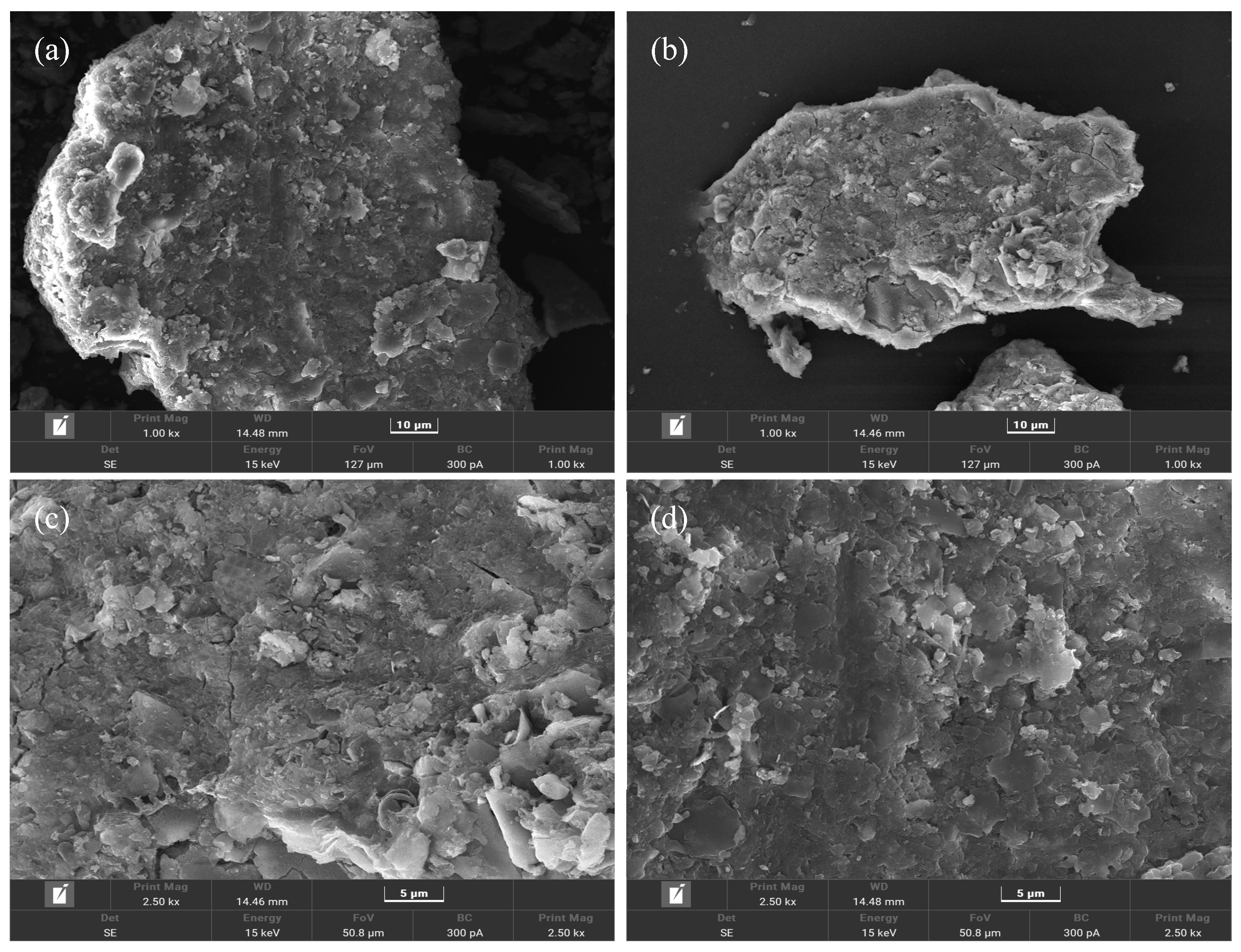
SEM imaging revealed distinct morphological differences among flocs from various coagulation schemes (Figure 3). SEM observation revealed that the flocs formed by a single PAC scheme (Figure 3a,c) presented a complete lamellar structure, with a smooth surface and multiple dispersed independent flocs. In contrast, the flocs generated by the PAC/PFS composite scheme (Figure 3b,d) exhibited a rough texture, characterized by a large number of bumps distributed across their surface. In the single PAC scheme, although hydrolyzed PAC species could adsorb surrounding particles to form polymers, their limited adsorption capacity resulted in flocs with a relatively loose structure. In the composite scheme, the chain-like polymers from hydrolyzed PFS served as bridges. They not only adsorbed particles directly but also interconnected the particles already destabilized by PAC, forming larger aggregates. This process increased the flocs’ specific surface area [22] and constructed a network via interwoven, chain-like polymers [23]. Thereby, the floc structure became more compact, which in turn enhances adsorption efficiency, reinforces floc stability, and significantly improves the coagulation effect.

3.1.2. Enhanced Preoxidation

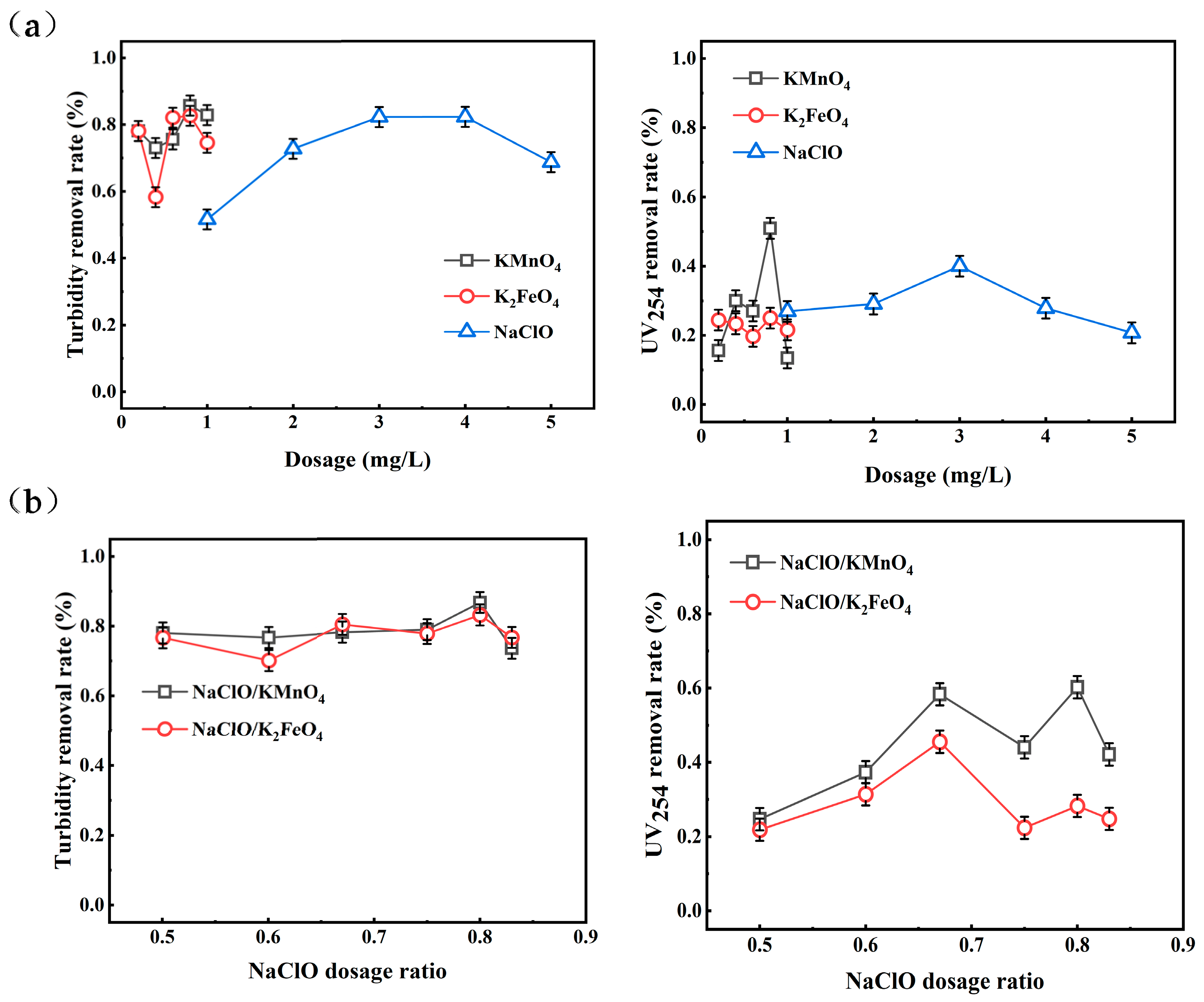
This study investigated the efficacy of individual pre-oxidations and their combinations in removing turbidity and UV254 from raw water. As shown in Figure 4a, the optimal dosages of NaClO, KMnO4, and K2FeO4 were found to be 4.0, 0.8, and 0.8 mg/L, respectively. At their respective optimal dosages, the three oxidants showed similar effects on coagulation. Considering both the operating cost and the water plant’s current coagulation scheme (which uses NaClO as the pre-oxidant), NaClO was selected as the main component of the combined oxidants. As shown in Figure 4b, both the NaClO/KMnO4 and NaClO/K2FeO4 composite schemes, at a NaClO ratio of 4/5, achieved turbidity removal rates of 86.71% and 83.13%, and UV254 removal rates of 60.23% and 28.24%, respectively. Compared to the NaClO/K2FeO4 scheme, the NaClO/KMnO4 combination significantly outperformed the former, notably in the abatement of UV254, indicating its enhanced efficacy for organic pollutant removal.
The enhanced coagulation observed in the composite schemes can be attributed to synergistic effects between the oxidants. In the NaClO + KMnO4 system, NaClO promotes KMnO4 hydrolysis, generating highly active intermediate manganese species and manganese dioxide (MnO2). These products catalyze or participate in oxidation, significantly improving organic matter removal [24]. In the NaClO + K2FeO4 system, K2FeO4 decomposes in water. The resulting Fe (III)/Fe (II) species facilitate coagulation through precipitation and sweep flocculation [25], greatly enhancing turbidity removal. Concurrently, generated high-valent Fe (V)/Fe (IV) reacts with NaClO to regenerate Fe (VI), establishing an iron valence cycle [26] that produces more Fe (III)/Fe (II). However, because NaClO consumes Fe(IV) and K2FeO4 itself is unstable, the enhancement in organic matter removal is less pronounced than in the NaClO + KMnO4 system.
The optimal pre-oxidation performance was achieved with a NaClO/KMnO4 dosage of 3.2 mg/L and 0.16 mg/L (mass ratio 20:1). This composite scheme simultaneously maximized turbidity removal and enhanced the elimination of organic pollutants, demonstrating its significant advantage as a pre-treatment step prior to coagulation.

3.1.3. Comprehensive Comparison of Coagulation Schemes

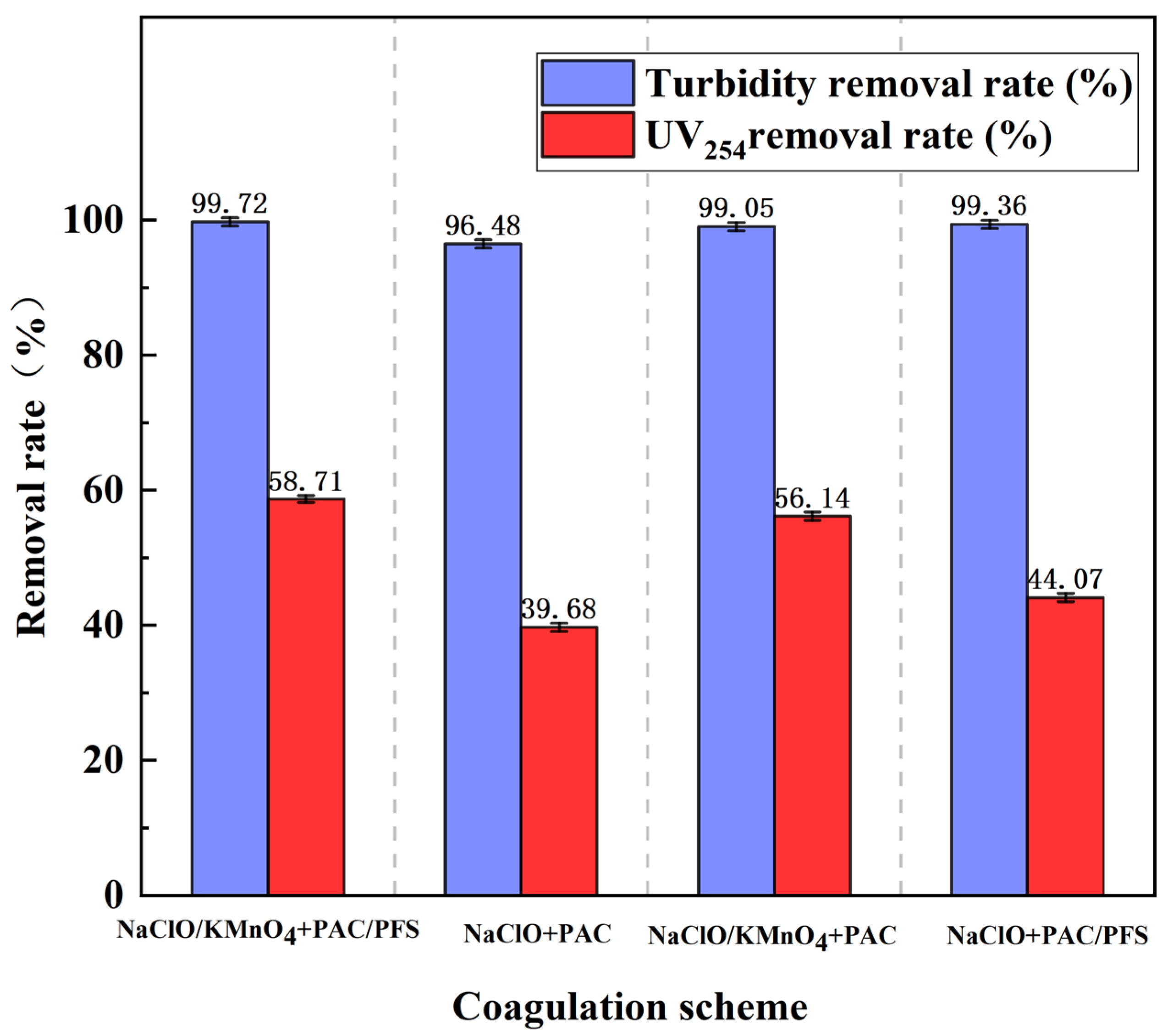
The pre-oxidation and the coagulation processes were combined, and different coagulation schemes were compared to evaluate their efficacy. As shown in Figure 5, the coagulation and pre-oxidation composite schemes enhanced turbidity and UV254 removal rates by 3.24% and 19.03%, respectively, compared to the individual pre-oxidation and coagulation processes. The integrated NaClO/KMnO4 + PAC/PFS process demonstrated superior performance in both turbidity and UV254 removal among the four schemes evaluated. Post-coagulation turbidity measurements further confirmed its efficacy; the NaClO/KMnO4 + PAC/PFS scheme yielded an average turbidity of 0.17 NTU, significantly lower than that of the NaClO + PAC scheme (2.12 NTU). Oxidation by NaClO and KMnO4 degrades macromolecular organics, altering their functional groups and surface charge. This modification enhances their removal by PAC and PFS via charge neutralization and adsorption bridging. Consequently, the organic-laden flocs grow larger and denser, settling more readily and thereby improving turbidity removal. The other composite schemes, NaClO/KMnO4 + PAC and NaClO + PAC/PFS, resulted in average turbidities of 0.56 NTU and 0.38 NTU, respectively. A Comprehensive comparison of the four schemes leads to the conclusion that the pre-oxidation-coagulation double composite scheme exhibits superior performance in both turbidity and UV254 removal compared to the other single composite schemes. This indicates that when the pre-oxidation and the coagulation composite schemes are combined, they exhibit a certain degree of synergy. This synergy not only achieves the optimal turbidity removal effect but also enables more efficient organic pollutant removal, thereby further enhancing the overall coagulation effect on the water sample.

3.1.4. Filter Media Modification Effect

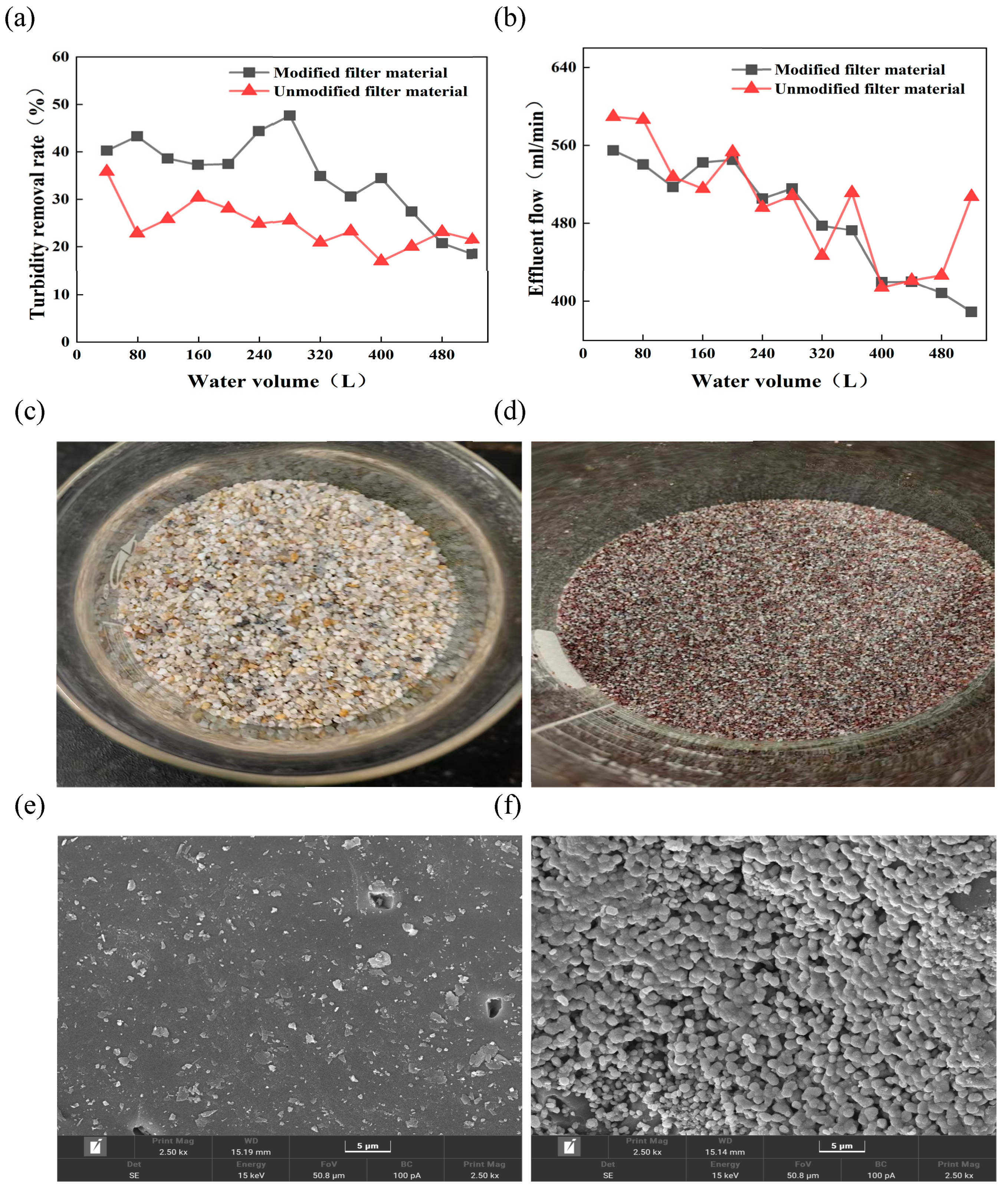
The modified filter media exhibited a superior maximum turbidity removal of 47.7%, compared to 35.82% for its unmodified counterpart (Figure 6a,b). Notably, the modification yielded a 10.48% average improvement in performance. This gain, however, was concurrently observed with an approximate 3% decrease in effluent flow rate. The observed changes in performance can be attributed to two opposing roles of the surface iron oxides. Positively, they increase filter media porosity and specific surface area, thereby significantly improving adsorption capacity [27]. Conversely, the resulting irregular surface topography marginally elevates flow resistance. Notably, under extreme operating conditions, the unmodified filter media struggled to restore stable operation, whereas the modified filter media demonstrated superior operational resilience. This contrast confirms the comprehensive performance enhancement achieved through surface modification. The morphological changes in the filter media before and after modification are presented in Figure 6c,d.
SEM analysis also revealed distinct morphological changes in the quartz sand following iron-based modification (Figure 6e,f). The unmodified surface was relatively smooth with few protrusions, whereas the modified surface became considerably rougher due to the deposition of iron oxide. This newly formed, irregular surface was characterized by abundant pores, which increased porosity and specific surface area, thereby enhancing its adsorption capacity [28].

3.2. Research on Filter Media Deactivation Mechanism

3.2.1. Macroscopic Criteria for Filter Media Deactivation

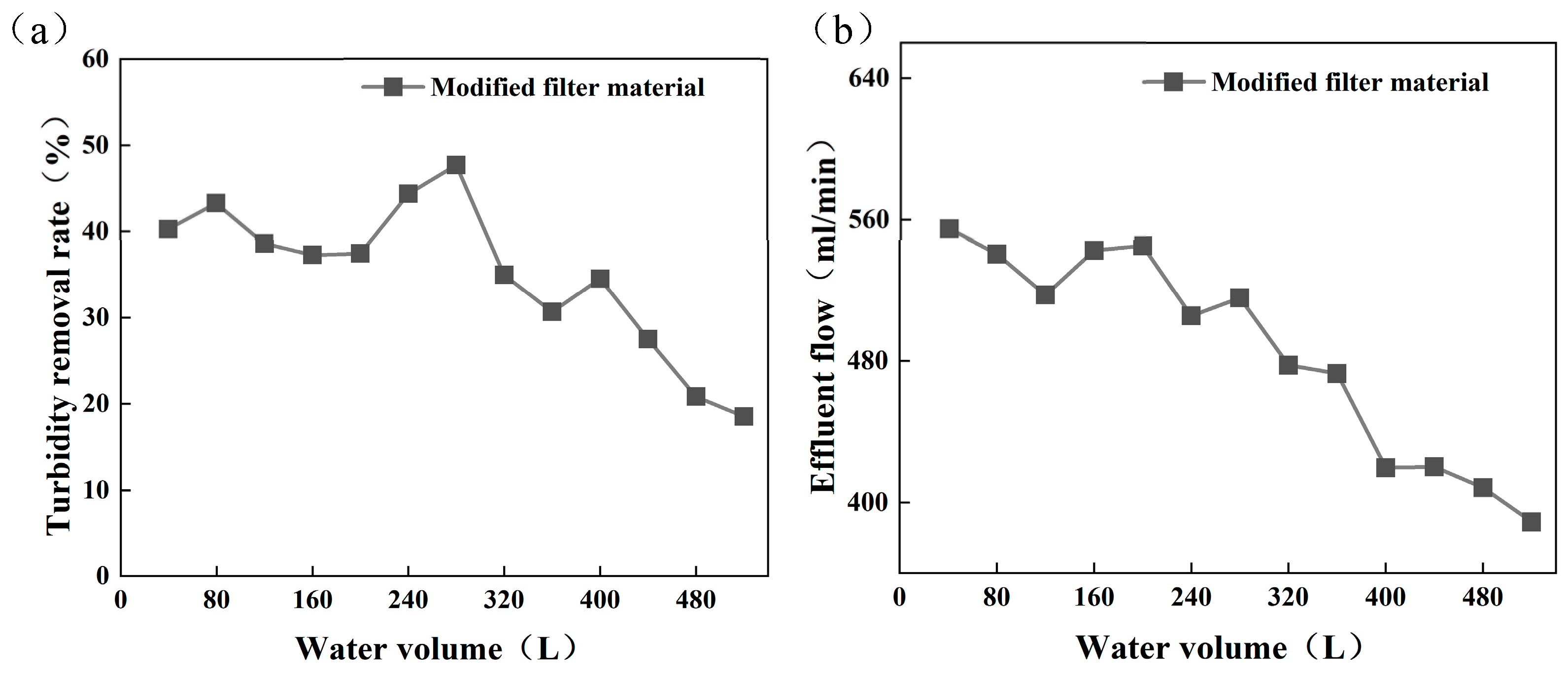
Figure 7 shows the variations in turbidity removal rate and effluent flow rate during the filtration experiment with the modified filter media. As seen in Figure 7, both the turbidity removal rate and the effluent flow rate decreased progressively with increasing filtration time. The observed performance deterioration is attributed to two interrelated mechanisms. Firstly, the accumulation of pollutants progressively saturates the active adsorption sites on the filter media, reducing its adsorption capacity. Secondly, the hydraulic scouring and collision between incoming pollutants and those already deposited on the media increase the head loss across the filter bed, thereby reducing the effluent flow rate. The filter media were sourced from a water supply plant’s filter bed that intermittently produced substandard effluent, indicating it was operating at its performance deactivation threshold. Filtration tests on this media yielded an average turbidity removal rate of 23.59%. When the filtered water volume reached 520 L, the modified media exhibited a turbidity removal rate of 18.54% and an effluent flow rate of 389.1 mL/min. At this point, its turbidity removal rate was lower than that of the plant’s filter media, and its effluent flow rate was less than the influent flow rate (400 mL/min). Consequently, the modified media was considered to be deactivated based on its macroscopic performance. The macroscopic criteria for media deactivation were thus defined as follows: turbidity removal rate and effluent flow rate were less than 20% and 400 mL/min, respectively.

3.2.2. Micro Mechanism of Filter Media Deactivation

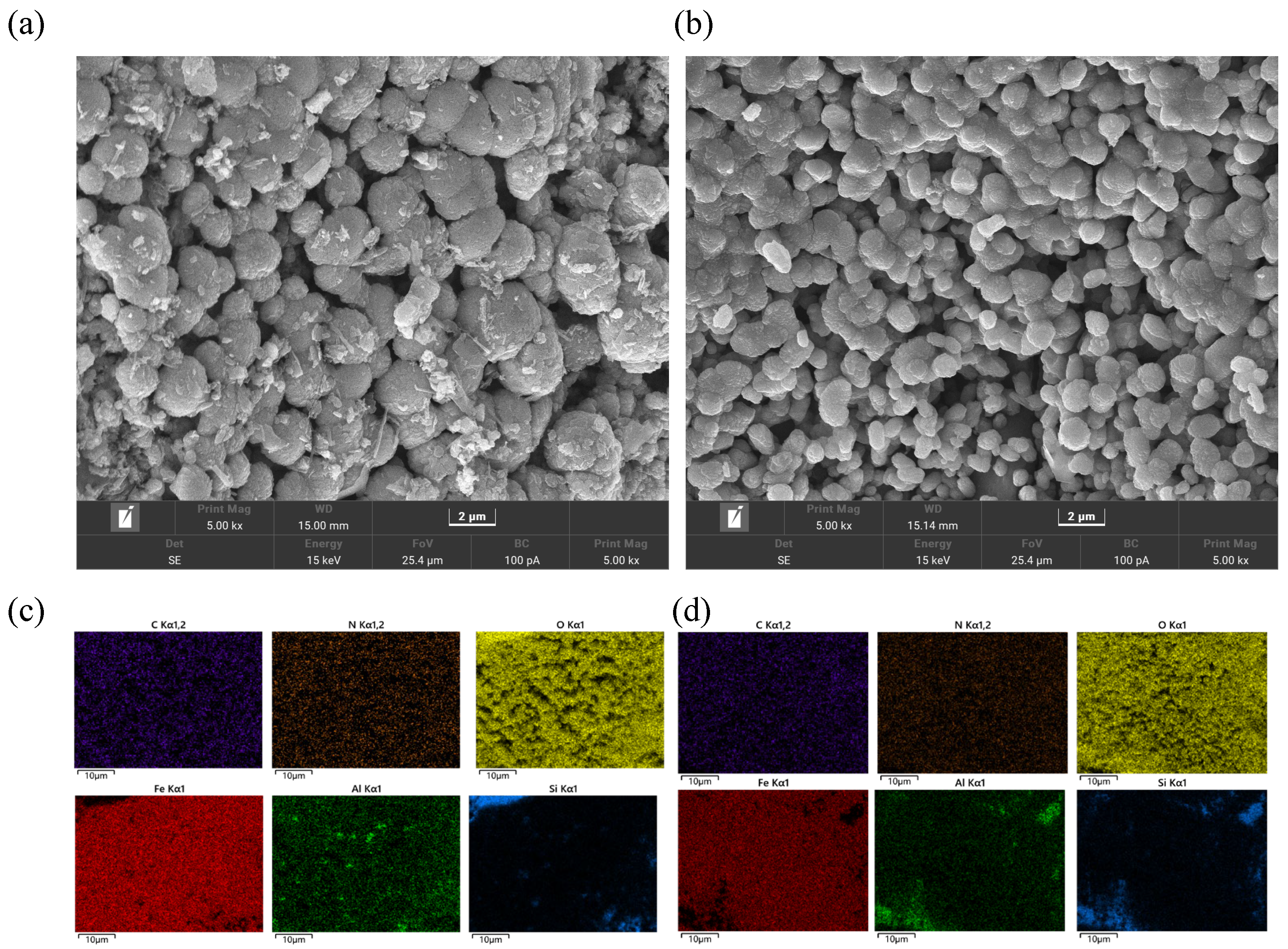
Figure 8 shows the SEM-EDS characterization of the modified filter media before and after contamination. In Figure 8, the EDS elemental mapping of the contaminated filter media, where the red, blue, and green regions correspond to Fe, Si, and Al, respectively. The Fe elemental maps in Figure 8c,d demonstrate no significant detachment of iron-based oxides during filtration. This indicates that the calcination process in the muffle furnace successfully anchored the oxides firmly onto the filter media. Comparative analysis of the Al elemental maps in Figure 8c,d reveals the emergence of distinct green regions on the contaminated media, indicating localized aluminum accumulation. Cross-referencing with the SEM image in Figure 8a confirms the presence of bulky deposits adhering to the iron oxide surfaces, whose positions correspond precisely to these aluminum-rich zones. This spatial correlation strongly suggests that the iron-based oxides effectively adsorbed kaolin particles. Furthermore, the pervasive green signature in the Al map of Figure 8d aligns with the Si distribution (blue regions), confirming its origin from inherent aluminum impurities within the quartz sand substrate rather than from fouling.
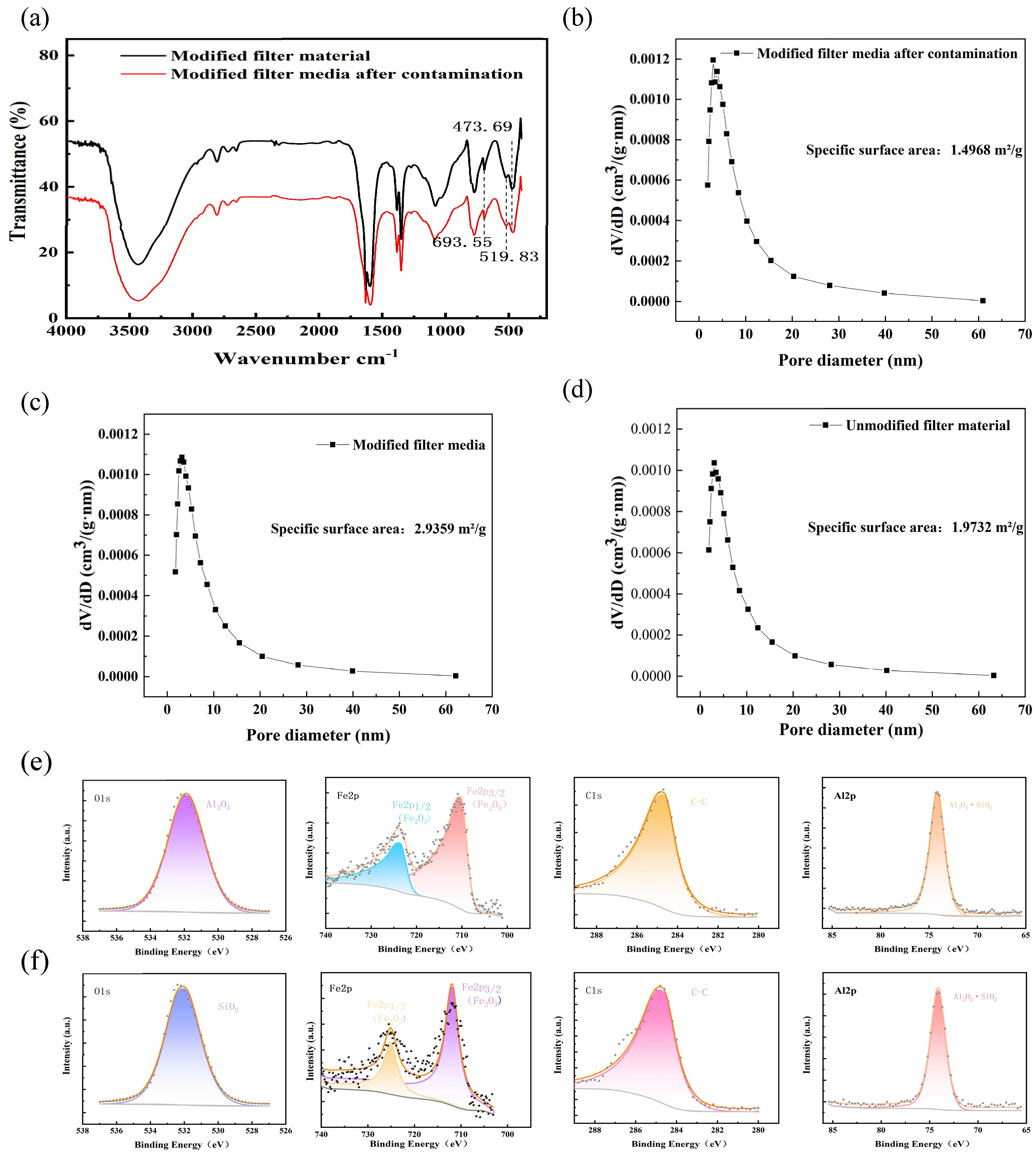
As shown in the FTIR spectrum of the modified quartz sand (Figure 9a), the characteristic absorption peaks were observed at 519.38 cm−1 and 473.69 cm−1. The peak at 519.38 cm−1 is assigned to the Fe–O bond, while the one at 473.69 cm−1 corresponds to the Si–O–Fe bond. XPS analysis further confirms that the iron oxide loaded on the quartz sand surface is Fe2O3. Notably, the Fe valence state remained unchanged after contamination, indicating that the removal of pollutants was predominantly governed by physical adsorption rather than redox reactions. A comparison of the O 1s spectra before and after contamination (Figure 9e,f) reveals the presence of adsorbed kaolin on the modified filter media. This finding definitively confirms that the deactivation mechanism can be attributed to the progressive accumulation of pollutants, which blocks active sites and hinders performance. Analysis of Figure 9b–d indicates that the pore size distribution of the filter media predominantly falls within the 2–50 nm range, characteristic of a mesoporous structure. Comparative analysis of Figure 9c and d shows that the modified filter media increased the number density of micropores and small pores in the filter media. This formation of additional adsorption sites directly results in an enlarged specific surface area, which is the primary factor for the enhanced adsorption capacity observed in the modified media. Comparative analysis of the pore structure (Figure 9b,c) demonstrates that contamination reduces the population of small mesopores (1.5–2.5 nm) while increasing the proportion of larger pores. This shift is attributed to the clogging of narrow pores by pollutants, which diminishes the specific surface area and blocks active adsorption sites, leading to reduced performance. The analysis reveals that the modified filter media possess a larger BET specific surface area than the used plant media. This increase is attributed to the iron-based oxide coating, which introduces additional micropores, thereby enhancing the overall surface area and adsorption capacity. Furthermore, comparing the pristine and fouled modified media shows a significant decrease in both specific surface area and micropore volume/distribution after contamination. This decrease in specific surface area is therefore attributed to pore blocking by foulants, which directly explains the concomitant loss of adsorption capacity.
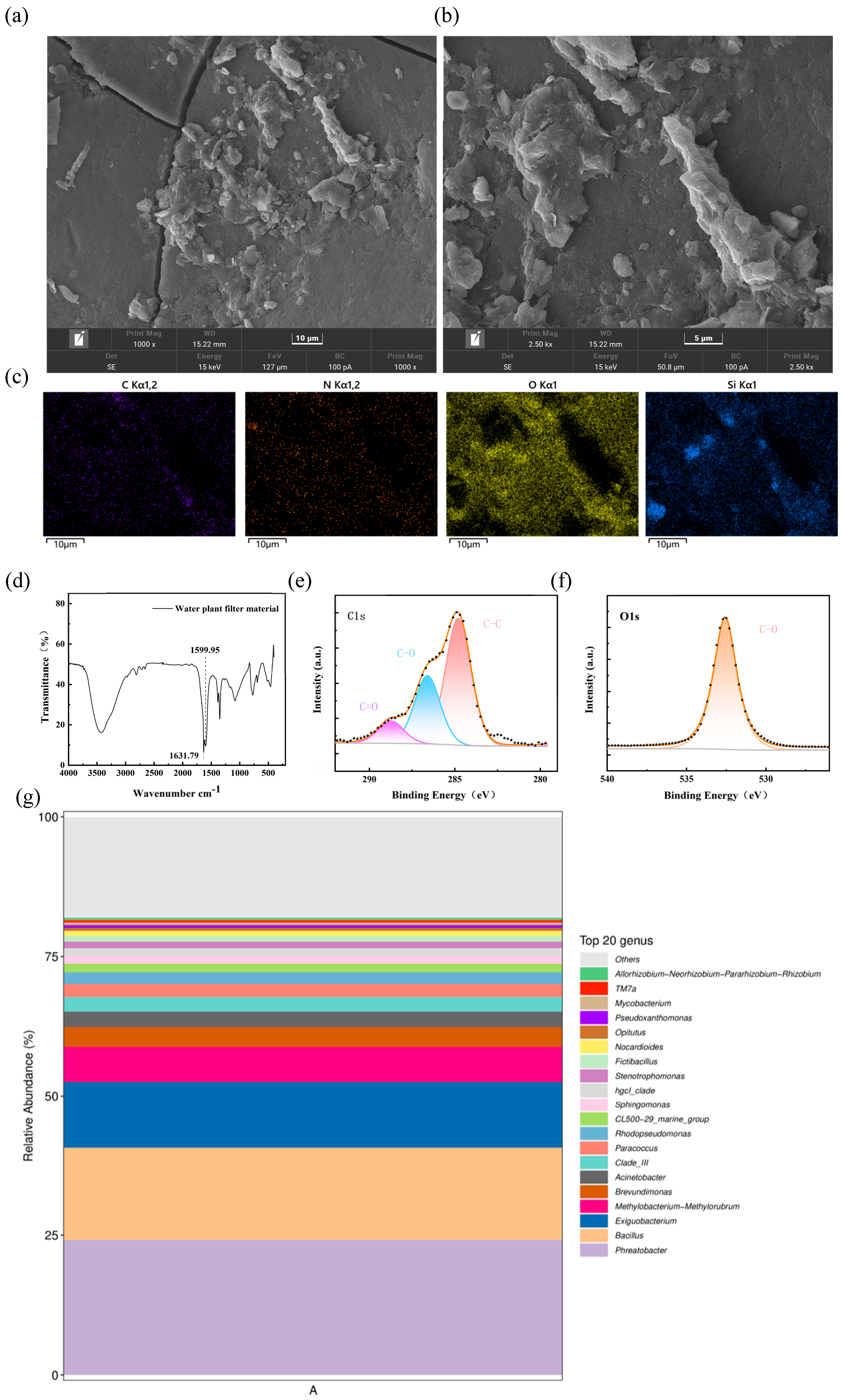
SEM-EDS characterization of the water plant filter media reveals the presence of organic substances adhering to its surface (Figure 10). These substances persistently adhere to the filter media even after backwashing and cannot be removed by water and air scouring. This phenomenon is likely associated with a key factor underlying the irreversible deactivation of the filter media. FTIR and XPS analyses of the water plant filter media (Figure 9d–f) reveal distinct absorption peaks at 1599.95 cm−1 and 1631.79 cm−1 (Figure 10d), corresponding to C=C vibration mode and C=O stretching vibration of carbonyl groups. These characteristic infrared signals confirm the presence of organic deposits on the operational filter media. Given the typical organic composition in water treatment systems, these spectral features are consistent with refractory organic compounds, such as humic substances and polysaccharides.
Analysis of the microbial community (Figure 10g) identified Phreatobacter, Bacillus, and Exiguobacterium as the dominant genera colonizing the filter media surface, with relative abundances of 24%, 17%, and 12%, respectively. Colonizing bacteria secrete extracellular polymeric substances [29] (EPS) to form biofilms on the media surface [30,31]. A key determinant of EPS properties is the dissolved oxygen level, which drives compositional and functional differences between aerobic and anaerobic conditions. Under aerobic conditions, the EPS matrix is primarily composed of polysaccharides with a lower protein content [32,33], resulting in a loose, porous, and hydrophilic structure. In contrast, anaerobic EPS is predominantly composed of proteins rich in hydrophobic amino acids, with a lower polysaccharide content. This composition results in a dense, viscous, and hydrophobic structure, forming a biofilm with enhanced viscoelasticity and adhesion. The hypoxic environment of the filter tank drives an ecological selection for facultative anaerobes like Exiguobacterium and Bacillus. In response, these bacteria synthesize the protein-rich, hydrophobic anaerobic EPS previously described, which encapsulates the cells to form a highly viscoelastic and adhesive biofilm. Anaerobic EPS is inherently more viscous and forms a tenacious adhesion to filter media, making it considerably more difficult to remove. Additionally, water supply plants annually experience seasonal algal blooms, which supply substantial organic substrates that promote microbial proliferation on the filter media. Exiguobacterium utilizes flagellar motility for initial colonization of the filter media via hydraulic transport, followed by EPS secretion that facilitates further biofilm development. Complementarily, Bacillus species contribute to community resilience by forming dormant spores during starvation, which germinate upon the return of favorable conditions, enabling their long-term persistence on the media.
By combining infrared spectroscopy, surface morphology analysis, macroscopic performance changes, microbial analysis and XPS, and pore size distribution analysis, we can draw the following key conclusions regarding the filter media’s pollution and deactivation characteristics. As illustrated in Figure 11, the deactivation mechanism is initiated during seasonal algal blooms, when an influx of organic nutrients triggers extensive microbial proliferation on the filter media. Under the hypoxic conditions of the filter bed, these microorganisms secrete protein-rich, anaerobic extracellular polymeric substances (EPS) that form a viscoelastic and adhesive biofilm [34]. Conventional backwashing, due to its limited shear force, fails to dislodge this biofilm effectively. Consequently, suspended inorganic matter readily combines with the resilient biofilm to form dense, persistent aggregates [35]. The continuous accumulation of these aggregates physically occludes pore structures [36,37] and masks active adsorption sites on the media surface. This, in turn, severely diminishes the media’s adsorption and pollutant interception capacity, leading to an irreversible decline in overall filtration performance.

4. Conclusions

This study developed an integrated solution to address filter performance degradation under micro-polluted raw water. The solution combines a synergistic pre-oxidation-coagulation process with iron oxide-based filter media modification. Key operational parameters were optimized, identifying a coagulant combination (37.5 mg/L PAC + 17.5 mg/L PFS) and an oxidant scheme (3.2 mg/L NaClO + 0.16 mg/L KMnO4) that improved turbidity and UV254 removal by 3.24% and 19.03%, respectively. Furthermore, FeCl3-modified quartz sand enhanced the turbidity removal rate by 10.48% under high-load conditions. The research established clear, operable macroscopic criteria for filter media deactivation (turbidity removal < 20%; effluent flow < 400 mL/min) and linked them to a microscopic mechanistic understanding: the formation of dense aggregates from biofilms and inorganic solids, leading to pore clogging and active site occlusion.

Author Contributions

Methodology, C.J. and X.L.; software, R.Z.; formal analysis, R.Z.; investigation, C.J. and X.L.; resources, C.J. and B.L.; data curation, C.J., X.L. and R.Z.; writing—original draft preparation, C.J. and X.L.; writing—review and editing, B.L. and W.S.; supervision, Z.W. and J.L.; funding acquisition, Z.W. and B.L. All authors have read and agreed to the published version of the manuscript.

Funding

This research was supported by the National Natural Science Foundation of China (No. 52200088; the funder: Wei Song) and Guangdong Basic and Applied Basic Research Foundation (No. 2025A1515011681, the funder: Bingzhi Liu; No. 2025A1515010819, the funder: Junxia Liu).

Data Availability Statement

The original contributions presented in this study are included in the article. Further inquiries can be directed to the corresponding author.

Acknowledgments

We would like to express our gratitude for the financial support from the National Natural Science Foundation of China (No. 52200088) and the Basic and Applied Basic Research Foundation of Guangdong Province (No. 2025A1515011681 and 2025A1515010819). Additionally, we would like to thank the Analytical Testing Center of Guangdong University of Technology for providing support for the ultra-high performance liquid chromatography (UPLC) and ultra-high performance liquid chromatography/mass spectrometry/mass spectrometry (UPLC/MS/MS) analysis in this study.

Conflicts of Interest

Author Chaochang Jiang was employed by the company Guangzhou Water Supply Co., Ltd. The remaining authors declare that the research was conducted in the absence of any commercial or financial relationships that could be construed as a potential conflict of interest.

References

  1. Chen, H.; Li, T.; Lin, C.; Zhang, L.; Chen, H. Treatment countermeasure of filter material blockage in old water plant filter tank. Water Purif. Technol. 2022, 41, 173–177. [Google Scholar] [CrossRef]
  2. Wang, R.; Ye, X.; Lu, B.; Cai, B.; Li, Q.; Li, X. Research and Development of Air-Water Backwashing Transformation Technology for Ordinary Rapid Filter Tanks. China Water Wastewater 2014, 30, 45–48. [Google Scholar] [CrossRef]
  3. Zheng, Y.; Ding, Y.; Li, F.; Liu, Y.; Sun, J. Research on coagulation mechanisms and the current development status of coagulants at home and abroad. China Water Wastewater 2007, 23, 14–17. [Google Scholar]
  4. Endale, Y.; Samuel, Z.A.; Kebede, S.; Bayu, A.B. Blended natural and synthetic coagulants for the COD and BOD removal from surface water; optimization by response surface methodology: The case of Gibe river. Heliyon 2024, 10, e37961. [Google Scholar] [CrossRef] [PubMed]
  5. Jia, R.; Jia, R.; Wang, W. Study on the flocculation performance of composite coagulant PAC-CTS on low-temperature and low-turbidity drinking water source. Desalination Water Treat. 2025, 321, 100972. [Google Scholar] [CrossRef]
  6. Dai, J.; Lou, J.; Jin, Z.; Yu, T.; Xu, H.; Wang, D. Harnessing the power of silicon: Enhanced coagulation and aging control in secondary effluent treatment with polyaluminum silicate chloride (PASiC). Sep. Purif. Technol. 2025, 377, 134218. [Google Scholar] [CrossRef]
  7. Xu, X.; Wan, J.; Wang, G.; Huang, Z.; Li, Q.; Chen, Y.; Zhou, J.; Li, W.; Sun, J.; Wu, J.; et al. Enhanced flocculation air-flotation process with moderate pre-oxidation of sodium hypochlorite and ozone for the treatment of high algal water: Performance, process optimization and mechanism. J. Water Process Eng. 2025, 72, 107554. [Google Scholar] [CrossRef]
  8. Cao, L.; Wang, J.; Wang, Z.; Cheng, Y.; Dai, J.; Ma, J.; Chen, Y.; Liu, Z.; Xie, P. Comparison of peracetic acid and sodium hypochlorite enhanced Fe(II) coagulation on algae-laden water treatment. J. Hazard. Mater. 2023, 445, 130571. [Google Scholar] [CrossRef]
  9. Wu, K.; Jia, Y.; Song, D.; Li, A.; Bai, X.; Sun, X.; Li, R.; Li, Z. Insights to enhanced coagulation based on the control of metal forms for treating acid mine drainage: Performance and mechanisms. J. Hazard. Mater. 2025, 494, 138577. [Google Scholar] [CrossRef]
  10. Yang, S.; Li, D.; Zhu, Y.; Zheng, J.; Fu, S.; Zeng, H.; Zhang, J. Chitosan-modified quartz sand accelerates the start-up of biofilter: Insights into performance, microbial characteristics, and functional genes. Sep. Purif. Technol. 2025, 374, 133743. [Google Scholar] [CrossRef]
  11. Wang, T.; Cao, W.; Wang, Y.; Qu, C.; Xu, Y.; Li, H. Surface modification of quartz sand: A review of its progress and its effect on heavy metal adsorption. Ecotoxicol. Environ. Saf. 2023, 262, 115179. [Google Scholar] [CrossRef]
  12. Li, H.; Dong, X.; da Silva, E.B.; de Oliveira, L.M.; Chen, Y.; Ma, L.Q. Mechanisms of metal sorption by biochars: Biochar characteristics and modifications. Chemosphere 2017, 178, 466–478. [Google Scholar] [CrossRef]
  13. Deng, H.; Lin, J.; Tang, C.; Li, W.; Bibi, H.; Lai, X.; Wei, J. Cd(II) and fenaminosulf adsorption by zeolite modified with plant extract and chemical modifier. Desalination Water Treat. 2024, 320, 100747. [Google Scholar] [CrossRef]
  14. Chang, B.; He, B.; Cao, G.; Zhou, Z.; Liu, X.; Yang, Y.; Xu, C.; Hu, F.; Lv, J.; Du, W. Co-transport of polystyrene microplastics and kaolinite colloids in goethite-coated quartz sand: Joint effects of heteropolymerization and surface charge modification. Sci. Total Environ. 2023, 884, 163832. [Google Scholar] [CrossRef] [PubMed]
  15. Chang, P. Experimental Study on the Preparation and Filtration of Ferric Chloride Modified Quartz Sand. Master’s Thesis, Chongqing University, Chongqing, China, 2014. Available online: https://kns.cnki.net/kcms2/article/abstract?v=ZHE1803t14tKe_wFzKeRJYixq-gOCpeYKR04IHGrq6fdH6Usmy01mSiJTCVX0ROz5TLV0JGbXDXMDU2cW0dXdYAvNacR9BgEe5O4DG4O4OJ0MvSI7uxdmbK4ySQFt0utSvWt9PbSqbrbDFAKuL-UK2LpVBc89pv0bK5J3Iit_1SjKzRb2iEfNilpIT_Ad9C9&uniplatform=NZKPT&language=CHS (accessed on 3 August 2025).
  16. Liao, Y.; Wang, L.; Tian, Y.; Li, J.; Zhou, Q.; Li, A.; Hua, M.; Pan, Y. Effects of ozonation-enhanced coagulation on effluent organic matter and disinfection byproducts. J. Clean. Prod. 2025, 490, 144801. [Google Scholar] [CrossRef]
  17. Li, C.; Chen, H.; Zhang, Y.; Fang, W.; Zou, L.; Chi, R. Investigation of the mechanism of soluble fluoride removal from phosphogypsum leachate using polyaluminium chloride flocculation: A molecular dynamics approach. Colloids Surf. A Physicochem. Eng. Asp. 2025, 718, 136822. [Google Scholar] [CrossRef]
  18. Lin, J.-L.; Huang, C.; Chin, C.-J.M.; Pan, J.R. The origin of Al(OH)3-rich and Al13-aggregate flocs composition in PACl coagulation. Water Res. 2009, 43, 4285–4295. [Google Scholar] [CrossRef]
  19. Zheng, X.; Zhang, Y.; Chen, L.; Wang, Z. Synergistic coagulation-flocculation using polymeric ferric sulfate and Opuntia Milpa Alta particles for enhanced polystyrene microplastic removal. Process Saf. Environ. Prot. 2025, 204, 108061. [Google Scholar] [CrossRef]
  20. Xing, Z.-P.; Sun, D.-Z. Treatment of antibiotic fermentation wastewater by combined polyferric sulfate coagulation, Fenton and sedimentation process. J. Hazard. Mater. 2009, 168, 1264–1268. [Google Scholar] [CrossRef]
  21. Qin, H.; Zeng, X.; Liu, C. Research Progress on the Preparation, modification and Application of Polymeric Ferric sulfate. Ind. Water Treat. 2023, 43, 53–61. [Google Scholar] [CrossRef]
  22. Gull, M.; Shahid, Z.; Raza, A.; Mazhar, S.; Masood, Z. Comparative investigation of PFS and PAC coagulants with activated carbon in cellulose microfiltration systems for treatment of real printing ink wastewater. Clean. Water 2025, 3, 100086. [Google Scholar] [CrossRef]
  23. Chen, X.-X.; Yuan, Y.-W.; Gao, Y.-Y.; He, Z.-Y.; Wang, H.-F.; Zeng, R.J. Beyond charge neutralization: Self-skeletization of inorganic coagulants reinforces pore networks for enhanced sludge dewatering. Water Res. 2026, 288, 124546. [Google Scholar] [CrossRef]
  24. Wu, N.; Cao, W.; Qu, R.; Wang, Z.; Allam, A.A.; Ajarem, J.S.; Altoom, N.G.; Ahmed Dar, A.; Zhu, F.; Huo, Z. Synergistic effects of permanganate and chlorination on the degradation of Benzophenone-3: Kinetics, mechanisms and toxicity evaluation. Sep. Purif. Technol. 2023, 322, 124194. [Google Scholar] [CrossRef]
  25. Ali, I.; Tan, X.; Xie, Y.; Peng, C.; Li, J.; Naz, I.; Duan, Z.; Wan, P.; Huang, J.; Liang, J.; et al. Recent innovations in microplastics and nanoplastics removal by coagulation technique: Implementations, knowledge gaps and prospects. Water Res. 2023, 245, 120617. [Google Scholar] [CrossRef]
  26. Guo, Q.; Xu, Z.; Chu, W.; Zhang, J.; Qi, H.; Lu, C.; Wang, X. Unraveling the synergistic mechanisms of coagulation combined with oxidation for the treatment of sewer overflow: The interaction between iron species and NaClO. J. Hazard. Mater. 2024, 480, 135871. [Google Scholar] [CrossRef] [PubMed]
  27. Lei, G.; Liu, W.; Li, Y.; Zou, Y.; Wang, G. Modified filter materials enhance the filtration treatment of slightly polluted water. Water Purif. Technol. 2005, 18–21. [Google Scholar] [CrossRef]
  28. Zhang, M.; He, F.; Zhao, D.; Hao, X. Transport of stabilized iron nanoparticles in porous media: Effects of surface and solution chemistry and role of adsorption. J. Hazard. Mater. 2017, 322, 284–291. [Google Scholar] [CrossRef] [PubMed]
  29. Yi, J.; Zhang, D.; Cheng, Y.; Tan, J.; Luo, Y. The impact of Paenibacillus polymyxa HY96-2 luxS on biofilm formation and control of tomato bacterial wilt. Appl. Microbiol. Biotechnol. 2019, 103, 9643–9657. [Google Scholar] [CrossRef] [PubMed]
  30. Flemming, H.-C.; Wingender, J.; Szewzyk, U.; Steinberg, P.; Rice, S.A.; Kjelleberg, S. Biofilms: An emergent form of bacterial life. Nat. Rev. Microbiol. 2016, 14, 563–575. [Google Scholar] [CrossRef]
  31. Ma, H.; Yin, Z.; Wang, Q.; Li, Y.; Tian, L.; Yang, J.; Zhu, L.; Zhou, S. Dual efficacy of extracellular polymeric substances in microalgae-fungi consortia system: Advances and challenges in wastewater treatment and biomass recovery mechanisms. Chin. Chem. Lett. 2025, 112174, in press. [Google Scholar] [CrossRef]
  32. Rehman, Z.U.; Vrouwenvelder, J.S.; Saikaly, P.E. Physicochemical Properties of Extracellular Polymeric Substances Produced by Three Bacterial Isolates From Biofouled Reverse Osmosis Membranes. Front. Microbiol. 2021, 12, 668761. [Google Scholar] [CrossRef] [PubMed]
  33. Nishad, H.; Kashyap, S.; Khan, A.; Kumar, R.; Mohapatra, R.K.; Nayak, M. Microalgal EPS as a bio-flocculant for sustainable biomass harvesting: A review. Sep. Purif. Technol. 2025, 378, 134844. [Google Scholar] [CrossRef]
  34. Salama, Y.; Chennaoui, M.; Sylla, A.; Mountadar, M.; Rihani, M.; Assobhei, O. Characterization, structure, and function of extracellular polymeric substances (EPS) of microbial biofilm in biological wastewater treatment systems: A review. Desalination Water Treat. 2016, 57, 16220–16237. [Google Scholar] [CrossRef]
  35. Wang, J.; Tian, Q.; Zeng, W.; Qiu, G.; Shen, L. Insights about fungus-microalgae symbiotic system in microalgae harvesting and wastewater treatment: A review. Renew. Sustain. Energy Rev. 2023, 182, 113408. [Google Scholar] [CrossRef]
  36. Tang, P.; Xu, H.; Zhang, W.; Zhu, Y.; Yang, J.; Zhou, Y. Fluid transport in porous media based on differences in filter media morphology and biofilm growth in bioreactors. Environ. Res. 2023, 219, 115122. [Google Scholar] [CrossRef] [PubMed]
  37. Chen, S.; Dougherty, M.; Chen, Z.; Zuo, X.; He, J. Managing biofilm growth and clogging to promote sustainability in an intermittent sand filter (ISF). Sci. Total Environ. 2021, 755, 142477. [Google Scholar] [CrossRef] [PubMed]
Figure 1. Experimental apparatus: (a) laboratory-scale apparatus; (b) filtration column.
Water 18 00127 g001
Figure 2. Turbidity and UV254 removal rates in coagulation experiments: (a) single addition; (b) compound addition.
Water 18 00127 g002
Figure 3. SEM images of floc morphology: (a) PAC (at 10 µm scale); (b) PAC/PFS (at 10 µm scale); (c) PAC (at 5 µm scale); (d) PAC/PFS (at 5 µm scale).
Water 18 00127 g003
Figure 4. The turbidity and UV254 removal rates in the pre-oxidation experiment: (a) single addition; (b) compound addition.
Water 18 00127 g004
Figure 5. Removal efficiencies of turbidity and UV254 under different coagulation schemes.
Water 18 00127 g005
Figure 6. Comparative analysis of filter media pre-t-modification and post-modification. (a) Turbidity removal rates. (b) Effluent flow rates. (c) Macroscopic morphology of unmodified filter media. (d) Macroscopic morphology of modified filter media. (e) SEM micrograph of unmodified filter media. (f) SEM micrograph of modified filter media.
Water 18 00127 g006
Figure 7. Performance of the modified filter media: (a) turbidity removal rate; (b) effluent flow rate.
Water 18 00127 g007
Figure 8. Comparative characterization of filter media before and after modification. (a) SEM micrograph of the fouled media. (b) SEM micrograph of the pristine media. (c) EDS elemental map of the fouled media. (d) EDS elemental map of the pristine media.
Water 18 00127 g008
Figure 9. Comprehensive characterization of water plant filter media. (a) FTIR spectra of media pre- and post-fouling. (b) Pore size distribution of modified media after fouling; (c) Pore size distribution of pristine modified media. (d) Pore size distribution of unmodified media; (e) XPS spectrum of fouled modified media. (f) XPS spectrum of pristine modified media.
Water 18 00127 g009
Figure 10. Surface characterization of water plant filter media: (a,b) SEM, (c) EDS, (d) FTIR, (e) XPS (C 1s), (f) XPS (O 1s), (g) composition of microbial species in filter media (genus level).
Water 18 00127 g010
Figure 11. Mechanism diagram of filter material deactivation.
Water 18 00127 g011
Disclaimer/Publisher’s Note: The statements, opinions and data contained in all publications are solely those of the individual author(s) and contributor(s) and not of MDPI and/or the editor(s). MDPI and/or the editor(s) disclaim responsibility for any injury to people or property resulting from any ideas, methods, instructions or products referred to in the content.