This is an early access version, the complete PDF, HTML, and XML versions will be available soon.
Article

MesoHydraulics: Modelling Spatiotemporal Hydraulic Distributions at the Mesoscale

1
National Inland Fisheries Research Institute, ul Oczapowskiego 10, 10-719 Olsztyn, Poland
2
Department of Geography, Faculty of Science, University of Zagreb, Trg Marka Marulića 19/II, 10000 Zagreb, Croatia
3
Institute of Environmental Engineering, Warsaw University of Life Sciences WULS-SGGW, ul. Nowoursynowska 159, 02-776 Warsaw, Poland
4
IPIX S.C., ul. Warowna 3/1, 02-654 Warsaw, Poland
*
Authors to whom correspondence should be addressed.
Water 2025, 17(24), 3570; https://doi.org/10.3390/w17243570
Submission received: 5 October 2025 / Revised: 25 November 2025 / Accepted: 10 December 2025 / Published: 16 December 2025
(This article belongs to the Topic Advances in Environmental Hydraulics, 2nd Edition)

Abstract

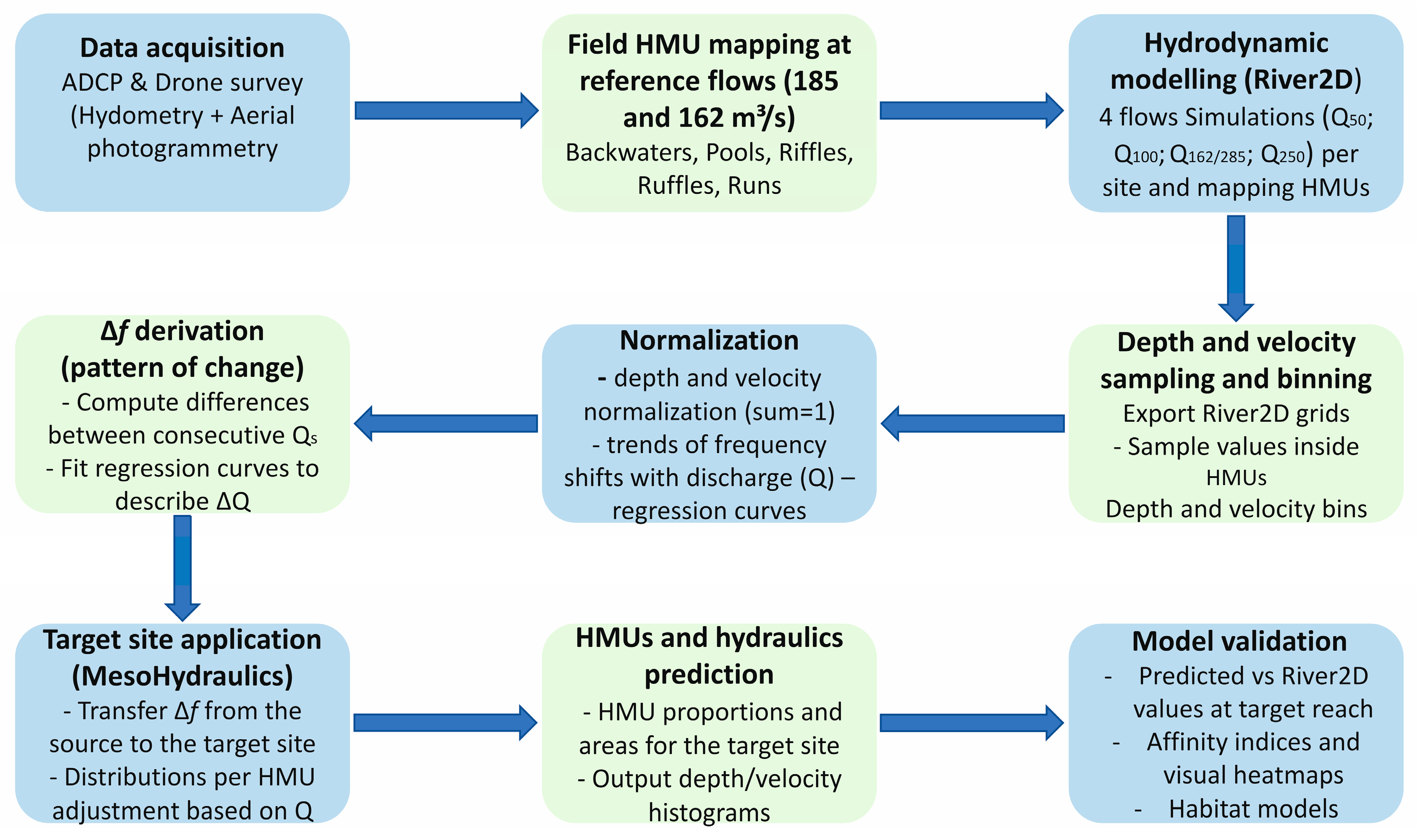
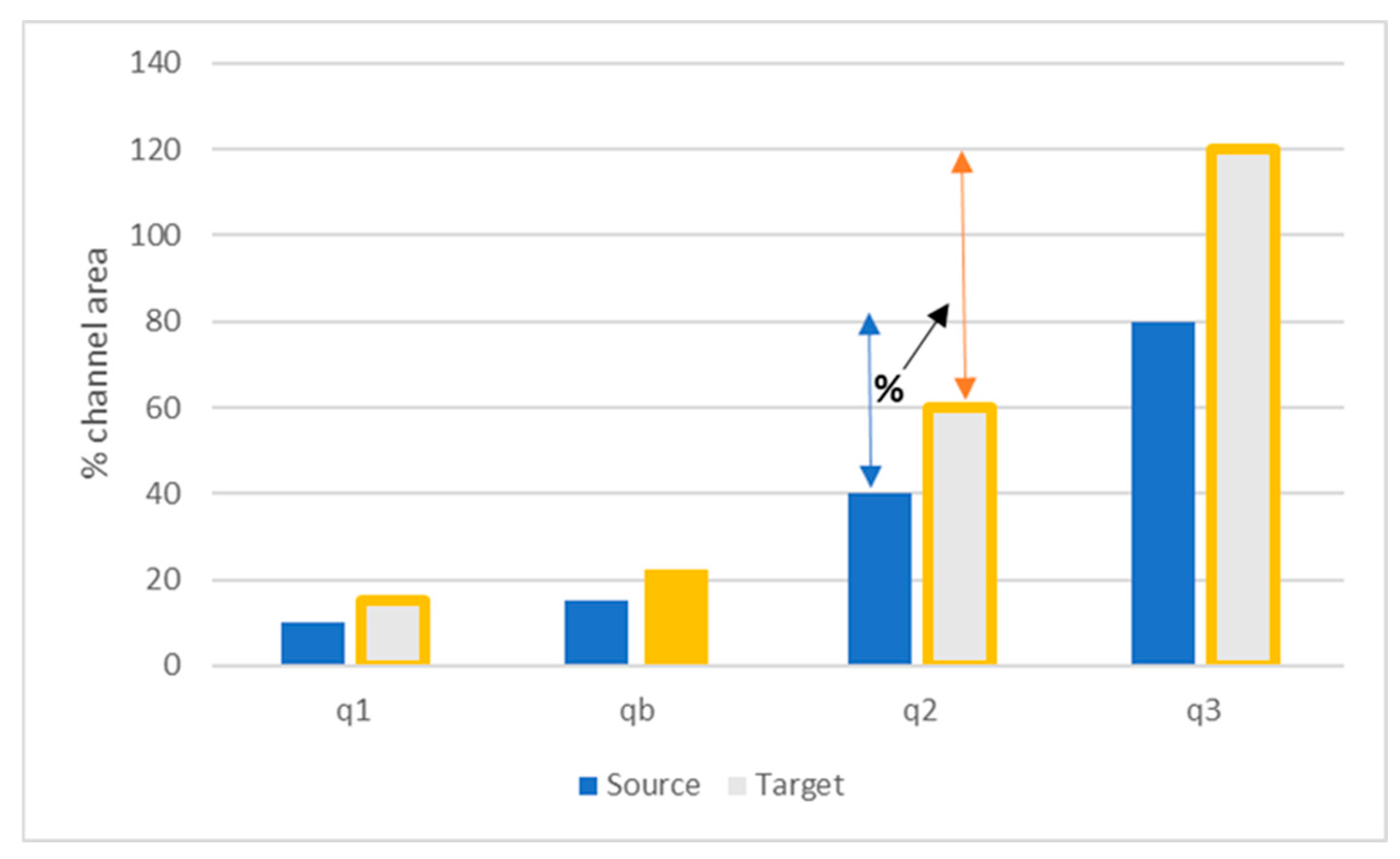
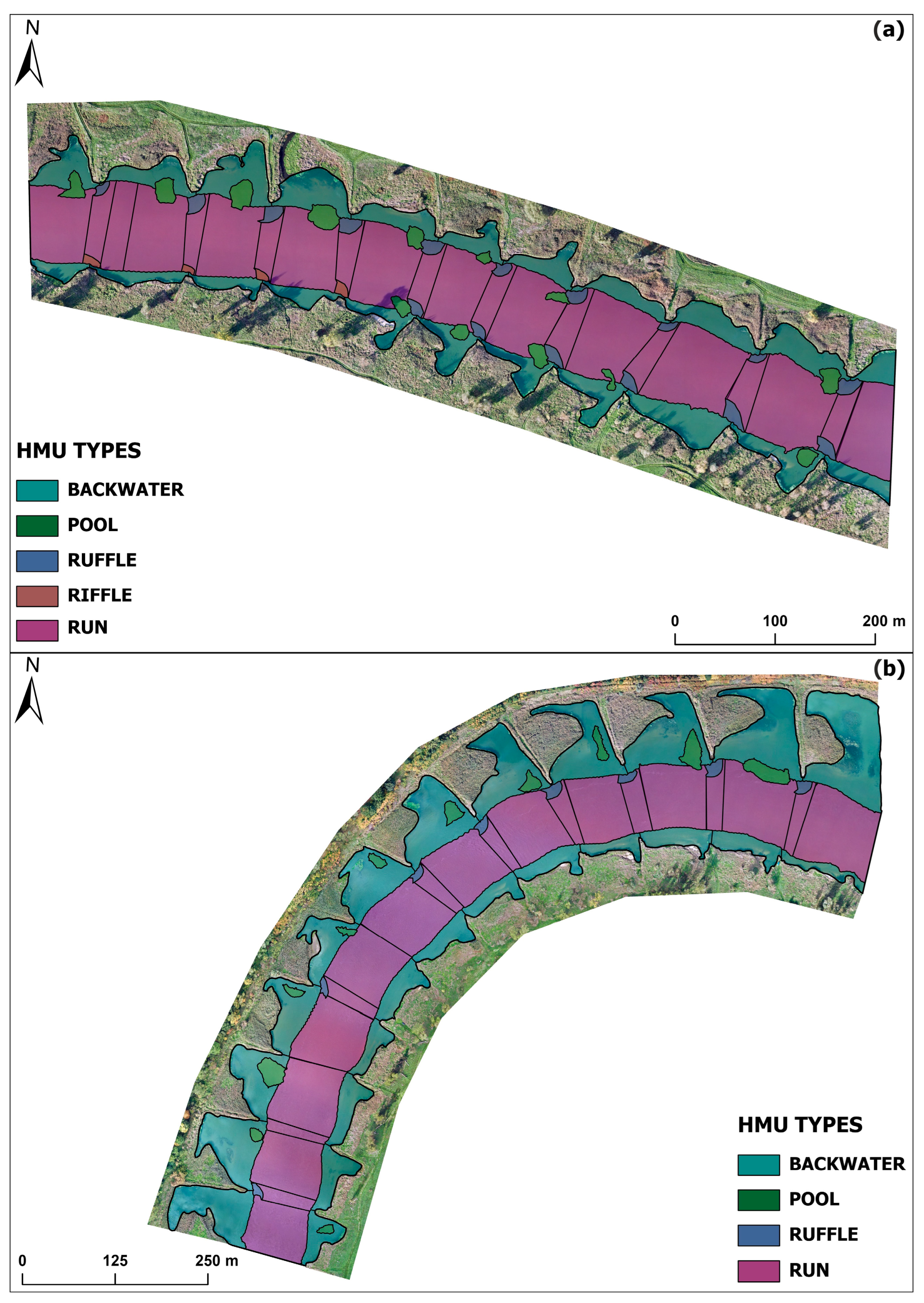
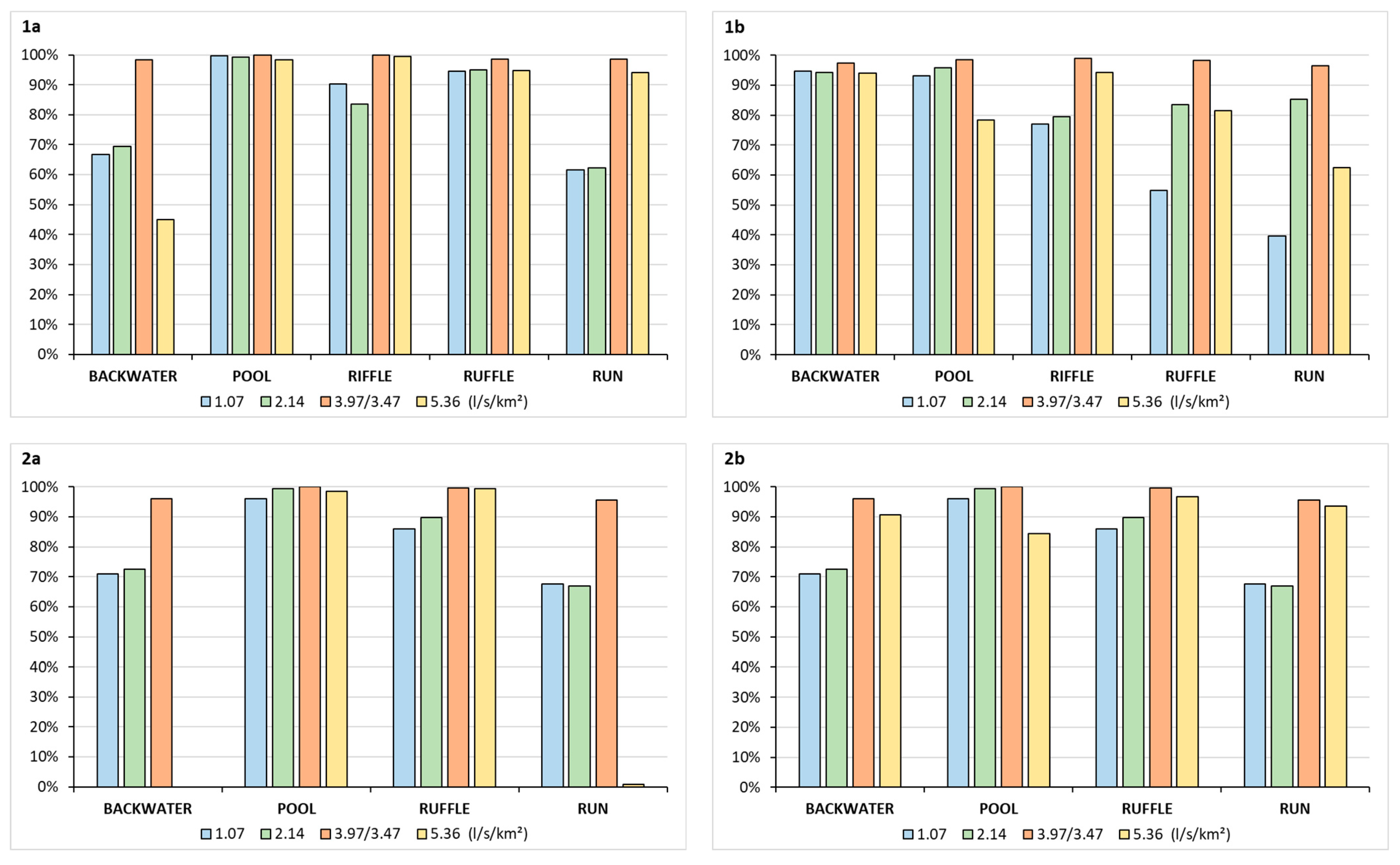
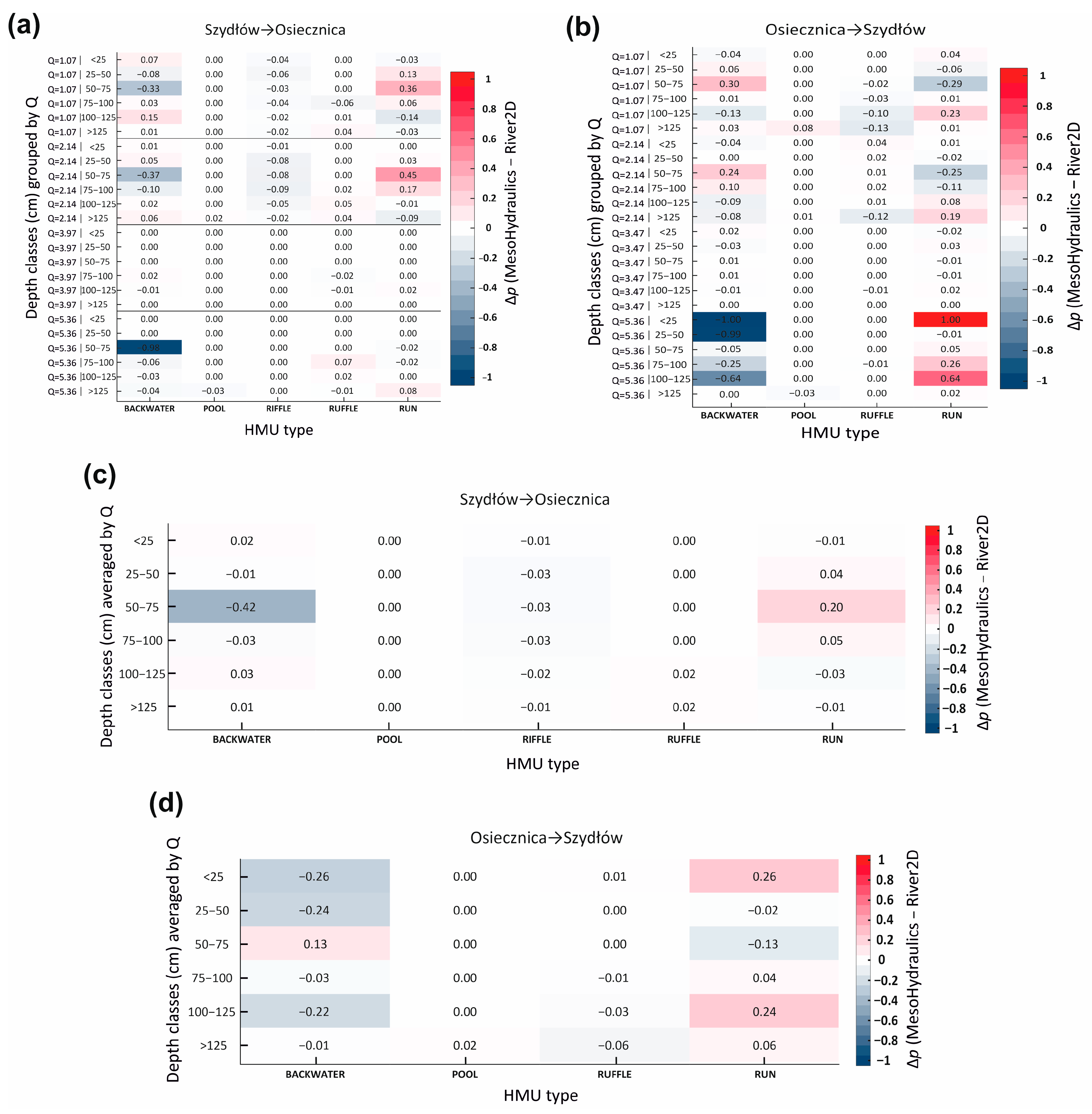
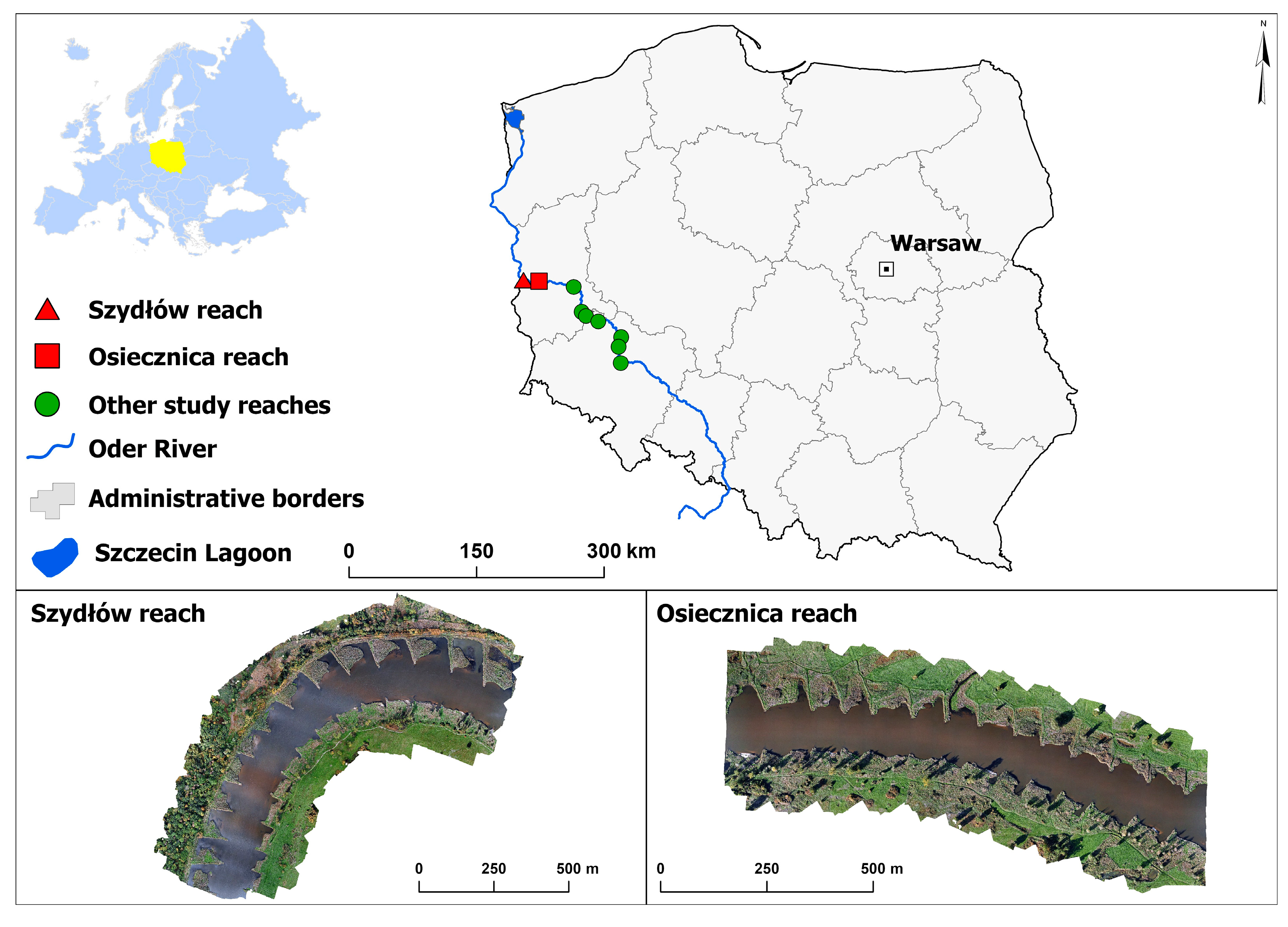
The purpose of this study is to enhance the performance of the mesohabitat model MesoHABSIM by lowering the necessary hydraulic modelling effort. This proof-of-concept study tests an application of the MesoHydraulics model to simulate the hydraulic characteristics of hydromorphological units (HMUs) occurring in a regulated river at different low discharges. In this quantitative approach, hydraulic patterns are transferred from a source site, where depth and velocity distributions were derived from field measurements and a 2D hydrodynamic model, to a target site, where only a single field hydrometric survey was conducted. Instead of modelling changes in individual hydraulic measurement values to estimate hydraulic responses to discharge, the model relies on statistical distributions of these values within HMUs. We were testing whether changes in the distribution of HMU’s and their hydraulics can be transferred between morphologically comparable river sections to serve as a sufficient hydraulic input for mesoscale habitat modelling. The hydrodynamic component of the River2D software (V.0.95a), routinely used in MesoHABSIM, served as a baseline for testing the MesoHydraulic model’s performance and for producing source data for deriving distribution functions. The test was conducted using data from two one-kilometre sites on the upper Oder River (Poland). The model transfers the HMU area distributions, along with corresponding depth and velocity frequency distributions, for a number of flows from one site (the source) to another (the target). The hydraulics at both sites were surveyed under single-discharge conditions. For the source site, the hydrodynamic model was applied to classify the HMU mosaic at three additional discharge stages. At the target reach, the HMU mapping was conducted based on survey data, and statistical frequency functions were used to model distributions of hydraulic patterns at discharges modelled for the source. The hydraulic model’s performance was evaluated at the target reach by comparing simulated hydraulics and HMU patterns with those modelled using River2D. Finally, both models were used to calculate habitat availability for the fish communities, and dissimilarities were observed. The resulting hydraulic distributions were similar, with an average affinity index of 90%. Higher affinity indices were reached at flows close to the measured value, with increasing model disagreement toward flow extremes, most notably for Run and Backwater units. Regardless, habitat models for the fish community were also highly correlated with R2 = 0.98 for amounts of suitable habitat and almost identical habitat distribution among the species. Yet, the MesoHydraulics-based model slightly, but consistently, overestimated habitat availability. While the model was tested in a large and regulated river system, its accuracy may vary depending on the natural river morphology. Further research should evaluate modelling uncertainties and their applicability in less-modified water bodies.
Keywords: MesoHABSIM; hydrodynamic modelling; statistical hydraulic model; HMUs; Oder River MesoHABSIM; hydrodynamic modelling; statistical hydraulic model; HMUs; Oder River