Article

Numerical Investigation on the Effect of Avenue Trees on PM2.5 Dispersion in Urban Street Canyons


1
College of Landscape Architecture & Arts, Northwest A&F University, Yangling 712100, China
2
Department of Building Science, School of Architecture, Tsinghua University, Beijing 100084, China
3
Beijing Key Laboratory of Indoor Air Quality Evaluation and Control, Tsinghua University, Beijing 100084, China
*
Author to whom correspondence should be addressed.
Atmosphere 2017, 8(7), 129; https://doi.org/10.3390/atmos8070129
Submission received: 14 June 2017 / Revised: 14 July 2017 / Accepted: 17 July 2017 / Published: 19 July 2017
(This article belongs to the Special Issue Urban Air Pollution)

Abstract

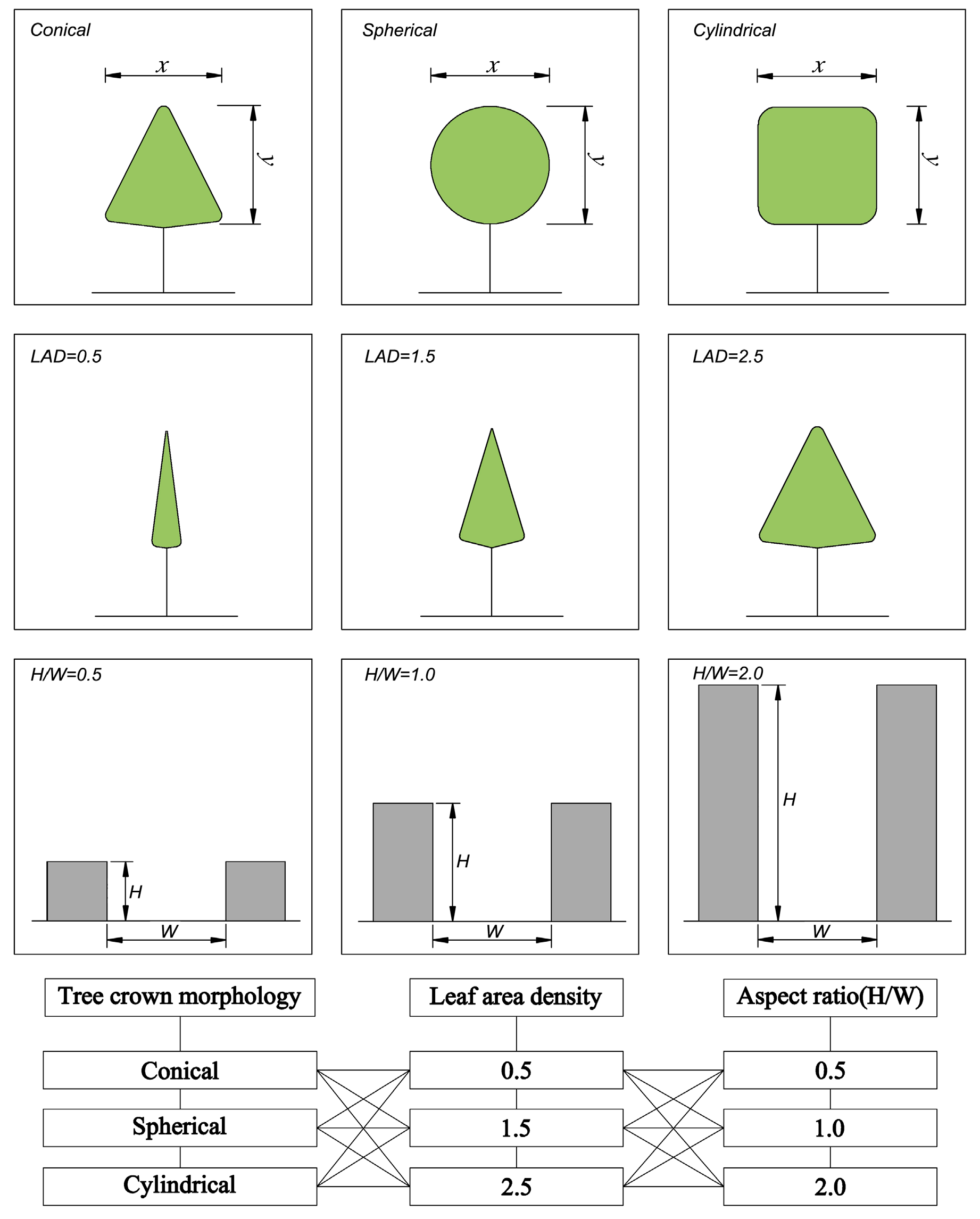
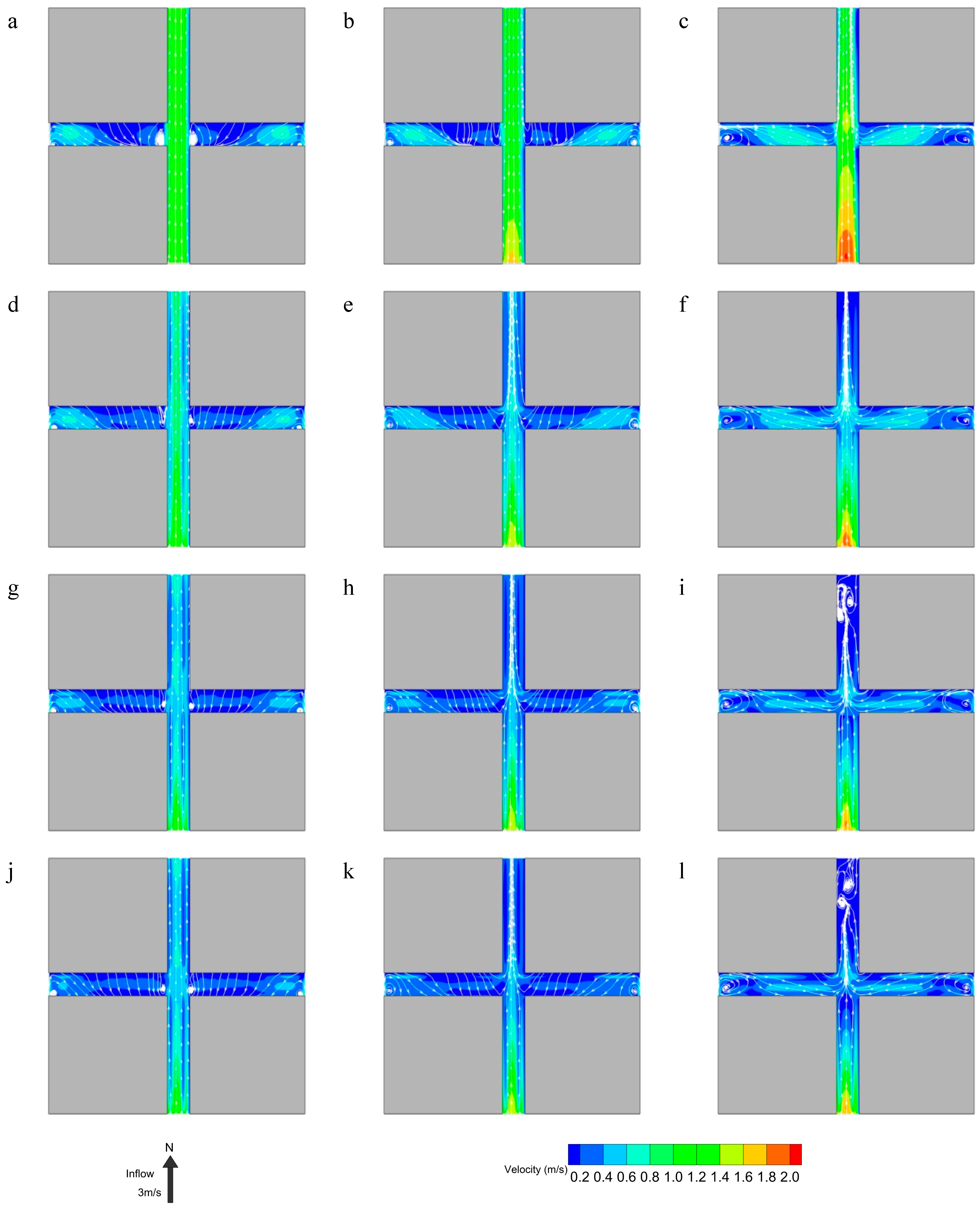
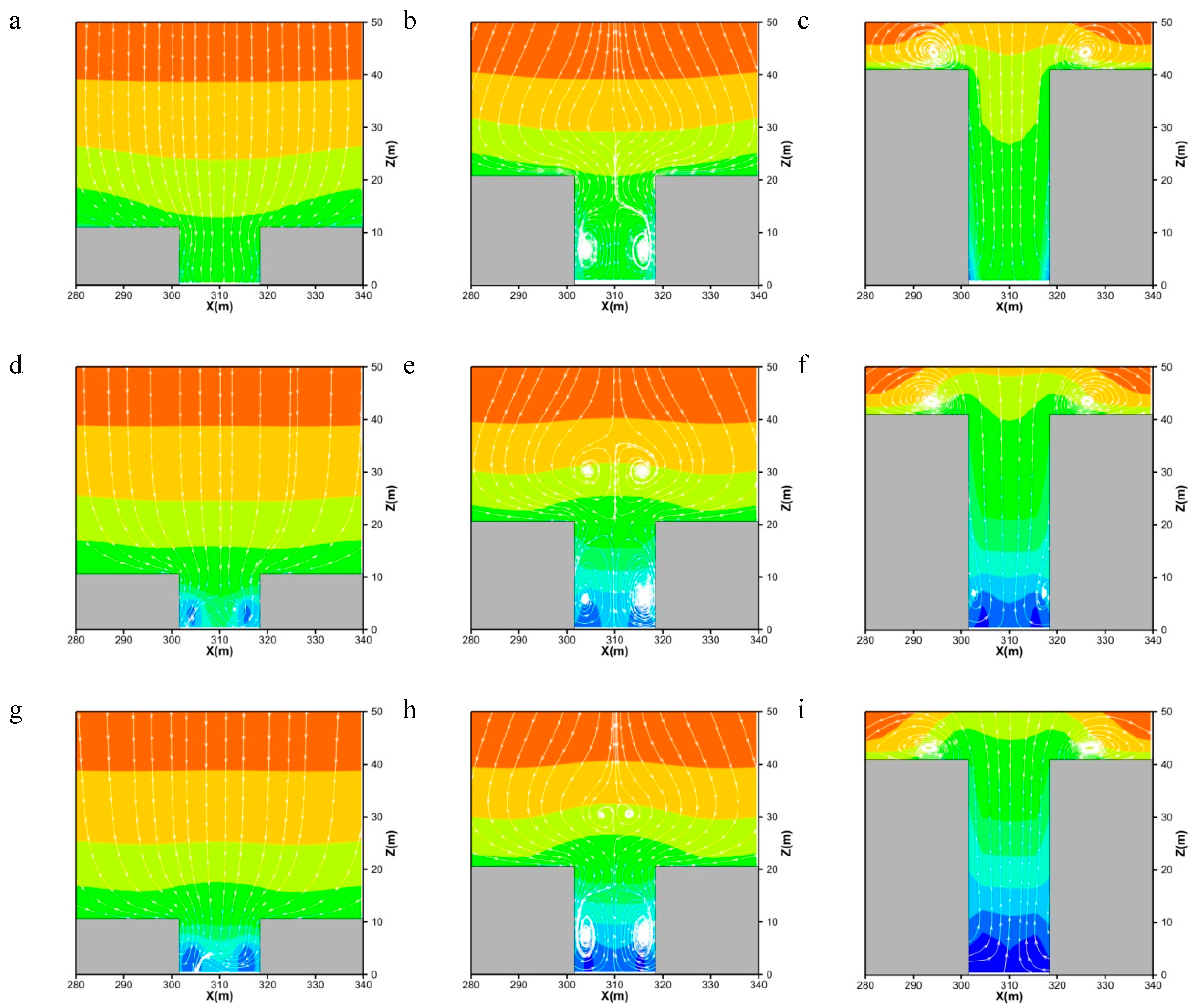
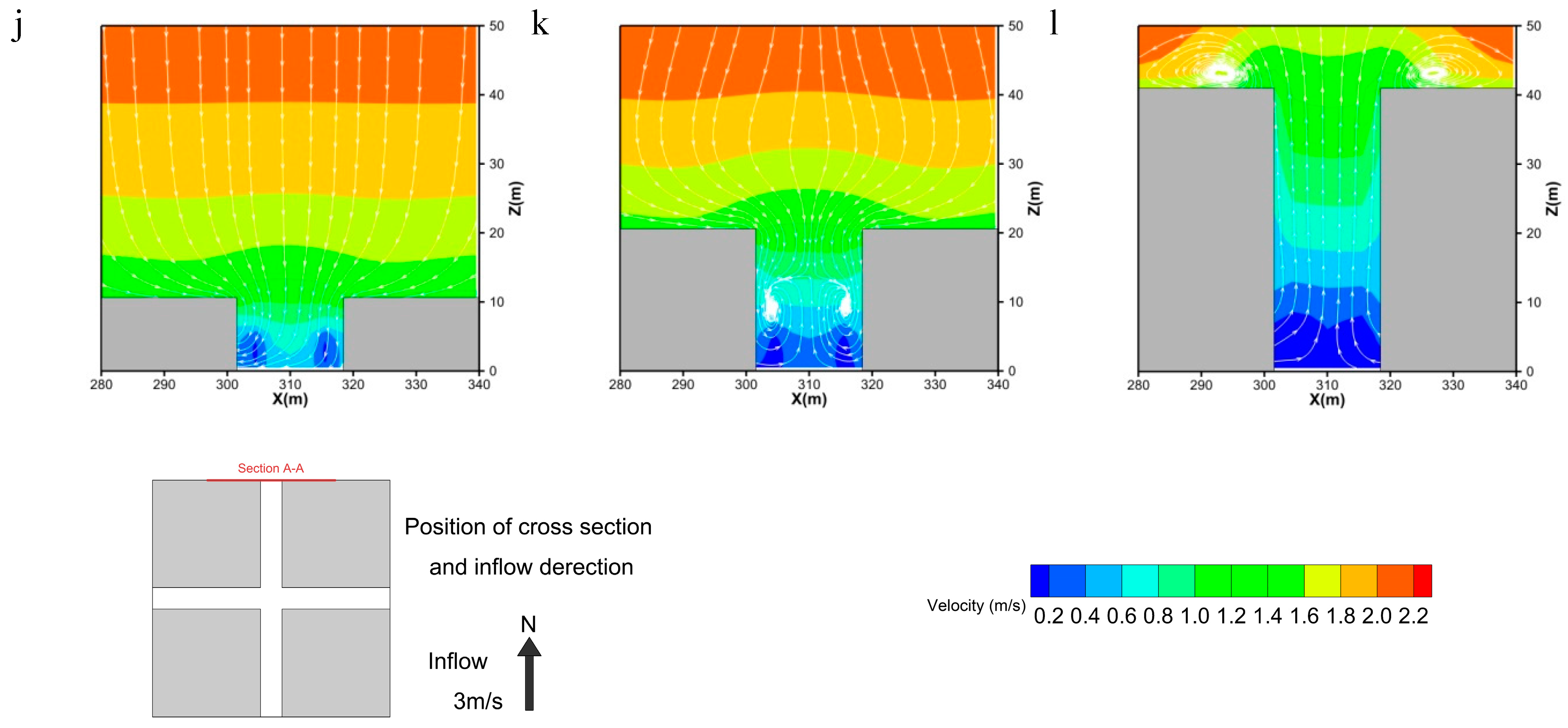
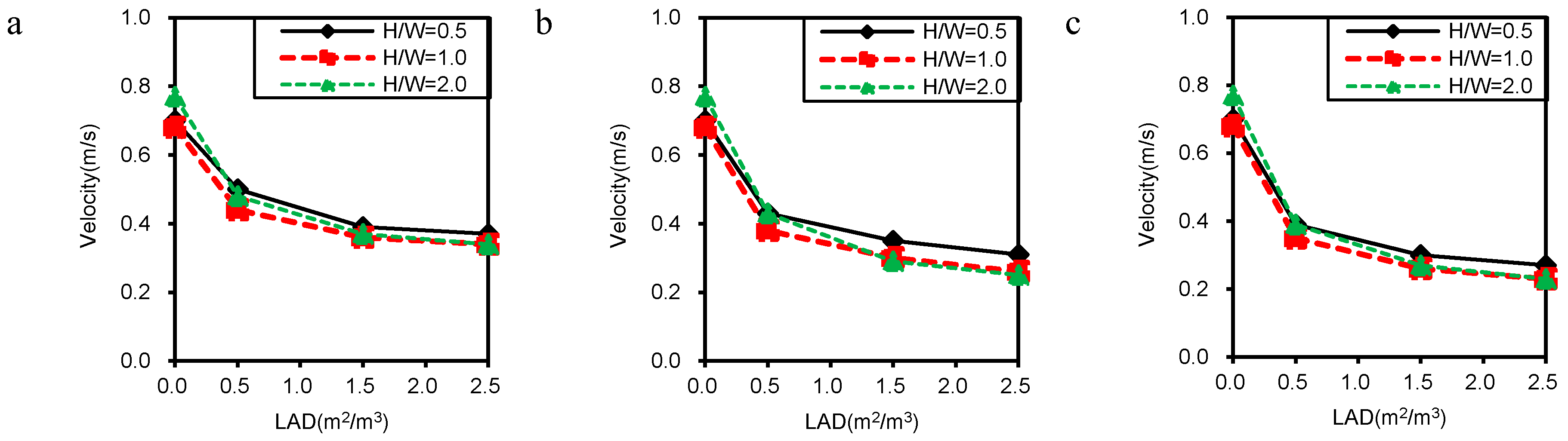
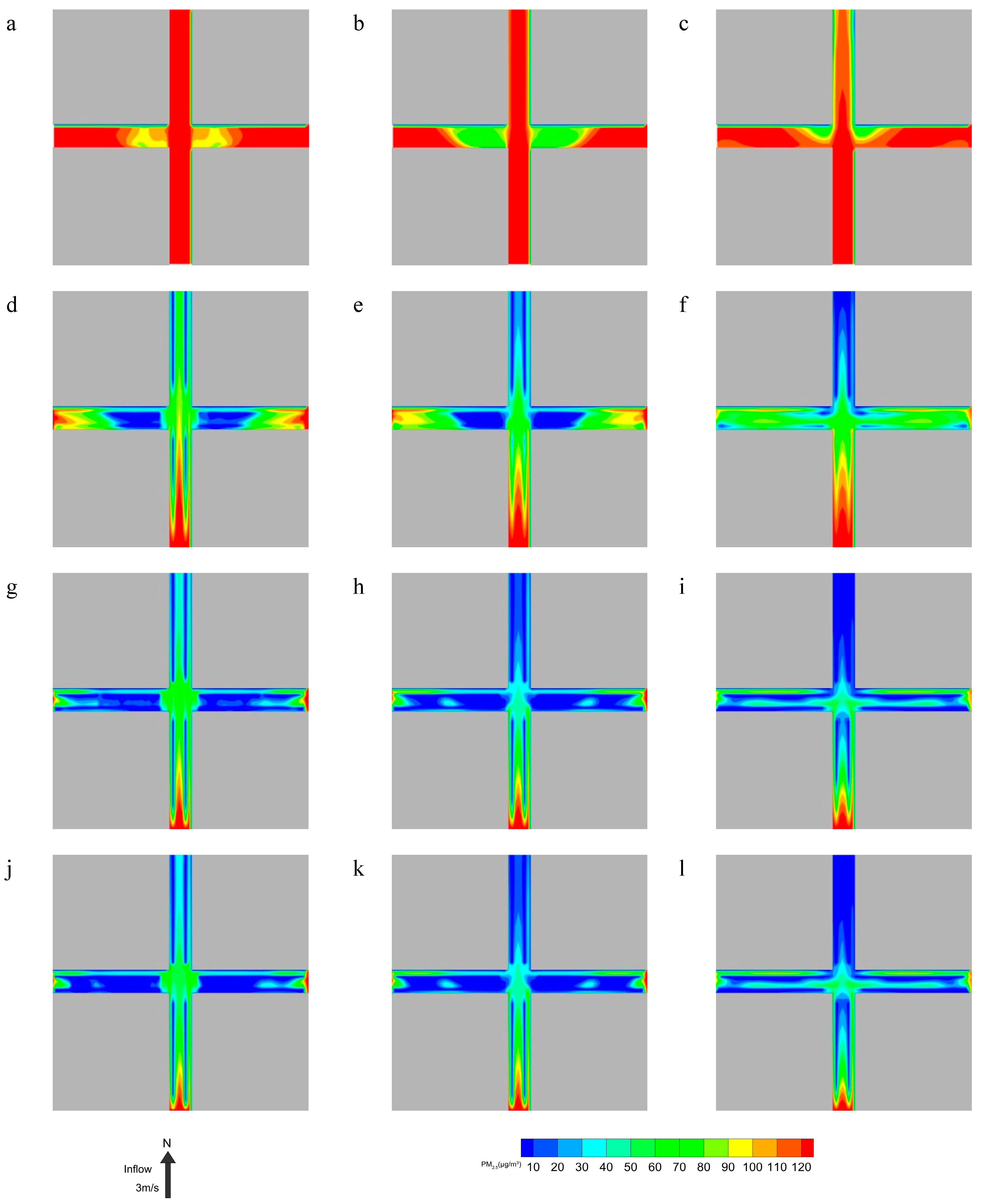
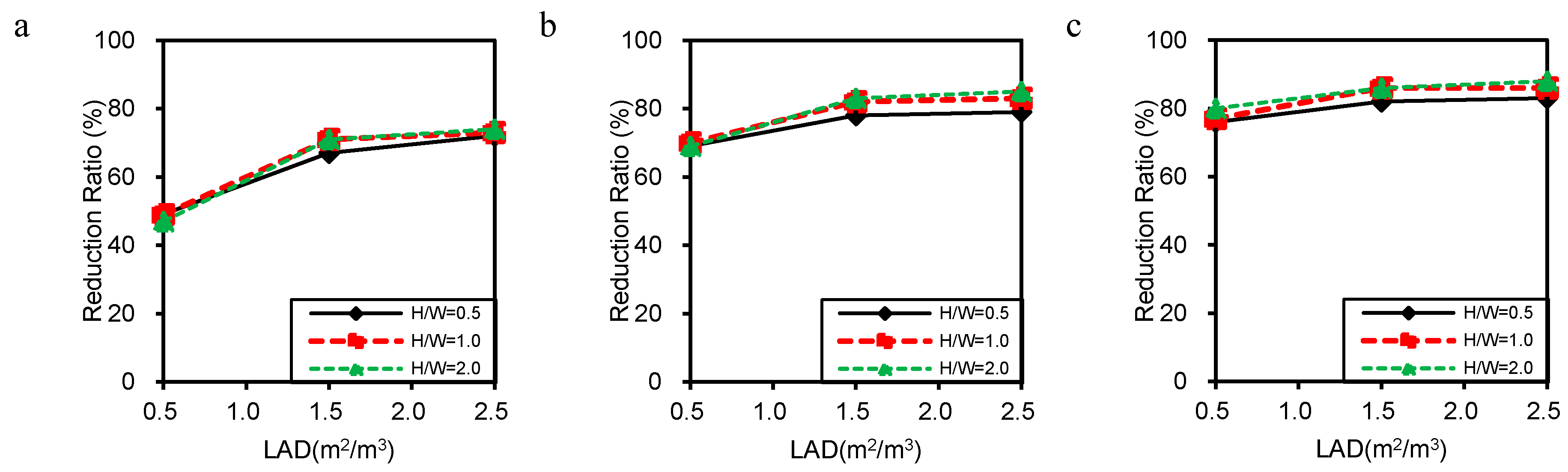
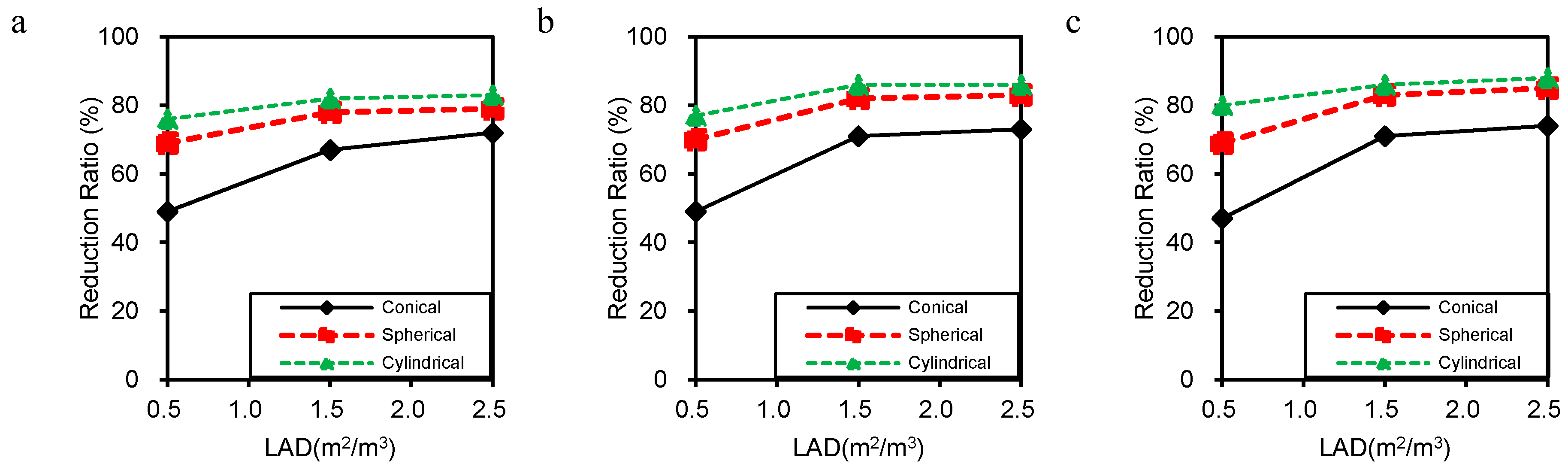
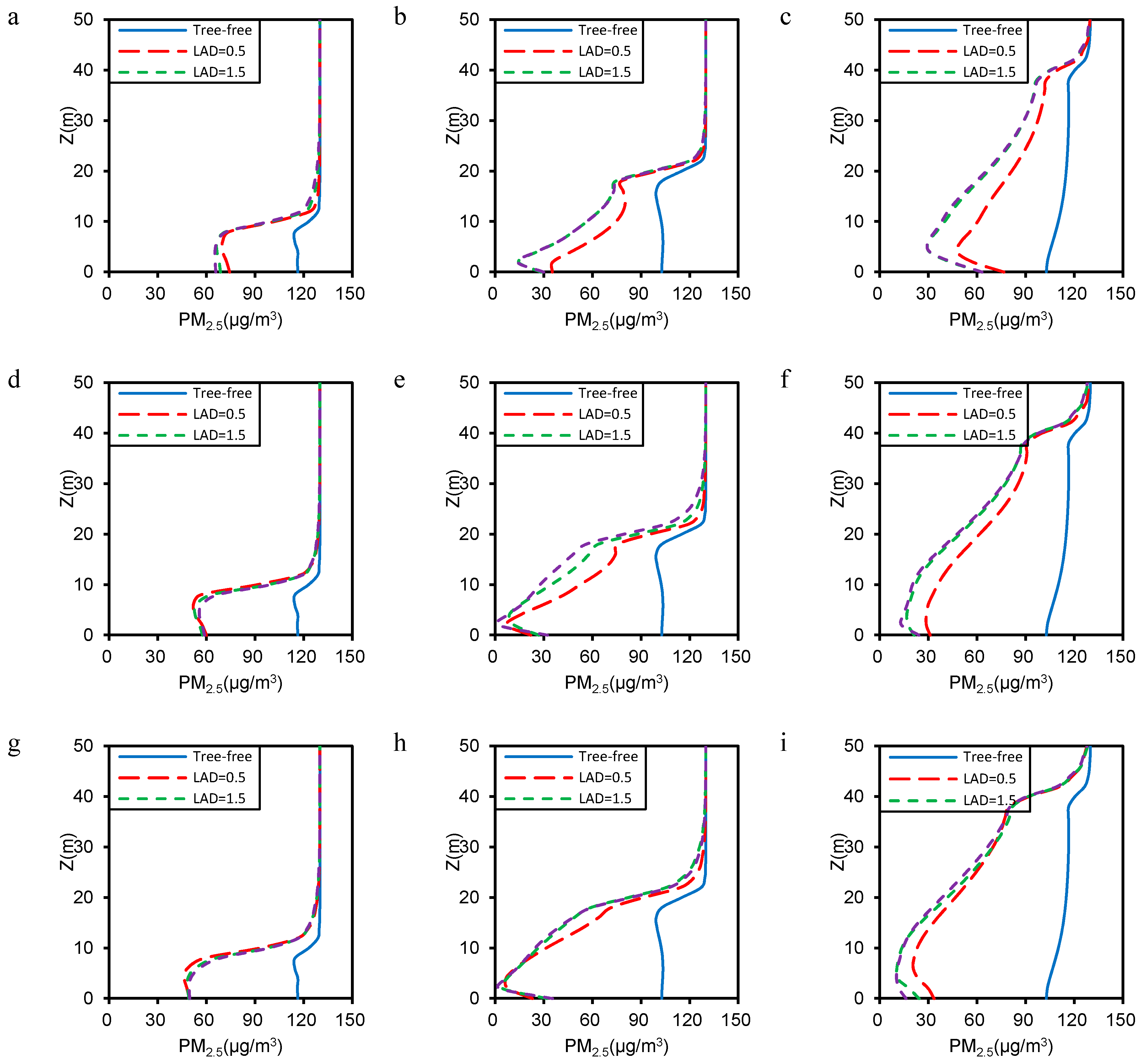
The Reynolds-averaged Navier-Stokes (RANS) model and revised generalized drift flux model were used to investigate the characteristics of airflow fields and PM2.5 dispersion in street canyons with a variety setting on tree crown morphologies (i.e., conical, spherical, and cylindrical), leaf area densities (LADs = 0.5, 1.5, and 2.5 m2/m3), and street canyon aspect ratios (H/W = 0.5, 1.0, and 2.0). Results were as follows: (1) airflow fields were reversed in the presence of trees and enhanced with higher LAD; (2) air velocity decreased negligibly when LAD increased from 1.5 to 2.5, but significantly when LAD increased from 0.5 to 1.5; (3) tree crown morphologies, building aspect ratios, and LADs were interrelated. The comparison of PM2.5 showed that the most critical situations in H/W = 0.5, 1.0, and 2.0 corresponded to LAD = 0.5 with a conical canopy; (4) the H/W = 1.0 and LAD = 1.5 scenario was identified as the most efficient combination for PM2.5 capture; (5) the maximum PM2.5 reduction ratio was ordered from low to high in the sequence of conical, spherical, and cylindrical canopies. At predestinated LADs and aspect ratio, Populus tomentosa with cylindrical crown morphology exhibited the best efficiency on PM2.5 capture with a reduction ratio of 75% to 85% at pedestrian height.
Keywords: computational fluid dynamics (CFD); PM2.5; tree crown morphology; leaf area density (LAD); urban street canyon computational fluid dynamics (CFD); PM2.5; tree crown morphology; leaf area density (LAD); urban street canyon