RFXANK: A Novel Immune-Related Biomarker for Hepatocellular Carcinoma


Abstract
1. Introduction
2. Materials and Methods
2.1. Data Sources and Preprocessing
2.2. Differential Expression Analysis of RFXANK
2.3. Differential Gene Expression Analysis and Correlation Analysis of RFXANK
2.4. Clinical Correlation Analysis and Survival Prognosis of RFXANK Expression
2.5. Functional Enrichment Analysis of RFXANK in LIHC
2.6. Immunoinfiltration Analysis of RFXANK
2.7. Protein–Protein Interaction Analysis
2.8. Cell Lines and Culture
2.9. Cell Transfection
2.10. Real Time-PCR
2.11. Cell Proliferation Assay
2.12. Western Blotting
2.13. Statistical Analysis
3. Results
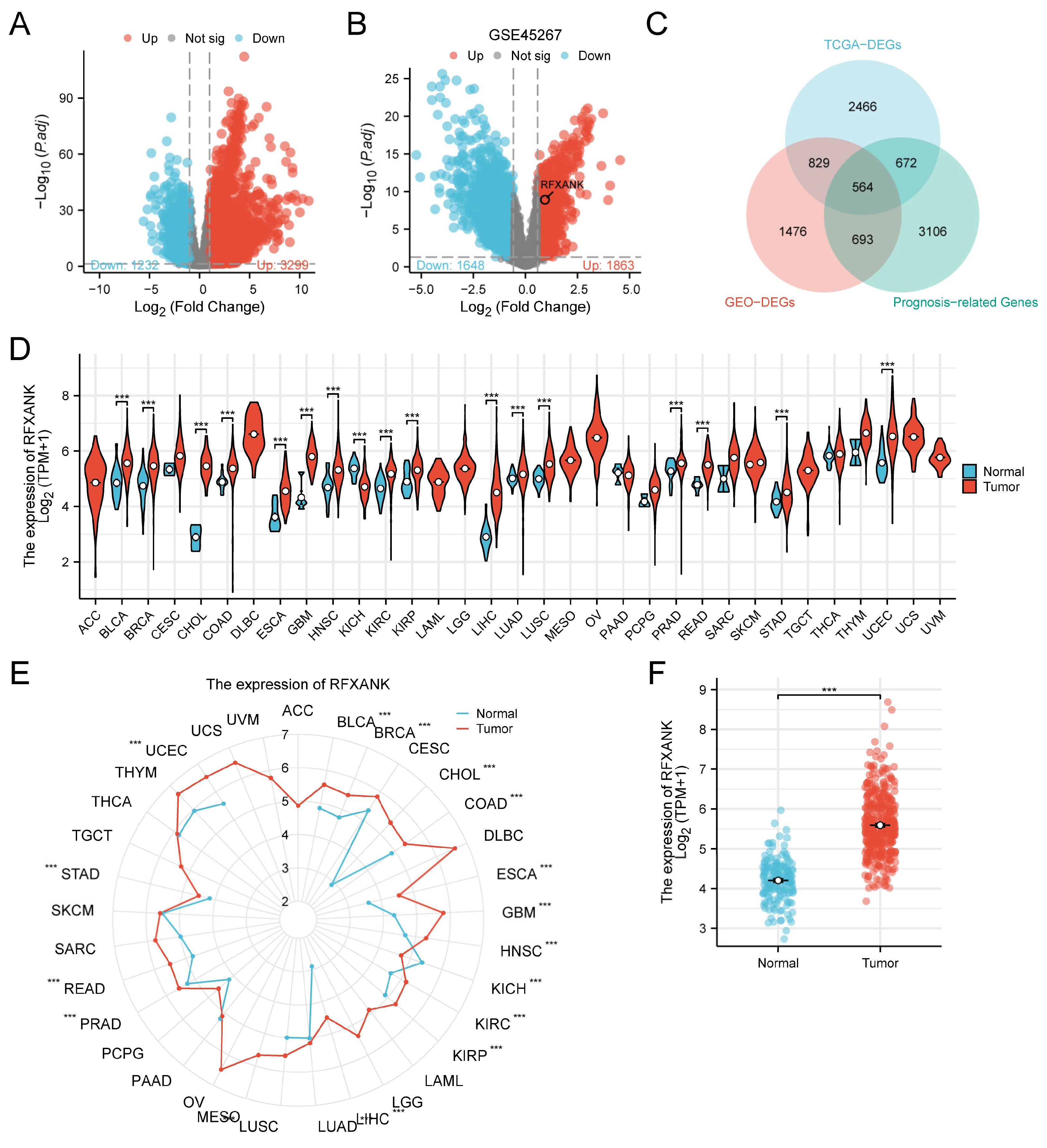
3.1. Screening and Identification of Target Genes
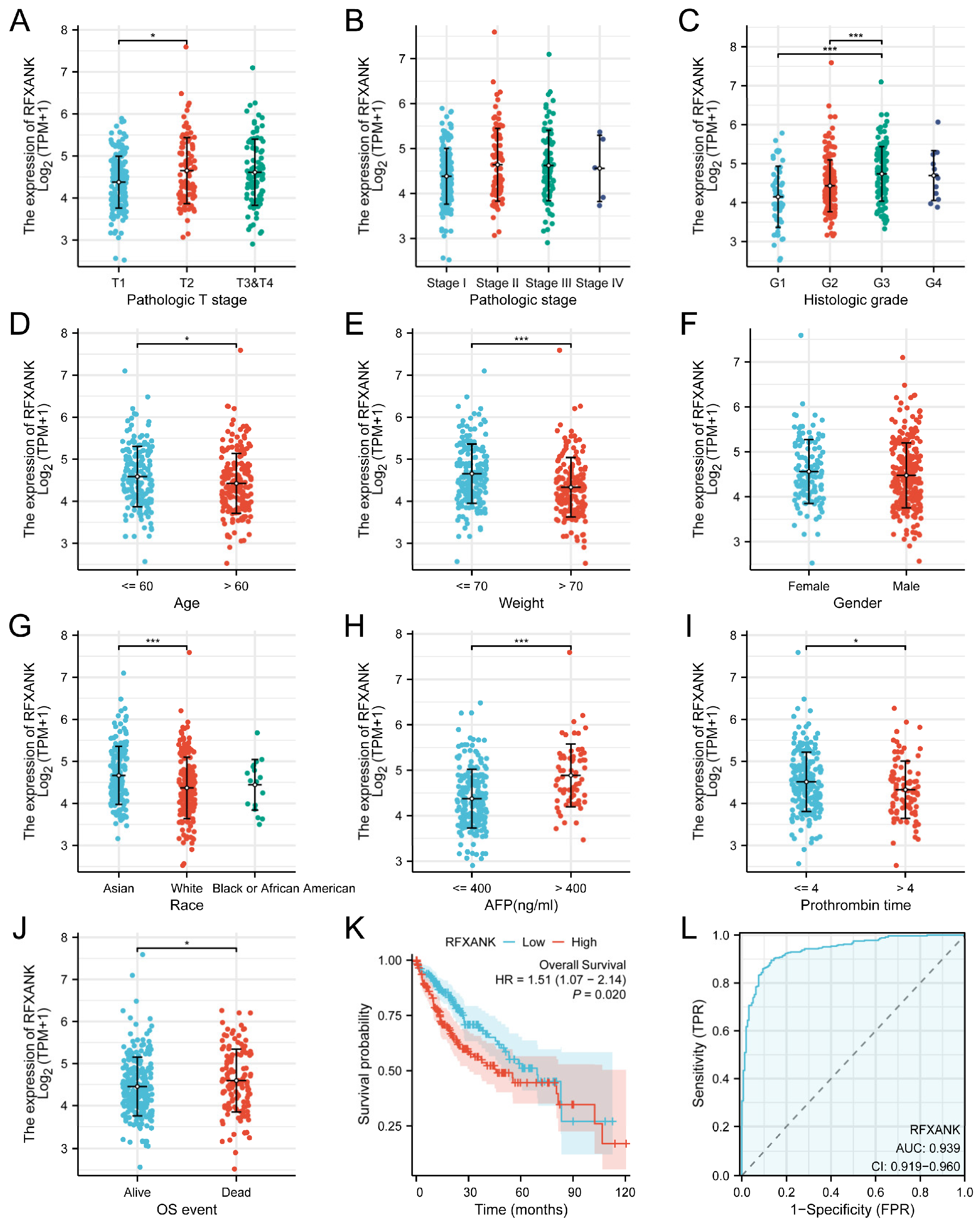
3.2. Correlation Between RFXANK Expression and Clinicopathological Parameters
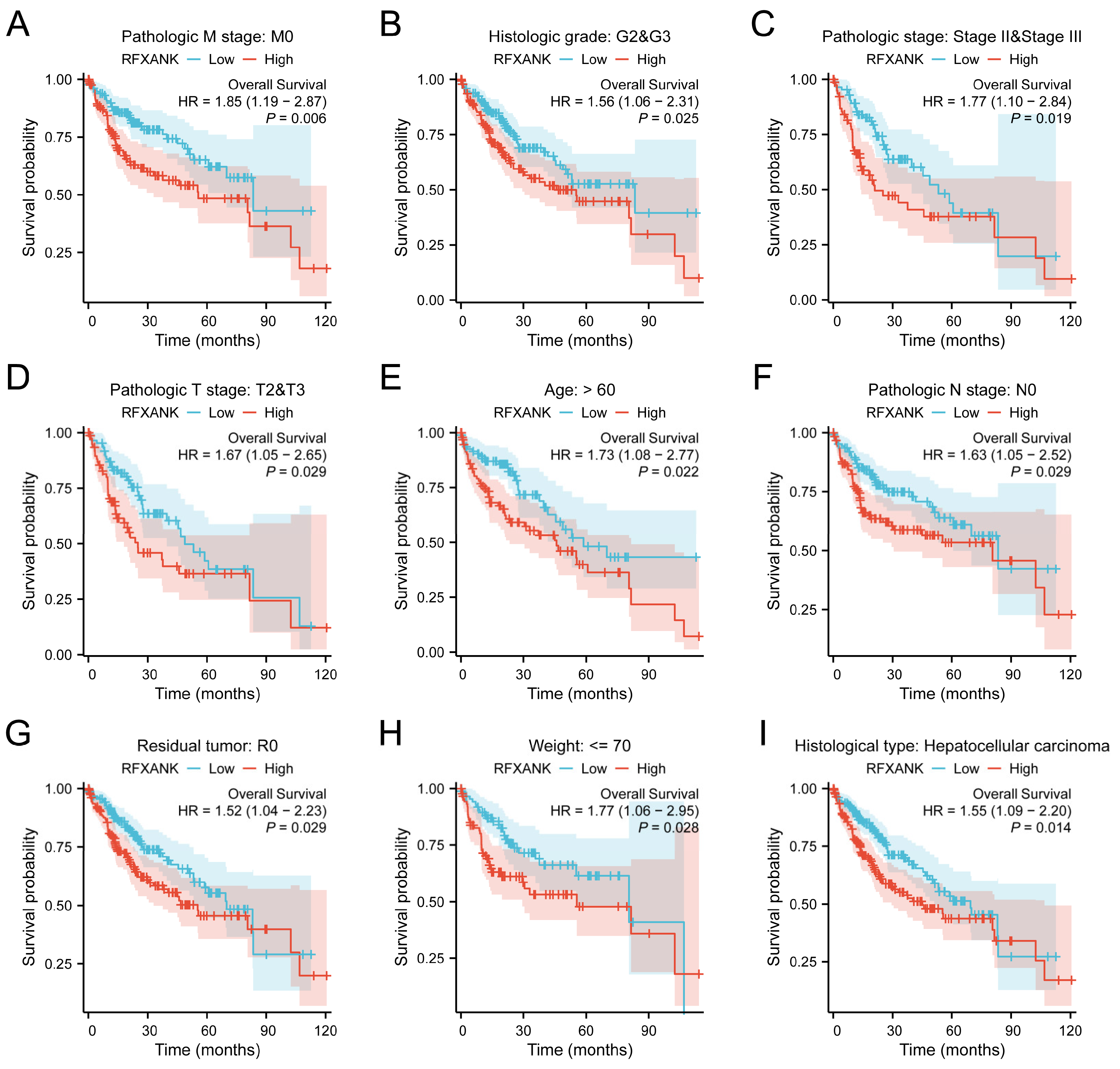
3.3. Subgroup Analysis of RFXANK Expression and Survival Prognosis
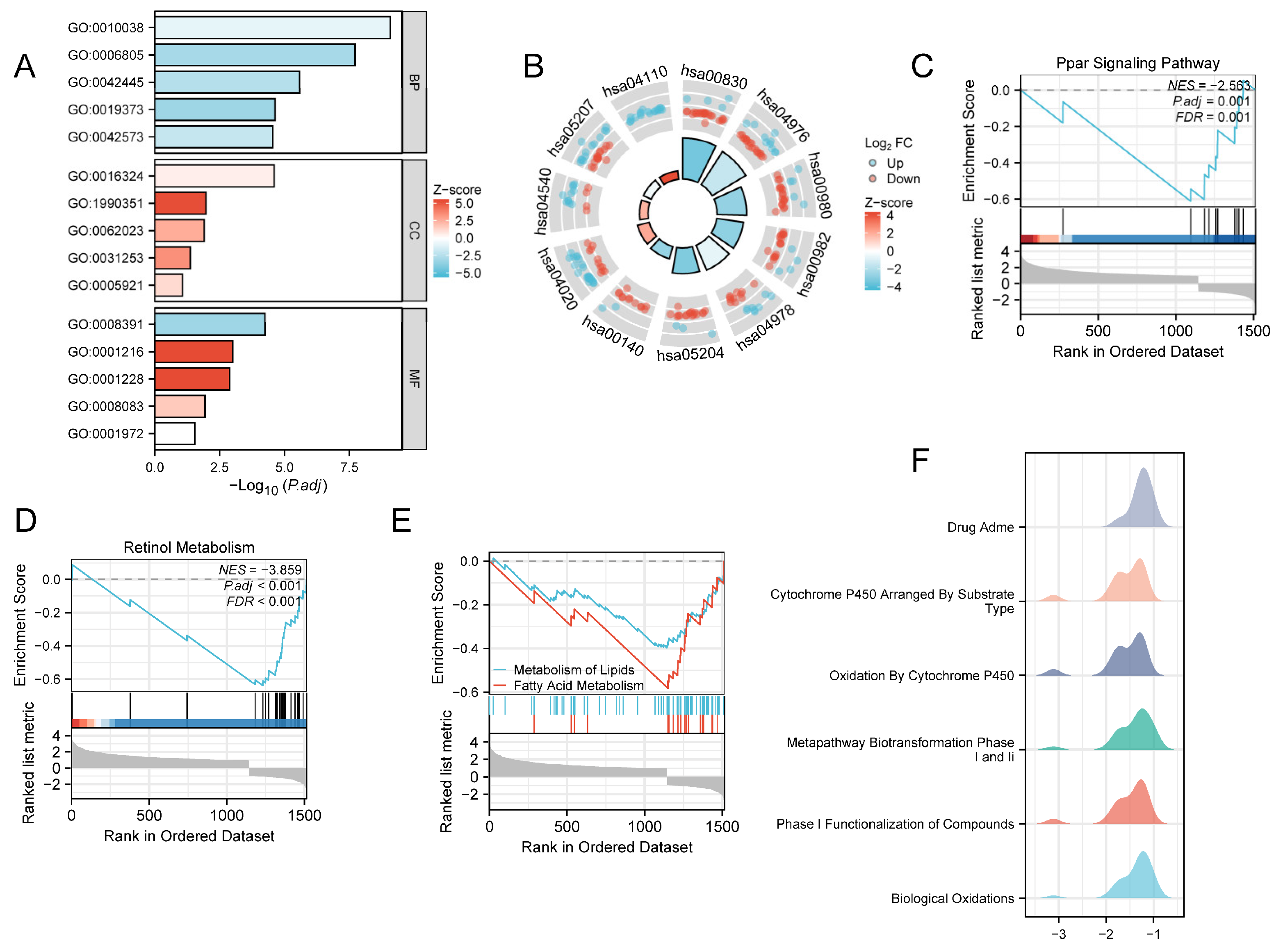
3.4. Enrichment Analysis
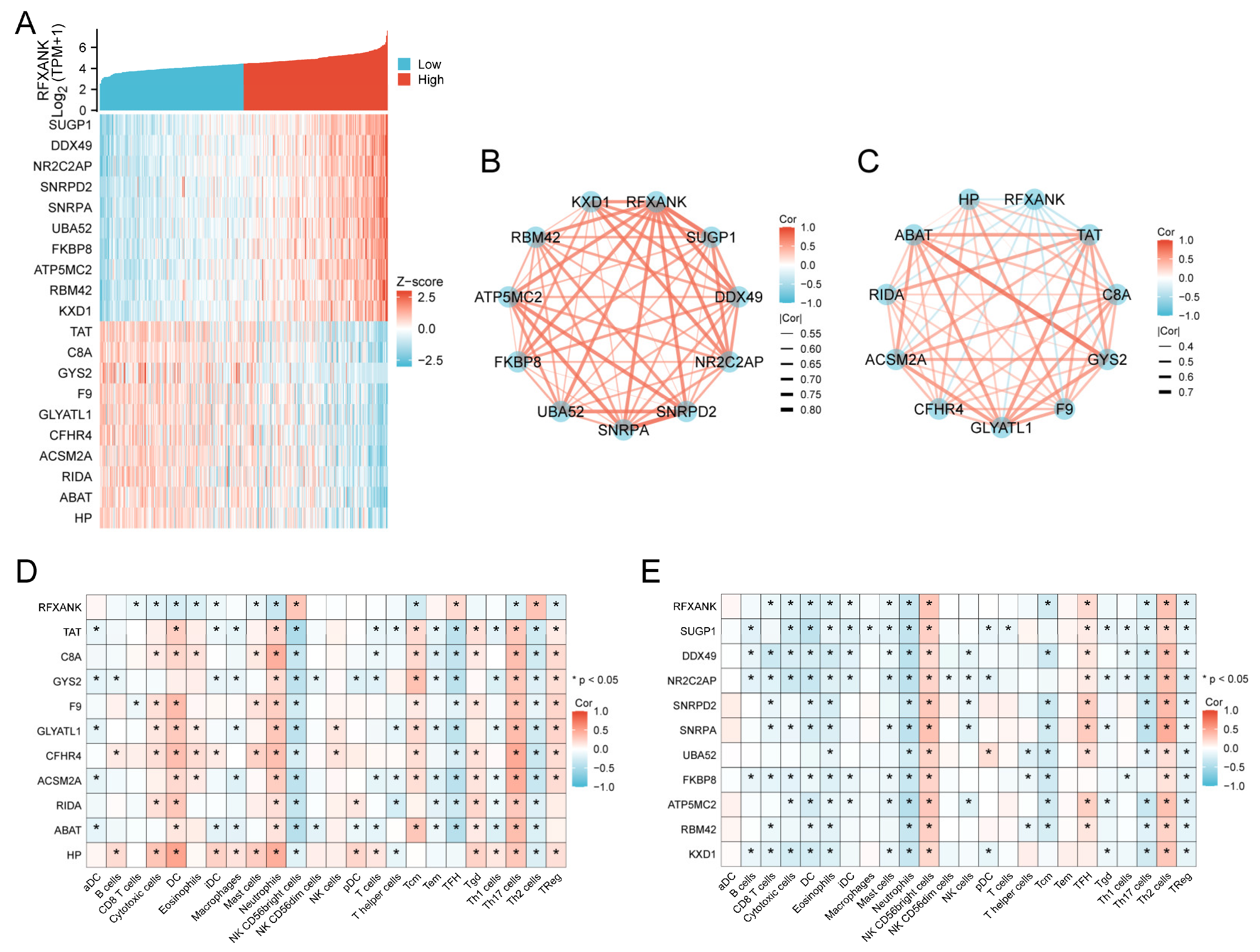
3.5. Correlation Analysis
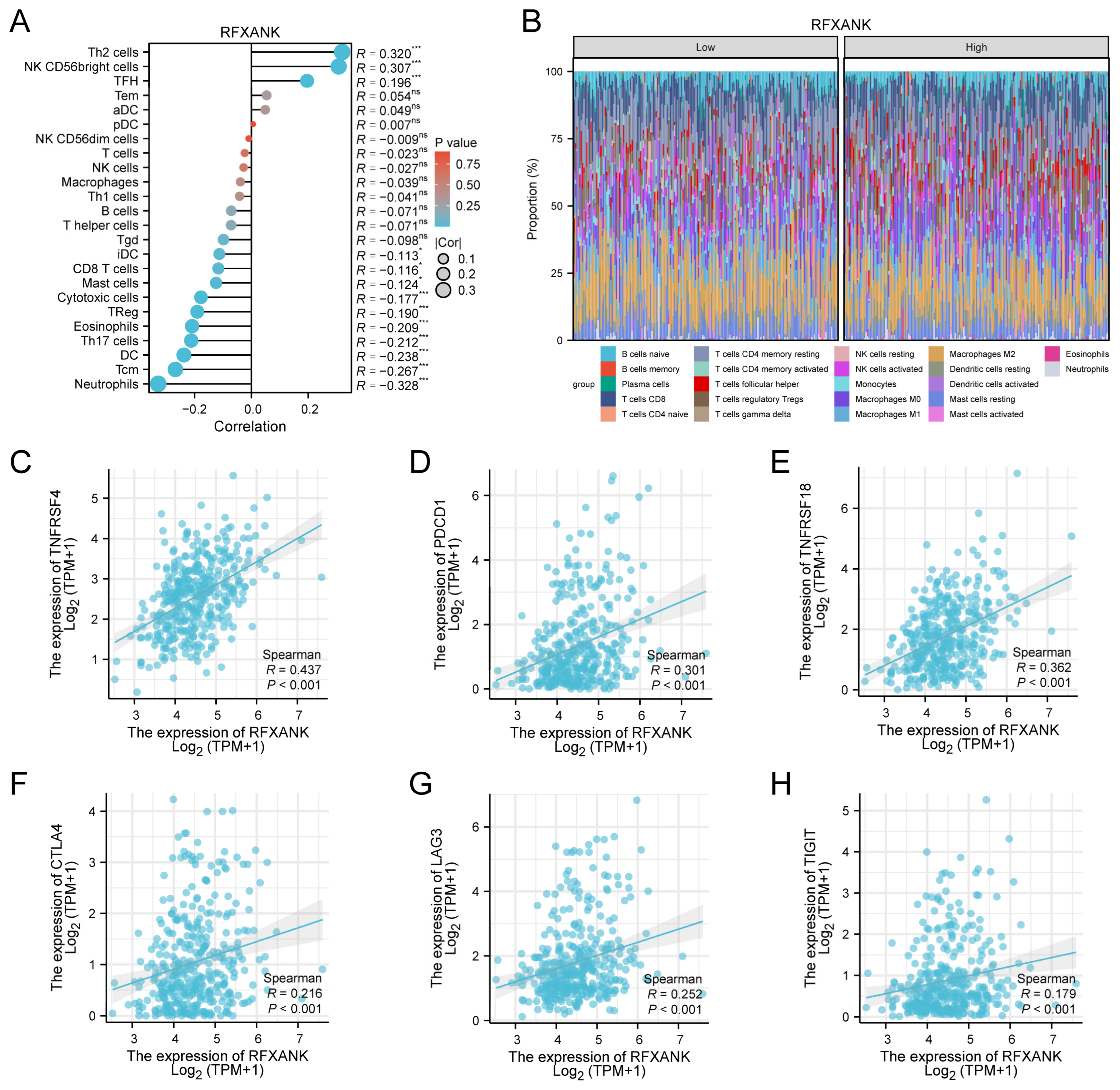
3.6. Immune Infiltration Analysis and Correlation with Immune Checkpoints
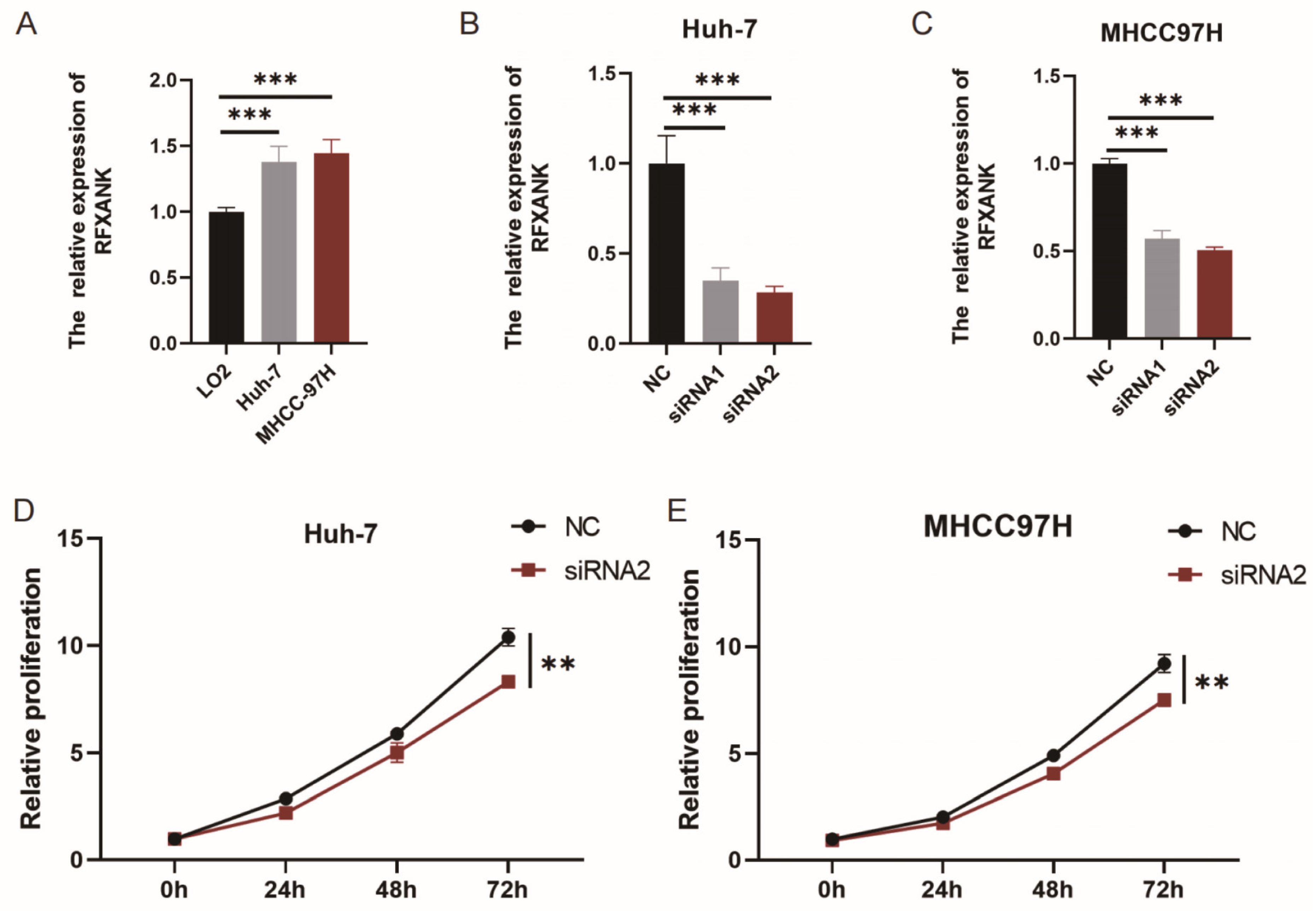
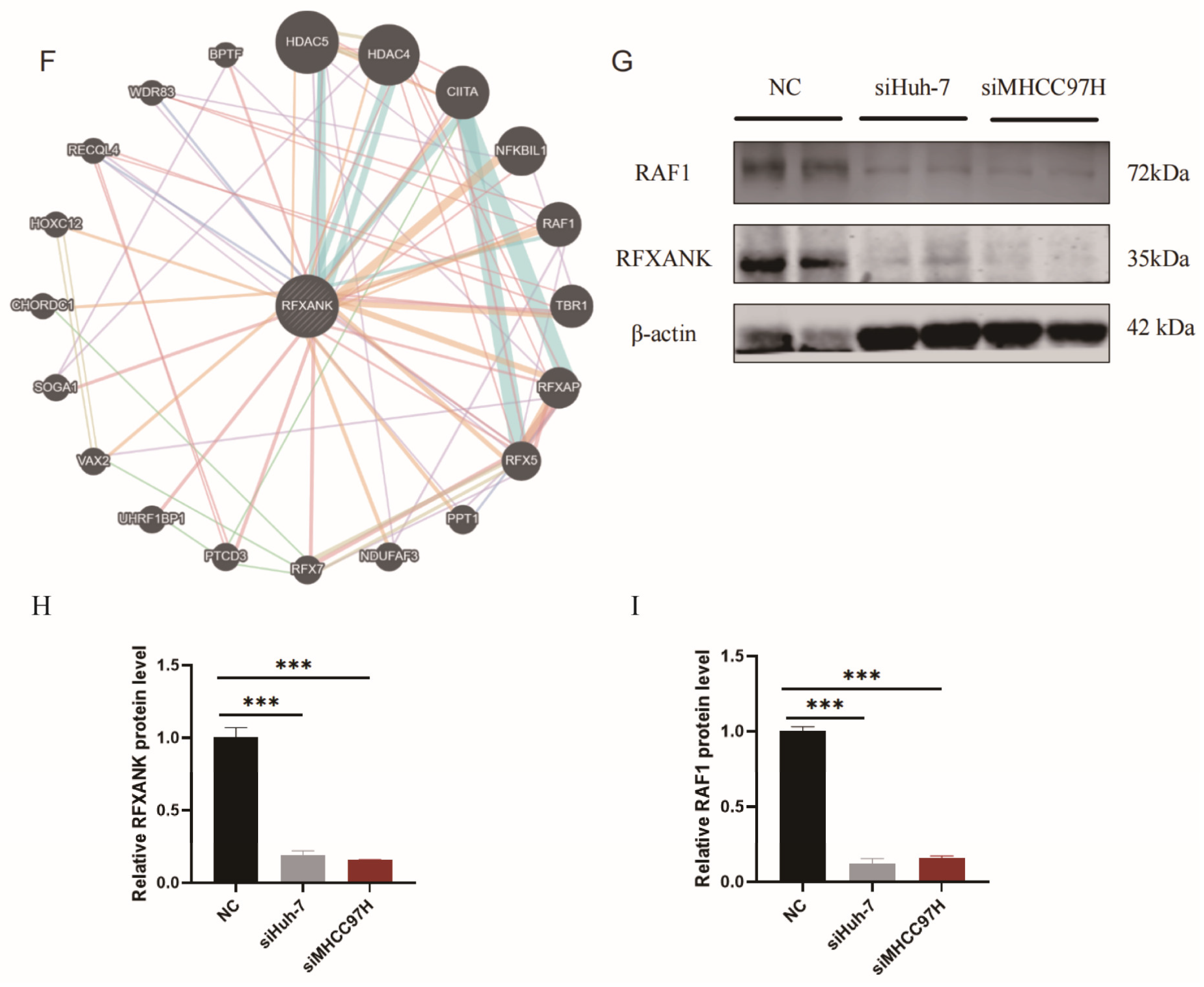
3.7. Effects of RFXANK Knockdown on Hepatocellular Carcinoma Cells
4. Discussion
Limitations
5. Conclusions
Supplementary Materials
Author Contributions
Funding
Institutional Review Board Statement
Informed Consent Statement
Data Availability Statement
Conflicts of Interest
References
- Petrick, J.L.; Florio, A.A.; Znaor, A.; Ruggieri, D.; Laversanne, M.; Alvarez, C.S.; Ferlay, J.; Valery, P.C.; Bray, F.; McGlynn, K.A. International trends in hepatocellular carcinoma incidence, 1978–2012. Int. J. Cancer 2020, 147, 317–330. [Google Scholar] [CrossRef] [PubMed]
- Ferlay, J.; Soerjomataram, I.; Dikshit, R.; Eser, S.; Mathers, C.; Rebelo, M.; Parkin, D.M.; Forman, D.; Bray, F. Cancer incidence and mortality worldwide: Sources, methods and major patterns in GLOBOCAN 2012. Int J Cancer 2015, 136, E359–E386. [Google Scholar] [CrossRef] [PubMed]
- Akce, M.; El-Rayes, B.F.; Wajapeyee, N. Combinatorial targeting of immune checkpoints and epigenetic regulators for hepatocellular carcinoma therapy. Oncogene 2023, 42, 1051–1057. [Google Scholar] [CrossRef] [PubMed]
- Dominguez, D.A.; Wong, P.; Melstrom, L.G. Existing and emerging biomarkers in hepatocellular carcinoma: Relevance in staging, determination of minimal residual disease, and monitoring treatment response: A narrative review. Hepatobiliary Surg. Nutr. 2024, 13, 39–55. [Google Scholar] [CrossRef]
- Ahn, K.S.; O’Brien, D.R.; Kim, Y.H.; Kim, T.S.; Yamada, H.; Park, J.W.; Park, S.J.; Kim, S.H.; Zhang, C.; Li, H.; et al. Associations of Serum Tumor Biomarkers with Integrated Genomic and Clinical Characteristics of Hepatocellular Carcinoma. Liver Cancer 2021, 10, 593–605. [Google Scholar] [CrossRef]
- Artusa, F.; Lamatsch, S.; Phan, M.D.; Özdirik, B.; Berger, H.; Egerer, M.; Knorr-Klocke, J.; Fischer, J.; Veelken, R.; van Bömmel, F.; et al. Soluble Urokinase Plasminogen Activator Receptor Predicts Survival and Hepatic Decompensation in Advanced Hepatocellular Carcinoma. Liver Int. 2025, 45, e70121. [Google Scholar] [CrossRef]
- Zhang, N.; Yang, X.; Piao, M.; Xun, Z.; Wang, Y.; Ning, C.; Zhang, X.; Zhang, L.; Wang, Y.; Wang, S.; et al. Biomarkers and prognostic factors of PD-1/PD-L1 inhibitor-based therapy in patients with advanced hepatocellular carcinoma. Biomark. Res. 2024, 12, 26. [Google Scholar] [CrossRef]
- Weng, J.; Wang, Z.; Hu, Z.; Xu, W.; Sun, J.L.; Wang, F.; Zhou, Q.; Liu, S.; Xu, M.; Xu, M.; et al. Repolarization of Immunosuppressive Macrophages by Targeting SLAMF7-Regulated CCL2 Signaling Sensitizes Hepatocellular Carcinoma to Immunotherapy. Cancer Res. 2024, 84, 1817–1833. [Google Scholar] [CrossRef]
- Chen, S.; Zhao, L.; Liu, J.; Han, P.; Jiang, W.; Liu, Y.; Hou, J.; Wang, F.; Li, J. Inhibition of KIF20A enhances the immunotherapeutic effect of hepatocellular carcinoma by enhancing c-Myc ubiquitination. Cancer Lett. 2024, 598, 217105. [Google Scholar] [CrossRef]
- Hendry, S.A.; Farnsworth, R.H.; Solomon, B.; Achen, M.G.; Stacker, S.A.; Fox, S.B. The Role of the Tumor Vasculature in the Host Immune Response: Implications for Therapeutic Strategies Targeting the Tumor Microenvironment. Front. Immunol. 2016, 7, 621. [Google Scholar] [CrossRef]
- Assal, R.A.; Elemam, N.M.; Mekky, R.Y.; Attia, A.A.; Soliman, A.H.; Gomaa, A.I.; Efthimiadou, E.K.; Braoudaki, M.; Fahmy, S.A.; Youness, R.A. A Novel Epigenetic Strategy to Concurrently Block Immune Checkpoints PD-1/PD-L1 and CD155/TIGIT in Hepatocellular Carcinoma. Transl. Oncol. 2024, 45, 101961. [Google Scholar] [CrossRef]
- Lurje, I.; Werner, W.; Mohr, R.; Roderburg, C.; Tacke, F.; Hammerich, L. In Situ Vaccination as a Strategy to Modulate the Immune Microenvironment of Hepatocellular Carcinoma. Front. Immunol. 2021, 12, 650486. [Google Scholar] [CrossRef] [PubMed]
- Singer, M.; Zhang, Z.; Dayyani, F.; Zhang, Z.; Yaghmai, V.; Choi, A.; Valerin, J.; Imagawa, D.; Abi-Jaoudeh, N. Modulation of Tumor-Associated Macrophages to Overcome Immune Suppression in the Hepatocellular Carcinoma Microenvironment. Cancers 2024, 17, 66. [Google Scholar] [CrossRef] [PubMed]
- Wen, J.; Wen, K.; Tao, M.; Zhou, Z.; He, X.; Wang, W.; Huang, Z.; Lin, Q.; Li, H.; Liu, H.; et al. Integrated analysis reveals an immune evasion prognostic signature for predicting the overall survival in patients with hepatocellular carcinoma. Cancer Cell Int. 2025, 25, 101. [Google Scholar] [CrossRef] [PubMed]
- Guo, X.; Cui, T.; Sun, L.; Fu, Y.; Cheng, C.; Wu, C.; Zhu, Y.; Liang, S.; Liu, Y.; Zhou, S.; et al. A STT3A-dependent PD-L1 glycosylation modification mediated by GMPS drives tumor immune evasion in hepatocellular carcinoma. Cell Death Differ. 2025, 32, 944–958. [Google Scholar] [CrossRef]
- Reith, W.; LeibundGut-Landmann, S.; Waldburger, J.M. Regulation of MHC class II gene expression by the class II transactivator. Nat. Rev. Immunol. 2005, 5, 793–806. [Google Scholar] [CrossRef]
- Ouederni, M.; Vincent, Q.B.; Frange, P.; Touzot, F.; Scerra, S.; Bejaoui, M.; Bousfiha, A.; Levy, Y.; Lisowska-Grospierre, B.; Canioni, D.; et al. Major histocompatibility complex class II expression deficiency caused by a RFXANK founder mutation: A survey of 35 patients. Blood 2011, 118, 5108–5118. [Google Scholar] [CrossRef]
- Kattra, A.B.; Ailal, F.; Benhsaien, I.; Fahi, M.; Drissi Bourhanbour, A.; Elamine, A.; Aadam, Z.; Errami, A.; Bousfiha, A.A.; El Bakkouri, J. Case Report: A novel CIITA mutation causing MHC class II deficiency: First reported case in Morocco. Front. Immunol. 2025, 16, 1707772. [Google Scholar] [CrossRef]
- Issac, J.; Raveendran, P.S.; Das, A.V. RFX1: A promising therapeutic arsenal against cancer. Cancer Cell Int. 2021, 21, 253. [Google Scholar] [CrossRef]
- Grisaru, D.; Hauspy, J.; Prasad, M.; Albert, M.; Murphy, K.J.; Covens, A.; Macgregor, P.F.; Rosen, B. Microarray expression identification of differentially expressed genes in serous epithelial ovarian cancer compared with bulk normal ovarian tissue and ovarian surface scrapings. Oncol. Rep. 2007, 18, 1347–1356. [Google Scholar] [CrossRef][Green Version]
- Légaré, S.; Chabot, C.; Basik, M. SPEN, a new player in primary cilia formation and cell migration in breast cancer. Breast Cancer Res. 2017, 19, 104. [Google Scholar] [CrossRef] [PubMed]
- Song, M.; Kuerban, M.; Zhao, L.; Peng, X.; Xu, Y. Inhibition of RFX6 Suppresses the Invasive Ability of Tumor Cells Through the Notch Pathway and Affects Tumor Immunity in Hepatocellular Carcinoma. Front. Oncol. 2021, 11, 801222. [Google Scholar] [CrossRef] [PubMed]
- Knisbacher, B.A.; Lin, Z.; Hahn, C.K.; Nadeu, F.; Duran-Ferrer, M.; Stevenson, K.E.; Tausch, E.; Delgado, J.; Barbera-Mourelle, A.; Taylor-Weiner, A.; et al. Molecular map of chronic lymphocytic leukemia and its impact on outcome. Nat. Genet. 2022, 54, 1664–1674. [Google Scholar] [CrossRef] [PubMed]
- Weber, J.; de la Rosa, J.; Grove, C.S.; Schick, M.; Rad, L.; Baranov, O.; Strong, A.; Pfaus, A.; Friedrich, M.J.; Engleitner, T.; et al. PiggyBac transposon tools for recessive screening identify B-cell lymphoma drivers in mice. Nat. Commun. 2019, 10, 1415. [Google Scholar] [CrossRef]
- Forsberg, J.; Li, X.; Akpinar, B.; Salvatori, R.; Ott, M.; Zhivotovsky, B.; Olsson, M. A caspase-2-RFXANK interaction and its implication for MHC class II expression. Cell Death Dis. 2018, 9, 80. [Google Scholar] [CrossRef]
- Schwab, K.; Riege, K.; Coronel, L.; Stanko, C.; Förste, S.; Hoffmann, S.; Fischer, M. p53 target ANKRA2 cooperates with RFX7 to regulate tumor suppressor genes. Cell Death Discov. 2024, 10, 376. [Google Scholar] [CrossRef]
- Vivian, J.; Rao, A.A.; Nothaft, F.A.; Ketchum, C.; Armstrong, J.; Novak, A.; Pfeil, J.; Narkizian, J.; Deran, A.D.; Musselman-Brown, A.; et al. Toil enables reproducible, open source, big biomedical data analyses. Nat. Biotechnol. 2017, 35, 314–316. [Google Scholar] [CrossRef]
- Day, R.S.; McDade, K.K. A decision theory paradigm for evaluating identifier mapping and filtering methods using data integration. BMC Bioinform. 2013, 14, 223. [Google Scholar] [CrossRef]
- Davis, S.; Meltzer, P.S. GEOquery: A bridge between the Gene Expression Omnibus (GEO) and BioConductor. Bioinformatics 2007, 23, 1846–1847. [Google Scholar] [CrossRef]
- Ritchie, M.E.; Phipson, B.; Wu, D.; Hu, Y.; Law, C.W.; Shi, W.; Smyth, G.K. limma powers differential expression analyses for RNA-sequencing and microarray studies. Nucleic Acids Res. 2015, 43, e47. [Google Scholar] [CrossRef]
- Love, M.I.; Huber, W.; Anders, S. Moderated estimation of fold change and dispersion for RNA-seq data with DESeq2. Genome Biol. 2014, 15, 550. [Google Scholar] [CrossRef]
- Liu, J.; Lichtenberg, T.; Hoadley, K.A.; Poisson, L.M.; Lazar, A.J.; Cherniack, A.D.; Kovatich, A.J.; Benz, C.C.; Levine, D.A.; Lee, A.V.; et al. An Integrated TCGA Pan-Cancer Clinical Data Resource to Drive High-Quality Survival Outcome Analytics. Cell 2018, 173, 400–416.e11. [Google Scholar] [CrossRef] [PubMed]
- He, K.; Wang, T.; Huang, X.; Yang, Z.; Wang, Z.; Zhang, S.; Sui, X.; Jiang, J.; Zhao, L. PPP1R14B is a diagnostic prognostic marker in patients with uterine corpus endometrial carcinoma. J. Cell Mol. Med. 2023, 27, 846–863. [Google Scholar] [CrossRef] [PubMed]
- Yu, G.; Wang, L.G.; Han, Y.; He, Q.Y. clusterProfiler: An R package for comparing biological themes among gene clusters. Omics 2012, 16, 284–287. [Google Scholar] [CrossRef] [PubMed]
- Walter, W.; Sánchez-Cabo, F.; Ricote, M. GOplot: An R package for visually combining expression data with functional analysis. Bioinformatics 2015, 31, 2912–2914. [Google Scholar] [CrossRef]
- Subramanian, A.; Tamayo, P.; Mootha, V.K.; Mukherjee, S.; Ebert, B.L.; Gillette, M.A.; Paulovich, A.; Pomeroy, S.L.; Golub, T.R.; Lander, E.S.; et al. Gene set enrichment analysis: A knowledge-based approach for interpreting genome-wide expression profiles. Proc. Natl. Acad. Sci. USA 2005, 102, 15545–15550. [Google Scholar] [CrossRef]
- Hänzelmann, S.; Castelo, R.; Guinney, J. GSVA: Gene set variation analysis for microarray and RNA-seq data. BMC Bioinform. 2013, 14, 7. [Google Scholar] [CrossRef]
- Bindea, G.; Mlecnik, B.; Tosolini, M.; Kirilovsky, A.; Waldner, M.; Obenauf, A.C.; Angell, H.; Fredriksen, T.; Lafontaine, L.; Berger, A.; et al. Spatiotemporal dynamics of intratumoral immune cells reveal the immune landscape in human cancer. Immunity 2013, 39, 782–795. [Google Scholar] [CrossRef]
- Fujii, S.; Ishibashi, T.; Kokura, M.; Fujimoto, T.; Matsumoto, S.; Shidara, S.; Kurppa, K.J.; Pape, J.; Caton, J.; Morgan, P.R.; et al. RAF1-MEK/ERK pathway-dependent ARL4C expression promotes ameloblastoma cell proliferation and osteoclast formation. J. Pathol. 2022, 256, 119–133. [Google Scholar] [CrossRef]
- Lyustikman, Y.; Momota, H.; Pao, W.; Holland, E.C. Constitutive activation of Raf-1 induces glioma formation in mice. Neoplasia 2008, 10, 501–510. [Google Scholar] [CrossRef]
- Yuan, J.; Lv, T.; Yang, J.; Wu, Z.; Yan, L.; Yang, J.; Shi, Y.; Jiang, L. HDLBP Promotes Hepatocellular Carcinoma Proliferation and Sorafenib Resistance by Suppressing Trim71-dependent RAF1 Degradation. Cell Mol. Gastroenterol. Hepatol. 2023, 15, 307–325. [Google Scholar] [CrossRef] [PubMed]
- Braeuning, A. Cytochrome P450 enzymes as modulators of oncogenic signaling via the Wnt/β-catenin signaling pathway. Arch. Toxicol. 2026. Online ahead of print. [Google Scholar]
- Zeng, A.; Yu, X.; Chen, B.; Hao, L.; Chen, P.; Chen, X.; Tian, Y.; Zeng, J.; Hua, H.; Dai, Y.; et al. Tetrahydrocurcumin regulates the tumor immune microenvironment to inhibit breast cancer proliferation and metastasis via the CYP1A1/NF-κB signaling pathway. Cancer Cell Int. 2023, 23, 12. [Google Scholar] [CrossRef] [PubMed]
- Wang, R.; Li, J.; Zhou, X.; Mao, Y.; Wang, W.; Gao, S.; Wang, W.; Gao, Y.; Chen, K.; Yu, S.; et al. Single-cell genomic and transcriptomic landscapes of primary and metastatic colorectal cancer tumors. Genome Med. 2022, 14, 93. [Google Scholar] [CrossRef]
- Pratama, A.M.; Sharma, M.; Naidu, S.; Bömmel, H.; Prabhuswamimath, S.C.; Madhusudhan, T.; Wihadmadyatami, H.; Bachhuka, A.; Karnati, S. Peroxisomes and PPARs: Emerging role as master regulators of cancer metabolism. Mol. Metab. 2024, 90, 102044. [Google Scholar] [CrossRef] [PubMed]
- Winkelkotte, A.M.; Al-Shami, K.; Chaves-Filho, A.B.; Vogel, F.C.E.; Schulze, A. Interactions of Fatty Acid and Cholesterol Metabolism with Cellular Stress Response Pathways in Cancer. Cold Spring Harb. Perspect. Med. 2025, 15, a041548. [Google Scholar] [CrossRef]
- Jo, S.; Kim, J.M.; Li, M.; Kim, H.S.; An, Y.J.; Park, S. TAT as a new marker and its use for noninvasive chemical biopsy in NASH diagnosis. Mol. Med. 2024, 30, 232. [Google Scholar] [CrossRef]
- Chen, S.L.; Zhang, C.Z.; Liu, L.L.; Lu, S.X.; Pan, Y.H.; Wang, C.H.; He, Y.F.; Lin, C.S.; Yang, X.; Xie, D.; et al. A GYS2/p53 Negative Feedback Loop Restricts Tumor Growth in HBV-Related Hepatocellular Carcinoma. Cancer Res. 2019, 79, 534–545. [Google Scholar] [CrossRef]
- Hu, J.; Gong, J.; Shu, X.; Dai, X.; Cai, D.; Zhao, Z.; Li, J.; Zhong, G.; Gong, J. SNRPA promotes hepatocellular carcinoma proliferation and lenvatinib resistance via B7-H6-STAT3/AKT axis by facilitating B7-H6 pre-mRNA maturation. Biosci. Trends 2025, 19, 337–350. [Google Scholar] [CrossRef]
- Gao, X.; Zhao, C.; Zhang, N.; Cui, X.; Ren, Y.; Su, C.; Wu, S.; Yao, Z.; Yang, J. Genetic expression and mutational profile analysis in different pathologic stages of hepatocellular carcinoma patients. BMC Cancer 2021, 21, 786. [Google Scholar] [CrossRef]
- Dai, H.; Feng, J.; Nan, Z.; Wei, L.; Lin, F.; Jin, R.; Zhang, S.; Wang, X.; Pan, L. Morphine may act via DDX49 to inhibit hepatocellular carcinoma cell growth. Aging 2021, 13, 12766–12779. [Google Scholar] [CrossRef]
- Buisseret, L.; Pommey, S.; Allard, B.; Garaud, S.; Bergeron, M.; Cousineau, I.; Ameye, L.; Bareche, Y.; Paesmans, M.; Crown, J.P.A.; et al. Clinical significance of CD73 in triple-negative breast cancer: Multiplex analysis of a phase III clinical trial. Ann. Oncol. 2018, 29, 1056–1062. [Google Scholar] [CrossRef]
- Powell, D.R.; Huttenlocher, A. Neutrophils in the Tumor Microenvironment. Trends Immunol. 2016, 37, 41–52. [Google Scholar] [CrossRef] [PubMed]
- Johnson, S.D.; De Costa, A.M.; Young, M.R. Effect of the premalignant and tumor microenvironment on immune cell cytokine production in head and neck cancer. Cancers 2014, 6, 756–770. [Google Scholar] [CrossRef] [PubMed]
- Xu, L.N.; Zou, S.Q.; Wang, J.M. Action and mechanism of Fas and Fas ligand in immune escape of gallbladder carcinoma. World J. Gastroenterol. 2005, 11, 3719–3723. [Google Scholar] [CrossRef] [PubMed]
- Yofe, I.; Dahan, R.; Amit, I. Single-cell genomic approaches for developing the next generation of immunotherapies. Nat. Med. 2020, 26, 171–177. [Google Scholar] [CrossRef]
- Cruz, S.M.; Sholevar, C.J.; Judge, S.J.; Darrow, M.A.; Iranpur, K.R.; Farley, L.E.; Lammers, M.; Razmara, A.M.; Dunai, C.; Gingrich, A.A.; et al. Intratumoral NKp46(+) natural killer cells are spatially distanced from T and MHC-I(+) cells with prognostic implications in soft tissue sarcoma. Front. Immunol. 2023, 14, 1230534. [Google Scholar] [CrossRef]
- Croft, M. Control of immunity by the TNFR-related molecule OX40 (CD134). Annu. Rev. Immunol. 2010, 28, 57–78. [Google Scholar] [CrossRef]
- Mizuno, R.; Maruhashi, T.; Sugiura, D.; Shimizu, K.; Watada, M.; Okazaki, I.M.; Okazaki, T. PD-1 efficiently inhibits T cell activation even in the presence of co-stimulation through CD27 and GITR. Biochem. Biophys. Res. Commun. 2019, 511, 491–497. [Google Scholar] [CrossRef]
- Iwai, Y.; Ishida, M.; Tanaka, Y.; Okazaki, T.; Honjo, T.; Minato, N. Involvement of PD-L1 on tumor cells in the escape from host immune system and tumor immunotherapy by PD-L1 blockade. Proc. Natl. Acad. Sci. USA 2002, 99, 12293–12297. [Google Scholar] [CrossRef]
- Leach, D.R.; Krummel, M.F.; Allison, J.P. Enhancement of antitumor immunity by CTLA-4 blockade. Science 1996, 271, 1734–1736. [Google Scholar] [CrossRef]
- Roncador, G.; Garcia, J.F.; Garcia, J.F.; Maestre, L.; Lucas, E.; Menarguez, J.; Ohshima, K.; Nakamura, S.; Banham, A.H.; Piris, M.A. FOXP3, a selective marker for a subset of adult T-cell leukaemia/lymphoma. Leukemia 2005, 19, 2247–2253. [Google Scholar] [CrossRef]
- Yoo, K.J.; Johannes, K.; González, L.E.; Patel, A.; Shuptrine, C.W.; Opheim, Z.; Lenz, K.; Campbell, K.; Nguyen, T.A.; Miriyala, J.; et al. LIGHT (TNFSF14) Costimulation Enhances Myeloid Cell Activation and Antitumor Immunity in the Setting of PD-1/PD-L1 and TIGIT Checkpoint Blockade. J. Immunol. 2022, 209, 510–525. [Google Scholar] [CrossRef]



| Characteristics | Total (N) | Univariate Analysis | Multivariate Analysis | ||
|---|---|---|---|---|---|
| Hazard Ratio (95% CI) | p Value | Hazard Ratio (95% CI) | p Value | ||
| Pathologic T stage | 370 | ||||
| T1 | 183 | Reference | Reference | ||
| T2 | 94 | 1.428 (0.901–2.264) | 0.129 | 1.543 (0.857–2.778) | 0.149 |
| T3&T4 | 93 | 2.949 (1.982–4.386) | <0.001 | 3.224 (1.956–5.316) | <0.001 |
| Pathologic N stage | 258 | ||||
| N0 | 254 | Reference | |||
| N1 | 4 | 2.029 (0.497–8.281) | 0.324 | ||
| Pathologic M stage | 272 | ||||
| M0 | 268 | Reference | Reference | ||
| M1 | 4 | 4.077 (1.281–12.973) | 0.017 | 1.889 (0.578–6.171) | 0.292 |
| Gender | 373 | ||||
| Female | 121 | Reference | |||
| Male | 252 | 0.793 (0.557–1.130) | 0.200 | ||
| Race | 344 | ||||
| Asian | 159 | Reference | |||
| White | 185 | 1.324 (0.909–1.928) | 0.144 | ||
| Age | 373 | ||||
| ≤60 | 177 | Reference | |||
| >60 | 196 | 1.205 (0.850–1.708) | 0.295 | ||
| Weight | 345 | ||||
| ≤70 | 184 | Reference | |||
| >70 | 161 | 0.941 (0.657–1.346) | 0.738 | ||
| Histological type | 373 | ||||
| Hepatocellular carcinoma | 363 | Reference | |||
| Hepatocholangio carcinoma (mixed) Fibrolamellar carcinoma | 10 | 0.439 (0.061–3.145) | 0.412 | ||
| Residual tumor | 344 | ||||
| R0 | 326 | Reference | |||
| R1&R2 | 18 | 1.604 (0.812–3.169) | 0.174 | ||
| Histologic grade | 368 | ||||
| G1 | 55 | Reference | |||
| G2 | 178 | 1.162 (0.686–1.969) | 0.576 | ||
| G3 | 123 | 1.185 (0.683–2.057) | 0.545 | ||
| G4 | 12 | 1.681 (0.621–4.549) | 0.307 | ||
| AFP (ng/mL) | 279 | ||||
| ≤400 | 215 | Reference | |||
| >400 | 64 | 1.075 (0.658–1.759) | 0.772 | ||
| Albumin (g/dL) | 299 | ||||
| <3.5 | 69 | Reference | |||
| ≥3.5 | 230 | 0.897 (0.549–1.464) | 0.662 | ||
| Prothrombin time | 296 | ||||
| ≤4 | 207 | Reference | |||
| >4 | 89 | 1.335 (0.881–2.023) | 0.174 | ||
| Adjacent hepatic tissue inflammation | 236 | ||||
| None | 118 | Reference | |||
| Mild&Severe | 118 | 1.194 (0.734–1.942) | 0.475 | ||
| RFXANK | 373 | ||||
| Low | 187 | Reference | Reference | ||
| High | 186 | 1.508 (1.066–2.135) | 0.020 | 1.871 (1.197–2.925) | 0.006 |
| Ontology | ID | Description | GeneRatio | BgRatio | p Value | p.adjust | Z-Score |
|---|---|---|---|---|---|---|---|
| BP | GO:0010038 | response to metal ion | 65/1324 | 351/18,800 | 4.93 × 10⁻¹³ | 8.42 × 10⁻¹⁰ | −0.8682431 |
| BP | GO:0006805 | xenobiotic metabolic process | 30/1324 | 108/18,800 | 4.04 × 10⁻¹¹ | 1.88 × 10⁻⁸ | −2.9211870 |
| BP | GO:0042445 | hormone metabolic process | 42/1324 | 230/18,800 | 1.02 × 10⁻⁸ | 2.61 × 10⁻⁶ | −2.4688536 |
| BP | GO:0019373 | epoxygenase P450 pathway | 10/1324 | 19/18,800 | 1.49 × 10⁻⁷ | 2.31 × 10⁻⁵ | −3.1622777 |
| BP | GO:0042573 | retinoic acid metabolic process | 13/1324 | 34/18,800 | 2.27 × 10⁻⁷ | 2.87 × 10⁻⁵ | −1.9414507 |
| CC | GO:0016324 | apical plasma membrane | 56/1430 | 358/19,594 | 4.73 × 10⁻⁸ | 2.52 × 10⁻⁵ | 0.5345225 |
| CC | GO:1990351 | transporter complex | 48/1430 | 399/19,594 | 0.0004 | 0.0106 | 5.1961524 |
| CC | GO:0062023 | collagen-containing extracellular matrix | 50/1430 | 429/19,594 | 0.0007 | 0.0126 | 2.5455844 |
| CC | GO:0031253 | cell projection membrane | 39/1430 | 339/19,594 | 0.0032 | 0.0426 | 3.3626912 |
| CC | GO:0005921 | gap junction | 7/1430 | 32/19,594 | 0.0073 | 0.0857 | 1.1338934 |
| MF | GO:0008391 | arachidonic acid monooxygenase activity | 10/1361 | 21/18,410 | 7.82 × 10⁻⁷ | 5.71 × 10⁻⁵ | −3.1622777 |
| MF | GO:0001216 | DNA-binding transcription activator activity | 59/1361 | 466/18,410 | 3.4 × 10⁻⁵ | 0.0010 | 5.5981232 |
| MF | GO:0001228 | DNA-binding transcription activator activity, RNA polymerase II-specific | 58/1361 | 462/18,410 | 5.04 × 10⁻⁵ | 0.0013 | 5.5148702 |
| MF | GO:0008083 | growth factor activity | 24/1361 | 162/18,410 | 0.0008 | 0.0117 | 1.6329932 |
| MF | GO:0001972 | retinoic acid binding | 6/1361 | 20/18,410 | 0.0025 | 0.0287 | 0.0000000 |
| Ontology | ID | Description | GeneRatio | BgRatio | p Value | p.adjust | Z-Score |
|---|---|---|---|---|---|---|---|
| KEGG | hsa00830 | Retinol metabolism | 25/604 | 68/8164 | 4.22 × 10⁻¹² | 6.5 × 10⁻¹⁰ | −3.4000000 |
| KEGG | hsa04976 | Bile secretion | 28/604 | 89/8164 | 1.7 × 10⁻¹¹ | 1.75 × 10⁻⁹ | −1.5118579 |
| KEGG | hsa00980 | Metabolism of xenobiotics by cytochrome P450 | 23/604 | 78/8164 | 4.64 × 10⁻⁹ | 3.57 × 10⁻⁷ | −2.7106874 |
| KEGG | hsa00982 | Drug metabolism—cytochrome P450 | 21/604 | 72/8164 | 2.71 × 10⁻⁸ | 1.46 × 10⁻⁶ | −2.8368326 |
| KEGG | hsa04978 | Mineral absorption | 19/604 | 60/8164 | 2.84 × 10⁻⁸ | 1.46 × 10⁻⁶ | −0.6882472 |
| KEGG | hsa05204 | Chemical carcinogenesis—DNA adducts | 20/604 | 69/8164 | 6.53 × 10⁻⁸ | 2.87 × 10⁻⁶ | −3.1304952 |
| KEGG | hsa00140 | Steroid hormone biosynthesis | 14/604 | 61/8164 | 0.0001 | 0.0038 | −2.6726124 |
| KEGG | hsa04020 | Calcium signaling pathway | 34/604 | 240/8164 | 0.0002 | 0.0052 | 2.0579830 |
| KEGG | hsa04540 | Gap junction | 15/604 | 88/8164 | 0.0018 | 0.0357 | 1.8073922 |
| KEGG | hsa05207 | Chemical carcinogenesis—receptor activation | 28/604 | 212/8164 | 0.0019 | 0.0357 | −0.3779645 |
| KEGG | hsa04110 | Cell cycle | 19/604 | 126/8164 | 0.0022 | 0.0395 | 4.3588989 |
Disclaimer/Publisher’s Note: The statements, opinions and data contained in all publications are solely those of the individual author(s) and contributor(s) and not of MDPI and/or the editor(s). MDPI and/or the editor(s) disclaim responsibility for any injury to people or property resulting from any ideas, methods, instructions or products referred to in the content. |
© 2026 by the authors. Licensee MDPI, Basel, Switzerland. This article is an open access article distributed under the terms and conditions of the Creative Commons Attribution (CC BY) license.
Share and Cite
Qu, T.; Tian, L. RFXANK: A Novel Immune-Related Biomarker for Hepatocellular Carcinoma. Genes 2026, 17, 406. https://doi.org/10.3390/genes17040406
Qu T, Tian L. RFXANK: A Novel Immune-Related Biomarker for Hepatocellular Carcinoma. Genes. 2026; 17(4):406. https://doi.org/10.3390/genes17040406
Chicago/Turabian StyleQu, Taimei, and Lv Tian. 2026. "RFXANK: A Novel Immune-Related Biomarker for Hepatocellular Carcinoma" Genes 17, no. 4: 406. https://doi.org/10.3390/genes17040406
APA StyleQu, T., & Tian, L. (2026). RFXANK: A Novel Immune-Related Biomarker for Hepatocellular Carcinoma. Genes, 17(4), 406. https://doi.org/10.3390/genes17040406