Transcriptomic Evidence Reveals the Dysfunctional Mechanism of Synaptic Plasticity Control in ASD


Highlights
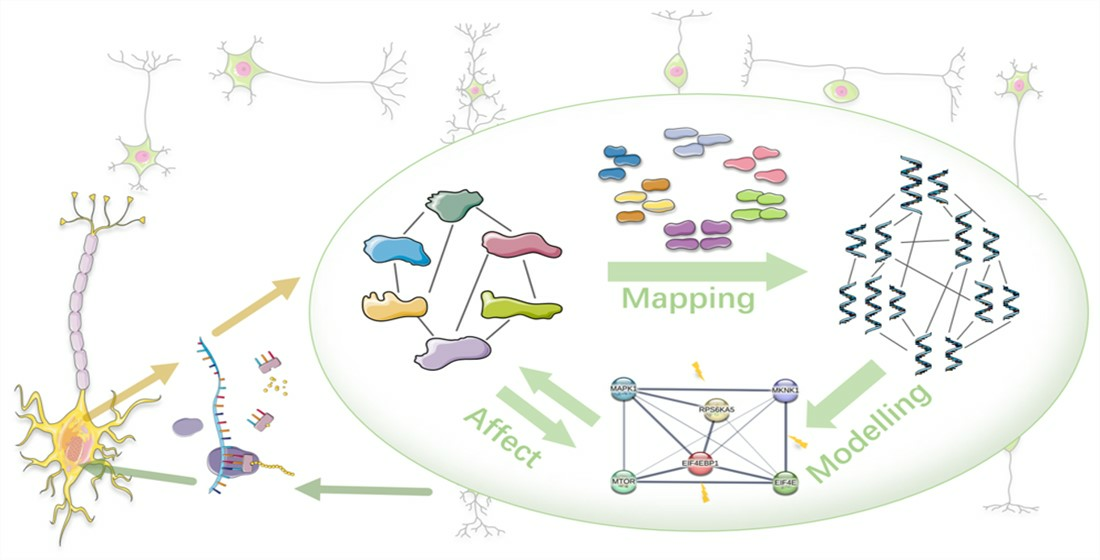
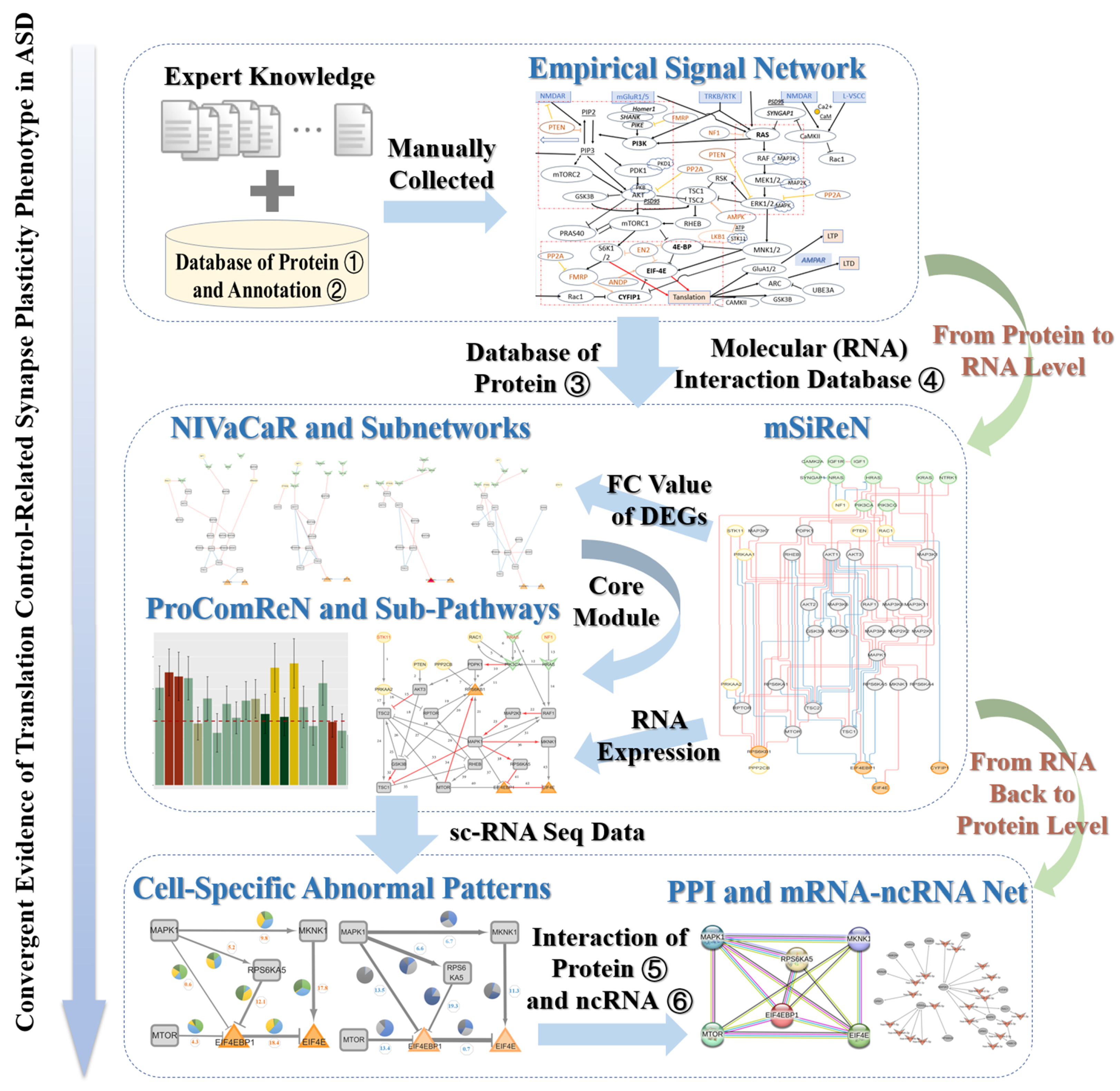
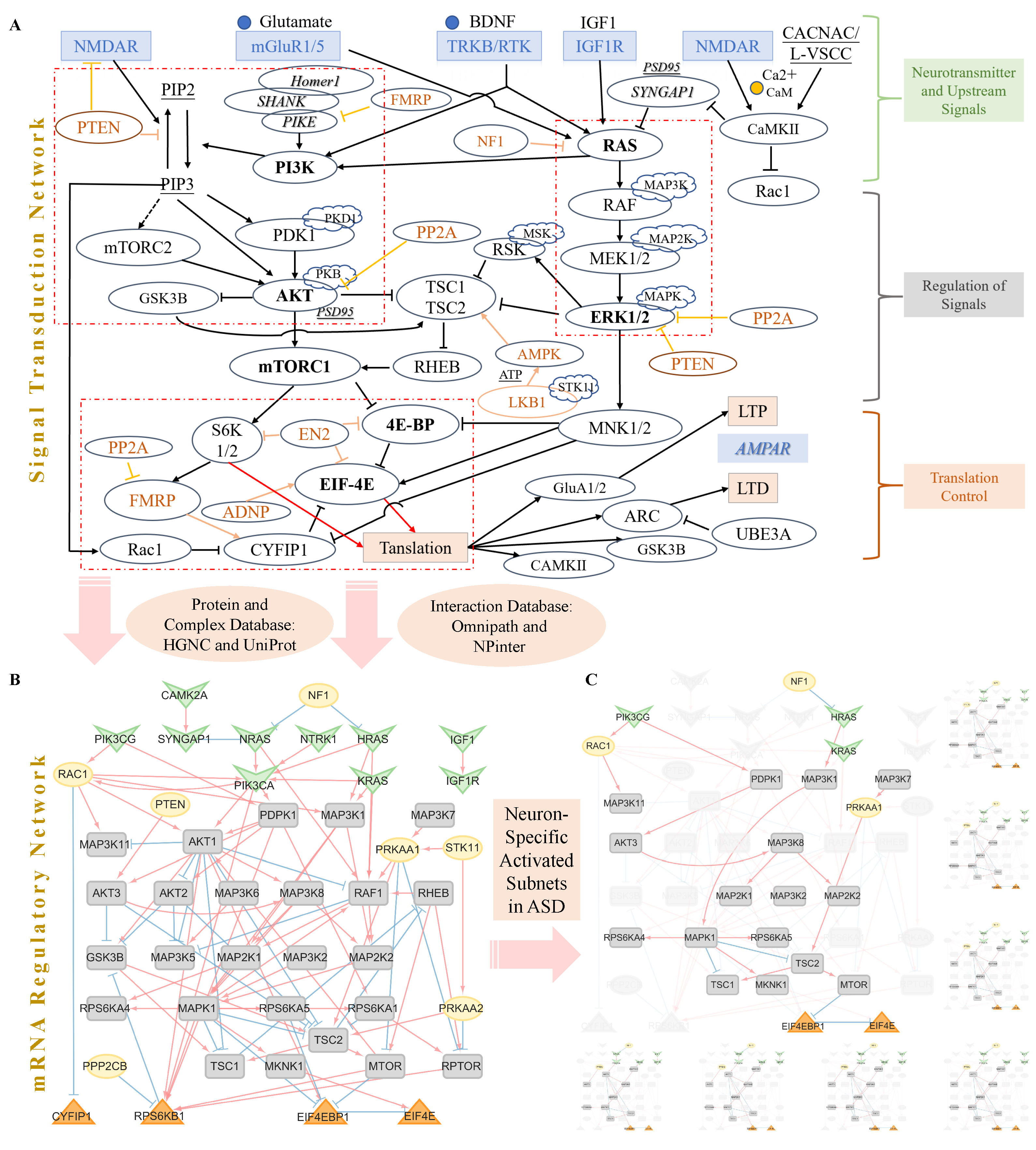
- We established a workflow to convert signal transduction networks into mRNA regulatory networks.
- We developed a Boolean regulatory network model tailored to single-cell data analysis.
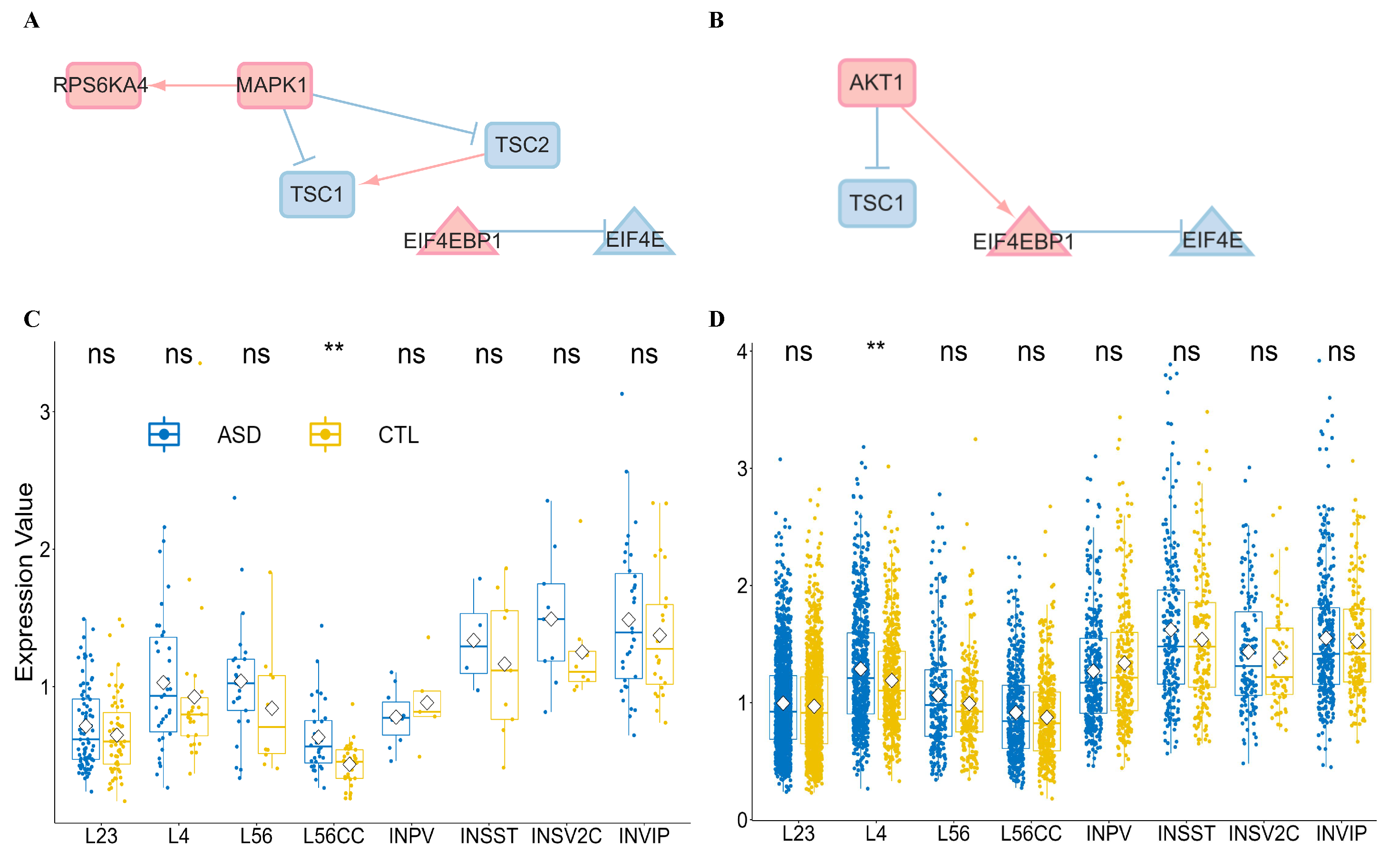
- We designed a probabilistic model for single-cell data interpretation.
- Our approach contributes to the investigation of convergent causal molecular mechanisms in autism.
- Our novel networks and models can be broadly applied to other diseases and computational biology research.
Abstract
Share and Cite
Kong, C.; Bing, Z.; Yang, L.; Huang, Z.; Wang, W.; Grebogi, C. Transcriptomic Evidence Reveals the Dysfunctional Mechanism of Synaptic Plasticity Control in ASD. Genes 2025, 16, 11. https://doi.org/10.3390/genes16010011
Kong C, Bing Z, Yang L, Huang Z, Wang W, Grebogi C. Transcriptomic Evidence Reveals the Dysfunctional Mechanism of Synaptic Plasticity Control in ASD. Genes. 2025; 16(1):11. https://doi.org/10.3390/genes16010011
Chicago/Turabian StyleKong, Chao, Zhitong Bing, Lei Yang, Zigang Huang, Wenxu Wang, and Celso Grebogi. 2025. "Transcriptomic Evidence Reveals the Dysfunctional Mechanism of Synaptic Plasticity Control in ASD" Genes 16, no. 1: 11. https://doi.org/10.3390/genes16010011
APA StyleKong, C., Bing, Z., Yang, L., Huang, Z., Wang, W., & Grebogi, C. (2025). Transcriptomic Evidence Reveals the Dysfunctional Mechanism of Synaptic Plasticity Control in ASD. Genes, 16(1), 11. https://doi.org/10.3390/genes16010011