Prediction of Tumor Development and Urine-Based Liquid Biopsy for Molecule-Targeted Therapy of Gliomas
1
Department of Neurosurgery, Aichi Children’s Health and Medical Center, Obu 464-8710, Japan
2
Institute of Innovation for Future Society, Nagoya University, Nagoya 464-8601, Japan
*
Author to whom correspondence should be addressed.
Genes 2023, 14(6), 1201; https://doi.org/10.3390/genes14061201
Submission received: 30 December 2022
/
Revised: 21 May 2023
/
Accepted: 25 May 2023
/
Published: 30 May 2023
(This article belongs to the Special Issue Molecular Oncology—Unmasking the True Nature of Cancer 2023)
Simple Summary
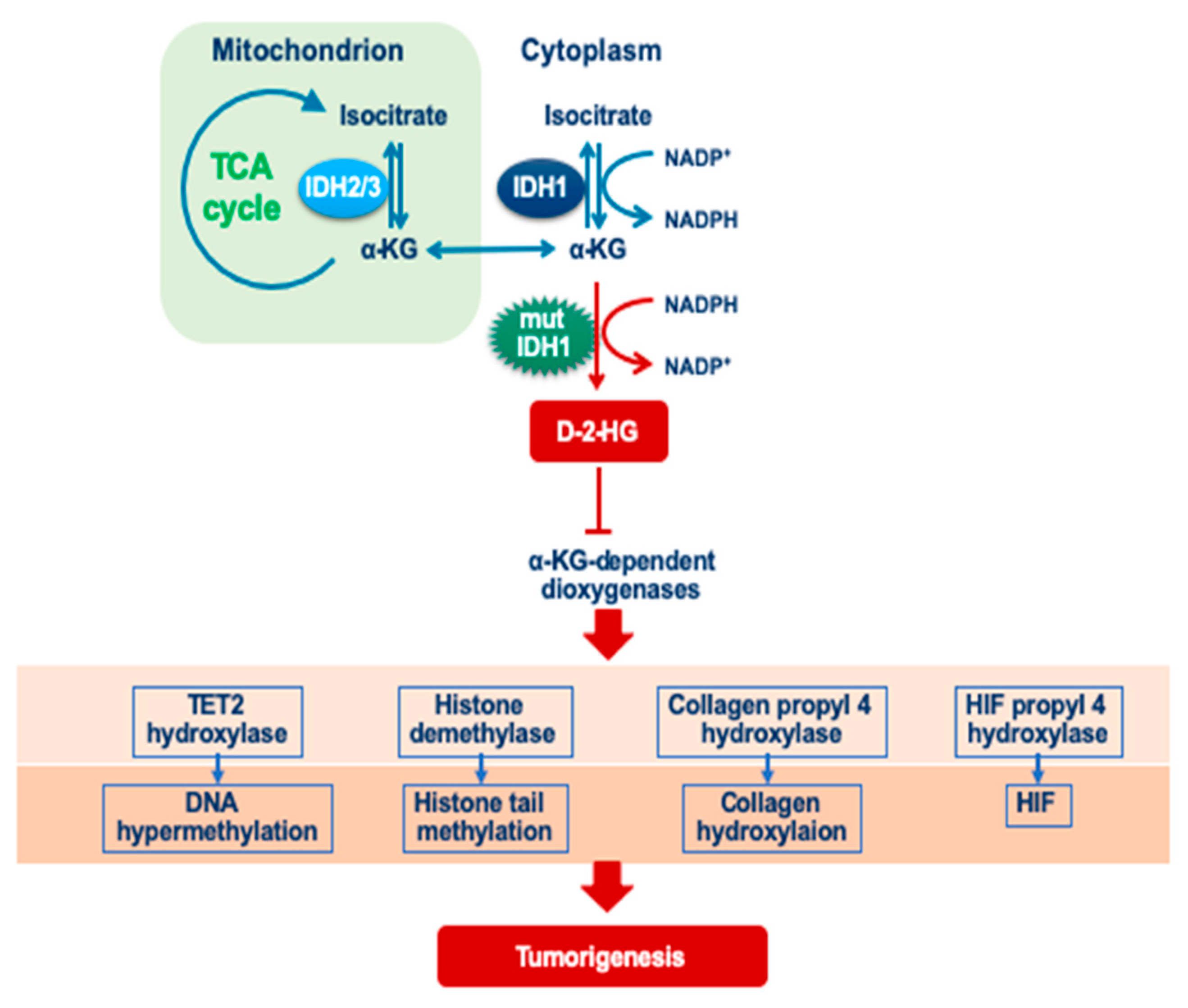
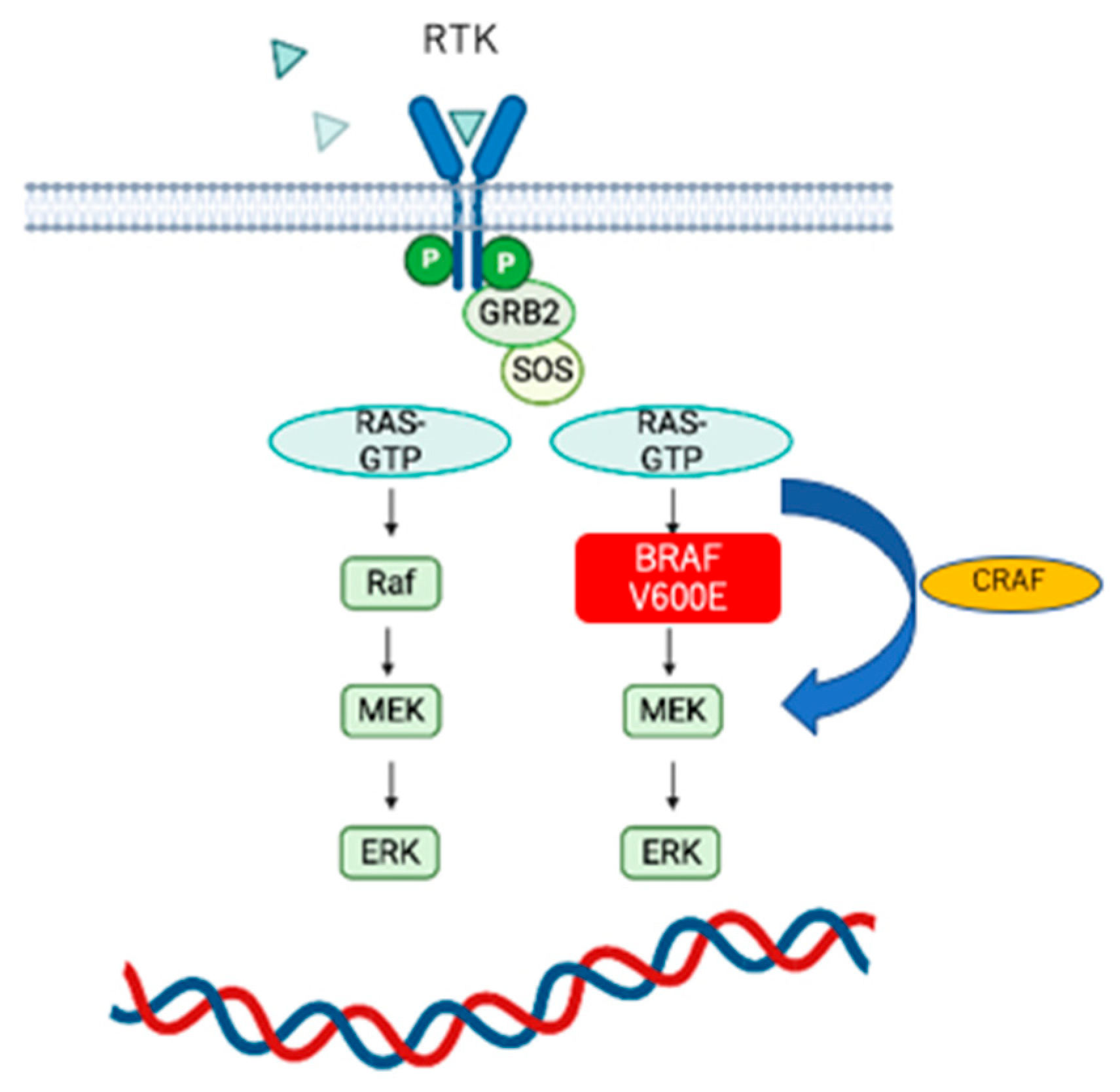
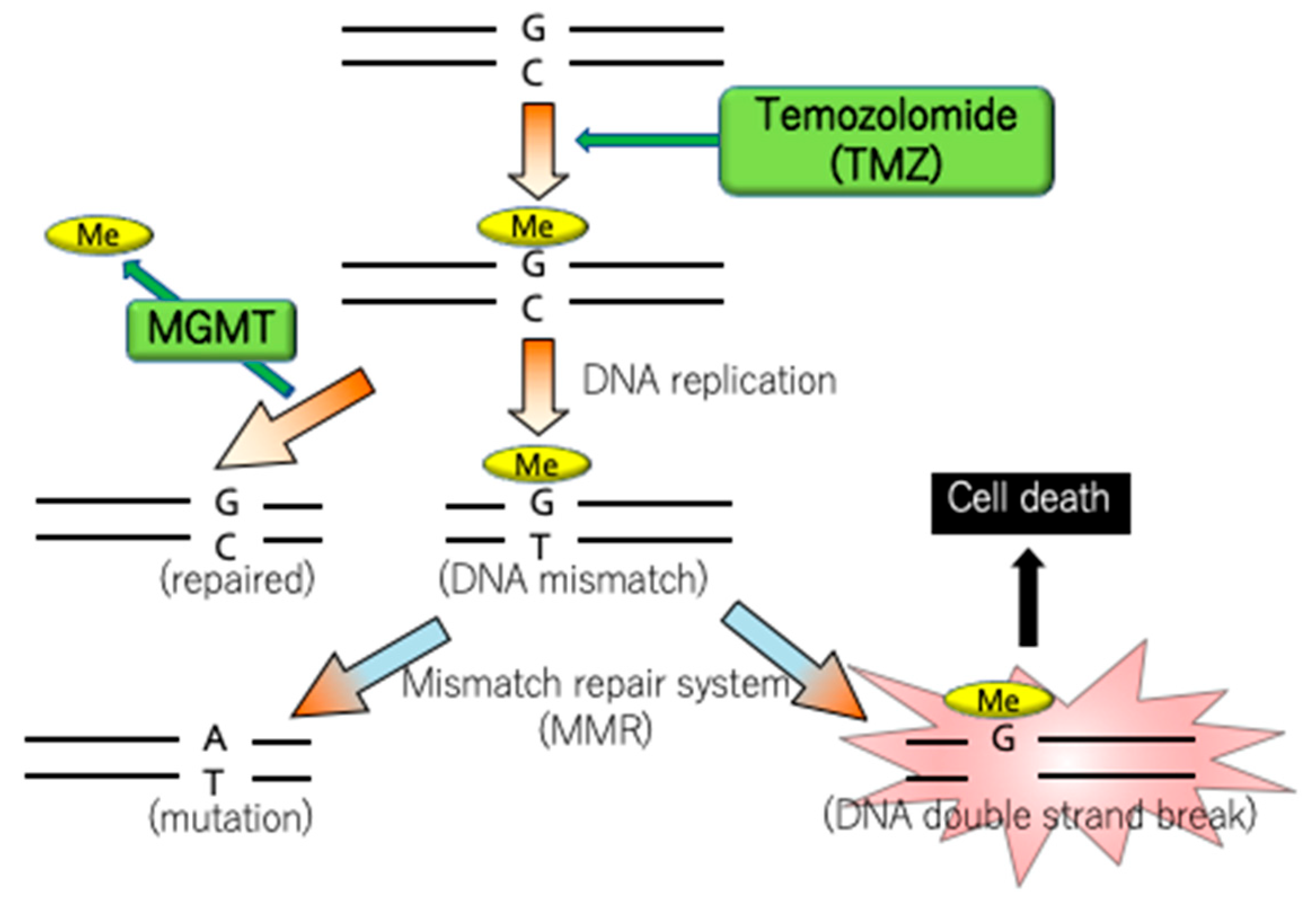
This review article presents novel therapies being developed for central nervous system cancers. Based on recent studies of our own and others, we have enumerated six molecules, which upon mutation are regarded as the primary cause of cancer development and are as follows: isocitrate dehydrogenase, telomerase reverse transcriptase, BRAF, O6-methylguanine-DNA methyltransferase, histone3-lysine27/histone3-guanine34, and NTRK/ROS1. Molecule-targeting drugs have been developed based on tumor initiation and how these mutations are involved in tumor development and progression.
Abstract
The timing of the acquisition of tumor-specific gene mutations and the systems by which these gene mutations are acquired during tumorigenesis were clarified. Advances in our understanding of tumorigenesis are being made every day, and therapies targeting fundamental genetic alterations have great potential for cancer treatment. Moreover, our research team successfully estimated tumor progression using mathematical modeling and attempted early diagnosis of brain tumors. We developed a nanodevice that enables urinary genetic diagnosis in a simple and noninvasive manner. Mainly on the basis of our research and experience, this review article presents novel therapies being developed for central nervous system cancers and six molecules, which upon mutation cause tumorigenesis and tumor progression. Further understanding of the genetic characteristics of brain tumors will lead to the development of precise drugs and improve individual treatment outcomes.
Keywords:
brain tumor; glioma; gene mutation; mathematical model; isocitrate dehydrogenase; microRNA