Technical Note

VIRMOTIF: A User-Friendly Tool for Viral Sequence Analysis
by
Pedram Rajaei
1,
Khadijeh Hoda Jahanian
2,
Amin Beheshti
3,*,
Shahab S. Band
4,
Abdollah Dehzangi
5,6 and
Hamid Alinejad-Rokny
2,7,*
1
Amirkabir University of Technology, Tehran 346512, Iran
2
AI-enabled Processes (AIP) Research Centre, Health Data Analytics Program, Macquarie University, Sydney, NSW 2109, Australia
3
Department of Computing, Macquarie University, Sydney, NSW 2109, Australia
4
Future Technology Research Center, College of Future, National Yunlin University of Science and Technology, 123 University Road, Yunlin 64002, Taiwan
5
Department of Computer Science, Rutgers University, Camden, NJ 08102, USA
6
Center for Computational and Integrative Biology, Rutgers University, Camden, NJ 08102, USA
7
Biological & Medical Machine Learning Lab (BML), The Graduate School of Biomedical Engineering, The University of New South Wales, UNSW, Sydney, NSW 2052, Australia
*
Authors to whom correspondence should be addressed.
Genes 2021, 12(2), 186; https://doi.org/10.3390/genes12020186
Submission received: 28 November 2020 / Revised: 10 January 2021 / Accepted: 19 January 2021 / Published: 27 January 2021
(This article belongs to the Section Technologies and Resources for Genetics)

Abstract

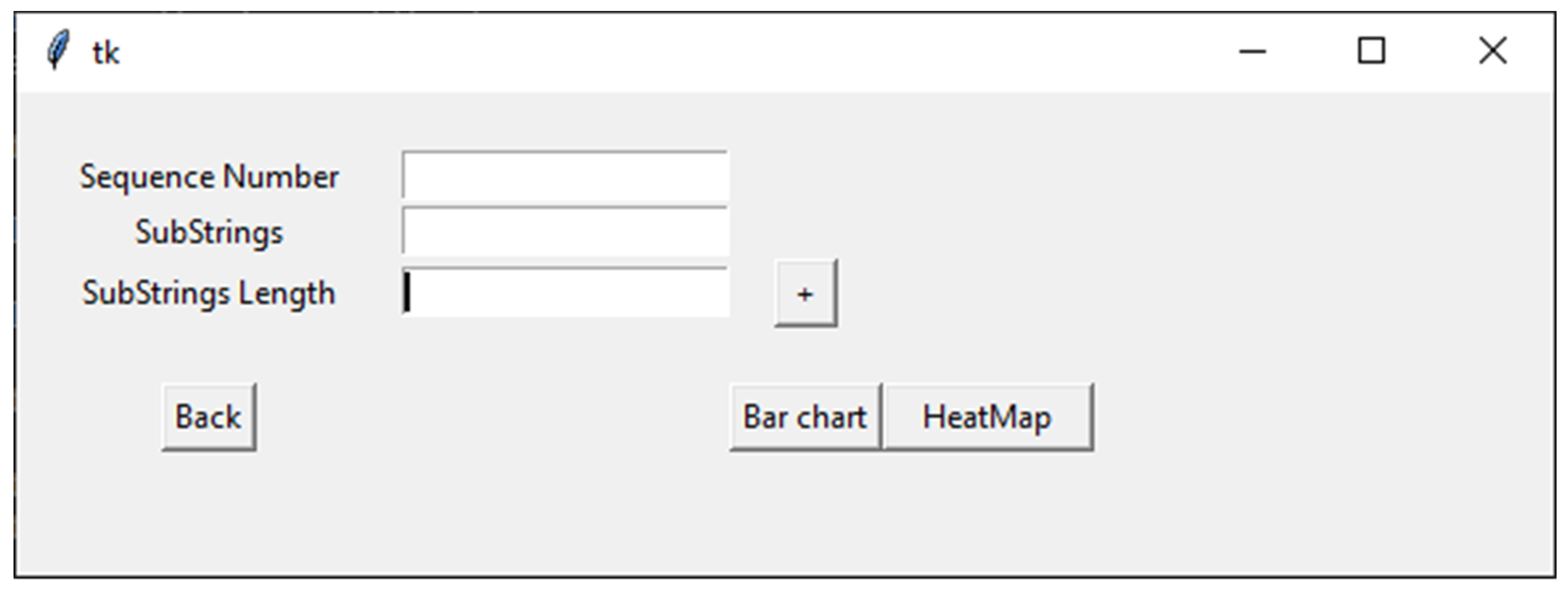
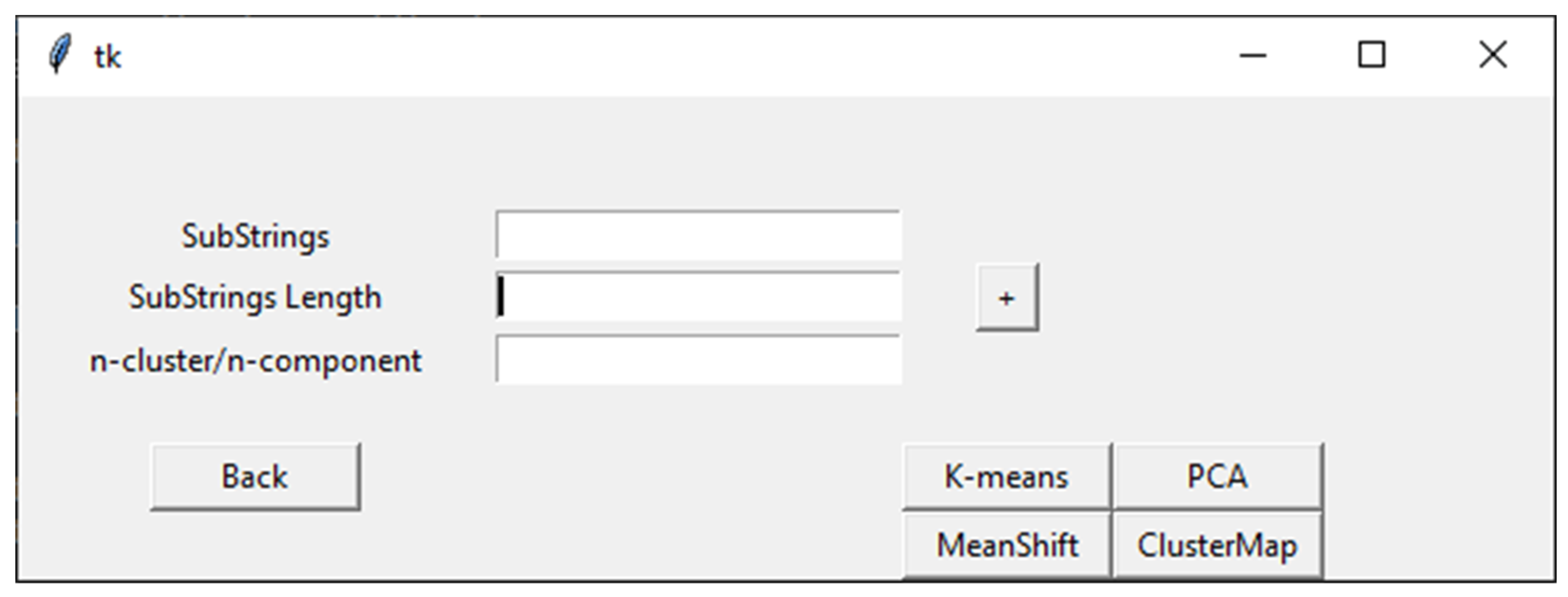
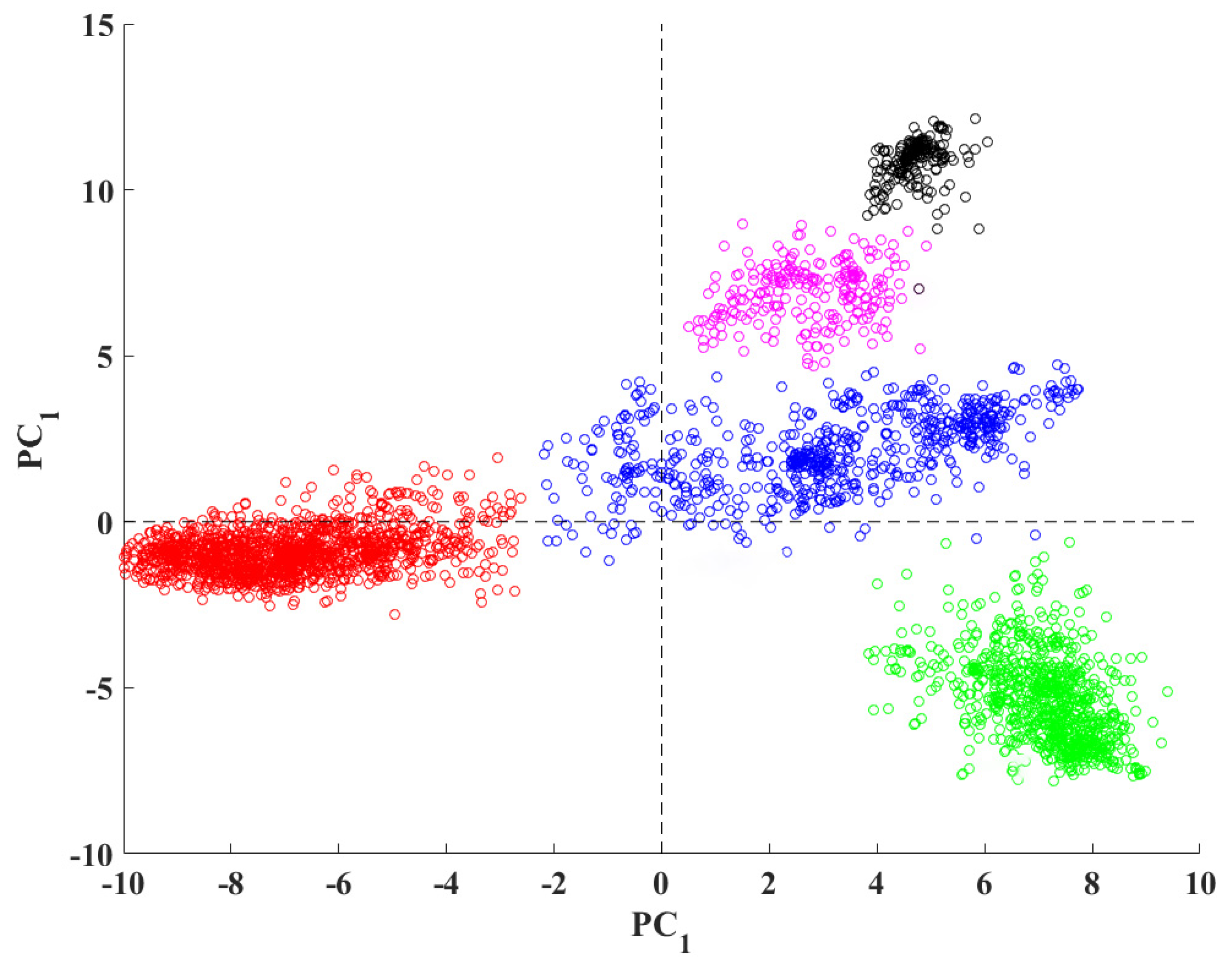
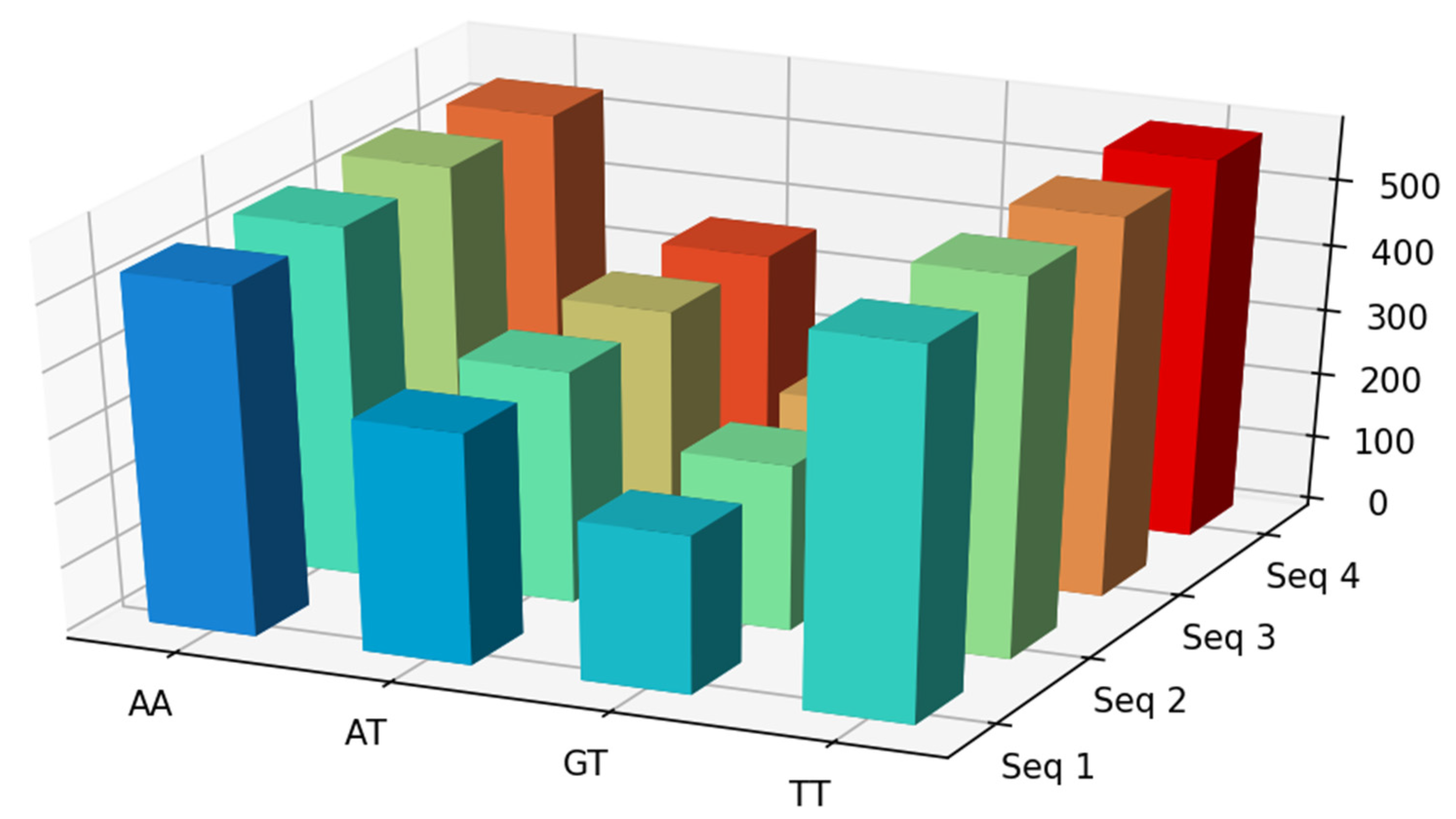
Bioinformatics and computational biology have significantly contributed to the generation of vast and important knowledge that can lead to great improvements and advancements in biology and its related fields. Over the past three decades, a wide range of tools and methods have been developed and proposed to enhance performance, diagnosis, and throughput while maintaining feasibility and convenience for users. Here, we propose a new user-friendly comprehensive tool called VIRMOTIF to analyze DNA sequences. VIRMOTIF brings different tools together as one package so that users can perform their analysis as a whole and in one place. VIRMOTIF is able to complete different tasks, including computing the number or probability of motifs appearing in DNA sequences, visualizing data using the matplotlib and heatmap libraries, and clustering data using four different methods, namely K-means, PCA, Mean Shift, and ClusterMap. VIRMOTIF is the only tool with the ability to analyze genomic motifs based on their frequency and representation (D-ratio) in a virus genome.
Keywords: sequence analysis; motif analysis; D-ratio; virus genome; sequence variation sequence analysis; motif analysis; D-ratio; virus genome; sequence variation