Review

Rediscovering a Forgotten System of Symbiosis: Historical Perspective and Future Potential

by
Vincent G. Martinson
Department of Biology, MSC03 2020, 1 University of New Mexico, Albuquerque, NM 87131-0001, USA
Genes 2020, 11(9), 1063; https://doi.org/10.3390/genes11091063
Submission received: 2 August 2020 / Revised: 31 August 2020 / Accepted: 7 September 2020 / Published: 9 September 2020
(This article belongs to the Special Issue Evolutionary Genetics of Microbial Symbiosis)

Abstract

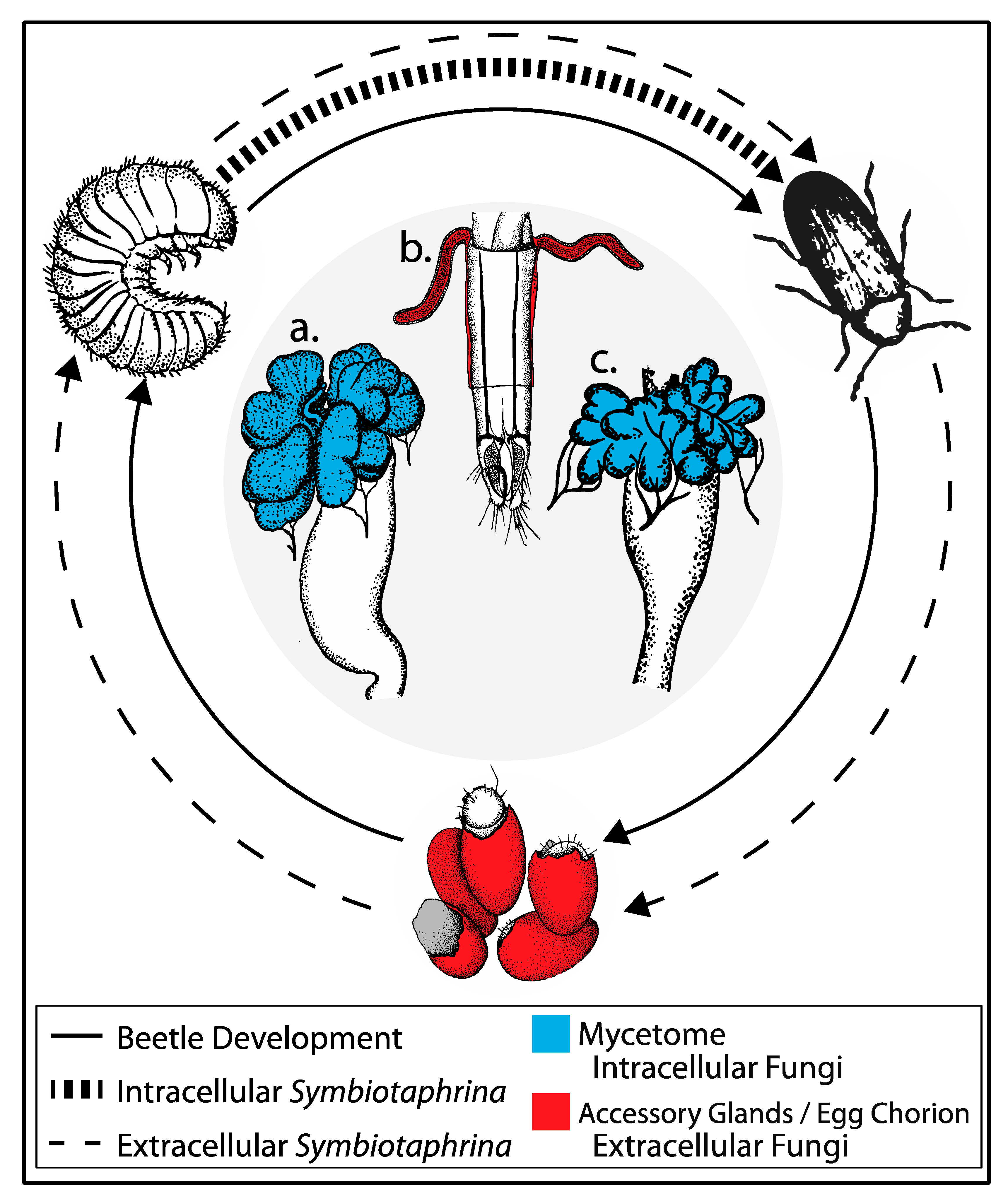
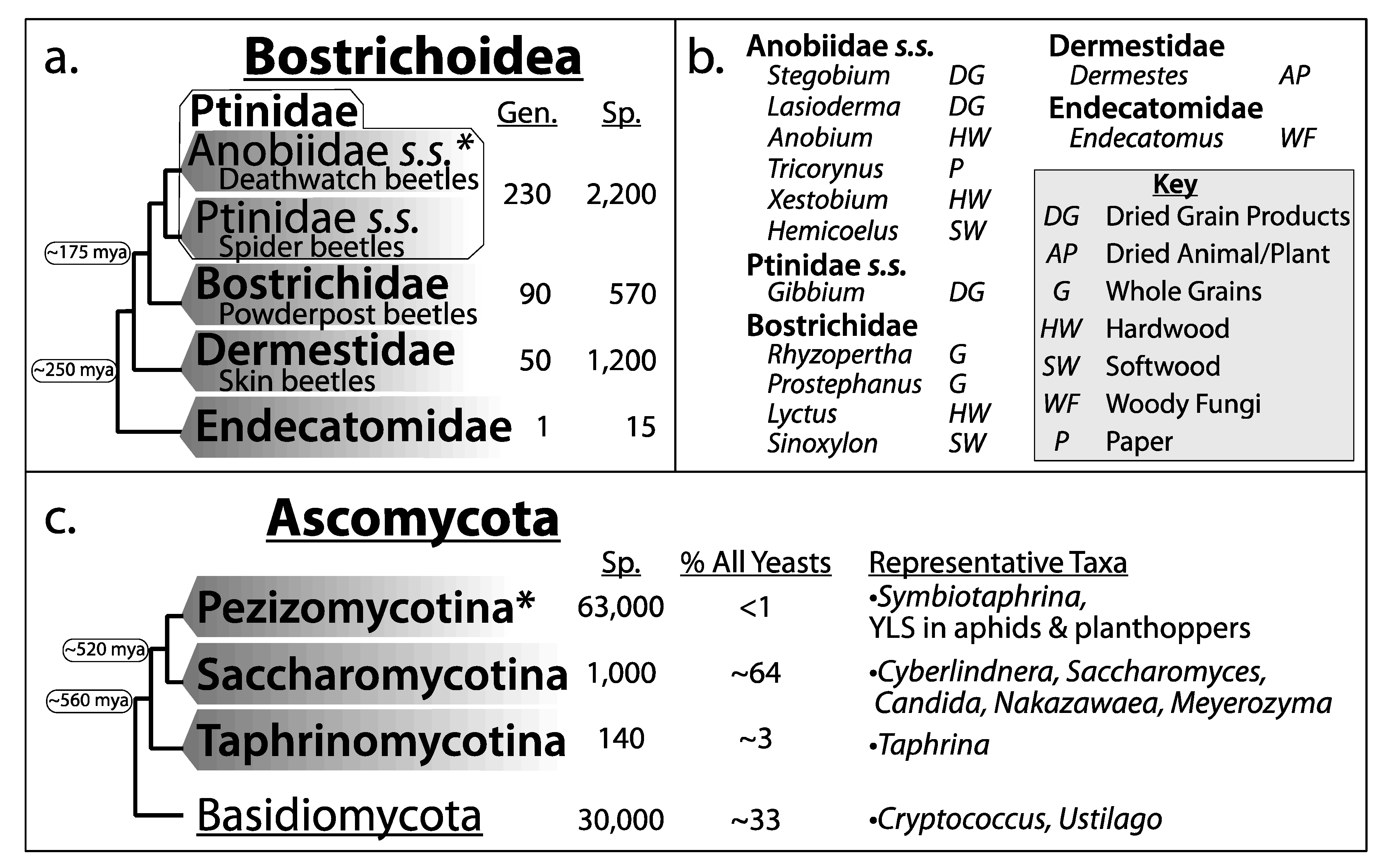
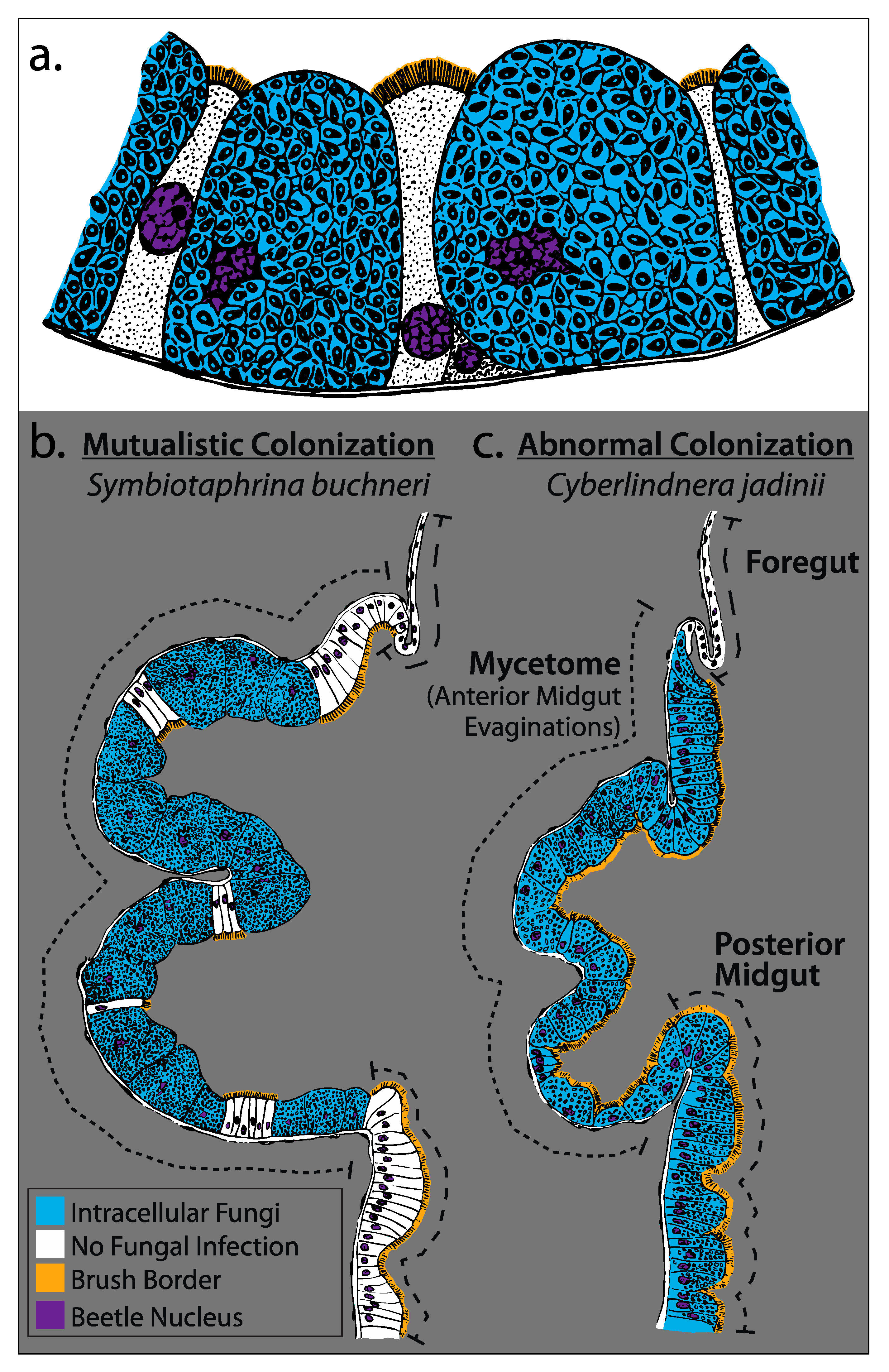
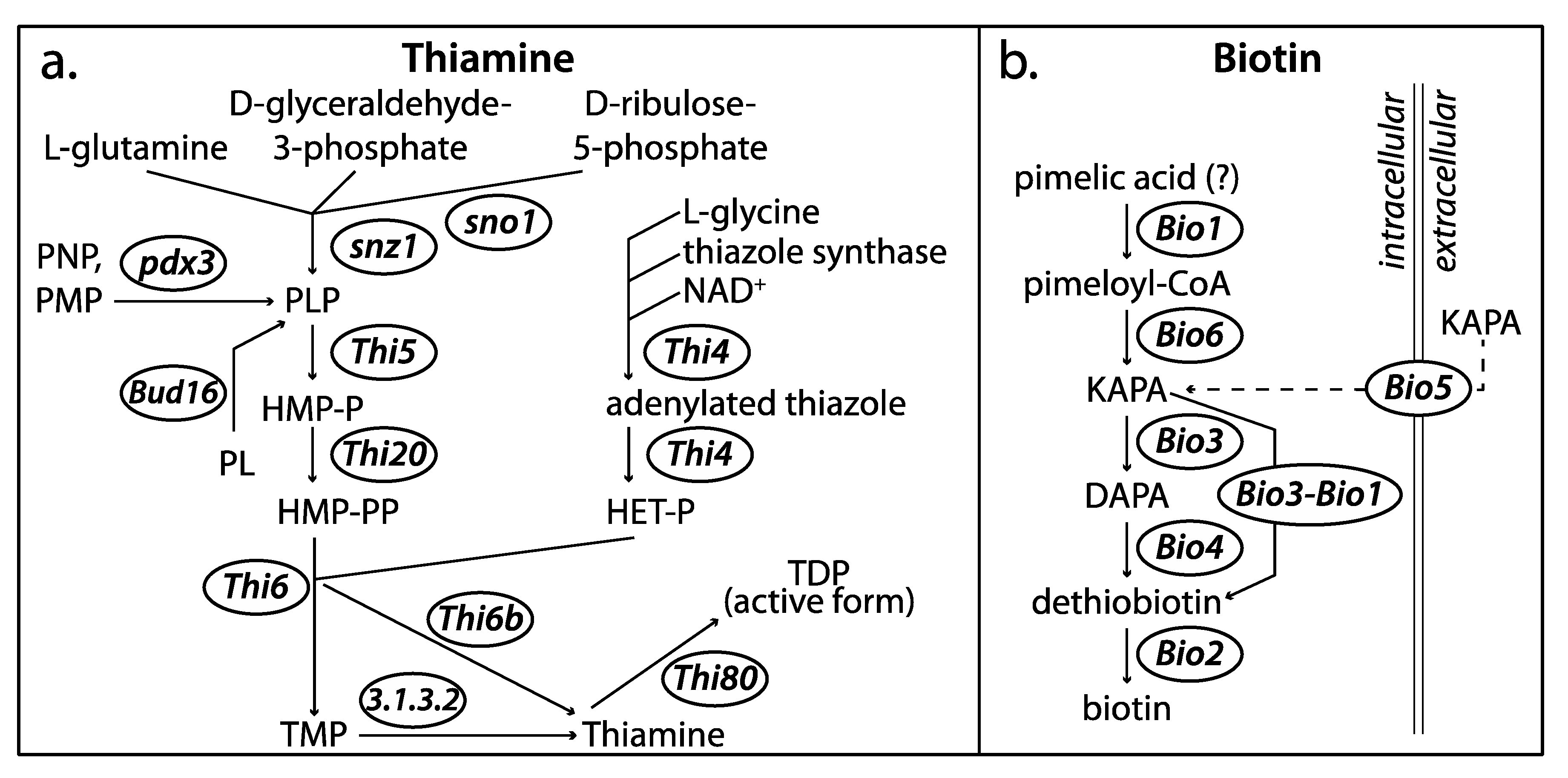
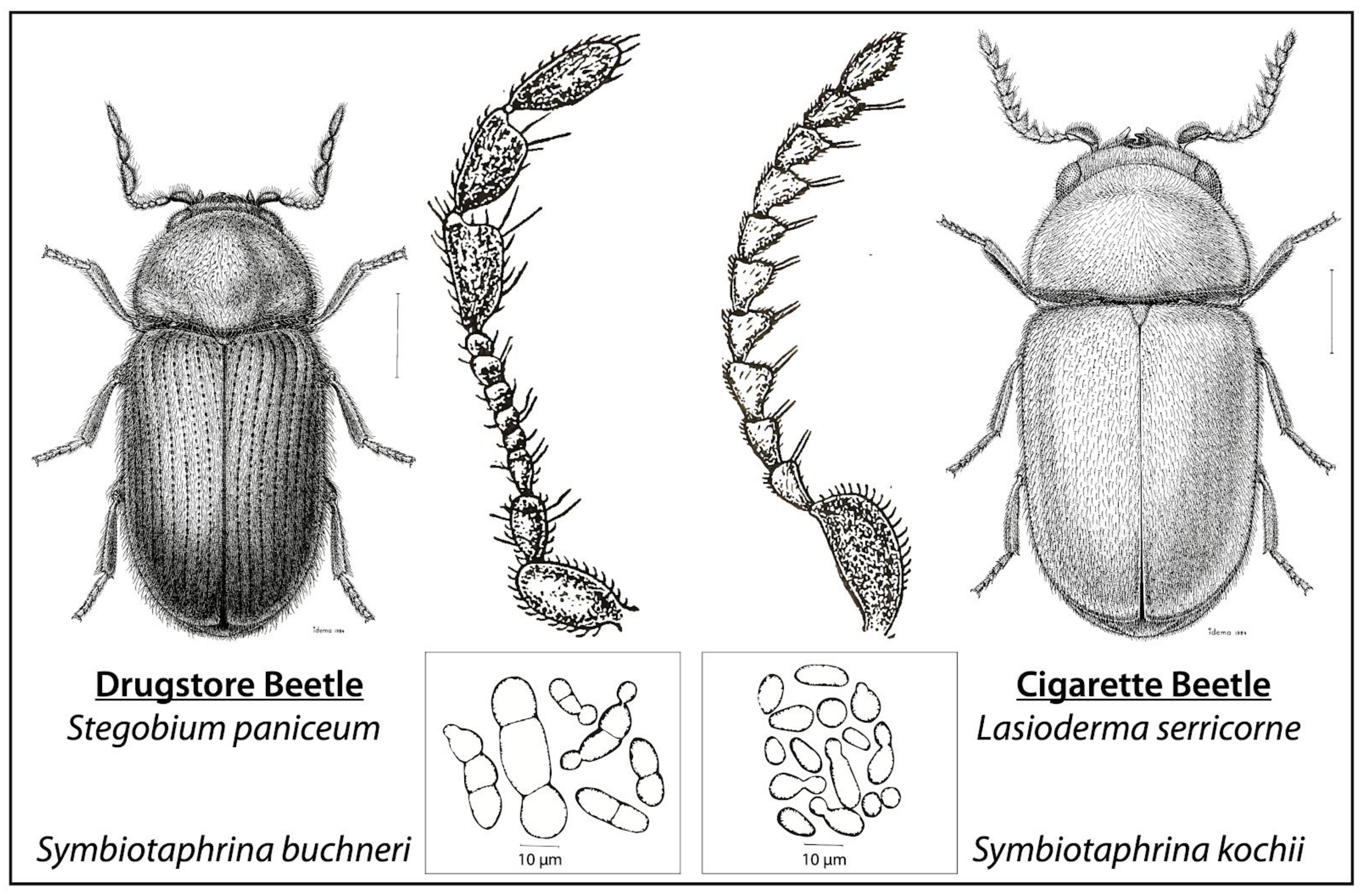
While the majority of symbiosis research is focused on bacteria, microbial eukaryotes play important roles in the microbiota and as pathogens, especially the incredibly diverse Fungi kingdom. The recent emergence of widespread pathogens in wildlife (bats, amphibians, snakes) and multidrug-resistant opportunists in human populations (Candida auris) has highlighted the importance of better understanding animal–fungus interactions. Regardless of their prominence there are few animal–fungus symbiosis models, but modern technological advances are allowing researchers to utilize novel organisms and systems. Here, I review a forgotten system of animal–fungus interactions: the beetle–fungus symbioses of Drugstore and Cigarette beetles with their symbiont Symbiotaphrina. As pioneering systems for the study of mutualistic symbioses, they were heavily researched between 1920 and 1970, but have received only sporadic attention in the past 40 years. Several features make them unique research organisms, including (1) the symbiont is both extracellular and intracellular during the life cycle of the host, and (2) both beetle and fungus can be cultured in isolation. Specifically, fungal symbionts intracellularly infect cells in the larval and adult beetle gut, while accessory glands in adult females harbor extracellular fungi. In this way, research on the microbiota, pathogenesis/infection, and mutualism can be performed. Furthermore, these beetles are economically important stored-product pests found worldwide. In addition to providing a historical perspective of the research undertaken and an overview of beetle biology and their symbiosis with Symbiotaphrina, I performed two analyses on publicly available genomic data. First, in a preliminary comparative genomic analysis of the fungal symbionts, I found striking differences in the pathways for the biosynthesis of two B vitamins important for the host beetle, thiamine and biotin. Second, I estimated the most recent common ancestor for Drugstore and Cigarette beetles at 8.8–13.5 Mya using sequence divergence (CO1 gene). Together, these analyses demonstrate that modern methods and data (genomics, transcriptomes, etc.) have great potential to transform these beetle–fungus systems into model systems again.
Keywords: Stegobium; Lasioderma; Cigarette beetle; Drugstore beetle; Symbiotaphrina; fungi; Bostrichoidea; host–microbe Stegobium; Lasioderma; Cigarette beetle; Drugstore beetle; Symbiotaphrina; fungi; Bostrichoidea; host–microbe