Article

Diversity of Antimicrobial Peptides in Three Partially Sympatric Frog Species in Northeast Asia and Implications for Evolution

1
Department of Physiology, College of Wildlife and Protected Area, Northeast Forestry University, Harbin 150040, China
2
Department of Ecology, School of Life Sciences, Lanzhou University, Lanzhou 730000, China
3
BGI-Shenzhen, Shenzhen 518083, China
4
Beijing E-young Technology Company Limited, Beijing 100021, China
5
State Forestry and Grassland Administration Detecting Centre of Wildlife, Harbin 150040, China
6
State Forestry and Grassland Administration Research Center of Engineering Technology for Wildlife Conservation and Utilization, Harbin 150040, China
*
Author to whom correspondence should be addressed.
Genes 2020, 11(2), 158; https://doi.org/10.3390/genes11020158
Submission received: 23 December 2019 / Revised: 27 January 2020 / Accepted: 30 January 2020 / Published: 1 February 2020
(This article belongs to the Section Animal Genetics and Genomics)

Abstract

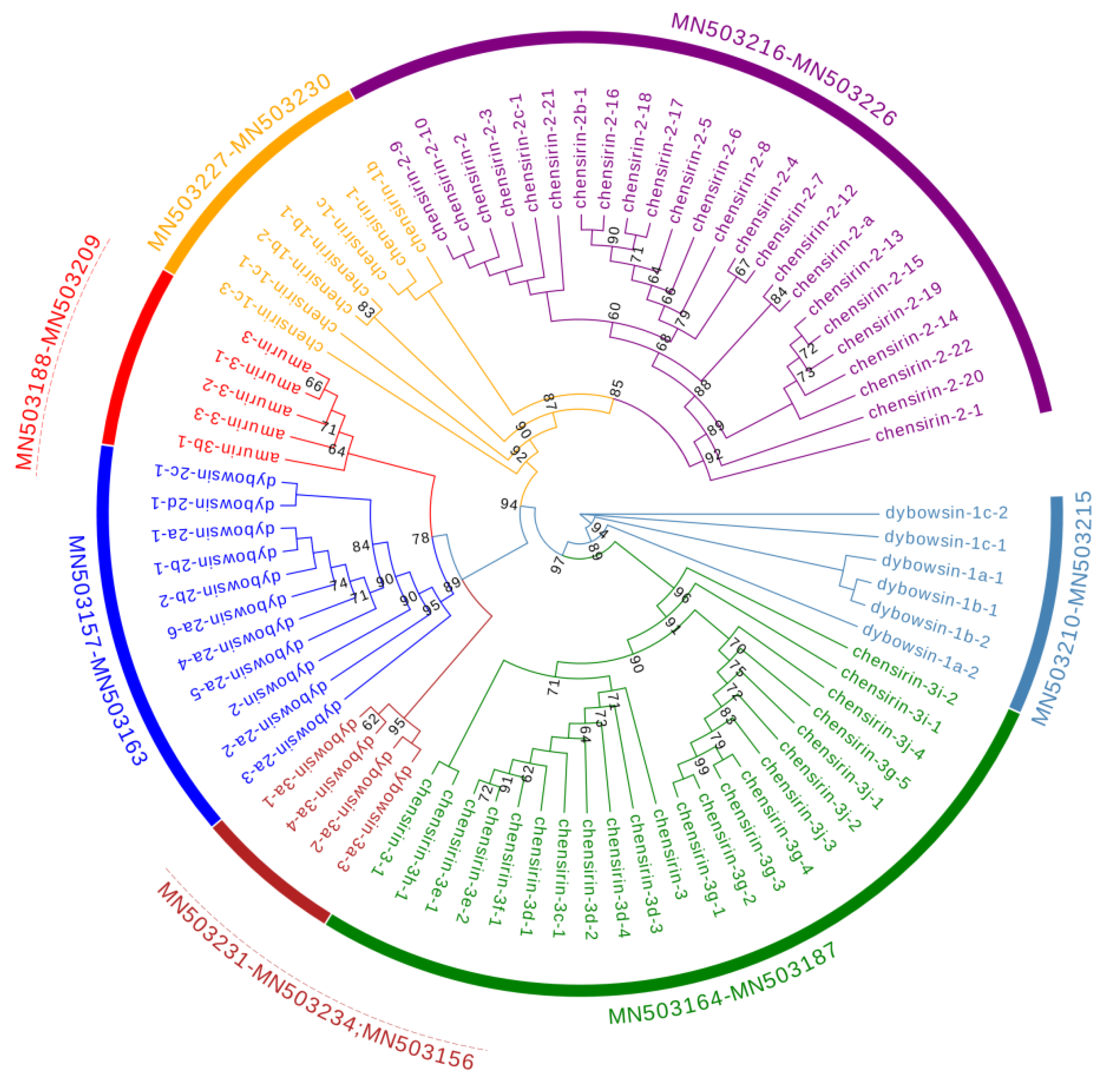
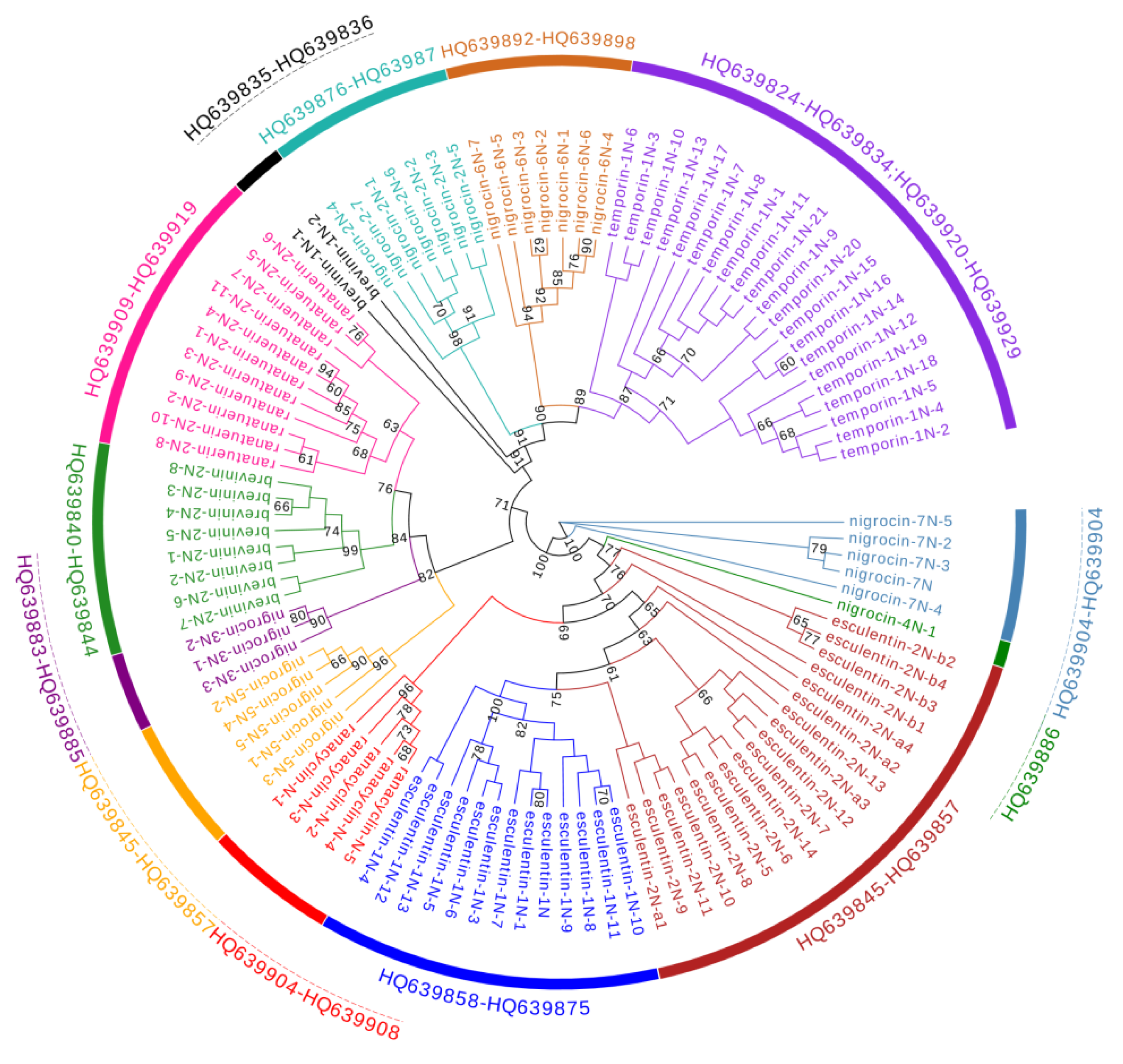
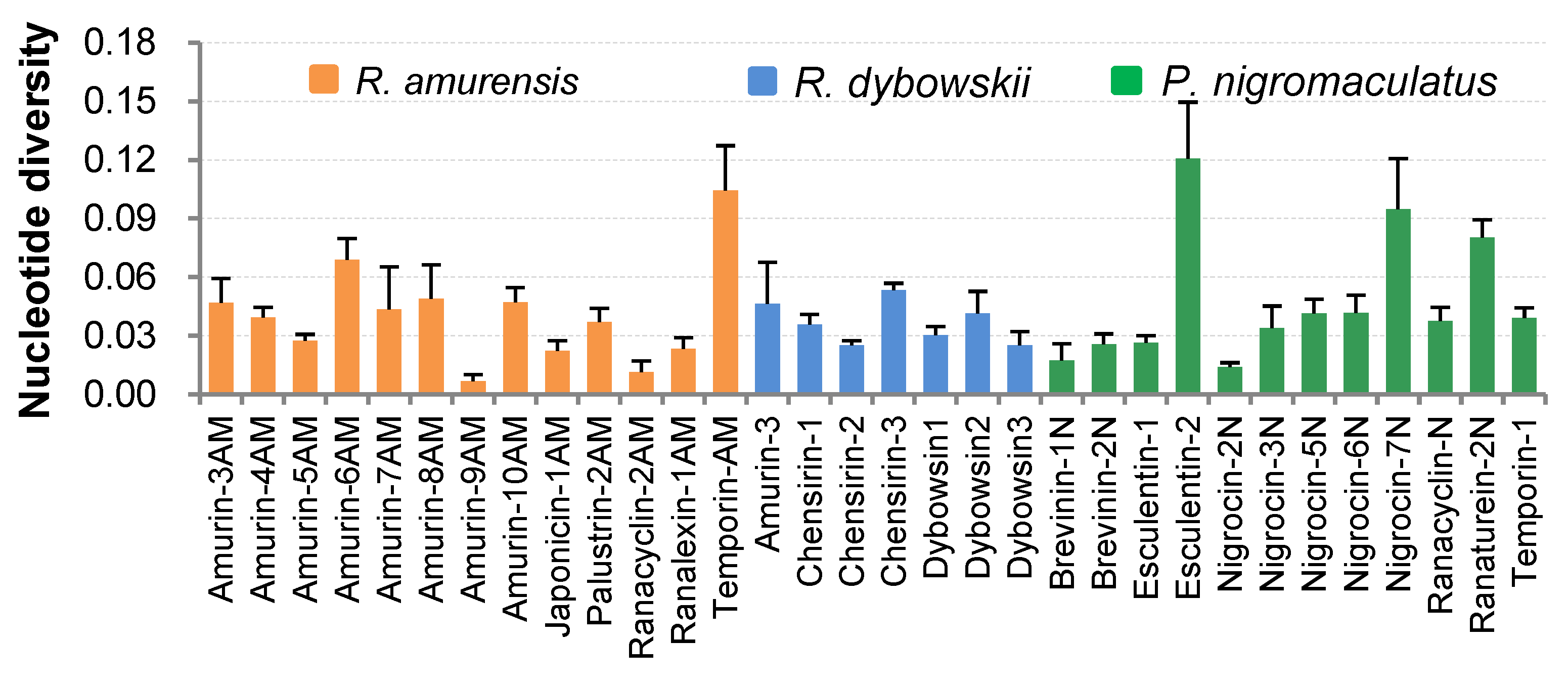
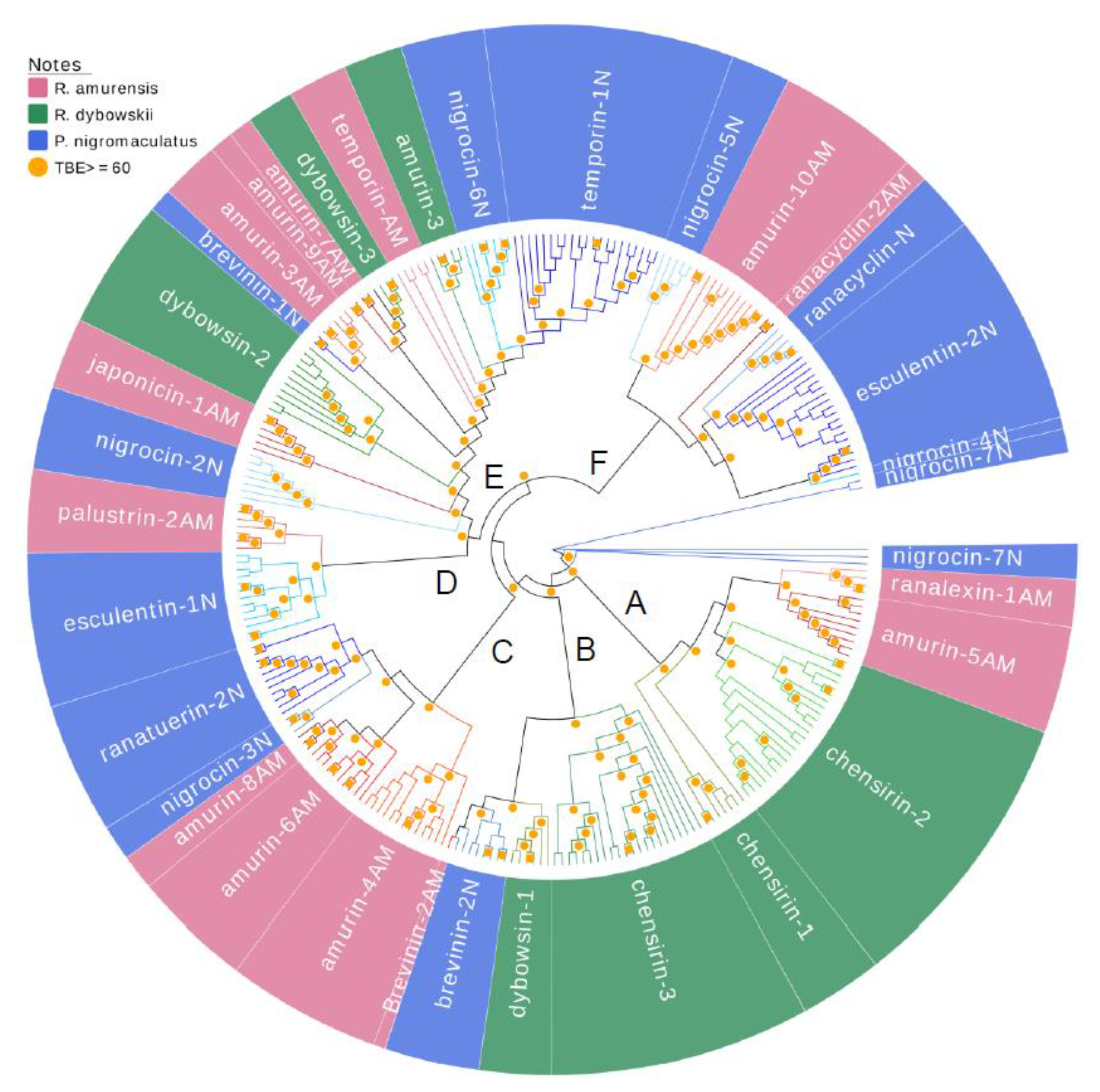
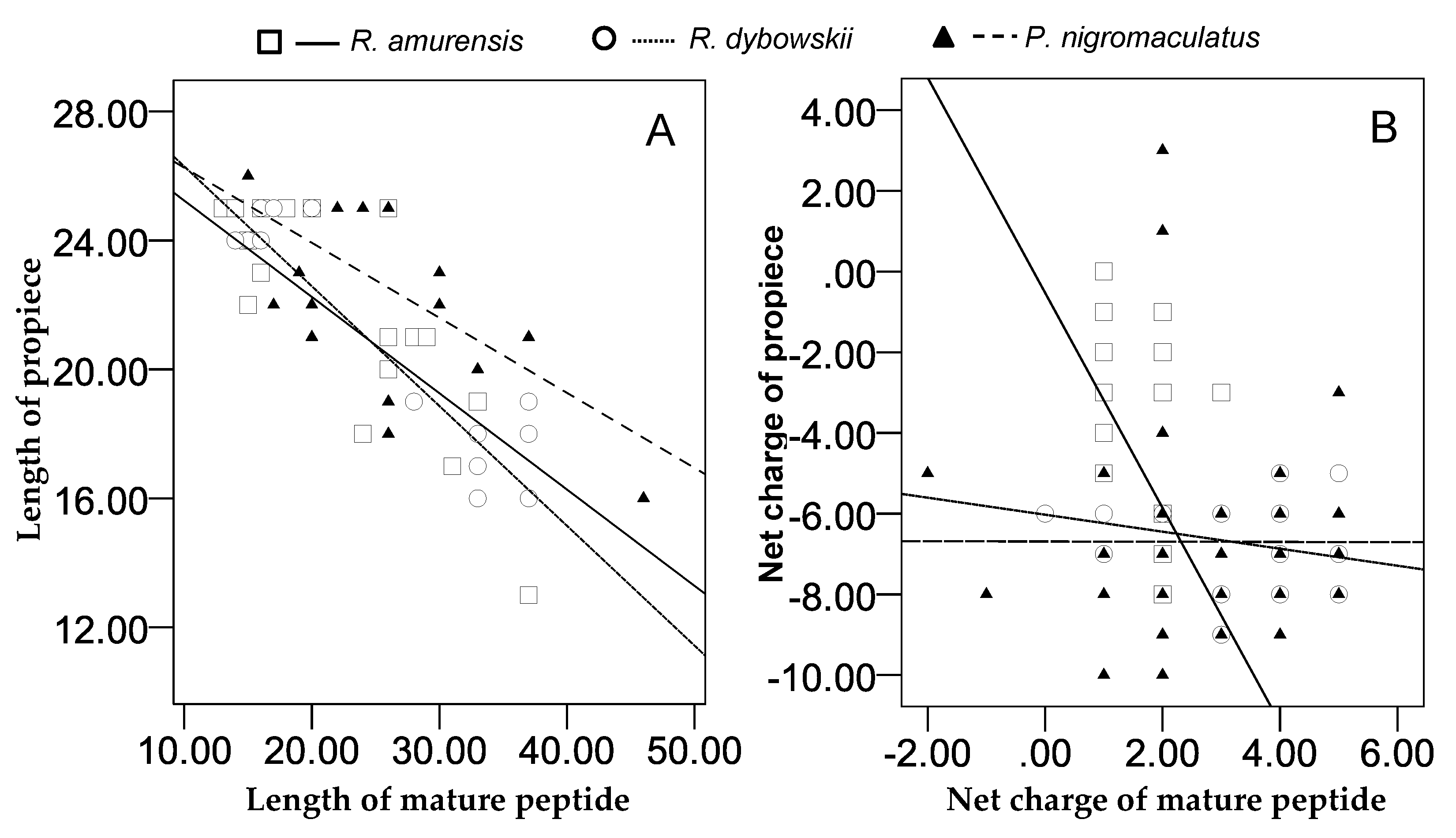
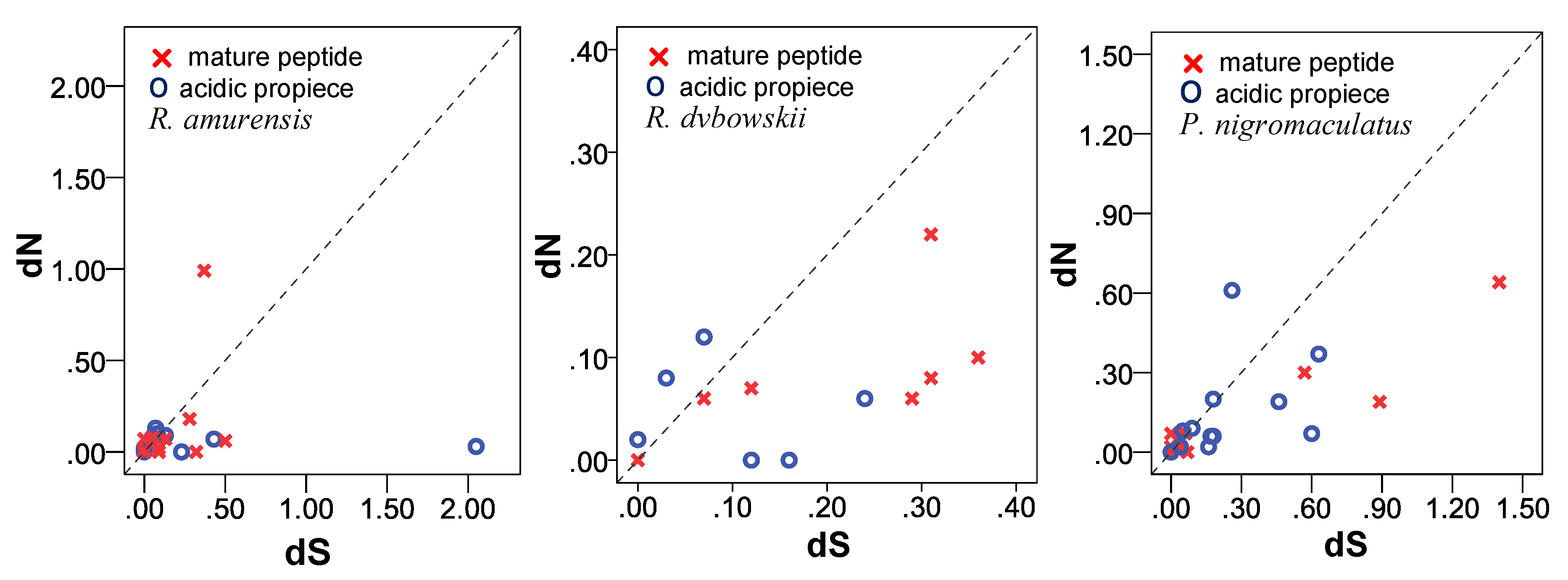
Antimicrobial peptides (AMPs) are evolutionarily ancient molecules that play an essential role in innate immunity across taxa from invertebrates to vertebrates. The evolution system of AMP system has not been well explained in the literature. In this study, we cloned and sequenced AMP transcriptomes of three frog species, namely Rana dybowskii, Rana amurensis, and Pelophylax nigromaculatus, which are partially sympatric in northeast Asia, but show different habitat preferences. We found that each species contained 7 to 14 families of AMPs and the diversity was higher in species with a large geographic range and greater habitat variation. All AMPs are phylogenetically related but not associated with the speciation process. Most AMP genes were under negative selection. We propose that the diversification and addition of novel functions and improvement of antimicrobial efficiency are facilitated by the expansion of family members and numbers. We also documented significant negative correlation of net charges and numbers of amino acid residues between the propiece and mature peptide segments. This supports the Net Charge Balance Hypothesis. We propose the Cut Point Sliding Hypothesis as a novel diversification mechanism to explain the correlation in lengths of the two segments.
Keywords: antimicrobial peptides; transcriptome; diversity; frog; adaptive evolution antimicrobial peptides; transcriptome; diversity; frog; adaptive evolution