If Plan A Does Not Work: The CD47 Ectodomain as a Target for Immune Tolerance


Abstract
1. Introduction
2. What Is CD47?
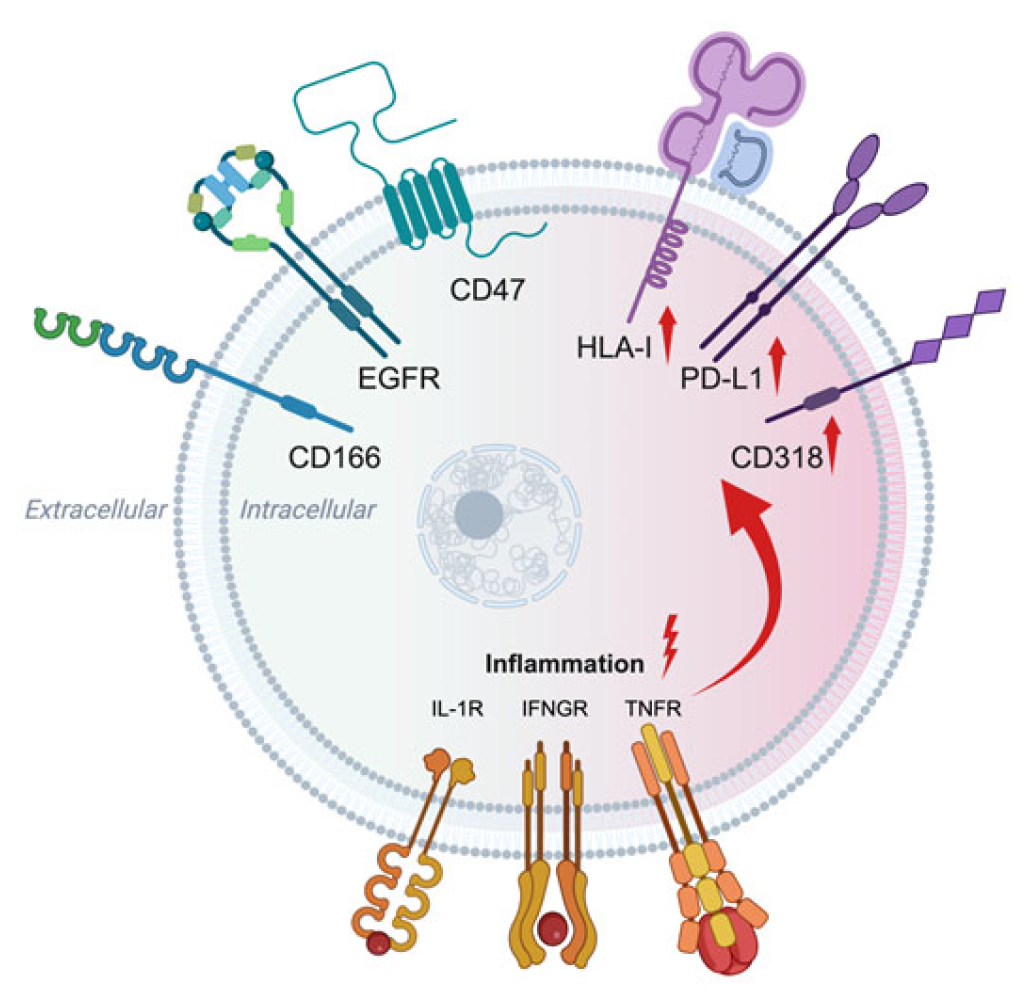
3. Where Is CD47?
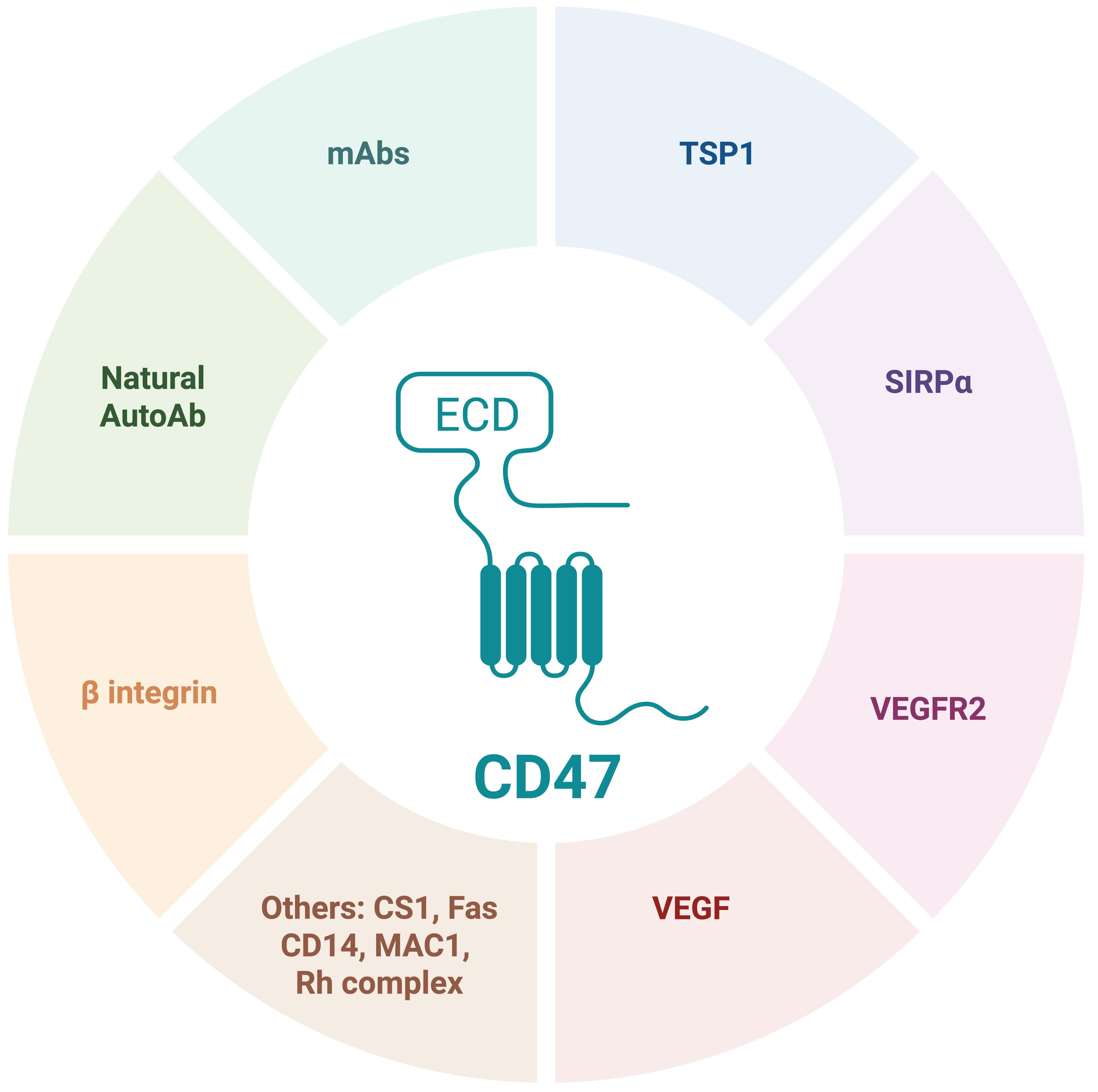
4. How Does the CD47 ECD Work?
5. Puzzles Regarding CD47 ECD Antibodies and CD47-SIRPα
6. How Is CD47 Being Intersected (Also Known as Plan A)?
7. How Might CD47 Be Improved Upon (Also Known as Plan B)?
8. Summing Up Our Point of View
9. Departing Questions
Author Contributions
Funding
Data Availability Statement
Conflicts of Interest
Artificial Intelligence
References
- Houghton, A.N.; Guevara-Patino, J.A. Immune recognition of self in immunity against cancer. J. Clin. Investig. 2004, 114, 468–471. [Google Scholar] [CrossRef] [PubMed] [PubMed Central]
- He, X.; Xu, C. Immune checkpoint signaling and cancer immunotherapy. Cell Res. 2020, 30, 660–669. [Google Scholar] [CrossRef] [PubMed] [PubMed Central]
- Korde, N.; Carlsten, M.; Lee, M.J.; Minter, A.; Tan, E.; Kwok, M.; Manasanch, E.; Bhutani, M.; Tageja, N.; Roschewski, M.; et al. A phase II trial of pan-KIR2D blockade with IPH2101 in smoldering multiple myeloma. Haematologica 2014, 99, e81–e83. [Google Scholar] [CrossRef] [PubMed] [PubMed Central]
- Vey, N.; Bourhis, J.H.; Boissel, N.; Bordessoule, D.; Prebet, T.; Charbonnier, A.; Etienne, A.; Andre, P.; Romagne, F.; Benson, D.; et al. A phase 1 trial of the anti-inhibitory KIR mAb IPH2101 for AML in complete remission. Blood 2012, 120, 4317–4323. [Google Scholar] [CrossRef] [PubMed]
- Wang, C.; Ai, Z.; Wang, Y.; Luo, M.; Wu, T.; Wang, D.; Liu, X.; Lv, J.; Guo, X.; Wang, Z.; et al. Enhancing anti-tumour immunity through modulating dendritic cell activation by combination therapy with a novel TLR2 agonist and PD-L1 Blockade. J. Exp. Clin. Cancer Res. 2025, 44, 311. [Google Scholar] [CrossRef] [PubMed] [PubMed Central]
- Oldenborg, P.A.; Zheleznyak, A.; Fang, Y.F.; Lagenaur, C.F.; Gresham, H.D.; Lindberg, F.P. Role of CD47 as a marker of self on red blood cells. Science 2000, 288, 2051–2054. [Google Scholar] [CrossRef] [PubMed]
- Alsaab, H.O.; Sau, S.; Alzhrani, R.; Tatiparti, K.; Bhise, K.; Kashaw, S.K.; Iyer, A.K. PD-1 and PD-L1 Checkpoint Signaling Inhibition for Cancer Immunotherapy: Mechanism, Combinations, and Clinical Outcome. Front. Pharmacol. 2017, 8, 561. [Google Scholar] [CrossRef] [PubMed] [PubMed Central]
- Varricchi, G.; Galdiero, M.R.; Marone, G.; Criscuolo, G.; Triassi, M.; Bonaduce, D.; Marone, G.; Tocchetti, C.G. Cardiotoxicity of immune checkpoint inhibitors. ESMO Open 2017, 2, e000247. [Google Scholar] [CrossRef] [PubMed] [PubMed Central]
- Martins, F.; Sofiya, L.; Sykiotis, G.P.; Lamine, F.; Maillard, M.; Fraga, M.; Shabafrouz, K.; Ribi, C.; Cairoli, A.; Guex-Crosier, Y.; et al. Adverse effects of immune-checkpoint inhibitors: Epidemiology, management and surveillance. Nat. Rev. Clin. Oncol. 2019, 16, 563–580. [Google Scholar] [CrossRef] [PubMed]
- Gonzalez-Rodriguez, E.; Rodriguez-Abreu, D.; on behalf of the Spanish Group for Cancer Immuno-Biotherapy (GETICA). Immune Checkpoint Inhibitors: Review and Management of Endocrine Adverse Events. Oncologist 2016, 21, 804–816. [Google Scholar] [CrossRef] [PubMed] [PubMed Central]
- Zhou, X.; Ni, Y.; Liang, X.; Lin, Y.; An, B.; He, X.; Zhao, X. Mechanisms of tumor resistance to immune checkpoint blockade and combination strategies to overcome resistance. Front. Immunol. 2022, 13, 915094. [Google Scholar] [CrossRef] [PubMed] [PubMed Central]
- Ursino, C.; Mouric, C.; Gros, L.; Bonnefoy, N.; Faget, J. Intrinsic features of the cancer cell as drivers of immune checkpoint blockade response and refractoriness. Front. Immunol. 2023, 14, 1170321. [Google Scholar] [CrossRef] [PubMed] [PubMed Central]
- Youn, B.; Trikalinos, N.A.; Mor, V.; Wilson, I.B.; Dahabreh, I.J. Real-world use and survival outcomes of immune checkpoint inhibitors in older adults with non-small cell lung cancer. Cancer 2020, 126, 978–985. [Google Scholar] [CrossRef] [PubMed] [PubMed Central]
- Buchbinder, E.I.; Desai, A. CTLA-4 and PD-1 Pathways: Similarities, Differences, and Implications of Their Inhibition. Am. J. Clin. Oncol. 2016, 39, 98–106. [Google Scholar] [CrossRef] [PubMed] [PubMed Central]
- Gill, J.; Prasad, V. A reality check of the accelerated approval of immune-checkpoint inhibitors. Nat. Rev. Clin. Oncol. 2019, 16, 656–658. [Google Scholar] [CrossRef] [PubMed]
- Cong, Y.; Wang, X.; Wang, S.; Qiao, G.; Li, Y.; Cao, J.; Jiang, W.; Cui, Y. Tim-3 promotes tube formation and decreases tight junction formation in vascular endothelial cells. Biosci. Rep. 2020, 40, BSR20202130. [Google Scholar] [CrossRef] [PubMed] [PubMed Central]
- Golden, D.; Kolmakova, A.; Sura, S.; Vella, A.T.; Manichaikul, A.; Wang, X.Q.; Bielinski, S.J.; Taylor, K.D.; Chen, Y.I.; Rich, S.S.; et al. Lymphocyte activation gene 3 and coronary artery disease. JCI Insight 2016, 1, e88628. [Google Scholar] [CrossRef] [PubMed] [PubMed Central]
- Stengel, K.F.; Harden-Bowles, K.; Yu, X.; Rouge, L.; Yin, J.; Comps-Agrar, L.; Wiesmann, C.; Bazan, J.F.; Eaton, D.L.; Grogan, J.L. Structure of TIGIT immunoreceptor bound to poliovirus receptor reveals a cell-cell adhesion and signaling mechanism that requires cis-trans receptor clustering. Proc. Natl. Acad. Sci. USA 2012, 109, 5399–5404. [Google Scholar] [CrossRef] [PubMed] [PubMed Central]
- Patsoukis, N.; Bardhan, K.; Chatterjee, P.; Sari, D.; Liu, B.; Bell, L.N.; Karoly, E.D.; Freeman, G.J.; Petkova, V.; Seth, P.; et al. PD-1 alters T-cell metabolic reprogramming by inhibiting glycolysis and promoting lipolysis and fatty acid oxidation. Nat. Commun. 2015, 6, 6692. [Google Scholar] [CrossRef] [PubMed] [PubMed Central]
- Kitazawa, Y.; Fujino, M.; Wang, Q.; Kimura, H.; Azuma, M.; Kubo, M.; Abe, R.; Li, X.K. Involvement of the programmed death-1/programmed death-1 ligand pathway in CD4+CD25+ regulatory T-cell activity to suppress alloimmune responses. Transplantation 2007, 83, 774–782. [Google Scholar] [CrossRef] [PubMed]
- Wang, L.; Han, R.; Hancock, W.W. Programmed cell death 1 (PD-1) and its ligand PD-L1 are required for allograft tolerance. Eur. J. Immunol. 2007, 37, 2983–2990. [Google Scholar] [CrossRef] [PubMed]
- Mawby, W.J.; Holmes, C.H.; Anstee, D.J.; Spring, F.A.; Tanner, M.J. Isolation and characterization of CD47 glycoprotein: A multispanning membrane protein which is the same as integrin-associated protein (IAP) and the ovarian tumour marker OA3. Biochem. J. 1994, 304, 525–530. [Google Scholar] [CrossRef] [PubMed] [PubMed Central]
- Kaur, S.; Isenberg, J.S.; Roberts, D.D. CD47 (Cluster of Differentiation 47). Atlas Genet. Cytogenet. Oncol. Haematol. 2021, 25, 83–102. [Google Scholar] [PubMed] [PubMed Central]
- Puro, R.J.; Bouchlaka, M.N.; Hiebsch, R.R.; Capoccia, B.J.; Donio, M.J.; Manning, P.T.; Frazier, W.A.; Karr, R.W.; Pereira, D.S. Development of AO-176, a Next-Generation Humanized Anti-CD47 Antibody with Novel Anticancer Properties and Negligible Red Blood Cell Binding. Mol. Cancer Ther. 2020, 19, 835–846. [Google Scholar] [CrossRef] [PubMed]
- Jinnouchi, F.; Yamauchi, T.; Yurino, A.; Nunomura, T.; Nakano, M.; Iwamoto, C.; Obara, T.; Miyawaki, K.; Kikushige, Y.; Kato, K.; et al. A human SIRPA knock-in xenograft mouse model to study human hematopoietic and cancer stem cells. Blood 2020, 135, 1661–1672. [Google Scholar] [CrossRef] [PubMed]
- Kaur, S.; Kuznetsova, S.A.; Sipes, J.M.; Singh, S.P.; Villasmil, R.; Roberts, D.D. T Cell Activation Induces Synthesis of CD47 Proteoglycan Isoforms and Their Release in Extracellular Vesicles. Int. J. Mol. Sci. 2025, 26, 8377. [Google Scholar] [CrossRef] [PubMed] [PubMed Central]
- Isenberg, J.S.; Maxhimer, J.B.; Hyodo, F.; Pendrak, M.L.; Ridnour, L.A.; DeGraff, W.G.; Tsokos, M.; Wink, D.A.; Roberts, D.D. Thrombospondin-1 and CD47 limit cell and tissue survival of radiation injury. Am. J. Pathol. 2008, 173, 1100–1112. [Google Scholar] [CrossRef] [PubMed] [PubMed Central]
- Soto-Pantoja, D.R.; Shih, H.B.; Maxhimer, J.B.; Cook, K.L.; Ghosh, A.; Isenberg, J.S.; Roberts, D.D. Thrombospondin-1 and CD47 signaling regulate healing of thermal injury in mice. Matrix Biol. 2014, 37, 25–34. [Google Scholar] [CrossRef] [PubMed] [PubMed Central]
- Novelli, E.M.; Little-Ihrig, L.; Knupp, H.E.; Rogers, N.M.; Yao, M.; Baust, J.J.; Meijles, D.; St Croix, C.M.; Ross, M.A.; Pagano, P.J.; et al. Vascular TSP1-CD47 signaling promotes sickle cell-associated arterial vasculopathy and pulmonary hypertension in mice. Am. J. Physiol. Lung Cell Mol. Physiol. 2019, 316, L1150–L1164. [Google Scholar] [CrossRef] [PubMed] [PubMed Central]
- Manna, P.P.; Dimitry, J.; Oldenborg, P.A.; Frazier, W.A. CD47 augments Fas/CD95-mediated apoptosis. J. Biol. Chem. 2005, 280, 29637–29644. [Google Scholar] [CrossRef] [PubMed]
- Isenberg, J.S.; Annis, D.S.; Pendrak, M.L.; Ptaszynska, M.; Frazier, W.A.; Mosher, D.F.; Roberts, D.D. Differential interactions of thrombospondin-1, -2, and -4 with CD47 and effects on cGMP signaling and ischemic injury responses. J. Biol. Chem. 2009, 284, 1116–1125. [Google Scholar] [CrossRef] [PubMed] [PubMed Central]
- Frazier, E.P.; Isenberg, J.S.; Shiva, S.; Zhao, L.; Schlesinger, P.; Dimitry, J.; Abu-Asab, M.S.; Tsokos, M.; Roberts, D.D.; Frazier, W.A. Age-dependent regulation of skeletal muscle mitochondria by the thrombospondin-1 receptor CD47. Matrix Biol. 2011, 30, 154–161. [Google Scholar] [CrossRef] [PubMed] [PubMed Central]
- Miller, T.W.; Soto-Pantoja, D.R.; Schwartz, A.L.; Sipes, J.M.; DeGraff, W.G.; Ridnour, L.A.; Wink, D.A.; Roberts, D.D. CD47 Receptor Globally Regulates Metabolic Pathways That Control Resistance to Ionizing Radiation. J. Biol. Chem. 2015, 290, 24858–24874. [Google Scholar] [CrossRef] [PubMed] [PubMed Central]
- Lek, M.; Karczewski, K.J.; Minikel, E.V.; Samocha, K.E.; Banks, E.; Fennell, T.; O’Donnell-Luria, A.H.; Ware, J.S.; Hill, A.J.; Cummings, B.B.; et al. Analysis of protein-coding genetic variation in 60,706 humans. Nature 2016, 536, 285–291. [Google Scholar] [CrossRef] [PubMed] [PubMed Central]
- Fenalti, G.; Villanueva, N.; Griffith, M.; Pagarigan, B.; Lakkaraju, S.K.; Huang, R.Y.; Ladygina, N.; Sharma, A.; Mikolon, D.; Abbasian, M.; et al. Structure of the human marker of self 5-transmembrane receptor CD47. Nat. Commun. 2021, 12, 5218. [Google Scholar] [CrossRef] [PubMed] [PubMed Central]
- Hatherley, D.; Graham, S.C.; Turner, J.; Harlos, K.; Stuart, D.I.; Barclay, A.N. Paired receptor specificity explained by structures of signal regulatory proteins alone and complexed with CD47. Mol. Cell. 2008, 31, 266–277. [Google Scholar] [CrossRef] [PubMed]
- Logtenberg, M.E.W.; Jansen, J.H.M.; Raaben, M.; Toebes, M.; Franke, K.; Brandsma, A.M.; Matlung, H.L.; Fauster, A.; Gomez-Eerland, R.; Bakker, N.A.M.; et al. Glutaminyl cyclase is an enzymatic modifier of the CD47- SIRPalpha axis and a target for cancer immunotherapy. Nat. Med. 2019, 25, 612–619. [Google Scholar] [CrossRef] [PubMed] [PubMed Central]
- Kaur, S.; Kuznetsova, S.A.; Pendrak, M.L.; Sipes, J.M.; Romeo, M.J.; Li, Z.; Zhang, L.; Roberts, D.D. Heparan sulfate modification of the transmembrane receptor CD47 is necessary for inhibition of T cell receptor signaling by thrombospondin-1. J. Biol. Chem. 2011, 286, 14991–15002. [Google Scholar] [CrossRef] [PubMed] [PubMed Central]
- Zhang, T.; Wang, F.; Xu, L.; Yang, Y.G. Structural-functional diversity of CD47 proteoforms. Front. Immunol. 2024, 15, 1329562. [Google Scholar] [CrossRef] [PubMed] [PubMed Central]
- Bauer, E.M.; Qin, Y.; Miller, T.W.; Bandle, R.W.; Csanyi, G.; Pagano, P.J.; Bauer, P.M.; Schnermann, J.; Roberts, D.D.; Isenberg, J.S. Thrombospondin-1 supports blood pressure by limiting eNOS activation and endothelial-dependent vasorelaxation. Cardiovasc. Res. 2010, 88, 471–481. [Google Scholar] [CrossRef] [PubMed] [PubMed Central]
- Leutert, M.; Entwisle, S.W.; Villen, J. Decoding Post-Translational Modification Crosstalk With Proteomics. Mol. Cell Proteomics 2021, 20, 100129. [Google Scholar] [CrossRef] [PubMed] [PubMed Central]
- Brandhorst, T.T.; Roy, R.; Wuthrich, M.; Nanjappa, S.; Filutowicz, H.; Galles, K.; Tonelli, M.; McCaslin, D.R.; Satyshur, K.; Klein, B. Structure and function of a fungal adhesin that binds heparin and mimics thrombospondin-1 by blocking T cell activation and effector function. PLoS Pathog. 2013, 9, e1003464. [Google Scholar] [CrossRef] [PubMed] [PubMed Central]
- Parthasarathy, R.; Subramanian, S.; Boder, E.T.; Discher, D.E. Post-translational regulation of expression and conformation of an immunoglobulin domain in yeast surface display. Biotechnol. Bioeng. 2006, 93, 159–168. [Google Scholar] [CrossRef] [PubMed]
- Maile, L.A.; Capps, B.E.; Miller, E.C.; Allen, L.B.; Veluvolu, U.; Aday, A.W.; Clemmons, D.R. Glucose regulation of integrin-associated protein cleavage controls the response of vascular smooth muscle cells to insulin-like growth factor-I. Mol. Endocrinol. 2008, 22, 1226–1237. [Google Scholar] [CrossRef] [PubMed] [PubMed Central][Green Version]
- Vernon-Wilson, E.F.; Kee, W.J.; Willis, A.C.; Barclay, A.N.; Simmons, D.L.; Brown, M.H. CD47 is a ligand for rat macrophage membrane signal regulatory protein SIRP (OX41) and human SIRPalpha 1. Eur. J. Immunol. 2000, 30, 2130–2137. [Google Scholar] [CrossRef] [PubMed]
- Kaur, S.; Martin-Manso, G.; Pendrak, M.L.; Garfield, S.H.; Isenberg, J.S.; Roberts, D.D. Thrombospondin-1 inhibits VEGF receptor-2 signaling by disrupting its association with CD47. J. Biol. Chem. 2010, 285, 38923–38932. [Google Scholar] [CrossRef] [PubMed] [PubMed Central]
- Gao, A.G.; Lindberg, F.P.; Dimitry, J.M.; Brown, E.J.; Frazier, W.A. Thrombospondin modulates alpha v beta 3 function through integrin-associated protein. J. Cell Biol. 1996, 135, 533–544. [Google Scholar] [CrossRef] [PubMed] [PubMed Central]
- McDonald, J.F.; Zheleznyak, A.; Frazier, W.A. Cholesterol-independent interactions with CD47 enhance alphavbeta3 avidity. J. Biol. Chem. 2004, 279, 17301–17311. [Google Scholar] [CrossRef] [PubMed][Green Version]
- Pfeiffer, A.; Bottcher, A.; Orso, E.; Kapinsky, M.; Nagy, P.; Bodnar, A.; Spreitzer, I.; Liebisch, G.; Drobnik, W.; Gempel, K.; et al. Lipopolysaccharide and ceramide docking to CD14 provokes ligand-specific receptor clustering in rafts. Eur. J. Immunol. 2001, 31, 3153–3164. [Google Scholar] [CrossRef] [PubMed]
- Mouro-Chanteloup, I.; Delaunay, J.; Gane, P.; Nicolas, V.; Johansen, M.; Brown, E.J.; Peters, L.L.; Van Kim, C.L.; Cartron, J.P.; Colin, Y. Evidence that the red cell skeleton protein 4.2 interacts with the Rh membrane complex member CD47. Blood 2003, 101, 338–344. [Google Scholar] [CrossRef] [PubMed]
- Tang, Z.; Zhong, M.C.; Qian, J.; Galindo, C.C.; Davidson, D.; Li, J.; Zhao, Y.; Hui, E.; Veillette, A. CD47 masks pro-phagocytic ligands in cis on tumor cells to suppress antitumor immunity. Nat. Immunol. 2023, 24, 2032–2041. [Google Scholar] [CrossRef] [PubMed] [PubMed Central]
- Podolnikova, N.P.; Key, S.; Wang, X.; Ugarova, T.P. The CIS association of CD47 with integrin Mac-1 regulates macrophage responses by stabilizing the extended integrin conformation. J. Biol. Chem. 2023, 299, 103024. [Google Scholar] [CrossRef] [PubMed]
- Frazier, W.A.; Gao, A.G.; Dimitry, J.; Chung, J.; Brown, E.J.; Lindberg, F.P.; Linder, M.E. The thrombospondin receptor integrin-associated protein (CD47) functionally couples to heterotrimeric Gi. J. Biol. Chem. 1999, 274, 8554–8560. [Google Scholar] [CrossRef] [PubMed]
- Tang, Z.; Zhong, M.C.; Qian, J.; Dou, J.; Wong, L.S.; Li, J.; Galindo, C.C.; Davidson, D.; Veillette, A. Anticancer immune responses are hindered by cis interaction of inhibitory checkpoint SIRPalpha. Sci. Immunol. 2025, 10, eadv5085. [Google Scholar] [CrossRef] [PubMed]
- Yu, J.; Li, S.; Chen, D.; Liu, D.; Guo, H.; Yang, C.; Zhang, W.; Zhang, L.; Zhao, G.; Tu, X.; et al. Crystal Structure of Human CD47 in Complex with Engineered SIRPalpha.D1(N80A). Molecules 2022, 27, 5574. [Google Scholar] [CrossRef] [PubMed] [PubMed Central]
- Montero, E.; Isenberg, J.S. The TSP1-CD47-SIRPα interactome: An immune triangle for the checkpoint era. Cancer Immunol. Immunother. 2023, 72, 2879–2888. [Google Scholar] [CrossRef]
- Andrechak, J.C.; Dooling, L.J.; Discher, D.E. The macrophage checkpoint CD47: SIRPalpha for recognition of ‘self’ cells: From clinical trials of blocking antibodies to mechanobiological fundamentals. Philos. Trans. R. Soc. Lond. B Biol. Sci. 2019, 374, 20180217. [Google Scholar] [CrossRef] [PubMed] [PubMed Central]
- Londino, J.D.; Gulick, D.; Isenberg, J.S.; Mallampalli, R.K. Cleavage of Signal Regulatory Protein alpha (SIRPalpha) Enhances Inflammatory Signaling. J. Biol. Chem. 2015, 290, 31113–31125. [Google Scholar] [CrossRef] [PubMed] [PubMed Central]
- Muneekaew, S.; Sasithong, P.; Chupradit, K.; Saiprayong, K.; Nuchphongsai, T.; Wattanapanitch, M. Enhancing macrophage phagocytosis of cancers by disrupting the SIRPalpha/CD47 signaling axis and targeting MUC1 antigen. FEBS J. 2025, 292, 6100–6116. [Google Scholar] [CrossRef] [PubMed] [PubMed Central]
- Tan, K.; Duquette, M.; Liu, J.H.; Shanmugasundaram, K.; Joachimiak, A.; Gallagher, J.T.; Rigby, A.C.; Wang, J.H.; Lawler, J. Heparin-induced cis- and trans-dimerization modes of the thrombospondin-1 N-terminal domain. J. Biol. Chem. 2008, 283, 3932–3941. [Google Scholar] [CrossRef] [PubMed] [PubMed Central]
- Carlson, C.B.; Bernstein, D.A.; Annis, D.S.; Misenheimer, T.M.; Hannah, B.L.; Mosher, D.F.; Keck, J.L. Structure of the calcium-rich signature domain of human thrombospondin-2. Nat. Struct. Mol. Biol. 2005, 12, 910–914. [Google Scholar] [CrossRef] [PubMed] [PubMed Central]
- Kvansakul, M.; Adams, J.C.; Hohenester, E. Structure of a thrombospondin C-terminal fragment reveals a novel calcium core in the type 3 repeats. EMBO J. 2004, 23, 1223–1233. [Google Scholar] [CrossRef] [PubMed] [PubMed Central]
- Schickel, J.; Stahn, K.; Zimmer, K.P.; Sudbrak, R.; Storm, T.M.; Durst, M.; Kiehntopf, M.; Deufel, T. Gene for integrin-associated protein (IAP, CD47): Physical mapping, genomic structure, and expression studies in skeletal muscle. Biochem. Cell Biol. 2002, 80, 169–176. [Google Scholar] [CrossRef] [PubMed]
- Berkovits, B.D.; Mayr, C. Alternative 3′ UTRs act as scaffolds to regulate membrane protein localization. Nature 2015, 522, 363–367. [Google Scholar] [CrossRef] [PubMed] [PubMed Central]
- Reinhold, M.I.; Green, J.M.; Lindberg, F.P.; Ticchioni, M.; Brown, E.J. Cell spreading distinguishes the mechanism of augmentation of T cell activation by integrin-associated protein/CD47 and CD28. Int. Immunol. 1999, 11, 707–718. [Google Scholar] [CrossRef] [PubMed]
- Mateo, V.; Brown, E.J.; Biron, G.; Rubio, M.; Fischer, A.; Deist, F.L.; Sarfati, M. Mechanisms of CD47-induced caspase-independent cell death in normal and leukemic cells: Link between phosphatidylserine exposure and cytoskeleton organization. Blood 2002, 100, 2882–2890. [Google Scholar] [CrossRef] [PubMed]
- Lindberg, F.P.; Gresham, H.D.; Reinhold, M.I.; Brown, E.J. Integrin-associated protein immunoglobulin domain is necessary for efficient vitronectin bead binding. J. Cell Biol. 1996, 134, 1313–1322. [Google Scholar] [CrossRef] [PubMed] [PubMed Central]
- Yang, J.; Xing, F.; Hu, F.; Hou, M.; Dong, H.; Cheng, J.; Li, W.; Yan, R.; Xu, J.; Xu, K.; et al. Super-resolution microscopy unveils the nanoscale organization and self-limiting clustering of CD47 in human erythrocytes. J. Mol. Cell Biol. 2025, 16, mjae041. [Google Scholar] [CrossRef] [PubMed] [PubMed Central]
- Drbal, K.; Cerny, J.; Angelisova, P.; Hilgert, I.; Cebecauer, M.; Sinkora, J.; Horejsi, V. CDw149 antibodies recognize a clustered subset of CD47 molecules associated with cytoplasmic signaling molecules. Tissue Antigens 2000, 56, 258–267. [Google Scholar] [CrossRef] [PubMed]
- Subramanian, S.; Tsai, R.; Sen, S.; Dahl, K.N.; Discher, D.E. Membrane mobility and clustering of Integrin Associated Protein (IAP, CD47)—Major differences between mouse and man and implications for signaling. Blood Cells Mol. Dis. 2006, 36, 364–372. [Google Scholar] [CrossRef] [PubMed]
- Wei, Y.; Zhao, M.; He, T.; Chen, N.; Rao, L.; Chen, L.; Zhang, Y.; Yang, Y.; Yuan, Q. Quantitatively Lighting up the Spatial Organization of CD47/SIRPalpha Immune Checkpoints on the Cellular Membrane with Single-Molecule Localization Microscopy. ACS Nano 2023, 17, 21626–21638. [Google Scholar] [CrossRef] [PubMed]
- Sato, R.; Ohnishi, H.; Kobayashi, H.; Kiuchi, D.; Hayashi, A.; Kaneko, Y.; Honma, N.; Okazawa, H.; Hirata, Y.; Matozaki, T. Regulation of multiple functions of SHPS-1, a transmembrane glycoprotein, by its cytoplasmic region. Biochem. Biophys. Res. Commun. 2003, 309, 584–590. [Google Scholar] [CrossRef] [PubMed]
- Lee, W.Y.; Weber, D.A.; Laur, O.; Stowell, S.R.; McCall, I.; Andargachew, R.; Cummings, R.D.; Parkos, C.A. The role of cis dimerization of signal regulatory protein alpha (SIRPalpha) in binding to CD47. J. Biol. Chem. 2010, 285, 37953–37963. [Google Scholar] [CrossRef] [PubMed] [PubMed Central]
- Endres, N.F.; Barros, T.; Cantor, A.J.; Kuriyan, J. Emerging concepts in the regulation of the EGF receptor and other receptor tyrosine kinases. Trends Biochem. Sci. 2014, 39, 437–446. [Google Scholar] [CrossRef] [PubMed]
- Agarwal, G.; Smith, A.W.; Jones, B. Discoidin domain receptors: Micro insights into macro assemblies. Biochim. Biophys. Acta Mol. Cell Res. 2019, 1866, 118496. [Google Scholar] [CrossRef] [PubMed] [PubMed Central]
- Jongsma, M.L.M.; Guarda, G.; Spaapen, R.M. The regulatory network behind MHC class I expression. Mol. Immunol. 2019, 113, 16–21. [Google Scholar] [CrossRef] [PubMed]
- Pamer, E.; Cresswell, P. Mechanisms of MHC class I—Restricted antigen processing. Annu. Rev. Immunol. 1998, 16, 323–358. [Google Scholar] [CrossRef] [PubMed]
- Steinkuhler, J.; Rozycki, B.; Alvey, C.; Lipowsky, R.; Weikl, T.R.; Dimova, R.; Discher, D.E. Membrane fluctuations and acidosis regulate cooperative binding of ‘marker of self’ protein CD47 with the macrophage checkpoint receptor SIRPalpha. J. Cell Sci. 2018, 132, jcs216770. [Google Scholar] [CrossRef] [PubMed] [PubMed Central]
- Griffith, B.P.; Goerlich, C.E.; Singh, A.K.; Rothblatt, M.; Lau, C.L.; Shah, A.; Lorber, M.; Grazioli, A.; Saharia, K.K.; Hong, S.N.; et al. Genetically Modified Porcine-to-Human Cardiac Xenotransplantation. N. Engl. J. Med. 2022, 387, 35–44. [Google Scholar] [CrossRef] [PubMed] [PubMed Central]
- Moazami, N.; Stern, J.M.; Khalil, K.; Kim, J.I.; Narula, N.; Mangiola, M.; Weldon, E.P.; Kagermazova, L.; James, L.; Lawson, N.; et al. Pig-to-human heart xenotransplantation in two recently deceased human recipients. Nat. Med. 2023, 29, 1989–1997. [Google Scholar] [CrossRef] [PubMed]
- Ko, J.; Lee, G.; Kim, H.W.; Kang, M.; Kim, H.J.; Park, C.G. Current status of xenotransplantation from an immunobiological standpoint. Clin. Transplant. Res. 2025, 39, 97–115. [Google Scholar] [CrossRef] [PubMed] [PubMed Central]
- Anand, R.P.; Layer, J.V.; Heja, D.; Hirose, T.; Lassiter, G.; Firl, D.J.; Paragas, V.B.; Akkad, A.; Chhangawala, S.; Colvin, R.B.; et al. Design and testing of a humanized porcine donor for xenotransplantation. Nature 2023, 622, 393–401. [Google Scholar] [CrossRef] [PubMed] [PubMed Central]
- Nomura, S.; Ariyoshi, Y.; Watanabe, H.; Pomposelli, T.; Takeuchi, K.; Garcia, G.; Tasaki, M.; Ayares, D.; Sykes, M.; Sachs, D.; et al. Transgenic expression of human CD47 reduces phagocytosis of porcine endothelial cells and podocytes by baboon and human macrophages. Xenotransplantation 2020, 27, e12549. [Google Scholar] [CrossRef] [PubMed] [PubMed Central]
- Cooper, D.K.C.; Cozzi, E. Clinical Pig Heart Xenotransplantation—Where Do We Go From Here? Transpl. Int. 2024, 37, 12592. [Google Scholar] [CrossRef] [PubMed] [PubMed Central]
- Lin, Y.; Manning, P.T.; Jia, J.; Gaut, J.P.; Xiao, Z.; Capoccia, B.J.; Chen, C.C.; Hiebsch, R.R.; Upadhya, G.; Mohanakumar, T.; et al. CD47 blockade reduces ischemia-reperfusion injury and improves outcomes in a rat kidney transplant model. Transplantation 2014, 98, 394–401. [Google Scholar] [CrossRef] [PubMed] [PubMed Central]
- Wang, X.; Xu, M.; Jia, J.; Zhang, Z.; Gaut, J.P.; Upadhya, G.A.; Manning, P.T.; Lin, Y.; Chapman, W.C. CD47 blockade reduces ischemia/reperfusion injury in donation after cardiac death rat kidney transplantation. Am. J. Transplant. 2018, 18, 843–854. [Google Scholar] [CrossRef] [PubMed] [PubMed Central]
- Rogers, N.M.; Zhang, Z.J.; Wang, J.J.; Thomson, A.W.; Isenberg, J.S. CD47 regulates renal tubular epithelial cell self-renewal and proliferation following renal ischemia reperfusion. Kidney Int. 2016, 90, 334–347. [Google Scholar] [CrossRef] [PubMed]
- Isenberg, J.S.; Romeo, M.J.; Maxhimer, J.B.; Smedley, J.; Frazier, W.A.; Roberts, D.D. Gene silencing of CD47 and antibody ligation of thrombospondin-1 enhance ischemic tissue survival in a porcine model: Implications for human disease. Ann. Surg. 2008, 247, 860–868. [Google Scholar] [CrossRef] [PubMed] [PubMed Central]
- Isenberg, J.S.; Pappan, L.K.; Romeo, M.J.; Abu-Asab, M.; Tsokos, M.; Wink, D.A.; Frazier, W.A.; Roberts, D.D. Blockade of thrombospondin-1-CD47 interactions prevents necrosis of full thickness skin grafts. Ann. Surg. 2008, 247, 180–190. [Google Scholar] [CrossRef] [PubMed] [PubMed Central]
- Isenberg, J.S.; Romeo, M.J.; Abu-Asab, M.; Tsokos, M.; Oldenborg, A.; Pappan, L.; Wink, D.A.; Frazier, W.A.; Roberts, D.D. Increasing survival of ischemic tissue by targeting CD47. Circ. Res. 2007, 100, 712–720. [Google Scholar] [CrossRef] [PubMed]
- Jajosky, R.P.; Covington, M.L.; Liu, J.; Chai, L.; Zerra, P.E.; Chonat, S.; Stowell, S.R.; Arthur, C.M. CD47 regulates antigen modulation and red blood cell clearance following an incompatible transfusion. Front. Immunol. 2025, 16, 1548548. [Google Scholar] [CrossRef] [PubMed] [PubMed Central]
- De Villartay, J.P.; Rouger, P.; Muller, J.Y.; Salmon, C. HLA antigens on peripheral red blood cells: Analysis by flow cytofluorometry using monoclonal antibodies. Tissue Antigens 1985, 26, 12–19. [Google Scholar] [CrossRef] [PubMed]
- Khandelwal, S.; van Rooijen, N.; Saxena, R.K. Reduced expression of CD47 during murine red blood cell (RBC) senescence and its role in RBC clearance from the circulation. Transfusion 2007, 47, 1725–1732. [Google Scholar] [CrossRef] [PubMed]
- Isenberg, J.S.; Romeo, M.J.; Yu, C.; Yu, C.K.; Nghiem, K.; Monsale, J.; Rick, M.E.; Wink, D.A.; Frazier, W.A.; Roberts, D.D. Thrombospondin-1 stimulates platelet aggregation by blocking the antithrombotic activity of nitric oxide/cGMP signaling. Blood 2008, 111, 613–623. [Google Scholar] [CrossRef] [PubMed] [PubMed Central]
- Erdem, N.; Chen, K.T.; Qi, M.; Zhao, Y.; Wu, X.; Garcia, I.; Ku, H.T.; Montero, E.; Al-Abdullah, I.H.; Kandeel, F.; et al. Thrombospondin-1, CD47, and SIRPalpha Display Cell-Specific Molecular Signatures in Human Islets and Pancreata. Am. J. Physiol. Metab. 2023, 324, E347–E357. [Google Scholar] [CrossRef] [PubMed]
- Nair, P.; Melarkode, R.; Rajkumar, D.; Montero, E. CD6 synergistic co-stimulation promoting proinflammatory response is modulated without interfering with the activated leucocyte cell adhesion molecule interaction. Clin. Exp. Immunol. 2010, 162, 116–130. [Google Scholar] [CrossRef] [PubMed] [PubMed Central]
- Do, J.S.; Arribas-Layton, D.; Juan, J.; Garcia, I.; Saraswathy, S.; Qi, M.; Montero, E.; Reijonen, H. The CD318/CD6 axis limits type 1 diabetes islet autoantigen-specific human T cell activation. J. Autoimmun. 2024, 146, 103228. [Google Scholar] [CrossRef] [PubMed]
- Hu, Z.; Zhang, Q.; He, Z.; Jia, X.; Zhang, W.; Cao, X. MHC1/LILRB1 axis as an innate immune checkpoint for cancer therapy. Front. Immunol. 2024, 15, 1421092. [Google Scholar] [CrossRef] [PubMed] [PubMed Central]
- Guimont-Desrochers, F.; Beauchamp, C.; Chabot-Roy, G.; Dugas, V.; Hillhouse, E.E.; Dusseault, J.; Langlois, G.; Gautier-Ethier, P.; Darwiche, J.; Sarfati, M.; et al. Absence of CD47 in vivo influences thymic dendritic cell subset proportions but not negative selection of thymocytes. Int. Immunol. 2009, 21, 167–177. [Google Scholar] [CrossRef] [PubMed]
- Komori, S.; Saito, Y.; Nishimura, T.; Respatika, D.; Endoh, H.; Yoshida, H.; Sugihara, R.; Iida-Norita, R.; Afroj, T.; Takai, T.; et al. CD47 promotes peripheral T cell survival by preventing dendritic cell-mediated T cell necroptosis. Proc. Natl. Acad. Sci. USA 2023, 120, e2304943120. [Google Scholar] [CrossRef] [PubMed] [PubMed Central]
- Nath, P.R.; Pal-Nath, D.; Kaur, S.; Gangaplara, A.; Meyer, T.J.; Cam, M.C.; Roberts, D.D. Loss of CD47 alters CD8+ T cell activation in vitro and immunodynamics in mice. Oncoimmunology 2022, 11, 2111909. [Google Scholar] [CrossRef] [PubMed] [PubMed Central]
- Pishesha, N.; Harmand, T.J.; Ploegh, H.L. A guide to antigen processing and presentation. Nat. Rev. Immunol. 2022, 22, 751–764. [Google Scholar] [CrossRef] [PubMed]
- Klein, J.; Sato, A. The HLA system. First of two parts. N. Engl. J. Med. 2000, 343, 702–709. [Google Scholar] [CrossRef] [PubMed]
- Schwartz, A.L.; Nath, P.R.; Allgauer, M.; Lessey-Morillon, E.C.; Sipes, J.M.; Ridnour, L.A.; Morillon, Y.M., II; Yu, Z.; Restifo, N.P.; Roberts, D.D. Antisense targeting of CD47 enhances human cytotoxic T-cell activity and increases survival of mice bearing B16 melanoma when combined with anti-CTLA4 and tumor irradiation. Cancer Immunol. Immunother. 2019, 68, 1805–1817. [Google Scholar] [CrossRef] [PubMed] [PubMed Central]
- Seiffert, M.; Brossart, P.; Cant, C.; Cella, M.; Colonna, M.; Brugger, W.; Kanz, L.; Ullrich, A.; Buhring, H.J. Signal-regulatory protein alpha (SIRPalpha) but not SIRPbeta is involved in T-cell activation, binds to CD47 with high affinity, and is expressed on immature CD34+CD38− hematopoietic cells. Blood 2001, 97, 2741–2749. [Google Scholar] [CrossRef] [PubMed]
- Rodriguez, P.L.; Harada, T.; Christian, D.A.; Pantano, D.A.; Tsai, R.K.; Discher, D.E. Minimal “Self” peptides that inhibit phagocytic clearance and enhance delivery of nanoparticles. Science 2013, 339, 971–975. [Google Scholar] [CrossRef] [PubMed] [PubMed Central]
- Hazama, D.; Yin, Y.; Murata, Y.; Matsuda, M.; Okamoto, T.; Tanaka, D.; Terasaka, N.; Zhao, J.; Sakamoto, M.; Kakuchi, Y.; et al. Macrocyclic Peptide-Mediated Blockade of the CD47-SIRPalpha Interaction as a Potential Cancer Immunotherapy. Cell Chem. Biol. 2020, 27, 1181–1191e7. [Google Scholar] [CrossRef] [PubMed]
- Embgenbroich, M.; Burgdorf, S. Current Concepts of Antigen Cross-Presentation. Front. Immunol. 2018, 9, 1643. [Google Scholar] [CrossRef] [PubMed] [PubMed Central]
- Liu, X.; Liang, C.; Meng, Q.; Qu, Y.; He, Z.; Dong, R.; Qin, L.; Mao, M.; Hu, Y. Inhibitory effects of circulating natural autoantibodies to CD47-derived peptides on OSCC cells. Oral. Dis. 2023, 29, 445–457. [Google Scholar] [CrossRef] [PubMed]
- Park, J.K.; Lee, Y.J.; Park, J.S.; Lee, E.B.; Song, Y.W. CD47 Potentiates Inflammatory Response in Systemic Lupus Erythematosus. Cells 2021, 10, 1151. [Google Scholar] [CrossRef] [PubMed] [PubMed Central]
- Schwartz, M.; Cohen, I.R. Autoimmunity can benefit self-maintenance. Immunol. Today 2000, 21, 265–268. [Google Scholar] [CrossRef] [PubMed]
- Gonzalez, G.; Montero, E.; Leon, K.; Cohen, I.R.; Lage, A. Autoimmunization to epidermal growth factor, a component of the immunological homunculus. Autoimmun Rev. 2002, 1, 89–95. [Google Scholar] [CrossRef] [PubMed]
- Reed, M.; Luissint, A.C.; Azcutia, V.; Fan, S.; O’Leary, M.N.; Quiros, M.; Brazil, J.; Nusrat, A.; Parkos, C.A. Epithelial CD47 is critical for mucosal repair in the murine intestine in vivo. Nat. Commun. 2019, 10, 5004. [Google Scholar] [CrossRef] [PubMed] [PubMed Central]
- Lamy, L.; Ticchioni, M.; Rouquette-Jazdanian, A.K.; Samson, M.; Deckert, M.; Greenberg, A.H.; Bernard, A. CD47 and the 19 kDa interacting protein-3 (BNIP3) in T cell apoptosis. J. Biol. Chem. 2003, 278, 23915–23921. [Google Scholar] [CrossRef] [PubMed]
- Wu, A.L.; Wang, J.; Zheleznyak, A.; Brown, E.J. Ubiquitin-related proteins regulate interaction of vimentin intermediate filaments with the plasma membrane. Mol. Cell 1999, 4, 619–625. [Google Scholar] [CrossRef] [PubMed]
- Fujimoto, T.T.; Katsutani, S.; Shimomura, T.; Fujimura, K. Thrombospondin-bound integrin-associated protein (CD47) physically and functionally modifies integrin alphaIIbbeta3 by its extracellular domain. J. Biol. Chem. 2003, 278, 26655–26665. [Google Scholar] [CrossRef] [PubMed][Green Version]
- Bissinger, R.; Petkova-Kirova, P.; Mykhailova, O.; Oldenborg, P.A.; Novikova, E.; Donkor, D.A.; Dietz, T.; Bhuyan, A.A.M.; Sheffield, W.P.; Grau, M.; et al. Thrombospondin-1/CD47 signaling modulates transmembrane cation conductance, survival, and deformability of human red blood cells. Cell Commun. Signal 2020, 18, 155. [Google Scholar] [CrossRef] [PubMed] [PubMed Central]
- Sharifi-Sanjani, M.; Shoushtari, A.H.; Quiroz, M.; Baust, J.; Sestito, S.F.; Mosher, M.; Ross, M.; McTiernan, C.F.; St Croix, C.M.; Bilonick, R.A.; et al. Cardiac CD47 drives left ventricular heart failure through Ca2+-CaMKII-regulated induction of HDAC3. J. Am. Heart Assoc. 2014, 3, e000670. [Google Scholar] [CrossRef] [PubMed] [PubMed Central]
- Yao, M.; Rogers, N.M.; Csanyi, G.; Rodriguez, A.I.; Ross, M.A.; St Croix, C.; Knupp, H.; Novelli, E.M.; Thomson, A.W.; Pagano, P.J.; et al. Thrombospondin-1 activation of signal-regulatory protein-alpha stimulates reactive oxygen species production and promotes renal ischemia reperfusion injury. J. Am. Soc. Nephrol. 2014, 25, 1171–1186. [Google Scholar] [CrossRef] [PubMed] [PubMed Central]
- Kwong, L.S.; Brown, M.H.; Barclay, A.N.; Hatherley, D. Signal-regulatory protein α from the NOD mouse binds human CD47 with an exceptionally high affinity—Implications for engraftment of human cells. Immunology 2014, 143, 61–67. [Google Scholar] [CrossRef] [PubMed] [PubMed Central]
- Miller, T.W.; Amason, J.D.; Garcin, E.D.; Lamy, L.; Dranchak, P.K.; Macarthur, R.; Braisted, J.; Rubin, J.S.; Burgess, T.L.; Farrell, C.L.; et al. Quantitative high-throughput screening assays for the discovery and development of SIRPα-CD47 interaction inhibitors. PLoS ONE 2019, 14, e0218897. [Google Scholar] [CrossRef] [PubMed] [PubMed Central]
- Liu, J.; Wang, L.; Zhao, F.; Tseng, S.; Narayanan, C.; Shura, L.; Willingham, S.; Howard, M.; Prohaska, S.; Volkmer, J.; et al. Pre-Clinical Development of a Humanized Anti-CD47 Antibody with Anti-Cancer Therapeutic Potential. PLoS ONE 2015, 10, e0137345. [Google Scholar] [CrossRef] [PubMed] [PubMed Central]
- Krautwald, S.; Buscher, D.; Kummer, V.; Buder, S.; Baccarini, M. Involvement of the protein tyrosine phosphatase SHP-1 in Ras-mediated activation of the mitogen-activated protein kinase pathway. Mol. Cell Biol. 1996, 16, 5955–5963. [Google Scholar] [CrossRef] [PubMed] [PubMed Central]
- Tibbles, L.A.; Woodgett, J.R. The stress-activated protein kinase pathways. Cell Mol. Life Sci. 1999, 55, 1230–1254. [Google Scholar] [CrossRef] [PubMed] [PubMed Central]
- Garcia-Hernandez, V.; Sarmiento, N.; Sanchez-Bernal, C.; Matellan, L.; Calvo, J.J.; Sanchez-Yague, J. Modulation in the expression of SHP-1, SHP-2 and PTP1B due to the inhibition of MAPKs, cAMP and neutrophils early on in the development of cerulein-induced acute pancreatitis in rats. Biochim. Biophys. Acta 2014, 1842, 192–201. [Google Scholar] [CrossRef] [PubMed]
- Ganesan, L.P.; Fang, H.; Marsh, C.B.; Tridandapani, S. The protein-tyrosine phosphatase SHP-1 associates with the phosphorylated immunoreceptor tyrosine-based activation motif of Fc gamma RIIa to modulate signaling events in myeloid cells. J. Biol. Chem. 2003, 278, 35710–35717. [Google Scholar] [CrossRef] [PubMed]
- Lemmon, M.A.; Schlessinger, J. Cell signaling by receptor tyrosine kinases. Cell 2010, 141, 1117–1134. [Google Scholar] [CrossRef] [PubMed] [PubMed Central]
- Kortum, R.L.; Rouquette-Jazdanian, A.K.; Samelson, L.E. Ras and extracellular signal-regulated kinase signaling in thymocytes and T cells. Trends Immunol. 2013, 34, 259–268. [Google Scholar] [CrossRef] [PubMed] [PubMed Central]
- Rincon, M.; Pedraza-Alva, G. JNK and p38 MAP kinases in CD4+ and CD8+ T cells. Immunol. Rev. 2003, 192, 131–142. [Google Scholar] [CrossRef] [PubMed]
- Sobota, A.; Strzelecka-Kiliszek, A.; Gladkowska, E.; Yoshida, K.; Mrozinska, K.; Kwiatkowska, K. Binding of IgG-opsonized particles to Fc gamma R is an active stage of phagocytosis that involves receptor clustering and phosphorylation. J. Immunol. 2005, 175, 4450–4457. [Google Scholar] [CrossRef] [PubMed]
- Singla, B.; Lin, H.P.; Ahn, W.; Xu, J.; Ma, Q.; Sghayyer, M.; Dong, K.; Cherian-Shaw, M.; Zhou, J.; Huo, Y.; et al. Loss of myeloid cell-specific SIRPalpha, but not CD47, attenuates inflammation and suppresses atherosclerosis. Cardiovasc. Res. 2022, 118, 3097–3111. [Google Scholar] [CrossRef] [PubMed] [PubMed Central]
- Barazi, H.O.; Li, Z.; Cashel, J.A.; Krutzsch, H.C.; Annis, D.S.; Mosher, D.F.; Roberts, D.D. Regulation of integrin function by CD47 ligands. Differential effects on alpha vbeta 3 and alpha 4beta1 integrin-mediated adhesion. J. Biol. Chem. 2002, 277, 42859–42866. [Google Scholar] [CrossRef] [PubMed]
- Isenberg, J.S.; Roberts, D.D. THBS1 (thrombospondin-1). Atlas Genet. Cytogenet. Oncol. Haematol. 2020, 24, 291–299. [Google Scholar] [CrossRef] [PubMed] [PubMed Central]
- Kaur, S.; Bronson, S.M.; Pal-Nath, D.; Miller, T.W.; Soto-Pantoja, D.R.; Roberts, D.D. Functions of Thrombospondin-1 in the Tumor Microenvironment. Int. J. Mol. Sci. 2021, 22, 4570. [Google Scholar] [CrossRef] [PubMed] [PubMed Central]
- Nilsson, A.; Oldenborg, P.A. CD47 promotes both phosphatidylserine-independent and phosphatidylserine-dependent phagocytosis of apoptotic murine thymocytes by non-activated macrophages. Biochem. Biophys. Res. Commun. 2009, 387, 58–63. [Google Scholar] [CrossRef] [PubMed]
- Lv, Z.; Bian, Z.; Shi, L.; Niu, S.; Ha, B.; Tremblay, A.; Li, L.; Zhang, X.; Paluszynski, J.; Liu, M.; et al. Loss of Cell Surface CD47 Clustering Formation and Binding Avidity to SIRPalpha Facilitate Apoptotic Cell Clearance by Macrophages. J. Immunol. 2015, 195, 661–671. [Google Scholar] [CrossRef] [PubMed] [PubMed Central]
- Wang, C.; Wang, H.; Ide, K.; Wang, Y.; Van Rooijen, N.; Ohdan, H.; Yang, Y.G. Human CD47 expression permits survival of porcine cells in immunodeficient mice that express SIRPalpha capable of binding to human CD47. Cell Transplant. 2011, 20, 1915–1920. [Google Scholar] [CrossRef] [PubMed] [PubMed Central]
- Wang, H.; VerHalen, J.; Madariaga, M.L.; Xiang, S.; Wang, S.; Lan, P.; Oldenborg, P.A.; Sykes, M.; Yang, Y.G. Attenuation of phagocytosis of xenogeneic cells by manipulating CD47. Blood 2007, 109, 836–842. [Google Scholar] [CrossRef] [PubMed] [PubMed Central]
- Ide, K.; Wang, H.; Tahara, H.; Liu, J.; Wang, X.; Asahara, T.; Sykes, M.; Yang, Y.G.; Ohdan, H. Role for CD47-SIRPalpha signaling in xenograft rejection by macrophages. Proc. Natl. Acad. Sci. USA 2007, 104, 5062–5066. [Google Scholar] [CrossRef] [PubMed] [PubMed Central]
- Martin, K.E.; Hammer, Q.; Perica, K.; Sadelain, M.; Malmberg, K.J. Engineering immune-evasive allogeneic cellular immunotherapies. Nat. Rev. Immunol. 2024, 24, 680–693. [Google Scholar] [CrossRef] [PubMed]
- Hu, X.; White, K.; Young, C.; Olroyd, A.G.; Kievit, P.; Connolly, A.J.; Deuse, T.; Schrepfer, S. Hypoimmune islets achieve insulin independence after allogeneic transplantation in a fully immunocompetent non-human primate. Cell Stem Cell 2024, 31, 334–340e5. [Google Scholar] [CrossRef] [PubMed]
- Chen, M.; Wang, Y.; Wang, H.; Sun, L.; Fu, Y.; Yang, Y.G. Elimination of donor CD47 protects against vascularized allograft rejection in mice. Xenotransplantation 2019, 26, e12459. [Google Scholar] [CrossRef] [PubMed] [PubMed Central]
- Xiao, Z.; Banan, B.; Xu, M.; Jia, J.; Manning, P.T.; Hiebsch, R.R.; Gunasekaran, M.; Upadhya, G.A.; Frazier, W.A.; Mohanakumar, T.; et al. Attenuation of Ischemia-Reperfusion Injury and Improvement of Survival in Recipients of Steatotic Rat Livers Using CD47 Monoclonal Antibody. Transplantation 2016, 100, 1480–1489. [Google Scholar] [CrossRef] [PubMed]
- Xiao, Z.Y.; Banan, B.; Jia, J.; Manning, P.T.; Hiebsch, R.R.; Gunasekaran, M.; Upadhya, G.A.; Frazier, W.A.; Mohanakumar, T.; Lin, Y.; et al. CD47 blockade reduces ischemia/reperfusion injury and improves survival in a rat liver transplantation model. Liver Transpl. 2015, 21, 468–477. [Google Scholar] [CrossRef] [PubMed] [PubMed Central]
- Xu, M.; Wang, X.; Banan, B.; Chirumbole, D.L.; Garcia-Aroz, S.; Balakrishnan, A.; Nayak, D.K.; Zhang, Z.; Jia, J.; Upadhya, G.A.; et al. Anti-CD47 monoclonal antibody therapy reduces ischemia-reperfusion injury of renal allografts in a porcine model of donation after cardiac death. Am. J. Transplant. 2018, 18, 855–867. [Google Scholar] [CrossRef] [PubMed] [PubMed Central]
- Tada, K.; Tanaka, M.; Hanayama, R.; Miwa, K.; Shinohara, A.; Iwamatsu, A.; Nagata, S. Tethering of apoptotic cells to phagocytes through binding of CD47 to Src homology 2 domain-bearing protein tyrosine phosphatase substrate-1. J. Immunol. 2003, 171, 5718–5726. [Google Scholar] [CrossRef] [PubMed]
- Gardai, S.J.; McPhillips, K.A.; Frasch, S.C.; Janssen, W.J.; Starefeldt, A.; Murphy-Ullrich, J.E.; Bratton, D.L.; Oldenborg, P.A.; Michalak, M.; Henson, P.M. Cell-surface calreticulin initiates clearance of viable or apoptotic cells through trans-activation of LRP on the phagocyte. Cell 2005, 123, 321–334. [Google Scholar] [CrossRef] [PubMed]
- Jiang, D.; Burger, C.A.; Akhanov, V.; Liang, J.H.; Mackin, R.D.; Albrecht, N.E.; Andrade, P.; Schafer, D.P.; Samuel, M.A. Neuronal signal-regulatory protein alpha drives microglial phagocytosis by limiting microglial interaction with CD47 in the retina. Immunity 2022, 55, 2318–2335e7. [Google Scholar] [CrossRef] [PubMed] [PubMed Central]
- Zhao, Y.; Zhang, X.; Dong, L.; Zhu, N.; Zhou, D.; Li, S.; Lv, J.; Wumaier, G.; Wang, J.; Zeng, Y.; et al. The interplay between M2-like macrophages and Th17.1 cells promotes the progression of early-stage sarcoidosis. Cell Commun. Signal. 2025. [Google Scholar] [CrossRef] [PubMed]
- Coopman, P.J.; Thomas, D.M.; Gehlsen, K.R.; Mueller, S.C. Integrin alpha 3 beta 1 participates in the phagocytosis of extracellular matrix molecules by human breast cancer cells. Mol. Biol. Cell 1996, 7, 1789–1804. [Google Scholar] [CrossRef] [PubMed] [PubMed Central][Green Version]
- Fadok, V.A.; Warner, M.L.; Bratton, D.L.; Henson, P.M. CD36 is required for phagocytosis of apoptotic cells by human macrophages that use either a phosphatidylserine receptor or the vitronectin receptor (alpha v beta 3). J. Immunol. 1998, 161, 6250–6257. [Google Scholar] [CrossRef] [PubMed]
- Torres-Gomez, A.; Sanchez-Trincado, J.L.; Toribio, V.; Torres-Ruiz, R.; Rodriguez-Perales, S.; Yanez-Mo, M.; Reche, P.A.; Cabanas, C.; Lafuente, E.M. RIAM-VASP Module Relays Integrin Complement Receptors in Outside-In Signaling Driving Particle Engulfment. Cells 2020, 9, 1166. [Google Scholar] [CrossRef] [PubMed] [PubMed Central]
- Johansen, M.L.; Brown, E.J. Dual regulation of SIRPalpha phosphorylation by integrins and CD47. J. Biol. Chem. 2007, 282, 24219–24230. [Google Scholar] [CrossRef] [PubMed]
- Cham, L.B.; Albaloshi, J.; Alnakhli, A.; Farid, E.; Hamdan, T.A.; Adomati, T.; Barbouche, M.R. CD47 monoclonal antibodies differ in their capacity to induce immune response. Eur. J. Microbiol. Immunol. 2025, 15, 240–247. [Google Scholar] [CrossRef] [PubMed]
- Zhang, H.; He, F.; Cao, L.; Ni, H.; Li, N.; Liu, Y.; Wu, M.; Liu, Y.; Wu, B.; Li, L.; et al. A Novel Anti-CD47 Antibody TJH2201: Efficacious Tumor Suppression with Reduced RBC Toxicity via a SIRPalpha-Independent Mechanism. Mol. Cancer Ther. 2025. [Google Scholar] [CrossRef] [PubMed]
- Krishnamoorthy, M.; Seelige, R.; Brown, C.R.; Chau, N.; Nielsen Viller, N.; Johnson, L.D.S.; Linderoth, E.; Wang, J.C.Y.; Dillon, C.P.; Abayasiriwardana, K.; et al. Maplirpacept: A CD47 decoy receptor with minimal red blood cell binding and robust anti-tumor efficacy. Front. Immunol. 2025, 16, 1518787. [Google Scholar] [CrossRef] [PubMed] [PubMed Central]
- Nishana, M.; Raghavan, S.C. Role of recombination activating genes in the generation of antigen receptor diversity and beyond. Immunology 2012, 137, 271–281. [Google Scholar] [CrossRef] [PubMed] [PubMed Central]
- Hayes, B.H.; Tsai, R.K.; Dooling, L.J.; Kadu, S.; Lee, J.Y.; Pantano, D.; Rodriguez, P.L.; Subramanian, S.; Shin, J.W.; Discher, D.E. Macrophages show higher levels of engulfment after disruption of cis interactions between CD47 and the checkpoint receptor SIRPalpha. J. Cell Sci. 2020, 133, jcs237800. [Google Scholar] [CrossRef] [PubMed] [PubMed Central]
- Labrousse-Arias, D.; Castillo-Gonzalez, R.; Rogers, N.M.; Torres-Capelli, M.; Barreira, B.; Aragones, J.; Cogolludo, A.; Isenberg, J.S.; Calzada, M.J. HIF-2alpha-mediated induction of pulmonary thrombospondin-1 contributes to hypoxia-driven vascular remodelling and vasoconstriction. Cardiovasc. Res. 2016, 109, 115–130. [Google Scholar] [CrossRef] [PubMed] [PubMed Central]
- Lopez-Dee, Z.; Pidcock, K.; Gutierrez, L.S. Thrombospondin-1: Multiple paths to inflammation. Mediators Inflamm. 2011, 2011, 296069. [Google Scholar] [CrossRef] [PubMed] [PubMed Central]
- Martin-Manso, G.; Galli, S.; Ridnour, L.A.; Tsokos, M.; Wink, D.A.; Roberts, D.D. Thrombospondin 1 promotes tumor macrophage recruitment and enhances tumor cell cytotoxicity of differentiated U937 cells. Cancer Res. 2008, 68, 7090–7099. [Google Scholar] [CrossRef] [PubMed] [PubMed Central]
- Kirsch, T.; Woywodt, A.; Klose, J.; Wyss, K.; Beese, M.; Erdbruegger, U.; Grossheim, M.; Haller, H.; Haubitz, M. Endothelial-derived thrombospondin-1 promotes macrophage recruitment and apoptotic cell clearance. J. Cell Mol. Med. 2010, 14, 1922–1934. [Google Scholar] [CrossRef] [PubMed] [PubMed Central]
- Meijles, D.N.; Sahoo, S.; Al Ghouleh, I.; Amaral, J.H.; Bienes-Martinez, R.; Knupp, H.E.; Attaran, S.; Sembrat, J.C.; Nouraie, S.M.; Rojas, M.M.; et al. The matricellular protein TSP1 promotes human and mouse endothelial cell senescence through CD47 and Nox1. Sci. Signal. 2017, 10, eaaj1784. [Google Scholar] [CrossRef] [PubMed] [PubMed Central]
- Bagaitkar, J.; Huang, J.; Zeng, M.Y.; Pech, N.K.; Monlish, D.A.; Perez-Zapata, L.J.; Miralda, I.; Schuettpelz, L.G.; Dinauer, M.C. NADPH oxidase activation regulates apoptotic neutrophil clearance by murine macrophages. Blood 2018, 131, 2367–2378. [Google Scholar] [CrossRef] [PubMed] [PubMed Central]
- Al Haq, A.T.; Tseng, H.Y.; Chen, L.M.; Wang, C.C.; Hsu, H.L. Targeting prooxidant MnSOD effect inhibits triple-negative breast cancer (TNBC) progression and M2 macrophage functions under the oncogenic stress. Cell Death Dis. 2022, 13, 49. [Google Scholar] [CrossRef] [PubMed] [PubMed Central]
- Shamim, A.; Abdul Aziz, M.; Saeed, F.; Kumari, R.; Mary Joseph, A.; Ponnachan, P.; Kishore, U.; Masmoudi, K. Revisiting surfactant protein D: An immune surveillance molecule bridging innate and adaptive immunity. Front. Immunol. 2024, 15, 1491175. [Google Scholar] [CrossRef] [PubMed] [PubMed Central]
- Janssen, W.J.; McPhillips, K.A.; Dickinson, M.G.; Linderman, D.J.; Morimoto, K.; Xiao, Y.Q.; Oldham, K.M.; Vandivier, R.W.; Henson, P.M.; Gardai, S.J. Surfactant proteins A and D suppress alveolar macrophage phagocytosis via interaction with SIRP alpha. Am. J. Respir. Crit. Care Med. 2008, 178, 158–167. [Google Scholar] [CrossRef] [PubMed] [PubMed Central]
- Fournier, B.; Andargachew, R.; Robin, A.Z.; Laur, O.; Voelker, D.R.; Lee, W.Y.; Weber, D.; Parkos, C.A. Surfactant protein D (Sp-D) binds to membrane-proximal domain (D3) of signal regulatory protein alpha (SIRPalpha), a site distant from binding domain of CD47, while also binding to analogous region on signal regulatory protein beta (SIRPbeta). J. Biol. Chem. 2012, 287, 19386–19398. [Google Scholar] [CrossRef] [PubMed] [PubMed Central]
- Singireddy, S.; Tully, A.; Galindo, J.; Ayares, D.; Singh, A.K.; Mohiuddin, M.M. Genetic Engineering of Donor Pig for the First Human Cardiac Xenotransplantation: Combatting Rejection, Coagulopathy, Inflammation, and Excessive Growth. Curr. Cardiol. Rep. 2023, 25, 1649–1656. [Google Scholar] [CrossRef] [PubMed]
- Garcia-Aroz, S.; Xu, M.; Ahmed, O.; Hollingshead, J.; Wang, X.; Banan, B.; Khan, A.; Kang, L.I.; Zhang, Z.; Upadhya, G.; et al. Improving Liver Graft Function Using CD47 Blockade in the Setting of Normothermic Machine Perfusion. Transplantation 2022, 106, 37–47. [Google Scholar] [CrossRef] [PubMed]
- Zeng, D.; Sun, Q.; Chen, A.; Fan, J.; Yang, X.; Xu, L.; Du, P.; Qiu, W.; Zhang, W.; Wang, S.; et al. A fully human anti-CD47 blocking antibody with therapeutic potential for cancer. Oncotarget 2016, 7, 83040–83050. [Google Scholar] [CrossRef] [PubMed] [PubMed Central]
- Lu, Q.; Chen, X.; Wang, S.; Lu, Y.; Yang, C.; Jiang, G. Potential New Cancer Immunotherapy: Anti-CD47-SIRPalpha Antibodies. Onco Targets Ther. 2020, 13, 9323–9331. [Google Scholar] [CrossRef] [PubMed] [PubMed Central]
- Cooper, D.; Lindberg, F.P.; Gamble, J.R.; Brown, E.J.; Vadas, M.A. Transendothelial migration of neutrophils involves integrin-associated protein (CD47). Proc. Natl. Acad. Sci. USA 1995, 92, 3978–3982. [Google Scholar] [CrossRef] [PubMed] [PubMed Central]
- Ticchioni, M.; Deckert, M.; Mary, F.; Bernard, G.; Brown, E.J.; Bernard, A. Integrin-associated protein (CD47) is a comitogenic molecule on CD3-activated human T cells. J. Immunol. 1997, 158, 677–684. [Google Scholar] [CrossRef] [PubMed]
- Park, G.B.; Bang, S.R.; Lee, H.K.; Kim, D.; Kim, S.; Kim, J.K.; Kim, Y.S.; Hur, D.Y. Ligation of CD47 induces G1 arrest in EBV-transformed B cells through ROS generation, p38 MAPK/JNK activation, and Tap73 upregulation. J. Immunother. 2014, 37, 309–320. [Google Scholar] [CrossRef] [PubMed]
- Kaur, S.; Elkahloun, A.G.; Singh, S.P.; Chen, Q.R.; Meerzaman, D.M.; Song, T.; Manu, N.; Wu, W.; Mannan, P.; Garfield, S.H.; et al. A function-blocking CD47 antibody suppresses stem cell and EGF signaling in triple-negative breast cancer. Oncotarget 2016, 7, 10133–10152. [Google Scholar] [CrossRef] [PubMed] [PubMed Central]
- Isenberg, J.S.; Ridnour, L.A.; Dimitry, J.; Frazier, W.A.; Wink, D.A.; Roberts, D.D. CD47 is necessary for inhibition of nitric oxide-stimulated vascular cell responses by thrombospondin-1. J. Biol. Chem. 2006, 281, 26069–26080. [Google Scholar] [CrossRef] [PubMed]
- Xu, Y.; Jiang, P.; Xu, Z.; Ye, H. Opportunities and challenges for anti-CD47 antibodies in hematological malignancies. Front. Immunol. 2024, 15, 1348852. [Google Scholar] [CrossRef] [PubMed] [PubMed Central]
- Liu, Y.; Weng, L.; Wang, Y.; Zhang, J.; Wu, Q.; Zhao, P.; Shi, Y.; Wang, P.; Fang, L. Deciphering the role of CD47 in cancer immunotherapy. J. Adv. Res. 2024, 63, 129–158. [Google Scholar] [CrossRef] [PubMed] [PubMed Central]
- Soto-Pantoja, D.R.; Miller, T.W.; Frazier, W.A.; Roberts, D.D. Inhibitory signaling through signal regulatory protein-alpha is not sufficient to explain the antitumor activities of CD47 antibodies. Proc. Natl. Acad. Sci. USA 2012, 109, E2842. [Google Scholar] [CrossRef] [PubMed] [PubMed Central]
- Zhao, X.W.; van Beek, E.M.; Schornagel, K.; Van der Maaden, H.; Van Houdt, M.; Otten, M.A.; Finetti, P.; Van Egmond, M.; Matozaki, T.; Kraal, G.; et al. CD47-signal regulatory protein-alpha (SIRPalpha) interactions form a barrier for antibody-mediated tumor cell destruction. Proc. Natl. Acad. Sci. USA 2011, 108, 18342–18347. [Google Scholar] [CrossRef] [PubMed] [PubMed Central]
- Subramanian, S.; Parthasarathy, R.; Sen, S.; Boder, E.T.; Discher, D.E. Species- and cell type-specific interactions between CD47 and human SIRPalpha. Blood 2006, 107, 2548–2556. [Google Scholar] [CrossRef] [PubMed] [PubMed Central]
- Subramanian, S.; Boder, E.T.; Discher, D.E. Phylogenetic divergence of CD47 interactions with human signal regulatory protein alpha reveals locus of species specificity. Implications for the binding site. J. Biol. Chem. 2007, 282, 1805–1818. [Google Scholar] [CrossRef] [PubMed]
- Kojima, Y.; Volkmer, J.P.; McKenna, K.; Civelek, M.; Lusis, A.J.; Miller, C.L.; Direnzo, D.; Nanda, V.; Ye, J.; Connolly, A.J.; et al. CD47-blocking antibodies restore phagocytosis and prevent atherosclerosis. Nature 2016, 536, 86–90. [Google Scholar] [CrossRef] [PubMed] [PubMed Central]
- Isenberg, J.S.; Hyodo, F.; Pappan, L.K.; Abu-Asab, M.; Tsokos, M.; Krishna, M.C.; Frazier, W.A.; Roberts, D.D. Blocking thrombospondin-1/CD47 signaling alleviates deleterious effects of aging on tissue responses to ischemia. Arterioscler. Thromb. Vasc. Biol. 2007, 27, 2582–2588. [Google Scholar] [CrossRef] [PubMed]
- Iwama, S.; Kobayashi, T.; Arima, H. Management, biomarkers and prognosis in people developing endocrinopathies associated with immune checkpoint inhibitors. Nat. Rev. Endocrinol. 2025, 21, 289–300. [Google Scholar] [CrossRef] [PubMed]
- Kaur, S.; Roberts, D.D. Divergent modulation of normal and neoplastic stem cells by thrombospondin-1 and CD47 signaling. Int. J. Biochem. Cell Biol. 2016, 81, 184–194. [Google Scholar] [CrossRef] [PubMed] [PubMed Central]
- Rogers, N.M.; Ghimire, K.; Calzada, M.J.; Isenberg, J.S. Matricellular protein thrombospondin-1 in pulmonary hypertension: Multiple pathways to disease. Cardiovasc. Res. 2017, 113, 858–868. [Google Scholar] [CrossRef] [PubMed] [PubMed Central]
- Kaur, S.; Reginauld, B.; Razjooyan, S.; Phi, T.; Singh, S.P.; Meyer, T.J.; Cam, M.C.; Roberts, D.D. Effects of a humanized CD47 antibody and recombinant SIRPalpha proteins on triple negative breast carcinoma stem cells. Front. Cell Dev. Biol. 2024, 12, 1356421. [Google Scholar] [CrossRef] [PubMed] [PubMed Central]
- Messager, L.; Lamarthee, B. Giving monocytes their due: How CD47-SIRP-alpha reframes allograft rejection. Kidney Int. 2025. [Google Scholar] [CrossRef] [PubMed]
- Isenberg, J.S.; Roberts, D.D. Thrombospondin-1 in maladaptive aging responses: A concept whose time has come. Am. J. Physiol. Cell Physiol. 2020, 319, C45–C63. [Google Scholar] [CrossRef] [PubMed] [PubMed Central]
- Isenberg, J.S.; Montero, E. Tolerating CD47. Clin. Transl. Med. 2024, 14, e1584. [Google Scholar] [CrossRef] [PubMed] [PubMed Central]
- Rowinsky, E.K. The erbB family: Targets for therapeutic development against cancer and therapeutic strategies using monoclonal antibodies and tyrosine kinase inhibitors. Annu. Rev. Med. 2004, 55, 433–457. [Google Scholar] [CrossRef] [PubMed]
- Groner, B.; Hartmann, C.; Wels, W. Therapeutic antibodies. Curr. Mol. Med. 2004, 4, 539–547. [Google Scholar] [CrossRef] [PubMed]
- Mayes, P.A.; Hance, K.W.; Hoos, A. The promise and challenges of immune agonist antibody development in cancer. Nat. Rev. Drug Discov. 2018, 17, 509–527. [Google Scholar] [CrossRef] [PubMed]
- Basavaraj, C.; Sierra, P.; Shivu, J.; Melarkode, R.; Montero, E.; Nair, P. Nimotuzumab with chemoradiation confers a survival advantage in treatment-naive head and neck tumors over expressing EGFR. Cancer Biol. Ther. 2010, 10, 673–681. [Google Scholar] [CrossRef] [PubMed]
- Krupashankar, D.S.; Dogra, S.; Kura, M.; Saraswat, A.; Budamakuntla, L.; Sumathy, T.K.; Shah, R.; Gopal, M.G.; Narayana Rao, T.; Srinivas, C.R.; et al. Efficacy and safety of itolizumab, a novel anti-CD6 monoclonal antibody, in patients with moderate to severe chronic plaque psoriasis: Results of a double-blind, randomized, placebo-controlled, phase-III study. J. Am. Acad. Dermatol. 2014, 71, 484–492. [Google Scholar] [CrossRef] [PubMed]
- Dogra, S.; Krupashankar, D.S.; Budamakuntla, L.; Srinivas, C.R.; Khopkar, U.; Gupta, S.; Shetty, N.; Pratap, D.V.; Gopal, M.G.; Rao, T.N.; et al. Long-term efficacy and safety of itolizumab in patients with moderate-to-severe chronic plaque psoriasis: A double-blind, randomized-withdrawal, placebo-controlled study. J. Am. Acad. Dermatol. 2015, 73, 331–333e1. [Google Scholar] [CrossRef] [PubMed]
- Guo, X.; Fu, Y.; Baran, N.; Ma, W. CD47-Targeted Therapy in Cancer Immunotherapy: At a Crossroads of Promise and Challenge. Oncol. Res. 2025, 33, 3375–3385. [Google Scholar] [CrossRef] [PubMed] [PubMed Central]
- Diaz Miqueli, A.; Rolff, J.; Lemm, M.; Fichtner, I.; Perez, R.; Montero, E. Radiosensitisation of U87MG brain tumours by anti-epidermal growth factor receptor monoclonal antibodies. Br. J. Cancer 2009, 100, 950–958. [Google Scholar] [CrossRef] [PubMed] [PubMed Central]
- Moulton, J.D.; Jiang, S. Gene knockdowns in adult animals: PPMOs and vivo-morpholinos. Molecules 2009, 14, 1304–1323. [Google Scholar] [CrossRef] [PubMed] [PubMed Central]
- Moulton, J.D. Using Morpholinos to Control Gene Expression. Curr. Protoc. Nucleic Acid. Chem. 2017, 68, 4–30. [Google Scholar] [CrossRef] [PubMed] [PubMed Central]
- Wong, A.S.; Mortin-Toth, S.; Sung, M.; Canty, A.J.; Gulban, O.; Greaves, D.R.; Danska, J.S. Polymorphism in the innate immune receptor SIRPalpha controls CD47 binding and autoimmunity in the nonobese diabetic mouse. J. Immunol. 2014, 193, 4833–4844. [Google Scholar] [CrossRef] [PubMed]
- Hayes, B.H.; Zhu, H.; Andrechak, J.C.; Dooling, L.J.; Discher, D.E. Titrating CD47 by mismatch CRISPR-interference reveals incomplete repression can eliminate IgG-opsonized tumors but limits induction of antitumor IgG. Pnas Nexus 2023, 2, pgad243. [Google Scholar] [CrossRef] [PubMed] [PubMed Central]
- Soto-Pantoja, D.R.; Kaur, S.; Roberts, D.D. CD47 signaling pathways controlling cellular differentiation and responses to stress. Crit. Rev. Biochem. Mol. Biol. 2015, 50, 212–230. [Google Scholar] [CrossRef] [PubMed] [PubMed Central]


| Interaction | Affinity | Method | Cells/Protein | Reference |
|---|---|---|---|---|
| Natural | ||||
| TSP1-CD47 * | Kd 12 pM | radiolabel competition | 125I-hSIRPα, hTSP1, hCD47, T cells | [31] |
| TSP1-SIRPα (a) | NA | radiolabel competition | Radiolabeled 125I-hSIRPα in buffer; hTSP1 on plate | [119] |
| CD47-SIRPα | Kd 1 µM (1) | SPR | hCD47, hSIRPα | [120] |
| Kd 1.2 µM (2) | SPR | hCD47, hSIRPα | [36] | |
| Kd 0.2 µM (3) | SPR | hCD47-CD4-6His, hSIRPα-biotin | [121] | |
| CD47-SIRPα | Kd 0.08 µM | SPR | hCD47, mSIRPα | [120] |
| CD47-SIRPα | Kd > 30 µM | SPR | mCD47, hSIRPα | [120] |
| CD47-SIRPα | Kd 4.7 µM | SPR | mCD47, mSIRPα | [120] |
| CD47-VEGFR2 | NA | FRET | CD47-GFP, VEGFR2-mCherry, and CD47 + VEGFR2 were transfected into HUVEC, hTSP1 | [46] |
| TSP1-VEGF | NA | hTSP1 on plate | hTSP1, 125I-VEGF | [46] |
| CD47-β integrin | NA | Pull down assay | hαIIbβ3, hCD47 | [101] |
| Engineered | ||||
| CD47-SIRPα | Kd 0.01 µM | colorimetric | hCD47 ECD fused to alkaline phosphatase, hSIRPα expressed in CHO cells | [73] |
| TSP1 signature domain-CD47 | competition assay | 125I-E123CaG1, T cells | [31] | |
| CD47-CD47 | no binding | SPR | bivalent hCD47-Fc | Unpublished, the authors |
| CD47-Magrolimab (b) | Kd 1 8–19 nM monovalent Kd 2–14 pM bivalent | SPR | hCD47-murine Fc | [122] |
| CD47-B6H12 (c) | NA | NA | engineered human CD47 hybrid with Escherichia coli (BRIL) inserted into loop 1 of the intracellular loop | [35] |
| Ambiguity | Observations and Comments | References | |
|---|---|---|---|
| 1 | CD47 Abs do not discriminate between the CD47 ECD and interaction with other ECDs. | A CD47 Ab may disrupt or prevent natural interactions between the CD47 ECD and other ECDs. | [31,46,47,48,49,50,52,53] |
| 2 | CD47 Abs activate integrins. | Integrins drive phagocytosis. Thus, the role of CD47-SIRPα could be a moot point. | [116,132] |
| 3 | CD47 Abs do not bind CD47 ECDs equally. | It is not clear if this is because the CD47 ECDs on one cell type vary structurally versus those on another cell type, or because ECDs are the same and the Abs vary in affinity. | [133,134] |
| 4 | SIRPα is a minor activator of SHPS1/2. | The effectors of SIRPα are targets of core cell circuits run by ERK and MAPK. The data on the role of SIRPα related to CD47 may be related to pathways driven by ERK and MAPK. | [123,124,125] |
| 5 | CD47 is not needed for protection from phagocytosis. | Cancer cells with and without CD47 are phagocytized. The CD47 ECD is not sufficient or necessary to suppress macrophages. | [131,135,136] |
| 6 | SIRPα is not needed for phagocytosis. | SIRPα-null macrophages phagocytosed equally well compared to SIRPα cells. | [51] |
| 7 | Excess CD47 is added artificially but does not protect. | CD47 is a natural break on many immune cells; why is more needed in transplants? CD47 ECD binds one-to-one with immune cell SIRPα ECD, so what does extra CD47 interact with? | [137,138,139,140,141] |
| 8 | CD47 loss and blockers improve transplantation. | Organs that are CD47-null survive and flourish after transplantation. CD47 blocking Abs improve transplants. | [142,143,144,145] |
Disclaimer/Publisher’s Note: The statements, opinions and data contained in all publications are solely those of the individual author(s) and contributor(s) and not of MDPI and/or the editor(s). MDPI and/or the editor(s) disclaim responsibility for any injury to people or property resulting from any ideas, methods, instructions or products referred to in the content. |
© 2025 by the authors. Licensee MDPI, Basel, Switzerland. This article is an open access article distributed under the terms and conditions of the Creative Commons Attribution (CC BY) license.
Share and Cite
Montero, E.; Isenberg, J.S. If Plan A Does Not Work: The CD47 Ectodomain as a Target for Immune Tolerance. Cells 2026, 15, 71. https://doi.org/10.3390/cells15010071
Montero E, Isenberg JS. If Plan A Does Not Work: The CD47 Ectodomain as a Target for Immune Tolerance. Cells. 2026; 15(1):71. https://doi.org/10.3390/cells15010071
Chicago/Turabian StyleMontero, Enrique, and Jeffrey S. Isenberg. 2026. "If Plan A Does Not Work: The CD47 Ectodomain as a Target for Immune Tolerance" Cells 15, no. 1: 71. https://doi.org/10.3390/cells15010071
APA StyleMontero, E., & Isenberg, J. S. (2026). If Plan A Does Not Work: The CD47 Ectodomain as a Target for Immune Tolerance. Cells, 15(1), 71. https://doi.org/10.3390/cells15010071