Article

CD8 Co-Receptor Enhances T-Cell Activation without Any Effect on Initial Attachment
by
Philippe Robert
1,2,*,
Laurent Limozin
1,*,
P. Anton van der Merwe
3,* and
Pierre Bongrand
1,*
1
Laboratoire Adhesion et Inflammation, UMR INSERM 1067, UMR CNRS 7333, Aix-Marseille Université, Case 937, CEDEX 09, 13288 Marseille, France
2
Assistance Publique–Hôpitaux de Marseille, Lab. Immunologie, Hôpital de la Concception, 13005 Marseille, France
3
Sir William Dunn School of Pathology, University of Oxford, Oxford OX1 3RE, UK
*
Authors to whom correspondence should be addressed.
Cells 2021, 10(2), 429; https://doi.org/10.3390/cells10020429
Submission received: 23 December 2020 / Revised: 11 February 2021 / Accepted: 13 February 2021 / Published: 18 February 2021
(This article belongs to the Special Issue Molecular Mechanisms of Early T Cell Signaling)

Abstract

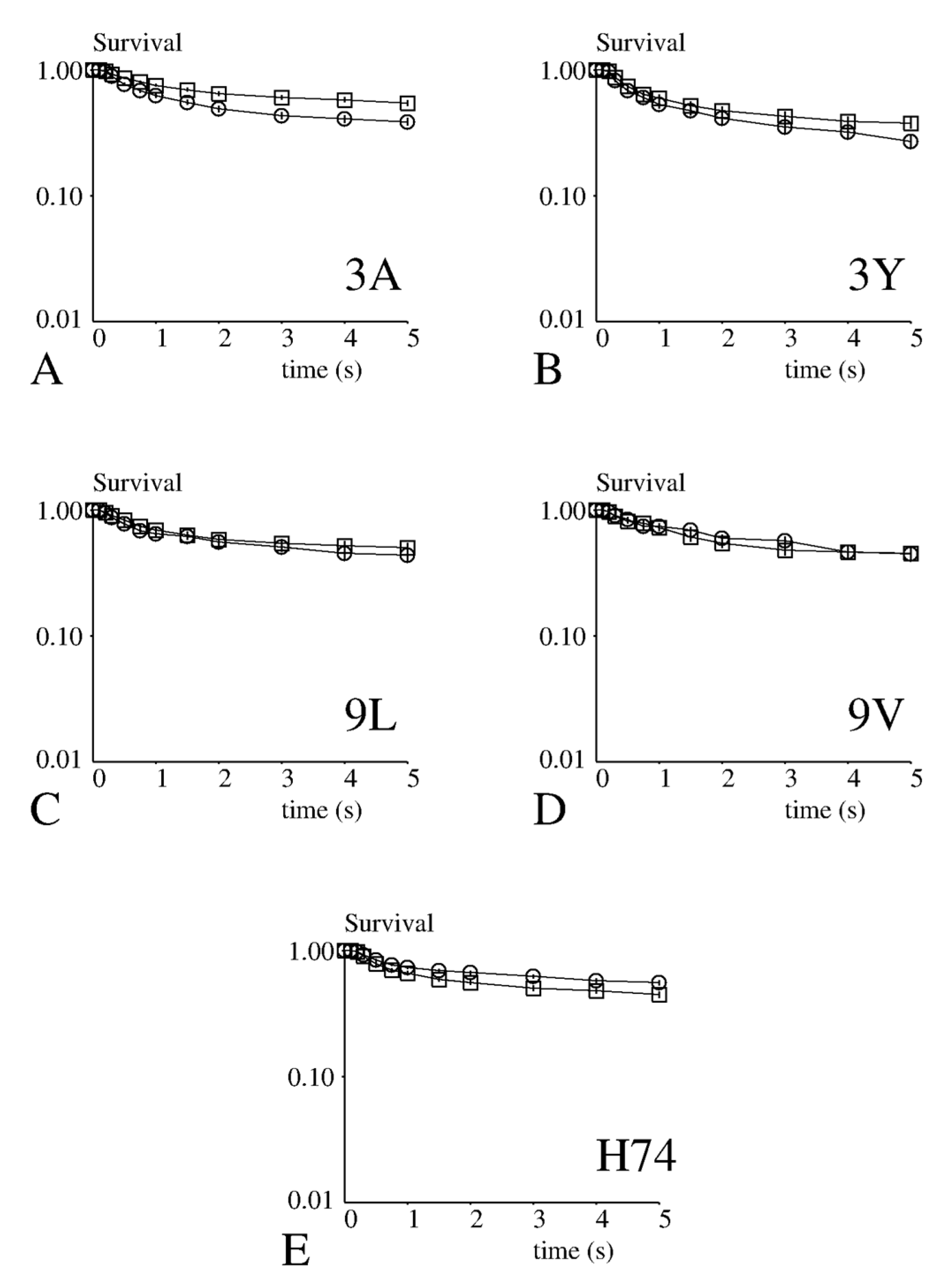
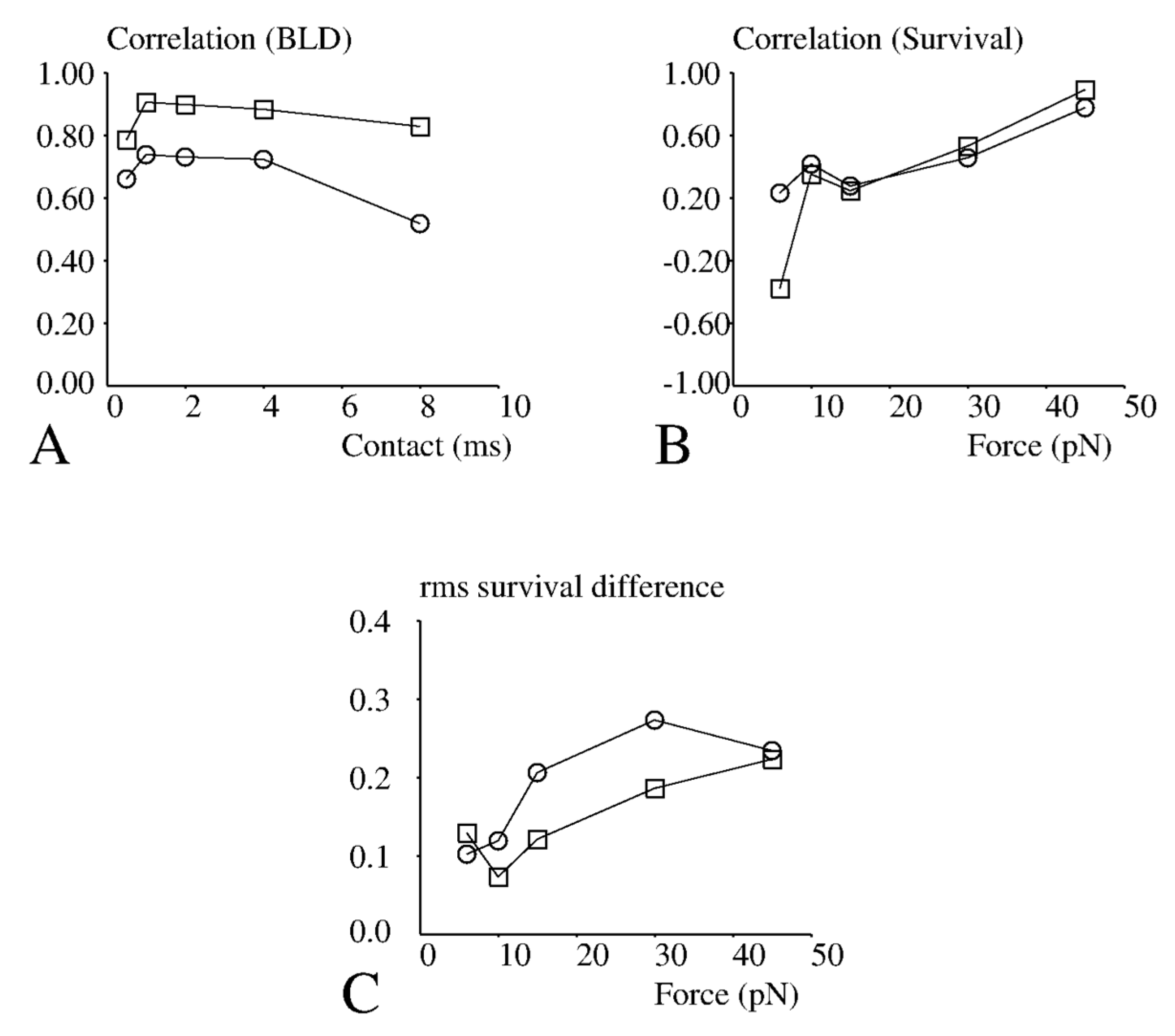
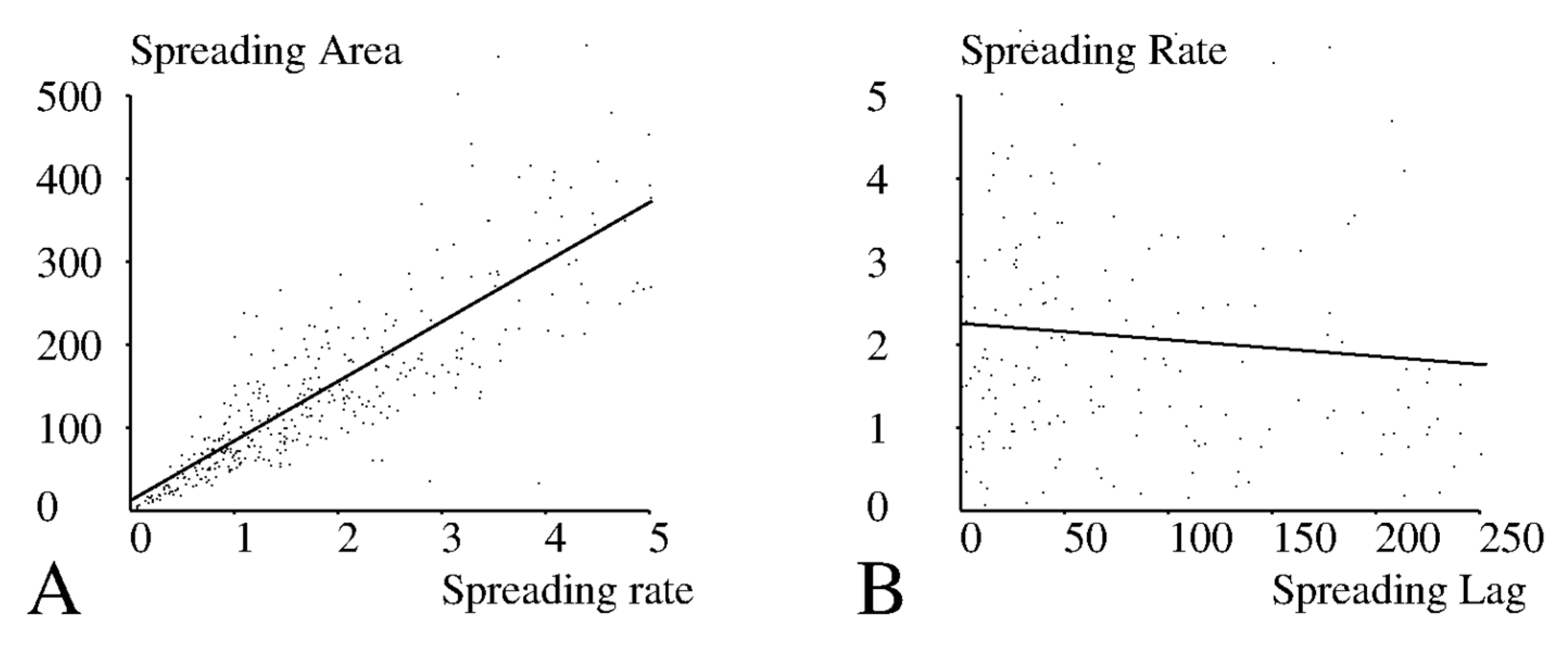
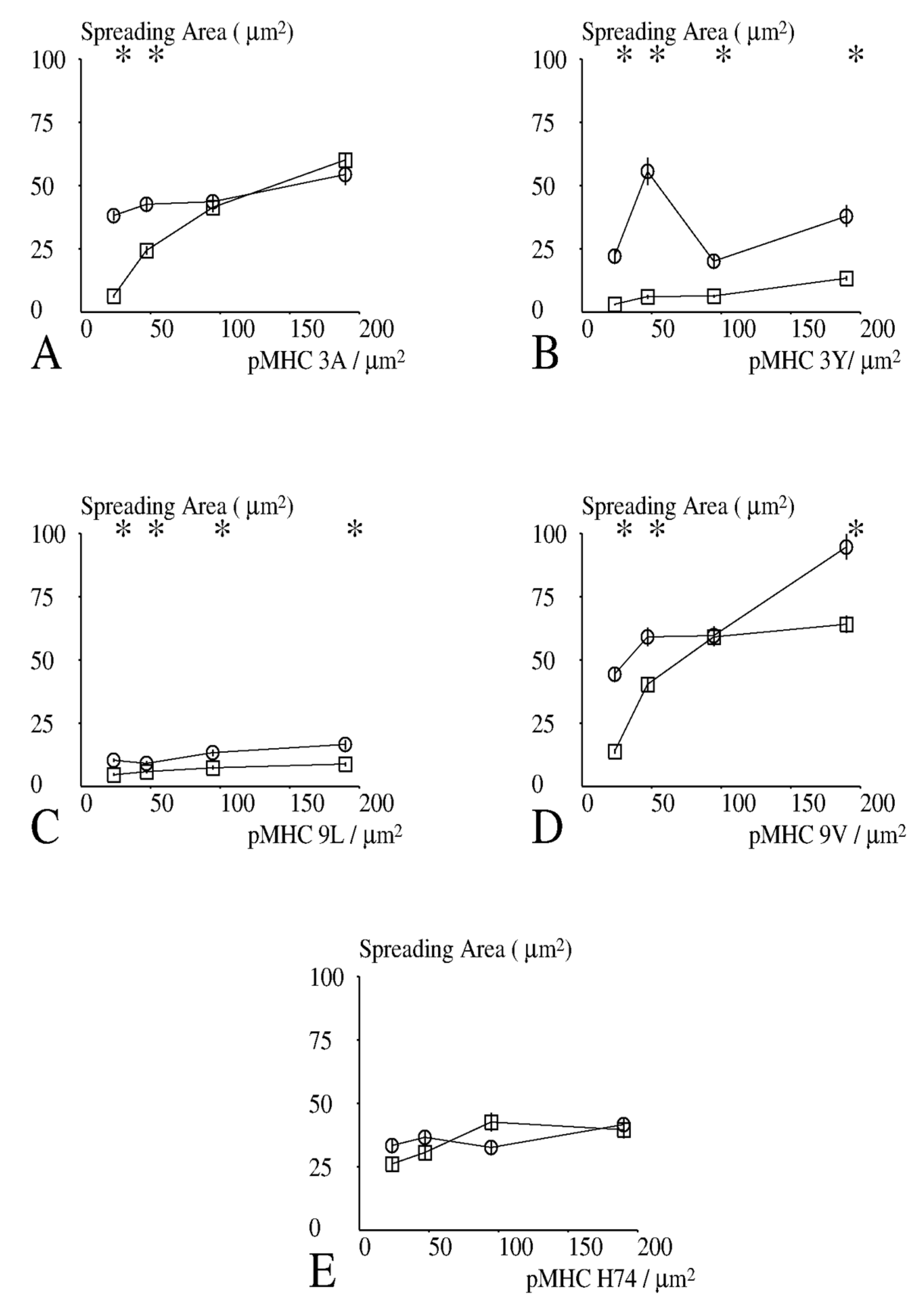
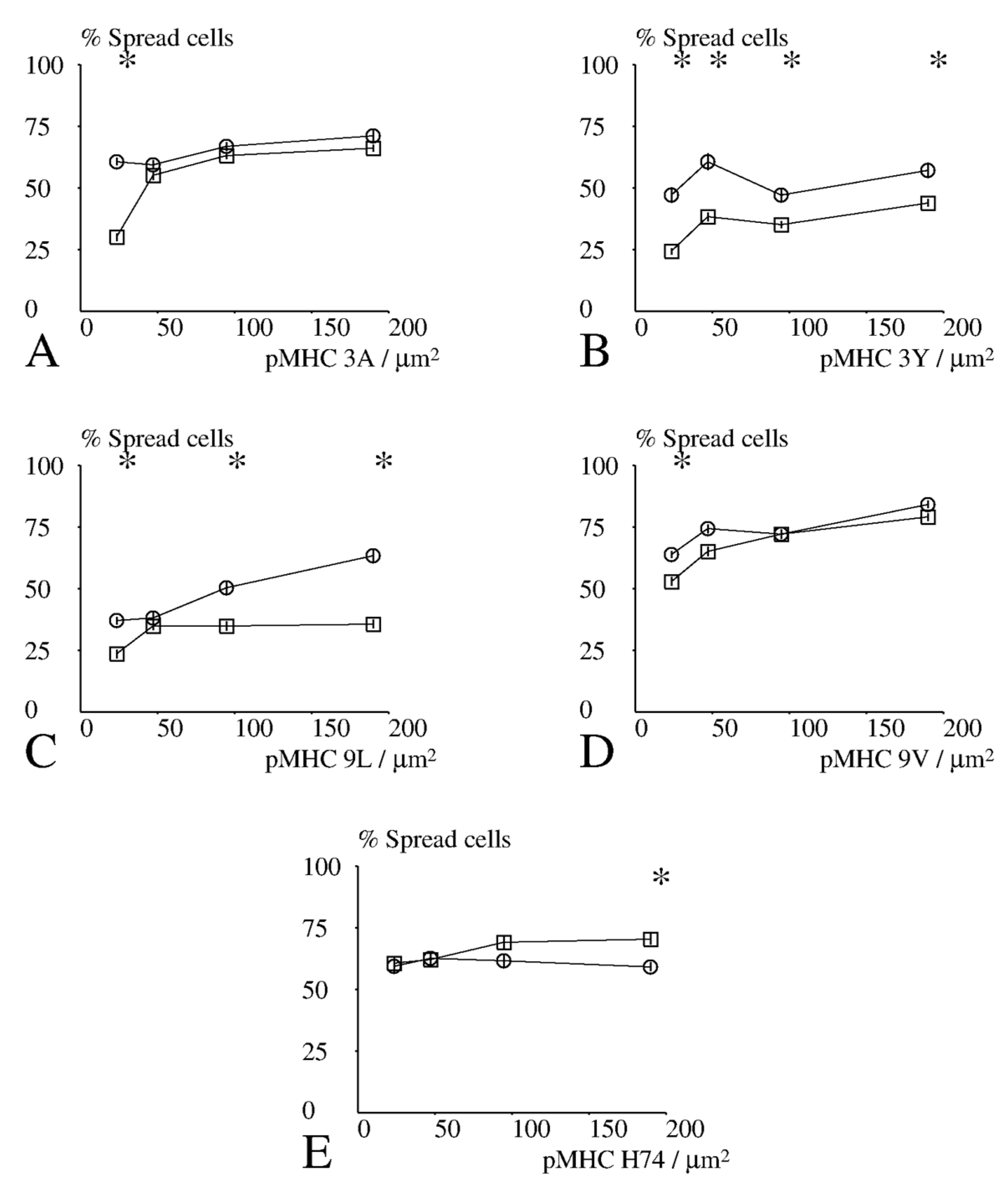
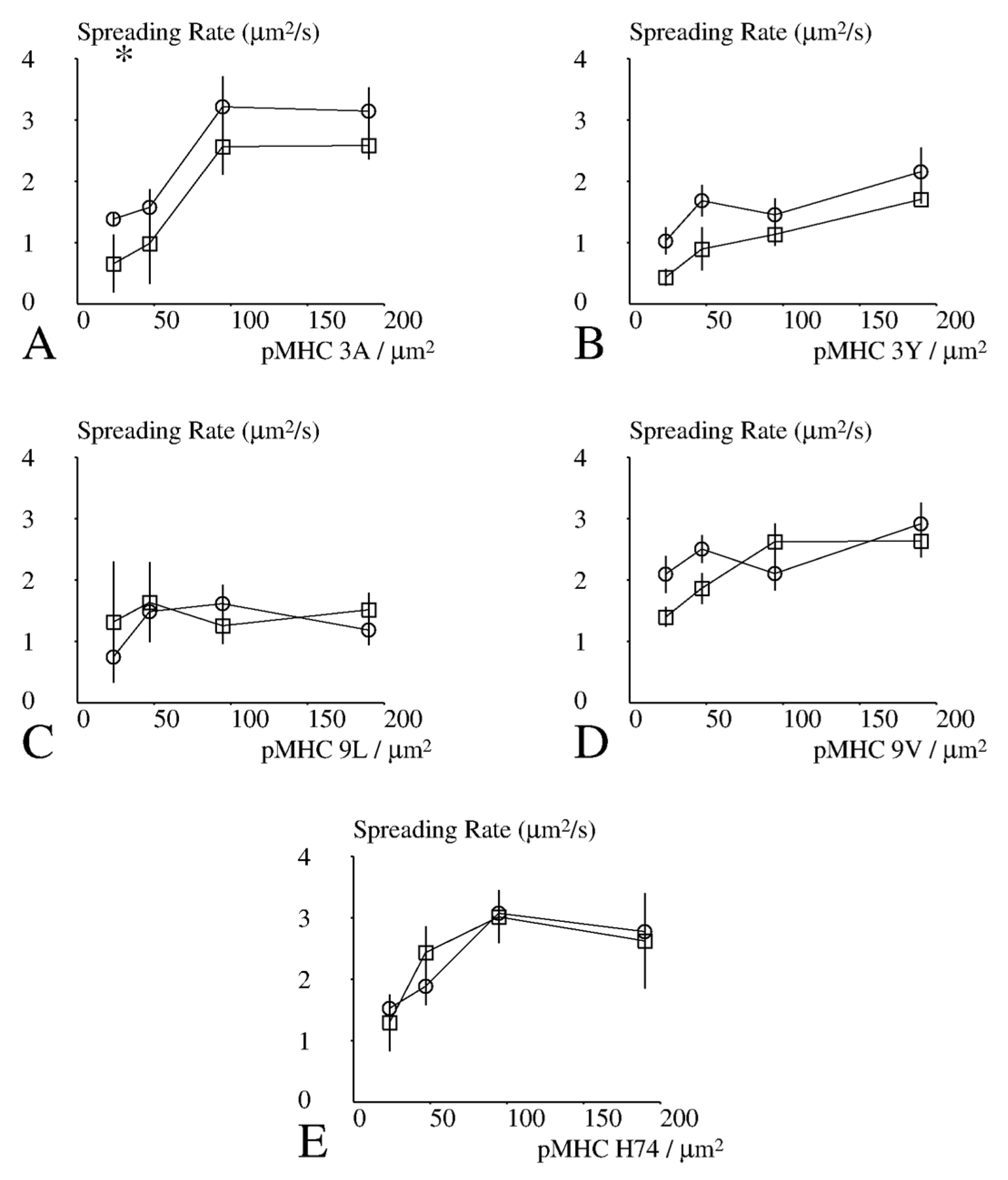
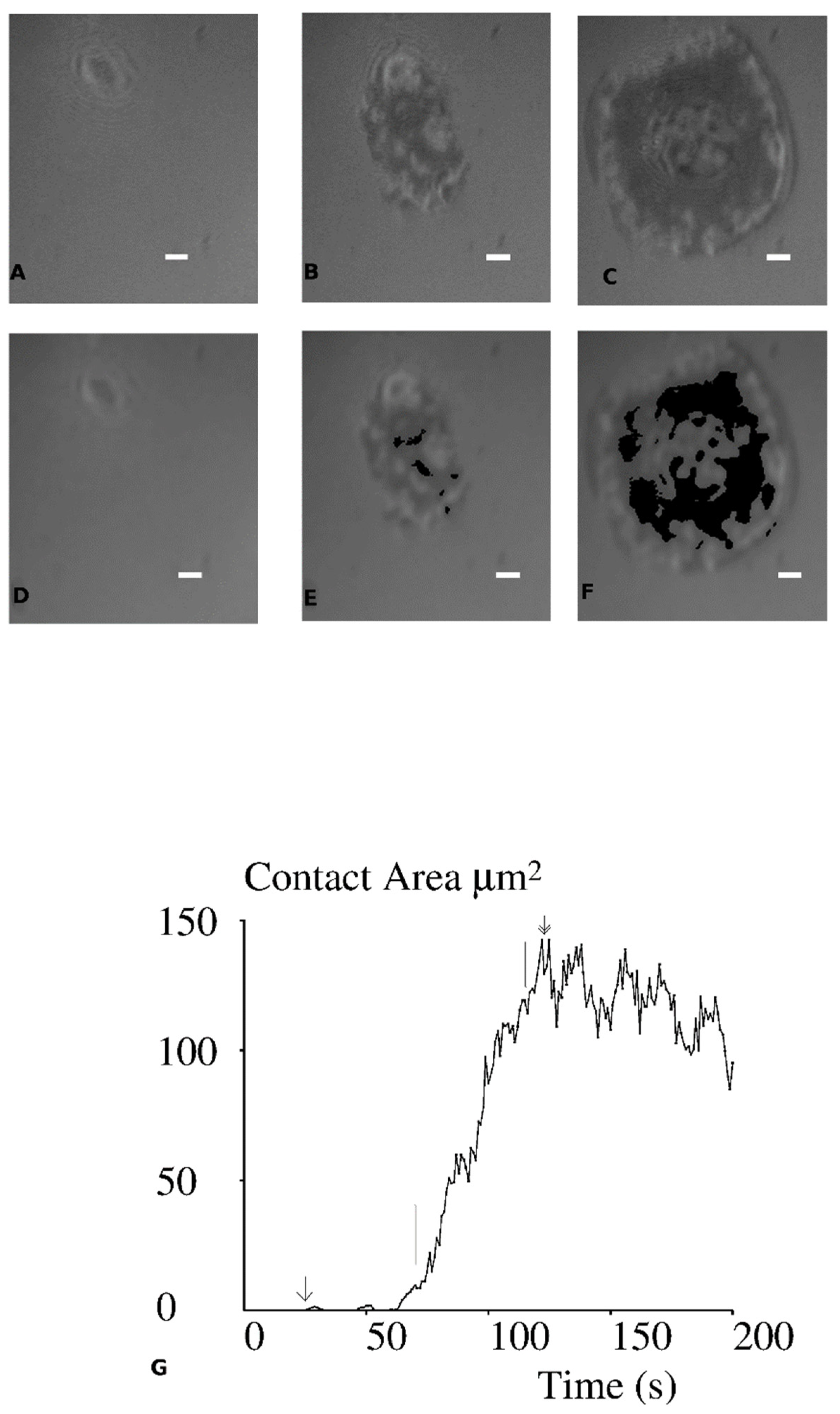
The scanning of surrounding tissues by T lymphocytes to detect cognate antigens requires high speed, sensitivity and specificity. T-cell receptor (TCR) co-receptors such as CD8 increase detection performance, but the exact mechanism remains incompletely understood. Here, we used a laminar flow chamber to measure at the single molecule level the kinetics of bond formation and rupture between TCR- transfected CD8+ and CD8− Jurkat cells and surfaces coated with five peptide-exposing major histocompatibility antigens (pMHCs) of varying activating power. We also used interference reflection microscopy to image the spreading of these cells dropped on pMHC-exposing surfaces. CD8 did not influence the TCR–pMHC interaction during the first few seconds following cell surface encounter, but it promoted the subsequent spreading responses, suggesting that CD8 was involved in early activation rather than binding. Further, the rate and extent of spreading, but not the lag between contact and spreading initiation, depended on the pMHC. Elucidating T-lymphocyte detection strategy may help unravel underlying signaling networks.
Keywords: T-cell receptor; T-cell triggering; spreading; 2D binding kinetics; laminar flow chamber; interference reflection microscopy; reflection interference contrast microscopy T-cell receptor; T-cell triggering; spreading; 2D binding kinetics; laminar flow chamber; interference reflection microscopy; reflection interference contrast microscopy