3.1. Melt Flow Index (MFI)
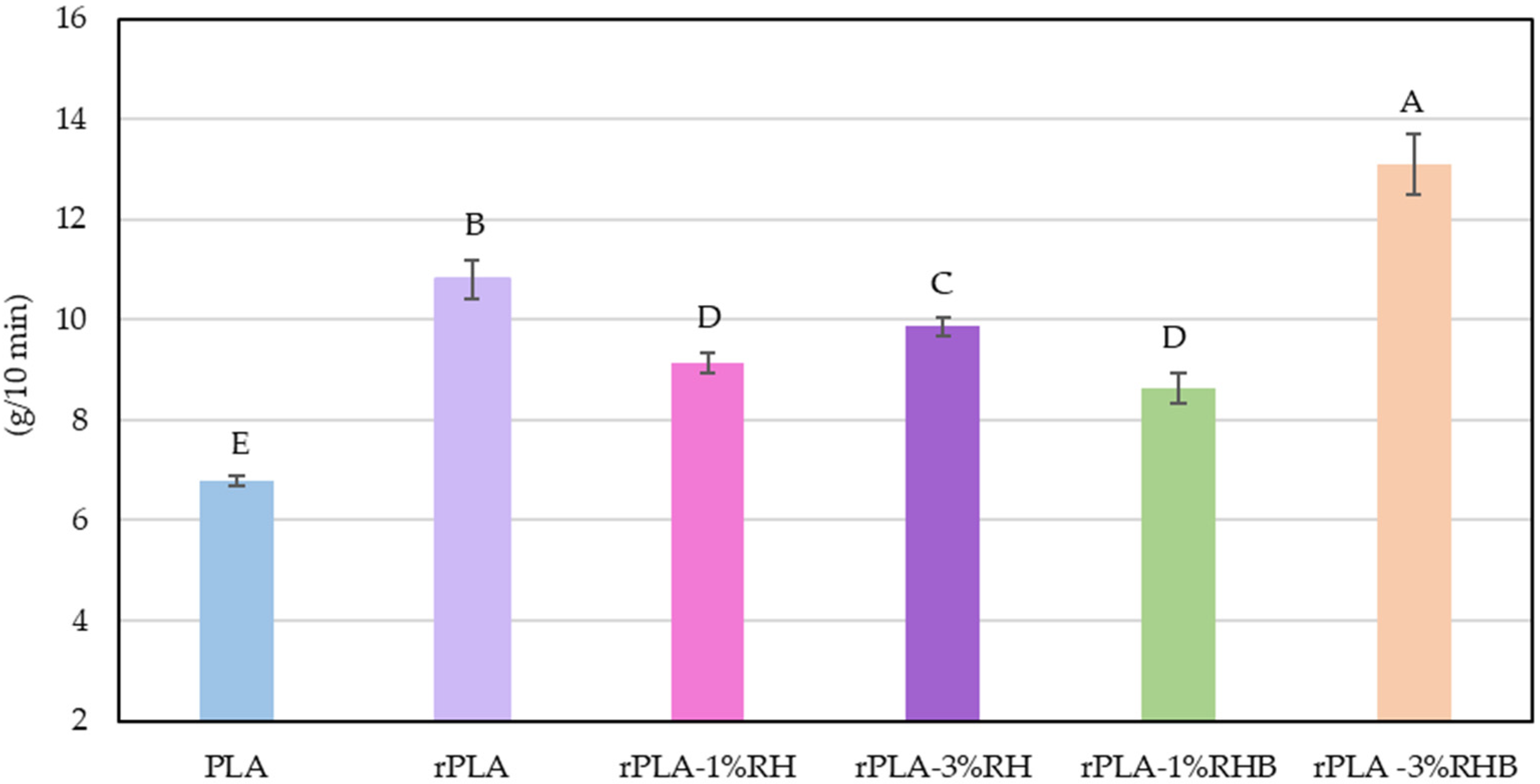
The melt flow index (MFI) results are presented in
Figure 2. The commercial PLA pellet exhibited an MFI of 6.8 g/10 min, in line with values reported for virgin PLA grades [
10]. In contrast, the reprocessed PLA (rPLA) displayed a marked increase in MFI (10.8 g/10 min), consistent with chain scission effects induced by thermal and mechanical stresses during extrusion. Similar values were obtained by Agüero et al. after subjecting PLA to one and two reprocessing cycles [
26]. This increase indicates a reduction in molecular weight and melt viscosity, phenomena widely reported in PLA subjected to multiple processing cycles [
26,
27,
28].
When RH was introduced into the rPLA matrix, a partial decrease in MFI was observed: 9.15 g/10 min for 1 wt.% RH and 9.86 g/10 min for 3 wt.% RH. The presence of lignocellulosic particles may contribute to increased resistance to flow, possibly due to polymer-filler interfacial friction or fiber entanglement with polymer chains, which offsets part of the fluidity gained from reprocessing [
29]. Similar values to that for rPLA-1%RH of MFI were obtained for rPLA-3%RH. The nonlinear behavior with RH content suggests complex interactions between filler dispersion, fiber orientation, and rheological behavior at low filler loadings [
30].
Interestingly, samples reinforced with carbonized RH (RHB) exhibited different trends. At 1 wt.% RHB, the MFI further decreased to 8.64 g/10 min, reinforcing the hypothesis that RHB introduces a more pronounced barrier effect during flow, due to its more rigid, thermally stable, and porous structure [
9]. However, at 3 wt.% RHB, the MFI significantly increased to 13.1 g/10 min, surpassing even the rPLA MFI value. This sharp rise may be attributed to synergistic effects between high filler content and matrix degradation, where RHB particles, being less polar, interact less with the PLA matrix. The low interfacial adhesion promotes polymer chain slippage and reduces entanglement density, especially in matrices already weakened by thermal history. Such behavior has been previously reported in biochar-reinforced PLA systems where excessive filler loading promotes flow due to poor interfacial adhesion [
31]. Additionally, biochar derived from rice husk can contain residual inorganic species (e.g., silica and mineral ash) as well as oxygen-containing surface functionalities that may act as catalytic sites under melt-processing conditions, promoting chain scission reactions in PLA during processing.
Overall, the MFI results reflect a delicate balance between matrix degradation due to reprocessing and the rheological influence of RH or RHB as fillers. While reprocessing reduces molecular weight and enhances flow, the incorporation of RH tends to moderately restrict melt mobility, whereas RHB exhibits a dual effect depending on its concentration. These findings are crucial for optimizing the extrusion conditions of rPLA-based biocomposites, especially when targeting applications requiring specific melt flow behavior.
3.2. Viscosity Molecular Weight
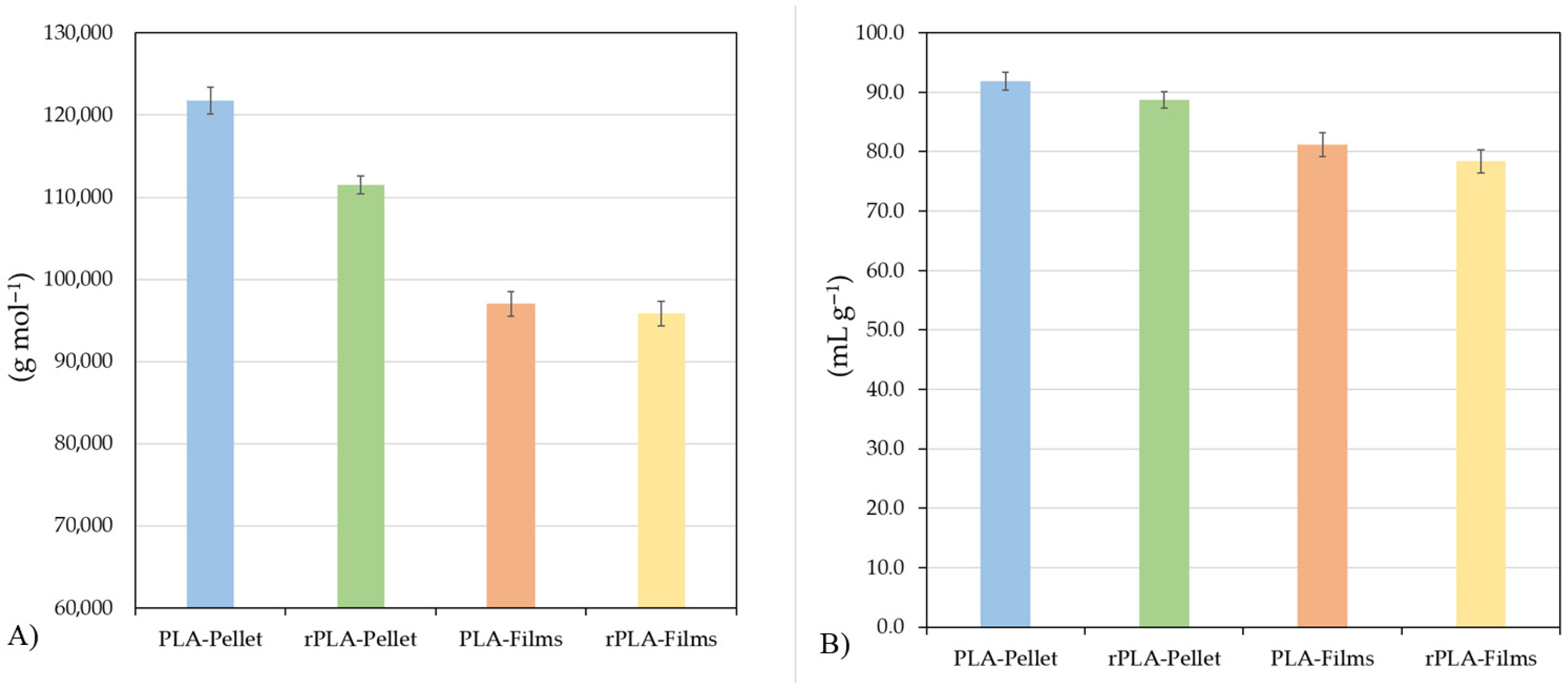
Figure 3 presents the results from the viscosity molecular weight analysis of various PLA films and pellets.
The evaluation of the viscosity molecular weight (M
v) and intrinsic viscosity ([η]) of PLA and rPLA, both in pellet and film forms, reveals a clear reduction in these parameters after the material undergoes thermal processing stages (
Figure 2). Specifically, the viscosity molecular weight of neat PLA pellets was 121,771 ± 1600 g·mol
−1, with an intrinsic viscosity of 91.8 ± 1.5 mL·g
−1. In contrast, rPLA pellets exhibited lower values, with an M
v of 111,530 ± 1100 g·mol
−1 and an intrinsic viscosity of 88.7 ± 1.4 mL·g
−1, corresponding to a reduction of approximately 8.4% and 3.4%, respectively, when compared to PLA pellets. This initial decrease is indicative of the thermo-mechanical degradation suffered by the material during reprocessing cycles. The transformation of PLA into rPLA involves an additional extrusion cycle, where high temperatures and shear stress promote chain scission reactions, reducing the molecular weight of the polymer. These results are consistent with previous studies, which have reported that reprocessing of PLA leads to a gradual decrease in molecular weight due to the breakage of ester bonds and the formation of shorter polymer chains [
32]. Further reductions in both M
v and intrinsic viscosity were observed in PLA and rPLA films. PLA films exhibited an M
v of 96,996 ± 1500 g·mol
−1 and an intrinsic viscosity of 81.1 ± 2 mL·g
−1, representing a decrease of 20.3% and 11.6%, respectively, relative to PLA pellets. Similarly, rPLA films showed an M
v of 95,830 ± 1500 g·mol
−1 and an intrinsic viscosity of 78.4 ± 2 mL·g
−1, evidencing a reduction of 14.1% and 11.7%, respectively, when compared to rPLA pellets. Similar findings were observed by Aldhafeeri et al., (2022) [
27].
These results confirm that the extrusion and compression molding processes used for film production further accelerate the degradation of the polymer chains. The combined effect of high temperatures, shear forces, and oxygen exposure during melt processing promotes chain scission and a reduction in molecular weight, which directly influences the intrinsic viscosity of the material. This behavior is characteristic of PLA-based materials, which are susceptible to hydrolytic and thermal degradation during processing [
10].
The progressive decrease on the viscosity molecular weight and intrinsic viscosity not only impacts the rheological properties of the material but also has significant implications for the mechanical and barrier performance of the films. Lower molecular weight results in reduced chain entanglement and cohesive forces within the matrix, potentially compromising tensile strength, elongation at break, and resistance to water vapor permeation [
26].
From a sustainability standpoint, these findings highlight the need to control processing parameters and evaluate potential solutions, such as the incorporation of chain extenders, antioxidants, or optimized processing conditions, to mitigate the degradation of rPLA during recycling cycles. The observed reductions in molecular parameters will serve as a critical reference point to further analyze the influence of rice husk and carbonized rice husk incorporation on the physicochemical integrity and performance of the developed biocomposite films [
33].
3.3. Attenuated Total Reflectance-Fourier Transform Infrared Spectroscopy (ATR-FTIR)
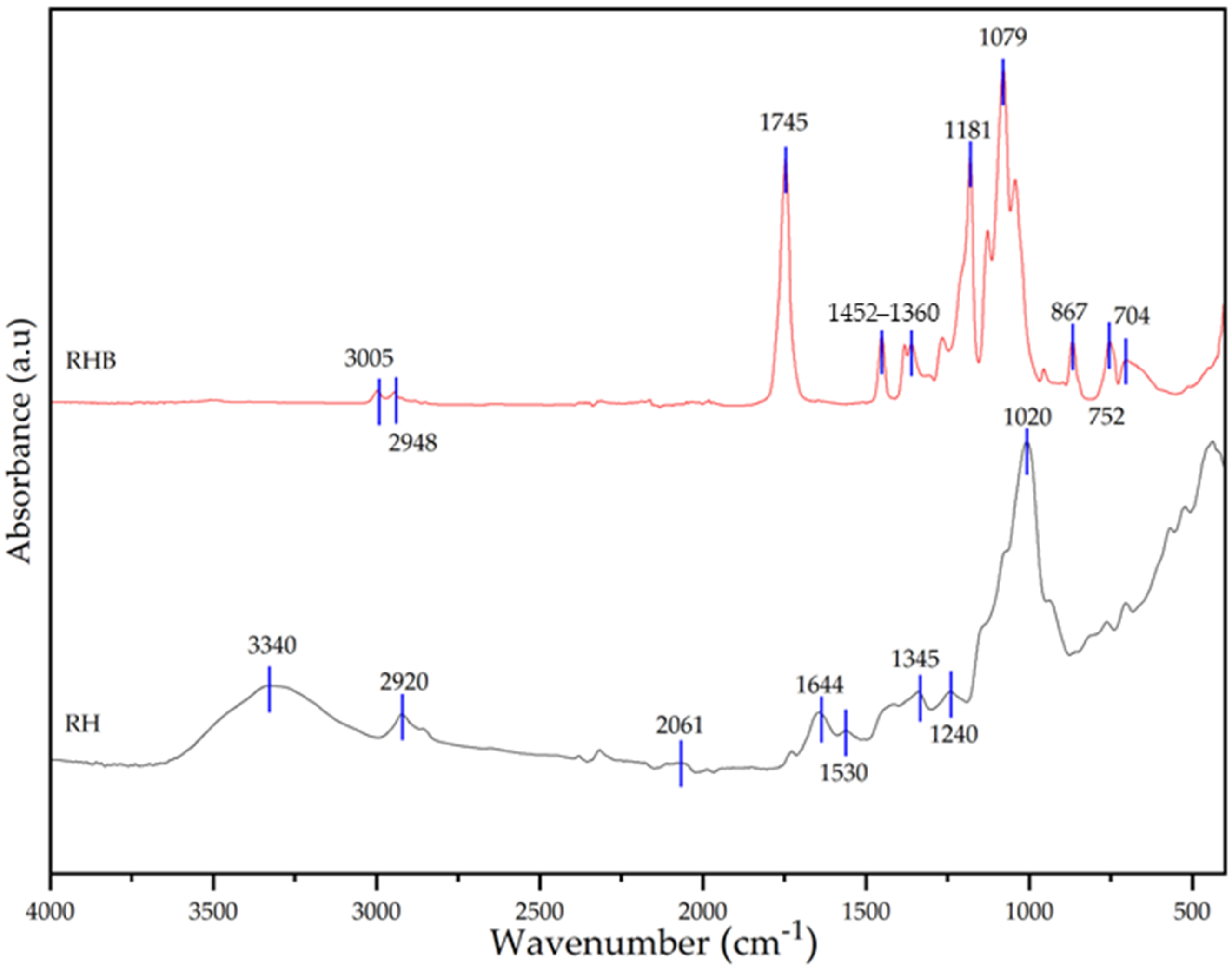
FTIR was used to obtain detailed information on the chemical molecular composition of the sample of RH and RHB as well as that of the composite films. The ATR-FTIR spectra of RH and RBH are summarized in
Figure 4 and the ATR-FTIR spectra of all composite films are summarized in
Figure 4 and
Figure 5.
In the ATR-FTIR analysis of uncarbonized rice husk, a notable absorption band at 3332 cm
−1 is evident, attributed to -OH groups, reflecting hydrogen bonds between hydroxyl groups in the glucose chains of cellulose. This band may also encompass traces of water present in the sample. Vibrational bands in the 2913 cm
−1, 1507 cm
−1, and 1369 cm
−1 regions indicate the presence of C-H bonds, associated with aliphatic organic compounds. Around 2051 cm
−1, the C=O stretches from carbonyl groups in hemicellulose are observed. C-C group vibrations are found between approximately 1600 cm
−1 and 1680 cm
−1, corresponding to lignin. The band around 1027 cm
−1 is related to the stretching of the acetyl functional group, referred to as C-O. This analysis highlights the main functional groups present in the rice husk, which align with those reported in previous studies on lignocellulosic fibers [
34,
35,
36].
The ATR-FTIR analysis of biochar produced from the carbonization of rice husk reveals significant insights into the chemical transformations and structural modifications that occur during the carbonization process [
37]. The characteristic peaks observed in the FTIR spectrum provide valuable information about the functional groups present in the biochar and the extent of changes compared to the uncarbonized rice husk.
The peak observed at 3005 cm
−1 corresponds to =C-H stretching vibrations, indicating the presence of alkenes or aromatic structures. This suggests that the carbonization process has facilitated the formation of aromatic rings, a key feature of biochar that contributes to its stability and potential applications [
38]. The presence of a peak at 2948 cm
−1 indicates residual C-H stretching from methylene groups, suggesting that while significant transformation has occurred, some aliphatic chains may persist in the biochar matrix. The carbonyl C=O stretching peak at 1745 cm
−1, although reduced in intensity, suggests that some oxygenated functional groups remain in the biochar, potentially influencing its surface reactivity. Peaks at 1452 cm
−1 and 1382 cm
−1 are associated with CH
2 and CH
3 bending vibrations, highlighting the presence of methyl and methylene groups that are remnants of the aliphatic structure post-carbonization [
39].
The bands at 1265 cm
−1 and 1181 cm
−1 indicate C-O stretching vibrations in esters or ethers, suggesting that the carbonization process may preserve some structural elements from the original biomass [
40]. The region encompassing 1131 cm
−1, 1079 cm
−1, and 1041 cm
−1 reflects C-O and C-O-C stretching vibrations, consistent with ether linkages or modified cellulose remnants, demonstrating the complexity of the biochar’s internal structure [
39]. The band at 966 cm
−1 may indicate =C-H twisting vibrations, suggesting the presence of unsaturated bonds that could result from incomplete aromatic transformation or new bond formations within the biochar matrix [
35]. Finally, peaks at 867 cm
−1, 752 cm
−1, and 704 cm
−1 are typical of out-of-plane bending vibrations in aromatic rings, confirming the development of condensed aromatic structures that are integral to the biochar’s chemical stability and its potential applications [
34].
Overall, the FTIR analysis highlights the transformation of rice husk into a more aromatically enriched and structurally stable material through carbonization [
40]. The presence of both aromatic and aliphatic features underscores the complexity of biochar and suggests its suitability for a range of functional applications, from soil amendment to use as a filler in polymer composites [
41]. This transformation aligns with the existing literature, which describes biochar as a versatile material with significant potential in sustainable technologies [
42].
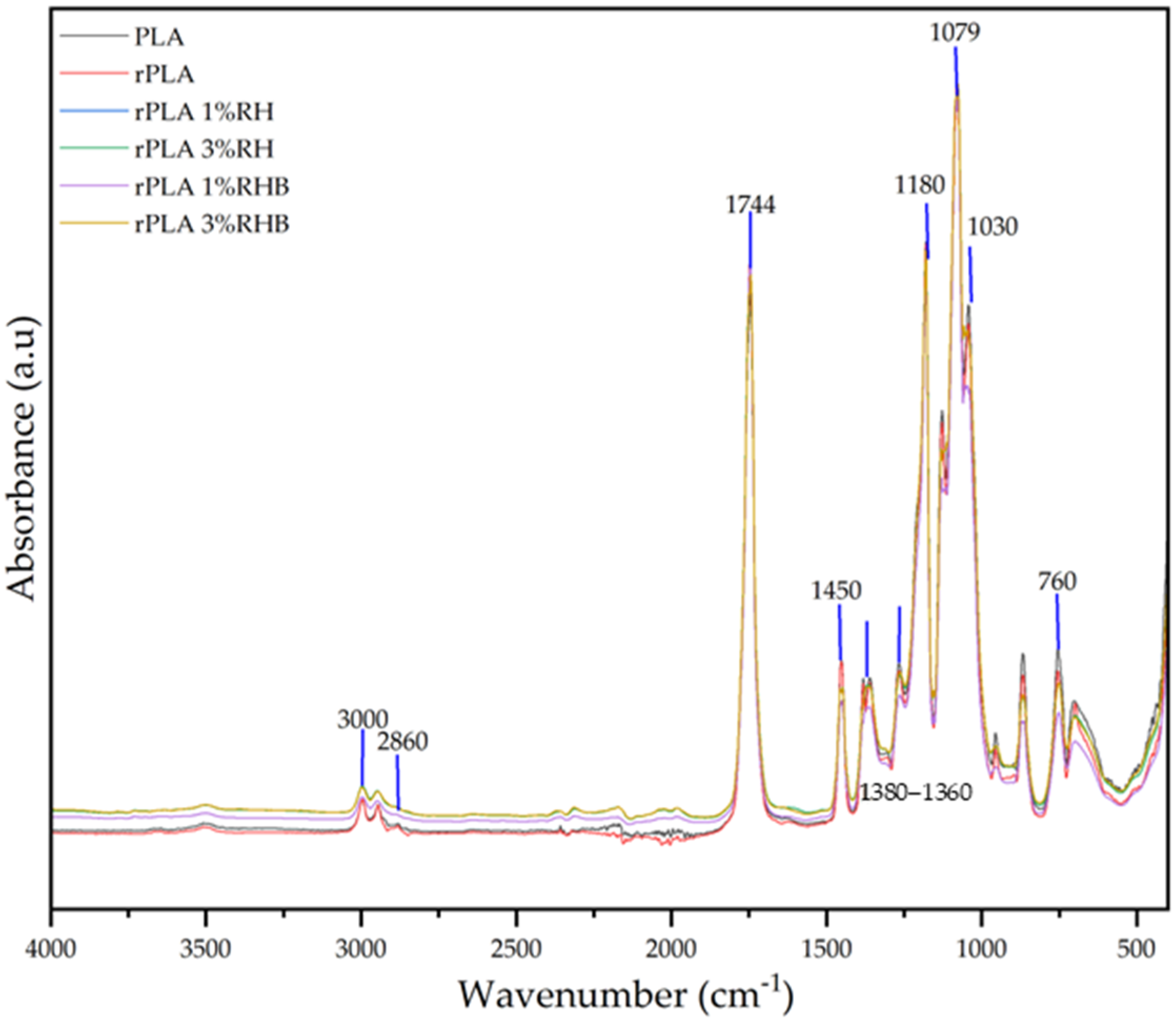
On the other hand, the ATR-FTIR spectra of PLA film reveals several typical distinctive bands that provide insights into the polymer’s chemical structure and interactions. The analysis of these FTIR bands is crucial for understanding the structural integrity and stability of PLA. The peak at 1744 cm
−1, attributed to the carbonyl stretching vibration of the lactide ester groups, is a prominent feature in PLA spectra [
10].
The band at 1450 cm
−1 corresponds to the bending vibrations of methyl groups (CH
3) in PLA. The C-O stretching vibrations at 1180 cm
−1 correspond to ester linkages within PLA [
11]. Additionally, the peak at 1079 cm
−1 reflects C-O-C stretching in glycolic linkages, which are integral to the PLA backbone [
2].
The spectral region between 3000 cm−1 and 2860 cm−1 is characterized by –CH stretching bands. A broad absorption around 3000 cm−1, attributed to the cyclohexene group, overlaps with the –CH peaks. The spectra also exhibit the asymmetric stretching of the carbonyl group (C=O) at 1744 cm−1, the CH3 group at 1450 cm−1, and symmetric and asymmetric deformation bands of –CH at 1380 cm−1 and 1360 cm−1, respectively.
All composite films and rPLA exhibited the characteristic PLA absorption bands. No significant peak shifts or new bands were detected after reprocessing or filler addition, suggesting that the PLA main chain remained chemically unchanged within the detection limits of ATR-FTIR.
3.4. Field Emission Scanning Electron Microscopy (FESEM)
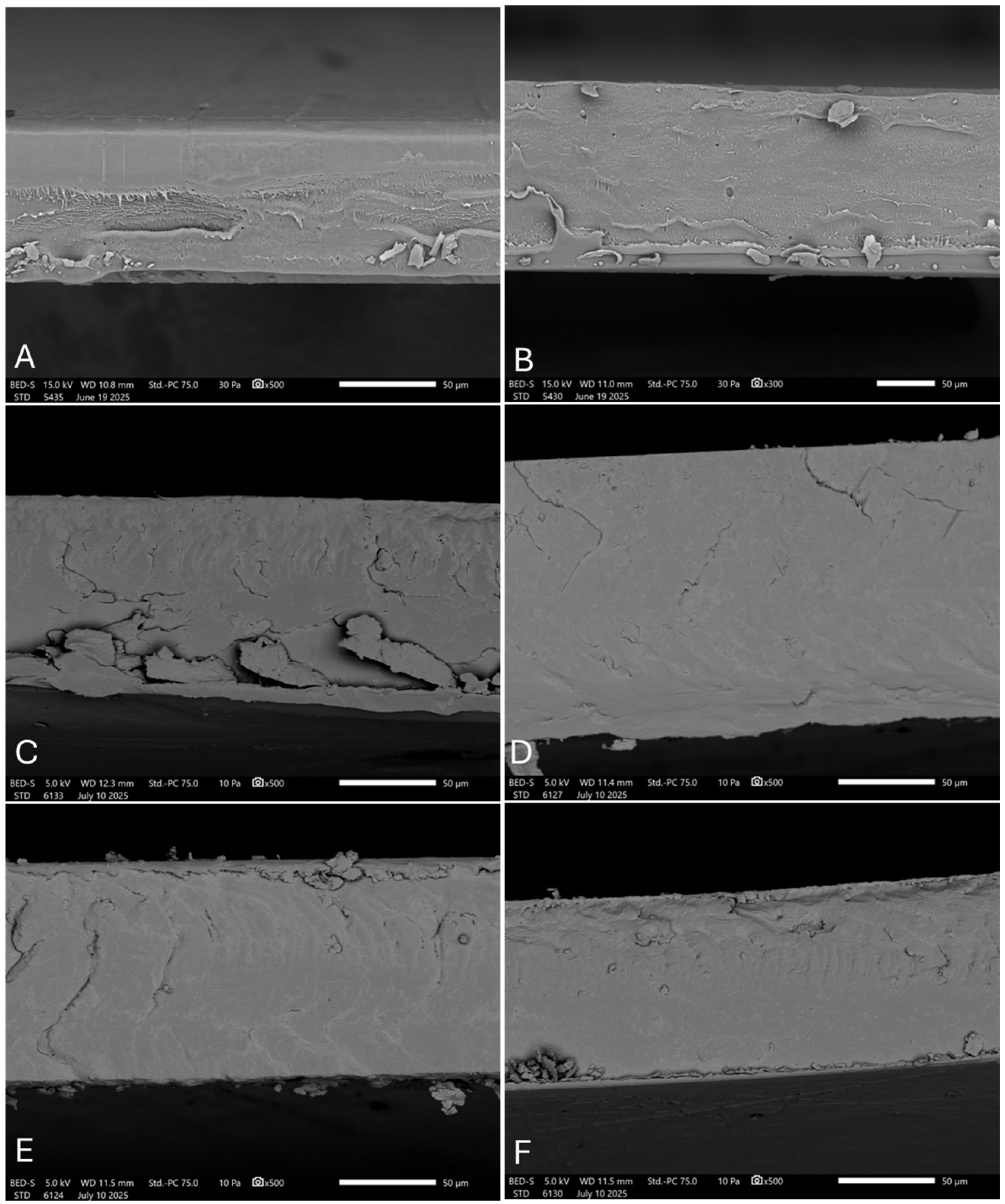
The micrographs corresponding to the cross-sectional fracture surfaces obtained by cryo-fracture by previously freezing the sample in liquid N
2 are shown in
Figure 4, where the morphology of each analyzed formulation can be observed.
In the PLA film (
Figure 6A), a homogeneous and continuous topography is evident, with a smooth surface and no signs of tearing. This regular morphology is characteristic of brittle fracture with minimal plastic deformation, typical of unmodified semicrystalline PLA matrices, in accordance with previous reports [
10]. In contrast, the rPLA film (
Figure 6B) exhibits a visibly rougher, yet continuous fracture surface. Unlike PLA (
Figure 6A), rPLA (
Figure 6B) displays a somewhat more irregular texture attributed to the thermal degradation accumulated during the second reprocessing cycle [
10,
43]. For the rPLA, and RH- (
Figure 6C,E) or RHB (
Figure 6D,F)-loaded films, a rougher surface was observed due to the microparticle’s presence, but no reinforcement particles were directly observed embedded within the matrix. Similarly, no cavities, voids, or significant structural defects were identified, suggesting a good particle integration into the polymeric matrix and a reasonably homogeneous distribution, with no apparent morphological alterations compromising the structural integrity of the films [
11,
17,
44]. Therefore, the microstructure showed good interfacial adhesion between the RH or RHB microparticles.
3.5. Mechanical Properties
The mechanical properties of PLA and rPLA as well as the rPLA-based composites with rice husk (RH) and rice husk biochar (RHB) provide valuable insights into the impact of natural fillers on polymer matrices. By examining the tensile test properties, Young’s modulus (Et), tensile strength (σt), and elongation at break (ɛb), we can understand how these additives influence the structural and functional properties of rPLA-based materials.
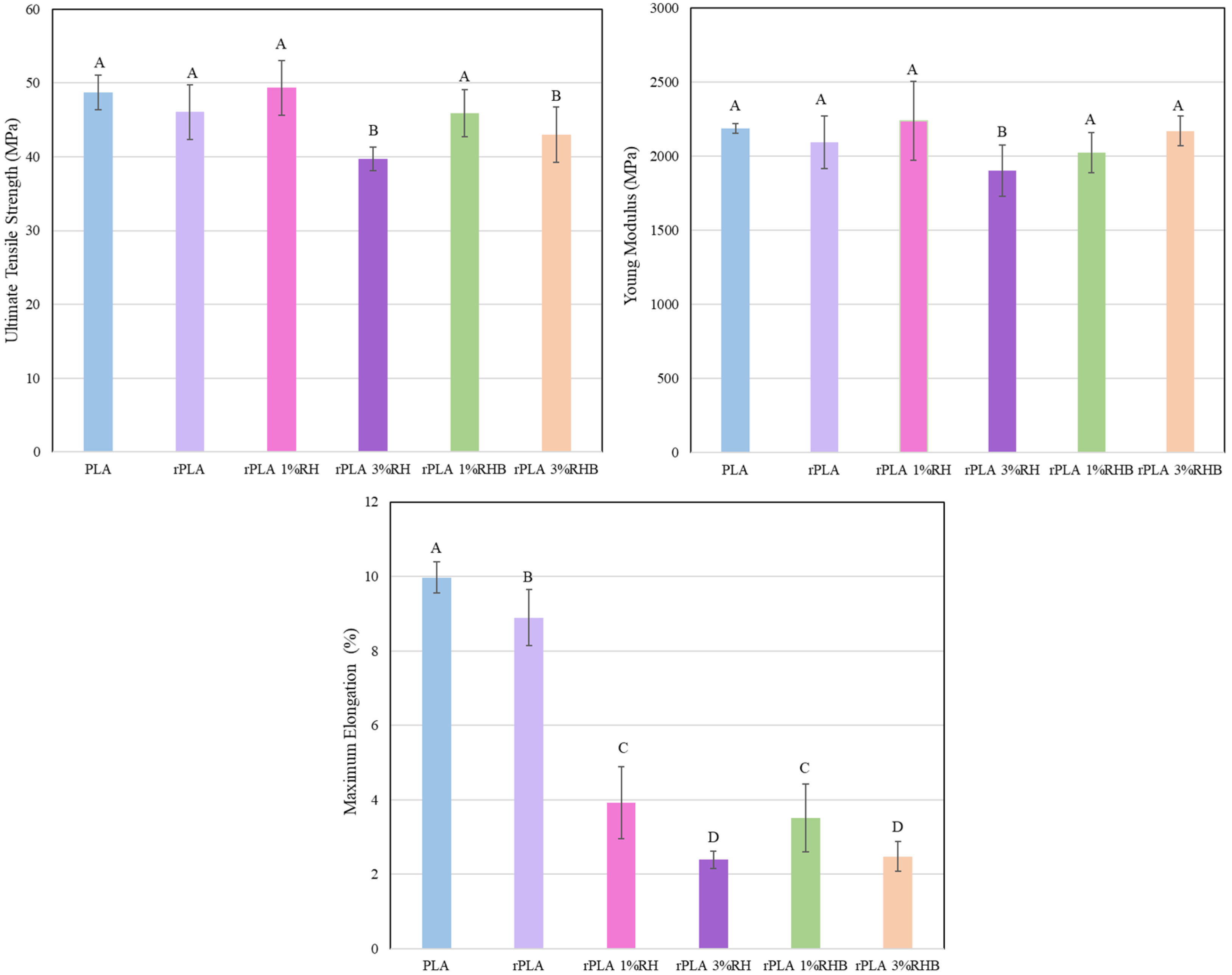
The mechanical properties of PLA and rPLA-based films are summarized in
Figure 7. A clear decreasing trend was observed in tensile strength (σₜ), Young’s modulus (Eₜ), and elongation at break (ε
b) as a result of reprocessing due to the thermal degradation.
The PLA film exhibited the highest mechanical performance, with a tensile strength of 48.7 MPa, a Young’s modulus of 2189.5 MPa, and an elongation at break of 10.0%. Reprocessing reduced these values to 46.1 MPa, 1954.58 MPa, and 8.63%, respectively. This decrease is associated with chain scission during reprocessing, leading to lower molecular weight and reduced chain entanglement [
45].
The addition of rice husk (RH) particles further affected the mechanical behavior but in different ways according to the amount and type of rice-husk-based particle. The tensile strength and modulus of rPLA-1%RH did not significantly decrease reaching values of 44.5 MPa and 1944.0 MPa, while elongation dropped significantly to 3.7%, showing a reduction in the flexibility of the films as frequently occurs in polymer composites where the particle limits plastic deformation. Increasing RH content to 3 wt.% exacerbated this effect, with tensile strength and modulus decreasing to 35.3 MPa and 1808.9 MPa, and elongation at break falling to 2.3%. The presence of 3 wt.% of RH introduced rigid, poorly adhered particles in the matrix, acting as stress concentrators and further reducing the deformation capacity [
30].
The composites with carbonized rice husk (RHB) showed a more marked reduction in the overall mechanical performance than RH composites. rPLA-1%RHB exhibited a tensile strength of 39.9 MPa, modulus of 1899.1 MPa, and elongation at break of 3%. At 3 wt.% RHB content, these values further decreased to 37.1 MPa, 1850.9 MPa, and 1.7%, respectively, which may indicate limited interfacial adhesion and inefficient stress transfer between the filler and the rPLA matrix.
Overall, the mechanical trend observed here is consistent with the expected response of reprocessed PLA systems containing rigid agro-residue particles. In the present work, reprocessing reduced the tensile strength from 48.7 to 46.1 MPa, the Young’s modulus from 2189.5 to 1954.58 MPa, and the elongation at break from 10.0 to 8.63%, while the incorporation of RH or RHB caused a much stronger reduction in ductility than in stiffness or strength, particularly at 3 wt.%. In this context, Sepúlveda-Carter et al. (2025) reported that reprocessed PLA films exhibited slightly lower tensile strength, Young’s modulus, and elongation at break than virgin PLA, and concluded that the first reprocessing cycles mainly preserve the tensile response despite measurable reductions in viscosity-average molecular weight [
10]. Therefore, the decrease observed from PLA to rPLA in the present study is fully consistent with a matrix that has undergone thermo-mechanical degradation but still retains sufficient structural continuity for film formation.
The behavior of RH-filled films also follows the trend widely reported for PLA composites reinforced with untreated lignocellulosic particles. In the present work, 1 wt.% RH preserved tensile strength and modulus to a large extent, but sharply reduced elongation at break, whereas 3 wt.% RH caused a more pronounced reduction in all tensile parameters. This combination of limited stiffening or property retention at low content and marked embrittlement at higher content is consistent with the literature. Lubwama et al. (2025) found that rice husk incorporation into PLA increased the modulus of elasticity but lowered the maximum stress relative to neat PLA [
14]. Likewise, Barreto et al. (2024) reported that low amounts of rice husk in PLA filaments strongly decreased elongation at break, in some cases by more than 50%, and attributed the reduction in deformability to stress concentration, voids, and insufficient particle adhesion to the polymer matrix [
15]. In this context, the sharp drop in elongation observed here, even when tensile strength remained relatively close to rPLA at 1 wt.% RH, suggests that RH acted mainly as a rigid phase restricting plastic flow rather than as an efficient reinforcing filler. At 3 wt.%, the additional loss of strength and modulus indicates that defect sensitivity and inefficient stress transfer became dominant failure-controlling factors.
A particularly relevant result is that RHB caused a more marked deterioration in tensile properties than RH under the conditions tested. This result is in agreement with some biochar-based PLA systems reported in the literature, where low biochar contents maintained stiffness and, in some cases, tensile strength. Botta et al. (2024), working with recycled PLA filled with poplar biochar, reported an increase in elastic modulus of up to 20% relative to extruded recycled PLA, although elongation at break still decreased [
9]. Similarly, Papadopoulou et al. (2025) observed that low biochar from the pyrolysis of pelleted softwood pellet contents in neat PLA slightly enhanced mechanical performance, whereas higher contents reduced it because of lower molecular weight and the detrimental effect of excessive biochar loading [
46]. In contrast, Vengadesan et al. (2025) showed that hybrid systems containing treated rice husk and biocarbon could improve strength and ductility when dispersion and interfacial bonding were optimized, but excessive biocarbon loading again led to brittleness and strength loss [
16]. Taken together, these comparisons suggest that carbonization alone does not guarantee better reinforcement. In the present films, the RHB particles likely behaved as rigid discontinuities with limited stress-transfer efficiency, so the potential advantages of a more carbonized surface were outweighed by interfacial limitations and filler-induced embrittlement.
3.6. Differential Scanning Calorimetry (DSC)
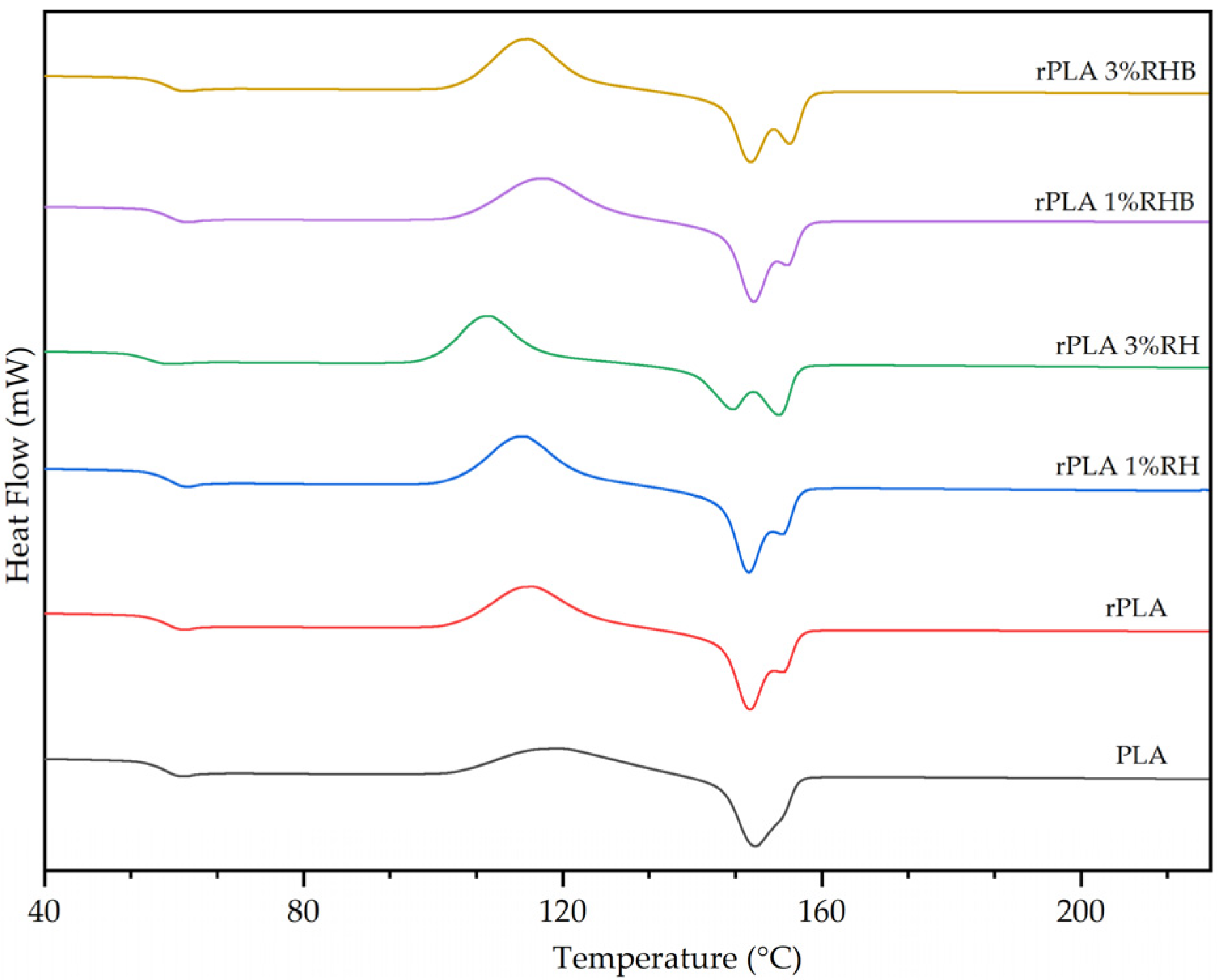
The DSC thermograms of all films are shown in
Figure 8, while the thermal parameters obtained, including the glass transition temperature (T
g), cold crystallization temperature (T
cc), melting temperature (T
m), associated enthalpies (ΔH
cc and ΔH
m), and degree of crystallinity (X
c) are summarized in
Table 1.
The neat PLA film showed the typical behavior of PLA film, whereas the rPLA showed two melting peaks. The multimelting behavior is commonly attributed to the presence of less perfect crystals that initially melt at lower temperatures and subsequently reorganize into more stable and ordered crystalline structures, which remelt at higher temperatures, already observed in mechanically recycled PLA [
47].
The T
g of the neat PLA films was 59.0 °C and remained practically constant in the reprocessed and composite formulations, with values ranging from 59.2 °C to 59.8 °C. Sepúlveda-Carter et al. reported similar T
g values of 58 °C and 58.7 °C for PLA and rPLA, respectively [
10]. An exception was observed in the rPLA-3%RH sample, where T
g decreased to 55.9 °C. This reduction may be attributed to the higher thermo-mechanical degradation in good agreement with the reduction in the molecular weight of rPLA and the marked increase in MFI values in this formulation, suggesting an increased chain mobility, while the highest content of untreated lignocellulosic fibers generate a less homogeneous matrix and introduce irregularities that favor increased segmental mobility in the amorphous regions of the polymer.
The T
cc values progressively decreased from 119.9 °C in neat PLA to 108.5 °C in the rPLA-3%RH composite, indicating an enhancement of the crystallization ability in recycled materials due to the reduction in molecular weight and increased chain mobility. The addition of RH further decreases the cold crystallization temperature. This decrease in T
cc in composite films can be associated with a nucleating effect induced both by reprocessing and by the addition of RH particles, promoting molecular rearrangement at lower temperatures and facilitating the crystallization of the rPLA matrix during heating [
48], particularly at 3 wt.% loading. The addition of 1 and 3 wt.% of carbonized particles (RHB) exhibited different tendencies. While the incorporation of 1 wt.% of RHB increased the T
cc values to 117.3 °C, probably due to the presence of shorter polymer chains that may become partially adsorbed onto the RHB filler surface, which can restrict their mobility and hinder their ability to reorganize into crystalline structures, which requires more thermal energy to crystallize the rPLA matrix. Meanwhile, the addition of a higher content of 3 wt.% of RHB somewhat decreases the Tcc value of rPLA indicating a more homogeneous nucleating effect, probably due to their higher thermal stability of RHB and more regular surface morphology compared to RH [
48].
The T
m remained stable in most formulations, with values ranging from 148.7 °C to 149.7 °C. However, a significant increase to 153.4 °C was observed in the rPLA-3%RH film sample, suggesting the formation of more stable and ordered crystals. This phenomenon may be related to recrystallization induced by the interaction between rPLA chains and RH particles associated with the formation of more stable crystalline domains, although with a lower total amount of crystals [
49]. This increase in T
m was not replicated in the RHB formulations, in which the Tm values were mainly maintained, indicating differences in the nucleation mechanism and in the quality of the crystals formed depending on the nature and content of the reinforcement [
44].
The melting enthalpy (ΔH
m) and cold crystallization enthalpy (ΔH
cc) reflect the amount of energy absorbed and released during the melting and molecular ordering processes and allows to determine the overall crystallinity in the polymeric matrix [
50]. The unfilled reprocessed PLA (rPLA) showed a higher crystallinity (X
c = 10.0%) compared to neat PLA (X
c = 8.0%), which may be attributed to chain redistribution during thermal reprocessing, facilitating spontaneous nucleation during the thermal cycle [
51]. The highest ΔH
m was recorded for rPLA-3%RHB (44.5 J/g), followed by rPLA-3%RH (41.0 J/g). These values suggest a general improvement in the reprocessed materials’ ability to reorganize their chains and form crystalline regions, compared to PLA (33.4 J/g). Despite exhibiting a lower T
m, the rPLA-3%RHB formulation showed the highest crystallinity among all samples (X
c = 16.3%), indicating an effective nucleating action due to the synergistic effect of shorter polymer chains generated during the polymeric matrix reprocessing and RHB, possibly associated with the porous surface and low hygroscopicity of RHB [
52]. In contrast, rPLA-3%RH, although exhibiting a higher T
m, showed slightly lower crystallinity (X
c = 15%), supporting the hypothesis that crystal perfection does not always correlate with the total amount of crystals formed [
50,
53].
3.7. Thermogravimetric Analysis (TGA)
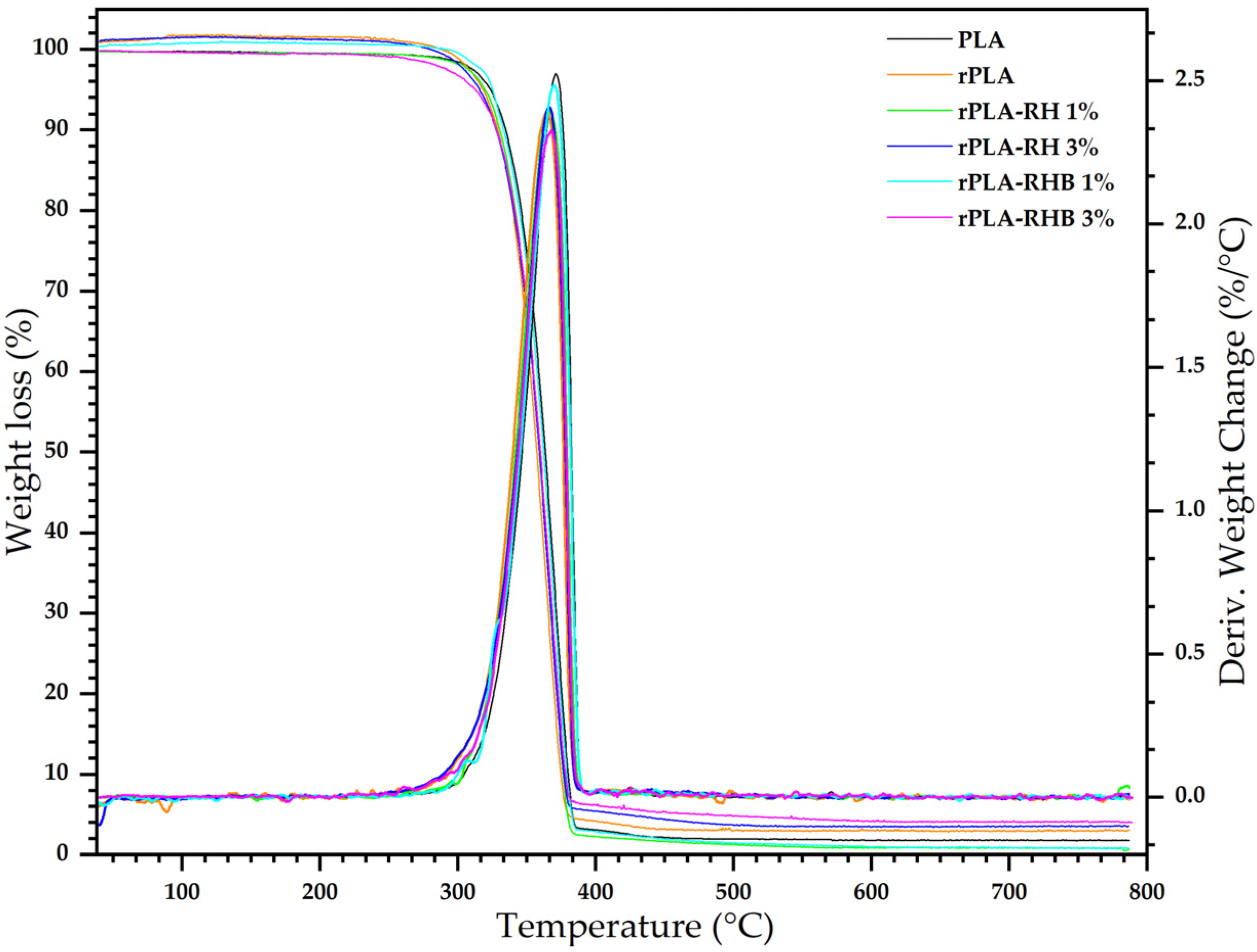
Figure 9 shows the thermogravimetric curves of all films, while
Table 2 compiles the data collected by the thermogravimetric analysis.
PLA films exhibit an initial decomposition temperature of 323.4 °C, indicating good thermal stability for the intended application. The maximum decomposition temperature of 371.2 °C and a maximum mass loss of 65.6% are typical characteristics of PLA, reflecting its standard thermal degradation behavior [
8,
10,
54]. Upon reprocessing, a decrease in the initial decomposition temperature to 318.2 °C and a maximum decomposition temperature of 330 °C is observed in rPLA film, in good accordance with previous studies on mechanically recycled PLA [
10,
26,
55]. This suggests that reprocessing may affect the polymers’ molecular structure, likely due to thermal and mechanical degradation mechanisms. The increase in maximum mass loss to 66% could be attributed to the greater release of volatile degradation products generated during reprocessing [
10,
26].
The addition of 1 wt.% of rice husk (RH) to rPLA results in a slight decrease in the initial decomposition temperature to 319.4 °C and in the maximum decomposition temperature to 366.4 °C. The reduction in maximum mass loss to 66% may indicate some level of interaction between the PLA matrix and the filler, potentially improving resistance to thermal decomposition by limiting the extent of mass loss [
1,
50]. When increasing the RH content to 3 wt.%, a further reduction in both the initial (315.7 °C) and maximum (366.2 °C) decomposition temperatures is observed. This trend suggests that higher RH content may serve as degradation initiation sites due to their complex chemical nature. However, the lower maximum mass loss of 57.6% implies that RH might also contribute to some degree of thermal stabilization, possibly through char formation or barrier effects [
2,
56,
57].
The incorporation of 1 wt.% of carbonized rice husk (RHB) yields an initial decomposition temperature of 325.2 °C, slightly higher than that of rPLA and rPLA-RH, and a reduced maximum decomposition temperature of 369.6 °C. The maximum mass loss remains at 65.7%, indicating that while carbonized RH does not significantly impact mass loss compared to RH, it may alter the degradation pathway [
31]. When the RHB content is increased to 3 wt.%, the initial decomposition temperature decreases to 312.7 °C, and the maximum decomposition temperature drops further to 368.2 °C. Despite this decrease in thermal stability, the maximum mass loss remains at 66.1%, similar to that of the non-carbonized RH system. This suggests that carbonized husk affects the onset of degradation more markedly but does not significantly influence the final degradation extent [
52].
3.8. Water Contact Angle
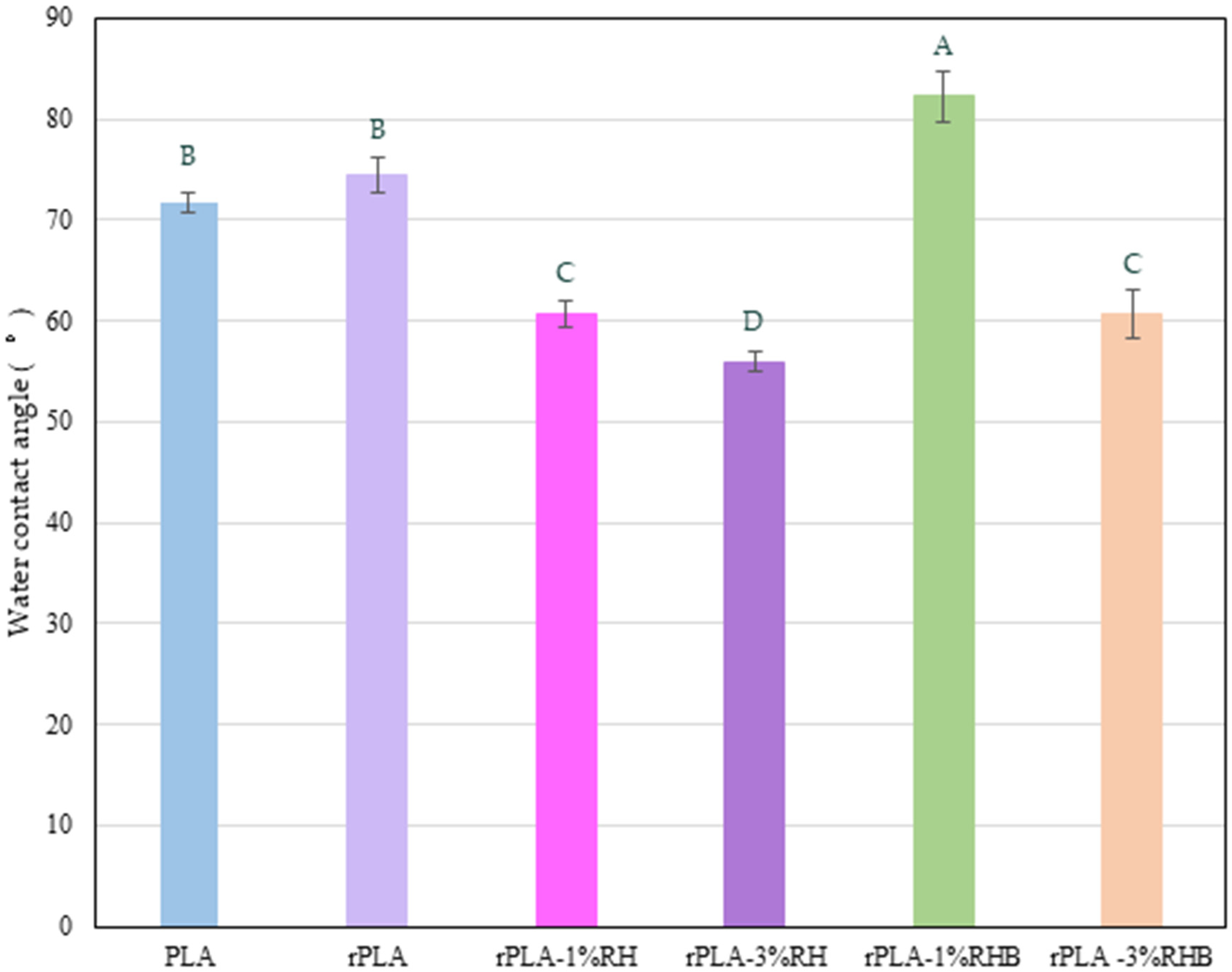
The surface wettability of the developed films was evaluated through static water contact angle (WCA) measurements. The results (
Figure 10) revealed clear variations in surface hydrophilicity as a function of the polymer matrix type and the nature of the added fillers.
The PLA exhibited an average WCA of 71.8 ± 1.0°, which falls within the characteristic range reported for untreated PLA films (60–80°) [
10,
58]. This value indicates moderate hydrophilic behavior, attributed to the presence of polar carbonyl and ester groups capable of forming hydrogen bonds with water molecules [
10]. The slight variability in the values reported by different authors has been associated with differences in crystallinity, surface roughness, and molecular orientation [
10,
32].
After reprocessing (rPLA), the WCA of rPLA film increased to 74.5 ± 1.7°, suggesting a reduction in wettability and a somewhat increase in surface hydrophobicity. This effect can be explained by molecular rearrangements and increased surface crystallinity induced during thermal reprocessing, which reduces the exposure of polar groups [
32].
The incorporation of lignocellulosic rice husk (RH) particles led to a marked decrease in contact angle, with values of 60.7 ± 1.4° for 1 wt.% and 56.0 ± 0.9° for 3 wt.%. This trend indicates a progressive increase in surface hydrophilicity, attributed to the polar nature of rice husk, which is rich in hydroxyl and carboxyl groups that favor water interaction [
17]. Moreover, the addition of RH particles increases surface roughness and interfacial heterogeneity, promoting water spreading [
59]. Similar trends have been reported in PLA-based biocomposites reinforced with plant fibers or lignocellulosic nanoparticles, where the incorporation of hydrophilic materials decreases the WCA and enhances surface wettability [
17].
In contrast, the addition of rice husk biochar (RHB) at 1 wt.% loading levels resulted in a significant increase in the contact angle (82.3 ± 2.5°), reflecting a more hydrophobic surface. This behavior is attributed to the carbonaceous nature and low polarity of biochar, since carbonization removes most of the hydrophilic components of biomass (cellulose, hemicellulose) and generates an aromatic surface with few oxygenated groups [
46]. These characteristics reduce the surface energy and consequently the affinity of water for the rPLA-RHB-based film surface. Comparable results have been reported in PLA composites containing biochar or activated carbon, in which the contact angle can exceed 80° [
46,
52]. However, increasing the biochar content to 3 wt.% caused an abrupt decrease in WCA to 60.8 ± 2.4°, suggesting an exposure of polar groups at the film surface. At higher concentrations, biochar agglomerates can introduce topographical irregularities and surface defects that enhance local water retention and reduce the water contact angle value [
11,
17,
44]. Additionally, this result is in good agreement with the reduction in MFI value in this formulation that suggests thermal degradation. The formation of additional polar end groups (–COOH and –OH) associated with degradation, together with increased surface roughness caused by RHB agglomeration, promotes a surface wettability increment, despite the intrinsically hydrophobic character of biochar. This nonlinear behavior confirms that the hydrophobicity induced by carbon-based fillers strongly depends on their dispersion, loading, and surface functionalization [
46].
Overall, the results demonstrate that the wettability of rPLA films can be tuned through the incorporation of natural or carbonized reinforcements, controlling the balance between chemical polarity and surface topography. The formulations containing RH exhibited more hydrophilic surfaces, suitable for applications requiring adhesion or compatibility with polar matrices, whereas the rPLA-1%RHB formulation showed enhanced hydrophobicity, which may be advantageous for packaging or water-resistant material applications [
60].
3.9. Water Absorption
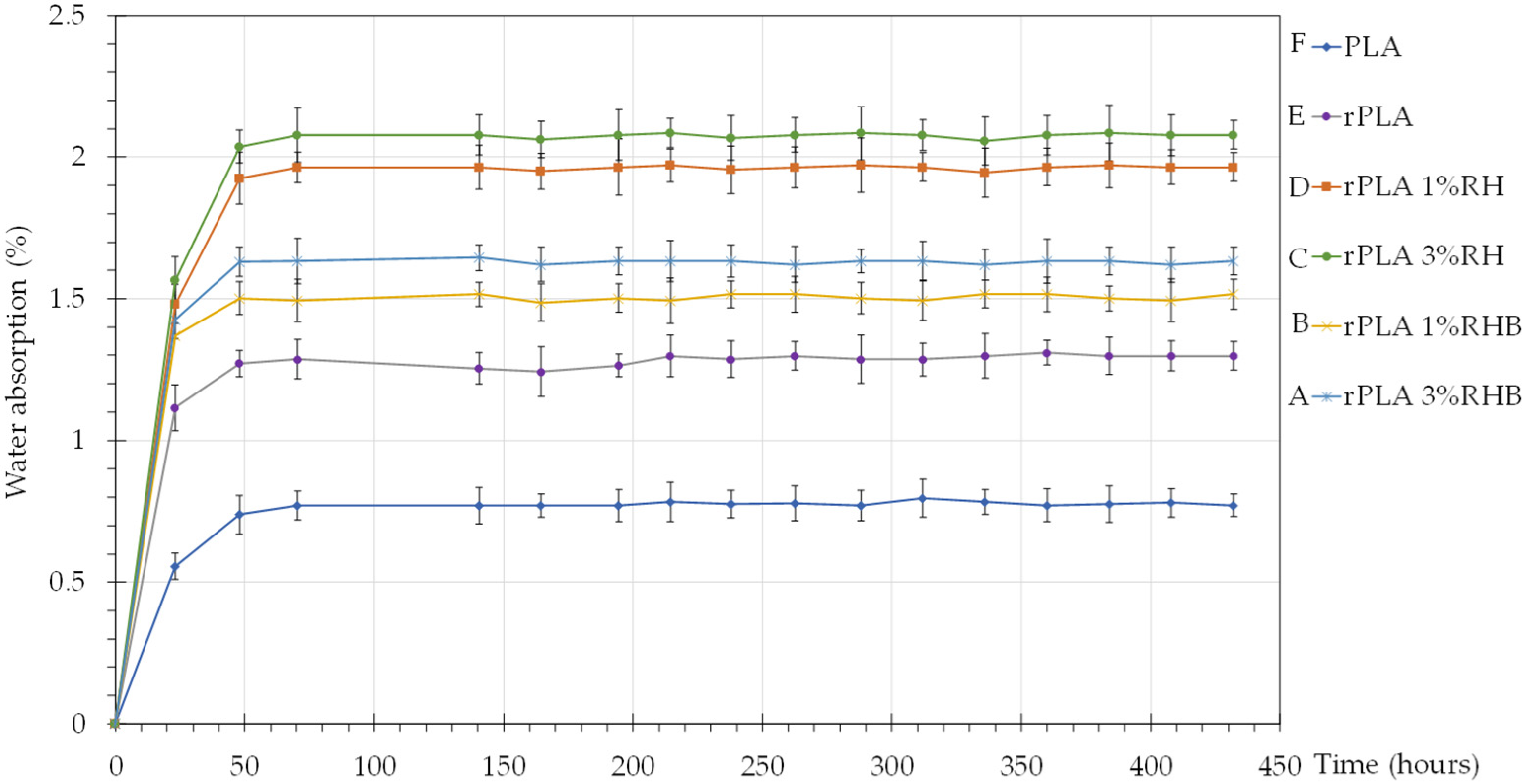
Figure 11 presents the results of the water absorption test, which provides crucial information about the materials’ ability to retain moisture under specific conditions. These results are essential for evaluating the suitability of the composites in applications where water exposure is a determining factor.
PLA exhibits the lowest water absorption rates throughout the test duration, indicating its inherent hydrophobic properties. The absorption rate stabilizes around 0.77% after 70.5 h, showing very limited increase thereafter. rPLA film shows slightly higher water absorption rates than neat PLA, which might be due to structural compromises caused by the recycling process, making it slightly more susceptible to moisture uptake. These results were similar to those reported in previous studies by [
44,
61,
62].
Both rPLA-1%RH and rPLA-3%RH composites show a progressively higher water absorption rate compared to their rPLA counterpart; with 3 wt.% RH content the composite shows the highest absorption, reaching up to around 2.08%. This increase is likely due to the hydrophilic nature of cellulose found in rice husks, which absorbs water more readily than the PLA matrix [
61,
63].
rPLA with 1 wt.% and 3 wt.% of RHB also demonstrated higher water absorption rates than neat PLA and rPLA films, but generally, the rates are slightly lower than those of the RH composites. This could be attributed to the more hydrophobic nature, produced by the carbonization process of the rice husk, which helps reduce the overall moisture affinity of the composite [
52].
The water absorption ranking observed in the present study, namely PLA < rPLA < RH-filled composites, with RHB-filled films showing an intermediate behavior, is fully consistent with the behavior commonly reported for PLA-based composites containing lignocellulosic fillers. In our results, neat PLA exhibited the lowest equilibrium water uptake, RH-containing composites showed the highest absorption, and RHB-containing composites absorbed less water than RH-filled films but still more than neat PLA and rPLA. This trend is consistent with the current understanding that natural lignocellulosic fillers increase water absorption because their hydroxyl-rich structure promotes both direct sorption and capillary transport through the filler–matrix interphase. Azka et al. (2024) [
64], in a recent review focused specifically on natural-fiber-reinforced PLA composites, emphasized that water uptake in these systems is governed not only by the intrinsic hydrophilicity of the fiber, but also by interfacial cavities and diffusion pathways generated during processing. Similarly, Singh et al., (2022) [
65] reported that water absorption in PLA biocomposites increased with rice husk and wood-derived filler loading, rising from 0.36% in unfilled PLA to 1.92% in filled systems, which they attributed to the water-binding and swelling ability of lignocellulosic constituents such as cellulose, hemicellulose, and lignin.
The slightly higher water absorption observed for rPLA relative to neat PLA can also be rationalized in light of previous studies on reprocessed PLA systems. Although the increase in our work was moderate, it is consistent with the general effect of thermo-mechanical reprocessing, which tends to promote chain scission, generate more chain ends, and introduce microstructural discontinuities that facilitate moisture ingress. In this regard, Gil-Castell et al. (2022) [
66] reported that reprocessed plasticized PLA bionanocomposites showed higher absorbed water and solubility coefficients than neat PLA, and they associated this behavior with the combined contribution of matrix degradation, filler-related heterogeneity, and the formation of micro- and nanovoids in the interphase. Even though their system involved nanofibrillated cellulose and plasticization, the mechanistic interpretation remains relevant here, since it supports the view that processing history itself can make PLA-based matrices more susceptible to water penetration when compared with their virgin counterparts.
The comparatively lower water absorption of RHB-filled films with respect to RH-filled films is also in good agreement with recent literature on carbonized biomass fillers. Vengadesan et al. (2025) [
16] showed that increasing the fraction of biocarbon in PLA/rice-husk-based composites reduced water absorption because carbonization decreases the number of hydroxyl groups available for water sorption and improves the moisture resistance of the filler phase. Their study also noted, however, that excessive biocarbon loading may induce particle aggregation and structural heterogeneity, which can compromise composite performance.
Therefore, the present results suggest that carbonization of rice husk partially suppressed the strong hydrophilic contribution of the untreated RH, thereby lowering water uptake, but did not fully eliminate moisture transport because the RHB particles could still contribute porosity, interfacial discontinuities, and localized water retention sites. This interpretation is particularly consistent with the fact that the RHB containing composites in our study remained more absorbent than neat PLA and rPLA, while still performing better than the corresponding RH containing formulations.
3.10. Water Vapor Transmission Rate
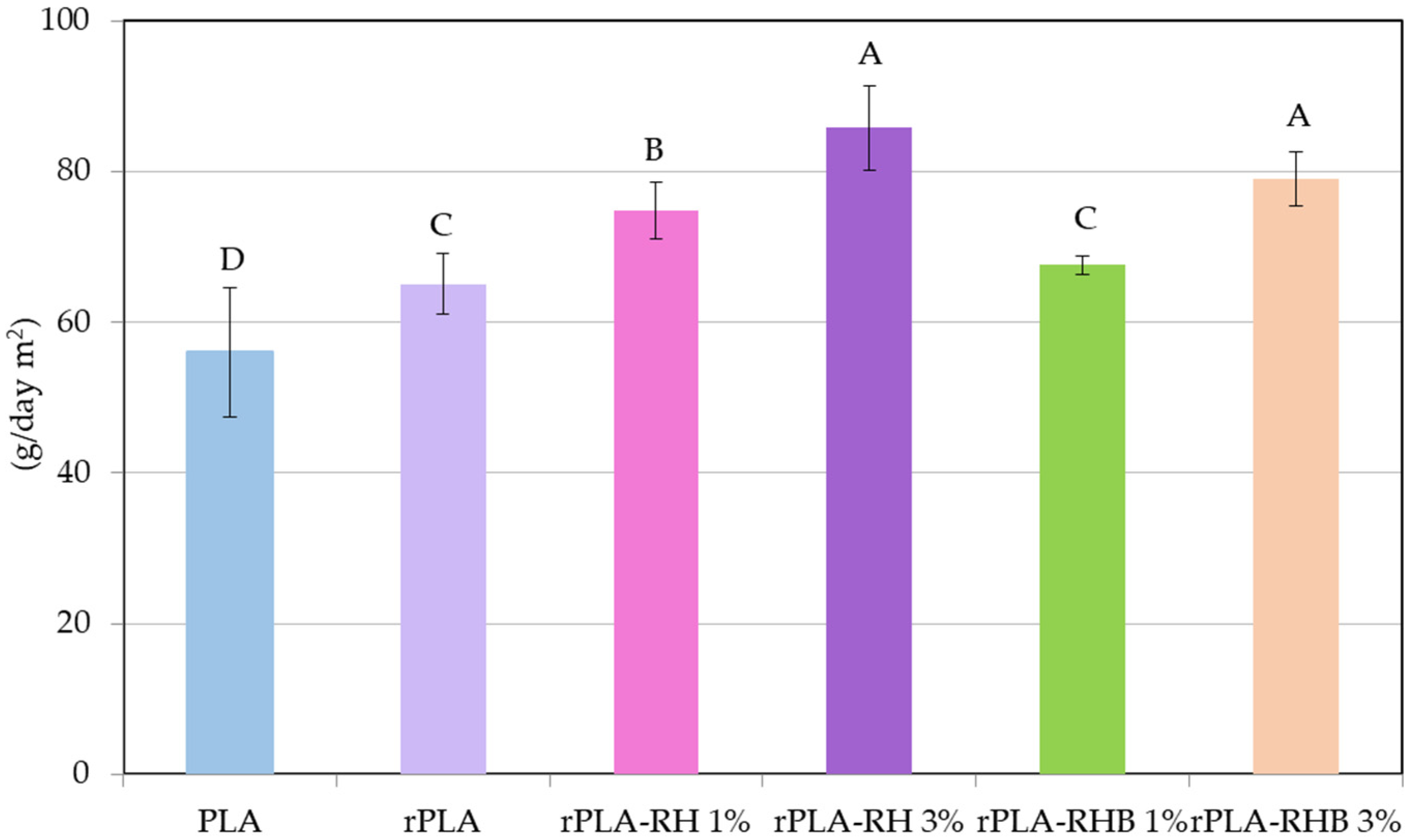
Figure 12 presents the results from the water vapor transmission rate (WVTR) test, which evaluates the permeability of the PLA and rPLA films and their composites with natural fillers, rice husk (RH) and rice husk biochar (RHB).
PLA exhibits the lowest WVTR of 56.1 gr day
−1 m
−2, in accordance with its hydrophobic polymer matrix and with already reported values for neat PLA [
10]. rPLA film shows a higher WVTR at 65.1 gr day
−1 m
−2 compared to neat PLA, because the recycling process slightly degraded the polymeric matrix reaching in shorter polymer chains that increased the polymers’ chain mobility, increasing its permeability to water vapor. This result is in good agreement with the reduction in the molecular weight and the marked increase in MFI values in rPLA. The increased chain mobility allows water molecules to more easily permeate the rPLA polymeric matrix than the PLA one. A similar effect of reprocessing on moisture barrier performance has been reported for recycled PLA, where molecular degradation during processing led to reduced barrier efficiency, while Sepúlveda-Carter et al. (2025) observed that simulated industrial reprocessing of PLA caused a slight increase in WVTR, attributed to changes in chain architecture and transport pathways [
10].
The rPLA-1%RH further increased the WVTR value to 74.8 gr day−1 m−2. This indicates that the addition of RH with a hydrophilic nature facilitates the water interaction and further reduces the water barrier properties, allowing more water vapor to pass through. Accordingly, rPLA-3%RH shows a significant rise in WVTR to 85.8 gr day−1 m−2, the highest among the samples tested. rPLA-1%RHB exhibits a WVTR of 67.6 gr day−1 m−2, which is slightly higher than rPLA but much lower compared to RH composites. This suggests that RHB, due to its possibly more carbonized and porous structure, might interact differently with the PLA matrix, leading to a less pronounced increase in permeability. Similarly, rPLA-3%RHB records a WVTR of gr day−1 m−2. Although this is lower than rPLA with 3 wt.% RH, it is still substantially higher than the neat PLA and rPLA, indicating that higher concentrations of RHB also compromise the barrier properties but to a lesser extent than RH.
The trend observed in the present study, namely the increase in WVTR after reprocessing and the further deterioration caused by agro-residue incorporation, is consistent with previous reports on recycled and filler-modified PLA systems. In particular, the ranking described here, with the lowest WVTR for neat PLA, a higher permeability for rPLA, a strong additional increase for RH-filled films, and a comparatively less severe increase for RHB-filled films, follows the same mechanistic framework generally reported for PLA barrier behavior, in which chain scission, higher amorphous-phase mobility, and interfacial heterogeneity facilitate water vapor diffusion through the matrix [
10,
67,
68].
The more pronounced rise in WVTR for RH-containing formulations is also in agreement with the behavior commonly described for PLA composites reinforced with untreated lignocellulosic fillers. Lubwama et al. (2025) highlighted that the incorporation of rice husk microparticles into PLA is associated with increased water vapor permeability [
14], while Marano et al. (2022) noted that natural fillers may only improve barrier performance at low contents and under good dispersion conditions [
68]. Otherwise, their hydrophilic character, agglomeration tendency, and poor interfacial adhesion can generate preferential diffusion pathways and microvoids that increase permeability [
14,
68]. This interpretation is further supported by previous studies on mechanically recycled PLA reinforced with lignocellulosic or cellulosic particles. Beltrán et al. (2020) reported that hydrophilic yerba-mate nanoparticles increased the WVTR in mechanically recycled PLA [
54]. Meanwhile, Agüero et al. (2023) found that the incorporation of microbial cellulose into plasticized mechanically recycled PLA also increased the WVTR because the filler phase promoted moisture transport through the film structure [
11]. Therefore, the marked increase from rPLA to rPLA-1%RH and especially to rPLA-3%RH suggests that, in the present system, the hydrophilic nature of RH and the formation of interfacial defects dominated over any potential tortuosity effect [
14].
By contrast, the lower permeability penalty observed for RHB-filled films relative to RH-filled films suggests that carbonization partially reduced sorption-driven transport, likely because the filler became less polar than the untreated husk. However, the fact that RHB did not reduce the WVTR below that of rPLA indicates that this potential advantage was counterbalanced by other structural factors, such as filler porosity, incomplete matrix encapsulation, and local aggregation at higher loading. This type of competing behavior has already been observed for PLA/biochar systems, in which barrier performance depends not only on the lower polarity of the carbonized filler, but also on its surface chemistry, particle size, and dispersion quality within the matrix [
52,
68].
3.11. Disintegration Under Composting Conditions
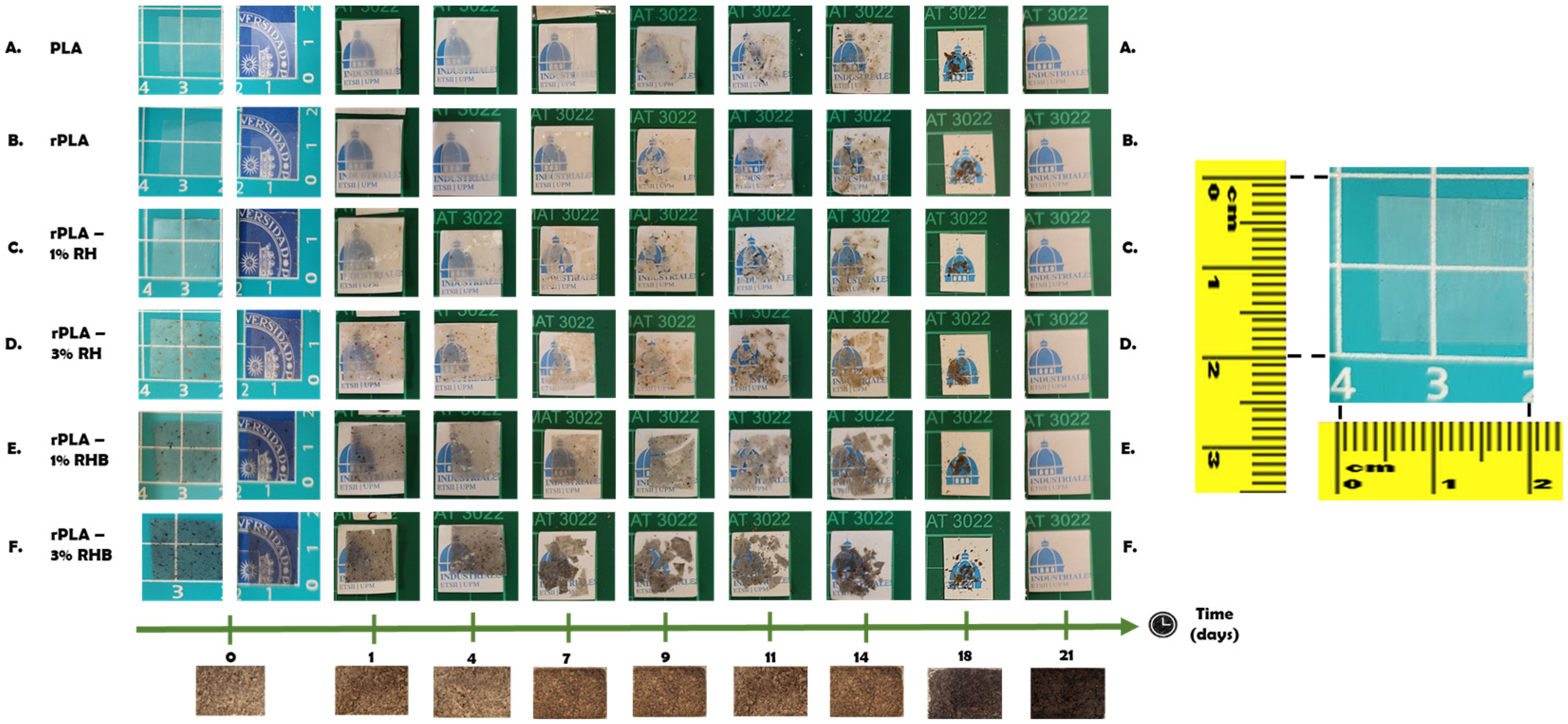
The disintegration ability of the composite materials under controlled composting conditions at a laboratory scale level was assessed based on the mass loss over time while buried. The visual changes in the unearthed film samples and the solid compost across various incubation periods are depicted in
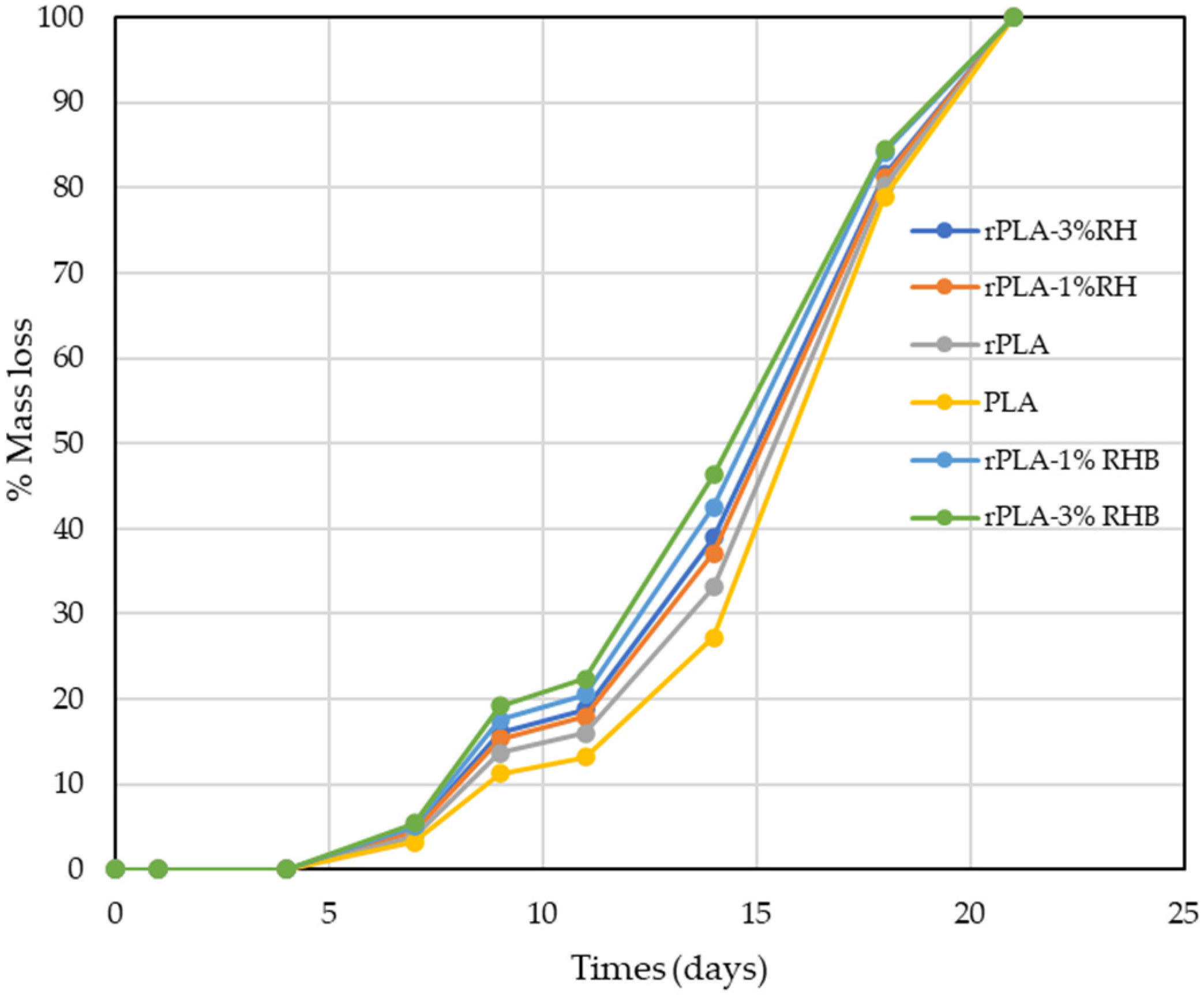
Figure 13, whereas the mass loss induced by the composting duration for all samples is presented in
Figure 14.
From the first day of the experiment, the PLA films showed a noticeable decrease in transparency, which is indicative of the early onset of hydrolytic reactions and microbial activity facilitated by the elevated temperature (58 °C) and high moisture content of the composting medium [
17]. This rapid loss of transparency can be attributed to the water absorption by hydrophilic components within the film, possibly exacerbated by the presence of natural fillers like rice husk and biochar, which increases the hydrophilicity of the composite. As the degradation progressed, the films became increasingly opaque. This loss of transparency is typically associated with the physical and chemical breakdown of the PLA polymeric matrix, where the structural integrity of the films is compromised, and the material starts to exhibit visible signs of enzymatic breakdown due to microbial colonization [
18]. By day 21, the films had completely disintegrated and integrated into the composting substrate. At this stage, the films lost all transparency as they broke down into smaller fragments or dissolved at the molecular level, effectively merging with the organic matter in the compost [
17].
Samples containing 3 wt.% of RH or RHB exhibited higher mass loss throughout composting than the corresponding 1 wt.% formulations, indicating that increasing filler content accelerated the disintegration of the rPLA films. In the present study, rPLA-3%RHB reached 46.4% mass loss on day 14 and 84.6% on day 18, whereas rPLA-3%RH reached 38.9% and 81.7%, respectively; similarly, rPLA-1%RHB outperformed rPLA-1%RH at the same time points, while neat PLA and rPLA showed the slowest intermediate-stage disintegration. This behavior is in good agreement with previous reports on PLA-based biocomposites reinforced with lignocellulosic fillers, where the incorporation of hydrophilic natural particles promotes water uptake, facilitates hydrolytic chain scission, and generates interfacial discontinuities that accelerate fragmentation.
Cabrera-García et al. reported greater mass loss and faster sample deterioration in disintegration tests for natural-fiber-reinforced PLA than for neat PLA [
69], while Scaffaro et al. (2025) recently emphasized that cellulose-containing biodegradable composites generally show faster compost disintegration because the filler phase enhances hydrolytic and enzymatic attack [
70]. In addition, the slightly faster disintegration of rPLA compared with neat PLA is consistent with the findings of O’Loughlin et al. (2026), who observed that mechanically recycled PLA exhibits a modest increase in compost disintegration rate due to processing-induced molecular degradation [
71]. The fact that all formulations reached full disintegration by day 21 is also consistent with previous work on thin PLA-based materials under controlled composting conditions, including reprocessed PLA systems that fully disintegrated in less than three weeks, and PLA films reported to degrade within approximately one month under simulated industrial composting conditions [
10].
The slightly faster disintegration observed for RHB-filled films relative to RH-filled films is particularly noteworthy. Although carbonization generally makes rice-husk-derived fillers less polar, our own results already indicate the comparatively less polar nature of RHB, especially at low loading, and the present composting data suggest that the porous architecture and higher internal surface area generated during pyrolysis may have played a more dominant role than surface polarity alone. Indeed, recent work on rice husk/biocarbon-filled PLA systems has shown that biocarbon develops a more pronounced microporous structure and larger internal surface area than raw rice husk, which can favor moisture ingress and local interfacial heterogeneity. Moreover, recent composting studies indicate that biochar can actively accelerate PLA degradation by modifying the local physicochemical environment and microbial processes during composting. This interpretation is especially relevant here because higher crystallinity is usually associated with slower PLA hydrolysis under composting conditions. Therefore, the faster mass loss of the RHB-containing films suggests that porosity, defect generation, and easier compost-medium penetration outweighed the crystallinity-related resistance to degradation during the early and intermediate stages of disintegration [
16,
72,
73].




 ,
,