Article

Comparison of Performance Criteria of Vehicle Brake Pad Biopolymers Derived from Renewable Biomass

by
Hicri Yavuz
Department of Engine Vehicles and Transportation Technology, Afyon Vocational School, Afyon Kocatepe University, Afyonkarahisar 03200, Türkiye
Polymers 2026, 18(8), 950; https://doi.org/10.3390/polym18080950
Submission received: 26 March 2026 / Revised: 8 April 2026 / Accepted: 10 April 2026 / Published: 13 April 2026
(This article belongs to the Special Issue Valorization of Biopolymer from Renewable Biomass, 2nd Edition)

Abstract

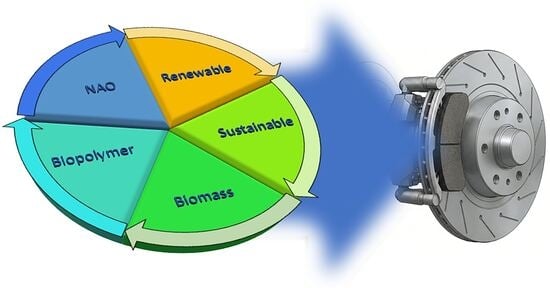
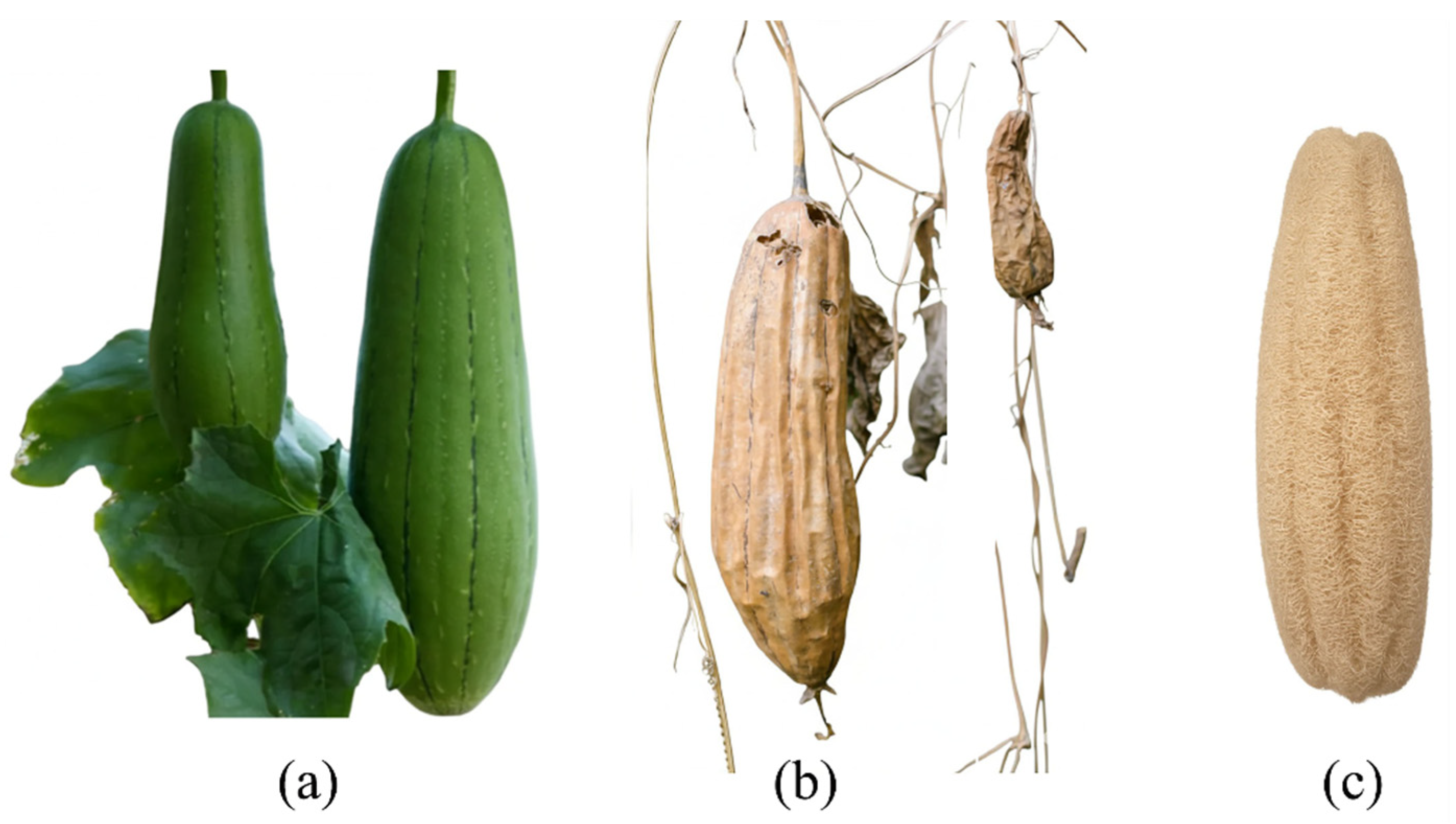
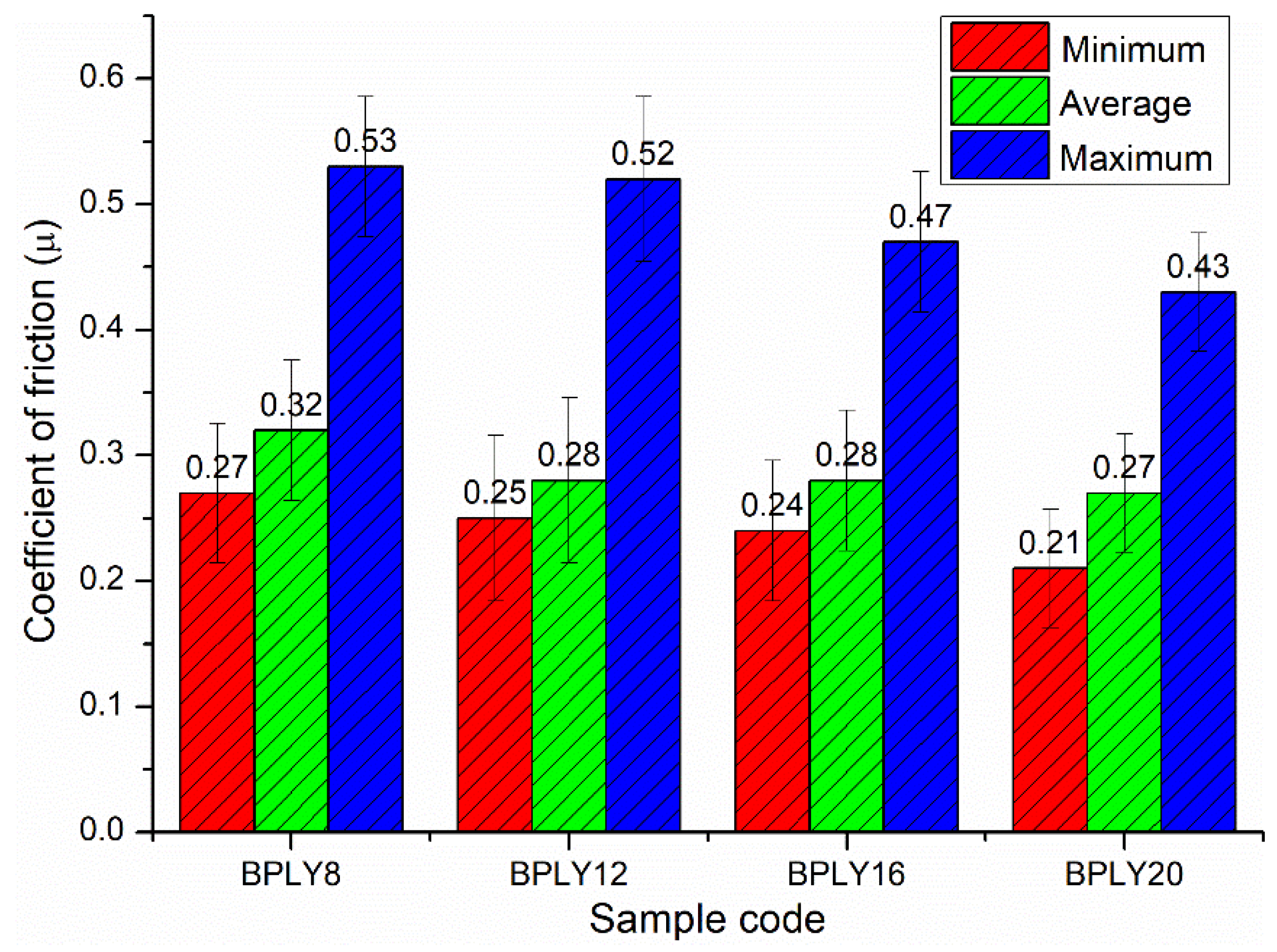
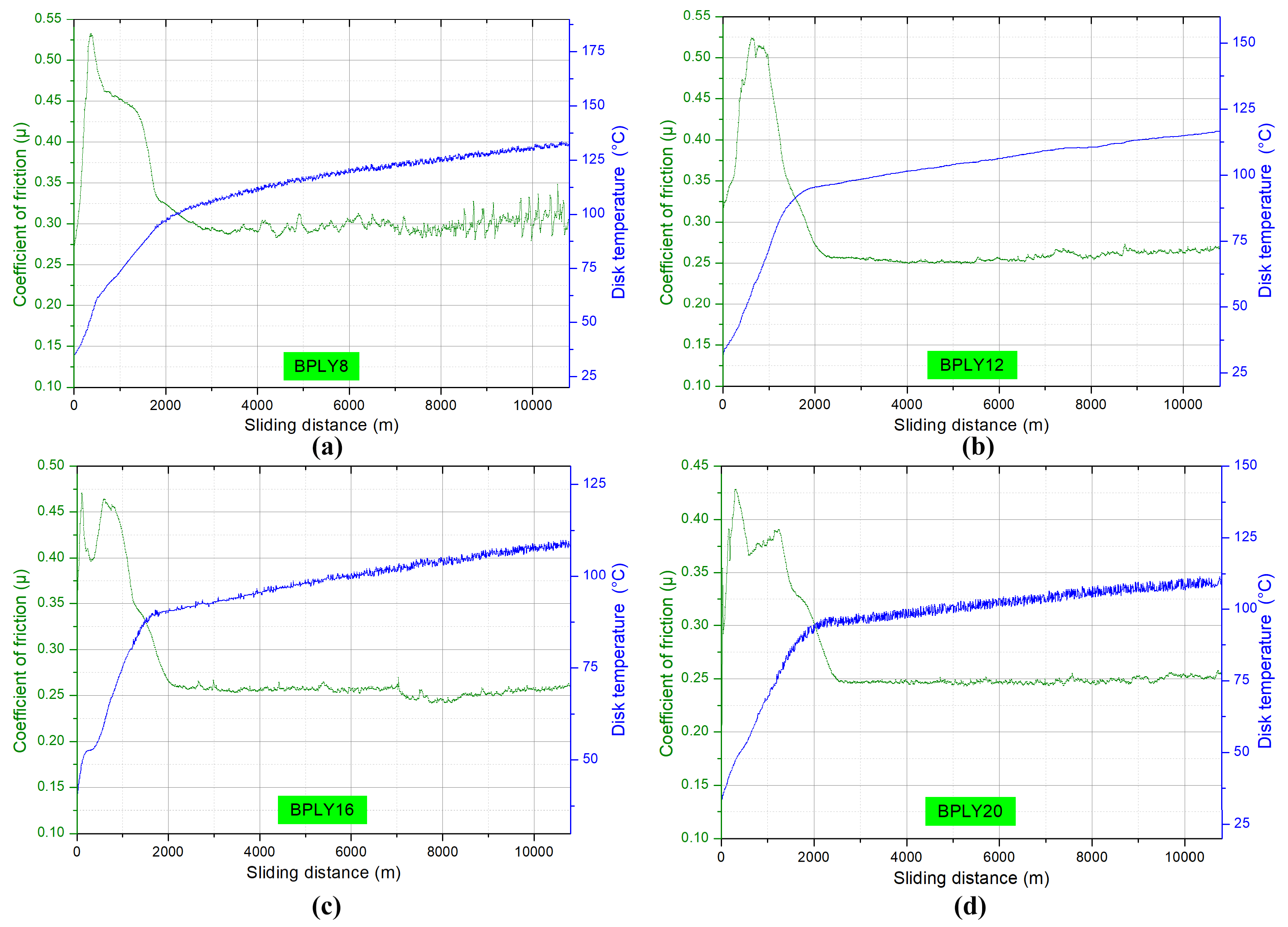
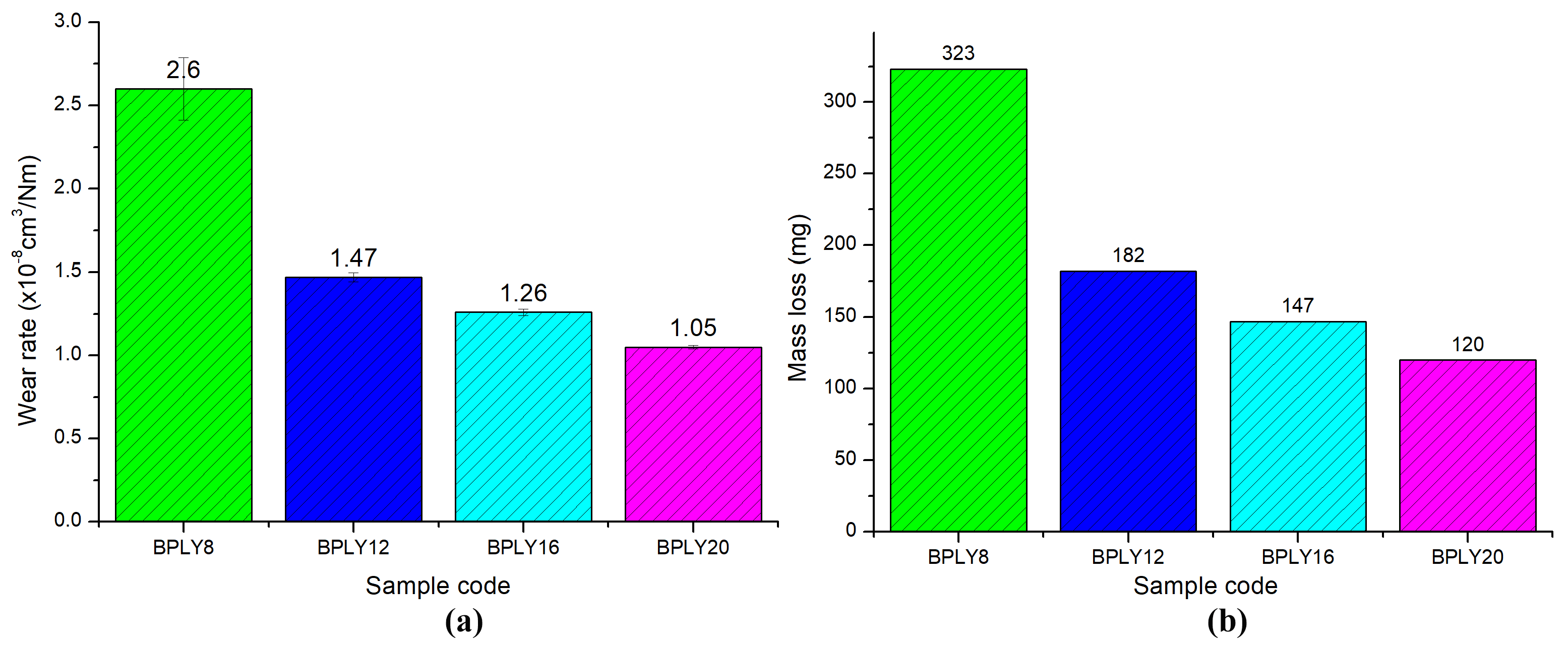
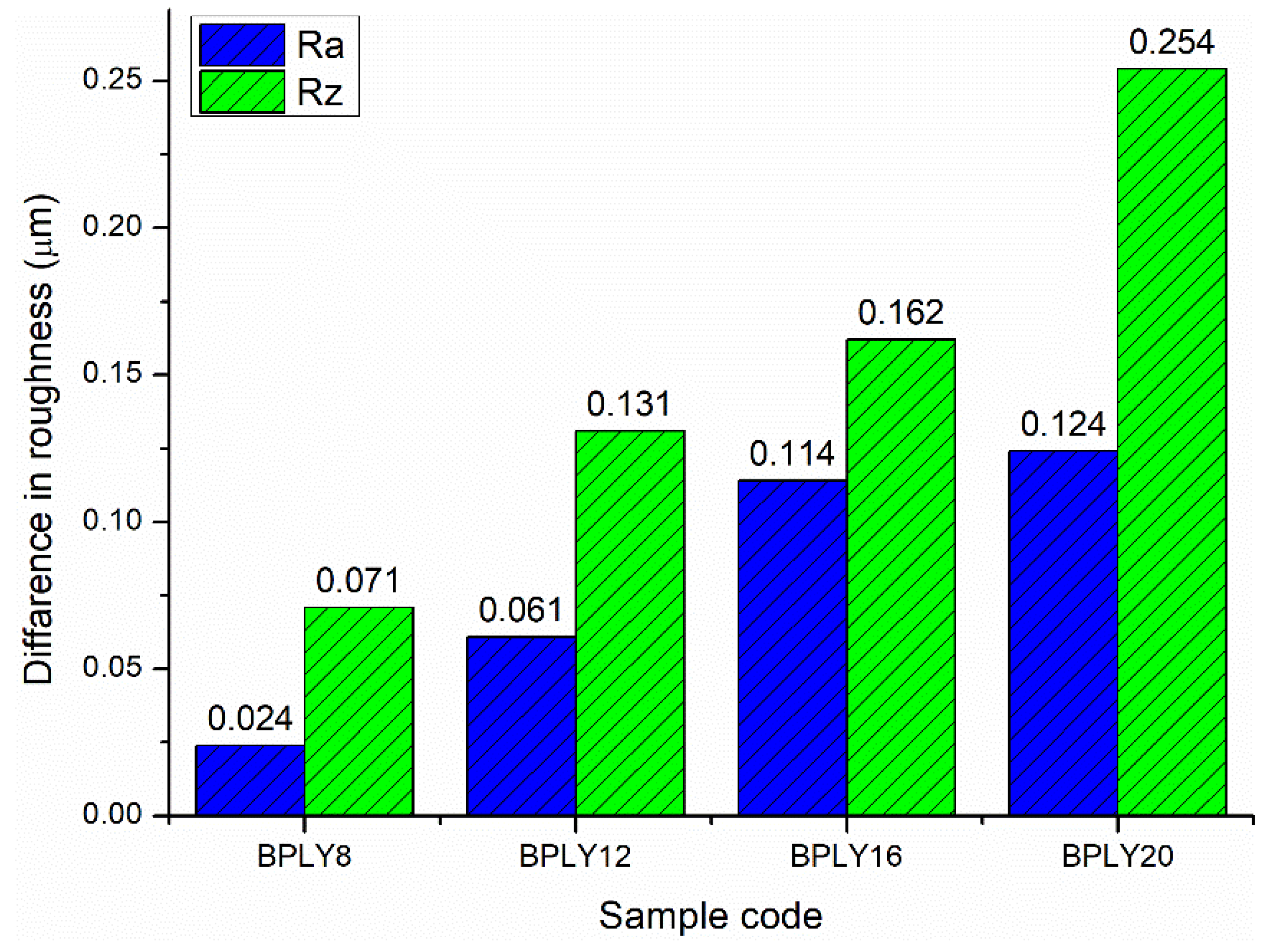
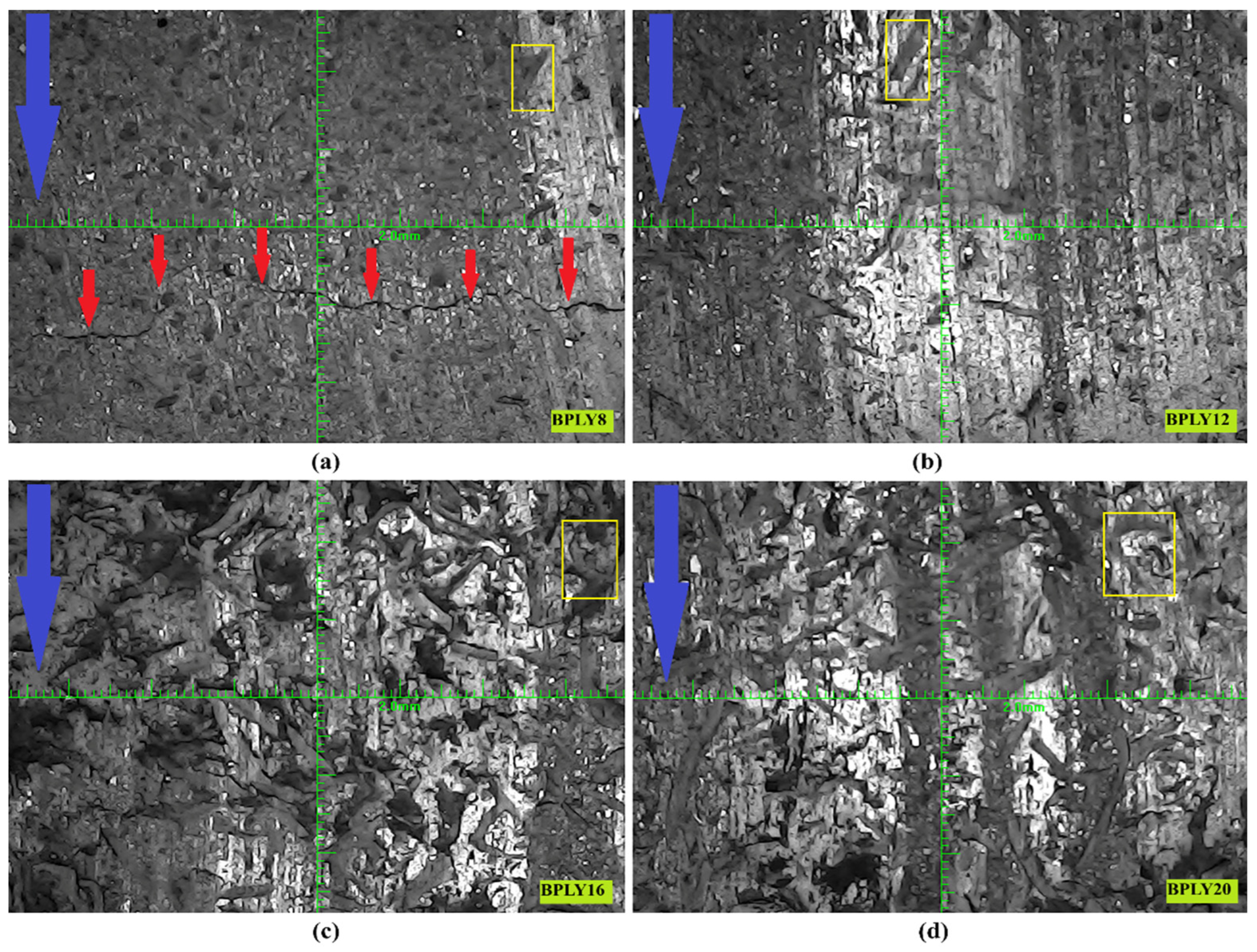
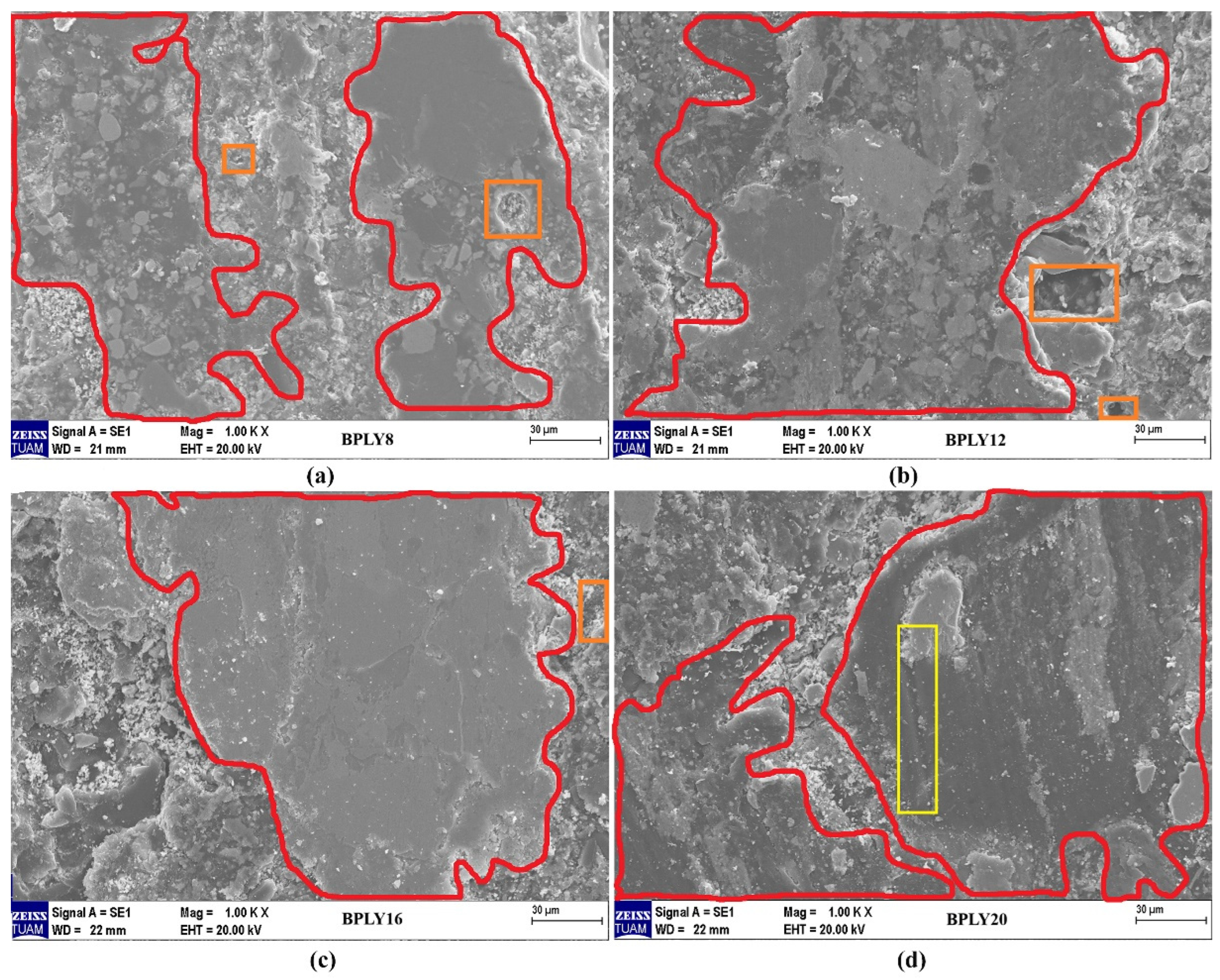
In this article, four grades of brake pads reinforced with loofah fiber were developed, serving as examples of renewable biomass-based products currently receiving significant attention. In addition to the performance characteristics of the developed brake pads, such as friction coefficient and wear rate, macroscopic and microscopic surface analyses of the worn surfaces were performed. Furthermore, unlike other studies in this field, the effect of biopolymer brake pads on the brake disk surface was also investigated. The average friction coefficients of the brake pads are 0.32, 0.28, 0.28, and 0.27, respectively, and the developed brake pads are within industrial limits of 0.20–0.70. The wear rates were also found to be within industrial limits, with values of 2.6 × 10⁻⁸ cm3/Nm, 1.47 × 10⁻⁸ cm3/Nm, 1.28 × 10⁻⁸ cm3/Nm, and 1.05 × 10⁻⁸ cm3/Nm, respectively. It was determined that the differences in brake disk roughness were also at the desired level for all samples. The desired results in brake friction materials were confirmed by macroscopic and microscopic surface examinations, as well as other properties of the developed samples.
Keywords: polymers; brake pad; coefficient of friction; wear; composites polymers; brake pad; coefficient of friction; wear; composites
Graphical Abstract