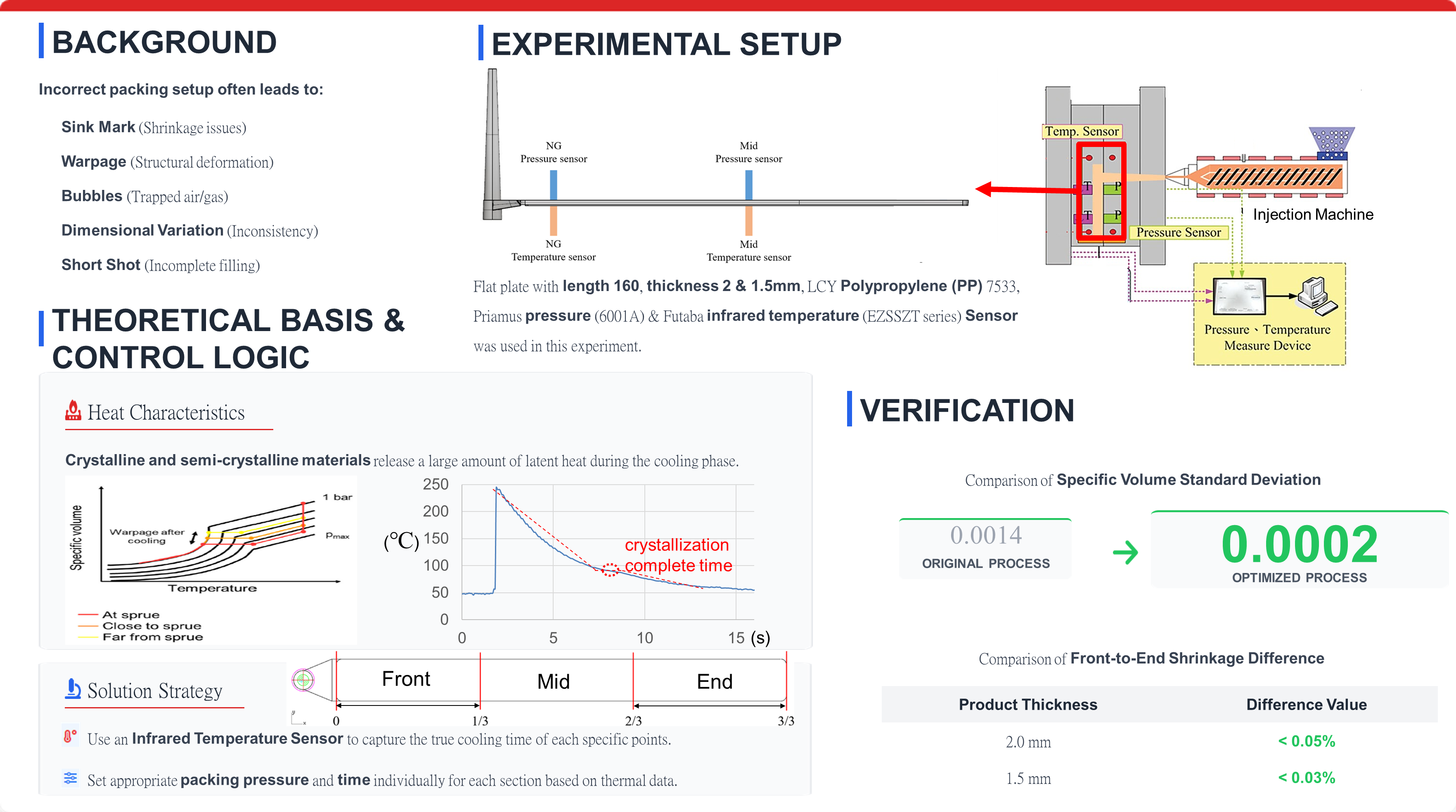
Experimental Study on the Modified P–V–T Model to Improve Shrinkage Prediction for Injection-Molded Semi-Crystalline Polymer


Abstract
1. Introduction
2. Materials and Methods
2.1. Material
2.2. Thermal Enthalpy Transformation Method (TETM)
2.3. Target Specific Volume
2.4. Injection Molding Machine and Mold
2.5. Cavity Temperature and Pressure Monitoring, Data Acquisition
2.6. Shrinkage Rate
3. Results and Discussion
3.1. Target Specific Volume’s Temperature Acquisition
3.2. Relationship Between Specific Volume and Shrinkage
3.3. Verification of the Relationship Between Specific and Shrinkage Rate
4. Conclusions
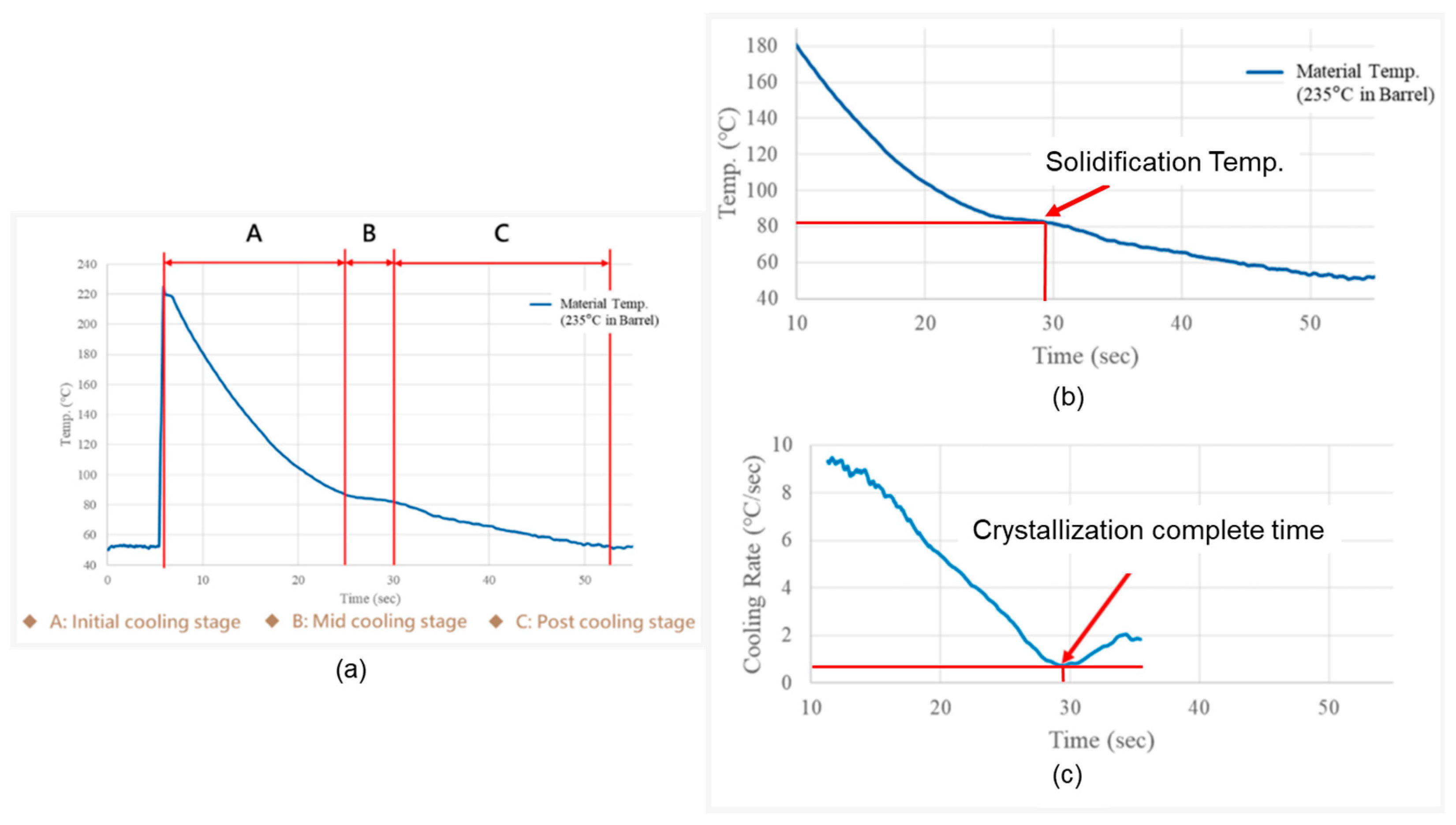
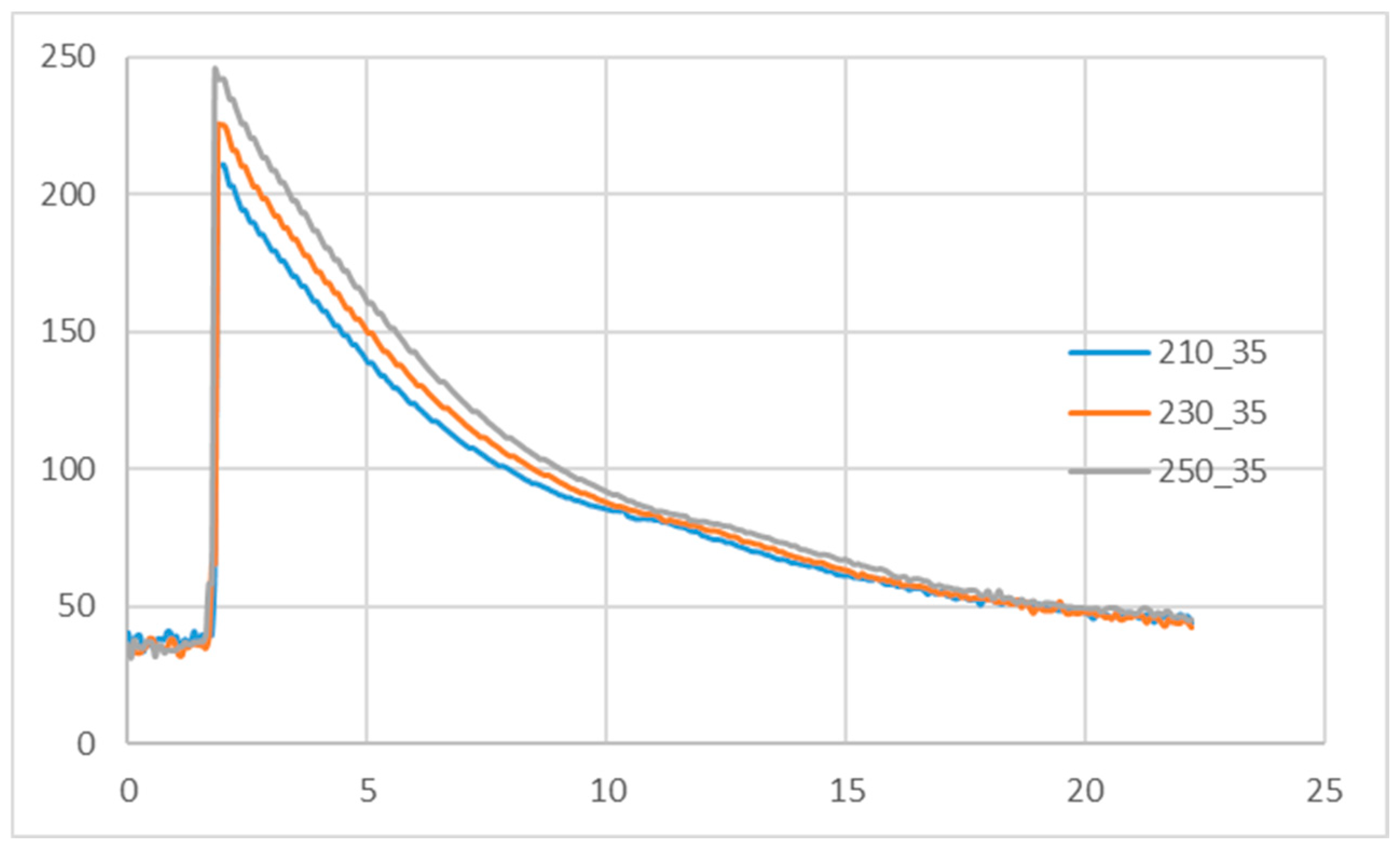
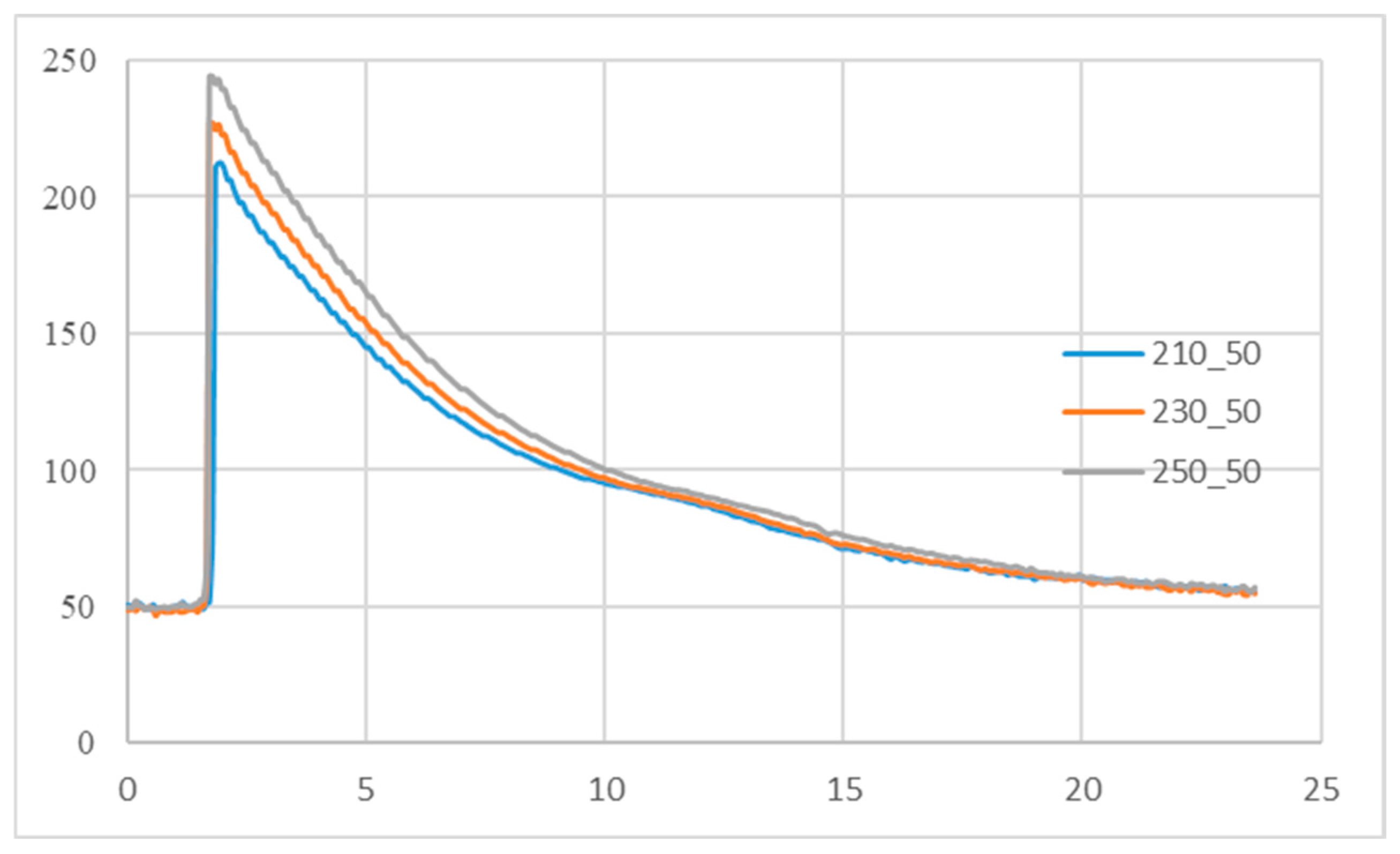
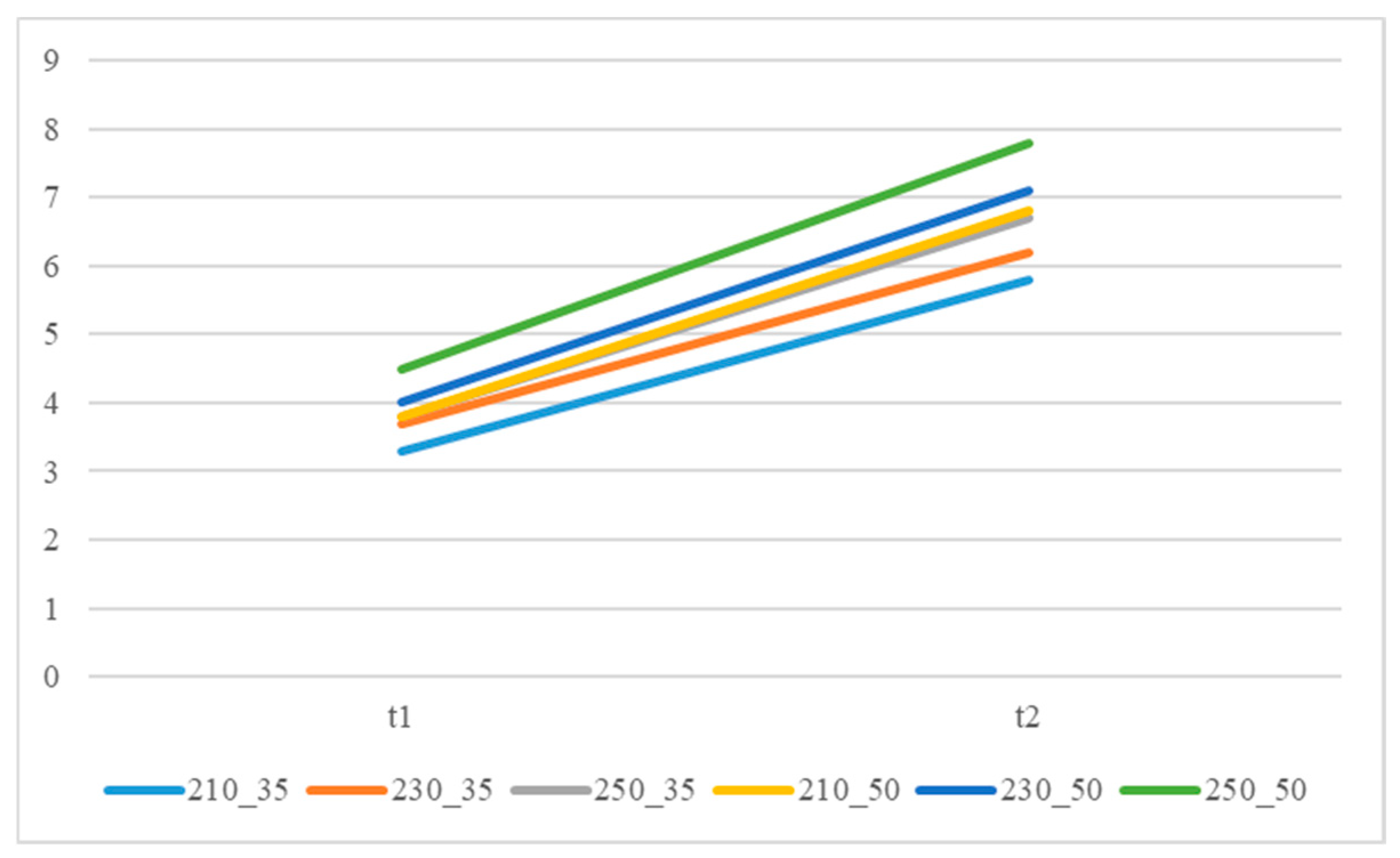
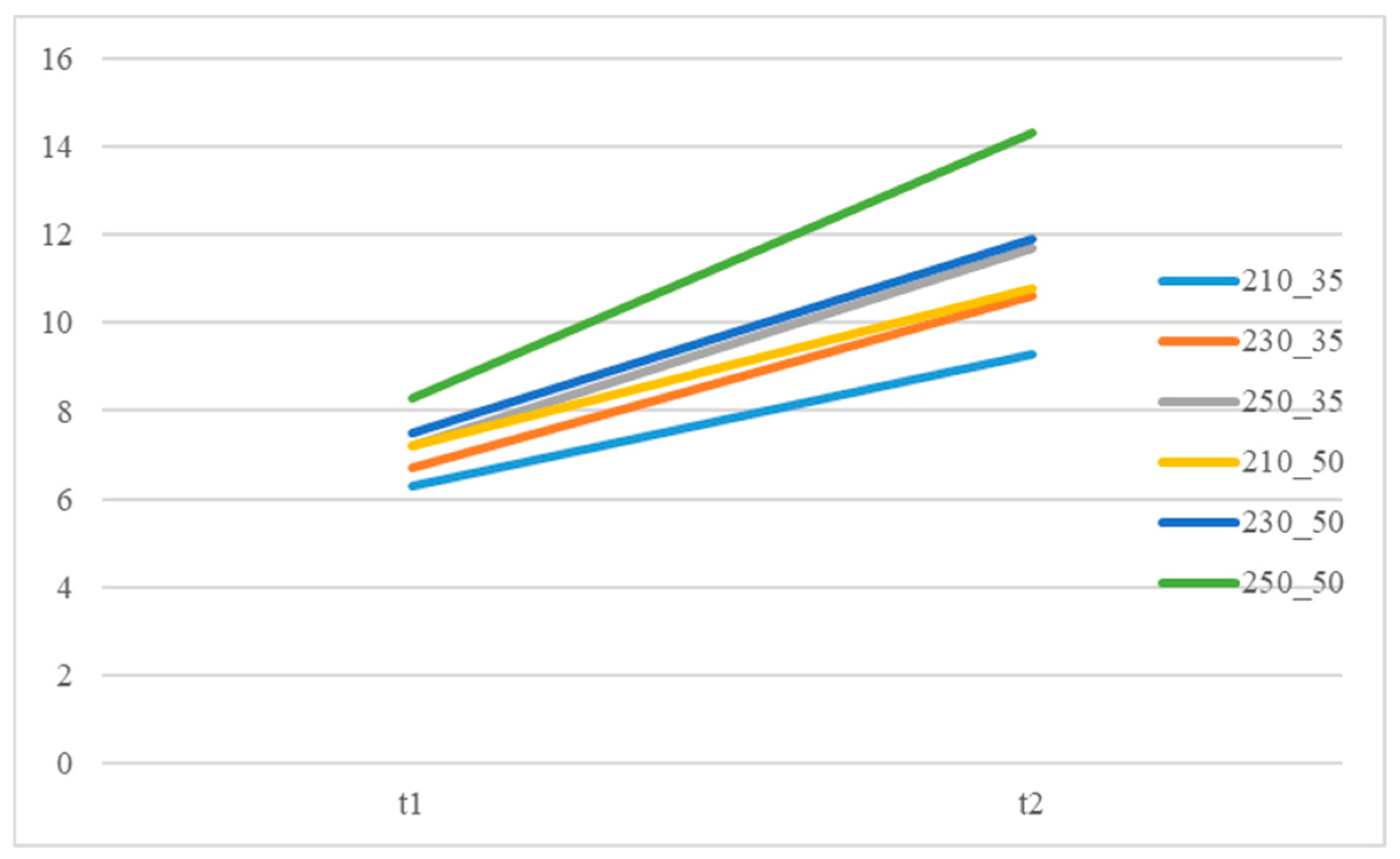
- Acquisition temperature control: The target specific volume is measured at a specific acquisition temperature. If the acquisition temperature is set too high, the polymer is still in the melt state, causing the specific volume measurement to fluctuate significantly. This is unstable for control. Conversely, using the curing temperature—determined by the TETM as the acquisition temperature—results in a more stable specific volume measurement, making it a more suitable control point.
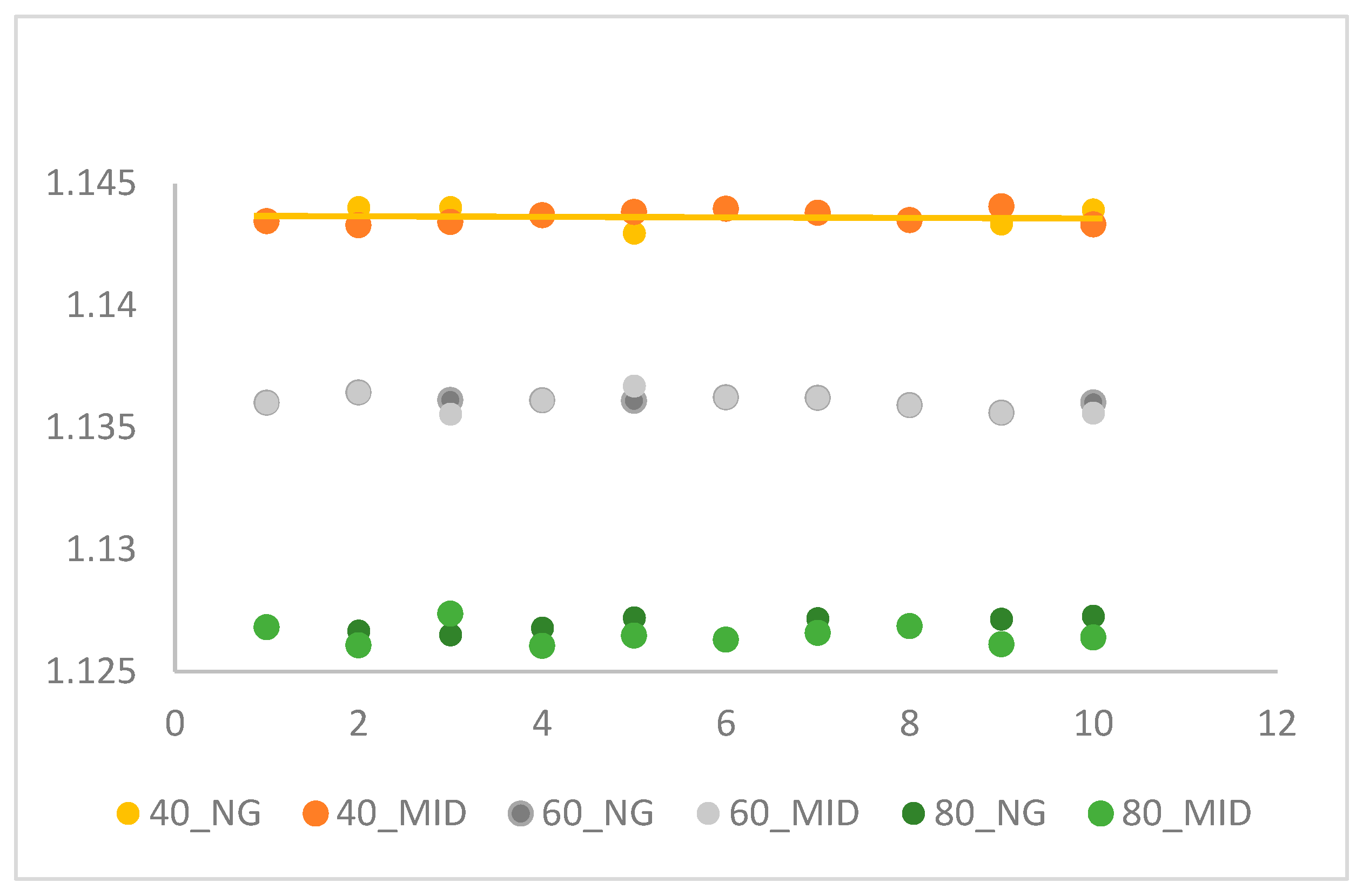
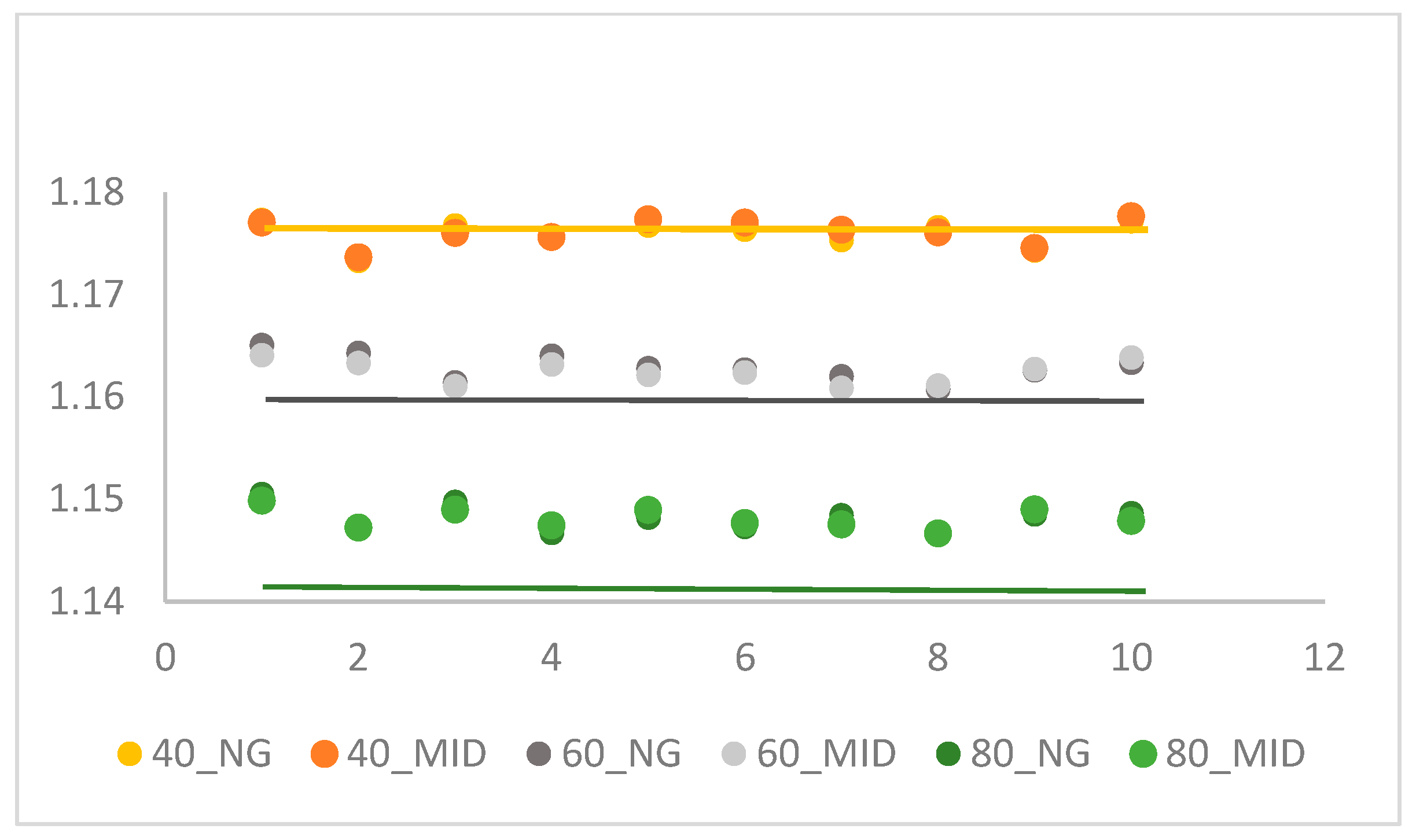
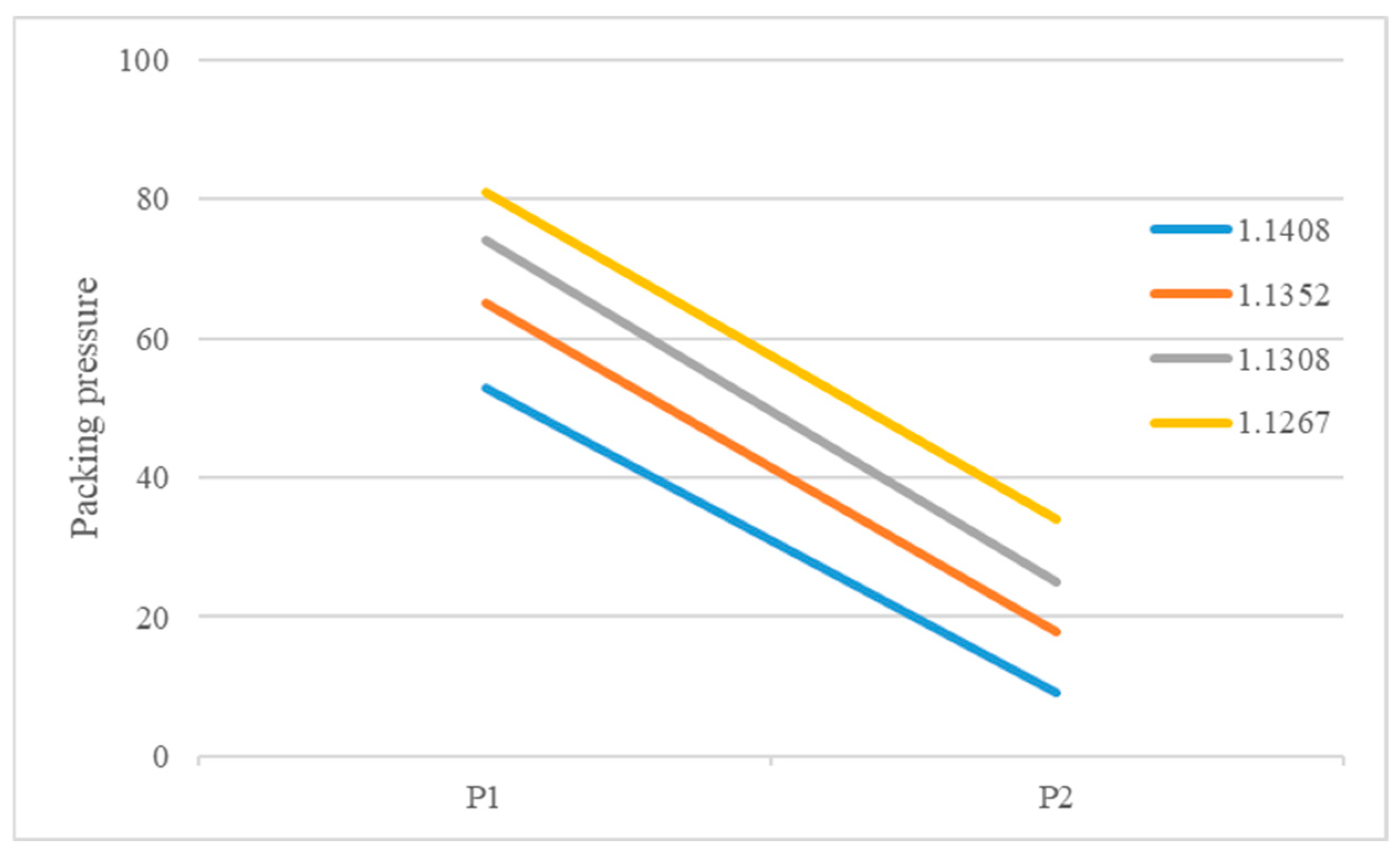
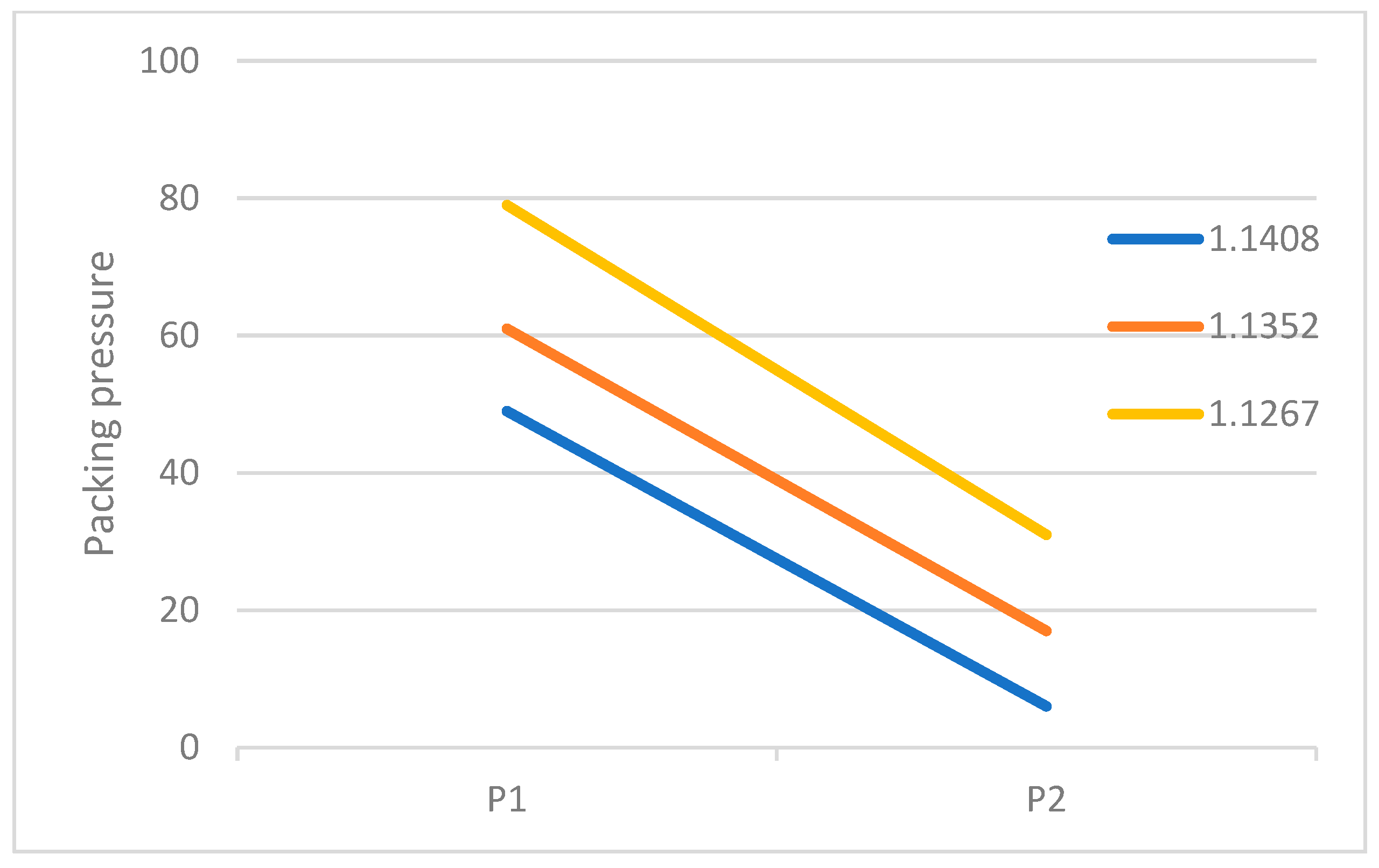
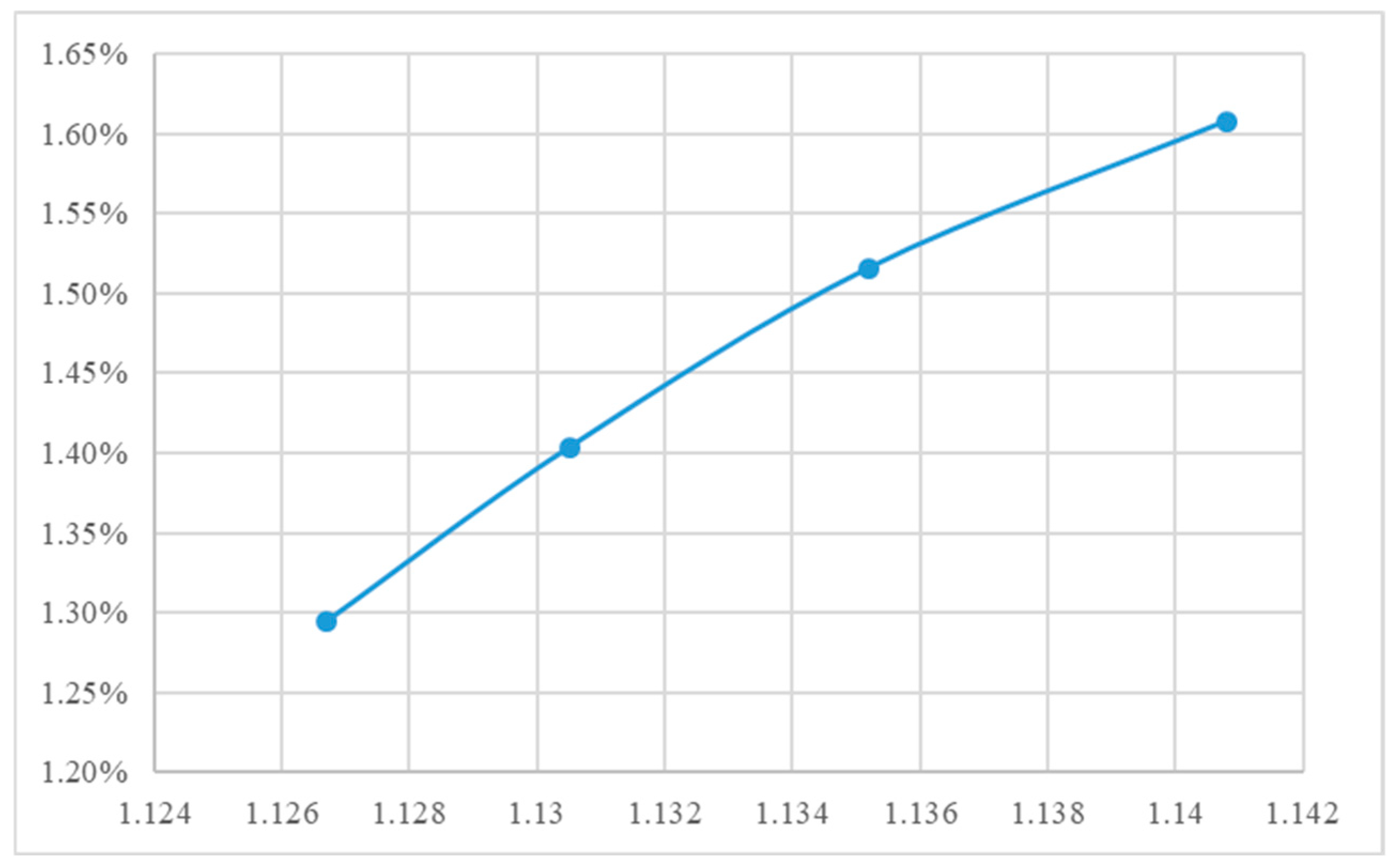
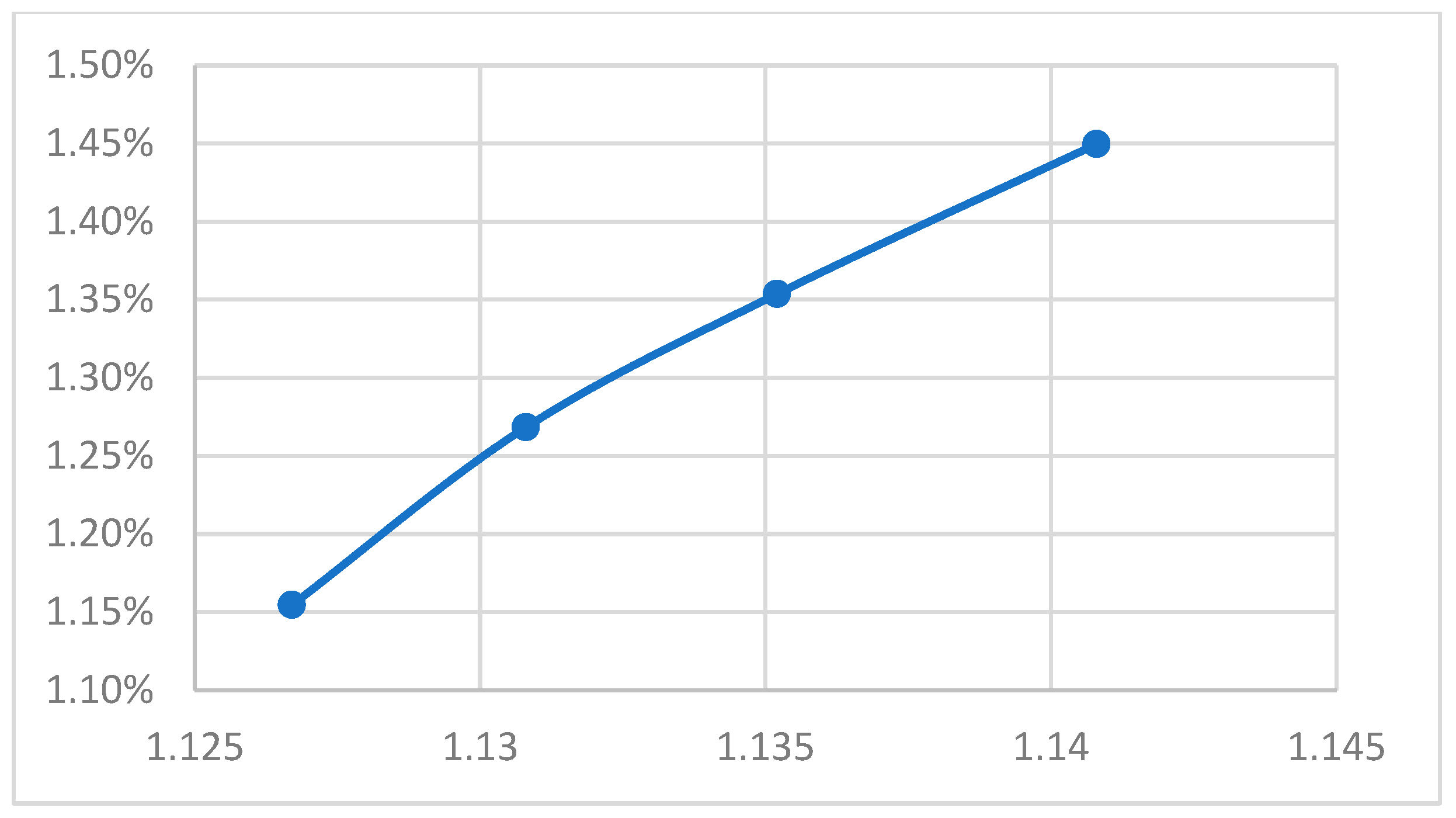
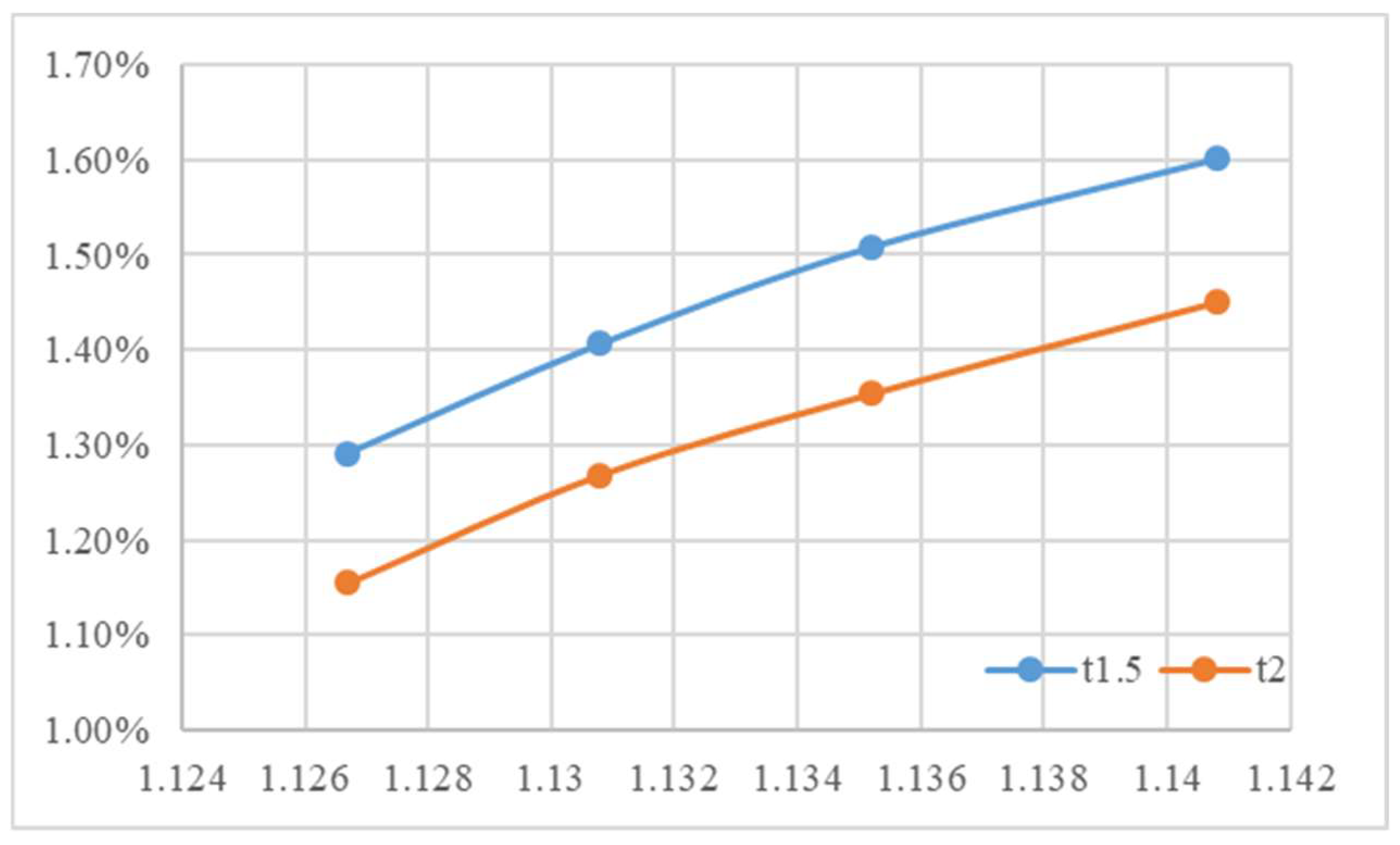
- Relationship between specific volume and shrinkage: With the thermal enthalpy curing temperature used as the acquisition temperature, a direct relationship is observed between the measured specific volume and shrinkage. A higher specific volume value corresponds to a higher product shrinkage rate, and conversely, a lower specific volume value leads to a lower shrinkage rate.
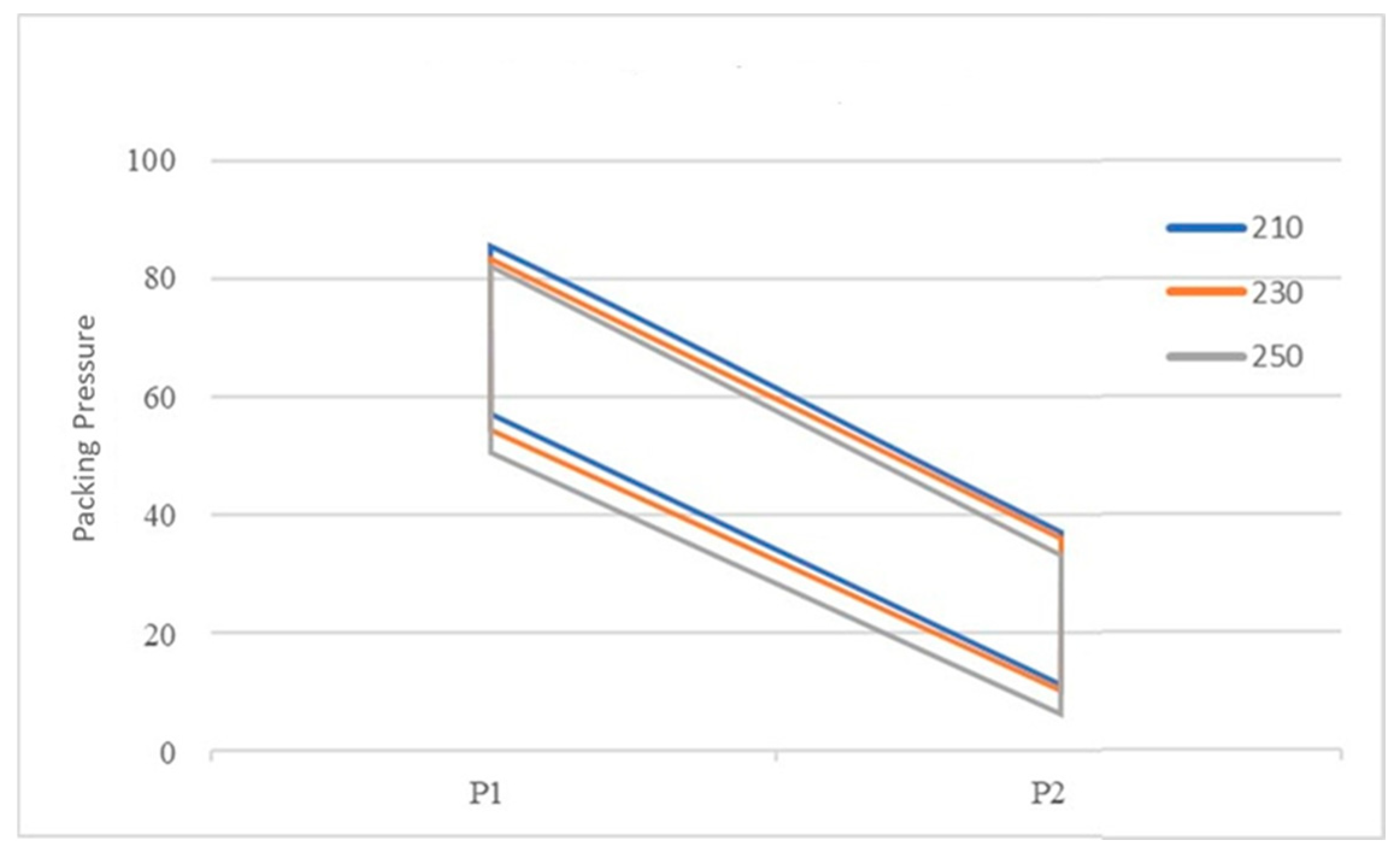
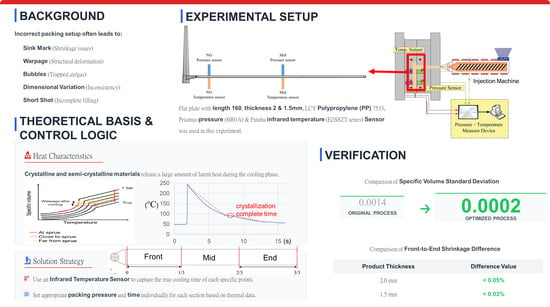
- Target specific volume and product quality: The multi-stage pressure packing capability of the machine allows for the sectional control of the product’s specific volume. By regulating the specific volume of each section to match the target specific volume value, the resulting shrinkage rate across the entire product can be made similar and uniform. Experimental verification, performed across the second and third stages of the study, demonstrated that controlling the specific volume of each part of the product to the target specific volume is equivalent to effectively controlling the final shrinkage rate of the entire product. This confirms the viability of the target specific volume as the primary process control parameter for dimensional stability.
Supplementary Materials
Author Contributions
Funding
Data Availability Statement
Acknowledgments
Conflicts of Interest
References
- Bushko, W.C.; Stokes, V.K. Estimates for material shrinkage in molded parts caused by time-varying cavity pressures. Polym. Eng. Sci. 2019, 59, 1648–1656. [Google Scholar] [CrossRef] [Scilit]
- Zhou, X.D.; Zhang, Y.; Mao, T.; Zhou, H.M. Monitoring and dynamic control of quality stability for injection molding process. J. Mater. Process. Technol. 2017, 249, 358–366. [Google Scholar] [CrossRef] [Scilit]
- Chang, C.H. Cavity Dynamic Pressure on the Injection Molding Plactic Parts. Master’s Thesis, National Taipei University of Technology, Taipei, Taiwan, 2010. [Google Scholar]
- Tsai, K.M.; Lan, J.K. Correlation between runner pressure and cavity pressure within injection mold. Int. J. Adv. Manuf. Technol. 2015, 79, 273–284. [Google Scholar] [CrossRef] [Scilit]
- Zoller, P.; Walsh, D.J. Standard Pressure–Volume–Temperature Data for Polymers; Technomic Publishing Company Inc.: Lancaster, PA, USA, 1995; ISBN 97815667663288. [Google Scholar]
- Berry, J.M.; Brostow, W.M.; Hess, M.; Jacobs, E.G. P-V-T relations in a series of longitudinal polymer liquid crystals with varying mesogen concentration. Polymer 1998, 39, 4081–4088. [Google Scholar] [CrossRef] [Scilit]
- KEP. Material Properties and Test Methods for Molding Analysis. Korean Engineering Plastic Co., Ltd.: Seoul, Republic of Korea. Available online: https://www.gpac-kpac.com/download.php?Lang=En&Code=Tech5_en&Seq=5 (accessed on 15 December 2025).
- Suárez, S.A.; Naranjo, A.; Iván, D.; López, I.D.; Ortiz, J.C. Analytical review of some relevant methods and devices for the determination of the specific volume on thermoplastic polymers under processing conditions. Polym. Test. 2015, 48, 215–231. [Google Scholar] [CrossRef] [Scilit]
- He, J.; Zoller, P. Crystallization of polypropylene, nylon-66 and poly (ethylene terephthalate) at pressures to 200 MPa: Kinetics and characterization of products. J. Polym. Sci. Part B Polym. Phys. 1994, 32, 1049–1067. [Google Scholar] [CrossRef] [Scilit]
- Quach, A.; Simha, R. Pressure-volume-temperature properties and transitions of amorphous polymers; polystyrene and poly (orthomethylstyrenes). J. Appl. Phys. 1971, 42, 4592–4606. [Google Scholar] [CrossRef] [Scilit]
- Johannaber, F. Injection Molding Machines: A User’s Guide, 4th ed.; Hanser Gardner Publications: Munich, Germany; Cincinnati, OH, USA, 1994; ISBN 1569901694. [Google Scholar]
- Wang, J. (Ed.) P-V-T Properties of Polymers for Injection Molding, Some Critical Issues for Injection Molding; InTech: Shanghai, China, 2012; ISBN 978-953-51-0297-7. [Google Scholar]
- Kamal, M.R.; Varela, A.E.; Patterson, W.I. Control of part weight in injection molding of amorphous thermoplastics. Polym. Eng. Sci. 1999, 39, 940–952. [Google Scholar] [CrossRef] [Scilit]
- Huang, M.S. Cavity pressure based grey prediction of the filling-to-packing switchover point for injection molding. J. Mater. Proccessing Technol. 2007, 183, 419–424. [Google Scholar] [CrossRef] [Scilit]
- Wu, W.W. Study on the Influence of Injection Molding Conditions of Shear Effect and Finished Surface Quality of Plastic Parts. Master’s Thesis, National Kaoshiung University of Applied Science, Kaoshiung, Taiwan, 2002. [Google Scholar]
- Wang, J.; Peng, J.; Yang, W. Filling-to-packing switchover mode base on cavity temperature for injection molding. Polym.-Plast. Technol. 2011, 50, 1273–1280. [Google Scholar] [CrossRef] [Scilit]
- Hopmann, C.; Reßmann, A.; Heinisch, J. Influence on product quality by P-v-T-optimised processing in injection compression molding. Int. Polym. Process. 2016, 31, 156–165. [Google Scholar] [CrossRef] [Scilit]
- Wang, Q.; Zhen, M.X.; Wu, Z.H.; Yujun, C. Effect of process parameters on cavity pressure in injection molding. AIP Conf. Proc. 2017, 1820, 050005. [Google Scholar] [CrossRef] [Scilit]
- Bozzeli, J. Injection Molding: Why & how to do gate-seal experiments. Plast. Technol. 2010, 56, 22–23. [Google Scholar]
- Lu, H.M. Research on the Relationship Between Key Factors of Injection Molding and Shrinkage Quality. Master’s Thesis, Chung Yuan Christian University, Taoyuan, Taiwan, 2021. [Google Scholar]
- Lou, Y.-F. Study on the Relation Between Molding Parameters and Shrinkage by Using P-v-T Diagram. Master’s Thesis, Chung Yuan Christian University, Taoyuan, Taiwan, 2016. [Google Scholar]
- Chang, Y.C. Investigation on the Establishment of P-v-T control Method and Its Application to Injection Molded Part Quality. Ph.D. Thesis, Chung Yuan Christian University, Taoyuan, Taiwan, 2017. [Google Scholar]
- Huang, P.K. The Study of Semi-Crystalline Parameters Optimization of Injection Molded Part Quality by PVT Control Method. Master’s Thesis, Chung Yuan Christian University, Taoyuan, Taiwan, 2017. [Google Scholar]
- Chen, S.C.; Tsai, B.L.; Hsieh, C.C.; Cheng, N.T.; Shen, E.N.; Feng, C.T. Prediction of part shrinkage for injection molded crystalline polymer via cavity pressure and melt temperature monitoring. Appl. Sci. 2023, 13, 9884. [Google Scholar] [CrossRef] [Scilit]
- Chang, R.Y.; Chen, C.H.; Su, K.S. Modifying the Tait equation with cooling-rate effects to predict pressure-volume-temperature behaviors of amorphous polymers: Modeling and experiments. Polym. Eng. Sci. 1996, 36, 13. [Google Scholar] [CrossRef] [Scilit]
- Wang, M.L.; Chang, R.Y.; Hsu, C.H. Molding Simulation Theory and Practice; Chapter 2.3; Hanser Publisher: Munich, Germany, 2018; p. 42. ISBN 978-1-56990-619-4. [Google Scholar]
- Wang, M.L.; Chang, R.Y.; Hsu, C.H. Molding Simulation Theory and Practice; Chapter 4.3&6.1; Hanser Publisher: Munich, Germany, 2018; p. 164. ISBN 978-1-56990-619-4. [Google Scholar]
- Futaba Web. Available online: https://mms.mtb.futaba.co.jp/en/products/resintemperature/ (accessed on 15 December 2025).
- CoreTech. Molded3D Software, Moldex3D 2020; System Co., Ltd.: Hsingchu, Taiwan, 2020. [Google Scholar]
- Wang, M.L.; Chang, R.Y.; Hsu, C.H. Molding Simulation Theory and Practice; Chapter 6; Hanser Publisher: Munich, Germany, 2018; p. 281. ISBN 978-1-56990-619-4. [Google Scholar]
- Wang, J.; Hopmann, C.; Kahve, C.; Hohlweck, T.; Jonathan Alms, J. Measurement of specific volume of polymers under simulated injection molding processes. Mater. Des. 2020, 196, 109136. [Google Scholar] [CrossRef] [Scilit]



| Melt Temp. (°C) | Mold Temp. (°C) | Acquisition Temp. (°C) | 1st Packing P. (MPa) | |
|---|---|---|---|---|
| A1 | 230 | 35 | TETM | 40 |
| A2 | 60 | |||
| A3 | 80 | |||
| A4 | Moldex3D solidification | 40 | ||
| A5 | 60 | |||
| A6 | 80 |
| Ave. S. V. | STD S. V. | S. V. Ranges | ||||
|---|---|---|---|---|---|---|
| NG | MID | NG | MID | NG | MID | |
| A1 | 1.1438 | 1.1437 | 0.0002 | 0.0002 | 0.0009 | 0.0006 |
| A2 | 1.1361 | 1.1362 | 0.0002 | 0.0002 | 0.0006 | 0.0007 |
| A3 | 1.1270 | 1.1265 | 0.0002 | 0.0003 | 0.0007 | 0.0011 |
| A4 | 1.1760 | 1.1762 | 0.0013 | 0.0012 | 0.0040 | 0.0042 |
| A5 | 1.1626 | 1.1628 | 0.0011 | 0.0014 | 0.0031 | 0.0043 |
| A6 | 1.1483 | 1.1482 | 0.0012 | 0.0009 | 0.0038 | 0.0031 |
Disclaimer/Publisher’s Note: The statements, opinions and data contained in all publications are solely those of the individual author(s) and contributor(s) and not of MDPI and/or the editor(s). MDPI and/or the editor(s) disclaim responsibility for any injury to people or property resulting from any ideas, methods, instructions or products referred to in the content. |
© 2026 by the authors. Licensee MDPI, Basel, Switzerland. This article is an open access article distributed under the terms and conditions of the Creative Commons Attribution (CC BY) license.
Share and Cite
Chen, S.-C.; Liang, Y.-X.; Ding, C.-J.; Ting, Y.-H. Experimental Study on the Modified P–V–T Model to Improve Shrinkage Prediction for Injection-Molded Semi-Crystalline Polymer. Polymers 2026, 18, 349. https://doi.org/10.3390/polym18030349
Chen S-C, Liang Y-X, Ding C-J, Ting Y-H. Experimental Study on the Modified P–V–T Model to Improve Shrinkage Prediction for Injection-Molded Semi-Crystalline Polymer. Polymers. 2026; 18(3):349. https://doi.org/10.3390/polym18030349
Chicago/Turabian StyleChen, Shia-Chung, Yan-Xiang Liang, Chi-Je Ding, and Yu-Hung Ting. 2026. "Experimental Study on the Modified P–V–T Model to Improve Shrinkage Prediction for Injection-Molded Semi-Crystalline Polymer" Polymers 18, no. 3: 349. https://doi.org/10.3390/polym18030349
APA StyleChen, S.-C., Liang, Y.-X., Ding, C.-J., & Ting, Y.-H. (2026). Experimental Study on the Modified P–V–T Model to Improve Shrinkage Prediction for Injection-Molded Semi-Crystalline Polymer. Polymers, 18(3), 349. https://doi.org/10.3390/polym18030349