1. Introduction
Magnesium is considered a promising biomaterial due to its biocompatibility, mechanical properties, and biodegradability. This metal’s elastic modulus of 45 GPa is close to that of human bone (3–20 GPa), reducing the risk of damage from mechanical incompatibility. Furthermore, it is non-toxic to humans, with a recommended daily intake considerably higher than that for other metals used in implants (240–420 mg/day) [
1]. The study of magnesium alloys in biomaterials research has gained relevance due to their properties being comparable to those of natural bone. However, their application in orthopedic implants is limited by their high corrosion rate, which can lead to a rapid loss of mechanical integrity and compromise long-term clinical performance [
2]. Thus, it is necessary to develop strategies that improve the corrosion resistance of magnesium-based implants to enable their safe clinical use. Among the available approaches, surface modification with protective coatings is recognized as an effective method to reduce corrosion [
3].
In this context, polyhydroxyalkanoates (PHAs) represent a family of microbial polyesters with thermoplastic behavior. They are biodegradable, biocompatible, and suitable for a wide range of biomedical applications [
4]. Among them, poly(3-hydroxybutyrate) (PHB) stands out for its high crystallinity (over 60%), biocompatibility, and good interaction with biological tissues, making it a promising material for coating magnesium alloys. Additionally, it has a low glass transition temperature (below 5 °C) and produces minimally acidic degradation products. These characteristics position PHB as a promising and durable polymer coating for application on magnesium alloys [
5].
The surface properties of modern materials are often inadequate for direct applications, exhibiting deficiencies in wettability, adhesion, and biocompatibility. Therefore, it is necessary to modify them beforehand by adjusting both morphology and chemical composition to achieve the desired functional surface [
6]. Several techniques have been explored for surface modification, and atmospheric pressure plasma treatment has gained relevance in biomedical applications due to its operational simplicity and relatively low environmental impact. Non-equilibrium plasma is generated when the temperature of electrons is moderately high in comparison to that of ions, atoms, and molecules. The main effect of this plasma is the generation of reactive oxygen and nitrogen species, which can modify the surface chemistry and microstructure of materials. These reactive species induce significant changes in the surface chemistry and microstructure of the polymer, promoting the formation of polar functional groups and increasing surface energy. In this context, this paper emphases studying the performance, for the first time, a dual-time-scale atmospheric plasma strategy that independently optimizes magnesium alloy and PHB surfaces, establishing a direct correlation between plasma-induced surface chemistry, polymer crystallinity, interfacial adhesion, and corrosion protection, resulting in a simple yet highly efficient biodegradable coating system [
7].
2. Materials and Methods
2.1. Preparation of AZ91D Magnesium Alloy (Mg-AZ91D)
Mg-AZ91D was purchased from Ningbo Picado Trading Co., Ltd., Ningbo, China, in the form of 15.0 × 15.0 × 0.5 cm3 plates, from which twelve specimens measuring 3.0 × 3.0 × 0.5 cm3 were cut. Abrasive papers with grit numbers ranging from 120 to 600 were used to obtain homogeneous surfaces. The specimens were cleaned with ethanol in an ultrasonic bath (SC Scientific, Warminster, PA, USA) for 20 min. Afterwards, they were dried in an oven (Rorer, Mexico City, Mexico) at 40 °C.
2.2. Preparation of Polyhydroxybutyrate (PHB)
The polymer used was obtained from the Institute of Biotechnology at UNAM, Morelos, México in the form of flakes with a molecular weight of 1441 kDa. The flakes were ground using a mortar. Four grams of PHB were weighed and 100 mL of chloroform was added. The polymer solution was placed on a hot plate at 40 °C with stirring at 200 rpm for 2 h.
2.3. Preparation of Coatings
Three milliliters of PHB solution were measured and deposited onto magnesium substrates using a spin coating system operating at 300 rpm for 3 min. This procedure was performed following the methodology previously reported in a published article to ensure reproducibility and direct comparison of the results. Under these conditions, the average thickness of the resulting film was 15 ± 1 μm [
8].
2.4. Atmospheric Plasma Treatment
The Atmospheric plasma treatment was done using an APC 500 plasma source (Diener Electronics, Ebhausen Germany). The experimental conditions were voltage of 20 kV, 25 mA of discharge current, at 40 kHz of frequency, and air pressure of 1500 Torr. The plasma discharge was created by two electrodes. The discharge expanded from the electrode zone due to air flows and the active plasma area was ~10 cm
2. We previously reported the characterization of the plasma discharge using optical emission spectroscopy (OES) [
9]. The species observed from lowest to highest intensity were O●, N
2+, N
2, and ●OH. An electron temperature of (0.36 ± 0.04) eV and electron density of (1.95 ± 0.24) × 10
12 cm
−3. The treated samples had dimensions of 3.0 × 3.0 × 0.5 cm
3 and were placed 4 cm from the plasma outlet within the most homogeneous zone at the center of the plasma region. Atmospheric plasma treatment under static conditions was applied to the surface of bare Mg-AZ91D for 5, 10, or 15 min and, separately, to PHB-coated Mg-AZ91D samples for 5, 10, or 15 s. In the latter case, the polymer was already deposited on the Mg substrate, allowing the evaluation of plasma effects on the coated system independently from the bare substrate. This approach enabled the assessment of to what extent the plasma treatment on both the metallic substrate and the polymer-coated samples improved surface properties such as adhesion, wettability, and corrosion resistance.
2.5. Sessile Drop Technique
The wettability of Mg-AZ91D and PHB was measured using the sessile drop technique by recording the contact angle to calculate the surface free energy. Five microliters of distilled water and five microliters of diiodomethane were used. Six measures in different zones of the sample surface were performed, and the standard error was obtained from the standard deviation statistical analysis. To calculate the surface free energy and its polar and dispersive components, the Owens–Wendt mathematical model was applied following the method described in the literature. This model is used to determine the surface energy of solids by analyzing the contact angle of a liquid droplet on the material surface [
10]. In this study, distilled water and diiodomethane (99% purity), both supplied by Sigma-Aldrich (St. Louis, MO, USA), were used.
2.6. Pull-Off Tests
Adhesion tests were performed according to ASTM D4541. The samples consisted of magnesium coated with PHB subjected to different plasma treatment durations. The tests were conducted using a Defelsko pull-off adhesion tester (DeFelsko Corporation, Ogdensburg, NY, USA).
2.7. X-Ray Diffraction (XRD)
X-ray diffraction analysis was carried out to identify the crystalline phases present on the surface of the Mg-AZ91D alloy. Measurements were performed using a Rigaku Miniflex DMAX 2200 XRD diffractometer (Rigaku Corporation, Japan) equipped with Cu-Kα radiation (λ = 1.5406 Å). The scan range was 2θ = 10° to 90°. For the PHB coatings, we used Cu-Kα radiation (λ = 1.5406 Å) in grazing incidence mode over a 2θ range of 10° to 30°, aiming to analyze the polymer’s crystalline structure. The crystallite size (Xs) of PHB was calculated using the Scherrer equation.
2.8. Raman Spectroscopy
Raman spectroscopy was employed to identify the characteristic functional groups of the PHB coating applied to magnesium alloy. Analyses were performed using a SENTERRA II spectrometer (Bruker Corporation, Billerica, MA, USA) equipped with a 785 nm excitation laser. Spectra were acquired in the range of 400 to 3000 cm−1, and each measurement was conducted with an integration time of 30,000 ms.
2.9. Potentiodynamic Polarization Curves and Electrochemical Impedance Spectroscopy
For the electrochemical characterization, a three-cell electrode configuration was used with a Gill AC potentiostat (ACM Instruments, Cumbria, UK). An Ag/AgCl electrode served as the reference, a platinum mesh was employed as the counter electrode, and the sample acted as the working electrode. The geometric area of the sample exposed to the electrolytic medium was 1 cm2. Two sets of experiments were conducted to evaluate the effect of the atmospheric pressure plasma treatment on corrosion behavior. In the first set, uncoated Mg-AZ91D samples were evaluated, including the untreated alloy and specimens treated with plasma for 5, 10, or 15 min. Electrochemical impedance spectroscopy (EIS) was measured in the frequency range of 10 KHz to 0.01 with a 15 mV sinusoidal perturbation. Prior to each measurement, the samples were kept at rest for 10 min in order to stabilize the temperature of the electrolytic medium and achieve quasi-steady-state conditions. Potentiodynamic polarization was performed from −1000 to +1000 mV at a scan rate of 10 mV/s, in order to obtain the full anodic and cathodic response of the bare substrate. In the second set, Mg-AZ91D samples coated with PHB were examined. For these, polarization was recorded over a more restricted potential window of −250 to +250 mV at the same scan rate. All tests were conducted in HANK’s solution (0.4 g/L of KCl, 8.0 g/L of NaCl, 1.0 g/L of glucose (C6H12O6), 0.06 g/L of KH2PO4, 0.048 g/L of Na2HPO4, 0.14 g/L of CaCl2, 0.098 g/L of MgSO4·7H2O, and 0.35 g/L of NaHCO3) maintained at 37 °C.
3. Results and Discussion
3.1. Surface Free Energy and Contact Angle of Bare and Treated Mg-AZ91D
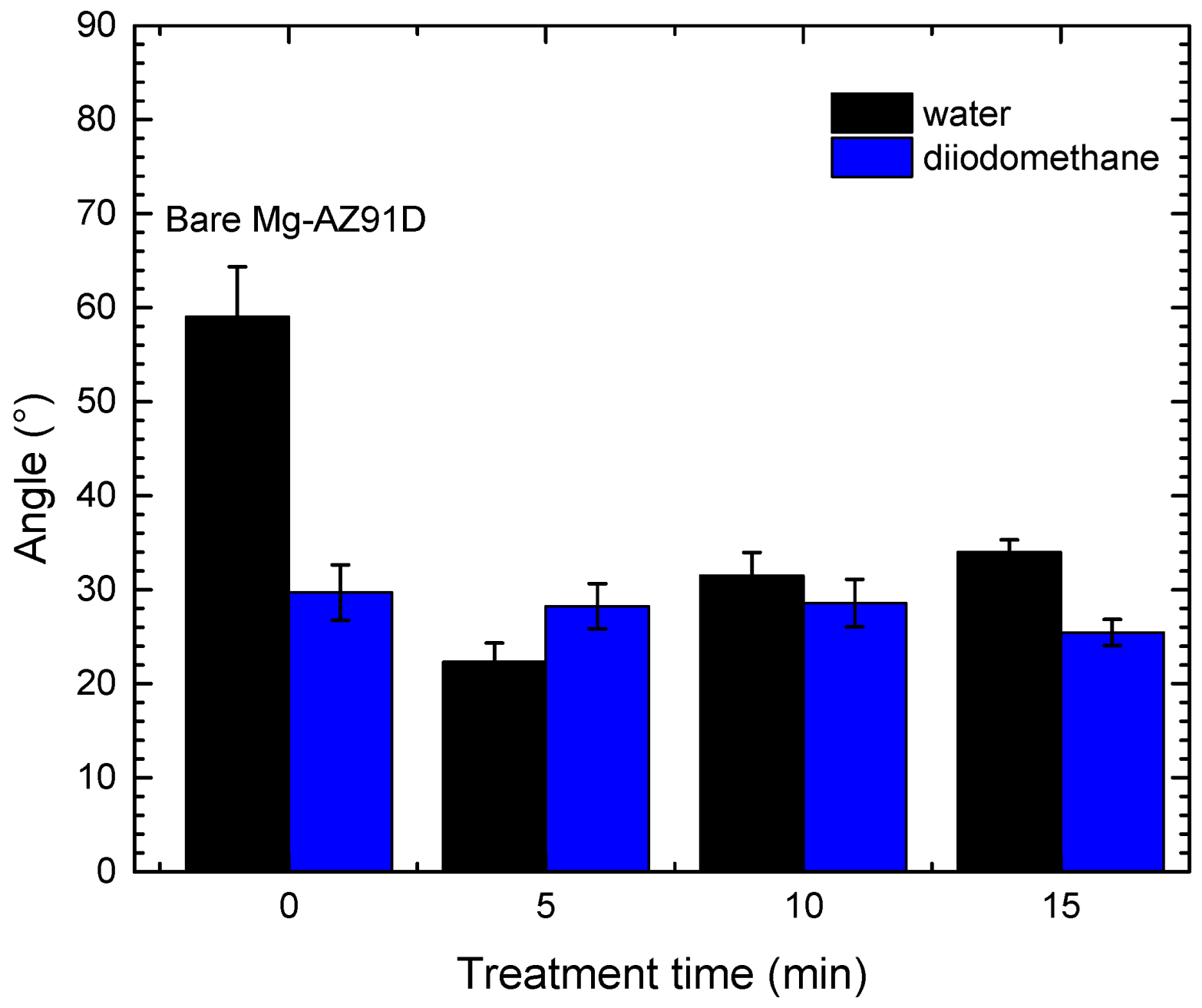
As shown in
Figure 1, bare Mg-AZ91D exhibited a contact water angle of 59°, indicating low surface wettability. After plasma treatment, all treated Mg samples showed a significant decrease in contact angle, with the most pronounced effect observed in the specimen treated for 5 min, which exhibited a value of 22°. This indicates a notable improvement in substrate wettability due to the plasma treatment. However, increasing the treatment time beyond 5 min resulted in a higher contact angle, suggesting a partial loss in this surface property.
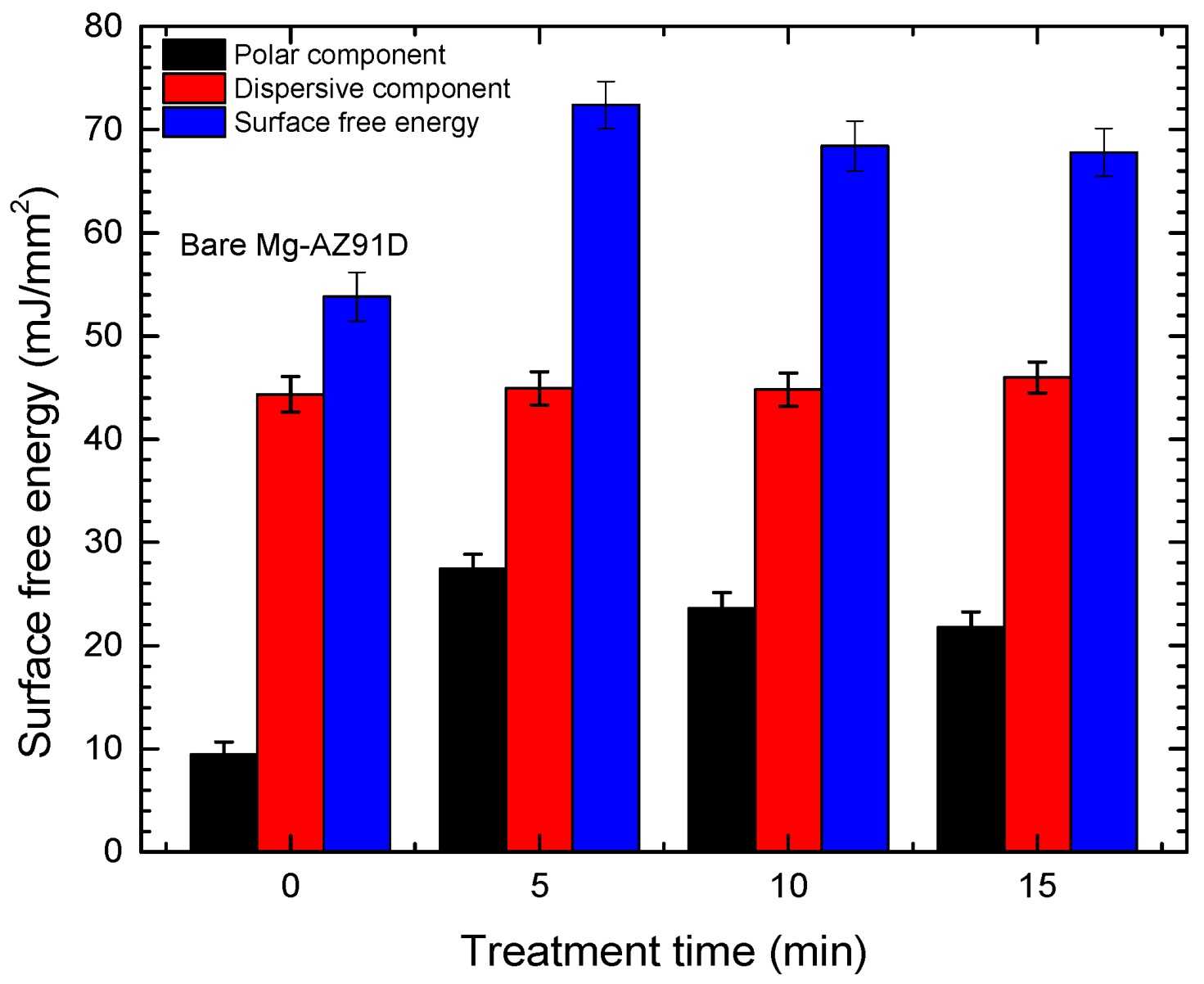
Figure 2 illustrates that the untreated Mg-AZ91D surface exhibited a surface free energy of 53.82 mJ/mm
2. After plasma exposure, the polar component increased substantially, reaching its highest value in the sample treated for 5 min, which resulted in a total surface energy of 72.4 mJ/mm
2. In contrast, the dispersive component remained practically unchanged. However, as observed for the contact angle measurements, treatment times longer than 5 min led to a reduction in surface energy. Therefore, a plasma treatment of 5 min can be considered optimal for promoting higher surface activity. Overall, these changes reflect modifications in both the wettability and surface chemistry of the metal.
3.2. Surface Free Energy and Contact Angles of PHB
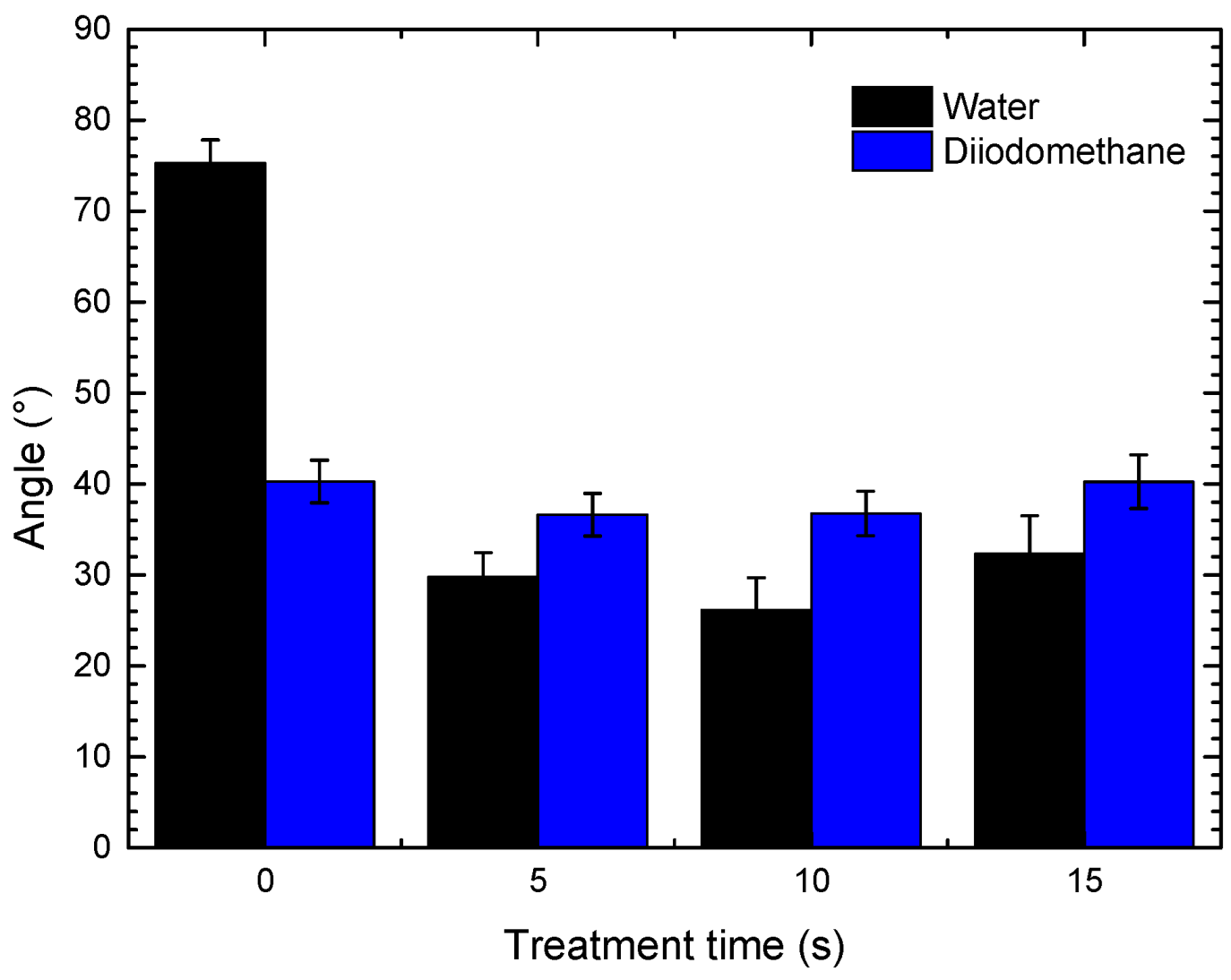
Figure 3 shows the contact angles of the PHB coating as a function of plasma treatment time. The untreated coating exhibited a contact angle of 75° when measured with distilled water, consistent with reported values for PHB films, which have been characterized as materials with moderate hydrophobicity due to their high crystallinity and low surface polarity [
11]. After plasma treatment, a significant reduction of up to 65% was observed in the contact angle, which decreased from 75° to 26° after only 10 s of treatment. This decrease indicates higher hydrophilicity relative to that of the untreated material. This effect is associated with the incorporation of polar functional groups (–OH, C=O, –COOH) on the surface of the coating, which increases affinity for water. Similar behavior has been reported in previous studies, where plasma treatment promoted the formation of oxygen-containing groups at the surface of materials, improving wettability. Enhancements in this property have been reported in plasma-treated PHB nanofibers, evidenced by a decreased contact angle and increased surface roughness [
12].
On the other hand,
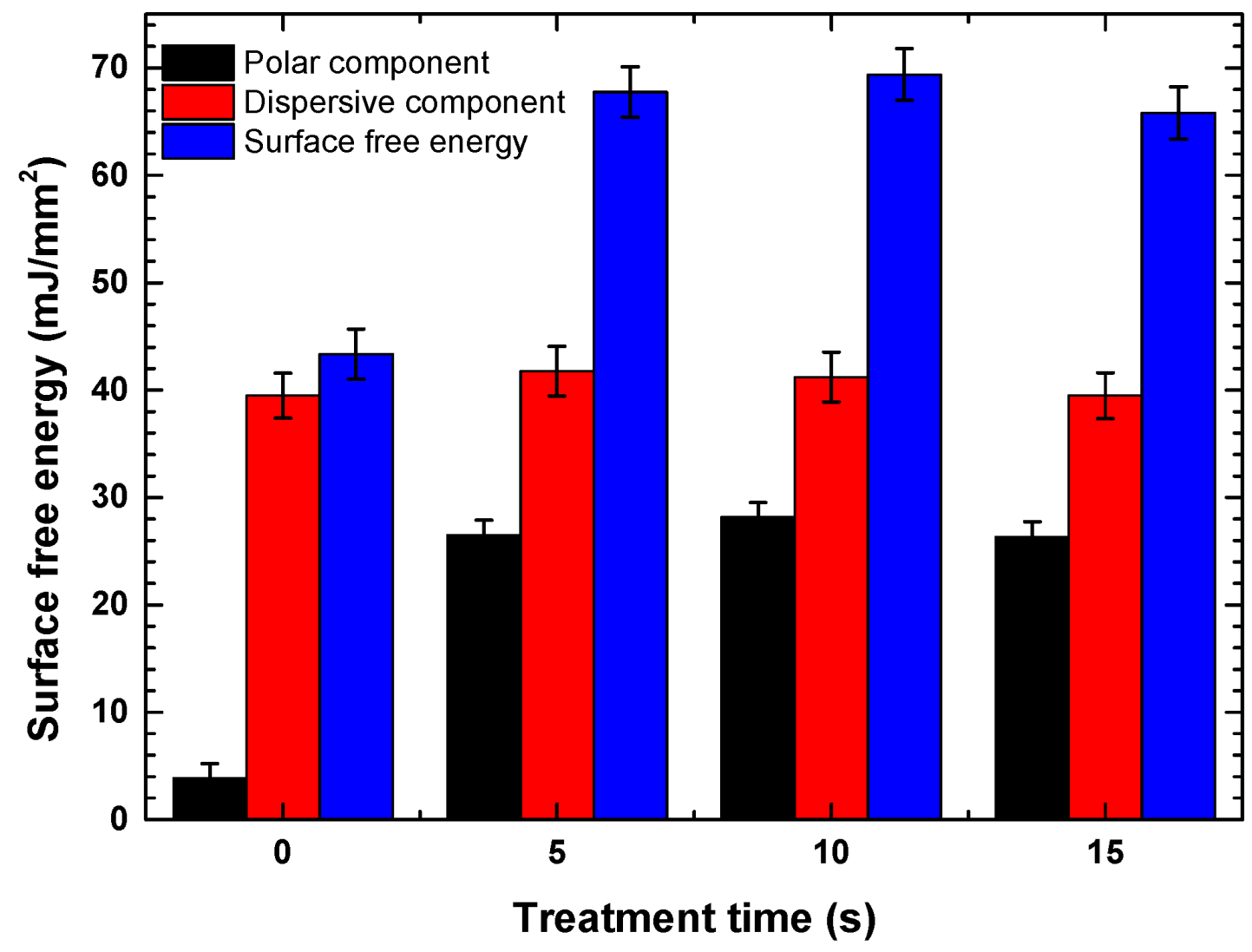
Figure 4 shows the surface free energy results as a function of treatment time. The untreated coating exhibited a surface free energy of 43.34 mJ/mm
2. After plasma treatment for 5, 10, and 15 s, values of 67.75, 69.38, and 65.80 mJ/mm
2 were recorded, respectively, evidencing significant surface activation. These results are consistent with the improved wettability observed through the reduction in contact angle and support the hypothesis that plasma treatment favorably modifies the surface chemistry of PHB.
3.3. Adhesion Test
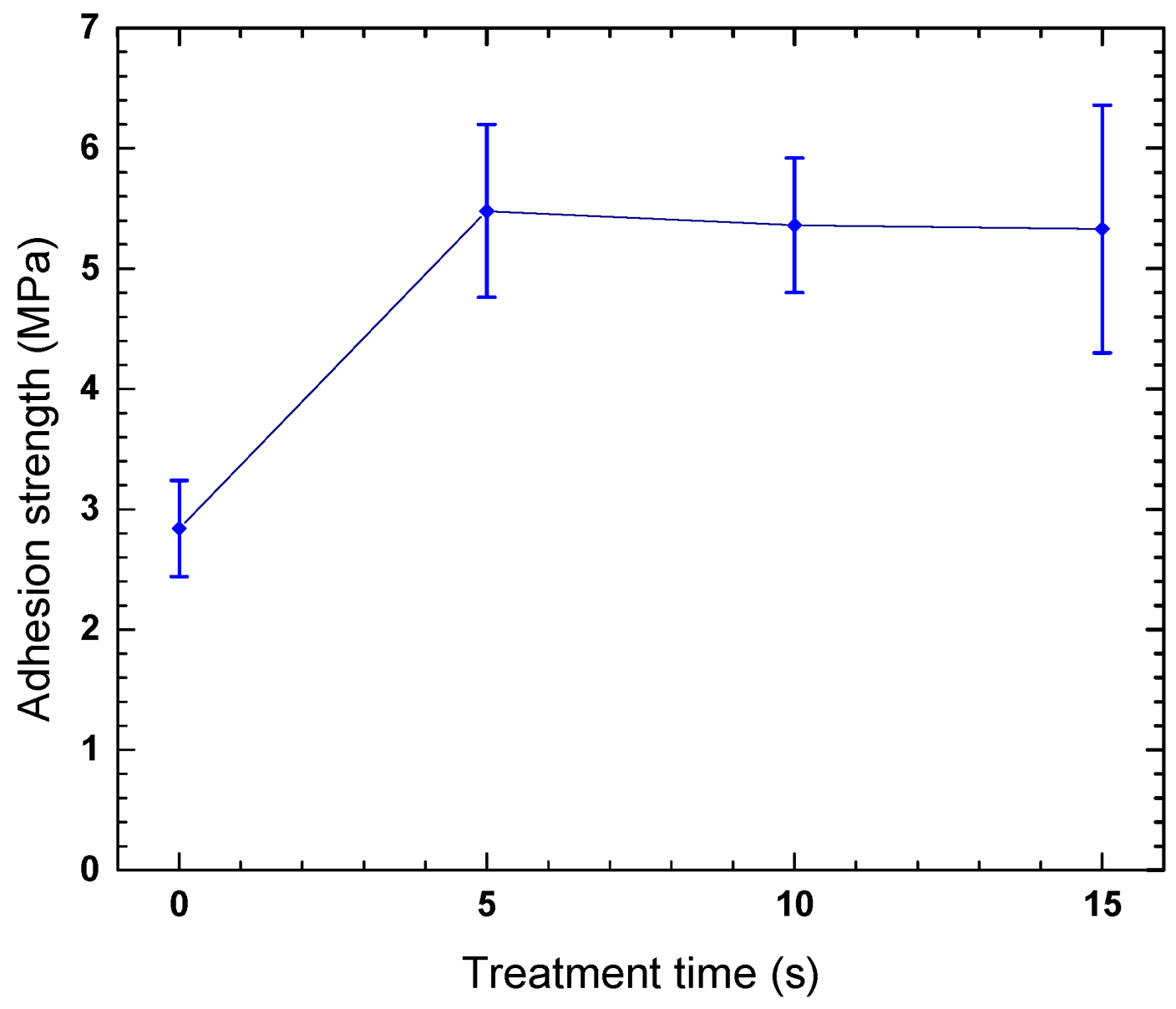
The results obtained from the pull-off test (
Figure 5) demonstrate a significant improvement in the adhesion of the PHB coating on the Mg-AZ91D alloy after plasma treatment. Initially, a 5 min treatment was selected to functionalize the substrate surface, as this condition produced the greatest increase in surface free energy, as previously discussed. This elevated surface energy facilitated the formation of stronger bonds between the metallic substrate and the PHB coating.
The lowest adhesion strength value was observed for magnesium coated with untreated PHB, measuring 2.84 MPa. After treatment, an increase in the force required to detach the coating was observed, reaching a maximum value of 5.43 MPa after 5 s of plasma treatment. This increase is attributed to the introduction of polar functional groups on the PHB surface during plasma treatment, which enhanced the interaction between the polymer and the metallic substrate.
It is noteworthy that the substrate surface treatment was performed only under the 5 min condition, which was identified as the most effective for increasing the surface energy of magnesium based on previous contact angle and surface free energy results.
3.4. XRD Analysis of Mg-AZ91D Alloy and PHB
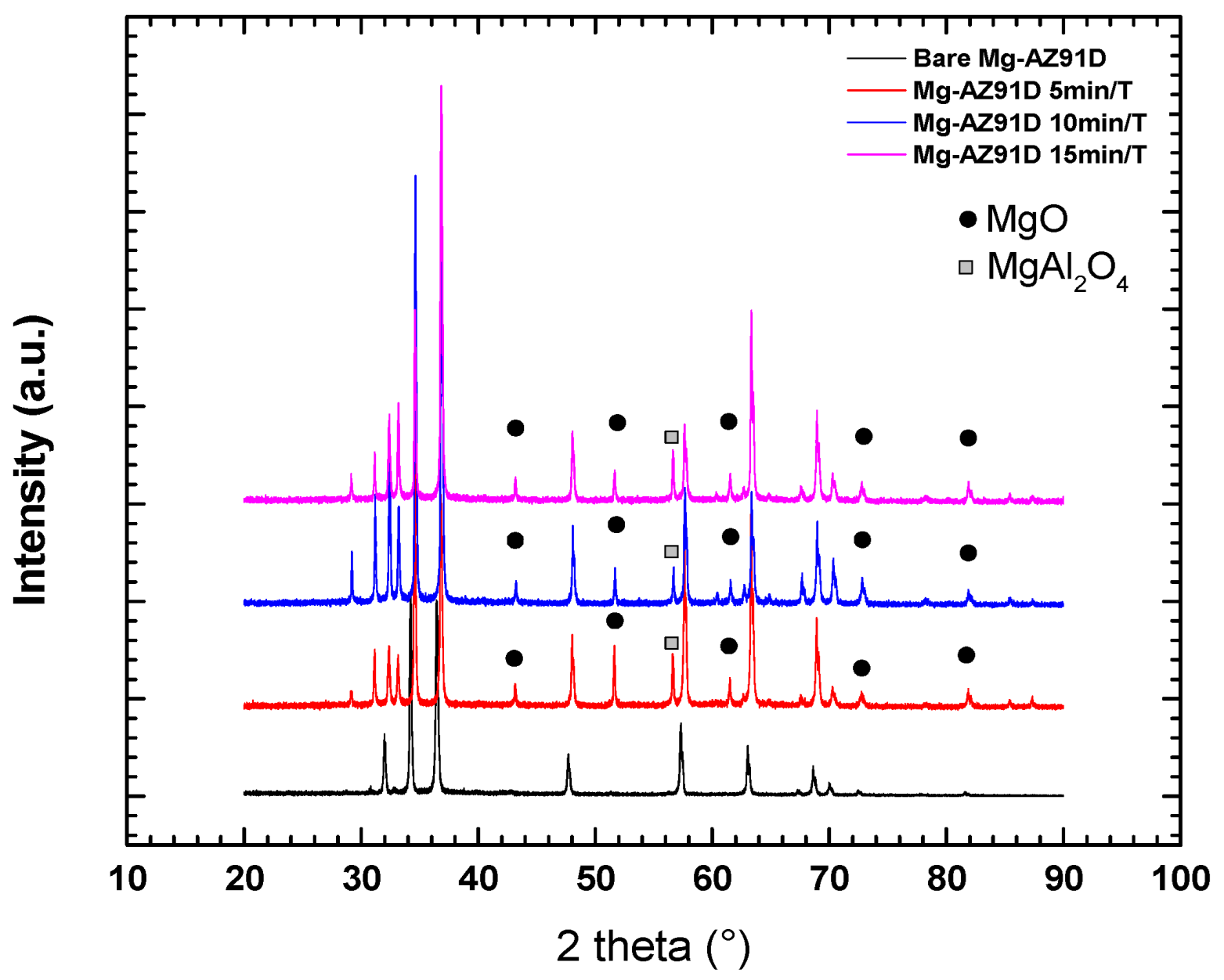
X-ray diffraction analysis revealed the main phases of the Mg-AZ91D alloy, including α-Mg (located at 2θ angles of 31°, 34°, 36°, 47°, 63°, and 70°) and β-Mg
17Al
12 (at 57° and 72°). After plasma treatment for 5, 10, and 15 min, peaks associated with MgO and MgAl
2O
4 appeared (
Figure 6), due to reactive oxidizing species in atmospheric plasma, such as O
3, O*, and O
2+, which promote magnesium oxidation. This is consistent with a study of Mg-AZ91D produced by stir casting [
13].
From the peak (101) of α-Mg at 2θ ≈ 36°, the full width at half maximum (FWMH, β) and the crystallite size were calculated using the Scherrer equation (Equation (1)), considering Cu Kα radiation (λ = 0.15406 nm) and a form factor K = 0.9 (
Table 1).
The results show that the crystallite size increases significantly after 5 and 10 min of treatment with plasma at atmospheric pressure (from 39 nm in the sample without plasma to 71 and 81 nm, respectively), indicating an improvement in crystallinity. However, after 15 min of plasma treatment, the crystallite size decreases again to 39 nm, suggesting that longer exposure to plasma causes adverse effects, probably associated with the formation of oxides.
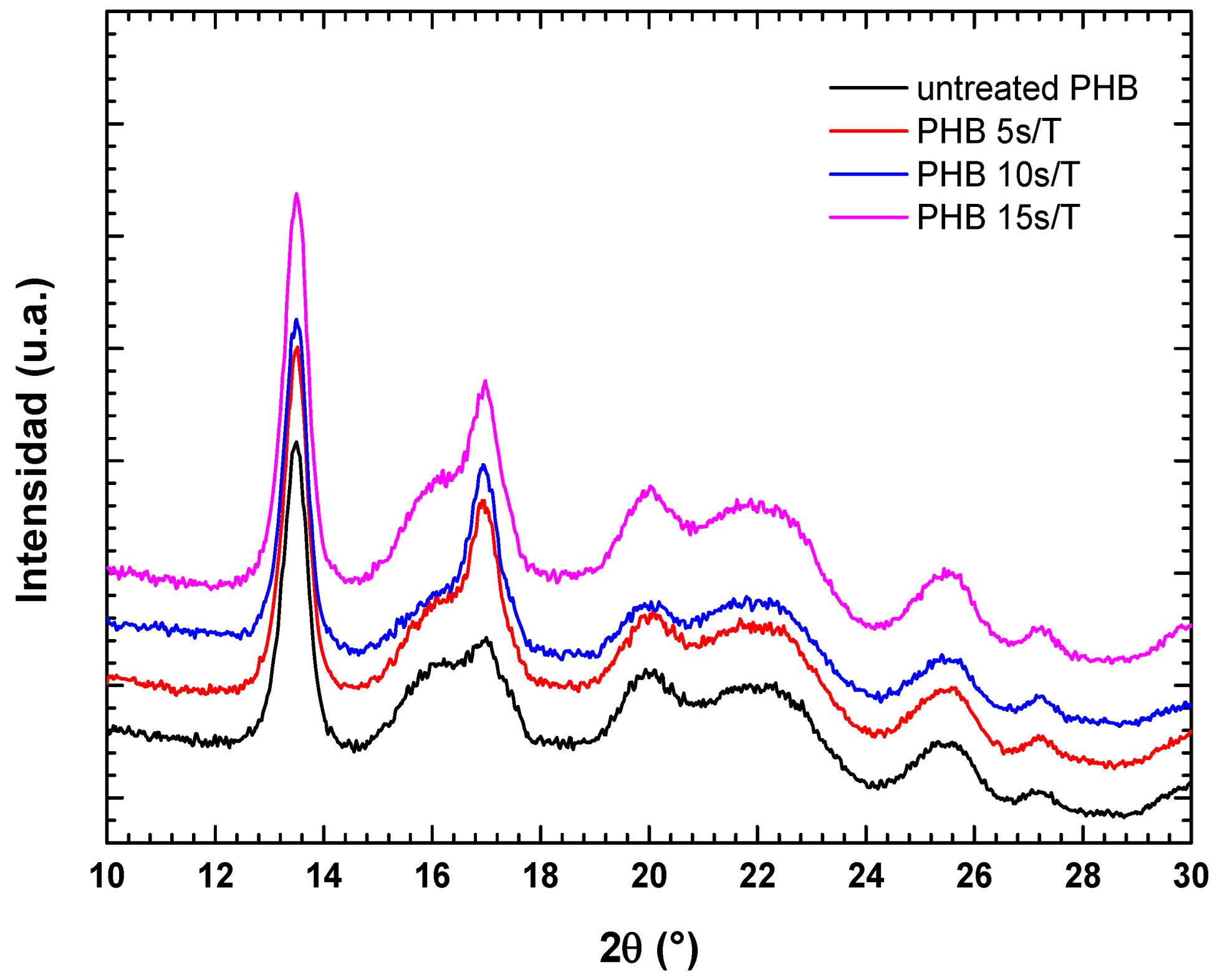
Figure 7 shows the diffraction patterns of PHB after no treatment and after plasma treatment for 5, 10, and 15 s. The diffractogram exhibits characteristic PHB peaks at approximate 2θ values of 13°, 17°, 20°, 22°, 25°, and 27°, corresponding to the crystallographic planes (020, 110, 101, 111, 121, and 040). This reflects the orthorhombic unit cell structure of PHB, inherent to its crystalline nature [
14].
An increase in the FWHM and definition of the peak at around 2θ ≈ 13° is observed for untreated PHB; these increase with treatment time up to 10 s, which is related to an increase in polymer crystallinity. Additionally, the crystallite size (Xs) was calculated for the characteristic peaks (
Table 2). The greatest size was observed for the PHB sample treated for 10 s. This increase in size, calculated using the Scherrer equation, is directly associated with the better organization of crystalline domains, indicating an increase in material crystallinity.
After 5 s of treatment, some planes improved, while others decreased; after 15 s, some values dropped compared to those after the 10 s treatment. This may have been due to the treatment time being too short or surface damage/degradation of the polymer, respectively. These results reveal that a 10 s plasma treatment is optimal for modifying not only the polymer surface but also its internal structure, improving its crystallinity.
3.5. Raman Spectroscopy of PHB
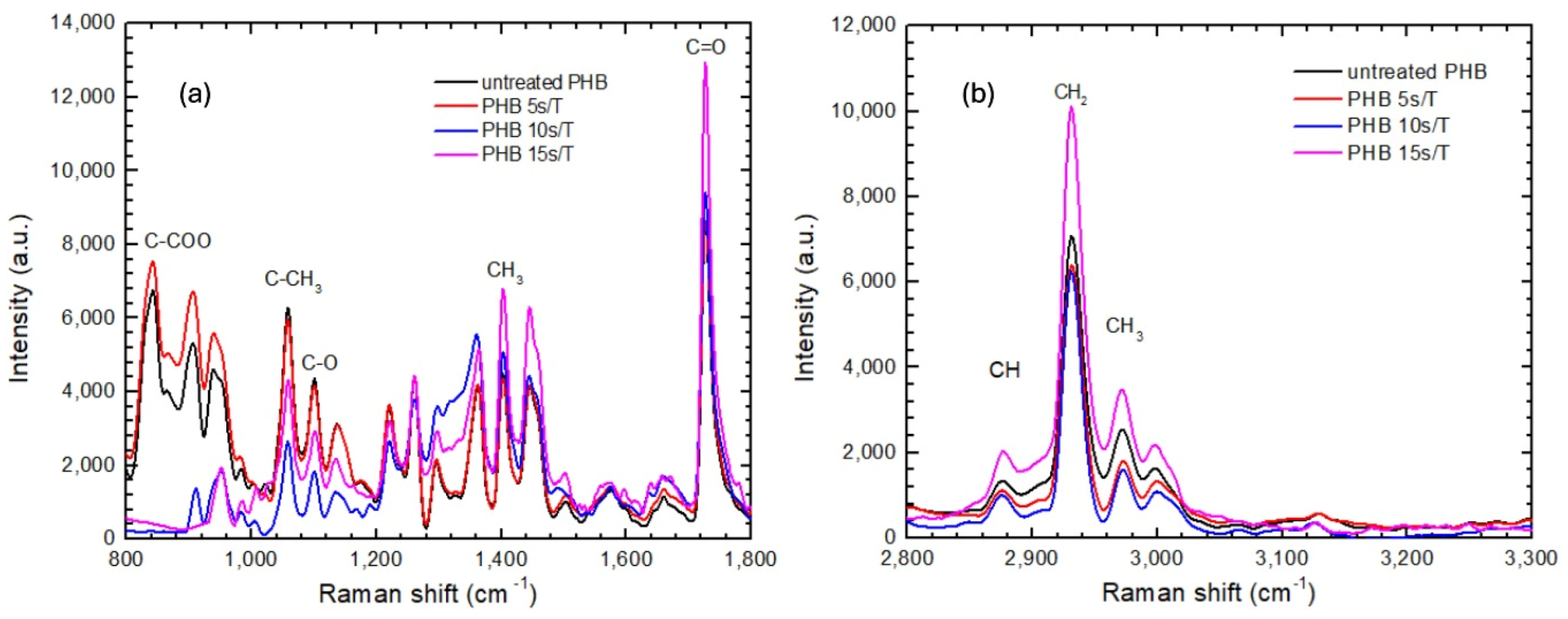
The Raman spectra of PHB that was untreated and plasma-treated for 5, 10, or 15 s exhibit characteristic peaks associated with the functional groups and molecular bonds of this polyester. The most relevant bands are those at 1725 cm
−1, corresponding to the carbonyl (C=O) stretching of the ester groups, characteristic of polyhydroxyalkanoates; 1450 cm
−1, associated with the deformation of methyl (CH
3) and methylene (CH
2) groups; 1100 cm
−1, related to C–O and C–C bond vibrations; 1056 cm
−1, attributed to C–O–C stretching (
Figure 8a); and 2930 cm
−1, corresponding to the asymmetric stretching of CH
3 and CH
2 groups (
Figure 8b). These results are consistent with those reported in other studies on the spectroscopic properties of PHB [
14,
15].
Both the untreated PHB and the sample treated for 5 s show similar spectra. However, for samples treated for 10 or 15 s, an increase is observed in the bands at 800 and 900 cm−1, corresponding to C–C and C–O stretching. This suggests the incorporation of –OH, C=O, C–O–C, and –COOH groups as a result of plasma treatment, indicating surface functionalization of the polymer.
3.6. Potentiodynamic Polarization Curves and Electrochemical Impedance Spectroscopy of Mg-AZ91D
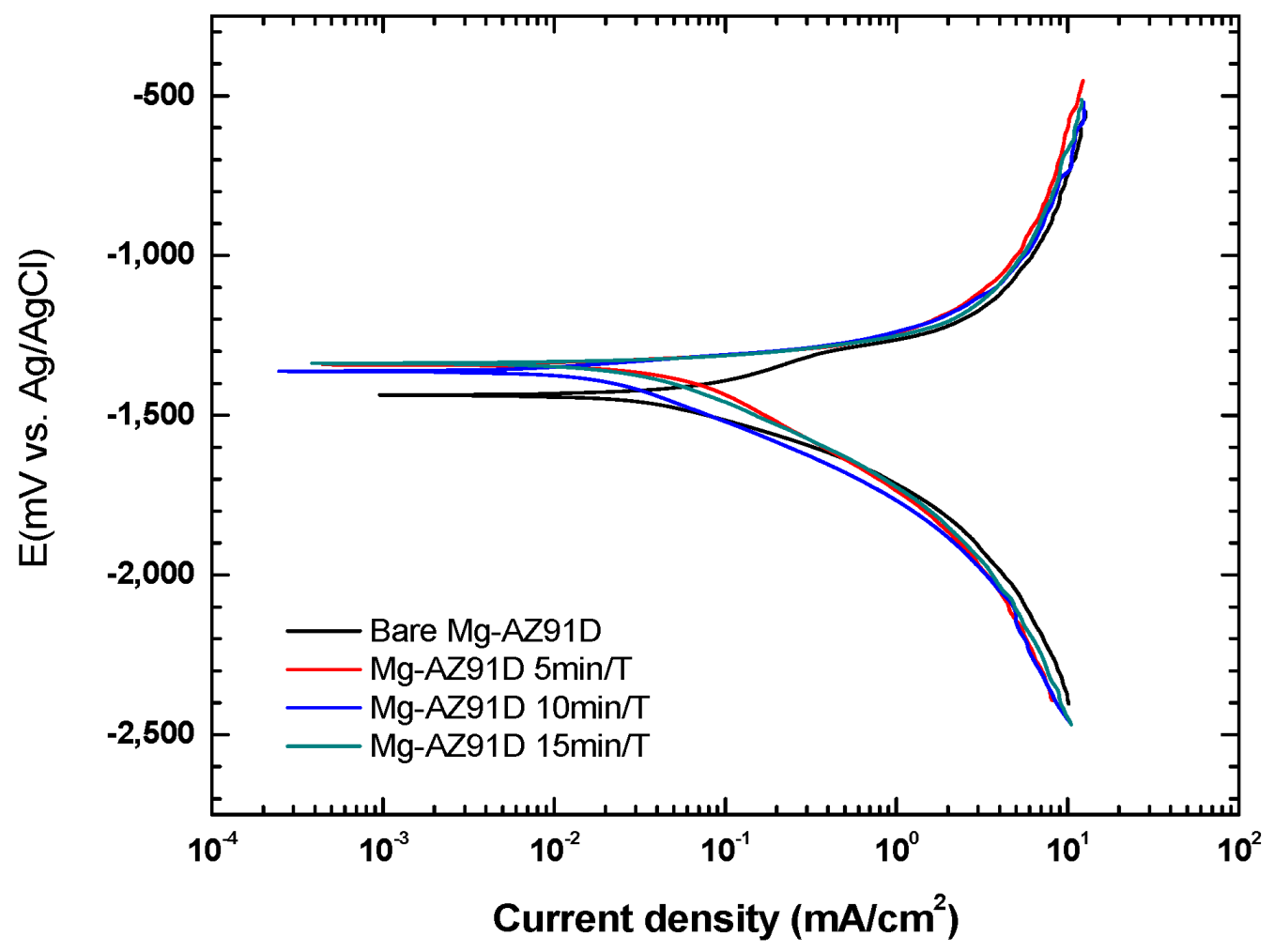
Figure 9 shows the typical curves of Mg-AZ91D alloys in physiological solutions [
16]. Our test evaluated both bare Mg-AZ91D and samples treated with atmospheric plasma to examine the protective effect of plasma. After treatment, the corrosion potential (Ecorr) gradually shifted toward more positive values, changing from −1438.9 mV in the untreated alloy to −1334.7 mV in the sample treated for 15 min (
Table 3). This suggests a reduced tendency for corrosion to initiate. However, the corrosion rate (Vcorr) showed no significant change, staying around 4.08 mm/year for the bare alloy and about 3.64 mm/year for the plasma-treated samples, regardless of treatment time.
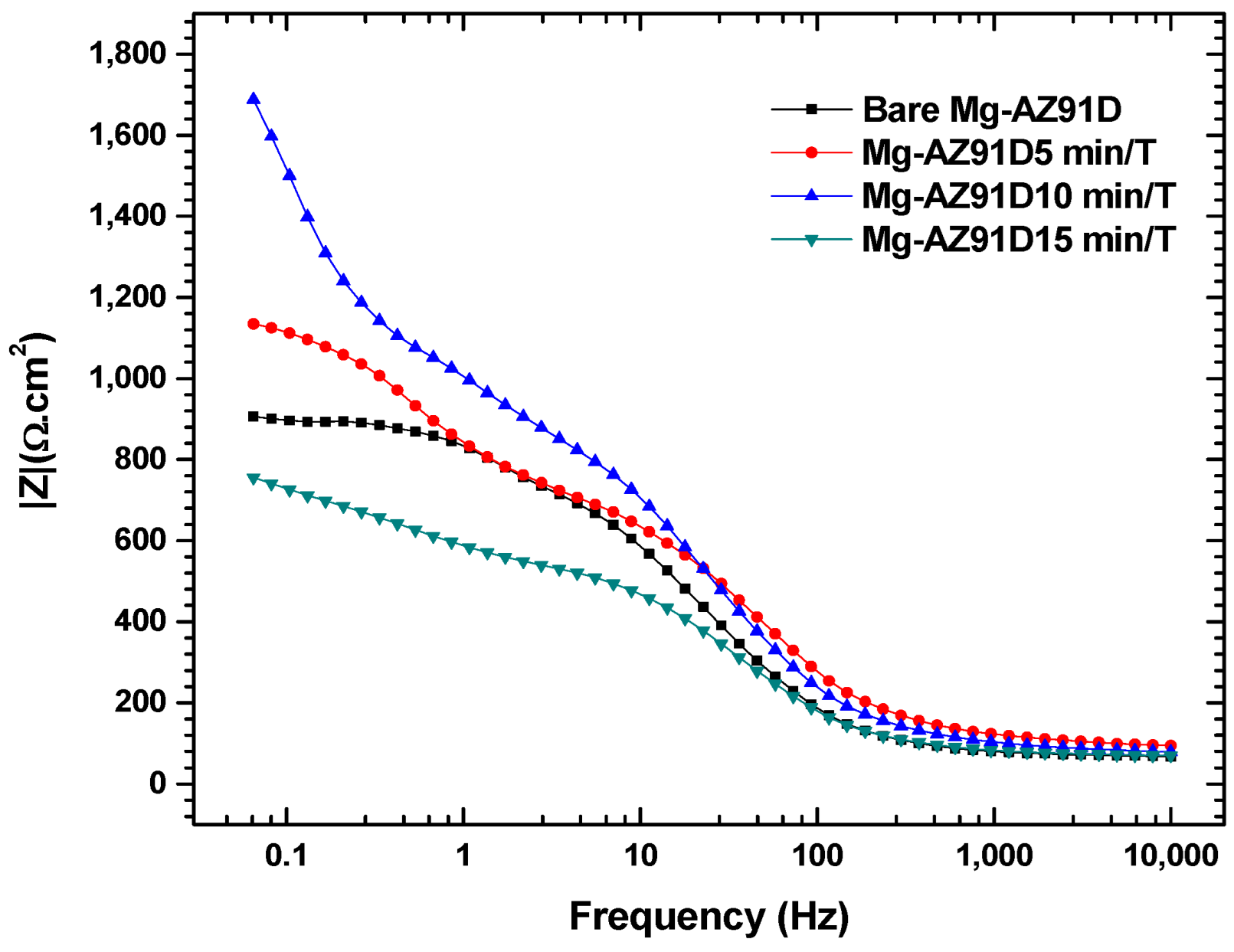
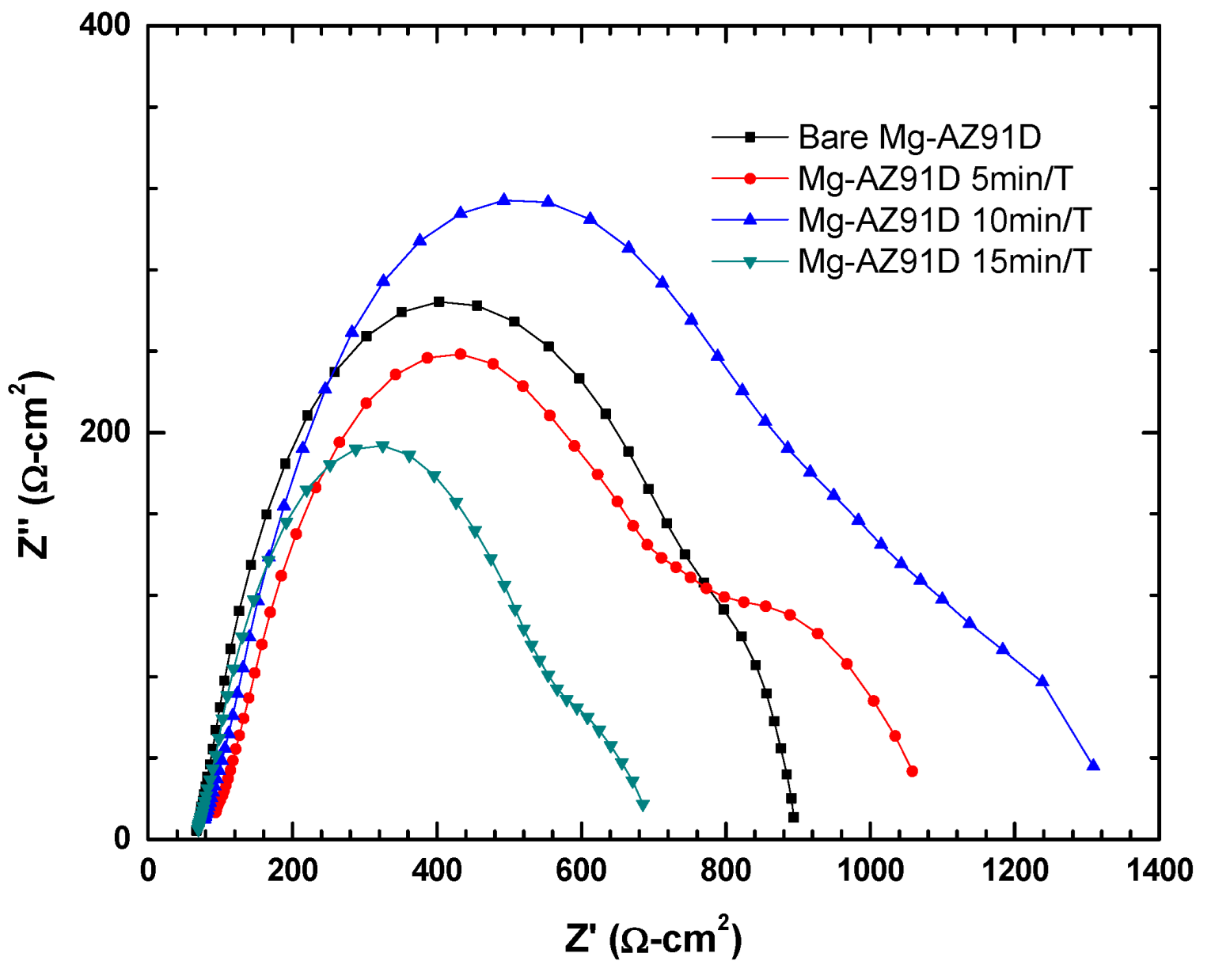
Figure 10 shows the electrochemical impedance spectroscopy results of Mg-AZ91D after different plasma treatment times. A semicircle is observed in all four conditions, which is characteristic of a charge transfer process [
17].
Figure 11 reveals that the sample treated for 10 min exhibited the highest impedance, indicating the formation of corrosion products due to the implantation of radicals such as –OH, O, N, NO, and O
3 from the atmospheric plasma [
18]. These led to the formation of products like MgO, which can act as a slightly protective barrier against corrosive attack from solution ions. However, at 15 min, this charge transfer resistance decreased significantly, demonstrating that 15 min of plasma treatment may cause some wear, erosion, or formation of less protective corrosion product layers.
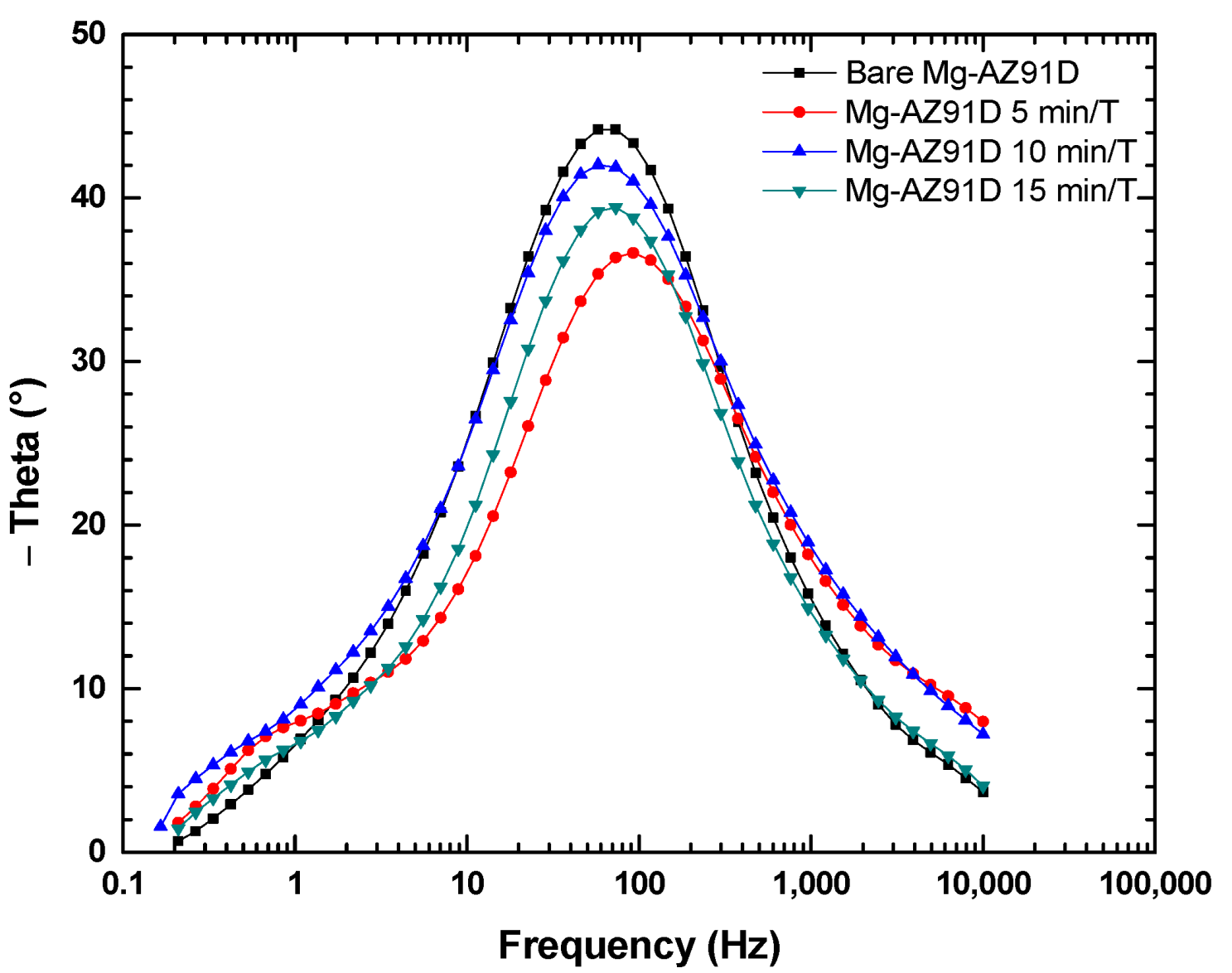
Figure 12 shows a single time constant with a maximum phase angle at intermediate frequencies (10–1000 Hz), confirming that the dominant process is charge transfer at the Mg-AZ91D/solution interface [
19].
3.7. Potentiodynamic Polarization Curves and Electrochemical Impedance Spectroscopy of PHB-Coated Mg-AZ91D
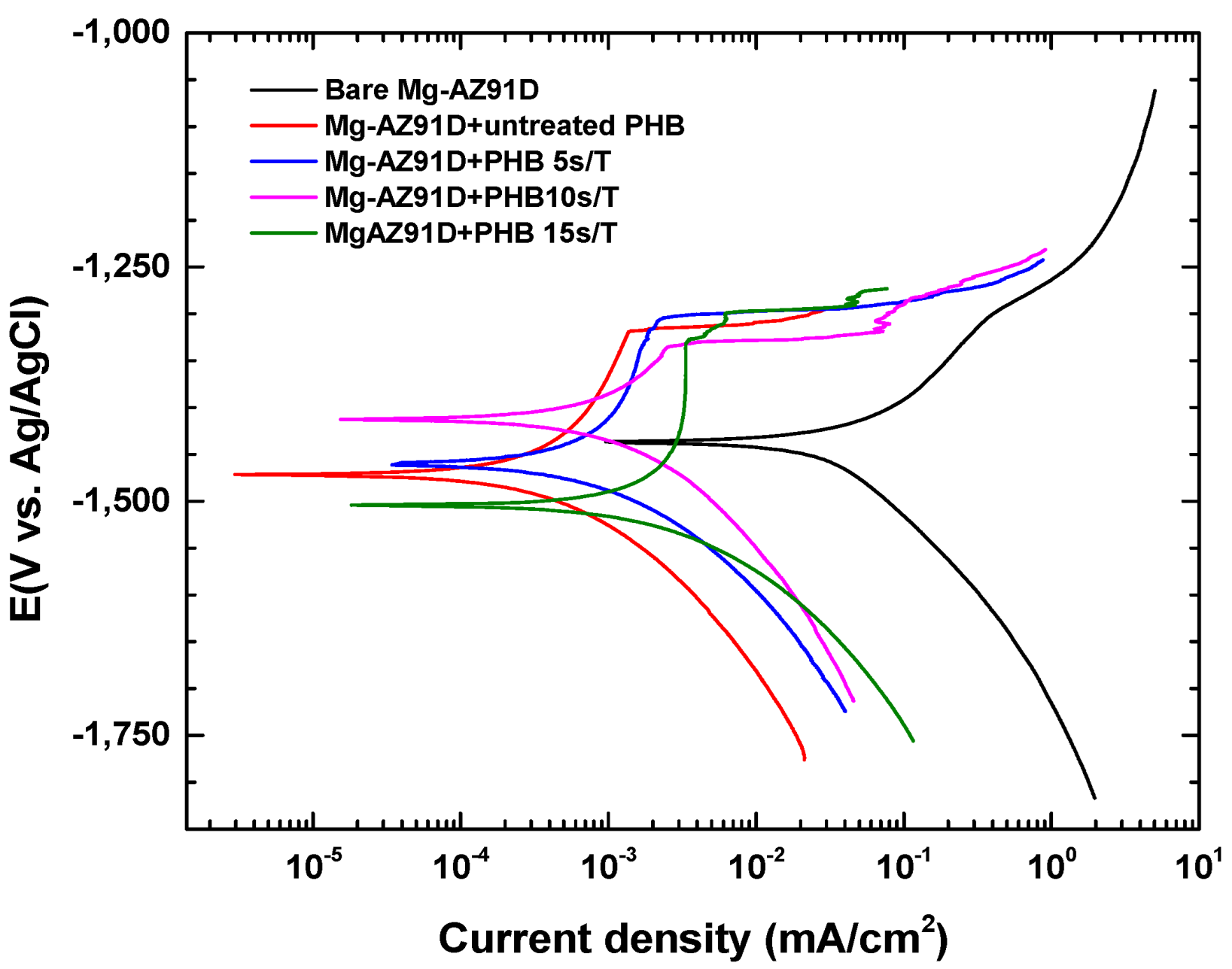
Figure 13 shows the potentiodynamic polarization curves of bare Mg-AZ91D and Mg-AZ91D treated with plasma for 5 min and coated with PHB, which was also plasma-treated for 5, 10, or 15 s in HANK solution. The corrosion potential (E
corr) shifts to more negative values, decreasing from −1438 mV for the bare magnesium to −1504 mV for Mg-AZ91D + PHB after 15 s of treatment. This suggests a stronger interaction between the working electrode and the electrolyte solution, confirming functionalization of the PHB coating due to atmospheric plasma, incorporating groups such as –OH, C=O, –COOH, –NH
2, and –CONH
2 [
20].
As expected, the corrosion rate (V
corr) shows a significant decrease of approximately 94% to 99% under all Mg-AZ91D + PHB conditions compared to that for the bare Mg-AZ91D (4.083 mm/year), corresponding to values ranging from 0.001 mm/year to 0.009 mm/year, as shown in
Table 3. The protective performance of the coating was evaluated by calculating the protection efficiency (
εPDP) according to the equation below:
The porosity of the coating plays an important role in determining the protective performance of the PHB layer. In this study, porosity is quantified using the following expression:
where P represents the porosity, Rp(u) is the polarization resistance of the uncoated magnesium, and Rp(c) is that of the coated sample. ΔEcorr is the difference between the corrosion potentials of the uncoated and coated magnesium, and Ba is the anodic Tafel slope.
The polarization resistances Rp(u) and Rp(c) are calculated using the Stern–Geary equation:
According to the results shown in
Table 4, all coatings exhibited high levels of protection, exceeding 90%, with Mg-AZ91D + PHB 5 s/T standing out by displaying the highest polarization resistance and 99% coating efficiency, as well as the lowest corrosion rate (0.001 mm/year). Porosity is related to better coating efficiency since it minimizes pathways for the corrosive medium to reach the substrate, thereby slowing the corrosion process. This was confirmed in the Mg-AZ91D + PHB 5 s/T and Mg-AZ91D + PHB 15 s/T samples, which showed efficiencies of 98% and 99%, respectively, with porosities of 0.46% and 0.20%.
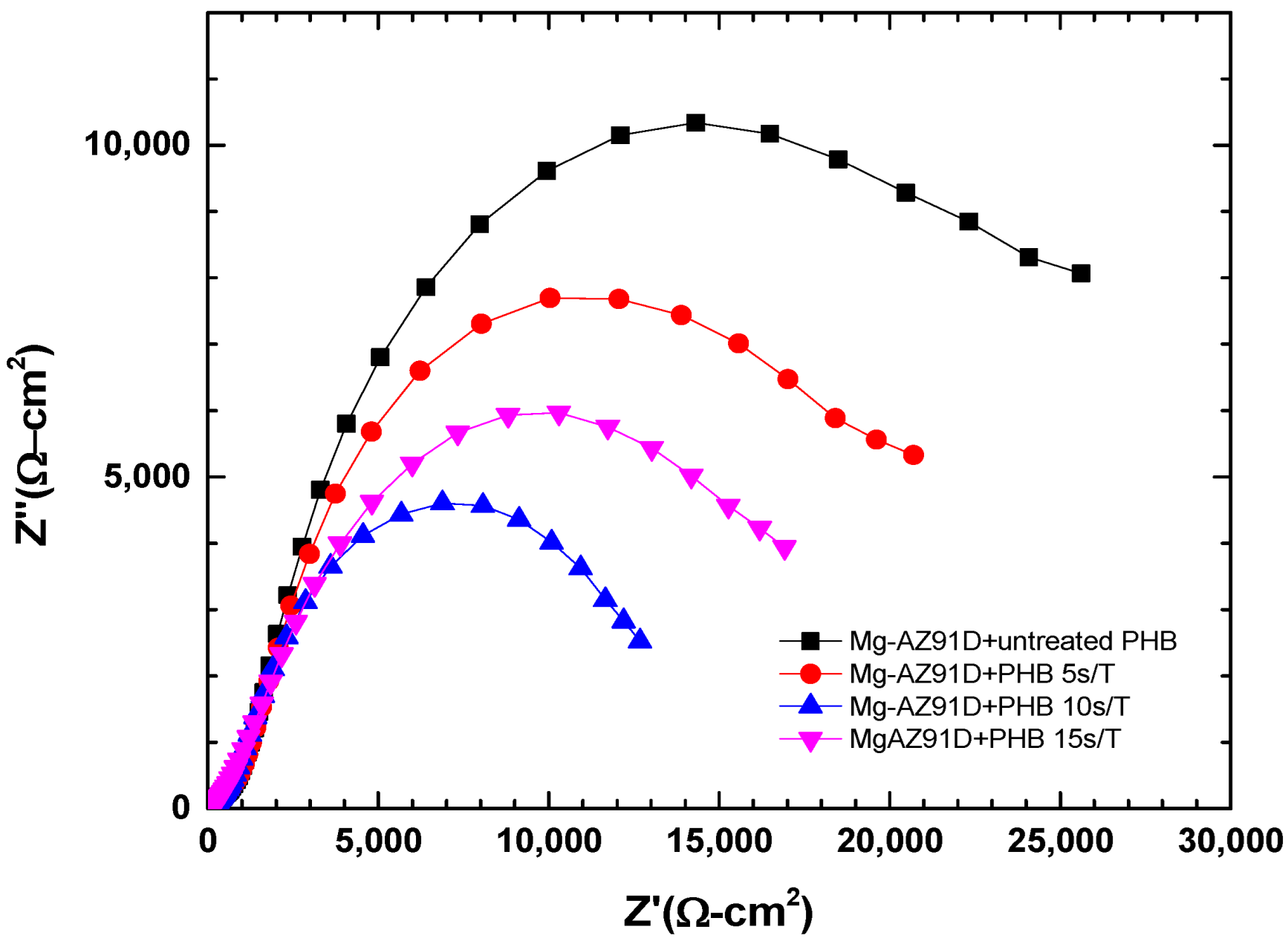
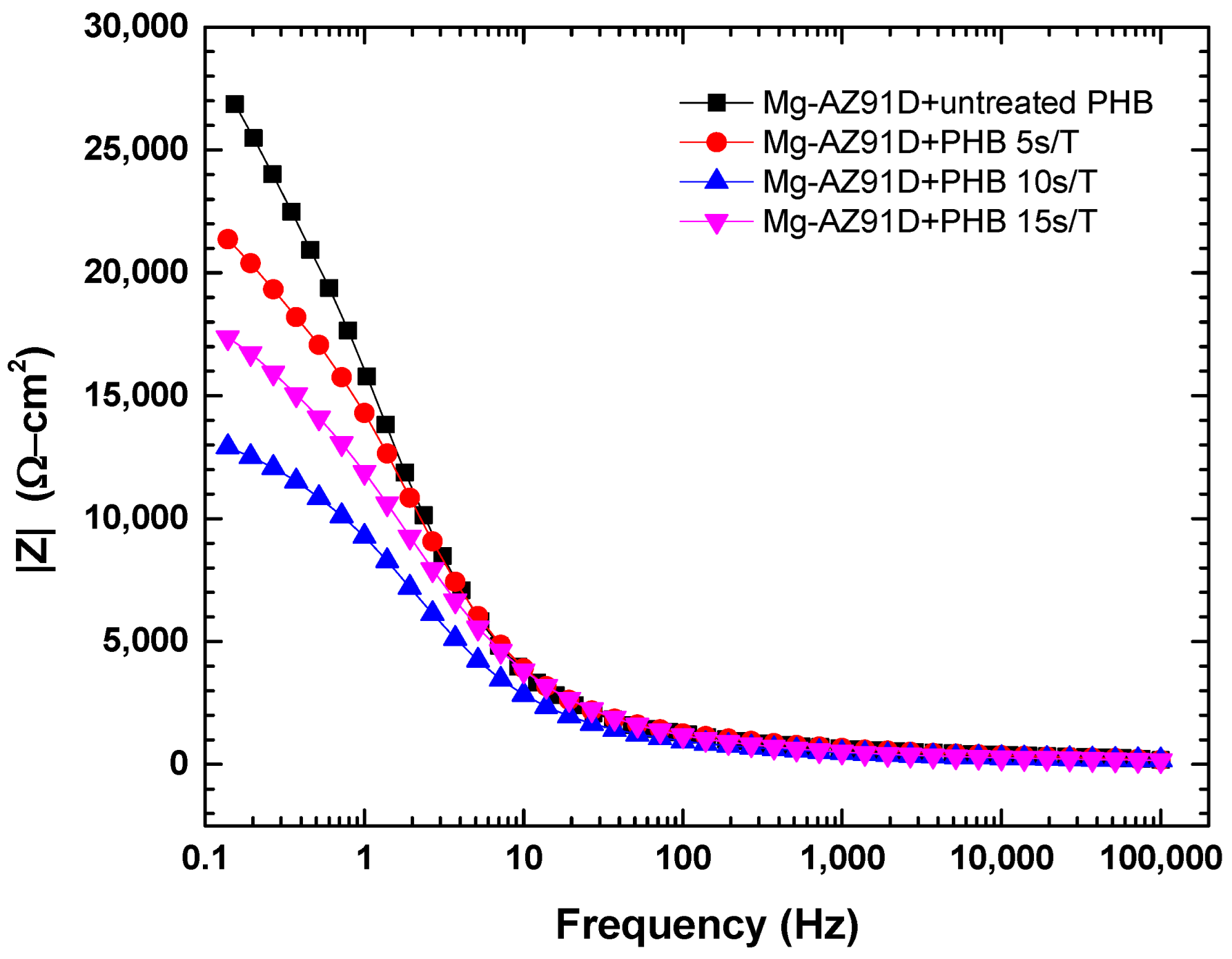
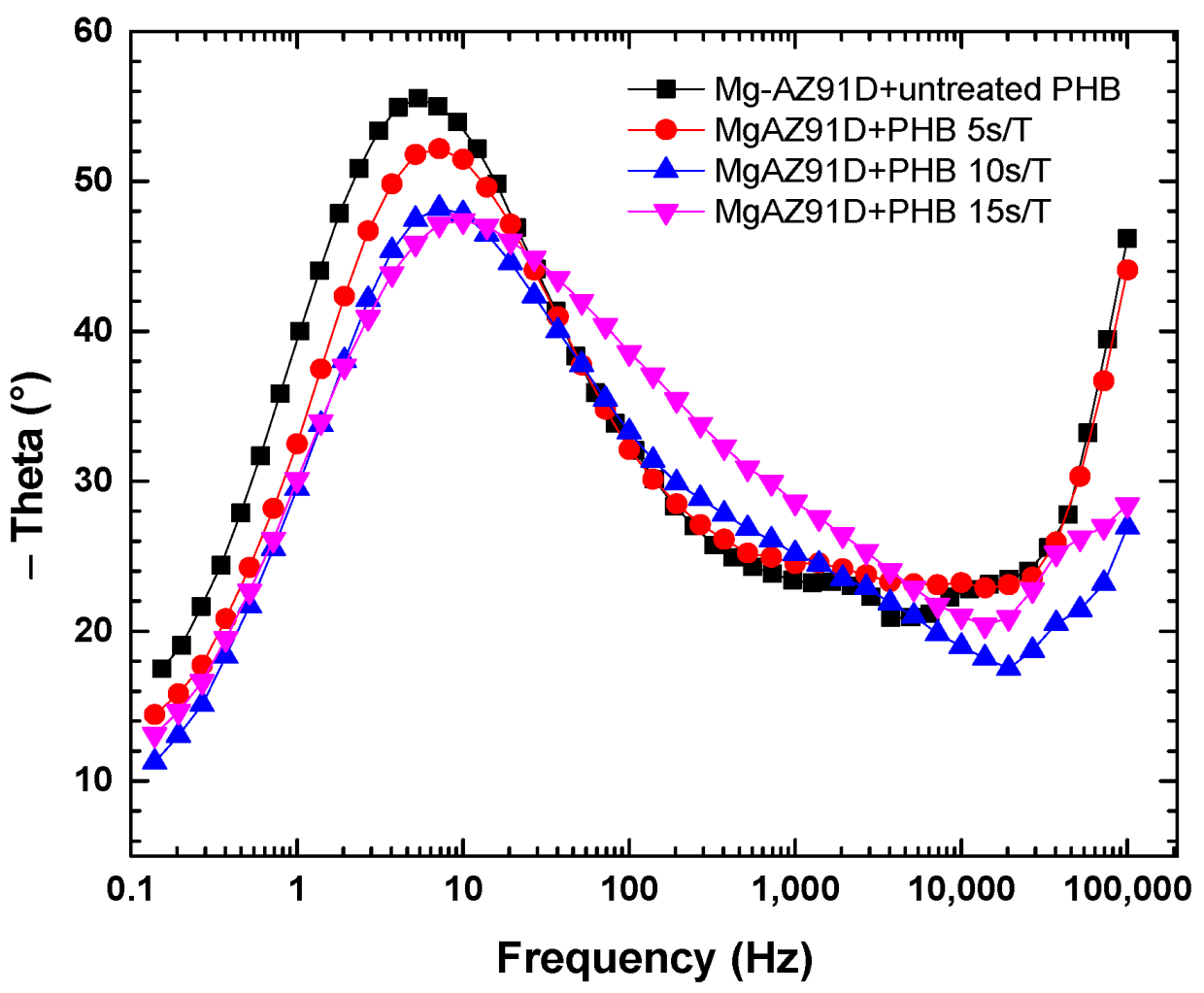
The electrochemical impedance spectroscopy data for Mg-AZ91D are shown in
Figure 14,
Figure 15 and
Figure 16. The Mg-AZ91D samples were first treated with atmospheric plasma for 5 min and then coated with PHB, which was subjected to plasma treatment for varying durations (5, 10, or 15 s). The Nyquist plots (
Figure 14) show a single semicircle for each condition, which is mainly associated with the charge transfer process. However, the phase angle diagram (
Figure 16) reveals two time constants, indicating the presence of two electrochemical processes with different characteristic times. The time constant at medium frequencies (1–1000 Hz) is attributed to charge transfer at the electrode/electrolyte interface, while that at high frequencies (10,000–100,000 Hz) corresponds to the barrier properties of the PHB coating, which acts as a protective film against corrosion [
21,
22,
23].
4. Discussion
The present study demonstrates that atmospheric plasma treatment plays a critical role in tailoring the surface properties, interfacial adhesion, structural characteristics, and corrosion performance of the Mg-AZ91D/PHB coating system. The correlation between wettability, surface free energy, structural modifications, adhesion strength, and electrochemical behavior highlights the synergistic effect of plasma treatment on both the metallic substrate and the polymer coating.
Plasma treatment of Mg-AZ91D significantly enhanced surface wettability, as evidenced by the marked reduction in water contact angle and the corresponding increase in surface free energy. This enhancement was mainly driven by an increase in the polar component, indicating the introduction of oxygen-containing functional groups and surface oxides. XRD analysis corroborated these findings through the appearance of MgO and MgAl
2O
4 phases after plasma exposure, which are known to increase surface reactivity and promote chemical bonding. The increase in crystallite size observed after 5 and 10 min of treatment further suggests a plasma-induced reorganization of the surface structure. However, excessive treatment (15 min) resulted in reduced crystallite size and surface energy, indicating that prolonged plasma exposure can lead to surface degradation or excessive oxide formation, which negatively affects surface activity (see
Table 5).
Similarly, plasma treatment of PHB resulted in a substantial decrease in contact angle and a pronounced increase in surface free energy, confirming effective surface activation. Raman spectroscopy revealed incorporation onto the PHB surface of polar functional groups such as –OH, C=O, and –COOH, while XRD analysis showed an increase in crystallinity, particularly for the sample treated for 10 s. These structural and chemical modifications enhance polymer–substrate interactions by increasing polarity and improving molecular organization at the interface. However, longer exposure times led to partial loss of these benefits, likely due to surface damage or polymer chain scission.
The combined plasma treatment of Mg-AZ91D (5 min) and PHB (5–15 s) resulted in a significant improvement in coating adhesion, with the highest pull-off strength obtained for PHB treated for 5 s. This behavior is strongly correlated with the optimal balance between surface activation and structural integrity. Increased surface energy of the substrate, together with functionalized polymer chains, promotes mechanical interlocking and chemical bonding at the interface. Excessive plasma exposure, although still beneficial compared to untreated samples, slightly reduced adhesion strength due to over-oxidation or microstructural changes. (see
Table 6).
Electrochemical studies further confirmed the strong correlation between surface modification, coating integrity, and corrosion protection. While plasma treatment alone slightly improved the corrosion resistance of Mg-AZ91D by shifting the corrosion potential to more noble values and increasing impedance, it was insufficient to significantly reduce the corrosion rate. In contrast, the PHB-coated samples exhibited a dramatic reduction in corrosion rate (94–99%), highlighting the dominant protective role of the polymer coating. Among the coated systems, Mg-AZ91D + PHB treated for 5 s showed the highest polarization resistance, lowest porosity, and maximum protection efficiency (≈99%). EIS results revealed two time constants, corresponding to the coating barrier effect and charge transfer processes, confirming that plasma-treated PHB acts as an effective corrosion barrier while maintaining strong adhesion to the substrate.
Overall, the correlation of surface, structural, mechanical, and electrochemical analyses clearly indicates that optimal plasma treatment conditions are essential to maximize coating performance. Moderate plasma exposure enhances surface chemistry and interfacial bonding, whereas excessive treatment can compromise structural stability and functional performance (see
Table 7).
Optimal adhesion is associated with adequate crystallinity of the polymer, since a balance between crystalline and amorphous regions provides mechanical rigidity and, at the same time, interfacial mobility. Moderate crystallinity increases the cohesion of the coating, while the amorphous regions favor humidification and interaction with the substrate. Plasma treatment contributes to improving adhesion not only by inducing changes in crystallinity, but also by modifying the surface of the material, generating effects that strengthen the interfacial union.




 ,
,