A Multi-Physics Modeling Framework for Optimizing Spreading and Sintering Parameters in Powder Bed Fusion


Abstract
1. Introduction
1.1. Research Background
1.2. Research Status
1.2.1. Research on Powder Spreading Process
1.2.2. Research on Sintering Process
2. Material and Method
2.1. Material
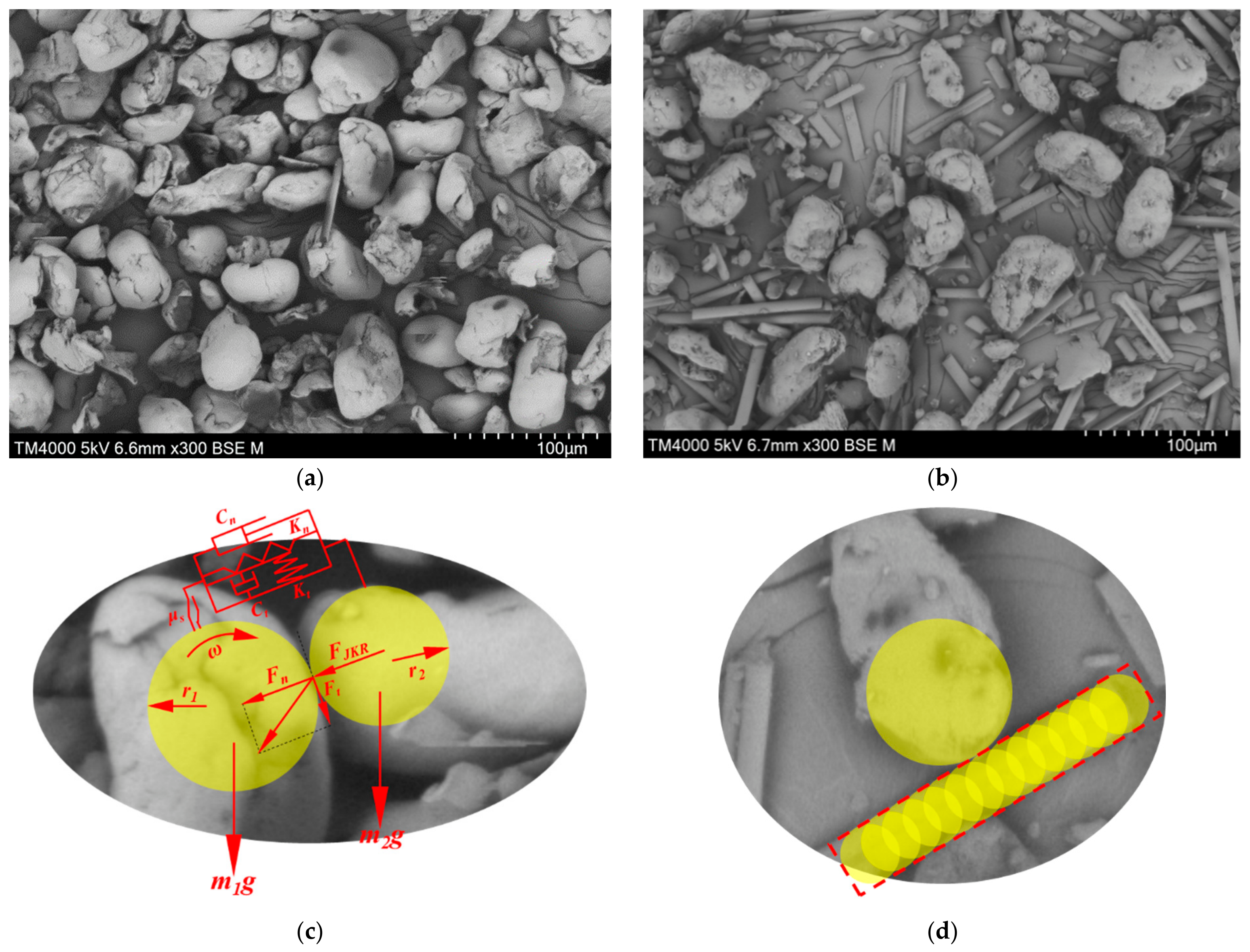
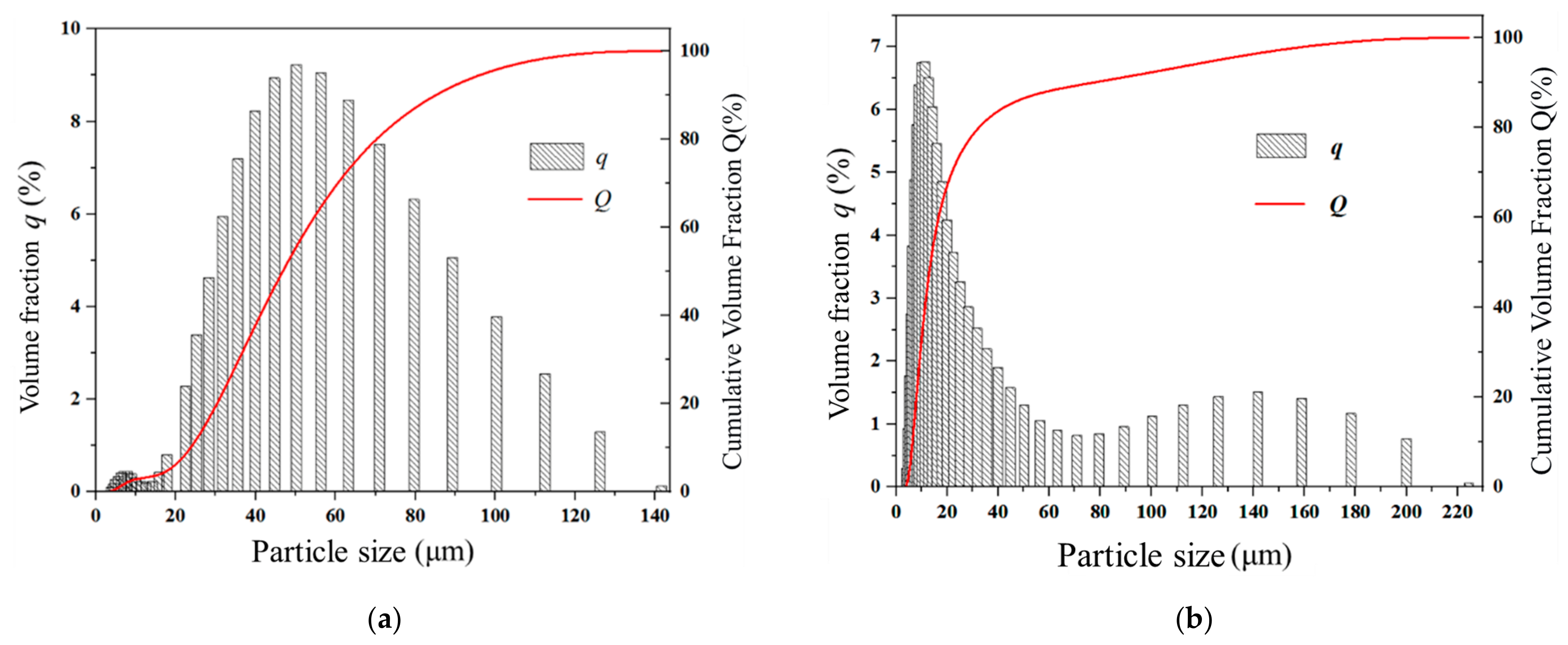
2.1.1. Material Parameters for the DEM Model
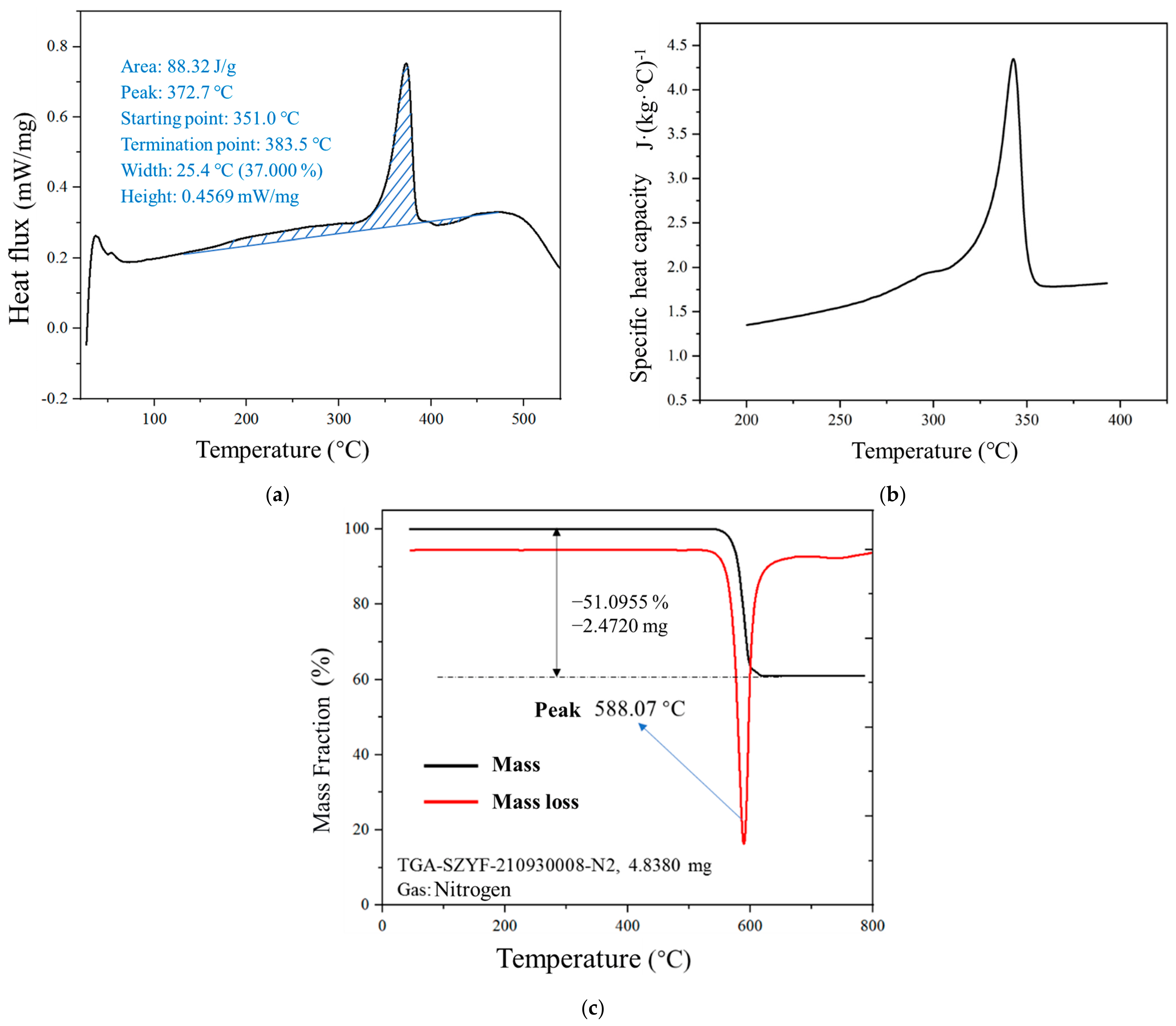
2.1.2. Thermal and Mechanical Material Properties
2.2. Method
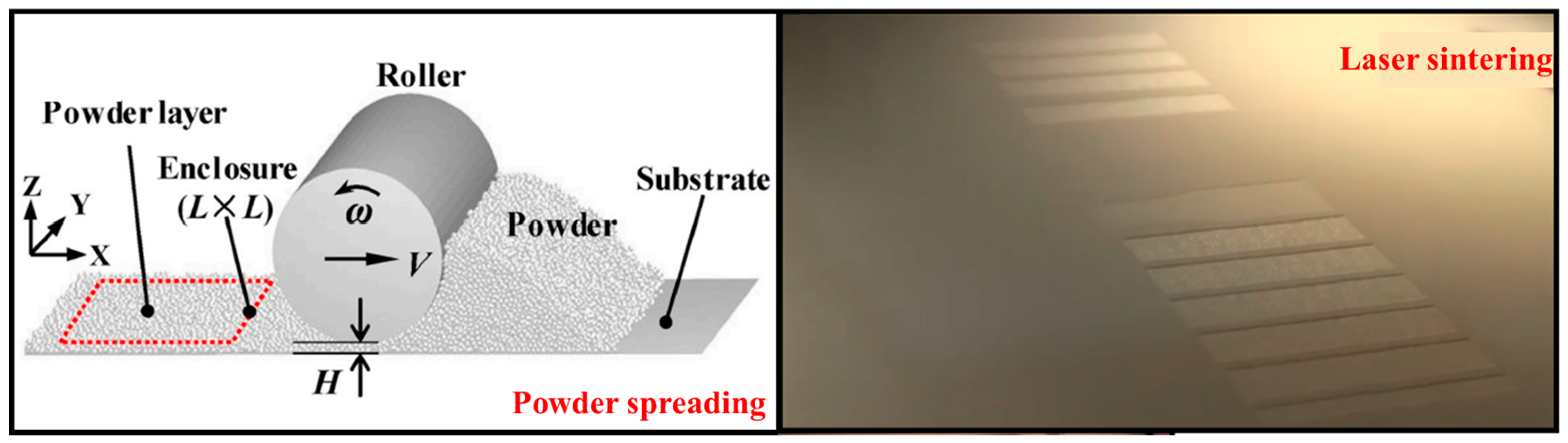
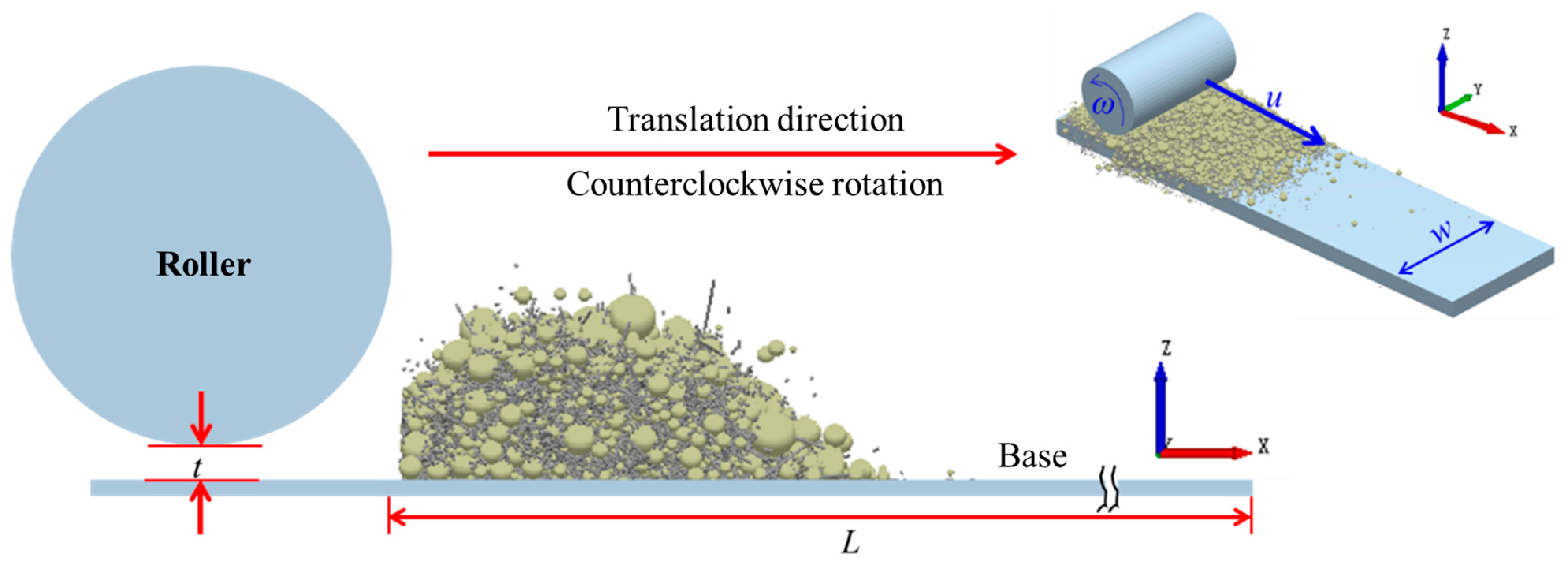
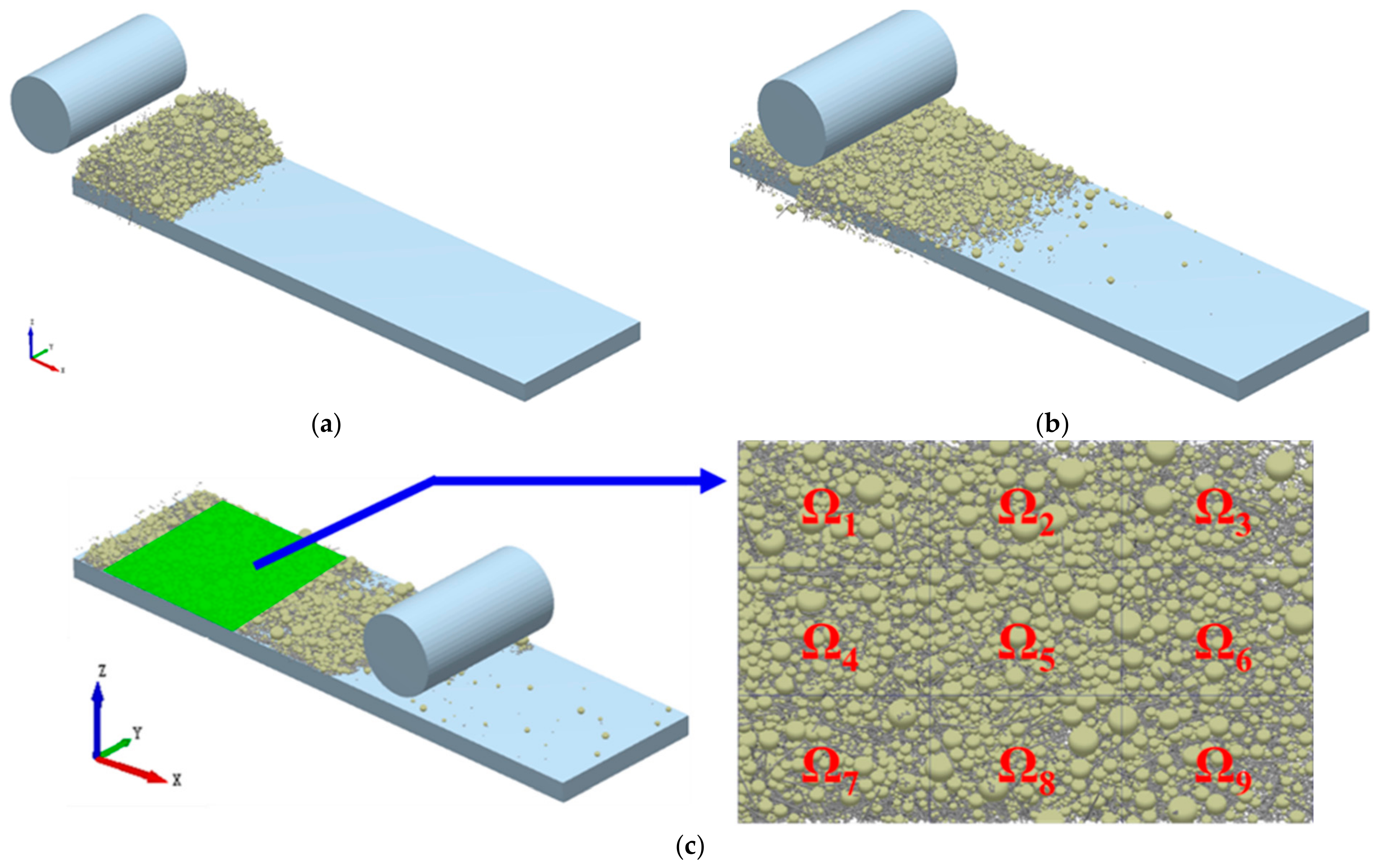
2.2.1. DEM for Powder Spreading
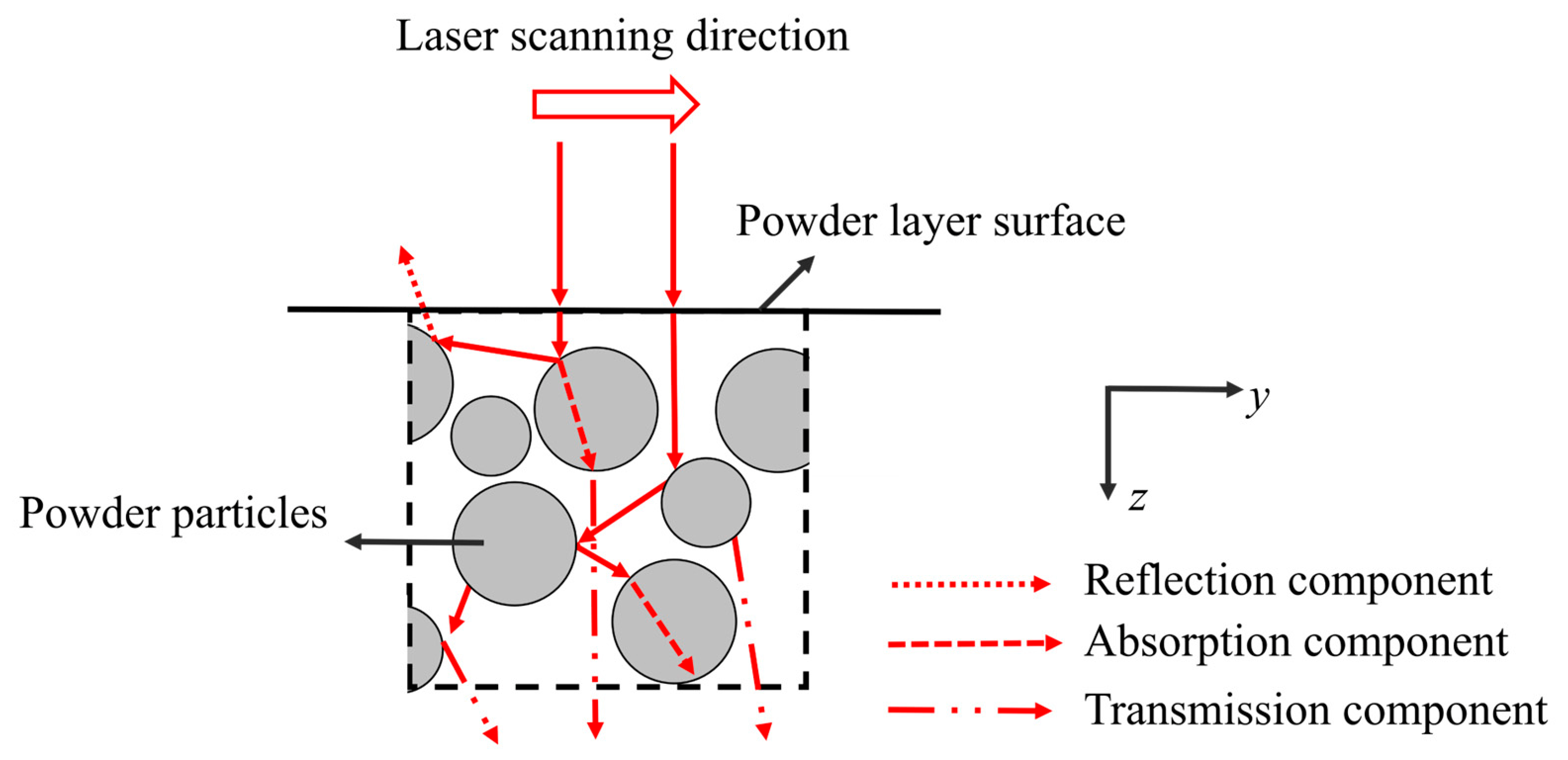
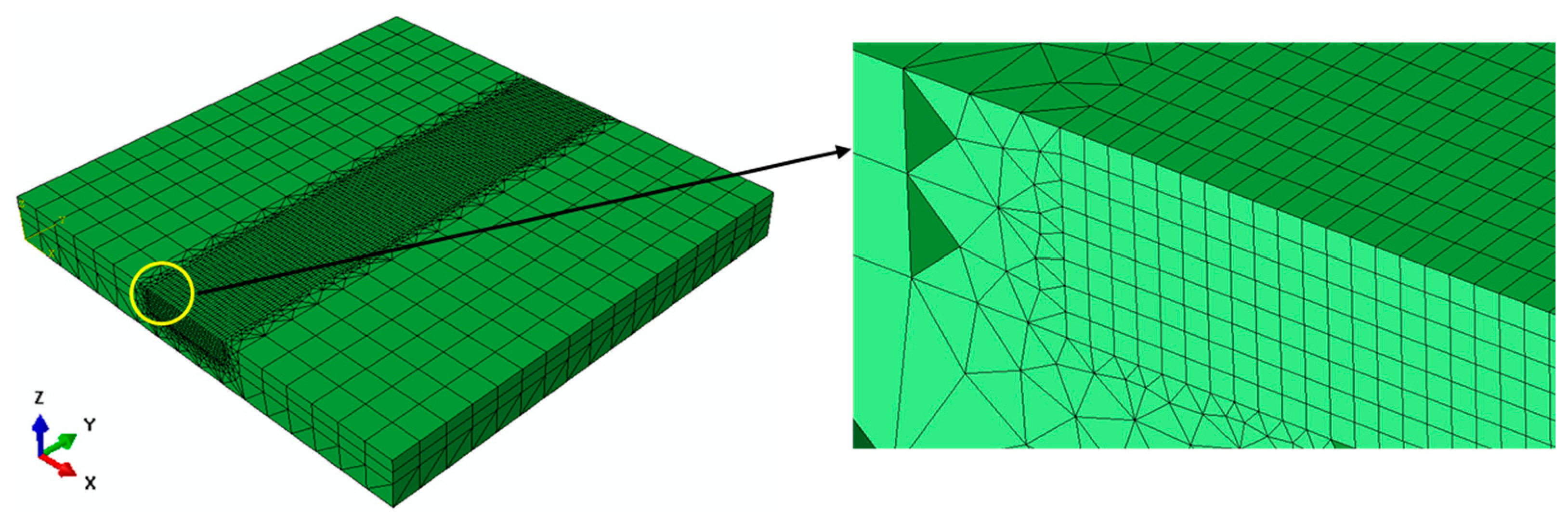
2.2.2. Thermo-Mechanical FEM Model
2.2.3. Method for Determining the Sintering Process Window
3. Results and Discussion
3.1. Numerical Investigation of Powder Spreading
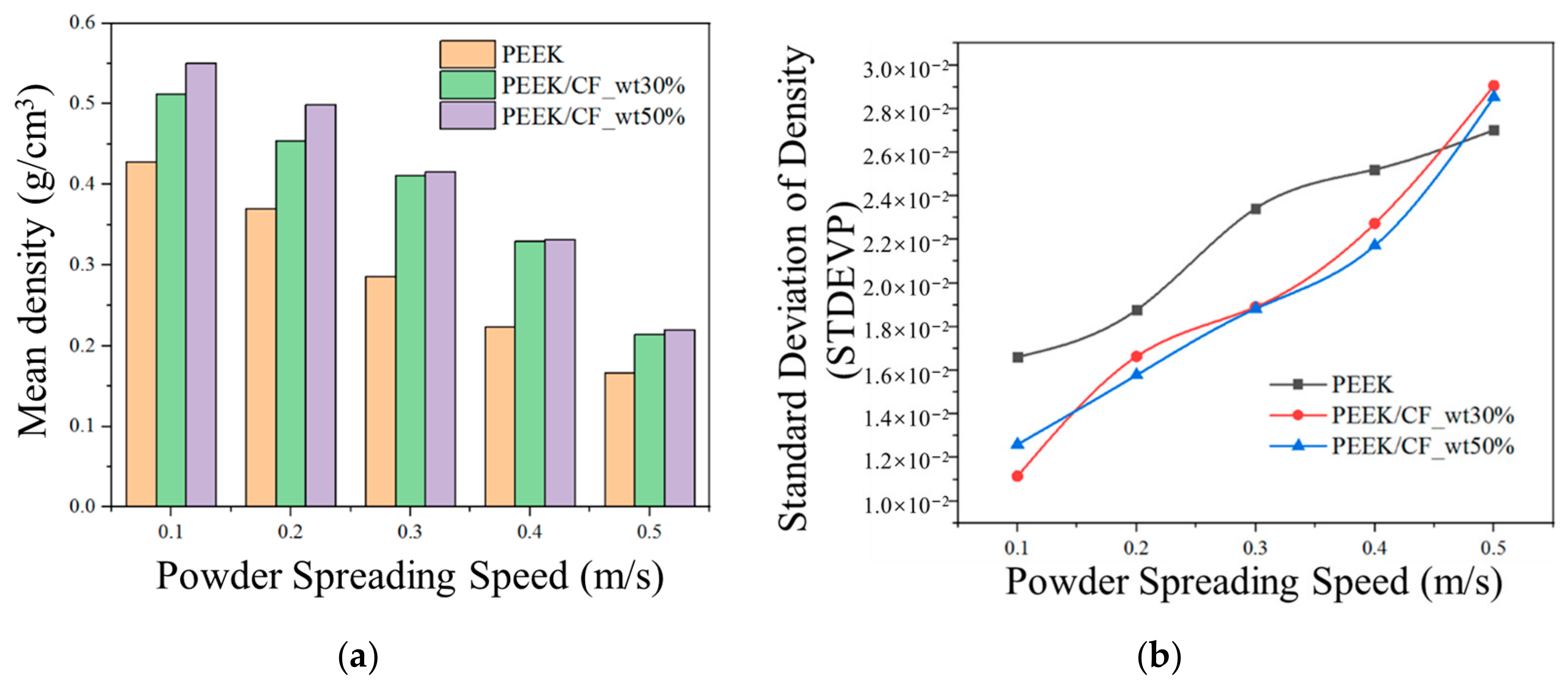
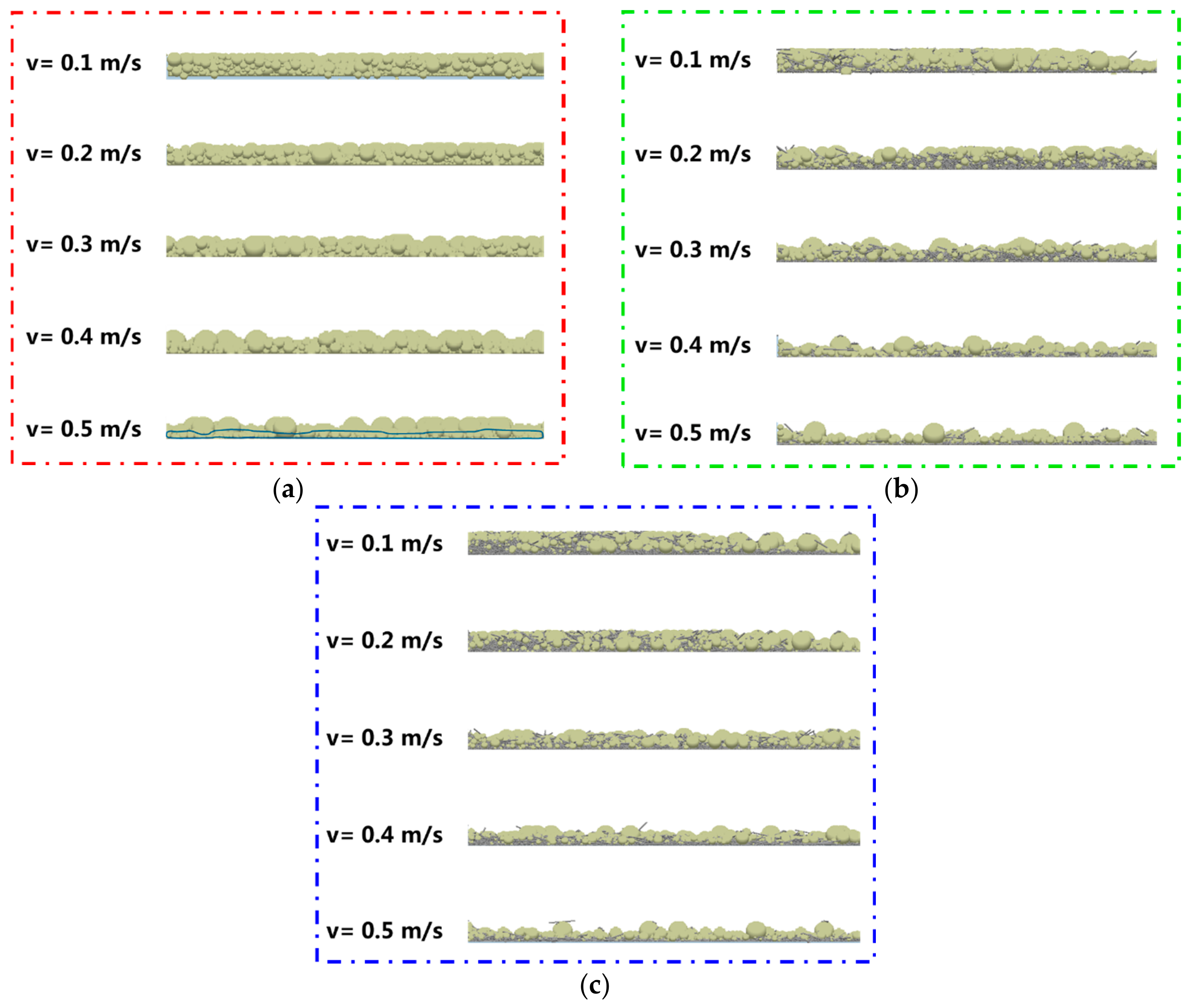
3.1.1. Effect of Powder Spreading Speed
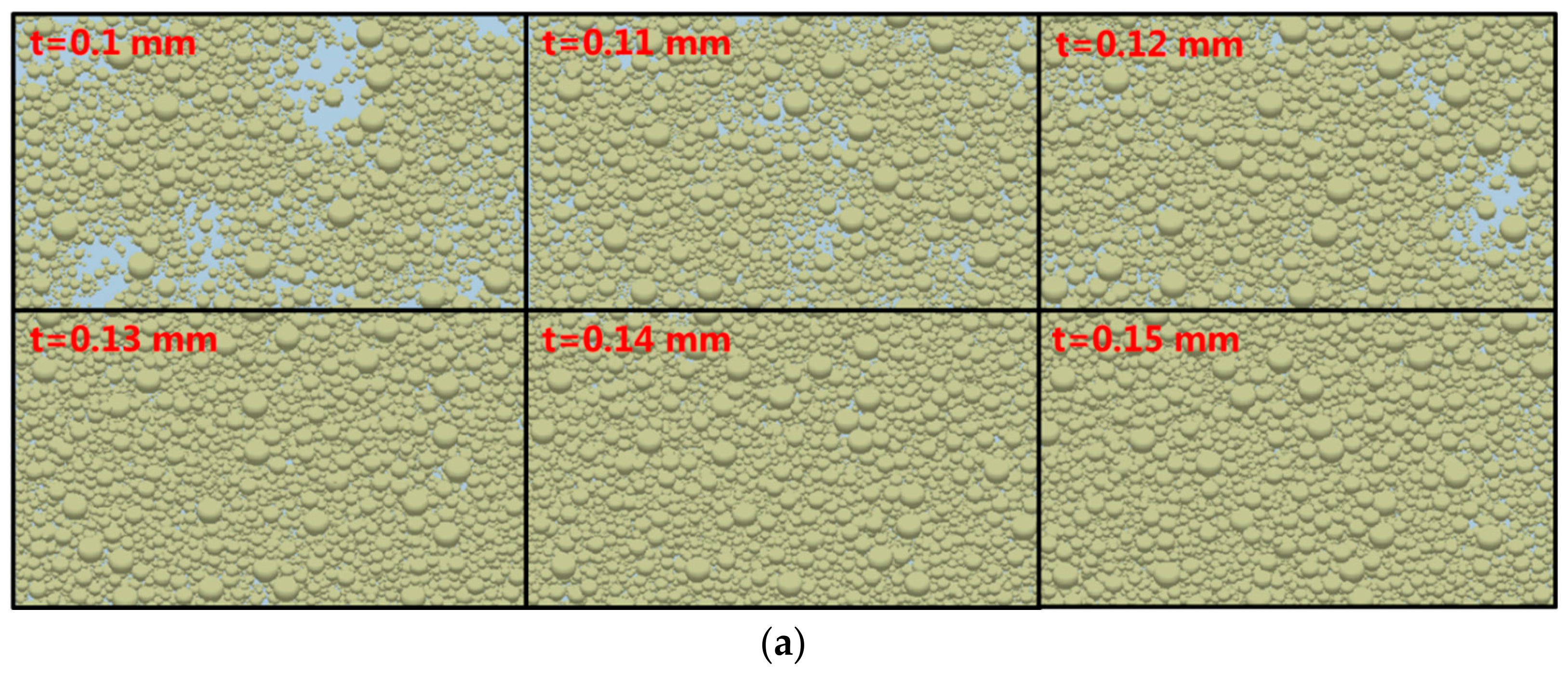
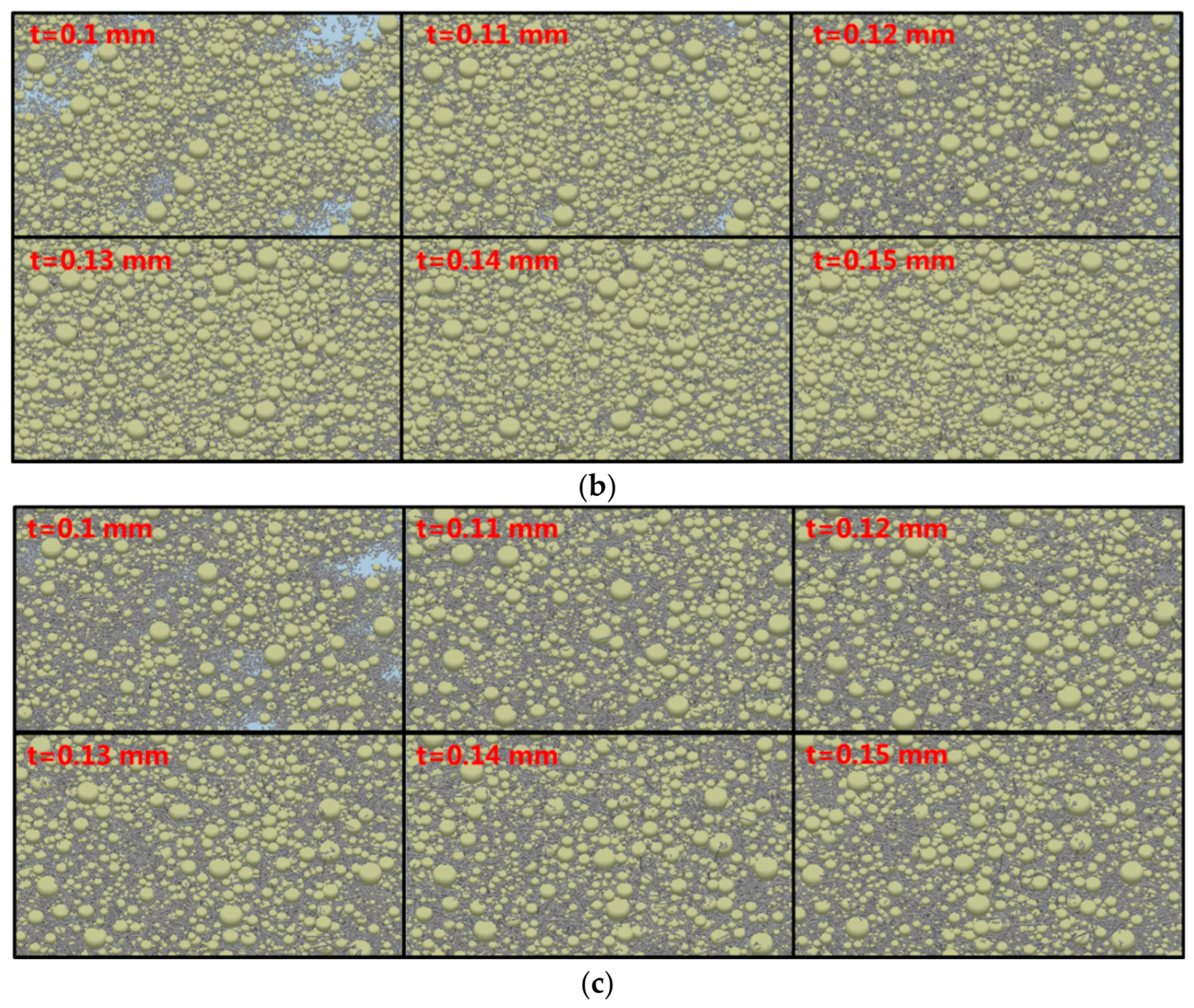
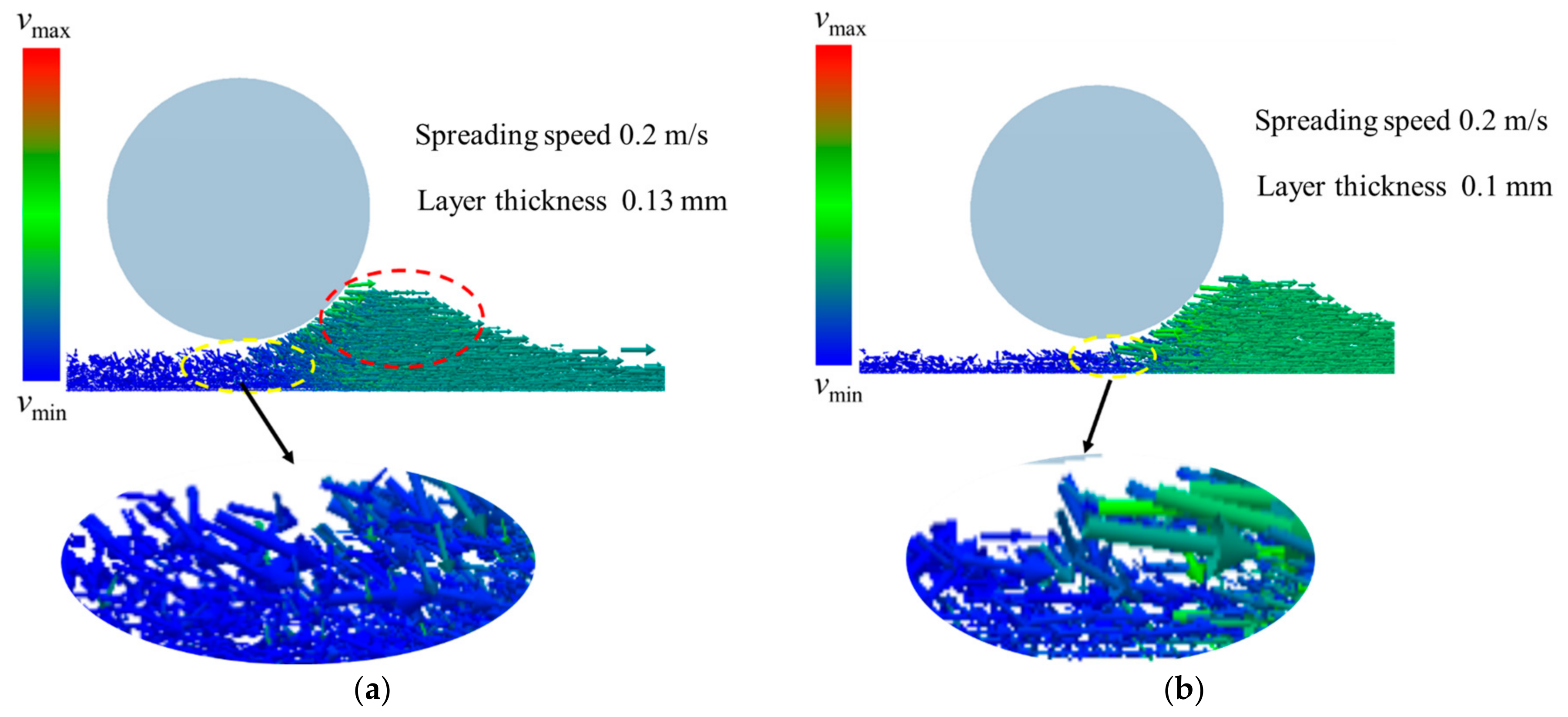
3.1.2. Effect of Powder Layer Thickness
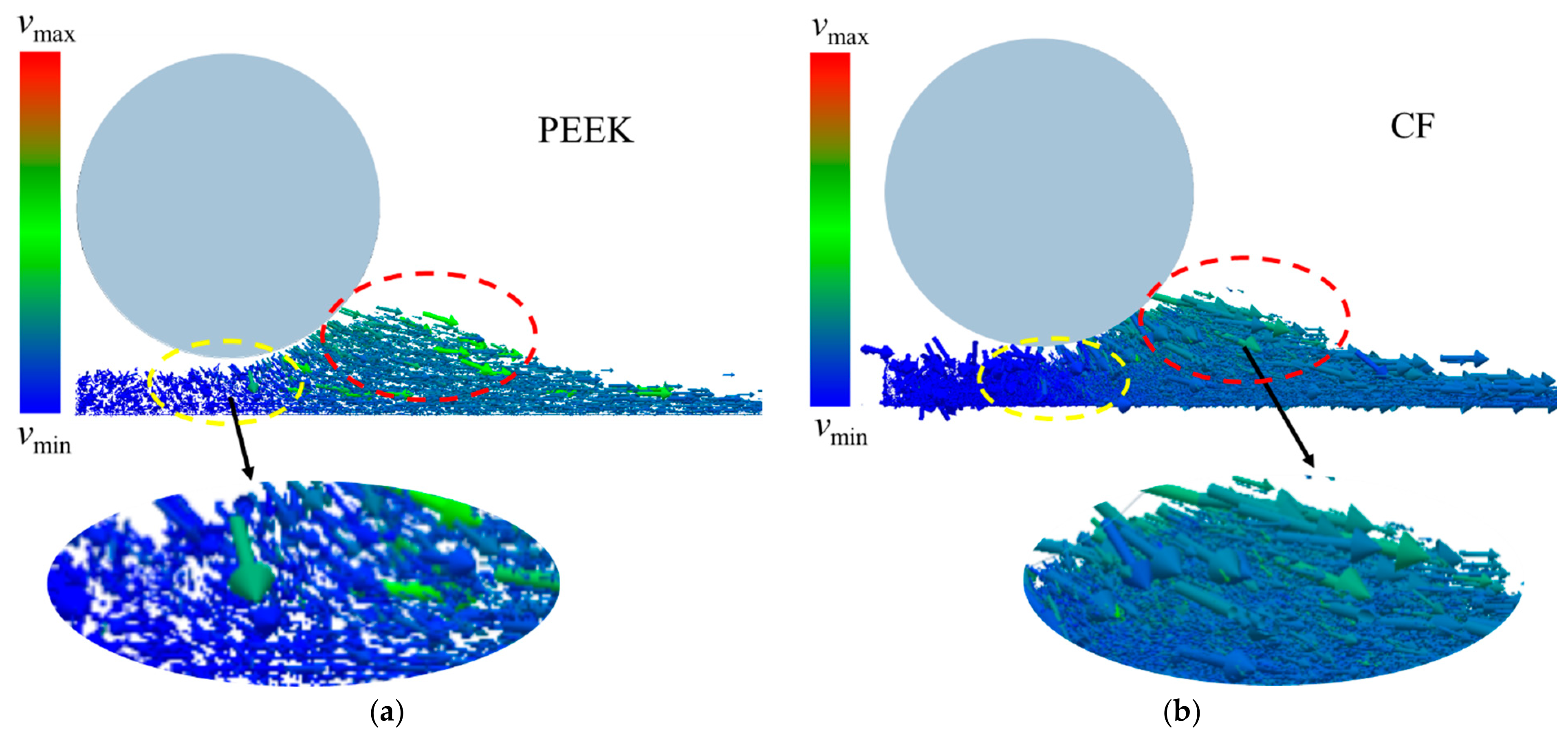
3.1.3. Analysis of Powder Spreading Mechanisms
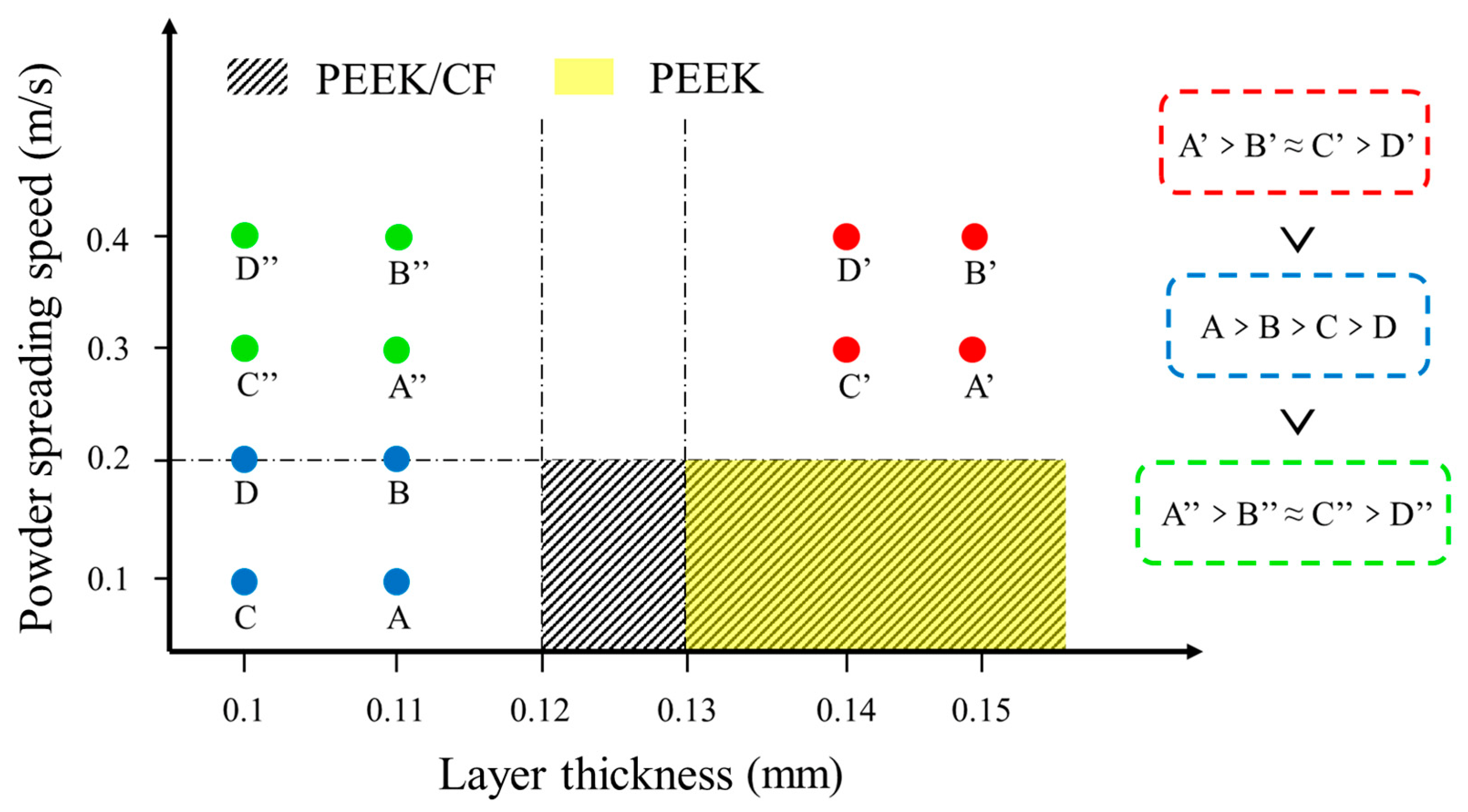
3.1.4. Determination of the Powder Spreading Process Window
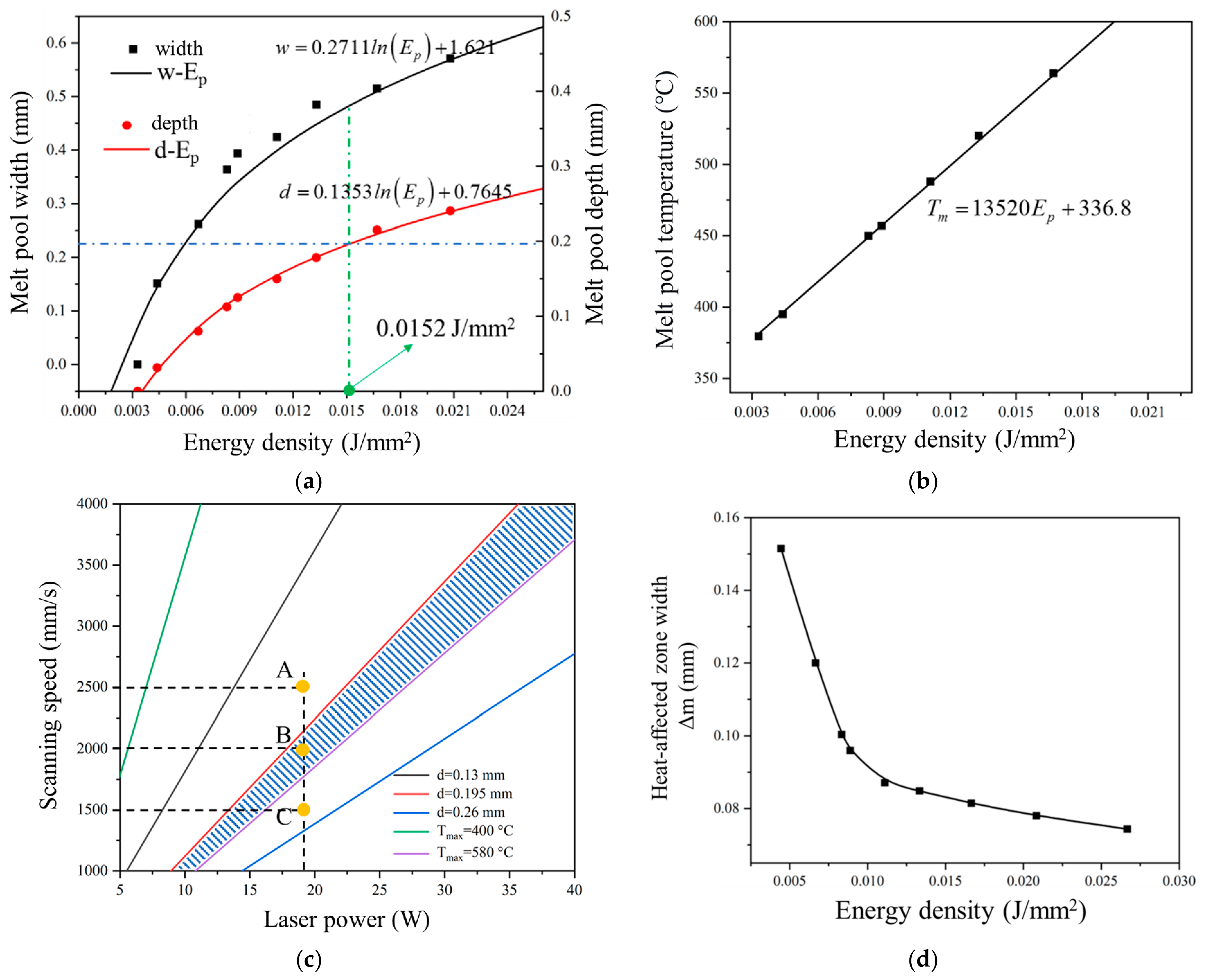
3.2. Sintering Process Window
3.3. Experimental Validation
4. Conclusions
Author Contributions
Funding
Institutional Review Board Statement
Data Availability Statement
Conflicts of Interest
References
- Jonkers, N.; Van Dommelen, J.; Geers, M. An anisotropic elasto-viscoplastic-damage model for Selective Laser Sintered food. Eng. Fract. Mech. 2022, 266, 108368. [Google Scholar] [CrossRef]
- Lekurwale, S.; Karanwad, T.; Banerjee, S. Selective laser sintering (PBF) of 3D printlets using a 3D printer comprised of IR/red-diode laser. Ann. 3D Print. Med. 2022, 6, 100054. [Google Scholar] [CrossRef]
- Sefene, E.M. State-of-the-art of selective laser melting process: A comprehensive review. J. Manuf. Syst. 2022, 63, 250–274. [Google Scholar] [CrossRef]
- Bourell, D.; Spierings, A.B.; Herres, N.; Levy, G. Influence of the particle size distribution on surface quality and mechanical properties in AM steel parts. Rapid Prototyp. J. 2011, 17, 195–202. [Google Scholar] [CrossRef]
- Lee, Y.S.; Zhang, W. Mesoscopic simulation of heat transfer and fluid flow in laser Powder bed additive manufacturing. In Proceedings of the 2015 International Solid Freeform Fabrication Symposium, Austin, TX, USA, 10–12 August 2015; University of Texas at Austin: Austin, TX, USA, 2015. [Google Scholar]
- Tran, H.C.; Lo, Y.L.; Huang, M.H. Analysis of Scattering and Absorption Characteristics of Metal Powder Layer for Selective Laser Sintering. IEEE/ASME Trans. Mechatron. 2017, 22, 1807–1817. [Google Scholar] [CrossRef]
- Chi, C.Y.; Chen, C.Y.; Huang, J.Y.; Kuan, C.Y.; Lin, Y.Y.; Li, C.H.; Yang, C.-C.; Lin, F.-H. Preparation and in-vitro evaluation of Fe2O3-doped DP-bioglass in combination with 3D-printing and selective laser sintering process (3DP-PBF) for alveolar bone augmentation. Ceram. Int. 2021, 47, 12725–12734. [Google Scholar] [CrossRef]
- Olakanmi, E.O.; Cochrane, R.; Dalgarno, K. A review on selective laser sintering/melting (PBF/SLM) of aluminium alloy powders: Processing, microstructure, and properties. Prog. Mater. Sci. 2015, 74, 401–477. [Google Scholar] [CrossRef]
- Yu, Y.; Jiang, M.; Wang, S.; Guo, Y.; Jiang, T.; Zheng, Z.; Huang, S.; Cui, T.; Sha, K. Dynamic evolution simulation of sintering pool in selective laser sintering walnut shell/Co-PES composite. Opt. Laser Technol. 2021, 144, 107425. [Google Scholar] [CrossRef]
- Westphal, E.; Seitz, H. A machine learning method for defect detection and visualization in selective laser sintering based on convolutional neural networks. Addit. Manuf. 2021, 41, 101965. [Google Scholar] [CrossRef]
- ISO/ASTM 52900:2021; Additive Manufacturing—General Principles—Fundamentals and Vocabulary. ISO: Geneva, Switzerland, 2021.
- Ajabshir, S.Z.; Mohammadkamal, H.; Ajabshir, Z.Z.; Barletta, D.; Caiazzo, F.; Poletto, M. Polymeric Powders for Powder Bed Fusion: From Chemistry and Powder Characteristics to Process Parameters, Defects and Applications. Polymers 2026, 18, 622. [Google Scholar] [CrossRef] [PubMed]
- Oladapo, B.I.; Zahedi, S.A.; Ismail, S.O.; Omigbodun, F.T. 3D printing of PEEK and its composite to increase biointerfaces as a biomedical material-A review. Colloids Surf. B Biointerfaces 2021, 203, 111726. [Google Scholar] [CrossRef] [PubMed]
- Mbogori, M.; Vaish, A.; Vaishya, R.; Haleem, A.; Javaid, M. Poly-Ether-Ether-Ketone (PEEK) in Orthopaedic practice-A Current Concept Review. J. Orthop. Rep. 2022, 1, 3–7. [Google Scholar] [CrossRef]
- Han, X.; Gao, W.; Zhou, Z.; Yang, S.; Wang, J.; Shi, R.; Li, Y.; Jiao, J.; Qi, Y.; Zhao, J. Application of Biomolecules Modification Strategies on PEEK and its Composites for Osteogenesis and Antibacterial Properties. Colloids Surf. B Biointerfaces 2022, 215, 112492. [Google Scholar] [CrossRef] [PubMed]
- Peyre, P.; Rouchausse, Y.; Defauchy, D.; Régnier, G. Experimental and numerical analysis of the selective laser sintering (PBF) of PA12 and PEKK semi-crystalline polymers. J. Mater. Process. Technol. 2015, 225, 326–336. [Google Scholar] [CrossRef]
- Khan, Z.I.; Habib, U.; Mohamad, Z.B.; Rahmat, A.R.B.; Abdullah, N.A.S.B. Mechanical and thermal properties of sepiolite strengthened thermoplastic polymer nanocomposites: A comprehensive review. Alex. Eng. J. 2022, 61, 975–990. [Google Scholar] [CrossRef]
- Parit, M.; Jiang, Z. Towards lignin derived thermoplastic polymers. Int. J. Biol. Macromol. 2020, 165, 3180–3197. [Google Scholar] [CrossRef] [PubMed]
- Zhang, D.W.; Qi, Z.; Xiaoguang, F.; Shengdun, Z. Review on Joining Process of Carbon Fiber-reinforced Polymer and Metal: Applications and Outlook. RARE Met. Mater. Eng. 2019, 48, 44–54. [Google Scholar]
- Parandoush, P.; Lin, D. A review on additive manufacturing of polymer-fiber composites. Compos. Struct. 2017, 182, 36–53. [Google Scholar] [CrossRef]
- Bertrand, P.; Bayle, F.; Combe, C.; Goeuriot, P.; Smurov, I. Ceramic components manufacturing by selective laser sintering. Appl. Surf. Sci. 2007, 254, 989–992. [Google Scholar] [CrossRef]
- Ziegelmeier, S.; Christou, P.; Wöllecke, F.; Tuck, C.; Goodridge, R.; Hague, R.; Krampe, E.; Wintermantel, E. An experimental study into the effects of bulk and flow behaviour of laser sintering polymer powders on resulting part properties. J. Mater. Process. Technol. 2015, 215, 239–250. [Google Scholar] [CrossRef]
- Zinatlou Ajabshir, S.; Hare, C.; Barletta, D.; Poletto, M. Assessment of the powder spreading parameters for non-spherical polymeric powder used in powder bed fusion process: A DEM simulation study. Addit. Manuf. 2026, 58, 103041. [Google Scholar]
- Li, J.; Peng, F.; Li, H.; Ru, Z.; Fu, J.; Zhu, W. Material Evaluation and Dynamic Powder Deposition Modeling of PEEK/CF Composite for Laser Powder Bed Fusion Process. Polymers 2023, 15, 2863. [Google Scholar] [CrossRef] [PubMed]
- Haeri, S.; Wang, Y.; Ghita, O.; Sun, J. Discrete element simulation and experimental study of powder spreading process in additive manufacturing. Powder Technol. 2016, 306, 45–54. [Google Scholar]
- Shah, U.V.; Karde, V.; Ghoroi, C.; Heng, J.Y.Y. Influence of particle properties on powder bulk behaviour and processability. Int. J. Pharm. 2017, 518, 138. [Google Scholar] [CrossRef] [PubMed]
- Han, Q.; Gu, H.; Setchi, R. Discrete element simulation of powder layer thickness in laser additive manufacturing. Powder Technol. 2019, 352, 91–102. [Google Scholar] [CrossRef]
- Chen, H.; Wei, Q.; Wen, S.; Li, Z.; Shi, Y. Flow behavior of powder particles in layering process of selective laser melting: Numerical modeling and experimental verification based on discrete element method. Int. J. Mach. Tools Manuf. 2017, 123, 146–159. [Google Scholar] [CrossRef]
- Parteli, E.; Pöschel, T. Particle-based simulation of powder application in additive manufacturing. Powder Technol. 2016, 288, 96–102. [Google Scholar] [CrossRef]
- Ma, Y.; Evans, T.M.; Philips, N.; Cunningham, N. Numerical simulation of the effect of fine fraction on the flowability of powders in additive manufacturing. Powder Technol. 2020, 360, 608–621. [Google Scholar] [CrossRef]
- Nan, W.; Ghadiri, M. Numerical simulation of powder flow during spreading in additive manufacturing. Powder Technol. 2019, 342, 801–807. [Google Scholar] [CrossRef]
- Yao, D.; An, X.; Fu, H.; Zhang, H.; Dong, K. Dynamic investigation on the powder spreading during selective laser melting additive manufacturing. Addit. Manuf. 2020, 37, 101707. [Google Scholar]
- Chen, H.; Wei, Q.; Zhang, Y.; Chen, F.; Yan, W. Powder-spreading mechanisms in powder-bed-based additive manufacturing: Experiments and computational modeling. Acta Mater. 2019, 179, 158–171. [Google Scholar] [CrossRef]
- Zeng, K.; Pal, D.; Stucker, B. A Review of Thermal Analysis Methods in Laser Sintering and Selective Laser Melting; University of Texas at Austin: Austin, TX, USA, 2012. [Google Scholar]
- Parry, L.; Ashcroft, I.A.; Wildman, R.D. Understanding the effect of laser scan strategy on residual stress in selective laser melting through thermo-mechanical simulation. Addit. Manuf. 2016, 12, 1–15. [Google Scholar] [CrossRef]
- Li, Y.; Zhou, K.; Tan, P.; Shu, B.T.; Leong, K.F. Modeling temperature and residual stress fields in selective laser melting. Int. J. Mech. Sci. 2017, 136, 24–35. [Google Scholar]
- Tan, P.; Shen, F.; Li, B.; Zhou, K. A thermo-metallurgical-mechanical model for selective laser melting of Ti6Al4V. Mater. Des. 2019, 168, 107642. [Google Scholar] [CrossRef]
- Li, S.; Yuan, S.; Zhu, J.; Wang, C.; Zhang, W. Additive Manufacturing-driven Design Optimization: Building Direction and Structural Topology. Addit. Manuf. 2020, 36, 101406. [Google Scholar] [CrossRef]
- Yan, W.; Lin, S.; Kafka, O.L.; Lian, Y.; Yu, C.; Liu, Z.; Yan, J.; Wolff, S.; Wu, H.; Ndip-Agbor, E.; et al. Data-driven multi-scale multi-physics models to derive process–structure–property relationships for additive manufacturing. Comput. Mech. 2018, 61, 521–541. [Google Scholar] [CrossRef]
- Smith, J.; Xiong, W.; Yan, W.; Lin, S.; Liu, W.K. Linking process, structure, property, and performance for metal-based additive manufacturing: Computational approaches with experimental support. Comput. Mech. 2016, 57, 583–610. [Google Scholar] [CrossRef]
- Yuan, S.; Li, J.; Yao, X.; Zhu, J.; Zhang, W. Intelligent optimization system for powder bed fusion of processable thermoplastics. Addit. Manuf. 2020, 34, 101182. [Google Scholar] [CrossRef]
- Garcia-Gonzalez, D.; Rusinek, A.; Jankowiak, T.; Arias, A. Mechanical impact behavior of polyether-ether-ketone (PEEK). Compos. Struct. 2015, 124, 88–99. [Google Scholar] [CrossRef]
- Yan, M.; Tian, X.; Peng, G.; Li, D.; Zhang, X. High temperature rheological behavior and sintering kinetics of CF/PEEK composites during selective laser sintering. Compos. Sci. Technol. 2018, 165, 140–147. [Google Scholar] [CrossRef]
- Tian, X.; Gang, P.; Yan, M.; He, S.; Yao, R. Process prediction of selective laser sintering based on heat transfer analysis for polyamide composite powders. Int. J. Heat Mass Transf. 2018, 120, 379–386. [Google Scholar] [CrossRef]
- Mohammadkamal, H.; Caiazzo, F. Numerical Study to Analyze the Influence of Process Parameters on Temperature and Stress Field in Powder Bed Fusion of Ti-6Al-4V. Materials 2025, 18, 368. [Google Scholar] [CrossRef] [PubMed]
- Zhang, Y.; Faghri, A. Melting and Resolidification of a Subcooled Mixed Powder Bed With Moving Gaussian Heat Source. J. Heat Transf. 1998, 120, 883–891. [Google Scholar] [CrossRef]
- Liang, L.; Hu, R.; Wang, J.; Huang, A.; Pang, S. A thermal fluid mechanical model of stress evolution for wire feeding-based laser additive manufacturing. J. Manuf. Process. 2021, 69, 602–612. [Google Scholar] [CrossRef]
- Li, T.; Zhang, L.; Chang, C.; Wei, L. A Uniform-Gaussian distributed heat source model for analysis of residual stress field of S355 steel T welding. Adv. Eng. Softw. 2018, 126, 1–8. [Google Scholar] [CrossRef]
- Wang, Y.; Mendez, P.F. Isotherm penetration depth under a moving Gaussian surface heat source on a thick substrate. Int. J. Therm. Sci. 2022, 172, 107334. [Google Scholar] [CrossRef]
- Khan, K.; De, A. Modelling of selective laser melting process with adaptive remeshing. Sci. Technol. Weld. Join. 2019, 24, 391–400. [Google Scholar] [CrossRef]
- Khairallah, S.A.; Anderson, A.T.; Rubenchik, A.; King, W.E. Laser powder-bed fusion additive manufacturing: Physics of complex melt flow and formation mechanisms of pores, spatter, and denudation zones. Acta Mater. 2016, 108, 36–45. [Google Scholar] [CrossRef]
- Rombouts, M.; Froyen, L.; Gusarov, A.V.; Bentefour, E.H. Light extinction in metallic powder beds: Correlation with powder structure. J. Appl. Phys. 2005, 98, 13533. [Google Scholar] [CrossRef]
- Vastola, G.; Bai, J.; Yuan, S.; Zhou, K.; Wei, J.; Chua, C.K. Apparatus and Method to Predetermine Geometrical Changes of an Object and Object Built by Additive Manufacturing: WO2018SG50140[P].WO2018182513A1. Available online: https://xueshu.baidu.com/ndscholar/browse/detail?paperid=154c08k0vn3d0a80kv7c0v406y755600 (accessed on 1 July 2026).
- Yuan, S.; Bai, J.; Chua, C.K.; Wei, J.; Zhou, K. Material Evaluation and Process Optimization of CNT-Coated Polymer Powders for Selective Laser Sintering. Polymers 2016, 8, 370. [Google Scholar] [CrossRef] [PubMed]
- GB/T 1040.2-2022; Plastics — Determination of Tensile Properties — Part 2: Test Conditions for Moulding and Extru-sion Plastics. China Standards Press: Beijing, China, 2022.
- Zhao, F.; Li, D.; Jin, Z. Selective laser sintering of PEEK: Influence of processing parameters on densification and mechanical performance. In Proceedings of the 13th National Doctoral Academic Conference—Intelligent Manufacturing Equipment Symposium, Istanbul, Türkiye, 25–27 September 2025. [Google Scholar]



| Type | Particle Size/μm | |
|---|---|---|
| PEEK | CF | |
| D10 | 23.884 | 6.39 |
| D50 | 46.702 | 13.433 |
| D90 | 84.546 | 77.043 |
| Interaction Type | Static Friction Coefficient | Restitution Coefficient | Rolling Friction Coefficient | Surface Energy (J/m2) |
|---|---|---|---|---|
| PEEK–PEEK | 0.4689 | 0.2746 | 0.1305 | 0.0050 |
| PEEK–CF | 0.4726 | 0.2695 | 0.1562 | 0.001 |
| CF–CF | 0.3833 | 0.0841 | 0.01 | 0.001 |
| PEEK–wall | 0.1429 | 0.2730 | 0.01 | - |
| CF–wall | 0.1021 | 0.0847 | 0.01 | - |
| Mechanical Properties | Thermal Properties | ||
|---|---|---|---|
| Elastic modulus/GPa | 3.6 | Thermal Conductivity/W·(m·°C)−1 | 0.29 |
| Poisson’s ratio | 0.38 | Specific Heat Capacity /J·(kg·°C)−1 | 2180 |
| density/g·cm−3 | 1.3 | Glass Transition Temperature /°C | 213.3 |
| Yield Stress/MPa | 107 | Natural Convection Coefficient /W·(m2·K)−1 | 15 |
| Powder Spreading Process Parameters | Symbol | Value |
|---|---|---|
| Roller translational speed /m·s−1 | u | 0.1, 0.2, 0.3, 0.4, 0.5 |
| Roller rotational speed /rad·s−1 | ω | 5 |
| Powder layer thickness /mm | t | 0.1, 0.11, 0.12, 0.13, 0.14, 0.15 |
| Contour Parameters | Internal Parameters |
|---|---|
| t < d < 2t; Tmax ∊ SSR | d = 1.5t; w > h |
| HAZmin; γ = w/2 | Tmax ∊ SSR |
| No. | P/W | v/mm·s−1 | Ep/J·mm−2 | w/mm | ∆m/mm | d/mm | Tmax/°C |
|---|---|---|---|---|---|---|---|
| 1 | 8 | 4000 | 0.0033 | 0 | - | 0 | 379.5140 |
| 2 | 8 | 3000 | 0.0044 | 0.1515 | 0.1515 | 0.0313 | 394.9690 |
| 3 | 12 | 3000 | 0.0067 | 0.2620 | 0.1200 | 0.0800 | 427.3840 |
| 4 | 20 | 4000 | 0.0083 | 0.3636 | 0.1004 | 0.1125 | 449.7810 |
| 5 | 16 | 3000 | 0.0089 | 0.3939 | 0.0960 | 0.1250 | 456.9640 |
| 6 | 20 | 3000 | 0.0111 | 0.4242 | 0.0871 | 0.1500 | 488.0120 |
| 7 | 32 | 4000 | 0.0133 | 0.4848 | 0.0849 | 0.1781 | 520.1120 |
| 8 | 20 | 2000 | 0.0167 | 0.5152 | 0.0814 | 0.2149 | 563.8830 |
| 9 | 25 | 2000 | 0.0208 | 0.5711 | 0.0780 | 0.2405 | 618.0160 |
| 10 | 16 | 1000 | 0.0267 | 0.5573 | 0.0744 | 0.2800 | 695.3570 |
| Contour Parameters | Internal Parameters |
|---|---|
| Energy density EP: 0.018 J/mm2 | Energy density EP: 0.015 J/mm2 |
| Beam Offset γ: 0.266 mm | Hatching space h: <0.48 mm |
| Parameter Point | Measured Density/g·cm−3 | Measured Density/g·cm−3 (Mean ± SD) | Relative Density/% | Relative Density/% (Mean ± SD) | ||||
|---|---|---|---|---|---|---|---|---|
| Sample 1 | Sample 2 | Sample 3 | Sample 1 | Sample 2 | Sample 3 | |||
| A | 1.22 | 1.22 | 1.20 | 1.21 ± 0.01 | 93.62 | 94.15 | 92.62 | 93.46 ± 0.77 |
| B | 1.28 | 1.28 | 1.29 | 1.28 ± 0.01 | 98.77 | 98.15 | 99.31 | 98.74 ± 0.58 |
| C | 1.24 | 1.25 | 1.25 | 1.25 ± 0.01 | 95.69 | 96.00 | 96.46 | 96.05 ± 0.39 |
| Laser Power/W | Scanning Speed/mm·s−1 | Tensile Strength/Mpa |
|---|---|---|
| 19 | 1500 | 48.98 ± 6.18 |
| 19 | 2000 | 56.34 ± 2.59 |
| 19 | 2500 | 53.68 ± 5.29 |
Disclaimer/Publisher’s Note: The statements, opinions and data contained in all publications are solely those of the individual author(s) and contributor(s) and not of MDPI and/or the editor(s). MDPI and/or the editor(s) disclaim responsibility for any injury to people or property resulting from any ideas, methods, instructions or products referred to in the content. |
© 2026 by the authors. Licensee MDPI, Basel, Switzerland. This article is an open access article distributed under the terms and conditions of the Creative Commons Attribution (CC BY) license.
Share and Cite
Li, J.; Peng, F.; Zhao, J.; Chai, X.; Fu, J.; Li, S.; Chao, X. A Multi-Physics Modeling Framework for Optimizing Spreading and Sintering Parameters in Powder Bed Fusion. Polymers 2026, 18, 1663. https://doi.org/10.3390/polym18131663
Li J, Peng F, Zhao J, Chai X, Fu J, Li S, Chao X. A Multi-Physics Modeling Framework for Optimizing Spreading and Sintering Parameters in Powder Bed Fusion. Polymers. 2026; 18(13):1663. https://doi.org/10.3390/polym18131663
Chicago/Turabian StyleLi, Jiang, Fulun Peng, Jianzhao Zhao, Xinliang Chai, Junjie Fu, Shaoying Li, and Xujiang Chao. 2026. "A Multi-Physics Modeling Framework for Optimizing Spreading and Sintering Parameters in Powder Bed Fusion" Polymers 18, no. 13: 1663. https://doi.org/10.3390/polym18131663
APA StyleLi, J., Peng, F., Zhao, J., Chai, X., Fu, J., Li, S., & Chao, X. (2026). A Multi-Physics Modeling Framework for Optimizing Spreading and Sintering Parameters in Powder Bed Fusion. Polymers, 18(13), 1663. https://doi.org/10.3390/polym18131663