Article

Linear Radical Additions-Coupling Polymerization (LRAsCP): Model, Experiment and Application

1
MOE Key Laboratory of Macromolecular Synthesis and Functionalization, Department of Polymer Science & Engineering, Zhejiang University, Hangzhou 310058, China
2
State Key Laboratory of Chemical Engineering, College of Chemical and Biological Engineering, Zhejiang University, Hangzhou 310058, China
*
Author to whom correspondence should be addressed.
Polymers 2025, 17(6), 741; https://doi.org/10.3390/polym17060741
Submission received: 11 February 2025 / Revised: 25 February 2025 / Accepted: 4 March 2025 / Published: 12 March 2025
(This article belongs to the Section Polymer Physics and Theory)

Abstract

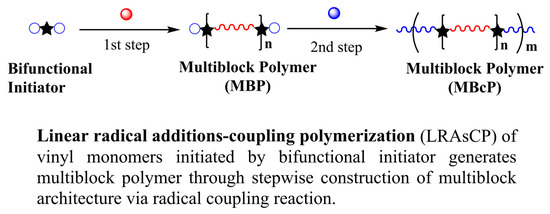
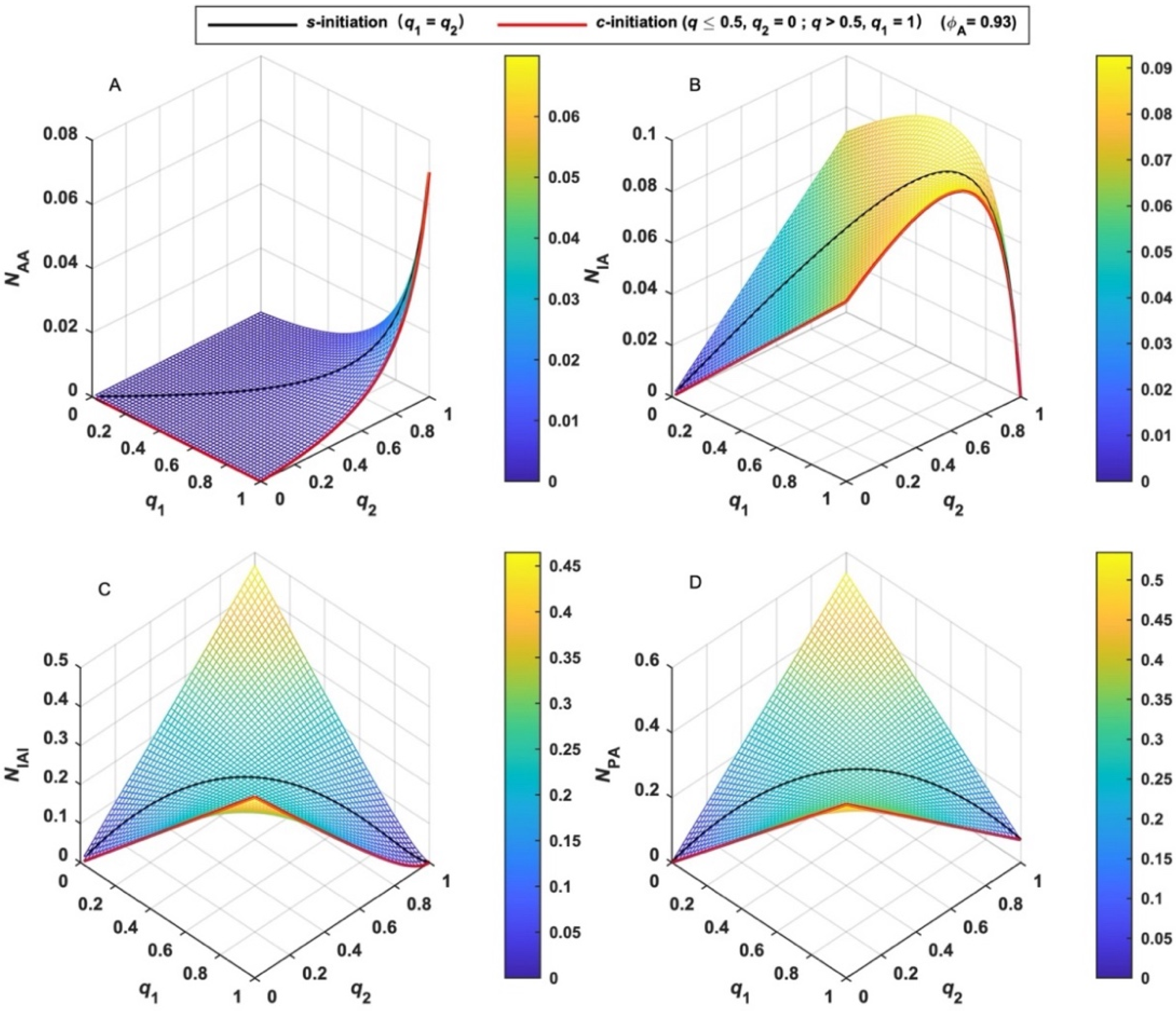
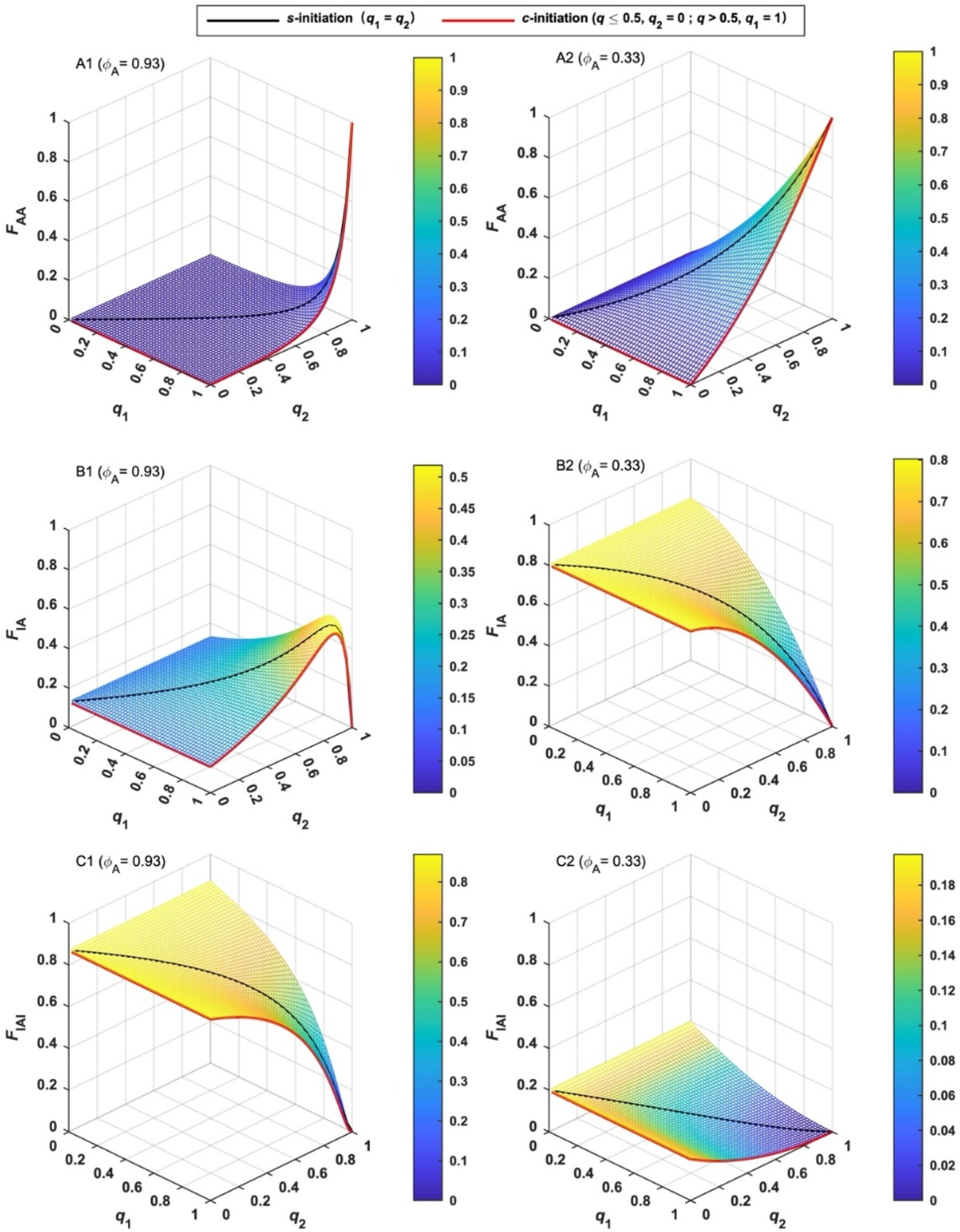
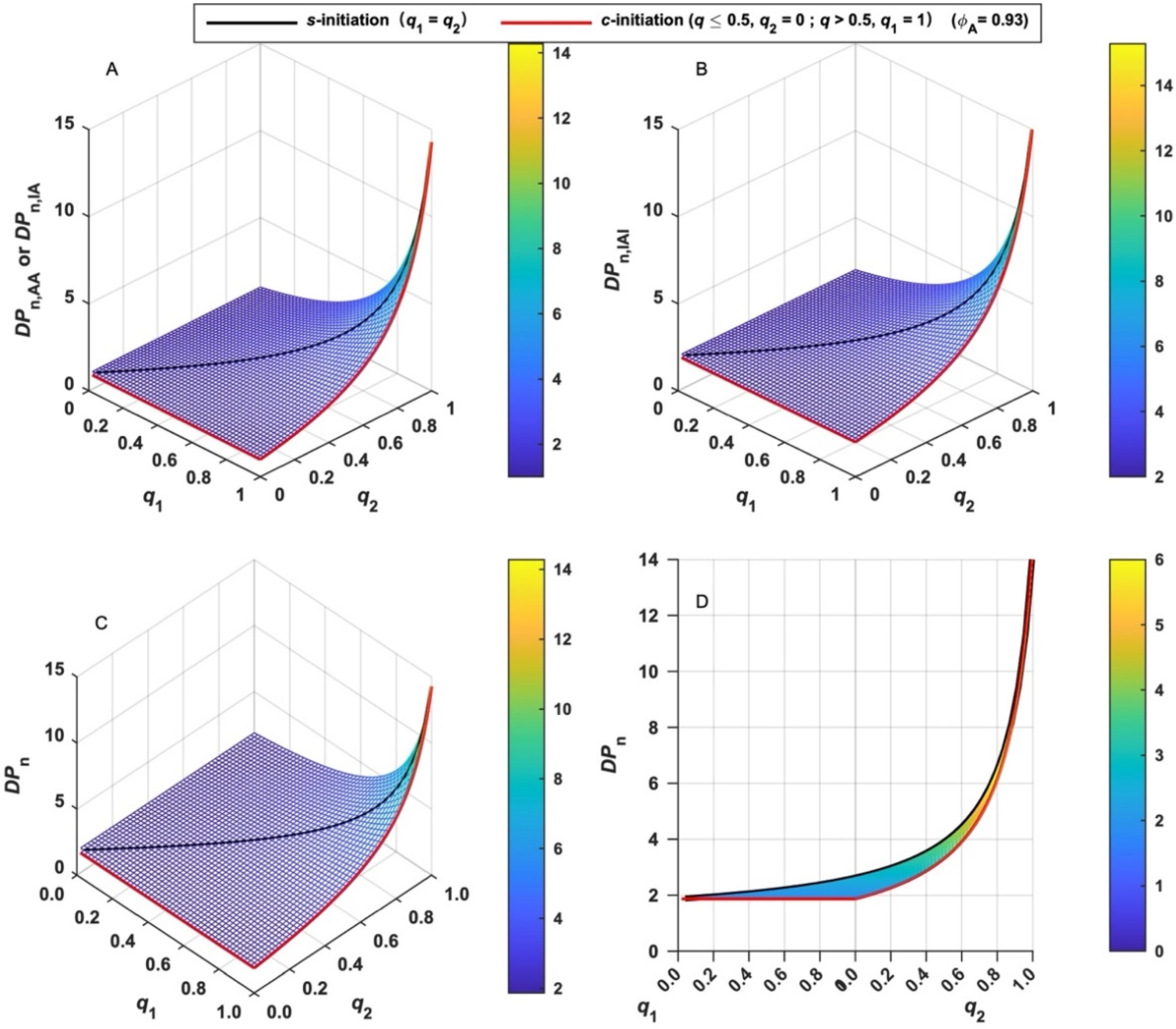
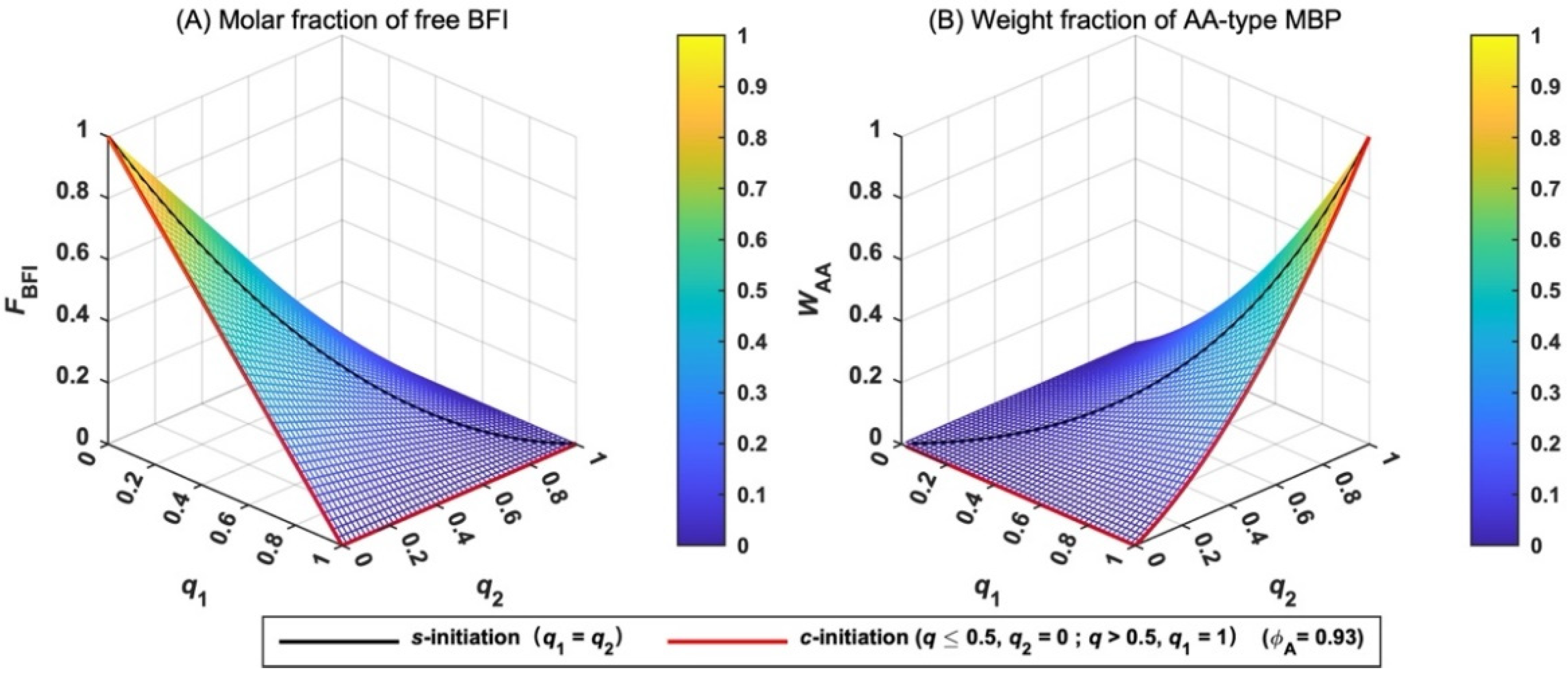
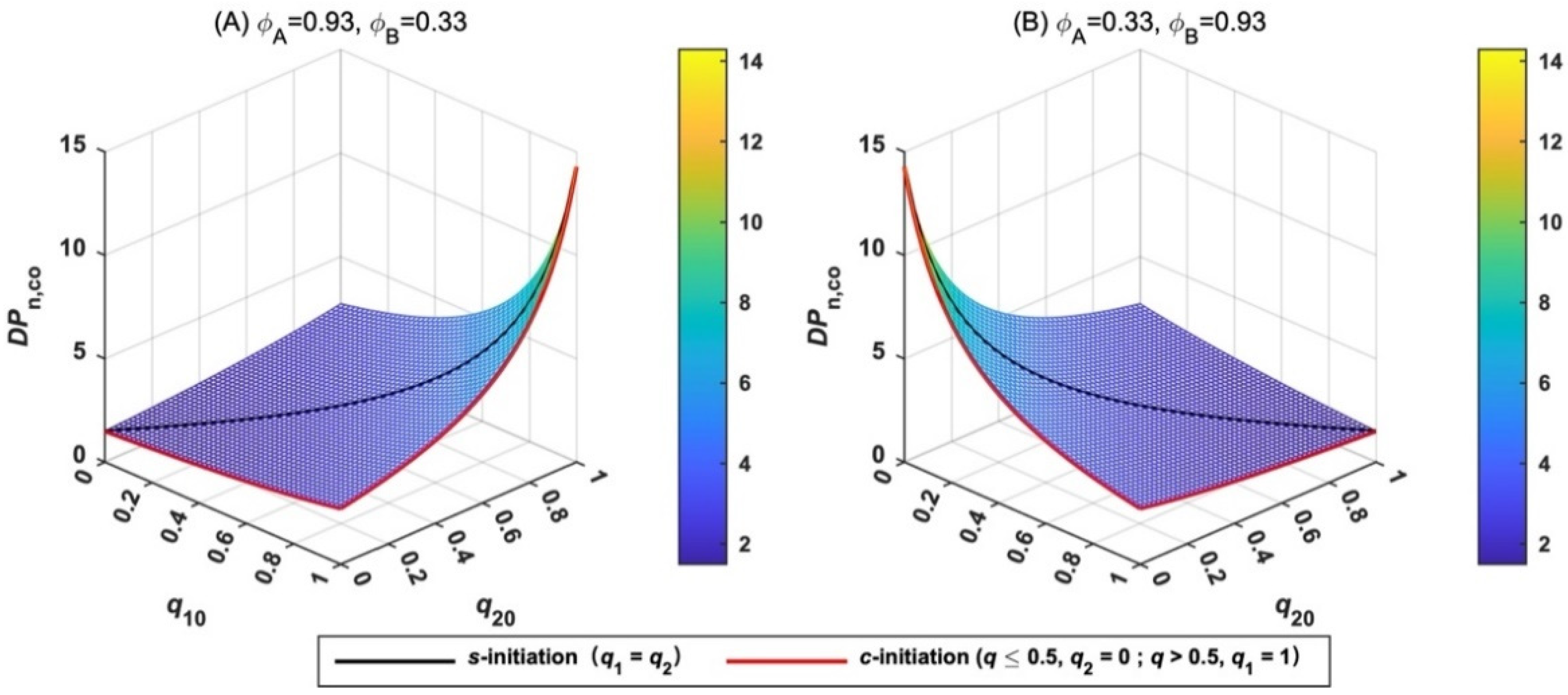
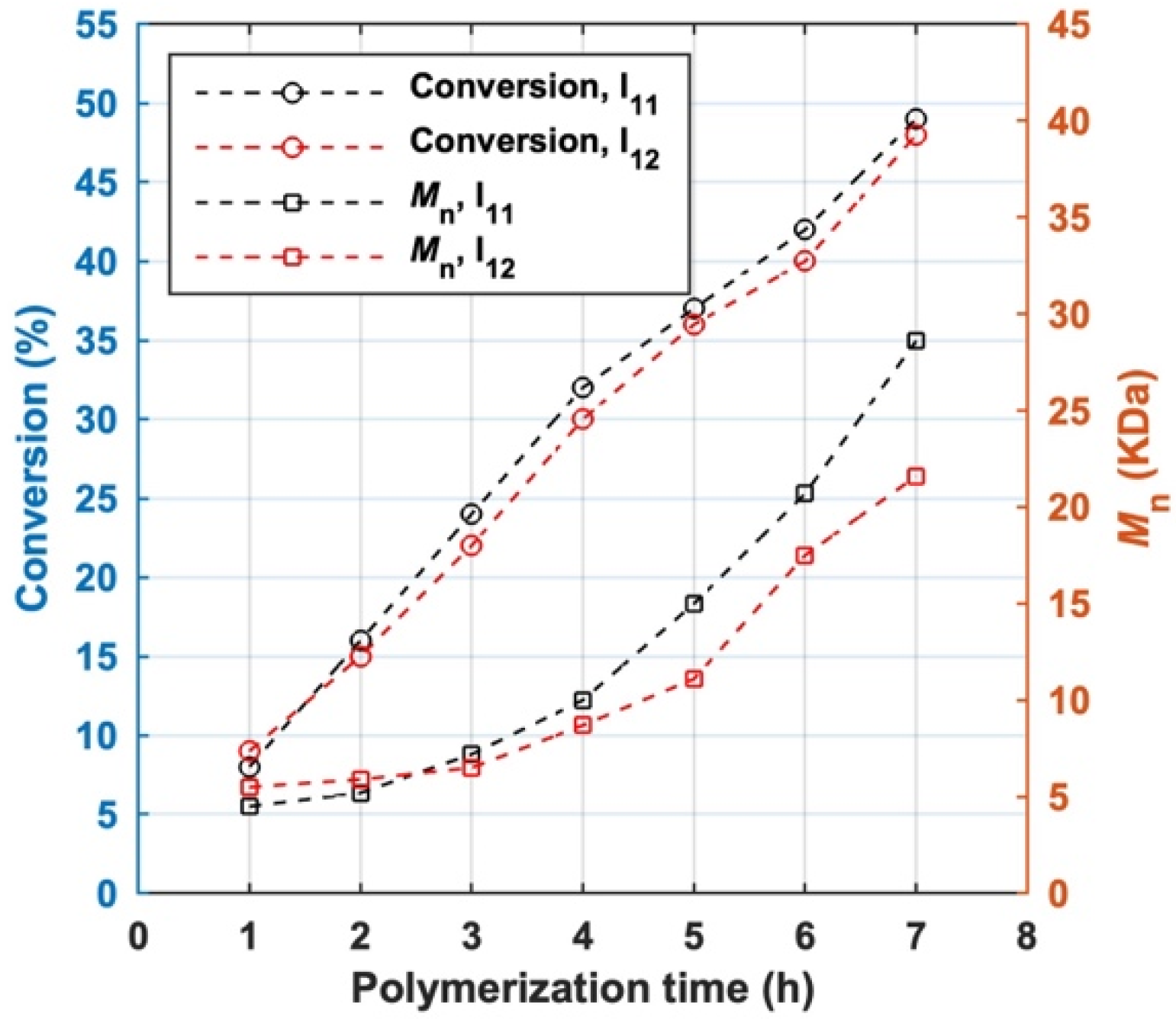
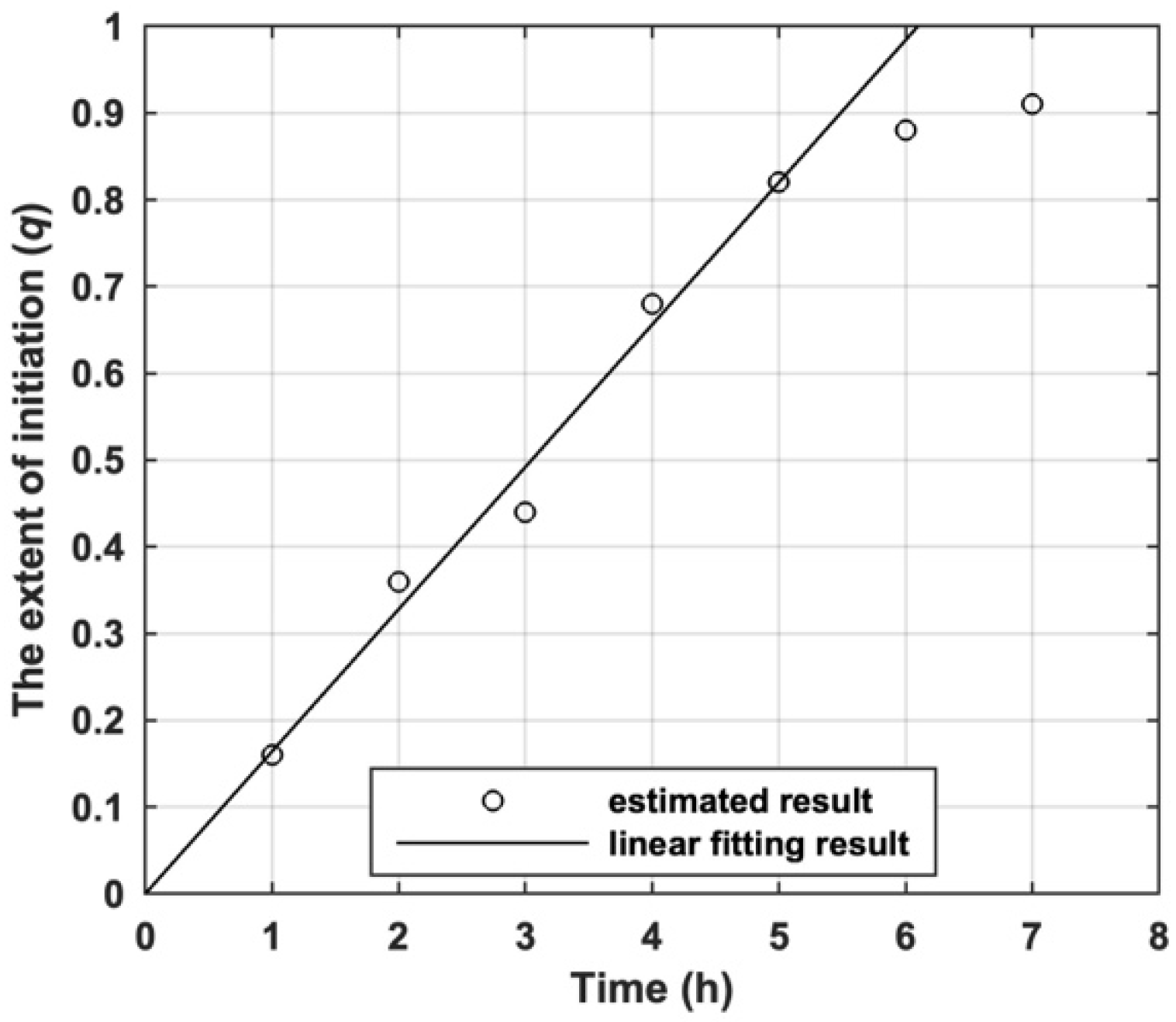
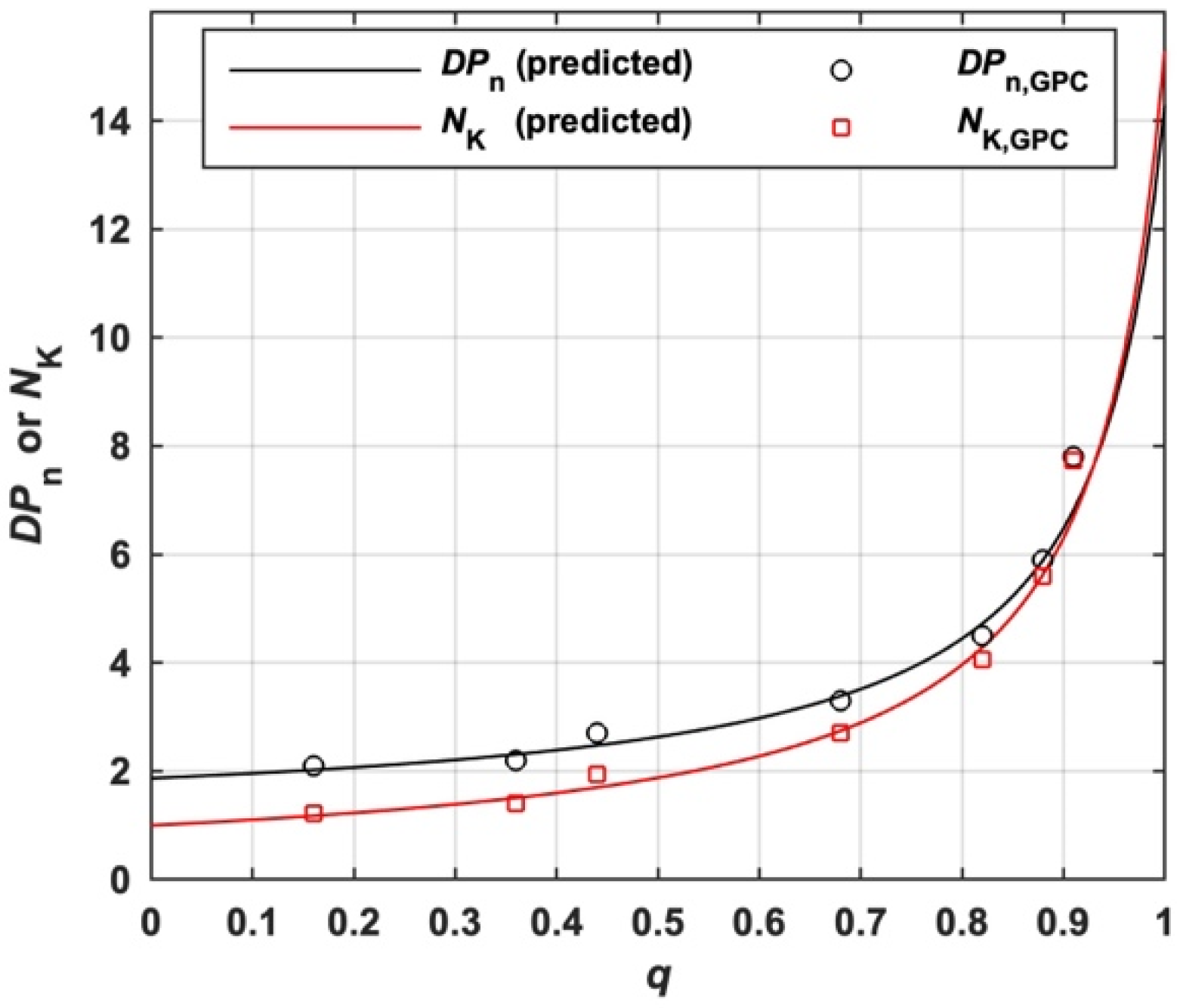
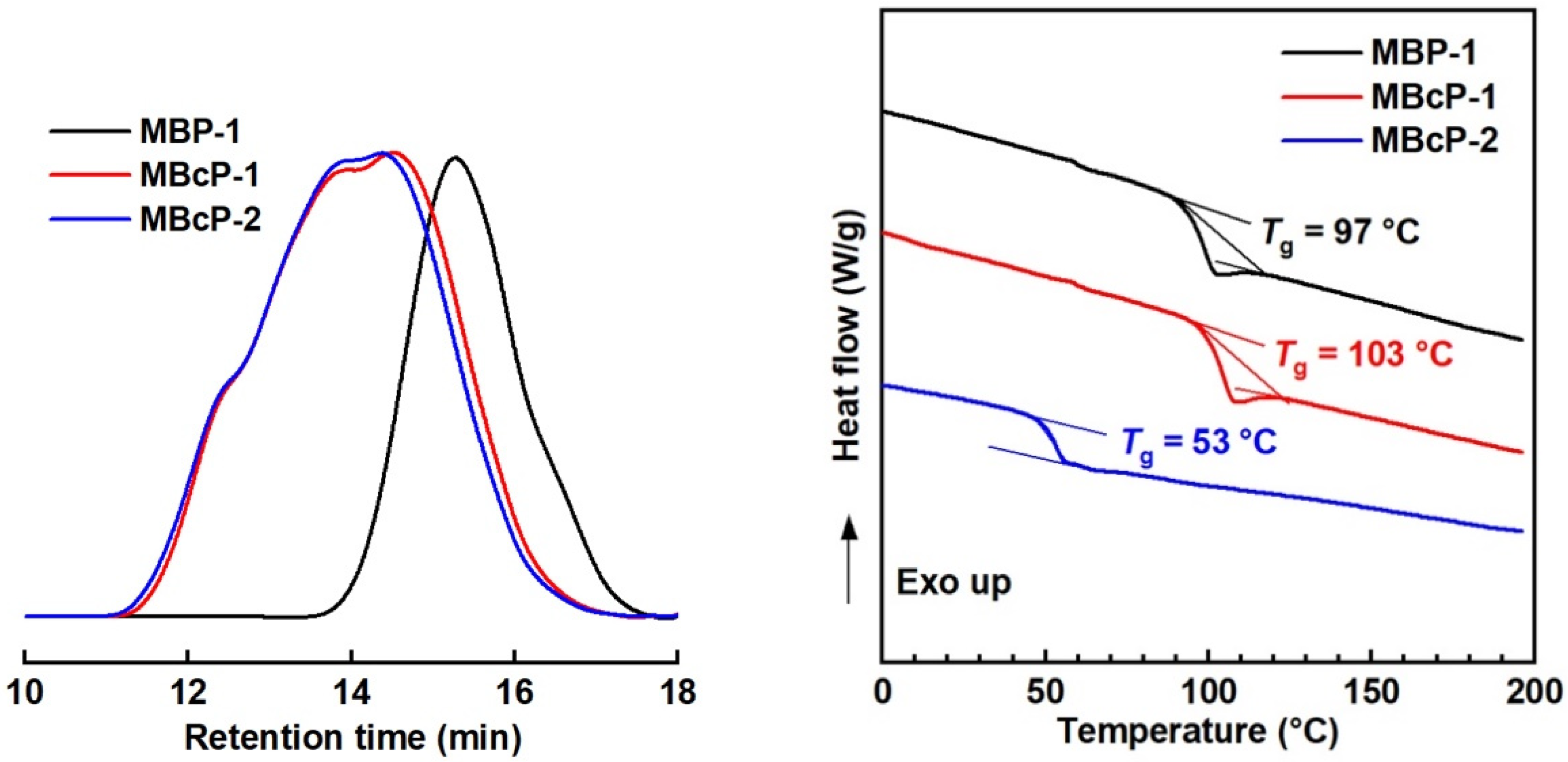
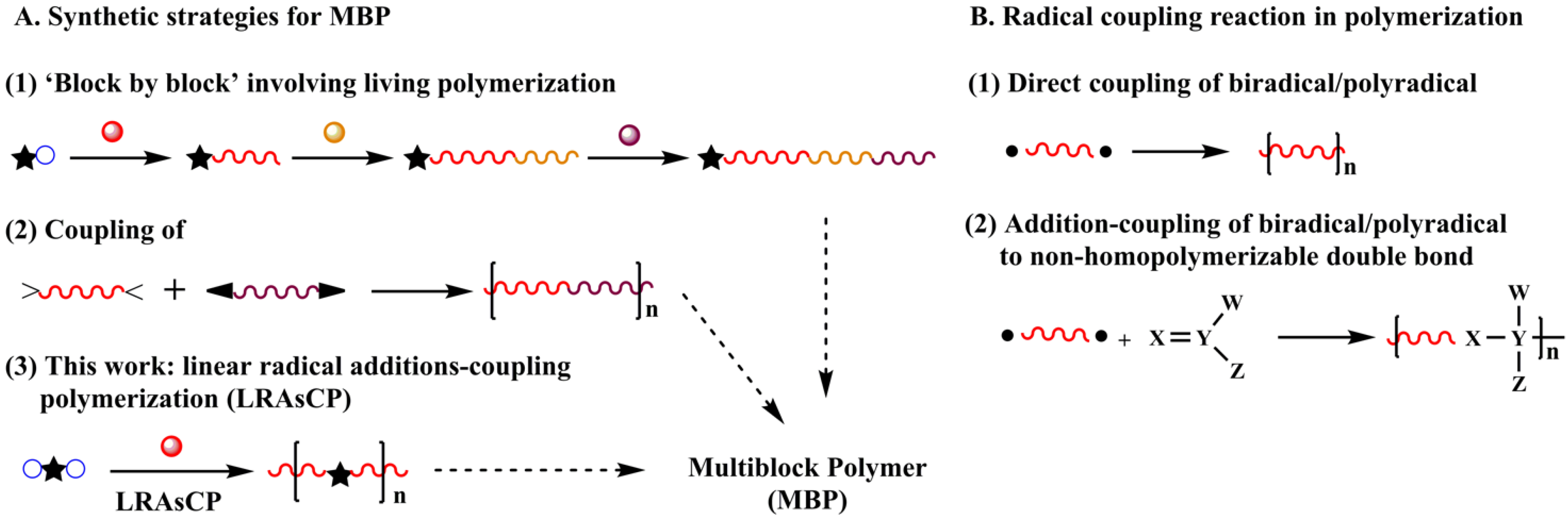
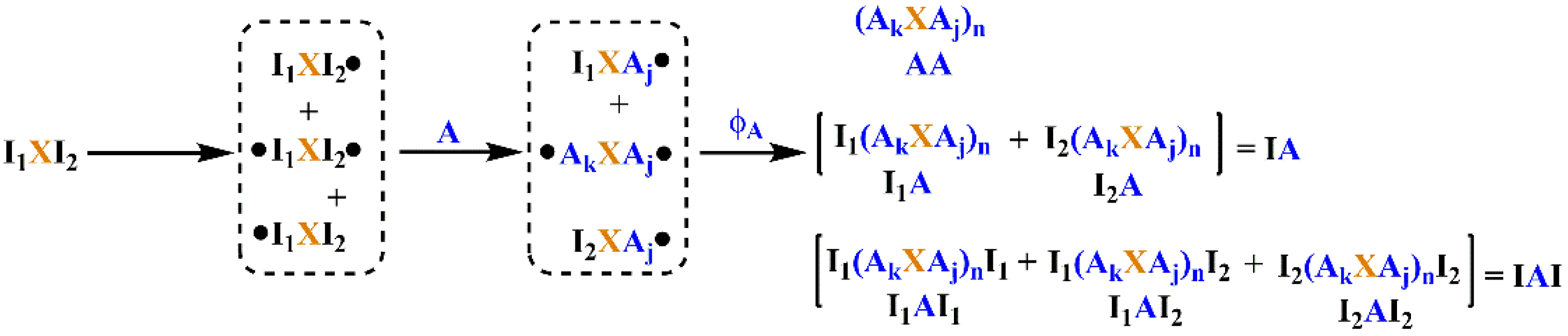
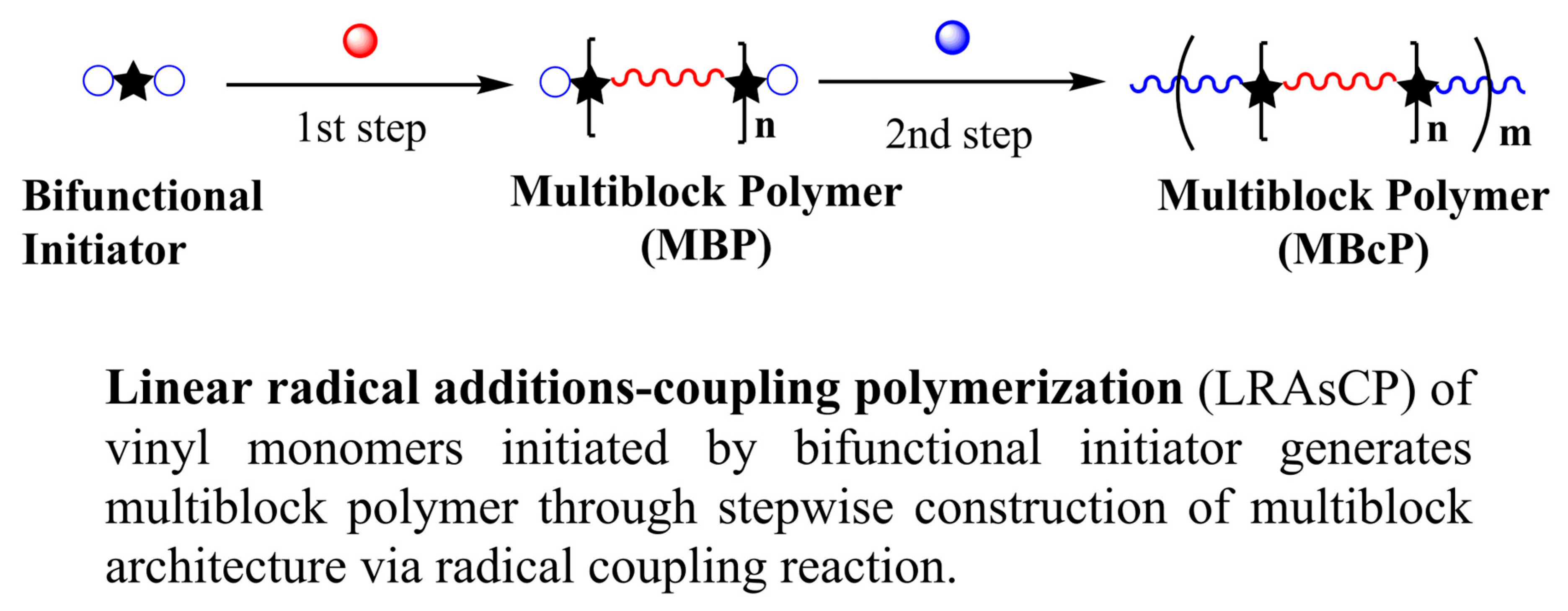
Exploring new polymerization strategies for currently available monomers is a challenge in polymer science. Herein, a bifunctional initiator (BFI) is introduced for the conventional radical polymerization of a vinyl monomer, resulting in linear radical additions-coupling polymerization (LRAsCP). In LRAsCP, the coupling reaction alongside the addition reaction of the radicals contributes to the construction of polymer chains, which leads to stepwise growth of the multiblock structure. Theoretical analysis of LRAsCP predicted variation of some structural parameters of the resulting multiblock polymer (MBP) with the extent of initiation of the BFI and the termination factor of the radicals. Simultaneous and cascade initiations of the BFI were compared. LRAsCP of styrene was conducted, and a kinetics study was carried out. The increment in Mn with polymerization time demonstrated the stepwise mechanism of the formation of the MBP. The variation of the structural parameters of MBP fitted well with the theoretical prediction. Two-step LRAsCP was conducted and multiblock copolymers (MBcP) were obtained either by in situ copolymerization of styrene and MMA or by a second copolymerization of styrene and BMA. The current results demonstrate that the introduction of a BFI to conventional radical polymerization generates a new polymerization strategy, leading to a new chain architecture, which can be extended to other radical polymerizable monomers.
Keywords: linear radical additions-coupling polymerization (LRAsCP); kinetics analysis; bifunctional initiator; multiblock (co)polymer linear radical additions-coupling polymerization (LRAsCP); kinetics analysis; bifunctional initiator; multiblock (co)polymer
Graphical Abstract