Article

Influence of Resin Grade and Mat on Low-Velocity Impact on Composite Applicable in Shipbuilding

by
George Cătălin Cristea
1,*,
Lorena Deleanu
2,*,
Ioana Gabriela Chiracu
2,
Mihail Boțan
1,
George Ghiocel Ojoc
3,
Alexandru Viorel Vasiliu
2 and
Alina Cantaragiu Ceoromila
2
1
National Institute for Aerospace Research (INCAS) “Elie Carafoli”, 220 Iuliu Maniu, 061126 Bucharest, Romania
2
Center of Excellence in Polymer Processing (CE-PP), “Dunarea de Jos” University, 111 Domneasca, 800201 Galati, Romania
3
Autonomous Flight Technologies, 1 Aeroportului, 077060 Clinceni, Romania
*
Authors to whom correspondence should be addressed.
Polymers 2025, 17(3), 355; https://doi.org/10.3390/polym17030355
Submission received: 4 January 2025 / Revised: 18 January 2025 / Accepted: 23 January 2025 / Published: 28 January 2025

Abstract

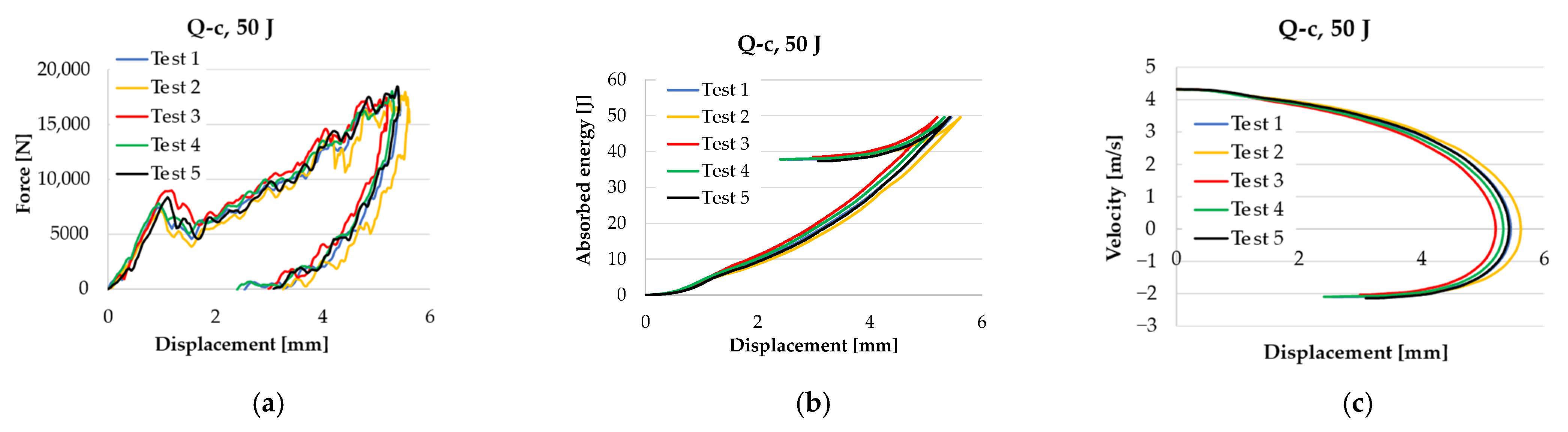
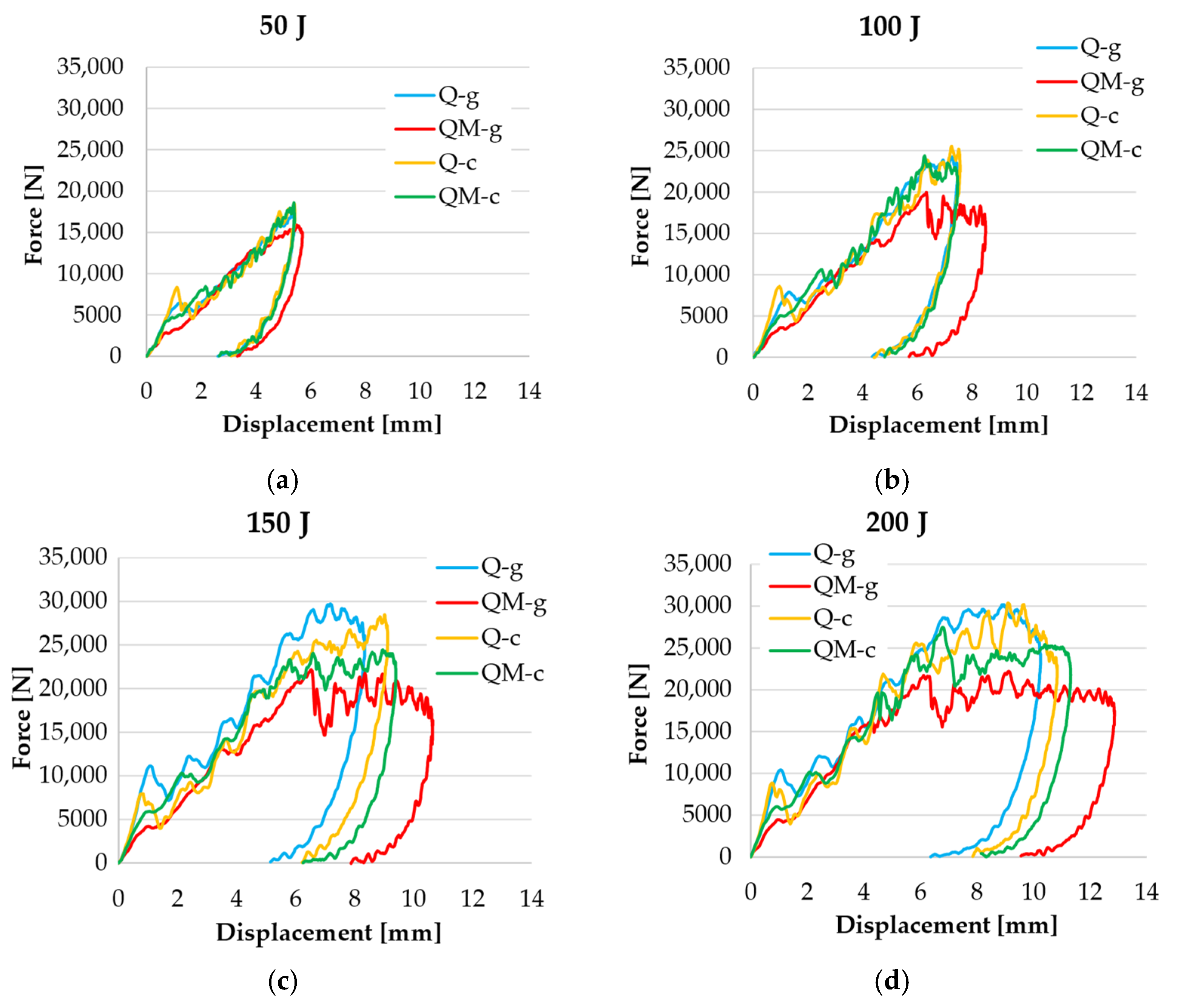
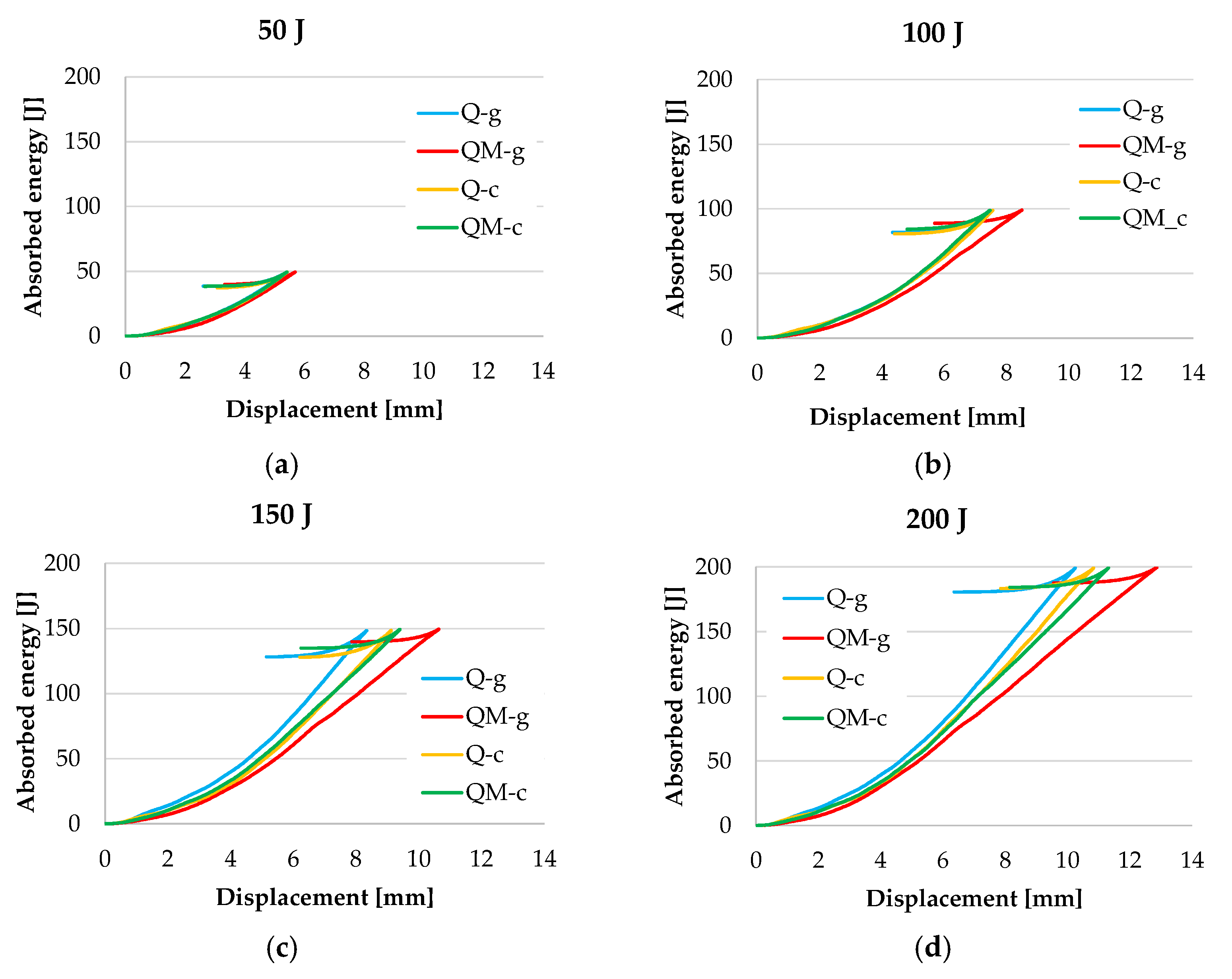
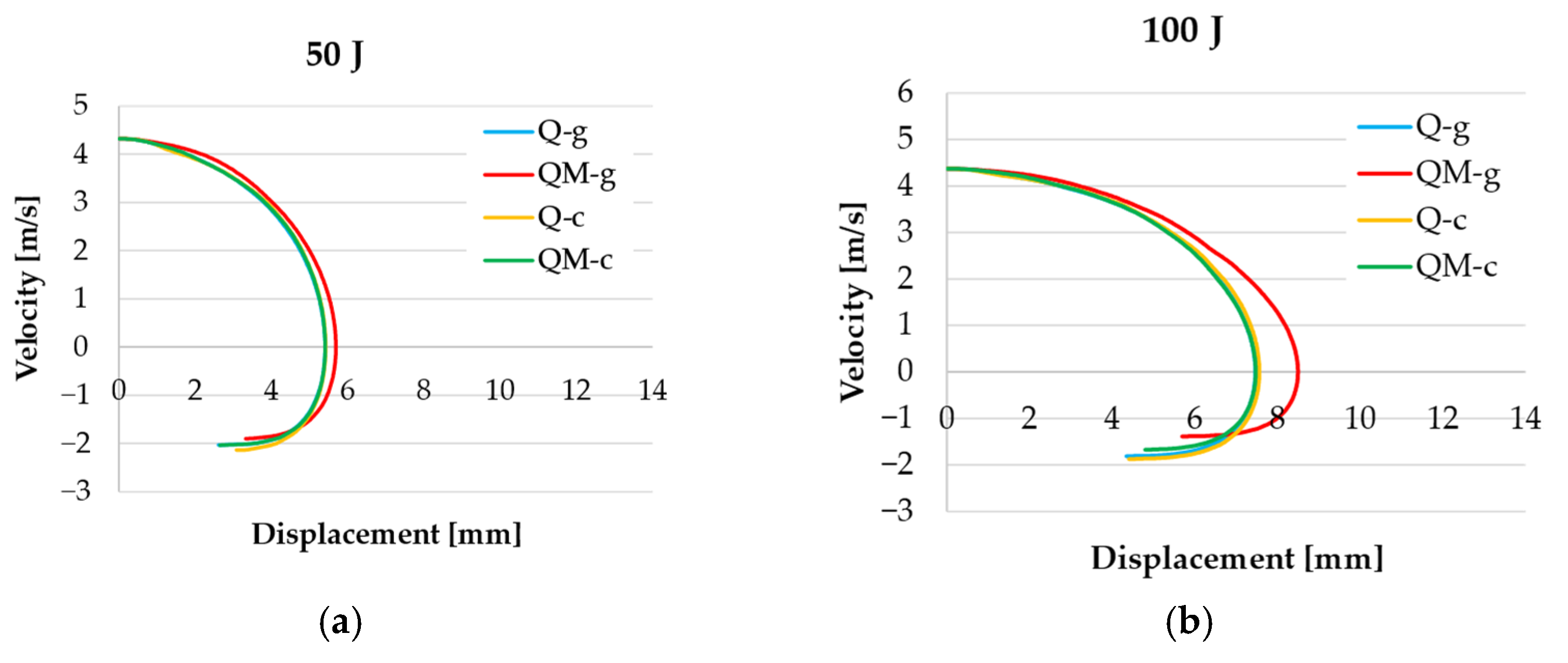
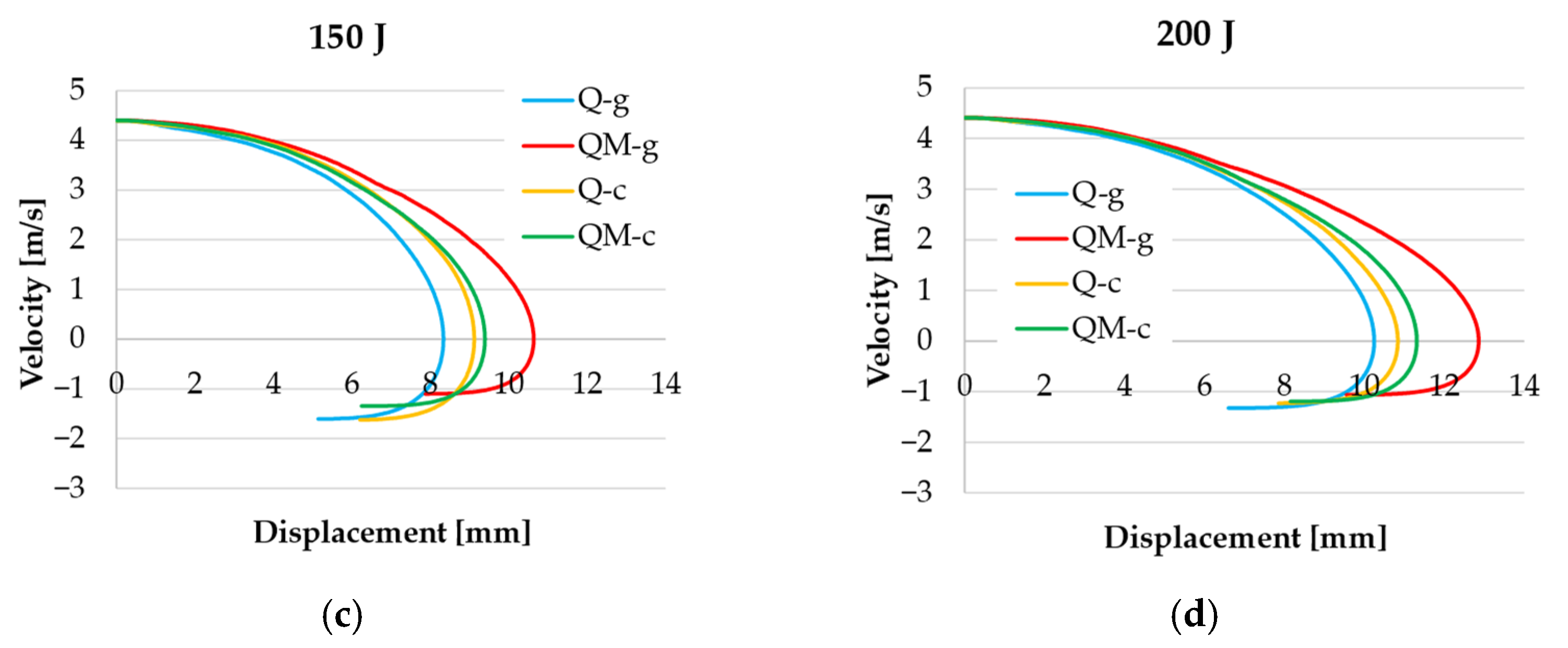
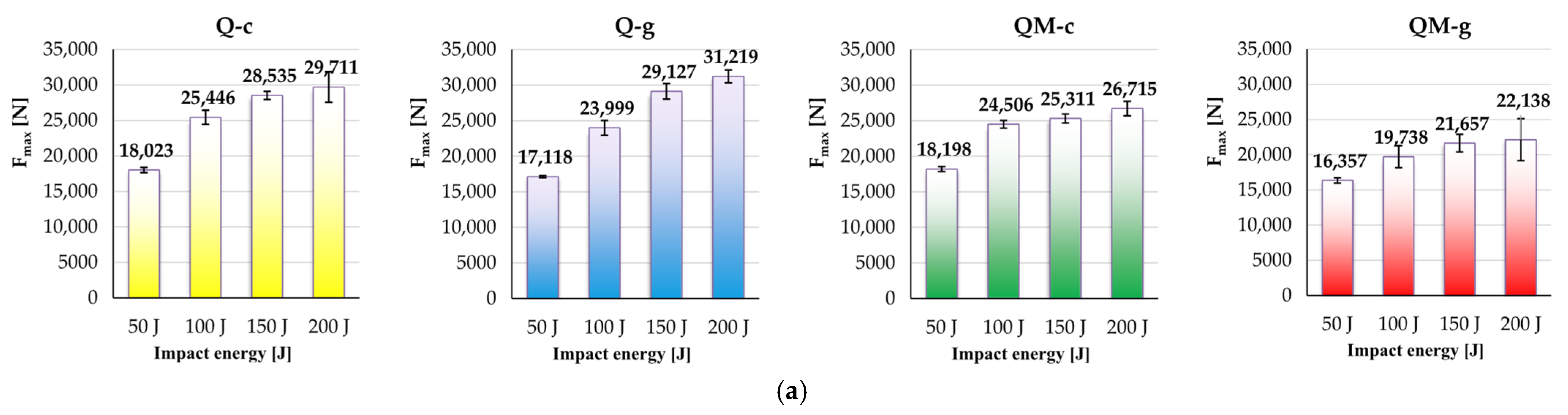
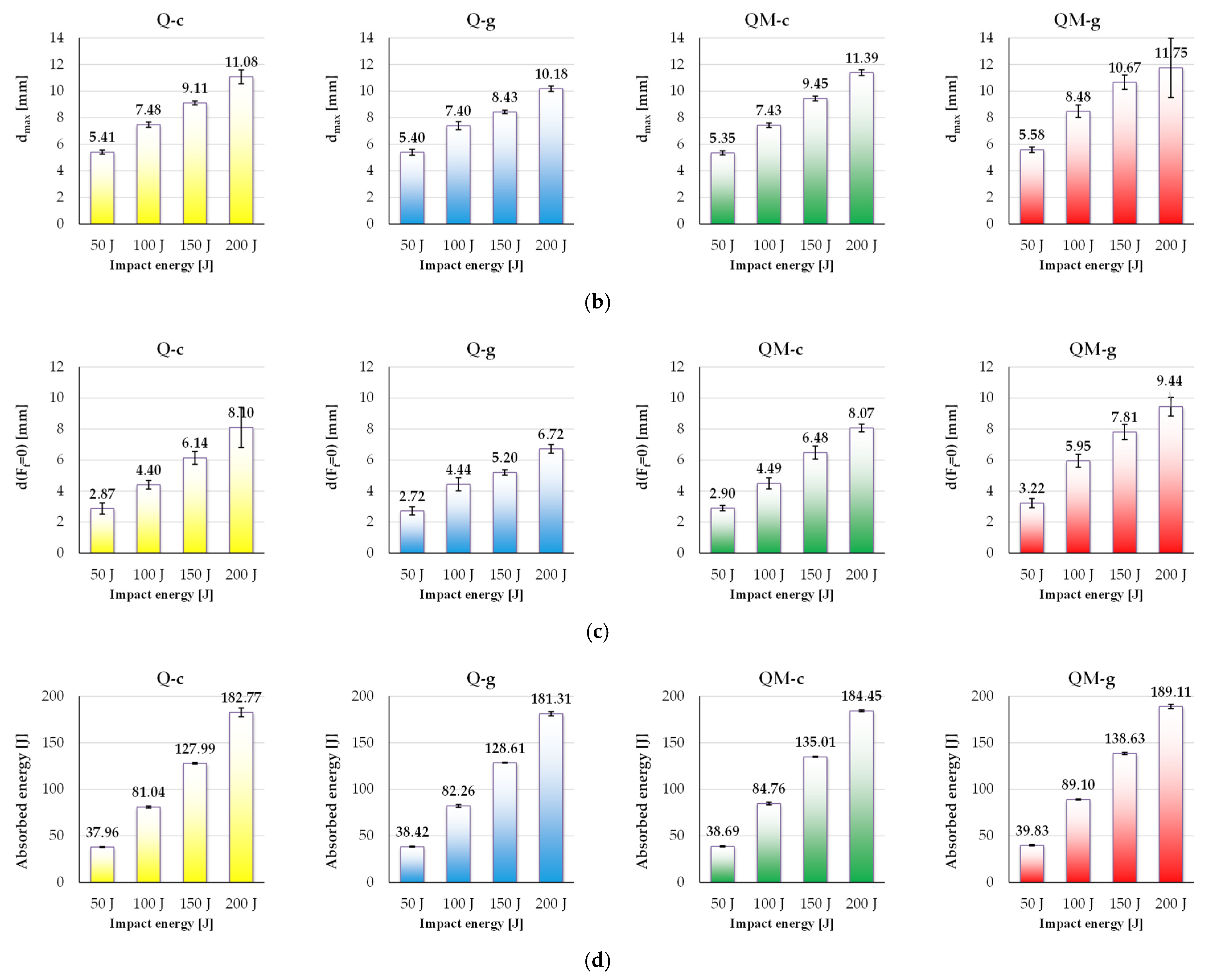
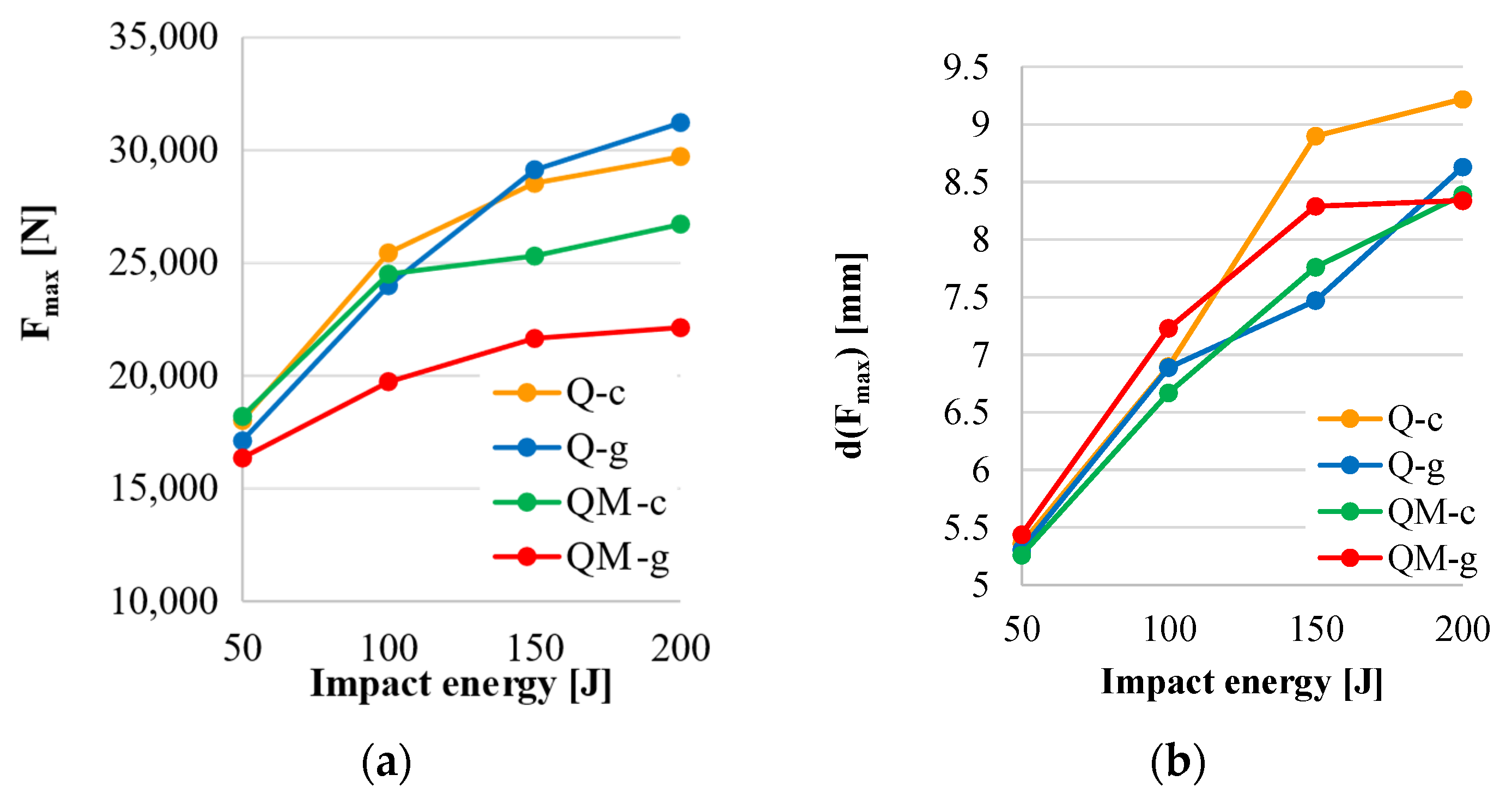
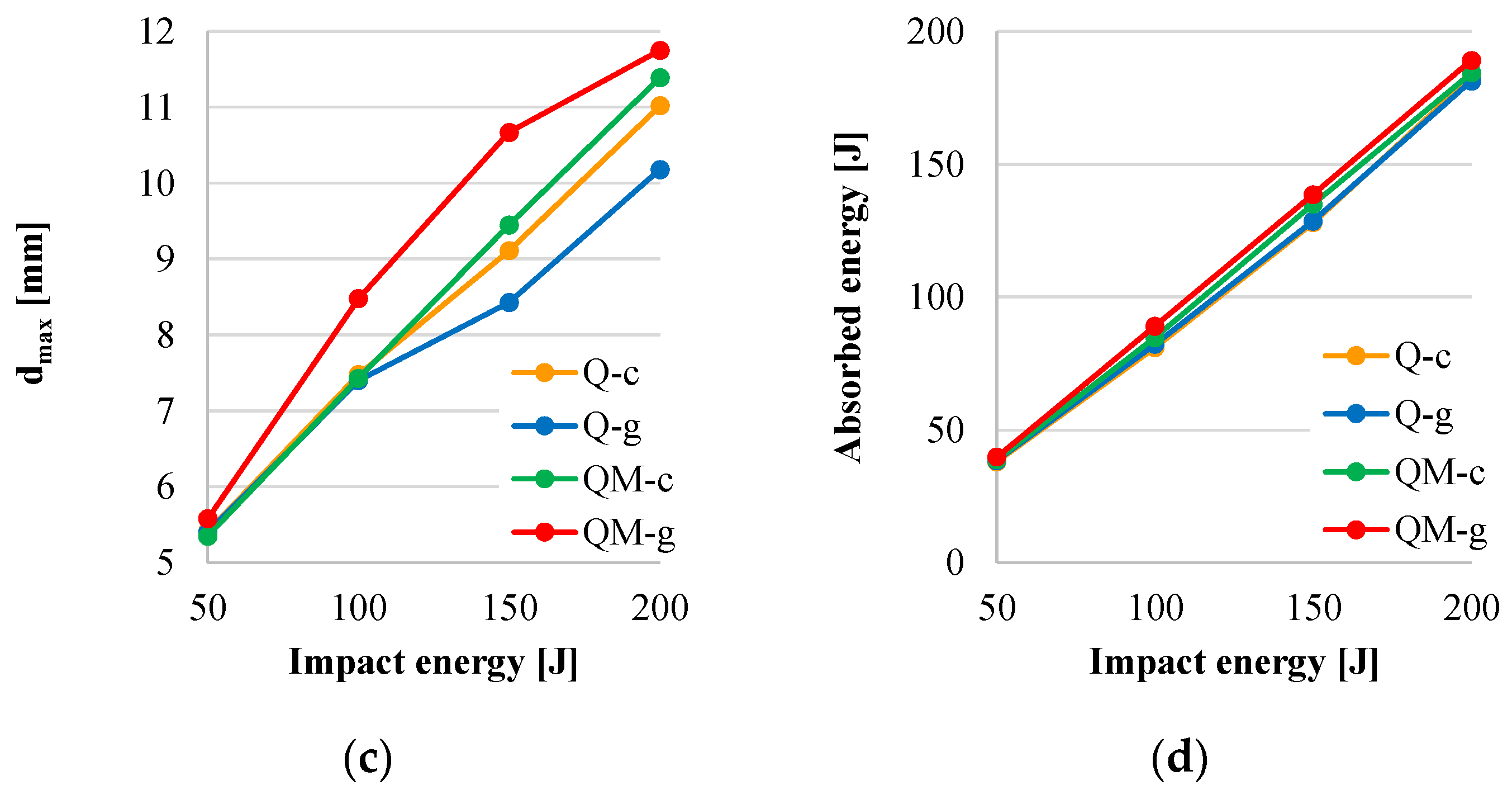
In this study, the composition and mechanical properties of composites designed for shipbuilding are described. Four different composites were designed and fabricated by the research team, using quadriaxial glass fiber fabric (eight layers in all composites), two different resins (the epoxy resin SikaBiresin® CR82 with the hardener CH80-2 or the polyester resin Enydyne H 68372 TA with Metox-50 W as the accelerator), and a middle layer of Coremat Xi 3 (only applied in some composites). The experimental results of low-velocity impact tests are also discussed, including the graphics force (displacement) and absorbed energy (displacement and velocity). The displacement and composite quality were evaluated through several parameters, such as maximum force, absorbed energy, and maximum displacement. Impact tests were carried out using four impact energy values (50–200 J), with an average impact velocity in the range of 4.37 ± 0.05 m/s. Only partial penetrations were obtained for all tested composites. For the low energy tests (50 J), the four composite materials were not well differentiated by graph shapes and parameter values, but for the higher energy tests, the composites containing Coremat Xi 3 displayed better behavior, having Fmax reduced with 10.8% to 29.08%. The higher absorbed energy of these composites can be explained by the plateau generated by the force from a longer impactor displacement in contact with the composite. The results generated in this study confirm the suitability of the designed composites for shipbuilding applications. Still, the composites have light differences in terms of energy absorption in low-velocity impact and a significant reduction in maximum force.
Keywords: low-velocity impact; glass fiber composite; mat; resin; impact energy; maximum force low-velocity impact; glass fiber composite; mat; resin; impact energy; maximum force