Article

Effects of Copper(II) Oxide on the Co-Pyrolysis of Waste Polyester Enameled Wires and Poly(vinyl chloride)

Faculty of Materials and Manufacturing, Beijing University of Technology, Beijing 100124, China
*
Authors to whom correspondence should be addressed.
Polymers 2024, 16(1), 27; https://doi.org/10.3390/polym16010027
Submission received: 28 October 2023 / Revised: 13 December 2023 / Accepted: 18 December 2023 / Published: 20 December 2023
(This article belongs to the Special Issue Chemical Recycling of Polymers)

Abstract

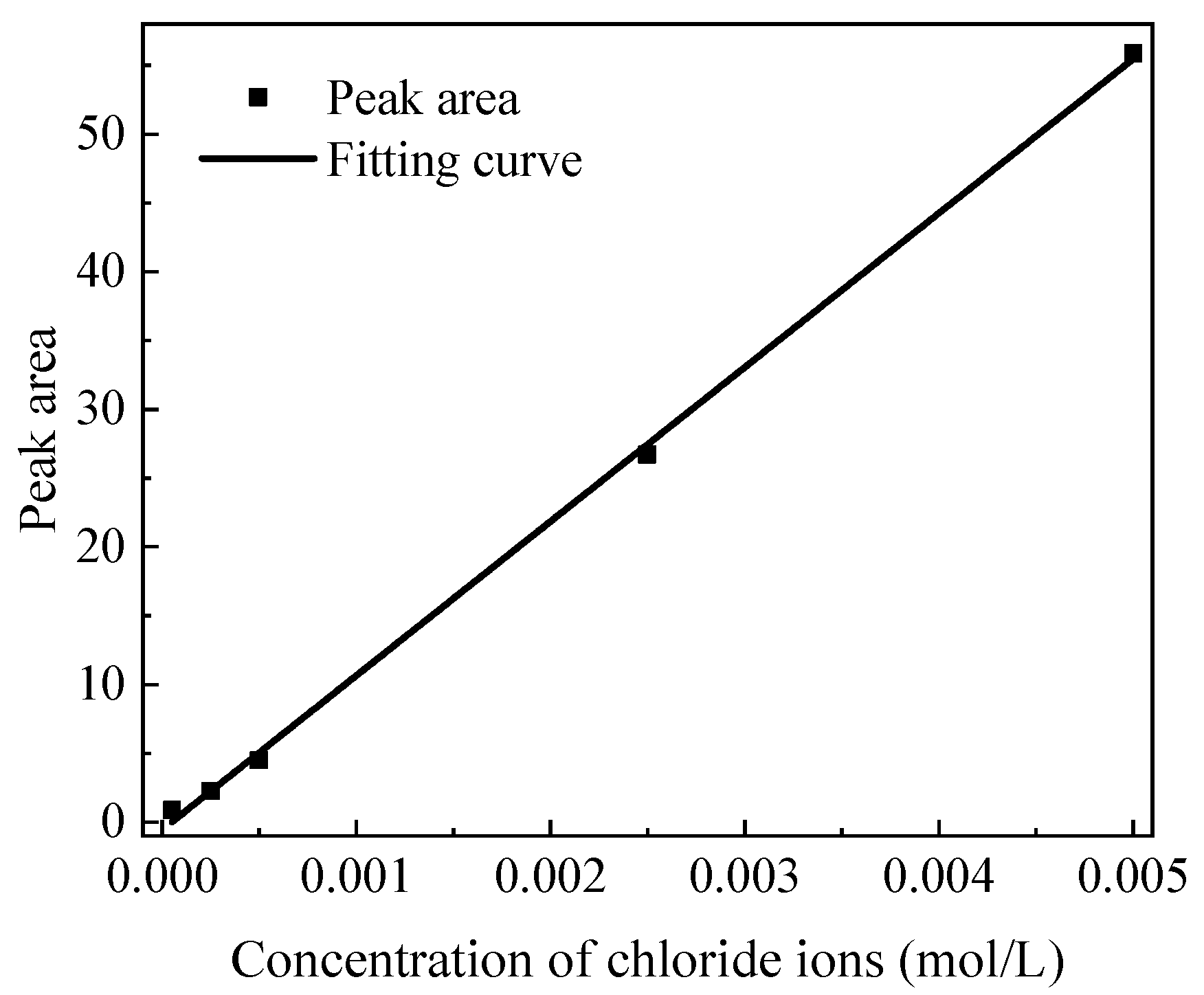
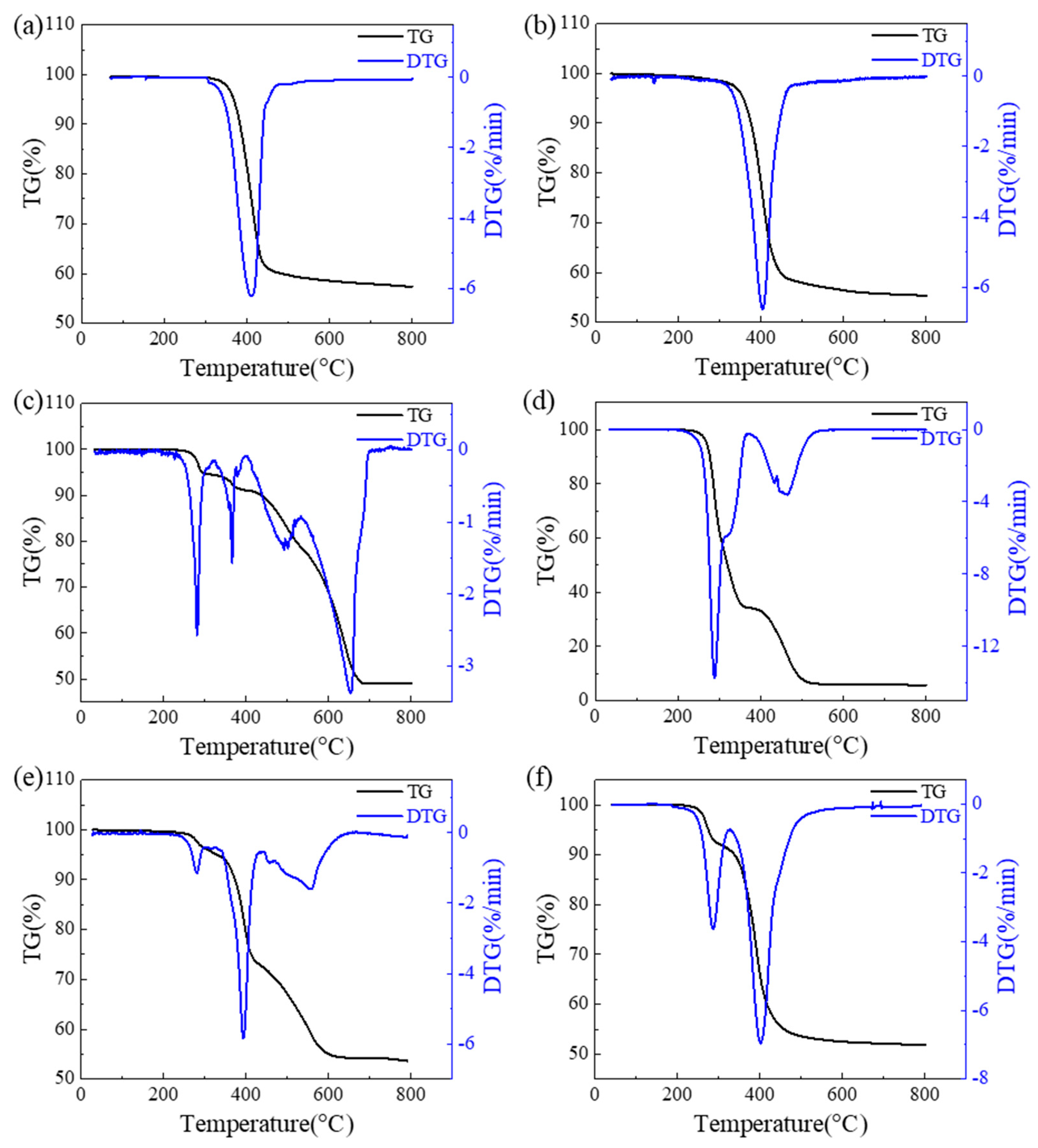
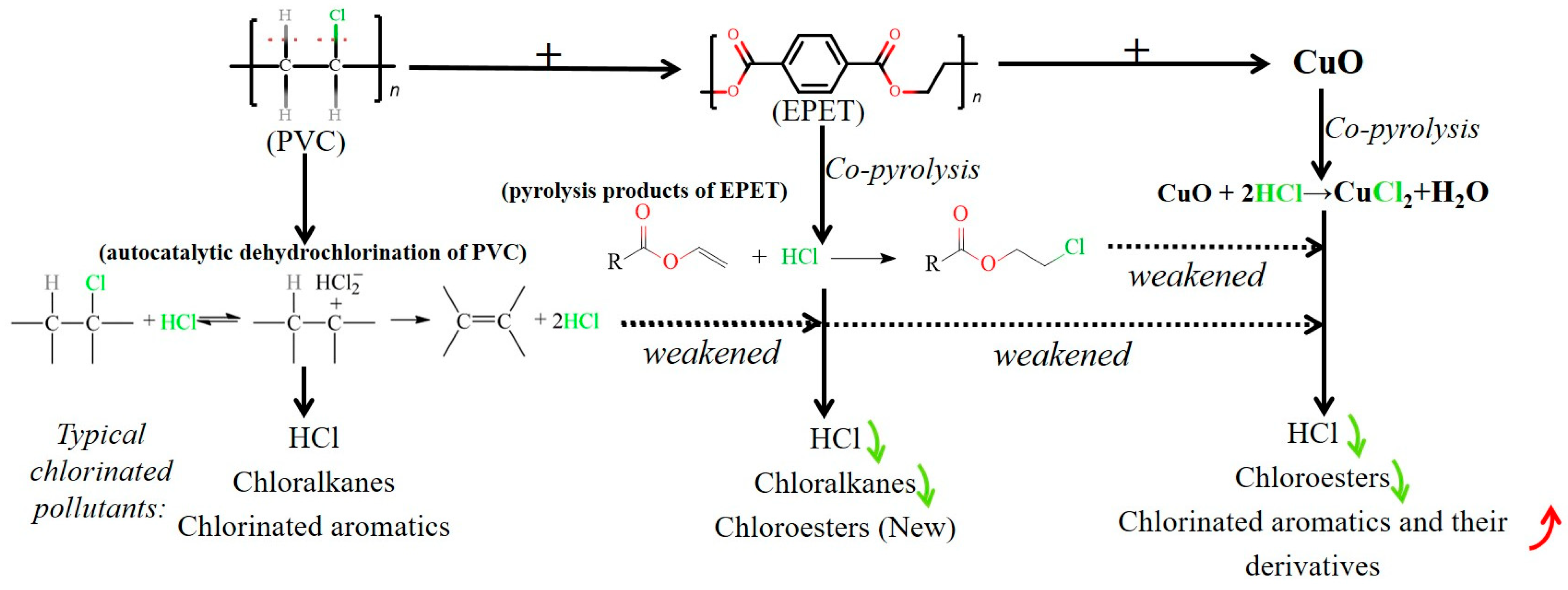
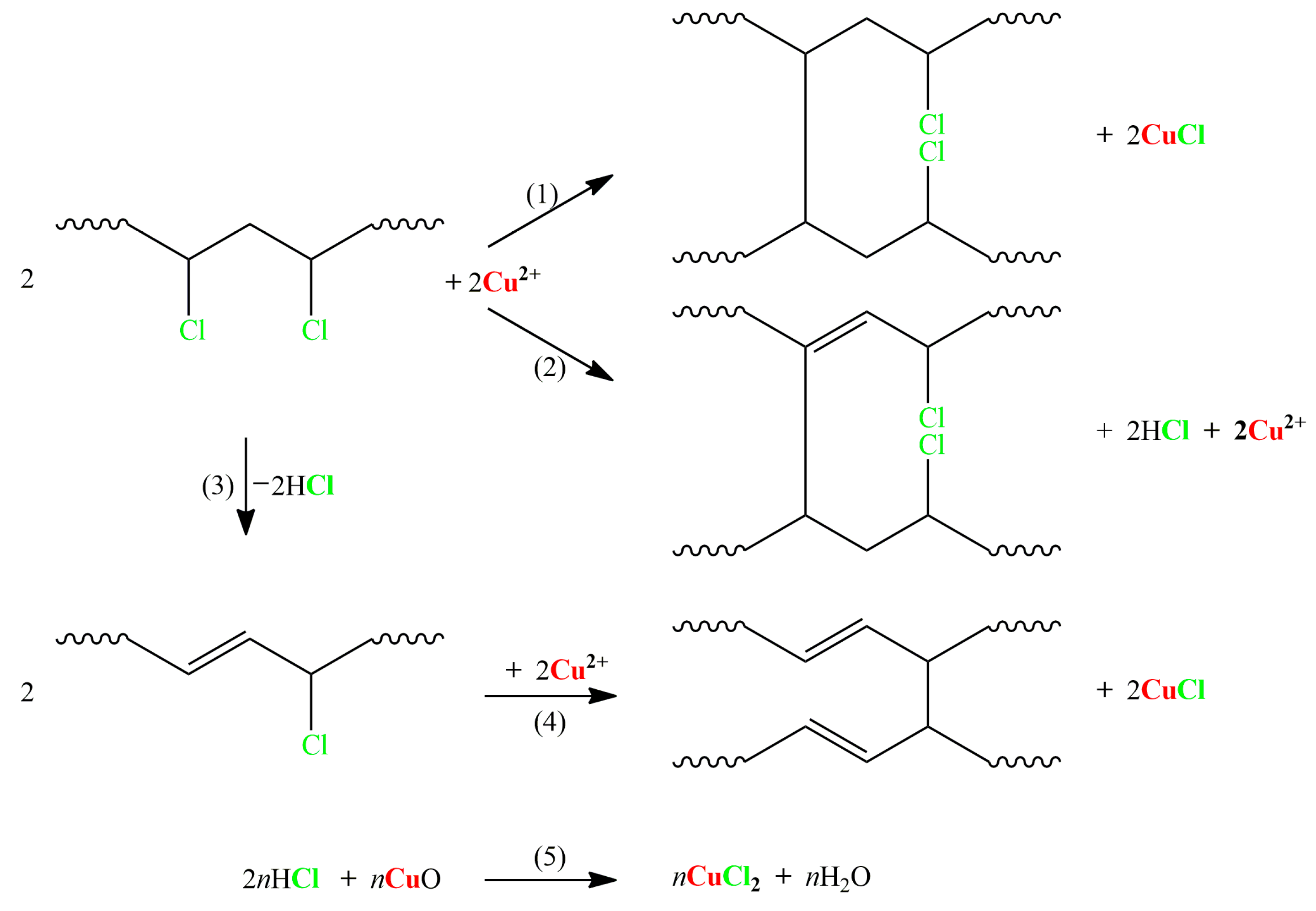
The emission of chlorinated pollutants is one of the main problems when recovering copper (Cu) via pyrolysis from waste enameled wires. This is mainly attributed to other wastes which possess high poly(vinyl chloride) content, such as electrical wires and cables, which are often recycled together with enameled copper wires. In this research, to control the chlorinated pollutants, copper(II) oxide (CuO) was chosen and demonstrated to be an efficient dechlorinating agent, and CuO did not introduce any impurities that influence the quality of the recovered Cu. The pyrolysis and co-pyrolysis of polyester enameled wires, PVC, and CuO were investigated, and special attention was paid to chlorinated compounds in released pyrolytic products. In particular, the co-pyrolysis of this ternary mixture was studied for the first time, and some new pyrolysis behaviors were discovered. For example, the results of Py-GC/MS analyses showed that the addition of CuO removed about 75% of the chloro-organic products, the main types of which were chloroaromatic compounds rather than the more toxic chloroesters. Moreover, pyrolysis gases were collected and characterized via ion chromatography, and the results showed that the chlorine content in the pyrolysis gases decreased by about 71%. TG analysis indicated that CuO only minimally affected the pyrolysis of polyester paint. However, through the chlorine fixation effect, CuO influenced the dechlorination and dehydrochlorination of PVC, as well as secondary reactions between HCl and pyrolysis products of polyester paint, therefore changing the products and behaviors of co-pyrolysis. Mechanism of reducing chlorine-containing pollutants and reaction mechanism of forming typical pyrolysis products closely correlated to the effects of CuO were also proposed, providing theoretical guidance for the recycling of waste enameled wires.
Keywords: polyester enameled wire; polyvinyl chloride; co-pyrolysis; dechlorination; copper(II) oxide polyester enameled wire; polyvinyl chloride; co-pyrolysis; dechlorination; copper(II) oxide