Article

Synthesis, Application and Effect of Hybrid Nanocomposites Based on Hydrogel and Nanoclay in Cement-Mortars

by
Adhemar Watanuki Filho
1,
Ricardo Tokio Higuti
2,
Marcia Regina de Moura
3 and
Fauze Ahmad Aouada
3,*
1
Department of Civil Construction, Federal Institute of Education, Science and Technology of Sao Paulo (IFSP), Alameda Tucurui, 164, Zona Norte, Ilha Solteira 15385-000, Brazil
2
Department of Electrical Engineering, School of Engineering, Sao Paulo State University (UNESP), Avenida Brasil, 56, Centro, Ilha Solteira 15385-000, Brazil
3
Grupo de Compósitos e Nanocompósitos Híbridos (GCNH), Department of Physics and Chemistry, School of Engineering, Sao Paulo State University (UNESP), Avenida Brasil, 56, Centro, Ilha Solteira 15385-000, Brazil
*
Author to whom correspondence should be addressed.
Polymers 2022, 14(21), 4564; https://doi.org/10.3390/polym14214564
Submission received: 9 September 2022 / Revised: 6 October 2022 / Accepted: 19 October 2022 / Published: 27 October 2022
(This article belongs to the Special Issue Advances in Multifunctional Hydrogel)

Abstract

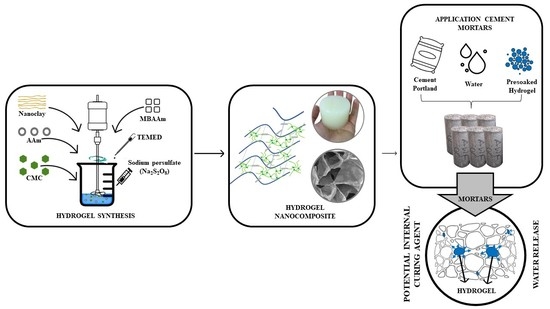
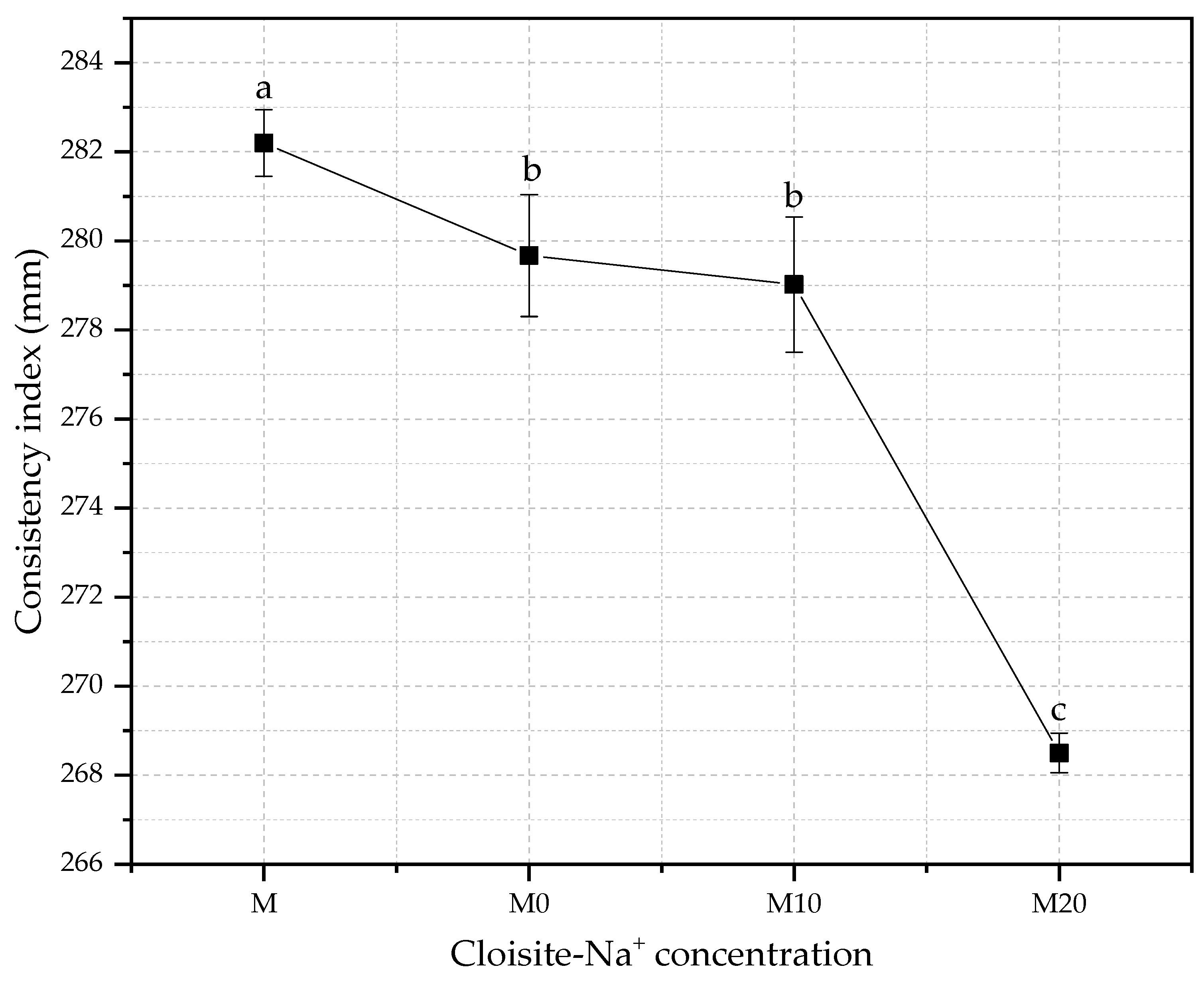
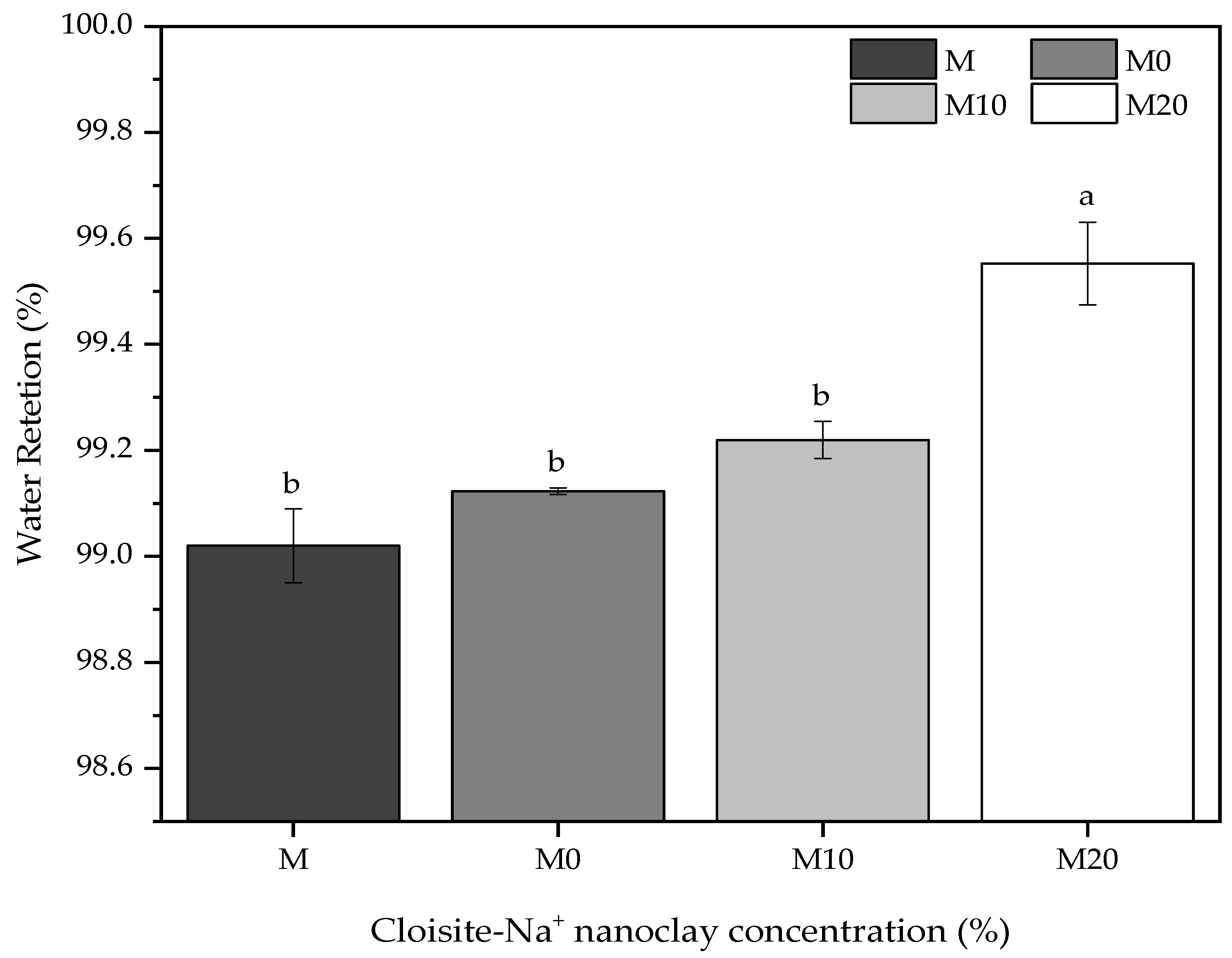
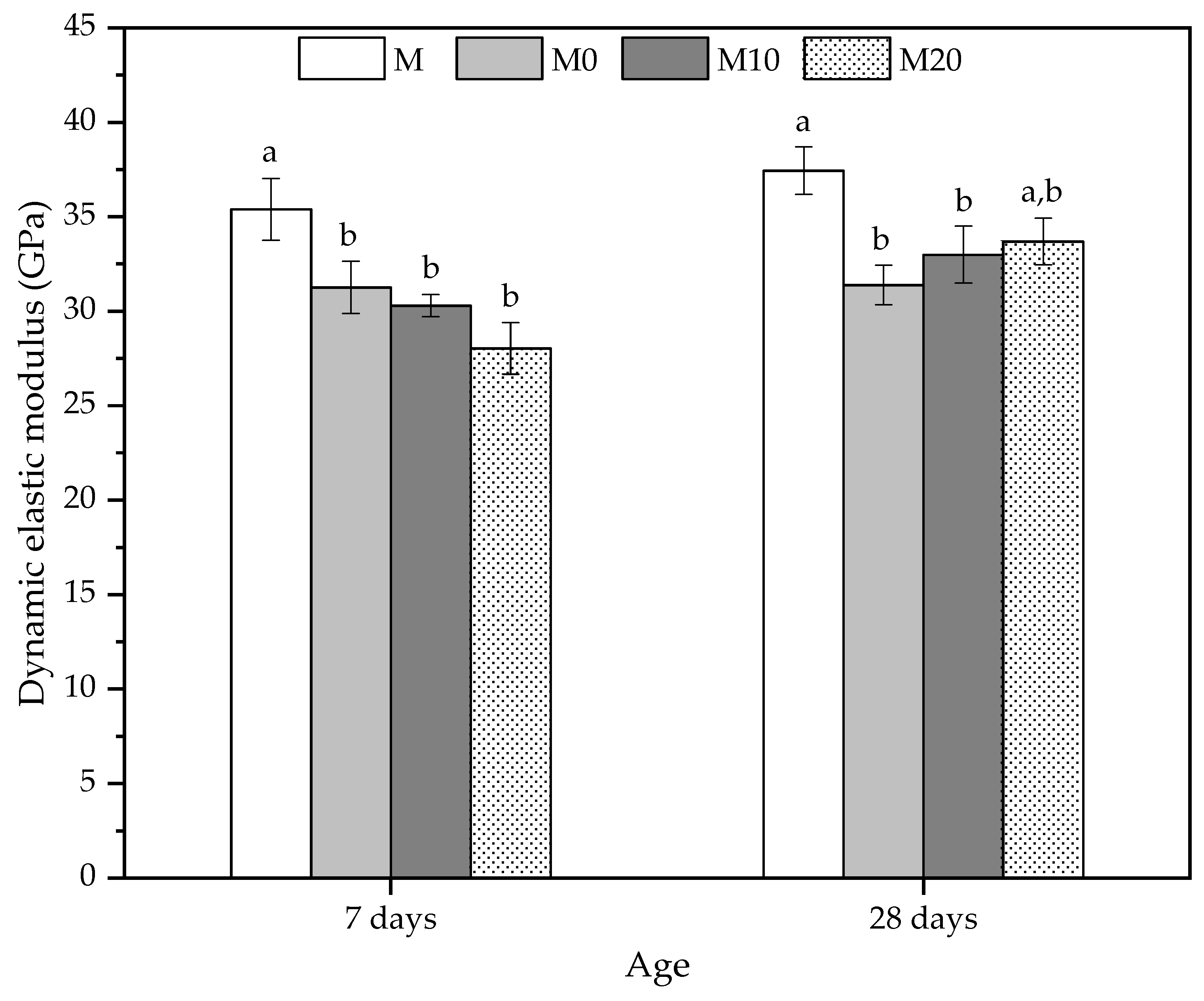
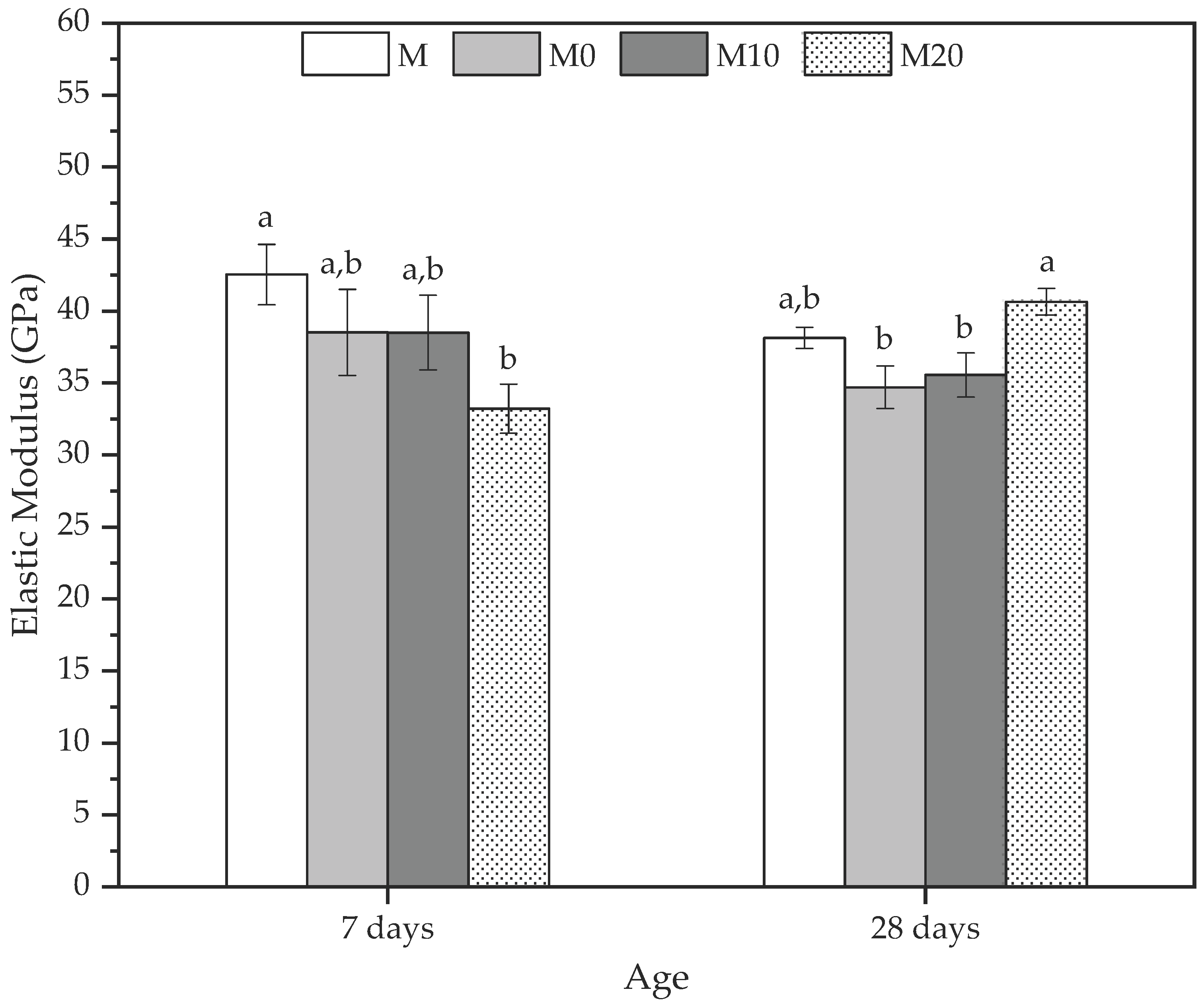
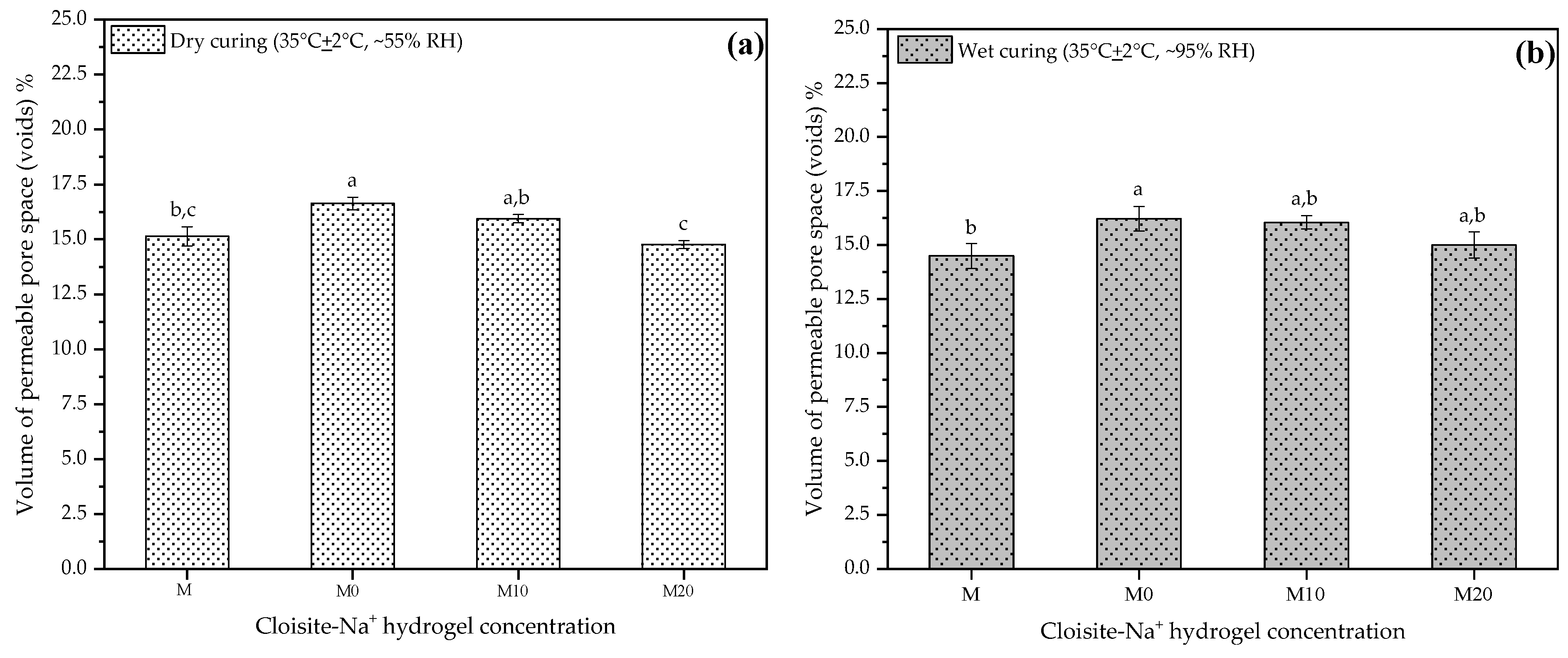
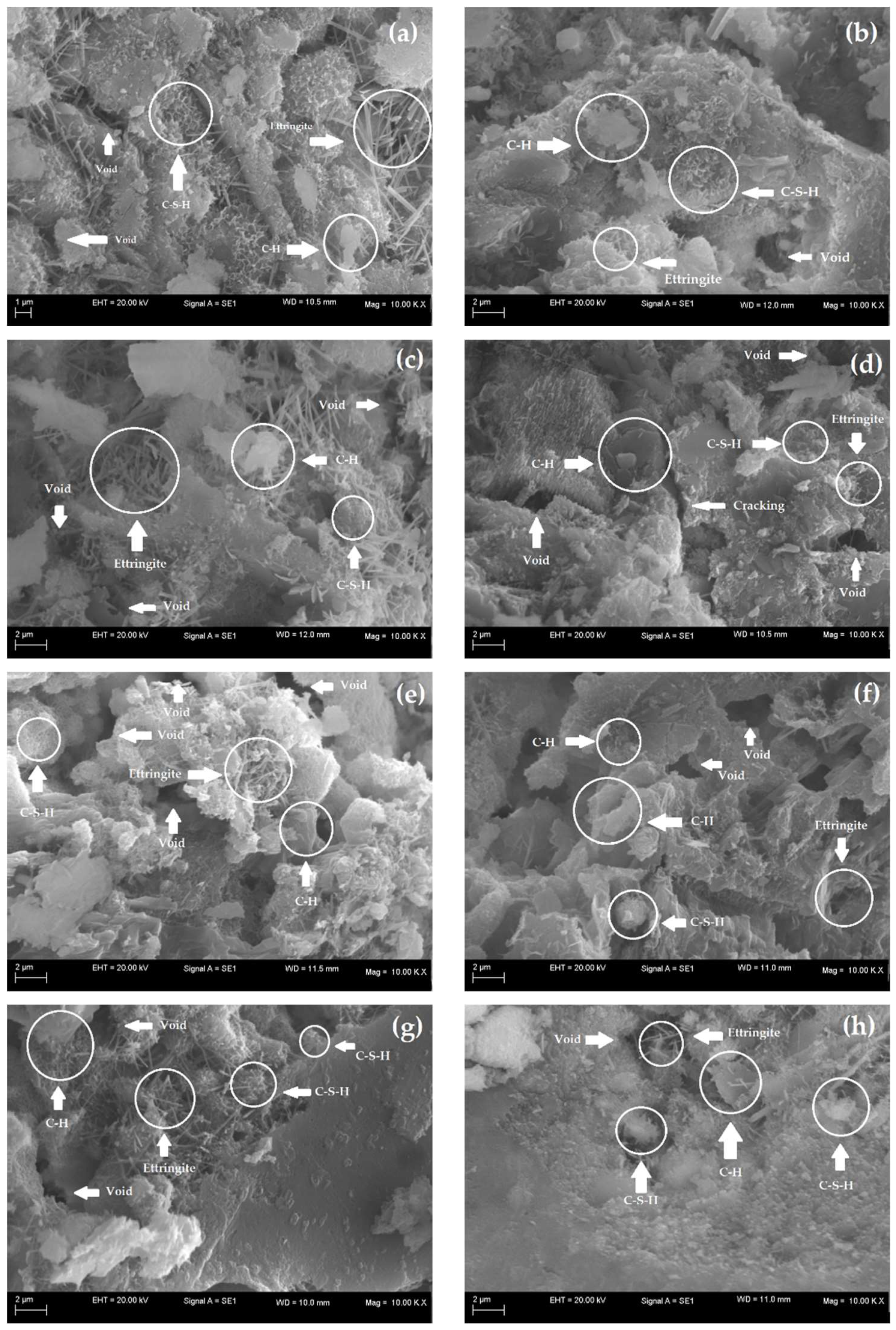
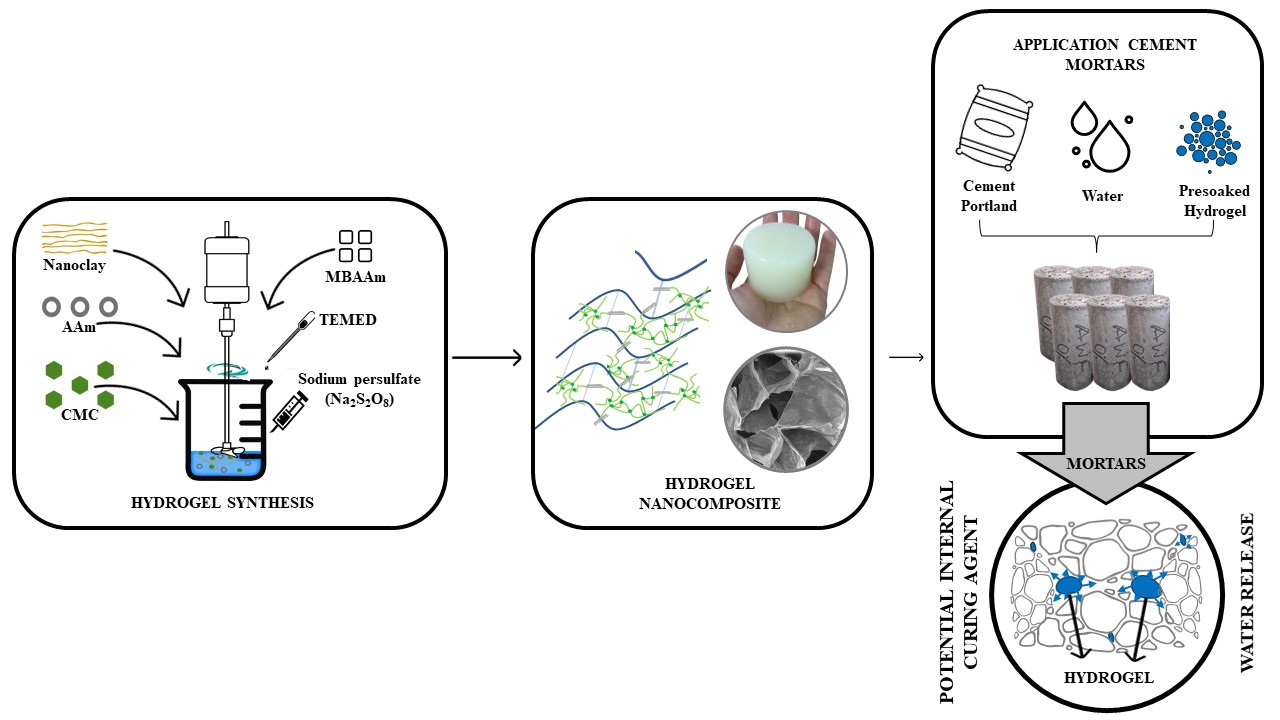
Hybrid nanocomposite hydrogels, as admixtures for internal curing of cementitious materials, have been widely studied. This study analyzes the effect of applying 0.5% (wt/wt cement) of pre-soaked hydrogels based on polyacrylamide, carboxymethylcellulose, and three different concentrations of Cloisite-Na+ (0, 10, and 20% wt/wt) on the fresh and hardened properties of cementitious mortars. In general, all mortars with hydrogel decreased the consistency index, mainly M20, due to the high concentration of Cloisite-Na+ that modifies the release kinect of the hydrogel. The results showed a slight variation, with an overall average value of 99% water retention in all mortars. This behavior is due to the portion of hydrogel-mortars dosage water retained to reduce the availability of free water in the mixture because this amount of water is stored, a priori, within the polymer particles. At 28 d, the mortars produced with hydrogels containing 20% of nanoclay (M20) exhibit mechanical behavior similar to the reference mortar (M), which corroborates the percentage of voids found. Scanning electron microscope images confirm that the M and M20 mortars are uniform and possess few pores or microcracks. Thus, these hybrid hydrogels have the potential to be innovative materials for water control improvements in cementitious materials technology.
Keywords: civil construction; nanocomposite; polymer absorbent civil construction; nanocomposite; polymer absorbent
Graphical Abstract