Article

Phase Change Energy Storage Elastic Fiber: A Simple Route to Personal Thermal Management
1
School of Materials Science and Engineering, South China University of Technology, Guangzhou 510640, China
2
Guangdong Medical Products Administration Key Laboratory for Quality Research and Evaluation of Medical Textile Products, Guangzhou Inspection Testing and Certification Group Co., Ltd., Guangzhou 511447, China
*
Authors to whom correspondence should be addressed.
Polymers 2022, 14(1), 53; https://doi.org/10.3390/polym14010053
Submission received: 6 November 2021 / Revised: 27 November 2021 / Accepted: 7 December 2021 / Published: 24 December 2021
(This article belongs to the Special Issue Advances in Smart Textile)

Abstract

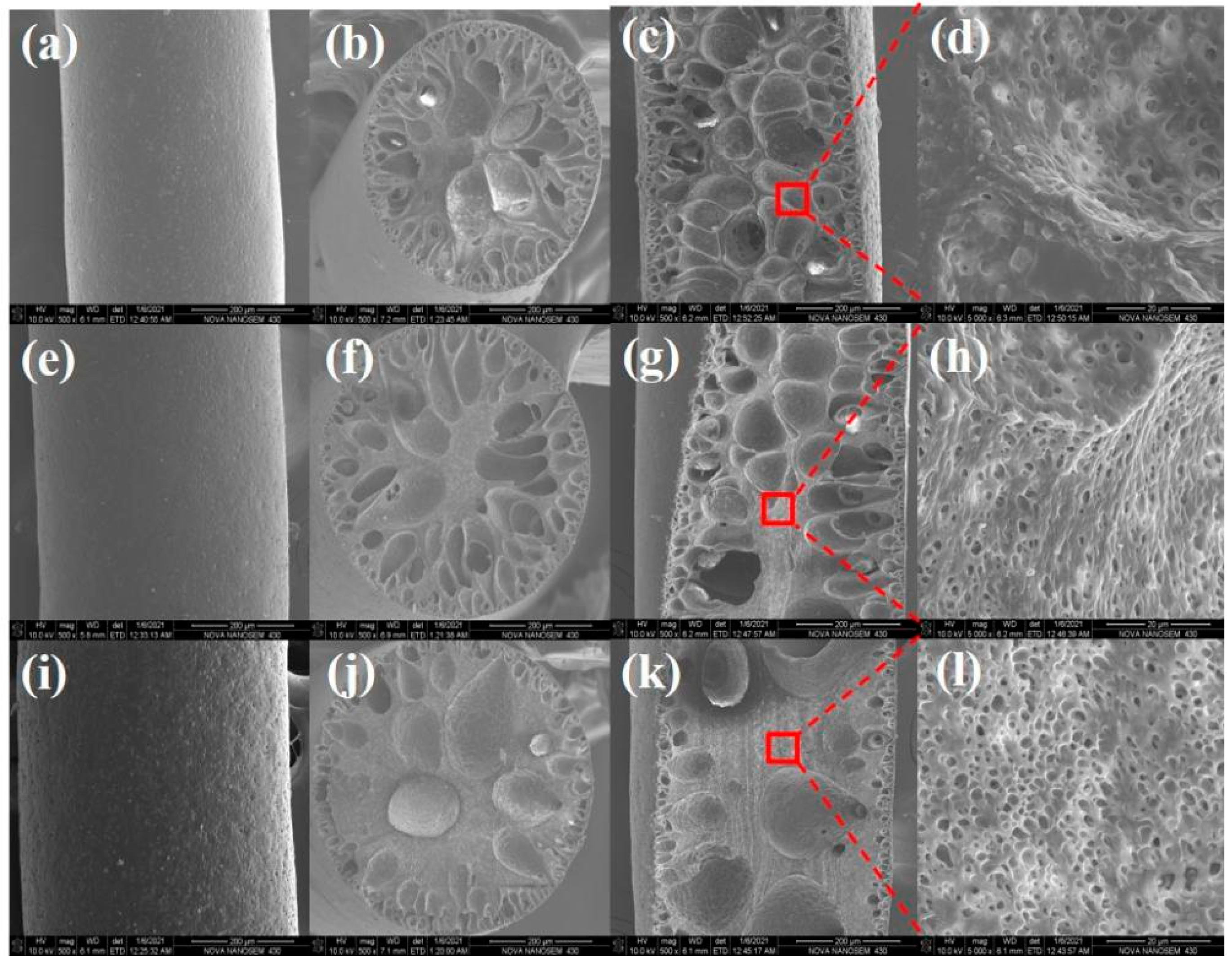
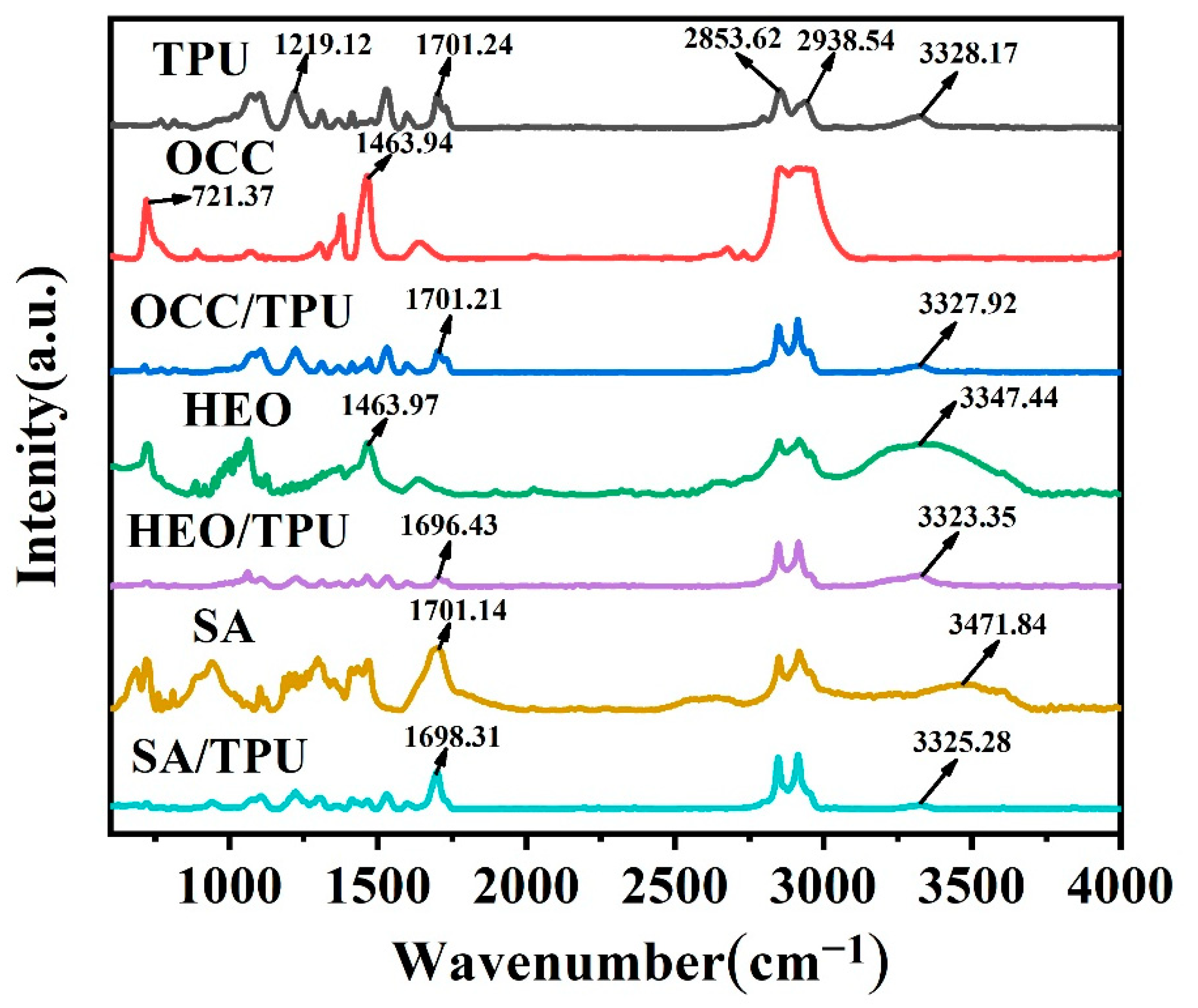
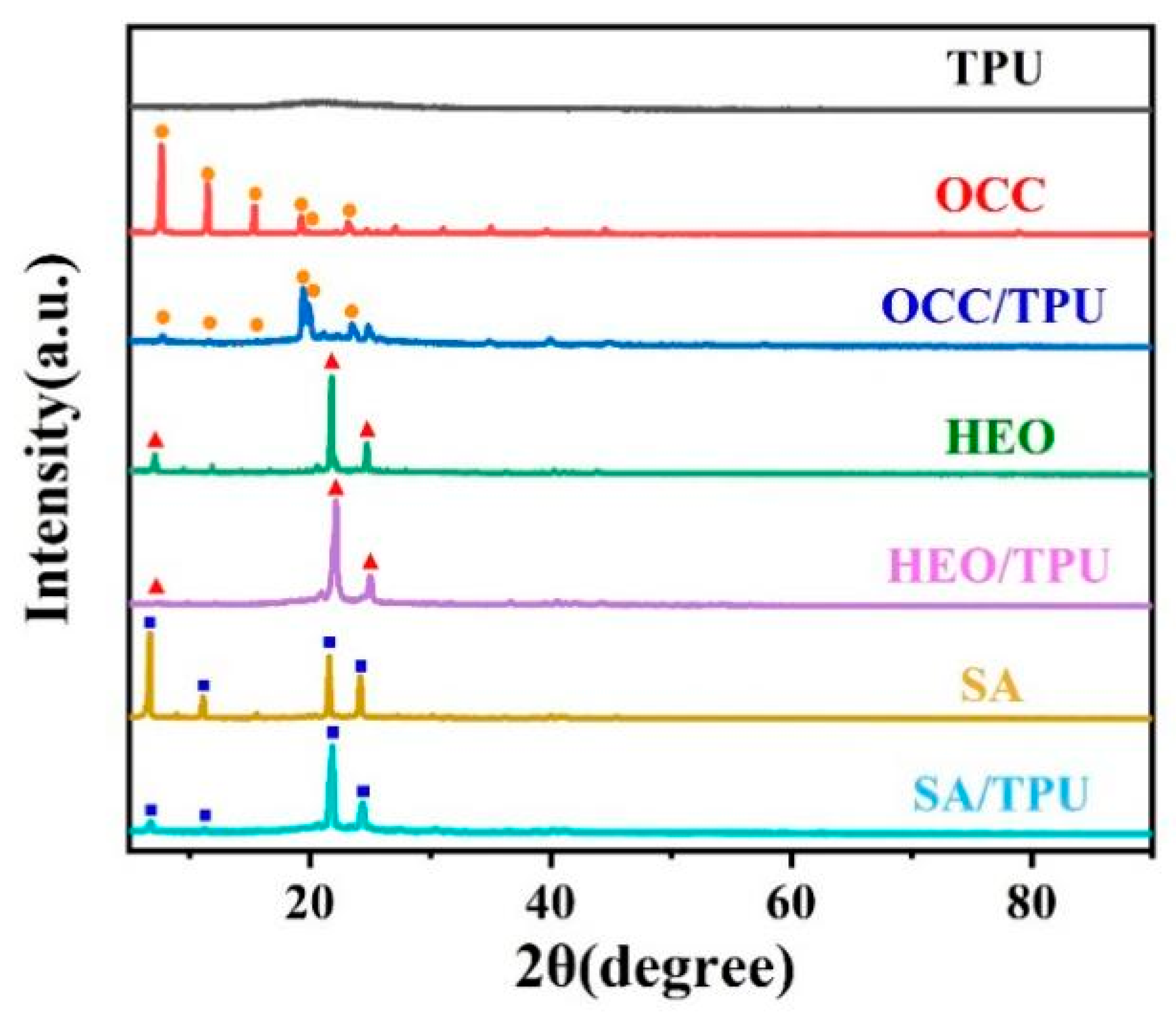
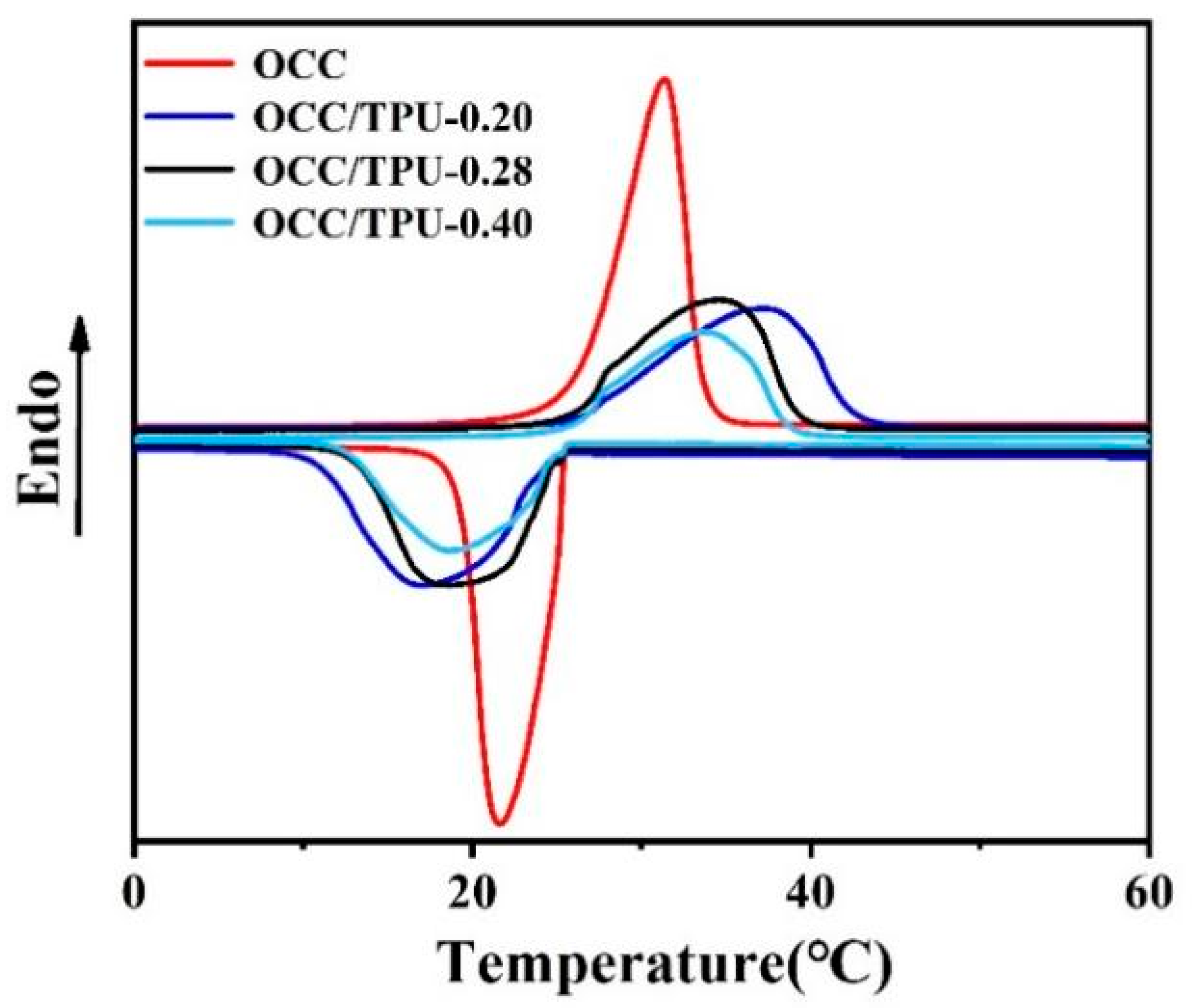
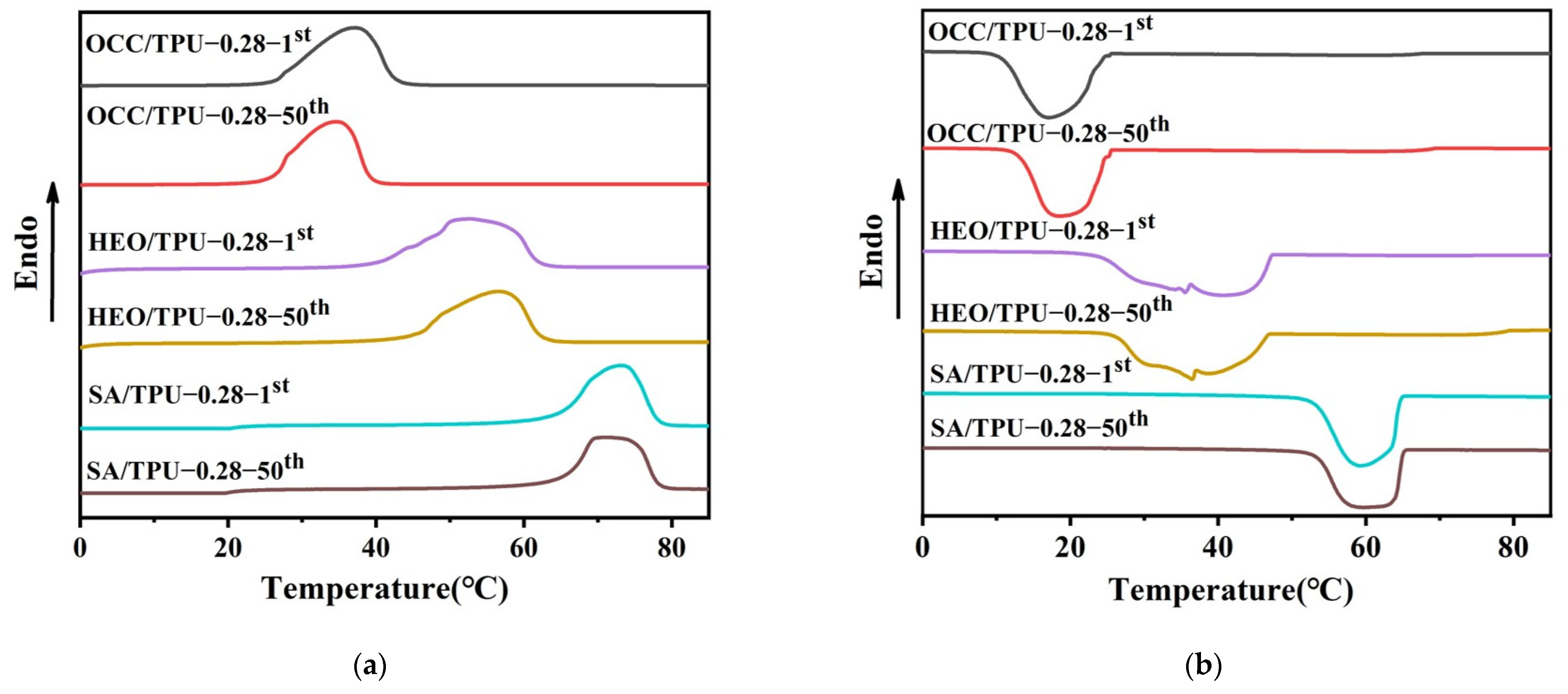
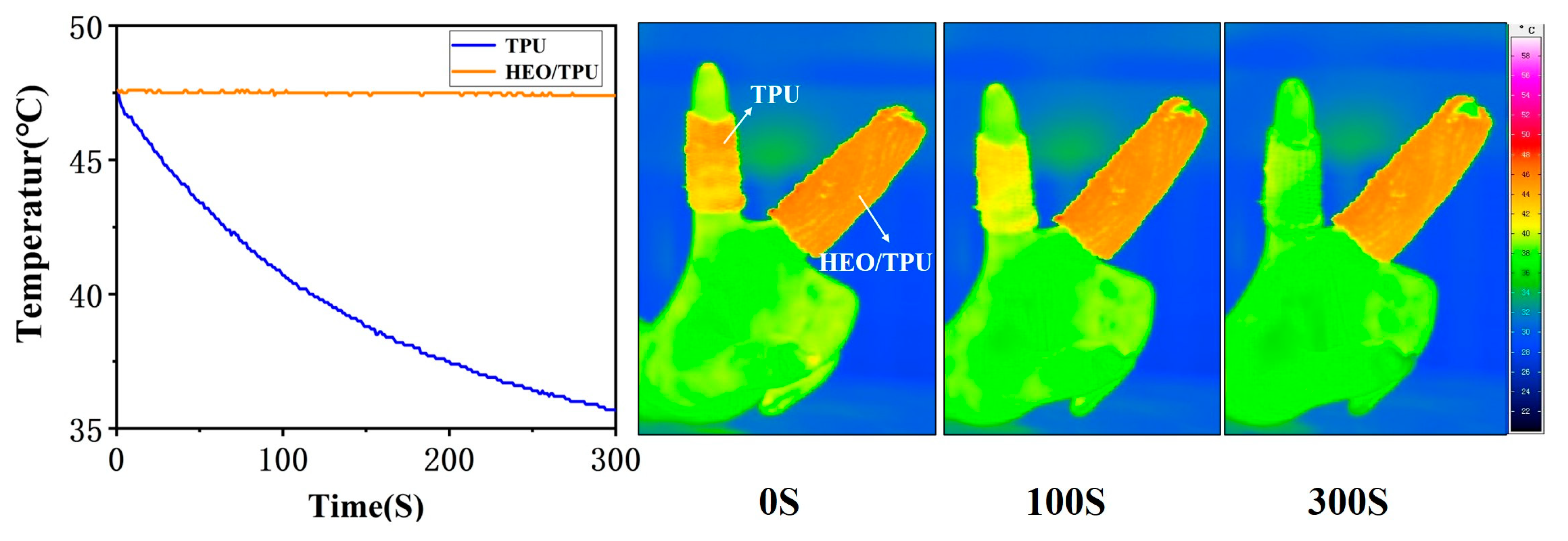
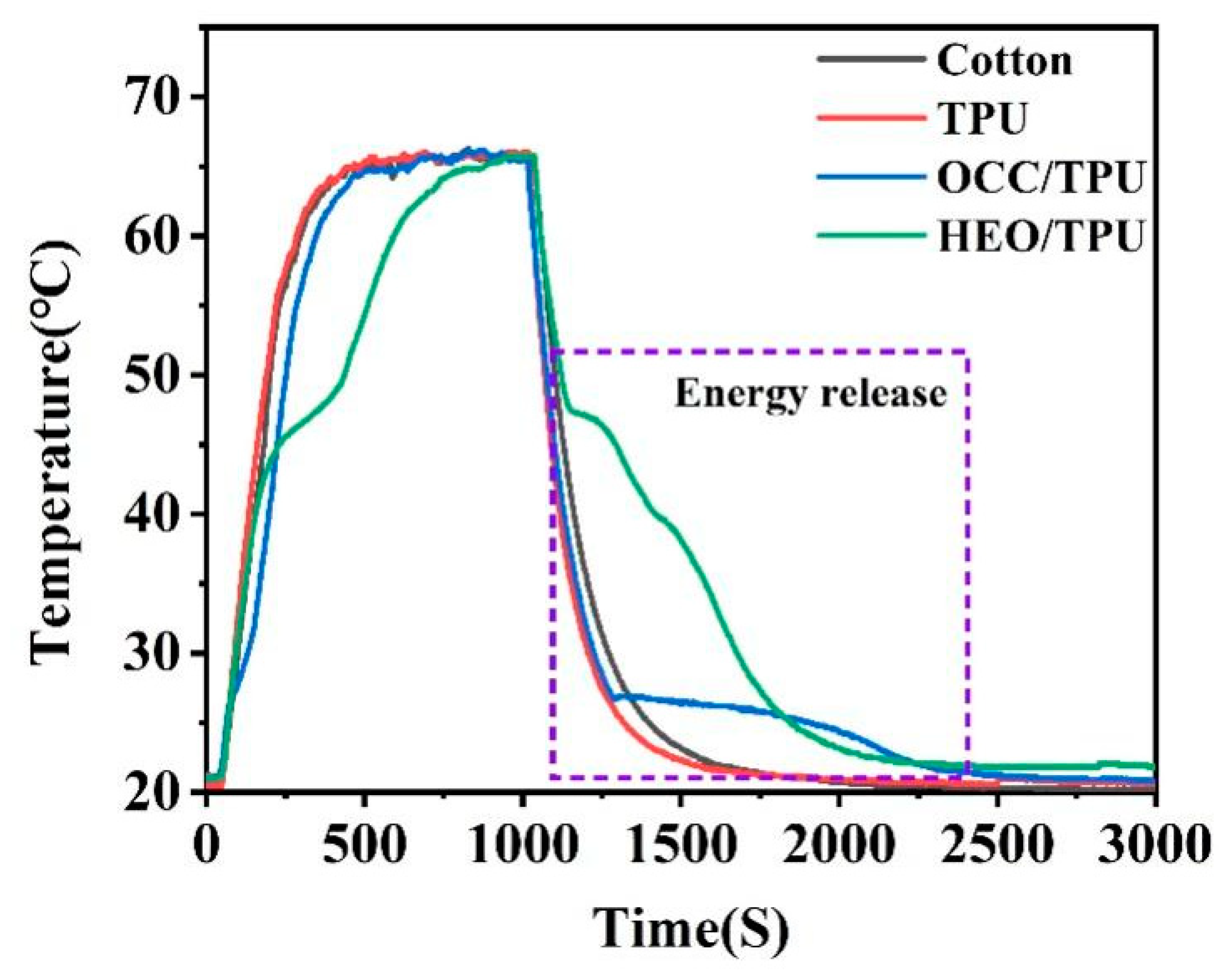
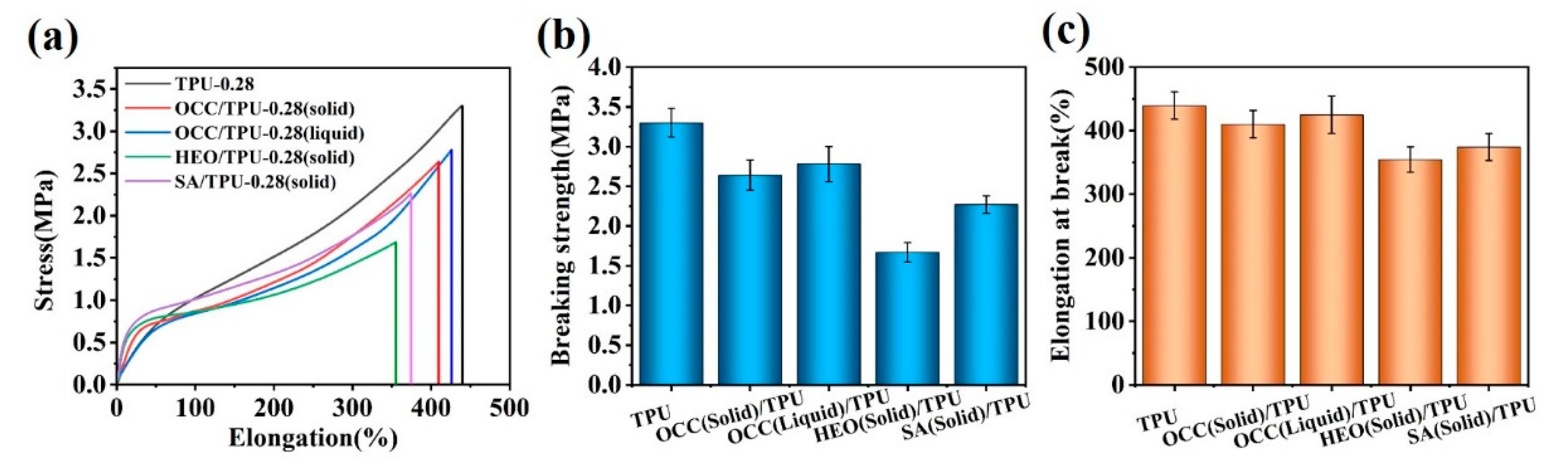
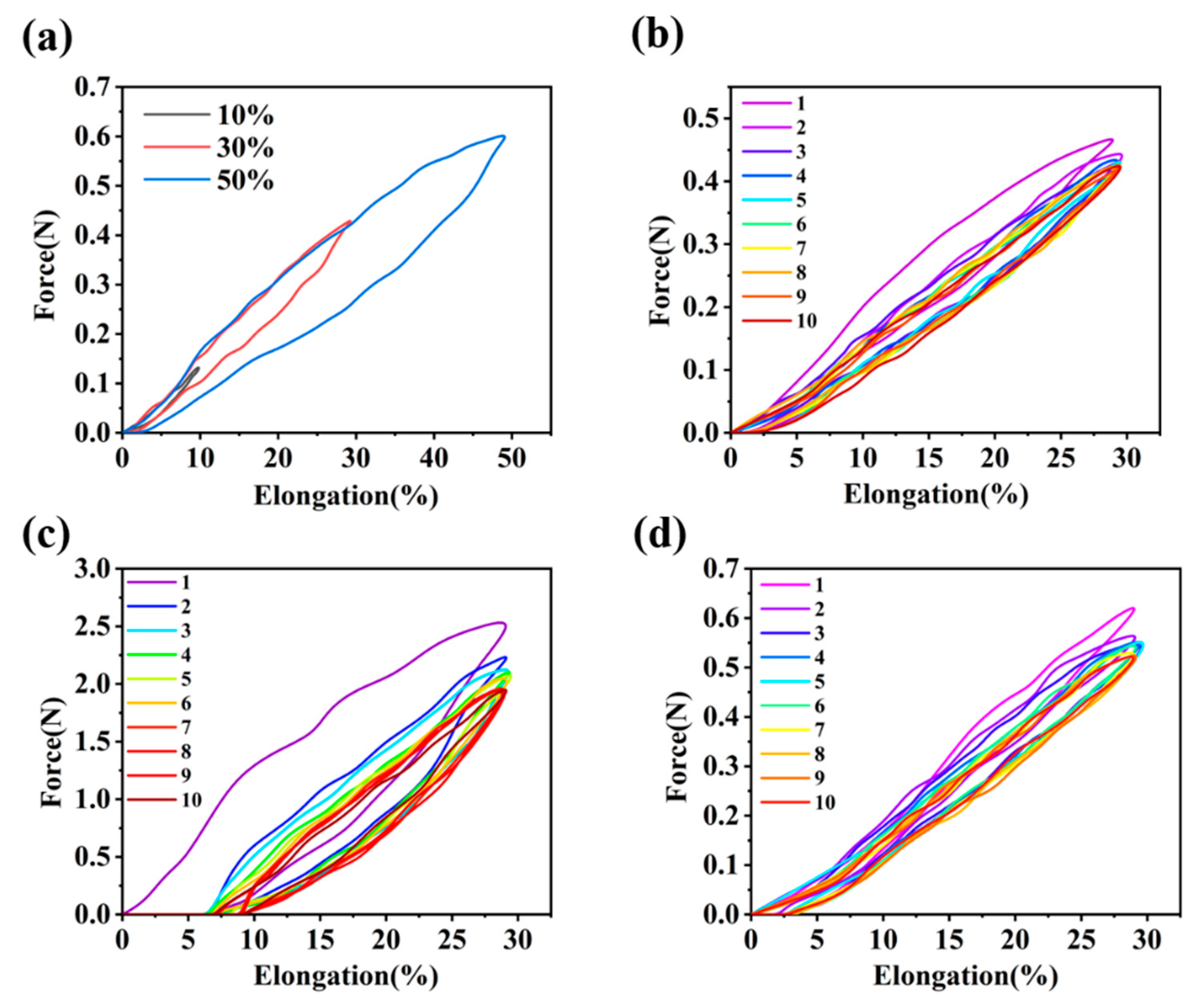
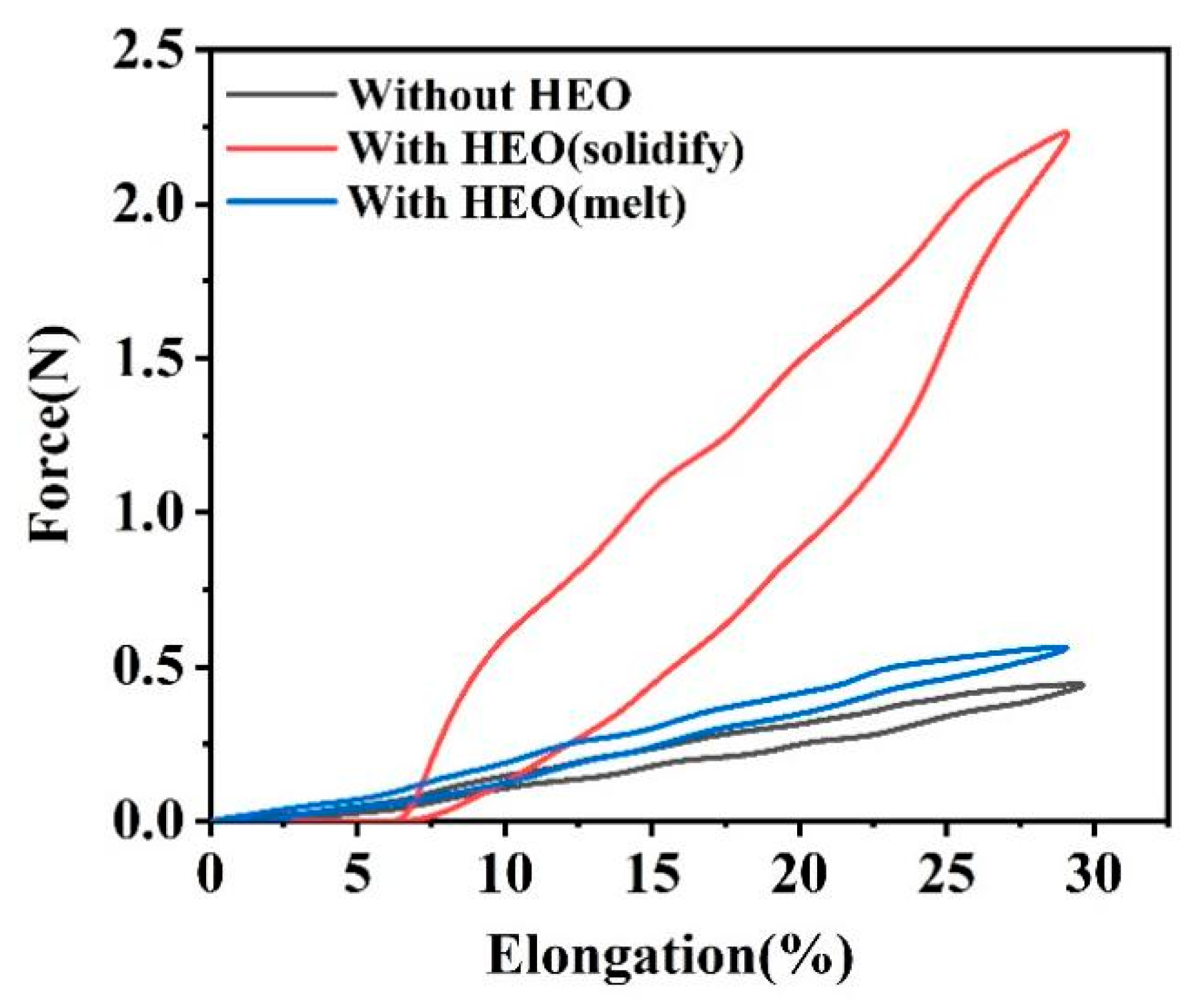
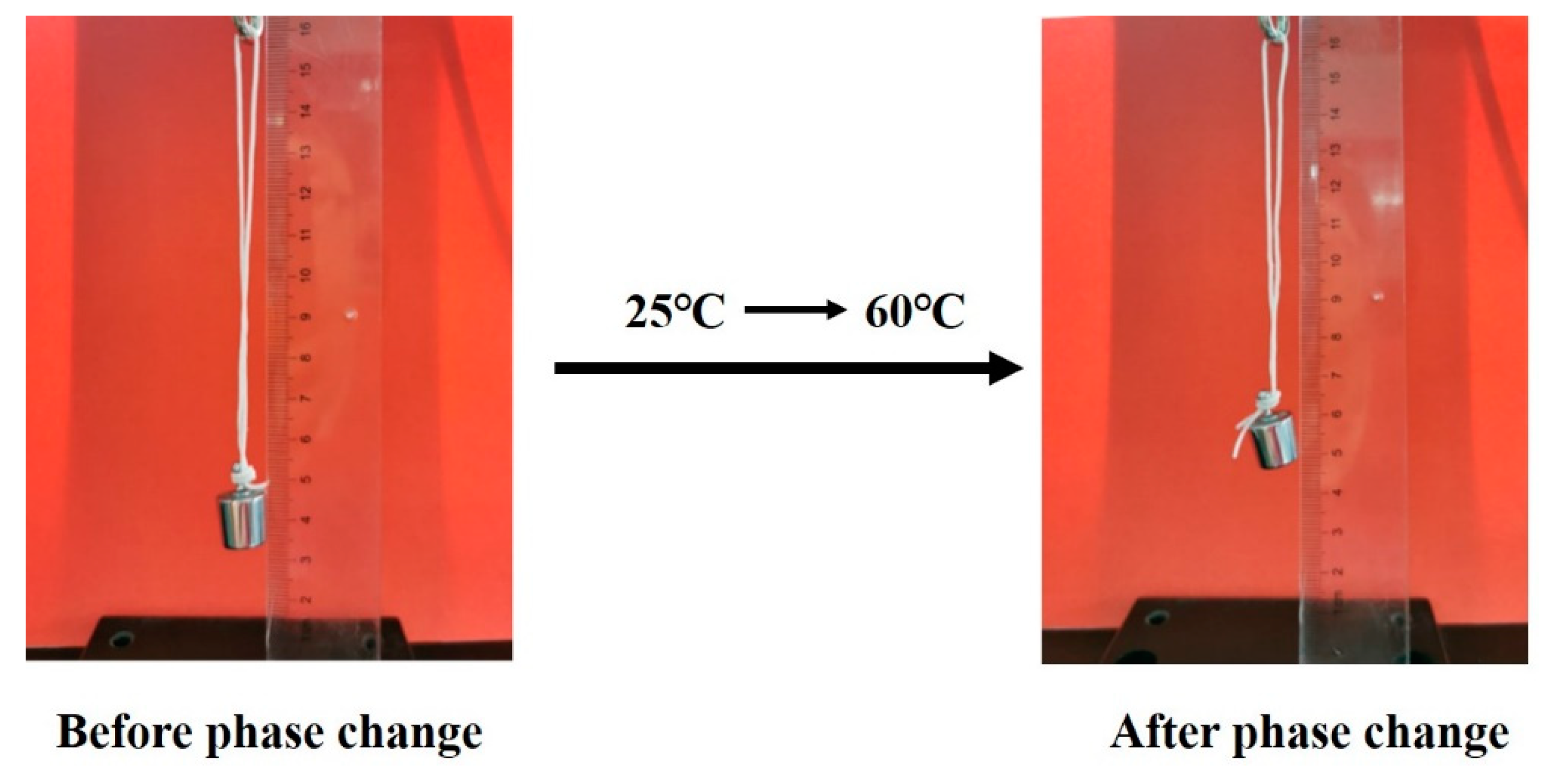
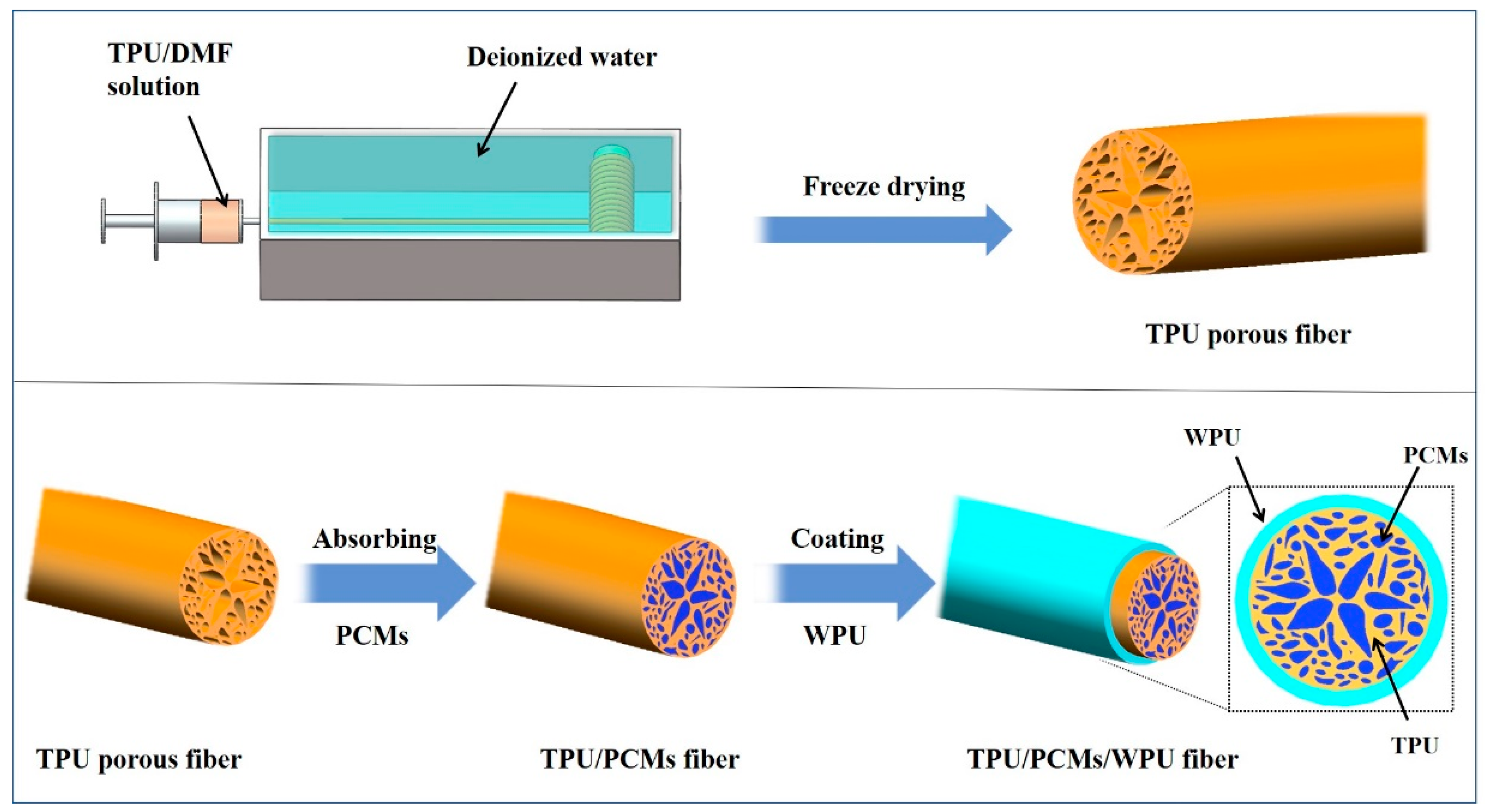
A novel thermoplastic polyurethane (TPU) PCFs possessing a high loaded ratio and high elasticity was simply prepared by vacuum absorption following wet spinning, then coated by waterborne polyurethane (WPU). Octadecane (OCC), hexadecanol (HEO), and stearic acid (SA), which have different tendencies to form hydrogen bonds with TPU, were selected as PCMs, and their thermal behavior, thermal storge properties, and elasticity were systematically studied, respectively. The hierarchical pore structure though from the sheath to the core part of TPU filaments weakened the influence of the nonfreezing layer and hydrogen bond on the crystallization behavior of PCMs. The resulting HEO/TPU fiber has the highest enthalpy of 208.1 J/g compared with OCC and SA. Moreover, the HEO/TPU fiber has an elongation at break of 354.8% when the phase change enthalpy is as high as 177.8 J/g and the phase change enthalpy is still 174.5 J/g after fifty cycles. After ten tensile recovery cycles, the elastic recovery rate of HEO/TPU fiber was only 71.3%. When the HEO in the fiber was liquid state, the elastic recovery rate of HEO/TPU fiber promoted to 91.6%. This elastic PCFs have excellent thermal cycle stability, elastic recovery, and temperature sensitivity. It has great application potential in the fields of flexible wearable devices, intelligent fabrics, and temperature sensors.
Keywords: porous structure fiber; hydrogen bond; elastic; phase change materials porous structure fiber; hydrogen bond; elastic; phase change materials