Article

Flexural Behavior of a Novel Textile-Reinforced Polymer Concrete
1
Department of Civil, Construction & Environmental Engineering, University of New Mexico, MSC01 1070, Albuquerque, NM 87131, USA
2
Department of Civil Engineering, Faculty of Engineering, Düzce University, Düzce 81600, Turkey
3
Department of Civil Engineering, Assiut University, Assiut 71516, Egypt
*
Author to whom correspondence should be addressed.
Polymers 2022, 14(1), 176; https://doi.org/10.3390/polym14010176
Submission received: 30 October 2021 / Revised: 25 December 2021 / Accepted: 26 December 2021 / Published: 2 January 2022
(This article belongs to the Special Issue Polymer Concrete and Composites)

Abstract

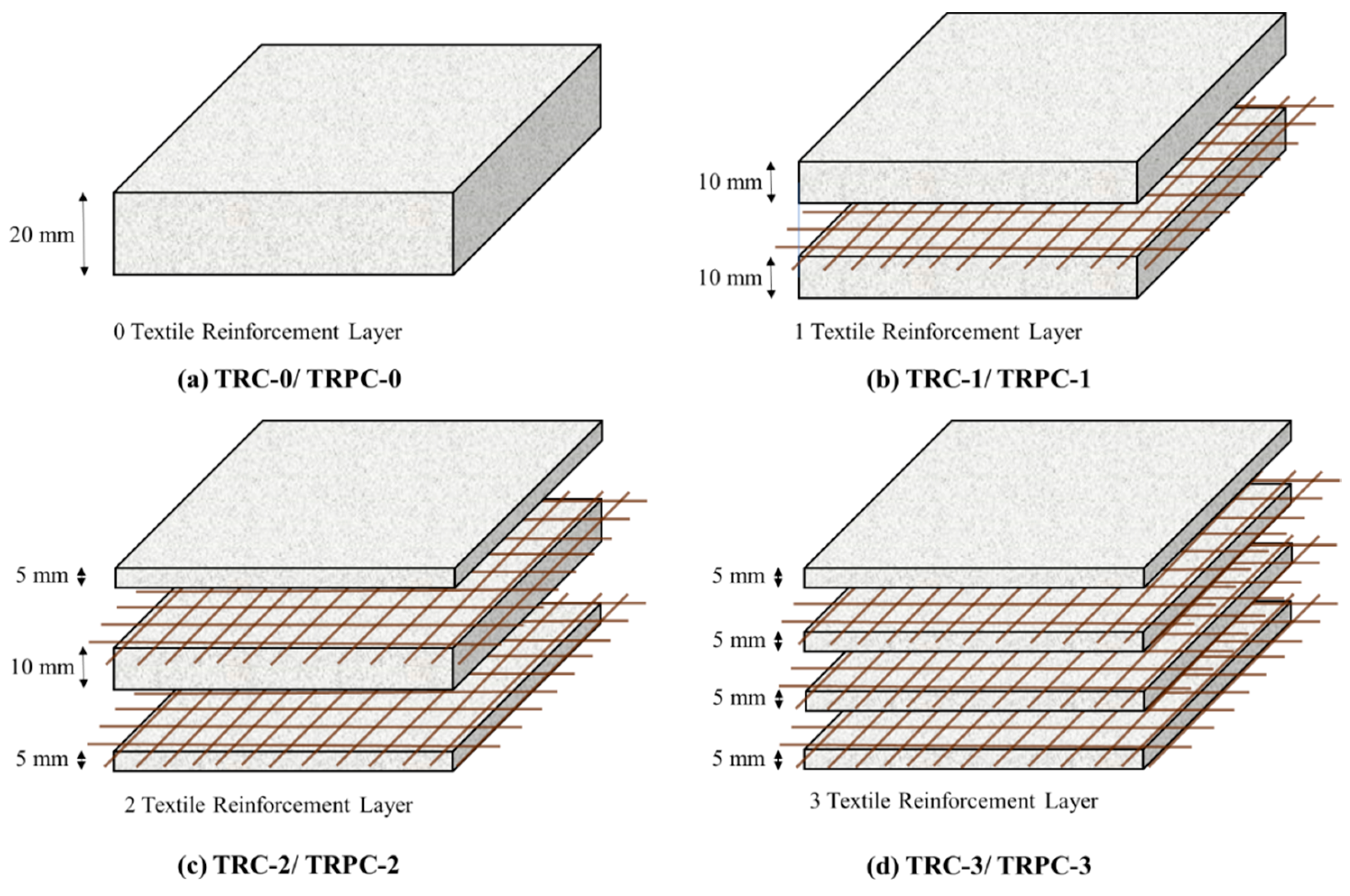
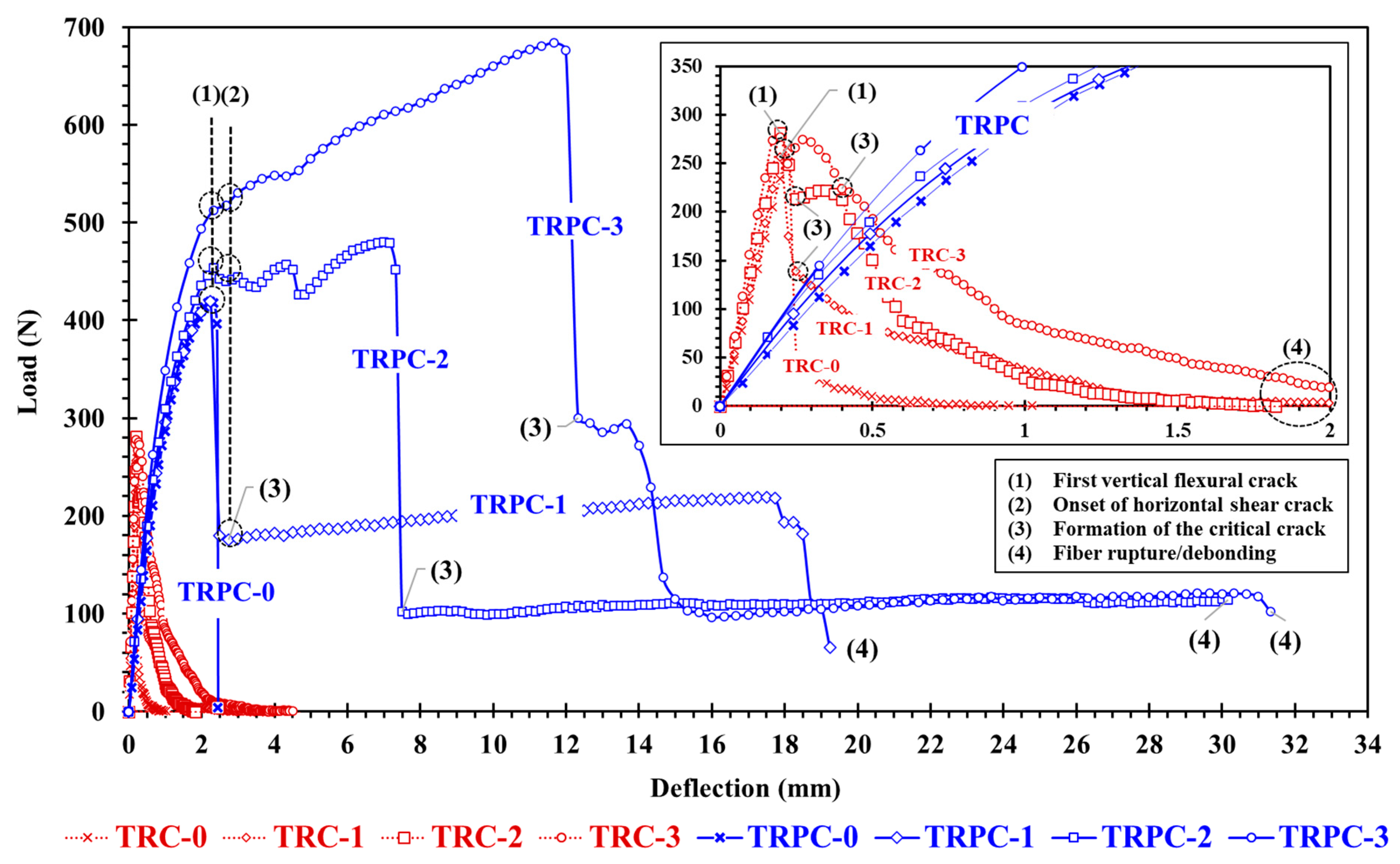
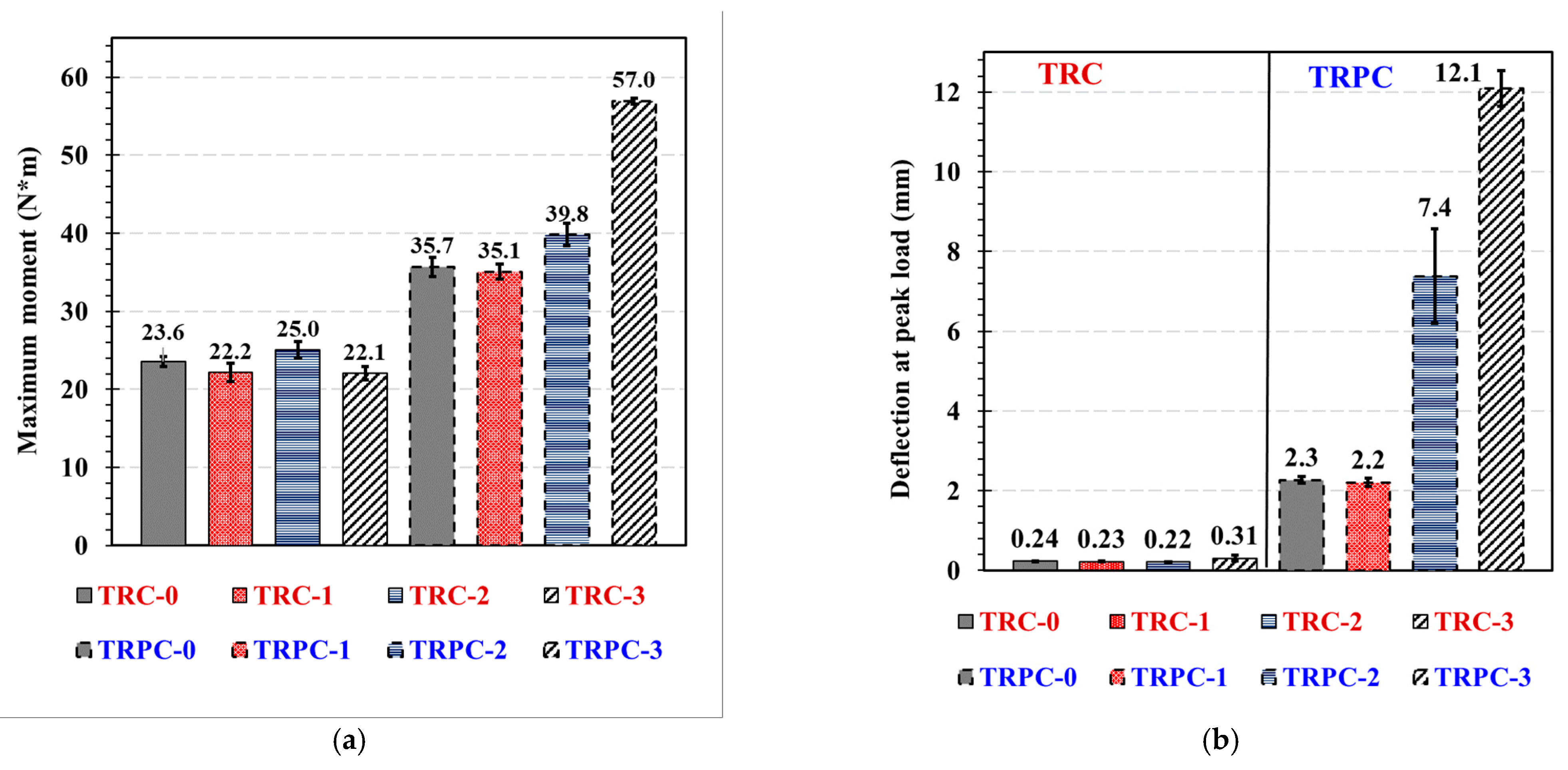
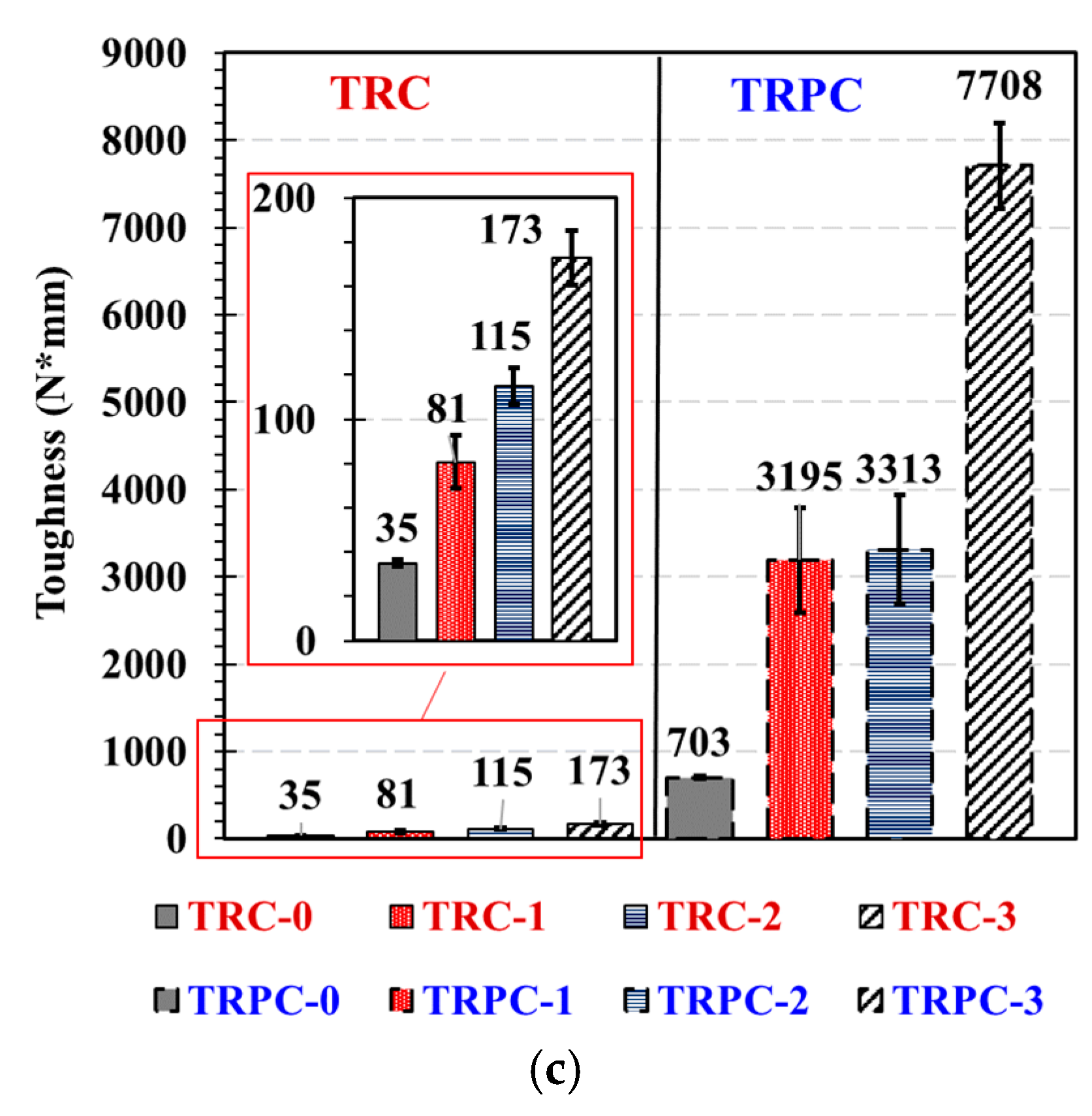
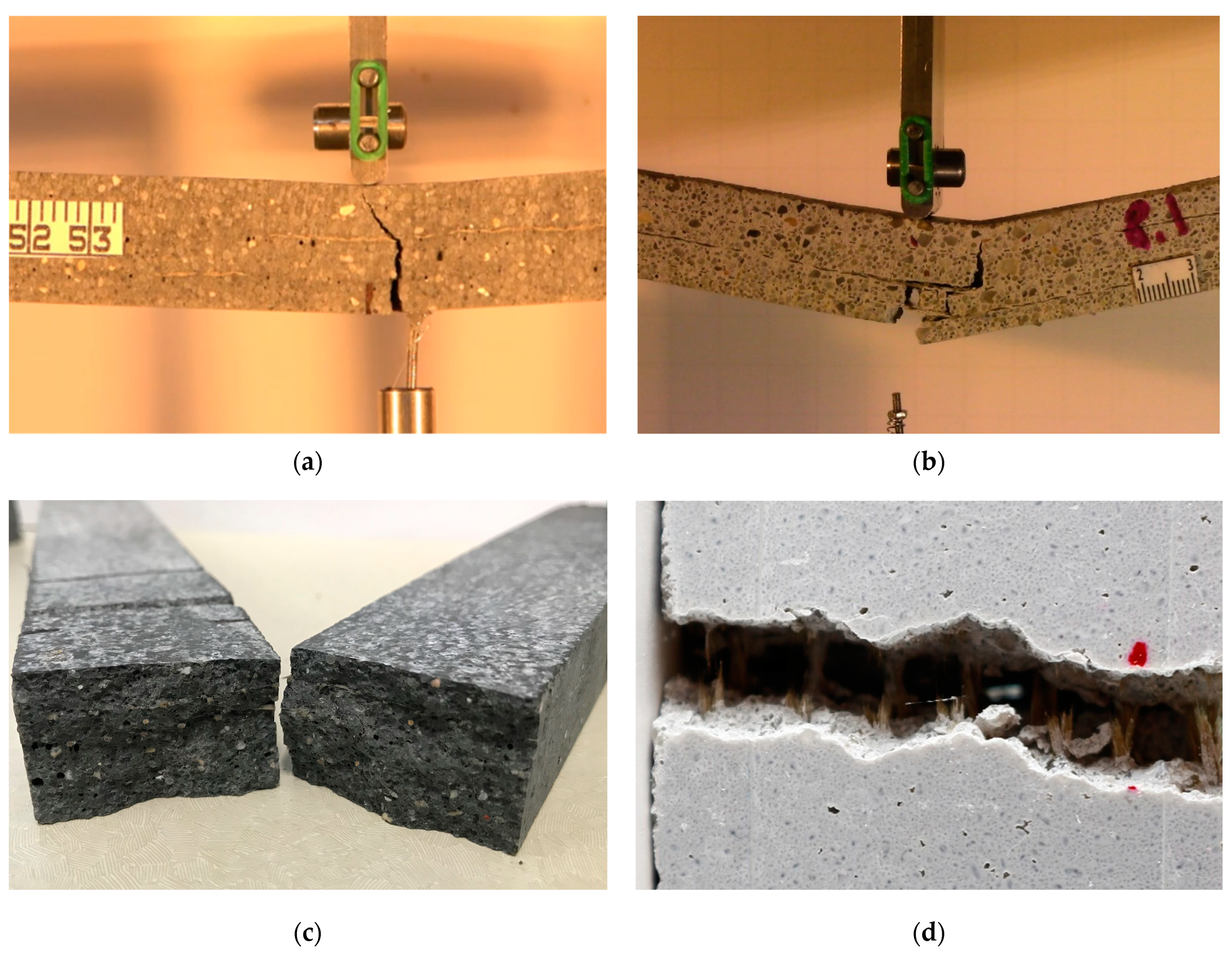
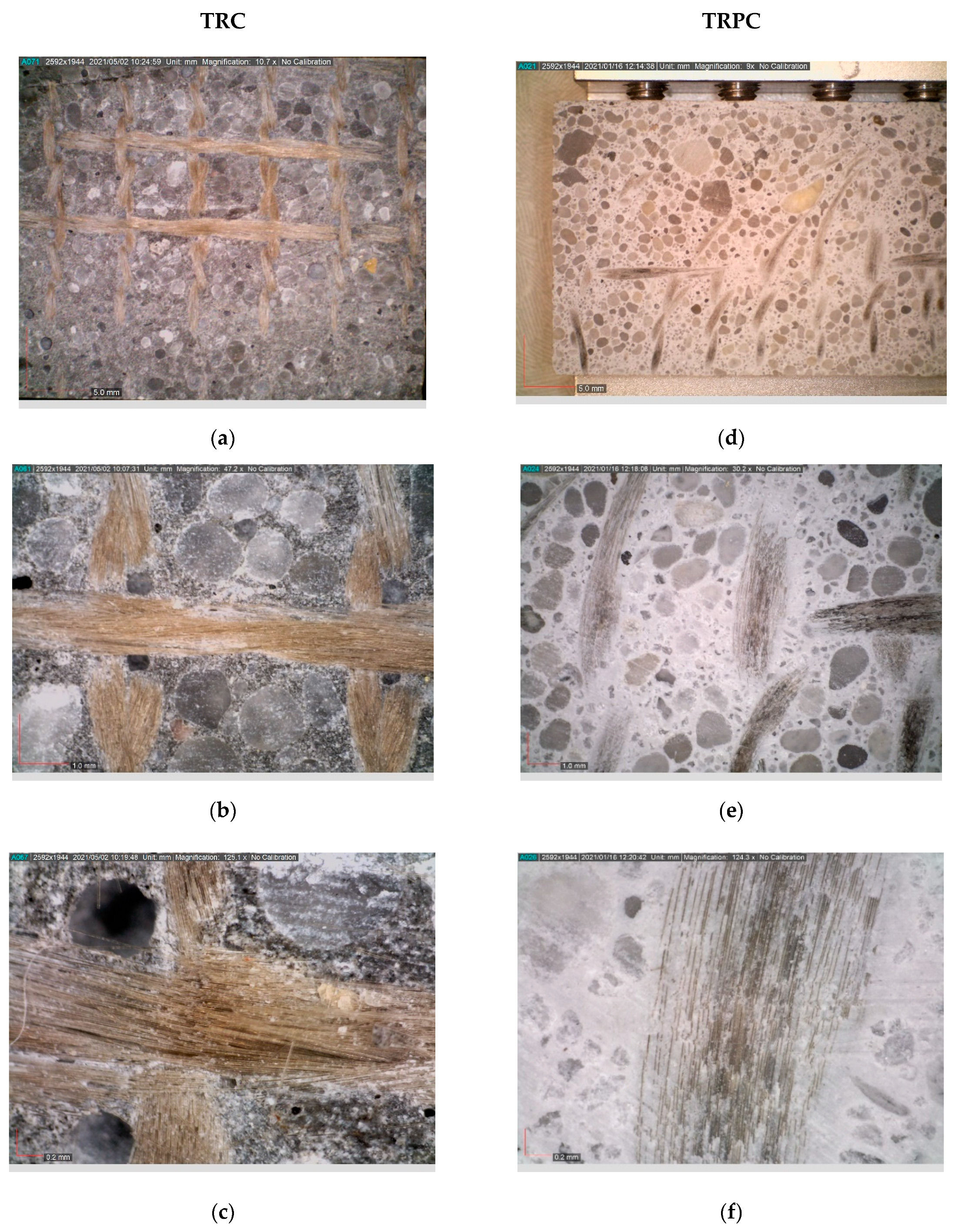
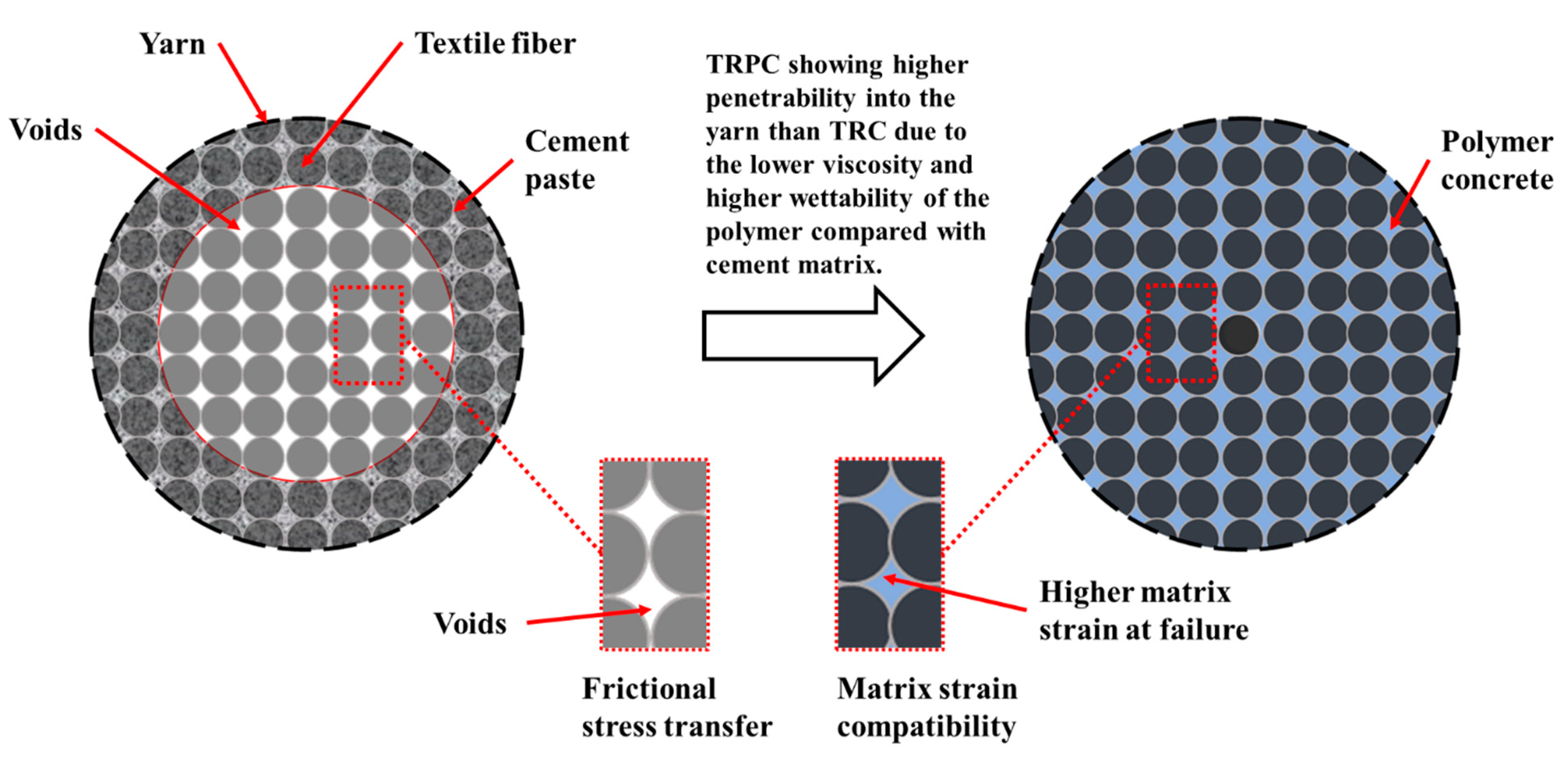
Textile reinforced concrete (TRC) has gained attention from the construction industry due to its light weight, high tensile strength, design flexibility, corrosion resistance, and remarkably long service life. Some structural applications that utilize TRC components include precast panels, structural repair, waterproofing elements, and façades. TRC is produced by incorporating textile fabrics into thin cementitious concrete panels. Premature debonding between the textile fabric and concrete due to improper cementitious matrix impregnation of the fibers was identified as a failure-governing mechanism. To overcome this performance limitation, in this study, a novel type of TRC is proposed by replacing the cement binder with a polymer resin to produce textile reinforced polymer concrete (TRPC). The new TRPC is created using a fine-graded aggregate, methyl methacrylate polymer resin, and basalt fiber textile fabric. Four different specimen configurations were manufactured by embedding 0, 1, 2, and 3 textile layers in concrete. Flexural performance was analyzed and compared with reference TRC specimens with similar compressive strength and reinforcement configurations. Furthermore, the crack pattern intensity was determined using an image processing technique to quantify the ductility of TRPC compared with conventional TRC. The new TRPC improved the moment capacity compared with TRC by 51%, 58%, 59%, and 158%, the deflection at peak load by 858%, 857%, 3264%, and 3803%, and the toughness by 1909%, 3844%, 2781%, and 4355% for 0, 1, 2, and 3 textile layers, respectively. TRPC showed significantly improved flexural capacity, superior ductility, and substantial plasticity compared with TRC.
Keywords: textile reinforced polymer composites; flexural mechanical characterization; ductility; crack pattern; adhesion; debonding; thermosetting polymer concrete textile reinforced polymer composites; flexural mechanical characterization; ductility; crack pattern; adhesion; debonding; thermosetting polymer concrete