Article

A Novel Glucose Biosensor Based on Hierarchically Porous Block Copolymer Film

School of Chemistry and Chemical Engineering, Yangzhou University, Yangzhou 225002, China
*
Authors to whom correspondence should be addressed.
Polymers 2018, 10(7), 723; https://doi.org/10.3390/polym10070723
Submission received: 7 June 2018 / Revised: 27 June 2018 / Accepted: 28 June 2018 / Published: 2 July 2018

Abstract

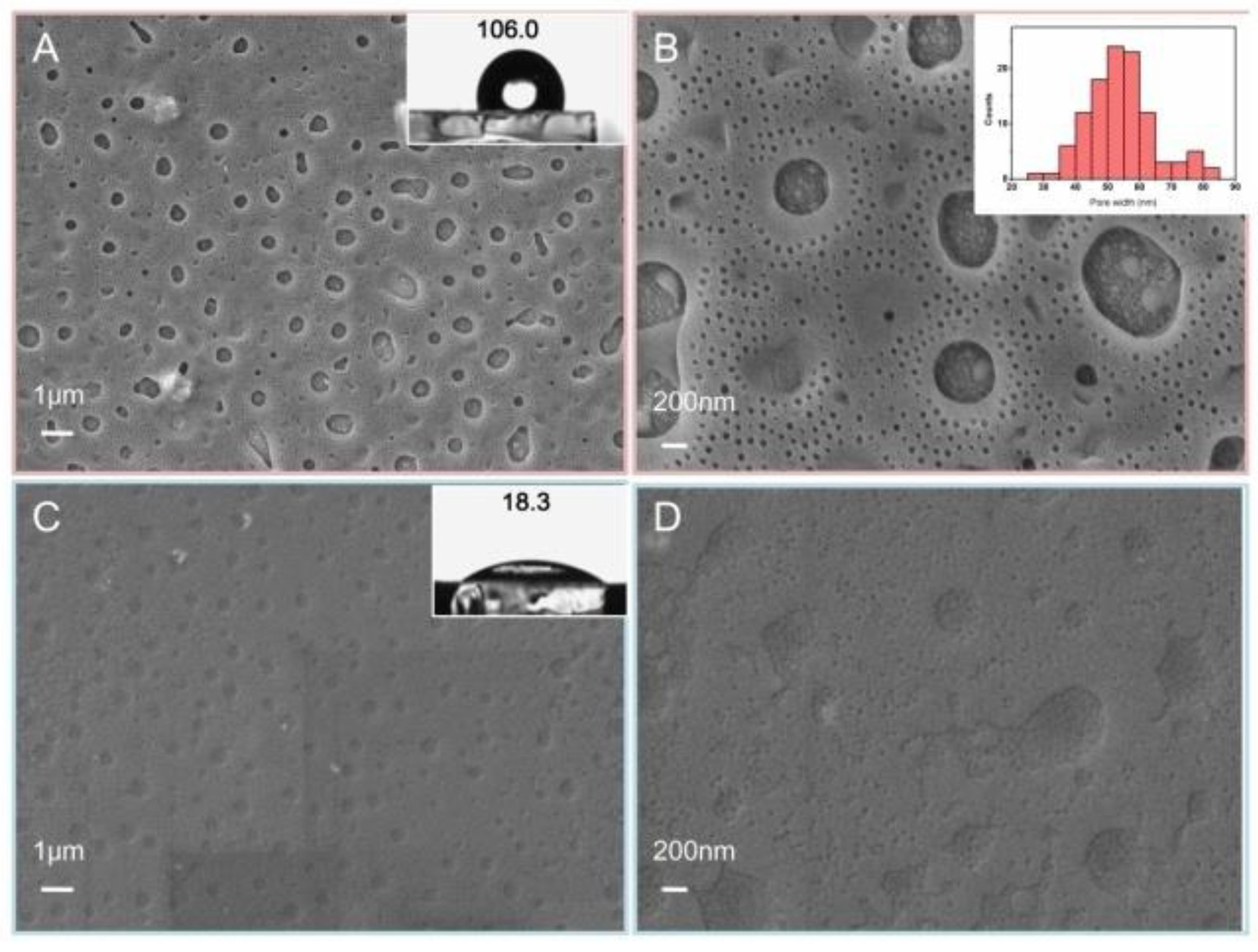
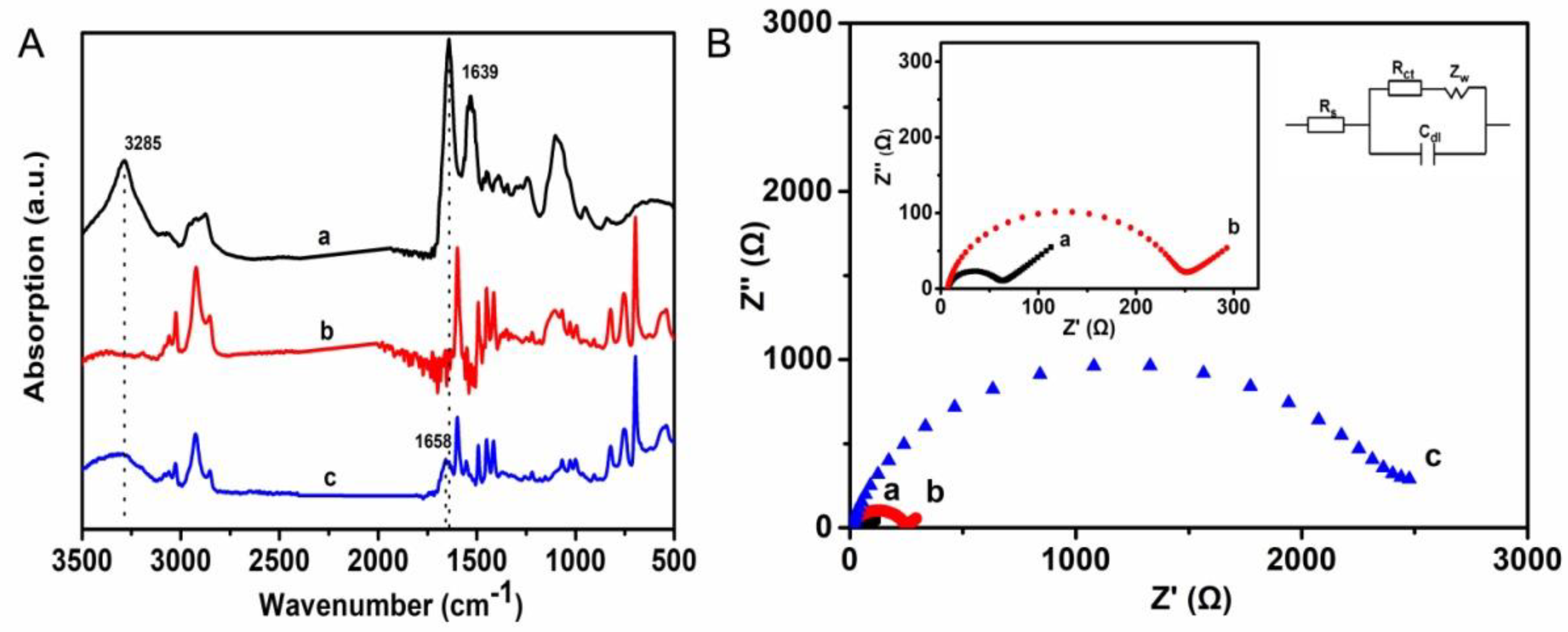
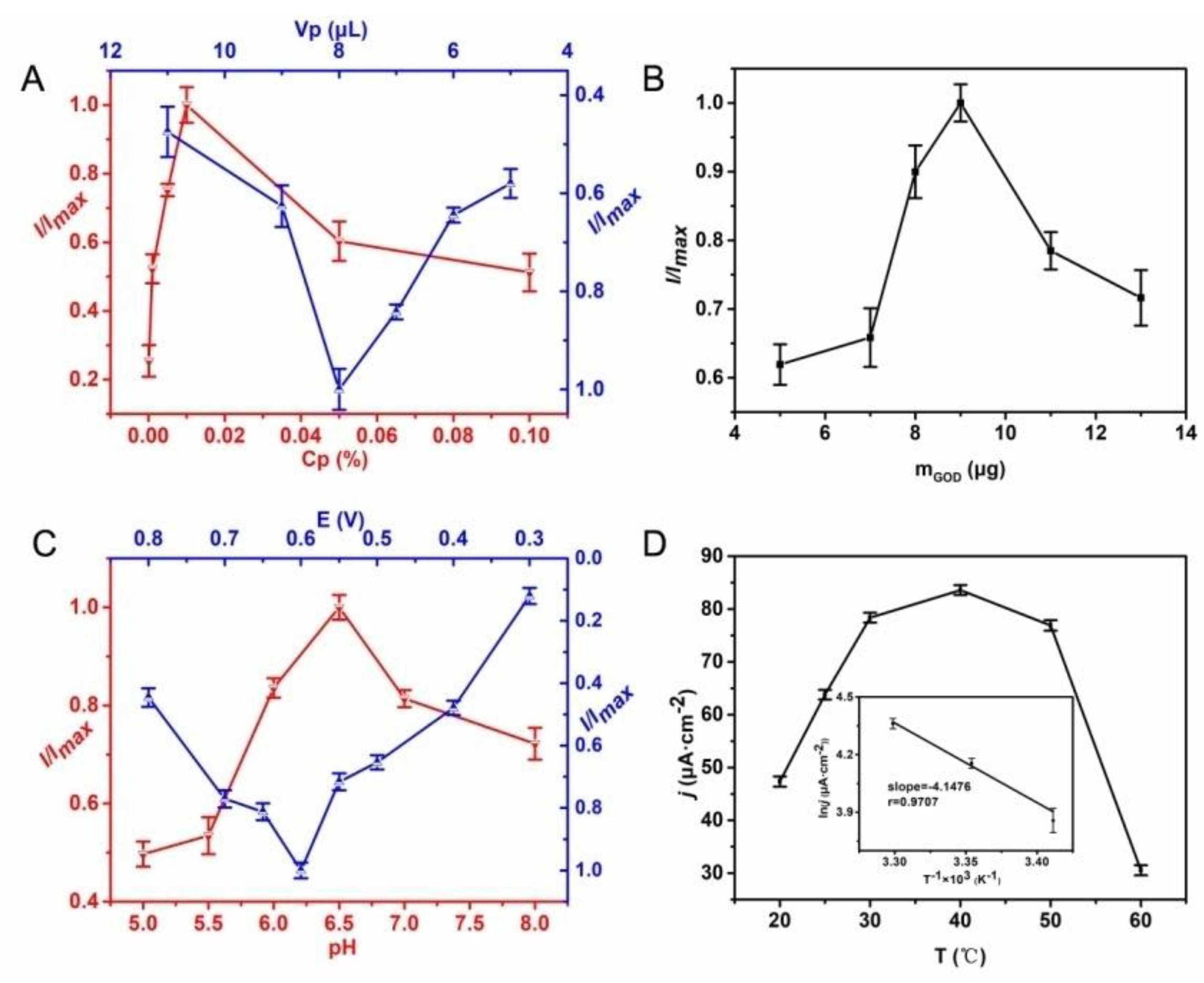
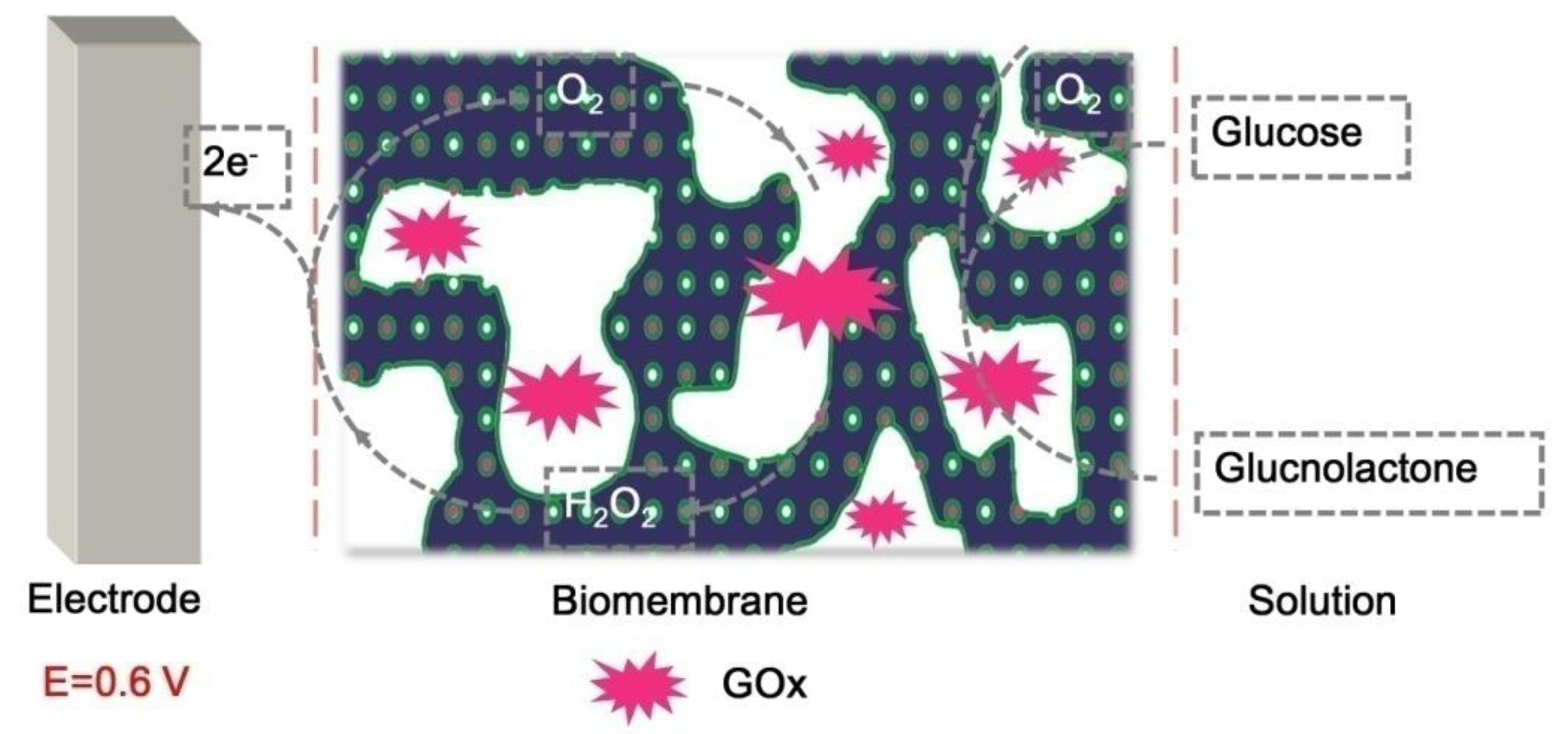
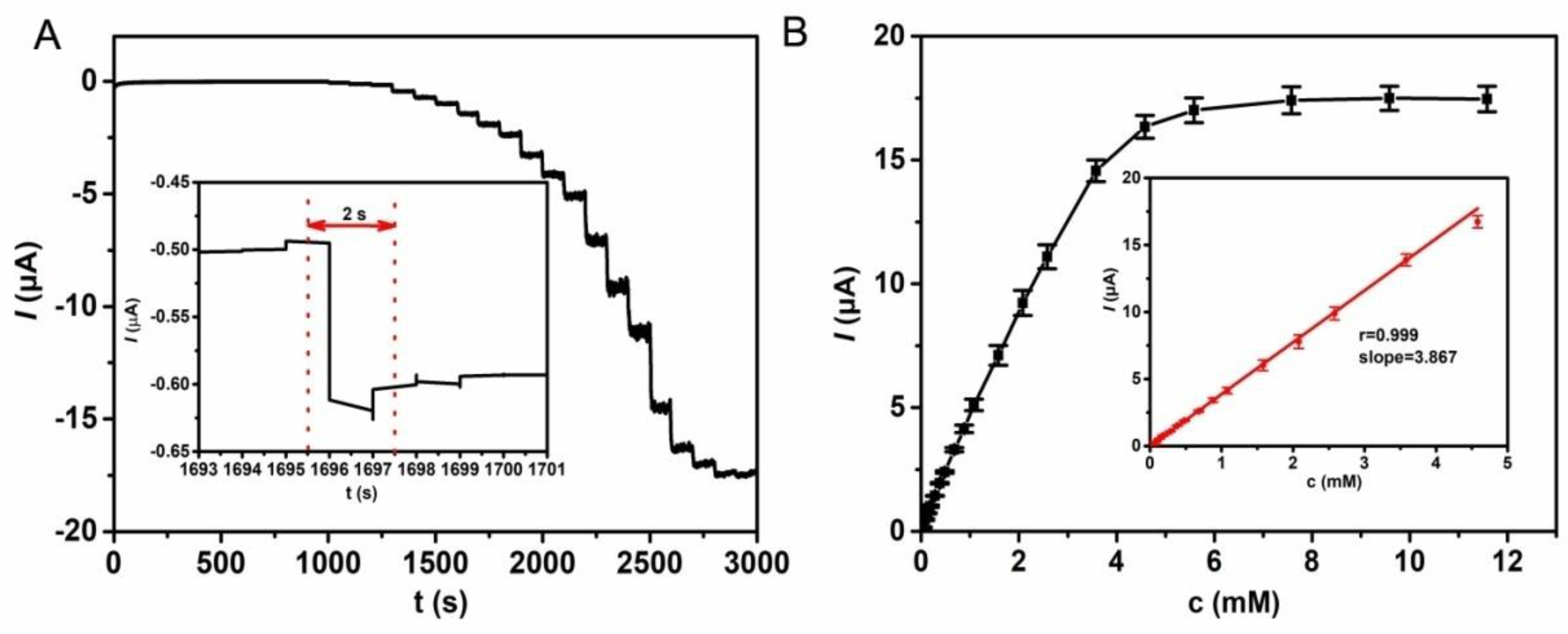
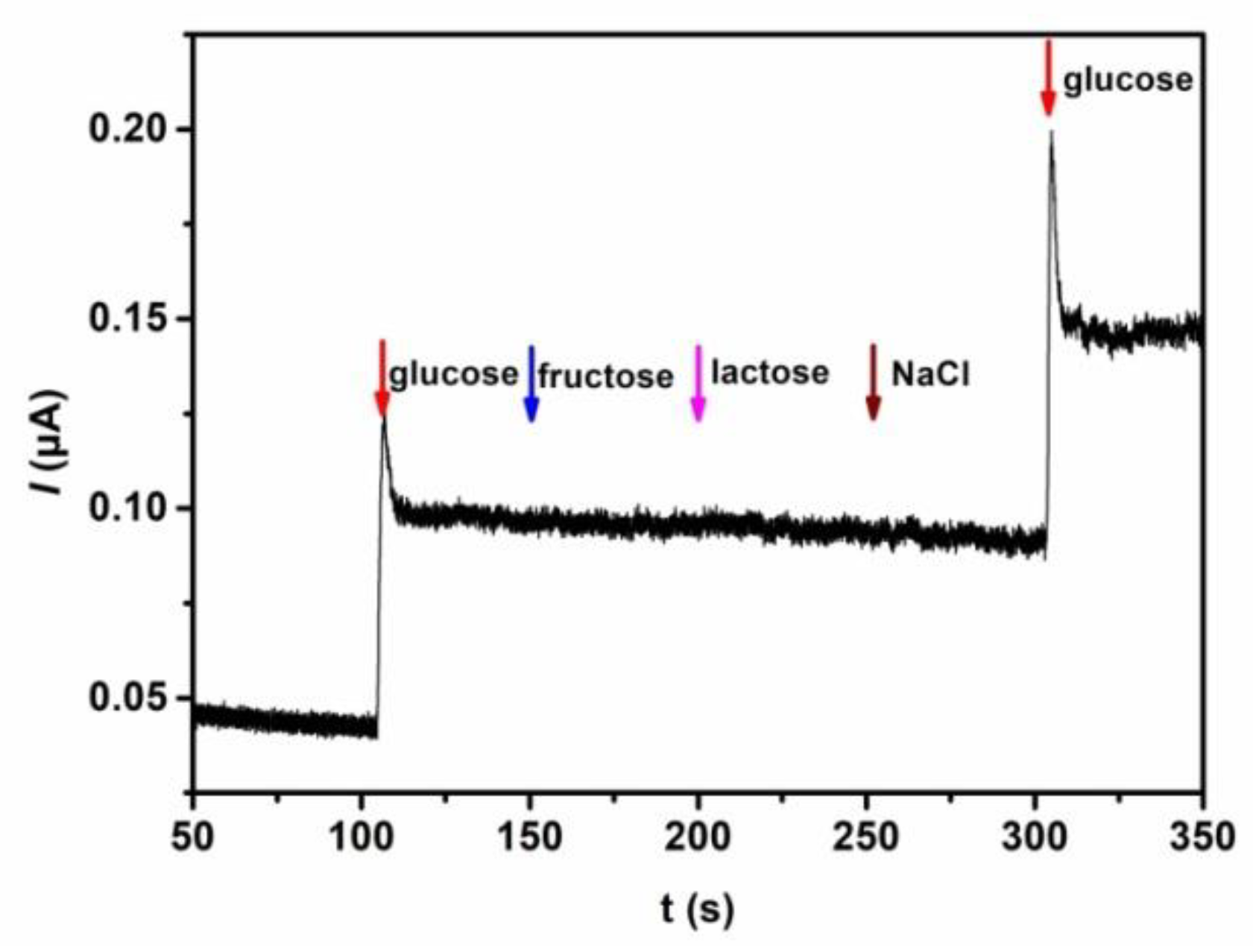
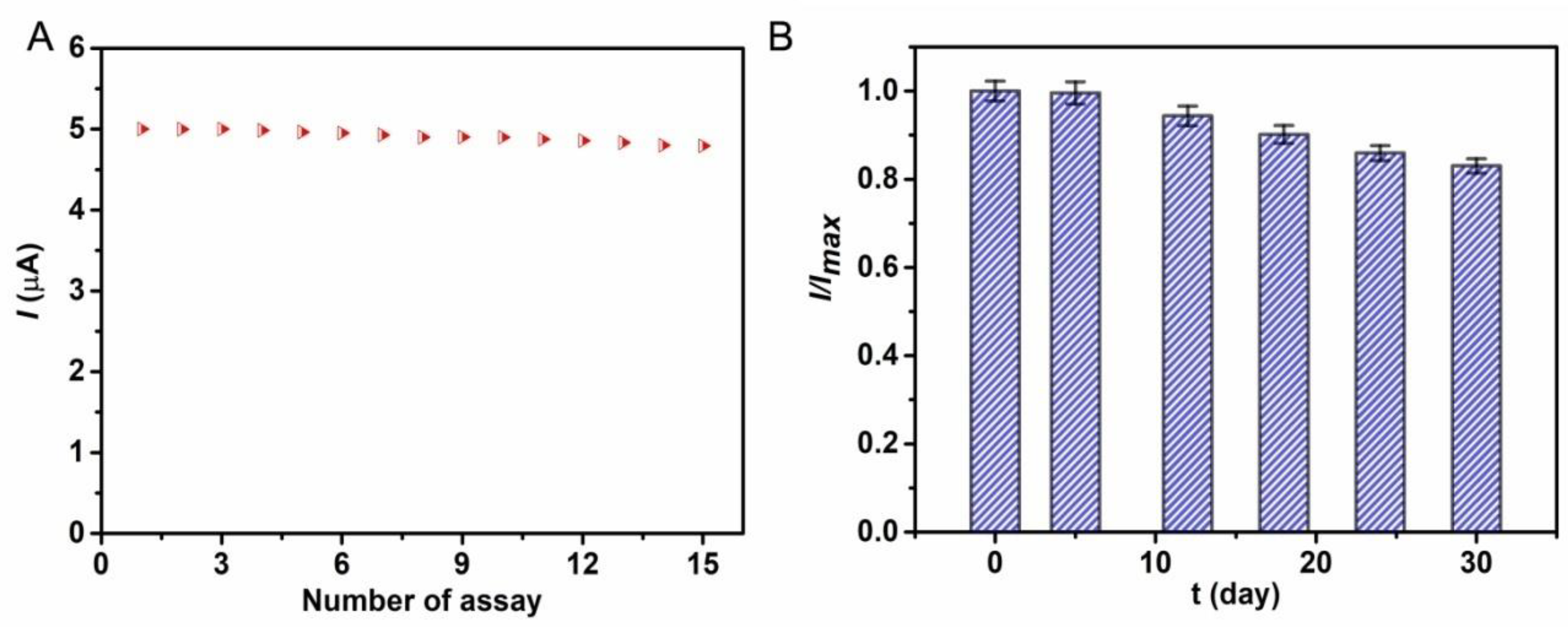
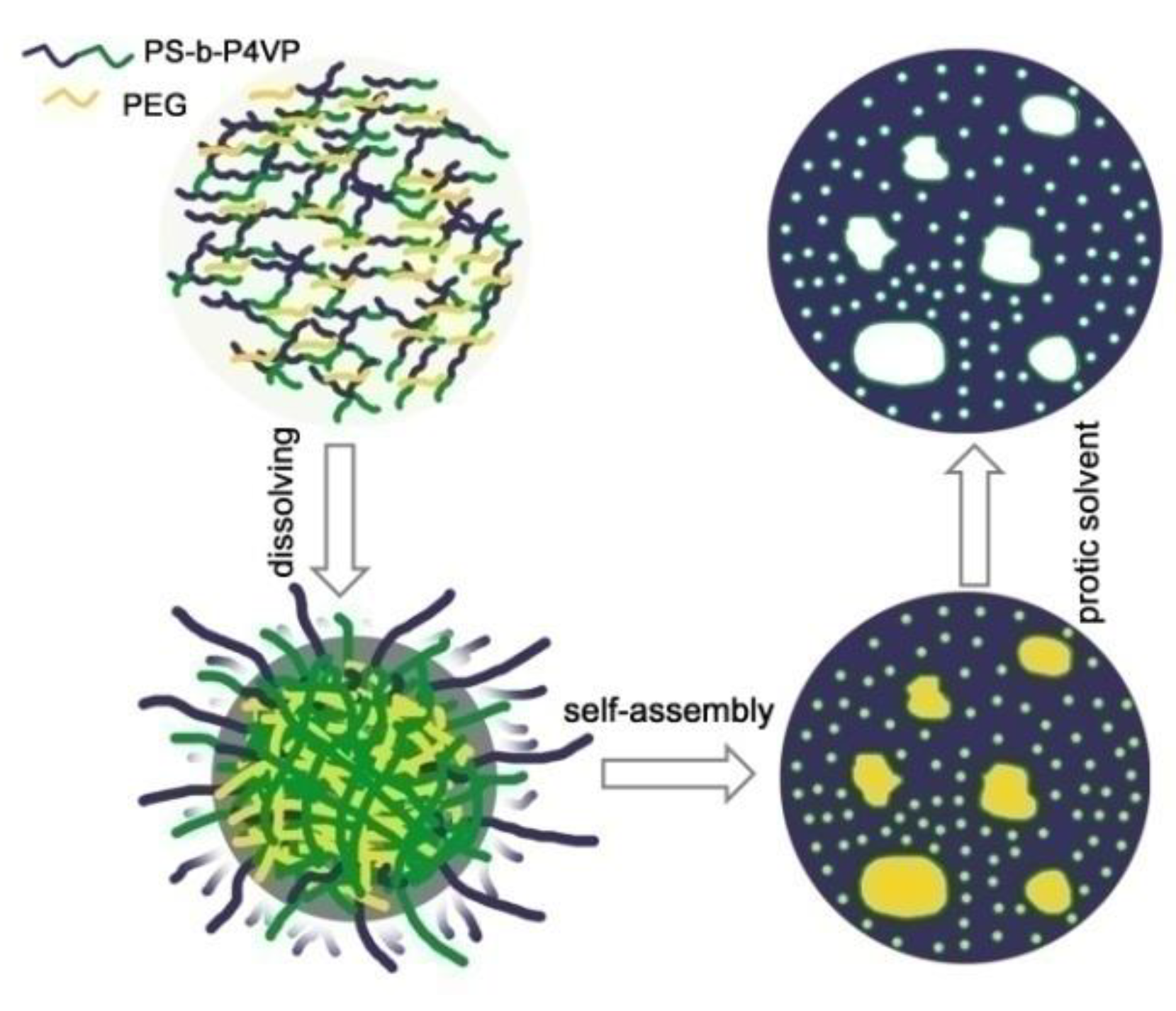
Enzymatic biosensors are widely used in clinical diagnostics, and electrode materials are essential for both the efficient immobilization of enzyme and the fast electron transfer between the active sites of enzyme and electrode surface. Electrode materials with a hierarchically porous structure can not only increase the specific surface area but also promote the electron transfer, facilitating the catalysis reaction. Block copolymer is a good candidate for preparation of film with a hierarchically porous structure due to its unique characteristics of self-assembly and phase separation. In the current work, hierarchically porous block copolymer film containing both micropores and nanopores was prepared by spinodal decomposition induced phase separation. The resultant copolymer film was adopted as the electrode material to immobilize glucose oxidase (GOx) for construction of an enzyme biosensor. Scanning electron microscopy (SEM), contact angle (CA) measurements, and Fourier-transform infrared (FTIR) and electrochemical impendence spectroscopy (EIS) were adopted to investigate the microstructure of the as-developed biosensor. Results demonstrated that the hierarchically porous block copolymer film offered a favorable and biocompatible microenvironment for proteins. These as-prepared glucose biosensors possessed a wide linear range (10–4500 μM), a low detection limit (0.05 μM), quick response (2 s), excellent stability, and selectivity. This work demonstrates that hierarchically porous block copolymer film is a good matrix candidate for the immobilization of the enzyme and provides a potential electrode material to construct novel biosensors with excellent performance.
Keywords: hierarchical porosity; block copolymer film; glucose detection hierarchical porosity; block copolymer film; glucose detection