

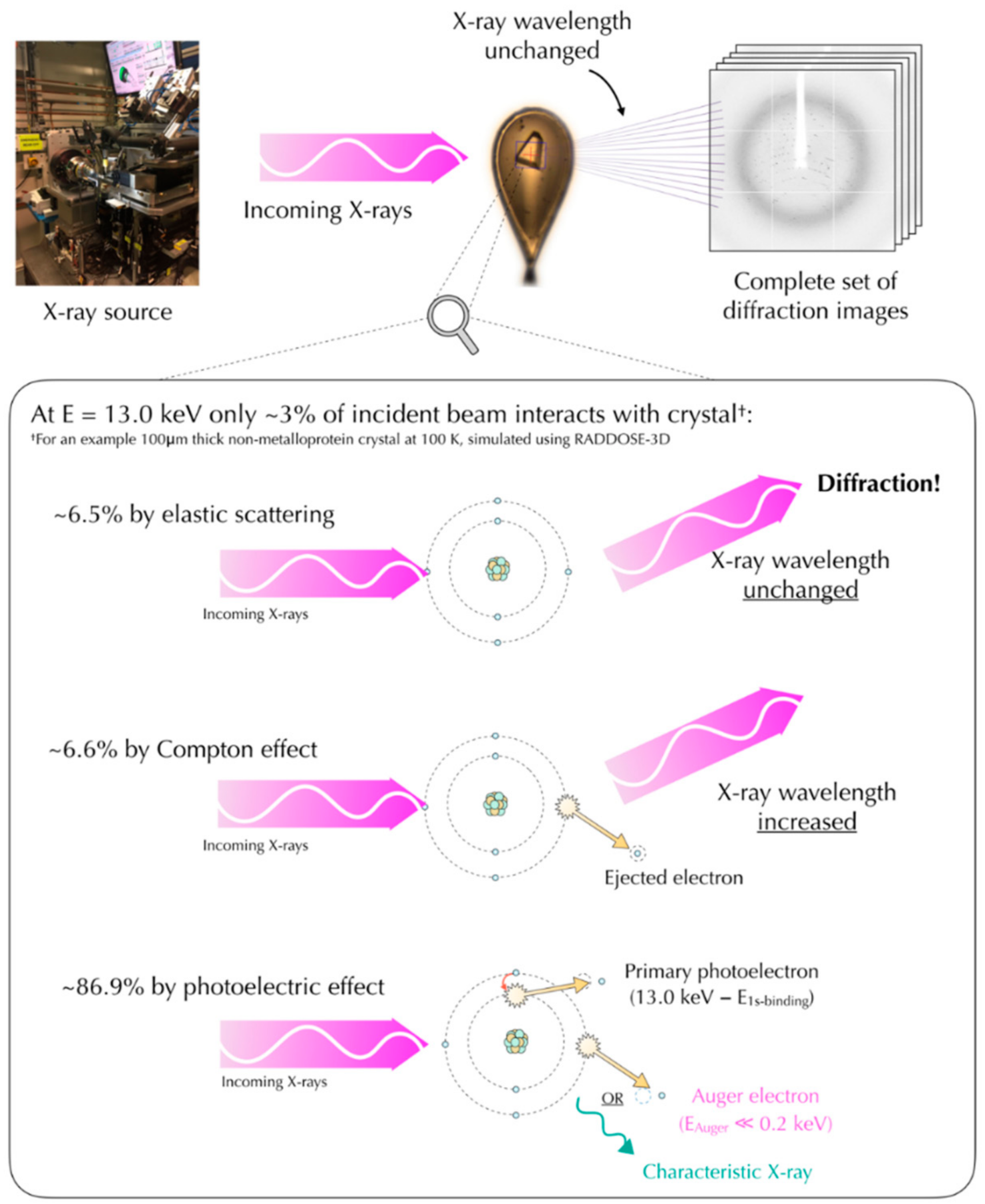
Correction: Taberman, H. Radiation Damage in Macromolecular Crystallography—An Experimentalist’s View. Crystals 2018, 8, 157


References
- Taberman, H. Radiation Damage in Macromolecular Crystallography—An Experimentalist’s View. Crystals 2018, 8, 157–169. [Google Scholar] [CrossRef]
© 2018 by the author. Licensee MDPI, Basel, Switzerland. This article is an open access article distributed under the terms and conditions of the Creative Commons Attribution (CC BY) license (http://creativecommons.org/licenses/by/4.0/).
Share and Cite
Taberman, H. Correction: Taberman, H. Radiation Damage in Macromolecular Crystallography—An Experimentalist’s View. Crystals 2018, 8, 157. Crystals 2018, 8, 393. https://doi.org/10.3390/cryst8100393
Taberman H. Correction: Taberman, H. Radiation Damage in Macromolecular Crystallography—An Experimentalist’s View. Crystals 2018, 8, 157. Crystals. 2018; 8(10):393. https://doi.org/10.3390/cryst8100393
Chicago/Turabian StyleTaberman, Helena. 2018. "Correction: Taberman, H. Radiation Damage in Macromolecular Crystallography—An Experimentalist’s View. Crystals 2018, 8, 157" Crystals 8, no. 10: 393. https://doi.org/10.3390/cryst8100393
APA StyleTaberman, H. (2018). Correction: Taberman, H. Radiation Damage in Macromolecular Crystallography—An Experimentalist’s View. Crystals 2018, 8, 157. Crystals, 8(10), 393. https://doi.org/10.3390/cryst8100393

