Article

Ductility Index for Refractory High Entropy Alloys

1
H-ION Kft., Konkoly-Thege Miklós út, 29-33, H-1121 Budapest, Hungary
2
SMARTUS Zrt., Gyár utca 2, 2040 Budaörs, Hungary
3
Department of Materials Physics, Eötvös Loránd University, Pázmány Péter Sétány 1/A, H-1117 Budapest, Hungary
4
HUN-REN Wigner Research Center for Physics, P.O. Box 49, H-1525 Budapest, Hungary
5
Department of Materials Science and Engineering, Royal Institute of Technology, SE-100 44 Stockholm, Sweden
*
Author to whom correspondence should be addressed.
Crystals 2024, 14(10), 838; https://doi.org/10.3390/cryst14100838
Submission received: 29 August 2024 / Revised: 16 September 2024 / Accepted: 23 September 2024 / Published: 27 September 2024
(This article belongs to the Special Issue Advances in Processing, Simulation and Characterization of Alloys)

Abstract

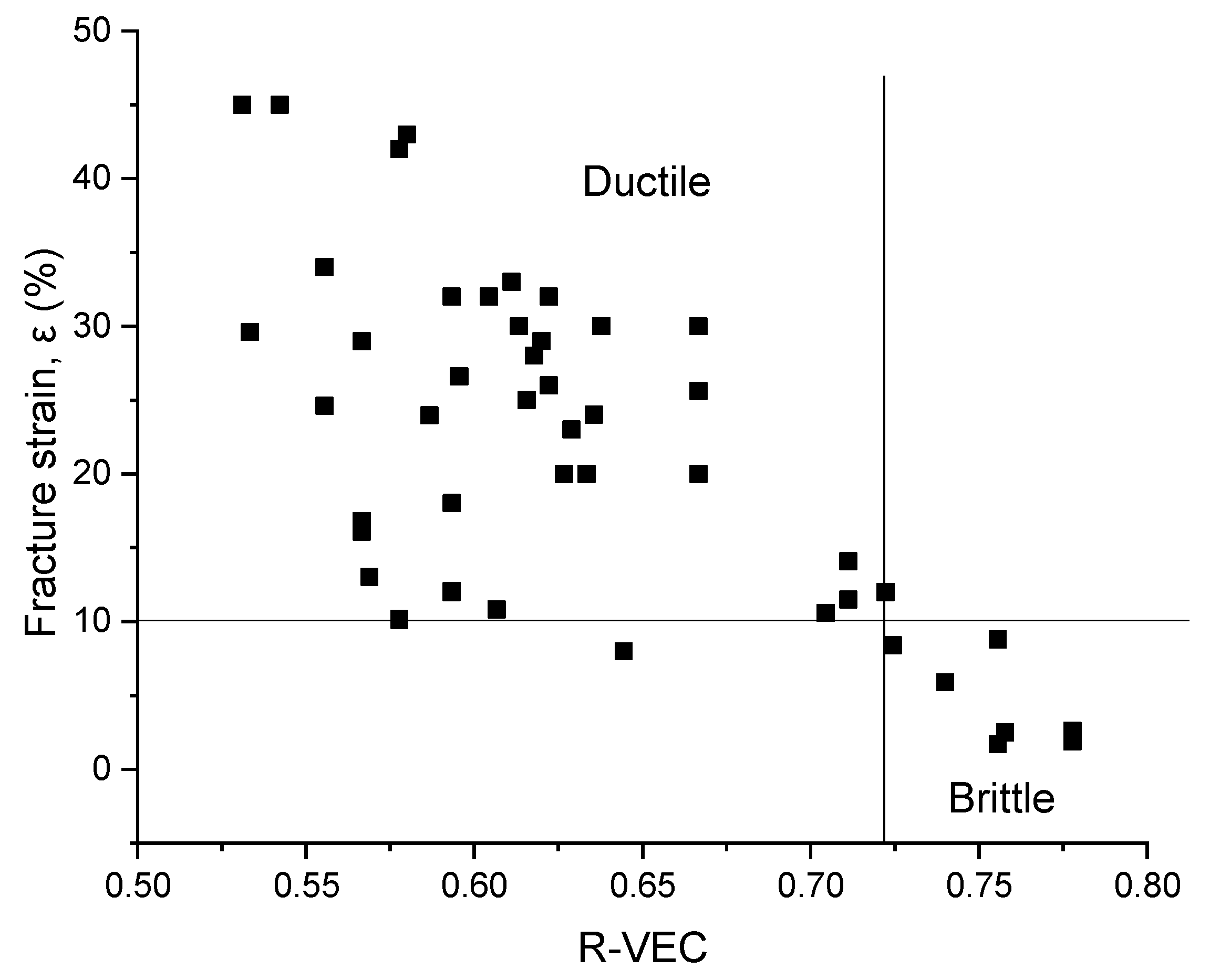
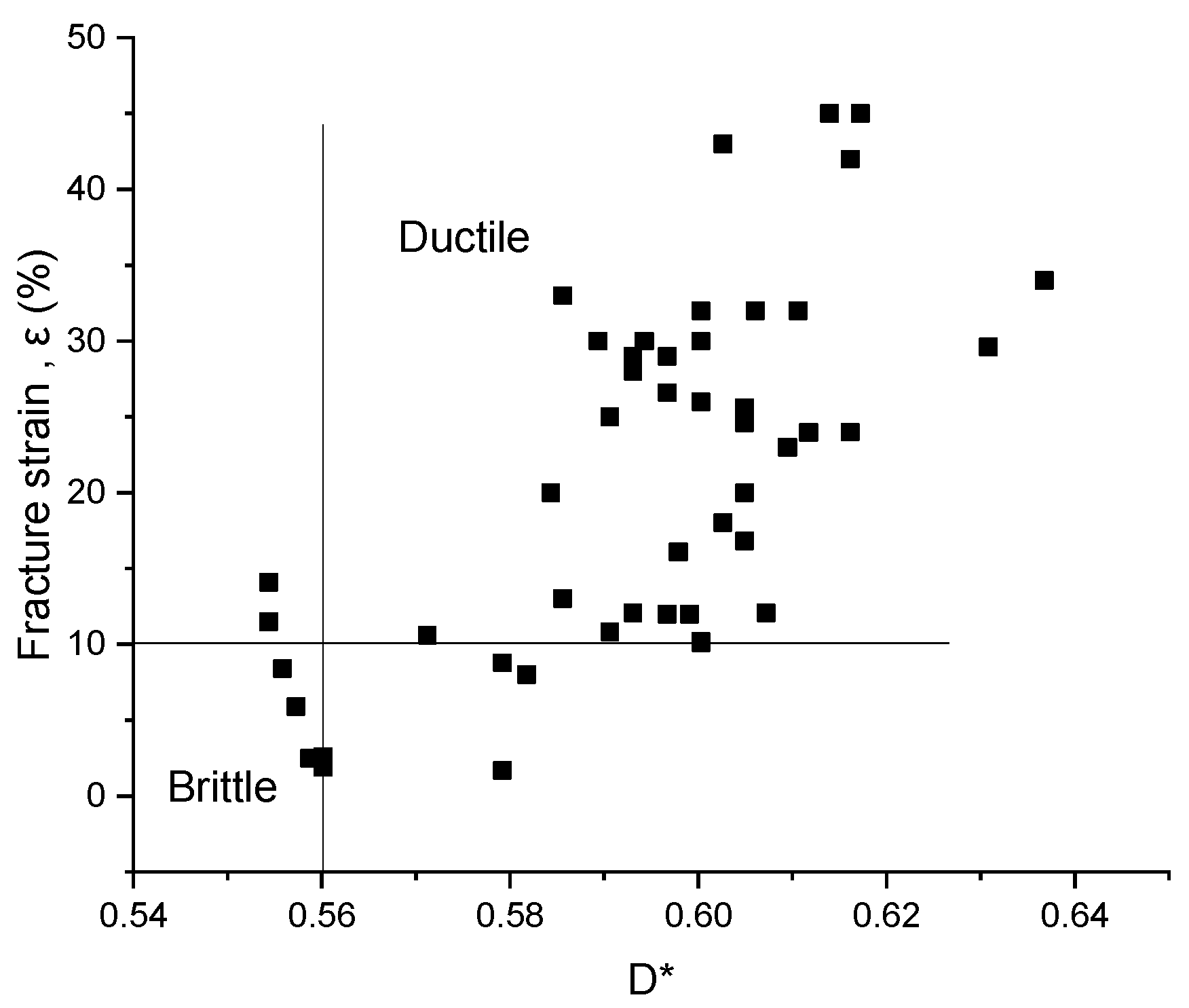
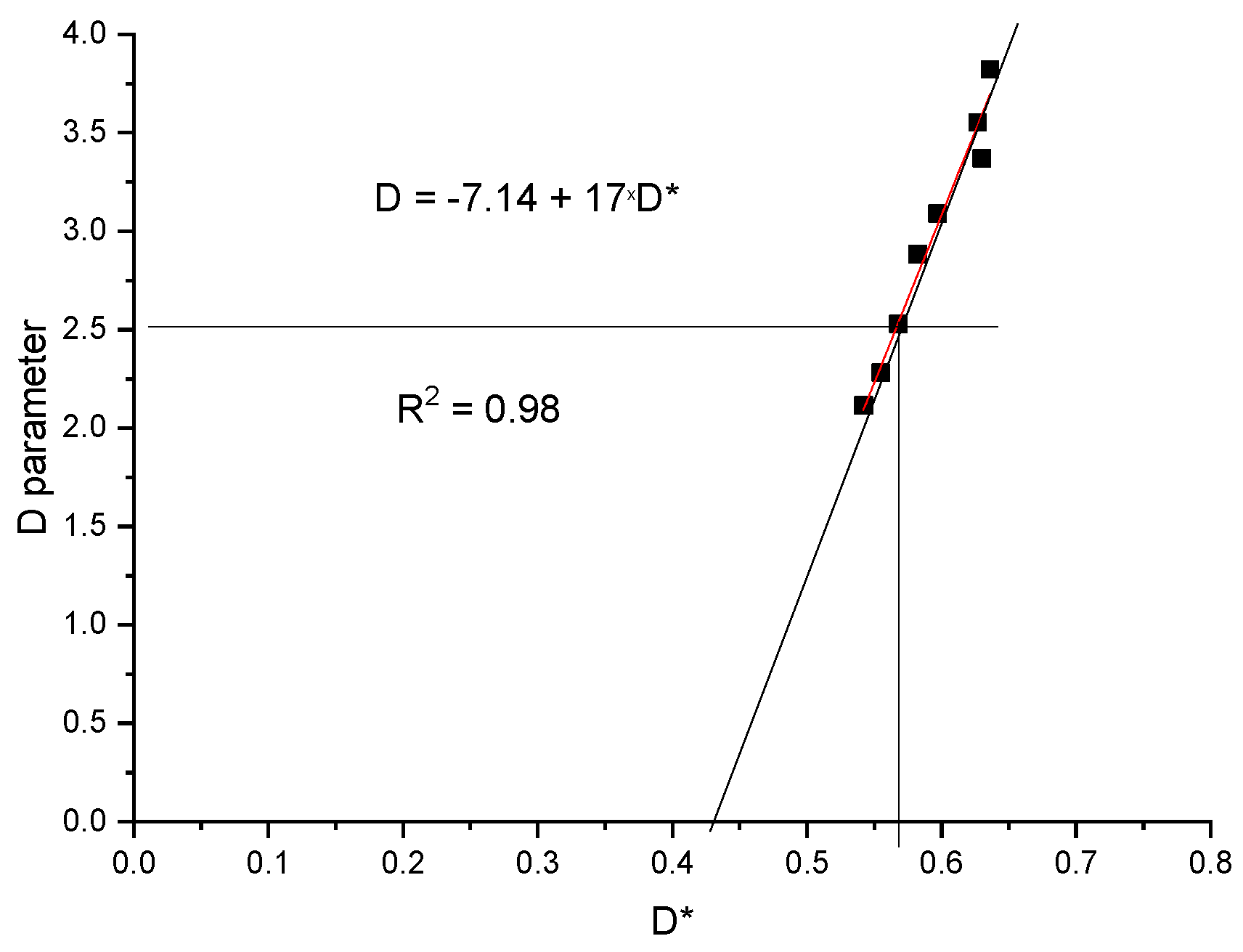
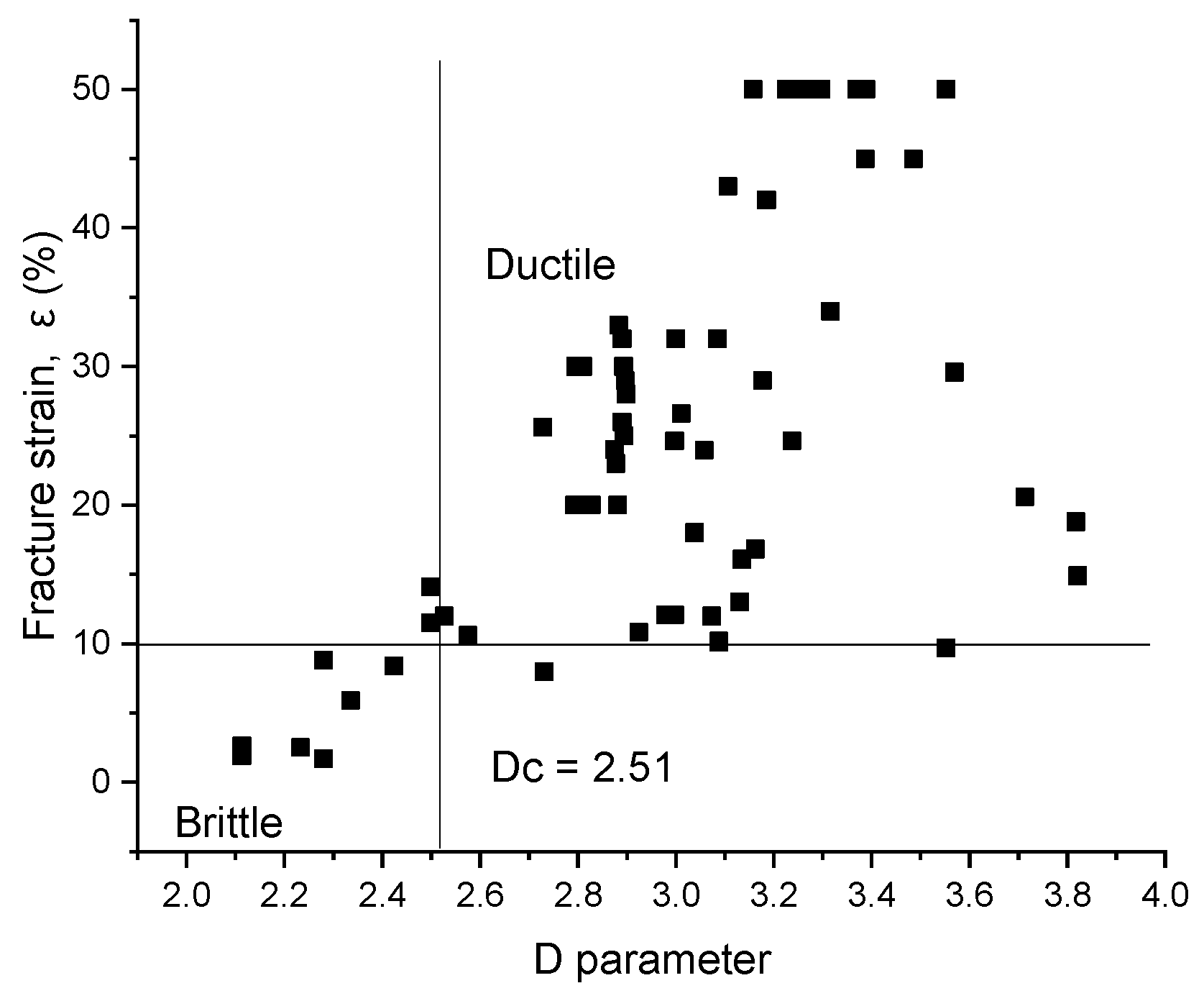
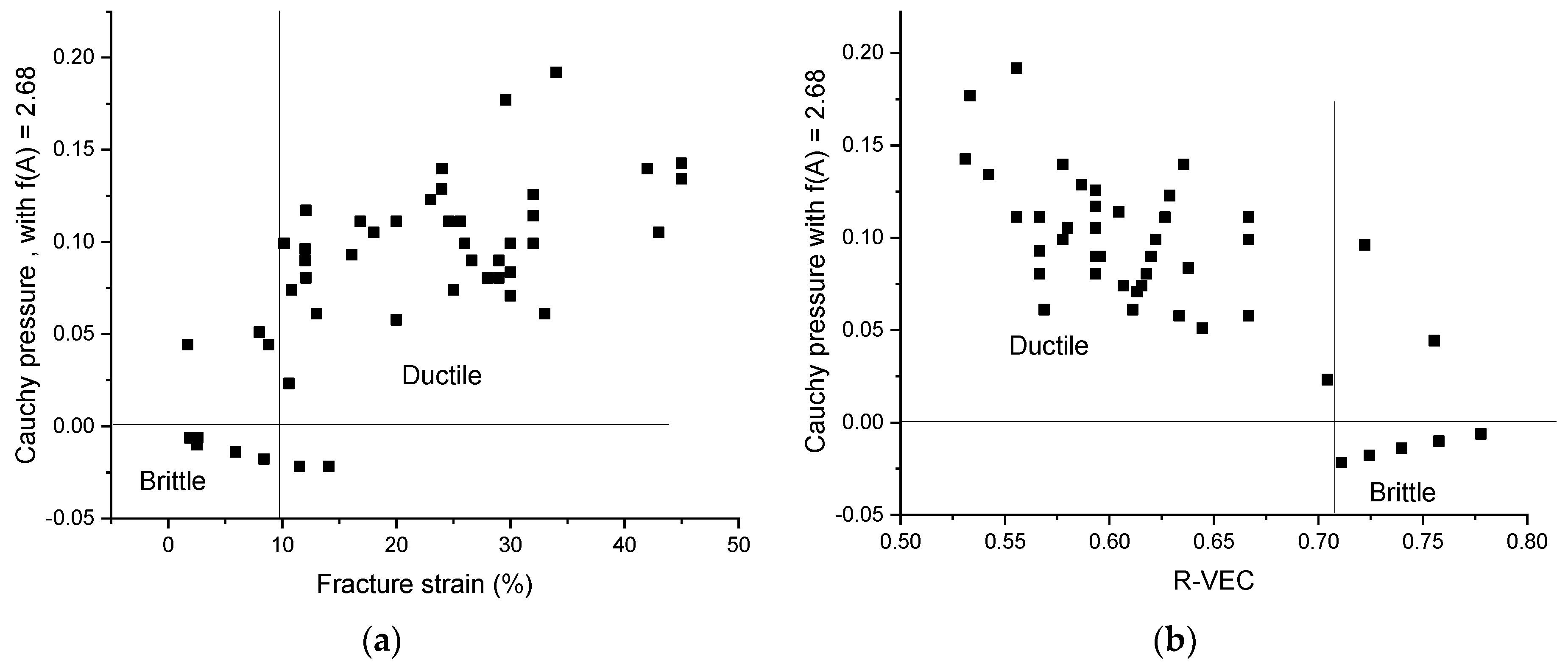
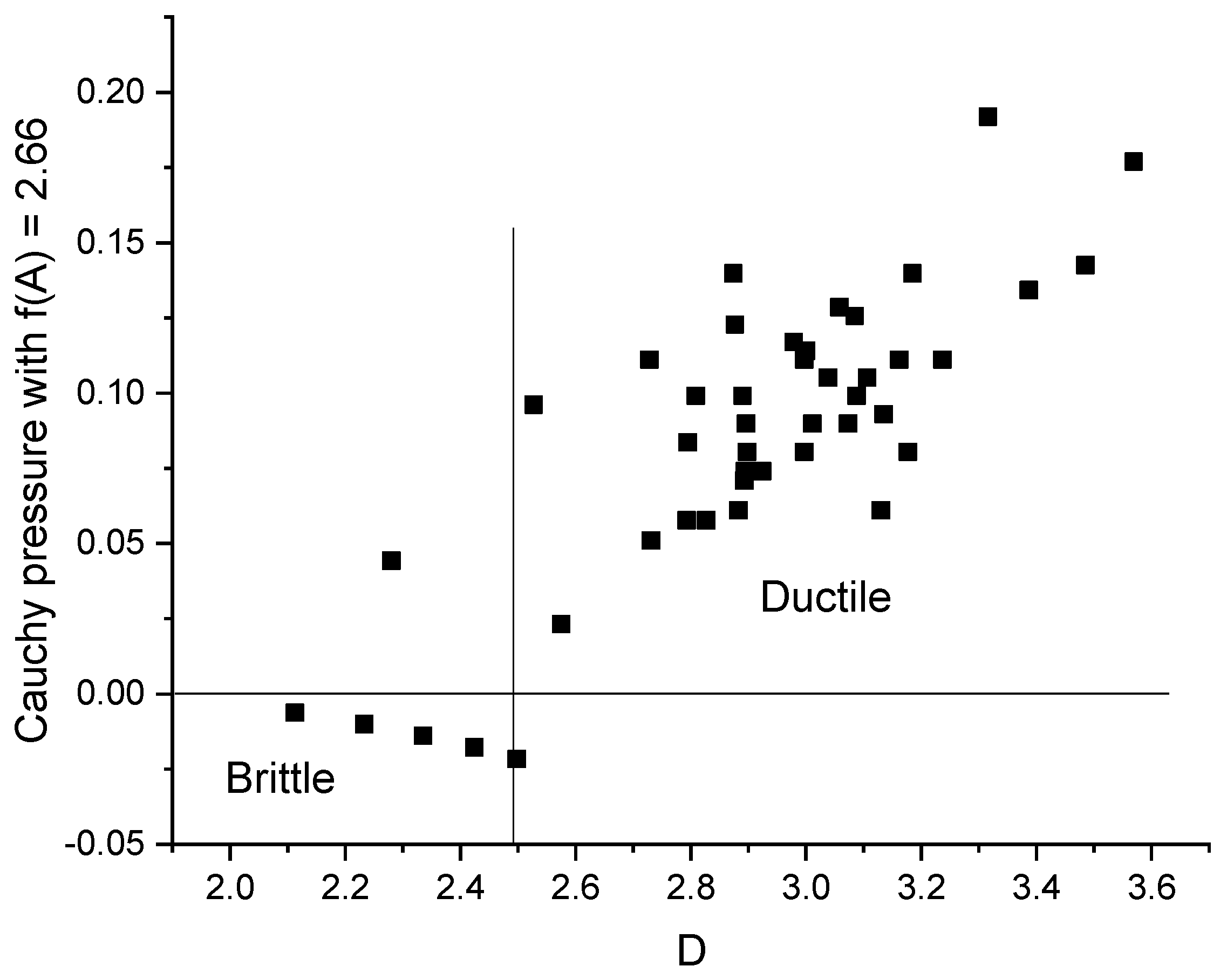
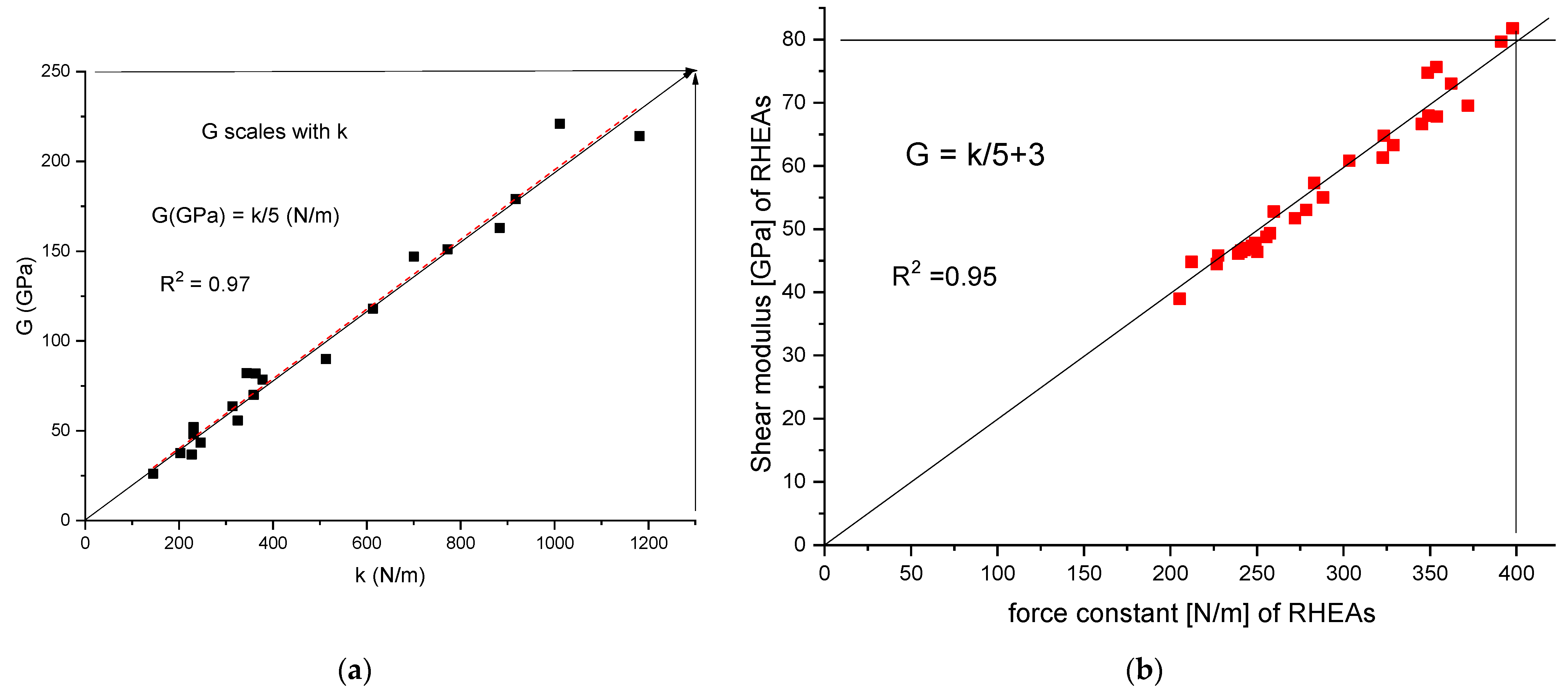
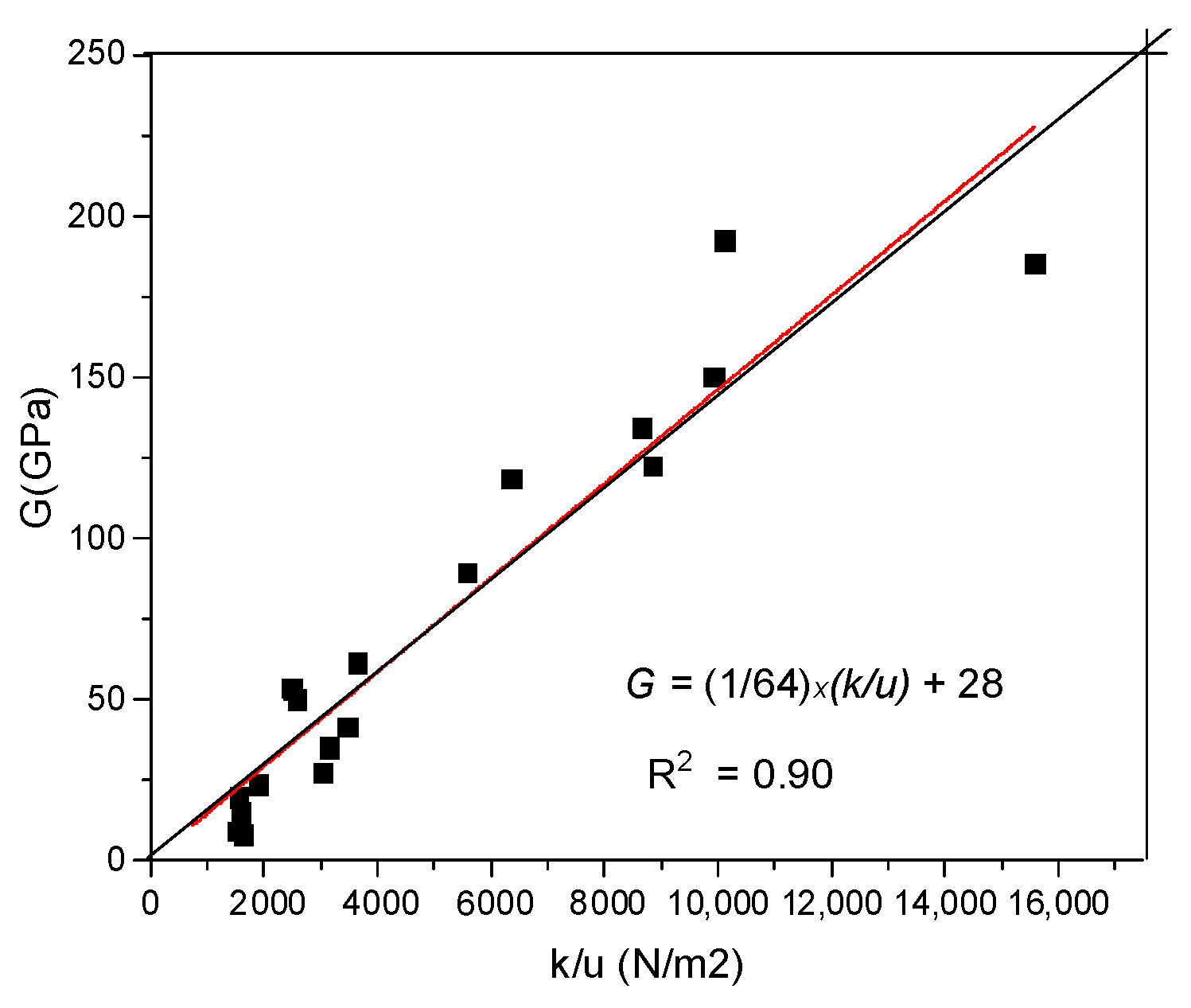
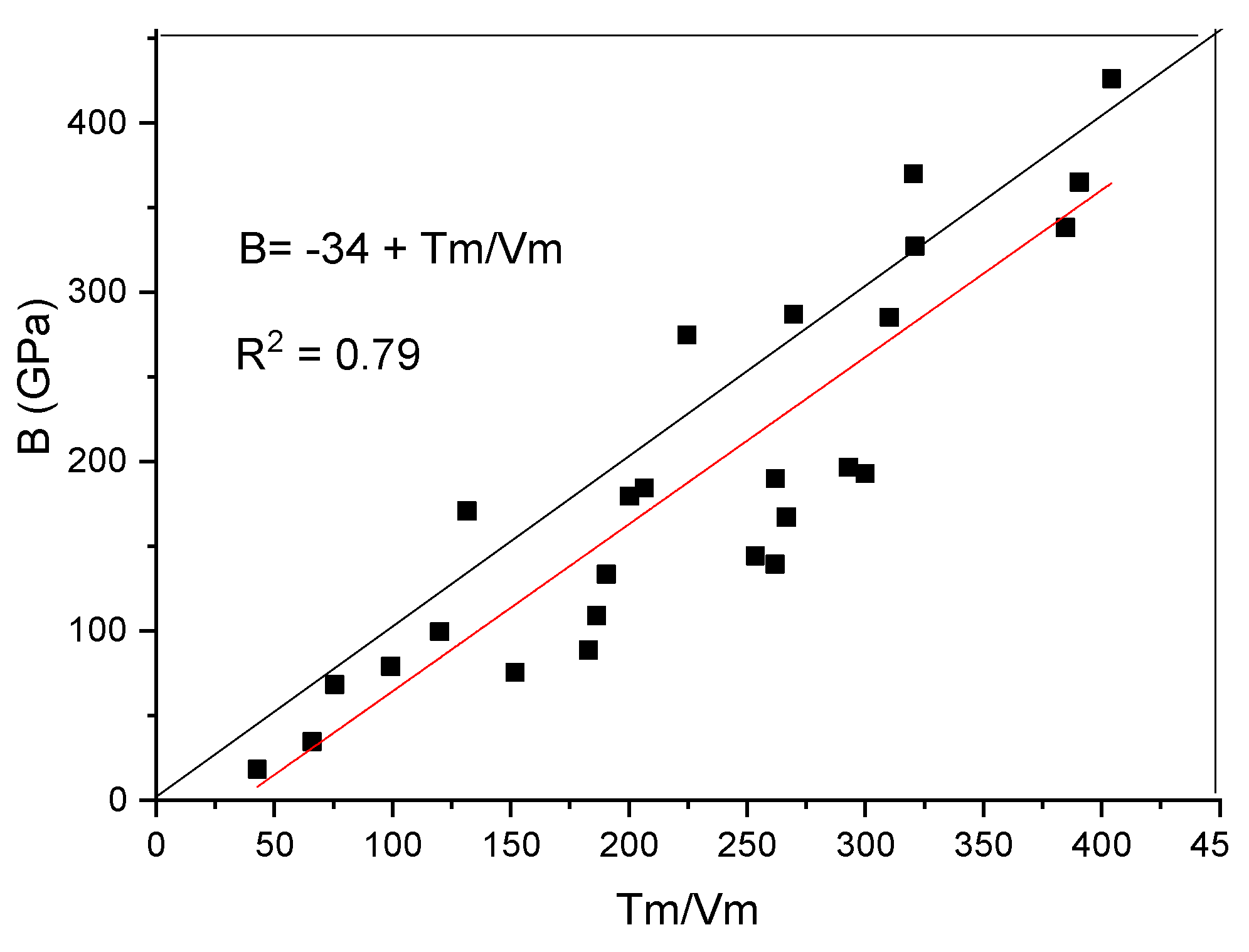
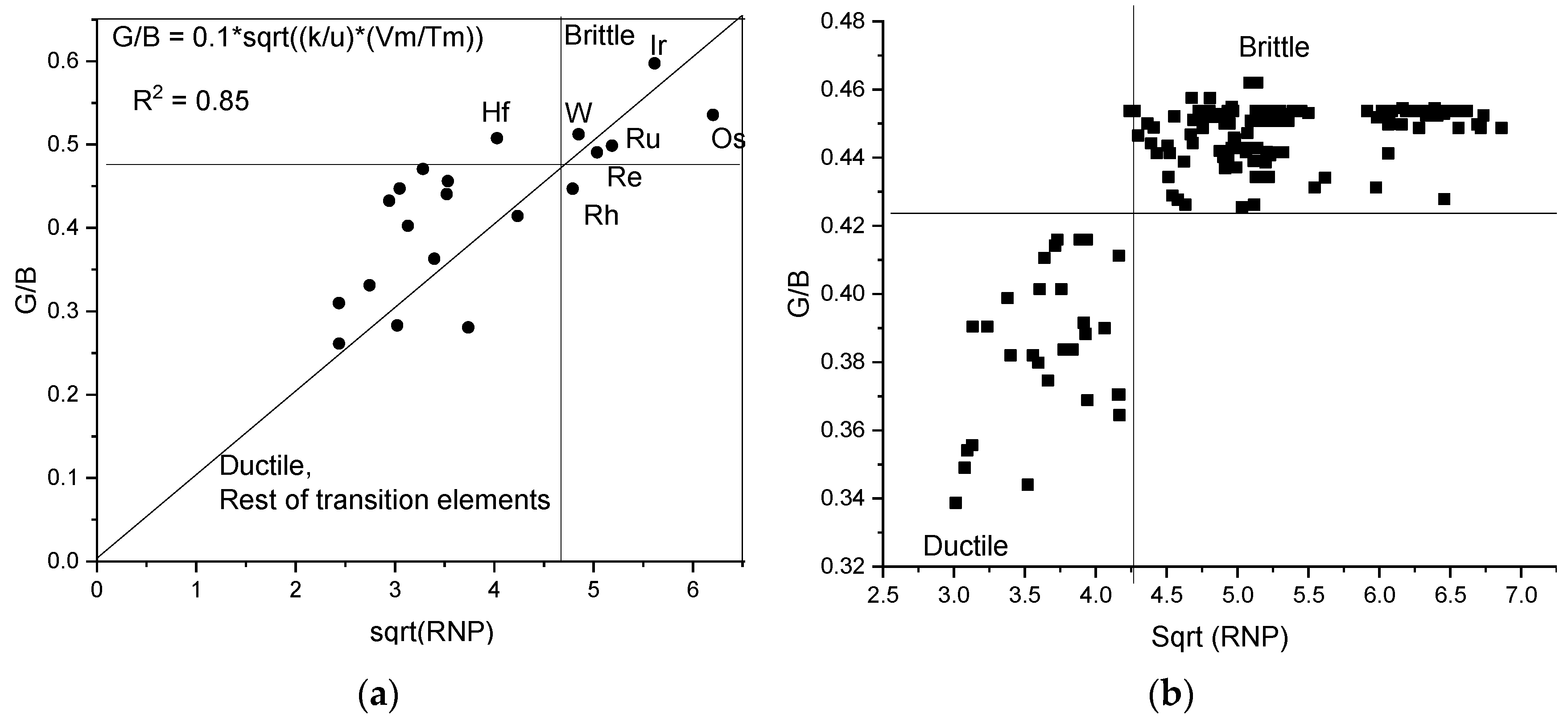
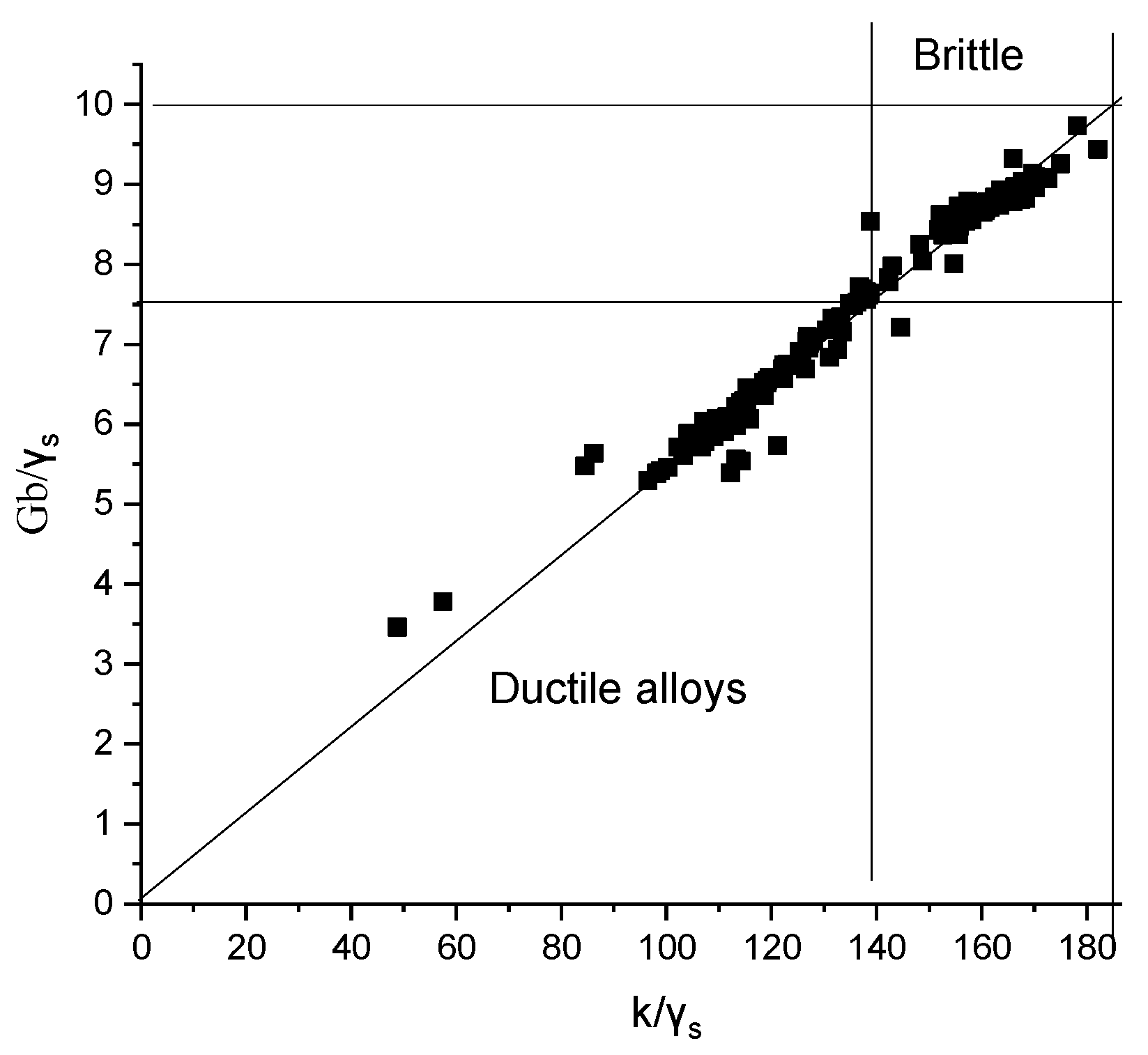
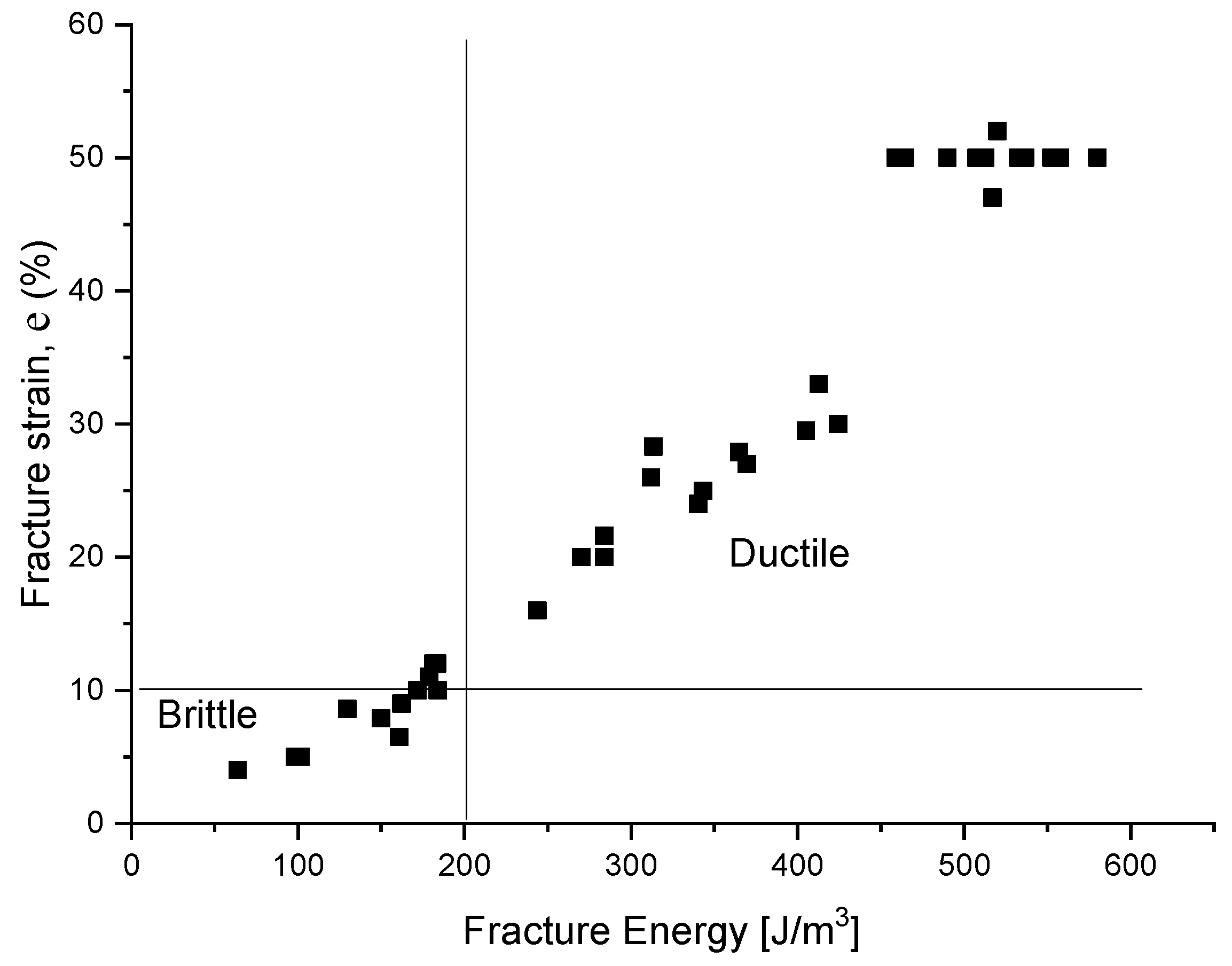
The big advantage of refractory high entropy alloys (RHEAs) is their strength at high temperatures, but their big disadvantage is their brittleness at room temperature, which prevents their machining. There is a great need to classify the alloys in terms of brittle-ductile (B-D) properties, with easily obtainable ductility indices (DIs) ready to help design these refractory alloys. Usually, the DIs are checked by representing them as a function of fraction strain, ε. The critical values of DI and ε divide the DI—ε area into four squares. In the case of a successful DI, the points representing the alloys are located in the two diagonal opposite squares, well separating the alloys with (B-D) properties. However, due to the scatter of the data, the B-D separation is not perfect, and it is difficult to establish the critical value of DI. In this paper, we solve this problem by replacing the fracture strain parameter with new DIs that scale with the old DIs. These new DIs are based on the force constant and amplitude of thermal vibration around the Debye temperature. All of them are easily available and can be calculated from tabulated data.
Keywords: ductility; elastic anisotropy; Pugh and Cauchy criteria; refractory high entropy alloys ductility; elastic anisotropy; Pugh and Cauchy criteria; refractory high entropy alloys